Tropical medicine and Travel medicine: study assistance, study summaries and student internships abroad

from improving study skills to studying abroad and job openings to personal experiences

Image

Image

PAGE LAYOUT

Tropical medicine and Travel medicine

INTRO   SUMMARIES AND STUDY ASSISTANCE   ACTIVITIES AND TIPS   ORGANIZATIONS   SPOTLIGHT   SEARCH

PAGE INTRO

Table of contents:

Tropical medicine and Travel medicine: study and knowledge
  • What is tropical medicine and travel medicine?
  • Why study tropical medicine, and where is the best place to study, intern, or work abroad?
  • Why study travel medicine, and where is the best place to study, intern, or work abroad?
Tropical medicine and Travel medicine: summaries and study assistance
  • What are the best textbooks for medicine and health care summarized?
  • What are the best scientific articles for medicine and health care summarized?
  • Infectious diseases and tropical diseases: questions and answers about prevention and treatment
Tropical medicine and Travel medicine: summaries per related study field
Tropical medicine and Travel medicine: study and work skills
  • How to improve your study skills in the field of tropical medicine and travel medicine?
  • Which skills are related to the field of tropical medicine and travel medicine?
Tropical medicine and Travel medicine: study abroad, intern abroad, and work abroad
  • Which activities, internships, and vacancies abroad are related to the field of tropical medicine and travel medicine?
  • Which organizations offer internships and activities in the field of tropical medicine and travel medicine?
Tropical medicine and Travel medicine: shared experiences
  • What are the related spotlight blogs and contributions of other WorldSupporters?
Tropical medicine and Travel medicine: shared content
  • All shared content related to tropical medicine and travel medicine: jobs, tips, summaries, organizations, and blogs
  • Search all shared content

Image

What is tropical medicine, why would you study it, and where is the best place to study, intern or work abroad?

What is tropical medicine, why would you study it, and where is the best place to study, intern or work abroad?

What is tropical medicine?

  • Tropical medicine is the medical field concerned with diseases and health conditions that occur frequently or have particular importance in tropical and subtropical regions.
  • It examines infectious diseases, parasites, vectors, environmental exposures, public-health conditions, travel-related risks, and interactions between disease and local healthcare systems.
  • The field provides a way of understanding, preventing, diagnosing, and treating health problems associated with tropical environments, international travel, migration, and changing patterns of disease.

What are the main reasons for being active in the field of tropical medicine?

  • Tropical medicine provides insight into infectious and parasitic diseases whose transmission is strongly influenced by climate, vectors, water, sanitation, living conditions, and local ecosystems.
  • The field connects individual patient care with public health questions involving disease surveillance, prevention, vaccination, vector control, sanitation, and community health.
  • Tropical medicine combines clinical reasoning with laboratory diagnostics, epidemiology, parasitology, microbiology, and knowledge of environmental and geographical risk factors.
  • The discipline is relevant to international travelers, migrant populations, humanitarian settings, global health programs, and healthcare systems in tropical and subtropical regions.
  • Patterns of infection cross national borders through travel, migration, trade, vectors, and environmental change, making international cooperation central to the field.

What skills do you need to participate in tropical medicine?

  • To analyze: tropical medicine requires interpreting symptoms, travel histories, laboratory results, epidemiological patterns, environmental exposures, and possible infectious or parasitic causes.
  • To be aware of your surroundings: disease risks vary with climate, water, sanitation, insects, animals, altitude, season, food systems, and local healthcare conditions.
  • To communicate: prevention advice, travel risks, treatment plans, diagnostic uncertainty, and public-health information need to be explained clearly to patients and communities.
  • To collaborate: tropical medicine often involves physicians, nurses, microbiologists, epidemiologists, public-health specialists, entomologists, laboratory scientists, and community organizations.
  • To act professionally: clinical and public-health work requires confidentiality, accurate documentation, appropriate infection control, ethical decision-making, and respect for local healthcare contexts.
  • To be flexible: available diagnostics, medicines, infrastructure, patient populations, environmental risks, and disease patterns can differ considerably between regions and healthcare settings.

What motivates people to study or work in tropical medicine?

  • Be and feel meaningful with a sense of purpose: tropical medicine can appeal to people interested in addressing infectious disease, prevention, healthcare access, and international public-health challenges.
  • Be and feel helpful: the field involves supporting people with infections, travel-related health problems, parasitic diseases, and other conditions requiring specialized knowledge.
  • Be and feel involved: tropical medicine connects clinical care with communities, epidemiology, prevention programs, travel health, and broader public-health systems.
  • Be and feel experienced: clinical placements, fieldwork, laboratory diagnostics, surveillance, and travel-health consultations connect theoretical knowledge with practical situations.
  • Be and feel connected: tropical diseases and travel-related risks reveal strong connections between countries, ecosystems, healthcare systems, migration patterns, and international mobility.

What are the best countries and locations to study, intern or work in tropical medicine?

  • Countries where malaria, parasitic diseases, vector-borne infections, and community health provide important tropical-medicine settings: Kenya, Ghana, South Africa, Tanzania.
  • Countries with diverse tropical infectious diseases, high population density, public-health programs, and varied clinical environments: India, Bangladesh, Thailand, Indonesia.
  • Countries where rainforest environments, mosquito-borne infections, parasitic diseases, and remote healthcare create distinctive research and clinical contexts: Brazil, Peru, Colombia.
  • Countries with specialist institutes, international-health research, travel-medicine services, and strong links between clinical medicine and global health: United Kingdom, the Netherlands, Switzerland, Germany.
  • Countries where tropical medicine intersects with travel health, regional infectious diseases, remote environments, and international mobility: Australia, Singapore, Philippines.

Where can you find work experience and vacancies for jobs, internships, and voluntary work in tropical medicine abroad?

What are things to consider when studying or working abroad in tropical medicine?

  • International tropical medicine experiences can include clinical placements, public-health programs, disease surveillance, laboratory research, community health, travel medicine, and field epidemiology: activities around and abroad
  • Preparation can involve vaccinations, malaria prevention, local disease risks, professional permissions, laboratory safety, cultural context, accommodation, emergency planning, and clinical responsibilities: preparation for successful travel and stay abroad
  • Insurance, healthcare arrangements, professional liability where relevant, medical evacuation, occupational exposure, and appropriate protection against infectious or environmental risks deserve careful consideration: insuring and taking care abroad

Further depth: what is tropical medicine as a discipline?

What are the main features of tropical medicine?

Tropical medicine examines diseases and health risks associated with tropical environments, combining clinical care, microbiology, parasitology, epidemiology, prevention, and knowledge of local ecological and social conditions.

  • Tropical infections: The field studies bacterial, viral, fungal, and parasitic diseases that occur frequently or present particular diagnostic and treatment challenges in tropical regions.
  • Environmental context: Temperature, rainfall, vectors, sanitation, water quality, housing, animal reservoirs, and land use can strongly influence patterns of disease transmission.
  • Clinical diversity: Patients may present with fever, diarrhea, skin conditions, anemia, neurological symptoms, respiratory illness, or other signs requiring broad differential diagnosis.
  • Public-health perspective: Prevention depends on surveillance, vaccination, sanitation, vector control, health education, early diagnosis, and coordinated responses to outbreaks.
  • International mobility: Travel and migration can introduce unfamiliar diseases into new healthcare settings and require clinicians to consider geography and exposure history during diagnosis.

What are important sub-areas of tropical medicine?

Tropical medicine includes specialist areas concerned with parasites, vectors, infectious disease, travelers, public health, and the interaction between environmental conditions and patterns of illness.

  • Parasitology: Protozoa, helminths, and other parasites are studied in relation to life cycles, transmission, host interactions, diagnosis, treatment, prevention, and geographical distribution.
  • Vector-borne diseases: Illnesses transmitted by mosquitoes, ticks, flies, and other vectors are examined through epidemiology, entomology, ecology, prevention, and clinical management.
  • Tropical infectious diseases: Viral, bacterial, fungal, and parasitic infections common in tropical settings are investigated through diagnosis, treatment, surveillance, and prevention.
  • Travel medicine: Health risks before, during, and after international travel are addressed through vaccination, malaria prevention, risk assessment, traveler advice, and post-travel evaluation.
  • Global and public health: Disease patterns are examined in relation to healthcare access, sanitation, vaccination, poverty, surveillance, prevention programs, and population-level interventions.
  • Tropical disease prevention: Vector control, safe water, sanitation, vaccination, prophylactic medication, protective behavior, and public-health education are used to reduce exposure and transmission.
......more on this page, or read on below >>
Access: 
Public
Infectious diseases and tropical diseases: questions and answers about prevention and treatment

Infectious diseases and tropical diseases: questions and answers about prevention and treatment

Content and selected contributions on prevention and treatment of infectious diseases related to international travel and tropical diseases

Bilharzia and schistosomiasis: what is it, how dangerous is it, how do you get it, and should you vaccinate?

Bilharzia and schistosomiasis: what is it, how dangerous is it, how do you get it, and should you vaccinate?

What is bilharzia or schistosomiasis?

  • Schistosomiasis is an infection caused by the parasitic worm schistosoma.
  • Schistosomiasis was formerly known as bilharzia or snail fever.
  • If untreated, schistosomiasis can be fatal due to damage to various organs.
  • The schistosoma flatworm is a parasite that lives in freshwater and enters the body through the skin.

Where does bilharzia or schistosomiasis occur?

  • Although the parasitic flatworm that causes schistosomiasis occurs in Latin America, the Middle East, and Asia, the risk of infection is by far the greatest in Africa.
  • The number of infections is particularly high in freshwater in tropical Africa.

What are the symptoms of bilharzia or schistosomiasis?

  • Ingress into the skin itself usually goes unnoticed; travelers' skin often reacts within a day with an itchy or red rash.
  • Only after a few weeks do more symptoms usually develop, such as fever, muscle aches, rash, shortness of breath, or an irritating cough.
  • When the parasites reach your bloodstream after two to eight weeks, an acute fever (Katayama fever) can occur as your body's immune response.
  • The list of nasty conditions grows rapidly if you don't intervene after the first round of symptoms. Depending on the location of the parasites, various organs, your nervous system, and your brain are affected.

What can you do to prevent bilharzia or schistosomiasis abroad?

  • Avoid contact with fresh surface water in areas where schistosomiasis is prevalent: do not swim or paddle. Make sure your shower water isn't pumped from open water.
  • Have you taken a dip? Dry off quickly to reduce the risk of infection.
  • The parasites cannot survive in chlorinated swimming pools.
  • There is no vaccine that can prevent schistosomiasis.

Can bilharzia or schistosomiasis be cured?

  • Yes, there are excellent treatments available for this parasite.
  • Medications only work on adult worms, so taking medication immediately after infection is pointless.
Chagas disease: what is it, how dangerous is it, how do you get it, and should you vaccinate?

Chagas disease: what is it, how dangerous is it, how do you get it, and should you vaccinate?

What is Chagas disease?

  • Chagas is a parasitic infectious disease that you can contract through a bite from curtain assassin bug species.
  • This assassin bug generally bites you on the face during the night, giving it the nickname 'kissing bug'. Through this bite, you can become infected with a single-celled parasite that causes Chagas disease. Infection does not occur directly through the bite, but mainly because you scratch the wound; in this way, you scratch the parasite into the wound.
  • Drinking cold beverages contaminated with the parasite (because assassin bug fluids or feces have gotten into them) is another source of infection.
  • The chance of infection is still rare, but the consequences are serious if you do not seek treatment at an early stage.
  • Chagas is also known as American sleeping sickness.

What are the symptoms of Chagas?

  • The first few weeks of the infection are the so-called acute phase. During this time, you have no symptoms or only very mild flu-like symptoms. These can consist of fever, body aches, skin rash, and swollen glands. These symptoms are a reaction to the high number of parasites circulating in the blood.
  • The symptoms improve later as the number of parasites in your bloodstream decreases. Sometimes the disease disappears completely, but it can also be the beginning of the chronic phase. The parasite is still in the body and can start causing real problems years later. Symptoms from the chronic phase can appear up to 20 years after the bite, particularly various heart complaints, such as heart failure and palpitations.
  • The bite of the assassin bug is not noticeable. It looks like any other insect bite, except that there is usually a cluster of bites in one spot. If you have a Chagas infection, a small hard spot may form at the site of the bite 1 or 2 weeks after the bite. These look red and swollen. Swelling of the upper and lower eyelids can also occur.
  • Whether Chagas disease is present is determined via a blood test.

What to do to prevent Chagas disease while traveling and abroad?

  • There is no vaccine available against Chagas.
  • Preventing the bite of the assassin bug or indirect infection is therefore central.
  • Use insect repellents containing DEET, a mosquito net, and insect-repellent clothing in areas where the assassin bug is present, especially in the evening and at night.
  • Avoid raw food and heat your food as thoroughly as possible. Good kitchen hygiene greatly reduces the chance of bug feces in your food.

What to do if you have contracted Chagas abroad?

  • You can be treated with antiparasitic medication in both the acute, initial phase of the disease and the chronic phase. In the chronic phase, complete recovery is often not possible.
  • In the case of vague fatigue and heart complaints years after a visit to Latin America, mentioning Chagas might put your doctor on a new track.
  • In the event of permanent heart damage following infection, heart medication is permanently necessary.

Where do you encounter Chagas disease abroad?

  • Chagas occurs primarily in large parts of Latin America and the south of North America.
  • Particularly when staying outdoors or sleeping in primitive conditions, you may share your sleeping place with these kissing bugs.
Chikungunya: what is it, how dangerous is it, how do you get it, and should you vaccinate?

Chikungunya: what is it, how dangerous is it, how do you get it, and should you vaccinate?

What is Chikungunya?

  • Chikungunya is a viral disease caused by mosquitoes that bite during the day.
  • The disease is currently spreading rapidly across tropical regions of the world.
  • In addition to areas around the Indian Ocean and Africa, the Caribbean has become a major infection area.

What are the symptoms of Chikungunya?

  • Besides high fever, rash, and headache, Chikungunya is particularly known for its severe and persistent joint pain.

What to do to prevent Chikungunya while traveling and abroad?

  • Preventing Chikungunya means avoiding being bitten by an infected mosquito.
  • If you live or work in a (sub)tropical area where Chikungunya occurs, try to avoid stagnant water in areas such as bowls, flowerpots, puddles, and car tires.
  • Read more about preventing mosquito bites in tropical areas

What to do if you get chikungunya abroad?

  • There are no vaccines for chikungunya.
  • The disease generally resolves on its own, but joint pain can sometimes persist for a long time after the fever has disappeared.
Cholera: what is it, how dangerous is it, how do you get it, and should you vaccinate?

Cholera: what is it, how dangerous is it, how do you get it, and should you vaccinate?

What is cholera?

  • Cholera is an intestinal infection caused by bacteria.
  • Contaminated water is often the source of the infection.
  • Infection often causes symptoms such as diarrhea and vomiting, which can eventually lead to dehydration. This makes the infection very insidious.

Where does cholera occur?

  • The cholera vaccination is no longer recommended for any entire country. This is because the infection rate and spread is rapidly declining.
  • Outbreaks are often regional in nature and often linked to war or other major disasters, such as floods.
  • However, in parts of Africa, a cholera stamp is still occasionally requested, especially during outbreak periods
  • The vaccination stamp is requested in exceptional cases at remote African border posts. This is a way local authorities try to generate some revenue

What are the symptoms of cholera?

  • In a large proportion of cases, an infection progresses without any real symptoms.
  • When symptoms do occur, they often include nausea, vomiting, abdominal pain, and sudden diarrhea.
  • The combination of these symptoms can cause patients to develop dehydration, even after 24 hours.
  • Dehydration is dangerous and must therefore be treated.
  • Symptoms of dehydration include a dry mouth, reduced tear production, sunken eyes, extreme fatigue, and a fishy odor in stool.

Can cholera be treated?

  • With proper treatment, the risk of death is minimal.
  • Treatment primarily consists of maintaining adequate fluid levels.
  • This can be done, for example, by administering fluids orally or through oral rehydration (ORS).
  • In the hospital, an IV may be used.
  • Finally, in some cases, antibiotics may also be necessary.

What can you do to prevent cholera infection abroad?

  • First and foremost: maintain good hygiene.
  • This means washing your hands after using the toilet and before eating, not drinking tap water, peeling fruit yourself, and cooking food thoroughly.
  • Eating shellfish is particularly risky.

Are there vaccinations against cholera?

  • Cholera vaccination isn't offered as part of standard travel vaccinations programs, since prevalence of cholera is absent in tourist areas under normal circumstances.
  • People traveling to or working in areas where cholera is endemic and where access to good health care is limited are generally advised to take the vaccination.
  • It is important to closely follow general preventive measures, as the vaccine offers on average about 60–80% protection.
  • In some destinations, repeated vaccination is recommended for traveling to or visiting locations without access to clean drinking water.
  • Once the cholera stamp is in your vaccination record, you never need to get a new one.
Dengue Fever: what is it, how dangerous is it, how do you get it, and should you vaccinate?

Dengue Fever: what is it, how dangerous is it, how do you get it, and should you vaccinate?

What is Dengue Fever?

  • Dengue fever is also called "breakbone fever" or just "dengue"
  • This virus is also transmitted by mosquitoes, particularly in densely populated areas of the (sub)tropics.
  • The dengue mosquitoes are mainly active during the day (so watch your ankles on buses, trains, and even airplanes) and mostly during the rainy season.
  • In the past, the virus was rare, but in recent years it has spread rapidly. The disease is becoming increasingly common among travelers.

What are the symptoms of dengue fever?

  • Sudden onset of high fever with chills - nausea, vomiting - severe headache - loss of appetite - sore throat - nosebleeds - bleeding gums
  • The fever can subside after a few days and then return later.
  • Some people experience fatigue and muscle aches.
  • Some people experience fatigue for weeks or even months.
  • On the other hand, the symptoms can also be so mild that they pass before you even realize you have them.

What can you do to prevent dengue fever abroad or while traveling?

  • If you are traveling to a dengue-risk area and are older than 4 years old, you can be vaccinated.
  • The most important thing you can do to prevent it is to avoid mosquito bites.
  • If you live or work in a (sub)tropical area where dengue fever occurs, try to avoid stagnant water in areas such as bowls, flowerpots, puddles, and car tires.
  • Use DEET and mosquito-repellent clothing to prevent bites.
  • Not only tropical but also subtropical countries are affected by dengue mosquitoes. So bring sufficient mosquito repellent for your travels to these destinations as well.
Can you get dengue a second time?
  • Yes, that is possible. The dengue virus exists in 4 variants, the so-called 'serotypes'. After infection with one of the variants, you are in principle protected for life against that specific variant, but not against the others.
  • If someone becomes infected repeatedly, that is, with a different virus variant, the course of the disease can be much more severe, even resulting in bleeding and shock.
  • Therefore, in the event of a second infection, you must be extra careful and seek medical help promptly.

What can you do if you get dengue fever?

  • The disease usually clears up on its own within a week.
  • Treatment is primarily focused on managing pain and fever, for example, with paracetamol. Do not use ibuprofen or other blood thinners to prevent bleeding.
  • Prevent dehydration by drinking enough.
  • If someone is repeatedly infected with the virus, it can be more serious, even causing bleeding and shock.
Hepatitis A: what is it, how dangerous is it, how do you get it, and should you vaccinate?

Hepatitis A: what is it, how dangerous is it, how do you get it, and should you vaccinate?

What is hepatitis A?

  • Hepatitis A is a contagious liver disease caused by the hepatitis A virus.
  • The virus enters the body through the throat after eating or drinking contaminated food and infects the stomach, intestines, and liver.
  • In some cases, the disease is life-threatening; it usually resolves on its own.

Where does hepatitis A occur?

  • Hepatitis A occurs worldwide, but mainly in developing regions such as Asia, Africa, and Latin America.
  • The risk of infection in North America, Australia, New Zealand, and Western Europe is minimal.
  • The disease frequently occurs in poor hygienic conditions. Undercooked or raw shellfish are relatively common sources of infection
  • Because it is a highly contagious disease, hepatitis A often occurs in areas where people live in close proximity.
  • The risk increases if you have frequent contact with the local population.

What are the symptoms of hepatitis A?

  • The virus responsible for hepatitis A ultimately causes inflammation of the liver.
  • Symptoms can appear two to six weeks after infection with the virus.
  • When the disease follows a typical course, fatigue and nausea often occur initially. This can then be followed by fever, abdominal pain (often in the upper right side), and a significant decrease in appetite. In the following period, the whites of the eyes may appear yellow (jaundice). In addition, urine often becomes darker and stools lighter.
  • Although the symptoms often subside after a few weeks, fatigue can often persist for a long time.
  • A hepatitis infection very often causes symptoms in adults (80-90% of cases). However, in infants and toddlers, the infection is often inconspicuous.
  • The older you get, the more severe the symptoms become. Especially in people over 50, there is a small chance that the disease can become life-threatening.

Can hepatitis A be treated?

  • A hepatitis A infection almost always resolves on its own.
  • Therefore, there are no medications that accelerate the healing process.
  • The most important remedy for the symptoms is rest. The body needs time to recover properly.
  • It's also important to realize that you are infectious to those around you for up to one week after the onset of jaundice. Therefore, avoiding public places at that time is recommended.

Are there vaccinations against hepatitis A?

  • A vaccine against hepatitis A has been developed that, depending on the brand, protects you against hepatitis A for one or three years.
  • It is recommended to get vaccinated at least two weeks before traveling.
  • If you get another vaccination within six to twelve months after the first vaccination, it has been shown that you will even be protected for 25 years.

What can you do to prevent hepatitis A abroad?

  • Because the hepatitis A virus is often spread in areas with poor hygiene, it is important to pay attention to personal hygiene.
  • Some advice therefore includes: washing hands, avoiding contaminated drinking and swimming water, and being careful when preparing food (washing and cooking).
Hepatitis B: what is it, how dangerous is it, how do you get it, and should you vaccinate?

Hepatitis B: what is it, how dangerous is it, how do you get it, and should you vaccinate?

What is hepatitis B?

  • Hepatitis B is a contagious liver infection caused by the hepatitis B virus.
  • The hepatitis B virus is transmitted from person to person through exposure to infected blood or bodily fluids containing blood.
  • Some possible routes of transmission include: blood transfusions, unprotected sexual contact, unsterile needles, from mother to child, etc. You also run a risk when getting tattoos, piercings, or going to the hairdresser.

Where does hepatitis B occur?

  • Hepatitis B occurs worldwide. Risk areas include: South and Central Africa, South and Southeast Asia, Canada, and Central America.
  • The risk is particularly high in places where there is frequent contact with bodily fluids, such as hospitals, in bed, and in tattoo shop.

What are the symptoms of hepatitis B?

  • Depending on the body's response to the virus and the degree of liver damage, various symptoms occur. Common complaints include fatigue, yellowing of the skin and whites of the eyes, nausea, decreased appetite, discoloration of urine and stool, and fever.
  • Some people experience a spontaneous resolution of the infection without serious symptoms.
  • In five to ten percent of people, a hepatitis B infection becomes chronic. This can happen (almost) completely unnoticed; you don't have to go through the acute phase first.
  • Ultimately, chronic hepatitis infection can lead to liver dysfunction and liver cancer.

Can hepatitis B be treated?

  • An acute hepatitis B infection usually resolves on its own.
  • A healthy lifestyle and a good diet usually contribute to a rapid recovery.
  • In rare cases, antiviral drugs are used for an acute infection.
  • A chronic infection is almost always treated with medication. The medication used varies from case to case. However, almost all medications often require long-term, if not lifelong, use.
  • Treatment is usually aimed at combating the virus, thereby eliminating it or at least drastically weakening it.

Are there vaccinations against hepatitis B?

  • There is a suitable vaccine against hepatitis B.
  • In several countries, certain professional groups are also vaccinated structurally. This primarily concerns people who are required to be vaccinated against hepatitis B, for example, as part of their education or work. Think, for example, of students or healthcare workers. But also people working for the police, fire department, laboratory technicians, etc.
  • Travelers are at certain risk for hepatitis B. Vaccination may not be necessary for short trips, but vaccination is recommended for stays longer than three months.
  • If a hepatitis B vaccination seems important to you, you can choose between two different vaccination programs. If you have your vaccinations well in advance and you are not leaving for a few months, you can opt for the lifelong vaccination. In that case, you will receive three injections at intervals of one and five months. A simple calculation shows that it is best to start the hepatitis B vaccinations seven months before departure. If you're leaving soon, you can choose the three-week program. You'll receive three injections over three weeks. However, the protection offered in this case is less than with the long-term program.

What else can you do to prevent hepatitis B abroad?

  • Because hepatitis B is transmitted through blood, semen, and vaginal fluids, it's important to be careful with things like sexual contact and working in health care.
  • Another form of transmission is through unsterile needles. So be careful with vaccinations abroad, as well as with getting tattoos or piercings during your trip.
Japanese encephalitis: what is it, how dangerous is it, how do you get it, and should you vaccinate?

Japanese encephalitis: what is it, how dangerous is it, how do you get it, and should you vaccinate?

What is Japanese encephalitis?

  • Japanese encephalitis is a form of encephalitis caused by a virus.
  • The disease is transmitted by mosquitoes. This specific mosquito species generally bites at dusk and at night.

Where does Japanese encephalitis occur?

  • Japanese encephalitis occurs primarily in Southeast Asia and the western Pacific region. From Japan and large parts of China to India and eastern Australia.
  • Infections occur in rural areas and on the outskirts of cities.
  • This is especially true in areas where pigs are kept in the fields. Pigs often serve as hosts for infected mosquitoes.
  • Another very typical location for infection is in rural areas near rice paddies.
  • Most travelers to Asia have little chance of infection. Those most at risk are those who spend extended periods in rural areas during a season when the disease occurs. The disease occurs predominantly in children under the age of ten.

What are the symptoms of Japanese encephalitis?

  • The vast majority of infected individuals ultimately develop no symptoms.
  • If symptoms do develop, they usually begin five to fifteen days after the mosquito bite.
  • Symptoms often include fever, headache, behavioral changes, and significant loss of strength.
  • In severe cases, symptoms of encephalitis and meningitis develop, with headache, vomiting, and eventually drowsiness, coma, and seizures.
  • Paralysis and respiratory problems can lead to death.

Can Japanese encephalitis be treated?

  • There is no known official treatment.
  • However, supportive therapy can lead to a milder course of the disease.

What to do to prevent Japanese encephalitis abroad?

  • Vaccination: The travel vaccine available in the Netherlands prevents outbreaks of Japanese encephalitis in 80 to 90 percent of cases. The vaccine's duration of action has not yet been definitively determined.
  • Prevent mosquito bites: Japanese encephalitis can be prevented by wearing long-sleeved clothing, using DEET or another effective mosquito repellent, and using a mosquito net. This is because mosquitoes are most active at dusk and at night.
Leishmaniasis: what is it, how dangerous is it, how do you get it, and should you vaccinate?

Leishmaniasis: what is it, how dangerous is it, how do you get it, and should you vaccinate?

What is Leishmaniasis?

  • Leishmaniasis is a parasitic infectious disease caused by a single-celled parasite.
  • These Leishmania parasites are transmitted through the bite of infected sandflies.
  • In rare cases, Leishmaniasis can be transmitted via humans, dogs, and rats, for example through blood-to-blood contact or blood transfusions.

Where does Leishmaniasis occur abroad?

  • The disease is quite common in tropical and subtropical areas, such as parts of South America, Africa, Southern Europe, and Southwest Asia.
  • In areas with severe poverty and malnutrition, the risk of leishmaniasis is higher.

What are the symptoms of Leishmaniasis?

  • The symptoms of leishmaniasis can vary depending on the type of infection. Characteristic symptoms include skin ulcers at the site of the bite and ulcers on internal organs.
  • Other symptoms include, for example, fever, weight loss, an enlarged liver or spleen, and general malaise.
  • On average, it takes two to six months for symptoms to become visible; sometimes this occurs after one or two weeks, and sometimes it takes years.

What to do if you have contracted Leishmaniasis abroad?

  • Leishmaniasis can be treated, but the effectiveness of the treatment depends on the Leishmania species involved, the type of symptoms, and the severity of the infection.
  • Early diagnosis and treatment are important to prevent far-reaching complications.
  • There is no vaccine against leishmaniasis.

How to prevent Leishmaniasis, and what to do against sandflies?

  1. Use insect repellents and wear protective clothing.
  2. Sleep under fine-mesh mosquito nets.
  3. Avoid beaches and places known for sandflies.
  4. Be careful during twilight and at night, as sandflies are active then.
Lyme disease: what is it, how dangerous is it, how do you get it, and should you vaccinate?

Lyme disease: what is it, how dangerous is it, how do you get it, and should you vaccinate?

What is Lyme disease?

  • Lyme disease, Lyme borreliosis, or Lyme disease is a bacterial disease caused by the bite of a tick.
  • The pathogenic bacterium in Lyme disease is Borrelia bacterium, which spreads through your body after the bite of the beet and can cause all sorts of unpleasant symptoms.
  • The tick carries the bacteria after biting an infected animal, such as a rodent or bird, in its most recent stage.

Where does Lyme disease occur?

  • Lyme disease occurs in North America, throughout Europe, and medium-sized parts of Asia.
  • The distribution of ticks, known as sheep ticks and deer ticks, partly determines the spread of the disease.
  • The names of these species are a bit confusing: small animals, pets, and people are also bitten by sheep ticks and deer ticks.

What are the symptoms of Lyme disease?

  • Lyme is a multi-headed monster and is difficult to diagnose with fixed symptoms.
  • The most common symptom seen shortly after eating beets is a red circle around the beets. Unfortunately, this only occurs in less than half of all infections.
  • Symptoms that also frequently occur in the first few days after infection include: fatigue, fever, swollen lymph nodes, and other flu-like symptoms.
  • If no treatment is given after the initial phase of the disease, or if the antibiotics are not (fully) effective, the symptoms worsen: severe headaches, arthritis-like joint pain, facial paralysis, and severe fatigue.
  • In some patients, the symptoms then become chronic.

How to prevent Lyme disease?

  • Prevent tick bites; see 'Ticks and Tick removers' for more information.
  • Remove the tick as soon as possible. The risk of Lyme infection is small in the first 24 hours.

Are there vaccinations against Lyme disease?

  • No, there is currently no vaccine available.
  • However, a vaccine for humans is expected to become available within a few years.

Can Lyme disease be treated?

  • Early treatment with antibiotics can prevent or cure Lyme disease in many cases.
  • However, because the Borrelia bacteria involved can disguise themselves and hide in the body, antibiotic treatment is not always effective.
  • The further the bacteria spread through your body, the less likely it is that antibiotics will kill all the bacteria.
Malaria: what is it, how dangerous is it, how do you get it, and how to prevent Malaria?

Malaria: what is it, how dangerous is it, how do you get it, and how to prevent Malaria?

Image

What are the facts and key points about malaria when traveling?

  1. Malaria remains one of the leading causes of death worldwide and occurs in (sub)tropical regions.
  2. Malaria is caused by parasites, plasmodia, which are transmitted from person to person through the bite of a female Anopheles mosquito (but also through blood transfusions and other "blood products"). These parasites multiply first in the liver and later in red blood cells.
  3. Not all forms of malaria are equally dangerous. Malaria tropica is the most common form of malaria and, generally, also the most serious. It is caused by the parasite Plasmodium falciparum. If properly treated, malaria tropica is completely curable. If this disease is not treated in time, death can occur within a few weeks. Depending on the time of diagnosis, in some cases, death can even occur within hours. Even the non-fatal forms of malaria are anything but pleasant to suffer from.
  4. Preventing mosquito bites significantly reduces the risk of malaria, and taking antimalarial pills reduces the risk even further.
  5. No antimalarial drug is completely protective. Therefore, the risk of contracting malaria even if you take the pills regularly remains.
  6. Malaria is becoming increasingly difficult to control because mosquitoes are becoming resistant to antimalarials and mosquito repellents.
  7. Malaria cases are most common among travelers and those staying abroad who do not take antimalarials or take the wrong pills.
  8. The most fatal cases of malaria among travelers occur due to misdiagnosis or late diagnosis.
  9. Malaria is particularly dangerous for children and pregnant women, who also have a significantly higher risk of being bitten by the malaria mosquito. Although some malaria tablets are harmless to pregnant women, it is still advised not to travel to malaria-carrying areas. The consequences of treatment once you have malaria can be risky for both the mother and the unborn child.
  10. The malaria mosquito no longer occurs above an altitude of approximately 2,500 meters.
  11. Within a country, there may be areas with different malaria advisories and risks.
  12. Malaria mosquitoes are primarily active in the evenings and at night. Especially between 2 a.m. and early morning, the "malaria and dengue mosquitoes" are on the warpath, so be careful when using the toilet at night. For precautions, see: Protection against insects, mosquitoes, and spiders abroad.
  13. When taking malaria tablets, be aware that if you vomit within one hour of taking them, you should take another dose.
  14. Don't panic, almost all travelers always return home safe and sound. Above all, take the necessary precautions and enjoy your trip!

What is Malaria Tropica?

  • Malaria Tropica is the "malignant" and most dangerous form of malaria. If left untreated, it can lead to death within a few weeks. Malaria Tropica is caused by the parasite Plasmodium falciparum. Fever attacks are erratic.
  • 99% of fatal malaria cases involve Malaria Tropica.
  • If you take the prescribed malaria tablets as directed, the risk of contracting Malaria Tropica is small. However, if you travel through resistant areas, you should be aware that you can still occasionally contract malaria!
  • Malaria Tropica is the most common form of malaria and can be contracted in tropical Africa, Southeast Asia, or Central and South America.

What is Malaria Tertiana?

  • Malaria Tertiana is a "benign" form of malaria and is caused by the parasite Plasmodium vivax and/or Plasmodium ovale. Fever attacks are characteristic, with peaks every 48 hours (2 days). These parasites can remain in the liver and cause a "delayed first attack" of malaria many months or even years later. Tertiana malaria is only prevented while taking the prophylaxis.
  • Tertiana malaria is mainly found in Southeast Asia, Central and South America, and Ethiopia.

What is quartana malaria?

  • Quartana malaria is no different from tertiana malaria, except that the characteristic fever attacks occur every 72 hours (3 days). Quartana malaria is caused by the parasite Plasmodium malariae and is not common.
  • Quartana malaria is currently completely prevented with effective malaria tablets.

What are the symptoms of a malaria attack, and what should you do?

  • Malaria can present as severe attacks of chills and fever, but also as flu-like symptoms with a headache without a clear fever. It usually begins with a fever, chills, muscle aches, and headache. These symptoms recur every few days if the infection is left untreated. This can include vomiting, diarrhea, coughing, and jaundice (yellow skin and whites of the eyes).
  • It is very important to know that the disease can spread very quickly, and various complications can arise, sometimes within 24 hours! Fever or "flu" that lasts longer than two days should be considered malaria until proven otherwise. If you suspect a malaria attack, have your blood tested for malaria parasites by a doctor or at a hospital. Appropriate treatment can then be given. Malaria is generally curable!
Note:
  • The parasite that causes Malaria tertiana can encyst itself in the liver, where it can remain in an inactive state for up to two years.
  • This form of malaria can therefore become active and cause symptoms long after returning home.
  • Therefore, be aware that if you experience periodic fever attacks (even after returning), this could indicate a malaria attack.

Where can you read more about malaria and malaria prevention?

More about malaria
  • Also see the websites of the World Health Organization, the Malaria Foundation International, or the Center for Disease Control and Prevention for the most up-to-date information on malaria and malaria prevention.
Preventing malaria
  • Preventing mosquito bites: malaria can be prevented primarily by wearing appropriate clothing, using DEET or another effective mosquito repellent, and using a mosquito net. This is because mosquitoes are most active at dusk and at night.
  • Taking malaria pills or vaccination: whether to take malaria pills, and if so, which ones, and which ones to take when traveling.
Meningitis: what is it, how dangerous is it, how do you get it, and should you vaccinate?

Meningitis: what is it, how dangerous is it, how do you get it, and should you vaccinate?

What is meningitis?

  • Meningitis is an inflammation of the meninges and, in some cases, an inflammation of the membranes surrounding the spinal cord.
  • The infection can be caused by bacteria, viruses, and, in some cases, fungi.
  • Viral meningitis generally does not cause serious symptoms.
  • Bacterial meningitis should be treated promptly due to significant health risks.
  • Meningitis as a traveler's disease usually refers to bacterial meningococcal meningitis, of which there are several variants, such as types A, B, C, W, and Y.

Where does meningitis occur?

  • Meningitis occurs worldwide
  • The risk of infection with meningococcal meningitis is highest in Sub-Saharan Africa, especially during the dry season, and to a lesser extent in Asia.
  • Meningitis can occur when large groups of people are crowded together under poor hygienic conditions, such as in a slum or during a pilgrimage. The risk of an epidemic is much higher in such cases. Be extra careful in such situations!

How is meningitis caused?

  • Bacterial meningitis is caused by bacteria in the nasal and pharyngeal cavities and sometimes in the gastrointestinal tract.
  • People who (un)knowingly carry the bacteria can infect others through saliva (sneezing, coughing, kissing, etc.).
  • The infection can also be transmitted through feces and/or poor hygiene when using the toilet.
  • In healthy people, an infection usually does not lead to illness. In this case, the bacteria are removed by our immune system after some time, and you do not become ill.
  • Sometimes the bacteria enter the bloodstream. In that case, we call it sepsis. From the blood, the bacteria can spread to the meninges, where they can eventually cause meningitis.

What are the symptoms of meningitis?

  • Meningitis can be accompanied by many different symptoms. The symptoms depend on the cause and the age of the person affected. Meningitis is also called neck spasm, which causes a person to have difficulty bending their head forward. This phenomenon occurs primarily with bacterial strains.
  • With meningitis, in addition to neck spasm, you often also feel flu-like. Common symptoms include high fever, severe headache, sore throat, vomiting, and muscle aches.
  • Loss of consciousness, loss of balance, photophobia, mild to moderate respiratory distress, convulsions, sepsis, encephalitis, bowel problems, and erectile dysfunction may also occur.

Can meningitis be treated?

  • A viral infection can often be treated with rest. In other cases, an antiviral course of medication can provide relief.
  • For a bacterial infection, a course of antibiotics is the treatment of choice. Hospitalization is often required, especially in children. In many cases, the antibiotic course is successful, and the symptoms gradually subside.

What can you do to prevent meningitis abroad?

  • Good hygiene initially reduces the risk of infection. Wash your hands thoroughly after using the toilet and before and after eating. Avoid contact with potentially infected people.
  • There are several forms of meningitis, such as type B and type C. Children have been vaccinated against type B since 1987 and against type C since 2002. Since 2018, types A, Y, and W135 have also been part of the national vaccination program.
  • If you have already been partially vaccinated, it may be wise to also be vaccinated against the other forms, depending on the length of your stay and where you are going.
  • For example, Saudi Arabia requires meningitis vaccination for pilgrims (Hajj and Umrah) and seasonal workers. You are expected to have received the vaccination at least 10 days before arrival.
  • In a large part of sub-Saharan Africa (Senegal to Ethiopia), it is also wise to be vaccinated against the meningitis bacteria during the dry season (November to June).
  • A meningitis vaccination consists of a single injection that is effective for three years.
Polio: what is it, how dangerous is it, how do you get it, and should you vaccinate?

Polio: what is it, how dangerous is it, how do you get it, and should you vaccinate?

What is polio?

  • Polio (also called poliomyelitis or infantile paralysis) is caused by the poliovirus. This virus can cause muscle paralysis.
  • The virus responsible for polio is excreted in the feces of infected people.

How do you get polio?

  • Infection occurs through water or food contaminated with feces.

Where does polio occur?

  • Polio occurs in regions with inadequate drinking water supplies and unsanitary conditions. These are regions in Africa, South America, and Asia.
  • Afghanistan and Pakistan are the only remaining polio-endemic countries in the world
  • Due to religious beliefs, vaccination is refused in countries such as Nigeria, Niger, Sudan, and Egypt. As a result, polio is becoming increasingly common in these countries.
  • Recent outbreaks in various Western countries have often been linked to communities with low vaccination rates.

What are the symptoms of polio?

  • Infection with this virus usually does not cause serious symptoms in 95% of cases.
  • About 5% of cases experience some general symptoms such as a sore throat, abdominal pain, or nausea.
  • Muscle paralysis occurs in less than 1% of infected people. However, if the muscle paralysis is chronic, permanent symptoms can develop, such as muscle weakness (for example, in the respiratory muscles) or deformities (especially in growing children).

How can you prevent polio?

  • Polio is linked to poor hygiene and/or contaminated food. So pay close attention to what you eat and drink.
  • Some measures may include: drinking only bottled or boiled water, avoiding raw vegetables, (raw) shellfish, crustaceans, or peeled fruit. Also, pay close attention to hygiene when using the toilet.

Is there a vaccination against polio, and what is the treatment?

  • There are two vaccines available that are commonly given to children worldwide. A travel vaccination against polio is only required if no polio vaccination was administered during childhood.
  • In the Netherlands, the DTP vaccination is most commonly administered. This combination vaccine provides very effective protection against diphtheria, tetanus, and polio. After a complete series, you are permanently vaccinated against polio. For diphtheria and tetanus, the treatment lasts for ten years.
  • There is no official treatment for polio. Medication often focuses on relieving symptoms, such as pain relief.
Rabies: what is it, how dangerous is it, how do you get it, and should you vaccinate?

Rabies: what is it, how dangerous is it, how do you get it, and should you vaccinate?

What is rabies?

  • Rabies is a viral infection of the brain, caused by lyssaviruses
  • The virus is usually transmitted through the bite of an animal (or human) infected with the rabies virus.
  • Animals that can transmit it include dogs, raccoons, monkeys, foxes, and bats.
  • Rabies is very dangerous and, if untreated, can be fatal.

Where does rabies occur?

  • Rabies occurs almost everywhere in the world.
  • However, there are areas where the risk of infection is higher, such as South Asia, particularly India, and parts of South America.
  • Be especially careful with stray dogs or aggressive guard dogs in rural areas. Working with wild animals also carries an increased risk of infection.

What causes rabies?

  • After a bite, it takes some time, depending on the location, for symptoms to appear.
  • The virus is transmitted through the saliva of infected animals. The virus can enter the body through wounds or mucous membranes.
  • The virus multiplies in the muscles and then travels through the nervous system to the brain.
  • The closer the bite is to the brain, the faster symptoms develop.
  • This time can vary from two weeks to several months.

What symptoms can you experience with rabies?

  • It usually begins with vague symptoms; nausea, headache, loss of appetite, a mild fever, and a sore throat are common.
  • The first symptoms appear between 20 and 90 days.
  • In later stages, these symptoms are followed by irritability, convulsions, and hypersensitivity to bright light and loud noises.
  • Ultimately, without early treatment, the disease is always fatal.

Are there vaccinations against rabies?

  • Vaccination is the primary means of preventing a fatal infection.
  • If you were vaccinated before a bite, you must receive additional, shorter treatment after the bite. You will then need two more regular vaccinations after the bite or scratch. These are usually available in the country where you contracted rabies.
  • If you were not vaccinated before a bite, you will need antibodies. These antibodies are difficult to obtain in some countries. If you are going to a specific volunteer project or a fixed location, check in advance whether they are available there.

What does a rabies vaccination cost?

  • In the EU, a rabies vaccination costs an average of 90 euros per shot. Vaccinations administered just under the skin can be less expensive; check with your vaccination doctor, as this is not possible for everyone.
  • Abroad, the price can vary considerably, from approximately 10 euros per shot in Thailand to 200 euros in the US.

How long is a rabies vaccination valid?

  • If you've only had one shot, it's generally valid for three years. If you're bitten, you'll need an additional shot with the antidote within 24 hours.
  • If you've had two or three shots, you have basic protection for life. If you're bitten, you'll need two additional shots within 48 hours, but not with the antidote. The antidote, in particular, isn't always available or of sufficient quality in many locations and countries.
  • Previously, the rabies vaccination was only valid for about three months, making it relatively expensive.

When should you get a rabies vaccination?

  • If you're going on a cycling holiday, a rabies vaccination is recommended because there's a higher risk of being bitten by dogs.
  • If you're going to a volunteer project with animals that can transmit rabies and there aren't enough vaccines or care facilities near the project site.
  • If you're traveling where there's a high risk of being scratched or bitten by an animal that can transmit rabies.
  • If you frequently travel where you might come into contact with rabies-carrying animals.

What can you do to prevent rabies abroad?

  • It's important to avoid being bitten, licked, or scratched by potentially infected mammals.
  • Petting stray dogs, for example, isn't exactly Russian roulette, but it comes pretty close in some destinations and locations. Petting pet monkeys can also be much more exciting than you might think. It's best to first check with the owner whether the animal in question has been vaccinated against rabies, and if that's not possible, try to keep your hands to yourself.
  • Avoid contact with injured or dead animals in any case.
  • If you are volunteering with dogs, monkeys or other rabies-sensitive animals, check with your organization to what extent the animals are vaccinated before you allow them to come very close to you.

How can you treat rabies?

  • If you have been bitten, always rinse the wound thoroughly with soap and water, or just with water, and then disinfect with iodine or 70% alcohol.
  • If you have been bitten by an animal suspected of being rabies-infected and there are no symptoms yet, it is important to get treated with the additional vaccinations within 48 hours. If you have not had any vaccinations beforehand, a 24-hour period is recommended.
  • Therefore, contact your travel insurance emergency center immediately for assistance as quickly as possible, and go directly to a local doctor or medical center if possible.
  • Once symptoms appear, treatment is virtually no longer possible, and the disease is almost always fatal.
  • Approximately 60,000 people die from rabies worldwide. A lot of attempts are currently being made, but an effective treatment has not yet been found.
Sexually Transmitted Disease: what is it, how can you prevent it, and what can you do about it?

Sexually Transmitted Disease: what is it, how can you prevent it, and what can you do about it?

What is an STD?

  • An STD (Sexually Transmitted Disease), STI (Sexually Transmitted Infection) or venereal disease, is an infection that can be transmitted from one person to another through sexual contact.
  • An STD can be a bacterial, viral, or parasitic infection.
  • Common STDs include chlamydia, gonorrhea, and syphilis.

How do you prevent an STD?

  • When traveling, you are far away from work or studies; you are free and happy and perhaps looking for an exotic adventure with someone of the opposite (or same) sex. You meet many new, interesting people and fall in love more easily. You might drink a little more than usual or use drugs more readily. It is easy then not to worry too much about safe sex. Remember, however, that you will have enormous regrets if you return home after your trip with an unwanted pregnancy, an STD, or HIV.
  • Sexually transmitted diseases such as gonorrhea, syphilis, and chlamydia occur all over the world. They can be transmitted through unprotected sex. It is important to know that symptoms of these diseases can sometimes be difficult to recognize in yourself and others. A condom offers protection against the sexually transmitted diseases listed above, as well as against AIDS and Hepatitis B.
  • A correctly used condom provides full protection against chlamydia, gonorrhea, HIV, and trichomonas. A condom offers only partial protection against genital warts (HPV), herpes, hepatitis B, syphilis, scabies, and pubic lice.
  • It is advisable to bring condoms from home. This ensures the quality and reliability of the condoms, as the correct size is not always available abroad.
  • Do not store condoms in direct sunlight, but in a cool, dark place such as in your backpack or suitcase (though not near sharp objects like scissors or a nail file). Pay attention to the expiration date and prevent the condom packaging from getting damaged. It will dry out and tear more easily. It is therefore wiser not to keep condoms loose in your pocket or wallet (unless you are going out for the evening). The pill, of course, offers no protection against sexually transmitted diseases.

What to do about Gonorrhea?

  • This condition is better known as "the clap." Infection occurs via the mucous membranes. These are located in the vagina and anus, on the penis, and in the mouth.
  • In women, there are few or no symptoms. Sometimes they experience increased discharge that may have an unpleasant odor and is yellow/greenish in color. Sometimes it also causes pain when urinating. In men, symptoms include pain during urination and purulent discharge.
  • If you think you have contracted Gonorrhea, go to a doctor or the hospital as soon as possible. If the condition is not treated in time, it can lead to a fallopian tube infection in women. This, in turn, can result in reduced fertility or an ectopic pregnancy.
  • In men, Gonorrhea can cause epididymitis. Gonorrhea is treated with one or more injections or pills. A check-up can take place after a short time, for example one or two weeks. During treatment, it is better not to have sex. This prevents you and your partner(s) from continuing to infect each other.

What to do about Syphilis?

  • This sexually transmitted disease is transmitted via the mucous membranes.
  • Two to twelve weeks after infection, a sore develops on the mucous membranes. This disappears on its own. Lymph nodes in the neck and groin may swell. After a few months, a rash develops on the torso, palms, and soles of the feet. This also disappears on its own.
  • However, that does not mean that the condition has disappeared. If you think you have syphilis, take action; go to a doctor or the hospital.
  • If syphilis is not treated or not treated adequately, there is a risk of damage to organs and the nervous system.

What to do about Chlamydia?

  • This is the most common STD. Chlamydia is caused by a bacterium that settles in the mucous membranes of the genitals. This can lead to inflammation of the urethra, the anus, and the cervix. With an infection in the anus, there are usually no symptoms.
  • Sometimes there is some bloody discharge, irritation, itching, and pain during bowel movements.
  • If Chlamydia is not treated, it can lead to inflammation of the fallopian tubes or the epididymis. It is therefore wise to consult a doctor if you think you have chlamydia.
  • If tests show that someone has chlamydia, a course of antibiotics is usually prescribed. It is best to refrain from having sex during the first week of the course; this can lead to reinfection.

What to do about Herpes?

  • Genital herpes is an STI (sexually transmitted infection) caused by a virus. The virus causes an infection of the skin and mucous membranes in and around the genitals. Infection with genital herpes can only occur through intimate sexual contact between individuals where one has herpes and the other does not.
  • If you have contracted a herpes infection, you may experience the first symptoms within about a week. Often, there is itching and an irritated, burning, and/or painful sensation. Red spots appear on the skin or mucous membranes. After one to one and a half days, blisters or sores become visible. Usually on or around the penis, the labia, the entrance to the vagina, or around the anus. Sometimes these symptoms also occur inside the vagina, on the cervix, or in the anus. In these cases, the blisters and sores are not easily visible. The severity of the symptoms varies from person to person. Initial attacks may be accompanied by pain, fever, swollen glands in the groin, and sometimes vaginal discharge. Women, in particular, often experience pain when urinating.
  • When the symptoms of the initial infection have disappeared, it may seem as if the herpes virus has vanished from the body. Unfortunately, that is not the case. The virus has actually retreated from the skin into a nerve ganglion. It remains present there in a dormant state. However, the virus can multiply again and cause blisters on the skin or mucous membranes once more.
  • There is no cure that completely eliminates the herpes virus from the body. Therefore, the virus can resurface repeatedly. Good physical and mental health contributes to a reduction in the number of attacks. If you think you have contracted herpes, see a doctor as soon as possible. Sex is not recommended during an attack. If you do have sex, at least use a (female) condom; that offers some protection.

What to do in case of AIDS?

  • The virus that causes AIDS (Human Immunodeficiency Virus - HIV) is transmitted through blood-to-blood contact or unprotected sex. The virus occurs all over the world and among all population groups. Therefore, using a condom during sexual intercourse is always recommended. For more information on which procedures you can and cannot safely perform, go to soaaids.nl/en.
  • Should you be traveling to areas where little or no medical care is available, you may consider taking a sterile kit containing needles and syringes, among other things. Any interventions would then not need to be performed using the instruments available on-site that may have been used previously and/or are not sterile.
  • A few countries ban all foreign HIV-positive people from entering a country. Others have no entry restrictions for tourists but require people to be HIV negative if they apply for a work or residence permit. Read more about HIV and travel and visa restrictions on aidsmap.com
Tetanus: what is it, how dangerous is it, how do you get it, and should you vaccinate?

Tetanus: what is it, how dangerous is it, how do you get it, and should you vaccinate?

What is tetanus?

  • Tetanus is a bacterial infection caused by a wound on your body. The bacteria release toxins, which can cause severe muscle spasms throughout the body.
  • If the respiratory muscles are also affected, the disease can be fatal.

How do you get tetanus?

  • The tetanus bacterium is found in street dirt, manure, feces, and soil. The bacteria enter the body through a wound or a bite from an infected animal (such as a dog).
  • You can become infected by stepping on a rusty nail, cutting yourself with a dirty knife, or being bitten by a dog or monkey.

Where does tetanus occur?

  • Tetanus occurs virtually everywhere in the world, including all western countries.
  • There is a particularly increased risk in countries with poor hygiene, as it is an infection caused by, among other things, street dirt and feces.

What are the symptoms of tetanus?

  • The disease often begins with muscle stiffness. This typically occurs in the jaws. The stiffness gradually spreads to the neck and arms, among other areas.
  • Over time, the stiffness is often accompanied by cramps. These cramps can be very severe, especially in the face and back.
  • Untreated tetanus is fatal.

How can you prevent tetanus?

  • Tetanus is contracted through open wounds. Open wounds are, of course, difficult to prevent while traveling, so treating them properly and keeping your tetanus vaccinations up-to-date is important.
  • When working with animals, preventing wounds is especially important, for example, by wearing sturdy shoes and protective clothing.
  • Avoid animal bites. So be careful with aggressive monkeys and dogs, but even that cute stray kitten can bite and scratch viciously and give you tetanus.

Are there vaccinations against tetanus, and what is the treatment?

  • In many (European) countries a combination vaccine is most commonly administered in the routine childhood vaccination schedule. This combination vaccine provides very effective protection against tetanus, and often also diphtheria and polio. After a full series, you are vaccinated for about ten years.
  • If you are not protected by a vaccine and you sustain a deep wound or are bitten by an animal, a tetanus shot is often recommended. This significantly reduces the risk of the tetanus bacteria making you sick.
  • A tetanus infection is often treated with antibiotics. Hospitalization is always necessary in this case. In addition to antibiotics to combat the bacteria, medication is often given for pain relief, sedation, and muscle relaxation.
Tick-borne encephalitis: what is it, how dangerous is it, how do you get it, and should you vaccinate?

Tick-borne encephalitis: what is it, how dangerous is it, how do you get it, and should you vaccinate?

What is tick-borne encephalitis?

  • Tick-borne encephalitis (TBE) is a brain inflammation caused by the tickborne encephalitis virus.
  • The virus is transmitted by ticks.
  • The disease is known by various names and has 3 sub-types
    • European or Western tick-borne encephalitis virus
    • Siberian tick-borne encephalitis virus
    • Far-Eastern tick-borne encephalitis virus, formely known as FSME, Russian spring summer encephalitis

How do you get tick-borne encephalitis?

  • An infected tick transmits the virus to you through a bite, which occurs within the first few minutes after the bite.
  • Removing the tick has no effect on the infection.

Where does tick-borne encephalitis occur?

  • The tick-borne encephalitis virus is found in large parts of Europe and Russia.
  • Ticks are mainly found in wooded areas and tall grass. The risk of a bite and subsequent infection is greatest from April to November.
  • Due to climate change the virus is slowly moving westward and northward

What are the symptoms of tick-borne encephalitis?

  • A large proportion of infected people do not become seriously ill. A minority develops encephalitis or meningitis, both serious, life-threatening illnesses. People over 50 are more likely to develop the severe variant.
  • One to three weeks after infection by a tick, you develop flu-like symptoms. In people with the more severe variant, the symptoms worsen with a high fever, stiff neck, and vomiting.
  • In cases of infection via raw milk, the first symptoms are noticeable after just a few days.

Can tick-borne encephalitis be treated?

  • Unfortunately, tick-borne encephalitis itself is not treatable.
  • Only the symptoms of encephalitis, such as a high fever, can be treated.

What to do to prevent tick-borne encephalitis abroad?

  • Avoid tick bites. Not only against tick-borne encephalitis but also against Lyme disease, for example.
  • Wear long clothing, wear your socks over your pants, and walk in the middle of paths. To enhance this effect, you can use tick-resistant socks or DEET.
  • After a nature walk or other outdoor activity, carefully check your body and clothing for ticks. A tick on your backpack or shoe can still bite you the next day!
  • Do not eat (products made from) raw milk in areas where the disease is prevalent.
  • Depending on the risk level of your destination and your activity (e.g., frequent nature walks), a vaccination may be recommended.

Is there a vaccination against tick-borne encephalitis?

  • An effective vaccine against tick-borne encephalitis is available for both children and adults.
  • You receive three injections over a period of usually six months, which protect you for three years.
  • Didn't start the first injection on time? A quicker injection with a less effective effect is also available. You can also get your third injection after returning home.
Tuberculosis: what is it, how dangerous is it, how do you get it, and should you vaccinate?

Tuberculosis: what is it, how dangerous is it, how do you get it, and should you vaccinate?

What is tuberculosis?

  • Tuberculosis is an infectious disease caused by the tuberculosis bacterium that invades the body and is also called TB.
  • Pulmonary tuberculosis involves an active focus of inflammation in the lungs. This is because an inhaled tuberculosis bacterium has settled in the lungs, causing inflammation. Sometimes cavities can develop in the lung tissue.
  • There are two forms of pulmonary tuberculosis: the infectious or the non-infectious form.

How do you get tuberculosis?

  • Coughing spreads the bacteria into the environment through small droplets.
  • If someone inhales these droplets, the bacteria can cause inflammation in the lungs.

Where does tuberculosis occur?

  • Tuberculosis occurs worldwide, with an increased risk in southern Asia and sub-Saharan Africa.
  • The risk of infection in North America, Australia, New Zealand, and Western Europe is minimal.

What are the symptoms of tuberculosis?

  • After being infected with tuberculosis, you can become ill anywhere from eight weeks to years later.
  • Most people who become infected with tuberculosis do not get sick. If you do, it usually happens within two years of infection.
  • Some common symptoms include fever, weight loss, difficulty breathing, fatigue, night sweats, and loss of appetite.

Can tuberculosis be treated?

  • Tuberculosis is easily treated with antibiotics.
  • If you are treated for tuberculosis, you will no longer be contagious two to three weeks after the onset.

What can you do to prevent tuberculosis abroad?

  • Tuberculosis is almost always spread through the air.
  • You can reduce the risk of infection by turning your face away when near people who are coughing.

Are there vaccinations against tuberculosis?

  • There is a vaccination against tuberculosis, called BCG. BCG cannot prevent tuberculosis, but it does reduce your risk of serious infections if you become infected.
  • The vaccination is not given to everyone as a standard procedure. Whether you need one depends on your destination, the length of your trip, and what you plan to do during your trip.
Tungiasis: what is it, how dangerous is it, how do you get it, and should you vaccinate?

Tungiasis: what is it, how dangerous is it, how do you get it, and should you vaccinate?

What is Tungiasis?

  • Tungiasis is a parasitic skin disease caused by the female sand flea, in which the flea burrows into your skin.
  • Usually around your feet, toes, and nail edges. The sand flea can also be found on hands, elbows, buttocks, and in the pubic area.
  • Tungiasis occurs in South and Central America, the Caribbean, Africa, Pakistan, and India.
  • Dogs, cats, pigs, and rats are the main carriers.

What can the consequences of Tungiasis be?

  • Tungiasis can cause a lot of pain and itching. You may also have difficulty walking, sleeping, and concentrating.
  • If you are not vaccinated against tetanus, you can also contract tetanus through tungiasis.
  • An untreated infestation by multiple fleas can lead to life-threatening infections.

What to do to prevent tungiasis when traveling and abroad?

What is the treatment for Tungiasis?

  • In all cases, remove the flea.
  • Clean with alcohol or ether, or soap if no alcohol is available.
  • Make the opening slightly larger with a sterile needle or tweezers.
  • Pry the flea out with the sterile needle or tweezers.
  • Clean the wound thoroughly and treat it with Betadine (iodine ointment) to prevent infections.
  • An alternative treatment with tea tree oil appears successful in killing the sand flea in the skin, but further scientific research is pending.
Typhoid fever: what is it, how dangerous is it, how do you get it, and should you vaccinate?

Typhoid fever: what is it, how dangerous is it, how do you get it, and should you vaccinate?

What is typhoid fever?

  • Typhoid fever is an intestinal infection caused by the Salmonella bacteria.
  • When the bacteria travel through the intestines into the lymphatic system, the rest of the body is often infected through the bloodstream. In this case, an infection can lead to life-threatening situations.

Where does typhoid fever occur?

  • Typhoid fever occurs primarily in (sub)tropical regions.
  • The risk of infection is highest in Asia, especially in Bangladesh, India, and Pakistan.
  • You are also at risk in Africa and the Caribbean.
  • The disease occurs primarily in poor hygienic conditions combined with a (sub)tropical climate. Consider regions with poor sewage systems, which can also contaminate drinking water.

What are the symptoms of typhoid fever?

  • After a typhoid infection, it can take up to two weeks before you experience any real symptoms.
  • If you become seriously ill, it can take several weeks to several months for the infection to clear.
  • Typhoid fever has a mild onset but can worsen over time. The most common symptoms are: rising fever, decreased appetite, headache, muscle aches, abdominal discomfort, and red spots on the skin. Initially, you often experience constipation and a dry cough, and in some cases, diarrhea with blood.
  • Aside from the usually severe symptoms in adults, the symptoms in young children are often much milder.

Can typhoid fever be treated?

  • With immediate treatment with antibiotics, more than 99% of all people treated recover. This usually involves a course of antibiotics lasting 4 to 6 weeks.
  • In some cases, even with treatment, recovery can take several weeks to several months.
  • The more advanced the disease, the lower the chance of recovery and the greater the risk of persistent symptoms.

Are there vaccinations against typhoid fever?

  • In countries where the risk of infection is increased, typhoid vaccination is recommended for stays longer than two weeks.
  • In areas where the risk is not significantly increased, but are in the danger zone, typhoid vaccination is recommended for stays longer than three months.
  • Approximately 70% of all vaccinated people are fully protected. If the vaccination is effective, you are protected for three years. Therefore, keep in mind that even with vaccination, you are not 100% certain of complete protection.
  • Therefore, vigilance is just as important as vaccination.

What else can you do to prevent typhoid abroad?

  • Typhoid is often transmitted through water or food contaminated with Salmonella bacteria. Good personal hygiene, as well as that of the people who prepare your food, is very important in preventing typhoid.
  • Travelers visiting areas where typhoid fever is prevalent are advised to minimize their consumption of raw leafy vegetables and other food served at room temperature.
  • Other recommendations and precautions include: drinking only bottled or boiled water, avoiding raw vegetables, raw shellfish, peeled fruit, or food with (many) flies on it. Food that is freshly prepared and then served hot or chilled is generally safe.
  • Also, pay close attention to hygiene when using the restroom.
West Nile Fever: what is it, how dangerous is it, how do you get it, and should you vaccinate?

West Nile Fever: what is it, how dangerous is it, how do you get it, and should you vaccinate?

What is West Nile Fever?

  • West Nile fever, or West Nile fever, is an infectious disease caused by the West Nile virus, which is transmitted by various mosquito species.
  • Although West Nile fever is usually relatively harmless, in some cases it can be a life-threatening illness.
  • The West Nile virus is common in birds and regularly jumps to horses and humans.
  • The West Nile virus is closely related to dengue, tick-borne encephalitis, and Zika, among others, and periodically causes severe local outbreaks.
  • The disease owes its name to the first cases in Uganda in the Nile region; however, the disease has since spread far beyond the Nile region.

Where is West Nile virus found?

  • The mosquitoes that can transmit West Nile virus are found worldwide, except for the far north.
  • The West Nile virus is currently mainly found in Africa, parts of Asia and North America, and around the Mediterranean. In recent years, more cases have been reported in Europe.
  • Climate change appears to play a significant role in the spread of West Nile virus in Europe and the US.
  • In Latin America and Australia, there are still very few human infections, but the virus is already present in birds. Mutations in the virus could cause a sudden outbreak there as well.

What are the symptoms of West Nile fever?

  • The first symptoms appear two to six days after infection with West Nile virus.
  • Some common symptoms in a mild case include: flu-like illness with fever, headache, muscle aches, sometimes abdominal discomfort, diarrhea, rash, and enlarged lymph nodes.
  • Approximately 80% of infected people experience no symptoms at all, around 20% experience mild symptoms, and less than 1% experience severe symptoms.
  • Severe symptoms include: severe neurological problems, such as encephalitis or meningitis. These symptoms can lead to a coma and even death.
  • Older or vulnerable people are at greater risk of a severe course of West Nile fever.

Can West Nile fever be treated?

  • Once infected, there is no treatment for West Nile virus.
  • The disease usually clears up on its own within a week.
  • Treatment focuses primarily on managing pain and fever, with medications such as paracetamol.
  • Prevent dehydration by drinking plenty of fluids. Seek immediate medical attention if you experience persistent high fever, severe headache, stiff neck, drowsiness, confusion, paralysis, or seizures.

Are there vaccinations against West Nile fever?

  • No, there is currently no vaccine for West Nile fever for humans; only a vaccine is available for horses.
  • Once you have overcome West Nile virus, whether or not you've been infected, as far as we know, you are protected against future infections.

How can you prevent West Nile fever?

  • Stay informed about local outbreaks, especially in Southern Europe and the US, where the virus only occurs periodically with local outbreaks.
  • Avoid being bitten by mosquitoes! In many areas where West Nile fever is prevalent, mosquitoes transmit several nasty diseases.
  • It is advisable to wear protective clothing that covers your arms and legs and to apply mosquito repellent containing DEET. Air conditioning and window screens also offer partial protection.
  • Sleeping under a mosquito net is recommended; the greatest risk of an infected mosquito bite is around sunset, in the evening, and around sunrise.
Yellow fever: what is it, how dangerous is it, how do you get it, and should you vaccinate?

Yellow fever: what is it, how dangerous is it, how do you get it, and should you vaccinate?

What is yellow fever?

  • Yellow fever is an infectious disease caused by a virus transmitted by mosquitoes.
  • The disease owes its name to the characteristic yellowish skin of sick people.
  • Some mosquitoes can cause the disease by biting human skin, transmitting it via the lymphatic system. This compromises the human immune system to the point of causing a life-threatening situation.

Where does yellow fever occur?

  • The mosquitoes that transmit yellow fever are primarily found in Africa and South America.
  • There is an increased risk in Africa from Sub-Saharan Africa to the Namibian-Mozambican border and in and around the Amazon region of South America.
  • The mosquitoes bite during the day and are mainly found in rural areas.
  • An epidemic can break out if an infected person travels to a densely populated area. However, the disease is not directly transmitted from person to person.

What are the symptoms of yellow fever?

  • The first symptoms appear three to six days after infection with the yellow fever virus.
  • Some common symptoms include: sudden fever, chills, headache, back pain, muscle aches all over the body, nausea, and vomiting.
  • The fever usually subsides within four to five days. During this time, symptoms such as pain behind the eyes, red eyes, muscle aches, joint pain, and facial redness typically occur.
  • After the initial phase, the disease appears to recover for a short time, but in some cases, a second fever attack follows, with the skin turning yellow. Bleeding, such as bleeding gums and blood in vomit and stool, may occur at this point.
  • In severe cases, the disease can lead to coma and death.

Can yellow fever be treated?

  • Once infected, there is no treatment for the yellow fever virus.
  • The only treatment is pain management and ensuring people stay cool and drink plenty of water.
  • Headaches are relieved with painkillers, and fever is controlled with antipyretics. In some cases, a blood transfusion is necessary.
  • In areas with high mosquito populations, patients are usually cared for under a mosquito net to prevent further spread of the infection by mosquitoes.

Are there vaccinations against yellow fever?

  • Yellow fever is easily prevented by vaccination with a safe and effective vaccine.
  • Officially, the vaccination is valid for 10 years. However, the protection provided by the yellow fever vaccination lasts much longer, likely lifelong.
  • People staying in or traveling to areas with a high risk of yellow fever are advised to get vaccinated.
  • A number of countries require the yellow fever vaccination. Yellow fever will be present in some countries, but in many cases, it is a preventative measure if you are traveling from a country where yellow fever is present.
  • When traveling to a country that requires vaccination, you must be vaccinated at least 10 days before arrival.

How can you prevent yellow fever?

  • Getting vaccinated is the most effective measure to prevent yellow fever.
  • Be careful not to get bitten by mosquitoes! In areas where yellow fever is prevalent, mosquitoes transmit several nasty diseases.
  • It is advisable to wear protective clothing that covers your arms and legs and to apply mosquito repellent containing DEET. Air conditioning and window screens also offer partial protection.
  • Outside of cities, it is important to bring mosquito nets or mosquito repellent.
Zika Fever: what is it, how dangerous is it, how do you get it, and should you vaccinate?

Zika Fever: what is it, how dangerous is it, how do you get it, and should you vaccinate?

What is Zika fever?

  • Zika fever is an infectious disease caused by a virus.
  • This infectious disease has many similarities with dengue fever.
  • The disease is transmitted by infected mosquitoes, which are primarily active during the day.
  • Outbreaks occur regularly in all tropical regions.
  • Zika fever is particularly dangerous for pregnant women because the virus can harm the unborn child. For other adults, it is primarily a "normal" and unpleasant illness.

What are the symptoms of the Zika virus?

  • The symptoms of Zika fever are usually mild and short-lived (2 to 7 days). Symptoms include fever, inflammation of the lining of the eye, temporary joint pain, and a rash.
  • The most dangerous aspect of the Zika virus is the birth defects that babies of infected mothers can develop.

What to do to prevent Zika abroad or while traveling?

  • There is no vaccine available yet, so preventing mosquito bites is the key to preventing the disease.
  • Stay informed about local outbreaks, especially during pregnancy.
  • If you live or work in a (sub)tropical area where Zika is present, try to avoid stagnant water in areas such as bowls, flowerpots, puddles, and car tires.
  • Use DEET and mosquito-repellent clothing to prevent bites.
  • Read more about DEET and pregnancy.

What to do if you get Zika?

  • The disease usually clears up on its own within a week.
  • Treatment focuses primarily on managing pain and fever, for example, with paracetamol.
Tropical medicine and Travel medicine
Image

Table of contents:

Tropical medicine and Travel medicine: study and knowledge
  • What is tropical medicine and travel medicine?
  • Why study tropical medicine, and where is the best place to study, intern, or work abroad?
  • Why study travel medicine, and where is the best place to study, intern, or work abroad?
Tropical medicine and Travel medicine: summaries and study assistance
  • What are the best textbooks for medicine and health care summarized?
  • What are the best scientific articles for medicine and health care summarized?
  • Infectious diseases and tropical diseases: questions and answers about prevention and treatment
Tropical medicine and Travel medicine: summaries per related study field
Tropical medicine and Travel medicine: study and work skills
  • How to improve your study skills in the field of tropical medicine and travel medicine?
  • Which skills are related to the field of tropical medicine and travel medicine?
Tropical medicine and Travel medicine: study abroad, intern abroad, and work abroad
  • Which activities, internships, and vacancies abroad are related to the field of tropical medicine and travel medicine?
  • Which organizations offer internships and activities in the field of tropical medicine and travel medicine?
Tropical medicine and Travel medicine: shared experiences
  • What are the related spotlight blogs and contributions of other WorldSupporters?
Tropical medicine and Travel medicine: shared content
  • All shared content related to tropical medicine and travel medicine: jobs, tips, summaries, organizations, and blogs
  • Search all shared content

Summaries & Study assistance

Summaries: the best textbooks for medicine and health care summarized

Summaries: the best textbooks for medicine and health care summarized

Summaries and study assistance for medicine and health care

What is this page about?

Where to go next?

What to read below?

  • Read on for the highlighted studies and pages
...more on this page, or read on below >>
Access: 
Public
Summaries: the best scientific articles for medicine and health care summarized

Summaries: the best scientific articles for medicine and health care summarized

Article summaries medicine and health care

What is this page about?

  • Type: summaries of scientific articles and academic papers
  • Language: English
  • Access: public

Where to go next?

Read ahead for the summaries per article

...more on this page, or read on below >>
Access: 
Public
Summaries: home page

Home page for the use of summaries on WorldSupporter

What is this page about?

  • Contents: information about using and finding summaries of study books, scientific articles, academic concepts and practice exams on WorldSupporter
  • Study areas: Business, Education, Health, Psychology, Law, Nature, Society and more
  • Languages: English, Dutch
  • Access: Public

Where to go next?

What to find below?

  • Summaries per study and study field
  • Summaries per type and form
    • How to use and find summaries, study notes en practice exams on JoHo WorldSupporter?
    • How and why would you use summaries?
    • Finding summaries practice exams on JoHo WorldSupporter
    • Quicklinks to fields of study for summaries and study assistance
  • Main theme pages for learn and study
  • FAQ: questions and answers about summaries
...more on this page, or read on below >>
Access: 
Public

Image

Skills & Competences

Related competences, skills and values
Study skills

Study skills

Study skills

To analyse

To analyse

To analyse

Discover or develop competencies, qualities, traits and signals

To be empathic

To be empathic

To be empathic

Discover or develop competencies, qualities, traits and signals

To be stress resistant
Skills: suggestions and summaries on academic skills

Suggestions and summaries of Worldsupporters on academic skill improvement


Book summary of Critical Thinking - Moore & Parker - 12th edition

Book summary of Critical Thinking - Moore & Parker - 12th edition

What is critical thinking? - Chapter 1

[TOC]

What is the importance of critical thinking?

For us humans, there is an importance in critical thinking because it aids us in making good decisions. Often we do not realise how irrational our decisions can be, and this is where critical thinking comes in. Critical thinking basically means thinking about our thinking. We make use of logic and reason to determine whether or not a claim is true, if the reasoning behind it is sound and if we can draw a correlation or connection. It is not necessarily about coming up with claim as much as evaluating the correctness of claims that have been made and try to form a proper conclusion.

To achieve this, we evaluate our thinking on the basis of rationality. When we understand how critical thinking works, we can use this knowledge to be critical in multiple subjects and situations in our daily lives. It is, however, important to understand that criticising other people’s claims and ideas does not mean that we want to attack other people, only that we are trying to find the logic in them. Also, criticising other people in not always a case of critical thinking. People can criticise in the most illogical and unreasonable ways, without considering whether or not their claims are true or their reasoning sound.

When we come to a conclusion at the end of a reasoning, we call that a belief. Beliefs are prepositional and can be either true or false. Beliefs can be compared to a judgement or an opinion. When a belief is stated in a declarative way, that is when we start calling it a claim or statement. Claims are things that we can think critically about.

What are important elements of critical thinking?

Within critical thinking, there are three important parts: claims, issues and arguments. These parts can be analysed once they have been determined in conversation or writing.

Claims

Claims are things that we write or declare, to bring across information. With claims we often deal with statements, opinions or beliefs. Claims can be true

.....read more
Access: 
Public
Glossary of Academic Skills for the Social and Psychological Sciences

Glossary of Academic Skills for the Social and Psychological Sciences

Chapter 1: Literature


Literature review A detailed overview of the significant literature available about your chosen topic, providing a discussion and critical evaluation, and using clear argument to contextualise and justify your research. (p. 4)

Peer review The process of evaluating an article by experts to ensure the article meets quality criteria before being accepted for publication. (p. 9)

Textbooks Written specifically for audiences such as students or professionals. Material usually presented in an ordered and relatively accessible form. Often draw on a wide range of sources including peer-reviewed academic journal articles. Useful, particularly as an introductory source to get an overview of your research topic and find out who are the recognised experts. (p. 10)

Peer-reviewed academic journal articles Provide detailed reports of research. Articles written by experts in the field and evaluated by other academics (peer reviewers) to assess quality and suitability. Pay rigorous attention to detail and verification of information. Usually contains extensive list of references. Before publication, have usually been revise in response to comments. This is the most useful type for your literature review. Not all academic journal articles are peer-reviewed. (p. 10)

Non-refereed academic journal articles Articles may provide detailed reports of research. Articles selected by an editor or editorial board with subject knowledge. Relevance and usefulness varies considerably. Beware of possible bias. (p. 10)

Professional and trade journal articles Articles written for members of professional or trade organisations, so related to their needs. Consist of a mix of news items and more detailed accounts of a practical nature. Articles rarely based on research, although some provide summaries of research. Can provide useful insights into practice, although may be biased. Need to be used with considerable caution. (p. 10)

Newspaper articles Articles written for members of public, most newspapers addressing a particular market segment. News presented is filtered dependent on events, priority being given to headline-grabbing stories that are likely to appeal to the readers. Good source of topical events and developments. May contain bias in reporting and coverage. (p. 10)

Conference proceedings Articles consist of selected papers presented at a conference, often published as a book or special edition of a journal. Usually peer-reviewed. Increasingly available online. Sometimes difficult to find. Very useful if the theme of the conference matches your research. (p. 10)

Reports Reports on specific topics written by academics and various organisations, including market research organisations and government departments. Beware of possible bias. May not have gone through same review process as peer-reviewed academic journal articles, but those from established organisations are often of high quality. Often difficult to access or expensive to purchase. Can be a useful source of information when

.....read more
Access: 
Public
Stats for students: Simple steps for passing your statistics courses

Stats for students: Simple steps for passing your statistics courses

Image

How to triumph over the theory of statistics (without understanding everything)?

Stats of students

  • The first years that you follow statistics, it is often a case of taking knowledge for granted and simply trying to pass the courses. Don't worry if you don't understand everything right away: in later years it will fall into place, and you will see the importance of the theory you had to know before.
  • The book you need to study may be difficult to understand at first. Be patient: later in your studies, the effort you put in now will pay off.
  • Be a Gestalt Scientist! In other words, recognize that the whole of statistics is greater than the sum of its parts. It is very easy to get hung up on nit-picking details and fail to see the forest because of the trees
  • Tip: Precise use of language is important in research. Try to reproduce the theory verbatim (i.e. learn by heart) where possible. With that, you don't have to understand it yet, you show that you've been working on it, you can't go wrong by using the wrong word and you practice for later reporting of research.
  • Tip: Keep study material, handouts, sheets, and other publications from your teacher for future reference.

How to score points with formulas of statistics (without learning them all)?

  • The direct relationship between data and results consists of mathematical formulas. These follow their own logic, are written in their own language, and can therefore be complex to comprehend.
  • If you don't understand the math behind statistics, you don't understand statistics. This does not have to be a problem, because statistics is an applied science from which you can also get excellent results without understanding. None of your teachers will understand all the statistical formulas.
  • Please note: you will probably have to know and understand a number of formulas, so that you can demonstrate that you know the principle of how statistics work. Which formulas you need to know differs from subject to subject and lecturer to lecturer, but in general these are relatively simple formulas that occur frequently, and your lecturer will likely tell you (often several times) that you should know this formula.
  • Tip: if you want to recognize statistical symbols, you can use: Recognizing commonly used statistical symbols
  • Tip: have fun with LaTeX! LaTeX code gives us a simple way to write out mathematical formulas and make them look professional. Play with LaTeX. With that, you can include used formulas in your own papers and you learn to understand how a formula is built up – which greatly benefits your understanding and remembering that formula. See also (in Dutch): How to create formulas like a pro on JoHo WorldSupporter?
  • Tip: Are you interested in a career in sciences or programming? Then take your formulas seriously and go through them again after your course.

How to practice your statistics (with minimal effort)?

How to select your data?

  • Your teacher will regularly use a dataset for lessons during the first years of your studying. It is instructive (and can be a lot of fun) to set up your own research for once with real data that is also used by other researchers.
  • Tip: scientific articles often indicate which datasets have been used for the research. There is a good chance that those datasets are valid. Sometimes there are also studies that determine which datasets are more valid for the topic you want to study than others. Make use of datasets other researchers point out.
  • Tip: Do you want an interesting research result? You can use the same method and question, but use an alternative dataset, and/or alternative variables, and/or alternative location, and/or alternative time span. This allows you to validate or falsify the results of earlier research.
  • Tip: for datasets you can look at Discovering datasets for statistical research

How to operationalize clearly and smartly?

  • For the operationalization, it is usually sufficient to indicate the following three things:
    • What is the concept you want to study?
    • Which variable does that concept represent?
    • Which indicators do you select for those variables?
  • It is smart to argue that a variable is valid, or why you choose that indicator.
  • For example, if you want to know whether someone is currently a father or mother (concept), you can search the variables for how many children the respondent has (variable) and then select on the indicators greater than 0, or is not 0 (indicators). Where possible, use the terms 'concept', 'variable', 'indicator' and 'valid' in your communication. For example, as follows: “The variable [variable name] is a valid measure of the concept [concept name] (if applicable: source). The value [description of the value] is an indicator of [what you want to measure].” (ie.: The variable "Number of children" is a valid measure of the concept of parenthood. A value greater than 0 is an indicator of whether someone is currently a father or mother.)

How to run analyses and draw your conclusions?

  • The choice of your analyses depends, among other things, on what your research goal is, which methods are often used in the existing literature, and practical issues and limitations.
  • The more you learn, the more independently you can choose research methods that suit your research goal. In the beginning, follow the lecturer – at the end of your studies you will have a toolbox with which you can vary in your research yourself.
  • Try to link up as much as possible with research methods that are used in the existing literature, because otherwise you could be comparing apples with oranges. Deviating can sometimes lead to interesting results, but discuss this with your teacher first.
  • For as long as you need, keep a step-by-step plan at hand on how you can best run your analysis and achieve results. For every analysis you run, there is a step-by-step explanation of how to perform it; if you do not find it in your study literature, it can often be found quickly on the internet.
  • Tip: Practice a lot with statistics, so that you can show results quickly. You cannot learn statistics by just reading about it.
  • Tip: The measurement level of the variables you use (ratio, interval, ordinal, nominal) largely determines the research method you can use. Show your audience that you recognize this.
  • Tip: conclusions from statistical analyses will never be certain, but at the most likely. There is usually a standard formulation for each research method with which you can express the conclusions from that analysis and at the same time indicate that it is not certain. Use that standard wording when communicating about results from your analysis.
  • Tip: see explanation for various analyses: Introduction to statistics
Study Guide for summaries with Academic Writing Skills by Van der Molen a.o.

Study Guide for summaries with Academic Writing Skills by Van der Molen a.o.

Study Guide with summaries and study assistance for:

  • Booktitle: Academic Writing Skills
  • Authors: Van der Molen; Ackermann; Osseweijer; Schmidt; van der Wal; de Boer; Polak
  • Edition: 3rd

Summaries expected September 24th

Access: 
Public
Summary of Writing Psychology Research Reports by Starreveld - 1st edition - Exclusive
Summary of What is this thing called Science by Chalmers: 4th edition

Summary of What is this thing called Science by Chalmers: 4th edition

Does knowledge consist of facts that have come from experience? - Chapter 1

What is the common sense view of science?

In the first four chapters of this book, the statement "science is derived from facts" is critically analyzed. Throughout the book, this statement's meaning changes slightly. Facts are statements about the world that can be sensed. Facts are neither personal opinions nor speculative ideas. If the world is perceived accurately and without prejudice, the facts that are established are, therefore, a reliable and objective basis for science. Scientific knowledge is reliable and objective if the facts guide conclusive reasoning to laws and theories that make up the basis for scientific knowledge. Before the 17th century, science was primarily based on authorities such as the Bible and Aristotle. Due to people like Galileo, this idea changed in the 17th century. People started to see observation as the basis of science.

Empirists (such as Berkeley, Locke, and Hume) and positivists held the idea that we can see facts as indisputably correct through observation. It follows from this reasoning that knowledge derived from this is objective and reliable. However, it is doubtful that science is based on observable facts. The problem that arises following the statement that science can be deduced from the facts relates to:

  1. The nature of the 'facts' and the way in which scientists have access to those facts;
  2. The way in which laws and theories can be derived from the facts, once we know those facts.

Some believe that facts are at the basis of science because they have the following assumptions:

  • Facts are directly accessible through the senses to all unbiased observers;
  • Facts precede the theory and are independent of it;
  • Facts are
.....read more
Access: 
Public
What is the study field and working area of professional skills in pedagogics?

What is the study field and working area of professional skills in pedagogics?

Professional skills in pedagogy encompass the knowledge, abilities, and attitudes that educators and educational professionals need to effectively work with children, young people, and adults. These skills are essential for guiding learning processes, creating safe and stimulating learning environments, and ensuring the optimal development of individuals.

What are the main features of professional skills in pedagogics?

  • Scientific Foundation: Skills are based on research in learning, development, and effective teaching practices.
  • Reflection and Critical Thinking: Educators can reflect on their practice, critically evaluate their work, and continuously develop their knowledge and skills.
  • Communication and Collaboration: Effective communication with students, parents, colleagues, and others is crucial. Collaboration is key to creating optimal learning environments.
  • Diversity Awareness: Recognizing and valuing differences, educators can work effectively with learners from diverse backgrounds, cultures, and needs.
  • Ethics and Professionalism: Educators act in accordance with ethical principles and professional codes of conduct.

What are the most important sub-areas of professional skills in pedagogics?

  • Instructional Science: Teaching skills, lesson planning, assessment methods, learning processes.
  • Developmental Psychology: Cognitive, social, emotional, and physical development of children and young people.
  • Educational Sciences: Educational styles, parental involvement, managing challenging behaviors.
  • Classroom Management: Creating safe and stimulating environments, classroom management techniques.
  • Special Education: Supporting learners with special educational needs.

What are the most important concepts of professional skills in pedagogics?

  • Learning: How people learn in different ways and how to optimize learning processes.
  • Development: The stages of physical, cognitive, social, and emotional development.
  • Education: The principles and practices of effective teaching.
  • Inclusion: Creating learning environments where all students feel welcome, valued, and challenged.

Who are the most influential figures of professional skills in pedagogics?

  • John Dewey: American philosopher and educator, advocated for experiential learning.
  • Jean Piaget: Swiss psychologist, known for his theory of cognitive development.
  • Lev Vygotsky: Russian psychologist, emphasized the role of social interaction in learning.
  • Paulo Freire: Brazilian educator, proponent of critical pedagogy.
  • Maria Montessori: Italian physician and educator, developer of the Montessori method.

Why is professional skills in pedagogics important?

Professional skills in pedagogy are crucial for:

  • Promoting the optimal development of children, young people, and adults.
  • Guiding effective learning processes.
  • Creating safe and stimulating learning environments.
  • Addressing diversity and inclusion.
  • Acting ethically and professionally.

What are applications of professional skills in pedagogics in practice?

Pedagogical professionals with strong skills work in diverse settings, including:

  • Schools: Teachers, lecturers, educational support staff.
  • Early Childhood Education: Educators, childcare providers.
  • Youth Work: Youth workers, youth coaches.
  • Special Education: Educational support staff, pedagogues.
  • Other Educational Settings: Trainers, instructional designers, curriculum developers.
Access: 
Public

Image

Study & Intern Abroad

Organizations: for providing healthcare and working in medical care abroad

Organizations: for providing healthcare and working in medical care abroad

Image

Activities, internships, paid work, services or volunteer work in healthcare

Providing healthcare and working in medical care abroad: by position

For job roles and duties related to activities, internships and jobs abroad, see:

Providing healthcare and working in medical care abroad: favorite countries and destinations

Working as a doctor or health care specialist abroad
Medical internships and medical work experience abroad
What is insurance for studying abroad, and why should you take out specialized travel insurance for your education abroad?

What is insurance for studying abroad?

  • Insurance for studying abroad means that you take out insurance that continues to provide coverage during your studies, your education, and your related activities abroad.
  • Insurance for studying abroad is also referred to as study insurance. This study insurance is specifically for when you go abroad for a long period of time to take courses, study, or conduct research abroad.

Why should you take out specialized travel insurance for a study abroad?

  • Study insurance is specifically designed for studying abroad, whereas regular travel insurance policies may offer coverage on paper but handle this situation differently in practice.
  • Study insurance offers coverage for longer stays than regular (vacation) travel insurance.
  • Study insurance is also suitable for many types of activities, ranging from various sports to hiking at high altitudes.
  • Study insurance continues to provide coverage if you start working during your trip, whether planned or unplanned. If you have not taken out insurance before departure that allows you to work, there is no guarantee that you will be able to take out insurance abroad that provides coverage.
  • Study insurance continues to provide coverage if your own country's health insurance no longer provides coverage.
  • Student insurance also covers your healthcare costs above the rates in your own country; with regular insurance, you have to pay the extra costs yourself.
  • Student insurance can also continue to provide coverage if (study) visa issuers impose additional requirements on how you insure yourself, for example if you are going to the US and applying for a J-1 visa.
  • Student insurance continues to provide coverage if you are staying abroad for a longer period of time and want to visit your own country in between.

What is important to insure when you are going to study abroad?

  • That you have insurance that is valid in the country or countries where you are going to travel and work.
  • That you are adequately insured for the sports and activities you are going to participate in during your period abroad
  • That you are insured for emergency assistance and early return if something happens to you or your immediate family.
  • That your medical expenses are insured up to the actual cost and not just for the standard costs. The costs per medical treatment vary greatly between countries.
  • That you insure your luggage and take sufficient precautions against theft or damage.
  • That you are well insured against personal liability.
  • That you are well insured in case of accidents.
  • That you only insure yourself for legal assistance if there is an immediate reason to do so, unless coverage is already automatically included in the insurance.
  • That you pay close attention to choosing the right coverage when performing work alongside your studies.

Check out more about international insurances

Image

Skills: suggestions, summaries and tips of Worldsupporters on values and skills improvement

Suggestions, summaries and tips of WorldSupporters related to competencies and skills improvement


What are the 13 conditions for balance and fulfillment in study, work and private life

What are the 13 conditions for balance and fulfillment in study, work and private life

Image

What are the 13 preconditions for balance and fulfillment in study, work and private life

  1. Help yourself by helping others
  2. Create perspective by opening new doors
  3. Don't give up but care about something
  4. Use your empathic skills
  5. Stay with yourself and leave that herd behind you
  6. Focus on your journey and not your destination
  7. Actively deal with your negative emotions
  8. Appreciate and celebrate your small successes
  9. Let others walk their own path
  10. Establish and maintain social contacts
  11. Feel unlimited and not limited
  12. Discover your qualities, take advantage of your opportunities and avoid cliffs
  13. Seek fulfillment in study, work, travel and the world around you

Signed en researched by

  • The JoHo WorldSupporter team


Glossary of Academic Skills for the Social and Psychological Sciences

Glossary of Academic Skills for the Social and Psychological Sciences

Chapter 1: Literature


Literature review A detailed overview of the significant literature available about your chosen topic, providing a discussion and critical evaluation, and using clear argument to contextualise and justify your research. (p. 4)

Peer review The process of evaluating an article by experts to ensure the article meets quality criteria before being accepted for publication. (p. 9)

Textbooks Written specifically for audiences such as students or professionals. Material usually presented in an ordered and relatively accessible form. Often draw on a wide range of sources including peer-reviewed academic journal articles. Useful, particularly as an introductory source to get an overview of your research topic and find out who are the recognised experts. (p. 10)

Peer-reviewed academic journal articles Provide detailed reports of research. Articles written by experts in the field and evaluated by other academics (peer reviewers) to assess quality and suitability. Pay rigorous attention to detail and verification of information. Usually contains extensive list of references. Before publication, have usually been revise in response to comments. This is the most useful type for your literature review. Not all academic journal articles are peer-reviewed. (p. 10)

Non-refereed academic journal articles Articles may provide detailed reports of research. Articles selected by an editor or editorial board with subject knowledge. Relevance and usefulness varies considerably. Beware of possible bias. (p. 10)

Professional and trade journal articles Articles written for members of professional or trade organisations, so related to their needs. Consist of a mix of news items and more detailed accounts of a practical nature. Articles rarely based on research, although some provide summaries of research. Can provide useful insights into practice, although may be biased. Need to be used with considerable caution. (p. 10)

Newspaper articles Articles written for members of public, most newspapers addressing a particular market segment. News presented is filtered dependent on events, priority being given to headline-grabbing stories that are likely to appeal to the readers. Good source of topical events and developments. May contain bias in reporting and coverage. (p. 10)

Conference proceedings Articles consist of selected papers presented at a conference, often published as a book or special edition of a journal. Usually peer-reviewed. Increasingly available online. Sometimes difficult to find. Very useful if the theme of the conference matches your research. (p. 10)

Reports Reports on specific topics written by academics and various organisations, including market research organisations and government departments. Beware of possible bias. May not have gone through same review process as peer-reviewed academic journal articles, but those from established organisations are often of high quality. Often difficult to access or expensive to purchase. Can be a useful source of information when

.....read more
Access: 
Public
Leadership competencies for implementing planned organizational change - Battilana, Gilmartin, Sengul, Pache & Alexander - 2010 - Artikel

Leadership competencies for implementing planned organizational change - Battilana, Gilmartin, Sengul, Pache & Alexander - 2010 - Artikel

De meeste leiderschapsstudies houden zich niet bezig met de complexiteit van intra-organisatorische processen, waaronder veranderingsimplementatie processen, die verschillende activiteiten met zich mee brengen. In deze studie wordt er beweerd dat het waarschijnlijk is dat managers verschillende activiteiten benadrukken in de geplande organisatieverandering implementatie, afhankelijk van de mix van hun leiderschapscompetenties.

Effectief leiderschap en de bekrachtiging van geplande organisatieverandering

In deze studie wordt het taak-georiënteerde en persoons-georiënteerde model gebruikt. Taak-georiënteerde vaardigheden zijn gerelateerd aan organisatie structuur, ontwerp en controle en het vaststellen van routines om organisatiedoelen en doelstellingen te halen. Persoons-georiënteerde vaardigheden omvat gedrag dat collaboratieve interactie tussen organisatiewerknemers stimuleert, een ondersteunend sociaal klimaat vaststelt en managementpraktijken stimuleert die gelijke behandeling van werknemers verzekert.

Effectiviteit van de twee verschillende soorten vereist verschillende, maar gerelateerde groepen bekwaamheden. Effectiviteit van taak-georiënteerd gedrag staat of valt met het vermogen om taakeisen duidelijk te maken en taken te structureren rondom de missie en doelen van de organisatie. Effectiviteit van persoons-georiënteerd gedrag berust op het vermogen om rekening te houden met anderen als ook het rekening houden met je eigen emoties en die van anderen. Afhankelijk van de mix van deze leiderschapscompetenties wordt er een verschillende nadruk gelegd op de activiteiten die nodig zijn bij het implementeren van organisatieverandering.

Deze activiteiten bestaan uit communiceren, mobiliseren en evalueren. Communiceren: activiteiten die leiders uitvoeren om de noodzaak van verandering uit te leggen en hun visie te delen met de werknemers. Mobiliseren: acties die leiders uitvoeren om support van collega’s te krijgen en de inwerkingtreding van nieuwe werkroutines te aanvaarden. Evalueren: maatstaven die leiders gebruiken om de impact van de implementatie te volgen en vast te stellen en veranderingen te institutionaliseren.

Communiceren van de noodzaak van organisatieverandering

Leiders die veranderingen doorvoeren moeten de noodzaak van deze verandering communiceren met hun werknemers. De werknemers moeten begrijpen waarom gedrag en routines moeten worden veranderd.

Hypothese 1a: leiders die meer persoons-georiënteerd zijn, zijn beter in het communiceren van de noodzaak van verandering dan andere leiders.

Hypothese 1b: leiders die meer taak-georiënteerd zijn, zijn minder goed in het communiceren van de noodzaak van verandering dan andere leiders.

Mobiliseren van anderen om verandering te accepteren

Tijdens implementatie moeten leiders hun werknemers mobiliseren om de veranderingen te accepteren en toe te passen in hun dagelijkse routines. Mobiliseren is moeilijk doordat er verschillende persoonlijke en beroepsdoelen zijn, en dus verschillende opvattingen over de verandering. Mobiliseren brengt zowel taak als persoons-georiënteerde vaardigheden met zich mee.

Hypothese 2a: leiders die meer persoons-georiënteerd zijn, zijn beter in staat werknemers te mobiliseren dan andere leiders.

Hypothese 2b: leiders die meer taak-georiënteerd zijn, zijn beter in staat werknemers te mobiliseren dan andere leiders.

Evalueren van de implementatie van de verandering

Leiders moeten evalueren in hoeverre organisatieleden routines, werkwijzen en gedrag uitvoeren dat

.....read more
Access: 
Public
How do stress, coping, adaptation and health affect personality? - Chapter 18 - Exclusive

How do stress, coping, adaptation and health affect personality? - Chapter 18 - Exclusive

Health psychology focuses on the influence of psychological and behavioral factors on health, often in combination with the environment. Stress is central to this.

What models of personality are there?

What is the interactional model?

The interactional model suggests that personality factors determine the impact of events, because they determine how someone deals with the situation. Personality would thus influence coping. How someone deals with an event determines the degree of stress caused by that event. However, a limitation of this model is that stable coping strategies have never been found.

What is the transactional model?

The transactional model does things differently. According to this model, personality has three potential effects:

  1. Personality can influence coping.
  2. Personality can affect how the person interprets an event.
  3. Personality can influence the event itself.

It is not the event that causes stress here, but rather how it is dealt with. This model is called transactional because of the person's influence on the event and the person's appreciation. There is mutual influence.

What is the health and behavior model?

A third model is the health and behavior model. This assumes that personality does not directly influence the degree of stress or illness, but that it indirectly influences stress or illness through certain behaviors, such as unsafe sex or overeating. The less healthy someone is, the greater the chance of experiencing more stress.

What is the disease and behavior model?

Another model is the disease and behavior model. In this model, disease is explained as the presence of an objectively measurable abnormal physiological process, such as fever, high blood pressure, or a tumor. Abnormal or sick behavior is about the way people behave when they think they are sick. Personality determines the degree of sick behavior, whether or not in combination with a real illness.

According to the predispositional model, associations exist between personality and illness because of a third variable that affects both, namely predisposition. The predisposition can exist for stable individual personality differences and for specific illnesses.

What is stress?

Stress is a subjective feeling that is the result of uncontrollable and threatening events (stressors). These are often extreme situations with unpleasant consequences that cannot be influenced. Stress can be divided into low sources of stress in daily life (daily hassles) and important life events (major life events). Major life events are associated with intensity, conflict and uncontrollability. Positive things can also be very stressful, for example a marriage, a move or a promotion. People with a lot of stress in their lives have many psychological and physiological symptoms. Possible responses to stress may include palpitations, increased blood pressure, sweaty hands and feet, and

.....read more
Access: 
Exclusive (for members with extra services and online access)

Image

Related topics and terms

Relations of the topic: Tropical medicine and Travel medicine

Image SUMMARIES

Check or search summaries, tests and study assistance within topic: 'Tropical medicine and Travel medicine'

CHECK SUMMARIES (connected to Tropical medicine and Travel medicine)

Make a selection, to find more, or other, summaries and study assistance than you see below

Image What is tropical medicine, why would you study it, and where is the best place to study, intern or work abroad?
Tropical medicine: what is it, why would you study it, and where is the best place to study, intern or work abroad? What is tropical medicine? What are the main reasons...
Image Samenvattingen: startpagina voor geneeskunde en gezondheidszorg
Aantekeningen, samenvattingen en tentamentests voor geneeskunde en gezondheidszorg Waar gaat de pagina over? Inhoud: informatie and assortimentwijzers voor het gebruik...
Image Global Health: Nutrition, culture & technology
Nutrition is part of a balance:Undernutrition: immunosuppression and susceptibility to infectionOptimal nutrition: normal immune functionOvernutrition: immune-activation...
Image Belangrijke protozoa die ziekten veroorzaken: Parasitologie, levenscyclus en Pathologie
Overzicht belangrijkste protozoa die ziektes veroorzaken bij mensen: Parasitologie, levenscyclus en Pathologie van Entamoeba Histolytica, Toxoplasma gondii, Plasmodia /...
Image Global Health: Neglected Tropical Diseases
NTD is a relatively new identity. The term NTD was first used in 2003. It was coined by Peter Hotez and colleagues to counterbalance the attention given to HIV/AIDS,...
Image What is an infection, why would you study it, and where is the best place to study, intern or work abroad?
What is an infection?
Image Global Health: Non-communicable diseases and the "Big 3"
37,7 million people are living with HIV globally, of which 25,4 million live in Africa. Especially in southern African countries, the prevalence of HIV is very high:...
Image Summaries: home page for medicine and healthcare
Notes, summaries, study assistance and exams for medicine and health care What is this page about? Contents: information and assortment pointers related to the use of...
Summaries: home bundle

Content and contributions related to summaries, study assistance and study skills

...to help another, travel with care, work together, learn to share and inspire with your experience

Summaries: home page

Summaries: home page

Home page for the use of summaries on WorldSupporter

What is this page about?

  • Contents: information about using and finding summaries of study books, scientific articles, academic concepts and practice exams on WorldSupporter
  • Study areas: Business, Education, Health, Psychology, Law, Nature, Society and more
  • Languages: English, Dutch
  • Access: Public

Where to go next?

What to find below?

  • Summaries per study and study field
  • Summaries per type and form
    • How to use and find summaries, study notes en practice exams on JoHo WorldSupporter?
    • How and why would you use summaries?
    • Finding summaries practice exams on JoHo WorldSupporter
    • Quicklinks to fields of study for summaries and study assistance
  • Main theme pages for learn and study
  • FAQ: questions and answers about summaries
Access: 
Public
Summaries: per type and form

Summaries: per type and form

Home page for summaries by type and form

  • Summary sort: Study books, Scientific articles, Academic Concepts
  • Areas: Business, Education, Health, Psychology, Law, Nature, Society and more
  • Languages: English, Dutch
  • Access: This study guide contains exclusive and publicly available study materials
Access: 
Public
Exams: home page for exams, exam tips and study tips

Exams: home page for exams, exam tips and study tips

Taking and passing exams, using study tips and learning to study

What is this page about?

  • Contents: information for exams, exam tips and study tips on WorldSupporter
  • Study areas: Business, Education, Health, Psychology, Law, Nature, Society and more
  • Languages: English, Dutch
  • Access: Public, Exclusive

Where to go next?

What to find below?

  • Highlighted content concerning exams, exam tips and study tips
Access: 
Public
All summaries by study and subject

All summaries by study and subject

Table of contents:

WorldSupporter summaries by study and subject: study and knowledge
  • What is JoHo WorldSupporter, how to use it and how to create an account?
  • How to use WorldSupporter for summaries and study assistance?
  • How to find summaries and how to upload new summaries on WorldSupporter?
WorldSupporter summaries by study and subject: summaries and study assistance
  • What is the homepage for summaries per main area of study?
  • What are the best textbooks summarized per field of study?
WorldSupporter summaries by study and subject: summaries per related study field
WorldSupporter summaries by study and subject: study and work skills
  • How to improve your study skills?
  • Which skills are related to studying?
WorldSupporter summaries by study and subject: study abroad, intern abroad and work abroad
  • Which activities, internships and vacancies abroad are related to the field of business organization and economics?
  • Which organizations offer internships and activities in the field of business organization and economics?
WorldSupporter summaries by study and subject: shared experiences
  • What are the related spotlight blogs and contributions of other WorldSupporters?
Samenvattingen en studiehulp

Samenvattingen en studiehulp

Inhoudsopgave:

JoHo samenvattingen en studiehulp: studie en kennis
  • Wat is JoHo WorldSupporter en hoe kan je je aanmelden en toegang tot studiematerialen krijgen?
  • Wat zijn WorldSupporter samenvattingen en hoe kan je de samenvattingen voor jouw studie vinden?
JoHo samenvattingen en studiehulp: studiehulp en samenvattingen
  • Wat zijn de gerelateerde vakken op WorldSupporter voor samenvattingen, studiehulp, stages en uittreksels?
  • Wat zijn de beschikbare samenvattingen en studiehulpmaterialen per studiegebied en studierichting?
JoHo samenvattingen en studiehulp: samenhangende pagina's op WorldSupporter
JoHo samenvattingen en studiehulp: studiecompetenties en stagevaardigheden
  • Hoe kan je het effectief studeren, en hoe haal je een tentamen?
  • Welke vaardigheden heb je nodig, of kan je leren bij een stage?
JoHo samenvattingen en studiehulp: studeren, stage lopen en werken in het buitenland
  • Waar kan je meer vinden over je voorbereidingen als je langer naar het buitenland gaat?
  • Wat moet je doen als je verzekerd wil zijn tijdens een studie of stage of baan in het buitenland?
JoHo samenvattingen en studiehulp: studietips en ervaringen
  • Wat zijn de uitgelichte blogs, ervaringen en tips van andere WorldSupporters?
  • Wat zijn alle blogs organisaties, tips, samenvattingen en vacatures die verbonden zijn aan JoHo samenvattingen en studiehulp?
. ga hier verder naar de pagina
CHECK ACTIVITIES

Make a selection, to find more tips than you see below

Image Looking for a medical internship in Thailand?
Looking for a medical internship in Thailand? This organization can help you organize your medical intern period in a local hospital in northern Thailand. A challenging...
Image Combine a Medical Spanish course with volunteer work in a medical center in Ecuador
Combine a Medical Spanish course with volunteer work in a medical center in Ecuador A study in the medical field or experience in the medical sector is required.
Image Take an intensive course in medical Spanish and put it in to practice during a special volunteer placement in South America
Take an intensive course in medical Spanish and put it in to practice during a special volunteer placement. For both the Spanish course and the medical volunteer program...
Image Studeer jij geneeskunde of verpleegkunde? Doe nieuwe ervaringen op in ziekenhuizen in Azie
Studeer jij geneeskunde of verpleegkunde? Zet jouw kennis dan in en doe tegelijk nieuwe ervaring op in een openbaar ziekenhuis of kliniek in diverse Aziatische landen...
Image Do a medical internship in Africa and assist in local hospitals
Do a medical internship in Africa and assist in local hospitals. The work is dependent on the selected hospital, country and your level of practical work experience. You...
Image Go on a medical internship project in Ghana or Uganda
Go on a medical internship project in Ghana or Uganda. This 8-week project offers you an opportunity to do an observational internship in various departments in the...
Image Doe vrijwilligerswerk of loop stage in de gezondheidszorg in Afrika!
Ga aan de slag in een ziekenhuis of gezondheidscentrum in Afrika en werk in de kraamzorg, als verpleegkundige, als fysiotherapeut of ondersteun en verzorg met mensen met...
Image Heb jij ervaring op medisch gebied? Doe je een medische of paramedische opleiding? Verleen dan medische assistentie op het platteland van Nepal
Heb jij ervaring op medisch gebied, bijvoorbeeld als verpleegkundige, basisarts of fysiotherapeut? Doe je een medische of paramedische opleiding en zoek je een...
Image Volunteer in an Ecuadorian hospital
This hospital in Ecuador is continuously looking for volunteers with medical expertise. The hospital offers comprehensive care in a remote region of the Amazon. There is...
Image Do you want to gain work experience in a hospital in Tanzania or East Africa?
Share your medical knowledge and learn from local practitioners in a hospital, clinic, or referral clinic in Tanzania, or at another health project in Ghana, Zanzibar,...
Activities abroad: home bundle

Main content and contributions for activities abroad

,,,accommodations, adventure activities, courses, internships, jobs and volunteer projects

...to help another, travel with care, work together , learn to share and inspire with your experience


Activities abroad: home page

Activities abroad: home page

From language courses to gap year abroad, from work experience to volunteering abroad, from paid work to internship abroad, from mountaineering to diving and from backpacking to travel around the world

    What social activities can you do abroad?

    • Opportunities are found in the areas of helping, learning or studying. You can get involved to volunteer in a social project at a school in Africa, Asia or Latin America. You can get involved in nature, in a project with animals or cleaning the sea or beaches. Those who want to learn more can choose for example a language course in Latin America, Spain or South Africa.

    What work related activities can you do abroad?

    • If you want to gain work experience, and/or also earn money, go and work abroad. You can combine backpacking in Australia with temporary work. You can work on campsites in Europe or bush camps in Africa. You can pretty much go all over the world to work in the hospitality industry, hotels and hostels, in the healthcare sector or for example at a diving school.

    What sports activities to do abroad?

    • Have you ever thought of mountain biking, rafting (going down a wild river on a raft or rubber dinghy, climbing or canoeing), survival (which involves building rafts, climbing or canoeing), abseiling (descending a rock face while secured to ropes), zip-lining (whizzing down a cable), canyoning (starting at the top of a river and then climbing, swimming, diving down the bed) or caving (scrambling, wriggling and crawling through caves and crevices)?
    • Maybe you feel more comfortable on a bodyboard (on a half-wave surfboard, you surf the high waves lying down-with flippers), on a hang glider or while paragliding (with a parachute you float down a mountain or dune), hydrospeeding (on a bodyboard with flippers and a wetsuit on you go down a wild river via rapids) or Tiefschneeskiing (racing down through powder snow)?

    Check the pages below for more activities and inspiration and where to go and how to arrange it

      Activities abroad: for experiencing countries and cultures abroad

      Activities abroad: for experiencing countries and cultures abroad

      Bundled content for experiencing countries and cultures during gap year, travel and backpacking abroad

      Access: 
      Public
      Activities abroad: for sports, adventure and outdoor abroad

      Activities abroad: for sports, adventure and outdoor abroad

      Bundled content for sports, adventure and outdoor during travel, gap year and backpacking abroad

      Access: 
      Public

      Image ORGANIZATIONS

      Check all organizations related to: 'Tropical medicine and Travel medicine'

      CHECK ORGANIZATIONS

      Make a selection, to find more or other organizations than you see below

      Image Work the World: Medische Stages in Afrika en Azië
      Work the World organiseert sinds 2005 op maat gemaakte (vrijwillige) medische stages in Afrika en Azië. Een goed startpunt voor je stage geneeskunde in het buitenland...
      Image KIT Amsterdam
      KIT is a non-profit knowledge organization focused on global health, gender equality and sustainable economic development. KIT organizes several courses on public health...
      Image Healthnet TPO
      The Dutch organization HealthNet TPO is active in regions affected by conflict, instability, and humanitarian emergencies. Together with the local population, it works...
      Image Proyecto Peru
      Proyecto Peru specializes in Spanish language courses, volunteer work and internships in Peru.
      Image Floating Doctors
      Floating Doctors strives to provide medical care in the developing world and to improve health care delivery in Panama. With a team of volunteers with medical, dental...
      Image African Impact
      This South African organization mediates volunteer work and internship opportunities at various projects in different African countries. Such as assisting a local doctor...
      Image Mulanje Mission Hospital and School
      Mulanje Mission Hospital is a Christian organization in Malawi that provides public health and primary care services to about 88,000 people living in the Mulanje area...
      Organizations & Services: home bundle

      Bundled content, suggestions, stories and tips about organizations and their products and services

      ...to help another, travel with care, work together, learn to share and inspire with your experience

      Organizations: home page
      Organizations for administrative, tax and legal work and consulting

      Organizations for administrative, tax and legal work and consulting

      international law

      Activities, internships, paid work, services or volunteer work in administration, tax and legal consulting

      Administrative, tax and legal consulting abroad: by position

      For job roles and duties related to activities, internships and jobs abroad, see:
      ......Read more on this page
      Organizations: for agriculture, grape picking, farming and vineyards
      Organizations: for animal protection, animal care and working with wildlife abroad
      Organizations: for au pairs, youth work and child care abroad
      Organizations: for bush camping and working at a campsite abroad
      Organizations: for catering, hospitality and entertainment abroad
      Organizations: for civil society and social work abroad
      Organizations for corporate business services

      Organizations for corporate business services

      Image

      Activities, internships, paid work, services or volunteer work in corporate business services

      Corporate business services abroad: by position

      For job roles and duties related to activities, internships and jobs abroad, see:
      ......Read more on this page
      Organizations: for customer services abroad and help desks
      Organizations: for diving, snorkeling and water sports abroad
      Organizations: for education and schools abroad
      Organizations: for expatriate insurances, travel insurances, and emergency call centers
      Organizations: for gap year activities abroad and sabbaticals
      Organizations: for internship placement abroad
      Organizations: for insurances and finance abroad
      Organizations for IT, engineering and construction

      Organizations for IT, engineering and construction

      Image

      Activities, internships, paid work, services or volunteer work in IT, webdevelopment, engineering and construction

      IT, engineering and construction abroad: by position

      For job roles and duties related to activities, internships and jobs abroad, see:
      ......Read more on this page
      Organizations: for language travel and language teaching abroad
      Organizations for marketing, communication and PR abroad

      Organizations for marketing, communication and PR abroad

      Image

      Activities, internships, paid work, services or volunteer work in marketing and communication

      Marketing, communication and PR abroad: by position

      For job roles and duties related to activities, internships and jobs abroad, see:
      ......Read more on this page
      Organizations: for mediation in au pairs, childcare and elderly care in the Netherlands
      Organizations for moving, international relocation and transport abroad

      Organizations for moving, international relocation and transport abroad

      Image

      Activities, internships, paid work, services or volunteer work in transport and international relocation

      Moving abroad and relocation services abroad: by position

      For job roles and duties related to activities, internships and jobs abroad, see:

      Moving abroad and relocation

      ......Read more on this page
      Organizations for nature conservation, environmental protection and working in nature abroad

      Organizations for nature conservation, environmental protection and working in nature abroad

      Costa Rica rain forest - Jungle

      Activities, internships, paid work, services or volunteer work in environmental protection, sustainability and nature conservation

      Nature conservation and environmental protection abroad: by position

      For job roles and duties related to activities, internships and jobs abroad, see:
      ......Read more on this page
      Organizations: for nonprofit projects, development work and international cooperation
      Organizations: for online work as digital nomad, freelancer, or independent entrepreneur from abroad
      Organizations: for outdoor activities and sports
      Organizations: for providing accommodation and hospitality work in hotels, guesthouses, ecolodges and hostels abroad

      Organizations: for providing accommodation and hospitality work in hotels, guesthouses, ecolodges and hostels abroad

      Image

      Activities, internships, paid work, services or volunteer work in hotels, resorts, guesthouses, ecolodges, bed and breakfasts and hostels abroad

      Working in hospitality and tourist accommodations abroad: by position

      For job roles and duties related to activities, internships and jobs abroad, see:
      ......Read more on this page
      Organizations: for providing healthcare and working in medical care abroad

      Organizations: for providing healthcare and working in medical care abroad

      Image

      Activities, internships, paid work, services or volunteer work in healthcare

      Providing healthcare and working in medical care abroad: by position

      For job roles and duties related to activities, internships and jobs abroad, see:
      ......Read more on this page
      Organizations: for psychological assistance and mental health care abroad

      Organizations: for psychological assistance and mental health care abroad

      Image

      Activities, internships, paid work, services or volunteer work in psychological assistance, coaching and mental health care abroad

      Psychological assistance, coaching and mental health care abroad: by position

      For job roles and duties related to activities, internships and jobs abroad, see:
      ......Read more on this page
      Organizations: for real estate, brokerage abroad and property rental abroad
      Organizations: for research and scientific work abroad

      Organizations: for research and scientific work abroad

      Image

      Organizations: for research, R&D, data collection, data analysis and scientific work abroad

      Activities, internships, paid work, services or volunteer work in research and science

      From R&D to data collection and data analysis

      Research and science abroad: by position

      For job roles and duties related to activities, internships and jobs abroad, see:
      ......Read more on this page
      Organizations: for student support and student associations
      Organizations: for tour guidance and adventure tours abroad
      Organizations: for tourism and organized travel and leisure work abroad
      Organizations: for voluntary work mediation and project placement abroad
      Organizations for yacht and shipping crew and working on a cruise ship abroad

      Organizations for yacht and shipping crew and working on a cruise ship abroad

      Image

      Activities, internships, paid work, services or volunteer work on cruise ships, sailing yachts and other ships

      Boat crew, deck hand or working for an international shipping organization

      Working on a yacht or cruise ship abroad: by position

      For job roles and duties related to activities, internships and jobs abroad, see:
      ......Read more on this page

      Image

      SPOTLIGHT & FAVORITES

      FAVORITES
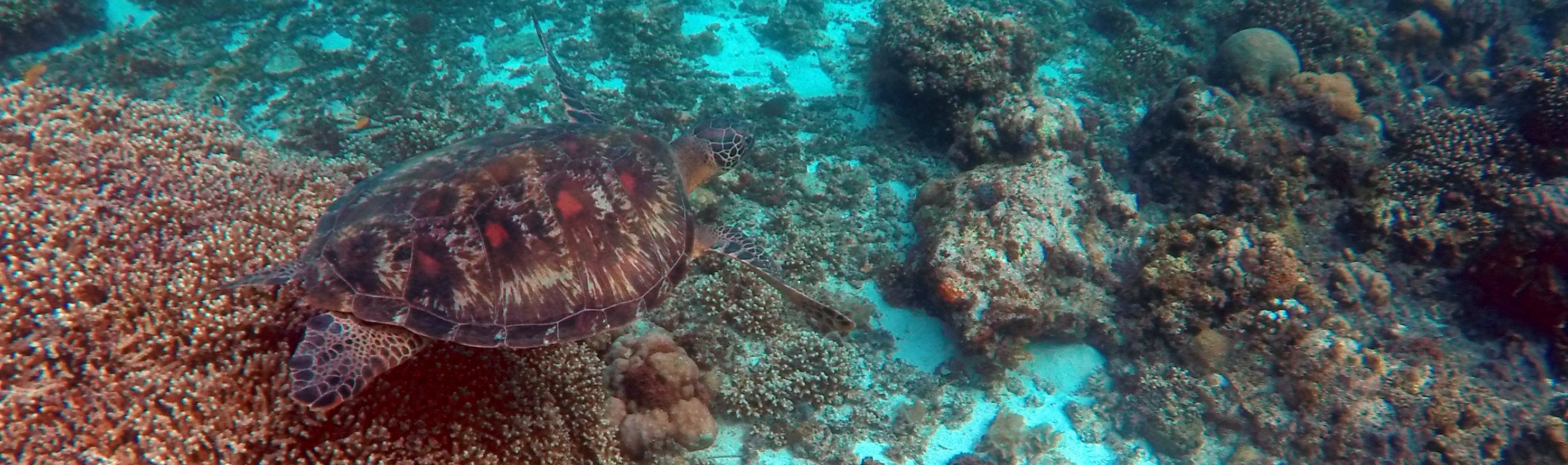
      African Impact

      This South African organization mediates volunteer work and internship opportunities at various projects in different African countries. Such as assisting a local doctor in Zambia with the daily work or conducting research into whale behavior in Mozambique. There are many opportunities to work in Af...

      Samenvattingen: startpagina voor geneeskunde en gezondheidszorg

      Aantekeningen, samenvattingen en tentamentests voor geneeskunde en gezondheidszorg Waar gaat de pagina over?

      • Inhoud: informatie and assortimentwijzers voor het gebruik van samenvattingen en studiehulp voor geneeskunde en gezondheidszorg op WorldSupporter
      • Studiegebieden: Clinic...

      Image ALL CONTENT OF TOPIC

      Search all related content within topic: 'Tropical medicine and Travel medicine'

      ALL CONTENT OF TOPIC

      Select any filter and click on Apply to see results

      Crossroad: spotlight pages
      Crossroads in the field of:
      Global Health: Neglected Tropical Diseases

      Neglected Tropical Diseases

      • NTDs – an introduction
      • Clinical aspects of NTDs
      • Soil-transmitted helminths
      • Schistosomiasis
      • RC Emerging Infectious Diseases
      • RC Malaria
      • Ebola
      • RC HIV
      • RC TB
      • Evaluation: Decla...

      Global Health: Non-communicable diseases and the "Big 3"

      Non-communicable diseases

      • RC HIV control in Africa
      • The Constant Gardener
      • Road Traffic Injuries
      • RC Paediatrics in LMIC
      • RC E-health
      • RC Women, population and health
      • RC Causes of severe anemia in African children
      • Old age in a global...

      Samenvatting Introductie tot Psychoneuroimmunologie
      • H1: Introductie tot de Psychoneuroimmunologie
      • H2: Historische context
      • H3: Het immuunsysteem: de basis
      • H4: Endocrien-immuunmodulatie
      • H5: Neuro-immuunmodulatie
      • H6: Stress, contextuele veranderingen en ziekte
      • H7: Psychosociale stress: neur...
      Moving abroad?
      Page topic
      Submenu & Search

      Search only via club, country, goal, study, topic or sector