Travel to Philippines to backpack, study, intern, volunteer, work, or live as a digital nomad, expat or emigrant?

Image

Image

Image  Philippines

Intro

Backpacking in the Philippines?

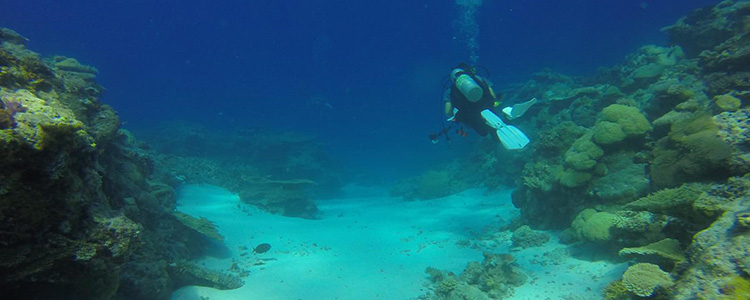
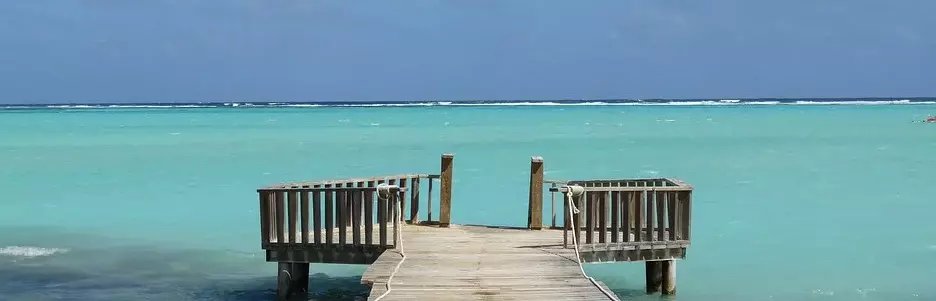
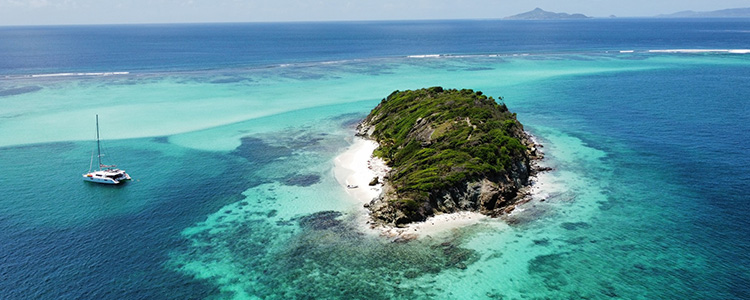
  • The Philippines consists of 7,107 islands, of which only a part is inhabited. You will find many bounty beaches and an amazing underwater world where you can snorkel with whale sharks or sea cows, for example. Visit one of the small uninhabited islands and imagine yourself in paradise or climb one of the many volcanoes. The Philippines has great differences between rich and poor and has a great cultural heritage. For example, visit the wonderful hand-crafted rice terraces in the North.
  • Take ample time to backpack through the Philippines. Traveling is a time-consuming affair. It is still easy to find places that are not crowded.
  • Features: lots of good-looking smiling people, islands, waterfalls, volcanoes and palm trees.

Traveling in the Philippines?

  • A trip through the Philippines is a journey from island to island, with lots of nature and friendly people.
  • City spotting: Metro Manila, Cebu and Davao.
  • Animal spotting: the list is endless ... tip of the hat ... whale sharks, thresher sharks, mantas, manatees, tarsiers, eagles, crocodiles, unusual birds.

Studying in the Philippines?

  • If your English is good enough, you can study at most universities and colleges in the Philippines.
  • Studies: from music, economics to architecture.
  • Characteristics: education is less organized compared to the Netherlands. There are relatively many days when education is cancelled, due to holidays and weather conditions.

Internships in the Philippines

  • Internships: internships can be found in all kinds of sectors.
  • Characteristics: If you are in Luzon or Mindanao in more rural areas, you can often still get by very well in English.

Working in the Philippines?

  • Jobs: temporary work can be found mainly in the sectors: ict, help desks and call centers.
  • Characteristics: being a team player is important. Joint outings and get-togethers are highly valued.

Volunteering in the Philippines?

  • Volunteer projects: especially in wildlife management and activity supervision sectors.
  • Animal projects: protection of tamawan, monkeys, crocodiles, cats and dogs.
  • Characteristics: short volunteer work of 1 or 2 weeks is also possible.

Working as a digital nomad in the Philippines?

  • Favorite cities: Dumaguete, Bagiou, Puerto Princesa.
  • Characteristics: the somewhat smaller cities where the internet connection is good, and in the area plenty to do.

Living in the Philippines?

  • Language: learning Tagalog is not easy, even though it has some similarities to the Spanish language. In different places in the Philippines, they speak different dialects. Many people speak a reasonable amount of English, especially in the larger cities and throughout the province of Cebu.
  • Characteristics: Catholic values and norms play a big role in daily life especially in the provinces of Luzon and Cebu. In the cities where the expats are located and tourism plays a bigger role, you still notice something of this. All holidays are celebrated with family.
What is the best time to travel to the Philippines?

What is the best time to travel to the Philippines?

philippines sea

The Philippines has a tropical climate with some areas that are rainy all year round, others with a distinct wet and dry season and others that have a shorter dry season and cooler temperatures all year round. So when is the best time to visit?

  • Between January and April. It’s generally dryer, cooler and less humid than the rest of the year.
  • There are quite significant regional differences in climate. For example, the southern region has a more pleasant climate during August through October, the northern parts are more agreeable between February and March, where the western parts are better to visit between November and April.
  • Beware of the typhoon season which kicks off in June, lasting through to September with the biggest risk of tropical cyclones in July and August. Prepare for potential power cuts and flooding in many areas of the country!
What to do in the Philippines, and what to see on which island?

What to do in the Philippines, and what to see on which island?

Taal volcano

The Philippines is made up of 7107 (!) islands of which only around 2000 are inhabited. In the Philippines you will find endless white, sandy beaches, great diving and snorkelling waters, stunning rice terraces and plenty great walking tracks and volcanoes to climb. The island nation has a rich cultural heritage, however, it suffers from great economic inequality which is something to be aware of as a visitor. If you plan to visit the Philippines, have a look at the tips and activities below.

Highlights in the Philippines

  • Visit the Ifugao rice terraces (or Banaue Rice Terraces) in the north of the country. These terraces were hand cut in the hills and mountains by the Ifugao people and it's estimated that their origins trace back 2000 years ago.
  • Check out the Chocolate Hills on Bohol Island. The approximately thousand, 50 metre high domes form a remarkable sight and are the source of many legends. One myth speaks of a fight between two giants who threw rocks and sand at each other, thus forming the spectacular hills.
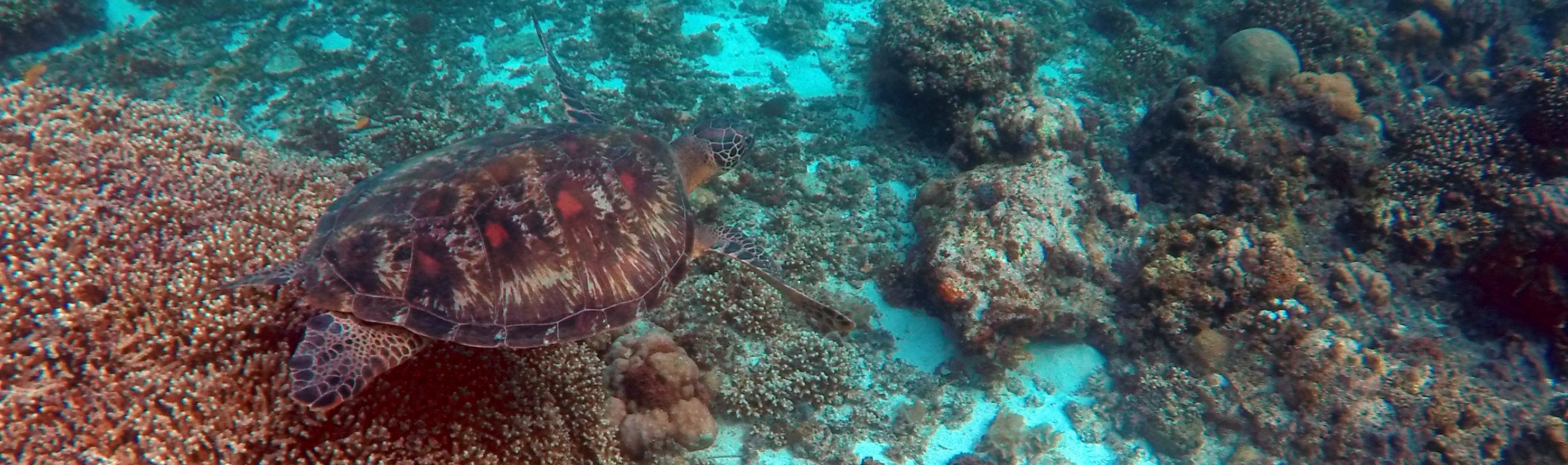
  • Go diving or snorkelling. Apart from exploring the many impressive bays and reefs, for example those in Mindoro Island, you can go snorkelling with whale sharks in south east Luzon or discover the Japanese shipwrecks sunk during World War II around Coron Island.
  • Take a boat tour on the underground river at Puerto Princesa Subterranean River National Park on Palawan Island.
  • Visit Pagsanjan, a little village in the province of Laguna known for its many waterfalls.
  • Manilla, capital of the Philippines, is one of the most densely populated cities in the world and seeped in history, culture and a lively party scene. Visit Chinatown in old Manila for some of the greatest Chinese food outside of China or go to the Greenbelt area in Makati's Central Business District for shopping.
  • Borocay, a small tropical island an hours’ flight from Manilla with plenty of entertainment, from diving and snorkelling to dancing ‘till the early hours.
  • Apo Island in Negros Oriental. This island is a protected marine reserve with beautiful coral reefs and marine fauna. Snorkelling and diving is allowed.
  • As the Philippines are edged by the Pacific Ring of Fire, it has an impressive collection of volcanoes within its boundaries. They offer good walks for hikers of every level, with Mount Taal being known as one of the easiest and the persistently smoking Mount Mayon as one of the hardest to climb.

Public holidays, traditional celebrations & festivals in the Philippines

  • Almost all Filipinos are religious. Most of the people are catholic with a strong Muslim population in the south.
  • The Black Nazarene Procession is dedicated to the 16th century ebony shrine depicting Jesus Christ and takes place three times a year: 9 January, Good Friday and 31 December with the procession in January being the largest. Barefoot followers try to touch the shrine for good fortune.
  • Ati Atihan is a week-long Festival celebrating Santo Niño (baby Jesus) culminating on the third Sunday of January. It’s a festival with a long history and rooted in age old traditions. Celebrations include a parade, tribal dance, traditional music and indigenous costumes.
  • Not for the faint-hearted, Good Friday is celebrated in San Fernando on Luzon with a procession of around twenty people carrying a cross on their back whilst being lashed with bamboo sticks. The bloody affair climaxes with a mass crucifixion. The twenty participant are hung on their cross for around ten minutes to test their faith.
  • The Masskara Festival in the third weekend of October has its origins in 1980 during a time of economic hardship and after a large ship sank leading to many casualties. The festival was introduced as ‘the festival of smiles’ with participants wearing colourful masks adorned with smiles to pull the people out of the doom and gloom of the crisis.

Activities in the Philippines

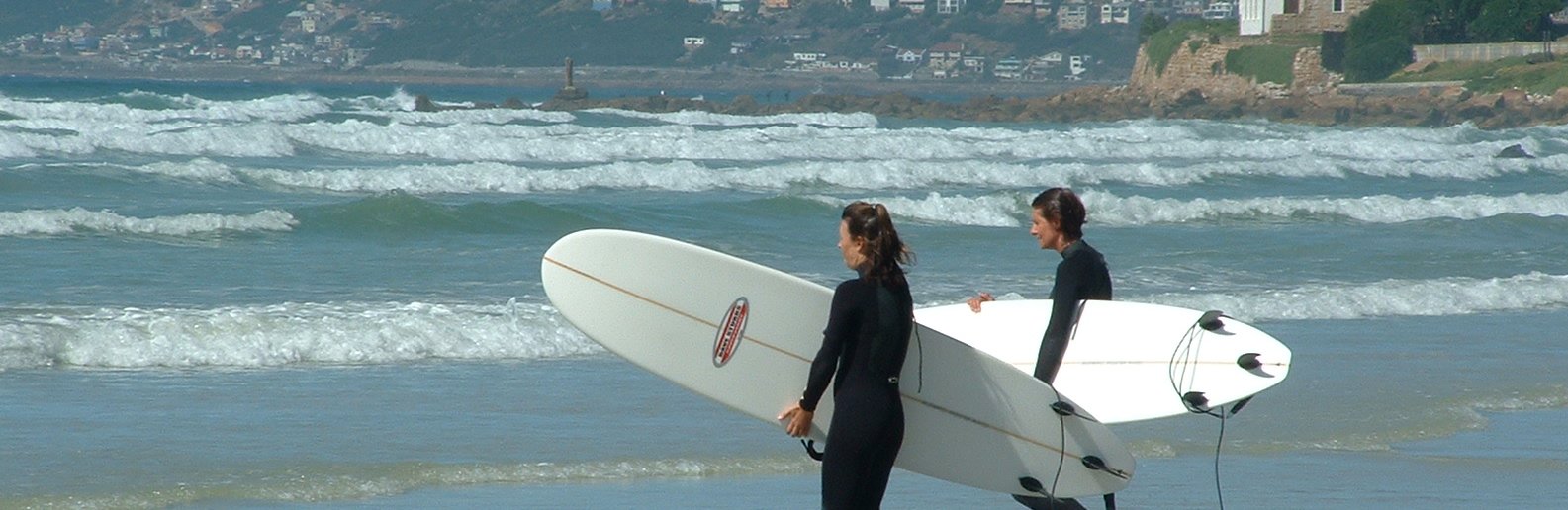
  • As it’s an island nations, it shouldn’t come as a surprise that a lot of the most popular activities in the Philippines are water based. Scuba diving, snorkelling, surfing, kayaking and deep-sea fishing are just some of the many nautical pastimes.
  • There are also plenty of great mountain biking tracks, challenging mountains to climb and interesting volcanoes to explore.
  • Poverty and slum life are unfortunately a large part of the ‘real’ Manila. You can visit the slums to take in ‘the other side’ of the bustling party capital. Discover the old parts of town and take a moment to take in the reality of the slums, for example the 25000 people living and working on Smokey Mountain, the city’s largest dump where its inhabitants pick up garbage for a living.
  • Learn Filipino, the national language of the Philippines. Courses often include Filipino culture and history

The places and activities mentioned above are just a glimpse of what the Philippines has to offer. Have you been there, or do you have other tips? Feel free to reply in a comment!

Where is the best place to live in the Philippines, and how to move?

Where is the best place to live in the Philippines, and how to move?

What are things to consider when choosing a place to live in the Philippines?

Not every expat or immigrant can choose their own living location; if you work for an international or Filipino employer you will most likely be connected to a certain region or city. If you have more freedom in deciding where to live, check the list below. Of course personal preferences (city life or not, safety issues, climate etc.) influence the eventual choice.

Each place in the world has its own charm and positive and negative sides, the Philippines is no exception to this principle. If you look at the country in general, the most popular places for foreigners are the big cities like Manila, Cebu, and Davao. This is due to relatively good facilities and the presence of many international companies. 

  • Manila: the capital of the Philippines located in the province Luzon. Like most other big cities: busy, safety issues, health issues, but all facilities present. The business district in Metro Manila is Makati and BGC; a modern living environment but pricy and many traffic jams when leaving or entering.
  • Tagaytay: a city located 1,5 hours driving from Manila, it has an expat friendly setting and is cheaper than Manila especially when considering how close it is to the capital.
  • Baguio: cooler than e.g. Manila, located on top of a mountain. It is colder there and there is more chance of rain. At the busiest moments there can be traffic issues. It will take a six hour drive from Manila to reach Baguio.
  • Subic: also located on the island Luzon. Subic is a city that is growing rapidly, with good beaches close by, it is slightly warmer here. Near Subic is an airport.
  • Cebu: biggest city in the province Visayas. It's a big and busy city with all facilities present and some nice beaches. A lot of expats who prefer living and working in a big city, prefer Cebu over Manila.
  • Davao City: Biggest city in the province Mindanao, there are some safety issues in this province.
  • About three out of ten foreigners live in the National Capital Region (NCR), the region of Metro Manila. 
  • If you search for a place to live in the Philippines and climate circumstances are important to you:
    • The south of the Philippines is generally cooler and less typhoons arrive here.
    • Places like Tagatay, Laguna, Batangas and Cavite are cooler.
    • Visayas can become quite hot, but there are more beaches here and it is less pricy than Metro Manila.
    • More pleasant locations (to live or visit) are Cebu, Bacolod, Iloilo, Leyte, Mindanao, Davao, Malaybalay, Iligan, Misamis and Palawan.
  • When it concerns your living budget, it will be more expensive to live in Metro Manila, Angeles, Baguio or Cebu compared to a location outside of the biggest cities.
    • Previous expats and emigrants say that you can live perfectly fine with a budget of US$1.000 a month outside of the most popular areas, with your family in a (relatively) small apartment. Of course this depends on your living pattern and living preferences.
    • Others live for around $800 a month (with an active social life).
    • In bigger cities you can also live for well beneath $2.000 in a nice apartment and still be able to afford taxis, dinners etc.
    • If you choose to live in one of the expat communities you will spend this in a multitude.

I would find a $1,000 budget a comfortable level for a single person; in particular if you didn't want to be in the heart of a big city, sample all the restaurants, visit all the bars, and don't need to travel constantly. I think a happy medium would be to get far enough away from a larger city to find lower rents, a good public market (cheaper than western-style supermarkets), and not as many places to go spend money, but close enough to take a bus (or Jeepney, etc) to the larger city when you feel the need.

Philippines expat

I have lived for 25 years in Davao City and I must say it is the best place to retire. The place is accessible to domestic and international routes, with a state of the art international airport. Beach facilities are available in less than an hour, with virgin areas, clean, and food that is truly affordable and fresh. The medical facilities and expertise of doctors are at par with that of Manila.

Philippines expat

I live in the Bicol region of Luzon in the province of Albay. I'm in a farming area about 1.25 hours from the nearest "large" city (Legazpi) but we do live in town. Our budget is about $850 per month and we don't have to work very hard to make that budget. The budget was not set in order to just "get by", it's just what we found we spent over a few months.

Philippines expat

What to do?

  • Get as much information as possible for you to understand (the differences in) living environments and provinces of the Philippines and provide indications of living budgets based on personal experiences.

What are points of interest for building or buying in the Philippines?

  • As a foreigner you are officially not allowed to be owner of land/property in the Philippines, unless you are married to a Filipino (and the land/property is on the name of the Filipino).
  • Corporations and partnerships that are legally owned by a Filipino for 60% or more can buy land and build on it.

What are the options for long term housing in the Philippines?

Finding a place for long term stay in the Philippines can be accomplished through multiple ways. Depending on your employer you might have less influence on where to live or how to find housing.

  • You can find places through official organisations, when working for the Filipino government or as a diplomat in the Philippines. You will get in contact with home bureau's that offer official accepted foreign compounds incl. all needed facilities. These compounds tend to be luxurious but show little of the real Filipino life, Filipino guests have a hard time getting entrance.
  • Real Estate Agents that are specialized in helping western expats. These work in the big cities and have an overview per district; convenient for when you are orienting on your preferred location.
  • Free market through Filipino friends.
  • Online sites offer places to rent. You can immediately contact the landlord and prices tend to be negotiable.

Living in an apartment complex 

  • Apartment complexes are in most cases very secure and tend to have luxurious amenities.
  • To guarantee safety apartment complexes have a lot of requirements and rules that you and your guests have to comply to.
  • Always check the house rules to avoid any surprises after signing the lease contract. For example, in some cases you might find out that you are not allowed to bring any guests.

What can you do when not sure what to do?

  • Taking care of your first accommodation in a hotel, apartment or studio, which can create extra time to find a (definitive) living space.
  • Introduce yourself to the different districts and living environments in Manila. Driving or walking around can be a good way to get a feel of the different atmospheres.
  • Q&A taking care of temporary or permanent housing in the Philippines with suggestions of previous expats and emigrants.

What does an (expat) compound look like in the Philippines?

  • A Filipino village or subdivision in Metro Manila or other cities generally will not differ much from other compounds in different destinations.
  • Most of the time there is a security guard, for safety reasons at the entrance of the gate.
  • In most condominiums there is a desk on the ground floor, and the staff will call the announce the guests.

What are points of interest to keep in mind with renting (contracts) in the Philippines?

  • Decide whether you want a furnished or unfurnished home.
  • Length of lease contract is different depending on the type of housing. 6 or 12 months are common lengths for lease contracts.
  • Always check the house rules to avoid any surprises after signing the lease contract.
  • A deposit is very common and a couple of months rent ahead.
  • Sometimes proof of income is asked.

Considerations for transportation of furniture and goods in the Philippines?  

  • You can rent a van with 2 staff for around 2,500 PHP a day that can help you move furniture within Metro Manila.
  • There are organisations that can help when moving furniture overseas.

Can you put your furniture temporarily in storage?

  • Several companies offer storages rooms where you can deposit furniture or other goods.
  • Check online for reliable and affordable storage companies.

Shipping in transportation devices: car, boat and motor

  • When importing a car there are a lot of regulations to which you need to comply. 
  • It is very expensive to import vehicles and most expats decide to sell their car and use the money to buy a new one once settled in the Philippines.
  • Boats can be imported, but you will need to pay an import tax which makes it relatively expensive.

Are certain things difficult to get in the Philippines?

  • Common household appliances can be bought in malls. Check the quality carefully.
  • When you have trouble finding specific items you can try an online store. Healthy people interested in making food themselves can go online to find things like yoghurt makers, French press, and competitively priced blenders.
  • When ordering things online you should use domestic online stores (lazada is a reliable one). When receiving packages from oversees you might be required to pay high (33%) import tax when you pick up your package. It is therefore not advised to order from popular online stores oversees like alibaba.
  • Dairy products are scarce and expensive. Affordable choice in cheese and fresh milk is limited. The bigger and more varied supply of luxury (read; western) goods can be found in upscale supermarkets like Rustan's.
  • Dishwasher detergent can be hard to find. As most people don't have dishwashers and prefer dishes to be done by hand (often done by a helper) this is considered a luxury appliance. Therefore it can only be found in upscale malls and supermarkets.

What are points of interest when you want to take you pet(s) with you to the Philippines?

  • If you want to take one or multiple pets with you to the Philippines, keep in mind that not all living places allow their tenants to keep pets. When you arrive in Manila and plan to travel to another city in the Philippines after one or more nights staying in Manila, keep in mind that a lot of hotels do not accept dogs, cats and other animals.
  • You must obtain a Veterinary Quarantine Clearance to Import from the Bureau of Animal Industry in advance of your pet's arrival. This permit is good for 2 months. The permit must be applied for online or in person.
  • Check additional Health requirements, like rabies-vaccination and other vaccinations, minimum age of puppies and kittens.
  • Pets can arrive in Philippines in the cabin or as checked baggage or air cargo at the international airport at Manila.
  • All domestic dogs and cats must be free of evidence of disease communicable to humans when examined at the port of entry to the Philippines.
  • Some animals, like birds of any kind, are not allowed to enter the Philippines.
  • Always check up-to-date laws since they change regularly in the Philippines and sometimes depend on precise destination.
How to stay safe are the Philippines, and how to stay healthy?

How to stay safe are the Philippines, and how to stay healthy?

What are important factors regarding medical emergencies?

Check updates regularly in regards to important phone numbers. Is a number stated here not relevant anymore? Please let us know!

  • Central Emergency Hotline: 911.
  • Public Complaint Hotline: 8888.
  • Inform your insurance company before going to the hospital, if possible.
  • Make sure you are aware of the location of good hospitals in your living area.
  • Make sure you are aware of the regulations of your health insurance.

What are important factors to consider in regards to theft?

  • Criminal activity is in decline in the Philippines but it is always good to be careful.
  • Especially in the big cities foreigners tend to attract pickpockets.
  • If you do get robbed make sure you file a police report with your name on it, at the police office that covers the area in which the robbery happened.
  • Make sure you are aware of the regulations of your insurance in regards to theft.

What are important factors to consider in regards to natural disasters?

  • Check the official website of the Philippine government with reliable information in regards to natural disasters.

Typhoons

  • Typhoons are common in the Philippines.
  • The highest activity of typhoons is seen from July through September, with August being the most active month.
  • Schools are regularly cancelled during these months when the storm signal increases.
  • Most common areas impacted are Northern Luzon and Eastern Visayas.
  • During typhoons big cities tend to flood, sometimes making it impossible to travel to work.

Best things to do: preparation and/or in case of a typhoon

BEFORE

  • Inspect your house for possible repairs (esp. roof).
  • Clean drainage to avoid clogging.
  • Store supplies; food, water, flashlight, batteries, and medical supplies. Canned goods are ideal for food.
  • When living in a hazard prone or risk area, you should evacuate as early as possible.
  • Keep up-to-date with the weather forecast (radio/tv/internet).
  • When living in a flood prone area, move electric appliances to safe, high-up areas.

DURING

  • Stay inside and stay calm. Avoid travel.
  • Keep up-to-date with the weather forecast (radio/TV/internet).
  • Don't operate electric appliances during flood.
  • Avoid wading through flooded areas to avoid water-transmitted diseases.
  • Close the windows and turn off the main power switch.
  • Avoid the way leading to or along the river.

AFTER

  • Keep up-to-date with the weather forecast (radio/tv/internet).
  • If your house was damaged, make sure that it is already safe and stable when you enter.
  • Watch out for live wires or outlet immersed in water.
  • Boil water before drinking it to avoid diseases.
  • Do not let water accumulate in tires, cans or pots to avoid creating a favorable condition for mosquito breeding that can cause dengue.

Earthquakes

  • For the past years, earthquakes with magnitudes as high as 8 have brought destruction to different areas in the Philippines.
  • The country is located along the Pacific Ocean’s Ring of Fire – a 40,000 kilometer circle of interconnected fault lines around the Pacific Ocean, where seismic activities such as earthquakes occur on a daily basis.
  • Nearly all the islands are prone to and have been visited by earthquakes.
  • To educate the public and to prepare for the “Big One,” the government authorities regularly organize metro-wide earthquake drills

Best things to do: preparation and/or in case of an earthquake

BEFORE:

  • Know the earthquake hazards in the area.
  • Be conscious of the structural integrity of the house.
  • Set up furniture and appliances in a way that they will not topple when there is a strong ground shaking.
  • Prepare emergency bag/kit for each member of the family.
  • Participate in earthquake drills.

DURING:

  • Stay calm, do not panic.
  • Stay indoors if you are already within a structurally sound building or home.
    • if possible, quickly open a door for exit.
    • duck under a sturdy desk or table, and hold on to it, or protect your head with your arms.
    • stay away from glass windows, shelves, cabinets, and other heavy objects.
    • beware of falling objects. Be alert and keep your eyes open.
  • If you are outside, move to an open area.
    • stay away from trees, power lines, posts, and concrete structures.
    • move away from steep slopes which may be affected by landslides.
    • if near the shore and feeling an earthquake, especially a strong one, quickly move to higher grounds in anticipation of possible tsunamis.
  • If you are in a moving vehicle: stop and get out: do not attempt to cross bridges, overpasses and flyovers which may have been damaged.

AFTER

  • After the earthquake: take the fastest and safest way out of the building; one should not use elevators, enter damaged buildings, or use telephones unless necessary.

What are important safety tips to consider when living and traveling in the Philippines?

  • Don't walk around flashing expensive gadgets and jewellery as it might attract unwanted attention.
  • Try to avoid using gadgets when commuting.
  • Bring a simple ID-Card for identification purposes, that way you can avoid travelling around with important official documents like a passport.
  • If possible try to separate several payment methods (different ATM-cards, credit cards) so that when something happens you don't lose all your ways of payment at once.

GETTING THINGS DONE

How do you get things done in the Philippines?

  • Getting things done in the Philippines usually means using your network and personal contacts: things that seem impossible for one person turn out to be relatively easy for the other. And something that seems impossible on paper is usually possible in some other way. Most of the rules are interpreted as a suggestion, which you can follow or not.
  • For most things it is advisable to use a local Filipino friend or acquaintance that you trust.
  • Whatever you need to arrange: always pay the utmost respect to the person that you need help from and try to avoid causing the other to loose 'face'.
  • When a difference in opinion arises, try to let go of your own principles; find a way that saves people from losing face and is acceptable for everyone: that way their official strict way of doing business can change into a more flexible attitude.

How do you get business things done in the Philippines?

  • Tips mentioned above also apply when you are taking care of your business.
  • Relationships grow over time, patience is very important.

HEALTH & MEDICAL SYSTEM

How does the medical system work in the Philippines?

  • General:
    • In 2013 the Philippines passed the Universal Healthcare Bill, which promises health insurance for all Philippine nationals, especially the poor.
    • Philhealth is a health insurance coverage system that is part of the Department of Health. Their goal is to provide health insurance coverage and ensure affordable, acceptable, available and accessible healthcare services for all citizens of the Philippines.
    • In some circumstances expats can avail of the Philhealth. However, in most cases expats are required to purchase private health insurance.
    • The quality of institutions can differ significantly and it is therefore advised to check which institutions are known for having high quality services.
  • General practitioners:
    • Quality of care is best in Manila.
    • Most medical practitioners in the Philippines come from respectable Universities in the Philippines and studied in U.S. medical schools.
  • Dentists:
    • In the Philippines you can find good quality dentists for a cheap price. Make sure to check online which dental practices are known for their quality.
    • Quality dentists can be easily found in Manila, and equipment and techniques are up to par with international standards.
  • Hospital or clinic:
    • When looking for a hospital and clinic try to find one that is JCI-accredited. This is an international accreditation that guarantees quality on an international level.
    • In the recent years there has been an increase in demand for health care and hospitals are having a hard time to keep up, leading to understaffed hospitals in some cases.
  • Midwifery & maternity care:
    • In line with previous statements you should always check online to ascertain where to find the reputable clinics and specialists.
  • Consultation agencies
    • Due to the variety of healthcare providers there are several consultation agencies that can provide you with more specific advice, you can easily find these online

Orient yourself before your departure

  • It is expedient, when going abroad to the Philippines for a longer time, to orient yourself before you leave to the available hospitals in your living area.
  • Which hospitals can be found nearby? What kind of experiences do other foreigners have with these hospitals?
  • Which hospital or specialist do I trust?
  • Which (international) standards are being practised? What is the level of English? Does the clinic have a special expat section?
  • How big are the rooms? Do I have to share a room?
  • Is treatment in your preferred hospital covered by your (international) health insurance? What are the restrictions?

Emergencies

  • When an emergency occurs you ask -if possible- the alarm centre of your health insurance to which clinic or hospital you should go for further treatment.

What is the process for visiting a family doctor or specialist in the Philippines?

  • In most cases when people are ill they visit the hospital, where a doctor on call can give you advice which is similar to when you visit a family doctor.
  • If a specialist is needed inform yourself beforehand what hospitals are reliable and offer good quality in regards to the specialist you are looking for.

Are pharmaceuticals easily available in the Philippines?

  • Pharmaceuticals are popular in the Philippines and it is a big business.
  • On most corners you can find pharmacies that sell standard over the counter drugs.
  • In most pharmacies you can find prescription drugs; usually a prescription from a local doctor is required.

What are important things to consider in regards to safety when visiting in the Philippines?

  • Be wary of pickpockets. When carry a back bag place it in front of you when in crowded areas.
  • Try to travel in groups during night time.
  • When taking public taxis make sure you write down the license plate in case something happens.

How do you declare stolen goods in the Philippines?

  • When goods are stolen you should file a police report at the police station that covers the area where the theft happened.
  • The official police report is one of the requirements you have to provide to your insurance company when making a claim of stolen goods.
How to get your visa and documents for living, staying or working in the Philippines

How to get your visa and documents for living, staying or working in the Philippines

What are important factors to consider when trying to arrange a long stay visa for the Philippines?

Visa application and requirements tend to change regularly in the Philippines. It is therefore advisable to always check beforehand what the current ways of application are by consulting the appropriate governmental institution.

What kind of visas 

The visa requirements for the Philippines depend on the purpose and duration of your stay. For example, the necessary documents for a pre-arranged employment visa include:

  • A passport valid for at least six to twelve months
  • Two completed Application forms (fill in N/A Not Applicable, so all questions are answered on the Form)
  • A copy of your employment contract
  • Your curriculum vitae
  • Several passport-sized pictures (white background, signed on front bottom)
  • A medical and physical examination report by an authorized physician (including a chest X-ray, lab reports, and a certificate that you are HIV-negative)
  • The visa application fee

If you are planning to move to the Philippines with your family, you should also attach any birth certificates and a marriage certificate. These documents must be notarized. If you apply in a language other than English, remember to submit your paperwork with certified English translations.

Temporary stay

  • Foreign nationals who are admitted with an initial stay of thirty (30) days may apply for a visa waiver first, granting an additional stay of twenty nine (29) in the Philippines. Thereafter, you may apply for one (1) month, two (2) months or six (6) months extensions at least one week prior to the expiration of your valid stay. 
  • Non-visa required nationals may extend their stay up to thirty six (36) months while visa required nationals may extend their stay up to twenty four (24) months. 
  • Visa extension requirements: you need to bring your passport and submit a filled out visa extension form at any Bureau of Immigration (BI) offices. It is possible to send a representative to file for your visa extension, given that you will provide a Special Power of Attorney (SPA).

Long stay & permanent stay

  • For long stay visa's there are generally two options to consider:
    • A non-immigrant visa is available for people that have a pre-arranged employment. The application process requires cooperation with the employer/company so it should be made clear when signing the contract that the company will provide the required documents for this type of visa application.

      • If your spouse and/or unmarried children are going to join you, then a copy of the marriage certificate and birth certificates will be needed along with photocopies of the relevant passports.
    • The special resident retiree (SSR) visa is a non-immigrant visa that allows multiple entries and indefinite stay. Applicants are required to make a deposit depending on their age, health and retirement pension (variable from US$10.000 up to US$50,000). The minimum age to apply is 50.
  • Immigrant visa are also available for foreigners who want to stay in the Philippines permanently without giving up foreign citizenship. A foreigner may achieve immigrant status if his or her country has a reciprocal agreement allowing Filipinos to become immigrants. However, the Philippines has an immigrant quota of 50 people of any one nationality per calendar year. Foreign spouses or unmarried children under 21 years of age of Filipino nationals can apply for a non-quota immigrant visa.

What is the general process for visa application when you want to live in the Philippines for a longer time period?

General tips when applying for visa:

  • When visiting the bureau of immigration (BOI) remember to wear appropriate attire. Entry will be denied to persons wearing slippers and shorts.
  • Expect long waiting lines and procedures. Experience has taught us that it is best to not make any other important plans on the day of your application.
  • Bring all the required documents. If possible print out and fill in required forms before visiting the BOI as this will speed up the process. Checking the application form before you visit will also allow you to be aware of all the necessary information and documents. Application forms can be found on their official website.
  • Even the most experienced foreigners come across problems with their application as regulations change regularly. When visiting the BOI don't expect miracles, even if you are well prepared. It is best to go in with an open-mind and try to be flexible.
  • Treat government officials with respect. Being friendly and handling concerns with a smile can make a big difference.
  • When filling in forms put N/A in all parts that are blank. The assumption will be that you forgot to fill in blanks and you will be required submit again, increasing waiting time.
  • Applications require passport photos. Make sure to bring extras just in case.

What are factors to pay attention to when travelling inside and outside of the Philippines?

  • With a non-immigrant visa or SRRV you can enter and leave the country without any extra clearance requirements. Make sure your documents are in order before leaving the country.
  • Non-immigrant visa holders are required to pay travel tax and airport fees. Make sure to bring enough local currency to have a smooth transition for your departure.
  • Make sure to check the Bureau of Immigration for up-to-date information.

Are there specific (visa) requirements concerning health, medical exams, and vaccinations when living and working in the Philippines?

  • For the non-immigrant visa and SRRV a medical examination is required. For SRRV applicants there are specific places that are accredited to carry out your medical examination. For your work visa the place of examination depends on your company.
  • It is possible to have the medical exam done in your own country before departure (usually the exam is valid for one year).
  • Check for an up-to-date advice on vaccinations the up to date rules and regulatuons.

Do you need to translate or legalise Dutch documents for use in the Philippines, and vice-a-versa?

Dutch documents in the Philippines

  • Legalising Dutch documents for use in the Philippines is done at the Ministry’s Consular Service Centre.
  • Commonly legalised documents for use in the Philippines are; birth certificate, marriage certificate, divorce certificate, and death certificate.

Philippine documents in the Netherlands

  • Legalising Philippine documents for use in the Netherlands is done at the Philippine Department of Foreign Affairs in Manila.
  • Commonly legalised documents for use in the Netherlands are; birth certificate, marriage certificate, divorce certificate, and death certificate.

Are there rules concerning expiration of passport when working and living in the Philippines for a longer period?

  • Your passport has to be valid for at least 6 months on the day you plan to arrive in- or depart from the Philippines.
  • If your passport is not valid for more than six months when you leave the Philippines you have to apply for a new passport at the Dutch Embassy in Manila.

How can you extend expiring Dutch documents in the Philippines?

Passport extension

  • If your passport expires you will have to apply for a new passport at the Dutch Embassy in the Philippines.
  • You have to make an appointment with the Dutch Embassy before visiting if you want to apply for a new passport.
  • Make sure to wear decent attire in order to be allowed inside the Embassy. Applications are to be done in person.
  • Documents you will need to bring:
    • completed and signed application form
    • a recent photograph which is a true likeness
    • all your Dutch and foreign travel documents
  • Bear in mind that after application it can take up to 45 days before you can pick up your new passport. It takes a while, since your pasport will be made in the Netherlands and will be send back to the Philippines (the embassy) by courier. 

What to do when you lose your passport in the Philippines

Whether you lose it or it gets stolen you will have to take immediate action when losing your passport.

  • Immediately file a police report. You will do this at the police station that covers the area where you lost your passport.
  • After filing a police report you can apply for a new passport at your Embassy.

Is a certificate of conduct necessary when living and working in the Philippines?

Depending on your visa and type of job you might be required to provide a certificate of conduct.

  • For the SSRV you are required to provide a certificate of conduct. If you have stayed longer in than 1 month in the Philippines you have to apply for the Philippine certificate of conduct called the National Bureau of Investigation Clearance (NBI).
  • For the non-immigrant (work) visa you are not required by the government to provide a certificate of conduct. In this case it depends on the company, as they can decide to make it a requirement for you. Companies that work in fields that handle sensitive information or deal directly with people usually require their employees to provide this type of certificate.

The National Bureau of Investigation Clearance:

  • You can apply for this online by filling in their online form.
  • After successfully registering online you should print out the form and take note of your registration number.
  • As a foreigner you have to visit the main NBI Clearance office on UN avenue, other offices cannot process the application for foreigners. When you arrive you will need to provide 2 valid ID's, the registration number, and the payment for your clearance (ranging from 150-450php).

Are international documents valid in the Philippines?

Driver's license

  • The International Driver's License is valid for 90 days after you enter the country.
  • You should apply for a local driver's license before the 90th day of your stay in the Philippines.
  • You can convert your international driver's license into a Filipino driver license.

When applying for a local driver's license:

  • Bring your original driver's license together with one photocopy.
  • Passport and photocopy of your passport's bio-page and visa stamp that shows the latest date of arrival in the Philippines.
  • Bring your original visa or ACR-card and one photocopy.
  • Bring an original medical certificate with official receipt from an LTO accredited physician.
  • (Negative Drug test result issued by Department of Health or governmental hospital).
  • Filled in application for Driver's license form.
  • Taxpayer's Identification Number (TIN) if employed in the Philippines.

Marriage Certificate

  • Legalising a Dutch marriage certificate for use in the Philippines is done at the Ministry’s Consular Service Centre.

Organ Donor Card

  • An organ donor card identifies your wish to become an organ donor and legalizes the donation. This card should express your wish to donate your organs and should be signed by you and 2 witnesses. You can make this card yourself.
  • The Organ Donor card can now also be incorporated with the Philippine Driver's License.

Euthanasia declaration

  • Euthanasia in the Philippines is illegal.

What are important factors to consider in regards to recognition of professional qualifications in the Philippines?

  • Requirements for legalisation of documents depends on the company and sector you work in.
  • Ask the company you are working for to advise you.
  • Always check up-to-date information on what specific documents are required for your job and visa application.

How can you get you driver's license in the Philippines?

  • Driver's license applications are always processed at the Land Transportation Office (LTO).
  • If you don't have a driver's license yet you have to apply for a student license first, which you can converse after one month into the official Philippine driver's license.

When conversing your student driver's license the similar conversion application process is followed compared to conversing an international license:

  • Bring your original driver's license together with one photocopy.
  • Passport and photocopy of your passport's bio-page and visa stamp that shows the latest date of arrival in the Philippines.
  • Bring your original visa or ACR-card and one photocopy.
  • Bring an original medical certificate with official receipt from an LTO accredited physician.
  • (Negative Drug test result issued by Department of Health or governmental hospital).
  • Filled in application for Driver's license form.
  • Taxpayer's Identification Number (TIN) if employed in the Philippines.
  • Application processes change regularly; you should always check their website for up-to-date information on the application process.
  • The official LTO website can be found here.
How does financial system in the Philippines work, and how to pay, change and handle your money?

How does financial system in the Philippines work, and how to pay, change and handle your money?

How does the banking system operate in the Philippines?

  • The Philippines has an enormously diverse banking system, many different local banks exist.

What should you pay attention to when choosing a bank in the Philippines?

  • Choose a bank that does international business. The three biggest and overall highest scoring banks in terms of quality are BDO, BPI, and Metrobank.
  • BDO has the longest banking hours and are open on Sundays in SM Malls.
  • BPI has the most branches and ATM's spread out over the Philippines.
  • Metrobank is considered as one of the strongest banks in Asia.
  • When working in the Philippines your company can help you find a good bank which can also make it convenient for them to transfer your salary.
  • Not all banks have (smooth) online banking, make sure you verify whether the bank of your choice allows you to do banking online.
  • If you plan on making a lot of international transfers it is advisable to consider a multi-national bank like HSBC or Deutsche Bank AG.

What do you need when you want to open a bank account in the Philippines?

  • In most cases you are required to have an ACR I-card (Alien Certificate of Registration card).
  • You may be able to open an account with just your passport and another form of ID other than the ACR. Some banks will accept an Immigrant Certificate of Registration (ICR).
  • Next to an ACR I-card you will need to bring your passport (or other official photo ID), a passport-sized photo and proof of your address (utility bill or rental contract will suffice).
  • You will have to visit the bank in person and fill out the application. It will take a few days for you to receive your bank card for ATM withdrawals, this will be send through mail.
  • Banks require a minimum deposit when opening an account.
  • Banks often ask for updated information regarding your registration. The bank where you open an account will be your personal bank and you will be send to that branch, when you need to update or make changes in your settings.

How does online payment work in the Philippines?

  • Not all banks allow customers to do online banking.
  • Depending on your bank and where you live it is sometimes possible to pay utility bills online.
  • When doing online shopping you have several payment choices to pay online, similar to online shopping experiences in other countries.
  • Some banks allow you to easily transfer money to other local accounts using mobile apps or their website equivalent.

What are important factors to consider in regards to exchange rates?

  • When changing money, especially large sums, you should be aware of the places that offer the best exchange rates.
  • Airport rates tend to be terrible, so don't wait till the last minute to change money.
  • Cheapest way to get pesos is by using the ATM as they use the wholesale exchange rate. Be aware that the foreign bank (ATM) can ask a certain extra amount for the service.
  • Most foreign banks charge you for using an ATM oversees, in these cases it is advised to take out a few larger transactions instead of many small ones.
  • There are many currency exchange dealers in Manila. Competition requires them to handle low fees, which in some cases might result in better deals than at banks. When dealing with currency exchange dealers you have to be careful of hidden costs.

How can you transfer money to the Philippines and what are important points of focus?

  • Depending on your bank you might be allowed to directly send money from one bank account to another.
  • Several companies are specialized in sending money oversees, all come with their own benefits and drawbacks.
  • Experiences from Western Union are mostly negative, with bad costumer service, especially when sending money to the Netherlands.
  • When you need to send bigger sums of money overseas regularly try to apply for a bank account at HSBC or Deutsche Bank AG.
What laws and taxes apply when you move, live or work in the Philippines?

What laws and taxes apply when you move, live or work in the Philippines?

Are there any special programs/arrangements for foreigners that want to live or work in the Philippines?

  • There is a Special Retirement Residence Visa (SSRV): If you are older than 50 years, you can acquire an SSRV when you make a minimum deposit of 20.000 dollar at one of the accredited Philippine banks. They will also assist you with attaining a work visa; it is considered a very good alternative for people that wish to stay for a long time. There are more options for SRRV applications. 
  • Are you planning to invest and start-up a business in the Philippines? The country runs an Invest Philippines program with attractive investment incentives that include the following: income tax holiday, a special low tax rate, duty-free regulations on importation of equipment and supplies, simplification of customs procedures and on employment of foreign nationals and expats.
  • Museum Volunteer Philippines arranges yearly History Courses, that may help you to understand and appreciate filipino culture and customs. 

What are important factors to consider in regards to Social Insurance laws in the Philippines?

  • Foreigners working for a Philippine company can sometimes have access to social benefits of the Philippines Social Security System (SSS) through their company. These benefits are:
    • Sickness benefit
      • The sickness benefit is a daily cash allowance paid for the number of days a member is unable to work due to sickness or injury.
    • Maternity benefit
      • The maternity benefit is a daily cash allowance granted to a female member who was unable to work due to childbirth or miscarriage.
    • Funeral benefit
      • It is a cash benefit given to whoever pays the burial expenses of the deceased member or pension.
    • Disability benefit
      • The redesigned SSS Disability Benefit program adopts the International Classification of Diseases and Related Health Problems codes and takes into account the medical management of illnesses and injuries and their corresponding impairment ratings.
    • Retirement benefit
      • The retirement benefit is a cash benefit either in monthly pension or lump sum paid to a member who can no longer work due to old age.
    • Death benefit
      • It is a cash benefit either in monthly pension or lump sum paid to the beneficiaries of a deceased member. The primary beneficiaries are the legitimate dependent spouse until the person remarries, and the member's dependent legitimate, legitimated, or legally adopted, and illegitimate children who are not yet 21 years old. In the absence of primary beneficiaries, the dependent parents shall be the secondary beneficiaries. In their absence, any other person designated by the member as beneficiary in the member's record.
  • Disadvantages of these benefits:
    • In most cases they cover less than what you are used to in the Netherlands.
    • Registration can be complicated.
  • As a foreigner it is quite difficult to register for local benefits, that is why most foreigners choose to align health care and social security under different institutions, for example by arranging health care on an international level.

What can you do to learn more about your insurance?

  • I have arranged my insurance here. For more information, explanation and ask free advice concerning international healthcare for yourself and your family through JoHo Insurances.

Why register with your embassy after arriving in the Philippines?

  • It is important to register yourself with the Embassy of your country of origin, in the Philippines.
  • That way the Embassy can inform you about the latest news and whenever there is a disaster, they will be able to find you.
  • Embassies usually offer other benefits as well like promotions or special holiday celebrations.

Other things to consider

  • Always double check information and rules and regulations. Procedures and policies often change without notifications.
  • Often institutions will ask you to Notarize your documents at a Notary Public. Most Memorandum of Agreements or other official documents state at the end: A Notary Public needs to witness it and the document needs a Notarial Seal. A Notary Public is a legal person who will stamp your documents and seal/sign it. Depending on the kind of document, it will cost you from PHP 100 to PHP 500. 

How do you pay taxes in the Philippines?

  • Income tax ranges from 5-32%.
  • In most cases your company automatically withholds the income tax.
  • Consultants only pay 10% tax; it can be beneficial to be considered a consultant in your official contract for this specific reason.
  • Ask advice from an expert to become aware of the latest developments regarding tax rules and regulations.
  • Read more about fiscal concerns when staying abroad for a long time in the general.

What are important factors to consider in regards to recognition of professional qualifications in the Philippines?

  • Attained professional certifications and diplomas are not automatically valid in the Philippines.
  • Certain professions for example in the fields of nursing and medicine require specific certification by local authorities.
  • Employers may require original or notarized copies of diplomas. Always bring these with you when you travel to the Philippines for work.
  • The application for a work visa and other legal documents is made easier when you bring your official documents and diplomas. A copy or scan will not suffice in most cases.

What requirements or regulations are in place for foreigners that want to start an enterprise in the Philippines?

  • It is important to ask an expert for advice, as the regulations are dependent on the type of business that will be initiated. Considerable rules and regulations are in place. 
  • A foreigner cannot form a solely owned business in the Philippines without a heavy investment. For a corporation, you are looking at USD$200,000).
  • A foreigner can have up to 40% ownership in a corporation – minimum capital to start a corporation is only Pesos 5,000 (approximately USD $ 100).
  • The best way to be in business in the Philippines is to be married to a Filipino who holds ownership of the proprietorship, or form a corporation with a Filipino spouse with you owning 40% and he or she is owning 60%.
  • You also enter into a corporation with 40% ownership with a Filipina girlfriend or a Filipino friend – but consider the risk of having no control over other stock owner(s).
  • Depending on the purpose of the corporation (purchase of a real estate – land or house), it might still make sense that when the property is sold you would be entitled to your share of the proceeds.
  • There is one exception whereby you can become a 100% owner of a corporation and that is if the corporation is formed to purchase land, or your other shareholder is your spouse, and he or she dies. Under this arrangement, as the heir to your deceased spouse, you are able to retain 100% ownership of the property.
How to leave the Philippines after a long stay, and what is an Exit Clearance Certificate (ECC)?

How to leave the Philippines after a long stay, and what is an Exit Clearance Certificate (ECC)?

What paperwork is needed when you wish to leave the Philippines?

  • If you plan on leaving the Philippines there are a view important factors that you need to consider.
  • Take your time to really plan and arrange ahead, so when you are confronted with the fact that things have changed, you are not in a rush.
  • People that stayed in the Philippines for over 6 months have to acquire an Exit Clearance Certificate (ECC). 
  • When you have a Work-Visa you can leave the Philippines whenever you want, as long as you acquire the ECC. The ECC can be attained at the airport, but only if you have proof the you will return (e.g. a return ticket). Make sure to bring enough cash, the ECC costs more than 1.200 pesos. If you do not plan to return to the Philippines you are required to get your ECC at the Bureau of Immigration.
  • SRRV visa holders are not required to attain an ECC.
  • If you have an SRRV and decide to leave the Philippines you can choose to downgrade your SRRV. As this is a complex process with multiple organisations involved. 

What are important factors to consider when leaving the Philippines?

  • When you decide to leave the Philippines for good, make sure that you have taken care of all the paperwork in regards to your former housing arrangements.
  • Check your insurances and make sure that you are covered in regards to your new destination.

  • Procure your Exit Clearance Certificate (ECC).
    • People with the following visa types need to acquire an ECC before leaving the Philippines; Temporary Visitor (stay is over 6 months), Expired or downgraded Immigrant/Non-Immigrant Visa, Valid Immigrant/Non-immigrant Visa and is leaving for good.
    • Submit your ECC request at least three days before leaving, you can submit your documents at any Bureau of Immigration office. The ECC is valid for 1 month and can be used only once.
    • Work Visa holders can apply for their ECC at the airport, if they have proof of return (e.g. return ticket).
    • The following things are required when submitting your request for an ECC;
      • Application form;
      • Photocopy of passport (bio page, visa pages, latest arrival);
      • Original and photocopy of ACR I-Card;
      • Photocopy of receipt of latest visa extension;
      • Photocopy of order of downgrading (if applicable);
      • Five pieces 2x2 photo.

Orientation & Discovering

How to live and stay in the Philippines?

How to live and stay in the Philippines?

Orientation on living in the Philippines

How to orient yourself with the islands of the Philippines?

  • The Philippines consists of 7.107 islands, of which only a part is inhabited. The total amount of islands is ever changing, depending on the tides.
  • Whilst orientating on living and working in the Philippines you should be careful with using generalisations. It is important to mention that in the Philippine Choice Indexes you will find are simplifications of the diverse reality that is the Philippines.

How many foreigners are living in the Philippines?

  • Around 180.000 foreigners are living in the Philippines, students and tourists are excluded.
  • The largest percentage of foreigners is from the United States.
  • The Philippines is also a popular destination for people from China, Japan, India and Canada.

What important factors help you in choosing for a long stay or emigration to the Philippines?

Why choose the Philippines?

  • In most parts of the Philippines the people are able to speak English. An English speaking local population makes life easier.
  • The Filipino hospitality provides foreigners with a warm welcome and stay.
  • Convenient visa arrangements, where people above 50 are eligible for the Special Residents Retirees Visa (SRRV) of the Philippine Retirement Authorities (PRA) Program.
  • Diversity of the country; with many pristine nature locations.
  • Affordable living.
  • Nearby other easy to reach vacation destinations (For example: Japan, Korea, Hong Kong). It is very affordable to do a city trip on the weekends in one of these countries.

"The best thing about the Philippines is the people. I have never encountered a more optimistic group in all of my life. They help one another when they are in trouble. Families are close. For the most part, the people are not driven by what brands they wear or type of car they drive".

Philippines expat

Factors to not consider living in the Philippines

  • You need a lot of time and patience to get around and to arrange things.
  • Communication is tentatively indirect and with a smile, which can be difficult at times when challenges arise.
  • The temperatures can get really high, in the dry season it can rise up to over 40 degrees Celsius.
  • There is a rainy season with typhoons, during these times it rains a lot and flooding can occur.
  • When residing in Metro Manila, you will have to deal with a lot of traffic (jams).

How do you form an image of the Philippines as a destination for living and working?

Tips for reading

  • Culture Shock! Philippines (Culture Shock! A Survival Guide to Customs & Etiquette) written by Alfredo Roces. The book gives a good explanation of the culture shock and what to expect when living in the Philippines.
  • Handbook Philippines written by Niklas Reese and Rainer Werning. This book gives a good oversight of the history and influences on the contemporary Filipino culture.

Tips for watching

  • To get a broader idea of the Filipino life, we recommend watching the BBC documentary: Toughest place to be... (a jeepney driver). An inspiring story about the everyday life of a jeepney driver in Metro Manila.

Orientation on working in the Philippines

How can you orient yourself to work and/or start a business in the Philippines?

  • Salary wise it is advisable to work as an expat in the Philippines, instead of working for under a local contract for a (local) company. The minimum wage in the Philippines in Metro Manila is around 600 php per day, around 13.000 php per month. Office jobs (white collar jobs) pay around 30.000 php per month and managerial functions can pay double or even more.
  • You are required to have a Non-Immigrant Visa for pre-arranged Employment when working in the Philippines. In that case the employer should get the work permit and help you with your Visa Application. 

What are sectors to consider when searching for a job in the Philippines?

  • Nowadays, there are many job opportunities in the Philippines for foreigners, for example in call center industry or the import/export sector.
  • New businesses that are established in those sectors are looking to hire international expats.
  • With this, the demand for bilingual employees is on the rise.
  • The Netherlands is an important trading partner for the Philippines: The Netherlands is a very important (a lot of recent years "the first") export destination for the Philippines in Europe. If you have sufficient knowledge of European & Dutch markets, your job search position will improve!
  • Officially, more than 100 Dutch companies are being represented in the Philippines; probably a lot more via informal ways. Yearly, more and more Dutch companies make plans to start investing in the Philippines.

How is professional recognition and diploma legalisation arranged in the Philippines?

  • Attained professional certifications and diplomas are not automatically valid in the Philippines.
  • Certain professions for example in the fields of nursing and medicine require specific certification by local authorities.
  • Employers may require original or notarized copies of diplomas. Always bring these with you when you travel to the Philippines for work.
  • The application for a work visa and other legal documents is made easier when you bring your official documents and diplomas. A copy or scan will not suffice in most cases.

What are good sources for finding job vacancies in the Philippines?

  • When looking for jobs in the Philippines it is advised to use your personal or other networks (ask around), as it is the easiest and most reliable way to find a job.

What are important factors to consider when applying in the Philippines?

  • Applying for a job is considered a very formal occasion in the Philippines.
  • Looks are important, so always make sure you look professional when going in for an interview.
  • Having a good network is very important as well. Using connections is usually the best way to get an invitation or interview when applying to jobs.
  • If you are looking for a new job, inform as many of your friends, acquaintances, and colleagues of whom you'd think could help with your search for a job in the Philippines.
  • Make sure the employer will take care of- or at least help with your work visa application. Be wary of companies that insist it is your responsibility to take care of the work visa; it is practically impossible to attain a work visa all by yourself.
  • As commuting can be problematic -especially in metro Manila and Cebu- make sure to take the office's location into consideration when applying for jobs.

What are specific CV requirements when applying for jobs in the Philippines?

  • When submitting your CV make sure that all information can be verified. Employers in the Philippines have the tendency to rigorously verify diplomas and references.
  • When submitting a resume the outlook should be professional, make sure your ID-picture is professional as well (a tie is required).
  • Follow international standards in regards to writing your CV, these apply to the Philippine setting as well.

Orientation on starting a business or doing business in the Philippines 

What are sectors to consider when starting a business in the Philippines?

  • Economic prospects are looking good for the Philippines; forecasts show that the Philippine economy eventually will become bigger than their neighbours; Indonesia, Thailand, and Malaysia.
  • Macro-economic fundamentals are becoming stronger and stronger and the Philippines' business environment is being improved constantly to increase the country's competitiveness.
  • Still; the inequitable distribution of wealth and the low level of social development of large parts of the population are continuous matters of concern.
  • Opportunities abound for investors targeting the following sectors: business process outsourcing, electronics, agriculture, renewable energy, infrastructure, and shipbuilding.

What are important factors to consider for start-ups in the Philippines?

  • A lot of factors need to be considered when setting up your own company in the Philippines: What papers and licenses are required, how to find reliable business partners, etc.
  • If you want to do business in the Philippines the first things you need to do is incorporate and register your company.
  • This follows a bureaucratic system that can easily take over a month to complete.
  • Ask for an expert that is experienced with starting up a business in the Philippines, this will reduce a lot of hassle.
  • Social media plays an important role in the Philippines -especially Facebook- it is a good place to market your business.
  • Be wary of excessive fees for accountants, registrations, and other things. Consult others with experience when you are unsure about the appropriateness of fees.
  • When starting up a business it is important to find out what bank is best for you. An international bank might be a good idea.
  • If you need to import goods into the Philippines, check port and airport regulations. The regulations and fees for import in the Philippines differ from other countries.

What company types are most commonly used by foreign companies in the Philippines?

  • Most foreigners have a single-proprietorship or corpated business where 60% of the company is owned by a Filipino passport holder.
  • IT is a popular sector to invest or start up a company. Multinationals rely on the Philippines when it comes to outsourcing customer service. This sector is on the rise due to low wages and high proficiency in English.
  • Retail and catering are also popular sectors in which foreigners are activily doing business in the Philippines.

How do you find reliable business partners in the Philippines?

  • Research who you know in the specific sector you want to become active in.
  • Using your network is another good way to meet people.
  • There are several conferences on international business in the Philippines; here you can find business partners that are looking to cooperate with international businesses.

What compliances are needed in regards to accounting in the Philippines?

  • Accounting requires is a lot of paper work so it is advised to hire an accountant and/or bookkeeper, especially for bigger companies.
  • A local accountant can be a great help as they are aware of how things are done in the Philippines. Foreigners tend to have a harder time as compared to locals. A Filipino helping hand is a great addition to your company.
  • If you decide to incorporate your company you will have to put at least 60% in the name of a Philippine citizen. Make sure that you either fully trust this person or make up a contract that states that they are not allowed to make any decisions in regards to the company. Make sure that you protect yourself from malice and miscommunication, a shareholder agreement can help with this.

How does the sales tax system work in the Philippines?

  • Foreign corporations are only taxable on income derived from sources within the Philippines.
  • Of course, if applicable: Check your individual agreements with e.g. Dutch tax law.
  • A 12% value added tax (VAT) of the gross selling price is imposed to all importation, sale, barter, exchange or lease of goods or properties and sale of services.

What are important factors to consider in regards to the contract of employment in the Philippines?

As a business owner you have the option to offer people an agreement or a contract. An agreement is not an official work contract. This lets you pay the expenses of the person you made the agreement with for up to a certain amount of pesos per day. Common examples for this type of agreement are volunteers, interns or parttime helpers. You can pay a certain amount per day for their expenses (meals, transport, etc.), but you have to remember to keep the receipts as proof. 

When offering an official work contract you have to consider a lot more requirements.

  • Your company/organisation has to register with the following institutions:
    • Social Security System (SSS)
      • SSS provides employees with social benefits. Financial contribution is required by the employer as well as the employee.
    • PhilHealth
      • Employers are required to register their staff for PhilHealth so they can provide their employees with Social Health Insurance.
    • Pag-IBIG
      • Employers are required to register their staff for Pag-IBIG so they can provide their employees with financial help for home ownership (mortgage).

General information in regards to employing people:

  • The Philippines has a lot of official non-working holidays. Check your calendar regularly to be up-to-date with these holidays. Always make clear to the staff on what days they are required to work and what days they aren't.
  • When the company has less than 20 employees extra pay for holidays and overtime is not required.
  • Minimum wage is around 500 pesos per day in the North Capital Region (NCR). Other regions have their own rules in regards to minimum wage.
  • When coming up with a contract or agreement you can find specific templates for the Philippines on the internet.
  • General considerations of employment contracts apply to the Philippines as well.
  • For international employees extra factors need to be considered:
    • Visa Arrangements.
    • Arrangement of accommodation.
    • If accommodation is provided what are regulations for spouses.
    • Escape clause in regards to leaving the country.

What are important factors to consider when taking over a company in the Philippines?

  • See above, all requirements should be taken care of.
  • Check outstanding issues or requirements that the company has not been able to follow, so there won't be any issues in the future.

Orientation regarding education in the Philippines

How does the education system work in the Philippines?

The Philippines is following a Kindergarten to Grade 12 program, which covers 13 years of basic education with the following key stages:

  • Kindergarten to Grade 3.
  • Grades 4 to 6.
  • Grades 7 to 10 (Junior High School).
  • Grades 11 and 12 (Senior High School).
  • Tertiary education: after graduating from high school, students are encouraged to go to college or university as most entry level jobs require a college degree. The Philippines has over 1,000 universities and colleges.
  • International schools: In the major cities you can find schools that identify themselves as 'International'. This means classes are taught in English, although primary and high schools are still required to follow the local curriculum. International colleges and universities offer diplomas and curricula from universities in the west (most common are UK and USA). These schools generally offer high quality education. The international schools are very expensive; tuition fees are equal to or sometimes higher than European and American fees.   
  • Dutch, chinese, german or spanish lessons can be arranged with private tutors. 

What should you pay attention to when choosing a school in the Philippines?

  • There is a large diversity of opportunities when arranging education in the Philippines, whether it be for your children or yourself.
  • International schools can be found all over the Philippines, managed by different people with different backgrounds. Check certification and school evaluations as quality between schools can differ significantly.
  • Private schools are available and vary in price; the most expensive schools can ask yearly tuition fees of over 300,000 php. Most colleges that are considered to be of good quality are in a price range of 80,000-200,000 php per year.
  • When choosing a school or college it is very important to look at the school’s reputation. As there are over 1,000 colleges in the Philippines it is important to pick the right school for you. Applying for a job after graduating can be a taxing endeavor but with a degree from University of the Philippines, La Salle, Ateneo, or University of Santa Tomas the process will be much smoother. Some companies only hire student from the well-known schools.
What to do when you arrive for a long term stay in the Philippines?

What to do when you arrive for a long term stay in the Philippines?

What are the first things you need to take care of after arriving in the Philippines?

  • Yellow taxis are special airport taxis and have a higher rate. Insist on using the meter. From the Airport to any hotel in Makati should not cost more than 200 PHP.
  • Make sure you have a place to stay the first few nights.
  • Using Uber or GrabTaxi can prevent unnecessary hassle. GrabTaxi has a stand at the airport terminal to provide assistance.
  • Take a taxi at the Departure area, instead of the Arrival area, there is a better chance you can find a taxi that uses proper rates. Especially during peak hours and when it is rainy it can be very busy.
  • If you arrive during peak hours (4PM – 9PM) we recommend you to stay in Makati, check for example The Clipper House. In Metro Manila we measure by traffic and not by kilometres.

How do you arrange a local phone number, internet, and other basics in the Philippines?

  • When arriving at the airport you can find several phone companies (Globe, Smart, Sun) that offer pre-paid simcards. A good way to start setting up your local phonenumber when you have just arrived. The rules to apply get stricter and stricter, take some time to arrange it.
  • It is very easy to get load for your phone, either in stalls, autoload which varies from 20 PHP - 500 PHP which the load is most of the time only valid for one month. You can also buy prepaid load in 7- Eleven, Ministop and SM Department stores.
  • You can use promo's on your prepaid simcard to acquire internet on your phone. The internet is usually very slow but can be a big help when you get lost or need to contact a friend online.
  • For your house/apartment you can acquire a phone landline, internet, and television. Processes differ greatly depending on your housing situation.

'Family' doctor, dentist, pharmacy

  • The practice in the Philippines is that people go to the hospital when sick, rather than visiting a family doctor.
  • It is therefore important to identify what hospitals can be found in your area, try to look for a JCI accredited hospital.
  • Pharmacies can be found in most malls and are general available on most street corners. Mercury and Watsons are standard pharmacies.

Establishing contact and maintaining a network 

  • Due to the hospitable nature of Filipino's it is generally very easy to make local friends.
  • If you are interested in the expat community you can find several facebook groups dedicated to bringing expats together. For women there are the Ma'am Manila networks on facebook. Or visit one of the Manila Womens Forum (MWF) gatherings.

What are important organisations/institutions for people staying in the Philippines for a longer period?

  • The Bureau of Immigration has several offices all over the country, and they can help you with any questions in regards to your visa. There are several locations where you can go if you need to extend your visa. 
  • There are also Business Counsels for people who like to do business in the Philippines.

What are common pitfalls in (daily) life while in the Philippines?

  • People tend to want to do things their way as they believe it to be more effective, less time consuming, or more productive. Being flexible and adapting to the pace and way of doing things in the Philippines is important for a smooth transition.
  • The time you have to spend traveling/commuting is difficult to calculate as it depends on traffic. It is common for people to be late. Being late is culturally acceptable in most circumstances in the Philippines, it's called Filipino time.
  • Giving feedback has to be done in a way that avoids losing face. In most western countries people can deal with negative remarks and use it to get better. In the Philippines a more subtle and amical approach should be used.

How can you learn the local language and increase your knowledge?

English is one of the official languages in the Philippines. In many regions in the Philippines you can get around with English, having a simple conversation will not be a problem. However; when you learn a little bit of the local language (Tagalog) a lot of extra doors will open. Next to the main local language of Tagalog there are many regional dialects.

Tagalog & different versions

  • Tagalog is one of the official languages in the Philippines, more than 20 million people are able to speak it (it is estimated that over 50 million people speak it as a second language).
  • When you come across local communities knowing basic Tagalog can really help in your communication.

Learning Tagalog

  • Although big individual differences exist when it comes to learning a language, most expats experience learning Tagalog as relatively difficult.
  • Following a starters course in Tagalog can help increase knowledge structurally and help to increase confidence in speaking the language.

Important do's and don'ts and other areas of concern:

  • Most Filipino's are very expressive when talking; following their expression can help with understanding the message they are trying to convey.
  • Filipino's are also hygienic and hygiene is important: washing your hands before eating, wearing clean clothes every day, using server spoons when you serve food. 

Language & Work

  • Filipino's smile, even though they might not like a certain situation. Best to smile as well.

How do you acquaint yourself with the Filipino culture, habits, traditions, and other social norms?

  • One important social value is Hiya. Hiya is a controlling element in society. Hiya means shame and it creates a deep emotional realisatinn of having failed to live up to the standards of society. Hosts may spend more than they can afford on a party because of Hiya. Filipino employees might be afraid to ask questions to a supervisor, because of Hiya. 
  • Indirectness is common. Filipinos will not directly tell you what they want. To get along, togetherness and being friends is a very important skill. To sacrifice individual welfare for the general welfare is pretty common. 
  • Family is very important, families will participate in a filipino marriage. The family often tries to have a say. 
  • The following ethnic groups exist in the Philippines: Christian Malay (91.5 %), Muslim Malay (4 %), Chinese (1.5 %), Other (3 %), Source Culture Shock!
  • The following religions also exist: Roman Catholic (83 %), Protestant (9 %), Muslim (5 %), Buddhist and Other (3 %), Source Culture Shock!

What are important factors concerning the food culture in the Philippines?

  • Filipino's love food, they have breakfast, merienda (a snack), lunch, merienda (a snack), dinner and pulutan (a snack while drinking).
  • Filipino's are meat lovers. Vegetarian food is not common, on the menu, when vegetables are mentioned, check if they have added meat. 

What are important factors concerning business culture in the Philippines?

  • Doing business in the Philippines and the related interpersonal communication can be very different from what you are used to back home.

How do you keep up to date with current affairs, what are the most important (international) media?

  • Online: Rappler, Inquirer, Philstar, CNN Philippines.
  • Print: BusinessMirror, Manila Bulletin, Philippine Daily Inquirer, Official Gazette.

What are the average living costs

  • The cost of living in the Philippines depends on the place where you live. The provincial areas are the places where the cost of living is cheaper than major cities like Metro Manila or Cebu.
  • The rental rates may vary, depending on the location, size, whether it is semi-furnished, fully-furnished or not at all furnished. Water and electricity are usually not included in the rental price, and electricity is expensive. As an expatriate, you need to take into account other costs, like: Internet, telephone line, cable television and perhaps air conditioning too. You might also need to take into consideration the costs when owning a car.
  • The cost of food is variable. Local products can be extremely cheap. Imported food however, is very expensive. Restaurants are also affordable, depending on the area.

What are important factors to consider in regards to (domestic) help, child care, staff etc.?

  • In the many social media groups that focus on expats in the Philippines you can find practical tips from other expats that have experience with hiring help, child care, and staff.

Maids or helpers

  • In the Philippines it is very common for high income households to have a maid that help out around the house.
  • There are laws in place to help protect the rights of maids. For more information you can check the Kasam Bahay Law.
  • There are a range of seminars on managing household staff. 

What are the opportunities for the 'partner of' (a working expat, emigrant)?

  • When partners of expats aren't officially allowed to get paid for work, they tend to choose for volunteer work or charity activities.
  • The Philippines provides ample possibilities for people to spend time on their hobbies. Especially when living in one of the big cities in the Philippines there is enough to do

Sport

  • The most popular sport in the Philippines is basketball.
  • Diving is popular in the Philippines as it has a beautiful marine live.
  • In the well-developed area you can also find more western style activities like football and golf.

Film

  • Cinemas are very popular in the Philippines and can be found in most malls.
  • Due to popular demand move ticket prices are low, ranging from 150-250 php per ticket.

Karaoke

  • A popular past time for families and friends is Karaoke, which can be found in most cities.
  • Some local Filipino's might invite you in their home's to sing Karaoke, as it is also popular to rent a Karaoke machine for use at home.

Other popular activities in the Philippines

  • Other activities such as laser tag, karting, horse riding, and bowling are available in most cities.

Musea

  • In the Philippines you can find a scala of different musea to check out, depending on your personal taste.
  • Before visiting a museum always check online for the correct location and opening times.

What are the general etiquettes/manners in the Philippines?

  • Filipino's can be very straight forward when it comes to appearance: it is normal to comment on peculiar features of people standing in front of you: you are so tall, fat, have big feet, etc. This is usually just an observation not a value judgement.
  • For (especially female) Filipino's it is very common to touch your children, even if they are not familiar with you; something that is not always appreciated in the west.

My kids are used to it now, but I still have to control the urge to tell these women to step back and keep their hands to themselves. It's actually a compliment; I just bite my tongue and move us along as soon as we can.

Philippine expat

How do you network in the Philippines?

  • In general Filipino people are very open and friendly. This really helps when you are networking.
  • Have a network that extends into the expat community as well as to the local community. Both groups have their own way of positively contributing to your network.
  • Humble foreigners are loved by the Filipino people.
  • Attend network events. The expat community regularly arranges events for the sole purpose of networking.
  • People have the tendency to agree with any arrangements but they might not actually intend to fullfil the commitment. Keep in mind that it is considered rude to say no, even if they have no intention to follow up.

What are important factors to consider in regards to keeping in contact with your home country?

  • The time difference between countries is very important to take note of.
  • Even though there is wifi and internet access available, that doesnt mean that the internet is fast and thus the connection with skype, facebook call, whatsapp call fast.

What are important factors to consider in regards to your daily commute?

  • Jeepneys

    • Jeepneys are the most popular mean of transportation in the Philippines. When getting off a particular location, just tap your pesos coins on the roof. The driver will eventually stop and when you get out and new passengers get in, the word “sigi” or go is a sign for the driver to move on. There are several helpful words that would make your jeepney ride easier –“Bayad Po” (Bayad means fee or payment), this is what you will say when you pay. “Para Po” (Para means to the side, this is what you will say to the driver if you want the jeep to stop.
  • Bus
    • Buses are used for long distance travel in the Philippines. There are regular and air-conditioned buses that operate city-wide in Metro Manila. Ordinary bus fare (no air-con) is cheaper. You only pay to the driver (or the one who holds the tickets). Tell him or her where you are going and he/she will tell you how much you have to pay
  • Tricycles
    • Tricycles are like the rickshaws of India and the tuk-tuks of Thailand except that the cab is attached to the right side of the motorcycle instead of being in front or at the back. Tricycles can be seen in side streets or subdivisions and is often used for short-distance travel. When riding the tricycle, you can ride with other passengers or you can ride it privately. When you want to go to a certain place, just tell the driver and he will take you there.
  • Pedicab
    • Pedicab is a three wheeled bicycle with a covered rear seat. This is an environmental friendly type of transportation as it is powered by human pedals. Some call pedicabs as “padyak’, others call it “trikad” while in some areas in the country, they are called “tricycle”, or “pot-pot”. This mode of transportation can carry one or three passengers at a time.
  • MRT/LRT
    • These are trains that take passengers from one location to another. They are quick and inexpensive, with fares ranging from 15 to 25 PHP, depending on where you are going. Card/tickets can be purchased at ticket booths in all stations and if you prefer, you can also buy the “Beep card” which costs 100 PHP and you can use this until the total amount is consumed and top it up again.

  • Taxi's

    • Metered taxicabs can take a passenger anywhere in the city, but will charge a different rate when you have to go beyond the city limits. There are also airport taxis that only serve passengers to and from the airport. FX taxis are usually found waiting for passengers in designated terminals to wait for passengers to specific destinations. Fares would depend on the taximeter device that calculates the distance travelled; flag down rate is 40 PHP and the meter increases by 2.50 PHP. One thing that you should always remember is to always lock the doors when inside the taxi, sometimes, snatchers open taxi doors and take whatever they can get from the passenger.

  • Uber/Grab

    • Currently on the rise are the mobile apps Uber and Grab. They have become popular because of their safety and are easy-to-use. UberX is usually cheaper than a taxi and when it comes to paying there is never any hasste because the fares are determined beforehand. Grab has regular promotions where you can get high discounts. These modes are a bit more expensive than most public transport methods but have much to offer in terms of comfort and safety. You have the choice of a car or a motorcycle.

What are important factors to consider in regards to birthdays and other (individual) holidays in the Philippines?

  • There is no gathering of Filipinos without food. 
  • Birthdays are seldom sitting down, people mix freely.
  • Presents are not opened in front of guests, that is considered bad luck.
  • The drivers are fed by the host, let the organiser of the party know that you brought your driver.
  • The dress is party attire.

Image

Preparation & Packing

Packing list for the Philippines, travel insurance for the Philippines, and taking your belongings

Packing list for the Philippines, travel insurance for the Philippines, and taking your belongings

What to bring to the Philippines: highlighted

Featured items:
  • Documents: a passport with a validity of at least 6 months and a transit or return ticket!
  • Money: cash is king, especially with all the brown-outs and on smaller islands and in the jungle, so bring some Philippine pesos (PHP). A debit card to quickly refill your wallet to pay for your next island trip.
  • Care: coral-friendly sunscreen with a high factor that is water-resistant.
  • Outdoor and practical: cap or hat, sunglasses and rain gear for sudden tropical rain showers.
  • Clothing: light clothing for tropical weather. 
  • Shoes: hiking boots for jungle treks and volcano climbs and flip-flops for on the dive boat. Reusable water bottle, because you will need to drink a lot of water!
  • Medicines and travel kit: a small first aid kit with plasters, painkillers, anti-diarrhea and ORS (dehydration is real). Mosquito repellent with DEET or Icaridine (more on this below).
  • Safety: Moneybelt or fanny pack for your valuables.
  • Technology and equipment: plug type A, B and sometimes C, so be sure to bring that world plug.
What else can you bring:
  • Reusable water bottle with filter, because tap water is technically drinkable, but often tastes strange.
  • Bikini for all those swimming and diving days.
  • A UV-protective shirt for snorkeling.
  • A karaoke machine to make friends.

What knowledge is useful when you go to the Philippines?

  • ‘Filipino time’ exists – a flexible approach to clock times. Leave your watch at home.
  • Knowledge of religion and culture. The country is largely Catholic. Covering your shoulders in churches is not only polite, but also practical against mosquitoes.
  • The lyrics of a few songs to sing!

Are there mosquitoes in the Philippines?

  • Yes, and not just any mosquitoes, but the tropical varieties that love tourists with fresh blood.
  • You run the risk of contracting various diseases, so it is wise to protect yourself well.

Are there sand flies in the Philippines?

  • Yes, sand flies (locally called nikniks) are mainly found near mangroves, beaches and island villages.
  • They are most active at sunrise and sunset.
  • Small, but with a big effect: itching as if you are on fire.
  • DEET and picaridin help well.

Can you buy DEET, or other anti-mosquito products, in the Philippines?

  • You can buy DEET and picaridin at pharmacies, drugstores and online. There are also local, environmentally friendly products for sale.
  • It also helps to protect yourself by wearing covering clothing. It may be warmer, but it is also safer and protects you from the sun.

Where can you get food and drinks in the Philippines?

  • Street food is cheap and widespread: try banana cue, balut (if you dare), and sisig.
  • Supermarkets: SM, Robinsons, Puregold – large chains with a surprising Western selection (chocolate, chips, deodorant).
  • Sari-sari stores: small neighborhood stores, handy for snacks, water, toothpaste and gossip.

Can you buy a beer or wine in the Philippines, or take it to the Philippines?

  • Beer is easy, available everywhere in all kinds, below zero, above zero.
  • Wine is not easily available, sweet and local wine is easier to find than non-sparkling dry wine.
  • You are also allowed to bring 2 bottles (max 1.5 liters) of alcohol with you.

Can you buy a joint or weed in the Philippines, or take it to the Philippines?

  • If you want to risk a very heavy prison sentence you can try, but it is absolutely, very illegal.

Health, Insurance & Safety

How does healthcare work in the Philippines, and what travel insurance, health insurance or expat insurance do you need?

How does healthcare work in the Philippines, and what travel insurance, health insurance or expat insurance do you need?

How does the healthcare system work in the Philippines, and which insurance do you need?

What is the quality of healthcare in the Philippines?

  • In 2013, the Philippines passed a Universal Healthcare Bill, which provides health insurance to all Filipino nationals, especially the poor.
  • PhilHealth is the health insurance program that is part of the Department of Health. Their goal is to provide health insurance coverage and ensure affordable, acceptable, available, and accessible healthcare services for all citizens of the Philippines.
  • When looking for a hospital and clinic, try to find one that is JCI-accredited. This is an international accreditation that guarantees quality on an international level.
  • If you want to be treated, at the hospital (GP), dentist, midwife, maternity care, or consulate, you will have to pay the bills yourself before (or after) the consultation. Most doctors have been trained at respected universities in the Philippines and at medical institutions in the US.
  • Depending on the distance to the hospital, Philippine ambulances can be slow. Consider arranging your own transportation to your preferred hospital if possible.
  • English is widely spoken in hospitals, making it easy for expats to understand medical care.
  • A good international health insurance is highly recommended, as private healthcare costs can quickly add up. There are many pharmacies, some of which are open 24 hours a day in cities.
  • The emergency number is 911, but ambulance services are not always reliable.

How does the public healthcare system work in the Philippines?

  • Public healthcare in the Philippines is funded by the government and supported by PhilHealth (Philippine Health Insurance Corporation).
  • This is a national healthcare system that provides affordable healthcare to residents, including foreigners with a work visa or permanent resident status.
  • PhilHealth covers basic care, but not all costs, and the quality varies greatly between regions.
  • So expatriates can join PhilHealth if they work or live permanently in the Philippines.
  • Public hospitals often have long waiting times and limited resources, which is why many foreigners opt for private healthcare.

How does the private healthcare system work in the Philippines?

  • The private healthcare sector in the Philippines offers modern and well-equipped hospitals and clinics, especially in urban areas. You also have faster access to specialists. Healthcare costs in private clinics can be high but are still relatively reasonable compared to Western countries. A consultation can cost around 30-50 dollars, while hospitalization can cost thousands of dollars without insurance.
  • It is therefore important to have good insurance when you want to use private healthcare.

How is the family doctor or general practitioner arranged in the Philippines?

  • General practitioners often have offices in hospitals and work with consultation hours. It is more common to go directly to a specialist if something is wrong with your health. The specialists also often have walk-in consultations and an office in the hospital. Good quality healthcare is available in Metro Manila.
  • Most medical practitioners in the Philippines come from respectable universities in the Philippines and studied in U.S. medical schools.
  • General practitioners can also be found in private clinics, where people can go for routine consultations or minor health problems.

How is the dental care and dentist arranged in the Philippines?

  • There are different types of dentists, and it is useful to arrange a reliable dentist. You can find these mainly in cities and are referred by other expats.
  • In general, dentists in private clinics follow international standards and for a reasonable price. If you are unsure about a particular procedure, ask for a second opinion or a price quote from another provider.
  • Public dental care is limited and often less accessible.
  • Dental treatments are cheap compared to Western countries.

    How is pregnancy and maternity care arranged in the Philippines?

    • Pregnancy and childbirth care vary depending on whether you use public or private care.
    • Private hospitals offer excellent care for pregnant women, with modern facilities and English-speaking staff. The costs are also quite reasonable. For example, an ultrasound costs between 22 and 78 dollar.
    • Public care is available but less convenient due to limited resources. Look for JCI-accredited midwives and maternity nurses.
    • Childcare center: There are several childcare centers, due to the variety of agencies. You can easily find them online.
    • Breastfeeding in public is accepted.

    How safe or unsafe is a trip or stay in the Philippines?

    What should you pay attention to in terms of safety in the Philippines?

    • The Philippines is a complex country in terms of safety.
    • Major cities face petty crime such as pickpocketing and scams.
    • Parts of Mindanao, Sulu, and the Zamboanga region are discouraged due to the presence of armed groups and incidents of kidnapping. Check travel advisories before traveling to these regions.
    • Avoid political demonstrations and large gatherings, which can sometimes lead to violence.
    • Cities such as Manila and Cebu have many nightlife options, but be alert for spiked drinks. Always keep an eye on your glass.
    • Be careful with poisonous animals such as snakes and marine animals such as jellyfish.
    • The Philippines is prone to earthquakes, volcanic eruptions, and typhoons. Make sure you are prepared and follow local warnings.

    What should you look out for in terms of diseases in the Philippines?

    • Make sure you have the right vaccinations. Discuss your (temporary) emigration with a vaccination doctor well in advance of your travel date!
    • Mosquito-borne diseases are common. It is recommended to protect yourself from mosquitoes and sleep under a mosquito net.
    • Tap water is not drinkable. Use bottled water, even for brushing your teeth.

    What should you pay attention to when it comes to traffic in the Philippines?

    • Cities like Manila are known for their huge traffic jams, especially during rush hour (between 6 and 9 AM and 4 and 7 PM).
    • Roads are sometimes poorly maintained, especially in rural areas. Unlit roads and potholes can be dangerous, especially at night.
    • Always carry a phone with you in case of emergency.
    • Traffic rules are not always strictly enforced, and accidents are common.
    • Overtaking in dangerous places, driving without indicating, and ignoring traffic lights are common.
    • Driving is on the right side of the road. Seat belts are mandatory, and motorcyclists must wear a helmet. The law against drunk driving is strict but not always strictly enforced.
    • Motorcycles and tricycles are popular but less safe than cars.
    • Jeepneys (iconic, colorful minivans) and buses are popular but often overcrowded and not always safe.

    What are the best insurance options for backpacking, traveling, doing an internship, studying, volunteering, or working in the Philippines?

    What types of insurance should you get if you're planning to emigrate, work as an expat, or live in the Philippines?

    Does the Philippines set requirements for your (international) healthcare insurance in order to settle there?

    • It is not required (yet) by law to have health insurance as an expat.
    • In some circumstances expats can apply for Philhealth, the local health care system. However, many expats opt to purchase private health insurance with broader coverage.

    Under what regional cover do the Philippines fall, and are there other extra important points to consider when living and working?

    • Type of coverage within the Philippines depends on the insurance company you are availing your health insurance from.
    • Some areas that are considered dangerous, depending on current events at the time, might be excluded from coverage by your insurance company. Always make sure you are up-to-date with the coverage areas of your specific health insurance.

    What should you pay attention to in regard to health insurance for a long stay in the Philippines?

    • Check the Insurance pointers for long stay abroad and emigration to see:

      • Why specifically take out insurance when emigrating?
      • Is it smart to take out health insurance locally?
      • Your Health Insurance in your home country expires.
      • Becoming unfit for work and insurance for surviving relatives.
      • Country of destination and goal of emigration country.
      • Desired (extra) coverage.
      • What insurance is suitable when you are going to emigrate?
      • What differences exist between the different insurances in regard to content?
      • How do you use the emigration service?
      • Which international emigration, expat, and health insurances are there?

    What should you pay attention to when taking out a home/household insurance in the Philippines

    • Depending on where you live and what kind of home you have, you should consider finding an insurance that fits with your personal needs.
    • Some housing arrangements include security measurements, like guards and gates. When these extra safety measurements are not available, the household insurance becomes more of a priority.
    • The Philippines has local insurance companies that provide home insurances.
    • Special expat/international insurance companies exist that offer home insurance for people living abroad.

    What are the rules about personal liability within the Philippines?

    • Purchasing a personal liability insurance is always a good idea and in some circumstances, a necessity (for example, when buying a car).
    • The Philippines has local insurance companies that provide personal liability insurance. The Land Transportation Office (LTO) offers this kind of insurance.
    • Special expat/international insurance companies exist that offer personal liability insurances for people living abroad.

    Is there a Social Security System in the Philippines and is it applicable to foreigners?

    The Philippines has a Social Security System with several different types of social benefit programs. People pay a monthly fee for the Social Security System (SSS) and foreigners that are permanent residents can apply.

    The government of the Philippines provides the following benefit programs:

    • Sickness benefit
      • The sickness benefit is a daily cash allowance paid for the number of days a member is unable to work due to sickness or injury.
    • Maternity benefit
      • The maternity benefit is a daily cash allowance granted to a female member who was unable to work due to childbirth or miscarriage.
    • Funeral benefit
      • It is a cash benefit given to whoever pays the burial expenses of the deceased member or pension.
    • Disability benefit
      • The redesigned SSS Disability Benefit program adopts the International Classification of Diseases and Related Health Problems codes and takes into account the medical management of illnesses and injuries and their corresponding impairment ratings.
    • Retirement benefit
      • The retirement benefit is a cash benefit, either in monthly pension or lump sum paid to a member who can no longer work due to old age.
    • Death benefit
      • It is a cash benefit either in monthly pension or lump sum paid to the beneficiaries of a deceased member. The primary beneficiaries are the legitimate dependent spouse until the person remarries, and the member's dependent legitimate, legitimated, or legally adopted, and illegitimate children who are not yet 21 years old. In the absence of primary beneficiaries, the dependent parents shall be the secondary beneficiaries. In their absence, any other person designated by the member as beneficiary in the member's record.

    How do you get Insurance for a rented or bought car in the Philippines?

    • Compulsory third party liability (CTPL) insurance is mandatory for every car owner (not when hiring a car). This can be easily purchased at the Land Transportation Office (LTO).
    • CTPL costs a minimum of PHP 560 annually and can cover up to PHP 100,000.
    • Next to the CTPL insurance you might opt for extra insurance that covers theft or natural calamities. Extra insurance coverage costs around PHP 12,000 to PHP 20,000 per year, depending on your car's type and value.
    • Renting a car might turn out to be difficult as most rental companies have set up a long list of regulations and requirements.

    What should you pay attention to when driving around with a (rented) scooter or motorcycle in the Philippines?

    • Renting a motor/scooter might prove to be difficult as most rental companies have set up a long list of regulations and requirements.
    • Although popular in most South-East Asian countries, renting a scooter or motor is less popular in the Philippines and locating good rental companies outside the city can be difficult.
    • Most insurance do not have coverage for personal liability regarding vehicles, and these have to be purchased separately. Make sure to verify this with your insurance company.
    • Foreigners can drive in the Philippines for up to 90 days after their arrival provided that their license is in English.

    How does Insurance for your (temporary) living space work in the Philippines?

    • Depending on where you live and what kind of home you have, you should consider finding insurance that fits with your personal needs.
    • Some housing arrangements include security measurements, like guards and gates. When these extra safety measurements are not in place, the household insurance becomes more of a priority.
    • The Philippines has local insurance companies that provide household insurances.
    • Special expat/international insurance companies exist that offer household insurance for people living abroad.
    What insurance can you choose as backpacker, emigrant, expat, intern, nomad, student, volunteer or traveler abroad?

    What are the main international insurances through JoHo and WorldSupporter for activities, backpacking or travel to or from Philippines

    Advice and decision support
    Insurance

    What are the main international insurances through JoHo and WorldSupporter for emigrants, expats and nomads in Philippines

    Advice and decision support
    Insurance
    Why get specific insurance when going abroad: per activity abroad
    What is travel insurance, and why take out specific insurance when you go on a trip or vacation?

    What is travel insurance, and why take out specific insurance when you go on a trip or vacation?

    What is travel insurance to insure your trip or vacation?

    • Travel insurance is insurance that provides coverage for risks during a trip or vacation abroad. This mainly concerns loss of or damage to your luggage, medical assistance in the event of accidents, for example, or repatriation costs if you need to be transported back to your home country urgently. In some cases, travel insurance coverage also applies in your home country.
    • With continuous travel insurance, you are insured for all your trips throughout the year.
    • With temporary travel insurance, you take out insurance for each trip for the duration of the trip.
    • Cancellation insurance reimburses (all or part of) the travel sum, cancellation or accommodation costs if you have to cancel or interrupt your vacation.

    Why should you take out travel insurance for a short trip, vacation, or long-distance trip?

    • Travel insurance can provide coverage in the event of an accident or emergency while you are away.
    • Travel insurance can provide coverage for damage and accidents during the adventurous or sporting activities you are going to do.
    • Travel insurance can continue to provide coverage if your Dutch basic health insurance no longer provides coverage, or if the damage is only reimbursed at Dutch cost price.
    • Travel insurance can provide coverage in the event of damage, loss, or theft of your luggage.
    • Travel insurance can provide coverage if you are held liable for damage you cause to other people or their property.
    • Travel insurance can provide coverage if you have to return home early because something has happened to you or your immediate family.

    What is important to insure when you are going to travel?

    • That you have insurance that is valid in the countries where you are going to travel and possible work.
    • That you are adequately insured for the sports and activities you are going to participate in during your full period abroad
    • That you are insured for emergency assistance and early return if something happens to you or your immediate family.
    • That your medical expenses are insured up to the actual cost and not just for the standard costs. The costs per medical treatment vary greatly between countries.
    • That you insure your luggage and take sufficient precautions against theft or damage.
    • That you are well insured against personal liability.
    • That you are well insured in case of accidents.
    • That you only insure yourself for legal assistance if there is an immediate reason to do so, unless coverage is already automatically included in the insurance.
    • That you pay close attention to choosing the right coverage when performing work or voluntary work during your world trip.

    What insurance do you need for a trip or vacation?


    What is round the world travel insurance or long-term travel insurance, and why take out specific insurance when you go abroad?

    What is round the world travel insurance or long-term travel insurance, and why take out specific insurance when you go abroad?

    What is round the world travel insurance or long-term travel insurance?

    • Round the world travel insurance means that you take out insurance that continues to provide coverage during all your activities abroad, and which is specifically intended for those who travel for long periods of time, such as world travelers, globetrotters, and nomads.

    Why should you take out specialized travel insurance for a long trip abroad?

    • Round the world travel insurance provides coverage for a much longer trip than regular travel insurance.
    • World travel insurance is specifically intended for longer trips, whereas regular travel insurance may offer coverage on paper, but in practice handles it differently.
    • World travel insurance is suitable for many types of activities, ranging from high-altitude trekking to more risky sports.
    • World travel insurance continues to provide coverage if you start working during your trip, whether planned or unplanned. If you did not take out insurance before departure that allows you to work, there is no guarantee that you will be able to take out insurance that provides coverage while abroad.
    • Long-term travel insurance continues to provide coverage when your home country's health insurance no longer does.
    • Worldwide travel insurance also covers your medical expenses up to the actual cost, and not just for the standard costs. The costs per medical treatment vary greatly between countries.
    • Worldwide travel insurance can also continue to provide coverage if negative travel advice is issued.

    What is important to insure when you are going to travel around the world?

    • That you have insurance that is valid in the countries where you are going to travel and possibly work.
    • That you are adequately insured for the sports and activities you are going to participate in during your full period abroad
    • That you are insured for emergency assistance and early return if something happens to you or your immediate family.
    • That your medical expenses are insured up to the actual cost and not just for the standard costs. The costs per medical treatment vary greatly between countries.
    • That you insure your luggage and take sufficient precautions against theft or damage.
    • That you are well insured against personal liability.
    • That you are well insured in case of accidents.
    • That you only insure yourself for legal assistance if there is an immediate reason to do so, unless coverage is already automatically included in the insurance.
    • That you pay close attention to choosing the right coverage when performing work or voluntary work during your world trip.

    What insurance do you need when backpacking abroad?

    What is backpack insurance, and why take out specific insurance when you go backpacking abroad?

    What is backpack insurance, and why take out specific insurance when you go backpacking abroad?

    What is backpacking insurance and travel insurance for backpackers?

    • Backpacking insurance for backpackers means that you take out insurance that continues to provide coverage during all your activities abroad and is specifically intended for those who are traveling for a long time, traveling independently, or making frequent use of local transportation.

    Why should you take out travel insurance specifically for backpacking?

    • Travel insurance for backpacking can provide coverage in the event of an accident or emergency while backpacking.
    • Travel insurance for backpacking can provide coverage for damage and accidents during your adventurous or sporting activities.
    • Travel insurance for backpacking can continue to provide coverage if your Dutch basic health insurance no longer provides coverage, or if the damage is only reimbursed at Dutch cost price.
    • Travel insurance for backpacking can provide coverage in the event of damage, loss, or theft of your luggage while backpacking.
    • Travel insurance for backpacking can provide coverage if you are held liable for damage you cause to other people or their property.
    • Travel insurance for backpacking can provide coverage if you have to return home early because something has happened to you or your immediate family while backpacking.

    What aspects are important to insure when backpacking abroad?

    • The duration of your trip: so that you are also covered during a very long backpacking trip, or can extend your coverage if you want to stay longer
    • The activities during your trip: so that you can also participate in all kinds of sports and adventure activities that are excluded from travel insurance
    • Coverage of your medical expenses during your trip: so that you are always covered, even if you go to work or if the costs in the event of an accident are higher than the Dutch rate
    • Coverage for natural disasters and war during your trip: so that you don't have to return home immediately with your tail between your legs every time the Dutch government issues negative travel advice
    • Your insurer's specialization: so that your insurer specializes in backpacking trips or long stays abroad, and doesn't treat you like an “all-inclusive sunglasses claimant.”

    What insurance do you need when backpacking abroad?

    What is insurance for working abroad, and why do you need specific insurance if you are going to do paid work?

    What is insurance for working abroad, and why do you need specific insurance if you are going to do paid work?

    What is insurance for working abroad?

    • Insuring yourself for working abroad means taking out insurance that continues to provide coverage during your paid work abroad.

    Why take out insurance, and when is normal travel insurance no longer sufficient?

    • There may be several reasons why you need separate insurance for paid work abroad.
    • During your work, local employers generally offer no or limited insurance that does not provide sufficient coverage.
    • The risk of accidents is sometimes greater during your work, for example because you are doing work with which you have little experience or because of the nature of the work.
    • During specific work abroad, additional requirements may apply as soon as you start performing work that involves additional risks. Only special insurance policies offer coverage during this type of work.
    • During work, internships, or volunteer work abroad where you receive a salary or compensation (for example, food or housing), your local health insurance coverage will normally lapse. You will then need special insurance to remain insured for illness and accidents.
    • Standard travel insurance policies generally do not provide sufficient coverage to apply for a work visa or working holiday visa.
    • Standard travel insurance policies generally only cover stays abroad for a limited number of days. If your trip or stay abroad exceeds the maximum number of days, this generally means that there will be no coverage for the entire travel period.
    • Standard travel insurance policies generally only provide coverage for recreational travel without study, internship, or work. If you engage in activities other than recreational activities, this generally means that you will no longer be covered for the entire travel period.

    What should you pay attention to in your insurance policy if you are going to work abroad?

    • Make sure you have insurance that is valid in the area where you will be traveling and working.
    • Make sure you are adequately insured for the sports and activities you will be participating in.
    • That you are insured for emergency assistance and early return if something happens to you or your immediate family.
    • That your medical expenses are insured up to the actual cost and not just for the standard costs. The costs per medical treatment vary greatly between countries.
    • That you insure your luggage and take sufficient precautions against theft or damage.
    • That you are well insured against personal liability.
    • That you are well insured in case of accidents.
    • That you insure yourself for legal assistance if there is an immediate reason to do so, unless the coverage is already automatically included in the insurance.
    • That you take care to choose the right coverage when working in healthcare, with wild animals, and with dangerous machinery.

    What insurance do you need to work abroad?

    What is insurance for working with animals abroad, and why do you need specific insurance for jobs, internships, and volunteer work abroad?

    What is insurance for working with animals abroad, and why do you need specific insurance for jobs, internships, and volunteer work abroad?

    What is insurance for working with animals abroad?

    • Insuring yourself for working abroad with animals means taking out insurance that continues to provide coverage during your paid, unpaid, or internship work abroad, where minor or major risks are involved.

    Why take out insurance, and when is normal travel insurance no longer sufficient?

    • There may be several reasons why you need separate insurance for work abroad.
    • During specific work abroad, additional requirements may apply as soon as you start performing work that involves additional risks. Only special insurance policies offer coverage during this type of work. Almost all standard insurers exclude working with animals from coverage.
    • The risk of accidents is sometimes greater during your work, for example because you are doing work with which you have little experience or because of the nature of the work. All over the world, there are reserves, rescue centers, and zoos where you can roll up your sleeves as a veterinarian, intern, or volunteer. Working with animals or wildlife is not without danger. No matter how cute they may look, or how tame they may behave. All animals can suddenly bite viciously or lash out with a claw or beak. Not only can this result in nasty injuries, but it can also transmit diseases that you would rather not have, and certainly not abroad.
    • During work, internships, or volunteer work abroad where you receive a salary or compensation (for example, food or housing), your local health insurance coverage will normally lapse. You will then need special insurance to remain insured for illness and accidents.
    • During your work, local employers generally offer no or limited insurance that does not provide sufficient coverage.

    What should you pay attention to in your insurance policy if you are going to work abroad?

    • Make sure you have insurance that is valid in the area where you will be traveling and working.
    • That you have insurance that provides sufficient coverage for the work you will be performing.
    • Make sure you are adequately insured for the sports and activities you will be participating in.
    • That you are insured for emergency assistance and early return if something happens to you or your immediate family.
    • That your medical expenses are insured up to the actual cost and not just for the standard costs. The costs per medical treatment vary greatly between countries.
    • That you insure your luggage and take sufficient precautions against theft or damage.
    • That you are well insured against personal liability.
    • That you are well insured in case of accidents.
    • That you insure yourself for legal assistance if there is an immediate reason to do so, unless the coverage is already automatically included in the insurance.

    Which insurance do you need for working, an internship, or volunteering with animals abroad?

    What is volunteer insurance, and why should you take out specific insurance if you are going to do volunteer work?

    What is volunteer insurance, and why should you take out specific insurance if you are going to do volunteer work?

    What is insurance for volunteering abroad?

    • Insuring volunteer work abroad means taking out insurance that continues to provide coverage while you are working as a volunteer abroad

    Why should you take out specialized travel insurance for voluntary work abroad?

    • There may be several reasons why you need separate insurance when volunteering abroad.
    • During specific activities abroad, additional requirements may apply if your work involves extra risks. Only specific insurance policies offer coverage during these activities.
    • The risk of accidents is sometimes higher during your work, for example because you are doing work you have little experience with or because of the nature of the work.
    • Local projects or employers generally offer no or limited insurance that provides insufficient coverage during your work.
    • When volunteering abroad and receiving minor financial compensation (or, for example, food or housing), your home country's health insurance coverage will potentially lapse. You will then need special insurance to remain insured for illness and accidents.
    • Regular travel insurance policies generally provide coverage for trips of a limited number of days. If your trip or stay abroad exceeds the maximum number of days, this generally means that for the entire travel period, you will not be covered.
    • Regular travel insurance policies generally only provide coverage for recreational travel without voluntary work activities. If you engage in activities other than recreational activities (such as volunteer work), this generally means that for the entire travel period, you will not be covered.

    What is important to insure when you are going to work as a volunteer abroad?

    • That you have insurance that is valid in the country or countries where you are going to travel and volunteer.
    • That you are adequately insured for the sports and activities you are going to participate in during your period abroad
    • That you are insured for emergency assistance and early return if something happens to you or your immediate family.
    • That your medical expenses are insured up to the actual cost and not just for the standard costs. The costs per medical treatment vary greatly between countries.
    • That you insure your luggage and take sufficient precautions against theft or damage.
    • That you are well insured against personal liability.
    • That you are well insured in case of accidents.
    • That you only insure yourself for legal assistance if there is an immediate reason to do so, unless coverage is already automatically included in the insurance.
    • That when performing work in healthcare, with wild animals, and with dangerous (agricultural) machinery, you take care to choose the right coverage.

    What insurance do you need when volunteering abroad?

    Why should you take out specialized travel insurance for an internship abroad?

    Why should you take out specialized travel insurance for an internship abroad?

    What is insurance for an internship abroad?

    • Insuring an internship abroad means taking out insurance that continues to provide coverage during your internship abroad
    • Insurance for internships abroad are also referred to as internship insurance. This internship insurance is specifically for when you go abroad for a long period of time to work as an intern, take courses, or conduct research abroad.

    Why should you take out specialized travel insurance for an internship abroad?

    • There may be several reasons why you need separate insurance for an internship abroad.
    • During internship activities abroad, additional requirements may apply as soon as you start performing work that involves additional risks. Only specific insurance policies offer coverage during these activities.
    • During your internship, the risk of accidents is sometimes greater, for example because you are doing work with which you have little experience or because of the nature of the work.
    • During your internship, local employers generally do not offer insurance, or offer limited insurance that does not provide sufficient coverage.
    • During an internship abroad where you receive financial compensation (or, for example, food or accommodation), your home country's health insurance coverage will potentially lapse. You will then need special insurance to remain insured for illness and accidents.
    • Regular travel insurance policies generally provide coverage for trips of a limited number of days. If your trip or stay abroad exceeds the maximum number of days, this generally means that for the entire travel period, you will not be covered.
    • Regular travel insurance policies generally only provide coverage for recreational trips without work activities.

    What is important to insure when you are going to be an intern abroad?

    • That you have insurance that is valid in the area where you will be traveling and doing your internship.
    • That you are adequately insured for the sports and activities you will be participating in.
    • That you are insured for emergency assistance and early return in case something happens to you or your immediate family.
    • That your medical expenses are insured up to the actual cost (what it actually costs), and not just for the standard costs. The costs per medical treatment vary greatly between countries.
    • That you insure your luggage and take sufficient precautions against theft or damage.
    • That you are well insured against personal liability and, preferably, also for liability during your internship.
    • That you are well insured in case of accidents.
    • That you insure yourself for legal assistance if there is an immediate reason to do so, unless the coverage is already automatically included in the insurance.
    • Make sure you choose the right coverage for internship work in healthcare, with wild animals, or with dangerous machinery!

    Check out more about international insurances

    What is insurance for studying abroad, and why should you take out specialized travel insurance for your education abroad?

    What is insurance for studying abroad, and why should you take out specialized travel insurance for your education abroad?

    What is insurance for studying abroad?

    • Insurance for studying abroad means that you take out insurance that continues to provide coverage during your studies, your education, and your related activities abroad.
    • Insurance for studying abroad is also referred to as study insurance. This study insurance is specifically for when you go abroad for a long period of time to take courses, study, or conduct research abroad.

    Why should you take out specialized travel insurance for a study abroad?

    • Study insurance is specifically designed for studying abroad, whereas regular travel insurance policies may offer coverage on paper but handle this situation differently in practice.
    • Study insurance offers coverage for longer stays than regular (vacation) travel insurance.
    • Study insurance is also suitable for many types of activities, ranging from various sports to hiking at high altitudes.
    • Study insurance continues to provide coverage if you start working during your trip, whether planned or unplanned. If you have not taken out insurance before departure that allows you to work, there is no guarantee that you will be able to take out insurance abroad that provides coverage.
    • Study insurance continues to provide coverage if your own country's health insurance no longer provides coverage.
    • Student insurance also covers your healthcare costs above the rates in your own country; with regular insurance, you have to pay the extra costs yourself.
    • Student insurance can also continue to provide coverage if (study) visa issuers impose additional requirements on how you insure yourself, for example if you are going to the US and applying for a J-1 visa.
    • Student insurance continues to provide coverage if you are staying abroad for a longer period of time and want to visit your own country in between.

    What is important to insure when you are going to study abroad?

    • That you have insurance that is valid in the country or countries where you are going to travel and work.
    • That you are adequately insured for the sports and activities you are going to participate in during your period abroad
    • That you are insured for emergency assistance and early return if something happens to you or your immediate family.
    • That your medical expenses are insured up to the actual cost and not just for the standard costs. The costs per medical treatment vary greatly between countries.
    • That you insure your luggage and take sufficient precautions against theft or damage.
    • That you are well insured against personal liability.
    • That you are well insured in case of accidents.
    • That you only insure yourself for legal assistance if there is an immediate reason to do so, unless coverage is already automatically included in the insurance.
    • That you pay close attention to choosing the right coverage when performing work alongside your studies.

    Check out more about international insurances

    What is an expat insurance or emigration insurance, and why specifically take out insurance if you are going to do move abroad?

    What is an expat insurance or emigration insurance, and why specifically take out insurance if you are going to do move abroad?

    What is an expat insurance?

    • Expat insurance is insurance that continues to provide coverage if you go to work abroad for a local or international employer for an extended period of time.
    • Expat insurance is not only intended for expats, but for anyone who has a more permanent job abroad.

    What is an emigration insurance, or insurance for moving and living abroad?

    • Emigration insurance is an insurance that continues to provide coverage if you move abroad permanently or for an indefinite period of time.
    • Emigration insurance is not only intended for emigrants, but for anyone who leaves their home country for an extended period of time and does not intend to return in the foreseeable future.

    Why should you take out specialized insurance for emigration or working as an expat abroad?

    • Emigration or expat insurance not only provides coverage for acute assistance in the event of illness or accident abroad, such as travel insurance, but can also provide coverage for existing conditions and ailments or non-urgent care.
    • Emigration or expat insurance does not require you to maintain valid health insurance in your home country.
    • Emigration or expat insurance provides coverage for preventive care or costs related to pregnancy and childbirth.
    • Emigration or expat insurance also provides coverage for long-term treatments and chronic conditions without you having to return to your home country.
    • Emigration or expat insurance often has no restrictions on the duration of the insurance, unlike travel insurance.
    • Emigration or expat insurance usually maintains coverage in cases such as negative travel advice or acts of war.
    • Emigration or expat insurance offers various solutions in the areas of disability, home and household insurance, goods transport, and liability.

    What is important to insure when you are going to move abroad?

    • That you have insurance that is valid in the country or countries where you are going to live and/or work.
    • That you are adequately insured for the sports and activities you are going to participate in during your period abroad
    • That you are insured for emergency assistance and early return if something happens to you or your immediate family.
    • That your medical expenses are insured up to the actual cost and not just for the standard costs. The costs per medical treatment vary greatly between countries.
    • That you are well insured against personal liability.
    • That you are well insured in case of accidents.
    • That you pay close attention to choosing the right coverage when performing work with additional health risks

    When can you also live abroad for a longer period of time with travel insurance?

    • There are also special expiring travel insurance policies that provide coverage without you having valid health insurance in your home country, however, these travel insurance policies are not intended for emigration or expats, but for stays outside your home country of up to a few years, for study, temporary work, volunteer work, and longer trips.
    • See the information at International Insurances for backpacking and travel abroad

    What insurance do you need for emigration or working as an expat abroad?

    International insurance through JoHo Insurances and JoHo WorldSupporter

    International insurance through JoHo Insurances and JoHo WorldSupporter

    Image

    Table of content

    • Why should you take out insurance through the JoHo Foundation when you go abroad?
    • Insuring activities abroad:
      • internships, studying, volunteer work or paid work
      • backpacking, holiday, travel or round the world
      • emigration, living abroad, working as expat
    • Insurances for abroad: per insurance 
    • Insurances for abroad: per organization
    • How healthcare works
    ......Read more on this page
    Insuring, troubleshooting and safe travel abroad

    Insuring, troubleshooting and safe travel abroad

    Image
    Table of contents
    • Why get specific insurance when going abroad?
    • How to survive disasters abroad ?
    • How to insure activities abroad?
    • Which Insurances apply for internships, staying, studying, volunteer work or paid work abroad?

    Image

    Reading & Remembering

    The Philippines: Updates & Travel

    The Philippines: Updates & Travel

    Travel in the Philippines

    • The Philippines consists of 7,107 islands, only a part of which is inhabited. You will find many Bounty beaches and a wonderful underwater world where you can snorkel with whale sharks, for example. Visit one of the small uninhabited islands and imagine yourself in paradise or climb one of the many volcanoes. The Philippines has large differences between rich and poor, but has a great cultural heritage. For example, visit the wonderful hand-made rice terraces in the North of the Philippines.
    • Visit and walk the Ifugao rice terraces. These were completely hand-made by the ancestors of the Ifugao population around the turn of the year on the slopes of the hills and mountains in the area.
    • Chocolate hills: These hills are located on the island of Bohol. There are about 1,000 similar hills here, each about 50 meters high. There are different stories about how these hills were created. One of the myths tells that the hills were formed by two fighting giants who pelted each other with stones and sand.
    • Go diving or snorkeling and experience the many impressive bays and reefs, including on the island of Mindoro and Apo Island. Check the best time to go, then you can snorkel with whale sharks in southeast Luzon. You can do the non-stop sardine run on Cebu Island. You can also dive on Palawan, on the island of Coron to Japanese wrecks that sank during the Second World War.
    • Palawan: Sail on the underground river at Puerto Princesa or visit the lagoons in Coron.
    • Pagsanjan: A small village that is mainly known for its waterfalls.
    • Manila, the capital of the Philippines and one of the most densely populated cities in the world. A popular place to start quietly is Makati, the business district of Metro Manila, in Poblacion, you can enjoy the nightlife in Poblacion and BGC.
    • When in Manila, do a slum tour, get an insight of the lives of people in the slums.
    • Boracay is a tropical island, about an hour's flight from Manila. There is a lot to do here in the field of water sports and the island has a vibrant nightlife.
    • Apo Island in Negros Oriental: This is a protected marine reserve, with beautiful corals and fish. You can both snorkel and dive here.
    • The 'Ring of Fire': Climb one of the volcanoes in the Philippines. For example, advanced climbers can climb Mount Mayon.
    • The contradiction of the Philippines is that on the one hand it is a country with extreme prosperity and on the other hand that there is a lot of poverty. This is noticeable everywhere.
    • The typhoon and rainy season are to be skipped.
    • Be prepared to be confronted with sex tourism in some locations.
    • Be aware that there is noise pollution (from the many roosters) and videoke machines are common.

    Updates Philippines

    • More about the Philippines, updates and contributions, see the link below.
    The Philippines: selection of blogs and contributions of WorldSupporters - Bundle

    The Philippines: selection of blogs and contributions of WorldSupporters - Bundle

    Selection of blogs and contributions about The Philipinnes, philippines, philipinnes or filipinnes...

    no matter how you write it,it doesn't change the beauty of the islands

    Dialogue with Janine (Philippines)

    Dialogue with Janine (Philippines)

    Image

    During my stay in the Philippines, I talked a lot with the au pair from my hostfamily. I've learned a lot about her life in the Philippines and was really inspired by her life stories. For this interview I wanted to chat with her daughter of my age (Janine), because I was very curious about her life and her thoughts about different topics. 

    Janine is 20 years old and works as a sales lady in a departmentstore. She works every day of the week (except wednesday) from 9 am to 10 pm. After work she has dinner and goes to bed. At her day off (wednesday) she does her laundry, cleans the house and sometimes (not very often) she meets her friends. This is how her life looks like.
    Her parents are both from a province far from Manila. Her mother works as au pair and her father doesn't have a job anymore. She has two brothers (21 & 18). One couldn't study, because of the school fee, so he works sinds he was very young. The other brother is studying.

    When we talked about global issues, it became clear that she barely talks about this with people in her environment and she doens'nt often think about this. She doesn't think she is a global citizen, because she doesn't really know what it means. She said that she only talks about family and life with her friends and family. I was curious why she thinks that global issues are not important. The answer she gave had a point. In her opinion there are a lot of local problems in the Philippines, as politic problems (corruption), poverty, finding work in the Philippines. So she has enough on her mind she says. Her family is pretty poor, she can only have a 5 month contract at work (so she has to switch jobs everytime after 5 months), so everything is insecure in her life. She saves water as much as possible and she recycles plastic water bottles, but the reason for this is that saving water safes money and for recycling plastic bottle she earns money. So in fact she does contribute to a better, sustainable world, but not for the same purpose as we do. 

    Climate and equality are topics where she doesn't seem interessed in. She knows about climate change, global warming etc. but as I wrote before, there are enough local problems to think of, that she can't think about broader problems in this world. She do think that there should be equality in the world, but more than that, we couldn't talk.

    Janine helps other people in her country as much as she can. She gives clothes, money and food to her community when she gets a bonus or extra salary at work. I asked her why she does that, because she already gives the half of her salary to her parents each month and her income is far below average. She said that she is greatful that she has a job, because a lot of people don't. So she wants to share with people who have less than she has. Sometimes she gives beggers or people with a disability some money (1 ct) to buy food. So even Janine has not much to spend, she still wants to share what she has with others. I think we can learn from that.

    Janine's skills are dancing, singing and 'hard working'. She thinks that she can help others with those skills. As an example: Sometimes there is a dance or singing contest in a shoppingmall. When she wins, she gives the money to people who need it more than she does. So she can help them a little. Other skills of Janine are: she is a good listener and she had respect for people as individual. 

    The song thanks to you from Tyler Collins inspires Janine. This song reminds her of her familie for giving her inspiration, hope, faith in herself. It also reminds her for being responsible and giving her family back in what they gave her.

    The dialogue with Janine opened my eyes in another way. I understand why thinking, talking and doing something about global issues are not obvious for everybody in this world, especially when your living on the edge of severe poverty. Her life is insecure, she lives by the day and takes care of her family. In her way, she is trying to be better every day and help others as much as she can. Although she doensn't do anything directly for global issues, I feel that her behavior sets an example for us to follow...

    First time Travelling to the Philippines: Tips!

    First time Travelling to the Philippines: Tips!

    Image

    Travel during low seasons

    Some tourist avoids visiting the Philippines between June and September. And this result in drop the prices of accommodation and flight tickets. You can take advantage of this situation to fulfil your dream of traveling to the Philippines without spending a lot of money.

    Interact with the locals

    The Filipinos are generally friendly and hospitable people. They tend to welcome tourists with open hands and a smile in their face.  90% of the citizen of the Philippines understands English. That is why communicating with the local wouldn’t be a problem. Don’t be shy to ask the locals questions about the places or when it comes to buying local foods.

    Eat at the street and market

    For those who are on a budget don’t worry because you can buy a lot of delicious food in a reasonable price.

    Expect the unusual weather

    Philippines have a tropical maritime climate. The weather is generally hot and humid so when you want to roam around at the Philippines don’t forget to put a sun block to protect your skin from the sun and also always bring bottled water with you because you will surely need it.
     

    Enjoy your visit!

    Lastly, have fun. Don’t worry too much and just enjoy your stay. Filipinos is really nice people and very welcoming in nature so you will surely enjoy your stay. Just don’t be shy asking the locales and be friends with them. They won’t bite. I promise.

    Crash Course Filipino

    Filipino and English are the official languages of the Philippines. Up until the late 1980s, when president Aquino decreed the name change, the national language was known as Tagalog. With the name change also came the inclusion of more English and Spanish words and phrases as well as western letters and sounds such as j, c, x, z, and f. In Manila and many other cities, the people speak English very well. In the more rural areas and the slums, it is more difficult to find someone who speaks proper English.

    Words in Filipino

    • Hello: Kumustá
    • Good morning: Umaga
    • Good evening: Gabí
    • Bye: Babay
    • Yes: Oo
    • No: Hindí
    • Please: Lang
    • Thank you: Salamat
    • You’re welcome: Waláng anumán
    • Excuse me: So
    General information about the Philippines: Buhay Filipinas

    General information about the Philippines: Buhay Filipinas

    The Philippines

    Do you want to be touched by the Filipino culture and amazed by its beautiful beaches, mountains and underwater world? This is your chance!

    Travel Advice Header


    The Philippines

    Lonely Planet: "The second-largest archipelago in the world, with over 7000 tropical islands, the Philippines is one of the great treasures of Southeast Asia. Often overlooked by travellers because of its location on the ‘wrong’ side of the South China Sea, the Philippines rewards those who go the extra distance to reach it. And because it’s off the beaten path, the Philippines is a great place to escape the hordes who descend on other parts of Southeast Asia. First and foremost, the Philippines is a place of natural wonders – a string of coral-fringed islands strewn across a vast expanse of the western Pacific. Below sea level, the Philippines boasts some of the world’s best diving and snorkelling, including wreck diving around Coron and swimming with the whale sharks off Donsol. Above sea level, it has a fantastic landscape with wonders enough to stagger even the most jaded traveller: the Chocolate Hills of Bohol, Banaue & the Rice Terraces and fascinating reminders of the islands’ history in places such as Samar & Leyte and Vigan. And if you’re after palm-fringed, white-sand beaches, try laidback Sipalay or flat-out party town Boracay.    

    Of course, any traveller who has been here will tell you that it’s the people and their culture that makes the Philippines unique. Long poised at the centre of Southeast Asian trade, colonised by a succession of world powers, the Philippines is a vivid tapestry that reflects its varied cultural inheritance. And despite the poverty that afflicts much of the nation, the Filipinos themselves are among the most ebullient and easygoing people anywhere. The Philippines truly qualifies as one of the last great frontiers in Southeast Asian travel. Cross whichever ocean you need to and see for yourself. Ready to go?"

    Climate

    The Philippines has two seasons, the wet and the dry season which is based upon the amount of rainfall. Based on temperature, the seven warmest months of the year are from April to October. The winter monsoon brings cooler air from November to March. The average year temperature is around 26 degrees. The summer monsoon brings heavy rains from May to October.

    Language

    The language spoken in the Philippines is Filipino or Tagalog. In Manila and many other cities, the people speak English very well. In the more rural areas and the slums, it is more difficult to find someone who speaks proper English.

    Religion

    Almost all Filipinos are religious, please respect this. Most of the people are catholic with a strong Muslim population in the south.

    Communication – mobile phone

    At the day of arrival, we can go with you to the supermarket and get a SIM-card. It is possible to buy a card in almost every supermarket. You can also buy phone load, the instructions of loading are at the back of the phone card.

    It is also possible to buy electronic load/ Eload. Eload stations can be found in supermarkets, sari-sari stores and malls. Upon transaction, you will receive a conformation message from AUTOLOADMAX, stating the amount of load you availed. The maximum amount you can avail from Eload is P200.

    When calling landline numbers within Metro Manila, add 02 before the 7-digit number.

    EXAMPLE: 02 533-8424

    Mobile numbers can be dialled as: +632 917-413-7703 or 0917-413-7703

    (+632 or 0 is added before the 10-digit number)

    Electricity

    The electricity in the Philippines is 220 volts on a frequency of 60 Hz. You will need a world plug for European electronic devises.

    Accommodation

    Anything is available from a bed in a dormitory to luxury hotels in Metro Manila. Make sure the neighborhood is safe and don't leave your valuables in your room. A typical dorm bed costs between 300-500 peso, a single room between 600 and 1,500 peso (shared bath, no aircon) a double room between 800- 2000 peso.

    Costs

    It is difficult to indicate how much money you will need. This depends on your living standard, your accommodation and if you have food included in your project/accommodation or not. Here are a few examples of prices, so you have an idea of the costs:

    • Soda in café P40
    • Cinema P180
    • Hostel P350 - P500
    • Breakfast at a hostel P100

    When you stay in a hostel and pay for your own breakfast, lunch and dinner, you will spend approximately P850 per day.

    Health

    If you have your insurance checked and you have seen a travel doctor you are healthy and safe to start travelling. So now it just comes down to some good luck and common sense. In case anything happens, you can contact us, but usually it is more useful to consult the project management of the local organization in case of an emergency. They know the local situation better and can bring you in touch with people who can assist you immediately. Make sure that you know where the nearest and most reliable doctor is in case of emergency.

    FoodFood market

    In general people eat rice with some vegetables and meat or fish. When you eat in small local restaurants prices vary from P100 for breakfast to around P250 for dinner to more expensive international meals for more than P350. A soda will cost around P30 and a beer P40. In some of the projects/accommodations meals are included. This information can be found at the project description.

    Water

    It is not recommended to drink tapped water so rather buy filtered water. It is cheaper to buy a big can or bottle of water and fill it at a refilling station, found widely on the streets.

    Security

    As with travelling to other countries, use common sense when travelling to and around the Philippines. Although the people of these islands are generally friendly and accommodating, one must be aware of the prevalence of poverty. Do not show your valuables in public, because they attract pickpockets. Please carry small change so it is easier to pay small amounts of money.

    You can register officially at your embassy, when you will go to the Philippines for a longer period of time. Please write down contact details of family/partner or close friend who can be contacted in case of emergencies. Keep your details of your insurance easy to find, in case someone needs to contact them.

    Smoking

    Smoking is not allowed in all public spaces in buildings, public transport and on the streets. In restaurants, cafes and bars smoking is allowed when there is a smoking sign.

    Drinking

    Minimum alcohol drinking age is 18 years old. It is not prohibited to drink out on the streets.

    What to wear?

    Since you are a representative of your home country, you will need to dress properly. This is at least a skirt over your knees and a shirt with short sleeves. In Manila it is a warm climate and you won’t need warm clothes. Only for the airconditioning in busses and in cinemas. When you are going more North, you will need to bring clothes for the cold. It can be cold in the evenings. 

    More travel tips and advice about visiting the Philippines you can find on WorldSupporter.org

    "The Dutch" Working & Living Abroad: Juliette Kwee - The Philippines

    "The Dutch" Working & Living Abroad: Juliette Kwee - The Philippines

    Image

    Who?

    • Juliette Kwee

    Where?

    • The Philippines, Manila

    Which initiative?

    • Smokey Tours

    What?

    • Smokey Tours offers Slum Tours, Bicycle Tours, Market Tours & several other tours for visiting travelers & local Filipinos.

    Something special?

    • Slum tour: slums are a whole other world. A world which at first glance seems so different to what the majority of the visitors are used to. We see people working hard peeling garlic, scavenging for recyclable goods and making food out of leftovers from garbage bins. Life is tough, it's dirty but it's not a depressing place. People are smiling and getting on with life. Visit one of Manila's poorest areas where people try to live and work and call home. Understand the issues that the residents face, and discover resilience in its truest form.
    • Cemetery tour: discover why some people choose to live inside a cemetery and learn about the beliefs and superstitions of Filipino's.
    • Education & skills development: Smokey Tours educates impoverished people to become professional tour leaders.Tour leaders of Smokey Tours improve their English, learn tour leading and leadership skills. 

    And last but not least...a little insight in 'Why'

    • In January 2011, Juliette Kwee organized a photo tour for Bahay at Yaman ni San Martin de Porres (BYSMP). This ‘photo walk’ portrayed the way children live in the area of Tondo, specifically Smokey Mountain. 20 local photographers volunteered and donated their photographs. Juliette discovered the talents of the residents of Smokey Mountain: they tell stories about their neighbourhood with passion, pride and dignity.
    • The idea of a special tour was born. Juliette started recruiting and coaching potential tour leaders. To professionally develop the tours Juliette reached out to international likeminded organizations that were already offering slum tours in Brazil and India.
    • The Smokey Mountain tour became Smokey Tours’ signature tour (hence the name of the organization). Since the very beginning all the profit made with the Smokey Tours is donated to local NGO's. Smokey Tours now offers several different tours and keeps seeking improvement and growth opportunities.

    Connecting Two Worlds 

    • The Dutch psychologist Juliette Kwee, who has been living in the Philippines since 2008 and not new to volunteer activities, felt something stir within her during her first visit to Smokey Mountain, a poverty stricken area located in Tondo, Manila. Kwee could not help but notice the difference between Smokey Mountain and its neighboring area, Makati City. Kwee shares, “I went to Smokey Mountain and I was so touched by the community. But I also sometimes go to this posh park in Makati and I was shocked. It’s only half an hour from each other. I started thinking, ‘how can we connect this two worlds?’”
    • Kwee knew she has to use a tool that will appeal to Filipinos from all walks of life. She concluded: “What do Filipinos like? Filipinos like taking photos. We organized a photowalk and called some photographers to take photos of the children and to show the resiliency of the community.” The photos, which were put up in an exhibition, sent a powerful message that one could be happy without material things as long there is love, food, and the opportunity for education.
    • Kwee says that the special tour took shape when she worked with the Smokey Mountain residents and area officers. “I met some tanods at that time and I was amazed at how they could talk about where they’re from and what they’re doing with pride. “Why is there not a slum tour here?” she shares. Kwee sought the help of Chris Way, the co-founder of India-based Reality Tours & Travel, which won the Community Award at the World Travel and Tourism Council's (WTTC) 2015 Tourism for Tomorrow Awards Ceremony in Madrid, Spain. “I want to train people who can take their own initiative. To be empowered and to take responsibility. People are smart enough to make their own decisions,” Kwee says.
    • Smokey Tours has expanded its list of activities. Aside from the slum tour, tourists can now explore Manila while cycling, go to cemeteries and other local spots, and experience Old Manila. As a testament to the organization’s excellence, “Smokey Tours” has been ranked number one on TripAdvisor.
    • Anno 2025 BYSMP Bless the Children is still conducting the different tours, check the link for more information.
    How to prepare for a trip to The Philippines?

    How to prepare for a trip to The Philippines?

    Waterfall in the Philippines

    Although preparing yourself for travel is different for everyone, here are some general guidelines for your trip to The Philippines. Please feel free to add your personal advice in the Comment & Contributions section.

    Arrange a flight

    For cheap flights, it is always best to book far in advance, the cheapest seats are always sold out first. Good hotels have airport pickups from Ninoy Aquino International Airport (NAIA) in Manila. There is a Grab Booth outside the bigger airports, so you can book a taxi without hassle, I am always happy myself to have less hassle, the difference in price is minimal and definitely worth it. Found a cheap flight? Donate the money you saved to your preferred carbon compensation funds or find a more personal way to compensate your impact, like voluntourism.

    Get your medical files in order with all vaccinations and malaria prophylaxes stated

    Before you leave you should consult your travel doctor about vaccinations and malaria prophylaxes. Tell them where you will be staying and how long, they will need this information.

    Arrange your insurance

    You need to have a travel-, health- and (when applicable) activities insured.  Some insurances do not cover incidents if you are volunteering abroad or don't cover trips that last longer than 30 days. Talk to your insurance adviser or contact the insurance experts of JoHo Insurances. Better be prepared well, since it is hard to arrange it, once already on the move.

    You will need a visa

    • You will need to have a passport that is valid at least 6 months upon arrival in the Philippines. A visa is not required if you stay 30 days or less. If you stay more than 30 days, you will need a visa, which you can get either at the Bureau of Immigration in the Philippines (see below) or at the Embassy of the Philippines in your country of residence.
    • When coming in on a 30-day visa, you can extend your visa in the Philippines by applying for an extension of the visa at the office of the Bureau of Immigration in Intramuros, Manila or at their regional offices all over Metro Manila (Makati Circuit Mall). Please check the Bureau’s websit for more information. They are closed on holidays. When the immigration office is located in the mall, the mall is closed before opening time, but the Immigration Office is already open, you have to ask the guard, if you can enter and go into a seemingly closed mall. 

    Arrange your money

    • The unit of currency in the Philippines is the peso, which is also spelled piso in Filipino.
    • The smartest way to bring cash to the Philippines is in the form of a credit card, cash card or debit card. Provided you have your PIN, you can use these to get cash or cash advances from thousands of banks and ATMs in the Philippines (but don't expect to find these in rural areas - always stock up on cash before leaving a city). Of course, you will want to back up your plastic with some cash and travellers cheques. Using plastic with a cash back-up will save you from having to deal with local moneychangers, who seem to have made a science out of ripping off tourists (warning from the Lonely Planet). The advantage of money changers is, that you dont have to pay the bank currency exchange rates and an extra fee of around 200-300 PHP every time you use the ATM. 
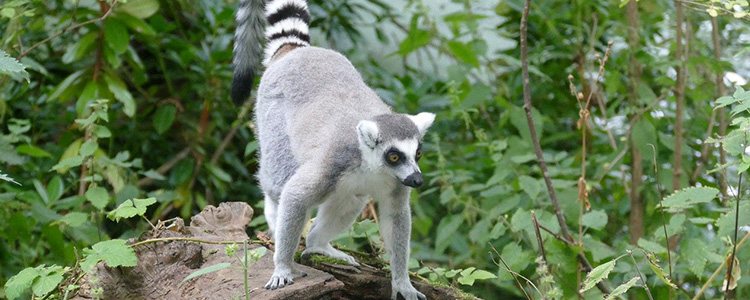

    • The leading banks in the Philippines are BDO, BPI, Metrobank, Landbank and RCBC.
    • Banks are open from 9:00 AM - 3:30 PM and ATMs are open 24 hours. The maximum amount you can withdraw from the ATM is different per branch at BDO and BPI per transaction with a maximum of PHP10,000-20,000, Citibank Makati PHP15,000 and HSBC PHP40,000. Depending on your own maximum for cash out of an ATM limit a day. At the Citibank, you don't have to pay the extra foreign bank fee. Make sure your ATM is set on using your card outside of Europe. 

    Arrange your communication

    • When you stay a longer period of time, it is very handy to use a local simcard, most of the time free at the airport booths. You have two main choices: Globe or Smart. When you have a local card, you can use the WIFI in malls, with your foreign number you are not able to use the WIFI. 

    Read about the Philippines

    For the touristic highlights and places to stay & eat there's a good selection of travel guides such as:

    • Lonely Planet
    • Footprint
    • Marco Polo

    Other books you can read about the Philippines are:

    Jose Rizal

    • Noli Me Tangere
    • El Filibusterismo

    Nick Joaquin

    • La Naval de Manila and Other Essays (1964)
    • A Portrait of the Artist as Filipino (1966)

    F. Sionil Jose

    • Rosales Saga novels: five-novel series that spans three centuries of Philippine history, widely read around the world and translated into 22 languages

    Niklas Reese

    • Handbook of the Philippines: A comprehensive introduction to Philippine society, economy, politics and culture. It aims to shed light to the different facets of life (and of daily struggles and survival) in the Philippines.

    What to pack into your bag?

    • Passport
    • Visa
    • Print of your outbound ticket (to be shown at the airport of departure)
    • Vaccination booklet
    • Cash money
    • ATM card
    • Travel guide
    • Language guide
    • Reading books
    • Camera
    • Bag/suitcase
    • Labels
    • Day bagpack
    • Money belt (and or travel safe)
    • Locks for your bag
    • Toilet bag
    • Toothbrush/paste/soap/shampoo/comb, disinfectant soap etc
    • Towel
    • Ear plugs
    • Sunscreen high factor
    • Sunglasses/cap
    • Mosquito repellent (and mosquito net)
    • Medical kit, although almost everything is also available in the Philippines: with Immodium, ORS, Paracetamol, band-aid, disinfectant, gauze & bandages etc.
    • Flip‐flops
    • Clothes: sandals, light clothes since the climate is hot and humid, socks/shirt with long sleeves and trousers for the evenings (mosquitoes), swimsuit. 
    • Laptop and mobile phone. Consider bringing a safety cable if you bring yours. Most hostels have free or paid Wi-Fi service. If you want to bring your smart phone, consider also bringing a cheaper phone for daily use.
    • In the Philippines, women hardly use tampons so if you use them you will need to bring them with you.
    How to get around in the Philippines?

    How to get around in the Philippines?

    tricycle

    The Philippines consists of thousands of islands, which makes it not easy to travel around the country. What are the best transport options to get around when visiting the Philippines?

    By air

    • Short-haul, domestic flights are increasing in popularity, especially with the rise of low-cost airlines.

    By train

    • The Philippines does not have an extensive railway network. Most trains run between Metro Manila and the surrounding region.
    • Not all train services are in operation due to damage by natural disasters, lack of maintanence and investment.

    By bus

    • Buses are the most diverse public transport group and come in many shapes and sizes. From air conditioned minivans to jeepneys (elongated jeeps often painted in bright colours and abundant in cities) and run down buses to luxury multi-seaters, you will find a bus that suits your need. Even though there are traditional bus stops, they can also be flagged down at non designated stops.
    • Bus terminals are as diverse as the buses itself. They can be well organised hubs with well displayed departure schedules and tickets booths but don’t be surprised to find a bus terminal which is simply a collections of old shacks and some hopeful drivers competing for your trade.
    • Minivans have mostly taken over from regular buses. They’re usually quicker than regular buses but also more expensive. They work on a ‘depart when full’ bases but as ‘full’ is a multi-interpretable term, they can get quite crowded.

    By boat

    • As the Philippines is made up of numerous islands, the boat is a common and frequently used mode of transport. Like buses, they come in all shapes and sizes.
    • Be prepared for changes in your itinerary as adverse weather can cause delays or cancelations and throw your schedule into disarray.
    • Ferries tend to get overloaded so pay attention when boarding and if it looks uncomfortably full, you may want to wait until the next ferry.

    By taxi

    • Taxis can be a relatively cheap alternative. Always check if the meter’s on and actually working or else your fare could be an unpleasant surprise.
    • Renting a taxi including driver for the day – preferably through a hotel or someone you trust – is another option and, if agreed beforehand, can be a reasonably priced way of discovering the country through the eyes of a local.

    By car

    • Renting a car is not advised as traffic is mayhem and very far removed from what you’re probably used to. Be very careful if you do choose to rent a car and don’t expect people to observe standard traffic rules. Drive defensively and expect the unexpected. Avoid driving at night and in busy cities, especially Manila.
    • Your driving licence is technically valid for a 90-day rental period but some car-hire companies will still insist you have an International Driving Permit to hire a car.
    • Third party car insurance is mandatory.

    By bicycle

    • Bicycles are a popular exploration choice on smaller islands or in more remote areas. Bike rental shops are easily found. Do check your bike’s brakes and other essentials before hitting the road proper. And remember: the cheaper the bicycle, the shoddier the quality.

    By local transport

    • The tricycle is the Philippine version of the Southeast Asian Rickshaw. It’s a little car with a roof attached to a motorcycle. Prices differ hugely so always check and agree on a price before stepping aboard. Tricycles can also be hired for longer periods such as day tours. Again, agree on a price beforehand.
    • Another alternative are Pedicabs, simple pushbikes with a cart dragging behind, also known as put-puts or padyaks.
    • Kalesas or Tartanillas are small, two-wheeled horse drawn carriages found in Manila’s Chinatown, Intramuros, Vigan and Cebu City.
    • Quite the intimate option is jumping on the back of a Habal-Habal. Basically a motorcycle with an extended seat. The rough translation of Habal-Habal is ‘copulating pigs’, for the close proximity between you and the driver. Things get especially intimate if you decide to jump on with up to four people, a not uncommon sight.
    Life skill module for the Philippines (Chapter 1-12)

    Life skill module for the Philippines (Chapter 1-12)

    Education Category: General
    Ages: 0-4, 4-8, 8-12, 12-16, 16+

    .

    Donated by: Ron Haarms

    Included are the first twelve chapters of Ron Haarms' excellent Life Skill Module for the Philippines.
    Part 2 here.

    The first twelve chapters include:

    1. Introduction & Rules
    2. Increasing participation
    3. Movie 3 idiots
    4. A + B. Rules & Speech Competition
    5. Gender & Culture
    6. AIDS & Seuality
    7. I belong to a community
    8. Relationship Map
    9. Only positive strokes allowed
    10. Accepting Criticism and learning from it.
    11. Status & Power
    12. Assertive skills
      12.2 Part II Appendix
    Life skill module for the Philippines (Chapter 13-24)

    Life skill module for the Philippines (Chapter 13-24)

    Education Category: General
    Ages: 0-4, 4-8, 8-12, 12-16, 16+

    .

    Donated by: Ron Haarms


    Included are the last twelve chapters of Ron Haarms' excellent Life Skill Module for the Philippines.
    Part one here.

    The Final twelve chapters include:

    13. What I want I need

    14. My life auction

    15. Values voting

    16. Three C's of decision making

    17. Communication Activities

    18. Personal grooming

    19. Dining etiquette

    20. Time Managment

    21. SWOT

    22. Reaching my goals

    23. How do I set my goals

    24. Goals I can reach

    Top Places to visit in Metro Manila

    Top Places to visit in Metro Manila

    Manila fun

    Places to visit in Metro Manila

    When asked to name some of our favourite places to hang out in The capital of the Philippines, Metro Manila, it took us a while to put together simply because it can depend a lot on the mood you are in at the time and who you plan to meet with. When coming in from more developed, western environments, a bustling city in a tropical developing country can be an exciting new change with so much to experience and explore. Metro Manila can provide very different experiences depending on what you're looking for.

    Makati

    Area: Whenever you feel the need to reconnect with a more developed, western environment, visit the Greenbelt area in Makati's Central Business District - considered to be one of the most well thought-out shopping and dining areas in the city. A wide range of international cuisine is on offer as well as many of the more popular brands from around the world. With a great mix of restaurants and shops in a relatively quiet, green space, it can provide a little breathing space for anyone needing a short break from the city's congested sidewalks, streets and hi-rises. Food: Go to Spicy Fingers for Happy Hour or Barcino for wine and tapas. 
     
    Going out: When you are looking for hip, lively streetculture scene The Collective in Makati, is where to be. This little enclave of shops and restaurants organizes weekly events, from small concert, to art exhibits and everything else in between. Expect to meet a lot of open minded and cool people. You might want to give the vegetarian Vietnamese bread a try.

    Manila

    Area: Are you ready for something intense? Make your way down to the Chinatown/Quiapo/Divisoria area in Old Manila. You'll know you've arrived once you find yourself floating in a sea of human foot traffic drifting alongside an endless parade of passenger jeeps, tricycles and cars.

    In Chinatown, you'll find some of the best dimsum outside Hong Kong and Singapore. Everything around you is compact and well-worn - from the sidewalks and streets to the shops and restaurants, which should make for a pretty interesting experience. Try the Macau Egg Tart at Macau Bakery in Ong Pin Street, which is the mainstreet in Chinatown. 

     
    Shopping: If you're in the mood to shop and are hunting around for a ridiculous bargain, well both Quiapo and Divisoria can itch that scratch best. They only catch about this area is that it feels completely disorganized and chaotic to the outsider, so bring a local guide/friend along with you in order to decipher the codes and mysteries within this beehive of an area.
     
    Tour: If you are in Manila and you are wondering - why on Earth did I ever choose to stay in these stone jungles? - a good way to gain perspective on the city is to attend a tour around the historical parts of Manila by Carlos Celdran. Carlos is not a standard tour guide, but rather a guide of his proper genre! Be prepared for a breathtaking journey around Manila that you would never suspect ever existed.

    Pasig

    Activity: Inspired by the abundance of the tropical fruit in the Philippines and wondering how you can get even more benefit? Discover the art of raw food preparation. A great activity for health-minded foodies. Be prepared to discover amazing flavours, new ingredients and their scrumptious combinations. Classes are being offered at Dahon Kusina by the raw chef Asha Peri.

    Quezon City

    Food: Vincent is Bipolar in Maginawa Quezon City. It is a very small restaurant, Vincent opened it to let people experience the impact of food on health. Definitely go, have a look and eat.
     
    Going out: Enjoy Cubao X in Cubao, it is a venue in open air where you can have drinkes or food in a bar or restaurant of your choice. The vibe is vibrant and a lot of students come here to spend their evenings. They wear cool and creative clothes. Just go and see the place and experience it by yourself, it is authentic. 

    Around Manila

    Activity: So if you want to get out of Manila for a daytrip, just to relax, swim and see some green. Wawa-dam is the perfect destination. Take a FX from Aurora Avenue at Gateway mall, Cubao that will drive you to Montalban (one hour, when traffic is not too busy, about 50 peso). Then take a jeepney saying Wawa for another 20 minutes (9 peso). From the Wawa "terminal", a parking along the river, follow the path next to the river for 10 minutes. Here you will find the dam and the old waterreserve. This is where the drinking water from Manila used to come from. Now you will find some bamboo picknicktables and a great spot for swimming. On the other side of the river you can go caving.

    Transport in Manila

    Metro Manila is notorious for its traffic jams with trips averaging at speeds as low as 6–8 kilometers per hour. A trip that should take 20 minutes will last an hour or more especially during rush hour. There are many different ways of travelling through Manila, but don’t expect it to be convenient and always watch your belongings because of pickpockets.

    Jeepney / Jeep
    • Minimum fare: P8.00 – may cost higher depending on how far your destination is. You can ask the driver about this.
    • Route travel can be seen on cardboards displayed on the jeepney’s windshield.
    Fx
    • Minimum fare: P10.00 – may cost higher depending on how far your destination is. You can ask the driver about this.
    • Fx system is similar to the jeepney’s and also follows a certain route.
    Trains
    MRT (Metro Rail Transit), LRT 1 and LRT 2 (Light Rail Transit 1 and 2) 
    • Fare ranges from P10.00 to 15.00 – depending on what station you’re going.
    • Cards (tickets) can be availed at ticket booths in all stations.
    Bus
    • Minimum fare: P12.00 (air-conditioned buses) – may cost higher depending on how far your destination is. You can ask the conductor about this.
    • Ordinary bus fare (without air-con) is cheaper.
    Tricycle
    • Minimum fare: P7.00 – may cost higher depending on how far your destination is. You can ask the driver about this.
    • In Metro Manila, you will also see ‘pedicabs’. These are like tricycles but with bicycles instead of motorcycles.
    Taxi
    • Fare would depend on the taximeter device that calculates the distance travelled. Plug-down rate is P40.00. Meter increases by P2.50.
    Expat and emigration interviews: the story of Non from Japan who emigrated to the USA and the Philippines

    Expat and emigration interviews: the story of Non from Japan who emigrated to the USA and the Philippines

    Image

    What was your motivation emigrating to the Philippines?

    Who is Non?

    • Non feels at home everywhere. She emigrated from Japan first to the USA and after to the Philippines.

      Why did you emigrate to the Philippines?

      • I wanted to know more about Asia.

      What should people know about you to understand your emigration story?

      • I had been to the US for almost ten years, having a lot of American friends. I thought I should know about Asia as I am a part of it. I think I am a so called a traveler or an employee. There was not any definite plan when I was in Manila at the time. I thought to settle a place to live and find a decent job then.

      Why did you choose this work?

      • I had a referral from a friend of mine and got a job at a travel agency to assess Japan Visa for three years plus. Then, I decided to start a business.

      How did you choose your destination?

      • I had a Filipino friend.

      How did you prepare?

      • I cleaned up all my belongings, packed some into four suitcases.

      What have you learned?

      • I have moved to overseas multiple times. I just go on.

      What makes you feel like you are truly ‘at home’ in the Philippines?

      • If you have your own bed or bedroom every night, it will be your home, regardless of its location.

      How is your daily routine different from in your home country?

      • The daily routine is set by yourself, doesn’t it?

      Do you already have an idea about the future?

      • I just live today or this moment. I don’t expect future any hope or wish but without any desperate feeling. No one knows what happens next moment.

      Are there things you appreciate more about your home country now ? How do you deal with homesickness?

      • In my days in abroad I had never had homesickness. I missed food in Japan though hence it doesn’t mean I missed Japanese style food, but food in Japan which has plain taste it’s umami with less fat.

      How are your social interactions in the Philippines?

      What was your first encounter with a local resident in some of the places you stayed?

      • I had met many Americans or Filipinos in Japan before I moved there. I had basic idea of them.

      What is the funniest or most painful misunderstandings you have experienced due to cultural differences?

      • Filipinos switch (i) and (e), and (u) and (o) when they read out. It is hard to understand.

      Have you adopted any local customs?

      • No.

      What is your favorite local tradition/holiday? 

      • Well, opposite though. I hated their Christmas.

      Are there habits in social interaction that you found difficult to understand or get used to?

      • Filipinos weigh their family a lot. They often say “pinsan” as their member of their family. Pinsan means cousin. When they say it, you have to understand he/she is not a cousin you understand. They say pinsan as even third cousin which is considered nobody in our culture.

      What was the biggest culture shock?

      • They consider foreigners are all richer than they are.

      Do you have any tips for meeting people?

      • Filipinos are overall very friendly.

      How do locals react to you living and working in their places?

      • I could blend into them easily.

      How does friendship here differ from how it is experienced in your home country?

      • Some well educated people are now very good friends of mine now. My employees are I feel like still my family.

      How are the practical things arranged in the Philippines?

      Did you learn local languages and if so, how?

      • I signed up a Tagalog language school for a while. I was the worst student.

      What was the most difficult rule to understand/follow?

      • When my coworker or employee made mistakes, I couldn’t scold them. They are so fragile, they can’t tolerate from the warnings by others.

      How did you find a suitable place to live?

      • I just bought a condo unit in a mall area.

      Was it difficult?

      • Under Philippine business style, it was hectic process for me, however for Filipino it was smooth. The price was super reasonable.

      What have you learned about insurance, taxes and other financial obligations abroad?

      • Taxes are pain in a butt everywhere.

      Have you used local healthcare (GP, specialist, dentist etc.) and what do you notice?

      • I often went back to Japan. I got my medication there, received medical checks.

      What is useful for others to know?

      • I have no idea. The price is not easy everywhere.

      Have you developed new hobbies or interests since living abroad?

      • I had learned freediving.

      Are there any projects or activities that you are involved in that give you a sense of fulfillment? What do you do in your free time to feel connected to yourself and your environment?

      • I supported the poor. Invoked with SDG’s as well. Still sponsoring a working law college student.

      What local traditions or rituals have inspired or touched you?

      • Vets do a lot of volunteering work, catching stray animals, feeding.

      For you, what was the best thing about your choices?

      • My employees are all from extremely poor environment. Through the employment, their life turned better. I met them a few years ago about three years absence, they grew more. They looked more stable and economically settled.
      "Merry Christmas and a Happy New Year in the Philippines (A Very Warm Welcome)!"

      "Merry Christmas and a Happy New Year in the Philippines (A Very Warm Welcome)!"

      Traveling and backpacking is really an adventure, but besides I want to help people in the poorest parts of Manila in the next month as a volunteer of Smokey Tours (part of World Activity Philippines). Manila is an enormous city, and with around 12 million inhabitants is this metropolis arguably the most densely populated city in the world. Everywhere you can feel the crowded day-life in the metropolis and people are very busy. Surprisingly are the big shopping malls which are everywhere (even the office of my volunteer organization is located in a shopping mall at Sining Kamalig Gallery). The main public transport vehicle is the jeepney, an old American jeep which is used as taxi. To escape the big city there are many beautiful islands with magnificent nature, and up the north there are the world famous rice terraces.

      On Christmas eve I arrived in Manila, and I felt directly very welcome. Already on the airport I met Shirley (from the Philippines) and she invited me to celebrate Christmas eve with her family. Christmas has been a big event in the Philippines, since seventy percent of the population is Catholic. All family members are together and guests are invited for having dinner. When I arrived at Shirley's family, there were around fifteen family members in the house and the whole neighborhood was invited as well. One of her sisters has prepared a huge meal with a lot of Philippines specialties, such as sinigang (meat in sour broth), adobo (cooked chicken/pork in garlic, vinegar and soy sauce), milkfish, balut (egg with inside the embryo), lechon (roasted pig on spit, VVV compliant) and and halo-halo (ice cream with sweet beans). The hospitality of Filipinos is great and I am glad to spend Christmas eve on a traditional Philippines way, thank you Shirley!

      The main purpose for me to do volunteer work is to help poor people in the Philippines, we did with volunteers a great thing on Christmas. We bought ingredients to make 170 sandwiches and we give the "home made" sandwiches with a orange and a bottle of juice to homeless and very poor people which are living in the streets of Manila. Everyone was very thankful to get a sandwich and we wish them a merry Christmas. The best thing I ever did on Christmas and great that we could give them something extra for Christmas!

      I am volunteering in Manila for the organization World Activity Philippines. One subsidiary part of the organization is called Smokey Tours (http://www.smokeytours.com/#home-1), which provides five different kind of tours for tourists; the slum tour, market tour, cemetery tour, bicycle tour and cockfighting tour. The main purpose of the tours is to provide local people a job and income, mainly they are working as tour guides. Furthermore, the tours are created to make tourists aware of the poor and miserable life circumstances of the people in the slums of Manila. In January I will start with my project. My mainly activities will be creating and improving the bookkeeping system and make the tour guides aware of financial important issues in their life.

      One of my first days I participated in the bicycle tour, which took me into the chaotic traffic of Manila. The tour took me through the area of Gotamco with some touristic highlights such as the San Agustin Church, Rizal Park and Fort Santiago. The tour gives a nice view of the day-life in Manila. After a while we got used to the traffic and we could enjoy the variety of different parts of the city. Our tour guide explained a lot about the history of the Philippines, he had nice anecdotes about his previous tours and his own “day life” in the Philippines. Finally he bought us a refreshing coconut. A awesome tour with a lot of sights and great stories about the city (many thanks to the tour guide)!

      New years' eve I spend with Suzan (another volunteer) and a lot of other backpackers in San Juan, which is a surf town in northern Luzon. To be honest; surfing is not really my kind of activity, it is very hard to do and you need a lot of patient to catch the right wave. Spending new year on the beach was incredible, the fireworks was everywhere and beautiful and the beach-party after midnight took up till the early morning (as it should be). Off course I went for my first new years' swim ever. Guess, it is even better than in Scheveningen (but without Unox beanie)!

      Waste project in Baseco, Manila by World Experience Philippines

      Waste project in Baseco, Manila by World Experience Philippines

      Image

      The slums of Bataan Shipping and Engineering Company Compound or simply BASECO are considered to be one of the poorest of the country. The slum and its surrounding waters are packed with litter and the smell of the waste can be overwhelming. To tackle the waste problem World Experience Philippines (WEP) set up a project in which local waste collectors and educators will try to clean the street from within the community.

      WEP is working together with Pasig River Rehabilitation Commission (PRRC) to implement a pilot project for 12 months in Baseco (Port Area, Manila) which consists of:

      • the regular separate collection of three different waste streams
      • their intermediate storage at a Waste Transfer Station, which has been will be constructed and which is being operated under the pilot project.
      • and their subsequent environmentally sound management

      The objectives of the project are:

      • To improve the collection and management of waste in Baseco
      • To show the community how to reduce and manage waste, including sorting at source.
      • To reap the hygienic, health and environmental benefits of improved waste management.

      The pilot project is financed from a grant by donors of Smokey Tours and will run from September 2018 to September 2019

      The households are asked to sort and separate their waste in three different categories: Biodegradable, Recyclable and Residual. On several locations in the area the waste can be dropped off and will be collected by the waste collectors. The three waste collectors, financed from the project budget, collect the wast 6 days per week. The three categories of waste are further seperated at the main waste collection station.

      Image ACTIVITIES

      Check courses, jobs, projects, recipes, suggestions and tips related to: 'Philippines'

      CHECK MORE ACTIVITIES

      Make a selection, to find more tips than you see below

      Image Volunteer at a disaster-management organization and help people that are affected by natural disasters
      Volunteer at a disaster-management organization and help people that are affected by natural disasters
      Image Doe vrijwilligerswerk binnen een NGO en help bij de opvang van mensen die slachtoffer zijn geworden van een natuurramp of conflict
      Zet jouw werkervaring in en doe vrijwilligerswerk binnen een NGO en help bij de opvang van mensen die slachtoffer zijn geworden van een natuurramp of conflict
      Image Geef Engelse les op scholen om de kinderen zo een betere kans op een goede toekomst te geven
      Geef Engelse les op scholen om de kinderen zo een betere kans op een goede toekomst te geven.
      Image Contribute to the marketing and fundraising activities of an NGO that offers transport for people in a wheelchair
      Contribute to the marketing and fundraising activities of an NGO that offers transport for people in a wheelchair
      Image Loop stage op het gebied van wildlife-beheer of diergeneeskunde op de Filipijnen
      Een lokale dierbeschermingsorganisatie op het eiland Luzon, Filipijnen is elk jaar op zoek naar stagiairs die een studie volgen op het gebied van wildlife-beheer of...
      Image Haal je duikbrevet en ga aan de slag om koraalriffen te bestuderen en beschermen
      Haal je duikbrevet en ga aan de slag om koraalriffen te bestuderen en beschermen
      Image Heb jij een achtergrond in maatschappelijk werk of psychologie? Draai dan mee in een opvanghuis in Manila om kinderen en jongeren te ondersteunen
      Heb jij een achtergrond in maatschappelijk werk of psychologie? Draai dan mee in een opvanghuis in Manila om kinderen en jongeren te ondersteunen.
      Image Nederlandse gevangenen bezoeken in buitenlandse gevangenissen als vrijwilligerswerk
      Je gaat op bezoek in gevangenissen, fungeert als eerste toehoorder en hebt een signaalfunctie. Samen met de gedetineerde werk je aan zelfredzaamheid, zelfinzicht en re-...
      Image Provide service to people all over the world as a helpdesk agent in the Philippines
      You track calls and incidents from both clients and partners and enter them into a database. You help with technical user problems via email, telephone or chat. You...
      Image Draag bij aan de gezondheid van kinderen in ontwikkelingslanden en biedt medische zorg waar nodig
      Draag bij aan de gezondheid van kinderen in ontwikkelingslanden en biedt medische zorg waar nodig
      Activities abroad: home bundle

      Main content and contributions for activities abroad

      ,,,accommodations, adventure activities, courses, internships, jobs and volunteer projects

      ...to help another, travel with care, work together , learn to share and inspire with your experience


      Activities abroad: home page

      Activities abroad: home page

      From language courses to gap year abroad, from work experience to volunteering abroad, from paid work to internship abroad, from mountaineering to diving and from backpacking to travel around the world

        What social activities can you do abroad?

        • Opportunities are found in the areas of helping, learning or studying. You can get involved to volunteer in a social project at a school in Africa, Asia or Latin America. You can get involved in nature, in a project with animals or cleaning the sea or beaches. Those who want to learn more can choose for example a language course in Latin America, Spain or South Africa.

        What work related activities can you do abroad?

        • If you want to gain work experience, and/or also earn money, go and work abroad. You can combine backpacking in Australia with temporary work. You can work on campsites in Europe or bush camps in Africa. You can pretty much go all over the world to work in the hospitality industry, hotels and hostels, in the healthcare sector or for example at a diving school.

        What sports activities to do abroad?

        • Have you ever thought of mountain biking, rafting (going down a wild river on a raft or rubber dinghy, climbing or canoeing), survival (which involves building rafts, climbing or canoeing), abseiling (descending a rock face while secured to ropes), zip-lining (whizzing down a cable), canyoning (starting at the top of a river and then climbing, swimming, diving down the bed) or caving (scrambling, wriggling and crawling through caves and crevices)?
        • Maybe you feel more comfortable on a bodyboard (on a half-wave surfboard, you surf the high waves lying down-with flippers), on a hang glider or while paragliding (with a parachute you float down a mountain or dune), hydrospeeding (on a bodyboard with flippers and a wetsuit on you go down a wild river via rapids) or Tiefschneeskiing (racing down through powder snow)?

        Check the pages below for more activities and inspiration and where to go and how to arrange it

          Activities abroad: for experiencing countries and cultures abroad

          Activities abroad: for experiencing countries and cultures abroad

          Bundled content for experiencing countries and cultures during gap year, travel and backpacking abroad

          Access: 
          Public
          Activities abroad: for sports, adventure and outdoor abroad

          Activities abroad: for sports, adventure and outdoor abroad

          Bundled content for sports, adventure and outdoor during travel, gap year and backpacking abroad

          Access: 
          Public

          Image STORIES

          Check blogs, experiences and information related to: 'Philippines'

          CHECK MORE STORIES

          Make a selection, to find more blogs and contributions than you see below

          Image How does healthcare work in the Philippines, and what travel insurance, health insurance or expat insurance do you need?
          How does the healthcare system work in the Philippines, and which insurance do you need? What is the quality of healthcare in the Philippines? How does the public...
          Image Sharks abroad and while traveling: are they dangerous, where do you encounter them, where can you see them?
          What are sharks? What is a great white shark? Where can you see sharks from a boat? Where can you see sharks well when snorkelling? Where is the best place to dive with...
          Image Expat and emigration interviews: the story of Non from Japan who emigrated to the USA and the Philippines
          What was your motivation emigrating to the Philippines? How are your social interactions in the Philippines? How are the practical things arranged in the Philippines?...
          Image What laws and taxes apply when you move, live or work in the Philippines?
          Are there any special programs/arrangements for foreigners that want to live or work in the Philippines?What are important factors to consider in regards to Social...
          Image The social impact of the Smokey slum tours and the soundbites
          Smokey Slum Tours Smokey Slum Tours: social impact Smokey Slum Tours: soundbites and experiences Back to top Smokey Slum Tours: social impact Our Tour Leaders We empower...
          Countries & Destinations: home bundle

          Bundled content, suggestions, stories and tips about the countries and destinations in the world

          ...to help another, travel with care, work together , learn to share and inspire with your experience

          Africa: country bundles

          Africa: country bundles

          Access: 
          Public
          Asia: country bundles

          Asia: country bundles

          Country bundles of Asian countries

          Access: 
          Public
          Europe: country bundles

          Europe: country bundles

          Country bundles of European countries

          Access: 
          Public
          The Caribbean: country bundles

          Image ORGANIZATIONS

          Check sectors and organizations related to: 'Philippines'

          CHECK MORE ORGANIZATIONS

          Make a selection, to find more or other organizations than you see below

          Image Work the World: Medische Stages in Afrika en Azië
          Work the World organiseert sinds 2005 op maat gemaakte (vrijwillige) medische stages in Afrika en Azië. Een goed startpunt voor je stage geneeskunde in het buitenland...
          Image World Activity Philippines
          World Activity Philippines is onderdeel van Smokey projects. Smokey Projects is het JoHo projectonderdeel dat gericht is op directe projectsteun op de Filipijnen en de...
          Image Next Dream
          Stichting Next Dream (voorheen Let's Care) is een stichting die zich in de Filipijnen bezighoudt met belangenbehartiging van kansarme en/of mishandelde kinderen. Ze...
          Image Organizations: for diving, snorkeling and water sports abroad
          Diving schools and Snorkeling tour operators and organizations for water sports abroad
          Image Don't skip Manila
          Don't Skip Manila is a local, enthusiastic group with extensive knowledge of Manila. They organize day tours and activities on a wide range of topics.
          Image All Hands and Hearts
          All Hands and Hearts dedicates itself to recovery after natural disasters worldwide. Their volunteers come in action soon after natural disasters like earthquakes and...
          Image Bless the Children Foundation
          Bless the Children Foundation Bless strives for a better future for Filipino children. The better future will be offered to selected families of the poorest of the poor...
          Image Dutchies Travel: reisadvies voor Australië, Nieuw-Zeeland, Fiji, Europa, Canada, USA
          Dutchies Travel is dé plek om reisplannen, ideeën en dromen van alle Dutchies (en hun vrienden) ter wereld te ontwikkelen! Door hun passie en liefde voor reizen te delen...
          Image Smokey Tours
          Smokey slum tours in the slums of Manila What are slum tours? Which organization is organizing the Smokey slum tours in Manila? When and how can you book the slum tour?...
          Image Migrante International
          Migrante International, an alliance of progressive organizations, is an active defender of the rights and welfare of overseas Filipino workers (OFWs).
          Organizations & Services: home bundle

          Bundled content, suggestions, stories and tips about organizations and their products and services

          ...to help another, travel with care, work together, learn to share and inspire with your experience

          Organizations: home page
          Organizations for administrative, tax and legal work and consulting

          Organizations for administrative, tax and legal work and consulting

          international law

          Activities, internships, paid work, services or volunteer work in administration, tax and legal consulting

          Administrative, tax and legal consulting abroad: by position

          For job roles and duties related to activities, internships and jobs abroad, see:
          ......Read more on this page
          Organizations: for agriculture, grape picking, farming and vineyards
          Organizations: for animal protection, animal care and working with wildlife abroad
          Organizations: for au pairs, youth work and child care abroad
          Organizations: for bush camping and working at a campsite abroad
          Organizations: for catering, hospitality and entertainment abroad
          Organizations: for civil society and social work abroad
          Organizations for corporate business services

          Organizations for corporate business services

          Image

          Activities, internships, paid work, services or volunteer work in corporate business services

          Corporate business services abroad: by position

          For job roles and duties related to activities, internships and jobs abroad, see:
          ......Read more on this page
          Organizations: for customer services abroad and help desks
          Organizations: for diving, snorkeling and water sports abroad
          Organizations: for education and schools abroad
          Organizations: for expatriate insurances, travel insurances, and emergency call centers
          Organizations: for gap year activities abroad and sabbaticals
          Organizations: for internship placement abroad
          Organizations: for insurances and finance abroad
          Organizations for IT, engineering and construction

          Organizations for IT, engineering and construction

          Image

          Activities, internships, paid work, services or volunteer work in IT, webdevelopment, engineering and construction

          IT, engineering and construction abroad: by position

          For job roles and duties related to activities, internships and jobs abroad, see:
          ......Read more on this page
          Organizations: for language travel and language teaching abroad
          Organizations for marketing, communication and PR abroad

          Organizations for marketing, communication and PR abroad

          Image

          Activities, internships, paid work, services or volunteer work in marketing and communication

          Marketing, communication and PR abroad: by position

          For job roles and duties related to activities, internships and jobs abroad, see:
          ......Read more on this page
          Organizations: for mediation in au pairs, childcare and elderly care in the Netherlands
          Organizations for moving, international relocation and transport abroad

          Organizations for moving, international relocation and transport abroad

          Image

          Activities, internships, paid work, services or volunteer work in transport and international relocation

          Moving abroad and relocation services abroad: by position

          For job roles and duties related to activities, internships and jobs abroad, see:

          Moving abroad and relocation

          ......Read more on this page
          Organizations for nature conservation, environmental protection and working in nature abroad

          Organizations for nature conservation, environmental protection and working in nature abroad

          Costa Rica rain forest - Jungle

          Activities, internships, paid work, services or volunteer work in environmental protection, sustainability and nature conservation

          Nature conservation and environmental protection abroad: by position

          For job roles and duties related to activities, internships and jobs abroad, see:
          ......Read more on this page
          Organizations: for nonprofit projects, development work and international cooperation
          Organizations: for online work as digital nomad, freelancer, or independent entrepreneur from abroad
          Organizations: for outdoor activities and sports
          Organizations: for providing accommodation and hospitality work in hotels, guesthouses, ecolodges and hostels abroad

          Organizations: for providing accommodation and hospitality work in hotels, guesthouses, ecolodges and hostels abroad

          Image

          Activities, internships, paid work, services or volunteer work in hotels, resorts, guesthouses, ecolodges, bed and breakfasts and hostels abroad

          Working in hospitality and tourist accommodations abroad: by position

          For job roles and duties related to activities, internships and jobs abroad, see:
          ......Read more on this page
          Organizations: for providing healthcare and working in medical care abroad

          Organizations: for providing healthcare and working in medical care abroad

          Image

          Activities, internships, paid work, services or volunteer work in healthcare

          Providing healthcare and working in medical care abroad: by position

          For job roles and duties related to activities, internships and jobs abroad, see:
          ......Read more on this page
          Organizations: for psychological assistance and mental health care abroad

          Organizations: for psychological assistance and mental health care abroad

          Image

          Activities, internships, paid work, services or volunteer work in psychological assistance, coaching and mental health care abroad

          Psychological assistance, coaching and mental health care abroad: by position

          For job roles and duties related to activities, internships and jobs abroad, see:
          ......Read more on this page
          Organizations: for real estate, brokerage abroad and property rental abroad
          Organizations: for research and scientific work abroad

          Organizations: for research and scientific work abroad

          Image

          Organizations: for research, R&D, data collection, data analysis and scientific work abroad

          Activities, internships, paid work, services or volunteer work in research and science

          From R&D to data collection and data analysis

          Research and science abroad: by position

          For job roles and duties related to activities, internships and jobs abroad, see:
          ......Read more on this page
          Organizations: for student support and student associations
          Organizations: for tour guidance and adventure tours abroad
          Organizations: for tourism and organized travel and leisure work abroad
          Organizations: for voluntary work mediation and project placement abroad
          Organizations for yacht and shipping crew and working on a cruise ship abroad

          Organizations for yacht and shipping crew and working on a cruise ship abroad

          Image

          Activities, internships, paid work, services or volunteer work on cruise ships, sailing yachts and other ships

          Boat crew, deck hand or working for an international shipping organization

          Working on a yacht or cruise ship abroad: by position

          For job roles and duties related to activities, internships and jobs abroad, see:
          ......Read more on this page

          Image SUMMARIES

          Check summaries and study assistance related to: 'Philippines'

          CHECK MORE SUMMARIES

          No results found.

          Image ALL CONTENT

          Search all related content within the topic: 'Philippines'

          ALL CONTENT WITHIN TOPIC

          Select any filter and click on Apply to see results

          Image

          SPOTLIGHT & FAVORITES

          SPOTLIGHT
          Image

          How would your life change if your house burned down? What if you lost almost everything you owned in one snap?  January 11, 2019 (Friday)  2 blocks of streets including 50 houses in the Baseco manila were burned down, 120 families are victims and almost 400 people were affected, when we h...

          Waterfall in the Philippines

          Although preparing yourself for travel is different for everyone, here are some general guidelines for your trip to The Philippines. Please feel free to add your personal advice in the Comment & Contributions section. Arrange a flight For cheap flights, it is always best to book far in adva...

          Manila fun

          Places to visit in Metro Manila When asked to name some of our favourite places to hang out in The capital of the Philippines, Metro Manila, it took us a while to put together simply because it can depend a lot on the mood you are in at the time and who you plan to meet with. When coming in ...

          General information about the Philippines: Buhay Filipinas

          The Philippines Do you want to be touched by the Filipino culture and amazed by its beautiful beaches, mountains and underwater world? This is your chance!     The Philippines Lonely Planet: "The second-largest archipelago in the world, with over 7000 tropical islands, the Philippine...

          FAVORITES
          Image

          Na meer dan een jaar hier geleefd te hebben ben ik inmiddels wel bekend met het eten hier. Inmiddels heb ik zelf uitgevonden hoe ik hun 'typische' maaltijd kan maken: Adobo. Het is heel simpel en daarom iets wat ik nog weleens wil maken (ben vanmijzelf zeker geen chef).  Hier wordt veel rijst g...

          Sustainability and Social Impact

          Sustainability Looking back at 2017, focussing on the positive. I have been asked to talk, and sometimes even as a Keynote Speaker on Conferences. My talks are about Sustainability (which is the key of Social Impact) and about Social Impact. I did some research and taught myself all about Sustainabi...

          Waterfall in the Philippines

          Although preparing yourself for travel is different for everyone, here are some general guidelines for your trip to The Philippines. Please feel free to add your personal advice in the Comment & Contributions section. Arrange a flight For cheap flights, it is always best to book far in adva...

          Image

          TOPICS : check associated topics and more activities

          Check more: activities in WorldSupporter
          Check more: of the topic below
          Paid work around the world and abroad

          Paid work around the world and abroad Paid work abroad: orientation

          • What is paid work abroad?
          • Why do paid work abroad?
          • What do you need to do paid work abroad?
          • To what extent are you insured when you do paid work abroad?
          • How to select a paid wo...

          Working as an expat around the world and abroad

          Working as an expat around the world and abroad Working abroad as an expat: orientation

          • What is working as an expat abroad?
          • Why should you work as an expat abroad?
          • What do you need if you want to work abroad as an expat?
          • To what extent are you insured for risks wh...

          Go abroad!
          Page topic

          Stories, tips and experiences from the Philippines

          Submenu & Search

          Search only via club, country, goal, study, topic or sector