Travel to Malawi to backpack, study, intern, volunteer, work, or live as a digital nomad, expat or emigrant?

Image

Image
 Malawi

Intro

Backpacking or traveling in Malawi?

  • Malawi is found in the heart of East Africa. It is a small, beautiful country full of tea plantations, mountains, and a huge lake! It is a real backpacker destination that is still relatively undiscovered. It is also a good destination for sustainable travelers. You will find many eco lodges and sustainable initiatives. 

  • Activity spotting: explore trendy Blantyre, visit the ancient capital Zomba, learn about the freshwater fish of Lake Malawi, go on safari in at least one of the nine national parks (and they are all really different), snorkel or dive at Cape Maclear, delve into colonial history at Livingstonia, climb Mount Mulanje and experience real African life in Lilongwe. 

Studying in Malawi?

  • If you want to study in Malawi, there are a few options. The quality of education does not score very high, but it can be special to study there. There are 5 universities to choose from, with limited study options. These include education, accounting, business administration, marketing, environmental studies, journalism, biology, tourism, etc. 
  • Study cities: Mikolongwe, Blantyre, Ntcheu.
  • Language: English and Chichewa. 

Internship in Malawi?

  • There are many internship opportunities in Malawi, especially for NGOs. Examples include wildlife veterinary medicine, helping with media and marketing at small organizations/businesses, community development, education, sustainable tourism. 
  • Competencies: cross-cultural communication, creative thinking, problem solving, fieldwork, empathy and social awareness, independence. 

Volunteering in Malawi?

  • For volunteering, it is similar to internships. Options can be found mainly in education (English classes or other skills), conservation projects and protecting endangered species. 

Working in Malawi?

  • Malawi is a pretty poor country and there are not many options for work in the small job market. The best opportunity is with international nonprofit organizations with offices in Malawi. 
Working as a digital nomad in Malawi?

  • There are very few digital nomads in Malawi, so a good place if you want to be original!
  • Life is relatively cheap, but as far as we know, facilities are not very good and certainly WiFi leaves much to be desired. 

Living in Malawi?

  • Living in Malawi offers many advantages. With beautiful nature and wildlife parks and vibrant, colorful cities, Malawi offers a lot of beauty for expats. Also, the cost of living is certainly not high.  

  • It is one of the poorest countries in the world, but that does not stop the people from being hospitable and friendly. Also, the political situation is fairly stable. 
  • Be prepared for power outages, missing your Western conveniences and the sometimes too laid-back attitude of the locals.
  • Health care also leaves much to be desired. Make sure you arrange your own health insurance.

Supporting content

Supporting content:
Malawi Country Bundle: suggestions, stories and tips

Malawi Country Bundle: suggestions, stories and tips

Image

Content about Malawi on WorldSupporter

How does healthcare work in Malawi, and what travel insurance, health insurance or expat insurance do you need?

How does healthcare work in Malawi, and what travel insurance, health insurance or expat insurance do you need?

How does the healthcare system work in Malawi?

What is the quality of healthcare in Malawi?

  • The average life expectancy in Malawi (around 60 years) reflects the challenges within the healthcare system. It struggles with underfunding, staff shortages, and limited access to medicines.
  • Healthcare is provided through both the public sector and the private sector (for-profit and non-profit facilities).
  • Roughly 80% of healthcare services are concentrated in the larger cities.
  • Pharmacies can be found in major cities such as Lilongwe and Blantyre, usually with a reasonable stock of medicines. In rural areas, they are scarce.
  • Emergency care is almost non-existent; private transportation is essential in most situations.
  • Traditional medicine continues to play an important role, especially in rural communities.

How does the public healthcare system work in Malawi?

  • Malawi has a public healthcare system that is largely free of charge, funded by the government and international donors.
  • The healthcare system is structured into three levels: primary care through health centers, secondary care in district hospitals, and tertiary care in regional and national hospitals.
  • Expats can also access public healthcare via the NHIS (National Health Insurance Scheme).
  • Care comes with significant challenges: facilities are often understaffed, and shortages of medicine and equipment are common.
  • Basic care is delivered through health centers, which provide vaccinations, first aid, and routine treatments.
  • District hospitals offer secondary care but are often poorly equipped and overburdened.
  • Regional hospitals provide specialized care, but access is limited, and resources are insufficient.

How does the private healthcare system work in Malawi?

  • The private healthcare sector has grown in recent years and provides important supplementary care alongside the public system. Many expats rely on it.
  • Private clinics generally offer better facilities, higher standards of care, and shorter waiting times. The downside is that costs are significantly higher than in the public system.
  • Another advantage is the reduced language barrier when dealing with private doctors.
  • For complex treatments, patients usually travel abroad, most often to South Africa or other neighboring countries, where more advanced options are available.

How is the general practitioner arranged in Malawi?

  • Malawi does not have a traditional family doctor or GP system as you might know it. Basic care is provided through health centers or private doctors in urban areas.
  • Foreigners usually choose a private physician in Lilongwe or Blantyre.

How is the dentist arranged in Malawi?

  • The number of dentists in Malawi is very limited. Only a handful are available.
  • Basic dental care is accessible in the major cities. For more complicated patients, private care is generally the better option (and the safer bet).
  • For advanced treatments, or sometimes even for basic ones, many foreigners travel outside the country, for example to South Africa or other countries.

How is pregnancy care arranged in Malawi?

  • Prenatal care is in principle free of charge and is supported by the government and NGOs.
  • However, a significant number of births still take place without professional medical assistance. Around 70% of women have little or no access to maternity care, often because the nearest clinic may be 9 kilometers away—a walk you’d rather not attempt while in labor.
  • Traditional birth attendants still play a large role in villages, despite official campaigns to encourage more hospital deliveries.
  • Complications such as high maternal mortality (among the highest in the world) remain a major issue, especially due to poor access to hospitals and a lack of medical equipment.
  • Expats generally choose to give birth abroad, safer and more comprehensive care is available.

How safe or unsafe is a trip or stay in Malawi?

What should you pay attention to in terms of safety in Malawi?

  • Malawi is widely known as the “Warm Heart of Africa,” and the population is indeed hospitable and friendly.
  • Major political unrest or armed conflict is rare, but petty crime (pickpocketing, theft) does occur, especially at bus stations in Lilongwe and Blantyre. Carjackings are also reported.
  • It is not advisable to walk alone at night.
  • Police assistance is slow or sometimes absent.
  • Infrastructure and health risks are often more of a challenge than people’s behavior.

What should you look out for in terms of diseases in Malawi?

  • Only drink bottled or boiled water to avoid infections.
  • Malaria is a major risk; mosquitoes are relentless.
  • Other common health issues include schistosomiasis (bilharzia) from swimming in lakes and rivers, and gastrointestinal problems caused by poor water quality.
  • HIV/AIDS is widespread, and preventive measures are essential.

What should you pay attention to when it comes to traffic in Malawi?

  • Driving in Malawi is an adventure: poor roads, potholes everywhere, and drivers who seem to consider brakes optional. Just over half of Malawi’s roads are paved.
  • Driving at night is especially dangerous due to unexpected obstacles: stray cattle, broken-down trucks without lights, and people walking in the middle of the road.
  • Public transport usually consists of minibuses so crowded that you’ll quickly make close friends.

What work and travel insurance policies are suitable for short and long stays in Malawi?

  • Is the trip to Malawi and your return sufficiently covered? Are you sufficiently covered before, during and after your activities? Which insurance best suits your trip and your activity? Read more about insurances for abroad on JoHoinsurances.org.

What emigration and expat insurance can you take out for Malawi if you are going to live there for a while?

  • A good international health or travel insurance policy is essential, and practically mandatory, for any long stay in Malawi.
  • The likelihood of needing medical evacuation or repatriation is relatively high.
  • If you have private insurance, you can choose your own doctor in Malawi.
  • Read more about insurances for abroad on Expatinsurances.org.
Packing list for Malawi, travel insurance for Malawi, and taking your belongings

Packing list for Malawi, travel insurance for Malawi, and taking your belongings

Packing list for Malawi, travel insurance for Malawi, and taking your belongings

To take or not to take to Malawi, leave at home or arrange locally?
Sufficiently insured or not for your activities in Malawi?
Sufficiently insured or not for your trip to Malawi?

What to take with you to Malawi: short

Featured items:
  • Documents: passport with a validity of at least 6 months.
  • Money: bring enough Malawian kwacha. Sometimes you can pay by Credit card, but certainly not at markets or in remote areas.
  • Care: sunscreen or sunscreen with a high factor.
  • Outdoor and practical items: hat and sunglasses. Lightweight and breathable raincoat (more about rainwear and waterproof clothing). Backpack rain cover.
  • Clothing: lightweight clothing for warm temperatures, moisture-wicking fabrics are best. Read more about clothing for when it is warm. Layers, including a sweater or fleece layer for the evenings, in winter and for higher altitudes. Neutral colored clothing if you are going on safari. Insect and mosquito repellent clothing.
  • Shoes: hiking boots and possibly sandals/slippers. Medicines and travel kit: a small first aid kit with plasters, painkillers, hand sanitizer and ORS. Mosquito repellent (see also DEET mosquito repellent).
  • Technique and equipment: world plug with type G (see also world plug or travel plug) and a headlamp or flashlight and power bank for when you go to remote areas.
What are some other options for packing as well?
  • Reusable water bottle with filter. In remote areas it can be difficult to find filtered water.
  • Flashlight for remote areas.
  • Travel sickness tablets for bumpy rides.
  • Binoculars for wildlife spotting (more about taking mini binoculars or monoculars)!
  • Check in advance whether your accommodation has impregnated mosquito nets and if not, take a mosquito net with you.

What should you keep in mind when traveling to Malawi with your belongings?

  • That the climate can vary considerably depending on where you go and when you visit the country.
  • Where malaria hotspots are.
  • The local dress code - modest, covered and colourful, especially in the predominantly Muslim villages.

Are there mosquitoes in Malawi?

  • Mosquitoes are widespread in Malawi, especially in low-lying areas and near water sources.
  • The risk of mosquito bites is highest during the rainy season, from November to April.
  • Mosquitoes can transmit malaria, among other things. Malaria is endemic in more than 95% of the country and is a major cause of illness and death.

Are there sandflies in Malawi?

  • Sand flies are not a known problem in Malawi. 

Can you buy DEET, or other mosquito repellents, in Malawi?

  • Yes, mosquito repellents are available in Malawi, especially in larger cities such as Lilongwe, Blantyre, and tourist areas around Lake Malawi. Usually at chemists and drugstores, sometimes at the lodge itself.
  • A popular natural brand is Virisafe.
  • However: the range is often limited, and the prices can be relatively high for imported products.
  • The local products are usually less effective in high-risk areas.
  • Bring your own trusted mosquito repellent, especially if you prefer a certain percentage of DEET (such as 30% or 50%) or an alternative such as picaridin or icaridin.

Can you buy a joint or weed in Malawi, or take it with you to Malawi?

  • Malawi is known for Malawi Gold, one of the most popular marijuana - chamba - varieties.
  • Cannabis is also one of the country's three largest export products. In February 2020, Malawi legalized the cultivation and production of cannabis for industrial and medicinal purposes.
  • Recreational use is still illegal and penalties can be severe. So don't be tempted!
  • Taking it with you to Malawi (or when you leave Malawi) - definitely also not allowed! 
Malawi: Updates & Travel

Malawi: Updates & Travel

Travel in Malawi?

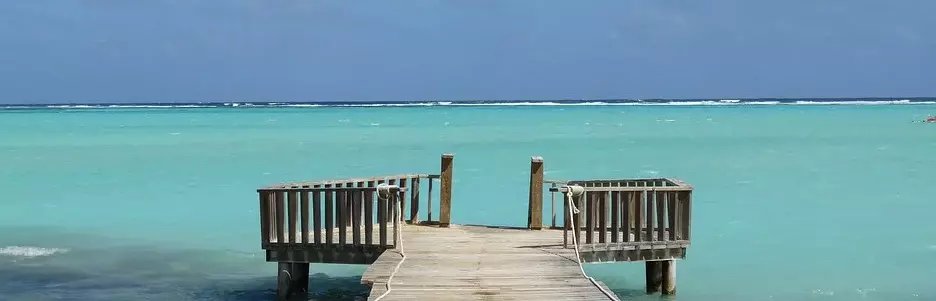
  • Malawi has countless beautiful beaches, with clear blue waters. The people are incredibly friendly and have a rich culture. Even the capital Lilongwe has a relaxed atmosphere compared to other East African capitals. Go and explore!
  • Enjoy the view from the highest mountain in central Africa, Mount Mulanje. If you are not a climber take a hike on the Zomba Plateau.
  • Cycle along the shores of Lake Malawi and visit the Laka Malawi National Park.
  • Indulge in a traditional dance such as the Gule Wamkulu.
  • Cape McClear: Lake Malawi, 5 hours by bus from Blantyre AND 20 km hitchhiking. This is a real classic hangout spot for backpackers with cold beer, hammocks and water sports from kayaking to scuba diving.
  • Chongoni Rock-Art Area: One of two UNESCO-listed sites in Malawi. A huge collection of rock paintings, the oldest of which are probably nearly 5,000 years old.
  • Nkhotakota, visit one of the oldest markets in Africa, on the edge of Lake Malawi.
  • Lilongwe is the capital of Malawi with an old center, markets, a new business center and interesting architecture.
  • Be aware that Malawi has a high percentage of adults infected with HIV/AIDS.

Updates Malawi

  • More about Malawi, updates and contributions, see the link below.

Image ACTIVITIES

Check courses, jobs, projects, recipes, suggestions and tips related to: 'Malawi'

ACTIVITIES
Image

A 4-day festival at different locations in Zomba City during the May Day public holiday. Explore the green historical city in Southern Malawi during four days of contemporary arts & culture.

CHECK MORE ACTIVITIES

Select any filter and click on Apply to see results

Activities abroad: home bundle

Main content and contributions for activities abroad

,,,accommodations, adventure activities, courses, internships, jobs and volunteer projects

...to help another, travel with care, work together , learn

........Read more
Activities abroad: home page

Activities abroad: home page

From language courses to gap year abroad, from work experience to volunteering abroad, from paid work to internship abroad, from mountaineering to diving and from backpacking to travel around the world

    What social activities can you do abroad?

    • Opportunities are found in the areas of helping, learning or studying. You can get involved to volunteer in a social project at a school in Africa, Asia or Latin America. You can get involved in nature, in a project with animals or cleaning the sea or beaches. Those who want to learn more can choose for example a language course in Latin America, Spain or South Africa.

    What work related activities can you do abroad?

    • If you want to gain work experience, and/or also earn money, go and work abroad. You can combine backpacking in Australia with temporary work. You can work on campsites in Europe or bush camps in Africa. You can pretty much go all over the world to work in the hospitality industry, hotels and hostels, in the healthcare sector or for example at a diving school.

    What sports activities to do abroad?

    • Have you ever thought of mountain biking, rafting (going down a wild river on a raft or rubber dinghy, climbing or canoeing), survival (which involves building rafts, climbing or canoeing), abseiling (descending a rock face while secured to ropes), zip-lining (whizzing down a cable), canyoning (starting at the top of a river and then climbing, swimming, diving down the bed) or caving (scrambling, wriggling and crawling through caves and crevices)?
    • Maybe you feel more comfortable on a bodyboard (on a half-wave surfboard, you surf the high waves lying down-with flippers), on a hang glider or while paragliding (with a parachute you float down a mountain or dune), hydrospeeding (on a bodyboard with flippers and a wetsuit on you go down a wild river via rapids) or Tiefschneeskiing (racing down through powder snow)?

    Check the pages below for more activities and inspiration and where to go and how to arrange it

      Image STORIES

      Check blogs, experiences and information related to: 'Malawi'

      STORIES
      Meegraven met Dennis en Naga, vanuit je luie stoel

      Een boer...moet oogsten. Niet alleen die uit de boerenwereld van Yvon Jaspers, maar ook een boer in, neem, Malawi. Eén terugkerend probleem echter: het te snel wegstromen van regenwater. Dus, geen vruchtbare grond. Dennis Karpes gaf tijdens de Business Meeting Brabant een wat ander geluid dan...

      Terug in Nederland (reisverslag van mijn reis in Malawi)

      21/7 – 22/7 Om half 5 was ik op schiphol met een backpack van 15.5 kilo en een rugzak van 5 kilo. Om 5 uur gingen we in de rij staan voor het inchecken en om 6 uur aren we eindelijk aan de beurt. Toen we daarna ook door de douane waren gegaan en niemand was gaan piepen, gingen we ergens wat et...

      CHECK MORE STORIES

      Select any filter and click on Apply to see results

      Countries & Destinations: home bundle

      Bundled content, suggestions, stories and tips about the countries and destinations in the world

      ...to help another, travel with care, work together , learn to share and inspire........Read more

      Africa: country bundles

      Africa: country bundles

      Access: 
      Public
      Asia: country bundles

      Asia: country bundles

      Country bundles of Asian countries

      Access: 
      Public
      Europe: country bundles

      Europe: country bundles

      Country bundles of European countries

      Access: 
      Public
      The Caribbean: country bundles

      Image ORGANIZATIONS

      Check sectors and organizations related to: 'Malawi'

      ORGANIZATIONS
      Mulanje Mission Hospital - Church of central african logo

      Mulanje Mission Hospital is a Christian organization in Malawi that provides public health and primary care services to about 88,000 people living in the Mulanje area. Patients from across Mulanje district and much further afield visit Mulanje Mission Hospital for outpatient, inpatien...

      Go with Khaya

      Through Go with Khaya (formerly Khaya Volunteer), you can participate in a variety of volunteer projects in Malawi, Namibia, Tanzania, Zanzibar, and South Africa. These projects include healthcare, wildlife, education, community service, sports, and childcare. Some projects are open to those aged 16...

      Wildlife Action Group Malawi

      This foundation in Malawi offers volunteer work and internships within two protected nature reserves. They offer internships for college and university students in the field of environment and ecology. Internships last between 3 and 12 weeks. It is about back to basics living in the true wilder...

      Chitimba Camp

      Dit Guesthouse, Hostel en Camping met Nederlandse eigenaren organiseert ook tours en trips, heeft een eigen guesthouse en zijn geregeld op zoek naar medewerkers binnen de afdeling hospitality & management. Veel mensen die van dwars door Afrika reizen per auto komen hier overnachten. Een voorbee...

      CHECK MORE ORGANIZATIONS

      Select any filter and click on Apply to see results

      Organizations & Services: home bundle

      Bundled content, suggestions, stories and tips about organizations and their products and services

      ...to help another, travel with care, work together, learn to share and inspire with

      ........Read more
      Organizations: home page
      Organizations: for administrative, tax and legal work and consulting
      Organizations: for agriculture, grape picking, farming and vineyards
      Organizations: for animal protection, animal care and working with wildlife abroad
      Organizations: for au pairs, youth work and child care abroad
      Organizations: for bush camping and working at a campsite abroad
      Organizations: for catering, hospitality and entertainment abroad
      Organizations: for civil society and social work abroad
      Organizations: for corporate business services
      Organizations: for customer services abroad and help desks
      Organizations: for diving, snorkeling and water sports abroad
      Organizations: for education and schools abroad
      Organizations: for expatriate insurances, travel insurances, and emergency call centers
      Organizations: for gap year activities abroad and sabbaticals
      Organizations: for internship placement abroad
      Organizations: for insurances and finance abroad
      Organizations: for IT, engineering and construction
      Organizations: for language travel and language teaching abroad
      Organizations: for marketing, communication and PR
      Organizations: for mediation in au pairs, childcare and elderly care in the Netherlands
      Organizations: for moving, international relocation and transport abroad
      Organizations: for nature conservation, environmental protection and working in nature abroad
      Organizations: for nonprofit projects, development work and international cooperation
      Organizations: for online work as digital nomad, freelancer, or independent entrepreneur from abroad
      Organizations: for outdoor activities and sports
      Organizations: for providing accommodation and hospitality work in hotels, guesthouses, ecolodges and hostels abroad
      Organizations: for providing healthcare and working in medical care abroad
      Organizations: for psychological assistance and mental health care abroad
      Organizations: for real estate, brokerage abroad and property rental abroad
      Organizations: for research and scientific work abroad
      Organizations: for student support and student associations
      Organizations: for tour guidance and adventure tours abroad
      Organizations: for tourism and organized travel and leisure work abroad
      Organizations: for voluntary work mediation and project placement abroad
      Organizations: for yacht and shipping crew and working on a cruise ship abroad

      Image SUMMARIES

      Check summaries and study assistance related to: 'Malawi'

      CHECK MORE SUMMARIES

      Select any filter and click on Apply to see results

      Image

      SPOTLIGHT & FAVORITES

      SPOTLIGHT
      kids

      Deze 2 meisjes spoken nog dagelijks in mijn hoofd, daarom wil ik hun verhaal met jullie delen. Niet alleen hun verhaal, maar vooral waarom ik nog dagelijks aan deze meisjes denk en wat mijn gevoel bij hun is. Wanneer ik aan hun denk vraag ik mij af: Hoe gaat het nu met hun, wat zijn ze aan het doen ...

      FAVORITES
      Image

      A 4-day festival at different locations in Zomba City during the May Day public holiday. Explore the green historical city in Southern Malawi during four days of contemporary arts & culture.

      Doingoood

      Doingoood Experience is een stichting die vrijwilligerswerk, stages en reizen in Afrika organiseert voor jong en oud. De stichting heeft projecten in verschillende landen en biedt daarnaast ook Nederlandstalige begeleiding voor en tijdens je avontuur. 

      Safety, insurances and packing list for Malawi

      Packing list for Malawi, travel insurance for Malawi, and taking your belongings

      Packing list for Malawi, travel insurance for Malawi, and taking your belongings

      Packing list for Malawi, travel insurance for Malawi, and taking your belongings

      To take or not to take to Malawi, leave at home or arrange locally?
      Sufficiently insured or not for your activities in Malawi?
      Sufficiently insured or not for your trip to Malawi?

      What to take with you to Malawi: short

      Featured items:
      • Documents: passport with a validity of at least 6 months.
      • Money: bring enough Malawian kwacha. Sometimes you can pay by Credit card, but certainly not at markets or in remote areas.
      • Care: sunscreen or sunscreen with a high factor.
      • Outdoor and practical items: hat and sunglasses. Lightweight and breathable raincoat (more about rainwear and waterproof clothing). Backpack rain cover.
      • Clothing: lightweight clothing for warm temperatures, moisture-wicking fabrics are best. Read more about clothing for when it is warm. Layers, including a sweater or fleece layer for the evenings, in winter and for higher altitudes. Neutral colored clothing if you are going on safari. Insect and mosquito repellent clothing.
      • Shoes: hiking boots and possibly sandals/slippers. Medicines and travel kit: a small first aid kit with plasters, painkillers, hand sanitizer and ORS. Mosquito repellent (see also DEET mosquito repellent).
      • Technique and equipment: world plug with type G (see also world plug or travel plug) and a headlamp or flashlight and power bank for when you go to remote areas.
      What are some other options for packing as well?
      • Reusable water bottle with filter. In remote areas it can be difficult to find filtered water.
      • Flashlight for remote areas.
      • Travel sickness tablets for bumpy rides.
      • Binoculars for wildlife spotting (more about taking mini binoculars or monoculars)!
      • Check in advance whether your accommodation has impregnated mosquito nets and if not, take a mosquito net with you.

      What should you keep in mind when traveling to Malawi with your belongings?

      • That the climate can vary considerably depending on where you go and when you visit the country.
      • Where malaria hotspots are.
      • The local dress code - modest, covered and colourful, especially in the predominantly Muslim villages.

      Are there mosquitoes in Malawi?

      • Mosquitoes are widespread in Malawi, especially in low-lying areas and near water sources.
      • The risk of mosquito bites is highest during the rainy season, from November to April.
      • Mosquitoes can transmit malaria, among other things. Malaria is endemic in more than 95% of the country and is a major cause of illness and death.

      Are there sandflies in Malawi?

      • Sand flies are not a known problem in Malawi. 

      Can you buy DEET, or other mosquito repellents, in Malawi?

      • Yes, mosquito repellents are available in Malawi, especially in larger cities such as Lilongwe, Blantyre, and tourist areas around Lake Malawi. Usually at chemists and drugstores, sometimes at the lodge itself.
      • A popular natural brand is Virisafe.
      • However: the range is often limited, and the prices can be relatively high for imported products.
      • The local products are usually less effective in high-risk areas.
      • Bring your own trusted mosquito repellent, especially if you prefer a certain percentage of DEET (such as 30% or 50%) or an alternative such as picaridin or icaridin.

      Can you buy a joint or weed in Malawi, or take it with you to Malawi?

      • Malawi is known for Malawi Gold, one of the most popular marijuana - chamba - varieties.
      • Cannabis is also one of the country's three largest export products. In February 2020, Malawi legalized the cultivation and production of cannabis for industrial and medicinal purposes.
      • Recreational use is still illegal and penalties can be severe. So don't be tempted!
      • Taking it with you to Malawi (or when you leave Malawi) - definitely also not allowed! 
      How does healthcare work in Malawi, and what travel insurance, health insurance or expat insurance do you need?

      How does healthcare work in Malawi, and what travel insurance, health insurance or expat insurance do you need?

      How does the healthcare system work in Malawi?

      What is the quality of healthcare in Malawi?

      • The average life expectancy in Malawi (around 60 years) reflects the challenges within the healthcare system. It struggles with underfunding, staff shortages, and limited access to medicines.
      • Healthcare is provided through both the public sector and the private sector (for-profit and non-profit facilities).
      • Roughly 80% of healthcare services are concentrated in the larger cities.
      • Pharmacies can be found in major cities such as Lilongwe and Blantyre, usually with a reasonable stock of medicines. In rural areas, they are scarce.
      • Emergency care is almost non-existent; private transportation is essential in most situations.
      • Traditional medicine continues to play an important role, especially in rural communities.

      How does the public healthcare system work in Malawi?

      • Malawi has a public healthcare system that is largely free of charge, funded by the government and international donors.
      • The healthcare system is structured into three levels: primary care through health centers, secondary care in district hospitals, and tertiary care in regional and national hospitals.
      • Expats can also access public healthcare via the NHIS (National Health Insurance Scheme).
      • Care comes with significant challenges: facilities are often understaffed, and shortages of medicine and equipment are common.
      • Basic care is delivered through health centers, which provide vaccinations, first aid, and routine treatments.
      • District hospitals offer secondary care but are often poorly equipped and overburdened.
      • Regional hospitals provide specialized care, but access is limited, and resources are insufficient.

      How does the private healthcare system work in Malawi?

      • The private healthcare sector has grown in recent years and provides important supplementary care alongside the public system. Many expats rely on it.
      • Private clinics generally offer better facilities, higher standards of care, and shorter waiting times. The downside is that costs are significantly higher than in the public system.
      • Another advantage is the reduced language barrier when dealing with private doctors.
      • For complex treatments, patients usually travel abroad, most often to South Africa or other neighboring countries, where more advanced options are available.

      How is the general practitioner arranged in Malawi?

      • Malawi does not have a traditional family doctor or GP system as you might know it. Basic care is provided through health centers or private doctors in urban areas.
      • Foreigners usually choose a private physician in Lilongwe or Blantyre.

      How is the dentist arranged in Malawi?

      • The number of dentists in Malawi is very limited. Only a handful are available.
      • Basic dental care is accessible in the major cities. For more complicated patients, private care is generally the better option (and the safer bet).
      • For advanced treatments, or sometimes even for basic ones, many foreigners travel outside the country, for example to South Africa or other countries.

      How is pregnancy care arranged in Malawi?

      • Prenatal care is in principle free of charge and is supported by the government and NGOs.
      • However, a significant number of births still take place without professional medical assistance. Around 70% of women have little or no access to maternity care, often because the nearest clinic may be 9 kilometers away—a walk you’d rather not attempt while in labor.
      • Traditional birth attendants still play a large role in villages, despite official campaigns to encourage more hospital deliveries.
      • Complications such as high maternal mortality (among the highest in the world) remain a major issue, especially due to poor access to hospitals and a lack of medical equipment.
      • Expats generally choose to give birth abroad, safer and more comprehensive care is available.

      How safe or unsafe is a trip or stay in Malawi?

      What should you pay attention to in terms of safety in Malawi?

      • Malawi is widely known as the “Warm Heart of Africa,” and the population is indeed hospitable and friendly.
      • Major political unrest or armed conflict is rare, but petty crime (pickpocketing, theft) does occur, especially at bus stations in Lilongwe and Blantyre. Carjackings are also reported.
      • It is not advisable to walk alone at night.
      • Police assistance is slow or sometimes absent.
      • Infrastructure and health risks are often more of a challenge than people’s behavior.

      What should you look out for in terms of diseases in Malawi?

      • Only drink bottled or boiled water to avoid infections.
      • Malaria is a major risk; mosquitoes are relentless.
      • Other common health issues include schistosomiasis (bilharzia) from swimming in lakes and rivers, and gastrointestinal problems caused by poor water quality.
      • HIV/AIDS is widespread, and preventive measures are essential.

      What should you pay attention to when it comes to traffic in Malawi?

      • Driving in Malawi is an adventure: poor roads, potholes everywhere, and drivers who seem to consider brakes optional. Just over half of Malawi’s roads are paved.
      • Driving at night is especially dangerous due to unexpected obstacles: stray cattle, broken-down trucks without lights, and people walking in the middle of the road.
      • Public transport usually consists of minibuses so crowded that you’ll quickly make close friends.

      What work and travel insurance policies are suitable for short and long stays in Malawi?

      • Is the trip to Malawi and your return sufficiently covered? Are you sufficiently covered before, during and after your activities? Which insurance best suits your trip and your activity? Read more about insurances for abroad on JoHoinsurances.org.

      What emigration and expat insurance can you take out for Malawi if you are going to live there for a while?

      • A good international health or travel insurance policy is essential, and practically mandatory, for any long stay in Malawi.
      • The likelihood of needing medical evacuation or repatriation is relatively high.
      • If you have private insurance, you can choose your own doctor in Malawi.
      • Read more about insurances for abroad on Expatinsurances.org.
      Supporting Content:
      Malawi: selectie van blogs en bijdragen door WorldSupporters

      Malawi: selectie van blogs en bijdragen door WorldSupporters

      Selectie van blogs en bijdragen door WorldSupporters over Malawi

      Dag 6: Het Malawiaanse volkslied blijft wel hangen

      Dag 6: Het Malawiaanse volkslied blijft wel hangen

      Om 06:00 uur begon een haan al fijn met kraaien en waren veel mensen in de gemeenschap allang uit de veren. Gelukkig konden wij nog een uurtje doorslapen om vervolgens om 07:30 aan het ontbijt te verschijnen. (Boterhammen met pindakaas en suiker, ei en ranzige thee)
      We gingen vandaag de daken afmaken maar Fokke, iemand uit mijn groepje, en ik werden bij het andere groepje ingedeeld omdat bij dat huis nog veel meer moest gebeuren. Het groepje dat gisteren een badhokje gemaakt had, ging vandaag poetsen bij de Thundu Primary School van twee dagen geleden.
      We liepen naar het huisje en er lag alleen een houten frame op. Al het riet en bamboe moest er dus nog op. Dat was veel werk maar we konden toch niet allemaal tegelijk op het dak zitten dus vaak hadden we weinig te doen.
      Op een gegeven moment gingen we wel als echte Afrikanen met emmers met, in dit geval, droge aarde op ons hoofd rondlopen. Dit werd gebruikt om, gemengd met water, een nieuwe vloer in het huisje aan te leggen. Dit moet kennelijk elke drie weken gebeuren en een groepje van vier ging dit nu doen. Het huisje bleek van een vrouw te zijn van rond de 60. Zij heeft HIV en enkele van haar (klein-)kinderen ook. Terwijl het dak en de nieuwe vloer afgemaakt werden, ging ik met de rest van de groep richting een soort ziekenhuisje. Dit zou twintig minuutjes lopen zijn maar in Nederlandse termen is dat ongeveer drie kwartier. Het was wel een mooi wandeltochtje, We liepen door een groot deel van de gemeenschap, staken riviertjes over en kwamen langs een heleboel huisje.
      We kwamen aan bij het ziekenhuisje dat eigenlijk officieel een health centre genoemd wordt. Er is een kleine operatiekamer, enkele bedden voor korte behandelingen, een apotheek en wat voorraadkamers met medicijnen maar voor echt grotere behandelingen moeten de mensen uit de gemeenschap naar het grotere ziekenhuis bij Zomba.
      We moesten even wachten (typisch Afrika) en kregen toen een schort en mondkapjes om en handschoenen aan. Dit wekte erg de verwachting dat we flink konden gaan schoonmaken maar uiteindelijk mochten we alleen het gras vegen (geen grap) en de goot rondom het gebouw schoonmaken. Dit leek voor ons gevoel een beetje nutteloos werk maar voor een ziekenhuis is het wel belangrijk om er schoon en verzorgd uit te zien. Bovendien konden de mensen die dit werk normaal doen nu ander nuttig werk verrichten.
      ’s Avonds heeft Judith, de Nederlandse coördinator die hier woont, ook nog even uitgelegd dat ook het feit dat wij hier alleen al zijn ook indirect mensen helpt maar dat hebben we zelf niet zo door. Zo hebben Joy en Grace en de mensen die bij Pakachere werken nu wel een inkomen dankzij ons.
      Om 13:00 uur zouden we eigenlijk lunchen bij Yodep maar dat is uiteindelijk 14:30 geworden (ook typisch Afrikaans). Er was gelukkig wel een busje voor ons geregeld zodat we niet helemaal terug hoefden te lopen.
      Onze lunch bestond uit koude spaghetti met koud ei, koude saus en rauwe wortel. We hadden allemaal honger dus het smaakte best goed.
      Hierna moesten we onze tenten weer gaan inpakken en toen we daar klaar mee waren, verzamelden zich allemaal mensen op het voetbalveldje. Vooral veel kinderen die begonnen te trommelen en dansen als een soort afscheidsceremonie voor ons. Een paar kinderen hadden maskers op en begonnen met een dans en al gauw was bijna iedereen aan het dansen. Het was heel gezellig.
      Toen we afscheid genomen hadden van de lieve kinderen, reden we weer in de busjes terug naar Pakachere. Daar aangekomen moesten we, hoe kan het ook anders, de tenten weer opzetten.
      Met het avondeten werden we verrast met, heel exotisch, wortelstampot (hutspot). Van Hollands eten kom ik niks tekort. (behalve chocola) (oh jeetje chocola) (chocola)
      Hierna kam dus het toespraakje van Judith en daarna ook Joy die heel lovend over ons sprak en zei: ‘Don’t let anyone call you the leaders of tomorrow, because you are the leaders of today AND tomorrow.’ en hij zei dat hij ons een heel goede groep vond. Dat was heel lief.
      En TOEN was het tijd voor chocoladetaart en worteltaart want die verkpoen ze bij Pakachere en het is zo lekker, jeetje.
      ’s Avonds werd er een bao tournament georganiseerd. Bao is het meest populaire spel hier in Malawi en wordt gespeeld met knikkers op een bord met allemaal vakjes. Ik snapte er in het begin weinig van (en ik sliep al half) dus ik verloor al meteen.

      So far dag 6. Liefs, Marieke

      do 11-07-2013

      Interview met Nellie (17) in Malawi

      Interview met Nellie (17) in Malawi

      Image

      Ik ben op expiditie naar Malawi geweest. We hebben hier vrijwilligers werk gedaan op projecten en veel van het land gezien en geleerd. We zijn aan het einde van de eerste week naar een goede middelbare school in Malawi geweest om te kijken hoe het daar is op een school. De malawiaanse studenten hadden vakantie en zij zijn speciaal voor ons op school gekomen. Zij hebben presentaties gehouden over Malawi en wij over Nederland, we hebben een rondleiding gekregen en allemaal de tijd gekregen om met een leeftijdsgenootje te praten. Ik heb gepraat met Nellie.


      Name: Nellie
      Age: 17
      Want to become a: Lawyer
      Family: Twin sister who is in the same school, a little brother, mother and a father
      Favorite subject: History
      Status: Very happy girl
      Work: No
      Schoolschedule: 7 til 4 with one break 15 minutes
      School: Malindi Secundary School
      Lives: Nearby the school
      Friends: A lot she's prety populair in school
      Favorite sport: korfbal
      Loves: Music (everybody does in Malawi she said)
      Religion: Christian

      Terwijl we praatte vroeg ze veel over Holland. Ze vond het heel bijzonder dat ik daarvan daan kwam en ze wil er ook graag een keer heen. Waar ik me over verbaaste was dat ze tegen homo's was samen met de rest van de school.
       

      Malawi, de volledige reis

      Malawi, de volledige reis

      Nou daar ben ik dan weer, thuis. na 17 super leuke dagen in en naar Malawi ben ik weer thuis, wat eigenlijk heel erg raar voelt. Wat het meest raar voelt is het feit dat ik nu weer alleen zit, na met deze mensen zo veel te hebben op getrokken, begonnen ze meer als familie te voelen. Ik hoop ze nog een keer te zien en vooral te spreken.


      Maar wat heb ik nou gedaan in Malawi? Ik vergeet waarschijnlijk heel veel, maar ik ga het toch proberen. 

      We vertrokken van af Brussel, toen kwam er een tussen stop in Parijs en toen door gevlogen naar Abbis Abeba, onderweg heb ik gelukkig wel een beetje kunnen slapen. Daarna moesten we overstappen in Abbis Abeba, daarvoor moest wel ongeveer 2 uur gewacht worden. Toen we eenmaal in Lilongwe aankwamen kwam en op het asfalt waren uitgestapt, kwam ook de nieuwe president van Malawi aan, met zo'n militair orkest er bij en een drukke boel. Toen de man was uitgestapt en in zijn limo onder politie escorte vertrok ging de meenigte die was gekomen achter hem aan. We gingen maar eerst eens de tassen en koffers halen en natuurlijk een stempel in het paspoort. Toen we eenmaal de koffers en tassen gepakt was het eerst wat mij opviel in de aankomst hal de drukte die daar was aan mensen. Buiten was het ook druk en dan vooral met aanhangers van de nieuwe president. Toen ons vervoer aan kwam vertrokken we richting Zomba, het duurde toch nog een uur of 6 voor dat we er waren. We kwamen aan toen de zon al lang en breed onder was. De tenten moesten nog worden opgezet en er moest ook nog gegeten worden. Het eten zal wel prima gesmaakt hebben, want ik schreef er niks over in mijn reisdagboek. Die tenten opzetten was toch wel lastig vooral omdat ik de eerste nacht alleen sliep. 


      Na de eerste nacht in Malawi ging ik maar eens de douche verkennen. Het ontbijt was iets van toast met jam/boter of melk en cornflakes. Enige tijd daarna hadden we Chachewa les. Na de les moesten we dit in praktijk brengen met een soort speurtocht door Zomba en moesten er foto's gemaakt worden van gebouwen en mensen, in elke foto moest iemand uit ons groepje aanwezig zijn. Het was blijkbaar een competitie ,want mijn groepje had gewonnen en we kregen.... suikerriet! Daarna hebben we allemaal wat gegeten en werden er inkopen gedaan. Voor de dames een rok en voor het avond eten kippen en groenten. Even later werden kippen geslacht en geplukt door ons en ook werdt door ons de groenten gesneden. Even later werdt er gegeten, smaakte goed.


      De volgende dag (4) was wakker worden, douche en tenten afbreken en daarna ontbijten. het ontbijt was weer toast in Zomba met een ei of jam/boter/pindakaas. Toen vertrokken we naar het project CHAYON. Toen we daar aankwamen was het een stormvloed van kinderen en ze wouden allemaal helpen met de spullen naar het schooltje brengen, waar we verbleven. Toen zijn we daar met de kinderen gaan spelen. Toen zijn we de community in gegaan en bij een oude vrouw gewassen, die paar kledings stukken waren wel te doen. We hebben bij haar in haar huisje gezeten, het was blijkbaar een goed huisje. We hebben ook nog een afval gat gegraven en gedanst. Dit was ook de eerste dag dat het gat inbeeld kwam. 


      Er was al een wc-gat gemaakt deze was te groot om alleen met stenen aftedekken, dus er was bamboe nodig om de stenen en nat zand op te doen. Deze bamboe zijn we gaan halen enkele meters verder op. Het hakken was leuk om te doen maar wel zwaar. Toen gingen we de stenen halen die er op moesten, deze er op en toen de aarde met water en aarde zonder water. Toen dat allemaal gebeurt was mochten we weer terug naar de tenten, we hebben die dag ook nog met kinderen gespeeld. We vertrokken weer richting Zomba aan het eind van de middag. Weer terug in Zomba gingen we de tenten opzetten en wat eten.


      De volgende dag (6) na het afbreken van de tenten en het onbijt met de toast, gingen we via een rit van anderhald uur aan in St. Lukes voor een rondleiding, toen werden er foto's gemaakt en gingen we richting Liwonde nationale park waar we de volgende dag een safari zouden hebben. We gingen eerst nog naar een zwembad in de buurt. en toen slapen en deze keer niet in tenten, wat een leuke en fijne afwisseling was.


      De volgende dag (7) gingen we om 6 uur in de ochtend op safari, waar we olifanten, bokken, apenen nog een paar andere dieren hebben gezien. Toen we terug kwamen voelde ik mijzelf niet zo goed en ben ik het bed maar ingekropen. Al snel merkte ik dat het diaree was. Dus van het ontbijt heb ik helaas niet zo veel gegeten ondanks dat het er allemaal heel lekker uitzag. Er was ook nog een boodtocht, maar daar ben ik niet om mee geweest, omdat ik ziek was.


      De volgende dag (8), gingen we weer terug naar Zomba. de diaree was gestopt, ik was natuurlijk nog niet helemaal 100% fit, maar het ging weer de goede kant op. We zijn toen naar St. Lukes geweest om zeker te zijn dat ik en enkele andere geen Malaria hadden, wat ook niet het geval was. We zouden naar Zomba plateau gaan, maar ik en de andere zieken bleven achter.


      De volgende dag (9), was de diaree weer terug, met een diaree remmer er in hield het al snel weer op. We gingen naar LIYO toe, toen we daar aankwamen werden de tenten weer opgezet en toen naar het eerste project toe. Het deel van de groep waar ik in mee ging, ging een 'wc' bouwen. Het was best wel ver lopen, over een riviertje, bomen, en grote stenen. Toen we eenmaal aan kwamen gingen Noah en ik bamboe hakken en dan de kleine takken er af hakken met een groot hak mes. Toen liepen we weer terug naar de andere twee en die hadden intussen een soort modder gemaakt waar mee ze de stenen, die op de bamboe werden gelegd gingen bedekken. We zijn met de hele groep achter in een pick-up truck gezeten en zijn toen naar een project geweest.


      De volgende dag (10), werdt er ontbeten met toast, deze keer kon er bruine suiker op, met boter of een soort pindakaas. Daarna gingen we met zijn 4e stenen halen, toen we er heen gingen zaten we achter in een vrachtwagen. Dit hebben we twee keer gedaan en toen namen we pauze en nam en ander deel van de groep het over. De bakstenen werden vier hoog en drie breed gestapelt. Toen was er een pauze en ging een paar van mijn groep vrijwillig water halen en de rest van ons nam de tijd om te ontspannen. Toen was er daarna avond eten bij kaarslicht omdat er geen stroom was.

      De volgende dag (11), werdt er natuurlijk weer ontbeten net als de dat ervoor. Toen gingen we de gemeenschap weer in. Mijn groepje ging een dak reparatie afmaken dat de dag ervoor begonnen was door een deel van de groep. Ik vond het wel leuk om op het dak te staan, het dak werd gemaakt van hout en stro. Toen dat klaar was gingen we weer terug richting te de tenten en zo. Toen we weer terug waren werden er snel nog even foto’s gemaakt en vertrokken we naar een ander project. Het andere project dat we bereikte na enkele uren in een busje gezeten te hebben heet MAWA. We hebben daar een rondleiding gekregen op het schooltje en de gebouwen er om heen. Toen hebben in een gebouw binnen gezeten en wat gegeten, na het eten werd er een namen rondje gedaan en zijn we naar het voetbalveld gelopen. Na ongeveer 10 min te hebben gelopen mochten wij als tegen hun lokale meisjes team spelen, we hadden net verloren. Daarna speelden twee lokale teams tegen elkaar en daarna mochten wij de boel afsluiten tegen het verliezende team, waarvan wij helaas ook verloren hebben, maar het was wel spannend. Toen we eenmaal weer vertrokken waren richting Zomba waren we weer aangekomen bij Pakachera voor de laatste keer. Toen daar avond eten gehad wat zeer goed smaakte. Tenten opgezet en nog in de avond wat gedaan en uiteindelijk slapen.

      De volgende dag (12), na het ontbijt en de tenten weer afgebroken en de busjes weer ingestapt. We kwamen aan bij lake Malawi na een ongeveer 4 uur durende bus rit. Het was een adembenemende uitzicht, we mochten helaas niet zwemmen in het meer, want dan zouden we ziek worden. Tenten opgezet en toen, gingen we met een deel van de groep op het strand zitten lekker in de zon te ontspannen, beetje gekaart, nou ja een poging daar toe. Binnen het al bekende bawo spel gespeeld, was leuk om te doen.

      De volgende dag (13), In de ochtend werd ik wakker van de zon. Meteen er uit gegaan en over het strand gelopen(, natuurlijk wel even aangekleed). Daarna gedouchte en ontbeten. Even later hadden we nog wat tijd voor onszelf en was er een boot tocht over lake Malawi wat erg leuk was er vooral lekker ontspannend. We stopten onderweg op enkele eilanden waar je nog lekkerder kon relaxen, vooral op van die grote stenen lukte het erg goed.  Toen we terug waren bij aan het strand, was er nog meer tijd voor onszelf en na het avond eten heb ik nog meer Bawo gespeelt, was ook weer leuk.

      De volgende dag (14), weer wakker van de zon geworden, rond een uur of 6. Om 9 uur pas ontbeten. Na het ontbijt werden er souvenirs ingeslagen, waar ik geen uitzondering in was. Toen lunchen en weer de middag voor onszelf. Na het avond eten gingen we naar het strand en was er een soort kampvuur en er was ook nog een bandje van lokale jongens die allemaal liedjes speelde, dat was erg leuk. Toen heb ik tot een uur of 1 op het strand gelegen met een paar, was erg leuk om elkaar beter te leren kennen.

      De volgende dag (15), deze keer pas om half acht wakker, deze keer wel weer om 9 uur ontbeten, het smaakte me erg goed. Na het ontbijt zijn we met de hele groep op het strand gaan zitten en het over de reis gehad, het voelde een beetje als een afsluiting en daardoor heel erg raar. Toen dat geweest was en er gelunchte was en ook de tenten weer afgebroken waren zijn we vertrokken naar Lilongwe. We kwamen er aan na een busrit van dik vijf uur. Ik merkte we dat ik erg moe was onderweg en vooral toen we daar aankwamen. Tenten weer opgezet, het ging veel makkelijker dan de eerste dag, wat toch wel fijn is.

      De volgende dag (16), om 7 uur er uit en om 8 uur ontbeten was wel oke, dat ontbijt, tenten werden afgebroken voor het ontbijt. Daarna zijn we in de busjes naar het vliegveld gereden wat ongeveer 1 uur duurde. Toen afscheid genomen van onze locale expeditie leiders en de chauffeurs die ons rond gereden hebben. Natuurlijk nog even een foto gemaakt met de hele groep in een busje. Toen hadden we het vliegtuig nog bijna gemist ook. Toen hebben we drie uur gewacht in Abbis Abeba, ik heb er zelf nog een beetje kunnen slapen op de grond en tegen een muurtje. Toen we naar het vliegtuig toe gingen was de gate verplaatst, maar niet op de borden. We kwamen net aan toen er werd begonnen met boarden, we waren er dus om kwart voor 12. De tickets die ze gaven waren verspreid door het vliegtuig, in het eerste vliegtuig zat ik naast twee Amerikanen, daar heb ik wat mee gebabbeld.


      De volgende dag (17), De tweede vlucht hebben we met een hoop mensen gewisseld en zaten we alsnog bij elkaar, nou ja bijna want het was nog steeds in twee groepen. We kregen om twee uur s ’nachts nog wat te eten, ik had liever geslapen maar goed het was wel te doen. Toen we rond 8 uur lande op Brussel mochten we uitstappen op het asfalt en zijn we met een bus richting de bagage gegaan. We hebben eerst de bagage gehaalt en toen afscheid genomen en de tranen vloeiden. Toen naar de ouders en vooral naar mijn moeder. Ik stond buiten rond een uur of 10 en toen met de auto naar huis, waar ik rond 12 uur aankwam. Toen was ik weer thuis.

      Ik heb het echt super leuk met ze gehad en ik mis ze wel weer nu ik weer thuis ben.

      Wereldsupporter song in Malawi

      Wereldsupporter song in Malawi

      media_not_available.png

      In Malawi heb ik van heel veel dingen genoten, zoals de lieve mensen en het mooie land. Maar vooral van de prachtige muziek die de Malawianen maken! Alle mensen die ik heb ontmoet zijn zo muzikaal. Swingen, dansen, zingen ze grijpen elke gelegenheid aan om het te kunnen doen. Ik vind dat heel mooi om te zien, zij hebben zo weinig maar toch ook weer zo veel als je dat ziet. Stel je voor dat je in Nederland met je gitaar op straat gaat staan en allemaal mensen om je heen gaan meezingen en dansen. In Malawi heb ik het gezien. De mensen in Malawi halen hun geluk uit de kleine dingen, muziek is hier een van. Ik heb hierdoor ook zeker geleerd dat de kleinen dingetjes eigenlijk veel meer betekenen. 

      In Malawi heb ik dus veel verschillende liedjes gehoord. En ik vond ze allemaal even mooi. Daarom wil ik niet één wereldsupportersong doen maar meerdere omdat ze allemaal evenveel betekenis hebben vind ik. Ik heb echt geleerd dat je niet altijd veel spullen nodig hebt om heel gelukkig te zijn. En ik hoop dat meer mensen in Nederland dat kunnen inzien!

      De volgorde van de liedjes in het filmpje: 

      1 Volkslied Malawi (dit zongen we steeds als we weg gingen of aankwamen bij een project) 

      2 Liyo-lied "work together" 

      3 The Great Change ( dit heeft een van de mensen bij Liyo zelf geschreven, dit is mijn favoriete nummer van de reis. Ik vind het een heel mooi nummer, maar de tekst is ook erg mooi en daar kun je je ook echt in vinden.) 

      4 Het is een nacht ( omdat een van ons dit nummer op de gitaar kon gingen we dat 's avonds een keer zingen, onze Malawiaanse expeditie leiders waren meteen verkocht. Dus iedere keer als we muziek gingen maken zongen wij dat lied weer! En ze vonden het geweldig als wij gingen zingen.) 

      5 Chayof-lied ( met dit lied werden wij verwelkomd bij chayof, natuurlijk moesten we zelf ook meedoen. Het leuke aan dit lied vind ik dat de kindjes ook allemaal meedoen!)

      Welk visum regelen voor een reis, werk of vrijwilligerswerk naar Malawi?

      Welk visum regelen voor een reis, werk of vrijwilligerswerk naar Malawi?

      Image

      Toeristenvisum

      Het is verplicht om een toeristenvisum aan te vragen voordat je naar Malawi vertrekt. De verwerkingstijd van een visum aanvraag is gemiddeld vijf werkdagen. Voor dit Entry visum moet je documenten naar de ambassade van Malawi in Brussel sturen, waaronder:

      • Paspoort
      • Twee officiële pasfoto's in kleur met lichte achtergrond
      • Kopie van je Nederlandse ID-kaart of paspoort, in kleur
      • Twee ingevulde visum aanvraagformulieren, te vinden op de website van de Ambassade in Brussel, geprint op A4 papier
      • Kopie van je retourvlucht of boekingsbevestiging
      • Een uitnodigingsbrief als je door iemand in Malawi bent uitgenodigd
      • Een envelop met je eigen adres erop, met een 15euro contant zodat zij het aangetekend terug kunnen sturen (postage fee)
      • Een bewijs van betaling van het visum

      Werkvisum

      Nodig: A Work Permit (Temporary Employment Permit - TEP) en een Residence Permit.

      Deze moeten aanvraagd worden buiten Malawi. Het is niet helemaal duidelijk welke documenten er nodig zijn, zelfs de wetgeving geeft geen duidelijke lijst. Wel komen er kosten bij kijken en is het volgende bekend:

      TEP – Temporary Employment Permit
      • Werkgever moet aantonen dat er een advertentie geplaatst is in Malawi.
      • Het eerst permit kan voor een periode tussen de 6 maanden en 2 jaar verstrekt worden. Deze kan nog twee keer verlengt worden met 1 jaar (aanvraag minimaal 3 maanden voor het verloop van het visum). Je kunt dus 4 jaar in Malawi werken op dit permit.

      TRP - Temporary residence permit
      Geldig voor een half jaar. Kan een half jaar verlengd worden. Daarna kan een nieuwe aangevraagd worden.

      Vrijwilligersvisum

      Het is officieel niet toegestaan om vrijwilligerswerk te doen op een normaal toeristenvisum. Er zijn een paar organisaties die door het Department of Immigration als uitzondering worden gezien. Dit zal de organisatie waar je voor werkt aan moeten geven. Er zijn geen aparte visa voor vrijwilligers. Het beste wat je dus kunt doen is een werkvergunning aan laten vragen als er geen uitzondering voor je wordt gemaakt. 

      Actuele informatie

      De meest actuele informatie check je op: https://www.embassymalawi.be/index.php?option=com_content&view=section&layout=blog&id=30&Itemid=89

      Image ALL CONTENT

      Search all related content within the topic: 'Malawi'

      ALL CONTENT WITHIN TOPIC

      Select any filter and click on Apply to see results

      Check or search within: topics, countries and studies only

      Search only via club, country, goal, study, topic or sector

      Image

      TOPICS : check associated topics and more activities

      Selected Worldsupporter pages in relation with the topic
      Themes: main theme pages for activities abroad (intern, study, travel, volunteer, work or emigrate)

      WorldSupporter Theme pages for activities abroad

      Intern, study, travel, volunteer, work or emigrate

      Activities Abroad - Theme
      Best travel time for weather, climate and activities abroad, and the worst time to go!
      Backpacking and travel your way around the world - Theme
      Emigration and moving abroad - Theme
      Gap Year, Time out and Sabbatical - Theme
      Internship Abroad - Theme
      Learning languages and language courses abroad - Theme
      Remote working abroad and digital nomads - Theme
      Study Abroad - Theme
      Teaching Abroad and Working in Education - Theme
      Travel insurances and insurances for long term abroad - Theme
      Travel gear and packing lists for going abroad - Worldsupporter Theme
      Volunteer abroad - Theme
      Work abroad and working holidays - Theme
      Stay safe and insured
      Go abroad!