Travel to Portugal to backpack, study, intern, volunteer, work, or live as a digital nomad, expat or emigrant?

Image

Image

Image  Portugal

Intro

Backpacking or traveling in Portugal?

  • Portugal, an increasingly popular country among travelers from all over the world. Small perhaps, but don't let that fool you. Portugal has a tremendous amount to offer for the traveler and backpacker. From beautiful Portuguese hotels, to cozy backpacker hostels and from rugged cliffs of the Algarve to the vineyards of the Douro Valley - Portugal has something for every traveler. Historic cities like Lisbon and Porto combine ancient charm with vibrant modern culture. As you pass through quaint villages, discover the warmth of the locals, taste the rich flavors of traditional dishes and enjoy the relaxed rhythm of life.
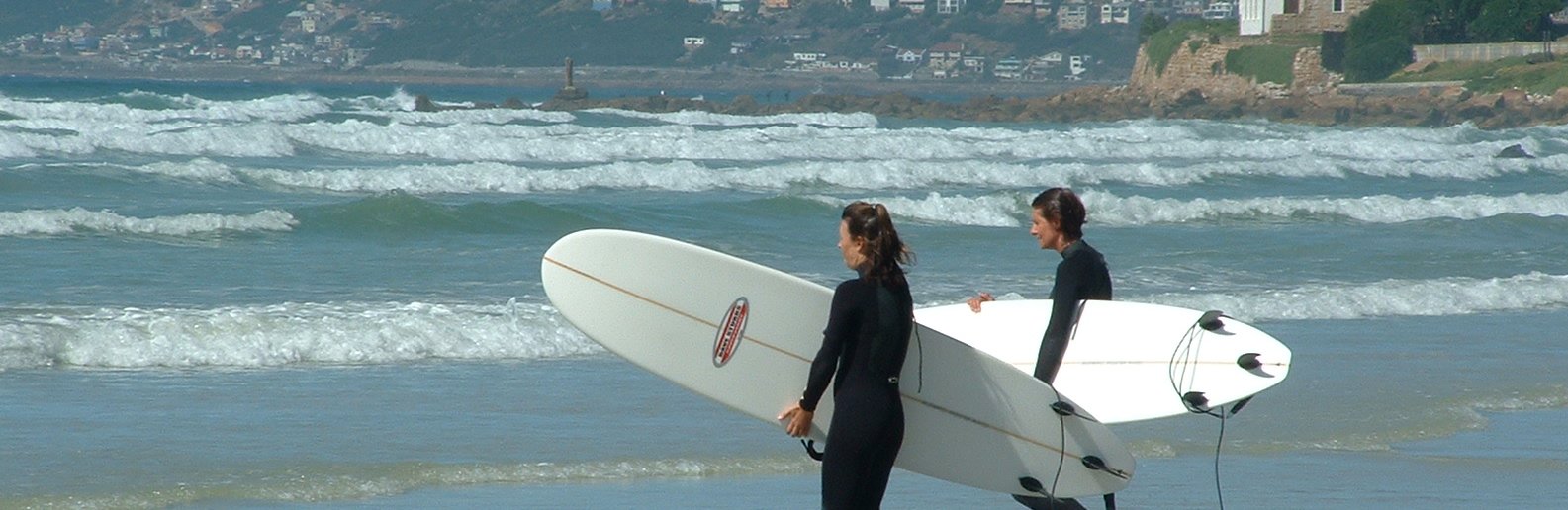
  • Activity spotting: explore the historic districts of Lisbon, visit fairytale Sinta, taste Port wine in Porto, hike one of the beautiful hiking trails such as the Camino, Fatima or the Fishermanstrail, surf in Nazaré, visit Roman Evora, Relax on the Algarve coast, explore paradisiacal Madeira and the Azores, enjoy Portuguese cuisine and delicious, inexpensive coffee, visit the medieval town of Óbidos. 

Studying in Portugal?

  • The quality of higher education in Portugal is generally good, with some universities enjoying international recognition. You will also find good polytechnic institutes, similar to technical colleges. Portugal is known for academic traditions, especially in humanities and social sciences, as well as technology and management. Popular studies include engineering, business and economics, health sciences, social sciences and tourism. 
  • Study culture: social and friendly. Students are involved in studies and there is a great emphasis on collaboration and group work. There are also many extracurricular activities that shape students' social lives. 
  • Language of study: mainly Portuguese, with a growing number of programs in English. 
  • Study cities: Lisbon, Porto, Coimbra, Braga.

Internship in Portugal?

  • You can intern in several major companies in business administration, consulting, marketing, IT, telecommunications and applied arts such as architecture. In addition, the tourism sector is also popular for internships. Internships can last from four weeks to a year. 
  • Cities: Porto, Lisbon, Faro. 
  • Competencies: Portuguese language skills, diplomacy and sensitivity (Portuguese love indirect communication), customer-oriented work, patience in decision-making, flexibility. 

Volunteer in Portugal?

  • In Portugal, you can do all kinds of volunteer work. From nature and animal protection (think about helping at the hedgehog shelter, or forest protection, for example) to education and combating food waste. You can also help with community support, sustainability projects or in the tourism sector at a surf camp, for example. Work is available from a week to several months. 

Working in Portugal?

  • If you don't speak English it can be difficult to find a job in Portugal unless you work in a call center, in marketing or in the tourism industry, for example. If you have the qualifications (TEFL), you can also work as an English teacher. 
  • Do you speak Portuguese? Then there are opportunities especially in IT, engineering, accounting, HR, hospitality, healthcare and STEM. 
  • Work culture: max 40 hours per week, with 8 hours per day. 22 days off and 14 national holidays. Work-life balance is good. People tend to take long lunch breaks, working longer hours, and relationships with each other are highly valued. 

Working as a digital nomad in Portugal?

  • Portugal is very popular among digital nomads because of its wonderful climate, affordable cost of living, large community of digital workers and reliable Internet.
  • Favorite locations: Lisbon, Porto, Madeira, Ericeira, Algarve. 
  • Visa: Portugal offers a special digital nomad visa. 

Living in Portugal?

  • Portugal is a very popular relocation country among expats. Its mild winters and warm summers make it an attractive place to live. The friendly people, delicious food and wide range of adventure and traditional activities also contribute to a high quality of life. In addition, costs are quite low for Western Europe. 
  • There is a large expat community. So you can participate in many activities and easily get to know other expats. 
  • But... disadvantages are that Portuguese is still essential for daily life and integration into society, and you will have to get used to the bureaucracy. 
  • Health insurance: health care is good, but make sure you have your own well-covered health insurance.
Portugal Country Bundle: suggestions, stories and tips

Portugal Country Bundle: suggestions, stories and tips

Content about Portugal on WorldSupporter

Portugal: Updates & Travel

Portugal: Updates & Travel

Travel in Portugal

  • Portugal's popularity as a holiday destination is growing every year. And rightly so, because there is plenty to see in Portugal: the fairytale palaces of Sintra, the dizzying ravines in the Serra da Estrela, Lisbon with its romantic neighbourhoods and the snow-white villages in the Alentejo. You can eat delicious food while listening to the melancholic fado music.
  • Visit the castles near Sintra. This place (which actually consists of three villages) near Lisbon is world famous for its palaces that are a mixture of different styles (real architecture purists shudder at this). The forest is also fairytale-like with mist (which often occurs).
  • Listen to the famous Portuguese Fado music in a café.
  • Spot dolphins near the pleasant seaside resort of Lagos in the Algarve.
  • Eat the delicious bacalhau (cod) on one of the many terraces.
  • Visit one of the famous Port houses in Porto and enjoy this typical Portuguese drink. JoHotspots in Portugal
  • Lisbon: The capital of Portugal combines history, coziness and beautiful sights such as the ‘Tower of Bélem’. Take the old-fashioned Tram 28 for an atmospheric tour through the city and visit the cozy bars and cafés in Barrio Alto.
  • Porto is the second largest city in Portugal, but almost equal in atmosphere, coziness and sights. Porto is built on both sides of the Douro River and a boat trip on this river is the best way to admire the city. You can easily walk to Santiago de Compostela from Porto.
  • Viana do Castello is the best kept secret of Portugal. This small town in the north is the epitome of peace and tranquility with beautiful white houses and stunning nature. The name ‘Jewel of the Costa Verde’ is certainly not an exaggeration.
  • Coimbra and Braga are the two largest student cities in the country. During the semesters they are lively and cozy cities, especially during the summer holidays it can be quite deserted. The university library is worth a look inside. The Algarve is famous for its beautiful beaches and charming fishing villages. There are many nice villages and beaches, but Lagos and Tavira are among the most beautiful. In the summer, some places can be touristy and crowded, but there are always small, quiet and typical Portuguese villages nearby.
  • Fatima, is a difficult to reach place of pilgrimage where Mary is said to have appeared several times.
  • Don't be surprised if you see people crawling on their (bare) knees across the church square and lighting candles while crying to thank God or to do penance. Especially because the square and the gigantic church are literally blindingly white in the summer, it all seems quite unreal.
  • Be aware that forest fires occur every year in Portugal. Especially in the summer months, forest fires can cause a lot of damage. Avoid areas with forest fires as much as possible. 

Updates Portugal

  • More about Portugal, updates and contributions, see the link below.


How does health care work in Portugal, and what travel insurance, health insurance or expat insurance do you need?

How does health care work in Portugal, and what travel insurance, health insurance or expat insurance do you need?

How does the health care system work in Portugal?

  • Health care in Portugal is of very good quality and also affordable. 
  • Once you have received your local citizen service number (número de contribuinte) and residence card (Título de Residência), you will receive a health care number (número de utente) that will register you with the national health care system.
  • The quality of care varies greatly between cities and rural areas. In rural areas, you have far fewer options and also fewer doctors who speak English. 
  • There are many pharmacies in Portugal, with well-qualified pharmacists. In the cities, most also speak basic English. Most prescription medication is also free or very cheap. 
  • Mental health is a problem in Portugal. Depression rates are higher than average and few psychiatrists are available. To get help, you must first see your family doctor. 
  • Emergency services are generally fast and efficient. Call 112 for a medical emergency. 

How does the public health care work in Portugal?

  • The country has an extensive public health care system. Under this healthcare system, run by the Serviço Nacional de Saúde (SNS), most essential care is free.
  • EU citizens can use this system for up to 90 days if they have a European Health Insurance Card (EHIC).
  • After 90 days, they must register as residents to continue enjoying care. 
  • Non-EU citizens can use this system only if they have a job in Portugal and also pay for social security here. 
  • You then pay a very small contribution for your medical expenses. 
  • There is a second public system, namely the Health Subsystem Program, which focuses specifically on medical care for people in certain professions (such as police, military, banking). 
  • Also in Portugal, public care is unfortunately overburdened and understaffed. 
  • So many expats choose private care, and have international private health insurance for fuller coverage and better care. 

How does the private healthcare work in Portugal?

  • Private healthcare is a lot faster and equipped with the conveniences you may be used to as an expat. 
  • Many expats, as well as locals, still have private insurance to fill the gaps in health care options - such as dental care, for example, and to get their turn faster.
  • You are more likely to get hold of an English-speaking doctor. 
  • Be prepared that you may have to pay your fees up front. 

How is the general practitioner arranged in Portugal?

  • Often the first thing you do is register with a general practitioner, médico de família, or family doctor. You will be assigned one, or you can choose one yourself in your neighborhood, for example at a local health center (centro de saúde). 
  • If you have private insurance, you can go to any private clinic covered by your insurance. 
  • To make an appointment you will need a numero de identificação fiscal (NIF). 
  • If you don't have time to make an appointment, it's also worth just walking into the healthcare facility and waiting on the spot. 

How is the dentist arranged in Portugal?

  • Dental care is not covered by public insurance. So make sure you get private insurance with dental care coverage for this. 
  • Dental visits are quite affordable, especially compared to other European countries. 
  • Quality is high and in the cities you will find modern practices with English speaking staff. 

How is the pregnancy, obstetrics and maternity care arranged in Portugal?

  • During your pregnancy, you can visit both public and private institutions. Both provide good care. 
  • Make sure that you are registered at a local health center (centro de saúde), otherwise you cannot use the public medical services. 
  • Prenatal care and childbirth are largely covered by the SNS. Care is professional, but crowding in public hospitals can be a challenge.
  • Medical tests are free, and the national vaccination program is also free. 
  • Most births take place in the hospital, although alternatives are becoming increasingly popular. 
  • Home maternity care, as we know in some other European countries, is not standard in Portugal. Mothers often stay in the hospital for several days after giving birth.
  • After the birth, you get free checkups for the first 60 days. ​​​​​​

How safe or unsafe is a trip or stay in Portugal?

What should you pay attention to in terms of safely in Portugal?

  • Portugal is a very safe country. 
  • Pickpocketing occurs in touristy areas, but serious crime is rare. 

What should you look out for in terms of diseases in Portugal?

  • Tap water is safe to drink and is regularly tested. 
  • No special vaccinations are required. 

What should you pay attention to when it comes to traffic in Portugal?

  • The road network is modern and well maintained. The toll roads (autoestradas) are expensive but offer a fast and comfortable travel experience.
  • The Portuguese are known for their assertive driving style. So be alert, especially on narrow mountain roads. 
  • Avoid driving in downtown Lisbon. The narrow streets and traffic are not for cowards! 

Which work and travel insurance policies are suitable for short and long stays in Portugal?

  • Is the trip to Portugal and your return sufficiently covered? Are you sufficiently covered before, during and after your activities? Which insurance best suits your trip and your activity? Read more about insurances for abroad on JoHoinsurances.org.

What emigration and expat insurance can you take out for Portugal if you are going to live there for a while?

  • All expats in Portugal must show proof of private health insurance when applying for a temporary residence visa. Read more about insurances for abroad on Expatinsurances.org.


Why to study in Portugal, do an internship, do volunteer work or look for a job in Portugal?

Why to study in Portugal, do an internship, do volunteer work or look for a job in Portugal?

Why study, intern, volunteer or work temporarily in Portugal?

  • because there are many English-language courses available.
  • because the student cities of Lisbon, Porto and Coimbra have vibrant and dynamic city life. 
  • because Portugal has a developed economy with many opportunities for internships and graduate jobs, especially in the tourism, technology and education sectors.

What should you pay attention to?

  • that patience is a virtue, and you can develop your patience well in Portugal. 
  • that time is relative.
Why live in Portugal, why emigrate to Portugal or stay for a long time?

Why live in Portugal, why emigrate to Portugal or stay for a long time?

Why live in Portugal as an expat, emigrant or working nomad?

  • because conditions in Portugal are good in terms of security and safety, climate, nature and history.
  • because Portuguese are community people and value friendships.
  • because the cost of living is relatively low.
  • because the work culture is hierarchical and formal. 
  • because Portuguese are open to ideas from foreigners.

What should you pay attention to?

  • that it is difficult to find a job if you don't speak Portuguese.
  • that local wages are generally low.
  • that the Portuguese are generally more flexible with deadlines.
Packing list for Portugal, travel insurance for Portugal, and taking your belongings

Packing list for Portugal, travel insurance for Portugal, and taking your belongings

What to take with you to Portugal: spotlighted

Featured items:
  • Documents: passport that is valid for at least 6 months upon arrival. An online and/or offline copy of your passport.
  • Money: euros, but you can also use your debit card almost everywhere.
  • Care: sunscreen with a high factor and aftersun lotion, but if you forget you can also get it there.
  • Outdoor and handy items: cap or hat and sunglasses. You will definitely need them. A light raincoat.
  • Clothing: light clothing and layers. It is warm during the day, cool in the morning and evening. Beachwear and a beach towel.
  • Shoes: comfortable (walking) shoes for all vowels. Flip-flops for the coast.
  • Medicines and travel pharmacy: a small first aid kit.
  • Technology and equipment: world plug type C & F (see also world plug or travel plug).
What are some other options for packing as well?
  • Reusable water bottle.
  • (Quick-drying) towel and swimwear for the beach and so that you do not have to pay for a towel every time at the hostel. 
  • Your own corkscrew for those bottles of port that otherwise won't open!

What should you keep in mind when traveling to Portugal with your belongings?

  • Seasons and temperature of the regions you are visiting (spring in Porto is different from summer in Faro).

Are there mosquitoes in Portugal?

  • Mosquitoes are there, especially in the summer. Annoying, but not a health hazard.

Are there sand flies in Portugal?

Can you buy a joint or weed in Portugal, or take it with you to Portugal?

  • Possessing small quantities (check the specific amounts) of soft drugs for personal use is an administrative offense. It can lead to fines, bans to visit certain places, or to attend treatment. 
  • Public use of soft drugs is still illegal and can lead to police intervention.
  • Do not import drugs, also not for personal use, that is not allowed.


Portugal: selection of contributions by WorldSupporters - Bundle

Portugal: selection of contributions by WorldSupporters - Bundle

Selected suggestions, stories and supporter contributions about Portugal:

What are typical Portugese habits, food customs and remarkable philosophies?

What are typical Portugese habits, food customs and remarkable philosophies?

What are the customs in Portugal regarding food?

  • Eating is a social occasion in Portugal, lunch is between 12 and 3 pm and can easily last 2 to 3 hours. Portuguese cuisine is Mediterranean, with typical Portuguese influences. Bread, cheese, pork and fish are the main ingredients of every Portuguese meal.

What are the best recipes in Portugal?

  • A lot of fish is eaten, which is not surprising given the coastline of 850 kilometers. Popular fish dishes are the bacalhau recipes used to prepare dried cod. It is said that there is a bacalhau recipe for every day of the year. Besides dried cod, grilled sardines and caldeirada, stew with potato and different types of fish, are favorites. The Portugese love their meat as well: chicken piri-piri or arroz de sarrabulho (rice with pigblood).
  • Bacalhau is salted cod. Bacalhau is more than a fish dish: in Portugal it is linked to myths, history and tradition. Nowadays most cod is imported from Scandinavia, but the demand for it has not decreased.
  • Bollo de arroz: A kind of cake that together with a cup of coffee forms the Portuguese breakfast.
  • Portuguese sweets such as ‘Pastéis de Tentugal’ are almost all made from egg and are loved by Portuguese and tourists.
     

What are the best drinks in Portugal?

  • Coffee is a fixed part of the Portuguese breakfast. The price is low and the quality is good.
  • A visit to Porto is not complete without one or more glasses of white or red port.
  • Vinho verde is a light green wine.
  • Ginja - The liqueur is always served in a shot glass, with a spirit at the bottom. 

What are notable holidays and festivals in Portugal?

  • About 80 to 85% of the Portuguese population is Catholic. Most holidays are therefore based on Christian holidays, such as Christmas, Easter and Ascension Day. At Easter, every Portuguese city sees beautiful processions, with floats decorated with flowers. 
  • Most towns and villages in Portugal have their own traditional festas or romarias. Romarias are local religious festivals that honor the saints of a particular area in Portugal.
  • Queima das Fitas: Coimbra’s students celebrate the end of the academic year in the first week of May with parties, concerts and exhibitions.
  • Festo de Santo António is on 12 and 13 June. Lisbon’s favourite saint is honoured with all-night parties in the city streets.
  • Festa de São João: Porto and Braga in northern Portugal ‘go wild’ in June in honour of Saint Juan, with fireworks, concerts, campfires and lots of noise.
  • Medieval Festival: The medieval market in the still-walled town of Óbido is the place for two weeks of sword fighting, singing minstrels, roasted pigs and spirits in July.
  • Festival de Sudoeste: One of Portugal's biggest music festivals takes place every August in the coastal town of Zambujeira do Mar.

What are notable habits in Portugal?

  • The Portuguese are traditional and conservative. Innovation and major changes within the family or community are not easily accepted. Life in Portugal revolves around the family and even now in the 21st century, old customs and traditions can be seen daily.

  • Time is relative and being late for appointments is very common. 
  • Fado is a typical Portuguese music movement from the 19th century and the life song of the locals. While Fado used to be popular only in bars and brothels of the poorer neighborhoods in Lisbon and Coimbra, nowadays it is very popular and you come across it in many places.
  • Typically Portuguese are azulejos, Portuguese tiles that you find a lot on and in railway stations, churches and houses. Often they are blue and white, but they can also be richly colored.


You may make three wishes if you eat twelve grapes or twelve raisins at twelve o 'clock on New Year's eve. - Portugal
Volunteer in Portugese Permaculture project and help restore the local ecosystem after catastrophic wildfires

Volunteer in Portugese Permaculture project and help restore the local ecosystem after catastrophic wildfires

forest fire portugal

At permaculture project Quinta do Vale a lot of work can be done. For years they have been creating their own small scale permaculture area in a Portugese valley. Through education and training they also try to have impact on a greater amount of people. But in 2017 great wildfires destroyed a large part of the valley and also a part of their permaculture property. The upside of the fires could be that locals might open up for a more sustainble land use. Taking good care of the land could have helped reducing the impact of the 2017 fires. As a volunteer you are very welcome to help them reforest the area. Get in contact through their website for updates on the volunteer needs.

They now welcome (quoted from their website):

  • If you want to just rock up in a campervan or with a tent and stay a couple of nights, you’re welcome.
  • If you’re just looking for a park-up while you do other things in the area, you’re welcome.
  • If you want to stay from a week to a month or two, volunteer some work and learn everything you can, you’re welcome.
  • If you’re particularly interested in doing some natural building repairs and reconstruction, you’re welcome.
  • If you have DIY skills or a trade and fancy coming to spend a summer helping us and the rest of the community, you’re welcome and we will all love you forever.
  • If you want to come and download all the accumulated knowledge and experience that’s in my head from nearly a decade living off grid, you’re welcome to do that too.
Welk visum regelen voor een reis, werk of vrijwilligerswerk naar Portugal?

Welk visum regelen voor een reis, werk of vrijwilligerswerk naar Portugal?

Image

Toeristenvisum

Er is geen toeristenvisum nodig voor Portugal. Je kunt er onbeperkt verblijven als je een geldige ziektekostenverzekering hebt en genoeg financiële middelen hebt om jezelf te onderhouden.

Werkvisum

Je hebt als Nederlander geen werkvisum of verblijfsvergunning nodig voor Portugal. Als je een baan hebt in Portugal of als je na je baan in Portugal blijft, mag je dezelfde behandeling verwachten als burgers van dat land op het gebied van werk, arbeidsomstandigheden en alle andere sociale en fiscale voordelen. Als je langer dan drie maanden wilt blijven, moet je je registreren bij het gemeentehuis binnen 30 dagen nadat de drie maanden voorbij zijn. Hierbij heb je een geldig paspoort en bewijs dat je in je eigen levensonderhoud kunt voorzien (contract of voldoende spaargeld) nodig.

Vrijwilligersvisum

Er is geen vrijwilligersvisum nodig voor Portugal. Je kunt er onbeperkt verblijven als je een geldige ziektekostenverzekering hebt en genoeg financiële middelen hebt om jezelf te onderhouden. Als je langer dan drie maanden wilt blijven, moet je je registreren bij het gemeentehuis binnen 30 dagen nadat de drie maanden voorbij zijn. Hierbij heb je een geldig paspoort en bewijs dat je in je eigen levensonderhoud kunt voorzien (contract of voldoende spaargeld) nodig.

Actuele informatie

Check altijd de meest actuele informatie, zie link hieronder.

Image

Why get specific insurance when going abroad: per activity abroad
Why should you take out specialized travel insurance for a long trip abroad?

Why should you take out specialized travel insurance for a long trip abroad?

What is round the world travel insurance or long-term travel insurance?

  • Round the world travel insurance means that you take out insurance that continues to provide coverage during all your activities abroad, and which is specifically intended for those who travel for long periods of time, such as world travelers, globetrotters, and nomads.

Why should you take out specialized travel insurance for a long trip abroad?

  • Round the world travel insurance provides coverage for a much longer trip than regular travel insurance.
  • World travel insurance is specifically intended for longer trips, whereas regular travel insurance may offer coverage on paper, but in practice handles it differently.
  • World travel insurance is suitable for many types of activities, ranging from high-altitude trekking to more risky sports.
  • World travel insurance continues to provide coverage if you start working during your trip, whether planned or unplanned. If you did not take out insurance before departure that allows you to work, there is no guarantee that you will be able to take out insurance that provides coverage while abroad.
  • Long-term travel insurance continues to provide coverage when your home country's health insurance no longer does.
  • Worldwide travel insurance also covers your medical expenses up to the actual cost, and not just for the standard costs. The costs per medical treatment vary greatly between countries.
  • Worldwide travel insurance can also continue to provide coverage if negative travel advice is issued.

What is important to insure when you are going to travel around the world?

  • That you have insurance that is valid in the countries where you are going to travel and posibly work.
  • That you are adequately insured for the sports and activities you are going to participate in during your full period abroad
  • That you are insured for emergency assistance and early return if something happens to you or your immediate family.
  • That your medical expenses are insured up to the actual cost and not just for the standard costs. The costs per medical treatment vary greatly between countries.
  • That you insure your luggage and take sufficient precautions against theft or damage.
  • That you are well insured against personal liability.
  • That you are well insured in case of accidents.
  • That you only insure yourself for legal assistance if there is an immediate reason to do so, unless coverage is already automatically included in the insurance.
  • That you pay close attention to choosing the right coverage when performing work or voluntary work during your world trip.

Check out more about

Why should you take out specific insurance when you go on a trip or vacation?

Why should you take out specific insurance when you go on a trip or vacation?

What is insurance for traveling abroad?

  • Travel insurance is insurance that provides coverage for risks during a trip or vacation abroad. This mainly concerns loss of or damage to your luggage, medical assistance, or repatriation costs if you need to be transported back home urgently. In some cases, travel insurance coverage also applies on domestic trips.
  • With annual travel insurance or multi-trip travel insurance, you are insured for all your trips throughout the year.
  • With temporary travel insurance or single-trip travel insurance, you take out insurance for each trip for the duration of the trip.
  • Cancellation insurance reimburses (all or part of) the travel sum, cancellation or accommodation costs if you have to cancel or interrupt your vacation.

Why should you take out travel insurance for a short trip, vacation, or long-distance trip?

  • Travel insurance can provide coverage in the event of an accident or emergency while you are abroad.
  • Travel insurance can provide coverage for damage and accidents during the adventurous or sporting activities you plan to do.
  • Travel insurance can continue to provide coverage if your health insurance no longer provides coverage, or if the damage is only reimbursed at cost price of your home country.
  • Travel insurance can provide coverage in the event of damage, loss, or theft of your luggage.
  • Travel insurance can provide coverage if you are held liable for damage you cause to other people or their property.
  • Travel insurance can provide coverage if you have to return home early because something has happened to you or your immediate family.

What is important to insure when you are going to travel abroad?

  • That you have insurance that is valid in the country or countries that you are going to visit.
  • That you are adequately insured for the sports and activities you are going to participate in during your period abroad.
  • That you are insured for emergency assistance and early return if something happens to you or your immediate family.
  • That your medical expenses are insured up to the actual cost and not just for the standard costs. The costs per medical treatment vary greatly between countries.
  • That you insure your luggage and take sufficient precautions against theft or damage.
  • That you are well insured against personal liability.
  • That you are well insured in case of accidents.
  • That you only insure yourself for legal assistance if there is an immediate reason to do so, unless coverage is already automatically included in the insurance.
  • That you pay close attention to choosing the right coverage when performing work alongside your travels.

Check out more about international insurances

Why should you take out specialized travel insurance for working abroad?

Why should you take out specialized travel insurance for working abroad?

Why should you take out specialized travel insurance for paid work, voluntary work or an internship abroad?

  • There may be several reasons why you need separate insurance when working abroad.
  • During work, internships, or volunteer work abroad where you receive financial compensation (or, for example, food or housing), your national health insurance coverage may expire. You will then need special insurance to remain insured for illness and accidents.
  • During specific work abroad, additional requirements may apply if your work involves additional risks. Only specific insurance policies offer coverage during this type of work.
  • During your work, the risk of accidents is sometimes greater, for example because you are doing work with which you have little experience or because of the nature of the work.
  • During your work, local employers generally offer no or limited insurance that provides insufficient coverage.

What is important to insure when you are going to work abroad?

  • That you have insurance that is valid in the country or countries where you are going to travel and work.
  • That you are adequately insured for the sports and activities you are going to participate in during your period abroad
  • That you are insured for emergency assistance and early return if something happens to you or your immediate family.
  • That your medical expenses are insured up to the actual cost and not just for the standard costs. The costs per medical treatment vary greatly between countries.
  • That you insure your luggage and take sufficient precautions against theft or damage.
  • That you are well insured against personal liability.
  • That you are well insured in case of accidents.
  • That you only insure yourself for legal assistance if there is an immediate reason to do so, unless coverage is already automatically included in the insurance.
  • That you pay close attention to choosing the right coverage when performing work.

Check out more about international insurances

Why should you take out specialized travel insurance for volunteering abroad?

Why should you take out specialized travel insurance for volunteering abroad?

What is insurance for volunteering abroad?

  • Insuring volunteer work abroad means taking out insurance that continues to provide coverage while you are working as a volunteer abroad

Why should you take out specialized travel insurance for voluntary work abroad?

  • There may be several reasons why you need separate insurance when volunteering abroad.
  • During specific activities abroad, additional requirements may apply if your work involves extra risks. Only specific insurance policies offer coverage during these activities.
  • The risk of accidents is sometimes higher during your work, for example because you are doing work you have little experience with or because of the nature of the work.
  • Local projects or employers generally offer no or limited insurance that provides insufficient coverage during your work.
  • When volunteering abroad and receiving minor financial compensation (or, for example, food or housing), your home country's health insurance coverage will potentially lapse. You will then need special insurance to remain insured for illness and accidents.
  • Regular travel insurance policies generally provide coverage for trips of a limited number of days. If your trip or stay abroad exceeds the maximum number of days, this generally means that for the entire travel period, you will not be covered.
  • Regular travel insurance policies generally only provide coverage for recreational travel without voluntary work activities. If you engage in activities other than recreational activities (such as volunteer work), this generally means that for the entire travel period, you will not be covered.

What is important to insure when you are going to work as a volunteer abroad?

  • That you have insurance that is valid in the country or countries where you are going to travel and volunteer.
  • That you are adequately insured for the sports and activities you are going to participate in during your period abroad
  • That you are insured for emergency assistance and early return if something happens to you or your immediate family.
  • That your medical expenses are insured up to the actual cost and not just for the standard costs. The costs per medical treatment vary greatly between countries.
  • That you insure your luggage and take sufficient precautions against theft or damage.
  • That you are well insured against personal liability.
  • That you are well insured in case of accidents.
  • That you only insure yourself for legal assistance if there is an immediate reason to do so, unless coverage is already automatically included in the insurance.
  • That when performing work in healthcare, with wild animals, and with dangerous (agricultural) machinery, you take care to choose the right coverage.

Check out more about international insurances

Why should you take out specialized travel insurance for an internship abroad?

Why should you take out specialized travel insurance for an internship abroad?

What is insurance for an internship abroad?

  • Insuring an internship abroad means taking out insurance that continues to provide coverage during your internship abroad
  • Insurance for internships abroad are also referred to as internship insurance. This internship insurance is specifically for when you go abroad for a long period of time to work as an intern, take courses, or conduct research abroad.

Why should you take out specialized travel insurance for an internship abroad?

  • There may be several reasons why you need separate insurance for an internship abroad.
  • During internship activities abroad, additional requirements may apply as soon as you start performing work that involves additional risks. Only specific insurance policies offer coverage during these activities.
  • During your internship, the risk of accidents is sometimes greater, for example because you are doing work with which you have little experience or because of the nature of the work.
  • During your internship, local employers generally do not offer insurance, or offer limited insurance that does not provide sufficient coverage.
  • During an internship abroad where you receive financial compensation (or, for example, food or accommodation), your home country's health insurance coverage will potentially lapse. You will then need special insurance to remain insured for illness and accidents.
  • Regular travel insurance policies generally provide coverage for trips of a limited number of days. If your trip or stay abroad exceeds the maximum number of days, this generally means that for the entire travel period, you will not be covered.
  • Regular travel insurance policies generally only provide coverage for recreational trips without work activities.

What is important to insure when you are going to be an intern abroad?

  • That you have insurance that is valid in the area where you will be traveling and doing your internship.
  • That you are adequately insured for the sports and activities you will be participating in.
  • That you are insured for emergency assistance and early return in case something happens to you or your immediate family.
  • That your medical expenses are insured up to the actual cost (what it actually costs), and not just for the standard costs. The costs per medical treatment vary greatly between countries.
  • That you insure your luggage and take sufficient precautions against theft or damage.
  • That you are well insured against personal liability and, preferably, also for liability during your internship.
  • That you are well insured in case of accidents.
  • That you insure yourself for legal assistance if there is an immediate reason to do so, unless the coverage is already automatically included in the insurance.
  • Make sure you choose the right coverage for internship work in healthcare, with wild animals, or with dangerous machinery!

Check out more about international insurances

Why should you take out specialized travel insurance for studying abroad?

Why should you take out specialized travel insurance for studying abroad?

What is insurance for studying abroad?

  • Insurance for studying abroad means that you take out insurance that continues to provide coverage during your studies, your education, and your related activities abroad.
  • Insurance for studying abroad is also referred to as study insurance. This study insurance is specifically for when you go abroad for a long period of time to take courses, study, or conduct research abroad.

Why should you take out specialized travel insurance for a study abroad?

  • Study insurance is specifically designed for studying abroad, whereas regular travel insurance policies may offer coverage on paper but handle this situation differently in practice.
  • Study insurance offers coverage for longer stays than regular (vacation) travel insurance.
  • Study insurance is also suitable for many types of activities, ranging from various sports to hiking at high altitudes.
  • Study insurance continues to provide coverage if you start working during your trip, whether planned or unplanned. If you have not taken out insurance before departure that allows you to work, there is no guarantee that you will be able to take out insurance abroad that provides coverage.
  • Study insurance continues to provide coverage if your own country's health insurance no longer provides coverage.
  • Student insurance also covers your healthcare costs above the rates in your own country; with regular insurance, you have to pay the extra costs yourself.
  • Student insurance can also continue to provide coverage if (study) visa issuers impose additional requirements on how you insure yourself, for example if you are going to the US and applying for a J-1 visa.
  • Student insurance continues to provide coverage if you are staying abroad for a longer period of time and want to visit your own country in between.

What is important to insure when you are going to study abroad?

  • That you have insurance that is valid in the country or countries where you are going to travel and work.
  • That you are adequately insured for the sports and activities you are going to participate in during your period abroad
  • That you are insured for emergency assistance and early return if something happens to you or your immediate family.
  • That your medical expenses are insured up to the actual cost and not just for the standard costs. The costs per medical treatment vary greatly between countries.
  • That you insure your luggage and take sufficient precautions against theft or damage.
  • That you are well insured against personal liability.
  • That you are well insured in case of accidents.
  • That you only insure yourself for legal assistance if there is an immediate reason to do so, unless coverage is already automatically included in the insurance.
  • That you pay close attention to choosing the right coverage when performing work alongside your studies.

Check out more about international insurances

Why should you take out specialized insurance for moving abroad as an emigrant or an expat?

Why should you take out specialized insurance for moving abroad as an emigrant or an expat?

What is an emigration insurance and what is an expat insurance?

  • Emigration insurance is an insurance that continues to provide coverage if you move abroad permanently or for an indefinite period of time.
  • Emigration insurance is not only intended for emigrants, but for anyone who leaves their home country for an extended period of time and does not intend to return in the foreseeable future.
  • Expat insurance is insurance that continues to provide coverage if you go to work abroad for a local or international employer for an extended period of time.
  • Expat insurance is not only intended for expats, but for anyone who has a more permanent job abroad.

Why should you take out specialized insurance for emigration or working as an expat abroad?

  • Emigration or expat insurance not only provides coverage for acute assistance in the event of illness or accident abroad, such as travel insurance, but can also provide coverage for existing conditions and ailments or non-urgent care.
  • Emigration or expat insurance does not require you to maintain valid health insurance in your home country.
  • Emigration or expat insurance provides coverage for preventive care or costs related to pregnancy and childbirth.
  • Emigration or expat insurance also provides coverage for long-term treatments and chronic conditions without you having to return to your home country.
  • Emigration or expat insurance often has no restrictions on the duration of the insurance, unlike travel insurance.
  • Emigration or expat insurance usually maintains coverage in cases such as negative travel advice or acts of war.
  • Emigration or expat insurance offers various solutions in the areas of disability, home and household insurance, goods transport, and liability.

What is important to insure when you are going to move abroad?

  • That you have insurance that is valid in the country or countries where you are going to live and/or work.
  • That you are adequately insured for the sports and activities you are going to participate in during your period abroad
  • That you are insured for emergency assistance and early return if something happens to you or your immediate family.
  • That your medical expenses are insured up to the actual cost and not just for the standard costs. The costs per medical treatment vary greatly between countries.
  • That you are well insured against personal liability.
  • That you are well insured in case of accidents.
  • That you pay close attention to choosing the right coverage when performing work with additional health risks

Check out more about international insurances

Why should you take out travel insurance and why through the JoHo Foundation?

Why should you take out travel insurance and why through the JoHo Foundation?

Why Insurances through JoHo

  • Specialized: in emigration, work, internships, study and travel abroad.

  • Service: JoHo offers multiple travel insurances by multiple companies. Thanks to JoHo's extensive experience, it can offer support in case of problems with insurers, as well as advice and fast and personal handling.

  • Safe: JoHo is recognized as a trustworthy intermediary for insurances.

  • Social: by purchasing an insurance through JoHo you provide a talented student in The Philippines with health insurance

Why Should You Take Out A Travel Insurance?

  • The chance of getting injured or ill is generally higher than when you would have stayed at home. The medical care you will need can be very expensive, even more so if you are treated in a private clinic.

  • If you have to fly back because of family circumstances, the flights might be more expensive than your original flight because you have to fly on short notice.

  • You might have to deal with the damage, loss or theft of your luggage.

  • In case of emergency it can be difficult to figure out what to do. A good travel insurance will have an assistance team on standby for you 24/7 and will be able to tell you what steps to take.

Why Should You Specifically Take Out A Travel Insurance For A Long Trip Abroad?

  • Often regular travel or health insurances only cover trips for a maximum number of days (for example 60, 90 or 180 days).

  • Depending on your home country, your health insurance might not offer any coverage for treatment abroad.

  • During a long trip you might consider specific activities, like paid work or volunteering. Regular travel insurances often don’t cover these kind of activities. The same goes for adventurous/ hazardous sports like skydiving, scuba-diving and bungee jumping.

More on why to use JoHo

  • JoHo is one of the few organizations where you can directly purchase a comprehensive range of foreign insurances from a variety of insurers. As with our other products and services, we believe that you should be able to choose between the best, the most cost effective and the most specialized insurance.

  • JoHo offers various possibilities from combining insurances to assisting in transferring from one insurer to another.

  • When you purchase an insurance policy through JoHo, you will not pay more than if you had purchased it directly from the insurer. Sometimes (through special collective agreements) you will even pay less.

  • JoHo offers support with problems that may arise with the insurer. Sometimes disagreement with claims, cancellation notice or insurance premiums can occur. In this situation it helps if you have the assistance of an organization who has an established relationship with the insurer.


Read more about JoHo and JoHo Insurances

Image

Safety, insurances and packing list for Portugal

How does health care work in Portugal, and what travel insurance, health insurance or expat insurance do you need?

How does health care work in Portugal, and what travel insurance, health insurance or expat insurance do you need?

How does the health care system work in Portugal?

  • Health care in Portugal is of very good quality and also affordable. 
  • Once you have received your local citizen service number (número de contribuinte) and residence card (Título de Residência), you will receive a health care number (número de utente) that will register you with the national health care system.
  • The quality of care varies greatly between cities and rural areas. In rural areas, you have far fewer options and also fewer doctors who speak English. 
  • There are many pharmacies in Portugal, with well-qualified pharmacists. In the cities, most also speak basic English. Most prescription medication is also free or very cheap. 
  • Mental health is a problem in Portugal. Depression rates are higher than average and few psychiatrists are available. To get help, you must first see your family doctor. 
  • Emergency services are generally fast and efficient. Call 112 for a medical emergency. 

How does the public health care work in Portugal?

  • The country has an extensive public health care system. Under this healthcare system, run by the Serviço Nacional de Saúde (SNS), most essential care is free.
  • EU citizens can use this system for up to 90 days if they have a European Health Insurance Card (EHIC).
  • After 90 days, they must register as residents to continue enjoying care. 
  • Non-EU citizens can use this system only if they have a job in Portugal and also pay for social security here. 
  • You then pay a very small contribution for your medical expenses. 
  • There is a second public system, namely the Health Subsystem Program, which focuses specifically on medical care for people in certain professions (such as police, military, banking). 
  • Also in Portugal, public care is unfortunately overburdened and understaffed. 
  • So many expats choose private care, and have international private health insurance for fuller coverage and better care. 

How does the private healthcare work in Portugal?

  • Private healthcare is a lot faster and equipped with the conveniences you may be used to as an expat. 
  • Many expats, as well as locals, still have private insurance to fill the gaps in health care options - such as dental care, for example, and to get their turn faster.
  • You are more likely to get hold of an English-speaking doctor. 
  • Be prepared that you may have to pay your fees up front. 

How is the general practitioner arranged in Portugal?

  • Often the first thing you do is register with a general practitioner, médico de família, or family doctor. You will be assigned one, or you can choose one yourself in your neighborhood, for example at a local health center (centro de saúde). 
  • If you have private insurance, you can go to any private clinic covered by your insurance. 
  • To make an appointment you will need a numero de identificação fiscal (NIF). 
  • If you don't have time to make an appointment, it's also worth just walking into the healthcare facility and waiting on the spot. 

How is the dentist arranged in Portugal?

  • Dental care is not covered by public insurance. So make sure you get private insurance with dental care coverage for this. 
  • Dental visits are quite affordable, especially compared to other European countries. 
  • Quality is high and in the cities you will find modern practices with English speaking staff. 

How is the pregnancy, obstetrics and maternity care arranged in Portugal?

  • During your pregnancy, you can visit both public and private institutions. Both provide good care. 
  • Make sure that you are registered at a local health center (centro de saúde), otherwise you cannot use the public medical services. 
  • Prenatal care and childbirth are largely covered by the SNS. Care is professional, but crowding in public hospitals can be a challenge.
  • Medical tests are free, and the national vaccination program is also free. 
  • Most births take place in the hospital, although alternatives are becoming increasingly popular. 
  • Home maternity care, as we know in some other European countries, is not standard in Portugal. Mothers often stay in the hospital for several days after giving birth.
  • After the birth, you get free checkups for the first 60 days. ​​​​​​

How safe or unsafe is a trip or stay in Portugal?

What should you pay attention to in terms of safely in Portugal?

  • Portugal is a very safe country. 
  • Pickpocketing occurs in touristy areas, but serious crime is rare. 

What should you look out for in terms of diseases in Portugal?

  • Tap water is safe to drink and is regularly tested. 
  • No special vaccinations are required. 

What should you pay attention to when it comes to traffic in Portugal?

  • The road network is modern and well maintained. The toll roads (autoestradas) are expensive but offer a fast and comfortable travel experience.
  • The Portuguese are known for their assertive driving style. So be alert, especially on narrow mountain roads. 
  • Avoid driving in downtown Lisbon. The narrow streets and traffic are not for cowards! 

Which work and travel insurance policies are suitable for short and long stays in Portugal?

  • Is the trip to Portugal and your return sufficiently covered? Are you sufficiently covered before, during and after your activities? Which insurance best suits your trip and your activity? Read more about insurances for abroad on JoHoinsurances.org.

What emigration and expat insurance can you take out for Portugal if you are going to live there for a while?

  • All expats in Portugal must show proof of private health insurance when applying for a temporary residence visa. Read more about insurances for abroad on Expatinsurances.org.


Packing list for Portugal, travel insurance for Portugal, and taking your belongings

Packing list for Portugal, travel insurance for Portugal, and taking your belongings

What to take with you to Portugal: spotlighted

Featured items:
  • Documents: passport that is valid for at least 6 months upon arrival. An online and/or offline copy of your passport.
  • Money: euros, but you can also use your debit card almost everywhere.
  • Care: sunscreen with a high factor and aftersun lotion, but if you forget you can also get it there.
  • Outdoor and handy items: cap or hat and sunglasses. You will definitely need them. A light raincoat.
  • Clothing: light clothing and layers. It is warm during the day, cool in the morning and evening. Beachwear and a beach towel.
  • Shoes: comfortable (walking) shoes for all vowels. Flip-flops for the coast.
  • Medicines and travel pharmacy: a small first aid kit.
  • Technology and equipment: world plug type C & F (see also world plug or travel plug).
What are some other options for packing as well?
  • Reusable water bottle.
  • (Quick-drying) towel and swimwear for the beach and so that you do not have to pay for a towel every time at the hostel. 
  • Your own corkscrew for those bottles of port that otherwise won't open!

What should you keep in mind when traveling to Portugal with your belongings?

  • Seasons and temperature of the regions you are visiting (spring in Porto is different from summer in Faro).

Are there mosquitoes in Portugal?

  • Mosquitoes are there, especially in the summer. Annoying, but not a health hazard.

Are there sand flies in Portugal?

Can you buy a joint or weed in Portugal, or take it with you to Portugal?

  • Possessing small quantities (check the specific amounts) of soft drugs for personal use is an administrative offense. It can lead to fines, bans to visit certain places, or to attend treatment. 
  • Public use of soft drugs is still illegal and can lead to police intervention.
  • Do not import drugs, also not for personal use, that is not allowed.


Image ACTIVITIES

Check courses, jobs, projects, recipes, suggestions and tips related to: 'Portugal'

CHECK MORE ACTIVITIES

Make a selection, to find more tips than you see below

Image Surfing, kitesurfing and windsurfing abroad: what is it, why do it, and where is the best place to go?
Surfing, kitesurfing and windsurfing abroad What is surfing abroad? What are the dangers of surfing abroad? What are the dangers of wave surfing while traveling? What...
Image Scherp je verkoop- of klantenservice-vaardigheden aan in deze flexibele helpdesk of sales job in Portugal
Ga aan de slag bij de Nederlandstalige klantenservice, helpdesk of salesafdeling van een bedrijf waar je voortdurend in contact staat met klanten. Je beantwoordt...
Image Teaching English abroad: what is it, why should you do it and where should you go?
What is teaching English abroad? On which schools can you teach English abroad as a foreigner or as a (non) native speaker? What do you get out of teaching or helping at...
Image Volunteer in Portugese Permaculture project and help restore the local ecosystem after catastrophic wildfires
At permaculture project Quinta do Vale a lot of work can be done. For years they have been creating their own small scale permaculture area in a Portugese valley...
Image Klinische meeloopstage van vier weken voor geneeskundestudenten
Je loopt vier weken mee met een arts op een afdeling in een buitenlands ziekenhuis. Je kan zelf kiezen in welk land je stage wilt lopen en op welke afdeling. Je volgt...
Image Werk als barman of barvrouw bij een resorts en bezorg de gasten een onvergetelijke tijd
Werk als barman of barvrouw bij een resorts en bezorg de gasten een onvergetelijke tijd
Image Ben jij schilder, elektricien, loodgieter of technicus? Ga dan aan de slag op een resort in de sneeuw of juist in de zon
Ben jij schilder, elektricien, loodgieter of technicus? Ga dan aan de slag op een resort in de sneeuw of juist in de zon
Image Bied klantenservice ondersteuning in Portugal
Je staat klanten effectief te woord en handelt vragen af. Je biedt telefonisch service aan en stelt klanten tevreden. Je lost problemen op indien deze zich voordoen. Wat...
Image Doe je een opleiding bouwkunde of architectuur en wil je ervaring opdoen? Kom dan stage lopen in het buitenland
Doe je een opleiding bouwkunde of architectuur en wil je ervaring opdoen? Kom dan stage lopen in het buitenland
Image Ga als basisschool leerkracht of vakdocent in het voortgezet onderwijs aan de slag op een internationale school
Ga als basisschool leerkracht of vakdocent in het voortgezet onderwijs aan de slag op een internationale school. Ga bijvoorbeeld aan de slag als biologie leraar in...
Activities abroad: home bundle

Main content and contributions for activities abroad

,,,accommodations, adventure activities, courses, internships, jobs and volunteer projects

...to help another, travel with care, work together , learn to share and inspire with your experience


Activities abroad: home page

Activities abroad: home page

From language courses to gap year abroad, from work experience to volunteering abroad, from paid work to internship abroad, from mountaineering to diving and from backpacking to travel around the world

    What social activities can you do abroad?

    • Opportunities are found in the areas of helping, learning or studying. You can get involved to volunteer in a social project at a school in Africa, Asia or Latin America. You can get involved in nature, in a project with animals or cleaning the sea or beaches. Those who want to learn more can choose for example a language course in Latin America, Spain or South Africa.

    What work related activities can you do abroad?

    • If you want to gain work experience, and/or also earn money, go and work abroad. You can combine backpacking in Australia with temporary work. You can work on campsites in Europe or bush camps in Africa. You can pretty much go all over the world to work in the hospitality industry, hotels and hostels, in the healthcare sector or for example at a diving school.

    What sports activities to do abroad?

    • Have you ever thought of mountain biking, rafting (going down a wild river on a raft or rubber dinghy, climbing or canoeing), survival (which involves building rafts, climbing or canoeing), abseiling (descending a rock face while secured to ropes), zip-lining (whizzing down a cable), canyoning (starting at the top of a river and then climbing, swimming, diving down the bed) or caving (scrambling, wriggling and crawling through caves and crevices)?
    • Maybe you feel more comfortable on a bodyboard (on a half-wave surfboard, you surf the high waves lying down-with flippers), on a hang glider or while paragliding (with a parachute you float down a mountain or dune), hydrospeeding (on a bodyboard with flippers and a wetsuit on you go down a wild river via rapids) or Tiefschneeskiing (racing down through powder snow)?

    Check the pages below for more activities and inspiration and where to go and how to arrange it

      Activities abroad: for gap year, sports, travel and outdoor abroad

      Activities abroad: for gap year, sports, travel and outdoor abroad

      Bundled content for gap year, sports, travel and outdoor abroad

      Access: 
      Public

      Image STORIES

      Check blogs, experiences and information related to: 'Portugal'

      CHECK MORE STORIES

      Make a selection, to find more blogs and contributions than you see below

      Image Packing list for Portugal, travel insurance for Portugal, and taking your belongings
      To pack and bring to Portugal What to take with you to Portugal: spotlighted What should you keep in mind when traveling to Portugal with your belongings? Are there...
      Image Why live in Portugal, why emigrate to Portugal or stay for a long time?
      Why to live in Portugal, why to emigrate to Portugal or stay for a long time?
      Image Whales abroad and while traveling: are they dangerous, where do you encounter them, where can you see them?
      Whales abroad and while traveling What are whales? Where can you encounter whales in the wild while travelling and abroad? Are whales dangerous? Where can you work,...
      Image How does health care work in Portugal, and what travel insurance, health insurance or expat insurance do you need?
      How does the health care system work in Portugal? How safe or unsafe is a trip or stay in Portugal? Which work and travel insurance policies are suitable for short and...
      Image Why to study in Portugal, do an internship, do volunteer work or look for a job in Portugal?
      Why to study in Portugal, do an internship, do volunteer work or look for a job in Portugal?
      Countries & Destinations: home bundle

      Bundled content, suggestions, stories and tips about the countries and destinations in the world

      ...to help another, travel with care, work together , learn to share and inspire with your experience

      Africa: country bundles

      Africa: country bundles

      Access: 
      Public
      Asia: country bundles

      Asia: country bundles

      Country bundles of Asian countries

      Access: 
      Public
      Europe: country bundles

      Europe: country bundles

      Country bundles of European countries

      Access: 
      Public
      The Caribbean: country bundles

      Image ORGANIZATIONS

      Check sectors and organizations related to: 'Portugal'

      CHECK MORE ORGANIZATIONS

      Make a selection, to find more or other organizations than you see below

      Image GEDMA
      GEDMA is een uitzendbureau dat Nederlandstaligen helpt om een baan te vinden in het buitenland. GEDMA richt zich op Europese bestemmingen inclusief Marokko en Turkije...
      Image WereldAsielen
      WereldAsielen werft donateurs en fondsen voor opvangcentra voor zwerfdieren wereldwijd. Meestal gaat het om honden en katten, maar ook opvangcentra voor andere dieren...
      Image Fast Forward Language Institute
      This language school is located in the heart of Porto, in the historic part of the city, and in addition to Portuguese lessons, it also offers various activities to...
      Image CIAL Centro de Linguas
      The language school CIAL Centro de Linguas was founded in 1959 and has locations in Lisbon and Faro. Courses are available for everyone, at every level, and can be...
      Image Termas da Azenha: bed & breakfast & bathrobes in Portugal
      Termas da Azenha offers various accommodation options in Soure, Portugal. Colorful mosaics can be found throughout the grounds.
      Image StudyTravel
      StudyTravel consists of a permanent team of enthusiastic employees, all with experience abroad. You can go there to learn various languages such as Italian, German,...
      Image GapYear
      GapYear is actief als bemiddelaar voor Nederlanders die een baan zoeken in het buitenland als klantenservice medewerker, sales medewerker of een andere klantgerelateerde...
      Image Yobbers
      Yobbers brengt binnen- en buitenlandse bedrijven en organisaties in contact met Nederlandse jongeren die op zoek zijn naar vakantiewerk, vrijwilligerswerk of een vaste...
      Image Henner
      Henner is an international and independent group that creates, manages, and markets innovative solutions in personal insurance. Whether you are young, retired, in search...
      Image Vrijwillig Wereldwijd: Vrijwilligersprojecten
      Vrijwillig Wereldwijd is een kleinschalige organisatie die de mooiste lokale projecten in meer dan 10 landen ondersteunt op de continenten: Afrika, Zuid-Amerika, Azië en...
      Organizations & Services: home bundle

      Bundled content, suggestions, stories and tips about organizations and their products and services

      ...to help another, travel with care, work together, learn to share and inspire with your experience

      Organizations: home page
      Organizations: for administrative, tax and legal work and consulting
      Organizations: for agriculture, grape picking, farming and vineyards
      Organizations: for animal protection, animal care and working with wildlife abroad
      Organizations: for au pairs, youth work and child care abroad
      Organizations: for bush camping and working at a campsite abroad
      Organizations: for catering, hospitality and entertainment abroad
      Organizations: for civil society and social work abroad
      Organizations: for corporate business services
      Organizations: for customer services abroad and help desks
      Organizations: for diving, snorkeling and water sports abroad
      Organizations: for education and schools abroad
      Organizations: for expatriate insurances, travel insurances, and emergency call centers
      Organizations: for gap year activities abroad and sabbaticals
      Organizations: for internship placement abroad
      Organizations: for insurances and finance abroad
      Organizations: for IT, engineering and construction
      Organizations: for language travel and language teaching abroad
      Organizations: for marketing, communication and PR
      Organizations: for mediation in au pairs, childcare and elderly care in the Netherlands
      Organizations: for moving, international relocation and transport abroad
      Organizations: for nature conservation, environmental protection and working in nature abroad
      Organizations: for nonprofit projects, development work and international cooperation
      Organizations: for online work as digital nomad, freelancer, or independent entrepreneur from abroad
      Organizations: for outdoor activities and sports
      Organizations: for providing accommodation and hospitality work in hotels, guesthouses, ecolodges and hostels abroad
      Organizations: for providing healthcare and working in medical care abroad
      Organizations: for psychological assistance and mental health care abroad
      Organizations: for real estate, brokerage abroad and property rental abroad
      Organizations: for research and scientific work abroad
      Organizations: for student support and student associations
      Organizations: for tour guidance and adventure tours abroad
      Organizations: for tourism and organized travel and leisure work abroad
      Organizations: for voluntary work mediation and project placement abroad
      Organizations: for yacht and shipping crew and working on a cruise ship abroad

      Image SUMMARIES

      Check summaries and study assistance related to: 'Portugal'

      CHECK MORE SUMMARIES

      No results found.

      Image

      SPOTLIGHT & FAVORITES

      FAVORITES

      Image ALL CONTENT

      Search all related content within the topic: 'Portugal'

      ALL CONTENT WITHIN TOPIC

      Select any filter and click on Apply to see results

      Image

      TOPICS : check associated topics and more activities

      Check more: activities in WorldSupporter
      Check more: of the topic below
      Go abroad!
      Page topic

      Stories, tips and experiences from Portugal

      Submenu & Search

      Search only via club, country, goal, study, topic or sector