Travel to Curacao to backpack, study, intern, volunteer, work, or live as a digital nomad, expat or emigrant?

Image

Image

Image  Curacao

Intro

Backpacking or traveling in Curaçao?

  • The largest and most crowded island of the Netherlands Antilles. In Curaçao is the most happening and has the most to offer compared to the other islands. Expect more young people than on the other islands, beautiful beaches, a vibrant capital, beautiful walks and special (wreck) diving. It is not the typical backpack country with hostels and budget options, but it does offer a unique adventure for the traveler on a budget.
  • Spotting activities: visit Willemstad; snorkel at Playa Kenepa Grandi; explore the ancient Hato caves; climb the Christoffelberg for a beautiful view; admire the wild waves in Shete Boka National Park; eat at Plasa Bieu; take a day trip to Klein Curaçao; snorkel and dive at Tugboat; party at Mambo Beach Boulevard; discover the colonial history at old plantation houses.
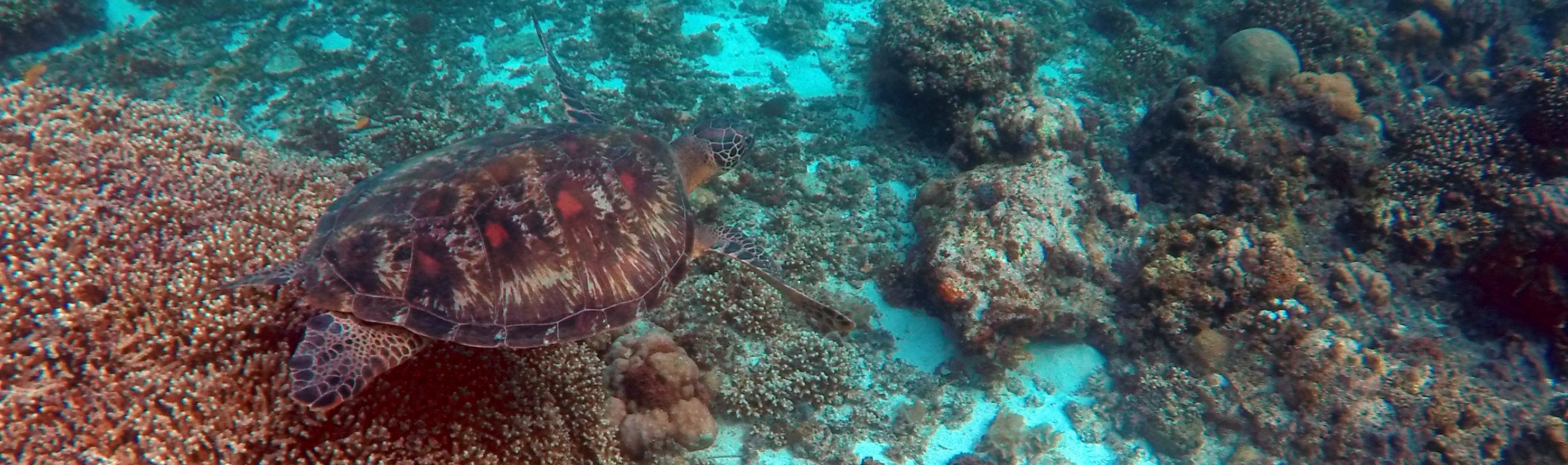
  • Spotting animals: seahorses, flamingos, sea turtles, lizards, dolphins, hummingbirds, parrots, crabs, barracudas.
  • Food spotting: keshi yena, funchi, pastechi, kabritu stoba, karni stoba, tutu, pan bati, awa di lamunchi.

Studying in Curaçao?

  • In Curaçao you study in a multicultural environment. There are various institutions to choose from that offer different study programs. Study options vary from medicine and technology to art and social studies. Studies such as tourism, hospitality and management are also popular.
  • Study city: Willemstad.
  • Language: Dutch and English with sometimes some Papiamento and Spanish.

Internship in Curaçao?

  • There are various internship opportunities in the field of nature conservation, tourism and marketing, for example.
  • Competencies: cultural adaptation, customer focus, Caribbean language skills.

Volunteering in Curaçao?

  • Volunteering is possible in the field of nature and animal protection (reefs, turtles, stray animals), education and childcare.

Work in Curaçao?

  • There are all kinds of jobs available, from the tourism industry to the business world, but also in healthcare and education, for example.
  • Work culture: informal mixed with formalities, with possibly less strict deadlines than in other places of the world.

Working as a digital nomad in Curaçao?

  • A good hub for digital nomads, with good internet, nice facilities and an always sunny life! Some digital nomads even qualify for the digital nomad visa.
  • Favorite locations: Willemstad, Jan Thiel and Pietermaai District.

Living in Curaçao?

  • Curaçao is a beautiful, safe island with a high quality of life! And when you are able, you can even speak Dutch or Spanish there.
  • Education: there are good schools, often with Dutch as the main language. There are also international schools.
  • Expat community: large, long and short term stays (to flee the winters) and lively! Especially in Jan Thiel and Pietermaai.
  • Safety: generally safe, but watch out for petty crime in tourist areas and after dark.
  • Culture: a mix of Dutch, Caribbean and Latin American influences.
  • Please note: living expenses are relatively expensive.
  • Health insurance: health care is of good quality, although you may have to go to another country for very serious treatments. So make sure you have your own health insurance with good coverage.


Orientation & Discovering

Curaçao : what are the best places, dishes, drinks en means of transport

Curaçao : what are the best places, dishes, drinks en means of transport

curacao
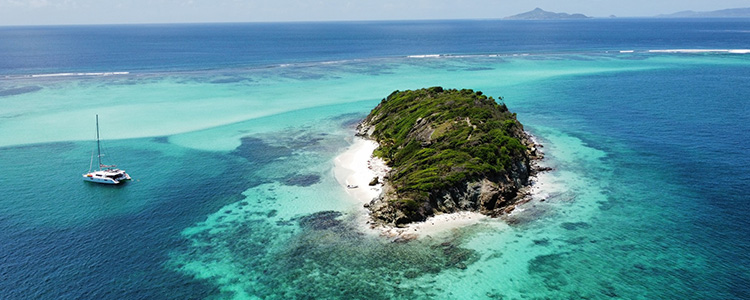
  • Curaçao is part of the Dutch Antilles in the Caribbean area which also consists of islands like Aruba and Bonaire. It is a small island of just 10 miles across, compromising 160,000 inhabitants. Because of Curaçao's colonial history it is culturally and demographically very diverse, boasting some typical Dutch cultural elements as well. The island has one of the world's most beautiful beaches with pearly white sand and crystal clear water. For the active visitor the island is a water sport paradise. If you plan on visiting Curaçao, take a look at this mini travel guide with tips and information about visiting Curaçao.

What are the highlights of Curaçao?

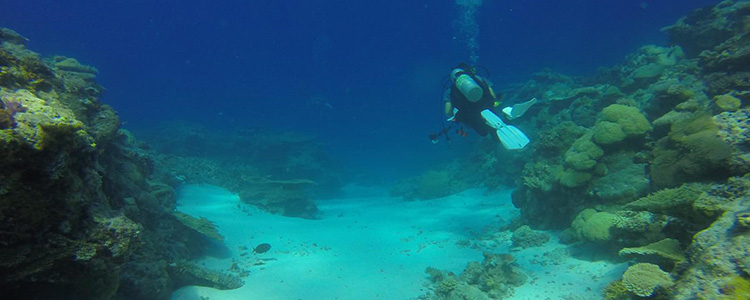
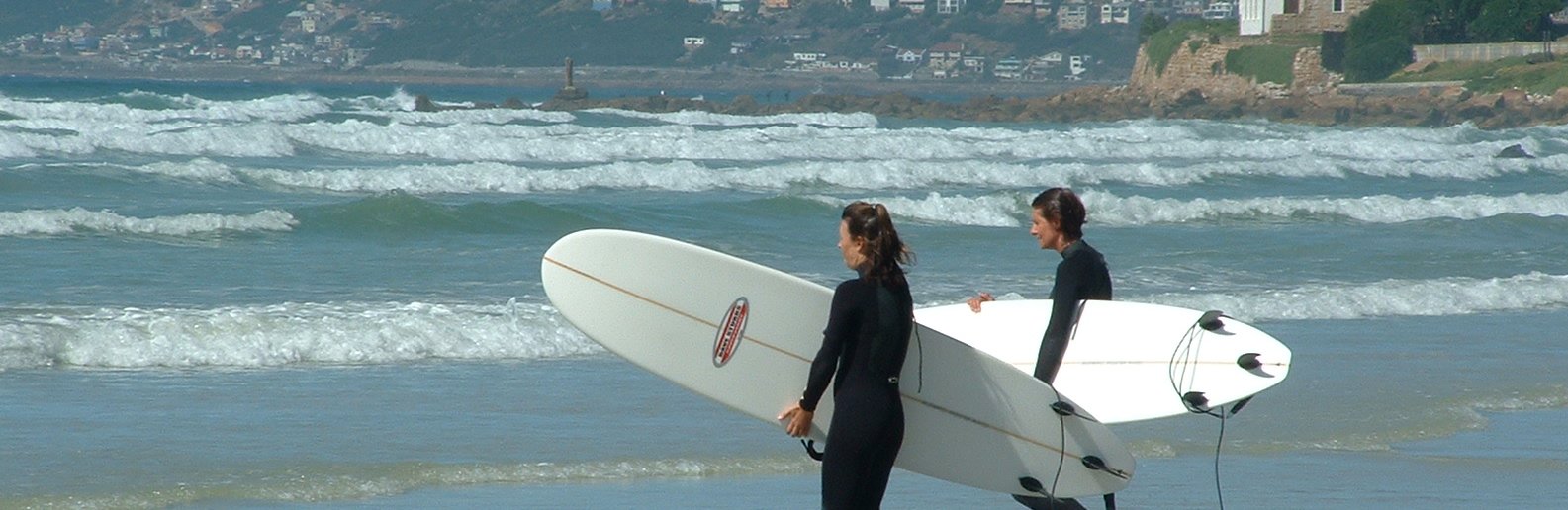
  • Snorkeling and diving: Curaçao's maritime world possesses a great biodiversity, with stunning coral reefs to explore. It is one of the most popular locations for diving in the Caribbean. You can also dive and swim with wild dolphins and other sea creatures.
  • Kite surfing. The prevailing winds make Curaçao a popular kite surf destination. The season starts around March or April.
  • Sailing. Curaçao is home to several international sailing competitions and is a very good sailing destination.
  • Night life: from the African Tumba to the South American Merengue, Curaçao’s rich heritage plays a big role in its energetic music scene and nightlife. There are beach parties on a regular basis, but there are also enough bars and clubs where you can dance and party.
  • Carnival: The annual carnival is the highlight of the year for many Curaçaoans. Streets are filled with vibrant colors and exotic music. The colorful event lasts for almost a month, and it is definitely a must-see!
  • International Jazz festival: One of the biggest music festivals of Curaçao which takes place in September.
  • Willemstad: From the floating market in the old town of Punda to the colorful houses along the Handelskade and Antillian food at Marshe Bieu (the old food market). The capital of Curaçao has a rich history, lots of museums, shops, restaurants and beautiful architecture.
  • Mambo-beach: This is probably one of the most popular beaches. As such it's pretty busy but also very well facilitated with cocktail bars, live music and an open air cinema.
  • Klein Curaçao: 25 kilometres southeast of Curaçao, lies its small sister Klein Curaçao. It is a very peaceful island where you can enjoy beautiful white beaches and stunning coral reefs.
  • Christoffelpark: For the adventurous types there are a lot of active opportunities at this park which includes a mountain you can explore by car, quad, mountain bike, horse or by foot.
  • Kurá Hulanda: A historic, restored neighborhood and hotel complex in Otrobanda. It is a vibrant area with 18th- and 19th-century colonial buildings, winding streets, restaurants, boutiques, and the impressive Museum Kurá Hulanda, which is dedicated to Curaçao’s history as one of the biggest slave trade posts in the Caribbean.

How is the health and safety in Curaçao?

  • Generally speaking, Curaçao is considered as a safe country, but there are a few areas to be aware of:
  • Mosquitoes love Curaçao's climate too. So don't forget to pack your insect repellent!
  • You will only need a vaccination when you have visited a yellow fever area.
  • Tap water in Curaçao is safe to drink, it falls within the World Health Organisation quality standards. The water supply consists of distilled seawater.
  • From June to November hurricanes can occur in the Caribbean area. Yet they rarely reach Curaçao.
  • Despite the village like feel, Curaçao has areas where vigilance is required. Don't show off your expensive jewelry and don't walk around with too much cash in your wallet. Keep valuable possessions in your bag or even better in a safe at the hotel. Avoid alleys, unpatrolled beaches after dark and other quiet or dark streets because these can be unsafe.
  • The traffic is mostly safe in Curaçao. Yet Curaçaoans often don't take traffic rules too seriously
  • All drugs, hard and soft, are illegal. Possessing or using drugs, any drugs including marijuana or prescription drugs for which you can’t provide the prescription, is punished severely. Bring a Medical Passport or an official prescription when using medication, especially any sedatives and strong painkillers containing codeine.
  • In case of emergency you can call the tourist emergency number: 917.

How is the transport arranged in Curaçao?

  • Public transport in Curaçao is fairly limited. Buses don't adhere to a strict timetable but are nonetheless a cheap option. The two major bus stations are at Punda and Otrabanda. Check the ABC-Curaçao app. Apart from the standard big buses, there also smaller vans that offer public transport. They don’t really have a timetable.
  • Due to the limited public transport options, it is definitely recommended to rent a car or scooter to explore the island. The roads are mostly paved and well maintained.
  • There can be age restrictions to rent a car. Check with your chosen rental company beforehand.
  • Taxis are generally cheap and reliable in Curaçao. However, taxis fares are unmetered; drivers may have fare-sheets available. Agree on a price beforehand. Official taxis are easily recognized by having a license plate that is marked with the letters "TX". There is an app called 24-7 taxi.

How about accommodation, food and drinks in Curaçao?

  • Accommodation in Curaçao mainly consists of luxurious hotels and resorts. These are generally expensive. There are some cheaper options like bed & breakfasts, simple apartments and Airbnb. Hostels are very rare in Curaçao. Camping is also an option. There are several camp sites where you can pitch a tent or rent a caravan.
  • Curaçao has a very diverse cuisine. From typical Dutch to Japanese, Argentinean, Italian, Brazilian and more. Local specialties are: grilled iguana or ostrich, karni stoba (beef stew) and kabritu (goat stew), Sopi di banana (a soup made of bananas) and Pastechi (a savoury pie).
  • Happy Hour: a lot restaurants and beach clubs offer drinks at half price during happy hour. You can drink different alcoholic and non-alcoholic cocktails like Piña colada, fruit punch and Awa di Lamunchi (a typical Curaçaoan drink made with lime syrup). Also popular are Amstel Bright (a beer which tastes a bit like Corona) and of course Blue Curaçao, sometimes simply referred to as Curaçao. This liqueur is made with the dried peels of the Laraha, the bitter orange native to Curaçao meaning Golden Orange of Curaçao.

Have you been to Curaçao and do you have other tips for sights, activities or foods to taste? Leave it in a comment below!

How to stay safe in Curaçao?

How to stay safe in Curaçao?

Curaçao coast

Some general guidelines to stay safe while visiting Curaçao

General safety

  • Generally speaking, Curaçao is considered to be safe, but robberies and petty crime happen on occasion.
  • Watch out for pickpockets. More thieves are active on busy places like the busstation and souvenir market. Also once the cruiseships have arrived. Don't show off your expensive jewellery and don't walk around with too much cash in your wallet. Keep valuable possessions in your bag or even better in a safe at the hotel.
  • Incidents of robbery are not uncommon so avoid alleys and other quiet or dark streets because these can be unsafe.
  • Serious crimes occur mostly in the organised criminal world, involving drugs or weapons trade. As an outsider you will usually not get caught up in this. Drug related crimes are punished severely.
  • In case of emergency you can call the tourist emergency number: 917.

Criminality

  • Most serious crimes are part of the organised criminal world involving drugs or weapons trade. As a visitor it is unlikely you will be dealing with these kind of crimes.
  • Keep an eye on your luggage at all times – especially at the airport and busy tourist spots – don't accept packages from anyone and ensure nothing can be placed in your luggage.
  • Don't leave valuables in your car, there is a risk it will be taken. 

Forces of nature

  • From June to November hurricanes can occur in the Caribbean area. Yet they rarely reach Curaçao.

Traffic

  • The traffic is mostly safe in Curaçao. Yet Curaçaoans often don't take traffic rules too seriously. For example, sometimes drivers will overtake on the right side instead of on the left. Frequently the rule of giving way to traffic from the right is also put into practice differently.
  • Watch out for scooters and cars without lights at night.
  • Be aware that drunk driving is not uncommon in Curaçao.
  • Curaçaoans drive on the right side of the road.

Legislation

  • All drugs, hard and soft, are illegal. Possessing or using drugs, any drugs including marihuana or prescription drugs for which you can’t provide the prescription, is punished severely. Bring a Medical Passport or an official prescription when using medication, especially any sedatives and strong painkillers containing codeine.

Dangerous areas

  • Check what areas are deemed unsafe before arriving in Curaçao, so you don't accidentally end up somewhere dangerous.
  • Do keep in mind the unsafe areas change, so always check the up to date safety information.
  • Areas that are traditionally considered unsafe (especially at night) are: Koredor, Punda, Otrabanda, the Mambo Beach parking lot, the neighbourhoods of Scharloo, Fleur de Marie, Seru Fortuna, Marchena, Seru di Kandela, Souax, Koraalspecht, Seru Loraweg, Dein, Kanga, and most beach areas.
  • Out of precaution: Avoid remote and unpopulated areas and unpatrolled beaches after dark.

Image

Preparation & Packing

Packing list for Curaçao, travel insurance for Curaçao, and taking your belongings

Packing list for Curaçao, travel insurance for Curaçao, and taking your belongings

Packing list for Curaçao, travel insurance for Curaçao, and taking your belongings

  • Documents: passport valid for at least 6 months upon arrival. Return or onward ticket (can be checked). Online and offline copy of your passport. Copy of your embarkation card.
  • Money: Curaçao uses the Antillean guilder (ANG) as its local currency, but the US dollar (USD) is also widely accepted. Bring USD or ANG cash for the first few days (for taxis, small shops or markets).
  • You can also use your debit or credit card in many places.
  • Care: a coral-friendly sunscreen with a high factor (certainly 30+) is a must if you don't want to turn into a lobster.
  • Outdoor and practical items: cap or hat and sunglasses. Essential in the Caribbean sun.
  • Clothing: light clothing made of cotton or linen, bikini/swimsuit, shawl for style and extra sun protection, cardigan or sweater for that freezing air conditioning.
  • Shoes: sandals/slippers for the beach and closed shoes for walks. Insects and animals: mosquito repellent such as DEET, icaridin or a natural remedy.
  • Medicines and travel kit: a small medical kit in case you make friends with sea urchins or scrape the coral (don't do that!).
  • Safety: money belt or fanny pack, that feels a bit safer. Waterproof case for your phone during beach days.
  • Technology and equipment: plug type A and B.
What else can you take with you?
  • Reusable water bottle, so you can at least stay hydrated!
  • Power bank for when you are driving around for days and use navigation.
  • Underwater camera for all the splendor.
  • Snorkeling set, because otherwise you won't get much use out of that camera.
  • Water shoes are also handy to take with you if you have them. Then you won't need your first aid kit as quickly!
  • International driving license, if you want to rent a car.

What knowledge is useful when you go to Curaçao? Knowledge of petty crime and how to protect yourself against it.

  • Where it is safe to swim, and the waves are not too big or the current to strong. 
  • Knowledge about the multiculturalism on the island.

Are there mosquitoes in Curaçao?

  • There are mosquitoes in Curaçao, which increase significantly in numbers during the rainy season from September to December.
  • Mosquitoes are mainly found around sunrise and sunset. Protection against mosquitoes is important because they can transmit various diseases.

Are there sand flies in Curaçao?

  • Sand flies are found in Curaçao, but only rarely. People often confuse the “no-see-ums” and mosquitoes, which are much more common, with sand flies.

Can you buy DEET, or other mosquito repellents, in Curaçao?

  • DEET, picaridin and other mosquito repellents (such as eucalyptus & lemon oil) are easily available at supermarkets, pharmacies and drugstores.
  • “OFF!” is the most popular spray in Curaçao.

Where can you get food and drinks in Curaçao?

  • There are large supermarkets such as Carrefour, Vreugdenhill and Van den Tweel.
  • Minimarkets can be found everywhere in and outside the city.
  • Restaurants are available in all cuisines and sizes.
  • Vegetarian and vegan food is mainly possible in Willemstad.
  • There is little real “street food”, but you will find food trucks and local markets.

Can you buy a beer or wine in Curaçao, or take it to Curaçao?

  • Yes, that is certainly possible! Beer and wine are available everywhere.
  • Customs allows a maximum of 1 liter of spirits, 3 liters of beer or 2.25 liters of wine upon arrival.

Can you buy a joint or weed in Curaçao, or take it to Curaçao?

  • Weed is illegal in Curaçao. You run the risk of a fine, arrest or even imprisonment. Medical marijuana with a doctor's prescription is also not recognized.

Health, Insurance & Safety

How does healthcare work in Curaçao, and what travel insurance, health insurance or expat insurance do you need?

How does healthcare work in Curaçao, and what travel insurance, health insurance or expat insurance do you need?

What is the quality of healthcare in Curaçao?

  • Healthcare in the Netherlands Antilles is generally good. Most medical treatments can be performed.
  • In urgent situations, patients are transferred from Aruba and Bonaire to hospitals in Curaçao.
  • However, not all specialist procedures are possible on the island. In the case of specialist procedures or serious or complicated cases, the air ambulance service is used to travel to the United States or Latin America (Colombia), for example.

How does the public healthcare system work in Curaçao?

  • There are several hospitals in Curaçao, including the Curaçao Medical Center (CMC), the Taams Clinic and the Antillean Adventist Hospital.
  • Curaçao has a national healthcare system, the so-called Basic Health Insurance (BVZ), which offers mandatory healthcare coverage for residents and persons with a residence permit. This is arranged by the Social Insurance Bank (SVB).
  • The BVZ covers basic healthcare, including visits to the general practitioner, hospital admissions, medicines and some specialist treatments. Dental care and optical care are included to a limited extent.
  • The premium is automatically deducted from the wages of working residents. For expats who do not work, access to BVZ depends on their residence status.
  • Waiting times in the public system can sometimes be long, especially for specialist care.

How does the private healthcare system work in Curaçao?

  • Private care in Curaçao is of high quality, with modern facilities and English-speaking doctors. Many expats choose private clinics because of the shorter waiting times and personal attention.
  • Private care is more expensive than public care, but still considerably cheaper than in many Western countries.
  • Curaçao Medical Center (CMC) is the largest and most modern hospital on the island. Private clinics such as Vidanova and Medwork also offer quick access to specialists.

How is the dental care and dentist arranged in Curaçao?

  • It is useful to know that for almost all care, you need a referral from your general practitioner or from a specialist. In the public system, you have to register with a specific GP, while in the private system you are free to choose.
  • With private GPs, you pay a considerable amount per consultation. So make sure you are well insured!

How is the dental care and dentist arranged in Curaçao?

  • In Curaçao, you have plenty of choice between different dentist(s) and practices, with different specializations and treatment options.
  • Basic dental care is covered by the BVZ, but advanced treatments are not.
  • Private dentists offer advanced treatments at reasonable prices. Expats with private insurance often choose private dentists because of the flexibility and quality.

How is pregnancy and maternity care arranged in Curaçao?

  • Pregnancy care in Curaçao is generally well arranged. Both public and private care options are available.
  • Prenatal care, ultrasounds, and deliveries are covered by the BVZ. Deliveries usually take place in the Curaçao Medical Center (CMC).
  • Many expats choose private care because of the personal attention. Costs for a private birth start at around $2,500.
  • Breastfeeding is encouraged and socially acceptable, including in public places.

How safe or unsafe is a trip or stay in Curaçao?

What should you pay attention to in terms of safety in Curaçao?

  • Petty crime, such as theft, does occur. Keep an eye on your belongings, especially in tourist areas and on beaches. Also be aware of the risks of (car) burglary.
  • Walking in dark, remote areas is not recommended, as street lighting is sometimes lacking.
  • Curaçao is known for its clear water and beautiful snorkeling spots, but be alert for sea urchins and fire coral, which can cause painful injuries.
  • Watch out for Portuguese man-of-war (a type of jellyfish with painful stings). They are sometimes spotted while snorkeling or swimming.
  • Hiking trails and nature reserves are beautiful, but come prepared or take a guided tour. Bring enough water and ask locals about the safety of specific areas.
  • Curaçao is outside the hurricane belt, but heavy rainfall can cause flooding during the rainy season (October-December).

What should you look out for in terms of diseases in Curaçao?

  • Mosquitoes are a problem, especially during the rainy season. Protect yourself from mosquito bites.
  • The tap water in Curaçao is safe to drink and of excellent quality, thanks to desalination plants.
  • Due to the intense sun, sunscreen is essential to prevent sunburn and skin problems. Also, make sure you don't get dehydrated, drink enough!

What should you pay attention to when it comes to traffic in Curaçao?

  • The main roads are well maintained, but many side roads have potholes or are poorly lit.
  • A car is quite essential on the island. Traffic rules are sometimes not strictly followed, so be alert.
  • Parking in Willemstad can be difficult. Paid parking is available, and pay attention to where parking is prohibited (recognizable by yellow lines).
  • Minibuses, buses (ABC app) and taxis (24/7 app)are available, but the system is not very clear and less reliable. Many expats opt for a rental or own car.

What are the best insurance options for backpacking, traveling, doing an internship, studying, volunteering, or working in Curaçao?

What types of insurance should you get if you're planning to emigrate, work as an expat, or live in Curaçao?

What insurance can you choose as backpacker, emigrant, expat, intern, nomad, student, volunteer or traveler abroad?

What are the main international insurances through JoHo and WorldSupporter for activities, backpacking or travel to or from Curacao

Advice and decision support
Insurance

What are the main international insurances through JoHo and WorldSupporter for emigrants, expats and nomads in Curacao

Advice and decision support
Insurance
Why get specific insurance when going abroad: per activity abroad
What is travel insurance, and why take out specific insurance when you go on a trip or vacation?

What is travel insurance, and why take out specific insurance when you go on a trip or vacation?

What is travel insurance to insure your trip or vacation?

  • Travel insurance is insurance that provides coverage for risks during a trip or vacation abroad. This mainly concerns loss of or damage to your luggage, medical assistance in the event of accidents, for example, or repatriation costs if you need to be transported back to your home country urgently. In some cases, travel insurance coverage also applies in your home country.
  • With continuous travel insurance, you are insured for all your trips throughout the year.
  • With temporary travel insurance, you take out insurance for each trip for the duration of the trip.
  • Cancellation insurance reimburses (all or part of) the travel sum, cancellation or accommodation costs if you have to cancel or interrupt your vacation.

Why should you take out travel insurance for a short trip, vacation, or long-distance trip?

  • Travel insurance can provide coverage in the event of an accident or emergency while you are away.
  • Travel insurance can provide coverage for damage and accidents during the adventurous or sporting activities you are going to do.
  • Travel insurance can continue to provide coverage if your Dutch basic health insurance no longer provides coverage, or if the damage is only reimbursed at Dutch cost price.
  • Travel insurance can provide coverage in the event of damage, loss, or theft of your luggage.
  • Travel insurance can provide coverage if you are held liable for damage you cause to other people or their property.
  • Travel insurance can provide coverage if you have to return home early because something has happened to you or your immediate family.

What is important to insure when you are going to travel?

  • That you have insurance that is valid in the countries where you are going to travel and possible work.
  • That you are adequately insured for the sports and activities you are going to participate in during your full period abroad
  • That you are insured for emergency assistance and early return if something happens to you or your immediate family.
  • That your medical expenses are insured up to the actual cost and not just for the standard costs. The costs per medical treatment vary greatly between countries.
  • That you insure your luggage and take sufficient precautions against theft or damage.
  • That you are well insured against personal liability.
  • That you are well insured in case of accidents.
  • That you only insure yourself for legal assistance if there is an immediate reason to do so, unless coverage is already automatically included in the insurance.
  • That you pay close attention to choosing the right coverage when performing work or voluntary work during your world trip.

What insurance do you need for a trip or vacation?


What is round the world travel insurance or long-term travel insurance, and why take out specific insurance when you go abroad?

What is round the world travel insurance or long-term travel insurance, and why take out specific insurance when you go abroad?

What is round the world travel insurance or long-term travel insurance?

  • Round the world travel insurance means that you take out insurance that continues to provide coverage during all your activities abroad, and which is specifically intended for those who travel for long periods of time, such as world travelers, globetrotters, and nomads.

Why should you take out specialized travel insurance for a long trip abroad?

  • Round the world travel insurance provides coverage for a much longer trip than regular travel insurance.
  • World travel insurance is specifically intended for longer trips, whereas regular travel insurance may offer coverage on paper, but in practice handles it differently.
  • World travel insurance is suitable for many types of activities, ranging from high-altitude trekking to more risky sports.
  • World travel insurance continues to provide coverage if you start working during your trip, whether planned or unplanned. If you did not take out insurance before departure that allows you to work, there is no guarantee that you will be able to take out insurance that provides coverage while abroad.
  • Long-term travel insurance continues to provide coverage when your home country's health insurance no longer does.
  • Worldwide travel insurance also covers your medical expenses up to the actual cost, and not just for the standard costs. The costs per medical treatment vary greatly between countries.
  • Worldwide travel insurance can also continue to provide coverage if negative travel advice is issued.

What is important to insure when you are going to travel around the world?

  • That you have insurance that is valid in the countries where you are going to travel and possibly work.
  • That you are adequately insured for the sports and activities you are going to participate in during your full period abroad
  • That you are insured for emergency assistance and early return if something happens to you or your immediate family.
  • That your medical expenses are insured up to the actual cost and not just for the standard costs. The costs per medical treatment vary greatly between countries.
  • That you insure your luggage and take sufficient precautions against theft or damage.
  • That you are well insured against personal liability.
  • That you are well insured in case of accidents.
  • That you only insure yourself for legal assistance if there is an immediate reason to do so, unless coverage is already automatically included in the insurance.
  • That you pay close attention to choosing the right coverage when performing work or voluntary work during your world trip.

What insurance do you need when backpacking abroad?

What is backpack insurance, and why take out specific insurance when you go backpacking abroad?

What is backpack insurance, and why take out specific insurance when you go backpacking abroad?

What is backpacking insurance and travel insurance for backpackers?

  • Backpacking insurance for backpackers means that you take out insurance that continues to provide coverage during all your activities abroad and is specifically intended for those who are traveling for a long time, traveling independently, or making frequent use of local transportation.

Why should you take out travel insurance specifically for backpacking?

  • Travel insurance for backpacking can provide coverage in the event of an accident or emergency while backpacking.
  • Travel insurance for backpacking can provide coverage for damage and accidents during your adventurous or sporting activities.
  • Travel insurance for backpacking can continue to provide coverage if your Dutch basic health insurance no longer provides coverage, or if the damage is only reimbursed at Dutch cost price.
  • Travel insurance for backpacking can provide coverage in the event of damage, loss, or theft of your luggage while backpacking.
  • Travel insurance for backpacking can provide coverage if you are held liable for damage you cause to other people or their property.
  • Travel insurance for backpacking can provide coverage if you have to return home early because something has happened to you or your immediate family while backpacking.

What aspects are important to insure when backpacking abroad?

  • The duration of your trip: so that you are also covered during a very long backpacking trip, or can extend your coverage if you want to stay longer
  • The activities during your trip: so that you can also participate in all kinds of sports and adventure activities that are excluded from travel insurance
  • Coverage of your medical expenses during your trip: so that you are always covered, even if you go to work or if the costs in the event of an accident are higher than the Dutch rate
  • Coverage for natural disasters and war during your trip: so that you don't have to return home immediately with your tail between your legs every time the Dutch government issues negative travel advice
  • Your insurer's specialization: so that your insurer specializes in backpacking trips or long stays abroad, and doesn't treat you like an “all-inclusive sunglasses claimant.”

What insurance do you need when backpacking abroad?

What is insurance for working abroad, and why do you need specific insurance if you are going to do paid work?

What is insurance for working abroad, and why do you need specific insurance if you are going to do paid work?

What is insurance for working abroad?

  • Insuring yourself for working abroad means taking out insurance that continues to provide coverage during your paid work abroad.

Why take out insurance, and when is normal travel insurance no longer sufficient?

  • There may be several reasons why you need separate insurance for paid work abroad.
  • During your work, local employers generally offer no or limited insurance that does not provide sufficient coverage.
  • The risk of accidents is sometimes greater during your work, for example because you are doing work with which you have little experience or because of the nature of the work.
  • During specific work abroad, additional requirements may apply as soon as you start performing work that involves additional risks. Only special insurance policies offer coverage during this type of work.
  • During work, internships, or volunteer work abroad where you receive a salary or compensation (for example, food or housing), your local health insurance coverage will normally lapse. You will then need special insurance to remain insured for illness and accidents.
  • Standard travel insurance policies generally do not provide sufficient coverage to apply for a work visa or working holiday visa.
  • Standard travel insurance policies generally only cover stays abroad for a limited number of days. If your trip or stay abroad exceeds the maximum number of days, this generally means that there will be no coverage for the entire travel period.
  • Standard travel insurance policies generally only provide coverage for recreational travel without study, internship, or work. If you engage in activities other than recreational activities, this generally means that you will no longer be covered for the entire travel period.

What should you pay attention to in your insurance policy if you are going to work abroad?

  • Make sure you have insurance that is valid in the area where you will be traveling and working.
  • Make sure you are adequately insured for the sports and activities you will be participating in.
  • That you are insured for emergency assistance and early return if something happens to you or your immediate family.
  • That your medical expenses are insured up to the actual cost and not just for the standard costs. The costs per medical treatment vary greatly between countries.
  • That you insure your luggage and take sufficient precautions against theft or damage.
  • That you are well insured against personal liability.
  • That you are well insured in case of accidents.
  • That you insure yourself for legal assistance if there is an immediate reason to do so, unless the coverage is already automatically included in the insurance.
  • That you take care to choose the right coverage when working in healthcare, with wild animals, and with dangerous machinery.

What insurance do you need to work abroad?

What is insurance for working with animals abroad, and why do you need specific insurance for jobs, internships, and volunteer work abroad?

What is insurance for working with animals abroad, and why do you need specific insurance for jobs, internships, and volunteer work abroad?

What is insurance for working with animals abroad?

  • Insuring yourself for working abroad with animals means taking out insurance that continues to provide coverage during your paid, unpaid, or internship work abroad, where minor or major risks are involved.

Why take out insurance, and when is normal travel insurance no longer sufficient?

  • There may be several reasons why you need separate insurance for work abroad.
  • During specific work abroad, additional requirements may apply as soon as you start performing work that involves additional risks. Only special insurance policies offer coverage during this type of work. Almost all standard insurers exclude working with animals from coverage.
  • The risk of accidents is sometimes greater during your work, for example because you are doing work with which you have little experience or because of the nature of the work. All over the world, there are reserves, rescue centers, and zoos where you can roll up your sleeves as a veterinarian, intern, or volunteer. Working with animals or wildlife is not without danger. No matter how cute they may look, or how tame they may behave. All animals can suddenly bite viciously or lash out with a claw or beak. Not only can this result in nasty injuries, but it can also transmit diseases that you would rather not have, and certainly not abroad.
  • During work, internships, or volunteer work abroad where you receive a salary or compensation (for example, food or housing), your local health insurance coverage will normally lapse. You will then need special insurance to remain insured for illness and accidents.
  • During your work, local employers generally offer no or limited insurance that does not provide sufficient coverage.

What should you pay attention to in your insurance policy if you are going to work abroad?

  • Make sure you have insurance that is valid in the area where you will be traveling and working.
  • That you have insurance that provides sufficient coverage for the work you will be performing.
  • Make sure you are adequately insured for the sports and activities you will be participating in.
  • That you are insured for emergency assistance and early return if something happens to you or your immediate family.
  • That your medical expenses are insured up to the actual cost and not just for the standard costs. The costs per medical treatment vary greatly between countries.
  • That you insure your luggage and take sufficient precautions against theft or damage.
  • That you are well insured against personal liability.
  • That you are well insured in case of accidents.
  • That you insure yourself for legal assistance if there is an immediate reason to do so, unless the coverage is already automatically included in the insurance.

Which insurance do you need for working, an internship, or volunteering with animals abroad?

What is volunteer insurance, and why should you take out specific insurance if you are going to do volunteer work?

What is volunteer insurance, and why should you take out specific insurance if you are going to do volunteer work?

What is insurance for volunteering abroad?

  • Insuring volunteer work abroad means taking out insurance that continues to provide coverage while you are working as a volunteer abroad

Why should you take out specialized travel insurance for voluntary work abroad?

  • There may be several reasons why you need separate insurance when volunteering abroad.
  • During specific activities abroad, additional requirements may apply if your work involves extra risks. Only specific insurance policies offer coverage during these activities.
  • The risk of accidents is sometimes higher during your work, for example because you are doing work you have little experience with or because of the nature of the work.
  • Local projects or employers generally offer no or limited insurance that provides insufficient coverage during your work.
  • When volunteering abroad and receiving minor financial compensation (or, for example, food or housing), your home country's health insurance coverage will potentially lapse. You will then need special insurance to remain insured for illness and accidents.
  • Regular travel insurance policies generally provide coverage for trips of a limited number of days. If your trip or stay abroad exceeds the maximum number of days, this generally means that for the entire travel period, you will not be covered.
  • Regular travel insurance policies generally only provide coverage for recreational travel without voluntary work activities. If you engage in activities other than recreational activities (such as volunteer work), this generally means that for the entire travel period, you will not be covered.

What is important to insure when you are going to work as a volunteer abroad?

  • That you have insurance that is valid in the country or countries where you are going to travel and volunteer.
  • That you are adequately insured for the sports and activities you are going to participate in during your period abroad
  • That you are insured for emergency assistance and early return if something happens to you or your immediate family.
  • That your medical expenses are insured up to the actual cost and not just for the standard costs. The costs per medical treatment vary greatly between countries.
  • That you insure your luggage and take sufficient precautions against theft or damage.
  • That you are well insured against personal liability.
  • That you are well insured in case of accidents.
  • That you only insure yourself for legal assistance if there is an immediate reason to do so, unless coverage is already automatically included in the insurance.
  • That when performing work in healthcare, with wild animals, and with dangerous (agricultural) machinery, you take care to choose the right coverage.

What insurance do you need when volunteering abroad?

Why should you take out specialized travel insurance for an internship abroad?

Why should you take out specialized travel insurance for an internship abroad?

What is insurance for an internship abroad?

  • Insuring an internship abroad means taking out insurance that continues to provide coverage during your internship abroad
  • Insurance for internships abroad are also referred to as internship insurance. This internship insurance is specifically for when you go abroad for a long period of time to work as an intern, take courses, or conduct research abroad.

Why should you take out specialized travel insurance for an internship abroad?

  • There may be several reasons why you need separate insurance for an internship abroad.
  • During internship activities abroad, additional requirements may apply as soon as you start performing work that involves additional risks. Only specific insurance policies offer coverage during these activities.
  • During your internship, the risk of accidents is sometimes greater, for example because you are doing work with which you have little experience or because of the nature of the work.
  • During your internship, local employers generally do not offer insurance, or offer limited insurance that does not provide sufficient coverage.
  • During an internship abroad where you receive financial compensation (or, for example, food or accommodation), your home country's health insurance coverage will potentially lapse. You will then need special insurance to remain insured for illness and accidents.
  • Regular travel insurance policies generally provide coverage for trips of a limited number of days. If your trip or stay abroad exceeds the maximum number of days, this generally means that for the entire travel period, you will not be covered.
  • Regular travel insurance policies generally only provide coverage for recreational trips without work activities.

What is important to insure when you are going to be an intern abroad?

  • That you have insurance that is valid in the area where you will be traveling and doing your internship.
  • That you are adequately insured for the sports and activities you will be participating in.
  • That you are insured for emergency assistance and early return in case something happens to you or your immediate family.
  • That your medical expenses are insured up to the actual cost (what it actually costs), and not just for the standard costs. The costs per medical treatment vary greatly between countries.
  • That you insure your luggage and take sufficient precautions against theft or damage.
  • That you are well insured against personal liability and, preferably, also for liability during your internship.
  • That you are well insured in case of accidents.
  • That you insure yourself for legal assistance if there is an immediate reason to do so, unless the coverage is already automatically included in the insurance.
  • Make sure you choose the right coverage for internship work in healthcare, with wild animals, or with dangerous machinery!

Check out more about international insurances

What is insurance for studying abroad, and why should you take out specialized travel insurance for your education abroad?

What is insurance for studying abroad, and why should you take out specialized travel insurance for your education abroad?

What is insurance for studying abroad?

  • Insurance for studying abroad means that you take out insurance that continues to provide coverage during your studies, your education, and your related activities abroad.
  • Insurance for studying abroad is also referred to as study insurance. This study insurance is specifically for when you go abroad for a long period of time to take courses, study, or conduct research abroad.

Why should you take out specialized travel insurance for a study abroad?

  • Study insurance is specifically designed for studying abroad, whereas regular travel insurance policies may offer coverage on paper but handle this situation differently in practice.
  • Study insurance offers coverage for longer stays than regular (vacation) travel insurance.
  • Study insurance is also suitable for many types of activities, ranging from various sports to hiking at high altitudes.
  • Study insurance continues to provide coverage if you start working during your trip, whether planned or unplanned. If you have not taken out insurance before departure that allows you to work, there is no guarantee that you will be able to take out insurance abroad that provides coverage.
  • Study insurance continues to provide coverage if your own country's health insurance no longer provides coverage.
  • Student insurance also covers your healthcare costs above the rates in your own country; with regular insurance, you have to pay the extra costs yourself.
  • Student insurance can also continue to provide coverage if (study) visa issuers impose additional requirements on how you insure yourself, for example if you are going to the US and applying for a J-1 visa.
  • Student insurance continues to provide coverage if you are staying abroad for a longer period of time and want to visit your own country in between.

What is important to insure when you are going to study abroad?

  • That you have insurance that is valid in the country or countries where you are going to travel and work.
  • That you are adequately insured for the sports and activities you are going to participate in during your period abroad
  • That you are insured for emergency assistance and early return if something happens to you or your immediate family.
  • That your medical expenses are insured up to the actual cost and not just for the standard costs. The costs per medical treatment vary greatly between countries.
  • That you insure your luggage and take sufficient precautions against theft or damage.
  • That you are well insured against personal liability.
  • That you are well insured in case of accidents.
  • That you only insure yourself for legal assistance if there is an immediate reason to do so, unless coverage is already automatically included in the insurance.
  • That you pay close attention to choosing the right coverage when performing work alongside your studies.

Check out more about international insurances

What is an expat insurance or emigration insurance, and why specifically take out insurance if you are going to do move abroad?

What is an expat insurance or emigration insurance, and why specifically take out insurance if you are going to do move abroad?

What is an expat insurance?

  • Expat insurance is insurance that continues to provide coverage if you go to work abroad for a local or international employer for an extended period of time.
  • Expat insurance is not only intended for expats, but for anyone who has a more permanent job abroad.

What is an emigration insurance, or insurance for moving and living abroad?

  • Emigration insurance is an insurance that continues to provide coverage if you move abroad permanently or for an indefinite period of time.
  • Emigration insurance is not only intended for emigrants, but for anyone who leaves their home country for an extended period of time and does not intend to return in the foreseeable future.

Why should you take out specialized insurance for emigration or working as an expat abroad?

  • Emigration or expat insurance not only provides coverage for acute assistance in the event of illness or accident abroad, such as travel insurance, but can also provide coverage for existing conditions and ailments or non-urgent care.
  • Emigration or expat insurance does not require you to maintain valid health insurance in your home country.
  • Emigration or expat insurance provides coverage for preventive care or costs related to pregnancy and childbirth.
  • Emigration or expat insurance also provides coverage for long-term treatments and chronic conditions without you having to return to your home country.
  • Emigration or expat insurance often has no restrictions on the duration of the insurance, unlike travel insurance.
  • Emigration or expat insurance usually maintains coverage in cases such as negative travel advice or acts of war.
  • Emigration or expat insurance offers various solutions in the areas of disability, home and household insurance, goods transport, and liability.

What is important to insure when you are going to move abroad?

  • That you have insurance that is valid in the country or countries where you are going to live and/or work.
  • That you are adequately insured for the sports and activities you are going to participate in during your period abroad
  • That you are insured for emergency assistance and early return if something happens to you or your immediate family.
  • That your medical expenses are insured up to the actual cost and not just for the standard costs. The costs per medical treatment vary greatly between countries.
  • That you are well insured against personal liability.
  • That you are well insured in case of accidents.
  • That you pay close attention to choosing the right coverage when performing work with additional health risks

When can you also live abroad for a longer period of time with travel insurance?

  • There are also special expiring travel insurance policies that provide coverage without you having valid health insurance in your home country, however, these travel insurance policies are not intended for emigration or expats, but for stays outside your home country of up to a few years, for study, temporary work, volunteer work, and longer trips.
  • See the information at International Insurances for backpacking and travel abroad

What insurance do you need for emigration or working as an expat abroad?

International insurance through JoHo Insurances and JoHo WorldSupporter

International insurance through JoHo Insurances and JoHo WorldSupporter

Image

Table of content

  • Why should you take out insurance through the JoHo Foundation when you go abroad?
  • Insuring activities abroad:
    • internships, studying, volunteer work or paid work
    • backpacking, holiday, travel or round the world
    • emigration, living abroad, working as expat
  • Insurances for abroad: per insurance 
  • Insurances for abroad: per organization
  • How healthcare works
......Read more on this page
Insuring, troubleshooting and safe travel abroad

Insuring, troubleshooting and safe travel abroad

Image
Table of contents
  • Why get specific insurance when going abroad?
  • How to survive disasters abroad ?
  • How to insure activities abroad?
  • Which Insurances apply for internships, staying, studying, volunteer work or paid work abroad?

Image

Reading & Remembering

Curaçao: Updates & Travel

Curaçao: Updates & Travel

Travel in Curacao?

  • Curacao is relaxed, sunny and quiet, until the nightlife starts. This means that young and old sometimes don't get back before six in the morning. A must for sun worshippers, swimmers, snorkelers, divers (with or without dolphins) and other bon vivants. Both for a short stay and for several years! Curacao is also a great destination for those who want to get their hands dirty or are less focused on the nightlife.
  • Go snorkeling and/or diving - Curacao has beautiful coral reefs and a diverse underwater life. It is not without reason that it is one of the favorite diving destinations in the Caribbean. You can also dive and swim among the wild dolphins here.
  • Nightlife - Curacao has an excellent nightlife. The island only really starts to live in the evening! There are regular parties on the beach or at a beach club (and there are plenty of them on the island). Carnival - Early February is the biggest event that Curaçaoans look forward to for a long time. The streets are filled with bright colors and exotic music.
  • Visit Willemstad - Stroll around the floating market, eat typical Antillean food at Marshe Bieu and admire the colorful houses along the Handelskade. The city center of Willemstad not only has a rich history, there is also plenty to do. In addition to the many museums, shops and restaurants, Willemstad also has a wide range of entertainment venues.
  • Mambo beach - This is probably the most popular beach and therefore also busy. As a result, this beach is extensively equipped with cocktail bars, live music and an open-air beach cinema.
  • Kura Hulanda - Very impressive museum about the history of slavery.
  • Kokomo Beach - Beautiful and cool beach (formerly Vaersenbaai) where no entrance fee is required (but you are also not allowed to bring your own food/drinks) and there is also a restaurant/beach bar with excellent food. Klein Curaçao - 25 km southeast of Curaçao lies the little sister of Curaçao, called Klein Curaçao. On this small island you can seek peace and quiet and enjoy the most beautiful white sandy beaches and admire beautiful coral reefs.
  • Christoffel Park - Discover Christoffel and Mount Christoffel by car, quad, mountain bike, horse or on foot.
  • Be aware that despite the not too humid heat, there are still quite a few mosquitoes.
  • Despite the village character of the island, in some neighborhoods there is an almost South or Central American atmosphere in terms of safety.
  • Although the surface area of ​​the island is limited, some parts are still difficult to reach without your own transport.

Updates Curacao

  • More about Curacao, updates and contributions, see the link below.


Curaçao: selection of contributions by WorldSupporters - Bundle

Curaçao: selection of contributions by WorldSupporters - Bundle

Content about Curaçao shared by WorldSupporters

Shall I rent a car, order a taxi or take a bus when in Curacao?

Shall I rent a car, order a taxi or take a bus when in Curacao?

Image

How does public transportation work in Curaçao?

  • You have a public bus service in Willemstad in two locations in Punda and in Otrobanda. Both are starting and ending points of travel routes. The bus times are stated. There are big buses and smaller vans (with the destination written on the window). 
  • The schedule of the big buses you can check on the written bus schedule or on the ABC- Curacao app. I do not think it is very easy to use the app, but for me it is to get a feel of things/directions and rough schedules. The vans go when they go. Both are cheap, around 2-3 Naf (1-2 euro), you can pay cash (coins) inside at the driver. In the bus before you enter and in the vans when you exit.

What are my experiences with public transportation in Curaçao?

  • I had to go to the dentist, it was an emergency appointment that I had to make, and I had 35 minutes to get there. I check first my maps.me (offline on the road maps) where I need to be, then I check the ABC Curacao app. I noticed the bus stop and I decided to take the bus. The small vans are not stated in the app. The bus was nowhere to be found at the given times and I got a little nervous and regretting my choice. I asked a woman at the bus stop, she didn't know what bus I should take, but asked someone else for me. They said something I didn't understand, but I tried to remember what she said. I went after her in the bus, she said no and screamed to others (other passengers waiting at the bus station) where I had to go and if they could let me know and put me in the bus. The next person left in his bus, and asked another person. The other person really helped me in the good van. I think around 10 people helped me. In the small van, the driver said no I don't go there which was kind of strange. I said I will go a bit with you and see from there, and walk, since I ran out of time (and a lot of small fully occupied vans already passed me). The driver became friendlier during the trip and at the end put me on the road, 100 meters from my destination, I made it! On time! I believe the vans prefer stopping at a bus stop, but are also able to drop you of anywhere. 

What is my advice when taking public transportation in Curacao?

  • As I went along, I understood more and more: you have to tell the driver in the vans, before you enter, first Buen dia (matter of courtesy) and then where exactly you like to go... They will drop you off at the entrance of your destination! It is incredible, it is more like a shared taxi. That is why all the vans ride different routes. Sometimes the driver says no, but then I say... I can stop nearby and walk as well. Most of the time, they will take you.
  • When you have traveled a bit on the island, you know where the vans go (in general), sometimes it is better to walk a little bit farther away and the road will be more popular, so there will be more opportunities to take a van! You will see people under trees, in the shade waiting and you can just ask if this is the right spot to wait, they will explain and help you, at least they helped me, multiple times already. I had many positive encounters, smiles on the way and nowadays I already say hi at my busstop. They asked me the other day, did you find last week your destination in Santa Rosa? 
  • The way going to a more isolated place with public transportation (for example the second hand store in Brievengat) has the disadvantage that on the way back, you might have to walk a little bit further to a more popular busstop, since not many people are likely to be dropped of at the same place. Then, the positive thing is, sometimes a car stops... There was in my case a guy in the car, he was old, so I thought I could have him, in the case he would attack me, always have to be mindful and do some risk management. He only wanted to help me and dropped me of at the busstop, the busstop went to Otrabanda instead of Punda, so I had to walk back or you take the vans with the sign Rond on it, they go around... 

What about renting a car in Curaçao?

  • Everyone is telling me to rent a car. It is not that I don't want to rent a car but I am not so fond of driving (lightly stated and I am alone, so what is the use to go by myself and drive a bit), so I rather wait and be less mobile than stressing in unknown traffic and roads.
  • I am so lucky that I have hitching rides with people I have just met. Their take is be careful at the round about, people don't stay in the same lane.
  • When the traffic light turns orange, do not stop, but speed up to make it.
  • People are friendly in traffic and let you go first (in a car and wlaking) even though, rules state differently.
  • Sometimes they turn on their lights to signal or honk. Honking has nothing to do with danger, but it is a friendly hey thank you, hey look at me, I give you a chance to zip in traffic.
  • When you drive drunk, it is common to drive without lights, or put your direction pointers on. That is a story of a long time ago, not really appreciated nowadays or in general.
  • There are places where they rent out cars, and the owners say I don't mind a scratch more, but don't ask me for help when you are at the side of the road. Okay...noted, not so bad.

Should you, or should you not take public transportation in Curaçao?

  • Yes, when you have time and when you are able to walk short distances. I would definitely say yes. It was in a way in retrospect a very nice experience, I felt helped, I felt that the community cared, and I waited just like everyone else. 
  • On the weekends, not sure about the schedules but why not? I always try to not travel during lunch breaks.

Should you or should you not rent a car when you are in Curaçao?

  • Depends on where you are staying, how long you are staying, and what your wishes are. In the place I stay Pietermaai, chosen with the fact in mind, that I don't like driving. The place is convenient and is close to restaurants, close to a small place to go in the water, close to the action, there is a simple convenience store. For me that is enough. But when you are further away, do not have much time, and you want to see a lot or go out at night, then it might be hard without a car. I do not feel the real need to see another beach, I have seen some, and those some beaches are reached with public transportation. One of my friends said that she is afraid of driving in the Netherlands, and loves driving in Curaçao, since she drives with intuition, and you "feel" if they let you go first or not. That is also a take on it all. 

How does it work to take a taxi in Curaçao?

  • The taxi app 24-7 is a local Uber or Bolt, it is not cheap, but renting a car is more expensive and drunk driving can lead to all kinds of negative outcomes. So for me, in case of emergency, it is so much worth it.
Should I stay (home) or should I go... to Plasa Bieu in Curaçao?

Should I stay (home) or should I go... to Plasa Bieu in Curaçao?

Image

What is Plasa Bieu or Marche Bieu?

  • Plasa Bieu is an authentic market setting in Willemstad in Curaçao, where you can get lunch during lunchtime.
  • Food is served 11 AM (noon more likely) until 2 PM. 
  • There are several small businesses who offer similar and different food.

What can you eat at Plasa Bieu?

  • In Plasa Bieu, you can eat traditional Krioyo dishes.
  • They serve dishes like stoba di kabritu, giambo, and piska ku funchi, fresh fish, kadushi (cactus soup), arroz moro (rice with beans), roti, and pumpkin pancakes. 

How was my experience in Plasa Bieu?

  • I went to the market to check out the booths, and remembered the booth that was busy, and decided to come back another time.
  • In the weekend, I went back to the market, they say they open at 11 AM, but only one booth was open. So I waited until 12 PM for the booth I checked out the week before to open.
  • The lines at another booth were very long at this time, the lines were different from the week before. I expect because when you go late to the market, they run out of food, since it is made fresh, and people go to another place where they still have dishes to order.
  • The place next to my place was full of customers, lines that make you wait for at least 30 minutes, and I am not island style relaxed (yet). I don't mind waiting for a bus or a van, but food, mhhmmm that is different. 

What is my take on Plasa Bieu (as a non foodie, but a little critical taster)?

  • The food is not expensive, prices rage from 10-15 dollar per dish. Some people shared a plate, since you get a lot of rice. 
  • I ordered the gamba dish, with beans and rice (you have multiple options to add on your dish), it came with mashed potato and rice and beans, some greens, and gambas in a nice sauce. The food looked good, different colors with a lot of starch, definitely filling your stomach.
  • The atmosphere in Plasa Bieu is nice to experience, you sit at big pick nick tables with others beside you, and your food is served with a smile.
  • Be prepared that you will eat from a styrofoam box, with plastic utensils.
  • I asked for pica (like sambal, chili to add). My dish was in my opinion a little blend, and will try another place next week or never go again (not sure yet).
  • Many many years ago, when I still ate meat, I heard about the famous goat stew. I have eaten the goat dish, but at this moment I have no memory of the dish...
  • Remember taste palates are different per person and in a way as a Dutch person, the odds are high that you are familiar with the kitchen of the Dutch Antilles. 
  • My take is when you like to try it, come early, less lines and more choice... A smile goes a long way. 


Expat and emigration interviews: meet Marja who goes to Curaçao every year to skip the winter (in her homecountry)

Expat and emigration interviews: meet Marja who goes to Curaçao every year to skip the winter (in her homecountry)

Image

Who is Marja?

  • Marja is 73 years old. She first visited Curaçao 20 years ago and fell in love with the island.

What is your motivation and what are your experiences in Curaçao?

What do people need to know about you to understand your story of spending the winter in Curaçao?

  • I really hate the winters in the Netherlands. I hate having to go grocery shopping on my bike in the rain and biting wind and having to stay indoors all winter. That’s the main reason I go to Curaçao in the winter. 

How do you prepare for wintering?

  • When I was still working, I would go on vacation to Curaçao once or twice a year for about eight or nine days. My husband couldn’t always come along, so over the years I’ve dragged a lot of friends and family with me. When I got more free time, I went to Curaçao for four weeks. I actually wanted to stay longer back then, but I wanted to try it out first. After that, it’s gotten a little longer every year. For the past six years, I’ve been going for three months—January, February, and March. Really just to spend the winter.

What does your life look like? What kind of work or activities make you feel like you’re truly “at home” in Curaçao?

  • Life is easier. In Curaçao, you always know what the weather will be like. There’s no uncertainty—there’s always sunshine, the temperature is always the same, and there’s a steady breeze. Plus, all the colors make me really happy, unlike the gray in the Netherlands. On top of that, Curaçao is very laid-back; the people are laid-back.
  • In the morning in the Netherlands, I’m always wondering what to wear and what the weather will be like. You have to plan ahead and change clothes midday because it ends up being too cold or too hot. Here, you just grab something from a rack of summer clothes. It’s perfect and you can wear it all day long. Back when I could only go to Curaçao for a week, I’d get really homesick for Curaçao in the Netherlands—I’d physically miss it. I’d often have the news or a radio station from Curaçao playing in the background. Now that I can spend the winter here for a long time, I’m totally fine in the Netherlands for the rest of the year. 
  • I feel at home because we’ve been renting the same house for the past six years; you always know where everything is because we’re always in the same place.

How does your daily routine differ from that in your home country?

  • In Amsterdam, I always have to go grocery shopping by bike. Here, I can take the car (cycling is really out of the question here), because it’s easy to park anywhere. You throw your clothes in the washing machine, and an hour later they’re dry. The wind irons them, so they’re neatly back in the closet the same day. In the Netherlands, you’re stuck indoors all winter. In Curaçao, the front door and the shutters open at 6 a.m. so the breeze can blow through. You can sit outside all day and evening, and everything doesn’t close again until 10 p.m.

What do you do all day when you're in Curaçao? Are you lying on the beach all day?

  • I do the same things I do at home, but in shorts and flip-flops. Of course, I don’t lie on the beach every day. I think I can easily count on one hand the number of times I’ve been on the beach in the past year during those three months. I do take a nice dip in the sea now and then, but otherwise I have the same routines as at home. Work, housework, a short walk to get some exercise, reading, and socializing. Only everything is done outside, in the fresh air. Of course, I also know some (long term) visitors who do lie on the beach every day, because that’s perfectly fine and allowed, of course.

Do you have any thoughts about the future?

  • Every year is another year added to our lives, and we don’t take it for granted. At our age, things can change from one year to the next. 

How is the culture and social interactions in Curaçao?

What was your first encounter with a local resident?

  • Unfortunately, I don’t have much contact with the local population, though I do interact with the people I use services from—like car rental agencies, restaurants, shops, and so on.

Do you have any tips for meeting people?

  • For example, you get to know your neighbor, and through that person you meet more and more people. By coming back every year, we get to know more and more people. People come and go. The pensioner’s scheme (10% scheme) stipulates that you may stay in the Netherlands for a maximum of 6 months. Often, the people who officially live here under that scheme are away half the time. People who have moved here find it difficult that friends and acquaintances keep leaving.

What is the best or most inspiring thing about skipping the winter in the cold and live in Curaçao?

  • People are much more relaxed, which has its pros and cons. In traffic, no one is in a hurry and everyone lets you in. At the supermarket checkout, things can sometimes move very slowly. Then I tell myself to stay calm—you have all the time in the world… No one is in a hurry. 

What is your favorite local tradition or holiday?

  • The New Year’s Day dip at Jan Thiel in the warm water, with the Unox hats—that’s funny. And of course, Carnival. It’s very different from the Netherlands. You really have to see the Gran Marsha on Carnival Sunday at least once.

Are there challenges and opportunities for growth in Curaçao?

Have there been moments when you doubted your choice?

  • No, never. I still find it hard to go back home. Even after three months of staying in Curaçao.

In hindsight, what would you have liked to know about Curaçao beforehand?

  • The hiking clubs on Curaçao are really fun. They take you to places you’d normally never go. That way, you learn and see so much more of the island. Find a place to live that suits you and that you like. The first 10 years I was in Curaçao, everything was very cheap; not anymore. Now, only services like the hairdresser, housekeeping, and manicures are much cheaper than in the Netherlands. And gas.

How do you deal with homesickness or loneliness? What do you miss the most?

  • No, I never get homesick for the Netherlands. I only miss my (grand)children, but that’s more than made up for by being able to FaceTime and call. And I do miss Hello Fresh a little bit, haha.

Are there things you appreciate more about your home country now that you’re here?

  • It’s pretty complicated to order anything online here, so that’s almost impossible. But at the same time, that’s actually good for my wallet. In the summer (July, August, September), I don’t like it in Curaçao—the wind dies down, and it gets way too hot for me. In the spring and summer, I’d rather be in the Netherlands, because it’s usually lovely there… 

What are the practical rules and issues in Curaçao?

How do you deal with bureaucracy in Curaçao? Do you ever have to deal with it?

  • I don’t have to arrange anything else with government agencies here, so I don’t have much to do with it.

How did you find a suitable place to live?

  • During the pandemic, there was so much housing available; everyone was looking for tenants. I posted a wish list on Facebook and got about 100 responses. We were then able to get a fantastic place at a good price that had previously been out of our reach. Prices have since returned to normal levels, but now we’re attached to this place and spoiled. So we’re cutting back on other things to be able to rent it again.

What are the biggest differences in costs between Curaçao and your home country?

  • Gas and services are cheaper than in the Netherlands. At the supermarket, you have to pay close attention to the price tags, because some things are absurdly expensive. Only meat is cheap here; fruits and vegetables are the same as in the Netherlands, and the rest is generally more expensive. Some supermarkets don’t display prices, so you’ll be in for a surprise at the checkout. People also say that the prices at the registers are often incorrect, so you should check your receipt very carefully.

Have you used local healthcare services (general practitioner, specialist, dentist, etc.) in Curaçao and what stands out to you?

  • My own experience with healthcare has been very good. The ambulance comes when you need it. Hospitals are also very good. I’ve hardly ever had to wait. Still, many Dutch people who’ve come to live here return to the Netherlands for healthcare when they get really old. From Curaçao, you have to go to Colombia if there’s something really serious or complicated. The question then is whether you can even be transported.

What the health care in Curaçao similar to or completely different from Dutch healthcare?

  • Compared to Amsterdam, I can see a general practitioner much faster here. Usually on the same day. The doctor will also make house calls if necessary. Specialized care is generally better in the Netherlands. 

What is useful for others to know or keep in mind?

  • Make sure you get good cancellation insurance. Pay attention to the maximum consecutive period you’re allowed to be away. We had one for up to 90 days and were gone for 91 days. That cost us a lot of money when my husband got sick. Pay attention to what the GP prescribes.  They sometimes order unnecessary tests because they know your health insurance in the Netherlands will cover it anyway.
  • You’re almost always sent to the lab for blood tests and urine tests. They also sometimes prescribe a lot of medication and/or medical devices that aren’t necessary.

Are there any specific issues or tips regarding “safety” or “health” that would be helpful for others planning to live or work at your destination for an extended period?

  • Don’t always rely on GPS. For four years, guided by Google Maps and Maps.me, we drove down a certain street almost every day—a shortcut to our house. When my husband once collided with another car there, it turned out you weren’t allowed to drive down that street. The traffic sign indicating that had been bent out of shape. Still, we were held fully liable for the damage.

Whar are meaningful activities that you can do in Curaçao?

Have you developed any new hobbies or interests since living in Curaçao?

  • I volunteer for a Curaçaoan nature conservation foundation, and I enjoy hiking in nature. That’s a bit harder to do from Amsterdam. I’ve also been doing aqua aerobics in the sea for years. I really love that, and of course, you can’t do that in the Netherlands.

Are there any projects or activities you’re involved in that give you a sense of fulfillment? What do you do in your free time to feel connected to yourself and your surroundings?

  • Until last year, I also worked online from Curaçao for 20 hours a week for a Dutch organization. Now I volunteer for the Uniek Curaçao Foundation.

How is the communication in Curaçao?

Have you learned the local language, and if so, how?

  • Unfortunately not. I would love to understand and speak it, and I’ve even tried taking lessons. But it’s harder when you’re older to pick up Papiumentu again after spending months in the Netherlands. I know very few Dutch people who speak Papiumentu. It’s also a difficult language. And there’s not really a need for it because almost everyone speaks Dutch.

How do you stay in touch with people in your home country?

  • Staying in touch with home is very easy—everything works with Wi-Fi. There’s Wi-Fi everywhere. You don’t need to get an e-SIM. An e-SIM for three months is pretty expensive relative to the cost, so I don’t really buy those anymore.
Expat and emigration interviews: the story of Aimee (The Netherlands) who went to Curacao during the winter in Europe

Expat and emigration interviews: the story of Aimee (The Netherlands) who went to Curacao during the winter in Europe

Who is Aimee?

  • I am Aimee, I love the sun and the warmth and don't like the long (in my opinion) dark winter in the Netherlands. So I will leave for a couple of months to overwinter and to see how it goes and if it is something to do every year. Best to read more about me and my experiences below through the interview below.

Motivation & experiences

What do people need to know about you to understand your wintering story in Curaçao?

  • I don't like the cold at all; when the sun is shining, I feel much better. I have a hard time dealing with pre-winter and winter itself.

Was there a specific moment or event that inspired you to spend the winter abroad?

  • I saw the weather forecast and it was so incredibly cold in the Netherlands. According to the forecast, it was going to continue to freeze. Then I thought, why not go away? I want to get away, and I don't want to suddenly find myself wondering in May why I stayed in the Netherlands during the winter months.

How did you prepare for your winter stay in Curacao?

  • I contacted Wereldstap in Curacao. They did a short intake with me and arranged my ticket, house, and airport pickup. Wonderful, no worries.

What does your life look like? What kind of work or activities make you feel truly at home in Curaçao?

  • Through Wereldstap, I also came into contact with the Branch Coral Foundation, and I actually started rehabilitating corals underwater almost immediately upon arrival. That's something I do twice a week.

How does your daily routine differ from that in your home country?

  • I am alone in Curaçao, I have few obligations, so I am really picking up my own routines again. In Curaçao, I am focusing more on self-development again and I read a lot during the hours when it is hot outside.

Do you already have an idea about the future?

  • I really like Curacao as an island; the local people are very friendly and sociable. I don't know if the island is big enough for me in the long run. The fact that it's so Dutch here is very nice, pleasant, and easy, but at the same time, it's not.

Culture & social interactions

What was your first encounter with a local resident?

  • On the first day I arrived, my landlord, his wife, their daughter, and son-in-law were waiting for me at their house. The landlord's cousin lives on the same street and takes care of all the odd jobs and helps out when I've left my keys inside, for example.

How is your contact with the local population?

  • There are also many local people at the bus stops, and if they speak Dutch, that makes it easy. You often have to wait for the bus, usually about 15-30 minutes, so it's easy to chat while waiting, which is a nice way to pass the time. On my first morning, I talked to Humprey, alias Boefje, about his time in the Netherlands and the bingo he plays. He is particularly happy with his senior discount card, which allows him to take the bus (half price) for 50 euro cents!

Do you have any tips for meeting people?

  • There are many different types of people on Curacao: those who live on the island permanently, those who spend the winter there, and tourists. Find a nice coffee shop where you can start your morning with a cup of coffee, ask people in your network in the Netherlands if they know anyone on Curacao, or do some volunteer work.

What is the best or most inspiring thing about spending the winter there?

  • The sun is shining, the weather is really nice here, I haven't worn a sweater or jacket a single day. The warmth around me makes it easier for me to function and inspiration comes more quickly.

What is the funniest or most painful misunderstanding you have experienced due to language or cultural differences?

  • I am learning the bus routes (partly with the help of the ABC app) and ask people waiting at the bus stop which bus I should take, or whether my bus plan is correct. Sometimes they say something, but I have no idea what they mean. I ask them what they mean, in a mix of Dutch and Spanish, and then they just start talking louder and even almost shouting. I think they are talking about areas that I don't know.

Have you adopted any local customs?

  • Life here is relaxed, it seems like nobody cares, so I try to do the same. Whether I will ever be able to adopt that attitude, or whether I will succeed, I don't know.

How do the locals react to the fact that you now live and work here?

  • They like it and don't find it particularly unusual, because many people spend the winter in Curacao.

What is your favorite local tradition/holiday?

  • I've now experienced carnival, which was definitely an experience.

Are there any customs in social interaction that you found difficult to understand or had to get used to?

  • Only the Dutch accent that people use, which is sometimes difficult to understand (in my opinion).

How does friendship here differ from how it is experienced in your home country?

  • I don't know enough about that yet. My neighbor once took me to the hospital because I ran into him on the street in his car, and I still had quite a way to walk. Later, I thanked him, and he said he likes to help people. It's also true that most people know each other, or know each other's names. So it feels close-knit in a way.

Challenges & Growth

Have there been moments when you doubted your choice, or what disappointed you?

  • Some days I have quite a lot of contact with my family and friends back home in the Netherlands, and then I feel like I might as well have stayed at home. Being accessible online and (now in winter) the 5-hour time difference has advantages and disadvantages.

In hindsight, what would you have liked to know about Curaçao beforehand?

  • I'm not sure at the moment.

What would you do differently next time, and what advice would you give to others with the same idea?

  • I'm not sure at this very moment.

What was the biggest culture shock?

  • It seems like most people embrace their bodies and age and wear tight clothes and suits that I would feel too old and too fat to wear.

What skill did you never think you would need, but ended up developing?

  • I thought I was pretty confident, but in new social situations I can suddenly become very insecure.

How do you deal with homesickness/loneliness? What do you miss most?

  • I breathe through the homesickness and try to accept and embrace it. I try to be open to new contacts and not force things. Fortunately, you can easily get that cheese sandwich here. I don't really miss anything yet.

Are there things you appreciate more about your home country now that you're here?

  • That you can easily walk and cycle everywhere in the Netherlands, that you're less dependent on your own transport.

Practical rules & issues

How do you deal with bureaucracy in your new country? Do you ever have to deal with it?

  • I still find bureaucracy interesting and fun to experience and observe. In Curacao, internet, gas, and water bills are still paid in cash at the companies themselves.

What was the most difficult rule to understand/follow?

  • There are rules in traffic, but people in cars stop and let you go first, as a pedestrian and as a fellow motorist. Then they honk their horns as a friendly gesture.

How did you find a suitable place to live?

  • Through Wereldstap on Curacao. I made my wishes known, and they were all fulfilled.

Was it difficult?

  • According to many stories around me, it is hard to find accomodation in high season.

What are the biggest differences in costs between this country and your home country?

  • Wherever you are, it is convenient and cheaper to adapt to what is locally available in the country. Local fruit and vegetables are very affordable in Curaçao. A bag of crisps is relatively expensive, sometimes as much as €5 per bag, and also unhealthy. That makes the choice easy. What is difficult is that everything has to be shipped in, and some of the frozen foods you buy in the supermarket have already been defrosted.

What have you learned about insurance, taxes, and other financial obligations abroad?

  • It's important to take a close look at your travel insurance, especially if, like me, you're going to be spending a lot of time underwater. If they ask whether you want to pay in dollars or guilders, I always choose the local currency. You can use your debit card everywhere, and with a maximum of 100 guilders per transaction, you can use your card in your wallet on your phone.

Have you used local healthcare services (general practitioner, specialist, dentist, etc.) and what stands out to you?

  • I went to the emergency room at the hospital, which was very nice, and the doctors were patient, clear, and direct. The dentist was also nice, professional, and very friendly.

What is similar or completely different from healthcare in the Netherlands?

  • You have to pay your bill cash, as a deposit (in my case around 900 US dollar). The final bill you get a couple of weeks later at your homeadress. 

What is useful for others to know/take into account?

  • Be patient with everything you do.

Are there any specific issues or tips regarding ‘safety’ or ‘health’ that would be useful for other people who are going to live or work at your destination for a longer period of time?

  • I was warned not to walk alone on the streets after sunset. I watch out in the dark, always wear my sneakers instead of flip-flops, carry as little as possible, and avoid the alleys.

Meaningful activities

Have you developed any new hobbies or interests since living in Curaçao?

  • I am more involved in nature conservation and my own intellectual and physical development around this. Corals in the sea and cetaceans, that kind of thing. Until recently, I never knew that cetaceans were dolphins and whales.

Are there any projects or activities you are involved in that give you a sense of satisfaction? What do you do in your free time to feel connected to yourself and your surroundings?

  • Staying active underwater is enjoyable; exercising while doing something good at the same time, what could be better than that? I swim every day for a short while, in the morning before noon or in the afternoon after 4 p.m.

Which local traditions or rituals have inspired or touched you?

  • How do you find the balance between working, relaxing, and enjoying your new surroundings?

Communication

Have you learned the local language, and if so, how?

  • No not yet.

How do you stay in touch with home?

  • It's so easy to stay in touch with Signal, WhatsApp, and email.

What are some communication problems you've encountered?

  • Sometimes the Wi-Fi connection isn't very stable and the internet goes down for a while.

What have you learned?

  • To take it easy... I've let go of the idea that what can be done tomorrow can also be done today, and I practice doing what can be done today tomorrow.

Image ACTIVITIES

Check courses, jobs, projects, recipes, suggestions and tips related to: 'Curacao'

CHECK MORE ACTIVITIES

Make a selection, to find more tips than you see below

Image Snorkeling abroad: what is it, what is the best place to go, and are you insured?
Snorkeling abroad: what is it, where is the best place to go, and are you insured? What is snorkeling abroad? Why should you go snorkeling abroad? What do you need and...
Image IT-e-commerce stageplekken op de Antillen
Voor hbo en mbo studenten in IT biedt deze organisatie IT-e-commerce stageplekken op de Antillen
Image Loop stage als hbo-rechtenstudent en werk aan de screening van klant- en inkoopcontracten en leveringsvoorwaarden
Je ondersteunt bij het screenen en updaten van leveringsvoorwaarden. Je checkt klantcontracten en inkoopcontracten. Wat hou je eraan over? Competenties: professioneel...
Image Ben jij HBO student en wil je werkervaring opdoen? Ga dan aan de slag bij een accountancy kantoor op Curaçao
Ben jij hbo-student accountancy? Kom dan naar Curaçao voor een zonnige stage of werkervaringsplaats De werkzaamheden betreffen onder andere logistiek, bedrijfscalculatie...
Image Loop stage bij een naschoolse kinderopvang voor kinderen met gedrags- en leerproblemen op Curaçao
Je draagt bij aan het verbeteren van het onderwijs en het ontwikkelen van passende lessen voor kinderen met gedrags- en leerproblemen. Je bent actief in het observeren...
Image Wat zijn de lokale (vegetarische) lekkernijen op Curaçao?
Wat zijn de lokale lekkernijen om te proberen op Curaçao? Pastechi: halfmaanvormige pasteitjes, met kaas, tonijn, rundvlees, kip of groente, wordt als ontbijt gegeten...
Image Wat moet je echt lezen, als je je al lezende op Curaçao wilt wanen?
Wat moet je lezen als je je al lezende op Curaçao wilt wanen? Lees dan "Blauwe tomaten". Dat is de eerste roman van Elodie Heloise. Dit boek heeft op de longlist voor de...
Image Zet je in voor de natuur op Curaçao en draag bij aan duurzaamheid en het milieu
Je gaat als vrijwilliger aan de slag bij een stichting die zich volledig belangeloos bezighoudt met het beheer van de natuurgebieden op Curaçao. Je ondersteunt bij...
Image Doe ervaring op binnen een non-profit organisatie en loop stage als facilitair medewerker op Curaçao
Je gaat helpen bij het organiseren van evenementen en tours. Je bent verantwoordelijk voor het opstellen van een uitvoerbaar dienstenpakket. Je gaat meewerken in het...
Image Ben jij student Watermanagement en wil je ervaring opdoen? Kom dan stage lopen op Curaçao
Je helpt mee met het onderhouden en beschermen van toeristische attracties op Curaçao. Je werkt mee aan ecologische en techologische oplossingen voor de bestaande...
Activities abroad: home bundle

Main content and contributions for activities abroad

,,,accommodations, adventure activities, courses, internships, jobs and volunteer projects

...to help another, travel with care, work together , learn to share and inspire with your experience


Activities abroad: home page

Activities abroad: home page

From language courses to gap year abroad, from work experience to volunteering abroad, from paid work to internship abroad, from mountaineering to diving and from backpacking to travel around the world

    What social activities can you do abroad?

    • Opportunities are found in the areas of helping, learning or studying. You can get involved to volunteer in a social project at a school in Africa, Asia or Latin America. You can get involved in nature, in a project with animals or cleaning the sea or beaches. Those who want to learn more can choose for example a language course in Latin America, Spain or South Africa.

    What work related activities can you do abroad?

    • If you want to gain work experience, and/or also earn money, go and work abroad. You can combine backpacking in Australia with temporary work. You can work on campsites in Europe or bush camps in Africa. You can pretty much go all over the world to work in the hospitality industry, hotels and hostels, in the healthcare sector or for example at a diving school.

    What sports activities to do abroad?

    • Have you ever thought of mountain biking, rafting (going down a wild river on a raft or rubber dinghy, climbing or canoeing), survival (which involves building rafts, climbing or canoeing), abseiling (descending a rock face while secured to ropes), zip-lining (whizzing down a cable), canyoning (starting at the top of a river and then climbing, swimming, diving down the bed) or caving (scrambling, wriggling and crawling through caves and crevices)?
    • Maybe you feel more comfortable on a bodyboard (on a half-wave surfboard, you surf the high waves lying down-with flippers), on a hang glider or while paragliding (with a parachute you float down a mountain or dune), hydrospeeding (on a bodyboard with flippers and a wetsuit on you go down a wild river via rapids) or Tiefschneeskiing (racing down through powder snow)?

    Check the pages below for more activities and inspiration and where to go and how to arrange it

      Activities abroad: for experiencing countries and cultures abroad

      Activities abroad: for experiencing countries and cultures abroad

      Bundled content for experiencing countries and cultures during gap year, travel and backpacking abroad

      Access: 
      Public
      Activities abroad: for sports, adventure and outdoor abroad

      Activities abroad: for sports, adventure and outdoor abroad

      Bundled content for sports, adventure and outdoor during travel, gap year and backpacking abroad

      Access: 
      Public

      Image STORIES

      Check blogs, experiences and information related to: 'Curacao'

      CHECK MORE STORIES

      Make a selection, to find more blogs and contributions than you see below

      Image Shall I rent a car, order a taxi or take a bus when in Curacao?
      How does public transportation work in Curaçao? What are my experiences with public transportation in Curaçao? What is my advice when taking public transportation in...
      Image How does healthcare work in Curaçao, and what travel insurance, health insurance or expat insurance do you need?
      How does the healthcare system work in Curaçao, and which insurance do you need? What is the quality of healthcare in Curaçao? How does the public healthcare system work...
      Image Expat and emigration interviews: meet Marja who goes to Curaçao every year to skip the winter (in her homecountry)
      What is your motivation and what are your experiences in Curaçao? How is the culture and social interactions in Curaçao? Are there challenges and opportunities for...
      Image Expat and emigration interviews: the story of Aimee (The Netherlands) who went to Curacao during the winter in Europe
      Who is Aimee? Motivation & experiences Culture & social interactions Challenges & Growth Practical rules & issues Meaningful activities Communication...
      Image Should I stay (home) or should I go... to Plasa Bieu in Curaçao?
      What is Plasa Bieu or Marche Bieu? What can you eat at Plasa Bieu? How was my experience in Plasa Bieu? What is my take on Plasa Bieu (as a non foodie, but a little...
      Countries & Destinations: home bundle

      Bundled content, suggestions, stories and tips about the countries and destinations in the world

      ...to help another, travel with care, work together , learn to share and inspire with your experience

      Africa: country bundles

      Africa: country bundles

      Access: 
      Public
      Asia: country bundles

      Asia: country bundles

      Country bundles of Asian countries

      Access: 
      Public
      Europe: country bundles

      Europe: country bundles

      Country bundles of European countries

      Access: 
      Public
      The Caribbean: country bundles

      Image ORGANIZATIONS

      Check sectors and organizations related to: 'Curacao'

      CHECK MORE ORGANIZATIONS

      Make a selection, to find more or other organizations than you see below

      Image HBN Law and Tax
      HBN Law & Tax is a law firm with offices throughout the Dutch Caribbean, Suriname, and the Netherlands. They offer a wide range of legal and tax services to both...
      Image Teamwork Carribean
      Teamwork Caribbean biedt een breed scala aan trainingen en opleidingen aan voor professionals die specifieke vaardigheden willen verbeteren en ontwikkelen. Vanuit...
      Image La Bamba Hostel (La Creole) - Curaçao
      La Bamba is a cozy, small-scale, peaceful, and colorful student house with 10 rooms. What makes La Bamba unique is that each room has its own private bathroom. La Bamba...
      Image Wonen in de Tropen
      Wonen in de Tropen is een persoonlijke tropenadviseur voor een emigratie of (tijdelijk) reis naar Curaçao Note: Wonen in de Tropen lijkt haar activiteiten als adviseur...
      Image Fundashon Pro Bista
      Fundashon Pro Bista is an organization that supports people who are blind or visually impaired in Curaçao. It is a professional care institution where rehabilitation,...
      Image Bestemming Curaçao
      Bestemming Curaçao is gespecialiseerd in huisvesting en de verhuur van kamers, woningen en jongerenvilla’s op Curaçao. Daarnaast verzorgen ze allerhande diensten en...
      Image Wereldstap: voor betaald werk op Curaçao, een carrière switch of een sabbatical
      Wereldstap voor betaald werk op Curaçao, een carrière switch of een sabbatical
      Image Stichting Mai
      Deze Nederlandse organisatie zet zich in voor mensen die op Curaçao in een achterstandssituatie leven. De organisatie biedt vrijwilligerswerk, waaronder werken als...
      Image Psycholoog op Afstand
      Waar ook ter wereld oline psychische hulp en therapie via facetime, skype, chat en mail. Persoonlijk en discreet, met je eigen online psycholoog. Behandeling bij...
      Image Droomstage
      Droomstage helpt bij het vinden van een buitenlandse stage in bijvoorbeeld Malta, Valencia of op Curacao voor studenten vanaf 18 jaar. Een buitenlandse stage is een...
      Organizations & Services: home bundle

      Bundled content, suggestions, stories and tips about organizations and their products and services

      ...to help another, travel with care, work together, learn to share and inspire with your experience

      Organizations: home page
      Organizations for administrative, tax and legal work and consulting

      Organizations for administrative, tax and legal work and consulting

      international law

      Activities, internships, paid work, services or volunteer work in administration, tax and legal consulting

      Administrative, tax and legal consulting abroad: by position

      For job roles and duties related to activities, internships and jobs abroad, see:
      ......Read more on this page
      Organizations: for agriculture, grape picking, farming and vineyards
      Organizations: for animal protection, animal care and working with wildlife abroad
      Organizations: for au pairs, youth work and child care abroad
      Organizations: for bush camping and working at a campsite abroad
      Organizations: for catering, hospitality and entertainment abroad
      Organizations: for civil society and social work abroad
      Organizations for corporate business services

      Organizations for corporate business services

      Image

      Activities, internships, paid work, services or volunteer work in corporate business services

      Corporate business services abroad: by position

      For job roles and duties related to activities, internships and jobs abroad, see:
      ......Read more on this page
      Organizations: for customer services abroad and help desks
      Organizations: for diving, snorkeling and water sports abroad
      Organizations: for education and schools abroad
      Organizations: for expatriate insurances, travel insurances, and emergency call centers
      Organizations: for gap year activities abroad and sabbaticals
      Organizations: for internship placement abroad
      Organizations: for insurances and finance abroad
      Organizations for IT, engineering and construction

      Organizations for IT, engineering and construction

      Image

      Activities, internships, paid work, services or volunteer work in IT, webdevelopment, engineering and construction

      IT, engineering and construction abroad: by position

      For job roles and duties related to activities, internships and jobs abroad, see:
      ......Read more on this page
      Organizations: for language travel and language teaching abroad
      Organizations for marketing, communication and PR abroad

      Organizations for marketing, communication and PR abroad

      Image

      Activities, internships, paid work, services or volunteer work in marketing and communication

      Marketing, communication and PR abroad: by position

      For job roles and duties related to activities, internships and jobs abroad, see:
      ......Read more on this page
      Organizations: for mediation in au pairs, childcare and elderly care in the Netherlands
      Organizations for moving, international relocation and transport abroad

      Organizations for moving, international relocation and transport abroad

      Image

      Activities, internships, paid work, services or volunteer work in transport and international relocation

      Moving abroad and relocation services abroad: by position

      For job roles and duties related to activities, internships and jobs abroad, see:

      Moving abroad and relocation

      ......Read more on this page
      Organizations for nature conservation, environmental protection and working in nature abroad

      Organizations for nature conservation, environmental protection and working in nature abroad

      Costa Rica rain forest - Jungle

      Activities, internships, paid work, services or volunteer work in environmental protection, sustainability and nature conservation

      Nature conservation and environmental protection abroad: by position

      For job roles and duties related to activities, internships and jobs abroad, see:
      ......Read more on this page
      Organizations: for nonprofit projects, development work and international cooperation
      Organizations: for online work as digital nomad, freelancer, or independent entrepreneur from abroad
      Organizations: for outdoor activities and sports
      Organizations: for providing accommodation and hospitality work in hotels, guesthouses, ecolodges and hostels abroad

      Organizations: for providing accommodation and hospitality work in hotels, guesthouses, ecolodges and hostels abroad

      Image

      Activities, internships, paid work, services or volunteer work in hotels, resorts, guesthouses, ecolodges, bed and breakfasts and hostels abroad

      Working in hospitality and tourist accommodations abroad: by position

      For job roles and duties related to activities, internships and jobs abroad, see:
      ......Read more on this page
      Organizations: for providing healthcare and working in medical care abroad

      Organizations: for providing healthcare and working in medical care abroad

      Image

      Activities, internships, paid work, services or volunteer work in healthcare

      Providing healthcare and working in medical care abroad: by position

      For job roles and duties related to activities, internships and jobs abroad, see:
      ......Read more on this page
      Organizations: for psychological assistance and mental health care abroad

      Organizations: for psychological assistance and mental health care abroad

      Image

      Activities, internships, paid work, services or volunteer work in psychological assistance, coaching and mental health care abroad

      Psychological assistance, coaching and mental health care abroad: by position

      For job roles and duties related to activities, internships and jobs abroad, see:
      ......Read more on this page
      Organizations: for real estate, brokerage abroad and property rental abroad
      Organizations: for research and scientific work abroad

      Organizations: for research and scientific work abroad

      Image

      Organizations: for research, R&D, data collection, data analysis and scientific work abroad

      Activities, internships, paid work, services or volunteer work in research and science

      From R&D to data collection and data analysis

      Research and science abroad: by position

      For job roles and duties related to activities, internships and jobs abroad, see:
      ......Read more on this page
      Organizations: for student support and student associations
      Organizations: for tour guidance and adventure tours abroad
      Organizations: for tourism and organized travel and leisure work abroad
      Organizations: for voluntary work mediation and project placement abroad
      Organizations for yacht and shipping crew and working on a cruise ship abroad

      Organizations for yacht and shipping crew and working on a cruise ship abroad

      Image

      Activities, internships, paid work, services or volunteer work on cruise ships, sailing yachts and other ships

      Boat crew, deck hand or working for an international shipping organization

      Working on a yacht or cruise ship abroad: by position

      For job roles and duties related to activities, internships and jobs abroad, see:
      ......Read more on this page

      Image SUMMARIES

      Check summaries and study assistance related to: 'Curacao'

      CHECK MORE SUMMARIES

      Make a selection, to find more, or other, summaries and study assistance than you see below

      Image Het Eilandgebied Curaçao/Erven Boyé - Arrest
      Samenvatting arrest: Het Eilandgebied Curaçao/Erven Boyé - Arrest

      Image ALL CONTENT

      Search all related content within the topic: 'Curacao'

      ALL CONTENT WITHIN TOPIC

      Select any filter and click on Apply to see results

      Image

      SPOTLIGHT & FAVORITES

      SPOTLIGHT
      Image

      Curaçao! Het eiland waar de zon nooit onder gaat en het Caribische leven met Nederlandse tinten volledig tot zijn uiting komt. Het kan een droom zijn voor velen om voor een langere tijd op dit prachtige eiland te gaan wonen. En terecht. Maar, ergens gaan wonen is wel net even iets anders dan ...

      Curaçao coast
      • General safety
      • Criminality
      • Forces of nature
      • Traffic
      • Legislation
      • Dangerous areas
      • Some general guidelines to stay safe while visiting Curaçao General safety

        • Generally speaking, Curaçao is considered to be safe, b...
      FAVORITES
      Image

      Accounting stage op Curaçao Wereldstage biedt verschillende Accounting stages op Curaçao. Ga bijvoorbeeld te werk bij een accountantskantoor waar je veel kunt leren. Je taken bestaan o.a. uit: -Rapportages maken inzake de sterke en zwakke punten van de administratie van externe klante...

      Image

      Werkzaamheden hospitality & Ervaringen Werkzaamheden in het kort: o.a.

      • Heb jij ervaring in de hospitality-sector en wil jij wat extra ervaring opdoen en ook nog een mooie periode op Curaçao beleven? Dan zijn er verschillende mogelijkheden via deze organisatie.
      • ...

      Wereldstage

      Stage lopen en vrijwilligerswerk in Curacao. Ontmoet Wereldstage Curacao en oud stagiairs Wereldstage presentaties

      • 12.00 - Ontvangst bij JoHo
      • 12.15 - 12:45: Presentatie Wereldstage; voor iedereen die nog aan het oriënteren is en wil weten hoe Wereldstage werkt
      • 13.15 -...

      Image

      TOPICS : check associated topics and more activities

      Check more: activities in WorldSupporter
      Check more: of the topic below
      Paid work around the world and abroad

      Paid work around the world and abroad Paid work abroad: orientation

      • What is paid work abroad?
      • Why do paid work abroad?
      • What do you need to do paid work abroad?
      • To what extent are you insured when you do paid work abroad?
      • How to select a paid wo...

      Go abroad!
      Page topic

      Stories, tips and experiences from Curaçao

      Submenu & Search

      Search only via club, country, goal, study, topic or sector