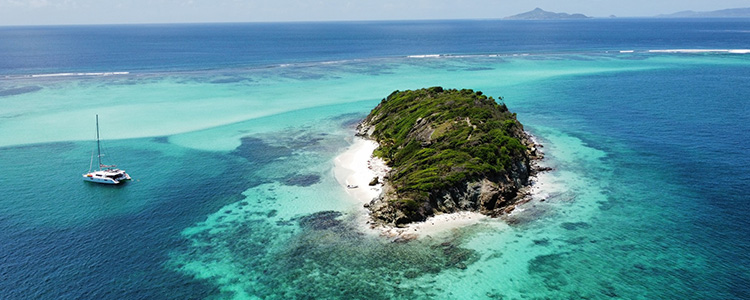
Travel to Australia to backpack, study, intern, volunteer, work, or live as a digital nomad, expat or emigrant?

Image

Image

Image  Australia

Intro

Backpacking in Australia?

  • Australia has been the mecca of the international backpacker for more than 50 years. Australia is a top destination for backpackers to emigrants. With the Great Barrier Reef, a reef of 2000 km long, tropical rainforest and vast deserts. With Aborigines and a melting pot of immigrants from all over the world. The beautiful Blue Mountains, and crocodiles, kangaroos, koala bears and plenty of opportunities to work temporarily. The country is rough, and Australians are relaxed, sporty, adventurous and extremely friendly people who are proud of their 'country'.
  • Features: atmosphere, sun, surf, work, outback, beach, international.

Traveling in Australia?

  • Traveling through Australia is a journey where you can cover enormous distances through impressive landscapes both on land and underwater.
  • City spotting: Adelaide (culture and surroundings), Broome (scenery), Gold Coast (beach to jungle), Byron Bay (life).
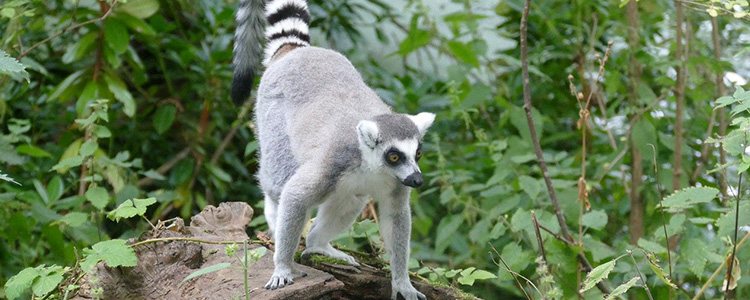
  • Animal spotting: Dingo, Emu, Kangaroo, Camel, Kakatoes, Koala, Kookaburra, Pelicans, Quokka, Tasmanian tiger, Wallaby.
  • Animals to avoid: some snakes, frogs and spiders, those rather large kokodiles and that one shark that does have an appetite for a surfer.

Study in Australia?

  • If your English is good enough, you can study at most universities and colleges in Australia.
  • Studies: basically all subjects and forms of education can be found. After high school or during college, you can take 1 or 2 semesters at a university in Australia. Bachelors take 3 to 4 years. Masters 1.5 to 2 years focused on research or more on teaching.
  • Study cities: Adelaide, Canberre, Brisbane, Perth, Gold Coast, Wollongong.
  • Characteristics: many international schools, several university cities where both the study and student life are highly rated, relatively much freedom in putting together your educational curriculum.

Internships in Australia?

  • Internships: internships can be found in all sectors of society: retail, marketing, education, research, engineering, tourism.
  • Internship cities: Adalaide, Cairns, Perth, Melbourne, Melbourne.
  • Characteristics: The work culture can be tough for an intern, there is often a “no worries” in return. Paid internships are a possibility. Long and shorter internships are possible. Arranging visas remains a bit of a hassle.

Volunteering in Australia?

  • Volunteer projects: especially in the social sectors, nature management (including coral and rainforest) and animal care.
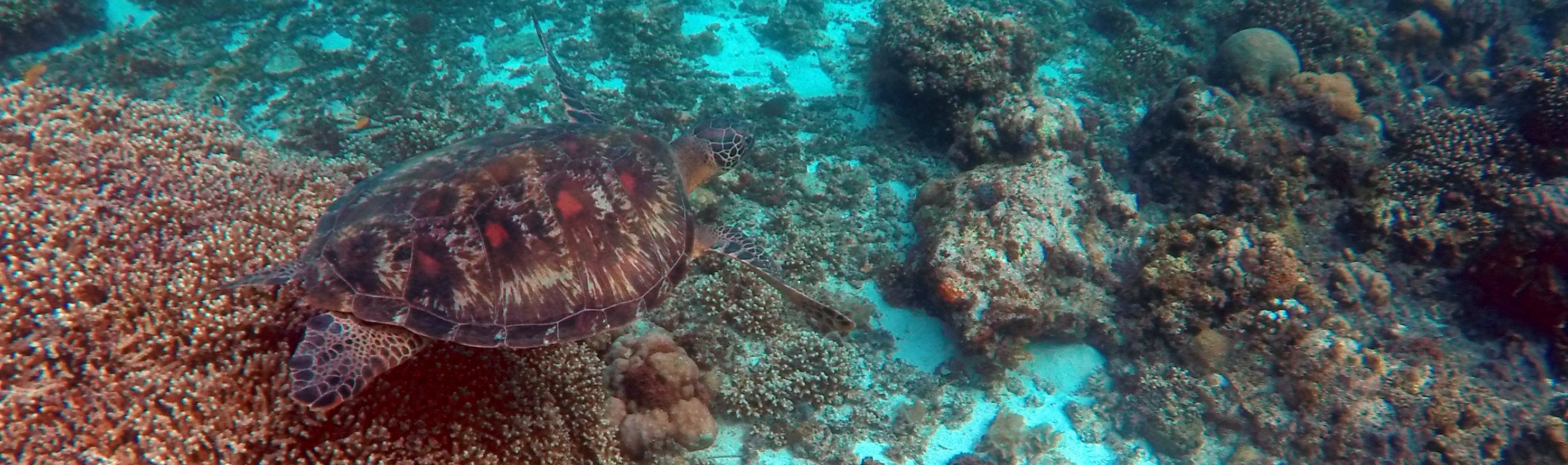
  • Animal projects: protection of koalas, kangaroos, penguins, wombats, sea turtles.
  • Characteristics: volunteering possible from 1 or 2 days to several weeks.

Working in Australia?

  • Jobs: temporary work can be found mainly in the sectors: hospitality, agriculture, fruit growing and tourism but you can also find temporary work in the other sectors.
  • Characteristics: with a working holiday visa you are legally employed and can last a long time down under.

Working as a digital nomad in Australia?

  • Favorite cities: Adelaide, Gold Coast, Perth, Sydney.
  • Characteristics: easy going cities where work and life often go well together.

Living in Australia?

  • Language: English with the familiar accent.
  • Characteristics: Prepare for a fairly open culture. The values and norms of the community where you live or work may play a role though.
  • The work hard, play hard attitude is common.


Life & Activities

Why study in Australia, do an internship, do volunteer work or look for a job in Australia?

Why study in Australia, do an internship, do volunteer work or look for a job in Australia?

Why study, do an internship, volunteer or work temporarily in Australia?

  • Because there are good visa options for Australia.
  • Because the culture shock is small. 
  • Because you can enhance your intercultural skills in the multicultural society. 
  • Because you can improve your English quickly. 
  • Because it is a good contribution to your professional development and resume building.  

What should you pay attention to?

  • That it is a rather pricey country.
  • That they are very strict on having the right visa.
  • That you will learn about the local and traditional culture of the aborigines. 
Why live in Australia, why emigrate to Australia or stay for a long time?

Why live in Australia, why emigrate to Australia or stay for a long time?

Why should you live in Australia as an expat, emigrant or working nomad?

  • Because it is a beautiful country where you can still have real adventures. 
  • Because you can pick up some of the laid-back lifestyle.
  • Because it offers good economic opportunities.
  • Because you can improve your English quickly. 
  • Because you can quickly feel at home because the difference with the Netherlands is not so big. 
  • Because you can discover a lot of new nature and special animals.
  • Because you can make friends relatively easily in the large expat community. 
  • Because the quality of life is high. 

What should you pay attention to?

  • That it can be difficult to find affordable housing. 
  • That it is a country of long distances so a car is often essential. 
  • That it takes a lot of getting used to understanding the accent. 
  • That it gets a lot warmer than in the Netherlands.
  • That it is a very relaxed and informal culture, just a bit different from the Netherlands. 
  • That people drive on the left. 
  • That there can be many (natural) dangers lurking. 
  • That you are always a flight away from other countries.

Image

Preparation & Packing

Packing list for Australia, travel insurance for Australia, and taking your belongings

Packing list for Australia, travel insurance for Australia, and taking your belongings

What to bring to Australia: highlighted

Highlighted items:

  • Documents: passport valid for at least 6 months upon arrival, a visa confirmation and a copy of both.
  • Money: your debit card! Cash (Australian dollars) can be useful just in case.
  • Mosquito repellent and anti-itching agent (see also DEET mosquito repellent) if you are going to areas with dangerous mosquitoes (the north)
  • Outdoor: a good hat with a wide brim comes in handy if you want to go hiking a lot, or if you really want to become part of the Australian outback!
  • Clothing: for both the warmer and cooler areas, and somewhat neat clothing, if you are also looking for work.
  • UV-resistant travel clothing: especially if you have very sensitive skin.
  • Technology and equipment: see also world plug or travel plug.
  • Sunscreen: with a high protection factor. Although you can buy the best in Australia, so only take something with you for the first few days.
  • Sunglasses: with guaranteed UV protection due to the enormous UV radiation.
  • Reusable water bottle - there are fountains with drinking water everywhere, especially in the city!
  • Medicines and travel kit: a first aid kit for when you go into the outback.

What else can you take with you:

  • Water shoes given the coral and rocks in the water at the various locations.
  • Access to photos of snakes and/or means to suck out poison from spider and snake bites, among other things.
  • A dose of patience to decipher the Australian accent.

What knowledge is useful when you go to Australia?

  • Knowledge of the area you are going to. Australia is gigantic so each area has different seasons, health hazards and weather conditions.
  • Knowledge of the most dangerous animals and what you should or should not do if you encounter one.
  • Knowledge of the indigenous lands and culture - and how it relates to society nowadays. 

Are there mosquitoes in Australia?

  • Australia has more than a hundred species of mosquitoes, several of which also transmit dengue, not malaria.
  • More about protection against mosquitoes and insects.

Do sand flies occur in Australia?

  • Unfortunately, yes. Both coastal and inland. The sandfly feast places are tropical and subtropical areas, near sandy estuarine and riparian areas, and in mangrove swamps.
  • Your set of mosquito repellents with DEET can help!
  • More about sand flies and sand fleas.

Can you buy DEET, or other mosquito repellents, in Australia?

  • Yes, and the Australians are not shy about the DEET percentage in their mosquito repellents.

Where can you get your food and drinks in Australia?

  • You can cook on one of the public barbecues in the parks, or simply join a group and ask if you can eat something from their barbecue!
  • Supermarkets such as Coles, Woolworths (Woolies) and Aldi are plentiful.
  • There are often nice food courts or beach markets with all kinds of delicious food around and in the cities.
  • Restaurants also come in all shapes and sizes.
  • Vegan food is difficult to find in the countryside, but in the city you will find places!

Can you buy a joint or weed in Australia, or take it with you to Australia?

  • It is illegal to possess, use, grow or sell cannabis. It MAY be possible, but it MUST NOT be.
  • The ACT (Australian Capital Territory) does allow the growth and use of small amounts of cannabis.
  • Medicinal cannabis is available with a doctor's prescription.
  • Do not bring it with you, even between states, unless you want a new, maybe not so fun, experience.
  • You can request an exemption for medicinal cannabis.

Health, Insurance & Safety

How does healthcare work in Australia, and what travel insurance, health insurance or expat insurance do you need?

How does healthcare work in Australia, and what travel insurance, health insurance or expat insurance do you need?

What is the quality of healthcare in Australia?

  • Australia has an impressive, high-quality healthcare system, combined of public and private providers.
  • Waiting times for emergency care are generally short. However, for non-emergency specialist treatments and surgeries, you can expect significant waiting times in the public system, ranging from months to years. For this reason, many Australians opt for supplementary private health insurance.
  • The most prominent health priorities at the moment, in addition to concerns about the challenges of the Aboriginal and Torrest Strait Islanders population, are the prevention of cancer (particularly skin, lung, uterine and breast), cardiovascular disease and injury prevention.
  • Ambulance care is of high quality but is not automatically fully covered by Medicare. In some states, residents must have separate ambulance insurance or the costs are covered by the state.
  • For visitors and many temporary visa holders, ambulance costs can run high. The national emergency number is 000.
  • Australia has a large network of pharmacies. Most common medicines are readily available. Some medicines that are available over the counter in Europe require a prescription in Australia. You can easily obtain medicines with a prescription from your GP.

How does the public healthcare system work in Australia?

  • The public healthcare system is called Medicare. It is funded by a levy on taxable income. Public hospitals are funded through the government and health services. It provides full hospital care for Australians and pays for a part of the cost of a visit to the General Practitioner (GP).
  • Medicare is available to Australian citizens, permanent residents, and visitors from certain countries with which Australia has a reciprocal healthcare agreement, including the Netherlands and the United Kingdom. 
  • Even if you are entitled to Medicare, you often still pay a co-payment ("gap fee") at GPs and specialists.
  • General information about Australian health care can be found on the Department of Health website.

How does the private healthcare system work in Australia?

  • Many Australians take out private insurance to avoid waiting times in the public system. The government encourages this through tax measures such as the Medicare Levy Surcharge and the Private Health Insurance Rebate.
  • This is mainly for coverage of non-Medicare services such as optical care, physiotherapy and dental care.
  • There are arrangements for "young people" to take out private insurance at a lower premium.
  • If you are not a permanent resident, or come from a country with a healthcare treaty, you must arrange your own private health insurance anyway.
  • Private healthcare also offers faster access to specialists and treatments.

How is the family doctor or general practitioner arranged in Australia?

  • The first point of contact for health problems is the GP or FD (family doctor). The GP is the person who assesses the patient and coordinates the necessary care.
  • The GP can also refer you to a specialist. The referral from the GP is required for the costs to be covered by Medicare.
  • If you are affiliated with Medicare, you can visit any doctor's office in Australia. Fewer and fewer GPs still offer completely free "bulk billing" for adults. Therefore, people with Medicare are also increasingly paying a co-payment on top of the Medicare reimbursement.
  • A standard consultation with a GP often costs between AUD 70 and AUD 120, part of which Medicare reimburses if you are eligible.

How is the dental care and dentist arranged in Australia?

  • Dental care options consist of both public and private clinics.
  • There are long waiting times for public dentists and for adults, dental care is generally not covered by Medicare. For this reason, many people take out private health insurance with extra coverage.
  • Check the coverage of the various health insurance policies carefully.
  • Some people go abroad for dental care, because this is sometimes cheaper than paying for it yourself in Australia. Think of places like Bangkok and Bali.

How is pregnancy and maternity care arranged in Australia?

  • Care for pregnant women in Australia is excellent and is provided by a mix of public and private services.
  • Public hospitals offer free maternity care through Medicare. Private hospitals are more expensive, but offer luxury facilities and more freedom of choice in terms of gynaecologists.
  • Home births are rare; most births take place in hospitals.
  • There is broad support for breastfeeding. Breastfeeding in public is fully accepted.

How safe or unsafe is a trip or stay in Australia?

What should you pay attention to in terms of safety in Australia?

  • Australia is generally safe. However, bad weather, bushfires or dangerous animals can cause problems.
  • Tropical cyclones and flooding occur from October to March. Bushfires can occur in large parts of Australia during hot and dry periods. The exact timing varies by region and year. The safety situation can change very quickly.
  • There are many traffic accidents in Australia, because travellers and tourists accidentally drive on the right, while in Australia you are supposed to drive on the left. In the countryside, people drive in large cars and often at high speed, not prepared for backpackers who maintain a different driving style in a rented car or, for example, want to take photos in an unexpected place.
  • Violent crime against travelers is very rare. Most incidents involve opportunistic theft.

What should you look out for in terms of diseases in Australia?

  • Tropical diseases: in the tropical north of Australia, mosquito-borne diseases such as dengue fever, Ross River virus, and Japanese encephalitis occur sporadically.
  • Jellyfish, snakes and spiders: accidents with wildlife are relatively rare, but can be serious if they do occur. Jellyfish, for example, pose a serious threat. In the summer months, the tropical east coast is the domain of the box jellyfish, this jellyfish looks innocent, but the meter-long tentacles are deadly. There are also other jellyfish that can give a nasty sting.
  • Snakes can also be dangerous. They usually do not attack, but if you accidentally step on them, they can bite your calf and you have to get help. Make sure you call 000 immediately and remember what the snake looked like (pupils, colour, shape). Do not wash a snakebite wound.
  • Australia also has several dangerous spiders, among which the funnel-web spiders and the redback spider. Seek medical help for a suspected spider bite. For some species, such as the Sydney funnel-web spider, prompt medical treatment is important. You can always call a Poisons Information Center. 
  • Maybe the most deadly, but also cutest culprits are the blue-ringed octopus and the cone snail. Not often found or seen, so a quick online search can provide you with some pictures!
  • In the outback, you need to be pretty self-reliant, with enough water and food to survive a car breakdown, for example, and some first aid skills and supplies to help yourself until the flying doctors come to rescue you.

What should you pay attention to when it comes to traffic in Australia?

  • Roads in urban areas are well maintained, but in remote areas (outback) roads can be unpaved and challenging.
  • In Australia, people drive on the left side of the road.
  • Long-distance driving is common; take plenty of water and a charged phone. 
  • Fatigue during long journeys is a major cause of traffic accidents, especially in remote areas where distances are great.
  • Kangaroos on the road are a risk, especially at sunrise and sunset. If you hit a kangaroo, check to see if it is safe to stop there. If the kangaroo is not breathing, check for a baby kangaroo and try to get the animal off the road. If the kangaroo is still breathing, be careful. In any case, call the RSPCA or a local wildlife rescue.
  • Public transport in cities is excellent, but in regional areas a car is essential.

What are the best insurance options for backpacking, traveling, doing an internship, studying, volunteering, or working in Australia?

What types of insurance should you get if you're planning to emigrate, work as an expat, or live in Australia?

What insurance can you choose as backpacker, emigrant, expat, intern, nomad, student, volunteer or traveler abroad?

What are the main international insurances through JoHo and WorldSupporter for activities, backpacking or travel to or from Australia

Advice and decision support
Insurance

What are the main international insurances through JoHo and WorldSupporter for emigrants, expats and nomads in Australia

Advice and decision support
Insurance
Why get specific insurance when going abroad: per activity abroad
What is travel insurance, and why take out specific insurance when you go on a trip or vacation?

What is travel insurance, and why take out specific insurance when you go on a trip or vacation?

What is travel insurance to insure your trip or vacation?

  • Travel insurance is insurance that provides coverage for risks during a trip or vacation abroad. This mainly concerns loss of or damage to your luggage, medical assistance in the event of accidents, for example, or repatriation costs if you need to be transported back to your home country urgently. In some cases, travel insurance coverage also applies in your home country.
  • With continuous travel insurance, you are insured for all your trips throughout the year.
  • With temporary travel insurance, you take out insurance for each trip for the duration of the trip.
  • Cancellation insurance reimburses (all or part of) the travel sum, cancellation or accommodation costs if you have to cancel or interrupt your vacation.

Why should you take out travel insurance for a short trip, vacation, or long-distance trip?

  • Travel insurance can provide coverage in the event of an accident or emergency while you are away.
  • Travel insurance can provide coverage for damage and accidents during the adventurous or sporting activities you are going to do.
  • Travel insurance can continue to provide coverage if your Dutch basic health insurance no longer provides coverage, or if the damage is only reimbursed at Dutch cost price.
  • Travel insurance can provide coverage in the event of damage, loss, or theft of your luggage.
  • Travel insurance can provide coverage if you are held liable for damage you cause to other people or their property.
  • Travel insurance can provide coverage if you have to return home early because something has happened to you or your immediate family.

What is important to insure when you are going to travel?

  • That you have insurance that is valid in the countries where you are going to travel and possible work.
  • That you are adequately insured for the sports and activities you are going to participate in during your full period abroad
  • That you are insured for emergency assistance and early return if something happens to you or your immediate family.
  • That your medical expenses are insured up to the actual cost and not just for the standard costs. The costs per medical treatment vary greatly between countries.
  • That you insure your luggage and take sufficient precautions against theft or damage.
  • That you are well insured against personal liability.
  • That you are well insured in case of accidents.
  • That you only insure yourself for legal assistance if there is an immediate reason to do so, unless coverage is already automatically included in the insurance.
  • That you pay close attention to choosing the right coverage when performing work or voluntary work during your world trip.

What insurance do you need for a trip or vacation?


What is round the world travel insurance or long-term travel insurance, and why take out specific insurance when you go abroad?

What is round the world travel insurance or long-term travel insurance, and why take out specific insurance when you go abroad?

What is round the world travel insurance or long-term travel insurance?

  • Round the world travel insurance means that you take out insurance that continues to provide coverage during all your activities abroad, and which is specifically intended for those who travel for long periods of time, such as world travelers, globetrotters, and nomads.

Why should you take out specialized travel insurance for a long trip abroad?

  • Round the world travel insurance provides coverage for a much longer trip than regular travel insurance.
  • World travel insurance is specifically intended for longer trips, whereas regular travel insurance may offer coverage on paper, but in practice handles it differently.
  • World travel insurance is suitable for many types of activities, ranging from high-altitude trekking to more risky sports.
  • World travel insurance continues to provide coverage if you start working during your trip, whether planned or unplanned. If you did not take out insurance before departure that allows you to work, there is no guarantee that you will be able to take out insurance that provides coverage while abroad.
  • Long-term travel insurance continues to provide coverage when your home country's health insurance no longer does.
  • Worldwide travel insurance also covers your medical expenses up to the actual cost, and not just for the standard costs. The costs per medical treatment vary greatly between countries.
  • Worldwide travel insurance can also continue to provide coverage if negative travel advice is issued.

What is important to insure when you are going to travel around the world?

  • That you have insurance that is valid in the countries where you are going to travel and possibly work.
  • That you are adequately insured for the sports and activities you are going to participate in during your full period abroad
  • That you are insured for emergency assistance and early return if something happens to you or your immediate family.
  • That your medical expenses are insured up to the actual cost and not just for the standard costs. The costs per medical treatment vary greatly between countries.
  • That you insure your luggage and take sufficient precautions against theft or damage.
  • That you are well insured against personal liability.
  • That you are well insured in case of accidents.
  • That you only insure yourself for legal assistance if there is an immediate reason to do so, unless coverage is already automatically included in the insurance.
  • That you pay close attention to choosing the right coverage when performing work or voluntary work during your world trip.

What insurance do you need when backpacking abroad?

What is backpack insurance, and why take out specific insurance when you go backpacking abroad?

What is backpack insurance, and why take out specific insurance when you go backpacking abroad?

What is backpacking insurance and travel insurance for backpackers?

  • Backpacking insurance for backpackers means that you take out insurance that continues to provide coverage during all your activities abroad and is specifically intended for those who are traveling for a long time, traveling independently, or making frequent use of local transportation.

Why should you take out travel insurance specifically for backpacking?

  • Travel insurance for backpacking can provide coverage in the event of an accident or emergency while backpacking.
  • Travel insurance for backpacking can provide coverage for damage and accidents during your adventurous or sporting activities.
  • Travel insurance for backpacking can continue to provide coverage if your Dutch basic health insurance no longer provides coverage, or if the damage is only reimbursed at Dutch cost price.
  • Travel insurance for backpacking can provide coverage in the event of damage, loss, or theft of your luggage while backpacking.
  • Travel insurance for backpacking can provide coverage if you are held liable for damage you cause to other people or their property.
  • Travel insurance for backpacking can provide coverage if you have to return home early because something has happened to you or your immediate family while backpacking.

What aspects are important to insure when backpacking abroad?

  • The duration of your trip: so that you are also covered during a very long backpacking trip, or can extend your coverage if you want to stay longer
  • The activities during your trip: so that you can also participate in all kinds of sports and adventure activities that are excluded from travel insurance
  • Coverage of your medical expenses during your trip: so that you are always covered, even if you go to work or if the costs in the event of an accident are higher than the Dutch rate
  • Coverage for natural disasters and war during your trip: so that you don't have to return home immediately with your tail between your legs every time the Dutch government issues negative travel advice
  • Your insurer's specialization: so that your insurer specializes in backpacking trips or long stays abroad, and doesn't treat you like an “all-inclusive sunglasses claimant.”

What insurance do you need when backpacking abroad?

What is insurance for working abroad, and why do you need specific insurance if you are going to do paid work?

What is insurance for working abroad, and why do you need specific insurance if you are going to do paid work?

What is insurance for working abroad?

  • Insuring yourself for working abroad means taking out insurance that continues to provide coverage during your paid work abroad.

Why take out insurance, and when is normal travel insurance no longer sufficient?

  • There may be several reasons why you need separate insurance for paid work abroad.
  • During your work, local employers generally offer no or limited insurance that does not provide sufficient coverage.
  • The risk of accidents is sometimes greater during your work, for example because you are doing work with which you have little experience or because of the nature of the work.
  • During specific work abroad, additional requirements may apply as soon as you start performing work that involves additional risks. Only special insurance policies offer coverage during this type of work.
  • During work, internships, or volunteer work abroad where you receive a salary or compensation (for example, food or housing), your local health insurance coverage will normally lapse. You will then need special insurance to remain insured for illness and accidents.
  • Standard travel insurance policies generally do not provide sufficient coverage to apply for a work visa or working holiday visa.
  • Standard travel insurance policies generally only cover stays abroad for a limited number of days. If your trip or stay abroad exceeds the maximum number of days, this generally means that there will be no coverage for the entire travel period.
  • Standard travel insurance policies generally only provide coverage for recreational travel without study, internship, or work. If you engage in activities other than recreational activities, this generally means that you will no longer be covered for the entire travel period.

What should you pay attention to in your insurance policy if you are going to work abroad?

  • Make sure you have insurance that is valid in the area where you will be traveling and working.
  • Make sure you are adequately insured for the sports and activities you will be participating in.
  • That you are insured for emergency assistance and early return if something happens to you or your immediate family.
  • That your medical expenses are insured up to the actual cost and not just for the standard costs. The costs per medical treatment vary greatly between countries.
  • That you insure your luggage and take sufficient precautions against theft or damage.
  • That you are well insured against personal liability.
  • That you are well insured in case of accidents.
  • That you insure yourself for legal assistance if there is an immediate reason to do so, unless the coverage is already automatically included in the insurance.
  • That you take care to choose the right coverage when working in healthcare, with wild animals, and with dangerous machinery.

What insurance do you need to work abroad?

What is insurance for working with animals abroad, and why do you need specific insurance for jobs, internships, and volunteer work abroad?

What is insurance for working with animals abroad, and why do you need specific insurance for jobs, internships, and volunteer work abroad?

What is insurance for working with animals abroad?

  • Insuring yourself for working abroad with animals means taking out insurance that continues to provide coverage during your paid, unpaid, or internship work abroad, where minor or major risks are involved.

Why take out insurance, and when is normal travel insurance no longer sufficient?

  • There may be several reasons why you need separate insurance for work abroad.
  • During specific work abroad, additional requirements may apply as soon as you start performing work that involves additional risks. Only special insurance policies offer coverage during this type of work. Almost all standard insurers exclude working with animals from coverage.
  • The risk of accidents is sometimes greater during your work, for example because you are doing work with which you have little experience or because of the nature of the work. All over the world, there are reserves, rescue centers, and zoos where you can roll up your sleeves as a veterinarian, intern, or volunteer. Working with animals or wildlife is not without danger. No matter how cute they may look, or how tame they may behave. All animals can suddenly bite viciously or lash out with a claw or beak. Not only can this result in nasty injuries, but it can also transmit diseases that you would rather not have, and certainly not abroad.
  • During work, internships, or volunteer work abroad where you receive a salary or compensation (for example, food or housing), your local health insurance coverage will normally lapse. You will then need special insurance to remain insured for illness and accidents.
  • During your work, local employers generally offer no or limited insurance that does not provide sufficient coverage.

What should you pay attention to in your insurance policy if you are going to work abroad?

  • Make sure you have insurance that is valid in the area where you will be traveling and working.
  • That you have insurance that provides sufficient coverage for the work you will be performing.
  • Make sure you are adequately insured for the sports and activities you will be participating in.
  • That you are insured for emergency assistance and early return if something happens to you or your immediate family.
  • That your medical expenses are insured up to the actual cost and not just for the standard costs. The costs per medical treatment vary greatly between countries.
  • That you insure your luggage and take sufficient precautions against theft or damage.
  • That you are well insured against personal liability.
  • That you are well insured in case of accidents.
  • That you insure yourself for legal assistance if there is an immediate reason to do so, unless the coverage is already automatically included in the insurance.

Which insurance do you need for working, an internship, or volunteering with animals abroad?

What is volunteer insurance, and why should you take out specific insurance if you are going to do volunteer work?

What is volunteer insurance, and why should you take out specific insurance if you are going to do volunteer work?

What is insurance for volunteering abroad?

  • Insuring volunteer work abroad means taking out insurance that continues to provide coverage while you are working as a volunteer abroad

Why should you take out specialized travel insurance for voluntary work abroad?

  • There may be several reasons why you need separate insurance when volunteering abroad.
  • During specific activities abroad, additional requirements may apply if your work involves extra risks. Only specific insurance policies offer coverage during these activities.
  • The risk of accidents is sometimes higher during your work, for example because you are doing work you have little experience with or because of the nature of the work.
  • Local projects or employers generally offer no or limited insurance that provides insufficient coverage during your work.
  • When volunteering abroad and receiving minor financial compensation (or, for example, food or housing), your home country's health insurance coverage will potentially lapse. You will then need special insurance to remain insured for illness and accidents.
  • Regular travel insurance policies generally provide coverage for trips of a limited number of days. If your trip or stay abroad exceeds the maximum number of days, this generally means that for the entire travel period, you will not be covered.
  • Regular travel insurance policies generally only provide coverage for recreational travel without voluntary work activities. If you engage in activities other than recreational activities (such as volunteer work), this generally means that for the entire travel period, you will not be covered.

What is important to insure when you are going to work as a volunteer abroad?

  • That you have insurance that is valid in the country or countries where you are going to travel and volunteer.
  • That you are adequately insured for the sports and activities you are going to participate in during your period abroad
  • That you are insured for emergency assistance and early return if something happens to you or your immediate family.
  • That your medical expenses are insured up to the actual cost and not just for the standard costs. The costs per medical treatment vary greatly between countries.
  • That you insure your luggage and take sufficient precautions against theft or damage.
  • That you are well insured against personal liability.
  • That you are well insured in case of accidents.
  • That you only insure yourself for legal assistance if there is an immediate reason to do so, unless coverage is already automatically included in the insurance.
  • That when performing work in healthcare, with wild animals, and with dangerous (agricultural) machinery, you take care to choose the right coverage.

What insurance do you need when volunteering abroad?

Why should you take out specialized travel insurance for an internship abroad?

Why should you take out specialized travel insurance for an internship abroad?

What is insurance for an internship abroad?

  • Insuring an internship abroad means taking out insurance that continues to provide coverage during your internship abroad
  • Insurance for internships abroad are also referred to as internship insurance. This internship insurance is specifically for when you go abroad for a long period of time to work as an intern, take courses, or conduct research abroad.

Why should you take out specialized travel insurance for an internship abroad?

  • There may be several reasons why you need separate insurance for an internship abroad.
  • During internship activities abroad, additional requirements may apply as soon as you start performing work that involves additional risks. Only specific insurance policies offer coverage during these activities.
  • During your internship, the risk of accidents is sometimes greater, for example because you are doing work with which you have little experience or because of the nature of the work.
  • During your internship, local employers generally do not offer insurance, or offer limited insurance that does not provide sufficient coverage.
  • During an internship abroad where you receive financial compensation (or, for example, food or accommodation), your home country's health insurance coverage will potentially lapse. You will then need special insurance to remain insured for illness and accidents.
  • Regular travel insurance policies generally provide coverage for trips of a limited number of days. If your trip or stay abroad exceeds the maximum number of days, this generally means that for the entire travel period, you will not be covered.
  • Regular travel insurance policies generally only provide coverage for recreational trips without work activities.

What is important to insure when you are going to be an intern abroad?

  • That you have insurance that is valid in the area where you will be traveling and doing your internship.
  • That you are adequately insured for the sports and activities you will be participating in.
  • That you are insured for emergency assistance and early return in case something happens to you or your immediate family.
  • That your medical expenses are insured up to the actual cost (what it actually costs), and not just for the standard costs. The costs per medical treatment vary greatly between countries.
  • That you insure your luggage and take sufficient precautions against theft or damage.
  • That you are well insured against personal liability and, preferably, also for liability during your internship.
  • That you are well insured in case of accidents.
  • That you insure yourself for legal assistance if there is an immediate reason to do so, unless the coverage is already automatically included in the insurance.
  • Make sure you choose the right coverage for internship work in healthcare, with wild animals, or with dangerous machinery!

Check out more about international insurances

What is insurance for studying abroad, and why should you take out specialized travel insurance for your education abroad?

What is insurance for studying abroad, and why should you take out specialized travel insurance for your education abroad?

What is insurance for studying abroad?

  • Insurance for studying abroad means that you take out insurance that continues to provide coverage during your studies, your education, and your related activities abroad.
  • Insurance for studying abroad is also referred to as study insurance. This study insurance is specifically for when you go abroad for a long period of time to take courses, study, or conduct research abroad.

Why should you take out specialized travel insurance for a study abroad?

  • Study insurance is specifically designed for studying abroad, whereas regular travel insurance policies may offer coverage on paper but handle this situation differently in practice.
  • Study insurance offers coverage for longer stays than regular (vacation) travel insurance.
  • Study insurance is also suitable for many types of activities, ranging from various sports to hiking at high altitudes.
  • Study insurance continues to provide coverage if you start working during your trip, whether planned or unplanned. If you have not taken out insurance before departure that allows you to work, there is no guarantee that you will be able to take out insurance abroad that provides coverage.
  • Study insurance continues to provide coverage if your own country's health insurance no longer provides coverage.
  • Student insurance also covers your healthcare costs above the rates in your own country; with regular insurance, you have to pay the extra costs yourself.
  • Student insurance can also continue to provide coverage if (study) visa issuers impose additional requirements on how you insure yourself, for example if you are going to the US and applying for a J-1 visa.
  • Student insurance continues to provide coverage if you are staying abroad for a longer period of time and want to visit your own country in between.

What is important to insure when you are going to study abroad?

  • That you have insurance that is valid in the country or countries where you are going to travel and work.
  • That you are adequately insured for the sports and activities you are going to participate in during your period abroad
  • That you are insured for emergency assistance and early return if something happens to you or your immediate family.
  • That your medical expenses are insured up to the actual cost and not just for the standard costs. The costs per medical treatment vary greatly between countries.
  • That you insure your luggage and take sufficient precautions against theft or damage.
  • That you are well insured against personal liability.
  • That you are well insured in case of accidents.
  • That you only insure yourself for legal assistance if there is an immediate reason to do so, unless coverage is already automatically included in the insurance.
  • That you pay close attention to choosing the right coverage when performing work alongside your studies.

Check out more about international insurances

What is an expat insurance or emigration insurance, and why specifically take out insurance if you are going to do move abroad?

What is an expat insurance or emigration insurance, and why specifically take out insurance if you are going to do move abroad?

What is an expat insurance?

  • Expat insurance is insurance that continues to provide coverage if you go to work abroad for a local or international employer for an extended period of time.
  • Expat insurance is not only intended for expats, but for anyone who has a more permanent job abroad.

What is an emigration insurance, or insurance for moving and living abroad?

  • Emigration insurance is an insurance that continues to provide coverage if you move abroad permanently or for an indefinite period of time.
  • Emigration insurance is not only intended for emigrants, but for anyone who leaves their home country for an extended period of time and does not intend to return in the foreseeable future.

Why should you take out specialized insurance for emigration or working as an expat abroad?

  • Emigration or expat insurance not only provides coverage for acute assistance in the event of illness or accident abroad, such as travel insurance, but can also provide coverage for existing conditions and ailments or non-urgent care.
  • Emigration or expat insurance does not require you to maintain valid health insurance in your home country.
  • Emigration or expat insurance provides coverage for preventive care or costs related to pregnancy and childbirth.
  • Emigration or expat insurance also provides coverage for long-term treatments and chronic conditions without you having to return to your home country.
  • Emigration or expat insurance often has no restrictions on the duration of the insurance, unlike travel insurance.
  • Emigration or expat insurance usually maintains coverage in cases such as negative travel advice or acts of war.
  • Emigration or expat insurance offers various solutions in the areas of disability, home and household insurance, goods transport, and liability.

What is important to insure when you are going to move abroad?

  • That you have insurance that is valid in the country or countries where you are going to live and/or work.
  • That you are adequately insured for the sports and activities you are going to participate in during your period abroad
  • That you are insured for emergency assistance and early return if something happens to you or your immediate family.
  • That your medical expenses are insured up to the actual cost and not just for the standard costs. The costs per medical treatment vary greatly between countries.
  • That you are well insured against personal liability.
  • That you are well insured in case of accidents.
  • That you pay close attention to choosing the right coverage when performing work with additional health risks

When can you also live abroad for a longer period of time with travel insurance?

  • There are also special expiring travel insurance policies that provide coverage without you having valid health insurance in your home country, however, these travel insurance policies are not intended for emigration or expats, but for stays outside your home country of up to a few years, for study, temporary work, volunteer work, and longer trips.
  • See the information at International Insurances for backpacking and travel abroad

What insurance do you need for emigration or working as an expat abroad?

International insurance through JoHo Insurances and JoHo WorldSupporter

International insurance through JoHo Insurances and JoHo WorldSupporter

Image

Table of content

  • Why should you take out insurance through the JoHo Foundation when you go abroad?
  • Insuring activities abroad:
    • internships, studying, volunteer work or paid work
    • backpacking, holiday, travel or round the world
    • emigration, living abroad, working as expat
  • Insurances for abroad: per insurance 
  • Insurances for abroad: per organization
  • How healthcare works
......Read more on this page
Insuring, troubleshooting and safe travel abroad

Insuring, troubleshooting and safe travel abroad

Image
Table of contents
  • Why get specific insurance when going abroad?
  • How to survive disasters abroad ?
  • How to insure activities abroad?
  • Which Insurances apply for internships, staying, studying, volunteer work or paid work abroad?

Image

Reading & Remembering

Australia: Updates & Travel

Australia: Updates & Travel

Travel to Australia?

  • Australia, Australia... with so many highlights.
  • The over 500 amazing nature parks that include kangaroos, koalas, dingoes, emus, possums, wombats and the platypus. Such as Myall Lakes National Park, Kakadu National Park, Daintree Rainforest.
  • Diving or snorkeling at the 2,000 km Great Barrier Reef where you can encounter thousands of species of fish (do go to the right places). Canoeing through Catherine Gorge, hiking across Fraser Island, trekking through Tasmania, climbing in The Blue mountains.
  • Climbing the world's largest red monolith Ayers Rock, or Uluru, and enjoying the sunset or rise.
  • Vibrant Sydney with its world-famous opera house and laid-back Melbourne, Byron Bay, Surfers paradise, Cairns and Airlie Beach.
  • The many opportunities to work there temporarily and keep your vacation within financial limits.
  • The Great Ocean Road, which runs west from Melbourne and towards Adelaide, is highly recommended. It is a 280 km road along rocks weathered by waves. Along the way are beautiful viewpoints and lovely campsites. Laze on the deck of the yacht you are cruising through the crystal clear waters of the Whitsundays. Cocktail in hand, the blazing sun in the cloudless sky. The ultimate in relaxation.
  • The best road trip through the Australian Outback leads from Adelaide on the south coast to Alice Springs, which is right in the heart of the country. Right in the middle of the dry, vast plains.
  • One of the highlights of Australia is the Kakadu National Park in the north of the Northern Territory province. The most beautiful natural park in Australia. In the far west of Australia, be surprised by the characteristic Perth. On the green banks of the Swan River and the wide sandy beaches you drink Australian cappuccino with an Italian touch.

Updates Australia

  • More about Australia, updates and contributions, see the link below.


Australia: selection of contributions by WorldSupporters - Bundle

Australia: selection of contributions by WorldSupporters - Bundle

Content about Australia shared by WorldSupporters

Road tripping through Australia by car or camper van: how does it work, why should you do it, and are you insured?

Road tripping through Australia by car or camper van: how does it work, why should you do it, and are you insured?

What is a road trip through Australia?

  • It is cruising the Australian roads by car or campervan, experiencing adventure, freedom and new decisions every day. 
  • It's the best/easiest way to explore cities, national parks, beaches, and the outback.
  • Australia is vast and has a unique infrastructure, with wide roads between cities, but also miles of unpaved roads in remote areas.
  • Not every road trip is the same. Travel style, budget, visa, and time all influence the choices and way of traveling.
  • For example, you can choose between a rental car (with or without a rooftop tent), a rental campervan, a relocation vehicle, hitchhiking, or buying your own transportation.
  • Each region also offers a different kind of road trip. The East Coast is sociable, accessible, and full of backpackers, traffic, good roads, and campsites.
  • The west coast is rugged, empty, and spectacular. There are few tourists, vast distances, and abundant wildlife, but also less roadside assistance and fewer free camps. Many places in the north and west are only accessible by 4x4.
  • The outback and the Red Centre are intense, impressive, and isolated. Landscapes are unique and there's a wealth of ancient culture to be found, but the conditions are harsh.
  • Tasmania is compact, green, and almost has a European feel, albeit with different trees. Distances are short, hikes are fantastic, but the weather is unpredictable, and the ferry is necessary to get there with your own car.

Why travel through Australia by car or campervan?

  • Freedom and flexibility: having your own vehicle offers the opportunity to choose your own route, adjust your pace, and change plans.
  • Access to nature: many places are difficult or impossible to reach by public transport.
  • Save on accommodation: traveling with a campervan or car with a rooftop tent/built-in bed often means free accommodation or stays at (inexpensive) campsites. Renting is a bit pricey, but it also saves money!
  • Combine multiple destinations: from beach to city to nature - everything is possible in one trip, and you can drive as long as you like.

What types of road trips are possible in Australia?

Should I rent a car or camper van?
  • For whom: short to medium-length trips and first-time visitors to Australia.
  • Pros: quick and easy to arrange, insurance is usually included, and there are no maintenance worries.
  • Cons: it's expensive for long trips, rules are often strict, and the excess is often high.
  • Tip: read the fine print about gravel roads, beaches, and national parks. "No" really means no, as any damage there is often your own responsibility.
What are relocation road trips (car or camper van)?
  • Rental companies are required to relocate vehicles (e.g., Cairns → Brisbane) and sometimes offer them for $1–$10 per day.
  • For whom: flexible, adventurous, budget travelers who don't mind driving long distances in a day.
  • Pros: dirt cheap, often includes basic insurance, and ideal for covering long distances.
  • Cons: a tight schedule, limited route choices, and sometimes no time to "wander around."
  • Tip: sometimes you'll get a fuel budget or ferry fares included, but always ask.
Should you build or buy your own car or camper van (Working Holiday classic)?
  • For whom: working Holiday travelers, longer stays, or handy people who love adventure and aren't afraid of a bit of paperwork.
  • Pros: cheaper in the long run, complete freedom, and the possibility of resale.
  • Cons: hassle with registration, insurance, and maintenance, risk of hidden defects, and a time investment.
  • Tip: every backpacker sells their car as "perfect condition," but it's still wise to invest a few dollars in a mechanical inspection, check the vehicle's registration (condition + expiration date) and history (PPSR/VIN).
What about hitchhiking in Australia?
  • For whom: for adventurous, sociable, and flexible souls who are also environmentally conscious.
  • Pros: free, meeting locals, and surprisingly reliable on some routes.
  • Cons: it's not permitted everywhere, unpredictable, and not ideal in extreme heat or remote areas.
  • Tip: hitchhiking works best in Tasmania, the East Coast, and in surf and backpacker areas.

What do you need to travel through Australia with a car or camper van?

  • Driver's license: for the Dutch under us: your Dutch/Belgian driver's license is usually sufficient, but taking an International Driving Permit (IDP/IRB) with you for an official English translation is highly recommended.
  • For larger camper vans, you may need a higher-quality driver's license (size C1 or C). Check the rental conditions and your driver's license beforehand.
  • Be aware of Australian regulations: driving on the left, seatbelts required, special rules for children and child seats.
  • So always carry with you: driver's license and international driving permit, passport, rental agreement, and insurance information.

What should you keep in mind when driving through Australia?

  • Road quality: Main roads between cities are well-maintained, but in the interior, the outback, or towards hiking trails, the roads are sometimes unpaved. Sometimes a 2WD or AWD is still manageable, but a 4WD is often more convenient.
  • The rainy season and bushfires: During the rainy season, many roads become impassable or difficult to drive, especially in the north. Bushfires can also block roads.
  • For camper vans: Pay attention to height restrictions, double tire pressure regulations on dirt roads, designated parking areas, or camping regulations for campervans.
  • Camping: Finding "freecamps" isn't easy everywhere. Some states have many (such as Tasmania), while others have far fewer (such as Western Australia).
  • Remote access: Planning for fuel, water, and food is essential in remote areas. An extra jerry can and water tank can prevent major problems, and even save your life.
  • Extra costs: Many rental companies charge young driver fees if you are under ~25 years old. A campervan/car can often be picked up in one location and returned elsewhere, but this may incur additional costs.
  • Rules: Some rental conditions prohibit driving on unpaved roads with standard 2WD vehicles or on beaches like Fraser Island.
  • Safe driving: Australia is large and sometimes empty. Fatigue and long, monotonous distances can put you to sleep. There are also many animals on the road at sunrise and sunset. Kangaroos cause significant damage, and insurance certainly doesn't always cover this completely.

What is your ultimate checklist for a road trip through Australia?

What should you check before your road trip departure?
  • Check your insurance: what is covered, what is the excess?
  • Ask about roadside assistance and 24/7 support options.
  • Download apps from rental companies (some offer routes, fuel stations, and campsites). Walkabout
What should you check when you are on the road in Australia?
  • Fill up on fuel and water whenever you get the chance. In the outback, it can be hours before your next stop.
  • Be aware of road trains (long trucks) - stay calm and maintain extra distance.
  • Make sure you know how to drive a 4x4. It's very different from driving a regular car.
What should you check while on a road trip in Australia, when you are in cities?
  • Electronic tolls are common around major cities. Make sure you pay your toll within the specified timeframe to avoid fines.

What about insurance for a road trip through Australia?

What are the important important terms in Australia regarding your road trip insurance?
  • Compulsory Third Party (CTP): Legally required insurance that covers personal injury (to others). For rental cars, this is usually included in the car registration/rental price.
  • Third Party Property / Liability: Coverage for damage to someone else's car or property. This is often arranged through the rental company, but is technically different from the mandatory CTP. For private cars, there are various providers.
  • Collision Damage Waiver (CDW) / Loss Damage Waiver (LDW): This waiver limits your liability for damage to the rented vehicle. Pay attention to the excess (the amount you have to pay in case of damage).
  • Theft and Loss Cover: This can cover theft and loss of the vehicle, usually included in rental coverage.
  • Personal Accident Insurance (PAI): Optional coverage for medical expenses in the event of an accident.
  • Excess: This is the deductible you have to pay in case of damage, which can range from hundreds to thousands of AUD. Consider excess reduction options.

How can you insure yourself during your road trip through Australia?

  • When you buy a car locally, there are several companies offering car insurance. They all have their own packages, so it's important to check them carefully.
  • For example, if you're traveling through multiple states, insurance that covers that is essential. Many insurance policies only cover their own state.
  • In addition to car insurance, it's also important to insure yourself against accidents. If you're staying in Australia for an extended period, especially on a Working Holiday visa, as a digital nomad, or traveling freely, insurance policies are different for a short holiday.
  • Having sufficient and appropriate insurance is essential if you're traveling, working, or staying in Australia, as standard government or travel insurance policies don't always provide sufficient coverage.
What is important to be insured for while on a road trip in Australia?
  • Medical and emergency coverage during long stays and road trips, for example.
  • Coverage for activities and work that standard travel insurance policies often lack.
  • Some visas (such as Working Holiday visas) explicitly require valid insurance that meets certain conditions. An English-language declaration of cover is useful to include with your visa application or during checks.
  • Read more about insuring yourself for a holiday, stay, or road trip in Australia.
Making friends on a Working Holiday Visa

Making friends on a Working Holiday Visa

When preparing for a working holiday, or even while living it, most people talk about jobs, road trips, farm work and fun. In every whatsapp or facebook group you'll read about regions, wages, visa conditions, where the work is and how to extend for a second or third year. But making friends? Hardly anyone talks about that part.

And that feels like a missed opportunity. Because depending on your situation, it can be surprisingly hard.

Don't be surprised if you feel lonely

Almost everyone will experience loneliness during their working holiday at some point. I certainly did. And it comes in waves.

The first few weeks in Australia, I felt incredibly alone. I had just left my friends in India, was petsitting, and was also quite sick at the time. Even though Australia is a comfortable country, that doesn't necessarily make things easy. In India you're bound to have conversations with people every day, all the time. But in western countries, in my experience, people are more to themselves. The first few days this was okay, but as the excitement of the new place wore off (and I was too sick to really do anything fun), the loneliness set in.

After some time I slowly built a group of friends (more on this below), but now, while writing this and after moving to the other side of the country, I feel lonely again. 

There were often moments when I questioned myself. It seemed like everyone else found their people and community? Why am I alone this weekend? But what helped me most was understanding that a working holiday is not comparable to “home”. At home, friendships grow slowly and quietly. You see the same people every week. There is so much shared context, shared history, mutual friends and routines. You do not have to explain yourself from the beginning every time you meet someone new. But on a working holiday, everything is changing all the time.

The positive side of this is that connections can form quickly because you are all new, figuring things out and open to meeting others. Shared novelty accelerates bonding. Seriously! There is research showing that experiencing new or uncertain situations together increases closeness. When you are both figuring things out, it is easier to open up. But travel also disrupts friendships just as quickly as people leave. Someone goes north for farm work. Someone else extends their visa somewhere else. The repetition that usually makes for better friendship is constantly interrupted. I had friends doing FIFO who were all over the country for weeks at a time, and people I'd only just met who went on with there journey while I stayed where I was.

Another thing that happens, which people often don't realise is that when you move countries, you temporarily lose your social identity. At home, you are someone’s long-time friend, someone’s colleague, someone’s neighbour, the girl who climbs at the gym every Saturday. On a working holiday, you are just you, without context. That can feel really free, but it can also feel totally destabilising. Humans like belonging somewhere. When we do not feel socially anchored, our nervous system can interpret that as threat. So if you feel lonely, it does not mean you are failing socially. There's a lot going on and it's totally normal to struggle with that.

What helped me most was surprisingly simple:

  • Assume people are open, even if they seem busy.
  • Invite people, even if it feels weird or vulnerable.
  • Do things alone.
  • Keep showing up.
  • And find ways to make friends.

Different circumstances, different challenges

Sometimes making friends is easy. You arrive in a social hostel, meet your dorm mates, and suddenly you have a group chat and weekend plans. But sometimes you are housesitting. Or living in a small town. Or working shifts that do not align with anyone else’s. Or surrounded by couples. Or by local people who already have “their” group and are not necessarily looking to expand it. Your situation is important (and something you can change!). 

When I first arrived in Australia, I spent months housesitting. It was peaceful, free and kind of a luxury. But I did not meet other travellers. I spent evenings alone with cats in beautiful homes. It took me a while to realise that although housesitting solved my accommodation, it increased my isolation. Housesitting is not a bad option. It just requires you to actively create your social life outside of it. Your environment really influences your opportunities for connection, whether you realise it or not.

After leaving Perth I lived in my car, and that also has isolated me quite a bit from much social interaction. It's a choice I've made and it saves me a bit of money, but it also means I don't meet people every day who are cooking in the same place, or chilling on the same couch. 

What are the obvious ways of making friends?

Hostels

Hostels are often the fastest way to meet people. Shared kitchens, shared dorms and shared chaos make conversation almost unavoidable. The downside is that many connections are short-term. People move on quickly. But that does not make the connections less meaningful. Some friendships are intense and brief. Sometimes you only meet for a few weeks, yet stay in touch for years.

If you are looking for stronger connections, smaller hostels, worker hostels or simply staying longer in one place can help.

Workplaces

Work can be onother good place to make friends. You see each other regularly, share experiences and complain about the same shifts. At the same time, it is still work that connects you, which does not always translate into friendship outside of work. Sometimes your colleagues are younger and focused on partying every night. Sometimes they are older with families. Sometimes you will find your closest friend there. Sometimes you will not.

If you are lucky enough to find work that aligns with your values or interests, that helps enormously. But even if you don't, work can still provide connection, even if it is just one person you click with, or simply the sense of belonging while you are on shift.

House shares

Some people live in vans. Some stay in hostels. Some live at their workplace. But if you are staying somewhere for a while, shared houses can offer more stability and an immediate social life. Living with others creates natural interaction. Small conversations in the kitchen turn into shared dinners. Someone suggests watching a film and someone else brings home dessert. Even if everyone is busy, just living in the same house makes connection easier. You do not have to plan every interaction, it just happens.

What are the less obvious ways of making friends (that worked for me)?

Luckily, I had two years of travelling behind me, so I had learned that if I wanted connection, I needed to build a bit of structure. Waiting for friendship to “just happen” rarely worked for me. Instead of only trying to meet people, I started trying to build a life that felt like mine. It helped that I had a job and stayed in one place for a while.

Yoga classes, climbing gyms, conservation events, protests, board game evenings, vegan meetups, going somewhere that reflected my values and interests made conversations become easier. We already share something and had something to talk about. But also, when you show up consistently, you are not introducing yourself from scratch every time. A bit of familiarity makes it easier to talk. The second conversation is easier than the first. The fifth is easier than the second.

For me, finding an active vegan community (through a friend) and joining a climbing gym were real turning points. The gym became more than a place to exercise. It became a space where I recognised people, where short chats turned into longer ones, and where I eventually started meeting people outside of training.

The vegan community had organised events, but at some point I decided to organise my own. That changed everything. Organising something, even something small, shifted me from outsider to contributor. People recognised my name from posts in the group before we even met. That made conversations easier as well.

It does not have to be activism or climbing. It can be running clubs, book clubs, language exchanges, surfing groups, photography walks or volunteering. Australia almost certainly has a community for whatever you are into. Finding it can change your experience.

What are the apps and websites that can actually help to make friends?

It can feel awkward to use apps to make friends. There is still a strange stigma around it. But most people on a working holiday are in exactly the same position. They are new, slightly unsure and hoping to meet others too.

Some options that worked:

  • Meetup – Great for hobby-based groups like hiking, board games, meditation or language exchanges. Especially useful in bigger cities. It gave me a reason to leave the house and a built-in topic to talk about.
  • Facebook groups – Search for:
    • “Backpackers in [city]”
    • “Hiking [state/city]”
    • “[City] climbers”
    • “Women in [city]”
    • “[Town name] community”
  • Events and informal meet-ups are often posted there, and many of them are free.
  • Bumble BFF – It can feel strange at first, but many people genuinely use it to find friends, especially in larger cities. It is particularly helpful if you want to meet people who are also new, international or actively looking to expand their circle.

Non of these apps or websites instantly create friendships, but they are a way to find people, and I'm sure you can take it from there. 

A final thought

Making friends on a Working Holiday Visa in Australia is different from making friends at home. It can be faster, more intense, but also more difficult and temporary. You might share weeks of deep connection with someone and then hug them goodbye at a bus station, not knowing if you'll see each other again. And again, that does not make the friendship less real. You are not failing. 

Travel speeds up and intensifies the whole experience. Everything, including relationships, jump to the next level much quicker than in a home environment. You meet people when you're both figuring things out. And sometimes that creates bonds that feel unusually honest. At the same time it requires effort. It requires showing up when you would rather stay in. It requires inviting someone for coffee and risking a polite no. It requires going to events alone and trusting that something might come from it.

Just remember, it isn't easy, but that's normal. Keep following your interests and values and you'll find people aligned with that. Stay open, and friends will even find you. 

How to find work in Australia on a Working Holiday Visa?

How to find work in Australia on a Working Holiday Visa?
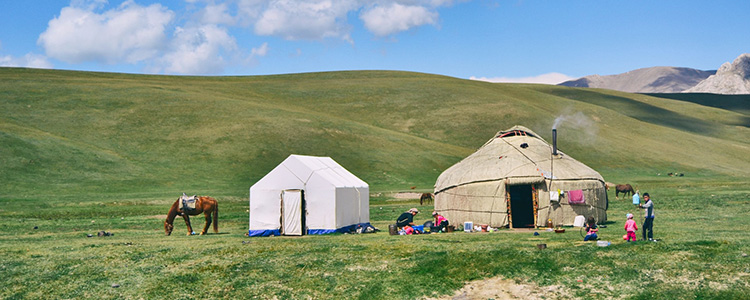
Image

Finding work can be one of the most stressful parts of a working holiday in Australia. It’s often the moment where expectations meet reality. Just like I did, you arrive motivated, résumé ready (or, well, almost), assuming work will fall into place fairly quickly, after all the stories you’ve heard. And yes, sometimes it does. Often, it doesn’t.

For me, it took six weeks before I landed my first job. Those six weeks felt long, even though I was very lucky to be house sitting and had free accommodation. Not working, not knowing when something would come up, being by myself, and constantly checking my phone to be the first to respond to a Facebook post took a mental toll.

Eventually, my first job ended up being at a bakery. I got it through another Dutch backpacker who knew someone who was about to leave and posted about it in a WhatsApp group. I messaged immediately. That was it. The next day I could stop by, no formal interview, just being in the right place at the right time and responding fast. It probably helped that the manager was Dutch as well.

That same week, I also got a job at a local NGO, working on campaigns related to mining and forest impacts - my Australian work dream come true. A week later, I started teaching yoga at a local climbing gym.

The whole experience taught me something important: finding work on a working holiday visa is rarely about one perfect strategy. It’s about using multiple approaches at once, staying flexible, and having a bit of luck. And not every approach works for everyone.

Networking

From what I’ve heard and partly experienced, a lot of jobs on a working holiday come through other people. Not through polished applications, but through conversations in the hostel, group chats, chance encounters and the guts to talk to strangers.

Other backpackers are often your best network. They know which places are hiring, who’s about to leave a job, and which employers are desperate for staff. Being part of WhatsApp groups, Facebook groups, or even just talking to people in hostels or shared houses can make a real difference.

That bakery job didn’t come from a job board, it came from staying connected, meeting new people and reacting quickly when an opportunity popped up.

Being open, and saying yes (sometimes)

In Tasmania, my work life became much more fragmented. I’ve hopped from job to job, most often just for some days.

I’ve worked:

  • a few days at a moving company
  • a few days on a farm
  • in housekeeping
  • on concert setup and pack-down

Some of these jobs came through Facebook groups. Others came from meeting people, mentioning I was available, and being willing to try something unfamiliar. Not every job was great and they were all temporary. But they paid, I learned some new skills and got to see new places.

Being open doesn’t mean saying yes to everything, especially if the circumstances aren’t good or you don’t get paid properly. But it does mean being willing to take a chance, especially when you’re still finding your footing.

Showing up in real life

Not all jobs come from online applications. In fact, many don’t.

One of the funnest ways to get a job, in my opinion, is through going to markets, small businesses, cafés, and bakeries that you like and simply ask around. It can still be surprisingly effective, especially in smaller places. A friend of mine went to some cafe’s and restaurants, and the first one she went to called her the same day asking if she could take a shift that evening. But even when it doesn’t lead to a job directly, it often leads to information, who is hiring, where to try next, or who to talk to.

It can feel awkward at first, but this kind of informal job hunting is very much part of how things work in Australia.

How to deal with online applications (and managing expectations)?

For more professional roles, online applications are often unavoidable. I’ve applied for many roles that matched my background and didn’t hear back at all. That can be discouraging, especially when you know you have relevant experience.

But silence doesn’t always mean rejection. Employers may not understand working holiday visas, projects may depend on funding, or timing might simply be off.

One thing that did work for me was sending open applications - reaching out to organisations I genuinely wanted to work for, even when they weren’t advertising a role. I do think I was extremely lucky, but that’s how I ended up working at a nature conservation organisation. I sent a batch of open applications, not expecting much, and happened to find something. They had a project that aligned with my background and timing. If I hadn’t reached out, it wouldn’t have happened.

Timing

Timing matters. The later in your working holiday, the more difficult it can become to find a job. At the start of your adventure, you’ll have at least a year, or two, some even three. This is what employers in certain sectors like. Some jobs, such as housekeeping in a fancy lodge, or working as a tour guide, require training. These employers often ask for at least 4-6 months availability. The later in your working holiday, the more likely it is that they won’t hire you for these kind of jobs. Of course there are ways around this, such as not mentioning the end of your visa date. I’ve experienced, though, that there are also jobs for the shorter term - for example housekeeping, farmwork, or very seasonal guiding and hospitality jobs if it aligns with your background. Remote roadhouses sometimes also hire people for one or two months, since it’s hard for them to find long-term staff.

A bunch of advice

Finding work on your working holiday journey can be very overwhelming. You’ll meet so many people who already have jobs, while struggling to find one yourself. Everyone will offer advice. Some will genuinely try to help you. Others will casually tell you what you should be doing, often without really knowing your situation. It can feel competitive, even though everyone is technically in the same boat.

I want to share some of the advice I was given, and what I’ve learned from it.

  • “Just lie on your résumé”: This is advice I heard a lot. And yes, many people do exaggerate their experience, especially in hospitality. I get where it comes from. But personally, I didn’t feel comfortable outright lying, and I don’t think you need to. Being clear about what you can do, showing you’re reliable, flexible, and willing to learn often matters more. Especially in smaller places, people care less about a perfect CV and more about whether you’ll show up and do the job.
  • “Get all the tickets”: RSA, White Card, Forklift, First Aid, Barista course - the list goes on. Some tickets are genuinely useful, especially RSA if you want to work in hospitality. Others can be expensive and unnecessary if you don’t actually need them. My advice: only get tickets once you know they’re relevant for the kind of work you’re aiming for, or when an employer specifically asks for them. Don’t panic-collect certificates out of fear.
  • Don’t compare your timeline to others: Some people find work in two days. Others take weeks. That says nothing about your abilities. Often it’s timing, location, visa length, or pure luck. Comparing yourself to someone who “just walked into a job” will only make you feel worse and won’t get you hired any faster.
  • Be clear about your availability, but strategic: Availability matters a lot. Employers want to know how long they can rely on you. Being honest is important, but so is understanding what they’re actually asking. Sometimes “long-term” means three months. Sometimes it means six. Sometimes it’s just code for “please don’t leave next week”. Ask questions, feel it out, and decide what feels okay for you.
  • Trust that short-term work still counts: It’s easy to feel like hopping from job to job means you’re failing. But short-term work pays bills, builds experience, expands your network, and often leads to something else. Almost none of my jobs came from sitting at home applying online. They came from being out there, doing something.

What I would do differently?

If I could do my working holiday again, I’d stress less in the quiet weeks at the start. I’d trust earlier that not working doesn’t mean nothing is happening. I’d talk to even more people, mention my availability more often, and remind myself that momentum often builds slowly, and then all at once.

I’d also worry less about finding the job, and focus more on finding a job - something that pays, gets me out of the house, and connects me to people. Because almost every good opportunity I had came from already being somewhere, already doing something.

My final thoughts regarding job hunting in Australia

Finding work on a working holiday is rarely quick, and almost never linear. It’s a mix of persistence, flexibility, luck, and staying open when things don’t go according to plan.

Sometimes it takes six weeks before the first job appears. Sometimes work comes in short bursts. Sometimes it arrives through a WhatsApp message, a Facebook post, or a conversation you didn’t expect to matter.

The most important thing I’ve learned is this: keep moving, keep talking to people, and don’t assume you’re failing just because it hasn’t worked out yet.

Often, it’s just not time, until suddenly, it is.

10 Best Universities of Australia

10 Best Universities of Australia

Image

If Australia is your dream destination to pursue education abroad then you’ve made the right choice. There are several reasons why Australia is a preferred choice among international students. One of the main reasons is Australia’s consistently good performance in world rankings. The value of its courses is recognized worldwide, and the visa process is hassle-free. The country is vibrant in its culture and attracts students from across the world who look forward to a cosmopolitan experience

  1. Australian National University  

Popularly called ANU, the university is considered among the world's leading universities. According to the QS World University Rankings 2022, it ranked number one in Australia. By the Times Higher Education rankings, it ranked second. 

Located in Canberra, Acton, the university comprises seven institutes, apart from various academies. Established in 1946, it is the only university in Australia to have been created by the Australian Parliament. 

ANU offers undergraduate degree programs, postgraduate degree programs, and professional degree programs. Admission to the university is highly competitive and its faculty and alumni include six Nobel laureates, 49 Rhodes scholars, two prime ministers, 30 current Australian ambassadors, and several bureaucrats serving the nation.  

Apart from its qualitative education and world-class research, the university is also known for ample student accommodation, study spaces, and facilities.  

  1. The University of Melbourne 

The University is a public institution, founded in 1853. Australia's second-oldest university is also the oldest in Victoria. The University is renowned for its excellent standards of academics, curriculum and teaching methodology, and research while offering a wide range of undergraduate and postgraduate programs. The primary campus is located in Parkville with other campuses located across Victoria.  

The university is one of the best universities in Australia for international students as it offers good options for student accommodation. The colleges are also in the vicinity of each other. There are 12 Residential Halls and Colleges either on campus or within short walking distance. Most Colleges offer decent accommodation as a single furnished room with common bathrooms.  
  1. The University of Sydney  

Ranking 50th in the QS Global World Ranking, the University of Sydney is the oldest in Australia. Its campus is counted among the world’s ten most beautiful university campuses. There is a wide range of courses on offer, the widest in comparison to any Australian university. It also boasts of one of the best placement records.  

  1. The University of New South Wales 

Located in Kensington, UNSW is one of the best universities in Australia. Its Bachelor of Law is the most competitive course. It also offers the best courses in Civil & Structural Engineering, Psychology, Materials Science, and Accounting & Finance. The University is best known for its international exchange and research partnerships across the world.  

  1. The University of Queensland 

Popularly called Sandstone University, the University of Queensland is located in Brisbane. It is the fifth-oldest university in Australia. Some promising credentials of the University: 

  • A Founding member of edX - the online higher education platform  

  • Member of Go8, McDonnell International Scholars Academy of Washington University, and the global Universitas 21 network. 

UNSW is the top choice for engineering courses. It offers the widest range of engineering degrees in Australia where study programs are designed in sync with career opportunities across the globe.  

  1. Monash University  

A public research university located in Melbourne, Monash University is best known for its career-focused degrees, excellent research, and academic records. It is credited as the largest university in Australia and is also a member of Go8.  

The students are offered a wide range of subjects, research projects, and international exchange and internship opportunities that promise to enrich their experience and solder a robust career. 

If you are an on-campus resident you will be part of an inclusive community with the aid of several support teams making your stay convenient. 

  1. University of Western Australia 

A public research university, UWA’s main campus is in Perth, with another campus in Albany. It boasts of an exceptional placement record and is known for excellent academic-industry partnerships that provide students with an edge in networking.  

The university is particularly known for its courses in agricultural sciences, psychology, education, and earth and marine sciences. Its alumni comprise several globally recognized scholars including Nobel Laureate Professor Barry Marshall. 

  1. University of Adelaide 

Known globally for its research-intensive programs, the University of Adelaide has ranked 111th in the Times Higher Education World University Rankings 2022. It prides itself in being a member of the prestigious Group of Eight research-intensive universities. The university can offer its international students an excellent learning environment that is high in quality and progressive. One of the oldest surviving institutions, the University of Adelaide was established in 1874. Its thriving multicultural community brings together bright minds from the world over who learn and research together to disrupt the world and bring about a positive impact. 

Its world-class research focuses on discovering new knowledge, pursuing innovation, and instilling leadership skills. Entry into the Bachelor of Medicine, Bachelor of Surgery program at the University of Adelaide is highly competitive. Courses in Psychology and Engineering are also world-renowned courses here.  

  1. University of Technology Sydney 

UTS stands at 9th position in Australia - at 133 in the QS World University Rankings 2022. The university was founded in 1988 and comprises 9 faculties and schools. It offers a number of courses among which it is popular for Nursing, Art & Design, Library & Information Management, and Sports-related Subjects. UTS is one of the best universities in Australia for international students owing to its multicultural environment.  
 

  1. University of Newcastle 

Another Public University, UON is situated in Newcastle, New South Wales, Australia. Established in 1965, it is mostly known for its courses in medicine. It offers several undergraduate, postgraduate, and research degrees in a variety of subjects. The campus and the teaching environment are vibrant and encourage innovation through international collaboration with industry and academia alike. The university also offers more post-work opportunities as compared to other universities.  

Where Can I Go Camping for Free in Australia

Where Can I Go Camping for Free in Australia

Can anything be better for a tourist than camping on a site with a marvelous view opening around it, breathing fresh air, and enjoying the wildlife and nature? Yes, it can. It’s always cool when you can come to a place, set up a roof top tent, and rest there without paying a dollar for accommodation.
It’s always sweet to enjoy traveling by car or on foot without spending too much money, isn’t it? Apart from being budget-friendly, camping trips have some other advantages that experienced tourists use whenever they can, and newcomer enthusiasts would be excited to explore.

Benefits of Camping Trips
So, before we proceed with free camping sites in Australia open for everyone, let’s find out why foot or car camping is so popular among travelers worldwide. The reasons may seem obvious to someone, but there’s a surprisingly big number of travelers who are not aware of those factors.

You Choose a Place
When you own the best roof top tent that is ultimately reliable and truly comfortable, any place you like can become your campsite. Like, you simply drive through a random road, see an exciting view that fascinates your mind and soul, and decide to stop right there. That’s only possible when you are camping on your own. No hotel, motel, or resort facility with pre-booked rooms can offer you that.

Come and Go as You Please
The level of freedom is not limited to the opportunity to turn a location you enjoyed into a campsite. The additional benefit is that you can spend as much time there as you want. Do you want to stay for one more day? It’s not a problem if you’ve got enough supplies with you.

Avoid Crowds
Here comes the benefit that is essential in 2021 regarding the epidemiological situation in Australia and worldwide. A “casual” traveler is forced to contact other people while arriving at their hotel, visiting cafes, and ordering the required services. A voluntary refusal from some routine comfort allows you to feel much safer these days.   

No Booking
It is a feature partially connected with the first one mentioned above in this shortlist, but it is still worth being mentioned separately. When you leave for a camping trip, there is no need for you to plan your place and time of stay beforehand. It means a hard shell roof top tent allows you to save booking costs and have much more room to make your travel exclusively customized and totally enjoyable.

Free Camping Sites in Australia
If those benefits above sound sweet to you, then it is useful to find out where in Australia you can camp for free. Good news first: there are plenty of places to choose from. On the other hand, setting your campsite in a prohibited area may lead to fines, so be careful and attentive.  

National Parks
National parks are among the most popular free camping sites in the country. Though, you should check the potential COVID-19 restrictions beforehand so far. There can be limits for the number of campsites or people allowed to stay simultaneously. The great national parks are in: New South Wales, Queensland, Victoria, and Western Australia. It is worth checking the particular park’s website to get more info before planning a visit.

Ask the Community
Just like the camping community can suggest you read the adventure kings roof top tent review to consider getting a worthy touring item, they can give you hints on free camping sites open to come. Another good news is that the large rest stops along highways offer the opportunity to legally spend one night there (once in 24 hours, actually).
In other locations, one can stay overnight if one doesn’t set up that camp. Like, if you enjoyed a place but aren’t sure whether it is possible to organize a campsite nearby, just go out and ask some locals. They’ll surely help. Consider contacting the local community service centre if the uncertainty still remains.

Bush Camps Are there for You
If you wish to find a remote spot for free, check the points a bit off the main roads near small cities and towns. It’s easy to miss such camps, so stay attentive if you want to notice them. To get an update, go the same way again – talk to locals or ask tourism officers for updates.

Use Smartphone Apps
Both paid and free camping ground databases are available via mobile applications. Some of them even remain available when you go offline if you pre-download the map data. Here are some programs to consider:

  • WikiCamps
  • Camping Australia
  • Official apps by state national parks

To Conclude
There are many places to camp for free across Australia. Most are possible to find them online or via specialized applications. In case you decided to stop at a random location, ask people if it is allowed to set up a camp. That’s how you avoid getting fined.
Enjoy traveling, and keep camping for life!
 

Travelling in Australia with a car or campervan – the ultimate (working) holiday

Travelling in Australia with a car or campervan – the ultimate (working) holiday

Part 1 - finding a car in WA

After working in Perth for six months, I realised it was time for something new. A new adventure, something I’d never done before. The title of this blog probably already gives it away: it was time for the ultimate Australian experience: a lengthy road trip through Australia with my own car.

In my head, the plan sounded simple: buy a car, make a plan and go. As easy as one, two, three. I would like to say it worked out that way, but then I’d be lying.

Renting a car in Australia is easy, but it was never really an option for me. I wouldn’t have enough freedom and, more than that, it would completely drain my budget. I saw it a bit like buying a house instead of paying rent: at least buying a car would give me the opportunity to get some of my investment back. Going on a road trip with someone else could have been fun, but again, it would mean less flexibility.

Looking for a car to buy in Australia

First things first. A road trip wouldn’t be a road trip without my own car, so it was time to start looking.

From what I’d heard, finding a car in the eastern states of Australia isn’t too difficult. Western Australia, however, is much less visited and therefore has far less on offer, especially in the low season (winter and rain), when many backpackers avoid WA altogether.

I wrote down my wishes (four-wheel drive, rooftop tent or a nicely built-in bed, solar panels and battery, less than 250,000 km and at least some service history) and my budget (AUD 7,000), and started looking. Little did I realise this was quite a list of demands.

I kept an eye on Facebook Marketplace, a platform heavily used in Australia, and it seemed like the best place to start. New listings appeared almost every day, mostly family cars. Backpacker cars were much more scarce and hardly ever fulfilled all my wishes.

Being under time pressure made it even more frustrating. Only rarely would I see a car that met some of my requirements, and when I did, it was often sold before I could even go and inspect it. Only once was I the first person to view a car. We discussed the price, but I waited too long to decide, and someone else showed up with cash the next day.

That was the moment I realised I needed to move faster, and rethink my approach.

So I became more lenient with my wishes and slowly increased my budget. Week by week, my demands changed, and my budget followed.

Change of plans

I quit my job at the start of September, convinced I’d be on the road within one or two weeks. Instead, a full month passed without any progress, and without any income.

Doing this all by myself was hard, and the longer it took, the more desperate I became. I eventually got over my hesitation and started visiting dealerships with a friend.

There were cars, but none of them were backpacker cars, and they all seemed more expensive than the ones I’d seen online. Gumtree showed options from both dealerships and private owners, but there too, the selection was limited and didn’t meet my expectations. Service histories were missing, kilometre counts were high, or the price was simply too much.

As my departure date approached, I needed to be in Adelaide by mid-October, I didn’t know what to do anymore. With some pain in my heart, I started letting go of the idea of a backpacker car altogether. At this time of year, I realised, it just wasn’t going to happen within my budget.

Should I maybe just fly to the east coast and rent a car after all?

Not the car I was expecting, but the one I needed

To keep it short: I eventually found a 2011 Honda CRV family car that met most of my requirements. It had less than 250,000 km, was under AUD 10,000 (although it was listed at 10,000, I managed to get the price down to 9,000), and seemed to have a good service history.

I messaged the seller immediately, made an appointment to inspect it the next morning, told him straight away that I was interested, and paid an AUD 500 deposit. The next day, I returned with a mechanic and decided to buy the car.

And just like that, I owned a car, though not the one I’d originally imagined.

Making a family car road-trip ready

So now what? I had a family car, no insurance, no bed or rooftop tent, not even a roof rack. No extra battery, no solar panel, and only one week left before I really had to leave.

The only option was to make it as livable as possible, preferably with a bed frame inside, a big challenge for someone with no carpentry experience whatsoever.

I spent days searching Google, Reddit and other forums for suitable bed frame designs for my car. The seats in this model didn’t fold flat, which made things more complicated. Eventually, I made up my mind, went to Bunnings (a large hardware store in Australia) and bought wood, screws, latches and everything else I thought I might need.

A week of building with a friend later, I had a three-piece, removable bed frame in my car and even two built-in tables. I decided not to remove the seats for extra space, as that would reduce the resale value. Instead, we found a way to build around them.

In the meantime, I spent practically 24 hours a day on Facebook Marketplace looking for camping gear, second-hand bedding, a mattress, pillows, storage boxes and anything else that could make the car feel a little more like home.

It wasn’t pretty. It wasn’t perfect. But it worked.

Tips & tricks from my road trip experience

  • Buying a car is surprisingly easy. It is finding one to buy which is hard.
  • Be flexible with your “dream setup.” In Western Australia, especially outside peak season, backpacker cars are rare. A reliable family car can be a much better starting point than waiting endlessly for the perfect van.
  • Facebook Marketplace is essential. Most private car sales in Australia happen there. Good cars sell quickly, so often check and don’t hesitate too long.
  • Time pressure changes everything. Searching without a deadline feels very different from searching when your job has ended and your next destination is fixed. Budget extra time, or extra money.
  • Lower your expectations, not your standards. Letting go of things like solar panels or a rooftop tent doesn’t mean you should compromise on service history or mechanical condition.
  • A DIY setup doesn’t need to be fancy. My car setup wasn’t totally Instagram-worthy, but it was functional, removable and good enough to get me on the road.
  • Buying a car is only the beginning. Insurance, registration, gear and small upgrades add up quickly. Always keep a buffer.
  • You don’t need the perfect setup to leave. If I’d waited until everything was “ready,” I might still be in Perth.

What I’d do differently next time

  • I’d start looking earlier, even while still working full-time. At least before I’d give up my job.
  • I’d set a more realistic initial budget, knowing how limited the market can be in WA.
  • I’d focus sooner on reliability and worry less about the setup.
  • And I’d remind myself earlier that any car that gets you on the road is better than the perfect car you never find.

Why I’d still do it all again

Buying a car, building it myself and heading off into the unknown was stressful, messy and far from smooth. But it gave me something renting never could: complete freedom.

Freedom to change plans.
Freedom to follow the weather.
Freedom to stay longer when a place feels right.

And for me, that’s exactly what a road trip in Australia is all about.

Travelling in Australia with a car or campervan – the ultimate (working) holiday Part 2 – Life on the road

Travelling in Australia with a car or campervan – the ultimate (working) holiday Part 2 – Life on the road

Part 2 – Life on the road

It had been my dream for six months: buying my own car and feeling the ultimate freedom of road tripping through Australia. After weeks of searching, adjusting expectations and eventually building my own setup (for more on that whole adventure, see Part 1), it was finally time to hit the road.

The car wasn’t perfect. It wasn’t a classic backpacker car, it didn’t have a rooftop tent or solar panels, and everything I owned was squeezed into a space that suddenly felt very small. But it was mine. And that made all the difference.

Leaving Perth felt strange. After months of working, routines and familiarity, there was suddenly nothing fixed anymore. No shifts, no deadlines, no clear plan, no friends. Just a direction, a car and the question that would become part of daily life: where am I sleeping tonight?

Road tripping through Australia: freedom, flexibility and reality

That question turned out to have many answers. Travelling through Australia by car or camper van is incredibly freeing, but it also means dealing with practical realities every single day.

Sleeping on the road in Australia is surprisingly doable, especially outside cities. Some nights I stayed at free rest areas along the highway, other nights at bush camps near the ocean or in national parks. Near the city, I chose a paid campsite. Those nights felt almost luxurious with hot showers, picnic tables, sometimes even power.

Not everywhere welcomes overnight car sleepers. In some places it’s illegal, in others it’s tolerated, and sometimes the rules are simply unclear. Sleeping in your car in Australia is often about reading the situation rather than following strict rules. I learned quickly to arrive late, leave early and trust my gut. If a place didn’t feel right, I moved on.

Where to sleep during a road trip in Australia

Free camping is one of the biggest advantages of road tripping Australia. Rest areas, bush camps and free designated camping spots are common, especially along long-distance routes. A bed in the car is helpful, as some places won't allow you to pitch a tent and sleeping in the car is a bit more inconspicuous. 

Paid campsites are worth it every now and then. Not just for the facilities, but also for the mental break. After a few weeks of improvising, a hot shower can feel like pure luxury.

Sleeping in the car itself took some getting used to. One of the best things I bought, and something I’d recommend to anyone travelling Australia by car, were mosquito covers for the windows. Being able to sleep with the windows open without being eaten alive made an enormous difference, especially near water or in warmer areas. The second-best thing - a car charger.

I don't have one, and haven't needed one due to mainly travelling through WA and SA at the end of winter, and going towards Tasmania, but some people have these handy little fans in the car for hot nights.

Showers, toilets and daily life on the road

Showers became an adventure in themselves. Most of the time there were ocean swims and cold beach showers. Sometimes the occasional hot one. Google Maps and Wiki camps were very helpful in finding these places. Sometimes there was simply nothing at all.

Those were the days of ocean swims, water jerrycan showers and accepting that road trip hygiene looks a little different. Luckily, Australia has an impressive number of public toilets, even in remote areas, which makes travelling by car far more comfortable than you might expect.

Cooking on the road was simple and repetitive, but grounding. Most days I cooked on a two pit gas stove at free campsites or rest areas. Pasta, rice, vegetables, salads. Nothing fancy, but after a long day of driving or hiking, cooking dinner outside while watching the sun go down felt deeply satisfying.

Fire bans were luckily something I haven't had to deal with due to the season, but in other seasons it's something to stay constantly aware of, especially in warmer or drier regions. On some days, cooking simply isn't allowed, and those are cold-meal or takeaway days in small towns.

How far can you drive in Australia?

Australia is vast. Distances that look manageable on a map can feel endless behind the wheel. Some days I drove only a few hours and explored along the way. Other days were long, straight stretches where the goal was simply to keep going.

I learned quickly that driving all day, every day, wasn’t sustainable. Fatigue is dangerous, especially with wildlife around dawn and dusk, and there’s no reward for rushing. Slowing down and sharing the wheel with a road trip buddy made the journey far more enjoyable, and safer.

Crossing the Nullarbor: the famous Australian road trip stretch

The Nullarbor road trip has a reputation for being long, flat and boring. I've met many people who said they would never do it again. But it surprised me in the best way.

Yes, it’s vast and open, but there’s much more to see than expected. The Western Australia part of the Nullarbor is beautiful and green. When you enter South Australia it becomes a bit more boring. However, along the way there are caves right next to the road, dramatic coastal cliffs, wildlife sightings and a strange sense of accomplishment that comes with crossing it. The roadhouses become milestones and provide a peek into the past. And every stop feels earned.

It wasn’t something to rush through. It actually became one of the most memorable parts of the journey, especially because I had friends (in their own car) to share the adventure with.

Taking a break from the road: Couchsurfing and Workaway

As much as I loved road tripping through Australia, there were moments when I needed a break from the constant decision-making and sleeping on my cheap and thin mattress. That’s where Couchsurfing and Workaway came in.

Staying with hosts meant a proper bed, a real shower, laundry and conversations that didn’t revolve around car setups and routes. Those short breaks helped reset my energy and made it easier to enjoy the road again afterwards.

Taking your car to Tasmania: what to know

If you want to road trip Tasmania with your own car, you’ll need to take the Spirit of Tasmania ferry. There are a few things worth knowing before booking.

The cost depends on:

  • the length of your vehicle

  • the height (roof racks and tents matter)

  • the season you’re travelling in

Booking early is recommended, especially in peak season. If you haven't booked yet, you can call and get on a waiting list. People often cancel, so there's still a chance a spot might open up. The ferry is not cheap, but having your own car in Tasmania gives you access to remote areas, hikes and campsites that are difficult to reach otherwise.

Is road tripping Australia with your own car worth it?

Looking back, choosing to travel Australia by car wasn’t the easiest or cheapest option. But it was the one that suited me best and gave me the experience of a lifetime.

It gave me freedom, flexibility and access to places I wouldn’t have reached any other way. It forced me to slow down, adapt and trust my decisions.

I didn’t have the perfect setup or a fixed plan. What I had was a car, a direction, and the space to figure things out along the way. And in a country as vast and varied as Australia, that turned out to be exactly enough.

Expat and emigration interviews: How did Denise become a world citizen?

Expat and emigration interviews: How did Denise become a world citizen?

Who is Denise?

Denise is truly a world traveller. From spending part of her childhood in Africa and part in the Netherlands to her current role as a deep-sea scientist, she has lived all over the world. Her studies took her to the US, the Netherlands, and the UK, eventually leading her into her current career. Most recently, she moved to Perth, Australia, which now serves as her home base while she travels across the globe for fieldwork and research visits.

What should people know about you to understand your emigration story?

Not much! However, I’ve always been interested in new experiences, different cultures and interacting with people from different backgrounds. I’ve also had quite an international upbringing, so I wasn’t a complete stranger the idea of living in another country than the Netherlands. 

My career also pushed me across boundaries. I am now working as a deep-sea scientist, and there is not much deep sea around the Netherlands. Working in this field therefore naturally had me look across borders for other places to go.

Was there a specific moment or event that inspired you to emigrate?

Emigration for me has not been a dramatic leap but a gradual process, that started during university. I studied in Utrecht and joined University College Utrecht (UCU) which has a very international community before switching to a biology degree.I then did a study abroad programme, and after returning took a gap year as board member for Erasmus Student Network Utrecht, a non-profit student organisation for international students and internationally minded Dutch students. After that, the decision to go and study abroad myself was easy - this is now 10 years ago, and I have not properly moved back to the Netherlands since. I have now lived, studied and worked in the UK, the US and Australia, first to do my MSc and PhD studies, and then for my professional career.

How did you prepare for your emigration to the UK?

When I first moved abroad to study in the UK for my MSc programme and my PhD afterwards, I fortunately had a few friends who had done a similar thing who I could ask for practical advice. And, the UK is not that far from the Netherlands which made it less intimidating.

How did you prepare for your emigration to Australia?

It was a bit different when moving to Australia. It is much further away, and the practical side was bigger with visas, healthcare, taxes, finding a place to live and understanding how employment contracts function. I think I prepared mostly by being flexible and accepting there is only so much you can do beforehand, as some things you can only figure out once you arrive.

What is daily life like in Australia as an expat?

What does your life look like, and what kind of work or activities make you feel truly “at home” in Australia?

My life in Australia is a mix of research, writing, data analysis, and sometimes offshore expeditions.

My daily routine is different from in the Netherlands. The biggest difference is probably the outdoor lifestyle and the sense of space. In Australia, especially in Perth where I live, everything feels more spread out. Distances are bigger, and so having a car is much more necessary. The climate also changes daily life - the sunny climate is a big plus.

Do you already have an idea about the future?

I’ve learned not to plan too rigidly. So far, my life has moved through opportunities and things I’m interested. I would like to keep building a career around deep-sea science, exploration, biodiversity and conservation. Whether that remains in Australia long-term or takes me closer to family in the UK and the Netherlands again I don’t know yet. What I do know is that I want my work to stay international.

What is the culture like in Australia, and how are the social interactions?

What was your first interaction with a local in Australia like? How did it go? Do you have tips for meeting people?

In Australia, people are generally friendly and easy to talk to, especially in casual settings. However, it has not always been easy to build deep friendships. My main tip is to say yes to things early on - it takes time to build a social life and it usually happens through repeated small interactions.

What is the most fun or inspiring aspect of your emigration?

I think that your world becomes much bigger - both in terms of space you covered and mentally. You learn that many things you thought were “normal” are actually linked to the culture you are in. Emigration has given me an international education, career and much broader view of the world.

What is the funniest or most painful misunderstanding you’ve experienced due to language or cultural differences?

Tone and directness… Dutch people can be quite direct, and in my case, that meant that I was used to a different level of directness when receiving feedback or criticism on my work when I first moved to the UK. British people mean something very different when they say things “interesting” or “I see you’ve put effort in this”.

How do locals react to you living and working here?

Mostly with curiosity. When I first moved to the US studying abroad, I received a lot of reactions about where I was from, and what I was doing there. And even though I’ve not lived in the Netherlands for almost 10 years now, my ‘Dutchness’ is still regularly a topic of conversation with new people I meet.

How does friendship here differ from how it is experienced in your home country?

Some of my Dutch friendships go back a long way. Living abroad, especially among other internationals, I felt that friendships can form quite quickly because everybody is building a new life at the same time, but that also often means that international friendships can be quite transient and linked to the context there in. People move again, jobs and visas end etc. But - you end up with friends in many different places.

Did you learn the local language, and if so, how?

In the countries I’ve lived, the main language is English, so I did not have to learn a completely new language. But I did have to learn different versions of English and expressing myself. And even if you speak the language well, communication can still be culturally different, which also takes some getting used to.

What were the challenges of emigrating to different countries?

Were there moments when you doubted your decision to emigrate, or what has been disappointing?

Yes, definitely. Living abroad is exciting, but it also means uncertainty, distance and repeatedly rebuilding your life and starting again with housing, a new social life and a sense of belonging. 

What would you do differently next time, and what advice would you give others with similar emigrationplans?

I would probably be more proactive about building a life outside work from the beginning. When you move for a degree or a job its easy to put all your energy in that, but feeling at home also depends on friendships, hobbies and routines. 

Are there things you appreciate more about your home country now that you are abroad?

Yes, I appreciate the cycling infrastructure, public transport, social systems and how close everything is. The Netherlands is incredibly well organised in many ways

Do you have practical advice for moving to Australia?

How did you find a suitable place in Australia to live? Was it difficult?

In Australia, it was difficult to find a place to live. Rental applications can be competitive, and you often need to attend viewings in person, as well as references, proof of income and several documents ready that you can only arrange once you are there. It helps to arrange temporary accommodation first to buy yourself some time.

Have you developed new hobbies or interests since living in Australia?

I have become more connected to outdoor life. Being in a warmer climate and close to the ocean makes it easier to spend time outside. I also think that living abroad naturally makes you more curious about exploring new things about that place such as landscapes, wildlife etc. I appreciate the Australian connection to outdoor spaces, there is definitely a strong culture of spending time outside.

Dutchies: Australie en Nieuw-Zeeland kennismaking

Dutchies: Australie en Nieuw-Zeeland kennismaking

Image

The Dutchies are back en houden een informatieavond in Amsterdam. Wil je alles weten over the Pacific, kom dan ook!

Tekst van de Dutchies: Het is alweer een tijdje geleden dat we onze laatste info avond hebben gehouden in Nederland. Covid, en ja... je kent het wel! Maar... we are back!
En niet zomaar, want: dit is de aller aller eerste keer dat heel het Dutchies Travel team tegelijk in Nederland is!

Ken je ons nog niet? Wij zijn een aantal enthousiaste reisexperts die echt in Australië wonen, en werken voor Dutchies Travel - een reisbureau dat net even anders denkt dan je doorsnee reisbureau! 

We rekenen niets extra's voor ons advies, dat gebaseerd is op onze persoonlijke reiservaringen en kennis van de industrie. Wij verdienen ons geld door de boekingen die je bij ons maakt. Dat kan accommodatie, auto/camper huur, tours/activiteiten of groepstours zijn. 

Deze avond hoef je helemaal niets te kopen, want het is gewoon om even kennis te maken en hopelijk je te kunnen inspireren over wat Australië en Nieuw-Zeeland te bieden hebben. 

Op de avond zullen (hopelijk) ook een aantal ervaren reizigers aanwezig zijn, waar wij een goede band mee hebben opgebouwd hebben en die graag hun verhaal (en foto albums) delen. 

Samen hebben we een antwoord op al je vragen! Leuk extraatje: alle bezoekers van onze info avond krijgen een kortingscode mee, die je ongelimiteerd kunt gebruiken voor tours in onze webshop! Sluit gerust aan voor een biertje / wijntje / drankje - en hopelijk tot snel! 

Venue: House of Watt, Amsterdam, James Wattstraat 73, Amsterdam

18.30-22.00 uur

Image ACTIVITIES

Check courses, jobs, projects, recipes, suggestions and tips related to: 'Australia'

CHECK MORE ACTIVITIES

Make a selection, to find more tips than you see below

Image Learning English around the world and abroad
Learn English around the world and abroad Learning English abroad: orientation What is an English language course? Why should you learn English and take an English...
Image Mountain biking and cycling around the world and abroad
Mountain biking and cycling around the world and abroad Mountain biking and cycling abroad: orientation What is cycling abroad? Why should you go cycling abroad? What do...
Image House sitting abroad: take care of dogs, cats or other pets while the owner takes a vacation
Take care of dogs, cats or other pets while the owner takes a vacation. Many pet owners are looking for trustworthy persons who want to take care of their house (house...
Image Winter sports abroad
Table of content Winter sports abroad: questions and answers about the work and locations What is working as a seasonal worker in mountainous areas where winter sports...
Image Ga aan de slag als gediplomeerd verpleegkundige in een ziekenhuis in bijvoorbeeld Australië
Ga aan de slag als gediplomeerd verpleegkundige in een ziekenhuis of andere medische instelling in Australië, Nieuw-Zeeland of Engeland
Image Recipe: Australian warm Barramundi salad
My world recipe: Australian warm Barramundi salad
Image Werk mee op boerderijen verspreid over heel Australië of doe een working holiday in Nieuw-Zeeland!
Droom je ervan om te werken en te reizen in het prachtige Australië of betoverende Nieuw-Zeeland? Werk En Reis regelt alles voor jou! Het regelen van je bankzaken,...
Image Become an engineer on a private sailing yacht
Become an engineer on a private sailing yacht
Image Are you service oriented and do you want to see the world? Work as a stewardess on yachts all over the world
Are you service oriented and do you want to see the world? Work as a stewardess on yachts all over the world.
Image Ben jij op zoek naar een nieuwe uitdaging binnen de IT? Ga dan aan de slag bij deze internationale organisatie
Deze organisatie heeft banen voor professionals en starters. Er zijn mogelijkheden op onder andere het gebied van HRM, marketing, consultancy en financiën.
Activities abroad: home bundle

Main content and contributions for activities abroad

,,,accommodations, adventure activities, courses, internships, jobs and volunteer projects

...to help another, travel with care, work together , learn to share and inspire with your experience


Activities abroad: home page

Activities abroad: home page

From language courses to gap year abroad, from work experience to volunteering abroad, from paid work to internship abroad, from mountaineering to diving and from backpacking to travel around the world

    What social activities can you do abroad?

    • Opportunities are found in the areas of helping, learning or studying. You can get involved to volunteer in a social project at a school in Africa, Asia or Latin America. You can get involved in nature, in a project with animals or cleaning the sea or beaches. Those who want to learn more can choose for example a language course in Latin America, Spain or South Africa.

    What work related activities can you do abroad?

    • If you want to gain work experience, and/or also earn money, go and work abroad. You can combine backpacking in Australia with temporary work. You can work on campsites in Europe or bush camps in Africa. You can pretty much go all over the world to work in the hospitality industry, hotels and hostels, in the healthcare sector or for example at a diving school.

    What sports activities to do abroad?

    • Have you ever thought of mountain biking, rafting (going down a wild river on a raft or rubber dinghy, climbing or canoeing), survival (which involves building rafts, climbing or canoeing), abseiling (descending a rock face while secured to ropes), zip-lining (whizzing down a cable), canyoning (starting at the top of a river and then climbing, swimming, diving down the bed) or caving (scrambling, wriggling and crawling through caves and crevices)?
    • Maybe you feel more comfortable on a bodyboard (on a half-wave surfboard, you surf the high waves lying down-with flippers), on a hang glider or while paragliding (with a parachute you float down a mountain or dune), hydrospeeding (on a bodyboard with flippers and a wetsuit on you go down a wild river via rapids) or Tiefschneeskiing (racing down through powder snow)?

    Check the pages below for more activities and inspiration and where to go and how to arrange it

      Activities abroad: for experiencing countries and cultures abroad

      Activities abroad: for experiencing countries and cultures abroad

      Bundled content for experiencing countries and cultures during gap year, travel and backpacking abroad

      Access: 
      Public
      Activities abroad: for sports, adventure and outdoor abroad

      Activities abroad: for sports, adventure and outdoor abroad

      Bundled content for sports, adventure and outdoor during travel, gap year and backpacking abroad

      Access: 
      Public

      Image STORIES

      Check blogs, experiences and information related to: 'Australia'

      CHECK MORE STORIES

      Make a selection, to find more blogs and contributions than you see below

      Image How does healthcare work in Australia, and what travel insurance, health insurance or expat insurance do you need?
      How does the healthcare system work in Australia, and which insurance do you need? What is the quality of healthcare in Australia? How does the public healthcare system...
      Image Wombats abroad and while traveling: are they dangerous, where do you encounter them, where can you see them?
      What are wombats? Where to see wombats in the wild abroad? Are wombats dangerous? What to do if you encounter a wombat in the wild? What to do when a wombat attacks you...
      Image Sharks abroad and while traveling: are they dangerous, where do you encounter them, where can you see them?
      What are sharks? What is a great white shark? Where can you see sharks from a boat? Where can you see sharks well when snorkelling? Where is the best place to dive with...
      Image Expat and emigration interviews: How did Denise become a world citizen?
      Who is Denise? What should people know about you to understand your emigration story? What is daily life like in Australia as an expat? What is the culture like in...
      Image Werken in Australië en/of Nieuw-Zeeland als buitenlander én geld verdienen
      De laatste jaren is het steeds populairder geworden om een jaartje te reizen en werken en landen zoals Australië en Nieuw-Zeeland zijn dan vaak erg populair. Dit kan je...
      Countries & Destinations: home bundle

      Bundled content, suggestions, stories and tips about the countries and destinations in the world

      ...to help another, travel with care, work together , learn to share and inspire with your experience

      Africa: country bundles

      Africa: country bundles

      Access: 
      Public
      Asia: country bundles

      Asia: country bundles

      Country bundles of Asian countries

      Access: 
      Public
      Europe: country bundles

      Europe: country bundles

      Country bundles of European countries

      Access: 
      Public
      The Caribbean: country bundles

      Image ORGANIZATIONS

      Check sectors and organizations related to: 'Australia'

      CHECK MORE ORGANIZATIONS

      Make a selection, to find more or other organizations than you see below

      Image Rainforest Hideaway
      Bestemming(en): Australië: Cape Tribulation. Korte omschrijving: Unieke bed&breakfast gelegen nabij het prachtige Great Barrier Reef. Het is er heerlijk tot rust...
      Image Orange Journeys
      Orange Journeys is a travel agency based in Sydney, Australia, with Dutch roots.
      Image MiCare in Australië (voorheen DutchCare)
      MiCare (formerly DutchCare) is an organization in Australia that, among other things, helps Dutch elderly people lead comfortable, meaningful, and fulfilling lives. It...
      Image Snowminds
      Become a ski instructor with Snowminds in Austria, Canada, Spain, Switzerland, Japan or New Zealand At Snowminds the entire team shares the same passion: Snow Everyone...
      Image World Nomads
      World Nomads is a travel-focused company founded in 2002 that started as a travel blog and evolved into a global online travel insurance provider and resource hub for...
      Image Stagereizen
      Stagereizen is een stagebemiddelingsbureau met ruim zeven jaar ervaring in de bemiddeling van stages in Australië en Nieuw-Zeeland. Met het eigen hoofdkantoor Down Under...
      Image Rural Enterprises
      Australian employment agency with various vacancies within the agricultural sector, particularly in Western Australia. In addition to seasonal work, many more or less...
      Image Snowminds Nederland
      Bij Snowminds deelt het volledige team dezelfde passie: Sneeuw! Iedereen in het team heeft winterseizoenen gedaan, uiteenlopend van één winterseizoen tot meer dan negen...
      Image Stage Global
      Stage Global is in 2010 opgericht als een bemiddelingsbureau voor stages voor studenten en jonge professionals. Stage Global bestaat uit Stage-USA, Stage-Australia,...
      Image WWOOF & WOOFING
      WWOOF stands for World Wide Opportunities on Organic Farms and was founded in 1971. WWOOF aims to promote, protect and support alternative ways of living. Through this...
      Organizations & Services: home bundle

      Bundled content, suggestions, stories and tips about organizations and their products and services

      ...to help another, travel with care, work together, learn to share and inspire with your experience

      Organizations: home page
      Organizations for administrative, tax and legal work and consulting

      Organizations for administrative, tax and legal work and consulting

      international law

      Activities, internships, paid work, services or volunteer work in administration, tax and legal consulting

      Administrative, tax and legal consulting abroad: by position

      For job roles and duties related to activities, internships and jobs abroad, see:
      ......Read more on this page
      Organizations: for agriculture, grape picking, farming and vineyards
      Organizations: for animal protection, animal care and working with wildlife abroad
      Organizations: for au pairs, youth work and child care abroad
      Organizations: for bush camping and working at a campsite abroad
      Organizations: for catering, hospitality and entertainment abroad
      Organizations: for civil society and social work abroad
      Organizations for corporate business services

      Organizations for corporate business services

      Image

      Activities, internships, paid work, services or volunteer work in corporate business services

      Corporate business services abroad: by position

      For job roles and duties related to activities, internships and jobs abroad, see:
      ......Read more on this page
      Organizations: for customer services abroad and help desks
      Organizations: for diving, snorkeling and water sports abroad
      Organizations: for education and schools abroad
      Organizations: for expatriate insurances, travel insurances, and emergency call centers
      Organizations: for gap year activities abroad and sabbaticals
      Organizations: for internship placement abroad
      Organizations: for insurances and finance abroad
      Organizations for IT, engineering and construction

      Organizations for IT, engineering and construction

      Image

      Activities, internships, paid work, services or volunteer work in IT, webdevelopment, engineering and construction

      IT, engineering and construction abroad: by position

      For job roles and duties related to activities, internships and jobs abroad, see:
      ......Read more on this page
      Organizations: for language travel and language teaching abroad
      Organizations for marketing, communication and PR abroad

      Organizations for marketing, communication and PR abroad

      Image

      Activities, internships, paid work, services or volunteer work in marketing and communication

      Marketing, communication and PR abroad: by position

      For job roles and duties related to activities, internships and jobs abroad, see:
      ......Read more on this page
      Organizations: for mediation in au pairs, childcare and elderly care in the Netherlands
      Organizations for moving, international relocation and transport abroad

      Organizations for moving, international relocation and transport abroad

      Image

      Activities, internships, paid work, services or volunteer work in transport and international relocation

      Moving abroad and relocation services abroad: by position

      For job roles and duties related to activities, internships and jobs abroad, see:

      Moving abroad and relocation

      ......Read more on this page
      Organizations for nature conservation, environmental protection and working in nature abroad

      Organizations for nature conservation, environmental protection and working in nature abroad

      Costa Rica rain forest - Jungle

      Activities, internships, paid work, services or volunteer work in environmental protection, sustainability and nature conservation

      Nature conservation and environmental protection abroad: by position

      For job roles and duties related to activities, internships and jobs abroad, see:
      ......Read more on this page
      Organizations: for nonprofit projects, development work and international cooperation
      Organizations: for online work as digital nomad, freelancer, or independent entrepreneur from abroad
      Organizations: for outdoor activities and sports
      Organizations: for providing accommodation and hospitality work in hotels, guesthouses, ecolodges and hostels abroad

      Organizations: for providing accommodation and hospitality work in hotels, guesthouses, ecolodges and hostels abroad

      Image

      Activities, internships, paid work, services or volunteer work in hotels, resorts, guesthouses, ecolodges, bed and breakfasts and hostels abroad

      Working in hospitality and tourist accommodations abroad: by position

      For job roles and duties related to activities, internships and jobs abroad, see:
      ......Read more on this page
      Organizations: for providing healthcare and working in medical care abroad

      Organizations: for providing healthcare and working in medical care abroad

      Image

      Activities, internships, paid work, services or volunteer work in healthcare

      Providing healthcare and working in medical care abroad: by position

      For job roles and duties related to activities, internships and jobs abroad, see:
      ......Read more on this page
      Organizations: for psychological assistance and mental health care abroad

      Organizations: for psychological assistance and mental health care abroad

      Image

      Activities, internships, paid work, services or volunteer work in psychological assistance, coaching and mental health care abroad

      Psychological assistance, coaching and mental health care abroad: by position

      For job roles and duties related to activities, internships and jobs abroad, see:
      ......Read more on this page
      Organizations: for real estate, brokerage abroad and property rental abroad
      Organizations: for research and scientific work abroad

      Organizations: for research and scientific work abroad

      Image

      Organizations: for research, R&D, data collection, data analysis and scientific work abroad

      Activities, internships, paid work, services or volunteer work in research and science

      From R&D to data collection and data analysis

      Research and science abroad: by position

      For job roles and duties related to activities, internships and jobs abroad, see:
      ......Read more on this page
      Organizations: for student support and student associations
      Organizations: for tour guidance and adventure tours abroad
      Organizations: for tourism and organized travel and leisure work abroad
      Organizations: for voluntary work mediation and project placement abroad
      Organizations for yacht and shipping crew and working on a cruise ship abroad

      Organizations for yacht and shipping crew and working on a cruise ship abroad

      Image

      Activities, internships, paid work, services or volunteer work on cruise ships, sailing yachts and other ships

      Boat crew, deck hand or working for an international shipping organization

      Working on a yacht or cruise ship abroad: by position

      For job roles and duties related to activities, internships and jobs abroad, see:
      ......Read more on this page

      Image SUMMARIES

      Check summaries and study assistance related to: 'Australia'

      CHECK MORE SUMMARIES

      No results found.

      Image ALL CONTENT

      Search all related content within the topic: 'Australia'

      ALL CONTENT WITHIN TOPIC

      Select any filter and click on Apply to see results

      Image

      SPOTLIGHT & FAVORITES

      SPOTLIGHT
      FAVORITES
      Image

      WWOOFing is a great way to experience a country on a completely different way than when you 'just' travel. You generally perform work you haven't done before and live on a farm that you didn't know before. Besides all the reasons why you should pack your bag and start WWOOFing, please consider some ...

      Snowminds

      Become a ski instructor with Snowminds in Austria, Canada, Spain, Switzerland, Japan or New Zealand At Snowminds the entire team shares the same passion: Snow

      • Everyone on the team has done winter seasons, ranging from one winter season to more than nine.
      • Snowminds guides its ski ...

      The three pillars of a successful working holiday

      The three pillars of a successful working holiday

      • What makes a successful working holiday?
      • Work
      • Friends
      • Freedom (and why money isn’t the point, but still matters)

      Many young people dream of a working holiday in Australia - freedom, adventure, and...

      Image

      TOPICS : check associated topics and more activities

      Check more: activities in WorldSupporter
      Crossroad: region
      Check more
      Check more: of the topic below
      Working for board and lodging around the world and abroad

      Working for board and lodging around the world and abroad Working abroad for board and lodging: orientation

      • What is working abroad for board and lodging?
      • Why should you work abroad for board and lodging?
      • What do you need if you want to do work abroad against board and lodg...

      Go abroad!
      Page topic

      Stories, tips and experiences from Australia

      Submenu & Search

      Search only via club, country, goal, study, topic or sector