Sport and exercise science: study assistance, study summaries and student internships abroad

from improving study skills to studying abroad and job openings to personal experiences

Image

Image

PAGE LAYOUT

Sport and exercise science

INTRO   SUMMARIES AND STUDY ASSISTANCE   ACTIVITIES AND TIPS   ORGANIZATIONS   SPOTLIGHT   SEARCH

PAGE INTRO

Table of contents:

Sport and exercise science: study and knowledge
  • What is sports?
  • What is sports studies?
Sport and exercise science: summaries and study assistance
  • What are the best textbooks for leisure, tourism, and sports summarized?
Sport and exercise science: summaries per related study field
Sport and exercise science: study and work skills
  • How to improve your study skills in the field of sports studies?
  • Which skills are related to the field of sports studies?
Sport and exercise science: study abroad, intern abroad, and work abroad
  • Which activities, internships, and vacancies abroad are related to the field of sports studies?
  • Which organizations offer internships and activities in the field of sports studies?
Sport and exercise science: shared experiences
  • What are the related spotlight blogs and contributions of other WorldSupporters?
Sport and exercise science: shared content
  • All shared content related to sports studies: jobs, tips, summaries, organizations, and blogs
  • Search all shared content

Image

What is sports, why would you study it, and where is the best place to study, intern or work abroad?

What is sports, why would you study it, and where is the best place to study, intern or work abroad?

What is sports?

  • Sports involve structured physical activities governed by rules or established customs, often combining physical exertion, skill, strategy, and competition.
  • As a field of study, sports examine participation, performance, organization, culture, health, and the social meaning of physical activities.
  • The field provides a way to understand sporting environments, from community facilities and outdoor landscapes to professional competitions and international events.

What are the main reasons for being active in the field of sports?

  • Sports provide a practical setting for examining physical performance, training, recovery, movement, and the relationship between activity and well-being.
  • The field explores how rules, coaching, preparation, and repeated practice influence individual and team performance.
  • Sports reveal how cooperation, competition, discipline, identity, and community develop through shared physical activities.
  • Studying sports encourages critical examination of accessibility, commercialization, inequality, performance pressure, doping, and spectator behavior.
  • International sports create opportunities to compare sporting traditions, organizational systems, participation patterns, and cultural meanings across countries.

What skills do you need to participate in sports?

  • To analyse: sports involve observing performance, interpreting results, recognizing patterns, and assessing how training, tactics, or circumstances affect outcomes.
  • To collaborate: team activities, coaching environments, events, and community programs depend on cooperation between participants, organizers, trainers, officials, and support staff.
  • To communicate: clear communication supports instruction, coordination, feedback, conflict management, safety, and shared understanding of rules and responsibilities.
  • To plan: training schedules, competitions, recreational programs, travel, facilities, and sporting events require preparation and careful coordination.
  • To be stress resistant: sporting environments can involve physical demands, public attention, time pressure, unexpected results, and emotionally intense situations.
  • To have integrity: fair play depends on respecting rules, opponents, officials, safety standards, and ethical limits concerning performance and competition.

What motivates people to study or work in sports?

  • Be and feel connected: sports bring participants, supporters, coaches, and communities together through shared activities, traditions, goals, and experiences.
  • Be and feel involved: the field attracts people who prefer active participation in training, events, organizations, or community initiatives.
  • Be and feel experienced: repeated practice, competition, observation, and reflection allow people to build practical understanding within changing sporting situations.
  • Be and feel meaningful with a sense of purpose: sports may connect personal interests with education, inclusion, health awareness, youth activities, or community development.
  • Be and feel emotionally stable: structured physical activity can provide routine, concentration, social support, and constructive ways of responding to pressure and setbacks.

What are the best countries and locations to study, intern or work in sports?

Where can you find work experience and vacancies for jobs, internships, and voluntary work in sports abroad?

What are things to consider when studying or working abroad in sports?

  • International sports experience may involve study, coaching assistance, outdoor work, events, volunteering, or recreational programs, making it useful to compare different activities around and abroad.
  • Equipment, climate, physical demands, accommodation, local rules, certifications, and transport should be considered during the preparation for successful travel and stay abroad.
  • Medical support, activity-specific risks, liability, travel insurance, and existing health conditions require attention when arranging insuring and taking care abroad.

Further depth: what is sports as a discipline?

What are the main features of sports?

Sports combine physical activity with agreed structures that shape participation, performance, competition, cooperation, and observation in recreational, educational, community, and professional environments.

  • Physical activity: Sporting participation is based on movement and exertion, although the required balance of strength, endurance, coordination, flexibility, precision, and speed differs by activity.
  • Competition: Many sports compare individual or team performance, while recreational forms may emphasize participation, development, enjoyment, health, or shared experience rather than victory.
  • Rules and structure: Formal or customary rules define objectives, permitted actions, scoring, equipment, playing areas, safety requirements, and procedures for resolving infringements.
  • Skill and training: Participants develop techniques through instruction, repetition, feedback, preparation, and adaptation to the physical, tactical, psychological, and environmental demands of an activity.

What are important sub-areas of sports?

The study of sports connects physical performance with social organization, education, psychology, business, health, media, history, and the design of inclusive participation programs.

  • Sport science: This area examines physiology, biomechanics, training, recovery, nutrition, movement, and injury prevention in relation to physical activity and athletic performance.
  • Sport psychology: This sub-area studies motivation, concentration, confidence, anxiety, group dynamics, responses to pressure, and the mental processes associated with participation and performance.
  • Sport management: This area addresses events, facilities, finances, staffing, governance, marketing, sponsorship, scheduling, and the administration of sporting organizations and programs.
  • Sport sociology: This sub-area examines how sports reflect and influence identity, gender, social class, ethnicity, inclusion, community relationships, and unequal access to participation.
  • Sport history: This area investigates how games, institutions, rules, traditions, competitions, and cultural meanings have developed across societies and historical periods.
  • Sport media: This sub-area studies journalism, broadcasting, digital platforms, representation, commercial attention, supporter cultures, and the relationship between visibility and sporting power.

What are key concepts in sports?

Sports are organized through concepts that explain how activities are defined, evaluated, regulated, experienced, and connected to broader questions about performance, fairness, participation, and society.

  • Performance: Sporting performance concerns how effectively participants apply physical capacities, technical skills, tactical decisions, concentration, preparation, and adaptation under particular conditions.
  • Fair play: This principle concerns respect for rules, opponents, officials, safety, equal treatment, and the ethical limits placed on competitive behavior.
  • Participation: Participation describes involvement in sports across recreational, educational, community, amateur, adapted, and professional settings, including the conditions that enable or restrict access.
  • Training: Training is the planned development of physical, technical, tactical, and psychological capacities through repeated activity, recovery, evaluation, and progressive adjustment.
  • Teamwork: Teamwork involves coordinating roles, communication, trust, decision-making, responsibility, and collective strategy so that participants can pursue a
......more on this page, or read on below >>
Access: 
Public
What is sports studies, why would you study it, and where is the best place to study, intern or work abroad?

What is sports studies, why would you study it, and where is the best place to study, intern or work abroad?

What is sport studies?

  • Sport studies is an interdisciplinary field examining sport through physical, psychological, social, cultural, historical, economic, and organizational perspectives.
  • The discipline investigates athletic performance and participation alongside the institutions, communities, industries, and media systems surrounding sport.
  • Sport studies provides a way of understanding sporting environments as landscapes shaped by facilities, identities, rules, resources, relationships, and unequal access.

What are the main reasons for being active in the field of sport studies?

  • The field connects scientific, social, historical, and organizational perspectives, allowing sporting practices and institutions to be examined from several complementary angles.
  • Sport studies contributes to understanding physical performance, training methods, injury prevention, participation, and the conditions supporting athlete well-being.
  • The discipline examines practical questions concerning coaching, event organization, facility operations, media coverage, and the management of sporting programs.
  • Sport provides a setting for studying social relationships, cultural identity, community participation, gender, race, inequality, and social mobility.
  • Because sport crosses national and cultural boundaries, the field supports international comparison and engagement with different sporting traditions and systems.

What skills do you need to participate in sport studies?

  • To analyse: sport studies requires the interpretation of performance data, participation patterns, organizational decisions, media representations, and social developments.
  • To collaborate: research, coaching, events, community programs, and facility operations commonly involve cooperation across professional and disciplinary boundaries.
  • To communicate: findings, instructions, strategies, and organizational information must often be presented clearly to athletes, colleagues, participants, and wider audiences.
  • To plan: training programs, research projects, sporting events, and community initiatives depend on structured preparation and coordination.
  • To be aware of your surroundings: sporting environments require attention to participant needs, safety conditions, facilities, group dynamics, and cultural context.
  • To have integrity: responsible participation in sport studies involves fair conduct, careful research, ethical decision-making, and respect for athletes and communities.

What motivates people to study or work in sport studies?

  • Be and feel involved: the discipline attracts people who value active engagement with athletes, organizations, sporting events, research, or community programs.
  • Be and feel connected: sport creates relationships among participants, teams, supporters, institutions, and communities, making social connection a recurring motivation.
  • Be and feel meaningful with a sense of purpose: sport studies can appeal to those interested in responsible participation, inclusion, health awareness, or youth and community development.
  • Be and feel experienced: the combination of theory, observation, practice, and reflection enables people to deepen their understanding of sporting environments.
  • Be and feel self-aware: examining motivation, anxiety, identity, performance, and group behavior can encourage reflection on personal and professional conduct.

What are the best countries and locations to study, intern or work in sport studies?

  • Countries with established sporting institutions, professional competitions, and diverse participation systems: United States, Canada, United Kingdom.
  • Countries where club sport, community participation, and event organization are strongly embedded in social life: The Netherlands, Germany, Denmark, Sweden.
  • Countries suited to studying outdoor sport, recreation, physical activity, and sporting relationships with varied landscapes: Australia, New Zealand, South Africa.
  • Countries where sport can be examined through major events, media systems, cultural traditions, and urban sporting environments: Japan, France, Spain, Italy.
  • Countries offering perspectives on sport, community development, social inclusion, and expanding participation: Ghana, Kenya, Rwanda, Brazil.

Where can you find work experience and vacancies for jobs, internships, and voluntary work in sport studies abroad?

What are things to consider when studying or working abroad in sport studies?

Further depth: what is sport studies as a discipline?

What are the main features of sport studies?

Sport studies combines several disciplinary perspectives to examine athletic performance, participation, institutions, cultural meanings, and the organization of sport within society.

  • Interdisciplinary approach: The field draws on exercise science, psychology, history, sociology, business, and media studies to interpret sport as both physical practice and social institution.
  • Performance and participation: Research examines training, motivation, injury prevention, athletic development, and the conditions that encourage or restrict participation among different population groups.
  • Sporting organizations: The discipline studies clubs, governing bodies, facilities, events, commercial structures, and administrative practices that shape how organized sport functions.
  • Social significance: Sport studies investigates how sporting cultures reflect and influence identity, gender, race, class, community membership, and patterns of social mobility.
  • Media relationships: The field considers how broadcasting, journalism, advertising, and digital platforms influence sporting narratives, audiences, commercial interests, and public perception.

What are important sub-areas of sport studies?

The discipline contains scientific, social, historical, and organizational sub-areas that address distinct parts of sporting performance, participation, and culture.

  • Sport science: This sub-area examines physiological and biomechanical processes related to training, physical performance, recovery, movement, and the prevention of sporting injuries.
  • Sport psychology: Researchers study motivation, anxiety, concentration, confidence, group dynamics, and other mental factors affecting athletic participation and performance.
  • Sport management: This area addresses marketing, event organization, financial planning, facility operations, governance, sponsorship, and the administration of sporting organizations.
  • Sport history: Historical research traces the development of sports, institutions, rules, traditions, and competitions across different periods and cultural settings.
  • Sport sociology: This sub-area examines social structures and inequalities within sport, including questions of gender, race, class, identity, and participation.
  • Sport and media: This area studies how media represent sport and how sporting organizations, athletes, events, and audiences respond to changing communication systems.

What are key concepts in sport studies?

Core concepts connect the physical practice of sport with performance, organization, social life, and the cultural interpretation of sporting activity.

  • Sport: Sport is structured physical activity involving skill and commonly competition, with participation organized through recognized rules, practices, or customs.
  • Athletic performance: Performance concerns how effectively an athlete carries out sporting tasks, often considered through speed, strength, endurance, technique, coordination, and decision-making.
  • Participation: Participation describes involvement in sport and the personal, social, cultural, financial, and institutional factors that influence access and continued
......more on this page, or read on below >>
Access: 
Public

Summaries & Study assistance

Summaries: the best textbooks for leisure, tourism and sports summarized

Summaries: the best textbooks for leisure, tourism and sports summarized

Summaries with the best textbooks for leisure, tourism and sports

What is this page about?

  • Contents: a selection of summaries of the best textbooks for leisure, tourism and sports
  • Study areas: Leisure, Tourism & Sports
  • Language: English
  • Access: Public, Exclusive

Where to go next?

  • Read on for highlighted summaries.
  • Click on the topic of your interest, then use the links to go to the summaries
...more on this page, or read on below >>
Access: 
Public
Summaries: home page

Home page for the use of summaries on WorldSupporter

What is this page about?

  • Contents: information about using and finding summaries of study books, scientific articles, academic concepts and practice exams on WorldSupporter
  • Study areas: Business, Education, Health, Psychology, Law, Nature, Society and more
  • Languages: English, Dutch
  • Access: Public

Where to go next?

What to find below?

  • Summaries per study and study field
  • Summaries per type and form
    • How to use and find summaries, study notes en practice exams on JoHo WorldSupporter?
    • How and why would you use summaries?
    • Finding summaries practice exams on JoHo WorldSupporter
    • Quicklinks to fields of study for summaries and study assistance
  • Main theme pages for learn and study
  • FAQ: questions and answers about summaries
...more on this page, or read on below >>
Access: 
Public

Image

Skills & Competences

Related competences, skills and values
Study skills

Study skills

Study skills

To be service oriented
To analyse

To analyse

To analyse

Discover or develop competencies, qualities, traits and signals

To communicate

To communicate

Image

To communicate

discover or develop competencies, qualities, traits and signals

Skills: suggestions and summaries on academic skills

Suggestions and summaries of Worldsupporters on academic skill improvement


Book summary of Critical Thinking - Moore & Parker - 12th edition

Book summary of Critical Thinking - Moore & Parker - 12th edition

What is critical thinking? - Chapter 1

[TOC]

What is the importance of critical thinking?

For us humans, there is an importance in critical thinking because it aids us in making good decisions. Often we do not realise how irrational our decisions can be, and this is where critical thinking comes in. Critical thinking basically means thinking about our thinking. We make use of logic and reason to determine whether or not a claim is true, if the reasoning behind it is sound and if we can draw a correlation or connection. It is not necessarily about coming up with claim as much as evaluating the correctness of claims that have been made and try to form a proper conclusion.

To achieve this, we evaluate our thinking on the basis of rationality. When we understand how critical thinking works, we can use this knowledge to be critical in multiple subjects and situations in our daily lives. It is, however, important to understand that criticising other people’s claims and ideas does not mean that we want to attack other people, only that we are trying to find the logic in them. Also, criticising other people in not always a case of critical thinking. People can criticise in the most illogical and unreasonable ways, without considering whether or not their claims are true or their reasoning sound.

When we come to a conclusion at the end of a reasoning, we call that a belief. Beliefs are prepositional and can be either true or false. Beliefs can be compared to a judgement or an opinion. When a belief is stated in a declarative way, that is when we start calling it a claim or statement. Claims are things that we can think critically about.

What are important elements of critical thinking?

Within critical thinking, there are three important parts: claims, issues and arguments. These parts can be analysed once they have been determined in conversation or writing.

Claims

Claims are things that we write or declare, to bring across information. With claims we often deal with statements, opinions or beliefs. Claims can be true

.....read more
Access: 
Public
Glossary of Academic Skills for the Social and Psychological Sciences

Glossary of Academic Skills for the Social and Psychological Sciences

Chapter 1: Literature


Literature review A detailed overview of the significant literature available about your chosen topic, providing a discussion and critical evaluation, and using clear argument to contextualise and justify your research. (p. 4)

Peer review The process of evaluating an article by experts to ensure the article meets quality criteria before being accepted for publication. (p. 9)

Textbooks Written specifically for audiences such as students or professionals. Material usually presented in an ordered and relatively accessible form. Often draw on a wide range of sources including peer-reviewed academic journal articles. Useful, particularly as an introductory source to get an overview of your research topic and find out who are the recognised experts. (p. 10)

Peer-reviewed academic journal articles Provide detailed reports of research. Articles written by experts in the field and evaluated by other academics (peer reviewers) to assess quality and suitability. Pay rigorous attention to detail and verification of information. Usually contains extensive list of references. Before publication, have usually been revise in response to comments. This is the most useful type for your literature review. Not all academic journal articles are peer-reviewed. (p. 10)

Non-refereed academic journal articles Articles may provide detailed reports of research. Articles selected by an editor or editorial board with subject knowledge. Relevance and usefulness varies considerably. Beware of possible bias. (p. 10)

Professional and trade journal articles Articles written for members of professional or trade organisations, so related to their needs. Consist of a mix of news items and more detailed accounts of a practical nature. Articles rarely based on research, although some provide summaries of research. Can provide useful insights into practice, although may be biased. Need to be used with considerable caution. (p. 10)

Newspaper articles Articles written for members of public, most newspapers addressing a particular market segment. News presented is filtered dependent on events, priority being given to headline-grabbing stories that are likely to appeal to the readers. Good source of topical events and developments. May contain bias in reporting and coverage. (p. 10)

Conference proceedings Articles consist of selected papers presented at a conference, often published as a book or special edition of a journal. Usually peer-reviewed. Increasingly available online. Sometimes difficult to find. Very useful if the theme of the conference matches your research. (p. 10)

Reports Reports on specific topics written by academics and various organisations, including market research organisations and government departments. Beware of possible bias. May not have gone through same review process as peer-reviewed academic journal articles, but those from established organisations are often of high quality. Often difficult to access or expensive to purchase. Can be a useful source of information when

.....read more
Access: 
Public
Stats for students: Simple steps for passing your statistics courses

Stats for students: Simple steps for passing your statistics courses

Image

How to triumph over the theory of statistics (without understanding everything)?

Stats of students

  • The first years that you follow statistics, it is often a case of taking knowledge for granted and simply trying to pass the courses. Don't worry if you don't understand everything right away: in later years it will fall into place, and you will see the importance of the theory you had to know before.
  • The book you need to study may be difficult to understand at first. Be patient: later in your studies, the effort you put in now will pay off.
  • Be a Gestalt Scientist! In other words, recognize that the whole of statistics is greater than the sum of its parts. It is very easy to get hung up on nit-picking details and fail to see the forest because of the trees
  • Tip: Precise use of language is important in research. Try to reproduce the theory verbatim (i.e. learn by heart) where possible. With that, you don't have to understand it yet, you show that you've been working on it, you can't go wrong by using the wrong word and you practice for later reporting of research.
  • Tip: Keep study material, handouts, sheets, and other publications from your teacher for future reference.

How to score points with formulas of statistics (without learning them all)?

  • The direct relationship between data and results consists of mathematical formulas. These follow their own logic, are written in their own language, and can therefore be complex to comprehend.
  • If you don't understand the math behind statistics, you don't understand statistics. This does not have to be a problem, because statistics is an applied science from which you can also get excellent results without understanding. None of your teachers will understand all the statistical formulas.
  • Please note: you will probably have to know and understand a number of formulas, so that you can demonstrate that you know the principle of how statistics work. Which formulas you need to know differs from subject to subject and lecturer to lecturer, but in general these are relatively simple formulas that occur frequently, and your lecturer will likely tell you (often several times) that you should know this formula.
  • Tip: if you want to recognize statistical symbols, you can use: Recognizing commonly used statistical symbols
  • Tip: have fun with LaTeX! LaTeX code gives us a simple way to write out mathematical formulas and make them look professional. Play with LaTeX. With that, you can include used formulas in your own papers and you learn to understand how a formula is built up – which greatly benefits your understanding and remembering that formula. See also (in Dutch): How to create formulas like a pro on JoHo WorldSupporter?
  • Tip: Are you interested in a career in sciences or programming? Then take your formulas seriously and go through them again after your course.

How to practice your statistics (with minimal effort)?

How to select your data?

  • Your teacher will regularly use a dataset for lessons during the first years of your studying. It is instructive (and can be a lot of fun) to set up your own research for once with real data that is also used by other researchers.
  • Tip: scientific articles often indicate which datasets have been used for the research. There is a good chance that those datasets are valid. Sometimes there are also studies that determine which datasets are more valid for the topic you want to study than others. Make use of datasets other researchers point out.
  • Tip: Do you want an interesting research result? You can use the same method and question, but use an alternative dataset, and/or alternative variables, and/or alternative location, and/or alternative time span. This allows you to validate or falsify the results of earlier research.
  • Tip: for datasets you can look at Discovering datasets for statistical research

How to operationalize clearly and smartly?

  • For the operationalization, it is usually sufficient to indicate the following three things:
    • What is the concept you want to study?
    • Which variable does that concept represent?
    • Which indicators do you select for those variables?
  • It is smart to argue that a variable is valid, or why you choose that indicator.
  • For example, if you want to know whether someone is currently a father or mother (concept), you can search the variables for how many children the respondent has (variable) and then select on the indicators greater than 0, or is not 0 (indicators). Where possible, use the terms 'concept', 'variable', 'indicator' and 'valid' in your communication. For example, as follows: “The variable [variable name] is a valid measure of the concept [concept name] (if applicable: source). The value [description of the value] is an indicator of [what you want to measure].” (ie.: The variable "Number of children" is a valid measure of the concept of parenthood. A value greater than 0 is an indicator of whether someone is currently a father or mother.)

How to run analyses and draw your conclusions?

  • The choice of your analyses depends, among other things, on what your research goal is, which methods are often used in the existing literature, and practical issues and limitations.
  • The more you learn, the more independently you can choose research methods that suit your research goal. In the beginning, follow the lecturer – at the end of your studies you will have a toolbox with which you can vary in your research yourself.
  • Try to link up as much as possible with research methods that are used in the existing literature, because otherwise you could be comparing apples with oranges. Deviating can sometimes lead to interesting results, but discuss this with your teacher first.
  • For as long as you need, keep a step-by-step plan at hand on how you can best run your analysis and achieve results. For every analysis you run, there is a step-by-step explanation of how to perform it; if you do not find it in your study literature, it can often be found quickly on the internet.
  • Tip: Practice a lot with statistics, so that you can show results quickly. You cannot learn statistics by just reading about it.
  • Tip: The measurement level of the variables you use (ratio, interval, ordinal, nominal) largely determines the research method you can use. Show your audience that you recognize this.
  • Tip: conclusions from statistical analyses will never be certain, but at the most likely. There is usually a standard formulation for each research method with which you can express the conclusions from that analysis and at the same time indicate that it is not certain. Use that standard wording when communicating about results from your analysis.
  • Tip: see explanation for various analyses: Introduction to statistics
Study Guide for summaries with Academic Writing Skills by Van der Molen a.o.

Study Guide for summaries with Academic Writing Skills by Van der Molen a.o.

Study Guide with summaries and study assistance for:

  • Booktitle: Academic Writing Skills
  • Authors: Van der Molen; Ackermann; Osseweijer; Schmidt; van der Wal; de Boer; Polak
  • Edition: 3rd

Summaries expected September 24th

Access: 
Public
Summary of Writing Psychology Research Reports by Starreveld - 1st edition - Exclusive
Summary of What is this thing called Science by Chalmers: 4th edition

Summary of What is this thing called Science by Chalmers: 4th edition

Does knowledge consist of facts that have come from experience? - Chapter 1

What is the common sense view of science?

In the first four chapters of this book, the statement "science is derived from facts" is critically analyzed. Throughout the book, this statement's meaning changes slightly. Facts are statements about the world that can be sensed. Facts are neither personal opinions nor speculative ideas. If the world is perceived accurately and without prejudice, the facts that are established are, therefore, a reliable and objective basis for science. Scientific knowledge is reliable and objective if the facts guide conclusive reasoning to laws and theories that make up the basis for scientific knowledge. Before the 17th century, science was primarily based on authorities such as the Bible and Aristotle. Due to people like Galileo, this idea changed in the 17th century. People started to see observation as the basis of science.

Empirists (such as Berkeley, Locke, and Hume) and positivists held the idea that we can see facts as indisputably correct through observation. It follows from this reasoning that knowledge derived from this is objective and reliable. However, it is doubtful that science is based on observable facts. The problem that arises following the statement that science can be deduced from the facts relates to:

  1. The nature of the 'facts' and the way in which scientists have access to those facts;
  2. The way in which laws and theories can be derived from the facts, once we know those facts.

Some believe that facts are at the basis of science because they have the following assumptions:

  • Facts are directly accessible through the senses to all unbiased observers;
  • Facts precede the theory and are independent of it;
  • Facts are
.....read more
Access: 
Public
What is the study field and working area of professional skills in pedagogics?

What is the study field and working area of professional skills in pedagogics?

Professional skills in pedagogy encompass the knowledge, abilities, and attitudes that educators and educational professionals need to effectively work with children, young people, and adults. These skills are essential for guiding learning processes, creating safe and stimulating learning environments, and ensuring the optimal development of individuals.

What are the main features of professional skills in pedagogics?

  • Scientific Foundation: Skills are based on research in learning, development, and effective teaching practices.
  • Reflection and Critical Thinking: Educators can reflect on their practice, critically evaluate their work, and continuously develop their knowledge and skills.
  • Communication and Collaboration: Effective communication with students, parents, colleagues, and others is crucial. Collaboration is key to creating optimal learning environments.
  • Diversity Awareness: Recognizing and valuing differences, educators can work effectively with learners from diverse backgrounds, cultures, and needs.
  • Ethics and Professionalism: Educators act in accordance with ethical principles and professional codes of conduct.

What are the most important sub-areas of professional skills in pedagogics?

  • Instructional Science: Teaching skills, lesson planning, assessment methods, learning processes.
  • Developmental Psychology: Cognitive, social, emotional, and physical development of children and young people.
  • Educational Sciences: Educational styles, parental involvement, managing challenging behaviors.
  • Classroom Management: Creating safe and stimulating environments, classroom management techniques.
  • Special Education: Supporting learners with special educational needs.

What are the most important concepts of professional skills in pedagogics?

  • Learning: How people learn in different ways and how to optimize learning processes.
  • Development: The stages of physical, cognitive, social, and emotional development.
  • Education: The principles and practices of effective teaching.
  • Inclusion: Creating learning environments where all students feel welcome, valued, and challenged.

Who are the most influential figures of professional skills in pedagogics?

  • John Dewey: American philosopher and educator, advocated for experiential learning.
  • Jean Piaget: Swiss psychologist, known for his theory of cognitive development.
  • Lev Vygotsky: Russian psychologist, emphasized the role of social interaction in learning.
  • Paulo Freire: Brazilian educator, proponent of critical pedagogy.
  • Maria Montessori: Italian physician and educator, developer of the Montessori method.

Why is professional skills in pedagogics important?

Professional skills in pedagogy are crucial for:

  • Promoting the optimal development of children, young people, and adults.
  • Guiding effective learning processes.
  • Creating safe and stimulating learning environments.
  • Addressing diversity and inclusion.
  • Acting ethically and professionally.

What are applications of professional skills in pedagogics in practice?

Pedagogical professionals with strong skills work in diverse settings, including:

  • Schools: Teachers, lecturers, educational support staff.
  • Early Childhood Education: Educators, childcare providers.
  • Youth Work: Youth workers, youth coaches.
  • Special Education: Educational support staff, pedagogues.
  • Other Educational Settings: Trainers, instructional designers, curriculum developers.
Access: 
Public

Image

Study & Intern Abroad

Organizations: for outdoor activities and sports
Organizations: for tourism and organized travel and leisure work abroad
Activities abroad: for intern, volunteer and work in sports, tourism or hospitality abroad

Activities abroad: for intern, volunteer and work in sports, tourism or hospitality abroad

Intern, volunteer or work abroad in sports, tourism, leisure or hospitality

Work abroad as diving instructor or divemaster

Work abroad as diving instructor or divemaster

Diving instructor and divemaster abroad: what is it, why do it and where is the best place to go?
  • What do you do when you are a divemaster of dive instructor?
  • Why should you become a divemaster or dive instructor?
  • What do you need as a diving professional?
  • Where can you go to work as a divemaster or dive instructor?
  • What do you have to insure while working as dive instructor?
Outdoor and sports instructor around the world and abroad

Outdoor and sports instructor around the world and abroad

Outdoor and sports instructor around the world and abroad

Outdoor and sports instructor abroad: orientation
  • What is an outdoor and sports instructor?
  • Why should you become an outdoor and sports instructor abroad?
  • What do you need or can you do to become an outdoor and sports instructor abroad?
  • What is the best place to work as an outdoor and sports instructor abroad?
  • What are the risks of being an outdoor and sports instructor abroad?
  • Are you insured for outdoor and sports instructor abroad?
Working at an ecolodge, guesthouse or hotel around the world and abroad

Working at an ecolodge, guesthouse or hotel around the world and abroad

Working at an ecolodge, guesthouse or hotel around the world and abroad

Table of content

Working at an ecolodge, guesthouse or hotel abroad: questions and answers about the work and locations
  • What is working at an ecolodge, guesthouse, or hotel abroad like?
  • What are the reasons for working at an ecolodge, guesthouse or hotel abroad?
  • What skills and motivations do you need when working at an ecolodge, guesthouse or hotel abroad?
  • What are the best countries and locations to work at an ecolodge, guesthouse or hotel abroad?
  • What are the risks of working at an ecolodge, guesthouse or hotel abroad, and are you insured against those risks?
Working at an ecolodge, guesthouse or hotel abroad: related organizations
  • Organizations: for working at an ecolodge, guesthouse or hotel.
  • Working at an ecolodge, guesthouse or hotel: jobs in the spotlight.
Working as an activity leader abroad: what is it, why would you do it, and where is the best place to go?

Working as an activity leader abroad: what is it, why would you do it, and where is the best place to go?

What is working as an activity leader abroad like?

  • Working as activity leader and sports coaching abroad revolves around supporting people through exercise, structure, and attention.
  • Sport is often the means: to increase self-confidence, reduce tension, improve health, or connect groups.
  • Sometimes you will be at a sports field, sometimes in the middle of a neighborhood or shelter, but always close to the practice.
  • It's social work when the target group is vulnerable, sport and creativity is used as a tool, and the focus is on guidance, not performance.
  • Responsibilities: depending on your background and the project, you can be involved in:
    • supervising sports and games activities
    • coaching young people or teams
    • organizing day programs or training sessions
    • supporting social or educational activities
    • collaborating with local counselors and trainers
    • identifying social or psychosocial problems
  • Working conditions: The work is often seasonal, volunteer, an internship, or a temporary contract.
  • Organizations often offer room and board, or expense reimbursement.
  • The salary is often limited, but you will gain a wealth of practical experience in return.
  • Working days are active and sometimes irregular.

What are the reasons for working as an activity leader abroad?

  • To be involved: you work directly with people and their daily lives.
  • To learn to act with empathy: you learn to listen, support, and guide people from all backgrounds.
  • To be meaningful: you contribute to well-being, health, and opportunities, and actually bring about change in their lives. To be flexible: you learn to deal with unexpected situations, both physically and mentally.
  • To develop yourself: you grow personally and professionally.

What skills and motivations do you need to work as an activity leader abroad?

What are the best countries and locations to work as an activity leader and sport coach abroad?

What are the risks of working as an activity leader or sport coach abroad, and are you insured against those risks? 

  • What are the risks of working as an activity leader or sport coach?
    • The work usually involves vulnerable groups: emotional stress and mental fatigue can occur.
    • Physical demands are often high: long days, heat, and a lot of exercise are common.
    • Accidents happen regularly, resulting in injuries such as bruises and back pain.
    • Healthcare is often limited or expensive, especially outside major cities. Safety situations often differ from what was expected: traffic, infrastructure, or local tensions can pose a risk.
    • Medical costs often rise significantly in the event of an accident: appropriate insurance is essential.
  • Are you insured while working as an activity leader abroad?
    • There may be several reasons why you need separate insurance when working abroad.
    • Local employers generally offer limited or no supplementary insurance.
    • There's a risk of accidents, for example, because you are doing work with which you have little experience.
    • During work, internships, or volunteering abroad where you receive compensation or a salary, your own health insurance coverage in your home country may be cancelled.
    • See the pages on: insuring international Insurances for working abroad, for internships abroad, for volunteering abroad, or for expats and emigrants.
Working as an animator abroad: what is it, why would you do it, and where is the best place to go?

Working as an animator abroad: what is it, why would you do it, and where is the best place to go?

What is working as an animator abroad like?

  • As an animator, you will likely clock up more miles than your pedometer could ever handle, hear more languages ​​than you learned at school, and expend more energy than you thought you had. But you will also get a remarkable amount in return.
  • Working as an animator abroad is all about getting people moving, both literally and figuratively. You are the one who creates the atmosphere, brings groups together, and turns an ordinary day into a vacation memory.
  • You will usually work in places where people don't have to work: holiday parks, resorts, campsites, hotels, cruise ships, youth and sports camps, or recreation centers.
  • While others are relaxing, you will make sure there's something to do. This could range from children's activities and sports tournaments to evening shows, workshops, or theme parties.
  • Sometimes you will be front and center, sometimes you will be organizing behind the scenes, but you will almost always be visible, approachable, and active. Responsibilities: Depending on the organization, target group, and location, your duties may include:
    • Setting up, preparing, and supervising day and evening programs.
    • Organizing sports, games, dance, music, or creative activities.
    • Supervising specific target groups, such as children, teenagers, families, or adults.
    • Inspiring participants and encouraging participation (even those who "actually just came to watch").
    • Working with an international animation or entertainment team.
    • Contributing to new activities and adapting programs to the weather, culture, and audience.
  • Working Conditions:
    • Animator work is often seasonal, with contracts ranging from a few weeks to several months.
    • Compensation varies widely: from a salary to a combination of room, board, meals, and a small allowance.
    • Working days are often irregular: activities during the day, shows in the evening, you can sleep in later.
    • You will frequently collaborate with people from other countries, creating an intensive but educational social environment. The line between work and leisure can be thin: you often live at or near your workplace.
  • This type of work is popular with seasonal travelers, students, gap year participants, and people who want to develop their social and communication skills in practice.

What are the reasons for working as an animator abroad?

  • To feel involved: you work directly with people every day, see the impact your efforts make, and often receive spontaneous smiles and gratitude in return.
  • To strengthen communication skills: you are constantly in contact with guests and colleagues from different cultures and languages.
  • To be creative: you devise and implement original activities that participants truly enjoy.
  • To develop flexibility: no two days are the same; you quickly learn to handle unexpected situations, last-minute changes, or diverse group needs.
  • To develop self-confidence: you present, lead groups, and open up, which significantly expands your comfort zone.

What skills and motivations do you need to work as an animator abroad?

  • Communication skills: you communicate clearly, kindly, and motivating with groups and individuals.
  • Collaboration: You will work in teams, often with people from various countries and cultures.
  • Flexibility: Activities, weather, and plans can change quickly.
  • Creativity: You will devise fun, engaging, and energetic activities.
  • Service-mindedness: You will work with guests or participants who want to have a good time.
  • Stress resistance: Busy days and evenings require calm and perspective.
  • Self-confidence: Performing on stage or leading groups can be daunting, but it gets easier with time.

What are the best countries and locations to work as an animator abroad?

What are the risks of working as an animator abroad, and are you insured against those risks? 

  • What are the risks of working as an animator abroad?
    • It is common that physical strain occurs: long days of standing, running, lifting materials, or leading activities can be physically demanding.
    • It is common to be exposed to health risks: tropical temperatures, sun, insects, and varying hygiene levels are common in certain locations.
    • It is common to sustain injuries: falls, muscle injuries, or minor accidents during active activities happen more often than you think.
    • It is common to have intensive social interactions and that can sometimes be mentally taxing: performing or leading groups every day requires energy and focus.
    • It happens that equipment (sound, laptop, phone) gets lost or stolen: you work a lot outdoors, on the road, or on location—your belongings are sometimes vulnerable.
  • Are you insured while working as an animator abroad?
    • There may be several reasons why you need separate insurance when working abroad.
    • Local employers generally offer limited or no supplementary insurance.
    • There's a risk of accidents, for example, because you're doing work with which you have little experience.
    • During work, internships, or volunteering abroad where you receive compensation or a salary, your own health insurance coverage in your home country may be cancelled.
    • See the pages on: insuring international Insurances for working abroad, for internships abroad, for volunteering abroad, or for expats and emigrants.
Working as a driver abroad: what is it, why would you do it, and where is the best place to go?

Working as a driver abroad: what is it, why would you do it, and where is the best place to go?

What is working as a driver abroad like?

  • As a driver abroad you get to know the country by all kinds of roads.
  • This can be through long adventures as a truck or bus driver, or through short assignments as a shuttle driver, courier, or driver for logistics, relocations, or events.
  • It's a great way to immerse yourself in a different culture and see many different places and people. There are also often shortages, especially for female drivers.
  • Responsibilities can be:
    • Driving vans, trucks, buses or cars.
    • Transporting goods, materials, or people.
    • Loading and unloading vehicles.
    • Route planning and time management.
    • Contact with customers, planners, and warehouses.
    • Basic maintenance and vehicle inspection.
  • Working conditions:
    • The work is usually paid, sometimes per trip or per hour.
    • Long working days are possible, depending on the routes.
    • The salary depends heavily on the country and your driver's license.
    • Sometimes overnight stays are also included (often in your own truck though).
  • Freedom and responsibility go hand in hand: you are on the road a lot, and you are able to make your own decisions.

What are the reasons for working as a driver abroad?

  • To develop independence: driving requires independent decisions, responsibility, and confidence in one's own actions.
  • To strengthen situational awareness: constantly anticipating traffic, weather conditions, routes, and safety.
  • To deepen a sense of responsibility: the safety of the vehicle, cargo, and others is always paramount.
  • To increase stress tolerance: handling heavy traffic, time pressure, and unforeseen situations without losing perspective.
  • To train flexibility: working with varying routes, times, and circumstances in a different driving culture.

What skills and motivations do you need to work as a driver abroad?

What are the best countries and locations to work as a driver abroad?

What are the risks of working as a driver abroad, and are you insured against those risks? 

  • What are the risks of working as a driver abroad?
    • Traffic accidents often have serious consequences.
    • Fatigue often plays a role on long drives.
    • Health problems, such as back and neck problems, often arise.
    • It is common for work pressure to be high: due to long days and staff shortages.
    • Medical costs are often high, especially after accidents.
    • Evacuation or repatriation is often necessary in the event of serious incidents.
  • Are you insured while working as a driver abroad?
    • There may be several reasons why you need separate insurance when working abroad.
    • Local employers generally offer limited or no supplementary insurance.
    • There's a risk of accidents, for example, because you're doing work with which you have little experience.
    • During work, internships, or volunteering abroad where you receive compensation or a salary, your own health insurance coverage in your home country may be cancelled.
    • See the pages on: insuring international Insurances for working abroad, for internships abroad, for volunteering abroad, or for expats and emigrants.
Working as an entertainer abroad: what is it, why would you do it, and where is the best place to go?

Working as an entertainer abroad: what is it, why would you do it, and where is the best place to go?

What is working as an entertainer abroad like?

  • While others end their vacation with a drink, for an entertainer the real work begins. Working as an entertainer abroad revolves around performing, presenting, and performing in an international environment.
  • Entertainers provide the show: from singing, dancing, and theater to comedy, acrobatics, presentations, or interactive performances.
  • The work is often found in places where entertainment is part of the experience: resorts, hotels, cruise ships, holiday parks, festivals, nightclubs, or international events.
  • Sometimes on a large stage with lighting and sound, sometimes in an intimate setting, but always with an audience eager for the show.
  • Duties: Depending on your specialization and employer, your duties may include:
    • Performing shows, acts, or performances (solo or in a group).
    • Singing, dancing, acting, presenting, or other forms of performance.
    • Rehearsals, sound checks, and show preparations.
    • Collaborating with choreographers, technicians, directors, and other performers. Sometimes: improvising, responding to audience demands, or making last-minute program changes.
    • Being presentable off-stage (for example, at meet-and-greets).
  • Working conditions:
    • Contracts are often temporary or seasonal, ranging from a few weeks to several months.
    • Compensation may include salary, wages, tips, and room and board.
    • Working days are often in the evenings and at night; rehearsals or rest are held during the day.
    • The bar is higher than in animation work: quality, presentation, and discipline are paramount.
  • Competition can be fierce; auditions or demos are often part of the selection process.

What are the reasons for working as an entertainer abroad?

  • To develop self-confidence: performing for international audiences teaches you to stand your ground, even when things get nerve-wracking.
  • To utilize creativity: you work daily with expression, form, and presentation.
  • To be authentic: in a world full of entertainers you learn to be authentic and develop your own style.
  • To develop perseverance: rehearsals, long evenings, and performance pressure are all part of the experience, and they make you stronger.

What skills and motivations do you need to work as an entertainer abroad?

What are the best countries and locations to work as an entertainer abroad?

What are the risks of working as an entertainer abroad, and are you insured against those risks? 

  • What are the risks of working as an entertainer abroad?
    • It often happens that physical strain occurs: dancing, singing, or acrobatics can lead to muscle, voice, or joint problems.
    • It often happens that performances take place under pressure: mental stress and fatigue are common.
    • It often happens that you are dependent on local healthcare: medical costs can be high, and the quality can vary.
    • It often happens that work is performed at height or with technical equipment: falls, hearing damage, or accidents with light and sound are real risks.
    • It is possible that you are held liable for example, in the event of damage during a performance.
  • Are you insured while working as an entertainer abroad?
    • There may be several reasons why you need separate insurance when working abroad.
    • Local employers generally offer limited or no supplementary insurance.
    • There's a risk of accidents, for example, because you're doing work with which you have little experience.
    • During work, internships, or volunteering abroad where you receive compensation or a salary, your own health insurance coverage in your home country may be cancelled.
    • See the pages on: insuring international Insurances for working abroad, for internships abroad, for volunteering abroad, or for expats and emigrants.
Working as a host or hostess abroad: what is it, why would you do it, and where is the best place to go?

Working as a host or hostess abroad: what is it, why would you do it, and where is the best place to go?

What is working as a host or hostess abroad like?

  • Working as a host or hostess revolves around hospitality, service, and experience.
  • Hosts and hostesses ensure that guests feel welcome and comfortable, whether at hotels, resorts, cruise ships, events, or airports.
  • The work combines a focus on service with a professional image and sometimes organizational tasks, and can take place anywhere in the world.
  • Responsibilities: These vary by employer and job, but include, for example:
    • Welcoming and guiding guests.
    • Providing information about facilities, activities, or routes.
    • Checking reservations, tickets, or (entrance)passes.
    • Assisting at events, shows, or group activities.
    • Collaborating with colleagues in reception, events, hospitality, or entertainment.
    • Ensuring a presentable appearance and a positive guest experience.
  • Employment conditions:
    • Contracts can be temporary, seasonal, or even long-term.
    • Salary or compensation depends on location and experience; room and board at resorts or cruises often are included. Working hours can be irregular, with peaks on weekends, evenings, or during holiday seasons.
  • Maintaining a professional demeanor is often important, and there are usually dress codes.

What are the reasons for working as a host or hostess abroad?

  • To learn to be service-oriented at a high level: as a hostess, everything revolves around focusing on guests and listening to their needs.
  • To improve communication skills: contact with diverse nationalities, languages, and cultures quickly helps develop language and conversational skills.
  • To increase stress resistance: busy peaks, complaints, or unexpected situations require calmness and a solution-oriented approach.
  • To train teamwork skills: coordination with colleagues from different departments is necessary almost every day.
  • To increase self-confidence: acting as a representative face of an organization to a wide audience quickly develops your self-confidence.

What skills and motivations do you need to work as a host or hostess abroad?

  • Communication skills: the ability to communicate clearly, friendly, and concisely with guests and colleagues.
  • Service oriented: focusing on the guest experience and anticipating wishes and needs.
  • Stress resistance: remaining calm in busy situations and adapting quickly to unexpected problems.
  • Self-confidence: acting as a representative point of contact, even with large groups or during events.
  • Collaboration: functioning well in a team, coordinating with different departments and colleagues.
  • Flexibility: being able to respond to varying working hours, peak times, and unexpected circumstances.

What are the best countries and locations to work as a host or hostess abroad?

What are the risks of working as a host or hostess abroad, and are you insured against those risks? 

  • What are the risks of working as a host or hostess abroad?
    • It is common that long working hours occur that cause physical strain, such as excessive standing, walking, or lifting.
    • It is common that stress arises from peak times, such as busy receptions, events, or large group arrivals.
    • It is common that health risks arise, such as fluctuating diets, climates, and infection risks, such as diarrhea or colds.
    • It is common to have high medical costs: local healthcare can be expensive, especially in private clinics.
    • It can happen that work safety varies: accidents can occur, especially at events or outdoor activities.
  • Are you insured while working as a host or hostess abroad?
    • There may be several reasons why you need separate insurance when working abroad.
    • Local employers generally offer limited or no supplementary insurance.
    • There's a risk of accidents, for example, because you're doing work with which you have little experience.
    • During work, internships, or volunteering abroad where you receive compensation or a salary, your own health insurance coverage in your home country may be cancelled.
    • See the pages on: insuring international Insurances for working abroad, for internships abroad, for volunteering abroad, or for expats and emigrants.
Working as a ski instructor abroad: what is it, why would you do it, and where is the best place to go?

Working as a ski instructor abroad: what is it, why would you do it, and where is the best place to go?

What is working as a ski instructor abroad like?

  • Working as a ski instructor means spending your days on snow, slopes, and lifts, helping others find fun, confidence, and technique on two pairs of skis.
  • You will teach beginners who fear the snow more than they trust it, families who are all about joking around, and enthusiasts eager to take things to the next level.
  • You will typically work for a ski school, resort, hotel, or tour operator. Besides teaching, you will also be involved with safety, planning, group dynamics, and reading snow conditions.
  • Typical duties include:
    • Teaching children, adults, and mixed groups
    • Teaching technique: braking, turns, parallel skiing, rhythm
    • Assessing snow and slope conditions
    • Guiding your group on safe routes
    • Equipment check (skis, bindings, helmets, child harnesses)
    • Contact with parents, colleagues, and the ski school
    • Assistance with childcare, ski events, or rentals as needed
    • The seasons are: December – April for the Northern Hemisphere and June – October for the Southern Hemisphere.
  • Working conditions: Good to very good pay in Switzerland, France, USA, fair pay in Austria, Italy, Canada, Japan, lower pay in Eastern Europe and smaller family-run areas.
  • A uniform, ski pass, discount on equipment, staff accommodation, free lessons and tips are often included.

What are the reasons for working as a ski instructor abroad?

  • To be more results-oriented: see the impact of your instruction in practice every day. A student who sat anxiously on the ground in the morning will be skiing down independently by the afternoon.
  • To strengthen your communication skills: learn to explain, demonstrate, correct, and motivate—often in cold winds and with students who speak three different languages ​​at once.
  • To become environmentally aware: constant awareness of risks such as visibility, ice, crowds, changing weather. Nowhere will you develop that alertness as quickly as on an active mountain with hundreds of people on the move.
  • To become stress-resistant: business, crying kids, last-minute schedule changes, whiteout snowstorms, you learn to remain professional and calm.
  • To experience deep camaraderie in a mountain-based community: live and work with fellow instructors who have the same rhythm. Getting up early, teaching, eating together, enjoying fresh snow together. That creates a unique sense of team energy.

What skills and motivations do you need to work as a ski instructor abroad?

What are the best countries and locations to work as a ski instructor abroad?

What are the risks of working as a ski instructor abroad, and are you insured against those risks? 

  • What are the risks of working at/as a ski instructor abroad?
    • It is not uncommon for the working environment to be unsafe: infrastructure, health risks, avalanches, severe weather, political instability, social norms.
    • Accidents with serious consequences are not uncommon: broken bones, head injuries and sprains, injuries caused by falls, collisions, or costly rescue situations.
    • It is common for the physical strain to be high: back and knee problems, slipping due to unpredictable surfaces, hypothermia or frostbite during long days in wet snow, altitude sickness at high altitudes.
    • It is common for people in winter sports areas in mountain villages or remote villages to have difficulty accessing medical care.
    • It is common for the workload to be high: due to long days, staff shortages, or intensive supervision.
  • Are you insured while working as a ski instructor?
    • Local employers usually offer no, or limited, supplementary insurance.
    • There is a risk of accidents because, for example, you are doing work with which you have little experience.
    • During work, an internship, or volunteer work abroad for which you receive compensation or a salary, the coverage of your own health insurance in your home country may lapse.
    • There may be several reasons why you need separate insurance when working abroad. See the pages on: insuring international Insurances for working abroad, for internships abroad, for volunteering abroad, or for expats and emigrants.
Working as a snowboard instructor abroad: what is it, why would you do it, and where is the best place to go?

Working as a snowboard instructor abroad: what is it, why would you do it, and where is the best place to go?

What is working as a snowboard instructor abroad like?

  • One of the most popular jobs in winter sports is working as a snowboard instructor. Enjoy sliding down the slopes, hitting jumps, and teaching people the best tricks of the trade.
  • You combine physical outdoor workdays with guiding tourists, teaching them technique, safety, and snow behavior. You often work for a ski school, resort, or tour operator. The season usually runs from December to April (Northern Hemisphere) and from June to October (Southern Hemisphere).
  • Responsibilities: The responsibilities can be surprisingly varied. For example, you might be involved in:
    • Teaching different levels (private lessons, group lessons, children's lessons)
    • Explaining turning techniques, balance, edging, braking, and safety
    • Guiding people on slopes of varying difficulty
    • Conducting safety checks
    • Observing snow conditions and risk zones
    • Equipment inspection: bindings, boards, and protective equipment
    • Welcoming, calming, motivating (and sometimes very enthusiastic) guests
    • Coordinating with ski school, planning, and team
    • Possibly performing additional tasks such as helping to organize events, equipment rental, childcare, or resort entertainment.
  • Working conditions (salary, compensation, and expenses): these vary by position, country, and experience. In countries like France, Switzerland, and the US, you can earn quite well. Japan, Australia, Italy, Canada, and Austria pay reasonably. And then there are a number of countries, for example in Eastern Europe, with small resorts and lower wages.
  • You often receive a ski pass, uniform, discounted or free equipment rental, room and board (sometimes free, sometimes paid), and tips!
  • Certifications are mandatory or highly recommended in many countries. Don't have any certificates? Fortunately, there are also several international organizations that offer internships with potential work placements.

What are the reasons for working as a snowboard instructor abroad?

  • To learn to work results-oriented: every day you help people develop a specific skill, from first turn to first red slope, so you can immediately see the benefits of your coaching.
  • To strengthen your communication skills: you learn to explain, demonstrate, correct, and motivate people with different levels, languages, and personalities. Nowhere else will you learn this as intensively as in winter sports instruction. 
  • To become more stress-resistant than in almost any other seasonal job: you learn to stay calm during falls, injuries, anxious students, bad weather, or last-minute schedule changes, situations that accelerate your mental flexibility. 
  • To train your situational awareness in a way few other jobs offer: you learn to assess snow conditions, recognize risks, read weather changes, and adapt your instruction accordingly. This differs significantly from other outdoor jobs due to the direct safety element.
  • To experience connection in a unique mountain community: you'll work closely with other instructors and resort staff, often living together in staff housing, allowing you to build stronger bonds faster than in most other sectors.

What skills and motivations do you need to work as a snowboard instructor abroad?

  • Being aware of the environment: you must be able to read snow conditions, assess risks, and quickly decide what is safe.
  • Communication skills: clearly explain, motivate, and correct, often even with language barriers or uncertain beginners.
  • Resilience: coping with busy peak weeks, anxious students, falls, injuries, or bad weather without feeling tense yourself.
  • Demonstrating self-confidence: you literally "stand in front of the group," and your calmness and confidence inspire their trust.
  • Professional conduct: safety comes first. This means keeping agreements, setting boundaries, and acting professionally.

What are the best countries and locations to work as a snowboard instructor abroad?

What are the risks of working as a snowboard instructor abroad, and are you insured against those risks? 

  • What are the risks of working at/as a snowboard instructor abroad?
    • Just like with other extreme sports, working as a snowboard instructor also involves many risks. Consider, for example:
    • Injuries from falls, collisions, fractures, and sprains.
    • Head injuries.
    • Risks of avalanches and severe weather.
    • Damaged equipment with unpleasant consequences.
    • Risk of hypothermia during long days in wet snow.
    • Fingers caught between equipment during maintenance.
    • Slipping on unpredictable surfaces.
    • And, for extreme winter sports enthusiasts, altitude sickness.
    • Good insurance is therefore essential.
  • Are you insured while working as a snowboard instructor?
Working as a tour guide abroad: what is it, why would you do it, and where is the best place to go?

Working as a tour guide abroad: what is it, why would you do it, and where is the best place to go?

What is working as a tour guide or tour leader abroad like?

  • Guide, entertainer, problem-solver, and adventurer. Working as a tour guide abroad offers all of this.
  • Being a tour guide isn't just about guiding, but also about coordinating trips, managing accommodations, transportation, and activities, and creating unforgettable experiences for participants.
  • Tour guides sometimes work independently, while others are employed by organizations. It's also possible to live abroad and lead for organizations worldwide.
  • Responsibilities include:
    • Guiding groups on city tours, hikes, or cultural excursions.
    • Organizing activities and excursions, from a yoga session on the beach to a local food tour.
    • Serving as a point of contact for travelers: answering questions, resolving problems, and ensuring everything runs smoothly.
    • Administrative tasks such as managing bookings, transportation, and daily planning.
    • Coordinating international teams of drivers, guides, or other tour guides.
  • Employment conditions:
    • Contract durations vary: seasonal work, temporary projects, or annual contracts.
    • The salary is often a combination of a fixed allowance, tips, and sometimes room and board.
    • Working hours are irregular; early mornings, evening activities, and weekend shifts are common.
    • Experience with languages ​​and cultures makes a big difference, but beginners can often start with in-house training.
    • Tour guides often work in an international environment and therefore come into contact with people from all over the world!

What are the reasons for working as a tour guide abroad?

  • To be enterprising: learn to make independent decisions and quickly anticipate unexpected situations.
  • To improve communication skills: daily contact with different nationalities sharpens the ability to communicate clearly, kindly, and persuasively.
  • To become stress-resistant: balancing planning, problems on the road, and traveler expectations requires calmness under pressure.
  • To increase self-confidence: being responsible for the experience of an entire group boosts self-confidence.
  • To develop collaboration skills: coordinating with drivers, guides, hotels, and fellow tour guides strengthens teamwork and leadership.

What skills and motivations do you need to work as a guide or tour leader abroad?

  • Planning: knowing what's going on, maintaining an overview, and rigorously executing plans.
  • Environmental awareness: understanding the local culture, rules, and customs of the country where you are working.
  • Flexibility: situations are constantly changing; devising an alternative route or activity is a daily occurrence.
  • Communication skills: talking to groups, conveying information, and resolving sometimes difficult situations diplomatically.
  • Self-confidence: acting as a group leader and making decisions in unexpected situations.
  • Collaborative skills: collaborating with other guides, drivers, and local partners is crucial.

What are the best countries and locations to work as a tour guide abroad?

What are the risks of working as a tour guide or tourleader abroad, and are you insured against those risks? 

  • What are the risks of working as a tour guide abroad?
    • Unsafe work environments are common: infrastructure, health risks, political instability, and social norms.
    • Accidents with serious consequences occur: fractures, ear problems, decompression problems while diving, or costly rescue situations.
    • It's not uncommon for someone to contract a contagious or local disease, be unable to work for a period, or even have to be flown home.
    • It's not uncommon for someone to be bitten or stung by an animal in the water or on land, with medical consequences.
    • High workloads are common: long days, little rest, and constant responsibility for a group.
    • Medical costs are often high abroad.
  • Are you insured while working as a tour guide abroad?
    • There may be several reasons why you need separate insurance when working abroad.
    • Local employers generally offer limited or no supplementary insurance.
    • There's a risk of accidents, for example, because you are doing work with which you have little experience.
    • During work, internships, or volunteering abroad where you receive compensation or a salary, your own health insurance coverage in your home country may be cancelled.
    • See the pages on: insuring international Insurances for working abroad, for internships abroad, for volunteering abroad, or for expats and emigrants.
Working at bed & breakfasts, lodges, and eco-accommodations abroad: what is it, why would you do it, and where is the best place to go?

Working at bed & breakfasts, lodges, and eco-accommodations abroad: what is it, why would you do it, and where is the best place to go?

What is working at bed & breakfasts, lodges, and eco-accommodations abroad like?

  • People who work at a bed & breakfast, lodge, or eco-accommodation usually don't work in a place with a hundred rooms and a twenty-page schedule, but in a small-scale location where personal contact is key.
  • Work is often done in nature reserves, rural areas, or unique locations where tranquility, sustainability, or experience are more important than speed.
Responsibilities
  • Receiving and informing guests.
  • Preparing breakfast and sometimes dinner.
  • Cleaning rooms and common areas.
  • Administration, reservations, and scheduling.
  • Maintenance work (garden, grounds, minor repairs).
  • Contributing ideas about sustainability, activities, or guest experience.
  • Occasionally guiding excursions or nature activities.
Working conditions
  • Regular work exchange: work in exchange for accommodation and meals.
  • Paid positions are common, especially with longer contracts. Working weeks are often full-time and less rigidly defined.
  • Contract durations vary from a few weeks to several months.
  • People often live and work at the same location, sometimes remotely.
  • The workplace is often also someone's home, with fewer colleagues than at a hotel, and greater independence. The focus is on responsibility and trust, and contact with guests is often more intensive.

What are the reasons for working at bed & breakfasts, lodges, and eco-accommodations abroad?

  • To feel involved: You directly contribute to the daily operations of a small place that guests consciously choose. This offers a different kind of satisfaction than anonymous work.
  • To become environmentally aware: Working in quiet or natural locations makes you more sensitive to local customs, nature, community, and sustainability.
  • To learn to work independently: With few colleagues and a lot of responsibility, you quickly develop confidence in your own approach.
  • To strengthen integrity: In small-scale settings, reliability is key. A deal is a deal, even when no one is watching.
  • To develop a broader vision: You see how tourism, nature, economy, and local culture intersect in practice.

What skills and motivations do you need to work at bed & breakfasts, lodges, and eco-accommodations abroad?

What are the best countries and locations to work at bed & breakfasts, lodges, and eco-accommodations abroad?

What are the risks of working at bed & breakfasts, lodges, and eco-accommodations abroad, and are you insured against those risks? 

  • What are the risks of working at bed & breakfasts, lodges, and eco-accommodations abroad?
    • Unsafe working environments are common: infrastructure, health risks, political instability, and social norms.
    • Remote locations are common: Medical care can be far away, and transportation is not always readily available.
    • Physically demanding work is common: Cleaning, maintenance, and long hours can lead to injuries or fatigue. Hygienic conditions often deviate: Especially in remote locations, clean water or medical assistance are not always readily available.
    • You often bear a great deal of responsibility: Emergency situations often require independent action.
  • Are you insured while working at bed & breakfasts, lodges, and eco-accommodations abroad?
    • There may be several reasons why you need separate insurance when working abroad.
    • Local employers generally offer limited or no supplementary insurance.
    • There's a risk of accidents, for example, because you're doing work with which you have little experience.
    • During work, internships, or volunteering abroad where you receive compensation or a salary, your own health insurance coverage in your home country may be cancelled.
    • See the pages on: insuring international Insurances for working abroad, for internships abroad, for volunteering abroad, or for expats and emigrants.
Working in a club abroad: what is it, why would you do it, and where is the best place to go?

Working in a club abroad: what is it, why would you do it, and where is the best place to go?

What is working in a club abroad like?

  • Love international parties? Then working in a club abroad is a surprisingly fun way to earn money, meet people, and be right in the heart of the nightlife.
  • Working in a club is clearly different from working in a café or restaurant. The emphasis here is on music, events, large crowds, and nighttime work.
  • Clubs often revolve around DJs, theme parties, and international guests, which can create an energetic and sometimes quite intense atmosphere.
  • There are many different types of jobs in clubs. Some people work behind the bar, others at the entrance, on the promotions team, or in VIP service.
  • In many tourist areas, you can also work as a promoter or tout: someone who gets people excited about the club on the street or on the beach.
  • The work can be chaotic, but that's precisely what makes it attractive to many travelers. You often work with young international colleagues, and for many people, the real party only starts after your shift.
Responsibilities when you work in a club are
  • Serving drinks and taking orders at the bar. Checking tickets, stamps, or wristbands at the entrance.
  • Welcoming guests and explaining VIP areas or packages.
  • Walking around as a host or floor staff to assist guests.
  • Supporting event setup and breakdown.
  • Clearing glasses and cleaning dance floor areas.
  • Identifying excessive alcohol consumption or conflict situations.
  • Working as a tout or canvasser: approaching people on the street, at beaches, or in entertainment areas and inviting them to the club.
  • Distributing flyers or offering discounts for admission.
  • Promoting special events, DJ nights, or theme parties.
  • Collaborating with hostels, bars, or travel agencies to attract visitors to the club.
Working conditions in a club are
  • The salary is often based on an hourly wage supplemented with tips.
  • Promotional work such as touts is sometimes paid per person who enters or per ticket sold.
  • Additional bonuses or nighttime allowances may be given for large events.
  • Contracts are often temporary or seasonal. Working hours are usually in the evenings and at night, often until early morning.
  • Weekends and holidays are the busiest workdays.
  • In some clubs, employees receive free admission to events outside working hours.
  • Sometimes there are staff discounts on drinks or partnerships with other bars or clubs.
  • In tourist areas, shared accommodation is sometimes arranged.
  • Career opportunities exist for shift leaders, event coordinators, promotions managers, or club management positions.

What are the reasons for working in a club abroad?

  • To become stress-resistant: working in busy nighttime environments requires calmness under high stimulation levels.
  • To develop communication skills: addressing, persuading, and helping guests requires clear and social communication.
  • To build self-confidence: dealing with large groups of people and unexpected situations makes many people more confident.
  • To build an international network: clubs often attract travelers and employees from all over the world. 
  • To learn about your surroundings: understanding local nightlife culture and rules helps you function professionally in different countries.

What skills and motivations do you need to work in a club abroad?

  • Stress-resistance: handling large crowds and loud music requires mental resilience.
  • Communicating: addressing, helping, or persuading guests is part of many roles.
  • Confidence: an open attitude is important when promoting or addressing guests.
  • Being professional: managing alcohol, money, and safety requires responsibility.
  • Flexibility: working hours, teams, and tasks can vary from night to night.

What are the best countries and locations to work in a club abroad?

What are the risks of working in a club abroad, and are you insured against those risks? 

What are the risks of working in a club abroad, and what happens with some regularity:
  • that fatigue arises from structural night work.
  • that conflicts with guests escalate and cause physical or mental strain.
  • that exposure to alcohol and drug use can create an unsafe work environment.
  • that hearing damage occurs from prolonged exposure to loud music.
  • that informal contracts lead to limited labor protection.
  • that some countries have a less safe work environment due to infrastructure, health risks, political instability, or local customs.
  • that someone contracts a contagious or local disease, is temporarily unable to work, or even needs to be flown home.
  • When you work in the hospitality sector, you may be exposed to greater financial or legal risks as soon as you start performing your work under your own responsibility. It is advisable, as far as possible, to also inquire to what extent your local employer is adequately insured for accidents, technical errors, or misjudgments. Of course, this is not always the case, nor can it be always ascertained in advance. Take this into account as much as possible when deciding whether to perform certain risky tasks.
Are you insured while working in a club abroad?
  • There may be several reasons why you need separate insurance when working abroad.
  • Local employers generally offer limited or no supplementary insurance.
  • During work, internships, or volunteering abroad where you receive compensation or a salary, your own health insurance coverage in your home country may lapse.
  • See also: insurance for working in a club for paid work, for internships and for volunteer work abroad.
Working in a restaurant or kitchen abroad: what is it, why would you do it, and where is the best place to go?

Working in a restaurant or kitchen abroad: what is it, why would you do it, and where is the best place to go?

What is working in a restaurant or kitchen abroad like?

  • Does food, a lively work environment, and fast-paced collaboration sound appealing? Then working in a restaurant or kitchen abroad can be a great way to gain international experience, earn money, and discover different food cultures.
  • Working in a restaurant or kitchen revolves around hospitality, teamwork, and timing. In the restaurant area, the emphasis is on service, advising guests, and serving dishes. In the kitchen, the focus is on preparation, hygiene, pace, and collaboration within the kitchen staff.
  • In many hospitality establishments, these worlds overlap, and good communication between the waitstaff and the kitchen staff is essential.
  • Positions can range from waitress, runner, or host to kitchen assistant, dishwasher, prep cook, or all-around kitchen staff.
  • The role differs significantly from that of a head chef or independent cook: the emphasis is usually on support, execution, and service.
  • The international context, location, and type of hospitality establishment strongly determine the content of the work. In tourist areas, the emphasis is often on speed and volume, while in small-scale restaurants, lodges, or retreats, there may be more focus on local ingredients, atmosphere, and guest interaction.
Responsibilities in a restaurant or kitchen are for example
  • Taking orders and serving guests.
  • Serving meals, drinks, and snacks.
  • Explaining menus or dishes.
  • Coordinate with the kitchen regarding timing and special requests.
  • Cutting, washing, and preparing ingredients.
  • Supporting with simple preparations under supervision.
  • Dishwashing and cleaning workstations and equipment.
  • Performing mise en place and preparing tables.
  • Cleaning tables, bar, and work areas.
  • The level of responsibility often increases with good performance. In some kitchens, more independence in prep tasks can develop over time.
Working conditions in the kitchen or in a restaurant may often include
  • Salaries vary considerably by country and can consist of an hourly or monthly wage.
  • In some countries, tips constitute a significant portion of income.
  • In tourist areas, the minimum wage is often based on tip sharing or a service charge.
  • Temporary or seasonal contracts are common, but in some countries, they are informal contracts or verbal agreements. These shifts often include evenings, weekends, and holidays.
  • Sometimes meals during shifts, shared accommodations, or staff discounts are included.
  • There are opportunities for growth towards becoming an independent chef or specializing in food preparation.

What are the reasons for working in a restaurant or kitchen abroad?

  • To become stress-resistant: working during peak hours in an international kitchen requires calmness and focus.
  • To learn to collaborate: good hospitality revolves around collaboration between kitchen, wait staff, and management.
  • To become flexible: changing menus, cultural eating habits, and unexpected busy periods require considerable adaptability.
  • To develop communication skills: working with international guests and colleagues significantly tests communication skills.
  • To be results-oriented: meals must be delivered on time and according to standards, which encourages a focus on efficiency.

What skills and motivations do you need to work in a restaurant or kitchen abroad?

  • Being service-oriented: hospitality is at the heart of restaurant work.
  • Being stress-resistant: peak workloads during busy periods are normal. Collaborative skills: Good communication between kitchen and service staff is essential.
  • Flexible: Working hours and tasks can vary significantly.
  • Professionalism: Proper guest handling, food safety, and financial management are important.
  • Results-oriented: Meals and service must be delivered on time and to standard.

What are the best countries and locations to work in a restaurant or kitchen abroad?

What are the risks of working in a restaurant or kitchen abroad, and are you insured against those risks? 

What are the risks of working in a restaurant or kitchen abroad, and what happens with some regularity:
  • that income fluctuates due to dependence on tips or seasonal pressures.
  • that physical injuries can arise from prolonged standing, walking, or lifting.
  • that accidents such as slips, trips, cuts, or burns occur.
  • that work pressure during peak times leads to mental strain.
  • that some countries have a less safe work environment due to infrastructure, health risks, political instability, or local circumstances.
  • that someone contracts a contagious or local disease, is temporarily unable to work, or even has to be flown home.
  • When you work in the hospitality sector, you may be exposed to greater financial or legal risks as soon as you start performing your work under your own responsibility. It is advisable, as far as possible, to also inquire to what extent your local employer is adequately insured for accidents, technical errors, or misjudgments. Of course, this is not always the case, nor can it be always ascertained in advance. Take this into account as much as possible when deciding whether to perform certain risky tasks.
Are you insured while working in a restaurant or kitchen abroad?
  • There may be several reasons why you need separate insurance when working abroad.
  • Local employers generally offer limited or no supplementary insurance.
  • During work, internships, or volunteering abroad where you receive compensation or a salary, your own health insurance coverage in your home country may lapse. See the pages on: insuring paid work, internships, or volunteering abroad.
  • See also: insurance for working in a restaurant or kitchen for paid work, for internships and for volunteer work abroad.
Working in hostels and guesthouses abroad: what is it, why would you do it, and where is the best place to go?

Working in hostels and guesthouses abroad: what is it, why would you do it, and where is the best place to go?

What is working in hostels and guesthouses abroad like?

  • Hostels and guesthouses are often the beating heart of backpacker life. No anonymous hotel hallways, but shared kitchens, communal breakfast tables, and guests who were strangers yesterday and are planning a road trip together today.
  • Working in these kinds of places usually means participating in the daily life of the accommodation.
Responsibilities
  • Reception work and welcoming guests.
  • Checking in and out (sometimes with systems, sometimes with pen and paper).
  • Cleaning rooms and common areas.
  • Preparing and tidying up breakfast.
  • Bar or kitchen help.
  • Organizing activities or showing guests around.
  • Being a social host: creating a good atmosphere, offering tips, starting conversations.
Working conditions
  • Much of the work is based on work exchange: working a few hours a day in exchange for accommodation (and sometimes food).
  • Paid work is also available, especially in larger hostels or with longer contracts. You are often required to speak the local language. Working hours are often flexible, but not always a 9-to-5.
  • Contracts are usually short-term: from a few weeks to several months.
  • Work and private life sometimes blur together (yes, even on your day off, you get recognized). You often live in the same place where you work.

What are the reasons for working in hostels and guesthouses abroad?

  • To feel involved: You're part of a small community of travelers, colleagues, and regular guests. That sense of belonging often develops faster than you expect.
  • To develop communication skills: Daily contact with people from different cultures sharpens your communication skills, even if your English isn't perfect.
  • To learn to be flexible: No two days are the same. Guests arrive late, rooms suddenly turn out to be double-booked, and plans constantly change. Flexibility isn't a luxury, but a necessity.
  • To strengthen teamwork: In small teams, everyone is important. Working together under pressure quickly teaches you how to complement each other instead of getting in each other's way.
  • To become environmentally aware: You learn to consider local customs, neighbors, rules, and sensitivities. What's normal for travelers isn't always normal for the surrounding area.

What skills and motivations do you need to work in hostels and guesthouses abroad?

  • Communicating: Guests expect clarity, friendliness, and practical tips, often in a different language.
  • Collaborating: Small teams require a lot of coordination and little room for discretion.
  • Flexibility: Schedules, tasks, and responsibilities change regularly.
  • Service-oriented: Guests come for a pleasant experience, not just a bed.
  • Resilience: Busy check-ins, full dorms, and last-minute problems are part of life.

What are the best countries and locations to work in hostels and guesthouses abroad?

What are the risks of working in hostels and guesthouses abroad, and are you insured against those risks? 

  • What are the risks of working at/in hostels and guesthouses abroad?
    • Healthcare is often expensive or limited: A simple food poisoning, infection, or accident can result in unexpectedly high costs.
    • Work and personal life often overlap: Insufficient rest can lead to fatigue or stress.
    • Hygiene standards often differ: Shared kitchens, dormitories, and bathrooms increase the risk of illness.
    • It's common to be given responsibilities without clear guidance: This can lead to stress or mistakes, especially in emergencies.
    • An unsafe work environment is common: infrastructure, health risks, political instability, and social norms.
  • Are you insured while working in hostels and guesthouses abroad?
    • There may be several reasons why you need separate insurance when working abroad.
    • Local employers generally offer limited or no supplementary insurance.
    • There's a risk of accidents, for example, because you're doing work with which you have little experience.
    • During work, internships, or volunteering abroad where you receive compensation or a salary, your own health insurance coverage in your home country may be cancelled.
    • See the pages on: insuring international Insurances for working abroad, for internships abroad, for volunteering abroad, or for expats and emigrants.


Working in resorts and holiday parks abroad: what is it, why would you do it, and where is the best place to go?

Working in resorts and holiday parks abroad: what is it, why would you do it, and where is the best place to go?

What is working in resorts and holiday parks abroad like?

  • At resorts or holiday parks, you're part of a large-scale tourism organization where everything revolves around guest experience, seasonality, and teamwork.
  • No small-scale B&Bs or hostels, but sometimes hundreds of guests at a time, with fixed schedules and clear roles.
  • Resorts and holiday parks can be found on beaches, islands, in mountainous areas, and around popular holiday destinations.
  • The work is often seasonal and attracts an international team.
Responsibilities
  • Reception and front office work.
  • Hospitality (restaurant, bar, kitchen).
  • Animation, sports, and activity management.
  • Children's clubs and entertainment.
  • Cleaning and housekeeping.
  • Technical maintenance and facilities management.
  • Guest relations and complaint handling.
Working conditions
  • Paid work is common, often with a contract.
  • Working weeks are usually full-time and tightly scheduled.
  • Accommodation and meals are often (partly) provided.
  • Seasonal contracts range from a few weeks to several months. Working in shifts, including evenings and weekends.
  • The workload often varies with the seasons – a high workload during peak season.
  • You often live and work on the same property, with plenty of social interaction and little privacy.

What are the reasons for working in resorts and holiday parks abroad?

  • To learn to collaborate: You learn to function in international teams where good cooperation is crucial for a smooth daily routine.
  • To become stress-resistant: Busy check-ins, full restaurants, and last-minute problems create a rapid learning curve.
  • To practice being service-oriented: Guest satisfaction is paramount, and you learn to manage expectations, complaints, and diverse cultures.
  • To be results-oriented: Everything revolves around planning, staffing, and quality within tight timelines.
  • To build self-confidence: Working with large groups of guests and colleagues requires clear communication and a strong sense of self.

What skills and motivations do you need to work in resorts and holiday parks abroad?

  • Collaboration: Virtually no position stands alone. Communicating: With guests, colleagues, and managers from different cultures.
  • Stress-resistance: Busy work is not the exception, but the standard.
  • Being service-oriented: Hospitality is not a side issue, but the core of the job.
  • Flexibility: Working hours, tasks, and schedules can change quickly.

What are the best countries and locations to work at resorts and holiday parks abroad?

What are the risks of working at resorts and holiday parks abroad, and are you insured against those risks? 

  • What are the risks of working at resorts and holiday parks abroad?
    • High workloads are common: Long days and few rest periods can lead to fatigue or stress-related issues. Physical demands are common: Frequent standing, lifting, cleaning, or sports coaching can cause injuries.
    • Medical care is often expensive: Especially in popular tourist destinations, healthcare costs can quickly rise.
    • Standard insurance policies often exclude this type of work: Paid work, entertainment, or sports coaching are often not covered by basic coverage.
    • Evacuation is often necessary in extreme circumstances: Think of hurricanes, forest fires, or earthquakes in tourist regions.
  • Are you insured while working at resorts and holiday parks abroad?
    • There may be several reasons why you need separate insurance when working abroad.
    • Local employers generally offer limited or no supplementary insurance.
    • There's a risk of accidents, for example, because you're doing work with which you have little experience.
    • During work, internships, or volunteering abroad where you receive compensation or a salary, your own health insurance coverage in your home country may be cancelled.
    • See the pages on: insuring international Insurances for working abroad, for internships abroad, for volunteering abroad, or for expats and emigrants.
Working as a cook or chef abroad: what is it like, why would you do it, and where is the best place to go?

Working as a cook or chef abroad: what is it like, why would you do it, and where is the best place to go?

What is working as a cook or chef abroad like?

  • Whether you are at a beach bar in Bali, a mountain hut in Austria, a cruise ship in the Mediterranean, or a hip fusion restaurant in Seoul, cooking abroad means more than just preparing meals. It is an adventure filled with new flavors, new connections, and new techniques.
  • What you do exactly depends on the location:
    • As a chef, your work includes creating menus, purchasing, developing recipes, managing teams, and monitoring stress levels (yours and the sous chefs).
    • As a sous chef or line cook, you will prepare, chop, bake, and roast, ensuring everything is ready on time without anyone even bothering to cook.
    • As a volunteer or intern, you will often help with mise-en-place (MEP), learn to make local dishes, discover new cooking techniques, and occasionally do the dishes, because, well, that's part of the job.
  • Working conditions (salary, compensation, and expenses): Salary varies widely. In some countries, you will earn a typical local wage (and plenty of appreciation from hungry guests), while in other places, you will work with room and board and a small expense allowance. Volunteers and interns often receive housing and food in exchange for the help in the kitchen, and sometimes an internship allowance.
  • Accommodation can range from shared rooms above the kitchen to charming huts on the beach.
  • Working as a cook in another country teaches you not only how others cook, but especially why. You will discover how culture, climate, and tradition find their way onto the plate.
  • Moreover, the work is intense, social, and often a bit hilarious. Nothing brings people together faster than a shift where everything goes wrong, but the food is still fantastic.

What are reasons for working as a cook or chef abroad?

  • To develop your professionalism: In foreign kitchens, there are different rules, different paces, and hierarchies often apply. You learn to work with strict structures or with total chaos; both are an excellent training ground for discipline, flexibility, and respect for other work cultures.
  • To fuel your creativity: You will discover new products, cooking techniques, and flavors you wouldn't encounter anywhere else.
  • To grow in collaboration: Kitchens revolve around teamwork. You will learn to handle pressure, language barriers, cultural differences, and strong personalities. You will develop tact, empathy, and humor (the latter often being the key to success).
  • To manage stress: During a busy shift, you will train your resilience and learn that mistakes are part of life, as long as the food tastes good.
  • To strengthen your communication: You will work with people from all corners of the world and discover that "good food" means something different everywhere. You will learn to listen, explain, discuss, and appreciate what others bring to the table.

What skills and motivation do you need to work as a cook or chef abroad?

  • Being professional: You must know what you are doing, take hygiene seriously, and deliver quality under pressure. Because in the kitchen, every mistake is literally visible (and edible).
  • Collaboration and teamwork: You are part of a team that relies on each other, from dishwasher to sous chef. Without good communication, more than just food can quickly fly through the air.
  • Resilient and calm: During peak times, you learn that panic doesn't help, but planning does.
  • Creative and solution-oriented thinking: When an ingredient runs out, or the oven breaks down, you have to improvise.
  • Self-Awareness and self-Confidence: You have to be brave enough to stand by your dishes, but also be able to learn from feedback without breaking your ladle.
  • Result-oriented and goal-oriented: A service is only successful when every plate leaves the kitchen as intended: beautiful, delicious, hot, and on time.
  • Check here the above: competences and skills for work,intern and volunteer abroad 

What are the best countries and locations to work as a cook or chef abroad?

What are the risks of working as a cook or chef abroad, and are you insured against those risks? 

  • What are the risks of working as a chef or cook abroad?
    • It is not uncommon for the working environment to be unsafe: infrastructure, health risks, political instability, social norms.
    • It is common for your resistance to be low: long days, heat, and time pressure can lead to burnout-like symptoms. This is especially true in seasonal tourist jobs where the pace is fast.
    • It is common for there to be a lot of stress: due to responsibility, cultural and linguistic problems, busy seasons, and not having a valid work permit.
    • Physical strain is often high: due to standing, lifting, and walking a lot.
    • Accidents often occur: burns, cuts, back problems, joint problems, falls, or accidents involving hot oil, steam, and ovens.
    • It is common for someone to contract a contagious or local infection due to food hygiene in tropical conditions, which means you cannot work for a while or even have to be flown home.
    • It is common for someone to cause damage to guests: think of spilled grease stains on clothing or physical damage.
  • Are you insured while working in the kitchen of a restaurant or hotel?
Working as a steward or stewardess abroad: what is it, why would you do it, and where is the best place to go?

Working as a steward or stewardess abroad: what is it, why would you do it, and where is the best place to go?

What is working as a steward or stewardess abroad like?

  • Working as a steward or stewardess abroad means that you are responsible for the service, safety and comfort of passengers or guests during a trip or stay.
  • This could be, for example, on an airplane (flight attendant), on a cruise ship, on a luxury train or in other forms of international transport or hospitality.
  • Your work revolves around hospitality, service and problem-solving. You ensure that guests feel welcome, that travel runs smoothly and that any problems are resolved quickly and professionally.
  • The work can range from serving meals and drinks to answering questions, guiding passengers and dealing with unexpected situations during a trip.
  • You often work together with an international group of colleagues and temporarily stay in different places around the world. This can be intensive, but it also provides unique and fun experiences.
Responsibilities as a steward or stewardess may be
  • Welcoming and guiding passengers or guests.
  • Serving meals and drinks.
  • Explain safety procedures.
  • Answering questions and solving problems.
  • Calming passengers in stressful situations.
  • Checking safety and comfort during the journey.
  • Collaborate with colleagues to ensure the service runs smoothly.
  • Reporting incidents or details.
Working conditions as a steward or stewardess may contain
  • The salary is usually a full salary with additional benefits.
  • Sometimes you get free or heavily discounted flights and trips.
  • Staying in accommodation provided by the organization or at the company location is not uncommon.
  • Expect long working days and irregular working hours due to flights, sailing schedules or services.
  • Sometimes a minimum age of 18 or 21 years, a minimum or maximum height and a ban on visible tattoos.

What are the reasons for working as a steward or stewardess abroad?

  • To strengthen your empathy: by working in a different culture you often strengthen your own ability to put yourself in someone else's shoes. The differences in culture, working methods and ways of communicating ensure that you are much more likely to accept or accept others as they are. 
  • To become more stress-resistant: working in busy situations, different languages ​​and under time pressure helps you practice staying calm when things don't go as planned.
  • To get to know yourself better: working outside your familiar environment lets you discover where your qualities lie and what you find important.
  • To increase your environmental awareness: by living and working in special places you experience new cultures in a much more intense way than as a tourist.
  • To stimulate your sense of involvement: you often work intensively for a longer period of time with an international group of people, sometimes you also sleep in a room with them, and you share joys and sorrows.

What skills and motivations do you need to work as a steward or stewardess abroad?

  • Communication: being able to communicate well with guests and colleagues, often in multiple languages, is often a must.
  • Flexibility: working hours, weather conditions and unexpected situations require adaptability. You often need a good physical condition due to the sometimes difficult working conditions (jet lags, long days or nights).
  • Environmental awareness: taking different cultures, rules and customs into account is inevitable wherever you work.
  • Professionalism: this revolves around service-oriented work and an eye for details, even during busy moments.
  • Collaboration: being able to function well in international teams and under the leadership of supervisors is important.

What are the best countries and locations to work as a steward or stewardess abroad?

  • Airlines: worldwide, with major hubs such as Bahrain (home to several international airlines, including Gulf Air). Dubai (known as home to major international airlines such as Emirates).
  • Cruise ships: worldwide, through organizations that mediate work on cruise ships, you can work anywhere in the world, from the Caribbean to Alaska and the Mediterranean.
  • Other hospitality and transport: International luxury trains, ferry companies, yacht and charter companies

What are the risks of working as a steward or stewardess abroad, and are you insured against those risks? 

What are the risks of working as a steward or stewardess abroad, and what happens with some regularity:
  • that you have to deal with fatigue due to long working days, jet lag or irregular working hours.
  • that you work in busy or stressful situations where decisions have to be made quickly.
  • that minor accidents can happen while operating equipment or during turbulence or bad weather.
  • that you can develop health problems due to sleep deprivation, time differences or intensive travel.
  • that you can become emotionally burdened by conflicts with passengers or emergencies during a trip.
  • that medical care can be expensive or difficult to access in some countries.
  • When you work in the aviation sector, you may be exposed to greater financial or legal risks as soon as you start performing your work under your own responsibility. It is advisable, as far as possible, to also inquire to what extent your local employer is adequately insured for accidents, technical errors, or misjudgments. Of course, this is not always the case, nor can it be always ascertained in advance. Take this into account as much as possible when deciding whether to perform certain risky tasks.
Are you insured while working as a steward or stewardess abroad?
  • There may be several reasons why you need separate insurance when working abroad.
  • Local employers generally offer limited or no supplementary insurance.
  • During work, internships, or volunteering abroad where you receive compensation or a salary, your own health insurance coverage in your home country may lapse.
  • See and check: insurance for working as a steward or stewardess for paid work, for internships and for volunteer work abroad.
Working at a cafe, bar or restaurant abroad: what is it, why would you do it, and where is the best place to go?

Working at a cafe, bar or restaurant abroad: what is it, why would you do it, and where is the best place to go?

What is working in catering and hospitality abroad like?

  • Working in hospitality abroad means making people happy with food, drinks, and good company, and having the time of your life yourself.
  • You could be behind the bar on a tropical island, cleaning rooms in the Alps, or greeting guests at a boutique hotel in Portugal.
  • Responsibilities: The work ranges from serving and cooking food, to hosting, cleaning, and event planning. Sometimes you will volunteer or intern at an eco lodge or surf hostel, and sometimes you will earn a good salary at a resort or restaurant.
  • What you do depends on where you work, a smile is always welcome. For example, you could:
    • Serve or run bar shifts.
    • Prepare breakfast or help in the kitchen.
    • Work at the reception desk in hotels or hostels.
    • Organize events and dinners.
    • Clean, manage inventory, or handle check-ins. Welcoming guests and providing local tips.
    • In small hostels or lodges, your responsibilities are often all-in-one: barista one day, gardener the next, DJ the third.
  • Working conditions (salary, allowance, and expenses): The conditions vary by country and organization.
  • In tourist countries like Australia, New Zealand, or Spain, you will receive a local salary, sometimes with tips.
  • In countries in Asia or South America, you might receive room and board, and in return, you will work a few hours a day in a hostel.
  • You will usually stay in hostels/hotels, shared rooms, or a bungalow next to the beach, often cozy but not always quiet.
  • When you work in a bar or restaurant, you almost always have to find your own accommodation.
  • In the hospitality industry, you work closely together with other staff members. It often creates a bond, especially if you also have drinks together after work (after all, you are already there!). It can be tough, but it also creates friendships and experiences you will never forget!

What are reasons for working in hospitality abroad?

  • To gain experience and adventure: Every day is different, every guest is new.
  • To practice service orientation: You learn to sense guests, to make small talk, and exceed expectations.
  • To improve your communication skills: You learn to listen, to improvise, and use your gestures.
  • To gain self-confidence: You learn to manage stress, to improvise, and take responsibility.
  • To foster your sense of connection: You work long days together, share pizzas after closing time, and become a kind of temporary family member.

What skills and motivation do you need to work in hospitality abroad?

  • Communication and empathy: A kind word can go a long way, even in a different language.
  • Team spirit: Laughing together, stressing together, drinking drinks together after closing time.
  • Service orientation: The guest is king, even when they are difficult.
  • Self-confidence and flexibility: Every day is different, every country is different, and you learn to adapt. Professional conduct: You remain friendly and reliable, even if someone spills their drink on you.
  • Self-awareness: You must know your boundaries; not every employer respects this.

What are the best countries and locations to work in hospitality abroad?

What are the risks of working in hospitality abroad, and are you insured against those risks? 

  • What are the risks of working in the hospitality industry?
    • Long days, short nights, and limited resistance.
    • Significant physical strain due to standing, lifting, and walking a lot.
    • High stress levels during busy seasons.
    • Risk of injuries or accidents in the kitchen or with sharp objects.
    • Physical risks in the workplace such as burns, cuts, back problems, or falls are common. 
    • Working in a hot or humid climate: overheating, dehydration or food poisoning can lead to (additional) medical costs.
    • Work and residence status: without the correct work permit or contract, your insurance may be (partially) invalidated.
    • Damage to third parties or company property: think of spilled wine on expensive equipment or personal injury to a guest. 
  • There may be several reasons why you need separate insurance when working abroad. Check the following pages: insuring international Insurances for working abroad, for internships abroad, for volunteering abroad, or for expats and emigrants.
Working at a campsite abroad: what is it, why would you do it, and where is the best place to go?

Working at a campsite abroad: what is it, why would you do it, and where is the best place to go?

What is working at a campsite abroad like?

  • At a campsite, you are immersed in everyday life at wonderful vacation spots. No rigid office, but sand between your toes, the scent of pine in the morning, and campers cycling, walking, and driving back and forth.
  • The work is varied and often practical, with plenty of contact with guests and colleagues from all over the world.
  • Responsibilities depend on the season, the type of campsite, and the country, and can include:
    • Maintenance and upkeep such as mowing the lawn, minor repairs, cleaning restrooms, grounds maintenance, chopping wood, or preparing tent pitches.
    • Cleaning toilets, showers, kitchens, cabins, glamping tents, and sometimes campers.
    • Checking in and out, processing bookings, answering questions, providing tourist tips, and taking calls at reception.
    • Working in a campsite shop, snack bar, bar, or restaurant.
    • Supervising entertainment and activities such as sports tournaments, children's activities, campfires, quiz nights, or outdoor activities.
    • All-round campsite work with a bit of everything: cleaning in the morning, reception in the afternoon, and helping with an activity in the evening.
  • Working conditions:
    • This is often seasonal work (spring-summer, sometimes winter campsites).
    • Food and lodging are often included (own tent, caravan, or shared accommodation).
    • The salary varies by country; sometimes it is a salary, sometimes a volunteer allowance or work-for-stay.
    • Workdays are practical and physical, often outdoors.

What are the reasons for working at a campsite abroad?

  • To feel involved: daily contact with guests and colleagues strengthens the feeling of being part of a team and a place.
  • To develop self-confidence: independently solving problems at the campsite gives you more confidence in new situations.
  • To practice teamwork: the work revolves around teamwork, from cleaning to reception to entertainment.
  • To improve flexibility: unexpected tasks or sudden guest requests require constant adaptability.
  • To increase environmental awareness: taking guests, local rules, and the natural environment around the campsite into account is essential.

What skills and motivations do you need to work at a campsite abroad?

What are the best countries and locations to work at a campsite abroad?

What are the risks of working at a campsite abroad, and are you insured against those risks? 

  • What are the risks of working at a campsite abroad?
    • Unsafe working environments are common: sometimes due to health risks, sometimes due to working in unfamiliar conditions.
    • Accidents frequently occur, and they can have serious consequences.
    • It's not uncommon for someone to contract a contagious or local disease, be unable to work for a period, or even have to be flown home.
    • It's not uncommon for someone to be bitten or stung by an animal in the water or on land, with medical consequences.
    • High workloads are common, due to long hours, staff shortages, or intensive supervision.
    • Physically demanding work often involves heavy lifting, cleaning, or maintenance.
  • Are you insured while working at a campsite abroad?
    • There may be several reasons why you need separate insurance when working abroad.
    • Local employers generally offer limited or no supplementary insurance.
    • There's a risk of accidents, for example, because you are doing work with which you have little experience.
    • During work, internships, or volunteering abroad where you receive compensation or a salary, your own health insurance coverage in your home country may be cancelled.
    • See the pages on: insuring international Insurances for working abroad, for internships abroad, for volunteering abroad, or for expats and emigrants.
Working on a cruise ship or yacht abroad: what is it, why would you do it, and where is the best place to go?

Working on a cruise ship or yacht abroad: what is it, why would you do it, and where is the best place to go?

What is working on a cruise ship, sailboat or yacht abroad like?

  • Working on a cruise ship or sailing yacht means being part of a team that ensures guests can travel safely, comfortably, and with pleasure. The work can vary from hospitality and entertainment to technical roles or navigation.
  • Personnel on a cruise ship or large sailing yacht can be broadly divided into three categories:
    • Officers: these are the highest positions on board. Examples include the captain, bridge officers, the ship's doctor, and ship management.
    • Staff: these are employees who often have direct contact with guests. Examples include retail staff, casino staff, entertainers, receptionists, spa staff, and restaurant staff.
    • Crew: these are roles that take place more in the background. Examples include cleaning staff, kitchen staff without guest contact, technical staff, and stewards.
  • Depending on the ship and the organization, you can combine different roles.
  • Working on a ship often means long working days, but also a unique opportunity to see the world while you work.
Responsibilities when you work on a cruiseship may be
  • Serving guests in restaurants or bars. Cleaning cabins and common areas.
  • Organizing entertainment or activities.
  • Working in shops, spas, or casinos on board.
  • Assisting with excursions or activities ashore.
  • Technical work and maintenance of the ship.
  • Assisting with safety and emergency procedures.
Working conditions while working on a cruiseship
  • Contracts ranging from a few months to a year.
  • Board and room on board the ship.
  • A salary dependent on position and experience, sometimes with extra income through tips.
  • Long working days and few days off during contract periods.
  • International work environment with colleagues from many different countries.

What are the reasons for working on a cruise ship, yacht or sailboat abroad?

  • To gain experience: by working abroad, your work experience increases within your own field, but generally also beyond it. You experience much more during your stay abroad if you work than if you were to travel around.
  • To strengthen your empathy: by working in a different culture, you often strengthen your own ability to put yourself in someone else's shoes. Differences in culture, working methods, and communication styles ensure that you accept other aspects more quickly or take them as they are. Your own perspective quickly becomes broader, broader, and, in particular, more flexible.
  • To increase your stress resilience: you regularly work under reasonable or significant pressure; working in a different culture can take a toll on your stress resilience. This is especially due to pressure that may arise because you have to communicate in a different language, perform new tasks, or receive limited coaching. Nevertheless, for almost everyone, these experiences contribute to a significant increase in stress resilience precisely because of this.
  • To discover and accept your own qualities: when you are further away from your familiar environment, you discover more quickly what you are actually capable of and what you actually want. By going to work, you confront yourself more often, get to know yourself better, and accept who you are and how you want to be more quickly.

What skills and motivations do you need to work on a cruise ship or yacht abroad?

  • Professionalism: You often have to work hard and long hours. Furthermore, a positive attitude and being easy to get along with are important qualities. You are a quick learner and enjoy working in a multicultural environment.
  • Service orientation: Especially when you have a lot of contact with guests, their wishes always come first.
  • Flexibility: Do you not need to know exactly what your day will look like weeks in advance, but is it enough to discover it at the moment? Then you have the right attitude for working on a ship.
  • Communication skills: On a ship, you get different guests every trip, and it is important that you get to know them as quickly as possible to tailor everything to their wishes.
  • Collaboration skills: Abroad, too, it is important that you learn, or are able, to collaborate when working with others.

What are the best countries and locations to work on a cruise ship or yacht abroad?

The beautiful and famous sailing trips
  • Along the Ionian Islands in Greece.
  • Along the Turkish coast.
  • Across the Andaman Sea.
  • From Bali to Sulawesi.
  • From Grenada and the Grenadines to the rest of the Caribbean.
  • Along the coast of Norway.
  • From Colombia via the San Blas Islands to Panama (or vice versa).
  • Sailing through the Grand Canyon.
The beautiful and famous cruises

What are the risks of working on a cruise ship or yacht abroad, and are you insured against those risks? 

What are the risks of working on a cruise ship or yacht abroad, and what happens with some regularity:
  • that there is an unsafe working environment: infrastructure, health risks, political instability, conduct, weather conditions.
  • that your resistance is low: long days, heat or cold, and time pressure can lead to burnout-like symptoms.
  • that there is a lot of stress: due to responsibility, cultural and linguistic problems, busy seasons, working in small spaces with the same people close together.
  • that the physical strain is high: due to a lot of standing and walking.
  • that accidents happen: burns, cuts, back problems, joint problems, falls. that someone contracts a contagious or local infection due to food hygiene in tropical conditions, rendering you unable to work for a period of time, or even requiring you to be flown back home.
  • that someone causes harm to guests: think of spilled grease stains on clothing, or physical damage.
  • When you work in the boating sector, you may be exposed to greater financial or legal risks as soon as you start performing your work under your own responsibility. It is advisable, as far as possible, to also inquire to what extent your local employer is adequately insured for accidents, technical errors, or misjudgments. Of course, this is not always the case, nor can it be always ascertained in advance. Take this into account as much as possible when deciding whether to perform certain risky tasks.
Are you insured while working on a cruise ship, sailing boat or yacht abroad?
  • There may be several reasons why you need separate insurance when working abroad.
  • Local employers generally offer limited or no supplementary insurance.
  • During work, internships, or volunteering abroad where you receive compensation or a salary, your own health insurance coverage in your home country may lapse. See the pages on: insuring paid work, internships, or volunteering abroad.
  • See also: insurance for working on a cruise ship or yacht for paid work, for internships and for volunteer work abroad.
What is insurance for studying abroad, and why should you take out specialized travel insurance for your education abroad?

What is insurance for studying abroad?

  • Insurance for studying abroad means that you take out insurance that continues to provide coverage during your studies, your education, and your related activities abroad.
  • Insurance for studying abroad is also referred to as study insurance. This study insurance is specifically for when you go abroad for a long period of time to take courses, study, or conduct research abroad.

Why should you take out specialized travel insurance for a study abroad?

  • Study insurance is specifically designed for studying abroad, whereas regular travel insurance policies may offer coverage on paper but handle this situation differently in practice.
  • Study insurance offers coverage for longer stays than regular (vacation) travel insurance.
  • Study insurance is also suitable for many types of activities, ranging from various sports to hiking at high altitudes.
  • Study insurance continues to provide coverage if you start working during your trip, whether planned or unplanned. If you have not taken out insurance before departure that allows you to work, there is no guarantee that you will be able to take out insurance abroad that provides coverage.
  • Study insurance continues to provide coverage if your own country's health insurance no longer provides coverage.
  • Student insurance also covers your healthcare costs above the rates in your own country; with regular insurance, you have to pay the extra costs yourself.
  • Student insurance can also continue to provide coverage if (study) visa issuers impose additional requirements on how you insure yourself, for example if you are going to the US and applying for a J-1 visa.
  • Student insurance continues to provide coverage if you are staying abroad for a longer period of time and want to visit your own country in between.

What is important to insure when you are going to study abroad?

  • That you have insurance that is valid in the country or countries where you are going to travel and work.
  • That you are adequately insured for the sports and activities you are going to participate in during your period abroad
  • That you are insured for emergency assistance and early return if something happens to you or your immediate family.
  • That your medical expenses are insured up to the actual cost and not just for the standard costs. The costs per medical treatment vary greatly between countries.
  • That you insure your luggage and take sufficient precautions against theft or damage.
  • That you are well insured against personal liability.
  • That you are well insured in case of accidents.
  • That you only insure yourself for legal assistance if there is an immediate reason to do so, unless coverage is already automatically included in the insurance.
  • That you pay close attention to choosing the right coverage when performing work alongside your studies.

Check out more about international insurances

Image

Share Experiences

Hoe geef je les in sport en spel in het buitenland: lesmaterialen en studiematerialen

Hoe geef je les in sport en spel in het buitenland: lesmaterialen en studiematerialen

Learn to play sports and teach children sports activities

Dodgeball

Dodgeball

Dodgeball

Education Category: Sports
Ages: 4-8, 8-12, 12-16, 16+

Donated by Nick

What do you need?

  • Something to mark the field for example crayons/chalks for the tiles outside/ground
  • Ball
  • Plenty of space for a game field

How does it work?

  • 1) Start by picking even teams, team A and team B. The only limit is to the amount of people that can play is that the teams are even and there is a court or field large enough to for everyone to jump and run around. Competitively teams are held from 6 to 10 players; 6 play and the others are substitutes.
  • 2) Pick a field to play on. Basketball and volleyball courts that have no nets are great because they already have the half court line and side lines drawn out. Mark your court with the lines on four sides and one line down the middle.
  • 3) Select a ball to play with. When choosing a ball, you must take into consideration that you may be hit in the face with it. Volleyballs are very good, but any lightweight bouncing, rubber ball can do. Stay away from balls that are heavy or hard, like basketballs. On the internet you can find, if needed, true 'Dodge Balls.'
  • 4) Line team A up on one side of the court as team B lines up on the other. Flip a coin to see which team gets the ball first. The object of dodge ball is to hit the players from the other team with a direct hit of the ball before they hit all of your team. The opposing team can catch the ball and throw it quickly back at your team in the same manner, trying to hit you and your teammates.
  • 5) Describe the rules of the game before the game starts, since many of us play this game in a different way. Rules can be: players are only allowed out of bounds when they are retrieving the ball from out of bounds. Also, if a player on the opposing team throws the ball and hits a player above the head, the ball thrower is out and not the victim. Decide if time-outs are allowed. Decide what to do when someone catches the ball etc.
  • 6) The team that is the first to eliminate the other team from the field is the winner, or the last individual on the court is the winner.

What else do I need to know?
Explain the children that throwing the ball against another persons head is not good. Expell the player who does this on purpose from the game. Explain that it cabn be dangerous when someone is hit by a ball on to his head.

What is the purpose of the game?
The children learn how to play in teams and at the same time they are doing an activity outside!

Catchball

Catchball

catchball

Education Category: Sports
Ages: 8-12, 12-16, 16+

Donated by Femke

What do you need?

  • A ball
  • A list of questions

How does it work?
The students form a circle and you as a teacher will take place in the middle. You can also instruct a student to take the position in the center of the circle if you don't want to join in.

Example
Teacher or a student: What are you having for dinner tonight? (throws the ball to a student)
Student: I’m having vegetables with potatoes (throws the ball back to the teacher or the student).
This will continue until one of the students takes longer than 5 seconds to come up with a right answer. If this happens the student who had to answer the question takes the position in the center and the person who was in there before can join the circle.

What else do I need to know?
Prepare some question before you start this lesson. If one of the students does not come up with a question you can help him by making one up for him.

What is the purpose of this activity? 
This game enhances the reactive power of the students and teaches them to answer questions right and quickly in English.

Slagbal

Slagbal

Education Category: Sports
Ages: 4-8, 8-12, 12-16, 16+

Deze activiteit past binnen de Fysieke ontwikkeling. Deze activiteit kan door leerlingen in de leeftijdsfase van vier tot en met twaalf jaar worden uitgevoerd. Bij de activiteit is bij de verantwoording beschreven waarom deze activiteit bij de bijhorende ontwikkelingsgebied past.

Doel:

  • Aan het eind van de activiteit kunnen alle kinderen de bal slaan met het slaghout.

Materiaal:

  • Bal
  • Slaghout
  • vier honken
  • Slaghonk
  • Drie pionnen
  • Pen en papier

Uitvoering:

Voorbereiding en organisatie:

  • Materialen verzamelen                                                                                            
  • Slagbalveld uitzetten (zie voorbeeld slagveld)                                                                

Spelverloop:

  • De kinderen worden door de leider in twee groepen (slagteam en veldteam) verdeeld.
  • Het slagteam zit in een rij langs de kant en het veldteam staat in het veld.
  • De slagman van het slagteam probeert na een goede slag via de honken (1-2-3) thuis (4) te komen.
  • Dit hoeft niet per se op eigen slag; de slagman mag op een honk wachten.
  • De veldpartij heeft twee mogelijkheden om de slagman (loper) ‘uit’ te maken:
    • de geslagen bal vangen;
    • de bal branden op het slanghonk, voordat de honkloper(s) een honk vast (met de voet) heeft.
  • De veldpartij brengt de bal via de brander op het slaghonk.
  • Wanneer de slagman thuis (4) is gekomen, krijgt het slagteam één punt.
  • De leider houdt de behaalde punten bij.
  • Naast het veld staan drie pionnen. Elke pion staat voor één uitje. Wanneer het slagteam drie ‘uitjes’ heeft, wisselen de teams; het veldteam wordt het slagteam en het slagteam wordt het veldteam.
  • Het team dat aan het eind van het spel de meeste punten heeft behaald, is de winnaar van slagbal.

Uitbouw:

  • Laat jij het honk los, dan moet je lopen.
  • Het onderhands opwerken kan je eerst zelf doen, daarna iemand van de eigen partij (die gooit natuurlijk gemakkelijk aan) en tenslotte pas iemand van de tegenpartij. 

Verantwoording:

Kinderen van vier tot en met zes jaar:

  • Hooijmaaijers e.a. (2012) schrijven in hun boek dat kinderen van vier jaar een bal met hun hele lichaam gooien. Ook schrijven zij dat kinderen tussen de vijf en zes jaar bij het gooien van een bal een voet naar voren gaan zetten. Door deze activiteit met de kinderen van de leeftijd vier tot en met zes jaar uit te voeren ontwikkelen zij hun spierbeheersing, zodat zij in plaats van ongecontroleerde en overtollige bewegingen een beheerste coördinatie krijgen.

Kinderen van zes tot en met negen jaar:

  • Hooijmaaijers e.a. (2012) zijn van mening dat alle bewegingen, op het gebied van de grote motoriek, die de kinderen tot nu toe hebben ontwikkeld worden voltooid, verfijnd en versoepeld. Verder zijn zij van mening dat kinderen zich steeds meer met elkaar gaan meten. Hierdoor ontstaat er competitie vanuit spel. Door deze activiteit met de kinderen van de leeftijd zes tot en met negen jaar uit te voeren verfijnen en versoepelen zij hun grote motoriek. De kinderen zullen zich tijdens de uitvoering van deze activiteit zich competitief opstellen en zich met elkaar meten.

Kinderen van negen tot en met twaalf jaar:

  • Hooijmaaijers e.a. (2012) zijn van mening dat kinderen in deze leeftijdsfase bij een normale ontwikkeling een goed uithoudingsvermogen hebben. De kinderen kunnen door veel te oefenen nieuwe vaardigheden snel onder de knie krijgen. Door deze activiteit met de kinderen van de leeftijd negen tot en met twaalf jaar uit te voeren zullen zij de nieuwe vaardigheden die in tijdens deze activiteit aan bod komen snel onder de knie krijgen. 

Requisites

  • Slagbal spullen
Sociale sport- en bewegingspsychologie: hoe en waarom? - Artikel

Sociale sport- en bewegingspsychologie: hoe en waarom? - Artikel

Tegenwoordig weten we dat regelmatige lichaamsbeweging ons mentale, fysieke, cognitieve en gezondheidsvoordelen oplevert. De meeste fysiologische systemen worden geholpen door regelmatig te bewegen en lichaamsbeweging helpt ook met het beschermen tegen chronische ziektes (kanker, diabetes, obesitas en hart- en vaatziekten). Het bouwt spieren op en versterkt te botten. Het helpt de oude mensen om hun balans te behouden en dit verlaagt hun risico op vallen. Dat is belangrijk, want vallen leidt redelijk vaak tot dood of invaliditeit onder mensen van 65 jaar of ouder. Lichaamsbeweging reduceert ook depressie en angst en het is een buffer tergen stress. Regelmatig bewegen zorgt voor het behoud van je hersenintegriteit en het verbetert het cognitief functioneren door je leven heen. Fysieke inactiviteit is een belangrijke oorzaak van gezondheidsproblemen in westerse landen. De mate van sedentair gedrag (lezen, gamen, surfen op het internet) per dag, voorspelt slechte gezondheid. Dit is onafhankelijk van hoeveel fysieke activiteiten je wel doet. Vanwege deze bevindingen hebben veel overheden over de wereld campagnes ontwikkeld om lichamelijke activiteit te promoten.

De hoofdvraag in sport psychologie is om te begrijpen welke factoren sport en lichaamsbeweging psychologie voorspellen en om deze informatie te gebruiken om interventies te ontwikkelen die de fysieke activiteit van mensen vergroten en behouden. Sport psychologie probeert daarnaast te begrijpen hoe sport prestaties vergroot kunnen worden. Ook probeert het te achterhalen hoe mensen bepaalde attitudes, motivaties en overtuigingen ontwikkelen over sport participatie.

Het uitleggen en promoten van lichaamsbeweging

Sociaal psychologische theorieën helpen uit te leggen waarom mensen niet zo actief zijn als ze kunnen zijn en wat er gedaan moet worden om deze mensen actiever te maken. Er kunnen theorieën gebruikt worden om interventie strategieën te ontwerpen en om deze interventies te evalueren. Intervention mapping is een raamwerk voor plannen, implementeren en evalueren van gedrag. Interventie mapping houdt zich bezig met:

  1. Het probleem diagnosticeren en het identificeren van welk gedrag het probleem veroorzaakt

  2. Het onderzoeken van welke theorie het gedrag kan verklaren

  3. Het ontwikkelen van interventies die gericht zijn op antecedenten van het gedrag

  4. Het evalueren van het interventie proces

Het zelf

Percepties over het uiterlijk kunnen de mate van fysieke activiteit of lichaamsbeweging van kinderen beïnvloeden. Volgens een onderzoek wordt de fysieke zelf-waarde bepaald door vier subcomponenten: lichamelijke aantrekkelijkheid, fysieke kracht, fysieke conditie en sport competentie. De sterkste voorspeller van globale zelfwaarde in kinderen is de perceptie van het fysieke zelf. Dit betekent dus dat kinderen wel of juist geen actieve sporters kunnen worden door zelf-preservatie redenen. Kinderen kunnen zich druk maken om de impressie die ze maken terwijl ze aan het sporten zijn. Hele dikke of hele dunnen kinderen willen misschien niet gezien worden terwijl ze aan het joggen zijn, in hun badkleding

.....read more
Access: 
Public
Sportdag ideeën en het waslijn principe

Sportdag ideeën en het waslijn principe

Education Category: Sports
Ages:

Het 'waslijnprincipe'

Het werkt als volgt: Op een veld (in een gymzaal) staat een aantal spelletjes klaar. Hoe meer groepjes kinderen des te meer spelletjes. Aan een waslijn op een centrale plek hangen kaarten met nummers. De nummers coresponderen met een spel. Op de achterkant van de kaarten staat het spel uitgelegd. Een groepje kinderen kan met een begeleider een spel kiezen. Dit spel wordt van de waslijn gehaald. Dat spel kan nu niet meer gekozen worden (omdat de kaart er niet meer hangt).
 

1. Touwtrekken:

De groep wordt verdeeld in twee gelijke groepjes. Deze groepjes gaan tegenover elkaar staan en pakken het touw (let op: het vlaggetje in het midden). Op het startsein mogen ze gaan trekken aan het touw.
Puntentelling: het groepje dat als eerste het vlaggetje over de lijn heeft getrokken heeft gewonnen. Hiervoor worden geen punten gerekend.
 

2. Kruiwagenrace:

De groep wordt verdeeld in twee gelijke groepjes. Van elk groepje start een kind als het sein wordt gegeven en hij/zij rijdt met een kruiwagen naar het einde van het parcours (zonder het parcours te doen). Hij/zij doet een blok in de kruiwagen en probeert het parcours te rijden (met de kruiwagen) zonder dat het blok uit de kruiwagen valt. Daarna mag de volgende van het groepje. Als alle blokken gehaald zijn, dan mag er een toren gebouwd worden.
Puntentelling: het groepje dat als eerste de toren klaar heeft, heeft gewonnen. Hiervoor worden geen punten gerekend.
Als de toren niet binnen de tijd af is, dan reken je voor elk gehaald blok 1 punt. Het groepje met de meeste blokken is dan de winnaar.
 

3. Krant gooien:

Aan een lijntje hangen enkele kranten. Om de beurt mogen de kinderen proberen de kranten te raken.
Puntentelling: elke keer dat het raak is, krijgt het groepje 1 punt erbij.
 

4. Tweelingenrace:

Het groepje wordt in tweetallen verdeeld. Deze twee kinderen worden met een lintje/sjaaltje met een been aan elkaar vast gemaakt. Zo moeten ze het parcours af leggen.
Puntentelling: heen en terug is 1 punt.
 

5. Dobbelstenenrace:

Er wordt met de dobbelsteen gegooid. Het aantal stippen dat wordt gegooid, zoveel ballen mogen de kinderen gaan halen aan het einde van het parcours. De gehaalde ballen worden in een bak gegooid. Op het eind van het spel wordt gekeken hoeveel ballen gehaald zijn.
Puntentelling: elke bal is 1 punt.
 

6. Voetbal:

De groep wordt verdeeld in twee gelijke groepjes / teams. Elk team krijgt een kleur lintjes. Er worden twee keepers gekozen. En er wordt aangewezen in welke goal er gescoord mag worden. Als de bal buiten het vak komt, dan wordt hij terug het veld in gegooid / geschopt. Na een doelpunt pakt de scheidsrechter de bal en gooit die in het midden van het veld omhoog. Stimuleer de kinderen om naar elkaar over te spelen, zodat iedereen een keer de bal krijgt.
Puntentelling: het team die de meeste doelpunten heeft gemaakt, heeft gewonnen. Hiervoor worden geen punten gerekend.
 

7. Reuzenestafette:

De groep wordt verdeeld in twee gelijke groepjes. De kinderen trekken de 'reuzen'laarzen aan en leggen het parcours zo snel mogelijk af.
Puntentelling: heen en terug is 1 punt.
 

8. Darten:

Om de beurt mogen de kinderen 3 pijltjes gooien naar het dartbord. Ze moeten achter de streep beginnen (is het te moeilijk, dan de streep wat naar voren doen).
Puntentelling: raak gooien is 1 punt. In de roos gooien is 2 punten.
 

9. Spijker slaan:

De groep wordt verdeeld in tweetallen. De kinderen proberen zo snel mogelijk de spijker helemaal in het blok te slaan.
Puntentelling: het kind dat het eerste de spijker in het blok heeft geslagen, heeft gewonnen. Hiervoor worden geen punten gerekend.
 

10. Boomstamwerpen:

De kinderen proberen 'de boomstam' zo ver mogelijk te werpen.
Puntentelling: in het eerste vak is 1 punt. In het tweede vak is 2 punten. Verder dan het tweede vak is 3 punten.
 
 
Sport Psychology: concepts and applications, door Cox - Samenvatting

Sport Psychology: concepts and applications, door Cox - Samenvatting

1.De basis van sportpsychologie

Sportpsychologie draait om het bestuderen van het effect van psychologische en emotionele effecten op sportprestaties. De grondlegger van onderzoek naar sportpsychologie is Norman Triplett (1897). Hij richtte zijn onderzoek vooral op sociale facilitatie. Coleman Griffith was de eerste die onderzoek naar sportpsychologie systematisch uitvoerde gedurende langere tijdsperiodes. Hij was ook de eerste sportpsycholoog.
Sinds 1960 zijn er een aantal organisaties opgericht die zich richten op sportpsychologie. De eerste organisatie op dit gebied was de American College of Sports Medicine (ACSM). De American Psychological Association heeft ook een speciale afdeling voor sportpsychologie.
Richtlijnen voor de sportpsychologie
Recentelijk heeft de kwestie van wie gekwalificeerd is om als sportpsycholoog op te treden veel aandacht gekregen. De United States Olympic Committee (USOC) heeft de Sport Psychology Registry ontwikkeld, waarin noodzakelijke competenties voor sportpsychologen zijn opgenomen. De De Association of Applied Sport Psychology (AASP) leverde richtlijnen voor het toekennen van de titel gecertificeerd sportpsycholoog. De APA en de AASP hebben bovendien richtlijnen voor de ethiek van sportpsychologie opgesteld.
Multiculturele training
Multiculturele training is, zoals bij alle vormen van psychologie een belangrijk aspect. Er zijn twee modellen ontwikkeld om deze training te ondersteunen. Het universalistische model stelt dat de atleet en de sportpsycholoog niet gematched moeten worden op culturele achtergrond. In plaats daarvan moet de psycholoog getrained worden op multiculturele gevoeligheidsissues. Het culturele comaptibiliteitsmodel stelt dat de atleet en de sportpsycholoog wel gematched moeten worden op culturele achtergrond.

2. Persoonlijkheid en sport

Twee categorieën van psychologische factoren die prestatie kunnen beïnvloeden, worden in dit hoofdstuk besproken: persoonlijkheidskarakteristieken (stabiel) en mood states (afhankelijk van de invloed van de omgeving).

De atleet en persoonlijkheid
Onderzoekers houden zich bezig met de vraag of de sportprestaties goed voorspeld kunnen worden aan de hand van psychologisch testen. In de jaren 60 en 70 is er veel onderzoek naar gedaan, maar door gebrek aan consistente correlaties tussen persoonlijkheid en sportprestaties is de interesse afgenomen. Tegenwoordig worden persoonlijkheidsassessments gebruikt voor beslissingen bij american football-teams in de NFL. De meeste pre-selectie vragenlijsten die gebruikt worden door professionals zijn persoonlijkheidsvragenlijsten.

Persoonlijkheid wordt gedefinieerd als ‘alle consistente.....read more

Access: 
Public
Skills: suggestions, summaries and tips of Worldsupporters on values and skills improvement

Suggestions, summaries and tips of WorldSupporters related to competencies and skills improvement


What are the 13 conditions for balance and fulfillment in study, work and private life

What are the 13 conditions for balance and fulfillment in study, work and private life

Image

What are the 13 preconditions for balance and fulfillment in study, work and private life

  1. Help yourself by helping others
  2. Create perspective by opening new doors
  3. Don't give up but care about something
  4. Use your empathic skills
  5. Stay with yourself and leave that herd behind you
  6. Focus on your journey and not your destination
  7. Actively deal with your negative emotions
  8. Appreciate and celebrate your small successes
  9. Let others walk their own path
  10. Establish and maintain social contacts
  11. Feel unlimited and not limited
  12. Discover your qualities, take advantage of your opportunities and avoid cliffs
  13. Seek fulfillment in study, work, travel and the world around you

Signed en researched by

  • The JoHo WorldSupporter team


Glossary of Academic Skills for the Social and Psychological Sciences

Glossary of Academic Skills for the Social and Psychological Sciences

Chapter 1: Literature


Literature review A detailed overview of the significant literature available about your chosen topic, providing a discussion and critical evaluation, and using clear argument to contextualise and justify your research. (p. 4)

Peer review The process of evaluating an article by experts to ensure the article meets quality criteria before being accepted for publication. (p. 9)

Textbooks Written specifically for audiences such as students or professionals. Material usually presented in an ordered and relatively accessible form. Often draw on a wide range of sources including peer-reviewed academic journal articles. Useful, particularly as an introductory source to get an overview of your research topic and find out who are the recognised experts. (p. 10)

Peer-reviewed academic journal articles Provide detailed reports of research. Articles written by experts in the field and evaluated by other academics (peer reviewers) to assess quality and suitability. Pay rigorous attention to detail and verification of information. Usually contains extensive list of references. Before publication, have usually been revise in response to comments. This is the most useful type for your literature review. Not all academic journal articles are peer-reviewed. (p. 10)

Non-refereed academic journal articles Articles may provide detailed reports of research. Articles selected by an editor or editorial board with subject knowledge. Relevance and usefulness varies considerably. Beware of possible bias. (p. 10)

Professional and trade journal articles Articles written for members of professional or trade organisations, so related to their needs. Consist of a mix of news items and more detailed accounts of a practical nature. Articles rarely based on research, although some provide summaries of research. Can provide useful insights into practice, although may be biased. Need to be used with considerable caution. (p. 10)

Newspaper articles Articles written for members of public, most newspapers addressing a particular market segment. News presented is filtered dependent on events, priority being given to headline-grabbing stories that are likely to appeal to the readers. Good source of topical events and developments. May contain bias in reporting and coverage. (p. 10)

Conference proceedings Articles consist of selected papers presented at a conference, often published as a book or special edition of a journal. Usually peer-reviewed. Increasingly available online. Sometimes difficult to find. Very useful if the theme of the conference matches your research. (p. 10)

Reports Reports on specific topics written by academics and various organisations, including market research organisations and government departments. Beware of possible bias. May not have gone through same review process as peer-reviewed academic journal articles, but those from established organisations are often of high quality. Often difficult to access or expensive to purchase. Can be a useful source of information when

.....read more
Access: 
Public
Leadership competencies for implementing planned organizational change - Battilana, Gilmartin, Sengul, Pache & Alexander - 2010 - Artikel

Leadership competencies for implementing planned organizational change - Battilana, Gilmartin, Sengul, Pache & Alexander - 2010 - Artikel

De meeste leiderschapsstudies houden zich niet bezig met de complexiteit van intra-organisatorische processen, waaronder veranderingsimplementatie processen, die verschillende activiteiten met zich mee brengen. In deze studie wordt er beweerd dat het waarschijnlijk is dat managers verschillende activiteiten benadrukken in de geplande organisatieverandering implementatie, afhankelijk van de mix van hun leiderschapscompetenties.

Effectief leiderschap en de bekrachtiging van geplande organisatieverandering

In deze studie wordt het taak-georiënteerde en persoons-georiënteerde model gebruikt. Taak-georiënteerde vaardigheden zijn gerelateerd aan organisatie structuur, ontwerp en controle en het vaststellen van routines om organisatiedoelen en doelstellingen te halen. Persoons-georiënteerde vaardigheden omvat gedrag dat collaboratieve interactie tussen organisatiewerknemers stimuleert, een ondersteunend sociaal klimaat vaststelt en managementpraktijken stimuleert die gelijke behandeling van werknemers verzekert.

Effectiviteit van de twee verschillende soorten vereist verschillende, maar gerelateerde groepen bekwaamheden. Effectiviteit van taak-georiënteerd gedrag staat of valt met het vermogen om taakeisen duidelijk te maken en taken te structureren rondom de missie en doelen van de organisatie. Effectiviteit van persoons-georiënteerd gedrag berust op het vermogen om rekening te houden met anderen als ook het rekening houden met je eigen emoties en die van anderen. Afhankelijk van de mix van deze leiderschapscompetenties wordt er een verschillende nadruk gelegd op de activiteiten die nodig zijn bij het implementeren van organisatieverandering.

Deze activiteiten bestaan uit communiceren, mobiliseren en evalueren. Communiceren: activiteiten die leiders uitvoeren om de noodzaak van verandering uit te leggen en hun visie te delen met de werknemers. Mobiliseren: acties die leiders uitvoeren om support van collega’s te krijgen en de inwerkingtreding van nieuwe werkroutines te aanvaarden. Evalueren: maatstaven die leiders gebruiken om de impact van de implementatie te volgen en vast te stellen en veranderingen te institutionaliseren.

Communiceren van de noodzaak van organisatieverandering

Leiders die veranderingen doorvoeren moeten de noodzaak van deze verandering communiceren met hun werknemers. De werknemers moeten begrijpen waarom gedrag en routines moeten worden veranderd.

Hypothese 1a: leiders die meer persoons-georiënteerd zijn, zijn beter in het communiceren van de noodzaak van verandering dan andere leiders.

Hypothese 1b: leiders die meer taak-georiënteerd zijn, zijn minder goed in het communiceren van de noodzaak van verandering dan andere leiders.

Mobiliseren van anderen om verandering te accepteren

Tijdens implementatie moeten leiders hun werknemers mobiliseren om de veranderingen te accepteren en toe te passen in hun dagelijkse routines. Mobiliseren is moeilijk doordat er verschillende persoonlijke en beroepsdoelen zijn, en dus verschillende opvattingen over de verandering. Mobiliseren brengt zowel taak als persoons-georiënteerde vaardigheden met zich mee.

Hypothese 2a: leiders die meer persoons-georiënteerd zijn, zijn beter in staat werknemers te mobiliseren dan andere leiders.

Hypothese 2b: leiders die meer taak-georiënteerd zijn, zijn beter in staat werknemers te mobiliseren dan andere leiders.

Evalueren van de implementatie van de verandering

Leiders moeten evalueren in hoeverre organisatieleden routines, werkwijzen en gedrag uitvoeren dat

.....read more
Access: 
Public
How do stress, coping, adaptation and health affect personality? - Chapter 18 - Exclusive

How do stress, coping, adaptation and health affect personality? - Chapter 18 - Exclusive

Health psychology focuses on the influence of psychological and behavioral factors on health, often in combination with the environment. Stress is central to this.

What models of personality are there?

What is the interactional model?

The interactional model suggests that personality factors determine the impact of events, because they determine how someone deals with the situation. Personality would thus influence coping. How someone deals with an event determines the degree of stress caused by that event. However, a limitation of this model is that stable coping strategies have never been found.

What is the transactional model?

The transactional model does things differently. According to this model, personality has three potential effects:

  1. Personality can influence coping.
  2. Personality can affect how the person interprets an event.
  3. Personality can influence the event itself.

It is not the event that causes stress here, but rather how it is dealt with. This model is called transactional because of the person's influence on the event and the person's appreciation. There is mutual influence.

What is the health and behavior model?

A third model is the health and behavior model. This assumes that personality does not directly influence the degree of stress or illness, but that it indirectly influences stress or illness through certain behaviors, such as unsafe sex or overeating. The less healthy someone is, the greater the chance of experiencing more stress.

What is the disease and behavior model?

Another model is the disease and behavior model. In this model, disease is explained as the presence of an objectively measurable abnormal physiological process, such as fever, high blood pressure, or a tumor. Abnormal or sick behavior is about the way people behave when they think they are sick. Personality determines the degree of sick behavior, whether or not in combination with a real illness.

According to the predispositional model, associations exist between personality and illness because of a third variable that affects both, namely predisposition. The predisposition can exist for stable individual personality differences and for specific illnesses.

What is stress?

Stress is a subjective feeling that is the result of uncontrollable and threatening events (stressors). These are often extreme situations with unpleasant consequences that cannot be influenced. Stress can be divided into low sources of stress in daily life (daily hassles) and important life events (major life events). Major life events are associated with intensity, conflict and uncontrollability. Positive things can also be very stressful, for example a marriage, a move or a promotion. People with a lot of stress in their lives have many psychological and physiological symptoms. Possible responses to stress may include palpitations, increased blood pressure, sweaty hands and feet, and

.....read more
Access: 
Exclusive (for members with extra services and online access)

Image

Related topics and terms

Related to the topic: Sport and exercise science
Relations of the topic: Sport and exercise science

Image SUMMARIES

Check or search summaries, tests and study assistance within topic: 'Sport and exercise science'

CHECK SUMMARIES (connected to Sport and exercise science)

Make a selection, to find more, or other, summaries and study assistance than you see below

Image Summary of Sports Economics by Downward: 1st edition
Summary of Sports Economics by Downward: 1st edition
Image Summary of Mastery in Coaching by Passmore - 1st edition
Summary of Mastery in Coaching by Passmore - 1st edition - Exclusive
Image Study Guide for summaries with A Critical Introduction to Sport Psychology by Moran and Toner
Study Guide for summaries with A Critical Introduction to Sport Psychology by Moran and Toner
Image What is sports, why would you study it, and where is the best place to study, intern or work abroad?
What is sports?
Image Summaries: the best textbooks for leisure, tourism and sports summarized
Summaries: the best textbooks for international law summarized
Image Samenvattingen: de beste wetenschappelijke artikelen voor vrije tijd, sport en toerisme samengevat
Samenvattingen: de beste artikelen voor vrije tijd, toerisme en sport samengevat
Image Samenvattingen: startpagina voor vrije tijd, sport en toerisme
Samenvattingen voor het bestuderen van vrije tijd, sport en toerisme Waar gaat de pagina over Inhoud : informatie en assortimentwijzers bij samenvattingen voor vrije...
Image Summaries: home page for leisure, sports and tourism
Summaries for leisure, sports and tourism What is this page about? Contents: summaries and study notes on WorldSupporter Study area : leisure, sports, coaching, tourism...
Summaries: home bundle

Content and contributions related to summaries, study assistance and study skills

...to help another, travel with care, work together, learn to share and inspire with your experience

Summaries: home page

Summaries: home page

Home page for the use of summaries on WorldSupporter

What is this page about?

  • Contents: information about using and finding summaries of study books, scientific articles, academic concepts and practice exams on WorldSupporter
  • Study areas: Business, Education, Health, Psychology, Law, Nature, Society and more
  • Languages: English, Dutch
  • Access: Public

Where to go next?

What to find below?

  • Summaries per study and study field
  • Summaries per type and form
    • How to use and find summaries, study notes en practice exams on JoHo WorldSupporter?
    • How and why would you use summaries?
    • Finding summaries practice exams on JoHo WorldSupporter
    • Quicklinks to fields of study for summaries and study assistance
  • Main theme pages for learn and study
  • FAQ: questions and answers about summaries
Access: 
Public
Summaries: per type and form

Summaries: per type and form

Home page for summaries by type and form

  • Summary sort: Study books, Scientific articles, Academic Concepts
  • Areas: Business, Education, Health, Psychology, Law, Nature, Society and more
  • Languages: English, Dutch
  • Access: This study guide contains exclusive and publicly available study materials
Access: 
Public
Exams: home page for exams, exam tips and study tips

Exams: home page for exams, exam tips and study tips

Taking and passing exams, using study tips and learning to study

What is this page about?

  • Contents: information for exams, exam tips and study tips on WorldSupporter
  • Study areas: Business, Education, Health, Psychology, Law, Nature, Society and more
  • Languages: English, Dutch
  • Access: Public, Exclusive

Where to go next?

What to find below?

  • Highlighted content concerning exams, exam tips and study tips
Access: 
Public
All summaries by study and subject

All summaries by study and subject

Table of contents:

WorldSupporter summaries by study and subject: study and knowledge
  • What is JoHo WorldSupporter, how to use it and how to create an account?
  • How to use WorldSupporter for summaries and study assistance?
  • How to find summaries and how to upload new summaries on WorldSupporter?
WorldSupporter summaries by study and subject: summaries and study assistance
  • What is the homepage for summaries per main area of study?
  • What are the best textbooks summarized per field of study?
WorldSupporter summaries by study and subject: summaries per related study field
WorldSupporter summaries by study and subject: study and work skills
  • How to improve your study skills?
  • Which skills are related to studying?
WorldSupporter summaries by study and subject: study abroad, intern abroad and work abroad
  • Which activities, internships and vacancies abroad are related to the field of business organization and economics?
  • Which organizations offer internships and activities in the field of business organization and economics?
WorldSupporter summaries by study and subject: shared experiences
  • What are the related spotlight blogs and contributions of other WorldSupporters?
Samenvattingen en studiehulp

Samenvattingen en studiehulp

Inhoudsopgave:

JoHo samenvattingen en studiehulp: studie en kennis
  • Wat is JoHo WorldSupporter en hoe kan je je aanmelden en toegang tot studiematerialen krijgen?
  • Wat zijn WorldSupporter samenvattingen en hoe kan je de samenvattingen voor jouw studie vinden?
JoHo samenvattingen en studiehulp: studiehulp en samenvattingen
  • Wat zijn de gerelateerde vakken op WorldSupporter voor samenvattingen, studiehulp, stages en uittreksels?
  • Wat zijn de beschikbare samenvattingen en studiehulpmaterialen per studiegebied en studierichting?
JoHo samenvattingen en studiehulp: samenhangende pagina's op WorldSupporter
JoHo samenvattingen en studiehulp: studiecompetenties en stagevaardigheden
  • Hoe kan je het effectief studeren, en hoe haal je een tentamen?
  • Welke vaardigheden heb je nodig, of kan je leren bij een stage?
JoHo samenvattingen en studiehulp: studeren, stage lopen en werken in het buitenland
  • Waar kan je meer vinden over je voorbereidingen als je langer naar het buitenland gaat?
  • Wat moet je doen als je verzekerd wil zijn tijdens een studie of stage of baan in het buitenland?
JoHo samenvattingen en studiehulp: studietips en ervaringen
  • Wat zijn de uitgelichte blogs, ervaringen en tips van andere WorldSupporters?
  • Wat zijn alle blogs organisaties, tips, samenvattingen en vacatures die verbonden zijn aan JoHo samenvattingen en studiehulp?
. ga hier verder naar de pagina
CHECK ACTIVITIES

Make a selection, to find more tips than you see below

Image Volunteer in northern Thailand as English teacher, sport instructor or art teacher at local schools
Volunteer in northern Thailand as English teacher, sport instructor or art teacher at local schools. Depending on your wishes, skills, availability and arrival date your...
Image Volg een opleiding tot skileraar of snowboardinstructeur en ga werken met baangarantie in Oostenrijk
Volg een opleiding tot skileraar of snowboardinstructeur met baangarantie in Oostenrijk Je geeft les aan skiërs of snowboarders, individueel en in groepsverband in...
Image Take a 20 week internship or traineeship in Cusco
Take a 20 week Internship or traineeship in Cusco, Peru. This organisation can place you at several organisations, depending on your interests and skills. During the...
Image Combineer het geven van volleybal- of voetbaltraining met het geven van Engelse les in Cambodja
Combineer het geven van Engelse les met het geven van sportlessen zoals volleybal- of voetbaltraining in Cambodja. Ook badminton is een sport waar deze kinderen graag in...
Image Enthousiaste ski- en snowboardleraren gezocht voor verschillende skischolen en resorts in Zwitserland
Je gaat aan het werk als ski- en/of snowboardleraar op een skischool in het wintersportgebied in Zwitserland. Je geeft les aan kinderen van verschillende niveaus en bent...
Image Ski- en snowboardleraren gezocht voor verschillende skischolen in Europa
Ski- en snowboardleraren gezocht voor verschillende skischolen in Europa
Image Skileraar in Oostenrijks skigebied voor winterseizoen
Je geeft skiles aan jongeren en volwassenen. Je leert de nieuwste skitechnieken aan. Je draagt bij aan een geslaagde vakantie van je skistudenten. Locatie: Gerlos,...
Image Zoek je een stage in de sportsector? Kom dan werken met kinderen in Indonesië
Zoek je een stage in de sportsector? Kom dan werken met kinderen in Indonesië
Image Geef sportles of help bij onderwijsprojecten in de townships rondom Kaapstad
Er zijn verschillende mogelijkheden, waaronder: Het meehelpen bij onderwijsprojecten, zoals onderwijsondersteuning, activiteiten organiseren voor de kinderen en het...
Image Work as a diving instructor in Greece
You will teach the full PADI program of diving courses in Dutch and English. You will supervise and guide dives for certified divers. You will sell diving activities,...
Activities abroad: home bundle

Main content and contributions for activities abroad

,,,accommodations, adventure activities, courses, internships, jobs and volunteer projects

...to help another, travel with care, work together , learn to share and inspire with your experience


Activities abroad: home page

Activities abroad: home page

From language courses to gap year abroad, from work experience to volunteering abroad, from paid work to internship abroad, from mountaineering to diving and from backpacking to travel around the world

    What social activities can you do abroad?

    • Opportunities are found in the areas of helping, learning or studying. You can get involved to volunteer in a social project at a school in Africa, Asia or Latin America. You can get involved in nature, in a project with animals or cleaning the sea or beaches. Those who want to learn more can choose for example a language course in Latin America, Spain or South Africa.

    What work related activities can you do abroad?

    • If you want to gain work experience, and/or also earn money, go and work abroad. You can combine backpacking in Australia with temporary work. You can work on campsites in Europe or bush camps in Africa. You can pretty much go all over the world to work in the hospitality industry, hotels and hostels, in the healthcare sector or for example at a diving school.

    What sports activities to do abroad?

    • Have you ever thought of mountain biking, rafting (going down a wild river on a raft or rubber dinghy, climbing or canoeing), survival (which involves building rafts, climbing or canoeing), abseiling (descending a rock face while secured to ropes), zip-lining (whizzing down a cable), canyoning (starting at the top of a river and then climbing, swimming, diving down the bed) or caving (scrambling, wriggling and crawling through caves and crevices)?
    • Maybe you feel more comfortable on a bodyboard (on a half-wave surfboard, you surf the high waves lying down-with flippers), on a hang glider or while paragliding (with a parachute you float down a mountain or dune), hydrospeeding (on a bodyboard with flippers and a wetsuit on you go down a wild river via rapids) or Tiefschneeskiing (racing down through powder snow)?

    Check the pages below for more activities and inspiration and where to go and how to arrange it

      Activities abroad: for experiencing countries and cultures abroad

      Activities abroad: for experiencing countries and cultures abroad

      Bundled content for experiencing countries and cultures during gap year, travel and backpacking abroad

      Access: 
      Public

      Image ORGANIZATIONS

      Check all organizations related to: 'Sport and exercise science'

      CHECK ORGANIZATIONS

      Make a selection, to find more or other organizations than you see below

      Image Stichting Children of Medellin
      Stichting Children of Medellin (voorheen Stichting Straatkinderen Medellin) organiseert sinds 2006 activiteiten voor kinderen uit achtergestelde milieus in Colombia om...
      Image Thompson Rivers University (TRU) (Kamloops)
      This educational institution, similar to an HBO/MBO institution in the Netherlands, focuses not only on theoretical knowledge but also allows you to gain hands-on...
      Image Skischule Hochzeiger
      Ski and snowboard school in Pitztal, Austria. They regularly offer jobs as ski instructors in Austria.
      Image Profysio & Health Center
      Profysio offers preventive and curative treatments mainly for expats and emigrants on the Costa Blanca. In addition to general physiotherapy, the practice also offers...
      Image Organizations: for outdoor activities and sports
      Organizations for outdoor activities, sports and exercise abroad
      Image Skischool Kahler Asten
      Kahler Asten is een skischool die werkzaam is in verschillende wintersportgebieden in Sauerland. Skischool Kahler Asten werkt voornamelijk met Nederlandse werknemers.
      Image Snowlife - Skileraren opleiding
      Snowlife onderscheidt zich door een uitgebreide en persoonlijke voorbereiding én baangarantie bij een leuke skischool. Na een toffe voorbereiding van Snowlife vertrek je...
      Image Ontmoet Afrika: Stages in Ghana
      Ontmoet Afrika is een persoonlijke non-profitorganisatie (NGO) voor stages of internationale afstudeeropdrachten. Er zijn stages op WO-, HBO- en MBO-niveau voor diverse...
      Image Werken In Oostenrijk
      Gek op Oostenrijk en ervaren in het werven en selecteren van tijdelijke krachten. Dat is Werken in Oostenrijk. In het hoogseizoen zijn er ruim 500 enthousiaste...
      Image EU Business School
      Established in 1973, EU Business School (formely known as European University, Center for Management Studies) is an international, accredited, high-ranking business...
      Organizations & Services: home bundle

      Bundled content, suggestions, stories and tips about organizations and their products and services

      ...to help another, travel with care, work together, learn to share and inspire with your experience

      Organizations: home page
      Organizations for administrative, tax and legal work and consulting

      Organizations for administrative, tax and legal work and consulting

      international law

      Activities, internships, paid work, services or volunteer work in administration, tax and legal consulting

      Administrative, tax and legal consulting abroad: by position

      For job roles and duties related to activities, internships and jobs abroad, see:
      ......Read more on this page
      Organizations: for agriculture, grape picking, farming and vineyards
      Organizations: for animal protection, animal care and working with wildlife abroad
      Organizations: for au pairs, youth work and child care abroad
      Organizations: for bush camping and working at a campsite abroad
      Organizations: for catering, hospitality and entertainment abroad
      Organizations: for civil society and social work abroad
      Organizations for corporate business services

      Organizations for corporate business services

      Image

      Activities, internships, paid work, services or volunteer work in corporate business services

      Corporate business services abroad: by position

      For job roles and duties related to activities, internships and jobs abroad, see:
      ......Read more on this page
      Organizations: for customer services abroad and help desks
      Organizations: for diving, snorkeling and water sports abroad
      Organizations: for education and schools abroad
      Organizations: for expatriate insurances, travel insurances, and emergency call centers
      Organizations: for gap year activities abroad and sabbaticals
      Organizations: for internship placement abroad
      Organizations: for insurances and finance abroad
      Organizations for IT, engineering and construction

      Organizations for IT, engineering and construction

      Image

      Activities, internships, paid work, services or volunteer work in IT, webdevelopment, engineering and construction

      IT, engineering and construction abroad: by position

      For job roles and duties related to activities, internships and jobs abroad, see:
      ......Read more on this page
      Organizations: for language travel and language teaching abroad
      Organizations for marketing, communication and PR abroad

      Organizations for marketing, communication and PR abroad

      Image

      Activities, internships, paid work, services or volunteer work in marketing and communication

      Marketing, communication and PR abroad: by position

      For job roles and duties related to activities, internships and jobs abroad, see:
      ......Read more on this page
      Organizations: for mediation in au pairs, childcare and elderly care in the Netherlands
      Organizations for moving, international relocation and transport abroad

      Organizations for moving, international relocation and transport abroad

      Image

      Activities, internships, paid work, services or volunteer work in transport and international relocation

      Moving abroad and relocation services abroad: by position

      For job roles and duties related to activities, internships and jobs abroad, see:

      Moving abroad and relocation

      ......Read more on this page
      Organizations for nature conservation, environmental protection and working in nature abroad

      Organizations for nature conservation, environmental protection and working in nature abroad

      Costa Rica rain forest - Jungle

      Activities, internships, paid work, services or volunteer work in environmental protection, sustainability and nature conservation

      Nature conservation and environmental protection abroad: by position

      For job roles and duties related to activities, internships and jobs abroad, see:
      ......Read more on this page
      Organizations: for nonprofit projects, development work and international cooperation
      Organizations: for online work as digital nomad, freelancer, or independent entrepreneur from abroad
      Organizations: for outdoor activities and sports
      Organizations: for providing accommodation and hospitality work in hotels, guesthouses, ecolodges and hostels abroad

      Organizations: for providing accommodation and hospitality work in hotels, guesthouses, ecolodges and hostels abroad

      Image

      Activities, internships, paid work, services or volunteer work in hotels, resorts, guesthouses, ecolodges, bed and breakfasts and hostels abroad

      Working in hospitality and tourist accommodations abroad: by position

      For job roles and duties related to activities, internships and jobs abroad, see:
      ......Read more on this page
      Organizations: for providing healthcare and working in medical care abroad

      Organizations: for providing healthcare and working in medical care abroad

      Image

      Activities, internships, paid work, services or volunteer work in healthcare

      Providing healthcare and working in medical care abroad: by position

      For job roles and duties related to activities, internships and jobs abroad, see:
      ......Read more on this page
      Organizations: for psychological assistance and mental health care abroad

      Organizations: for psychological assistance and mental health care abroad

      Image

      Activities, internships, paid work, services or volunteer work in psychological assistance, coaching and mental health care abroad

      Psychological assistance, coaching and mental health care abroad: by position

      For job roles and duties related to activities, internships and jobs abroad, see:
      ......Read more on this page
      Organizations: for real estate, brokerage abroad and property rental abroad
      Organizations: for research and scientific work abroad

      Organizations: for research and scientific work abroad

      Image

      Organizations: for research, R&D, data collection, data analysis and scientific work abroad

      Activities, internships, paid work, services or volunteer work in research and science

      From R&D to data collection and data analysis

      Research and science abroad: by position

      For job roles and duties related to activities, internships and jobs abroad, see:
      ......Read more on this page
      Organizations: for student support and student associations
      Organizations: for tour guidance and adventure tours abroad
      Organizations: for tourism and organized travel and leisure work abroad
      Organizations: for voluntary work mediation and project placement abroad
      Organizations for yacht and shipping crew and working on a cruise ship abroad

      Organizations for yacht and shipping crew and working on a cruise ship abroad

      Image

      Activities, internships, paid work, services or volunteer work on cruise ships, sailing yachts and other ships

      Boat crew, deck hand or working for an international shipping organization

      Working on a yacht or cruise ship abroad: by position

      For job roles and duties related to activities, internships and jobs abroad, see:
      ......Read more on this page

      Image

      SPOTLIGHT & FAVORITES
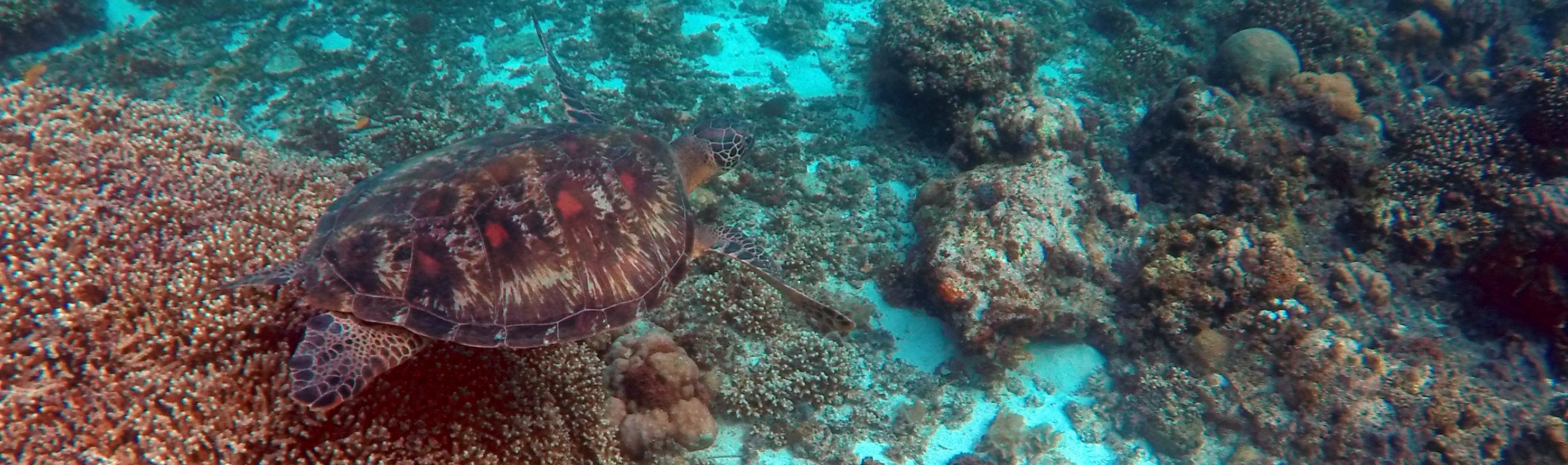
      FAVORITES
      Summary of Sports Economics by Downward: 1st edition
      • Chapter 1 - Economics of sport
      • Chapter 2 - Nature, organization and economic significance of sport
      • Chapter 7 - The professional sports market
      • Chapter 8 - Outcome uncertainty
      • Chapter 9 - Professional sports leagues and cross-subsidization
      • Chapter...

      Image ALL CONTENT OF TOPIC

      Search all related content within topic: 'Sport and exercise science'

      ALL CONTENT OF TOPIC

      Select any filter and click on Apply to see results

      Crossroad: spotlight pages
      Crossroads in the field of:
      Working at an ecolodge, guesthouse or hotel around the world and abroad

      Working at an ecolodge, guesthouse or hotel around the world and abroad Table of content Working at an ecolodge, guesthouse or hotel abroad: questions and answers about the work and locations

      • What is working at an ecolodge, guesthouse, or hotel abroad like?
      • What are the reasons for...

      Language courses around the world and abroad

      Language course around the world and abroad Table of content Language courses abroad: questions and answers about the courses and locations

      • What is learning a language abroad like?
      • What are the reasons for taking a language course abroad?
      • What skills and motivations do you...

      Sociale sport- en bewegingspsychologie: hoe en waarom? - Artikel
      • Het uitleggen en promoten van lichaamsbeweging
      • Het verhogen van de sport prestatie
      • Bulletpoints Sociale sport- en bewegingspsychologie
      • Tegenwoordig weten we dat regelmatige lichaamsbeweging ons mentale, fysieke, cognitieve en gezondheidsvoordelen oplevert...

      Moving abroad?
      Page topic
      Submenu & Search

      Search only via club, country, goal, study, topic or sector