Travel to Thailand to backpack, study, intern, volunteer, work, or live as a digital nomad, expat or emigrant?

Image

Image

Image  Thailand

Intro

Backpacking in Thailand?

  • Thailand has been the ultimate backpacker's paradise for many years. From island hopping to jungle tours and from ancient temples to modern cities. 
  • Features: emerging economy, good infrastructure and at the same time very traditional, extraordinary culture, tropical forests and beaches and full of party and relaxation opportunities. 

Traveling in Thailand?

  • When traveling in Thailand, many people think of full moon parties and beach vacations, but there is much more to experience! Explore hidden temples, participate in rituals and enjoy the varied cuisine. Thailand is also known for its wide selection of retreats.
  • City spotting: Bangkok, Chiang Mai, Chiang Rai, Ayutthaya, Krabi.
  • Activities spotting: from visiting beautiful temples, meditating and mountain hiking in the north, to boating, diving and partying in the south.
  • Nature spotting: Khao Sok National Park for one of the world's oldest rainforests, Erawan National Park for impressive waterfalls, Similan Islands for their amazing coral reefs and marine life, Khao Yai National Park for wildlife, Ang Thong National Marine Park for a combination of both and much more!
  • Animal spotting: the Asian elephant, Indochinese tiger, Malayan tapir, gaur (bovine), clouded leopard, king cobra, gibbons, hornbills and an awful lot of marine life.

Studying in Thailand?

  • Education in Thailand: Thailand has a number of universities that are of very good quality. There are many different educational institutions, from universities to technological institutes and colleges.
  • Language: the official language is Thai, but many studies can be found in English and the number is increasing every year.
  • Studies: some of the most popular studies among foreigners are business administration, marketing, professional English, Thai and international business management.
  • Study cities: Bangkok offers by far the most options, other study cities include Chiang Mai, Chiang Rai, Pathum Thani, Hat Yai.
  • Language learning: Especially in Bangkok there are many opportunities to learn Thai.

Internship in Thailand?

  • Internships: Thailand offers many internship opportunities, from internships in tech and business administration to conservation and tourism.
  • Internship cities: Bangkok is the hub for most that happens in Thailand. Chiang Mai, Phuket, Pattaya, and Hat Yai are also popular internship cities.
  • Characteristics: combine a cultural experience, with a well-developed country and an international community. Also, a fair number of people speak English and you are in the best place to visit the rest of Asia.

Volunteer in Thailand?

  • Volunteering in Thailand is very popular. Especially in animal protection, but volunteering in community development and education is also common.
  • Animal/nature projects: projects with elephants, stray animals and wildlife are widely offered. Make sure they are ethically sound organizations.
  • Features: many options and locations for volunteering, from short to long. Generally, you have to pay. Just make sure you go to a good organization. 

Working in Thailand?

  • Jobs: popular jobs are diving instructor, (English) teacher, hotel & hospitality work and work for international companies.
  • Work culture: as in other countries in Asia, seniority and hierarchy are highly valued. Formal forms of address and politeness are important, at the same time the work environment can be informal and sociable among colleagues of the same level.
  • Characteristics: formal, hierarchical, collaboration, personal relationships, indirect communication, healthy work-life balance.

Working as a digital nomad in Thailand?

  • Favorite locations: Chiang Mai, Ko Lanta, Bangkok, Ko Phangan.
  • Characteristics: cheap, large digital nomad community, good facilities and lots to do.

Living in Thailand?

  • Language: the main language is Thai, in tourist spots many young people speak English.  
  • Quality of life: in Thailand, the quality of life is high, depending on where you live. The country is relatively safe, there is a lot to do, facilities are good and medical care is of high quality. 
  • Features: you don't have to miss anything in terms of facilities, large international community, cheap living.

Orientation & Discovering

What are typical Thai habits, food customs, recipes, and philosophies in Thailand?

What are typical Thai habits, food customs, recipes, and philosophies in Thailand?

What are the customs in Thailand regarding food?

  • Thai cuisine is booming, and it is a great country for street food. You can find affordable and good eateries everywhere, including for vegetarians, and even street food is becoming more hygienic. Usually people eat rice or noodles combined with fresh spices and meat, fish or tofu, but of course the most famous are curries. And of course don't forget to try the many fruits! These are wonderfully refreshing in the heat of the sun. On the street you can always go to the food stalls for such things as massaman curry, spring rolls and satay.

What are the best recipes in Thailand?

  • Som Tam: a tremendously spicy salad of unripe shredded papaya with peanuts and tomatoes.
  • Larb: spicy minced meat with chopped shallots, onions, pepper and cilantro.
  • Khao Man Gai: steamed chicken with rice cooked in chicken broth and garlic.
  • Jok: Rice dish with pork, fresh ginger and green onion (sometimes with egg).
  • Lad Nah: Fried noodles with a bean sauce and Chinese cabbage.
  • Hi Tod: Fried oysters in batter of egg on a bed of bean sprouts.
  • Pat Thai - dish based on rice noodles, chili, peanuts and egg. Usually combined with chicken, tofu or shrimp.

What are the best drinks in Thailand?

  • Not drink water from the tap, but buy bottled water from the store.
  • A real thirst quencher is coconut juice and other fruit juices. These juices are very popular and widely consumed in Thailand.

What are notable holidays and festivals in Thailand?

  • Chakri Day - This holiday takes place on April 6. In 1782, the present Chakri Dynasty came to power in Thailand. Residents commemorate and celebrate this with a national holiday.
  • Songkran - Songkran is the Thai New Year, also known as the Festival of Water. This festival begins April 13 and ends April 15. Exuberant celebrations are held throughout the country.
  • Visakha Bucha - Most important holiday for Buddhists, here the birth, enlightenment and death of Buddha is celebrated. It takes place on the first full moon in May. Believers walk 3 laps around the temple and offer a candle, flowers and incense.
  • Birthday of King Vajiralongkorn - July 28 marks the birthday of the current King Vajiralongkorn. It is a national holiday, which means many stores will be closed. However, many ceremonies will take place.
  • Queen Sirikit's Birthday - Celebrated on Aug. 12, this day is combined with Mother's Day, making it a national holiday in Thailand.
  • Death of King Bhumibol - This is a national holiday that takes place on Oct. 13, the day King Bhumibol died. He was the longest-serving monarch in the world. 
  • Makha Bucha - This is a religious festival where the teachings of Buddha are honored, usually in February. Believers visit temples to listen to Buddha's teachings.
  • Pattaya festival - International fireworks festival in April.
  • Flower Festival - Chiang Mai hosts the flower festival for three days in February. Parades are held and everything is decorated with flowers.
  • Loy Krathong - During the first full moon in November, all craft with candles are placed on the water. It is considered the most beautiful festival in Thailand.

What are the remarkable habits in Thailand?

  • Buddhism is the main religion in Thailand. Buddhist temples can be found everywhere. In addition to Buddhism, there are a small number of other religions, such as Islam, animism and Hinduism. 
  • Cultural customs: World-famous is the Thai greeting (wai), a bow with your palms together. Furthermore, it is important to take off your shoes before entering someone's house or a temple, and should you have a snack there, you will probably eat with a spoon; the main eating utensil at meals. 
  • Social norms and mutual communication: as in many other Asian countries, respect for elders and persons of higher status is very important. Mutual communication is often quite indirect to avoid communications. Another important aspect in society is hospitality. Visitors are warmly welcomed and treated to delicious food and drinks. 
  • Etiquettes & traditions: at temples it is important to dress modestly/covered (sometimes you will be refused entry), be quiet and show respect. Also good to know is that the royal family is highly respected, so be careful when discussing the monarchy as a negative comment can have legal consequences. 
  • Eating and drinking habits: in Thailand, people like to share food. It is customary to order several things and share them with everyone at the table. People generally eat with cutlery, but in the north they also eat by hand. Making noises while eating, such as slurping, is not appropriate and wasting food is not appreciated. 

Life & Activities

Why study in Thailand, do an internship, do volunteer work or look for a job in Thailand?

Why study in Thailand, do an internship, do volunteer work or look for a job in Thailand?

Why study, do an internship, volunteer or work temporarily in Thailand?

  • because it gives you an experience with a different work culture, which is a mix of respect, hierarchy, harmony and collectivism.
  • because it allows you to have many adventures and meet other foreigners.
  • because it is a very accessible Asian country with many good facilities.
  • because the common interest of the team is high on the list. 
  • because the work culture has a clear hierarchy, it is clear that the employer and/or the older and more experienced colleague has the final say.

What should you pay attention to?

  • English is spoken in workplaces, the front language remains Thai. 
  • that patience is a virtue, decision-making processes and making contacts can take time.
  • that in many places there can be bureaucracy and many procedures and rules to follow. This requires adaptability.
Why live in Thailand, why emigrate to or stay for a long time?

Why live in Thailand, why emigrate to or stay for a long time?

Why should you live in Thailand as an expat, emigrant or working nomad?

  • because the climate is good.
  • because the people are generally friendly.
  • because the cost of living is low.
  • because nature is beautiful.
  • because the location in Asia is central, and you can easily visit surrounding countries.
  • because many expats live in the big cities and English is spoken more often.

What should you pay attention to?

  • the language barrier. Most people, outside the tourist spots do not speak English.
  • on the visa requirements, which are strict and can be complicated.
  • that the quality of health care is not the same everywhere, if you are outside the big cities.
  • that direct communication is not common in the culture.

Image

Preparation & Packing

Packing list for Thailand, travel insurance for Thailand, and taking your belongings

Packing list for Thailand, travel insurance for Thailand, and taking your belongings

Packing list for Thailand, travel insurance for Thailand, and taking your belongings

To take or not to take to Thailand, leave at home or arrange locally?
Sufficiently insured or not for your activities in Thailand?
Sufficiently insured or not for your trip to Thailand?


What to bring to Thailand: highlighted

Highlighted items:
  • Documents and money: passport that is valid for long enough (>6 months), an extra copy of your passport is also useful, cash for a week.
  • Packing and protection: if you go during the rainy season, don't forget a waterproof cover for your backpack or bag.
  • Insects and animals: a set of anti-mosquito repellents (preferably with DEET, see also DEET anti-mosquito repellent).
  • Clothing and shoes: clothing for both heat and humidity (see also tropical clothing and clothing for warm weather).
  • Lying and sleeping: mosquito net, if it is not already present in your accommodation.
  • Medicines and travel pharmacy: medical kit (self-assembled or not).
  • Outdoor and conveniences: sunglasses.
  • Technology and equipment: don't forget to bring a world plug (see also world plug or travel plug).
  • Safety and theft: money belt.
  • Care and hygiene: sunscreen with a high protection factor & aftersun.
What other options are there to pack:
  • A snorkel set, sometimes you can also rent one on site.
  • Reusable water bottle with filter.
  • Water shoes given the coral and stones in the water at the various locations.
  • UV protective shirt for snorkeling.
  • Hat or cap against the sun and heat.
  • International driving license, this is mandatory if you want to rent a car or scooter.

What knowledge is useful when you go to Thailand?

  • Knowledge about the customs and local habits, especially when you visit temples.
  • Knowledge about the local regulations, especially if you smoke a joint every now and then.

Are there mosquitoes in Thailand?

  • In Thailand, mosquitoes can be found all year round. Although you generally have the most trouble with them in the rainy season (June-October), they can never be completely avoided. Some mosquitoes in Thailand still carry malaria (in a limited number of areas), the other mosquitoes stick to dengue, and partly other mosquito-borne diseases.
  • More about protection against mosquitoes and insects or malaria.

Are there sand flies in Thailand?

  • There are sand flies on some beaches (or in certain seasons), so it is always good to check with the place where you are sleeping what the situation is.
  • What are the favorite islands of sand flies in Thailand: Koh Chang, Koh Mak and Koh Kood.
  • Where else do you encounter a lot of sand flies? East Thailand (Koh Kood, Koh Mak, Koh Chang) Central Thailand (Koh Phayam and Ao Yai).
  • Which islands are not overcrowded with sand flies? Western south coast (Phuket, Koh Lanta, Koh Phi Phi). Eastern south coast (Koh Samui, Koh Phangan, Koh Tao).
  • Your set of mosquito repellents with DEET can provide a solution! More about sand flies and sand fleas.

Can you buy DEET or other mosquito repellents in Thailand?

  • In Thailand, you can find both natural mosquito sprays and lotions as well as a variant with DEET. In addition, there is a wide choice of brands (both local and international) and stores where you can buy mosquito repellents.

Where to buy DEET in Thailand

  • The 7-Eleven in Thailand is open 24/7 and sells just about everything you need, including mosquito repellents.
  • Other (large) supermarkets, such as Family Mart, Tesco Lotus and Big C, also sell products with different percentages of DEET.
  • In addition to supermarkets, many drugstores sell mosquito repellents. Watsons, a drugstore with a large number of branches in Thailand, sells various brands of mosquito sprays and lotions with DEET. Brands that sell mosquito repellents with DEET in Thailand include Soffell (including a spray and lotion with t 13% DEET) OFF, Sketolene and Merci.
  • Sketolene also sells a ‘jungle’ variant with a percentage of 95% DEET.
  • If you are going to a remote area, make sure you have purchased enough DEET in advance.

Where can you get your food and drinks in Thailand?

  • Supermarkets have large assortments with everything you need.
  • For snacks or last-minute purchases, you can go to the many convenience stores.
  • Street food is delicious and available in many places!
  • Markets are popular for trying all kinds of unique dishes.
  • Of course, you also have local and international restaurants in all shapes and sizes.

Can you buy a joint or weed in Thailand, or take it with you to Thailand?

  • It is forbidden to take weed with you to Thailand. Make sure you do not carry any traces with you at all. No matter how full the prisons are, there always seems to be room for a tourist with a joint.
  • Weed is sold openly in Thailand. Smoking marijuana in public remains tricky.
  • Traveling around (and possessing) cocaine, heroin, ecstasy, LSD, opium, amphetamines, benzodiazepines, ketamine or, for example, magic mushrooms all fall under the strict Thai law.
  • E-cigarettes and vapes are also prohibited.
  • The rules have been adjusted in 2024. Cannabis is supposed to be 'legalized', but the rules are now almost even vaguer than before. In addition, they can be changed at any time without warning.
  • The fines and prison sentences are a lot less vague, by the way.

Health, Insurance & Safety

How does healthcare work in Thailand, and what travel insurance, health insurance or expat insurance do you need?

How does healthcare work in Thailand, and what travel insurance, health insurance or expat insurance do you need?

What is the quality of healthcare in Thailand?

  • Thailand generally provides good quality healthcare. There are many hospitals, of which about 80% are public hospitals.
  • There are two types of pharmacies (indicated by the green cross logo); type 1 and type 2. Type 1 are the more extensive pharmacies with a license where you can buy prescribed and over-the-counter medicines. Usually there is also a medical expert on staff. These pharmacies are usually found at hospitals and health centers. Type 2 pharmacies only sell over-the-counter medicines and usually cannot provide advice.
  • If you do not work in Thailand, you pay for your own insurance. You can opt for private coverage with the choice between private and public hospitals.
  • Strict rules apply to insurance for foreigners, if you stay in Thailand for a longer period and are going to apply for a long-term visa, health insurance is mandatory. Specific rules apply here with regard to cost coverage from the insurance. Check this well in advance.
  • You must show the insurance coverage and it must be legible (in English) when applying for your visa. When extending your visa, you are even required to have a Thai certified local insurance, with all the paperwork that goes with it. Arrange this on time and check this well in advance.
  • If you want to be helped, at the hospital (GP), dentist, midwife, maternity care or consulate, you often have to pay the bills yourself before (or after) the consultation.
  • In contrast to physical health care, mental health care is lagging behind in Thailand. There have been leaps and bounds, but there is still a huge shortage of mental health care services.
  • Traditional Thai medication is available everywhere and is very popular among locals. Most Thai hospitals and health centres also offer forms of traditional health care. It is fully regulated and used as complementary care.
  • In case of medical emergencies, call 1669. As a foreigner, you can also call 1155 for advice in case of emergencies.
  • Always take your passport with you when visiting a healthcare institution. This is mandatory in Thailand.

How does the public healthcare system work in Thailand?

  • The Department of Medical Services of the Ministry of Public Health (MOPH) funds public health services and government hospitals. Apart from the long waiting times, you will find good medical services here.
  • The first line of care is the health centres. The MOPH runs almost 10,000 health centres, where you will find nurses, doctors, general practitioners, dentists and pharmacists.
  • Through your work, you are covered for your social security and you can use the public healthcare institutions. Please note that your family is not always covered. In that case, make sure you have private health insurance for them.
  • The cost of most medicines is also covered by the public insurance. Private insurance can help you cover other costs if you regularly need expensive medicines.

How does the private healthcare system work in Thailand?

  • Private healthcare is of very high quality and also attracts many foreigners every year. Thailand is a hotspot for medical tourism.
  • There are many more private clinics than public health centres.
  • The best healthcare can be found in Bangkok. In higher areas, private healthcare is not always of the quality that meets the expectations of Westerners.
  • The advantage of private healthcare is shorter waiting times, but not necessarily more space in hospital beds.
  • Always check with your international private insurance company which private institutions are covered before you go somewhere.

How is the family doctor or general practitioner arranged in Thailand?

  • Visits to a general practitioner are not as common as in some western countries. But you can find general practitioners in private or family clinics.
  • The general practitioners that are there als often have offices in hospitals and work with consultation hours, but it is more common to go directly to a specialist in the hospital if something is wrong with your health. The specialists also have walk-in consultation hours and often also have an office in the hospital.

How is the dental care and dentist arranged in Thailand?

  • There are different types of dentists to be found in private and public clinics, hospitals and health centres.
  • About half of the dentists work in the private sector.
  • The public health insurance covers basic dental care up to a certain amount per year. With private insurance you can increase your coverage and ensure that you are fully covered for costs. In general, there are good dentists available, who follow international standards, and for a reasonable price. And if you are unsure about a particular procedure, ask for a second opinion or a price indication from another provider.
  • Most expats choose more expensive, private clinics because of the modern facilities and English-speaking dentists.

How is pregnancy and maternity care arranged in Thailand?

  • Pregnant women have access to good prenatal care in both public and private hospitals. Public hospitals are the cheapest. Prenatal care is free for those insured and a standard birth usually costs around 800 euros and a caesarean section double that. The care is generally good, but waiting times can be long and you usually cannot choose your doctor. Private hospitals are even more personal.
  • Every private hospital offers “Childbirth Delivery Packages” which, depending on the type of birth, includes a number of nights in the hospital. These packages cover routine costs, but not the costs of possible complications.
  • In public hospitals you also have Premium Clinics, which offer more comfort and better care.
  • English-speaking doctors are mainly available in private hospitals.
  • Most expats choose private hospitals. Make sure you check with your insurance whether the hospital of your choice is covered by them.
  • Breastfeeding in public is accepted, but most women cover themselves with a cloth.

How safe or unsafe is a trip or stay in Thailand?

What should you pay attention to in terms of safety in Thailand?

  • Thailand is generally safe, but pickpockets and petty theft occur in busy tourist areas.
  • Avoid demonstrations and political gatherings, especially in Bangkok.
  • In rural areas and national parks you can encounter poisonous snakes, scorpions and other animals.
  • Thailand has a rainy season (May-October) with a risk of flooding and landslides.
  • Tropical storms also occur, especially in the south.
  • Drug use and possession is strictly prohibited in Thailand, punishable by stiff prison sentences. Note that many medicines are also considered drugs (prescription drugs). You are required to carry a medicine passport or a statement from a doctor for your use of these drugs, otherwise you can get into trouble with them.

What should you look out for in terms of diseases in Thailand?

  • There are several mosquito-borne diseases that you can contract in Thailand. It is therefore wise to protect yourself well against mosquitoes.
  • In large cities such as Bangkok and Chiang Mai (during the “burn season”) air pollution can be a major problem, especially for people with respiratory problems.
  • Tap water is not safe to drink.
  • Street food is popular and the quality is improving, but be careful about the hygiene of what you eat. It may also be wise to avoid undercooked and raw foods such as raw seafood.

What should you pay attention to when it comes to traffic in Thailand?

  • In Thailand, people drive on the left side of the road.
  • Traffic in Thailand is chaotic, especially in Bangkok. Many local drivers ignore traffic rules.
  • Scooters and motorbikes are popular means of transport, but riding them can be dangerous. Many accidents involving tourists occur every year.
  • Always wear a helmet when riding a scooter.
  • Insurance often does not cover accidents if you do not have a valid motorcycle license.
  • Tuk-tuks, songthaews (shared taxis) and motorbike taxis are convenient, but agree on a price before you get in.
  • The BTS Skytrain in Bangkok is reliable and fast.

What are the best insurance options for backpacking, traveling, doing an internship, studying, volunteering, or working in Thailand?

What types of insurance should you get if you're planning to emigrate, work as an expat, or live in Thailand?

What insurance can you choose as backpacker, emigrant, expat, intern, nomad, student, volunteer or traveler abroad?

What are the main international insurances through JoHo and WorldSupporter for activities, backpacking or travel to or from Thailand

Advice and decision support
Insurance

What are the main international insurances through JoHo and WorldSupporter for emigrants, expats and nomads in Thailand

Advice and decision support
Insurance
Why get specific insurance when going abroad: per activity abroad
What is travel insurance, and why take out specific insurance when you go on a trip or vacation?

What is travel insurance, and why take out specific insurance when you go on a trip or vacation?

What is travel insurance to insure your trip or vacation?

  • Travel insurance is insurance that provides coverage for risks during a trip or vacation abroad. This mainly concerns loss of or damage to your luggage, medical assistance in the event of accidents, for example, or repatriation costs if you need to be transported back to your home country urgently. In some cases, travel insurance coverage also applies in your home country.
  • With continuous travel insurance, you are insured for all your trips throughout the year.
  • With temporary travel insurance, you take out insurance for each trip for the duration of the trip.
  • Cancellation insurance reimburses (all or part of) the travel sum, cancellation or accommodation costs if you have to cancel or interrupt your vacation.

Why should you take out travel insurance for a short trip, vacation, or long-distance trip?

  • Travel insurance can provide coverage in the event of an accident or emergency while you are away.
  • Travel insurance can provide coverage for damage and accidents during the adventurous or sporting activities you are going to do.
  • Travel insurance can continue to provide coverage if your Dutch basic health insurance no longer provides coverage, or if the damage is only reimbursed at Dutch cost price.
  • Travel insurance can provide coverage in the event of damage, loss, or theft of your luggage.
  • Travel insurance can provide coverage if you are held liable for damage you cause to other people or their property.
  • Travel insurance can provide coverage if you have to return home early because something has happened to you or your immediate family.

What is important to insure when you are going to travel?

  • That you have insurance that is valid in the countries where you are going to travel and possible work.
  • That you are adequately insured for the sports and activities you are going to participate in during your full period abroad
  • That you are insured for emergency assistance and early return if something happens to you or your immediate family.
  • That your medical expenses are insured up to the actual cost and not just for the standard costs. The costs per medical treatment vary greatly between countries.
  • That you insure your luggage and take sufficient precautions against theft or damage.
  • That you are well insured against personal liability.
  • That you are well insured in case of accidents.
  • That you only insure yourself for legal assistance if there is an immediate reason to do so, unless coverage is already automatically included in the insurance.
  • That you pay close attention to choosing the right coverage when performing work or voluntary work during your world trip.

What insurance do you need for a trip or vacation?


What is round the world travel insurance or long-term travel insurance, and why take out specific insurance when you go abroad?

What is round the world travel insurance or long-term travel insurance, and why take out specific insurance when you go abroad?

What is round the world travel insurance or long-term travel insurance?

  • Round the world travel insurance means that you take out insurance that continues to provide coverage during all your activities abroad, and which is specifically intended for those who travel for long periods of time, such as world travelers, globetrotters, and nomads.

Why should you take out specialized travel insurance for a long trip abroad?

  • Round the world travel insurance provides coverage for a much longer trip than regular travel insurance.
  • World travel insurance is specifically intended for longer trips, whereas regular travel insurance may offer coverage on paper, but in practice handles it differently.
  • World travel insurance is suitable for many types of activities, ranging from high-altitude trekking to more risky sports.
  • World travel insurance continues to provide coverage if you start working during your trip, whether planned or unplanned. If you did not take out insurance before departure that allows you to work, there is no guarantee that you will be able to take out insurance that provides coverage while abroad.
  • Long-term travel insurance continues to provide coverage when your home country's health insurance no longer does.
  • Worldwide travel insurance also covers your medical expenses up to the actual cost, and not just for the standard costs. The costs per medical treatment vary greatly between countries.
  • Worldwide travel insurance can also continue to provide coverage if negative travel advice is issued.

What is important to insure when you are going to travel around the world?

  • That you have insurance that is valid in the countries where you are going to travel and possibly work.
  • That you are adequately insured for the sports and activities you are going to participate in during your full period abroad
  • That you are insured for emergency assistance and early return if something happens to you or your immediate family.
  • That your medical expenses are insured up to the actual cost and not just for the standard costs. The costs per medical treatment vary greatly between countries.
  • That you insure your luggage and take sufficient precautions against theft or damage.
  • That you are well insured against personal liability.
  • That you are well insured in case of accidents.
  • That you only insure yourself for legal assistance if there is an immediate reason to do so, unless coverage is already automatically included in the insurance.
  • That you pay close attention to choosing the right coverage when performing work or voluntary work during your world trip.

What insurance do you need when backpacking abroad?

What is backpack insurance, and why take out specific insurance when you go backpacking abroad?

What is backpack insurance, and why take out specific insurance when you go backpacking abroad?

What is backpacking insurance and travel insurance for backpackers?

  • Backpacking insurance for backpackers means that you take out insurance that continues to provide coverage during all your activities abroad and is specifically intended for those who are traveling for a long time, traveling independently, or making frequent use of local transportation.

Why should you take out travel insurance specifically for backpacking?

  • Travel insurance for backpacking can provide coverage in the event of an accident or emergency while backpacking.
  • Travel insurance for backpacking can provide coverage for damage and accidents during your adventurous or sporting activities.
  • Travel insurance for backpacking can continue to provide coverage if your Dutch basic health insurance no longer provides coverage, or if the damage is only reimbursed at Dutch cost price.
  • Travel insurance for backpacking can provide coverage in the event of damage, loss, or theft of your luggage while backpacking.
  • Travel insurance for backpacking can provide coverage if you are held liable for damage you cause to other people or their property.
  • Travel insurance for backpacking can provide coverage if you have to return home early because something has happened to you or your immediate family while backpacking.

What aspects are important to insure when backpacking abroad?

  • The duration of your trip: so that you are also covered during a very long backpacking trip, or can extend your coverage if you want to stay longer
  • The activities during your trip: so that you can also participate in all kinds of sports and adventure activities that are excluded from travel insurance
  • Coverage of your medical expenses during your trip: so that you are always covered, even if you go to work or if the costs in the event of an accident are higher than the Dutch rate
  • Coverage for natural disasters and war during your trip: so that you don't have to return home immediately with your tail between your legs every time the Dutch government issues negative travel advice
  • Your insurer's specialization: so that your insurer specializes in backpacking trips or long stays abroad, and doesn't treat you like an “all-inclusive sunglasses claimant.”

What insurance do you need when backpacking abroad?

What is insurance for working abroad, and why do you need specific insurance if you are going to do paid work?

What is insurance for working abroad, and why do you need specific insurance if you are going to do paid work?

What is insurance for working abroad?

  • Insuring yourself for working abroad means taking out insurance that continues to provide coverage during your paid work abroad.

Why take out insurance, and when is normal travel insurance no longer sufficient?

  • There may be several reasons why you need separate insurance for paid work abroad.
  • During your work, local employers generally offer no or limited insurance that does not provide sufficient coverage.
  • The risk of accidents is sometimes greater during your work, for example because you are doing work with which you have little experience or because of the nature of the work.
  • During specific work abroad, additional requirements may apply as soon as you start performing work that involves additional risks. Only special insurance policies offer coverage during this type of work.
  • During work, internships, or volunteer work abroad where you receive a salary or compensation (for example, food or housing), your local health insurance coverage will normally lapse. You will then need special insurance to remain insured for illness and accidents.
  • Standard travel insurance policies generally do not provide sufficient coverage to apply for a work visa or working holiday visa.
  • Standard travel insurance policies generally only cover stays abroad for a limited number of days. If your trip or stay abroad exceeds the maximum number of days, this generally means that there will be no coverage for the entire travel period.
  • Standard travel insurance policies generally only provide coverage for recreational travel without study, internship, or work. If you engage in activities other than recreational activities, this generally means that you will no longer be covered for the entire travel period.

What should you pay attention to in your insurance policy if you are going to work abroad?

  • Make sure you have insurance that is valid in the area where you will be traveling and working.
  • Make sure you are adequately insured for the sports and activities you will be participating in.
  • That you are insured for emergency assistance and early return if something happens to you or your immediate family.
  • That your medical expenses are insured up to the actual cost and not just for the standard costs. The costs per medical treatment vary greatly between countries.
  • That you insure your luggage and take sufficient precautions against theft or damage.
  • That you are well insured against personal liability.
  • That you are well insured in case of accidents.
  • That you insure yourself for legal assistance if there is an immediate reason to do so, unless the coverage is already automatically included in the insurance.
  • That you take care to choose the right coverage when working in healthcare, with wild animals, and with dangerous machinery.

What insurance do you need to work abroad?

What is insurance for working with animals abroad, and why do you need specific insurance for jobs, internships, and volunteer work abroad?

What is insurance for working with animals abroad, and why do you need specific insurance for jobs, internships, and volunteer work abroad?

What is insurance for working with animals abroad?

  • Insuring yourself for working abroad with animals means taking out insurance that continues to provide coverage during your paid, unpaid, or internship work abroad, where minor or major risks are involved.

Why take out insurance, and when is normal travel insurance no longer sufficient?

  • There may be several reasons why you need separate insurance for work abroad.
  • During specific work abroad, additional requirements may apply as soon as you start performing work that involves additional risks. Only special insurance policies offer coverage during this type of work. Almost all standard insurers exclude working with animals from coverage.
  • The risk of accidents is sometimes greater during your work, for example because you are doing work with which you have little experience or because of the nature of the work. All over the world, there are reserves, rescue centers, and zoos where you can roll up your sleeves as a veterinarian, intern, or volunteer. Working with animals or wildlife is not without danger. No matter how cute they may look, or how tame they may behave. All animals can suddenly bite viciously or lash out with a claw or beak. Not only can this result in nasty injuries, but it can also transmit diseases that you would rather not have, and certainly not abroad.
  • During work, internships, or volunteer work abroad where you receive a salary or compensation (for example, food or housing), your local health insurance coverage will normally lapse. You will then need special insurance to remain insured for illness and accidents.
  • During your work, local employers generally offer no or limited insurance that does not provide sufficient coverage.

What should you pay attention to in your insurance policy if you are going to work abroad?

  • Make sure you have insurance that is valid in the area where you will be traveling and working.
  • That you have insurance that provides sufficient coverage for the work you will be performing.
  • Make sure you are adequately insured for the sports and activities you will be participating in.
  • That you are insured for emergency assistance and early return if something happens to you or your immediate family.
  • That your medical expenses are insured up to the actual cost and not just for the standard costs. The costs per medical treatment vary greatly between countries.
  • That you insure your luggage and take sufficient precautions against theft or damage.
  • That you are well insured against personal liability.
  • That you are well insured in case of accidents.
  • That you insure yourself for legal assistance if there is an immediate reason to do so, unless the coverage is already automatically included in the insurance.

Which insurance do you need for working, an internship, or volunteering with animals abroad?

What is volunteer insurance, and why should you take out specific insurance if you are going to do volunteer work?

What is volunteer insurance, and why should you take out specific insurance if you are going to do volunteer work?

What is insurance for volunteering abroad?

  • Insuring volunteer work abroad means taking out insurance that continues to provide coverage while you are working as a volunteer abroad

Why should you take out specialized travel insurance for voluntary work abroad?

  • There may be several reasons why you need separate insurance when volunteering abroad.
  • During specific activities abroad, additional requirements may apply if your work involves extra risks. Only specific insurance policies offer coverage during these activities.
  • The risk of accidents is sometimes higher during your work, for example because you are doing work you have little experience with or because of the nature of the work.
  • Local projects or employers generally offer no or limited insurance that provides insufficient coverage during your work.
  • When volunteering abroad and receiving minor financial compensation (or, for example, food or housing), your home country's health insurance coverage will potentially lapse. You will then need special insurance to remain insured for illness and accidents.
  • Regular travel insurance policies generally provide coverage for trips of a limited number of days. If your trip or stay abroad exceeds the maximum number of days, this generally means that for the entire travel period, you will not be covered.
  • Regular travel insurance policies generally only provide coverage for recreational travel without voluntary work activities. If you engage in activities other than recreational activities (such as volunteer work), this generally means that for the entire travel period, you will not be covered.

What is important to insure when you are going to work as a volunteer abroad?

  • That you have insurance that is valid in the country or countries where you are going to travel and volunteer.
  • That you are adequately insured for the sports and activities you are going to participate in during your period abroad
  • That you are insured for emergency assistance and early return if something happens to you or your immediate family.
  • That your medical expenses are insured up to the actual cost and not just for the standard costs. The costs per medical treatment vary greatly between countries.
  • That you insure your luggage and take sufficient precautions against theft or damage.
  • That you are well insured against personal liability.
  • That you are well insured in case of accidents.
  • That you only insure yourself for legal assistance if there is an immediate reason to do so, unless coverage is already automatically included in the insurance.
  • That when performing work in healthcare, with wild animals, and with dangerous (agricultural) machinery, you take care to choose the right coverage.

What insurance do you need when volunteering abroad?

Why should you take out specialized travel insurance for an internship abroad?

Why should you take out specialized travel insurance for an internship abroad?

What is insurance for an internship abroad?

  • Insuring an internship abroad means taking out insurance that continues to provide coverage during your internship abroad
  • Insurance for internships abroad are also referred to as internship insurance. This internship insurance is specifically for when you go abroad for a long period of time to work as an intern, take courses, or conduct research abroad.

Why should you take out specialized travel insurance for an internship abroad?

  • There may be several reasons why you need separate insurance for an internship abroad.
  • During internship activities abroad, additional requirements may apply as soon as you start performing work that involves additional risks. Only specific insurance policies offer coverage during these activities.
  • During your internship, the risk of accidents is sometimes greater, for example because you are doing work with which you have little experience or because of the nature of the work.
  • During your internship, local employers generally do not offer insurance, or offer limited insurance that does not provide sufficient coverage.
  • During an internship abroad where you receive financial compensation (or, for example, food or accommodation), your home country's health insurance coverage will potentially lapse. You will then need special insurance to remain insured for illness and accidents.
  • Regular travel insurance policies generally provide coverage for trips of a limited number of days. If your trip or stay abroad exceeds the maximum number of days, this generally means that for the entire travel period, you will not be covered.
  • Regular travel insurance policies generally only provide coverage for recreational trips without work activities.

What is important to insure when you are going to be an intern abroad?

  • That you have insurance that is valid in the area where you will be traveling and doing your internship.
  • That you are adequately insured for the sports and activities you will be participating in.
  • That you are insured for emergency assistance and early return in case something happens to you or your immediate family.
  • That your medical expenses are insured up to the actual cost (what it actually costs), and not just for the standard costs. The costs per medical treatment vary greatly between countries.
  • That you insure your luggage and take sufficient precautions against theft or damage.
  • That you are well insured against personal liability and, preferably, also for liability during your internship.
  • That you are well insured in case of accidents.
  • That you insure yourself for legal assistance if there is an immediate reason to do so, unless the coverage is already automatically included in the insurance.
  • Make sure you choose the right coverage for internship work in healthcare, with wild animals, or with dangerous machinery!

Check out more about international insurances

What is insurance for studying abroad, and why should you take out specialized travel insurance for your education abroad?

What is insurance for studying abroad, and why should you take out specialized travel insurance for your education abroad?

What is insurance for studying abroad?

  • Insurance for studying abroad means that you take out insurance that continues to provide coverage during your studies, your education, and your related activities abroad.
  • Insurance for studying abroad is also referred to as study insurance. This study insurance is specifically for when you go abroad for a long period of time to take courses, study, or conduct research abroad.

Why should you take out specialized travel insurance for a study abroad?

  • Study insurance is specifically designed for studying abroad, whereas regular travel insurance policies may offer coverage on paper but handle this situation differently in practice.
  • Study insurance offers coverage for longer stays than regular (vacation) travel insurance.
  • Study insurance is also suitable for many types of activities, ranging from various sports to hiking at high altitudes.
  • Study insurance continues to provide coverage if you start working during your trip, whether planned or unplanned. If you have not taken out insurance before departure that allows you to work, there is no guarantee that you will be able to take out insurance abroad that provides coverage.
  • Study insurance continues to provide coverage if your own country's health insurance no longer provides coverage.
  • Student insurance also covers your healthcare costs above the rates in your own country; with regular insurance, you have to pay the extra costs yourself.
  • Student insurance can also continue to provide coverage if (study) visa issuers impose additional requirements on how you insure yourself, for example if you are going to the US and applying for a J-1 visa.
  • Student insurance continues to provide coverage if you are staying abroad for a longer period of time and want to visit your own country in between.

What is important to insure when you are going to study abroad?

  • That you have insurance that is valid in the country or countries where you are going to travel and work.
  • That you are adequately insured for the sports and activities you are going to participate in during your period abroad
  • That you are insured for emergency assistance and early return if something happens to you or your immediate family.
  • That your medical expenses are insured up to the actual cost and not just for the standard costs. The costs per medical treatment vary greatly between countries.
  • That you insure your luggage and take sufficient precautions against theft or damage.
  • That you are well insured against personal liability.
  • That you are well insured in case of accidents.
  • That you only insure yourself for legal assistance if there is an immediate reason to do so, unless coverage is already automatically included in the insurance.
  • That you pay close attention to choosing the right coverage when performing work alongside your studies.

Check out more about international insurances

What is an expat insurance or emigration insurance, and why specifically take out insurance if you are going to do move abroad?

What is an expat insurance or emigration insurance, and why specifically take out insurance if you are going to do move abroad?

What is an expat insurance?

  • Expat insurance is insurance that continues to provide coverage if you go to work abroad for a local or international employer for an extended period of time.
  • Expat insurance is not only intended for expats, but for anyone who has a more permanent job abroad.

What is an emigration insurance, or insurance for moving and living abroad?

  • Emigration insurance is an insurance that continues to provide coverage if you move abroad permanently or for an indefinite period of time.
  • Emigration insurance is not only intended for emigrants, but for anyone who leaves their home country for an extended period of time and does not intend to return in the foreseeable future.

Why should you take out specialized insurance for emigration or working as an expat abroad?

  • Emigration or expat insurance not only provides coverage for acute assistance in the event of illness or accident abroad, such as travel insurance, but can also provide coverage for existing conditions and ailments or non-urgent care.
  • Emigration or expat insurance does not require you to maintain valid health insurance in your home country.
  • Emigration or expat insurance provides coverage for preventive care or costs related to pregnancy and childbirth.
  • Emigration or expat insurance also provides coverage for long-term treatments and chronic conditions without you having to return to your home country.
  • Emigration or expat insurance often has no restrictions on the duration of the insurance, unlike travel insurance.
  • Emigration or expat insurance usually maintains coverage in cases such as negative travel advice or acts of war.
  • Emigration or expat insurance offers various solutions in the areas of disability, home and household insurance, goods transport, and liability.

What is important to insure when you are going to move abroad?

  • That you have insurance that is valid in the country or countries where you are going to live and/or work.
  • That you are adequately insured for the sports and activities you are going to participate in during your period abroad
  • That you are insured for emergency assistance and early return if something happens to you or your immediate family.
  • That your medical expenses are insured up to the actual cost and not just for the standard costs. The costs per medical treatment vary greatly between countries.
  • That you are well insured against personal liability.
  • That you are well insured in case of accidents.
  • That you pay close attention to choosing the right coverage when performing work with additional health risks

When can you also live abroad for a longer period of time with travel insurance?

  • There are also special expiring travel insurance policies that provide coverage without you having valid health insurance in your home country, however, these travel insurance policies are not intended for emigration or expats, but for stays outside your home country of up to a few years, for study, temporary work, volunteer work, and longer trips.
  • See the information at International Insurances for backpacking and travel abroad

What insurance do you need for emigration or working as an expat abroad?

International insurance through JoHo Insurances and JoHo WorldSupporter

International insurance through JoHo Insurances and JoHo WorldSupporter

Image

Table of content

  • Why should you take out insurance through the JoHo Foundation when you go abroad?
  • Insuring activities abroad:
    • internships, studying, volunteer work or paid work
    • backpacking, holiday, travel or round the world
    • emigration, living abroad, working as expat
  • Insurances for abroad: per insurance 
  • Insurances for abroad: per organization
  • How healthcare works
......Read more on this page
Insuring, troubleshooting and safe travel abroad

Insuring, troubleshooting and safe travel abroad

Image
Table of contents
  • Why get specific insurance when going abroad?
  • How to survive disasters abroad ?
  • How to insure activities abroad?
  • Which Insurances apply for internships, staying, studying, volunteer work or paid work abroad?

Image

Reading & Remembering

Thailand: Updates & Travel

Thailand: Updates & Travel

Travel in Thailand

  • Thailand is a popular destination for backpackers, digital nomads, expatriates, winterers, volunteers and world travelers. As one of the most accessible destinations in Southeast Asia, Thailand is both a starting point and a final destination for many international travelers.
  • Go get a traditional Thai full body massage - A combination of acupressure and yoga. It is a pleasant way to end a hot day of temple-seeing, or to recover from jet lag. The Thai foot massage is also an option.
  • The Bridge on the River Kwai in Kanchanaburi - The bridge was built during World War II, and is known for the inhumane conditions of the prisoners of war who were put to work there. You can take a trip to the end point on the railway line. There are several museums and cemeteries nearby.
  • Washing elephants at the Elephant Nature Park - Located in Chang Mai, here you can take care of your own elephant for a day. Camping in Khao Yai National Park – The park is famous for its waterfalls and hundreds of bird species. You will also find elephants, tigers and monkeys. There are camping spots and bungalows in the park. Be careful: there are leeches during the rainy season!
  • Full Moon Parties – These parties feature fire dancers, body painting and drinking from a large bucket.
  • The islands in the South-East and South-West. Famous for their white beaches, nature and diving locations.
  • Night markets consist of kitchens on handcarts and are the best and cheapest place to eat something in a Thai city in the evening.
  • Bangkok is a busy city and there is a lot to see and do. You can easily and relatively quickly get around the city by boat. There are many Buddhist temples and food stalls are everywhere on the street. The most famous temple is the Wat Phra Kaew with the emerald green Buddha statue. There are no monks living in this temple and it is famous for its decorations. Further on you have the Grand Palace, the royal palace that you really should not miss. Formerly the residence of the king, today it is used for ceremonies. You can try an authentic Thai massage or take a course, on the grounds of Wat Pho. In addition, there are many shopping opportunities in Bangkok, many shopping malls and markets. The floating markets are typical for the city and at the thousands of stalls at the Chatuchak weekend market you can really buy everything. Muay Thai matches (Thai boxing matches) are held in Bangkok.
  • Ayutthaya: The capital of the former Siamese empire. River boats and bicycles are the ideal means to explore the temple ruins.
  • Chanthaburi: The trading center for gemstones. The fruit festival takes place here around May and June. Mass tourism has not really taken hold here yet, the white beaches are quite quiet.
  • Wat Phra That Doi Suthep in Chiang Mai: A great temple complex built on a mountain. There are beautiful views over the north of Thailand.
  • Sukhothai: In the 13th century this was the capital of Thailand. In the Sukhothai Historical Park you have dozens of mysterious ruins that are still well preserved. In the evening it is extra beautiful because of the lighting.
  • Be prepared to face the abnormal crowds in the high season from December to February. If you do not want to encounter mass tourism, travel outside the high season and go a bit further north.
  • Be aware of the large number of scammers, you will encounter them at almost all tourist places.
  • And there are others friends you can meet cockroaches, rats and spiders.

Updates Thailand

  • More about Thailand, updates and contributions, see the link below.
Thailand: selection of contributions of WorldSupporters

Thailand: selection of contributions of WorldSupporters

Selection of contributions of WorldSupporters

"Happy family; No worries and luxurious resorts in Thailand!"

"Happy family; No worries and luxurious resorts in Thailand!"

A hell of a ride – in total 26 hours by night bus – took me to Bangkok to see my family again! Really great to see Bonnie, Heleen and Nienke again after more than four months traveling in Asia. No worries anymore, all resorts and transportation between the cities was already arranged beforehand. Last ten days relaxing and not thinking that much, only the “day trips” we could decide by ourselves. My role was to play a little bit for “tour guide”. Let’s do it, off to northern Thailand with our happy family!

First of all, it was time for Bon, Leentje and Nien to get used of the craziness in Bangkok. Especially they needed to get used to the different style of driving, temperature and culture of the Thai people. After five months, I was not shocked anymore, but still enjoying it. On our first night we got a good impression of the Thai culture, by visiting a cultural show about the history and habits of the Thai people. A show with more than fifty participants, impressive to see! Impressive as well, was the Royal Palace of the King. Golden temples everywhere and they were decorated with a lot of colorful paintings and statues. In the late afternoon we went to Ko San Road for a rough Thai Massage.

Our next destination was Kenchi Buri, famous for the Bridge over the River Kwai. In the past, many  prisoners of the world war two were deported here to build the railway between Thailand and Myanmar. During this project, a lot of workers died because of diseases and exhaustion, including a lot of Dutch people. In the afternoon we had some time for relaxing in a beautiful resort. Ayutthaya, the old kingdom of Thailand, was our next destination. Once, this was a palace, and we saw there old ruins of the big temples. By night train we went to Chiang Mai, a train ride of twelve hours.

Chiang Mai is an enjoyable city in North Thailand. The city, way smaller than Bangkok has a lot of touristic sights, nightlife and activities. In our first day we went to visit the village of the Black Hmong, a hill tribe living just out of Chiang Mai. Before our visit to the hill tribe we was Wat Phrathat Doi Suthep, one of the famous golden temple around Chiang Mai. One of the best experiences we had the second day in Chiang Mai. In the early morning we went to a elephant sanctuary. After a two hour drive through the jungle we reached the village where they kept the elephants. We could feed the elephants, hug them and a small baby elephant gave us a kiss with his trunk. Finally we went for a swim and we could wash the elephants. All elephants were treated very well and they could enjoy their natural environment. This was a very special experience.

Famous in Thailand is the street food, so we went to a night market for special Thai dishes. In the beginning my parents were a bit afraid to eat all these “new dishes”, but the food was delicious and well prepared. We ate spring rolls, pad thai and other delicious delicates. In the evening Nien and I visited a boxing game between international and Thai boxers. The skills of the fighters were excellent and we even saw a few K.O.’s. Especially the audience was great to see, everyone was encouraging their favorite fighters.

Our last three days we spend in Chiang Rai, in the north of Thailand. In two days we saw the white temple Wat Rong Khun and the black house Baan Dam. Temples in a total different order, the white temple was more looking like a citadel, waiting for the white wizzard to walk out of the building. The black house was created by an artist and had only a art purpose. The other day we hired a taxi driver who brought us to the hill tribe village of the Long Necks. All women in this tribe are wearing neck rings, another part of their culture. These rings can have a weight of five kilograms and every year the number of rings increases. We continued to the golden triangle (borders of Myanmar, Laos and Thailand) and the opium museum. Finally we saw a tea plantation in Mae Salong, located in the mountains.

Happy new year, Thai new year was celebrated between 13 and 15 April. This celebration is called Songkran and is the start of the rainy season. Everyone in the streets has water guns super soakers and buckets with ice water. During these three days, nobody keeps their clothes dry. A huge “splash battle” on the streets, everywhere in town. Pick-up trucks with bunches of people are driving around and throwing water on the audience (and other way around). People are partying everywhere and there is a lot of music around and people are drinking beers and whiskey on the streets. Why spoiling water? Rainy season is coming.

On the 13th of April we flew back to Amsterdam Schiphol. Five months ago I started my journey in Myanmar and continued to 7 other countries including Laos, Philippines, Vietnam, Indonesia, Singapore, Cambodia and Thailand. Today, at Songkran festival, I have my #20 flight back to Amsterdam! It was a real adventure and I am thankful for all the amazing new friends I have met during my journey, you made this experience unforgettable...


 

"The Dutch" Working & Living Abroad: Roos Tieges & Ingrid van der Straaten - Thailand

"The Dutch" Working & Living Abroad: Roos Tieges & Ingrid van der Straaten - Thailand

Image

Who?

  • Roos Tieges
  • Ingrid van der Straaten

Where?

  • Thailand

Which Initiative?

  • TCDF, Thai Child Development Foundation
  • Eco-Logic, the 'Resort for Charity'

What?

  • The Thai Child Development Foundation (TCDF) supports local children in their development by making sure that customized medical care and education is also available to underprivileged children and children with disabilities or learning disorders.
  • Local Thai team members provide social support programs (medical care, education) together with daily life caregivers to underpriviledged children in their own village/community
  • Other projects where TCDF team and local+international volunteers work hands-on: emergenct funds, physiotherapy, nutrition programs, scholarships, occupational training center and perma culture farm, community learning center

Something special?

  • At TCDF they believe that the social outreach work can only be done well by working with local people who can develop a long-term bond of trust with the children and their caregivers through constant communication.
  • TCDF take care of children in their own community, without taking them out of their homes and never longer than needed
  • International and Thai volunteers open up the worlds of the children and the members of the forest community by sharing their (often unique!) skills and knowledge within the community learning center, yoga center and/ or on the organic farm.
  • TCDF try to limit damage to the environment. They are strict in handling garbage, reusing garbage, and recycling.
  • Eco-Logic, Resort for Charity with tourist accommodation, workshops, and tour packages, is on the same property of the Foundation. This sister company of TCDF is a Thai for profit company and is TCDF's main sponsor.

And last but not least...a little insight in 'Why'

TCDF is founded by a charitable Thai/Dutch family and has supported children in need on a direct and day to day base in Thailand since 2004. Ingrid van der Straaten has been TCDF’s full time volunteer and ambassador since the very beginning when she, and Rosalie decided to make a difference and dedicate their lives to this initiative! The other TCDF's directing founder, Rosalie Tieges, lives with her Thai family within walking distance of the Foundation; other Dutch board members live in Holland.The TCDF Community is a global network of people that believe in acting local and contributing to make a difference. The Thai board members are all people from the village including the village headman and active parents of children in the social programs.

"The Dutch" Working & Living Abroad: Frans Betgem - Thailand

"The Dutch" Working & Living Abroad: Frans Betgem - Thailand

Image

Who?

  • Frans Betgem

Where?

  • Thailand

Which Initiative?

  • Green Trails

What?

  • Green Trails: 1-2-3-+4 day(s) trekking tours, trails and exploration tours with an emphasis on and respect for local culture
  • Chiang Mai a la Carte: "umbrella" website about Chiang Mai with a focus on festivals, traditions, architecture, culture and meaningful encounters
  • Tong Bai Elephant Tour: elephant friendly day tour about the issue of the involvement of captive elephants in tourism
  • Chiang Mai on Three Wheels: Chiang Mai tours by samlor (bicycle taxi)

Something special?

  • Chiang Mai on Three Wheels, a social tourism enterprise, aims to preserve the samlor, a Chiang Mai heritage, as a means of transportation in the future. With these samlor tours they try to improve the livelihood of the taxi drivers by offering them jobs and (extra) education. In the old days, before the age of the automobile, there were hundreds of samlors in Chiang Mai. Nowadays there are less than 70.
  • Family Tours: these tours include trekking but also interactive and educational elements, with several trekking itineraries in the Chiang Dao area. This area is very suitable for family tours; there are lots of villages and lots of children.

And last but not least...a little insight in 'Why'

  • Frans Betgem is a Dutch national who has been living in Chiang Mai for more than 20 years. Frans' travels brought him to Southeast Asia in 1987. In 1990 he started working for Baobab Travel as a tourleader in Thailand. Frans worked for this company in Thailand, Vietnam, Indonesia, Philippines and Australia from 1990 until 1998. In 2012 he started his own business in Chiang Mai, Tiger Trail, nowadays re-branded as Green Trails. Green Trails commit to offer the best and most innovative cultural, outdoor and trekking tours in North Thailand. Green Trails believes in sustainable and responsible travel and always tries to create meaningful experiences, both for visitors and for the host communities. 


Recipe: Pad See Ew - Thai noodle dish

Recipe: Pad See Ew - Thai noodle dish

Image

In Thailand you can find the popular Pad Thai on every street corner. Pad See Ew is a bit less well-known, but evenly delicious. It is a simple noodle dish, recognisable by the wide and thin rice noodles that are being used. If you can't find the wide noodles, you can also use another type of noodles.

Recipe:

  • Heat oil in a frying pan/wok and fry the garlic over low heat.
  • Add the chicken and stir for about one minute
  • Then add the kale, carrot, noodles, sugar and sauces and mix. Stir for about 2 minutes
  • Make room on one side of the wok and crack an egg on the empty side.
  • Sramble the egg and mix with the noodles. Then turn up the heat and fry for about 30 seconds.
  • To top off the noodles. Sprinkle a bit of ground pepper, chili flakes or lime on top. 
  • Enjoy!

Ready In: 30 min.

Ingredients:

  • 200 g wide rice noodle
  • 1 egg
  • 2 pieces of chopped garlic
  • 1 stalks kale
  • 4-5 pieces of sliced carrots
  • 50 g chicken (or tofu)
  • 1 tsp sugar
  • 2 tsp fish sauce
  • 2 tsp dark soy sauce
  • 3 tsp oyster sauce
Recipe: Pad Thai

Recipe: Pad Thai

making pad thai

1. Heat the oil in the wok, add garlic, shallot, chicken, tofu.

2. Add radish, follow with dried shrimp. Stir to combine.

3. Put egg down let them cook then scramble it and mix it well with other ingredient.

4. Pull everything up to one side of the wok, and then pour chicken stalk or water.

5. Put rice noodle then stir well then add sauce to combine until it cook.

6. Finally, add bean sprouts and chive down mix it well. Finish and ready to serve.


Serve with:

- Roasted peanuts
- Chili powder
- Lime
- Sugar

Succes!!

Ready In: 30 min.

Ingredients:

  • 70 g. rice noodle
  • 50 g. chicken breast sliced
  • 3 tbsp firm tofu (1cm thick dice)
  • 1 egg
  • 3-5 clove. garlic
  • 0.5 tbsp. shallot
  • 2 tbsp. dried shrimp
  • 1-2 stalks. garlic shave
  • 0.5 tbsp. minced pickle radish
  • 1 cup bean sprout
  • 1 cup chicken stalk or water
  • 1.5 tbsp. oyster sauce
  • 0.5 tbsp. fish sauce
  • 0.5 tbsp. palm sugar
  • 1 tbsp. tamarind sauce
  • 1 tbsp. oil

Image ACTIVITIES

Check courses, jobs, projects, recipes, suggestions and tips related to: 'Thailand'

CHECK MORE ACTIVITIES

Make a selection, to find more tips than you see below

Image Looking for a medical internship in Thailand?
Looking for a medical internship in Thailand? This organization can help you organize your medical intern period in a local hospital in northern Thailand. A challenging...
Image Volunteer in northern Thailand as English teacher, sport instructor or art teacher at local schools
Volunteer in northern Thailand as English teacher, sport instructor or art teacher at local schools. Depending on your wishes, skills, availability and arrival date your...
Image Studeer jij geneeskunde of verpleegkunde? Doe nieuwe ervaringen op in ziekenhuizen in Azie
Studeer jij geneeskunde of verpleegkunde? Zet jouw kennis dan in en doe tegelijk nieuwe ervaring op in een openbaar ziekenhuis of kliniek in diverse Aziatische landen...
Image Zet je als vrijwilliger in voor een weeshuis dat tevens een opvanghuis en school is voor kinderen van arme ouders in Thailand
Zet je als vrijwilliger in voor een weeshuis in Thailand dat tevens een opvanghuis en school is voor kinderen van arme ouders. Je helpt mee met de verzorging van deze...
Image Zet je als vrijwilliger in voor een olifantenkamp in Chiang Mai, Thailand
Zet je in Thailand in als vrijwilliger voor een olifantenkamp in Chiang Mai en draag bij aan een zo natuurlijk mogelijke leefomgeving voor dit dier. Het olifantenkamp...
Image Nederlandse gevangenen bezoeken in buitenlandse gevangenissen als vrijwilligerswerk
Je gaat op bezoek in gevangenissen, fungeert als eerste toehoorder en hebt een signaalfunctie. Samen met de gedetineerde werk je aan zelfredzaamheid, zelfinzicht en re-...
Image Word docent op Thaise highschool
Je zult lesgeven binnen het internationale programma. Er zijn docenten nodig voor de vakken Engels, scheikunde, natuurkunde, wiskunde en social studies (aardrijkskunde,...
Image Zorg voor een betere toekomst voor Thaise kinderen. Geef de kinderen Engelse les geven en te help bij het onderhoud van gebouwen
Zorg voor een betere toekomst voor Thaise kinderen. Geef de kinderen Engelse les geven en te help bij het onderhoud van gebouwen.
Image Assisteer bij onderzoek naar bedreigde diersoorten
Assisteer bij onderzoek naar bedreigde diersoorten en help mee bij het beschermen van diverse diersoorten, afhankelijk van je projectlocatie.
Image Draag bij aan de bescherming van het ecosysteem in Zuid-Thailand door natuurbehoud uit te voeren en voorlichting te geven
Draag bij aan de bescherming van het ecosysteem in Zuid-Thailand door natuurbehoud uit te voeren en voorlichting te geven.
Activities abroad: home bundle

Main content and contributions for activities abroad

,,,accommodations, adventure activities, courses, internships, jobs and volunteer projects

...to help another, travel with care, work together , learn to share and inspire with your experience


Activities abroad: home page

Activities abroad: home page

From language courses to gap year abroad, from work experience to volunteering abroad, from paid work to internship abroad, from mountaineering to diving and from backpacking to travel around the world

    What social activities can you do abroad?

    • Opportunities are found in the areas of helping, learning or studying. You can get involved to volunteer in a social project at a school in Africa, Asia or Latin America. You can get involved in nature, in a project with animals or cleaning the sea or beaches. Those who want to learn more can choose for example a language course in Latin America, Spain or South Africa.

    What work related activities can you do abroad?

    • If you want to gain work experience, and/or also earn money, go and work abroad. You can combine backpacking in Australia with temporary work. You can work on campsites in Europe or bush camps in Africa. You can pretty much go all over the world to work in the hospitality industry, hotels and hostels, in the healthcare sector or for example at a diving school.

    What sports activities to do abroad?

    • Have you ever thought of mountain biking, rafting (going down a wild river on a raft or rubber dinghy, climbing or canoeing), survival (which involves building rafts, climbing or canoeing), abseiling (descending a rock face while secured to ropes), zip-lining (whizzing down a cable), canyoning (starting at the top of a river and then climbing, swimming, diving down the bed) or caving (scrambling, wriggling and crawling through caves and crevices)?
    • Maybe you feel more comfortable on a bodyboard (on a half-wave surfboard, you surf the high waves lying down-with flippers), on a hang glider or while paragliding (with a parachute you float down a mountain or dune), hydrospeeding (on a bodyboard with flippers and a wetsuit on you go down a wild river via rapids) or Tiefschneeskiing (racing down through powder snow)?

    Check the pages below for more activities and inspiration and where to go and how to arrange it

      Activities abroad: for experiencing countries and cultures abroad

      Activities abroad: for experiencing countries and cultures abroad

      Bundled content for experiencing countries and cultures during gap year, travel and backpacking abroad

      Access: 
      Public
      Activities abroad: for sports, adventure and outdoor abroad

      Activities abroad: for sports, adventure and outdoor abroad

      Bundled content for sports, adventure and outdoor during travel, gap year and backpacking abroad

      Access: 
      Public

      Image STORIES

      Check blogs, experiences and information related to: 'Thailand'

      CHECK MORE STORIES

      Make a selection, to find more blogs and contributions than you see below

      Image How does healthcare work in Thailand, and what travel insurance, health insurance or expat insurance do you need?
      How does the healthcare system work in Thailand, and which insurance do you need? What is the quality of healthcare in Thailand? How does the public healthcare system...
      Image Welk visum regelen voor een reis, werk, vrijwilligerswerk of stage naar Thailand?
      ToeristenvisumAls je via een luchthaven Thailand binnenkomt en korter dan 30 dagen in het land verblijft, krijg je een visa on arrival. Kom je via land Thailand binnen?...
      Image Waar koop je antimuggenmiddelen met DEET in Thailand?
      In Thailand zijn -helaas- het hele jaar door muggen te vinden. Hoewel je er in het regenseizoen (juni-oktober) over het algemeen het meeste last van hebt, zijn ze nooit...

      Image Top-10 populairste landen om te wonen en werken: waarheen vertrekken de meeste Nederlanders?
      JoHo maakte een inventarisatie op basis van informatie- en adviesaanvragen van expats, emigranten, gepensioneerden, digital nomads, volunteers en ieder ander die...
      Image Toeristenvisum Thailand: aandachtspunten bij lang verblijf
      Als je voor een kortere periode dan 30 dagen naar Thailand gaat en een retourticket hebt, hoef je vooraf geen visum te regelen. Je ontvangt bij aankomst in Thailand een...
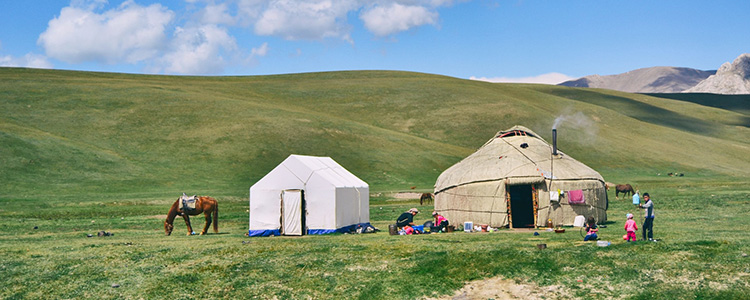
      Countries & Destinations: home bundle

      Bundled content, suggestions, stories and tips about the countries and destinations in the world

      ...to help another, travel with care, work together , learn to share and inspire with your experience

      Africa: country bundles

      Africa: country bundles

      Access: 
      Public
      Asia: country bundles

      Asia: country bundles

      Country bundles of Asian countries

      Access: 
      Public
      Europe: country bundles

      Europe: country bundles

      Country bundles of European countries

      Access: 
      Public
      The Caribbean: country bundles

      Image ORGANIZATIONS

      Check sectors and organizations related to: 'Thailand'

      CHECK MORE ORGANIZATIONS

      Make a selection, to find more or other organizations than you see below

      Image Thai Child Development
      The Thai Child Development Foundation (TCDF) was founded by a Thai/Dutch family and supports children with learning disabilities or handicaps by making care and...
      Image Essential TEFL Bangkok and Education Staffing
      Essential Education Staffing guides people to teach and live in Thailand. This teacher recruitment agency offers the Essential TEFL course in Bangkok. They can help you...
      Image Volunt2Thai
      Volunt2Thai offers several opportunities for international volunteers who want to volunteer in Northern Thailand. Most projects focus on education for Thai children and...
      Image Phuket Dash Scuba Dot Com
      You can get your PADI Open Water certification, take one of the advanced courses, or join one of the various diving and snorkelling trips to places such as Shark Point...
      Image SEE TEFL Thailand
      SEE TEFL offers onsite TEFL courses in Chiang Mai, Thailand, available on level 3 and level 5. The 120 hour level 3 TEFL course includes a set of observed teaching...
      Image Bridge Education and TEFL
      Bridge Education offers comprehensive language training solutions for both novice and experienced teachers. The various TEFL courses are accredited and prepare you...
      Image Sapph School
      Sapphawitthaykhom School is a public high school, in Mae Sot in Thailand, Tak province.
      Image LiveIn - flexible living solutions
      LiveIn (formerly: Hostelhunting.com) is the largest student accommodation platform with over 35,000 rooms in Malaysia, Singapore and Thailand. Together with universities...
      Image Isan Survivor
      Isan Survivor offers opportunities for volunteer work, English teaching and responsible tourism in the Isan region, Northeastern Thailand. Founder Jack also hosts the...
      Image Chula: Chulalongkorn University Bangkok
      Chulalongkorn University (Chula for short) is Thailand's oldest university, founded in 1917 by merging the royal children's school and the medical school. The Bangkok-...
      Organizations & Services: home bundle

      Bundled content, suggestions, stories and tips about organizations and their products and services

      ...to help another, travel with care, work together, learn to share and inspire with your experience

      Organizations: home page
      Organizations for administrative, tax and legal work and consulting

      Organizations for administrative, tax and legal work and consulting

      international law

      Activities, internships, paid work, services or volunteer work in administration, tax and legal consulting

      Administrative, tax and legal consulting abroad: by position

      For job roles and duties related to activities, internships and jobs abroad, see:
      ......Read more on this page
      Organizations: for agriculture, grape picking, farming and vineyards
      Organizations: for animal protection, animal care and working with wildlife abroad
      Organizations: for au pairs, youth work and child care abroad
      Organizations: for bush camping and working at a campsite abroad
      Organizations: for catering, hospitality and entertainment abroad
      Organizations: for civil society and social work abroad
      Organizations for corporate business services

      Organizations for corporate business services

      Image

      Activities, internships, paid work, services or volunteer work in corporate business services

      Corporate business services abroad: by position

      For job roles and duties related to activities, internships and jobs abroad, see:
      ......Read more on this page
      Organizations: for customer services abroad and help desks
      Organizations: for diving, snorkeling and water sports abroad
      Organizations: for education and schools abroad
      Organizations: for expatriate insurances, travel insurances, and emergency call centers
      Organizations: for gap year activities abroad and sabbaticals
      Organizations: for internship placement abroad
      Organizations: for insurances and finance abroad
      Organizations for IT, engineering and construction

      Organizations for IT, engineering and construction

      Image

      Activities, internships, paid work, services or volunteer work in IT, webdevelopment, engineering and construction

      IT, engineering and construction abroad: by position

      For job roles and duties related to activities, internships and jobs abroad, see:
      ......Read more on this page
      Organizations: for language travel and language teaching abroad
      Organizations for marketing, communication and PR abroad

      Organizations for marketing, communication and PR abroad

      Image

      Activities, internships, paid work, services or volunteer work in marketing and communication

      Marketing, communication and PR abroad: by position

      For job roles and duties related to activities, internships and jobs abroad, see:
      ......Read more on this page
      Organizations: for mediation in au pairs, childcare and elderly care in the Netherlands
      Organizations for moving, international relocation and transport abroad

      Organizations for moving, international relocation and transport abroad

      Image

      Activities, internships, paid work, services or volunteer work in transport and international relocation

      Moving abroad and relocation services abroad: by position

      For job roles and duties related to activities, internships and jobs abroad, see:

      Moving abroad and relocation

      ......Read more on this page
      Organizations for nature conservation, environmental protection and working in nature abroad

      Organizations for nature conservation, environmental protection and working in nature abroad

      Costa Rica rain forest - Jungle

      Activities, internships, paid work, services or volunteer work in environmental protection, sustainability and nature conservation

      Nature conservation and environmental protection abroad: by position

      For job roles and duties related to activities, internships and jobs abroad, see:
      ......Read more on this page
      Organizations: for nonprofit projects, development work and international cooperation
      Organizations: for online work as digital nomad, freelancer, or independent entrepreneur from abroad
      Organizations: for outdoor activities and sports
      Organizations: for providing accommodation and hospitality work in hotels, guesthouses, ecolodges and hostels abroad

      Organizations: for providing accommodation and hospitality work in hotels, guesthouses, ecolodges and hostels abroad

      Image

      Activities, internships, paid work, services or volunteer work in hotels, resorts, guesthouses, ecolodges, bed and breakfasts and hostels abroad

      Working in hospitality and tourist accommodations abroad: by position

      For job roles and duties related to activities, internships and jobs abroad, see:
      ......Read more on this page
      Organizations: for providing healthcare and working in medical care abroad

      Organizations: for providing healthcare and working in medical care abroad

      Image

      Activities, internships, paid work, services or volunteer work in healthcare

      Providing healthcare and working in medical care abroad: by position

      For job roles and duties related to activities, internships and jobs abroad, see:
      ......Read more on this page
      Organizations: for psychological assistance and mental health care abroad

      Organizations: for psychological assistance and mental health care abroad

      Image

      Activities, internships, paid work, services or volunteer work in psychological assistance, coaching and mental health care abroad

      Psychological assistance, coaching and mental health care abroad: by position

      For job roles and duties related to activities, internships and jobs abroad, see:
      ......Read more on this page
      Organizations: for real estate, brokerage abroad and property rental abroad
      Organizations: for research and scientific work abroad

      Organizations: for research and scientific work abroad

      Image

      Organizations: for research, R&D, data collection, data analysis and scientific work abroad

      Activities, internships, paid work, services or volunteer work in research and science

      From R&D to data collection and data analysis

      Research and science abroad: by position

      For job roles and duties related to activities, internships and jobs abroad, see:
      ......Read more on this page
      Organizations: for student support and student associations
      Organizations: for tour guidance and adventure tours abroad
      Organizations: for tourism and organized travel and leisure work abroad
      Organizations: for voluntary work mediation and project placement abroad
      Organizations for yacht and shipping crew and working on a cruise ship abroad

      Organizations for yacht and shipping crew and working on a cruise ship abroad

      Image

      Activities, internships, paid work, services or volunteer work on cruise ships, sailing yachts and other ships

      Boat crew, deck hand or working for an international shipping organization

      Working on a yacht or cruise ship abroad: by position

      For job roles and duties related to activities, internships and jobs abroad, see:
      ......Read more on this page

      Image SUMMARIES

      Check summaries and study assistance related to: 'Thailand'

      CHECK MORE SUMMARIES

      No results found.

      Image ALL CONTENT

      Search all related content within the topic: 'Thailand'

      ALL CONTENT WITHIN TOPIC

      Select any filter and click on Apply to see results

      Image

      SPOTLIGHT & FAVORITES

      SPOTLIGHT
      House for spirits

      Im Felipe, from Chile, here i will explain my first experience in Asia,specifically in Thailand, and I really hope to help and encourage people to keep travelling and living amazing life experiences & unforgettables. March 2018  (€1 = 37,20 Baht) My flight from Köln (Cologne, Germ...

      Image

      Je hebt besloten om naar Bangkok te verhuizen. Een van de eerste (en meteen ook één van de belangrijkste) punten op je to-do list is waarschijnlijk het vinden van een woning. In een stad die qua oppervlakte zeven keer zo groot is als Amsterdam, en is opgedeeld in vijftig districten, ka...

      FAVORITES
      Image

      Wil je langer dan zes maanden (maar korter dan twee jaar) in Thailand verblijven en niet verplicht om de paar maanden het land uit hoeven te reizen? Dan biedt het Thai Education Visa (Non-Immigrant ED Visa) mogelijkheden. Dit visum is bedoelt voor mensen die een stage, opleiding of trainingsprogramm...

      Image
      • Bangkok heeft twee luchthavens: Suvarnabhumi Airport (BBK) en Don Muang Airport (DMK).
      • Alle intercontinentale vluchten landen op Suvarnabhumi Airport, maar voor binnenlandse en regionale vluchten wordt vaak gebruik gemaakt van het oude Don Muang Airport. 
      • Hoewel beide...
      Image

      Een ieder die in Thailand is geweest is hoogst waarschijnlijk verliefd geworden op de Thaise keuken. Of heeft op zijn minst genoten van die overheerlijk Pad Thai of Stir Fried Chicken. Toen ik in Thailand kwam wist ik al vrij snel: Ik wil hier een kookcursus volgen, dit wil ik ze thuis ook laten pro...
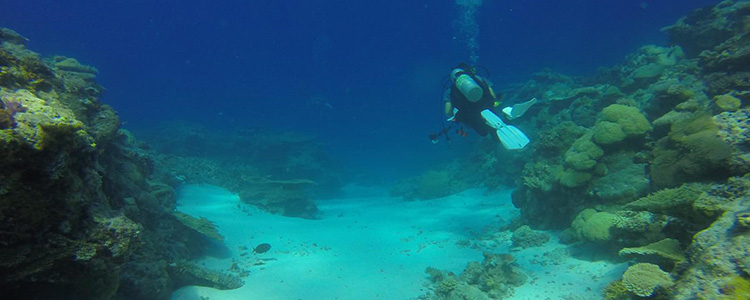

      Image

      Thailand is al jaren een populaire vakantiebestemming. Maar wat zijn de aandachtspunten als je besluit om voor langere tijd in 'the land of smiles' te gaan wonen en werken? Daarover lees je binnen deze omgeving meer! 
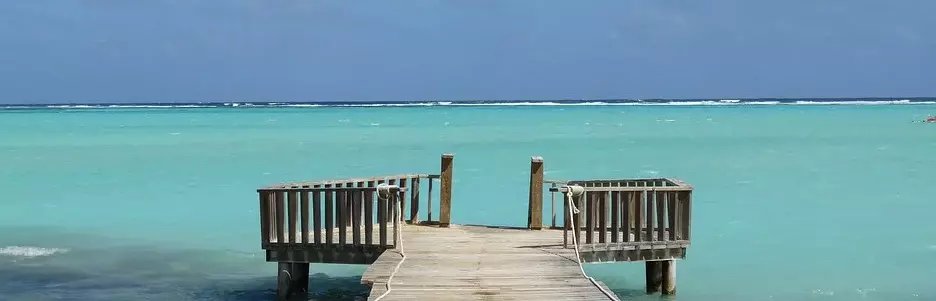
      Image

      TOPICS : check associated topics and more activities

      Check more: activities in WorldSupporter
      Check more: of the topic below
      Paid work around the world and abroad

      Paid work around the world and abroad Paid work abroad: orientation

      • What is paid work abroad?
      • Why do paid work abroad?
      • What do you need to do paid work abroad?
      • To what extent are you insured when you do paid work abroad?
      • How to select a paid wo...

      Working as an expat around the world and abroad

      Working as an expat around the world and abroad Working abroad as an expat: orientation

      • What is working as an expat abroad?
      • Why should you work as an expat abroad?
      • What do you need if you want to work abroad as an expat?
      • To what extent are you insured for risks wh...

      Go abroad!
      Page topic

      Stories, tips and experiences from Thailand

      Submenu & Search

      Search only via club, country, goal, study, topic or sector