
Working in nature and outdoors abroad: what is it, why would you do it, and where is the best place to go?
- What is working in nature and outdoors abroad like?
- What are the reasons for working in nature and outdoors abroad?
- What skills and motivations do you need to work in nature and outdoors abroad?
- What are the best countries and locations to work in nature and outdoors abroad?
- What are the risks of working in nature and outdoors abroad, and are you insured against those risks?
What is working in nature and outdoors abroad like?
- Working in nature and the outdoors means spending most of your day outdoors.
- You will work in areas with abundant greenery, animals, forests, beaches, mountains, or countryside.
- This could be on a farm, nature project, campsite, ecolodge, sustainability initiative, wildlife project, or outdoor organization.
- Living conditions vary greatly. Sometimes basic, sometimes comfortable.
- But always: fresh air, exercise, and lots of nature.
- Duties vary by organization, but often include:
- maintenance of nature reserves, trails, or parks;
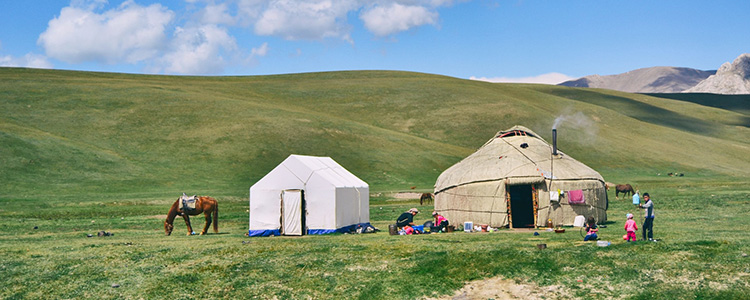
- helping on a farm or sustainable agricultural site;
- maintenance and work at campsites and outdoor accommodations;
- participating in ecolodges, ecohostels, or sustainable projects;
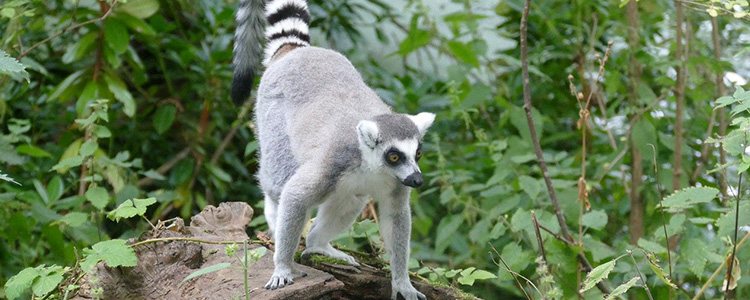
- assisting with animal care or wildlife monitoring;
- repairs and manual work such as installing fences, painting, or building.
- Light technical work, gardening, composting.
- Supervising guests or volunteers.
- Cleaning outdoor areas or common areas.
- Working conditions: Most nature and outdoor jobs offer a local average salary (depending on country and season) or room and board with a small expense allowance.
- Discounts on activities and meals or basic food can be part of the package.
- Volunteer work usually doesn't include a salary, but it does include food, accommodation, and training.
- Internships are also often unpaid, but they do offer experience and supervisors. Your accommodation is often basic: staff accommodation, shared rooms, tents, huts, or farmhouse rooms.
What are the reasons for working in nature and outdoors abroad?
- To strengthen your adaptability: working outdoors means dealing with weather, animals, machinery, unexpected situations, and seasons. You'll learn to adapt flexibly, a valuable skill for all future employers.
- To develop strong problem-solving skills: from a broken water hose to a sudden thunderstorm while working outdoors: you'll learn to think quickly, creatively, and practically.
- To build your physical and mental resilience: working outdoors requires perseverance, discipline, and stress resistance. You'll literally build a stronger body and brain.
- To practice your self-reliance: many outdoor jobs (sustainability, ranger work, farms, campsites) require you to make independent decisions and show initiative.
- To learn to think sustainably and work systems-oriented: ecological work requires you to see connections (soil, biodiversity, water, human behavior). This strengthens your analytical skills and your sustainable mindset.
- To increase environmental awareness: you'll learn to recognize risks, which is essential in nature work, strengthening your responsibility and safety skills.
What skills and motivations do you need to work in nature and outdoors abroad?
- Collaboration and empathy: You'll work in teams, often internationally, and therefore must be able to collaborate well with people from different backgrounds.
- Resilience and calmness under pressure: Many unexpected situations can arise, especially if you're responsible for clients or other employees, for example.
- Professional conduct and craftsmanship: Safety and care are very important when working outdoors!
- Planning and organization: Depending on your role, this can be very important. A good daily schedule makes everyone's work much more enjoyable!
- Service orientation: This is especially important at campsites/ecolods.
- Situational awareness: Your awareness of nature, culture, animals, and safety is incredibly important when you're outdoors a lot and working with different people and circumstances.
What are the best countries and locations to work in nature and outdoors abroad?
- Farm work and sustainable agriculture: Australia, New Zealand, France, Italy, Ecuador, Spain, Chile, South Africa
- Nature management and outdoor maintenance: USA, Canada, New Zealand, Sweden, UK
- Camping and outdoor recreation: France, Spain, Italy, Slovenia, Portugal, Croatia
- Eco lodges and sustainable community projects: Costa Rica, Peru, South Africa, Indonesia, Mexico
- Wildlife projects and fieldwork: Australia, Kenya, Tanzania, Namibia, Costa Rica
What are the risks of working in nature and outdoors abroad, and are you insured against those risks?
- What are the risks of working in nature and outdoors abroad?
- It is not uncommon for the working environment to be unsafe: infrastructure, health risks, political instability, social norms.
- Accidents with serious consequences are a regular occurrence: the (incorrect) use of tools or machines, heat, exhaustion, falls, and back problems caused by heavy and repetitive lifting.
- It is common for someone to contract an infectious or local disease, be unable to work for a period of time, or even have to be flown home.
- It is common for someone to be bitten or kicked by an animal, come into contact with poisonous plants, with medical consequences.
- It is common for the workload to be high: due to long days, staff shortages, or minimal supervision.
- Are you insured while working in nature and outdoors abroad?
- Local employers usually offer no, or limited, supplementary insurance.
- There is a risk of accidents because, for example, you are doing work with which you have little experience.
- During work, an internship, or volunteer work abroad for which you receive compensation or a salary, the coverage of your own health insurance in your home country may lapse.
- There may be several reasons why you need separate insurance when working abroad. See the pages on: insuring international Insurances for working abroad, for internships abroad, for volunteering abroad, or for expats and emigrants.
- Login of registreer om te kunnen reageren
- 447 keer gelezen