Making friends abroad and meeting people

What is it, how do you do it, with whom, and where do you need to be?

Activities, organizations, preparations, skills, stories or vacancies abroad

Image

Image

Image

Making friends abroad and meeting people

Intro

Making friends abroad and meeting people: 

Page content 
  • Making friends on a Working Holiday Visa 
  • Why get specific insurance when going abroad: per activity abroad
  • Related to the topic: Making friends abroad and meeting people
Making friends on a Working Holiday Visa

Making friends on a Working Holiday Visa

When preparing for a working holiday, or even while living it, most people talk about jobs, road trips, farm work and fun. In every whatsapp or facebook group you'll read about regions, wages, visa conditions, where the work is and how to extend for a second or third year. But making friends? Hardly anyone talks about that part.

And that feels like a missed opportunity. Because depending on your situation, it can be surprisingly hard.

Don't be surprised if you feel lonely

Almost everyone will experience loneliness during their working holiday at some point. I certainly did. And it comes in waves.

The first few weeks in Australia, I felt incredibly alone. I had just left my friends in India, was petsitting, and was also quite sick at the time. Even though Australia is a comfortable country, that doesn't necessarily make things easy. In India you're bound to have conversations with people every day, all the time. But in western countries, in my experience, people are more to themselves. The first few days this was okay, but as the excitement of the new place wore off (and I was too sick to really do anything fun), the loneliness set in.

After some time I slowly built a group of friends (more on this below), but now, while writing this and after moving to the other side of the country, I feel lonely again. 

There were often moments when I questioned myself. It seemed like everyone else found their people and community? Why am I alone this weekend? But what helped me most was understanding that a working holiday is not comparable to “home”. At home, friendships grow slowly and quietly. You see the same people every week. There is so much shared context, shared history, mutual friends and routines. You do not have to explain yourself from the beginning every time you meet someone new. But on a working holiday, everything is changing all the time.

The positive side of this is that connections can form quickly because you are all new, figuring things out and open to meeting others. Shared novelty accelerates bonding. Seriously! There is research showing that experiencing new or uncertain situations together increases closeness. When you are both figuring things out, it is easier to open up. But travel also disrupts friendships just as quickly as people leave. Someone goes north for farm work. Someone else extends their visa somewhere else. The repetition that usually makes for better friendship is constantly interrupted. I had friends doing FIFO who were all over the country for weeks at a time, and people I'd only just met who went on with there journey while I stayed where I was.

Another thing that happens, which people often don't realise is that when you move countries, you temporarily lose your social identity. At home, you are someone’s long-time friend, someone’s colleague, someone’s neighbour, the girl who climbs at the gym every Saturday. On a working holiday, you are just you, without context. That can feel really free, but it can also feel totally destabilising. Humans like belonging somewhere. When we do not feel socially anchored, our nervous system can interpret that as threat. So if you feel lonely, it does not mean you are failing socially. There's a lot going on and it's totally normal to struggle with that.

What helped me most was surprisingly simple:

  • Assume people are open, even if they seem busy.
  • Invite people, even if it feels weird or vulnerable.
  • Do things alone.
  • Keep showing up.
  • And find ways to make friends.

Different circumstances, different challenges

Sometimes making friends is easy. You arrive in a social hostel, meet your dorm mates, and suddenly you have a group chat and weekend plans. But sometimes you are housesitting. Or living in a small town. Or working shifts that do not align with anyone else’s. Or surrounded by couples. Or by local people who already have “their” group and are not necessarily looking to expand it. Your situation is important (and something you can change!). 

When I first arrived in Australia, I spent months housesitting. It was peaceful, free and kind of a luxury. But I did not meet other travellers. I spent evenings alone with cats in beautiful homes. It took me a while to realise that although housesitting solved my accommodation, it increased my isolation. Housesitting is not a bad option. It just requires you to actively create your social life outside of it. Your environment really influences your opportunities for connection, whether you realise it or not.

After leaving Perth I lived in my car, and that also has isolated me quite a bit from much social interaction. It's a choice I've made and it saves me a bit of money, but it also means I don't meet people every day who are cooking in the same place, or chilling on the same couch. 

What are the obvious ways of making friends?

Hostels

Hostels are often the fastest way to meet people. Shared kitchens, shared dorms and shared chaos make conversation almost unavoidable. The downside is that many connections are short-term. People move on quickly. But that does not make the connections less meaningful. Some friendships are intense and brief. Sometimes you only meet for a few weeks, yet stay in touch for years.

If you are looking for stronger connections, smaller hostels, worker hostels or simply staying longer in one place can help.

Workplaces

Work can be onother good place to make friends. You see each other regularly, share experiences and complain about the same shifts. At the same time, it is still work that connects you, which does not always translate into friendship outside of work. Sometimes your colleagues are younger and focused on partying every night. Sometimes they are older with families. Sometimes you will find your closest friend there. Sometimes you will not.

If you are lucky enough to find work that aligns with your values or interests, that helps enormously. But even if you don't, work can still provide connection, even if it is just one person you click with, or simply the sense of belonging while you are on shift.

House shares

Some people live in vans. Some stay in hostels. Some live at their workplace. But if you are staying somewhere for a while, shared houses can offer more stability and an immediate social life. Living with others creates natural interaction. Small conversations in the kitchen turn into shared dinners. Someone suggests watching a film and someone else brings home dessert. Even if everyone is busy, just living in the same house makes connection easier. You do not have to plan every interaction, it just happens.

What are the less obvious ways of making friends (that worked for me)?

Luckily, I had two years of travelling behind me, so I had learned that if I wanted connection, I needed to build a bit of structure. Waiting for friendship to “just happen” rarely worked for me. Instead of only trying to meet people, I started trying to build a life that felt like mine. It helped that I had a job and stayed in one place for a while.

Yoga classes, climbing gyms, conservation events, protests, board game evenings, vegan meetups, going somewhere that reflected my values and interests made conversations become easier. We already share something and had something to talk about. But also, when you show up consistently, you are not introducing yourself from scratch every time. A bit of familiarity makes it easier to talk. The second conversation is easier than the first. The fifth is easier than the second.

For me, finding an active vegan community (through a friend) and joining a climbing gym were real turning points. The gym became more than a place to exercise. It became a space where I recognised people, where short chats turned into longer ones, and where I eventually started meeting people outside of training.

The vegan community had organised events, but at some point I decided to organise my own. That changed everything. Organising something, even something small, shifted me from outsider to contributor. People recognised my name from posts in the group before we even met. That made conversations easier as well.

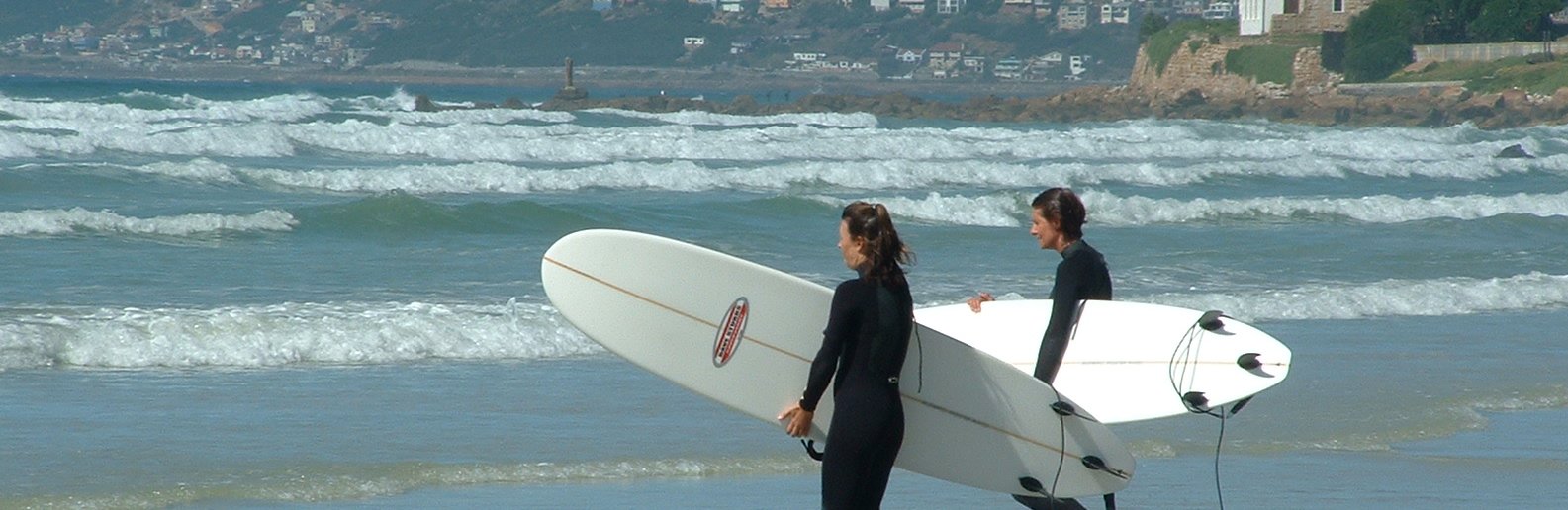
It does not have to be activism or climbing. It can be running clubs, book clubs, language exchanges, surfing groups, photography walks or volunteering. Australia almost certainly has a community for whatever you are into. Finding it can change your experience.

What are the apps and websites that can actually help to make friends?

It can feel awkward to use apps to make friends. There is still a strange stigma around it. But most people on a working holiday are in exactly the same position. They are new, slightly unsure and hoping to meet others too.

Some options that worked:

  • Meetup – Great for hobby-based groups like hiking, board games, meditation or language exchanges. Especially useful in bigger cities. It gave me a reason to leave the house and a built-in topic to talk about.
  • Facebook groups – Search for:
    • “Backpackers in [city]”
    • “Hiking [state/city]”
    • “[City] climbers”
    • “Women in [city]”
    • “[Town name] community”
  • Events and informal meet-ups are often posted there, and many of them are free.
  • Bumble BFF – It can feel strange at first, but many people genuinely use it to find friends, especially in larger cities. It is particularly helpful if you want to meet people who are also new, international or actively looking to expand their circle.

Non of these apps or websites instantly create friendships, but they are a way to find people, and I'm sure you can take it from there. 

A final thought

Making friends on a Working Holiday Visa in Australia is different from making friends at home. It can be faster, more intense, but also more difficult and temporary. You might share weeks of deep connection with someone and then hug them goodbye at a bus station, not knowing if you'll see each other again. And again, that does not make the friendship less real. You are not failing. 

Travel speeds up and intensifies the whole experience. Everything, including relationships, jump to the next level much quicker than in a home environment. You meet people when you're both figuring things out. And sometimes that creates bonds that feel unusually honest. At the same time it requires effort. It requires showing up when you would rather stay in. It requires inviting someone for coffee and risking a polite no. It requires going to events alone and trusting that something might come from it.

Just remember, it isn't easy, but that's normal. Keep following your interests and values and you'll find people aligned with that. Stay open, and friends will even find you. 

Image

Why get specific insurance when going abroad: per activity abroad
What is travel insurance, and why take out specific insurance when you go on a trip or vacation?

What is travel insurance, and why take out specific insurance when you go on a trip or vacation?

What is travel insurance to insure your trip or vacation?

  • Travel insurance is insurance that provides coverage for risks during a trip or vacation abroad. This mainly concerns loss of or damage to your luggage, medical assistance in the event of accidents, for example, or repatriation costs if you need to be transported back to your home country urgently. In some cases, travel insurance coverage also applies in your home country.
  • With continuous travel insurance, you are insured for all your trips throughout the year.
  • With temporary travel insurance, you take out insurance for each trip for the duration of the trip.
  • Cancellation insurance reimburses (all or part of) the travel sum, cancellation or accommodation costs if you have to cancel or interrupt your vacation.

Why should you take out travel insurance for a short trip, vacation, or long-distance trip?

  • Travel insurance can provide coverage in the event of an accident or emergency while you are away.
  • Travel insurance can provide coverage for damage and accidents during the adventurous or sporting activities you are going to do.
  • Travel insurance can continue to provide coverage if your Dutch basic health insurance no longer provides coverage, or if the damage is only reimbursed at Dutch cost price.
  • Travel insurance can provide coverage in the event of damage, loss, or theft of your luggage.
  • Travel insurance can provide coverage if you are held liable for damage you cause to other people or their property.
  • Travel insurance can provide coverage if you have to return home early because something has happened to you or your immediate family.

What is important to insure when you are going to travel?

  • That you have insurance that is valid in the countries where you are going to travel and possible work.
  • That you are adequately insured for the sports and activities you are going to participate in during your full period abroad
  • That you are insured for emergency assistance and early return if something happens to you or your immediate family.
  • That your medical expenses are insured up to the actual cost and not just for the standard costs. The costs per medical treatment vary greatly between countries.
  • That you insure your luggage and take sufficient precautions against theft or damage.
  • That you are well insured against personal liability.
  • That you are well insured in case of accidents.
  • That you only insure yourself for legal assistance if there is an immediate reason to do so, unless coverage is already automatically included in the insurance.
  • That you pay close attention to choosing the right coverage when performing work or voluntary work during your world trip.

What insurance do you need for a trip or vacation?


What is round the world travel insurance or long-term travel insurance, and why take out specific insurance when you go abroad?

What is round the world travel insurance or long-term travel insurance, and why take out specific insurance when you go abroad?

What is round the world travel insurance or long-term travel insurance?

  • Round the world travel insurance means that you take out insurance that continues to provide coverage during all your activities abroad, and which is specifically intended for those who travel for long periods of time, such as world travelers, globetrotters, and nomads.

Why should you take out specialized travel insurance for a long trip abroad?

  • Round the world travel insurance provides coverage for a much longer trip than regular travel insurance.
  • World travel insurance is specifically intended for longer trips, whereas regular travel insurance may offer coverage on paper, but in practice handles it differently.
  • World travel insurance is suitable for many types of activities, ranging from high-altitude trekking to more risky sports.
  • World travel insurance continues to provide coverage if you start working during your trip, whether planned or unplanned. If you did not take out insurance before departure that allows you to work, there is no guarantee that you will be able to take out insurance that provides coverage while abroad.
  • Long-term travel insurance continues to provide coverage when your home country's health insurance no longer does.
  • Worldwide travel insurance also covers your medical expenses up to the actual cost, and not just for the standard costs. The costs per medical treatment vary greatly between countries.
  • Worldwide travel insurance can also continue to provide coverage if negative travel advice is issued.

What is important to insure when you are going to travel around the world?

  • That you have insurance that is valid in the countries where you are going to travel and possibly work.
  • That you are adequately insured for the sports and activities you are going to participate in during your full period abroad
  • That you are insured for emergency assistance and early return if something happens to you or your immediate family.
  • That your medical expenses are insured up to the actual cost and not just for the standard costs. The costs per medical treatment vary greatly between countries.
  • That you insure your luggage and take sufficient precautions against theft or damage.
  • That you are well insured against personal liability.
  • That you are well insured in case of accidents.
  • That you only insure yourself for legal assistance if there is an immediate reason to do so, unless coverage is already automatically included in the insurance.
  • That you pay close attention to choosing the right coverage when performing work or voluntary work during your world trip.

What insurance do you need when backpacking abroad?

What is backpack insurance, and why take out specific insurance when you go backpacking abroad?

What is backpack insurance, and why take out specific insurance when you go backpacking abroad?

What is backpacking insurance and travel insurance for backpackers?

  • Backpacking insurance for backpackers means that you take out insurance that continues to provide coverage during all your activities abroad and is specifically intended for those who are traveling for a long time, traveling independently, or making frequent use of local transportation.

Why should you take out travel insurance specifically for backpacking?

  • Travel insurance for backpacking can provide coverage in the event of an accident or emergency while backpacking.
  • Travel insurance for backpacking can provide coverage for damage and accidents during your adventurous or sporting activities.
  • Travel insurance for backpacking can continue to provide coverage if your Dutch basic health insurance no longer provides coverage, or if the damage is only reimbursed at Dutch cost price.
  • Travel insurance for backpacking can provide coverage in the event of damage, loss, or theft of your luggage while backpacking.
  • Travel insurance for backpacking can provide coverage if you are held liable for damage you cause to other people or their property.
  • Travel insurance for backpacking can provide coverage if you have to return home early because something has happened to you or your immediate family while backpacking.

What aspects are important to insure when backpacking abroad?

  • The duration of your trip: so that you are also covered during a very long backpacking trip, or can extend your coverage if you want to stay longer
  • The activities during your trip: so that you can also participate in all kinds of sports and adventure activities that are excluded from travel insurance
  • Coverage of your medical expenses during your trip: so that you are always covered, even if you go to work or if the costs in the event of an accident are higher than the Dutch rate
  • Coverage for natural disasters and war during your trip: so that you don't have to return home immediately with your tail between your legs every time the Dutch government issues negative travel advice
  • Your insurer's specialization: so that your insurer specializes in backpacking trips or long stays abroad, and doesn't treat you like an “all-inclusive sunglasses claimant.”

What insurance do you need when backpacking abroad?

What is insurance for working abroad, and why do you need specific insurance if you are going to do paid work?

What is insurance for working abroad, and why do you need specific insurance if you are going to do paid work?

What is insurance for working abroad?

  • Insuring yourself for working abroad means taking out insurance that continues to provide coverage during your paid work abroad.

Why take out insurance, and when is normal travel insurance no longer sufficient?

  • There may be several reasons why you need separate insurance for paid work abroad.
  • During your work, local employers generally offer no or limited insurance that does not provide sufficient coverage.
  • The risk of accidents is sometimes greater during your work, for example because you are doing work with which you have little experience or because of the nature of the work.
  • During specific work abroad, additional requirements may apply as soon as you start performing work that involves additional risks. Only special insurance policies offer coverage during this type of work.
  • During work, internships, or volunteer work abroad where you receive a salary or compensation (for example, food or housing), your local health insurance coverage will normally lapse. You will then need special insurance to remain insured for illness and accidents.
  • Standard travel insurance policies generally do not provide sufficient coverage to apply for a work visa or working holiday visa.
  • Standard travel insurance policies generally only cover stays abroad for a limited number of days. If your trip or stay abroad exceeds the maximum number of days, this generally means that there will be no coverage for the entire travel period.
  • Standard travel insurance policies generally only provide coverage for recreational travel without study, internship, or work. If you engage in activities other than recreational activities, this generally means that you will no longer be covered for the entire travel period.

What should you pay attention to in your insurance policy if you are going to work abroad?

  • Make sure you have insurance that is valid in the area where you will be traveling and working.
  • Make sure you are adequately insured for the sports and activities you will be participating in.
  • that you are insured for emergency assistance and early return if something happens to you or your immediate family.
  • that your medical expenses are insured up to the actual cost (what it actually costs), and not just for the standard costs. In most countries, healthcare costs are higher than in the Netherlands.
  • that you insure your luggage and take sufficient precautions against theft or damage.
  • that you are well insured against personal liability.
  • that you are well insured in case of accidents.
  • that you insure yourself for legal assistance if there is an immediate reason to do so, unless the coverage is already automatically included in the insurance.
  •  that you take care to choose the right coverage when working in healthcare, with wild animals, and with dangerous machinery.

What insurance do you need to work abroad?

What is volunteer insurance, and why should you take out specific insurance if you are going to do volunteer work

What is volunteer insurance, and why should you take out specific insurance if you are going to do volunteer work

What is insurance for volunteering abroad?

  • Insuring volunteer work abroad means taking out insurance that continues to provide coverage while you are working as a volunteer abroad

Why should you take out specialized travel insurance for voluntary work abroad?

  • There may be several reasons why you need separate insurance when volunteering abroad.
  • During specific activities abroad, additional requirements may apply if your work involves extra risks. Only specific insurance policies offer coverage during these activities.
  • The risk of accidents is sometimes higher during your work, for example because you are doing work you have little experience with or because of the nature of the work.
  • Local projects or employers generally offer no or limited insurance that provides insufficient coverage during your work.
  • When volunteering abroad and receiving minor financial compensation (or, for example, food or housing), your home country's health insurance coverage will potentially lapse. You will then need special insurance to remain insured for illness and accidents.
  • Regular travel insurance policies generally provide coverage for trips of a limited number of days. If your trip or stay abroad exceeds the maximum number of days, this generally means that for the entire travel period, you will not be covered.
  • Regular travel insurance policies generally only provide coverage for recreational travel without voluntary work activities. If you engage in activities other than recreational activities (such as volunteer work), this generally means that for the entire travel period, you will not be covered.

What is important to insure when you are going to work as a volunteer abroad?

  • That you have insurance that is valid in the country or countries where you are going to travel and volunteer.
  • That you are adequately insured for the sports and activities you are going to participate in during your period abroad
  • That you are insured for emergency assistance and early return if something happens to you or your immediate family.
  • That your medical expenses are insured up to the actual cost and not just for the standard costs. The costs per medical treatment vary greatly between countries.
  • That you insure your luggage and take sufficient precautions against theft or damage.
  • That you are well insured against personal liability.
  • That you are well insured in case of accidents.
  • That you only insure yourself for legal assistance if there is an immediate reason to do so, unless coverage is already automatically included in the insurance.
  • That when performing work in healthcare, with wild animals, and with dangerous (agricultural) machinery, you take care to choose the right coverage.

What insurance do you need when volunteering abroad?

Why should you take out specialized travel insurance for an internship abroad?

Why should you take out specialized travel insurance for an internship abroad?

What is insurance for an internship abroad?

  • Insuring an internship abroad means taking out insurance that continues to provide coverage during your internship abroad
  • Insurance for internships abroad are also referred to as internship insurance. This internship insurance is specifically for when you go abroad for a long period of time to work as an intern, take courses, or conduct research abroad.

Why should you take out specialized travel insurance for an internship abroad?

  • There may be several reasons why you need separate insurance for an internship abroad.
  • During internship activities abroad, additional requirements may apply as soon as you start performing work that involves additional risks. Only specific insurance policies offer coverage during these activities.
  • During your internship, the risk of accidents is sometimes greater, for example because you are doing work with which you have little experience or because of the nature of the work.
  • During your internship, local employers generally do not offer insurance, or offer limited insurance that does not provide sufficient coverage.
  • During an internship abroad where you receive financial compensation (or, for example, food or accommodation), your home country's health insurance coverage will potentially lapse. You will then need special insurance to remain insured for illness and accidents.
  • Regular travel insurance policies generally provide coverage for trips of a limited number of days. If your trip or stay abroad exceeds the maximum number of days, this generally means that for the entire travel period, you will not be covered.
  • Regular travel insurance policies generally only provide coverage for recreational trips without work activities.

What is important to insure when you are going to be an intern abroad?

  • That you have insurance that is valid in the area where you will be traveling and doing your internship.
  • That you are adequately insured for the sports and activities you will be participating in.
  • That you are insured for emergency assistance and early return in case something happens to you or your immediate family.
  • That your medical expenses are insured up to the actual cost (what it actually costs), and not just for the standard costs. The costs per medical treatment vary greatly between countries.
  • That you insure your luggage and take sufficient precautions against theft or damage.
  • That you are well insured against personal liability and, preferably, also for liability during your internship.
  • That you are well insured in case of accidents.
  • That you insure yourself for legal assistance if there is an immediate reason to do so, unless the coverage is already automatically included in the insurance.
  • Make sure you choose the right coverage for internship work in healthcare, with wild animals, or with dangerous machinery!

Check out more about international insurances

What is insurance for studying abroad, and why should you take out specialized travel insurance for your education abroad?

What is insurance for studying abroad, and why should you take out specialized travel insurance for your education abroad?

What is insurance for studying abroad?

  • Insurance for studying abroad means that you take out insurance that continues to provide coverage during your studies, your education, and your related activities abroad.
  • Insurance for studying abroad is also referred to as study insurance. This study insurance is specifically for when you go abroad for a long period of time to take courses, study, or conduct research abroad.

Why should you take out specialized travel insurance for a study abroad?

  • Study insurance is specifically designed for studying abroad, whereas regular travel insurance policies may offer coverage on paper but handle this situation differently in practice.
  • Study insurance offers coverage for longer stays than regular (vacation) travel insurance.
  • Study insurance is also suitable for many types of activities, ranging from various sports to hiking at high altitudes.
  • Study insurance continues to provide coverage if you start working during your trip, whether planned or unplanned. If you have not taken out insurance before departure that allows you to work, there is no guarantee that you will be able to take out insurance abroad that provides coverage.
  • Study insurance continues to provide coverage if your own country's health insurance no longer provides coverage.
  • Student insurance also covers your healthcare costs above the rates in your own country; with regular insurance, you have to pay the extra costs yourself.
  • Student insurance can also continue to provide coverage if (study) visa issuers impose additional requirements on how you insure yourself, for example if you are going to the US and applying for a J-1 visa.
  • Student insurance continues to provide coverage if you are staying abroad for a longer period of time and want to visit your own country in between.

What is important to insure when you are going to study abroad?

  • That you have insurance that is valid in the country or countries where you are going to travel and work.
  • That you are adequately insured for the sports and activities you are going to participate in during your period abroad
  • That you are insured for emergency assistance and early return if something happens to you or your immediate family.
  • That your medical expenses are insured up to the actual cost and not just for the standard costs. The costs per medical treatment vary greatly between countries.
  • That you insure your luggage and take sufficient precautions against theft or damage.
  • That you are well insured against personal liability.
  • That you are well insured in case of accidents.
  • That you only insure yourself for legal assistance if there is an immediate reason to do so, unless coverage is already automatically included in the insurance.
  • That you pay close attention to choosing the right coverage when performing work alongside your studies.

Check out more about international insurances

What is an expat insurance or emigration insurance, and why specifically take out insurance if you are going to do move abroad?

What is an expat insurance or emigration insurance, and why specifically take out insurance if you are going to do move abroad?

What is an expat insurance?

  • Expat insurance is insurance that continues to provide coverage if you go to work abroad for a local or international employer for an extended period of time.
  • Expat insurance is not only intended for expats, but for anyone who has a more permanent job abroad.

What is an emigration insurance, or insurance for moving and living abroad?

  • Emigration insurance is an insurance that continues to provide coverage if you move abroad permanently or for an indefinite period of time.
  • Emigration insurance is not only intended for emigrants, but for anyone who leaves their home country for an extended period of time and does not intend to return in the foreseeable future.

Why should you take out specialized insurance for emigration or working as an expat abroad?

  • Emigration or expat insurance not only provides coverage for acute assistance in the event of illness or accident abroad, such as travel insurance, but can also provide coverage for existing conditions and ailments or non-urgent care.
  • Emigration or expat insurance does not require you to maintain valid health insurance in your home country.
  • Emigration or expat insurance provides coverage for preventive care or costs related to pregnancy and childbirth.
  • Emigration or expat insurance also provides coverage for long-term treatments and chronic conditions without you having to return to your home country.
  • Emigration or expat insurance often has no restrictions on the duration of the insurance, unlike travel insurance.
  • Emigration or expat insurance usually maintains coverage in cases such as negative travel advice or acts of war.
  • Emigration or expat insurance offers various solutions in the areas of disability, home and household insurance, goods transport, and liability.

What is important to insure when you are going to move abroad?

  • That you have insurance that is valid in the country or countries where you are going to live and/or work.
  • That you are adequately insured for the sports and activities you are going to participate in during your period abroad
  • That you are insured for emergency assistance and early return if something happens to you or your immediate family.
  • That your medical expenses are insured up to the actual cost and not just for the standard costs. The costs per medical treatment vary greatly between countries.
  • That you are well insured against personal liability.
  • That you are well insured in case of accidents.
  • That you pay close attention to choosing the right coverage when performing work with additional health risks

When can you also live abroad for a longer period of time with travel insurance?

  • There are also special expiring travel insurance policies that provide coverage without you having valid health insurance in your home country, however, these travel insurance policies are not intended for emigration or expats, but for stays outside your home country of up to a few years, for study, temporary work, volunteer work, and longer trips.
  • See the information at International Insurances for backpacking and travel abroad

What insurance do you need for emigration or working as an expat abroad?

International insurance through JoHo Insurances and JoHo WorldSupporter

International insurance through JoHo Insurances and JoHo WorldSupporter

Image

Table of content

  • Why should you take out insurance through the JoHo Foundation when you go abroad?
  • Insuring activities abroad:
    • internships, studying, volunteer work or paid work
    • backpacking, holiday, travel or round the world
    • emigration, living abroad, working as expat
  • Insurances for abroad: per insurance 
  • Insurances for abroad: per organization
  • How healthcare works
......Read more on this page

Image

Related topics and terms to: Making friends abroad and meeting people

Relations of the topic: Making friends abroad and meeting people

Image ACTIVITIES

Search a course, internship, job, project, suggestion or tips within the topic: 'Making friends abroad and meeting people'

CHECK ACTIVITIES

No results found.

Activities abroad: home bundle

Main content and contributions for activities abroad

,,,accommodations, adventure activities, courses, internships, jobs and volunteer projects

...to help another, travel with care, work together , learn to share and inspire with your experience


Activities abroad: home page

Activities abroad: home page

From language courses to gap year abroad, from work experience to volunteering abroad, from paid work to internship abroad, from mountaineering to diving and from backpacking to travel around the world

    What social activities can you do abroad?

    • Opportunities are found in the areas of helping, learning or studying. You can get involved to volunteer in a social project at a school in Africa, Asia or Latin America. You can get involved in nature, in a project with animals or cleaning the sea or beaches. Those who want to learn more can choose for example a language course in Latin America, Spain or South Africa.

    What work related activities can you do abroad?

    • If you want to gain work experience, and/or also earn money, go and work abroad. You can combine backpacking in Australia with temporary work. You can work on campsites in Europe or bush camps in Africa. You can pretty much go all over the world to work in the hospitality industry, hotels and hostels, in the healthcare sector or for example at a diving school.

    What sports activities to do abroad?

    • Have you ever thought of mountain biking, rafting (going down a wild river on a raft or rubber dinghy, climbing or canoeing), survival (which involves building rafts, climbing or canoeing), abseiling (descending a rock face while secured to ropes), zip-lining (whizzing down a cable), canyoning (starting at the top of a river and then climbing, swimming, diving down the bed) or caving (scrambling, wriggling and crawling through caves and crevices)?
    • Maybe you feel more comfortable on a bodyboard (on a half-wave surfboard, you surf the high waves lying down-with flippers), on a hang glider or while paragliding (with a parachute you float down a mountain or dune), hydrospeeding (on a bodyboard with flippers and a wetsuit on you go down a wild river via rapids) or Tiefschneeskiing (racing down through powder snow)?

    Check the pages below for more activities and inspiration and where to go and how to arrange it

      Activities abroad: for gap year, sports, travel and outdoor abroad

      Activities abroad: for gap year, sports, travel and outdoor abroad

      Bundled content for gap year, sports, travel and outdoor abroad

      Access: 
      Public

      Image STORIES

      Check blogs, experiences and information related to: 'Making friends abroad and meeting people'

      CHECK MORE STORIES

      Make a selection, to find more blogs and contributions than you see below

      Image Making friends on a Working Holiday Visa
      How do you make friends on a Working Holiday Visa (in Australia) Don't be surprised if you feel lonely Different circumstances, different challenges What are the obvious...

      Image ORGANIZATIONS

      Check all organizations related to: 'Making friends abroad and meeting people'

      CHECK ORGANIZATIONS

      No results found.

      Organizations & Services: home bundle

      Bundled content, suggestions, stories and tips about organizations and their products and services

      ...to help another, travel with care, work together, learn to share and inspire with your experience

      Organizations: home page
      Organizations: for administrative, tax and legal work and consulting
      Organizations: for agriculture, grape picking, farming and vineyards
      Organizations: for animal protection, animal care and working with wildlife abroad
      Organizations: for au pairs, youth work and child care abroad
      Organizations: for bush camping and working at a campsite abroad
      Organizations: for catering, hospitality and entertainment abroad
      Organizations: for civil society and social work abroad
      Organizations: for corporate business services
      Organizations: for customer services abroad and help desks
      Organizations: for diving, snorkeling and water sports abroad
      Organizations: for education and schools abroad
      Organizations: for expatriate insurances, travel insurances, and emergency call centers
      Organizations: for gap year activities abroad and sabbaticals
      Organizations: for internship placement abroad
      Organizations: for insurances and finance abroad
      Organizations: for IT, engineering and construction
      Organizations: for language travel and language teaching abroad
      Organizations: for marketing, communication and PR
      Organizations: for mediation in au pairs, childcare and elderly care in the Netherlands
      Organizations: for moving, international relocation and transport abroad
      Organizations: for nature conservation, environmental protection and working in nature abroad
      Organizations: for nonprofit projects, development work and international cooperation
      Organizations: for online work as digital nomad, freelancer, or independent entrepreneur from abroad
      Organizations: for outdoor activities and sports
      Organizations: for providing accommodation and hospitality work in hotels, guesthouses, ecolodges and hostels abroad
      Organizations: for providing healthcare and working in medical care abroad
      Organizations: for psychological assistance and mental health care abroad
      Organizations: for real estate, brokerage abroad and property rental abroad
      Organizations: for research and scientific work abroad
      Organizations: for student support and student associations
      Organizations: for tour guidance and adventure tours abroad
      Organizations: for tourism and organized travel and leisure work abroad
      Organizations: for voluntary work mediation and project placement abroad
      Organizations: for yacht and shipping crew and working on a cruise ship abroad

      Image SUMMARIES

      Check or search summaries, tests and study assistance within topic: 'Making friends abroad and meeting people'

      CHECK SUMMARIES

      Make a selection, to find more, or other, summaries and study assistance than you see below

      Image How are groups, friends and attractions treated in different cultures? - Chapter 11
      How are groups, friends and attractions treated in different cultures? - Chapter 11
      Summaries: home bundle

      Content and contributions related to summaries, study assistance and study skills

      ...to help another, travel with care, work together, learn to share and inspire with your experience

      Summaries: home page

      Summaries: home page

      Home page for the use of summaries on WorldSupporter

      What is this page about?

      • Contents: information about using and finding summaries of study books, scientific articles, academic concepts and practice exams on WorldSupporter
      • Study areas: Business, Education, Health, Psychology, Law, Nature, Society and more
      • Languages: English, Dutch
      • Access: Public

      Where to go next?

      What to find below?

      • Summaries per study and study field
      • Summaries per type and form
        • How to use and find summaries, study notes en practice exams on JoHo WorldSupporter?
        • How and why would you use summaries?
        • Finding summaries practice exams on JoHo WorldSupporter
        • Quicklinks to fields of study for summaries and study assistance
      • Main theme pages for learn and study
      • FAQ: questions and answers about summaries
      Access: 
      Public
      Summaries: per type and form

      Summaries: per type and form

      Home page for summaries by type and form

      • Summary sort: Study books, Scientific articles, Academic Concepts
      • Areas: Business, Education, Health, Psychology, Law, Nature, Society and more
      • Languages: English, Dutch
      • Access: This study guide contains exclusive and publicly available study materials
      Access: 
      Public
      Exams: home page for exams, exam tips and study tips

      Exams: home page for exams, exam tips and study tips

      Taking and passing exams, using study tips and learning to study

      What is this page about?

      • Contents: information for exams, exam tips and study tips on WorldSupporter
      • Study areas: Business, Education, Health, Psychology, Law, Nature, Society and more
      • Languages: English, Dutch
      • Access: Public, Exclusive

      Where to go next?

      What to find below?

      • Highlighted content concerning exams, exam tips and study tips
      Access: 
      Public

      Image ALL CONTENT OF TOPIC

      Search all related content within topic: 'Making friends abroad and meeting people'

      ALL CONTENT OF TOPIC

      Select any filter and click on Apply to see results

      Image

      SPOTLIGHT & FAVORITES

      FAVORITES
      Making friends on a Working Holiday Visa

      How do you make friends on a Working Holiday Visa (in Australia)

      • Don't be surprised if you feel lonely
      • Different circumstances, different challenges
      • What are the obvious ways of making friends?
      • What are the less obvious ways of making friends (that worked for me)?...

      Crossroad: spotlight pages
      Crossroads in the field of:
      How do friendships develop? - Chapter 7
      • Why do people want to form friendships?
      • How do friendships develop over the life course?
      • What are the differences between various types of friendships?
      • What difficulties can we encounter in friendships?
      • Why do people want to form friendships? Our frie...

      Making friends on a Working Holiday Visa

      How do you make friends on a Working Holiday Visa (in Australia)

      • Don't be surprised if you feel lonely
      • Different circumstances, different challenges
      • What are the obvious ways of making friends?
      • What are the less obvious ways of making friends (that worked for me)?...

      Page topic

      Making friends abroad and meeting people

      Submenu & Search

      Search only via club, country, goal, study, topic or sector