
Conducting research or pursuing a PhD abroad: what is it, why would you do it, and where are the best places to go?
Conducting research or pursuing a PhD abroad: what, why, and where to go?
- What is conducting research or pursuing a PhD abroad like?
- What are the reasons for conducting research or pursuing a PhD abroad?
- What skills and motivations do you need for conducting research or pursuing a PhD abroad?
- What are the best countries and locations for conducting research or pursuing a PhD abroad?
- What are the risks of conducting research or pursuing a PhD abroad, and are you insured against those risks?
What is conducting research or pursuing a PhD abroad like?
- Conducting research abroad means immersing yourself in a subject, often within a university, research institute, or organization, while simultaneously living and working in a different culture.
- It can be a great way to get more into academics and explore the world at the same time.
- It also means hard work, and is quite a big commitment.
- Depending on your subject, the work can take place in a lab, the jungle, hospitals, or simply behind a laptop in a co-working space.
Conducting research (or pursuing a PhD) can vary from:
- A research internship during your studies.
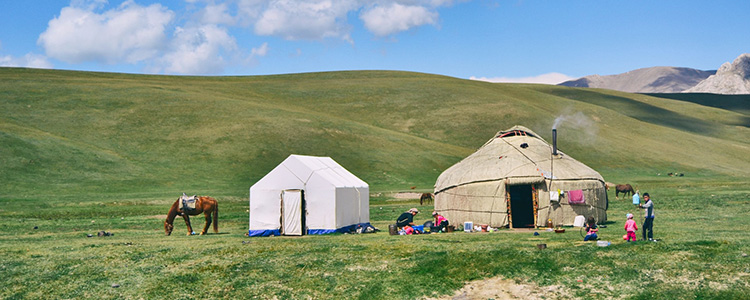
- Field research in, for example, nature reserves or cities.
- Participating in an international project.
- Or a full doctoral program (PhD).
- When pursuing a PhD, you work on a single research project for several years, write scientific papers, and ultimately a dissertation.
What conducting research (or pursuing a PhD) makes it particularly interesting:
- You often work together in international teams.
- You encounter different research methods and perspectives.
- You learn to deal with different academic cultures (sometimes more hierarchical, sometimes very free).
- You become an expert in a specific field.
What are the reasons for conducting research or pursuing a PhD abroad?
- To become analytically stronger: you learn to view complex issues from different angles, and critical thinking becomes daily practice.
- To increase your situational awareness: working in another country shows you how culture, politics, and economics influence research and knowledge.
- To grow professionally: international experience makes you more attractive for future jobs within and outside academia.
- To expand your network: you collaborate with researchers from all over the world, which can open doors for future projects or jobs.
- To get to know yourself better: working on a long and intensive project in a different environment shows you where your limits lie and how you deal with them.
What skills and motivations do you need for conducting research or pursuing a PhD abroad?
- Analysing: you must be able to structure, interpret, and translate information into conclusions.
- Self-confidence: you must dare to share and defend your ideas, even to experienced researchers.
- Planning: research requires long-term planning, deadlines, and discipline.
- Flexibility: things often turn out differently than expected (missing data, fieldwork failing, etc.).
- Perseverance: research involves trial and error and persistence is essential.
What are the best countries and locations for conducting research or pursuing a PhD abroad?
- Strong academic countries: United States, United Kingdom, Germany, the Netherlands, Sweden, Norway.
- For field research/practice-oriented research: Indonesia, South Africa, Costa Rica, India, Brazil.
- Specific niches (e.g., tech and innovation): Japan, South Korea, Singapore.
What are the risks of conducting research or pursuing a PhD abroad, and are you insured against those risks?
What are the risks of conducting research or pursuing a PhD abroad, and what occurs with some regularity:
- that there is an unsafe working environment: infrastructure, health risks, political instability, conduct.
- that research is delayed due to bureaucracy, visa problems, or limited access to data and facilities, which can have stress and financial consequences.
- that you work in an academic culture with different hierarchies and forms of communication, which can lead to misunderstandings, uncertainty, or conflicts.
- that you become isolated due to intensive work, long days, and distance from your social network, which can affect your mental health.
- that you face health risks, for example during fieldwork in extreme conditions or in areas with limited medical facilities.
- that medical care abroad is expensive or difficult to access, meaning illness or accidents can have major consequences.
Are you insured while conducting research and pursuing a PhD abroad?
- There may be several reasons why you need separate insurance when working abroad.
- During activities and trips abroad, the coverage of your own health insurance in your home country may be insufficient, or even lapse. See the pages on insuring activities abroad.
- Check: insurance when you conduct research or pursuing a PhD: for paid work, for internships and for volunteer work abroad.
- Login of registreer om te kunnen reageren
- 124 keer gelezen