
 Madagascar
Madagascar Country Bundle: suggestions, stories and tips

Content about Madagascar on WorldSupporter
How does healthcare work in Madagascar, and what travel insurance, health insurance or expat insurance do you need?
 How does healthcare work in Madagascar, and what travel insurance, health insurance or expat insurance do you need?
- How does the healthcare system work in Madagascar?
- What is the quality of healthcare in Madagascar?
- How does the public healthcare system work in Madagascar?
- How does the private healthcare system work in Madagascar?
- How is the general practitioner arranged in Madagascar?
- How is the dentist arranged in Madagascar?
- How is pregnancy care arranged in Madagascar?
- How safe or unsafe is a trip or stay in Madagascar?
- What work and travel insurance policies are suitable for short and long stays in Madagascar?
- What emigration and expat insurance can you take out for Madagascar if you are going to live there for a while?
How does the healthcare system work in Madagascar?
What is the quality of healthcare in Madagascar?
- Health care in Madagascar faces many challenges, including infectious diseases, shortages, and underfunding.
- The government works to improve public health through programs targeting disease control.
- Health care is officially decentralized, consisting of public, private, and informal providers.
- The private sector plays an important role in supplementing public care.
- Without international organizations and donors, the system would struggle to function. NGOs and donors are critical in financing and providing care.
- Access is a major issue: urban populations have better care than rural or coastal communities.
- Cost and lack of infrastructure also prevent locals from accessing care.
- Expats and travelers usually rely on private care, but medical evacuation to South Africa or Europe is often necessary.
- Pharmacies are mostly in Antananarivo and other major cities; rural areas have few.
- Medicine shortages are common, and counterfeit drugs exist.
- Ambulance services are nearly non-existent; personal transport is essential in emergencies.
- Traditional medicine is widely used across Madagascar.
How does the public healthcare system work in Madagascar?
- Public care is underfunded and relies heavily on NGOs and international support (WHO, UNICEF, MSF).
- The central government oversees the system, but local authorities manage most operations.
- Basic care is delivered through village clinics: vaccinations, first aid, and routine treatment by local health workers.
- District hospitals provide secondary care, but are often poorly equipped.
- Regional hospitals and specialized institutions offer tertiary care.
- Travel times to care can be long; staff and medicine shortages are daily challenges.
- Officially “free” basic care often still requires out-of-pocket payments or bringing your own supplies.
How does the private healthcare system work in Madagascar?
- The private sector has grown in recent years.
- Private hospitals and clinics in Antananarivo and other large cities provide better quality and are an important supplement to public care.
- More options exist for advanced diagnostics, and waiting times are usually shorter.
- Costs are higher, and care is more reliable and modern.
- NGO clinics (e.g., MSF) are sometimes even more reliable than public facilities.
- Complex treatments usually still require referral to South Africa or Europe.
How is the general practitioner arranged in Madagascar?
- There is no GP system in Madagascar.
- Primary care occurs through village clinics or private doctors in cities.
- Expats often choose a private doctor in Antananarivo as a “go-to” contact.
How is the dentist arranged in Madagascar?
- Dental care in Madagascar is very limited.
- Basic dental care is available in cities, mainly in Antananarivo.
- Specialist dental care is rare; expats usually travel abroad for advanced dental treatments.
How is pregnancy care arranged in Madagascar?
- Madagascar has one of the highest maternal and child mortality rates in the world.
- Poor access to prenatal and postnatal care, insufficiently trained staff, and inadequate facilities are major contributors.
- Prenatal care is available, but staff and resource shortages remain significant.
- Many rural women give birth at home; urban hospital births are safer.
- Traditional midwives still play an important role.
- Expats generally choose to give birth in another country.
How safe or unsafe is a trip or stay in Madagascar?
What should you pay attention to in terms of safety in Madagascar?
- Petty crime occurs in cities and tourist areas; violence is not uncommon.
- Political tensions and protests can flare up suddenly.
What should you look out for in terms of diseases in Madagascar?
- Malaria is endemic and widespread.
- Other mosquito-borne diseases like dengue and chikungunya are significant risks.
- Tuberculosis and HIV/AIDS are major public health problems.
- Only drink bottled or boiled water.
What should you pay attention to when it comes to traffic in Madagascar?
- Roads are often poor, unpaved, and sometimes impassable during the rainy season.
- Taxi-buses are cheap but overcrowded and poorly maintained.
- Self-driving is best with a 4x4 during daytime.
- Night travel outside cities is discouraged due to poor lighting and risk of carjacking.
What work and travel insurance policies are suitable for short and long stays in Madagascar?
- Is the trip to Madagascar and your return sufficiently covered? Are you sufficiently covered before, during and after your activities? Which insurance best suits your trip and your activity? Read more about insurances for abroad on JoHoinsurances.org.
What emigration and expat insurance can you take out for Madagascar if you are going to live there for a while?
- International health or expat insurance is essential due to high disease risk and limited local care.
- Medical evacuation or repatriation is often required for serious illness or injury.
- If you have private insurance, you can choose your own doctor in Madagascar.
- Read more about insurances for abroad on Expatinsurances.org.
Packing list for Madagascar, travel insurance for Madagascar, and taking your belongings
Packing list for Madagascar, travel insurance for Madagascar, and taking your belongings
What to take with you to Madagascar: spotlighted
Featured items:
- Documents: a passport with at least 6 months validity and copies of your passport.
- Money: bring enough Ariary, because paying with your card can be difficult!
- Care: coral-friendly, strong sunscreen and aftersun.
- Outdoor and conveniences: sunglasses in combination with a cap/hat. Buff for protection against sun, wind and dust.
- Protection: backpack rain cover and a light raincoat for unexpected showers and (impregnated )mosquito net.
- Clothing: from rainforest to desert, you can encounter all conditions. In general, lightweight clothing with warm layers is the most convenient. Also think of clothing that protects against mosquitoes. Swimwear for the beach and hotel days.
- Shoes: good walking shoes (possibly waterproof for the rainforest) and sandals for relaxed beach days or when you just want to give your feet some air.
- Medicines and travel kit: a small first aid kit with plasters, painkillers, stomach and intestinal remedies, ORS (dehydration is a thing) and mosquito repellent. Hand disinfectant for those moments when running water is a luxury.
- Technology and equipment: world plug with type C & E, power bank and flashlight for power outages.
What are some other options for packing as well?
- Reusable water bottle with filter.
- Quick-drying travel towel.
- International driving license, when you want to rent a car.
- Books or an e-reader for long journeys.
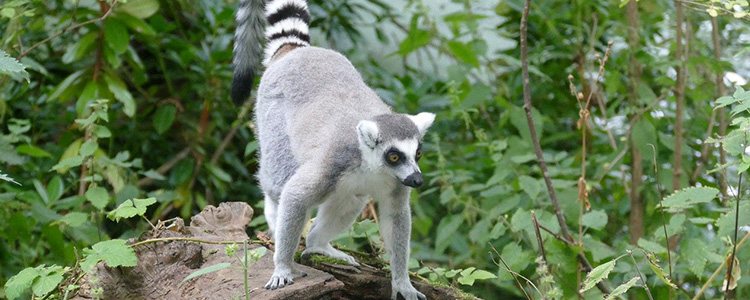
- Mini binoculars or monocular, because you don't want to miss the lemurs.
- Dress according to the dress code and climate: in more remote areas and even on some beaches (often shoulders covered and fairly conservative).
Are there mosquitoes in Madagascar?
- Mosquitoes in Madagascar are not only annoying, they can also transmit malaria and dengue.
- The moquitoes are everywhere and pose a significant risk to local public health, with one of the highest malaria rates in the world.
- Wear mosquito repellent like your life depends on it – because it might.
- Mosquitoes are most active around sunrise and sunset. There are fewer mosquitoes in the cooler months (June-August).
Are there sandflies in Madagascar?
- Sand flies are not a big problem in Madagascar.
Can you buy DEET, or other mosquito repellents, in Madagascar?
- In Madagascar it is important to protect yourself well and it is not easy to find good mosquito repellents for this.
- Pack your own favorite mosquito repellent substance.
Can you buy a joint or weed in Madagascar, or take it with you to Madagascar?
- Cannabis has been used in Madagascar for thousands of years and is still popular among the local population.
- Despite this, possession and use of cannabis is illegal and can lead to severe penalties. Not the souvenir you want to take home.
- Medical cannabis is also not allowed, and taking a joint or weed with you is definitely not allowed.
Madagascar: Updates & Travel
Madagascar: Updates & Travel
Travel in Madagascar?
- If you love nature, go to Madagascar. Because it is an island and therefore cut off from the mainland, it has about 10,000 organisms found nowhere else in the world! For example, do you know about the lemurs and the fossa? Unfortunately, more and more forest is being cut down and more and more species are dying out. We would almost say “Be quick!” Not only the nature is interesting, the people are also special. In fact, the ancestors of the inhabitants of Madagascar came by boat from Indonesia 300 years before Christ, so they do not resemble Africans in any way.
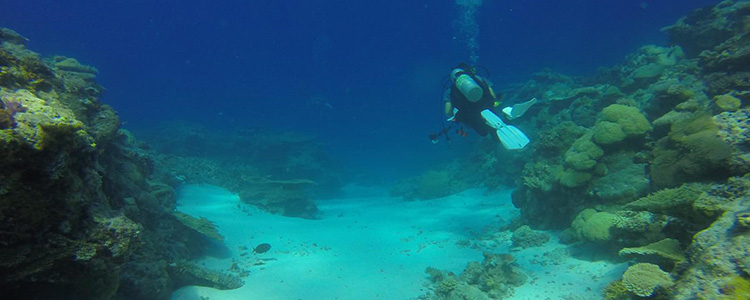
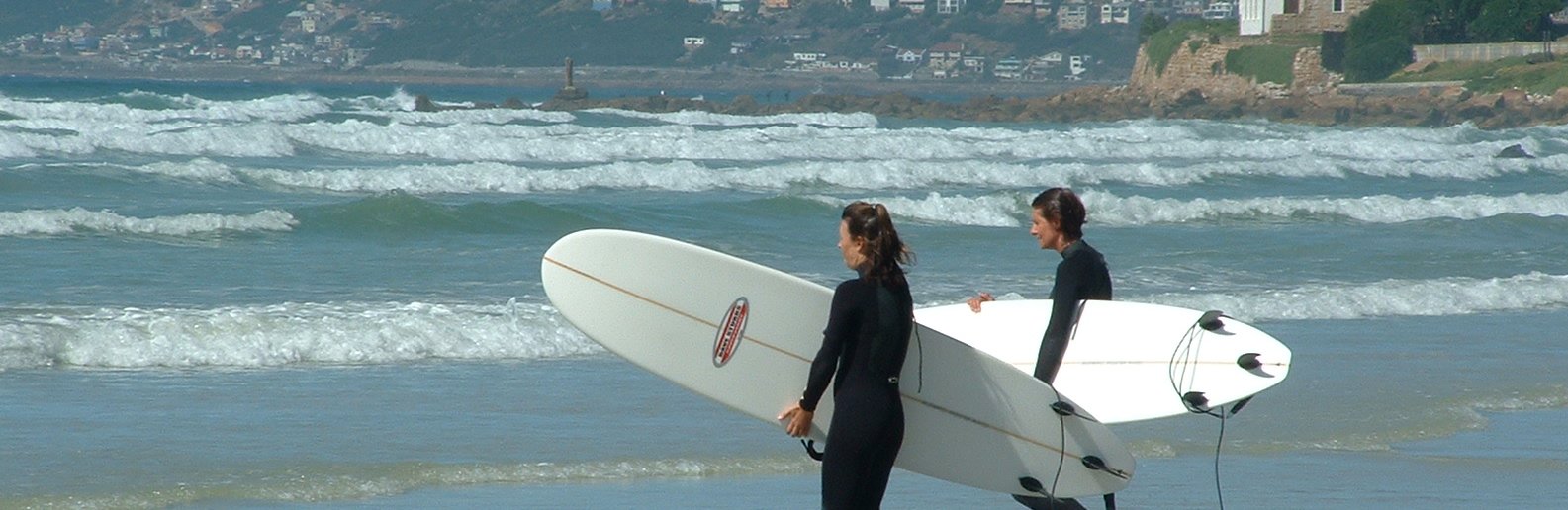
- Go surfing. Madagascar is one of the best places to windsurf in the southern hemisphere or dive along the beautiful coral reef.
- See the extraordinary flora and fauna.
- Listen to the cries of the lemurs.
- Walk through the volcanic landscape.
- Soak up culture in Antananarivo.
- Ampfery. Visit the volcano and geyser area.
- Antananarivo (Tana) is the capital of Madagascar, with beautiful palaces and markets built on ten hills.
- Ambohimanga is a sacred city. The forbidden city or king's city of Madagascar is best known for the beautiful Rova palace.
- Tsingy de Bemarah Strict Nature Reserve, some say is one of the most beautiful and extraordinary natural parks in the world.
- Extinct animal and plant species.
- Pollution of the coral reef.
Updates Madagascar
- More about Madagascar, updates and contributions, see the link below.
Madagascar: selection of contributions by WorldSupporters - Bundle
 Madagascar: selection of contributions by WorldSupporters - Bundle
Content about Madagascar shared by WorldSupporters
Access:
Public
- Login of registreer om te kunnen reageren
- 1110 keer gelezen