Nature and environmental sciences: study assistance, study summaries and student internships abroad

from improving study skills to studying abroad and job openings to personal experiences

Image

Image

PAGE LAYOUT

Nature and environmental sciences

INTRO   SUMMARIES AND STUDY ASSISTANCE   ACTIVITIES AND TIPS   ORGANIZATIONS   SPOTLIGHT   SEARCH

PAGE INTRO

Table of contents:

Nature and environmental sciences: study and knowledge
  • What is nature, and what is environmental sciences?
  • Why study nature, and where is the best place to study, intern, or work abroad?
  • Why study environmental science, and where is the best place to study, intern, or work abroad?
  • What are the key terms, definitions, and concepts summarized in the field of environmental and nature sciences?
Nature and environmental sciences: summaries and study assistance
  • What are the best scientific articles for environmental and nature sciences summarized?
Nature and environmental sciences: summaries per related study field
Nature and environmental sciences: study and work skills
  • How to improve your study skills in the field of environmental and nature sciences?
  • Which skills are related to the field of environmental and nature sciences?
Nature and environmental sciences: study abroad, intern abroad, and work abroad
  • Which activities, internships, and vacancies abroad are related to the field of environmental and nature sciences?
  • Which organizations offer internships and activities in the field of environmental and nature sciences?
Nature and environmental sciences: shared experiences
  • What are the related spotlight blogs and contributions of other WorldSupporters?
Nature and environmental sciences: shared content
  • All shared content related to environmental and nature sciences: jobs, tips, summaries, organizations, and blogs
  • Search all shared content

Image

What is nature, why would you study it, and where is the best place to study, intern or work abroad?

What is nature, why would you study it, and where is the best place to study, intern or work abroad?

What is nature?

  • Nature as a study field explores the living and non-living systems that shape the Earth, from organisms and ecosystems to climate, oceans, rocks, atmosphere, and the wider universe.
  • The field connects observation, fieldwork, laboratory research, data analysis, and theory. It often moves between small-scale detail, such as cells or minerals, and large-scale systems, such as forests, coastlines, weather patterns, and planetary processes.
  • Internationally, the study of nature is relevant in contexts where societies depend on land, water, biodiversity, energy, food systems, public health, and environmental decision-making.

What are the main reasons for being active in the field of nature?

  • The field gives insight into how natural systems function, change, recover, or become vulnerable under pressure from human activity and environmental change.
  • It offers a grounded way to understand global issues such as biodiversity loss, climate adaptation, sustainable agriculture, water management, and conservation.
  • Nature-related study and internships often involve a mix of field observation, scientific reasoning, practical research, and communication with local communities or organizations.
  • The discipline is relevant across countries because natural environments differ widely, while many ecological and environmental questions cross borders.
  • The field often attracts people who are interested in careful observation, long-term thinking, evidence-based decisions, and the relationship between humans and the natural world.

What skills do you need to participate in nature?

  • To analyse: nature studies often require interpreting patterns in landscapes, species distribution, weather data, chemical processes, or ecological relationships.
  • To be aware of your surroundings: fieldwork depends on noticing changes in terrain, climate, animal behavior, plant life, safety conditions, and local environmental practices.
  • To collaborate: work in nature commonly involves scientists, local communities, policy actors, farmers, conservation groups, and technical specialists.
  • To communicate: natural science becomes more useful when findings can be explained clearly to researchers, decision-makers, visitors, or the wider public.
  • To plan: research and field projects often depend on seasons, permits, equipment, weather windows, sampling methods, and careful logistical preparation.

What motivates people to study or work in nature?

  • Be and feel connected: the field often appeals to people who want to understand the links between organisms, landscapes, climate, water, and human communities.
  • Be and feel involved: many people are drawn to nature because it allows them to engage with visible environmental questions rather than only abstract systems.
  • Be and feel meaningful with a sense of purpose: nature-related work can feel meaningful where it contributes to conservation, responsible resource use, public knowledge, or environmental recovery.
  • Be and feel experienced: internships and study abroad in this field often involve direct learning through field stations, reserves, farms, research sites, laboratories, or coastal areas.
  • Be and feel time path aware: the discipline encourages attention to long processes, from evolution and geological change to seasonal cycles and ecosystem recovery.

What are the best countries and locations to study, intern or work in nature abroad?

Where can you find work experience and vacancies for jobs, internships, and voluntary work in nature abroad?

What are things to consider when studying or working abroad in nature?

  • Field conditions vary strongly by climate, season, terrain, safety rules, and local infrastructure; preparation is part of the discipline rather than a practical afterthought.
  • Ethical work in nature often requires respect for local communities, Indigenous knowledge, protected areas, animal welfare, research permits, and long-term ecological impact.
  • Scientific methods may differ between laboratories, field stations, universities, NGOs, and government agencies, so careful attention to protocols and local context matters.
  • Language and cultural understanding can shape how environmental issues are discussed, especially where livelihoods depend directly on farming, fishing, forests, tourism, or water use.
  • Some placements are physically demanding or remote, while others are desk-based and analytical; the field contains both practical outdoor work and structured scientific research.

Further depth: what is nature as a discipline?

What are the main features of nature?

Nature is not a single narrow discipline. It is a broad field of scientific inquiry that studies the natural world through connected branches such as biology, geology, physics, chemistry, ecology, astronomy, meteorology, and oceanography.

  • Interdisciplinary scope: understanding nature often means combining knowledge of living organisms, physical forces, chemical processes, Earth systems, climate, and environmental relationships.
  • Observation and experimentation: the field relies on careful observation, measurement, fieldwork, laboratory testing, modelling, and comparison across time and place.
  • Hypothesis-based inquiry: researchers develop explanations, test them against evidence, revise assumptions, and build more reliable knowledge about natural processes.

What are important sub-areas of nature?

The study of nature includes several major sub-areas, each with its own methods and questions. Together they help explain how organisms, matter, energy, landscapes, oceans, atmosphere, and the universe interact.

  • Biology: studies living organisms, including their structure, development, behavior, evolution, and distribution.
  • Geology: examines the Earth’s materials, structures, processes, history, and changing physical form.
  • Physics: investigates matter, energy, motion, forces, and the principles that shape natural phenomena at different scales.
  • Chemistry: focuses on the composition, properties, reactions, and transformations of substances.
  • Ecology: studies relationships between organisms and their environments, including species interactions and ecosystem dynamics.
  • Astronomy: explores celestial bodies and wider cosmic systems, including stars, planets, galaxies, and the universe.
  • Meteorology: examines the atmosphere, weather patterns, temperature, wind, precipitation, and related processes.
  • Oceanography: studies oceans through their currents, tides, chemistry, marine life, and physical structure.

What are key concepts of nature?

  • Natural selection: the process through which traits that support survival and reproduction can become more common in populations over generations.
  • Biodiversity: the variety of life across genes, species, habitats, and ecosystems, and a central measure of ecological richness and resilience.
  • Ecosystem services: the benefits people receive from natural systems, including clean water, fertile soil, food, pollination, coastal protection, and climate regulation.
  • Sustainable development: the effort to meet present needs while protecting the ecological conditions that future generations will also depend on.
  • Systems thinking: the recognition that natural processes are connected, so a change in one part
......more on this page, or read on below >>
Access: 
Public
What is environmental sciences, why would you study it, and where is the best place to study, intern or work abroad?

What is environmental sciences, why would you study it, and where is the best place to study, intern or work abroad?

What is environmental sciences?

  • Environmental sciences studies the relationships between natural systems, human activity, and the physical conditions that shape life on Earth.
  • The field combines biology, chemistry, geography, geology, physics, ecology, policy, and social perspectives to understand environmental change in context.
  • Internationally, environmental sciences is relevant wherever societies deal with climate adaptation, water quality, land use, biodiversity, pollution, energy transition, or resource management.

What are the main reasons for being active in the field of environmental sciences?

  • The field offers a structured way to understand how ecosystems, cities, industries, agriculture, and public policy influence one another.
  • Environmental questions often cross borders, making the discipline especially relevant for people interested in international cooperation and local differences in environmental practice.
  • Study or internship experience abroad can show how climate, culture, governance, and economic development shape environmental priorities.
  • The field commonly involves a mix of fieldwork, data analysis, laboratory work, policy interpretation, and communication with different stakeholders.
  • Environmental sciences attracts people who want to examine practical problems without reducing them to a single technical, political, or biological explanation.

What skills do you need to participate in environmental sciences?

  • To analyse: environmental work often depends on interpreting patterns in climate data, water samples, land use, species populations, or pollution sources.
  • To be aware of your surroundings: field settings require attention to landscapes, weather, local communities, safety conditions, and ecological details that may not appear in reports.
  • To collaborate: environmental questions are usually shared by scientists, policy makers, residents, companies, farmers, engineers, and civil society organizations.
  • To communicate: findings need to be explained clearly to audiences with different levels of scientific, political, or local knowledge.
  • To form an opinion: environmental sciences often involves weighing evidence, uncertainty, values, and long-term consequences before making recommendations.
  • To plan: research, monitoring, restoration, and impact assessments require careful preparation, seasonal timing, permits, and coordination across locations.

What motivates people to study or work in environmental sciences?

  • Be and feel meaningful with a sense of purpose: the field often appeals to people who want their work to connect with long-term ecological and social questions.
  • Be and feel involved: environmental sciences gives space to engage with issues that affect communities, landscapes, species, and future generations.
  • Be and feel connected: the discipline often strengthens awareness of how local actions are linked to wider ecological and global systems.
  • Be and feel experienced: fieldwork, research placements, and international internships can add practical understanding of how environmental issues differ between regions.
  • Be and feel independent and free: the field can involve outdoor research, remote locations, varied project settings, and a broad choice of specializations.

What are the best countries and locations to study, intern or work in environmental sciences abroad?

Where can you find work experience and vacancies for jobs, internships, and voluntary work in environmental sciences abroad?

What are things to consider when studying or working abroad in environmental sciences?

  • Environmental work abroad often depends on local regulations, permits, ethical standards, land rights, and relationships with communities or protected-area authorities.
  • Field conditions can vary strongly by season, climate, terrain, infrastructure, language, and access to equipment or reliable data.
  • International environmental projects may involve different expectations about conservation, development, resource use, and the role of scientific evidence in policy.
  • Some placements are mainly educational or observational, while others require technical preparation in sampling, statistics, GIS, laboratory work, or policy analysis.
  • Useful experience often comes from understanding the local context carefully rather than applying one general model of sustainability everywhere.

Further depth: what is environmental sciences as a discipline?

What are the main features of environmental sciences?

Environmental sciences is an interdisciplinary discipline that examines the Earth’s physical, chemical, biological, and human systems together. It looks at how natural processes function, how human activity changes them, and how societies can respond with evidence-based decisions.

  • Interdisciplinary by nature: the field brings together ecology, biology, chemistry, geology, geography, physics, and social perspectives to study complex environmental questions.
  • Focused on human-environment relations: environmental sciences studies pollution, resource use, climate change, ecosystem change, and the effects of environmental quality on human health and well-being.
  • Problem-oriented: the discipline uses research, monitoring, assessment, and policy advice to identify causes of environmental problems and explore workable responses.

What are important sub-areas of environmental sciences?

The field contains several sub-areas that can be studied separately, but in practice they often overlap. A question about water pollution, for example, may involve chemistry, geology, ecology, law, public health, and local governance at the same time.

  • Atmospheric science: studies the atmosphere, air quality, weather systems, climate processes, and the causes and effects of air pollution.
  • Ecology: examines relationships between organisms and their surroundings, including populations, food webs, energy flows, habitats, and ecosystem services.
  • Environmental chemistry: investigates natural chemical processes, pollutants, nutrient cycles, and the movement of substances through air, water, soil, and living systems.
  • Environmental geology: studies the interaction between geological processes and human activity, including erosion, groundwater contamination, soil stability, and natural hazards.
  • Environmental policy and law: focuses on regulations, governance, policy design, and the way societies translate environmental knowledge into rules and practices.
  • Conservation biology: deals with biodiversity, threatened species, habitat restoration, protected areas, and the management of ecosystems under pressure.
  • Environmental engineering: applies technical design to environmental problems, including pollution control, renewable energy systems, waste treatment, and sustainable infrastructure.

What are key concepts of environmental sciences?

  • Sustainability: the idea that present needs should be met without undermining the ecological and social conditions needed by future generations.
  • Ecosystem services: the benefits that people receive from functioning ecosystems, such as clean water, fertile soil, pollination, climate regulation, food, and cultural value.
  • Biodiversity: the variety of life at genetic, species, habitat, and ecosystem levels, and a central condition for resilient ecological systems.
  • Environmental impact assessment:
......more on this page, or read on below >>
Access: 
Public
Summaries: the best definitions, descriptions and lists of terms for nature and environmental sciences

Summaries: the best definitions, descriptions and lists of terms for nature and environmental sciences

Key terms, definitions and concepts summarized in the field of nature and environmental sciences

What is this page about?

  • Contents: a selection of terms, definitions and concepts for nature and environmental sciences
  • Study areas: Biology and Biological Sciences, Environmental Sciences and Environmental protection, Food and Agriculture, Forest, Wildlife and Nature conservation and many more 
  • Language: English
  • Access: Public

Where to go next?

What to find below?

  • Read on for the key terms and definitions summarized in the field of nature and environmental sciences
  • Click on the term of your interest
...more on this page, or read on below >>
What is agriculture, why would you study it, and where is the best place to study, intern or work abroad?

What is agriculture, why would you study it, and where is the best place to study, intern or work abroad?

What is agriculture?

  • Agriculture studies how plants, animals, soils, water, technology, markets, and people come together in food and land-based systems.
  • The field is relevant in contexts where food security, rural livelihoods, biodiversity, climate adaptation, and responsible resource use are closely connected.
  • Agriculture is both scientific and practical: it includes laboratory research, fieldwork, farm management, policy analysis, data systems, and work with communities and organizations.

What are the main reasons for being active in the field of agriculture?

  • The field gives insight into one of the most basic systems of society: how food, fiber, fuel, and other natural products are produced and distributed.
  • Agriculture connects local practices with global questions, from soil degradation and water scarcity to trade, nutrition, land rights, and climate resilience.
  • The discipline often attracts people who want to understand living systems in practical settings, rather than only through theory or laboratory work.
  • International study or internship experience can show how farming systems differ between regions, climates, cultures, and economic conditions.
  • The field commonly involves cooperation between researchers, farmers, companies, public institutions, and environmental organizations.

What skills do you need to participate in agriculture?

  • To analyse: agricultural work often requires interpreting soil data, crop performance, weather patterns, market information, and ecological relationships.
  • To be aware of your surroundings: field conditions, animal welfare, local customs, seasonal timing, and environmental risks all influence agricultural decisions.
  • To collaborate: the field depends on cooperation between farmers, researchers, extension workers, engineers, suppliers, communities, and policymakers.
  • To communicate: agricultural knowledge has to be shared clearly across practical, scientific, commercial, and community settings.
  • To plan: growing seasons, animal care, irrigation, logistics, field trials, and supply chains all require careful timing and coordination.

What motivates people to study or work in agriculture?

.....read more
Access: 
Public
What is nature, why would you study it, and where is the best place to study, intern or work abroad?

What is nature, why would you study it, and where is the best place to study, intern or work abroad?

What is nature?

  • Nature as a study field explores the living and non-living systems that shape the Earth, from organisms and ecosystems to climate, oceans, rocks, atmosphere, and the wider universe.
  • The field connects observation, fieldwork, laboratory research, data analysis, and theory. It often moves between small-scale detail, such as cells or minerals, and large-scale systems, such as forests, coastlines, weather patterns, and planetary processes.
  • Internationally, the study of nature is relevant in contexts where societies depend on land, water, biodiversity, energy, food systems, public health, and environmental decision-making.

What are the main reasons for being active in the field of nature?

  • The field gives insight into how natural systems function, change, recover, or become vulnerable under pressure from human activity and environmental change.
  • It offers a grounded way to understand global issues such as biodiversity loss, climate adaptation, sustainable agriculture, water management, and conservation.
  • Nature-related study and internships often involve a mix of field observation, scientific reasoning, practical research, and communication with local communities or organizations.
  • The discipline is relevant across countries because natural environments differ widely, while many ecological and environmental questions cross borders.
  • The field often attracts people who are interested in careful observation, long-term thinking, evidence-based decisions, and the relationship between humans and the natural world.

What skills do you need to participate in nature?

  • To analyse: nature studies often require interpreting patterns in landscapes, species distribution, weather data, chemical processes, or ecological relationships.
  • To be aware of your surroundings: fieldwork depends on noticing changes in terrain, climate, animal behavior, plant life, safety conditions, and local environmental practices.
  • To collaborate: work in nature commonly involves scientists, local communities, policy actors, farmers, conservation groups, and technical specialists.
  • To communicate: natural science becomes more useful when findings can be explained clearly to researchers, decision-makers, visitors, or the wider public.
  • To plan: research and field projects often depend on seasons,
.....read more
Access: 
Public
What is sea management, why would you study it, and where is the best place to study, intern or work abroad?

What is sea management, why would you study it, and where is the best place to study, intern or work abroad?

What is sea management?

  • Sea management studies how oceans, coasts, marine resources, and maritime activities can be governed in ways that balance ecological, social, legal, and economic interests.
  • The field connects marine science with public policy, international law, environmental planning, fisheries, coastal development, shipping, tourism, and community livelihoods.
  • Internationally, sea management is relevant wherever marine ecosystems meet human use: from small island states and fishing communities to port regions, conservation areas, and global ocean governance institutions.

What are the main reasons for being active in the field of sea management?

  • The field gives insight into how ocean resources are shared, protected, monitored, and sometimes contested across national borders.
  • Sea management is closely connected to climate change, biodiversity loss, food security, maritime trade, coastal safety, and the future of the blue economy.
  • The discipline often attracts people who are interested in both environmental systems and the practical realities of policy, regulation, and stakeholder negotiation.
  • Study or internship experience abroad can show how different countries approach coastal planning, marine protected areas, fisheries, tourism pressure, and ocean pollution.
  • The work commonly involves field observation, research support, policy analysis, public communication, and cooperation between scientists, governments, NGOs, companies, and local communities.

What skills do you need to participate in sea management?

  • To analyse: sea management requires interpreting ecological data, legal frameworks, spatial plans, and the often conflicting interests around marine space.
  • To collaborate: the field depends on cooperation between researchers, coastal residents, public authorities, fishers, port actors, tourism organizations, and conservation groups.
  • To communicate: clear explanation matters when scientific findings, regulations, and environmental risks need to be understood by different audiences.
  • To form an opinion: decisions in ocean governance often involve uncertainty, trade-offs, incomplete evidence, and competing social values.
  • To plan: marine spatial planning, coastal adaptation, monitoring programs, and conservation measures all require structured thinking over
.....read more
Access: 
Public
What is biology, why would you study it, and where is the best place to study, intern or work abroad?

What is biology, why would you study it, and where is the best place to study, intern or work abroad?

What is biology?

  • Biology is the study of living systems, from molecules and cells to organisms, ecosystems, and the evolution of life over time.
  • The field connects laboratory research, field observation, data analysis, public health, agriculture, conservation, and biotechnology.
  • Internationally, biology is relevant wherever societies work with health, food systems, biodiversity, environmental change, and the responsible use of biological knowledge.

What are the main reasons for being active in the field of biology?

  • Biology offers a structured way to understand life, health, reproduction, adaptation, ecosystems, and the relationships between organisms and their environments.
  • The field often attracts people who enjoy careful observation, evidence-based thinking, and working with both detail and larger systems.
  • Biological knowledge is used across countries in medicine, agriculture, environmental protection, biotechnology, education, and research.
  • Study or internship experience abroad can show how biological questions differ between contexts, such as tropical ecosystems, urban health systems, marine environments, or agricultural regions.
  • The discipline is relevant in settings where scientific insight needs to be translated into practical decisions for people, animals, plants, and shared environments.

What skills do you need to participate in biology?

  • To analyse: biological work depends on recognizing patterns in observations, experiments, field data, genetic information, or ecological relationships.
  • To be aware of your surroundings: fieldwork, laboratory work, and health-related settings require attention to context, safety, organisms, materials, and local conditions.
  • To collaborate: biology commonly involves teams of researchers, technicians, health workers, farmers, conservationists, or community partners.
  • To communicate: findings often need to be explained clearly to scientific peers, local organizations, policy groups, or non-specialist audiences.
  • To have integrity: biological research and practice involve careful handling of evidence, living material, ethical questions, and possible social consequences.

What motivates people to study or work in biology?

.....read more
Access: 
Public
What is water conservation, why would you study it, and where is the best place to study, intern or work abroad?

What is water conservation, why would you study it, and where is the best place to study, intern or work abroad?

What is water conservation?

  • Water conservation is the study of how societies use, protect, distribute, and restore freshwater resources in a sustainable way.
  • The field connects natural systems with human systems: rivers, groundwater, agriculture, cities, industry, public health, ecosystems, and climate adaptation.
  • Internationally, water conservation often differs by region, because water scarcity, rainfall patterns, infrastructure, governance, and cultural habits around water use vary strongly across countries.

What are the main reasons for being active in het field of water conservation?

  • The field is relevant in places where freshwater demand is rising because of population growth, agriculture, urbanization, tourism, or industrial development.
  • Water conservation helps connect environmental protection with everyday systems such as food production, sanitation, housing, public planning, and landscape design.
  • The discipline often attracts people who want to understand complex resource questions without separating ecological, technical, legal, and social dimensions.
  • Work in the field commonly involves practical observation, measurement, communication with communities, and cooperation between public institutions, companies, researchers, and civil society.
  • Studying or interning abroad can make visible how water challenges are shaped by climate, infrastructure, local knowledge, political priorities, and international cooperation.

What skills do you need to participate water conservation?

  • To analyse: water conservation depends on interpreting data about water flows, consumption patterns, pollution sources, ecosystem pressure, and long-term availability.
  • To be aware of your surroundings: fieldwork and local water projects require attention to landscapes, infrastructure, seasonal change, community practices, and environmental risk.
  • To collaborate: water issues rarely belong to one organization, so the work often involves municipalities, farmers, engineers, households, NGOs, and researchers.
  • To communicate: conservation measures need clear explanation, especially when technical information has to be understood by residents, policymakers, businesses, or local partners.
  • To plan: water management involves timing, maintenance, monitoring, seasonal preparation, emergency thinking, and coordination across different users of
.....read more
Access: 
Public
Access: 
Public

Summaries & Study assistance 

Summaries: home page

Home page for the use of summaries on WorldSupporter

What is this page about?

  • Contents: information about using and finding summaries of study books, scientific articles, academic concepts and practice exams on WorldSupporter
  • Study areas: Business, Education, Health, Psychology, Law, Nature, Society and more
  • Languages: English, Dutch
  • Access: Public

Where to go next?

What to find below?

  • Summaries per study and study field
  • Summaries per type and form
    • How to use and find summaries, study notes en practice exams on JoHo WorldSupporter?
    • How and why would you use summaries?
    • Finding summaries practice exams on JoHo WorldSupporter
    • Quicklinks to fields of study for summaries and study assistance
  • Main theme pages for learn and study
  • FAQ: questions and answers about summaries
...more on this page, or read on below >>
Access: 
Public

Image

Skills & Competences

Related competences, skills and values
Study skills

Study skills

Study skills

To be involved

To be involved

What is to be involved?

  • Being involved means being loyal and honest with others, the group you are part of or the organization you work in.
  • In doing so, you put the interests of another above your own interests, but you keep an eye on your own boundaries.
  • You can feel committed to a goal, an organization or a person, and work to achieve those goals.

What are concepts and competencies associated with commitment?

  • Acting in the best interest of your environment
  • Being loyal
  • Being loyal
  • Taking responsibility
  • Bearing responsibility
  • Being connected

What are forms of being involved?

  • The competency "being involved" can come in different forms, such as loyalty, acting in the best interest of the organization and taking responsibility.

What is loyalty?

  • Having loyalty means that you can be faithful, that you do what you promised, and that you treat another with honesty and integrity.
  • Being loyal also means that you can put another person's interests ahead of your own, and put your own interests aside when really necessary.
To plan

To plan

What is planning?

  • Planning is effectively setting goals and priorities and indicating the time, activities and resources needed to achieve certain goals.

What are planning-related competencies and concepts?

  • ability to organize
  • be able to delegate
  • monitor progress

What is organizational capability?

  • Organizational ability means being able to efficiently use resources and time at your disposal for good planning. Good planning allows you to achieve your goals and priorities within the time required with the resources available to you

What is delegation?

  • Delegation is assigning your own responsibilities and associated decision-making powers to appropriate employees. In doing so, you give clear instructions when transferring tasks and responsibilities (who, what, when) and, if necessary, assign authority, resources and sources of information.

What is progress control or progress monitoring?

  • Planning and organizing include interim monitoring and checking of the progress of tasks and activities. You make adjustments in the right direction if necessary.
  •  This applies to your own tasks and to the tasks of those with whom you work.


To analyse

To analyse

To analyse

Discover or develop competencies, qualities, traits and signals

Skills: suggestions and summaries on academic skills

Suggestions and summaries of Worldsupporters on academic skill improvement


Book summary of Critical Thinking - Moore & Parker - 12th edition

Book summary of Critical Thinking - Moore & Parker - 12th edition

What is critical thinking? - Chapter 1

[TOC]

What is the importance of critical thinking?

For us humans, there is an importance in critical thinking because it aids us in making good decisions. Often we do not realise how irrational our decisions can be, and this is where critical thinking comes in. Critical thinking basically means thinking about our thinking. We make use of logic and reason to determine whether or not a claim is true, if the reasoning behind it is sound and if we can draw a correlation or connection. It is not necessarily about coming up with claim as much as evaluating the correctness of claims that have been made and try to form a proper conclusion.

To achieve this, we evaluate our thinking on the basis of rationality. When we understand how critical thinking works, we can use this knowledge to be critical in multiple subjects and situations in our daily lives. It is, however, important to understand that criticising other people’s claims and ideas does not mean that we want to attack other people, only that we are trying to find the logic in them. Also, criticising other people in not always a case of critical thinking. People can criticise in the most illogical and unreasonable ways, without considering whether or not their claims are true or their reasoning sound.

When we come to a conclusion at the end of a reasoning, we call that a belief. Beliefs are prepositional and can be either true or false. Beliefs can be compared to a judgement or an opinion. When a belief is stated in a declarative way, that is when we start calling it a claim or statement. Claims are things that we can think critically about.

What are important elements of critical thinking?

Within critical thinking, there are three important parts: claims, issues and arguments. These parts can be analysed once they have been determined in conversation or writing.

Claims

Claims are things that we write or declare, to bring across information. With claims we often deal with statements, opinions or beliefs. Claims can be true

.....read more
Access: 
Public
Glossary of Academic Skills for the Social and Psychological Sciences

Glossary of Academic Skills for the Social and Psychological Sciences

Chapter 1: Literature


Literature review A detailed overview of the significant literature available about your chosen topic, providing a discussion and critical evaluation, and using clear argument to contextualise and justify your research. (p. 4)

Peer review The process of evaluating an article by experts to ensure the article meets quality criteria before being accepted for publication. (p. 9)

Textbooks Written specifically for audiences such as students or professionals. Material usually presented in an ordered and relatively accessible form. Often draw on a wide range of sources including peer-reviewed academic journal articles. Useful, particularly as an introductory source to get an overview of your research topic and find out who are the recognised experts. (p. 10)

Peer-reviewed academic journal articles Provide detailed reports of research. Articles written by experts in the field and evaluated by other academics (peer reviewers) to assess quality and suitability. Pay rigorous attention to detail and verification of information. Usually contains extensive list of references. Before publication, have usually been revise in response to comments. This is the most useful type for your literature review. Not all academic journal articles are peer-reviewed. (p. 10)

Non-refereed academic journal articles Articles may provide detailed reports of research. Articles selected by an editor or editorial board with subject knowledge. Relevance and usefulness varies considerably. Beware of possible bias. (p. 10)

Professional and trade journal articles Articles written for members of professional or trade organisations, so related to their needs. Consist of a mix of news items and more detailed accounts of a practical nature. Articles rarely based on research, although some provide summaries of research. Can provide useful insights into practice, although may be biased. Need to be used with considerable caution. (p. 10)

Newspaper articles Articles written for members of public, most newspapers addressing a particular market segment. News presented is filtered dependent on events, priority being given to headline-grabbing stories that are likely to appeal to the readers. Good source of topical events and developments. May contain bias in reporting and coverage. (p. 10)

Conference proceedings Articles consist of selected papers presented at a conference, often published as a book or special edition of a journal. Usually peer-reviewed. Increasingly available online. Sometimes difficult to find. Very useful if the theme of the conference matches your research. (p. 10)

Reports Reports on specific topics written by academics and various organisations, including market research organisations and government departments. Beware of possible bias. May not have gone through same review process as peer-reviewed academic journal articles, but those from established organisations are often of high quality. Often difficult to access or expensive to purchase. Can be a useful source of information when

.....read more
Access: 
Public
Stats for students: Simple steps for passing your statistics courses

Stats for students: Simple steps for passing your statistics courses

Image

How to triumph over the theory of statistics (without understanding everything)?

Stats of students

  • The first years that you follow statistics, it is often a case of taking knowledge for granted and simply trying to pass the courses. Don't worry if you don't understand everything right away: in later years it will fall into place, and you will see the importance of the theory you had to know before.
  • The book you need to study may be difficult to understand at first. Be patient: later in your studies, the effort you put in now will pay off.
  • Be a Gestalt Scientist! In other words, recognize that the whole of statistics is greater than the sum of its parts. It is very easy to get hung up on nit-picking details and fail to see the forest because of the trees
  • Tip: Precise use of language is important in research. Try to reproduce the theory verbatim (i.e. learn by heart) where possible. With that, you don't have to understand it yet, you show that you've been working on it, you can't go wrong by using the wrong word and you practice for later reporting of research.
  • Tip: Keep study material, handouts, sheets, and other publications from your teacher for future reference.

How to score points with formulas of statistics (without learning them all)?

  • The direct relationship between data and results consists of mathematical formulas. These follow their own logic, are written in their own language, and can therefore be complex to comprehend.
  • If you don't understand the math behind statistics, you don't understand statistics. This does not have to be a problem, because statistics is an applied science from which you can also get excellent results without understanding. None of your teachers will understand all the statistical formulas.
  • Please note: you will probably have to know and understand a number of formulas, so that you can demonstrate that you know the principle of how statistics work. Which formulas you need to know differs from subject to subject and lecturer to lecturer, but in general these are relatively simple formulas that occur frequently, and your lecturer will likely tell you (often several times) that you should know this formula.
  • Tip: if you want to recognize statistical symbols, you can use: Recognizing commonly used statistical symbols
  • Tip: have fun with LaTeX! LaTeX code gives us a simple way to write out mathematical formulas and make them look professional. Play with LaTeX. With that, you can include used formulas in your own papers and you learn to understand how a formula is built up – which greatly benefits your understanding and remembering that formula. See also (in Dutch): How to create formulas like a pro on JoHo WorldSupporter?
  • Tip: Are you interested in a career in sciences or programming? Then take your formulas seriously and go through them again after your course.

How to practice your statistics (with minimal effort)?

How to select your data?

  • Your teacher will regularly use a dataset for lessons during the first years of your studying. It is instructive (and can be a lot of fun) to set up your own research for once with real data that is also used by other researchers.
  • Tip: scientific articles often indicate which datasets have been used for the research. There is a good chance that those datasets are valid. Sometimes there are also studies that determine which datasets are more valid for the topic you want to study than others. Make use of datasets other researchers point out.
  • Tip: Do you want an interesting research result? You can use the same method and question, but use an alternative dataset, and/or alternative variables, and/or alternative location, and/or alternative time span. This allows you to validate or falsify the results of earlier research.
  • Tip: for datasets you can look at Discovering datasets for statistical research

How to operationalize clearly and smartly?

  • For the operationalization, it is usually sufficient to indicate the following three things:
    • What is the concept you want to study?
    • Which variable does that concept represent?
    • Which indicators do you select for those variables?
  • It is smart to argue that a variable is valid, or why you choose that indicator.
  • For example, if you want to know whether someone is currently a father or mother (concept), you can search the variables for how many children the respondent has (variable) and then select on the indicators greater than 0, or is not 0 (indicators). Where possible, use the terms 'concept', 'variable', 'indicator' and 'valid' in your communication. For example, as follows: “The variable [variable name] is a valid measure of the concept [concept name] (if applicable: source). The value [description of the value] is an indicator of [what you want to measure].” (ie.: The variable "Number of children" is a valid measure of the concept of parenthood. A value greater than 0 is an indicator of whether someone is currently a father or mother.)

How to run analyses and draw your conclusions?

  • The choice of your analyses depends, among other things, on what your research goal is, which methods are often used in the existing literature, and practical issues and limitations.
  • The more you learn, the more independently you can choose research methods that suit your research goal. In the beginning, follow the lecturer – at the end of your studies you will have a toolbox with which you can vary in your research yourself.
  • Try to link up as much as possible with research methods that are used in the existing literature, because otherwise you could be comparing apples with oranges. Deviating can sometimes lead to interesting results, but discuss this with your teacher first.
  • For as long as you need, keep a step-by-step plan at hand on how you can best run your analysis and achieve results. For every analysis you run, there is a step-by-step explanation of how to perform it; if you do not find it in your study literature, it can often be found quickly on the internet.
  • Tip: Practice a lot with statistics, so that you can show results quickly. You cannot learn statistics by just reading about it.
  • Tip: The measurement level of the variables you use (ratio, interval, ordinal, nominal) largely determines the research method you can use. Show your audience that you recognize this.
  • Tip: conclusions from statistical analyses will never be certain, but at the most likely. There is usually a standard formulation for each research method with which you can express the conclusions from that analysis and at the same time indicate that it is not certain. Use that standard wording when communicating about results from your analysis.
  • Tip: see explanation for various analyses: Introduction to statistics
Study Guide for summaries with Academic Writing Skills by Van der Molen a.o.

Study Guide for summaries with Academic Writing Skills by Van der Molen a.o.

Study Guide with summaries and study assistance for:

  • Booktitle: Academic Writing Skills
  • Authors: Van der Molen; Ackermann; Osseweijer; Schmidt; van der Wal; de Boer; Polak
  • Edition: 3rd

Summaries expected September 24th

Access: 
Public
Summary of Writing Psychology Research Reports by Starreveld - 1st edition - Exclusive
Summary of What is this thing called Science by Chalmers: 4th edition

Summary of What is this thing called Science by Chalmers: 4th edition

Does knowledge consist of facts that have come from experience? - Chapter 1

What is the common sense view of science?

In the first four chapters of this book, the statement "science is derived from facts" is critically analyzed. Throughout the book, this statement's meaning changes slightly. Facts are statements about the world that can be sensed. Facts are neither personal opinions nor speculative ideas. If the world is perceived accurately and without prejudice, the facts that are established are, therefore, a reliable and objective basis for science. Scientific knowledge is reliable and objective if the facts guide conclusive reasoning to laws and theories that make up the basis for scientific knowledge. Before the 17th century, science was primarily based on authorities such as the Bible and Aristotle. Due to people like Galileo, this idea changed in the 17th century. People started to see observation as the basis of science.

Empirists (such as Berkeley, Locke, and Hume) and positivists held the idea that we can see facts as indisputably correct through observation. It follows from this reasoning that knowledge derived from this is objective and reliable. However, it is doubtful that science is based on observable facts. The problem that arises following the statement that science can be deduced from the facts relates to:

  1. The nature of the 'facts' and the way in which scientists have access to those facts;
  2. The way in which laws and theories can be derived from the facts, once we know those facts.

Some believe that facts are at the basis of science because they have the following assumptions:

  • Facts are directly accessible through the senses to all unbiased observers;
  • Facts precede the theory and are independent of it;
  • Facts are
.....read more
Access: 
Public
What is the study field and working area of professional skills in pedagogics?

What is the study field and working area of professional skills in pedagogics?

Professional skills in pedagogy encompass the knowledge, abilities, and attitudes that educators and educational professionals need to effectively work with children, young people, and adults. These skills are essential for guiding learning processes, creating safe and stimulating learning environments, and ensuring the optimal development of individuals.

What are the main features of professional skills in pedagogics?

  • Scientific Foundation: Skills are based on research in learning, development, and effective teaching practices.
  • Reflection and Critical Thinking: Educators can reflect on their practice, critically evaluate their work, and continuously develop their knowledge and skills.
  • Communication and Collaboration: Effective communication with students, parents, colleagues, and others is crucial. Collaboration is key to creating optimal learning environments.
  • Diversity Awareness: Recognizing and valuing differences, educators can work effectively with learners from diverse backgrounds, cultures, and needs.
  • Ethics and Professionalism: Educators act in accordance with ethical principles and professional codes of conduct.

What are the most important sub-areas of professional skills in pedagogics?

  • Instructional Science: Teaching skills, lesson planning, assessment methods, learning processes.
  • Developmental Psychology: Cognitive, social, emotional, and physical development of children and young people.
  • Educational Sciences: Educational styles, parental involvement, managing challenging behaviors.
  • Classroom Management: Creating safe and stimulating environments, classroom management techniques.
  • Special Education: Supporting learners with special educational needs.

What are the most important concepts of professional skills in pedagogics?

  • Learning: How people learn in different ways and how to optimize learning processes.
  • Development: The stages of physical, cognitive, social, and emotional development.
  • Education: The principles and practices of effective teaching.
  • Inclusion: Creating learning environments where all students feel welcome, valued, and challenged.

Who are the most influential figures of professional skills in pedagogics?

  • John Dewey: American philosopher and educator, advocated for experiential learning.
  • Jean Piaget: Swiss psychologist, known for his theory of cognitive development.
  • Lev Vygotsky: Russian psychologist, emphasized the role of social interaction in learning.
  • Paulo Freire: Brazilian educator, proponent of critical pedagogy.
  • Maria Montessori: Italian physician and educator, developer of the Montessori method.

Why is professional skills in pedagogics important?

Professional skills in pedagogy are crucial for:

  • Promoting the optimal development of children, young people, and adults.
  • Guiding effective learning processes.
  • Creating safe and stimulating learning environments.
  • Addressing diversity and inclusion.
  • Acting ethically and professionally.

What are applications of professional skills in pedagogics in practice?

Pedagogical professionals with strong skills work in diverse settings, including:

  • Schools: Teachers, lecturers, educational support staff.
  • Early Childhood Education: Educators, childcare providers.
  • Youth Work: Youth workers, youth coaches.
  • Special Education: Educational support staff, pedagogues.
  • Other Educational Settings: Trainers, instructional designers, curriculum developers.
Access: 
Public

Image

Study & Intern Abroad

Organizations for nature conservation, environmental protection and working in nature abroad

Organizations for nature conservation, environmental protection and working in nature abroad

Costa Rica rain forest - Jungle

Activities, internships, paid work, services or volunteer work in environmental protection, sustainability and nature conservation

Nature conservation and environmental protection abroad: by position

For job roles and duties related to activities, internships and jobs abroad, see:

Nature conservation and environmental protection abroad: favorite countries and destinations

Working for environmental organizations and in nature management abroad:
  • Countries with many international environmental organizations and policy work: Switzerland, Belgium, Germany, and the Netherlands.
  • Countries with many nature projects and fieldwork: Costa Rica – biodiversity, nature management, ecotourism; South Africa – wildlife, nature parks, community projects; Indonesia – rainforest, marine conservation; Brazil – Amazon, nature and climate projects; Kenya – wildlife conservation and community management. 
  • Countries with many marine and coastal protection projects: Australia – Great Barrier Reef, marine research and policy, Belize – coral reefs and marine reserves, Indonesia – mangroves, coral restoration, coastal communities, Mozambique – marine biodiversity and fisheries management.
  • Countries suitable for starters, interns, and volunteers: Nepal – nature, education, and community projects, Peru – biodiversity and local nature projects, Thailand – nature conservation and education, Mexico – environmental and community projects.
Working in nature and outdoors abroad
Activities abroad: for intern, volunteer and work with environment, farming, nature and animal care abroad

Activities abroad: for intern, volunteer and work with environment, farming, nature and animal care abroad

Nature and environmental protection abroad: what is it, why would you do it, and where is the best place to go?

Nature and environmental protection abroad: what is it, why would you do it, and where is the best place to go?

What is nature and environmental protection?

  • Working in nature and the environment protection abroad means committing to protecting, restoring, and sustainably managing ecosystems and natural resources.
  • The protection can take place in remote nature reserves, but also in cities, research institutions, or in collaboration with local communities.
  • The core of working in the nature and environmental protection is finding a balance between humans and nature.
  • You can focus for example on protecting endangered species, restoring damaged ecosystems, or supporting more sustainable ways of living and producing.
As a nature and environmental protection worker tasks and responsibilities can include:
  • Protecting biodiversity like animal and plant species.
  • Combating deforestation, pollution, and climate change.
  • Restoring ecosystems such as forests, coral reefs, or mangroves.
  • Promoting the sustainable use of water, agriculture, and energy.
  • Contributing to education and awareness regarding the environment and nature.
Your role in the nature protection can vary greatly depending on the project, your background, and the location. It will most probably consist of:
  • Participating in nature restoration projects, such as planting trees or restoring habitats.
  • Assisting with wildlife conservation or in animal shelters
  • Collecting data for ecological or climate research.
  • Supporting local communities in sustainable land use.
  • Providing education on nature and the environment.
  • Contributing to campaigns or activist actions, such as awareness projects or protests.
  • It is important to realize that nature conservation rarely revolves solely around nature. Projects are often closely linked to local living conditions, economic interests, and cultural values. The involvement of the local population is therefore essential for the success of a project.
Good to know, when you are protecting nature and the environment is:
  • The impact of your work is often only visible on long term basis, and projects vary greatly in approach, quality, and effectiveness.
  • The work is often physical and takes place outdoors, sometimes in remote areas.
  • There are also important roles within research, organization, communication, or policy that take place indoors.

What are reasons to protect nature and the environment?

  • To become environmentally aware: you learn to understand ecosystems and see the direct impact of human activity on nature and the climate.
  • To be involved: you actively contribute to protecting nature, biodiversity, and the living environment.
  • To learn to analyze: you gain insight into complex environmental problems such as climate change, deforestation, and pollution.
  • To develop your own vision: you form an opinion on sustainability and the role of humans and nature.
  • To work in a results-oriented manner: you make a concrete contribution to projects such as reforestation, research, or education.

What skills and motivations do you need to protect nature and the environment?

  • Commitment: because without passion for nature and the environment, it is difficult to achieve anything.
  • Perseverance: conditions can be tough, so it's useful to be a bit stress resistant.
  • Environmental awareness: you simply can't do or experience nature and environmental protection without already some respect for nature and ecosystems.
  • Collaboration: nature and environmental protection is all about working in teams and with locals where empathy and communicating across a language barrier require additional skills

What are good continents and countries to protect nature and the environment?

What are the risks of nature and environmental protection and are you insured against those risks while abroad?

What are the risks of nature and environmental protection, and what happens with some regularity:
  • that you work in remote nature areas where medical facilities are limited and evacuation can be difficult.
  • that you are exposed to extreme weather conditions such as heat, cold, rain, or altitude differences.
  • that you come into contact with wild animals, insects, or plants that pose health risks (bites, allergies, diseases).
  • that the physical strain is high due to heavy work, long days, and working in harsh conditions.
  • that projects take place in countries with less stable infrastructure or healthcare.
  • that costs for medical assistance, evacuation, or damage are not covered without appropriate insurance.
Are you insured for working in nature and environmental protection abroad?
  • There may be several reasons why you need separate insurance when working abroad.
  • Local employers generally offer limited or no supplementary insurance.
  • During work, internships, or volunteering abroad where you receive compensation or a salary, your own health insurance coverage in your home country may lapse.
  • See the pages on insurance for working in environmental and nature protection for paid work, for internships and for volunteer work abroad.
Beach Cleanups and trash hunting abroad: what is it, why should you do it, and where is the best place to go?

Beach Cleanups and trash hunting abroad: what is it, why should you do it, and where is the best place to go?

What is trash hunting and beach cleanup abroad and why is it done?

  • Litter is a problem that exists worldwide, from the north cape to cape horn and from tropical beaches to the slopes of Everest
  • During trash hunting or cleanups, a specific area is chosen to takeaway all plastic trash and other waste.
  • Depending on the location, the waste consists of household waste, PET bottles, leftovers from fishing, tourist trash or floating debris from the other side of the world
  • Cleaning up litter can be intended to protect wildlife, to give nature another chance or to make a place so beautiful that visitors will want to visit it again.
  • Most cleanups are organised by local citizen initiatives, foundations and action groups and joining them is free

What does working in a cleanup project involve?

  • During most cleanups you will go out with a group of volunteers with a pile of garbage bags and work gloves.
  • When cleaning up waste on islands, isolated beaches or between mangroves you will often do your cleanup work from a boat.
  • In reef cleanups you will go into the water with a snorkel or diving gear depending on the depth of the water
  • Sometimes a competitive element is added to an activity, where groups compete against each other to collect as many kilos of waste as possible.
  • Some environmentally conscious tour agencies offer discounts for people who are willing to pick up trash along hiking or climbing trails
  • No training or experience is required for this work, the much bending and the large amounts of waste make this work quite hard so a reasonable to good condition is desirable

What do you get out of it?

  • Involvement: it strengthens your sense of involvement in tackling pollution and protecting nature in a very hands on way.
  • Experience: for a large part of the cleanups you will be active in a location where you as a tourist will not quickly come. By working with a group of committed volunteers you will experience the environment more strongly than normal
  • New contacts: the low-key nature of the activity ensures that a diverse audience participates. It is a way for outsiders to get to know the locals or for expats to meet other involved citizens

What are the best places to go join a beach cleanup?

  • Indonesia
  • Costa Rica
  • Greece
  • Cape verde
  • Hawaii

What are the best places to join other types of cleanups?

  • Amazon river cleanup: Brazil
  • Inca trail or El misti vulcano trail cleanup near Arequipa, Peru
  • Norwegian fjords cleanup
  • Mangrove cleanups in Jamaica, Bonaire or the Philippines
Grape picking and fruit picking abroad

Grape picking and fruit picking abroad

Table of content

Grape picking and fruit picking abroad: questions and answers about the work and locations
  • What is working as a fruit picker or grape picker abroad like?
  • What are the reasons for working as a fruit picker or grape picker abroad?
  • What skills and motivations do you need to work as a fruit picker or grape picker abroad?
  • What are the best countries and locations to work as a fruit picker or grape picker abroad?
  • What are the risks of working as a fruit picker or grape picker abroad, and are you insured against those risks?
Grapepicking and fruit picking abroad: related organizations
  • Organizations: for agriculture, grape picking, farming and vineyards
  • Grape picking and fruit picking jobs in the spotlight
Protecting and caring for animals abroad: what is it, why would you do it, and where is the best place to go?

Protecting and caring for animals abroad: what is it, why would you do it, and where is the best place to go?

What is working with animals abroad?

  • Working with animals abroad means that you actively work for the protection or care of one or more animal species.
  • The work can be divided into working with animals in their natural environment and working with animals in shelters. In addition, there are often activities to be done in the field of communication, education or, for example, fundraising.
  • What is protecting animals in the natural environment of the animal?
  • Protecting animals abroad in the natural environment (habitat) of the animal means that you do activities that relate to improving the living environment. Or that you help with research such as measurements, counts or behavioral observations.
  • What is caring for animals in shelters and zoos?
  • Caring for animals abroad in shelters means that you do activities that relate to providing food, carrying out fence checks, cleaning cages and monitoring their health.

Why would you protect and care for animals abroad?

  • Helpfulness: whether you help another person or an animal in need: you get more back for the rewarding work than you put into it.
  • Involvement: it strengthens your sense of involvement in the protection of nature and the animal world and also with other animal lovers.
  • Experience: the chance that you will experience something you have never done before, that you will be pulled out of your comfort zone and that you will have an unforgettable experience is considerable.
  • Stability and stress reduction: animals can have a strong influence on you when it comes to stress reduction; well-known examples are horses and dolphins. Other animals can be a good indicator of the extent to which you are already stress-resistant.
  • Freedom: especially when you are working in the middle of nature, you will notice the difference with the life you sometimes lead at home.
  • Read more: about these and more skills and motivations

What do you need or can you learn if you are going to protect and care for animals abroad?

  • Being environmentally aware: for example by taking your environment into account, carefully storing your waste, leaving animals alone in their own habitat. Analytical skills: you will often have to analyse the behaviour of animals well. Sometimes to prevent danger, and sometimes because it is part of your work. In this way, you often also strengthen your own analytical skills.
  • Being aware of the organisation: animal and nature protection organisations, and animal shelters, are often run by a special breed of very committed people. In addition, these are organisations that often have few resources and have to fight against local bureaucracy.
  • Empathy: being aware of these circumstances is sometimes half the battle when it comes to understanding the behavior of project staff or your immediate colleagues.
  • Read more: about these and more skills and motivations

Protecting animals abroad: what is the best place to go?

  • Australia: marsupials, horses, koalas
  • China: giant pandas, dogs and cats
  • Costa Rica: monkeys, turtles
  • Curaçao: dolphins, birds, dogs, cats
  • Ecuador: felines, capuchin monkeys and kink-tailed bears
  • Egypt: donkeys, horses, dogs and cats
  • Philippines: monkeys
  • Greece: sea turtles, dogs
  • India: dogs and cats
  • Indonesia: orangutans, gibbons, street dogs, birds of prey
  • Cameroon: chimpanzees
  • Malta: birds
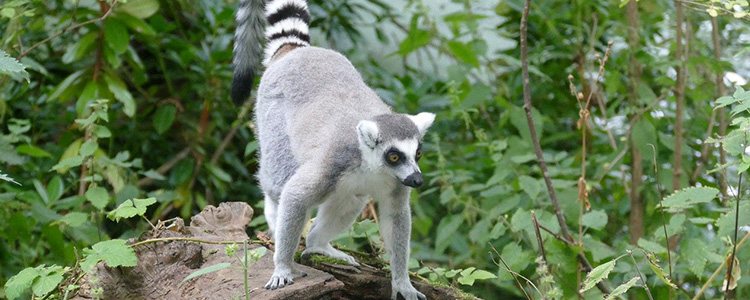
  • Madagascar: lemurs, fish
  • Mexico: sea turtles.
  • Mongolia: wild mountain sheep, Prezewalski horses
  • Namibia: cheetahs, horses, wild cats
  • New Zealand: kiwis (the birds)
  • Uganda: rhinos
  • Portugal: Iberian wolves
  • Spain: stray dogs
  • Sri Lanka: elephants, sea turtles
  • Suriname: dogs
  • Thailand: gibbons, elephants
  • United States: wolves, horses
  • Zambia: chimpanzees, lions
  • Zimbabwe: lions, wild dogs
  • South Africa: monkeys, white sharks, lions, rhinos, penguins
  • Read more about all activities in these countries via the menu, or check: all the countries and activities in The World

How does the preparation for working with animals abroad work in short?

  • Accommodation: In many nature reserves you can sleep in ranger accommodations, mountain huts, etc., but bringing your own tent often provides a lot more privacy (but keep an eye on the animals). If you work at an animal shelter, for example, your accommodation will often be less primitive.
  • Visas and permits: For some areas you need a special permit. Check this well in advance.
  • Currency: Take extra precautions if you are going to remote areas.
  • Safety & Troubleshooting: safety obviously differs per area you go to, so check the situation carefully with regard to possible rebels, weather and seasonal conditions, routes, presence of wild animals, etc. When working with animals in their natural environment, the environment often offers more risk than the animals you are examining. If you are going to work with animals in a form of captivity, the species you are working with determines the risks to a certain extent.
  • Vaccinations & Health: If you are going into nature or working with animals, make sure you get specialized advice from a travel doctor or the Travel Clinic. Also check the information about the rabies and tick encephalitis vaccination.
  • Insurance & Emergency Centers: when working with animals, an insurance that has taken into account the risks and local circumstances is actually the only luxury that is recommended.

To what extent are you insured for the risks?

  • All over the world there are reserves, animal shelters and zoos where you can roll up your sleeves as an intern or volunteer.
  • In addition to 'cute' or 'impressive', 'unpredictable' is also a word that you can attribute to (wild) animals.
  • Working with wildlife (and with animals in general) is therefore not without its risks. If a cute monkey suddenly turns out to be able to bite viciously, this can cause nasty injuries and even illnesses.
  • Because many insurers exclude working with animals from coverage, it is important to handle this carefully.
  • Read more: Travel insurances and insurances for long term abroad - Theme
  • Read more: Werken met dieren in het buitenland verzekeren (NL)
Protecting sea turtles: what is it, where can you do it and are you insured?

Protecting sea turtles: what is it, where can you do it and are you insured?

Image

Why protect sea turtles abroad?

  • All seven species of sea turtles are (seriously) endangered: the Flatback sea turtle, Green sea turtle, Hawksbill sea turtle, Kemp's sea turtle, Leatherback sea turtle, Loggerhead sea turtle and Dwarf sea turtle can use your help.
  • By protecting sea turtles the local ecosystem is generally also better protected and more balanced

Protecting sea turtles: what does it involve?

  • Protecting the eggs via fencing, for example
  • Counting turtle eggs
  • Taking care of injured turtles
  • Building nesting sites
  • Collecting data
  • Education at community centers, local schools and at tourist locations to raise awareness

Protecting sea turtles: what do you get out of it?

  • A special time among engaged animal lovers
  • Knowledge of a special species
  • Images of sometimes thousands of tiny turtles

Protecting sea turtles: what to bring?

  • Love of nature and animals
  • Flexible sleep schedule
  • Limited sensitivity to less pleasant smells
  • In some cases, considerable stamina (the laying sites are sometimes a bit further away on remote beaches

Protecting sea turtles: do you need to be insured?

Where can you work with sea turtles?

  • Sea turtles can be found in almost all oceans, except for the very cold areas and the polar regions. Most sea turtle protection, rescue and rehabilitation centers are located near nesting sites
  • The best places to find internships, jobs or volunteer projects with sea turtles are:
  • Australia: at the Great Barrier Reef or Cook Island
  • Costa Rica: at Tortuguero National Park
  • Ecuador: at the Galapagos Islands, including turtoises
  • Greece: several projects around the peninsula
  • Indonesia: near Bunaken. Pulau Weh or Raja Ampat
  • Malaysia: at Sipidan or the Perhantians
  • Mexico: near Playa del Carmen
  • Nicaragua: at the La Flor reserve
  • Oman: at Musandam peninsula

Where can you find checklists for your travel, stay or work?

Reforestation and tree planting abroad: what is it, why should you do it, and where is the best place to go?

Reforestation and tree planting abroad: what is it, why should you do it, and where is the best place to go?

What is reforestation and tree planting abroad and why is it done?

  • Reforestation involves planting trees and shrubs in places where they have previously disappeared due to logging, flooding or forest fires.
  • In many areas, planting trees helps to absorb or reduce the effects of climate change.
  • In coastal areas, mangrove forests are planted to break waves, prevent land from being washed away and provide fish with a place to read.
  • In dry areas, new trees provide shade, prevent erosion and desertification of the landscape.
  • In reforestation projects and activities, attention is often also paid to restoring biodiversity by using various local tree species, which benefits local animal species.
  • Many projects have their own nursery where small trees are grown from seeds.

What does working in a reforestation project involve?

  • You can help care for the young trees (seedlings) at the nursery.
  • You plant the small trees at selected locations.
  • You care for the trees after they have been planted, for example by weeding, watering or placing protection against cattle and other grazers.
  • You teach local communities about biodiversity, the benefits of reforestation for the local economy, for example.
  • If you have a background in horticulture, forestry or water management, you can help train local employees or, for example, carry out a research internship on the results of the project.

What do you get out of it?

  • Involvement: it strengthens your sense of involvement in tackling climate change, protecting nature and the plant world and also with other nature lovers
  • Experience: the chance that you experience something you have never done before, that you are pulled out of your comfort zone and that you gain an unforgettable experience is considerable
  • Freedom: especially when you are working in the middle of nature, you notice the difference with the life you sometimes lead at home

What do you need or can you learn if you are going to plant and care for trees abroad?

  • Being environmentally aware: for example, by taking your surroundings into account, carefully storing your waste, minimizing water use and understanding the complex relationship between soil, plants and people.
  • Being organizationally aware: environmental clubs and nature conservation organizations are often run by a special breed of very committed people. In addition, these are organizations that often have few resources and have to fight against local bureaucracy.
  • Empathy: being aware of those circumstances is sometimes half the battle if you want to understand the behavior of the employees of a project, or your direct fellow helpers.

What are the best places to go to slow or reverse desertification?

  • Spain
  • Egypt 
  • Morocco
  • Kenya

What are the best places to go to restore mangrove forests?

  • Bonaire
  • Sri Lanka
  • Madagascar

What are the best places to go to restore rainforests?

  • Brazil
  • Ecuador
  • Panama
  • Indonesia
Volunteering abroad: what is it, why should you do it and where is the best place to go?

Volunteering abroad: what is it, why should you do it and where is the best place to go?

What is volunteer work abroad?

  • Volunteer work abroad means that you work abroad for a certain period of time at a foreign project or organization to help, learn or transfer knowledge.
  • You usually do not receive any compensation for your work in the form of salary, expense allowance or room and board.
  • Projects that have little or no income themselves will generally ask volunteers for compensation for the guidance or for the room and board provided.
  • In the case of an intermediary organization, this compensation can also be made via the intermediary organization.

Why should you volunteer abroad?

  • To help others with your efforts and skills.
  • To support projects or goals that you consider important in your life.
  • To gain experience in your own field of work, or in the sector where you may want to work later.
  • To see yourself at work in a different environment.
  • To be able to work in another area and see if you like it.
  • To use as a stepping stone to a local job with salary.
  • Because you don't think it's necessary for a project to incur extra costs for your presence while they really need every dime.
  • Because you have already raised money for the project or organization where you will be working

What do you need if you want to do volunteer work abroad?

  • Flexibility: you already need some form of flexibility, the rest you gain during your stay abroad.
  • Ability to communicate: depending on the type of work, you will need to have a reasonable to good command of the local language.
  • Independence and/or self-confidence: you already need a certain form of independence, and this will increase your self-confidence.
  • Being environmentally aware: an important element for your stay abroad.
  • Collaboration: also abroad it is important that you learn, or are able to, collaborate when you work with others.
  • Be organizationally aware.
  • Empathy.

Where is the best place to volunteer abroad?

  • If you are looking for social volunteer work: Curaçao - Ghana - Guatemala - India - Nepal - South Africa
  • If you are looking for corporate volunteer work: Australia - Curaçao - Spain - United States of America
  • If you are looking for volunteer work caring for or protecting animals: Costa Rica - Curaçao - Ecuador - Indonesia - South Africa
  • If you are younger than 18 years old: Spanish language course with volunteer work in Spain - or volunteer work for young people in Malawi, Uganda or South Africa
  • If you are looking for volunteer work and are traveling for the first time as a 'woman alone': Australia - New Zealand - Argentina - Ecuador - Costa Rica - Thailand - Indonesia. - Nepal - Ghana
  • If you want to gain experience 'as a woman alone', go to: Bolivia - Peru - Guatemala - Nicaragua - China and Hong Kong - South Africa - Kenya - Malawi

To what extent are you insured for the risks of volunteering abroad?

  • There may be several reasons why you need separate insurance when volunteering abroad, or at least you should carefully check your insured situation.
    • Local organizations usually offer no, or very limited, insurance.
    • There is a risk of accidents, for example because you are doing work with which you have little experience.
    • During your volunteer work abroad where you receive financial compensation (or, for example, food and housing), your health insurance coverage will potentially lapse. You will then need special insurance to remain insured against illness and accidents.
  • Read more about insuring volunteer work abroad.
Working on a farm abroad: what is it, where is the best place to go, and are you insured?

Working on a farm abroad: what is it, where is the best place to go, and are you insured?

What does working on a farm abroad involve?

  • Working on a farm means that you work temporarily as a seasonal or summer worker for an agricultural company. This can range from working as a fruit picker in France to herding cattle in Australia and from milking organic goats in Chile to working together within a permaculture community in the tropics.
  • Employment: There is always a chance of work when you knock on a farmer's door. Many farms, especially in Europe, but certainly also in Australia and New Zealand, are usually looking for assistance, especially during the busy seasons. Small-scale farms often have work for unskilled (or non-agriculturally trained) people and will also be more open to a construction with room and board.
  • Activities: There is a huge variety of seasonal jobs within agriculture and livestock farming. It can help to have experience with driving a tractor, horse riding, or other work on a farm, or to have at least some feeling for working with machinery or farm animals.

Why should you work on a farm abroad?

  • To stimulate your sense of involvement: sometimes you work very intensively with the same people on a farm for a long time, you often also sleep in a room with the same people. You have to like that, but you also make friends for life.
  • To make the world around you more sustainable: by looking for work in organic farming, permaculture, or for example in the production of goat cheese, you can nicely combine your work and interests.
  • To be profitable in a creative way: some small farmers will not be able to pay you a wage but will offer a place to sleep and food in exchange for work.
  • To gain new experiences: during your stay on a farm and when you go to work, you experience much more than when you travel around alone.
  • To increase your self-awareness: further away from your familiar environment, you discover more quickly what you can actually do and what you actually want. By going to work, you encounter yourself more often; you get to know yourself better and accept who you are and want to be.
  • To test your environmental awareness: living and working in rural areas allows you to experience a foreign culture in an entirely different and more authentic way than, for example, working in tourism.

Where is the best place to go for farm work abroad?

  • Australia: working holiday, agricultural work, fruit picking
  • Canada: working holiday, agricultural work
  • Chile: fruit picking, livestock farming
  • France: agricultural work, fruit picking, grape picking
  • Italy: agricultural work, fruit picking
  • Ecuador: tropical agriculture, coffee, cocoa, and permaculture
  • New Zealand: working holiday, fruit picking, agricultural work
  • Spain: olive picking, viticulture
  • South Africa: ecolodges, ranches

What do you need when you want to work on a farm?

  • Professionalism: you often have to work hard and hard, which is why the average slacker usually doesn't last long on a farm.
  • Flexibility: weather conditions, animal behavior, and plant growth do not always go according to plan, which means that your flexibility will often be called upon.
  • Collaborative skills: being able to learn to work together with a group of seasonal workers or with the farm family will always be necessary.

To what extent are you insured for the risks of working on a farm or in livestock farming?

    Working as a veterinarian abroad: what is it, why would you do it, and where is the best place to go?

    Working as a veterinarian abroad: what is it, why would you do it, and where is the best place to go?

    ​​​​​​

    What is working as a veterinarian abroad like?

    • As a veterinarian abroad, you can experience quite a lot. From working with cows surrounded by mountains to rehabilitating dogs from the most dire circumstances.
    • The work involves health (for both animals and people), animal welfare, public health, and often ethical dilemmas.
    • Depending on where you are, you will work with limited resources, unexpected illnesses, and very different animal interactions than you are used to.
    • As a veterinarian abroad, you'll work in clinics (limited or modern), on farms, in nature reserves, for NGOs, or for international organizations.
    • You can work with companion animals, farm animals, wildlife, and animals in shelters and rescue clinics.
    • Responsibilities: Depending on your specialization, you can:
      • Provide medical care to animals;
      • Implement vaccination and sterilization programs;
      • Work on animal disease prevention (zoonoses);
      • Train farmers or local communities;
      • Contribute to research or monitoring;
      • Advise on animal welfare and policy.
    • Working conditions: Veterinarian work can be done paid, as a volunteer, or as an internship. Salaries vary significantly depending on the country, sector, and organization. NGOs typically offer lower compensation, sometimes with room and board.
    • Contracts range from short-term projects to long-term placements.
    • Flexibility and improvisation are more important than fixed working hours in this field.

    What are the reasons for working as a veterinarian abroad?

    • To be involved: you work directly on animal welfare and health. With the help of a veterinarian, animals have a better life, and people are safer.
    • To learn to act with empathy: a key part of the job is interacting with animals and people in vulnerable situations.
    • To grow professionally: applying knowledge on your own initiative and being open to new knowledge is essential.
    • To be meaningful: your work contributes to health, animal welfare, or nature conservation.
    • To practice processing information and knowledge: you sometimes have to form an opinion about a situation with little information and time.

    What skills and motivations do you need to work as a veterinarian abroad?

    • Stress resistance: emergencies, limited resources, and emotional situations are common.
    • Flexibility: protocols and facilities are not always readily available.
    • Communication skills: collaborating with local colleagues and communities is essential.
    • Independence: you rely mainly on yourself and you often have to make your own decisions.
    • Situational awareness: Cultural differences in animal interactions require tact and respect.

    What are the best countries and locations to work as a veterinarian abroad?

    What are the risks of working as a veterinarian abroad, and are you insured against those risks? 

    • What are the risks of working as a veterinarian abroad?
      • Veterinarians often encounter diseases that can be transmitted from animals to humans, posing a significant health risk.
      • Medical facilities are often limited: good care isn't readily available everywhere, and assistance can therefore be expensive.
      • Physical demands are often high: long hours, lifting, and working in heat or in remote areas.
      • Accidents and bite wounds are common, especially when working with stressed or wild animals.
      • Healthcare costs and evacuations are often very expensive, especially in remote locations.
    • Are you insured while working as a veterinarian abroad?
      • There may be several reasons why you need separate insurance when working abroad.
      • Local employers generally offer limited or no supplementary insurance.
      • There's a risk of accidents, for example, because you're doing work with which you have little experience.
      • During work, internships, or volunteering abroad where you receive compensation or a salary, your own health insurance coverage in your home country may be cancelled.
      • See the pages on: insuring international Insurances for working abroad, for internships abroad, for volunteering abroad, or for expats and emigrants.
    Working for environmental organisations and in nature management abroad: what is it, why would you do it, and where is the best place to go?

    Working for environmental organisations and in nature management abroad: what is it, why would you do it, and where is the best place to go?

    What is working for environmental organisations and in nature management abroad like?

    • Working for environmental organisations and in nature management abroad means you are committed to protecting, restoring, and sustainably using nature and ecosystems.
    • This can range from practical fieldwork to policy, educational, or communication work.
    • You can work for international NGO's, local nature organizations, research institutes, government agencies, or social enterprises focused on biodiversity, climate, nature management, or sustainability.
    • Depending on your background, you might work in nature reserves, on projects with local communities, in research programs, or in offices where policy and strategy are developed.
    • Responsibilities: the work varies considerably depending on the project and organization, and can include:
      • Ecological fieldwork and monitoring of flora and fauna.
      • Supporting nature management and restoration projects.
      • Environmental education and outreach to local communities.
      • Conducting research on biodiversity, climate, or land use.
      • Policy and project support for NGOs.
      • Data collection, reporting, and evaluation.
      • Collaborating with local partners and government agencies.
    • Working conditions: Many positions are project-based or temporary. Contracts often run for six months to a year.
    • Work can be paid, an internship, or volunteer work.
    • Salaries are generally lower than in the commercial sector.
    • In return, you often gain extensive experience and in-depth knowledge of the subject.
    • Working hours can be irregular, especially during fieldwork.

    What are the reasons for working for environmental organisations and in nature management abroad?

    • To feel involved: you work directly on the conservation of nature and biodiversity, often in areas where the need is greatest.
    • To become environmentally aware: you learn how nature, people, the economy, and culture are intertwined.
    • To take responsibility: you contribute to projects with long-term impact and often significant ecological interests.
    • To develop analytical skills: you learn to understand, monitor, and translate ecological problems into solutions.
    • To experience meaning: your work visibly contributes to a more sustainable world.

    What skills and motivations do you need to work for environmental organisations and in nature management abroad?

    • Commitment: An affinity for nature, the environment, and sustainability is essential.
    • Collaboration: You will work with local communities, colleagues, and international partners.
    • Flexibility: Projects may not proceed as planned due to weather, environmental factors, or local circumstances.
    • Independence: Personal initiative is expected, especially in the field.
    • Perseverance: Results are often only visible in the long term.
    • Environmental awareness: Respect for local knowledge, culture, and interests.

    What are the best countries and locations to work for environmental organisations and in nature management abroad?

    • Countries with many international environmental organizations and policy work: Switzerland, Belgium, Germany, and the Netherlands.
    • Countries with many nature projects and fieldwork: Costa Rica – biodiversity, nature management, ecotourism; South Africa – wildlife, nature parks, community projects; Indonesia – rainforest, marine conservation; Brazil – Amazon, nature and climate projects; Kenya – wildlife conservation and community management. 
    • Countries with many marine and coastal protection projects: Australia – Great Barrier Reef, marine research and policy, Belize – coral reefs and marine reserves, Indonesia – mangroves, coral restoration, coastal communities, Mozambique – marine biodiversity and fisheries management.
    • Countries suitable for starters, interns, and volunteers: Nepal – nature, education, and community projects, Peru – biodiversity and local nature projects, Thailand – nature conservation and education, Mexico – environmental and community projects.

    What are the risks of working for environmental organisations and in nature management abroad, and are you insured against those risks? 

    • What are the risks of working for environmental organisations and in nature management abroad?
      • It is common to work in remote areas with limited medical facilities and high evacuation costs.
      • It is common to contract a contagious or local disease, be unable to work for a period, or even have to be flown home.
      • It is common to get bitten or stung by an animal in the water or on land, with medical consequences.
      • It is common for work to be physically demanding, with a risk of injuries and accidents. 
      • It is common to work in areas with unsafe infrastructure due to poor roads, transportation or communication. 
    • Are you insured while working for environmental organisations and in nature management abroad?
      • There may be several reasons why you need separate insurance when working abroad.
      • Local employers generally offer limited or no supplementary insurance.
      • There's a risk of accidents, for example, because you're doing work with which you have little experience.
      • During work, internships, or volunteering abroad where you receive compensation or a salary, your own health insurance coverage in your home country may be cancelled.
      • See the pages on: insuring international Insurances for working abroad, for internships abroad, for volunteering abroad, or for expats and emigrants.
    What is insurance for studying abroad, and why should you take out specialized travel insurance for your education abroad?

    What is insurance for studying abroad?

    • Insurance for studying abroad means that you take out insurance that continues to provide coverage during your studies, your education, and your related activities abroad.
    • Insurance for studying abroad is also referred to as study insurance. This study insurance is specifically for when you go abroad for a long period of time to take courses, study, or conduct research abroad.

    Why should you take out specialized travel insurance for a study abroad?

    • Study insurance is specifically designed for studying abroad, whereas regular travel insurance policies may offer coverage on paper but handle this situation differently in practice.
    • Study insurance offers coverage for longer stays than regular (vacation) travel insurance.
    • Study insurance is also suitable for many types of activities, ranging from various sports to hiking at high altitudes.
    • Study insurance continues to provide coverage if you start working during your trip, whether planned or unplanned. If you have not taken out insurance before departure that allows you to work, there is no guarantee that you will be able to take out insurance abroad that provides coverage.
    • Study insurance continues to provide coverage if your own country's health insurance no longer provides coverage.
    • Student insurance also covers your healthcare costs above the rates in your own country; with regular insurance, you have to pay the extra costs yourself.
    • Student insurance can also continue to provide coverage if (study) visa issuers impose additional requirements on how you insure yourself, for example if you are going to the US and applying for a J-1 visa.
    • Student insurance continues to provide coverage if you are staying abroad for a longer period of time and want to visit your own country in between.

    What is important to insure when you are going to study abroad?

    • That you have insurance that is valid in the country or countries where you are going to travel and work.
    • That you are adequately insured for the sports and activities you are going to participate in during your period abroad
    • That you are insured for emergency assistance and early return if something happens to you or your immediate family.
    • That your medical expenses are insured up to the actual cost and not just for the standard costs. The costs per medical treatment vary greatly between countries.
    • That you insure your luggage and take sufficient precautions against theft or damage.
    • That you are well insured against personal liability.
    • That you are well insured in case of accidents.
    • That you only insure yourself for legal assistance if there is an immediate reason to do so, unless coverage is already automatically included in the insurance.
    • That you pay close attention to choosing the right coverage when performing work alongside your studies.

    Check out more about international insurances

    Image

    Saving nature and watching wildlife: bundle of volunteer projects, internships and tips by SanderP

    Saving nature and watching wildlife: bundle of volunteer projects, internships and tips by SanderP

    Tips and projects for saving nature and watching wildlife around the world

    Join one of the weekly beach clean-up actions as a tourist in Thailand, Vietnam, Romania and more

    Join one of the weekly beach clean-up actions as a tourist in Thailand, Vietnam, Romania and more

    Trash Hero Volunteer Action

    Volunteer for one day. Making a difference during your holiday is not so easy. But, with the local trash hunting events of Trash Hero you can easily join a beach clean-up or nature clean-up just for one day and make a part of your tourist destination better. It is a great way to meet local people and leave your holiday destination cleaner than when you arrived. No costs are involved, no experience needed and no further obligations. When you travel to Indonesia, Thailand, Myanmar, Malaysia, Vietnam, Singapore, Switzerland, Czech Republic, Poland, Romania, Serbia, Georgia, Germany, Netherlands, Kuwait, Cambodia or Japan there are active volunteer groups of Trash Hero that regularly/weekly host clean-up events. The best way to check upcoming events is on the specific Facebook pages that the local chapters host.

    Note: they also offer options for online volunteering - to promote their worldwide activities from your living room.

    Volunteer in a Bolivian Animal Refuge

    Volunteer in a Bolivian Animal Refuge

    Saguinus imperator

    Join La Senda Verde Animal Refuge in the Bolivian jungle. They offer a rotational programm with a minimum stay of two weeks. During your volunteer stay you can experience working with a wide array of rescued animals: parrots, macaws, turtles, tortoises, bears, wild cats, and monkeys! Maintanance and construction of enclosures is also part of the job. Do you have specific skills to offer in the field of veterinary, IT or carpentry => even better! Please contact them before you enrole in the program to see what they are up to during your expected period of stay. They also keep a wishlist on their website for products you could bring as a donation.

    No time to volunteer? It is also possible to have a short term travellers overnight stay in their cabins

    Volunteer options in Iceland: trash hunting

    Volunteer options in Iceland: trash hunting

    iceland cleanup

    join SEEDS to make the coastal area of Iceland a little cleaner again. As just one of the many options for short term volunteering in Iceland this project is organised to increase awareness and to have fun in nature. Organised trip of one week where you have a full schedule with a group of 12 other volunteers. Vegetarian meals will be provided.

    This camp combines learning, sharing, hands-on work and fun. No previous experience is needed. Volunteers should prepare to share environmental issues from their countries and be ready to spend time outdoors, walk medium distances during the cleanups, as during other activities and sightseeing. As part of the project happens outdoors, volunteers should be ready to adapt and be flexible with the work and free-time schedule, as depending on the changeable weather, we may not be able to perform some of the activities planned. 

    Have fun!


    Volunteer on a Sea Turtle Research Expedition on the Maldives

    Volunteer on a Sea Turtle Research Expedition on the Maldives

    Image

    Hungry for an adventure in a remote part of the world? Explore one of the most remote parts of the Maldives as a volunteer with the Olive Ridley Project’s Sea Turtle Research Expedition. Join the Olive Ridley Project as a research volunteer on a three-week expedition in Haa Alif Atoll. The project focusses on data collection in the 'black hole' of turtle data. The findings will help protect the habitat of sea turtles and raise awareness. In addition, you may be involved in the rescue of entangled sea turtles and will be trained in basic sea turtle first aid.

    How much does it cost to join the expedition?

    In order to sustain the research, we ask for a donation to cover your expenses and the costs of running the expedition: 3 Weeks: $2,700 per person

    Your donation will cover:

    • Return domestic flights and boat transfers from Male to Haa Alif. Atoll.
    • Accommodation for the duration of your stay
    • All meals for the duration of your stay


    Take a tour to the Banaue Rice Terraces

    Take a tour to the Banaue Rice Terraces

    Banaue Rice Terraces

    Let a local guide show you the rice terraces that are commonly referred to by Filipinos as the "Eighth Wonder of the World". A van will take you to several viewpoints enabling you to enjoy the green and stunning landscapes. You will be informed about the Ifugao culture that revolves around rice. Get to know the local feasts that are linked to agricultural rites from rice cultivation to rice consumption. Hear about the harvest season with the thanksgiving feasts & the harvest rites like tungo (the day of rest), the drinking of the bayah (rice beer), and the practice of chewing betel nut. Are you feeling energetic? Your guide will take you for a hike up (and down) the terraces.

    The Banaue Rice Terraces (Tagalog: Hagdan-hagdang Palayan ng Banawe) also called Payo, are 2000-year old terraces that were carved into the mountains by ancestors of the indigenous people. Locals to this day still plant rice and vegetables on the terraces
    WWOOFing and your travel insurance

    WWOOFing and your travel insurance

    Image

    WWOOFing is a great way to experience a country on a completely different way than when you 'just' travel. You generally perform work you haven't done before and live on a farm that you didn't know before. Besides all the reasons why you should pack your bag and start WWOOFing, please consider some points of attention regarding your Wwoof travel and health insurance.

    In general travel insurances are designed to meet the needs of travellers and many times even narrower just 'tourist trips'. When you stay on a WWOOF farm as a volunteer this might not be covered at all. This exposes you to risks regarding liability and health care related costs and other costs you thought were covered by your travel insurance. So before you do any volunteer work, always check the conditions and when the conditions don't give enough clarity contact your insurance broker or the insurance company. It's best to have a written answer to your question to avoid problems when you need to file a claim later.

    Depending on the WWOOF farm you visit the type of work will vary. Your insurance might cover volunteer work, or even volunteer work on farms in general but there may be exceptions or surcharges for working with farm animals of large machinery. Check with your host farm what kind of work you can expect and again check your activities with your insurance conditions.

    The duration of your stay may also have an impact on the validity of your insurance. At WWOOF farms it might be possible to stay several months while your travel insurance may only cover short trips abroad. When the farm work turns out to be even nicer than expected you might want to extend your stay. Not all travel insurances allow you to extend your coverage while traveling.

    Some national WWOOF departments have explicit requirements for for your insurance coverage, some earn some money by highlighting a specific travel insurance. When enrolling for WWOOF-USA you automatically have an accident emergency policy, but health/medical related costs are not included. WWOOF-USA recommends 'volunteercard' as a travel insurance, but that insurance seems to be available for US and Canadian citizens only.

    Insurances that cover WWOOFing

    Do you have any additions about WWOOFing in relation to travel and medical insurance? Please leave a comment below

    Volunteers needed in the field of regenerative agroforestry

    Volunteers needed in the field of regenerative agroforestry

    Image

    reNature is a Dutch initiative to make the world a little greener again. In many countries intensive and or monoculture agriculure have degraded the soil. Through training of farmers and local organisations reNature tries to change the way farmers use their land. Agroforestry is their solution. By planting trees in combination with other crops the soil will be more resilient against drought, have rain and erosion. Agricultural land that has bevome unproductive can be restored with this method. On model farms reNature shows the result: higher and more diverse income and a vast incline of biodiversity. On model schools they teach farmers how to handle the transition from old school to new school agriculture

    reNature offers several opportunities to become a volunteer (also online). If you get inspired by renatureing the world and are inpired to make this world green, inclusive, complete and rich again, you are welcome to sign-up. Since they focus on agroforestry a certain level of prior knowledge will open up more opportunities. If you wish to engage in field work a minimum availability of one month is required. Want to know more about opportunities around the world? Get in contact

    Ecology internships (or volunteering) in Belizean Jungle

    Ecology internships (or volunteering) in Belizean Jungle

    If you are looking for an internship in ecology, check out the possibilities at TREES (toucan ridge ecology and educational society) on the Hummingbird Highway in Belize! Several projects on tropical birds, amphibians, biodiversity and tropical flora.

    This research station is open for groups, but also for individuals. There is a research lab, library and the organization is hosted by a very professional staff. 

    The volunteering starts from 15usd a day. Internships from 25usd. But you will be sure to get to know lots about the neotropical flora and fauna. 

    Become a (assistant) teacher at Nicaraguan Summer School

    Become a (assistant) teacher at Nicaraguan Summer School

    Granada, Nicaragua

    In Januay and December La Esperanza runs a summer school program for the children living in the barrios. You will be reponsible for creating, planning, and teaching lessons together with other volunteers and local students. The summer school focusses on young children, the educational level of these children is low. The organization works in schools with the permission of the local Ministry of Education and they are welcomed by the communities. You can combine this teaching job with Spanish classes.

    A volunteer period of minimum 3 to 4 weeks is required.

    Skills: suggestions, summaries and tips of Worldsupporters on values and skills improvement

    Suggestions, summaries and tips of WorldSupporters related to competencies and skills improvement


    What are the 13 conditions for balance and fulfillment in study, work and private life

    What are the 13 conditions for balance and fulfillment in study, work and private life

    Image

    What are the 13 preconditions for balance and fulfillment in study, work and private life

    1. Help yourself by helping others
    2. Create perspective by opening new doors
    3. Don't give up but care about something
    4. Use your empathic skills
    5. Stay with yourself and leave that herd behind you
    6. Focus on your journey and not your destination
    7. Actively deal with your negative emotions
    8. Appreciate and celebrate your small successes
    9. Let others walk their own path
    10. Establish and maintain social contacts
    11. Feel unlimited and not limited
    12. Discover your qualities, take advantage of your opportunities and avoid cliffs
    13. Seek fulfillment in study, work, travel and the world around you

    Signed en researched by

    • The JoHo WorldSupporter team


    Glossary of Academic Skills for the Social and Psychological Sciences

    Glossary of Academic Skills for the Social and Psychological Sciences

    Chapter 1: Literature


    Literature review A detailed overview of the significant literature available about your chosen topic, providing a discussion and critical evaluation, and using clear argument to contextualise and justify your research. (p. 4)

    Peer review The process of evaluating an article by experts to ensure the article meets quality criteria before being accepted for publication. (p. 9)

    Textbooks Written specifically for audiences such as students or professionals. Material usually presented in an ordered and relatively accessible form. Often draw on a wide range of sources including peer-reviewed academic journal articles. Useful, particularly as an introductory source to get an overview of your research topic and find out who are the recognised experts. (p. 10)

    Peer-reviewed academic journal articles Provide detailed reports of research. Articles written by experts in the field and evaluated by other academics (peer reviewers) to assess quality and suitability. Pay rigorous attention to detail and verification of information. Usually contains extensive list of references. Before publication, have usually been revise in response to comments. This is the most useful type for your literature review. Not all academic journal articles are peer-reviewed. (p. 10)

    Non-refereed academic journal articles Articles may provide detailed reports of research. Articles selected by an editor or editorial board with subject knowledge. Relevance and usefulness varies considerably. Beware of possible bias. (p. 10)

    Professional and trade journal articles Articles written for members of professional or trade organisations, so related to their needs. Consist of a mix of news items and more detailed accounts of a practical nature. Articles rarely based on research, although some provide summaries of research. Can provide useful insights into practice, although may be biased. Need to be used with considerable caution. (p. 10)

    Newspaper articles Articles written for members of public, most newspapers addressing a particular market segment. News presented is filtered dependent on events, priority being given to headline-grabbing stories that are likely to appeal to the readers. Good source of topical events and developments. May contain bias in reporting and coverage. (p. 10)

    Conference proceedings Articles consist of selected papers presented at a conference, often published as a book or special edition of a journal. Usually peer-reviewed. Increasingly available online. Sometimes difficult to find. Very useful if the theme of the conference matches your research. (p. 10)

    Reports Reports on specific topics written by academics and various organisations, including market research organisations and government departments. Beware of possible bias. May not have gone through same review process as peer-reviewed academic journal articles, but those from established organisations are often of high quality. Often difficult to access or expensive to purchase. Can be a useful source of information when

    .....read more
    Access: 
    Public
    Leadership competencies for implementing planned organizational change - Battilana, Gilmartin, Sengul, Pache & Alexander - 2010 - Artikel

    Leadership competencies for implementing planned organizational change - Battilana, Gilmartin, Sengul, Pache & Alexander - 2010 - Artikel

    De meeste leiderschapsstudies houden zich niet bezig met de complexiteit van intra-organisatorische processen, waaronder veranderingsimplementatie processen, die verschillende activiteiten met zich mee brengen. In deze studie wordt er beweerd dat het waarschijnlijk is dat managers verschillende activiteiten benadrukken in de geplande organisatieverandering implementatie, afhankelijk van de mix van hun leiderschapscompetenties.

    Effectief leiderschap en de bekrachtiging van geplande organisatieverandering

    In deze studie wordt het taak-georiënteerde en persoons-georiënteerde model gebruikt. Taak-georiënteerde vaardigheden zijn gerelateerd aan organisatie structuur, ontwerp en controle en het vaststellen van routines om organisatiedoelen en doelstellingen te halen. Persoons-georiënteerde vaardigheden omvat gedrag dat collaboratieve interactie tussen organisatiewerknemers stimuleert, een ondersteunend sociaal klimaat vaststelt en managementpraktijken stimuleert die gelijke behandeling van werknemers verzekert.

    Effectiviteit van de twee verschillende soorten vereist verschillende, maar gerelateerde groepen bekwaamheden. Effectiviteit van taak-georiënteerd gedrag staat of valt met het vermogen om taakeisen duidelijk te maken en taken te structureren rondom de missie en doelen van de organisatie. Effectiviteit van persoons-georiënteerd gedrag berust op het vermogen om rekening te houden met anderen als ook het rekening houden met je eigen emoties en die van anderen. Afhankelijk van de mix van deze leiderschapscompetenties wordt er een verschillende nadruk gelegd op de activiteiten die nodig zijn bij het implementeren van organisatieverandering.

    Deze activiteiten bestaan uit communiceren, mobiliseren en evalueren. Communiceren: activiteiten die leiders uitvoeren om de noodzaak van verandering uit te leggen en hun visie te delen met de werknemers. Mobiliseren: acties die leiders uitvoeren om support van collega’s te krijgen en de inwerkingtreding van nieuwe werkroutines te aanvaarden. Evalueren: maatstaven die leiders gebruiken om de impact van de implementatie te volgen en vast te stellen en veranderingen te institutionaliseren.

    Communiceren van de noodzaak van organisatieverandering

    Leiders die veranderingen doorvoeren moeten de noodzaak van deze verandering communiceren met hun werknemers. De werknemers moeten begrijpen waarom gedrag en routines moeten worden veranderd.

    Hypothese 1a: leiders die meer persoons-georiënteerd zijn, zijn beter in het communiceren van de noodzaak van verandering dan andere leiders.

    Hypothese 1b: leiders die meer taak-georiënteerd zijn, zijn minder goed in het communiceren van de noodzaak van verandering dan andere leiders.

    Mobiliseren van anderen om verandering te accepteren

    Tijdens implementatie moeten leiders hun werknemers mobiliseren om de veranderingen te accepteren en toe te passen in hun dagelijkse routines. Mobiliseren is moeilijk doordat er verschillende persoonlijke en beroepsdoelen zijn, en dus verschillende opvattingen over de verandering. Mobiliseren brengt zowel taak als persoons-georiënteerde vaardigheden met zich mee.

    Hypothese 2a: leiders die meer persoons-georiënteerd zijn, zijn beter in staat werknemers te mobiliseren dan andere leiders.

    Hypothese 2b: leiders die meer taak-georiënteerd zijn, zijn beter in staat werknemers te mobiliseren dan andere leiders.

    Evalueren van de implementatie van de verandering

    Leiders moeten evalueren in hoeverre organisatieleden routines, werkwijzen en gedrag uitvoeren dat

    .....read more
    Access: 
    Public
    How do stress, coping, adaptation and health affect personality? - Chapter 18 - Exclusive

    How do stress, coping, adaptation and health affect personality? - Chapter 18 - Exclusive

    Health psychology focuses on the influence of psychological and behavioral factors on health, often in combination with the environment. Stress is central to this.

    What models of personality are there?

    What is the interactional model?

    The interactional model suggests that personality factors determine the impact of events, because they determine how someone deals with the situation. Personality would thus influence coping. How someone deals with an event determines the degree of stress caused by that event. However, a limitation of this model is that stable coping strategies have never been found.

    What is the transactional model?

    The transactional model does things differently. According to this model, personality has three potential effects:

    1. Personality can influence coping.
    2. Personality can affect how the person interprets an event.
    3. Personality can influence the event itself.

    It is not the event that causes stress here, but rather how it is dealt with. This model is called transactional because of the person's influence on the event and the person's appreciation. There is mutual influence.

    What is the health and behavior model?

    A third model is the health and behavior model. This assumes that personality does not directly influence the degree of stress or illness, but that it indirectly influences stress or illness through certain behaviors, such as unsafe sex or overeating. The less healthy someone is, the greater the chance of experiencing more stress.

    What is the disease and behavior model?

    Another model is the disease and behavior model. In this model, disease is explained as the presence of an objectively measurable abnormal physiological process, such as fever, high blood pressure, or a tumor. Abnormal or sick behavior is about the way people behave when they think they are sick. Personality determines the degree of sick behavior, whether or not in combination with a real illness.

    According to the predispositional model, associations exist between personality and illness because of a third variable that affects both, namely predisposition. The predisposition can exist for stable individual personality differences and for specific illnesses.

    What is stress?

    Stress is a subjective feeling that is the result of uncontrollable and threatening events (stressors). These are often extreme situations with unpleasant consequences that cannot be influenced. Stress can be divided into low sources of stress in daily life (daily hassles) and important life events (major life events). Major life events are associated with intensity, conflict and uncontrollability. Positive things can also be very stressful, for example a marriage, a move or a promotion. People with a lot of stress in their lives have many psychological and physiological symptoms. Possible responses to stress may include palpitations, increased blood pressure, sweaty hands and feet, and

    .....read more
    Access: 
    Exclusive (for members with extra services and online access)

    Image

    Related topics and terms

    Image SUMMARIES

    Check or search summaries, tests and study assistance within topic: 'Nature and environmental sciences'

    CHECK SUMMARIES (connected to Nature and environmental sciences)

    Make a selection, to find more, or other, summaries and study assistance than you see below

    Image Summary: Essential Cell Biology (Alberts et al) - Second part
    This summary is based on the 3rd edition of Essential Cell Biology from Alberts et al. The first 10 chapters are open access and can be found here: First part of the...
    Image Summary: Essential Cell Biology (Alberts et al) - First part
    This summary is based on the 3rd edition of Essential Cell Biology from Alberts et al. The remaining chapters can be accessed when logged in and can be found here:...
    Image Artikel De reflexwerking van het internationale recht in de klimaatzaak van Urgenda
    De Urgenda-uitspraak is opvallend in de zin dat internationaal en nationaal milieu- en klimaatrecht tegelijkertijd worden toegepast. De open Nederlandse rechtsorde maakt...
    Image Samenvatting Neuromechanics of Human Movement. Human Kinetics (Enoka) - Deel 2
    Deze samenvatting van Neuromechanics of Human Movement. Human Kinetics (Enoka) is geschreven in studiejaar 2013-2014. Meestal denkt men bij een bewegingssysteem aan één...
    Image What are chromosomes?
    What are chromosomes?
    Image What is nature protection, why would you study it, and where is the best place to study, intern or work abroad?
    What is nature protection, why would you study it, and where is the best place to study or work abroad?
    Image Samenvatting bij de 2e druk van Immunology for Medical Students van Nairn en Helbert
    Boeksamenvatting bij Immunology for Medical Students - Nairn, Helbert - 2e druk
    Image What is asexual reproduction?
    What is asexual reproduction?
    Image What is environmental protection, why would you study it, and where is the best place to study or work abroad?
    What is environmental protection?
    Image What is sexual reproduction, why would you study it, and where is the best place to study, intern or work abroad?
    What is sexual reproduction?
    Summaries: home bundle

    Content and contributions related to summaries, study assistance and study skills

    ...to help another, travel with care, work together, learn to share and inspire with your experience

    Summaries: home page

    Summaries: home page

    Home page for the use of summaries on WorldSupporter

    What is this page about?

    • Contents: information about using and finding summaries of study books, scientific articles, academic concepts and practice exams on WorldSupporter
    • Study areas: Business, Education, Health, Psychology, Law, Nature, Society and more
    • Languages: English, Dutch
    • Access: Public

    Where to go next?

    What to find below?

    • Summaries per study and study field
    • Summaries per type and form
      • How to use and find summaries, study notes en practice exams on JoHo WorldSupporter?
      • How and why would you use summaries?
      • Finding summaries practice exams on JoHo WorldSupporter
      • Quicklinks to fields of study for summaries and study assistance
    • Main theme pages for learn and study
    • FAQ: questions and answers about summaries
    Access: 
    Public
    Summaries: per type and form

    Summaries: per type and form

    Home page for summaries by type and form

    • Summary sort: Study books, Scientific articles, Academic Concepts
    • Areas: Business, Education, Health, Psychology, Law, Nature, Society and more
    • Languages: English, Dutch
    • Access: This study guide contains exclusive and publicly available study materials
    Access: 
    Public
    Exams: home page for exams, exam tips and study tips

    Exams: home page for exams, exam tips and study tips

    Taking and passing exams, using study tips and learning to study

    What is this page about?

    • Contents: information for exams, exam tips and study tips on WorldSupporter
    • Study areas: Business, Education, Health, Psychology, Law, Nature, Society and more
    • Languages: English, Dutch
    • Access: Public, Exclusive

    Where to go next?

    What to find below?

    • Highlighted content concerning exams, exam tips and study tips
    Access: 
    Public
    All summaries by study and subject

    All summaries by study and subject

    Table of contents:

    WorldSupporter summaries by study and subject: study and knowledge
    • What is JoHo WorldSupporter, how to use it and how to create an account?
    • How to use WorldSupporter for summaries and study assistance?
    • How to find summaries and how to upload new summaries on WorldSupporter?
    WorldSupporter summaries by study and subject: summaries and study assistance
    • What is the homepage for summaries per main area of study?
    • What are the best textbooks summarized per field of study?
    WorldSupporter summaries by study and subject: summaries per related study field
    WorldSupporter summaries by study and subject: study and work skills
    • How to improve your study skills?
    • Which skills are related to studying?
    WorldSupporter summaries by study and subject: study abroad, intern abroad and work abroad
    • Which activities, internships and vacancies abroad are related to the field of business organization and economics?
    • Which organizations offer internships and activities in the field of business organization and economics?
    WorldSupporter summaries by study and subject: shared experiences
    • What are the related spotlight blogs and contributions of other WorldSupporters?
    Samenvattingen en studiehulp

    Samenvattingen en studiehulp

    Inhoudsopgave:

    JoHo samenvattingen en studiehulp: studie en kennis
    • Wat is JoHo WorldSupporter en hoe kan je je aanmelden en toegang tot studiematerialen krijgen?
    • Wat zijn WorldSupporter samenvattingen en hoe kan je de samenvattingen voor jouw studie vinden?
    JoHo samenvattingen en studiehulp: studiehulp en samenvattingen
    • Wat zijn de gerelateerde vakken op WorldSupporter voor samenvattingen, studiehulp, stages en uittreksels?
    • Wat zijn de beschikbare samenvattingen en studiehulpmaterialen per studiegebied en studierichting?
    JoHo samenvattingen en studiehulp: samenhangende pagina's op WorldSupporter
    JoHo samenvattingen en studiehulp: studiecompetenties en stagevaardigheden
    • Hoe kan je het effectief studeren, en hoe haal je een tentamen?
    • Welke vaardigheden heb je nodig, of kan je leren bij een stage?
    JoHo samenvattingen en studiehulp: studeren, stage lopen en werken in het buitenland
    • Waar kan je meer vinden over je voorbereidingen als je langer naar het buitenland gaat?
    • Wat moet je doen als je verzekerd wil zijn tijdens een studie of stage of baan in het buitenland?
    JoHo samenvattingen en studiehulp: studietips en ervaringen
    • Wat zijn de uitgelichte blogs, ervaringen en tips van andere WorldSupporters?
    • Wat zijn alle blogs organisaties, tips, samenvattingen en vacatures die verbonden zijn aan JoHo samenvattingen en studiehulp?
    . ga hier verder naar de pagina
    CHECK ACTIVITIES

    Make a selection, to find more tips than you see below

    Image Doe onderzoek naar de invloed van landbouwkeuzes op het natuurlijk leefklimaat van apen in Guinee-Bissau
    Je brengt de status van de landbouwsector in het onderzoeksgebied in kaart. Je inventariseert allerlei aspecten rondom stukken landbouwgrond. Je doet onderzoek naar de...
    Image Work with a local team to collect data on biodiversity in Madagascar!
    Work with a local team to collect data on biodiversity on the island! Projects available with several animal species, like chameleons, frogs, flying foxes, lemurs or...
    Image Working on a farm abroad: what is it, where is the best place to go, and are you insured?
    Working on a farm abroad: what is it, where is the best place to go, and are you insured? What does working on a farm abroad involve? Why should you work on a farm...
    Image Watching the great animal migrations abroad: what is it, why should you do it and where should you go?
    Watching the great animal migrations abroad What are large animal migrations? Where and when can you encounter large animal migrations abroad? African savanna animals...
    Image Onderzoek en stage met dolfijnen, walvissen en zeekoeien in Kenia
    Heb jij een passie voor de natuur en onderwaterleven in het bijzonder? Bij dit project in Kenia doe je tijdens je stage (of vrijwilligerswerk) onderzoek naar dolfijnen,...
    Image Volunteer in Portugese Permaculture project and help restore the local ecosystem after catastrophic wildfires
    At permaculture project Quinta do Vale a lot of work can be done. For years they have been creating their own small scale permaculture area in a Portuguese valley...
    Image Volunteer on a permaculture farm in Ecuador and learn about sustainable agriculture
    Volunteer on a permaculture farm in Ecuador and learn about sustainable agriculture in the Ecuadorian Andes. Help with the work in the agro-botanical garden and...
    Image Werk mee op boerderijen verspreid over heel Australië of doe een working holiday in Nieuw-Zeeland!
    Droom je ervan om te werken en te reizen in het prachtige Australië of betoverende Nieuw-Zeeland? Werk En Reis regelt alles voor jou! Het regelen van je bankzaken,...
    Image Volunteer project or internship on rewilding the Central Apennines of Italy
    Join this rewilding project in the Central Apennines of Italy. Both volunteers and interns are welcome to apply. Common tasks include: barbed wire removal, setting up...
    Image Zet je in voor de natuur op Curaçao en draag bij aan duurzaamheid en het milieu
    Je gaat als vrijwilliger aan de slag bij een stichting die zich volledig belangeloos bezighoudt met het beheer van de natuurgebieden op Curaçao. Je ondersteunt bij...
    Activities abroad: home bundle

    Main content and contributions for activities abroad

    ,,,accommodations, adventure activities, courses, internships, jobs and volunteer projects

    ...to help another, travel with care, work together , learn to share and inspire with your experience


    Activities abroad: home page

    Activities abroad: home page

    From language courses to gap year abroad, from work experience to volunteering abroad, from paid work to internship abroad, from mountaineering to diving and from backpacking to travel around the world

      What social activities can you do abroad?

      • Opportunities are found in the areas of helping, learning or studying. You can get involved to volunteer in a social project at a school in Africa, Asia or Latin America. You can get involved in nature, in a project with animals or cleaning the sea or beaches. Those who want to learn more can choose for example a language course in Latin America, Spain or South Africa.

      What work related activities can you do abroad?

      • If you want to gain work experience, and/or also earn money, go and work abroad. You can combine backpacking in Australia with temporary work. You can work on campsites in Europe or bush camps in Africa. You can pretty much go all over the world to work in the hospitality industry, hotels and hostels, in the healthcare sector or for example at a diving school.

      What sports activities to do abroad?

      • Have you ever thought of mountain biking, rafting (going down a wild river on a raft or rubber dinghy, climbing or canoeing), survival (which involves building rafts, climbing or canoeing), abseiling (descending a rock face while secured to ropes), zip-lining (whizzing down a cable), canyoning (starting at the top of a river and then climbing, swimming, diving down the bed) or caving (scrambling, wriggling and crawling through caves and crevices)?
      • Maybe you feel more comfortable on a bodyboard (on a half-wave surfboard, you surf the high waves lying down-with flippers), on a hang glider or while paragliding (with a parachute you float down a mountain or dune), hydrospeeding (on a bodyboard with flippers and a wetsuit on you go down a wild river via rapids) or Tiefschneeskiing (racing down through powder snow)?

      Check the pages below for more activities and inspiration and where to go and how to arrange it

        Activities abroad: for experiencing countries and cultures abroad

        Activities abroad: for experiencing countries and cultures abroad

        Bundled content for experiencing countries and cultures during gap year, travel and backpacking abroad

        Access: 
        Public
        Activities abroad: for sports, adventure and outdoor abroad

        Activities abroad: for sports, adventure and outdoor abroad

        Bundled content for sports, adventure and outdoor during travel, gap year and backpacking abroad

        Access: 
        Public

        Image ORGANIZATIONS

        Check all organizations related to: 'Nature and environmental sciences'

        CHECK ORGANIZATIONS

        Make a selection, to find more or other organizations than you see below

        Image Work with Nature & Adopteer Regenwoud
        In 2002 zijn Maarten en Matthijs, de oprichters van de stichting, voor het eerst in Costa Rica. Ze worden daar direct hevig verliefd op het regenwoud. Maar hen valt...
        Image Iracambi
        Iracambi is a local, brazilian organization offers volunteer work and internships in the field of nature conservation and scientific research in Brazil. For example, you...
        Image Wanicare Foundation
        The Wanicare Foundation was founded by a Dutch woman with the mission of supporting Wild Animal Rescue Centers in improving the welfare of wild animals, particularly...
        Image Stichting Chimbo
        Stichting Chimbo is committed to the conservation and, where possible, the restoration of chimpanzee populations in West Africa and the natural environment in which they...
        Image Reef Check
        Destination(s): United States: California and Hawaii, the Maldives, Malaysia, Indonesia and the Philippines. Type of organisation: This local organisation mainly focuses...
        Image Kibbutz Movement
        The Kibbutz Movement offers volunteer opportunities at various kibbutzim in Israel, such as working in agriculture, tourism, and manufacturing.
        Image Organizations: for agriculture, grape picking, farming and vineyards
        Organizations for agriculture, grape picking, farming and vineyards abroad Working with livestock, harvesting crops, wine production and horticulture abroad
        Image Donkey Sanctuary Bonaire
        A donkey sanctuary in Bonaire dedicated to the care and rehabilitation of sick and orphaned donkeys.
        Image Rich Coast Diving Costa Rica
        Rich Coast Diving is a diving school in Costa Rica, established and managed by Dutch people, where you can dive and take scuba diving courses at all levels. Under the...
        Image Parque Bambú - Permaculture and Botanical garden
        A local organization in northern Ecuador offers volunteer opportunities to help with various agricultural activities. Learn about the country's biodiversity and work on...
        Organizations & Services: home bundle

        Bundled content, suggestions, stories and tips about organizations and their products and services

        ...to help another, travel with care, work together, learn to share and inspire with your experience

        Organizations: home page
        Organizations for administrative, tax and legal work and consulting

        Organizations for administrative, tax and legal work and consulting

        international law

        Activities, internships, paid work, services or volunteer work in administration, tax and legal consulting

        Administrative, tax and legal consulting abroad: by position

        For job roles and duties related to activities, internships and jobs abroad, see:
        ......Read more on this page
        Organizations: for agriculture, grape picking, farming and vineyards
        Organizations: for animal protection, animal care and working with wildlife abroad
        Organizations: for au pairs, youth work and child care abroad
        Organizations: for bush camping and working at a campsite abroad
        Organizations: for catering, hospitality and entertainment abroad
        Organizations: for civil society and social work abroad
        Organizations for corporate business services

        Organizations for corporate business services

        Image

        Activities, internships, paid work, services or volunteer work in corporate business services

        Corporate business services abroad: by position

        For job roles and duties related to activities, internships and jobs abroad, see:
        ......Read more on this page
        Organizations: for customer services abroad and help desks
        Organizations: for diving, snorkeling and water sports abroad
        Organizations: for education and schools abroad
        Organizations: for expatriate insurances, travel insurances, and emergency call centers
        Organizations: for gap year activities abroad and sabbaticals
        Organizations: for internship placement abroad
        Organizations: for insurances and finance abroad
        Organizations for IT, engineering and construction

        Organizations for IT, engineering and construction

        Image

        Activities, internships, paid work, services or volunteer work in IT, webdevelopment, engineering and construction

        IT, engineering and construction abroad: by position

        For job roles and duties related to activities, internships and jobs abroad, see:
        ......Read more on this page
        Organizations: for language travel and language teaching abroad
        Organizations for marketing, communication and PR abroad

        Organizations for marketing, communication and PR abroad

        Image

        Activities, internships, paid work, services or volunteer work in marketing and communication

        Marketing, communication and PR abroad: by position

        For job roles and duties related to activities, internships and jobs abroad, see:
        ......Read more on this page
        Organizations: for mediation in au pairs, childcare and elderly care in the Netherlands
        Organizations for moving, international relocation and transport abroad

        Organizations for moving, international relocation and transport abroad

        Image

        Activities, internships, paid work, services or volunteer work in transport and international relocation

        Moving abroad and relocation services abroad: by position

        For job roles and duties related to activities, internships and jobs abroad, see:

        Moving abroad and relocation

        ......Read more on this page
        Organizations for nature conservation, environmental protection and working in nature abroad

        Organizations for nature conservation, environmental protection and working in nature abroad

        Costa Rica rain forest - Jungle

        Activities, internships, paid work, services or volunteer work in environmental protection, sustainability and nature conservation

        Nature conservation and environmental protection abroad: by position

        For job roles and duties related to activities, internships and jobs abroad, see:
        ......Read more on this page
        Organizations: for nonprofit projects, development work and international cooperation
        Organizations: for online work as digital nomad, freelancer, or independent entrepreneur from abroad
        Organizations: for outdoor activities and sports
        Organizations: for providing accommodation and hospitality work in hotels, guesthouses, ecolodges and hostels abroad

        Organizations: for providing accommodation and hospitality work in hotels, guesthouses, ecolodges and hostels abroad

        Image

        Activities, internships, paid work, services or volunteer work in hotels, resorts, guesthouses, ecolodges, bed and breakfasts and hostels abroad

        Working in hospitality and tourist accommodations abroad: by position

        For job roles and duties related to activities, internships and jobs abroad, see:
        ......Read more on this page
        Organizations: for providing healthcare and working in medical care abroad

        Organizations: for providing healthcare and working in medical care abroad

        Image

        Activities, internships, paid work, services or volunteer work in healthcare

        Providing healthcare and working in medical care abroad: by position

        For job roles and duties related to activities, internships and jobs abroad, see:
        ......Read more on this page
        Organizations: for psychological assistance and mental health care abroad

        Organizations: for psychological assistance and mental health care abroad

        Image

        Activities, internships, paid work, services or volunteer work in psychological assistance, coaching and mental health care abroad

        Psychological assistance, coaching and mental health care abroad: by position

        For job roles and duties related to activities, internships and jobs abroad, see:
        ......Read more on this page
        Organizations: for real estate, brokerage abroad and property rental abroad
        Organizations: for research and scientific work abroad

        Organizations: for research and scientific work abroad

        Image

        Organizations: for research, R&D, data collection, data analysis and scientific work abroad

        Activities, internships, paid work, services or volunteer work in research and science

        From R&D to data collection and data analysis

        Research and science abroad: by position

        For job roles and duties related to activities, internships and jobs abroad, see:
        ......Read more on this page
        Organizations: for student support and student associations
        Organizations: for tour guidance and adventure tours abroad
        Organizations: for tourism and organized travel and leisure work abroad
        Organizations: for voluntary work mediation and project placement abroad
        Organizations for yacht and shipping crew and working on a cruise ship abroad

        Organizations for yacht and shipping crew and working on a cruise ship abroad

        Image

        Activities, internships, paid work, services or volunteer work on cruise ships, sailing yachts and other ships

        Boat crew, deck hand or working for an international shipping organization

        Working on a yacht or cruise ship abroad: by position

        For job roles and duties related to activities, internships and jobs abroad, see:
        ......Read more on this page

        Image

        SPOTLIGHT & FAVORITES

        FAVORITES
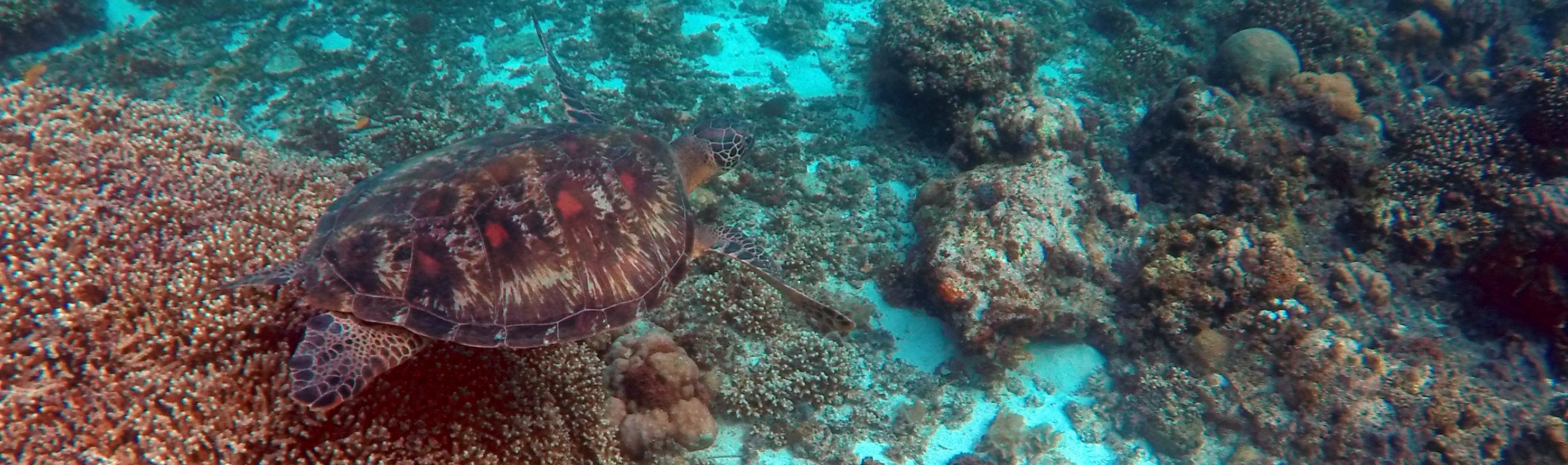
        Image

        Summaries, study notes, tips and tools for study and know how For optimal and free use of summaries, study help, exam tickets, practice exams, bullet points notes

        •     join JoHo WorldSupporter
        •     then check the study and exam tips;
        •  &nbsp...

        Image ALL CONTENT OF TOPIC

        Search all related content within topic: 'Nature and environmental sciences'

        ALL CONTENT OF TOPIC

        Select any filter and click on Apply to see results

        Crossroad: spotlight pages
        Moving abroad?
        Page topic
        Submenu & Search

        Search only via club, country, goal, study, topic or sector