
Gain and improve academic skills - Theme

Academic Skills & Competences


 Book summary of Critical Thinking - Moore & Parker - 12th edition
[TOC]
For us humans, there is an importance in critical thinking because it aids us in making good decisions. Often we do not realise how irrational our decisions can be, and this is where critical thinking comes in. Critical thinking basically means thinking about our thinking. We make use of logic and reason to determine whether or not a claim is true, if the reasoning behind it is sound and if we can draw a correlation or connection. It is not necessarily about coming up with claim as much as evaluating the correctness of claims that have been made and try to form a proper conclusion.
To achieve this, we evaluate our thinking on the basis of rationality. When we understand how critical thinking works, we can use this knowledge to be critical in multiple subjects and situations in our daily lives. It is, however, important to understand that criticising other people’s claims and ideas does not mean that we want to attack other people, only that we are trying to find the logic in them. Also, criticising other people in not always a case of critical thinking. People can criticise in the most illogical and unreasonable ways, without considering whether or not their claims are true or their reasoning sound.
When we come to a conclusion at the end of a reasoning, we call that a belief. Beliefs are prepositional and can be either true or false. Beliefs can be compared to a judgement or an opinion. When a belief is stated in a declarative way, that is when we start calling it a claim or statement. Claims are things that we can think critically about.
Within critical thinking, there are three important parts: claims, issues and arguments. These parts can be analysed once they have been determined in conversation or writing.
Claims are things that we write or declare, to bring across information. With claims we often deal with statements, opinions or beliefs. Claims can be true
.....read more Summary of Critical Thinking: A Concise Guide by Bowell - 5th edition - Exclusive Glossary of Academic Skills for the Social and Psychological Sciences
Literature review A detailed overview of the significant literature available about your chosen topic, providing a discussion and critical evaluation, and using clear argument to contextualise and justify your research. (p. 4)
Peer review The process of evaluating an article by experts to ensure the article meets quality criteria before being accepted for publication. (p. 9)
Textbooks Written specifically for audiences such as students or professionals. Material usually presented in an ordered and relatively accessible form. Often draw on a wide range of sources including peer-reviewed academic journal articles. Useful, particularly as an introductory source to get an overview of your research topic and find out who are the recognised experts. (p. 10)
Peer-reviewed academic journal articles Provide detailed reports of research. Articles written by experts in the field and evaluated by other academics (peer reviewers) to assess quality and suitability. Pay rigorous attention to detail and verification of information. Usually contains extensive list of references. Before publication, have usually been revise in response to comments. This is the most useful type for your literature review. Not all academic journal articles are peer-reviewed. (p. 10)
Non-refereed academic journal articles Articles may provide detailed reports of research. Articles selected by an editor or editorial board with subject knowledge. Relevance and usefulness varies considerably. Beware of possible bias. (p. 10)
Professional and trade journal articles Articles written for members of professional or trade organisations, so related to their needs. Consist of a mix of news items and more detailed accounts of a practical nature. Articles rarely based on research, although some provide summaries of research. Can provide useful insights into practice, although may be biased. Need to be used with considerable caution. (p. 10)
Newspaper articles Articles written for members of public, most newspapers addressing a particular market segment. News presented is filtered dependent on events, priority being given to headline-grabbing stories that are likely to appeal to the readers. Good source of topical events and developments. May contain bias in reporting and coverage. (p. 10)
Conference proceedings Articles consist of selected papers presented at a conference, often published as a book or special edition of a journal. Usually peer-reviewed. Increasingly available online. Sometimes difficult to find. Very useful if the theme of the conference matches your research. (p. 10)
Reports Reports on specific topics written by academics and various organisations, including market research organisations and government departments. Beware of possible bias. May not have gone through same review process as peer-reviewed academic journal articles, but those from established organisations are often of high quality. Often difficult to access or expensive to purchase. Can be a useful source of information when
.....read more How do you write a paper or scientific article? Stats for students: Simple steps for passing your statistics courses

Study Guide for summaries with Academic Writing Skills by Van der Molen a.o.Summaries expected September 24th
Summary of Writing Psychology Research Reports by Starreveld - 1st edition - Exclusive Summary of What is this thing called Science by Chalmers: 4th editionIn the first four chapters of this book, the statement "science is derived from facts" is critically analyzed. Throughout the book, this statement's meaning changes slightly. Facts are statements about the world that can be sensed. Facts are neither personal opinions nor speculative ideas. If the world is perceived accurately and without prejudice, the facts that are established are, therefore, a reliable and objective basis for science. Scientific knowledge is reliable and objective if the facts guide conclusive reasoning to laws and theories that make up the basis for scientific knowledge. Before the 17th century, science was primarily based on authorities such as the Bible and Aristotle. Due to people like Galileo, this idea changed in the 17th century. People started to see observation as the basis of science.
Empirists (such as Berkeley, Locke, and Hume) and positivists held the idea that we can see facts as indisputably correct through observation. It follows from this reasoning that knowledge derived from this is objective and reliable. However, it is doubtful that science is based on observable facts. The problem that arises following the statement that science can be deduced from the facts relates to:
Some believe that facts are at the basis of science because they have the following assumptions:
What is the study field and working area of professional skills in pedagogics?Professional skills in pedagogy encompass the knowledge, abilities, and attitudes that educators and educational professionals need to effectively work with children, young people, and adults. These skills are essential for guiding learning processes, creating safe and stimulating learning environments, and ensuring the optimal development of individuals.
Professional skills in pedagogy are crucial for:
Pedagogical professionals with strong skills work in diverse settings, including:
 Studievaardigheden en stagecompetenties - paginabundel
 Skills & Motivations: home bundle

 ACTIVITIES
Make a selection, to find more tips than you see below
 | Internship around the world and abroad Internship around the world and abroad Table of content Internship abroad: questions and answers about the work and locations What is doing an internship abroad like?... |
 Activities abroad: home page
Check the pages below for more activities and inspiration and where to go and how to arrange it
Activities abroad: for experiencing countries and cultures abroad Activities abroad: for languages courses and learning a language Activities abroad: for sports, adventure and outdoor abroad Activities abroad: for intern, volunteer and work abroad per sector What to do abroad? Questions and answers about doing adventurous, outdoor and sporting activities abroad What to do abroad? Questions and answers about working, internships, and volunteering per focus area Themes: home bundles per activity abroad Themes: main theme pages for emigration, moving and living abroad Activiteiten in het buitenland: startbundel Worldsupporter: home pages and bundles
 STORIES
Make a selection, to find more blogs and contributions than you see below
 | What are the 13 conditions for balance and fulfillment in study, work and private life What are the 13 preconditions for balance and fulfillment in study, work and private life Help yourself by helping others Create perspective by opening new doors Don't... |
| | Taking a course abroad: what is it, why would you do it, and where is the best place to go? Taking a course abroad: what, why, and where to go? What is taking a course abroad like? What are the reasons for taking a course abroad? What skills and motivations do... |
 | Conducting research or pursuing a PhD abroad: what is it, why would you do it, and where are the best places to go? Conducting research or pursuing a PhD abroad: what, why, and where to go? What is conducting research or pursuing a PhD abroad like? What are the reasons for conducting... |
 | WorldSupporter: how to use and find summaries, study notes en practice exams on JoHo WorldSupporter? Using summaries, study notes en practice exams on JoHo WorldSupporter |
ORGANIZATIONSMake a selection, to find more or other organizations than you see below
 | Wereldstap: for gap year and voluntary work on Curaçao Since 2000, Wereldstage has been arranging internships, project placements and graduation assignments for students in Curaçao. Over the years, various other programs and... |
 Organizations: home page
 Organizations in the spotlight: home bundle Organizations for administrative, tax and legal work and consulting
 Organizations for agriculture, grape picking, farming and vineyards
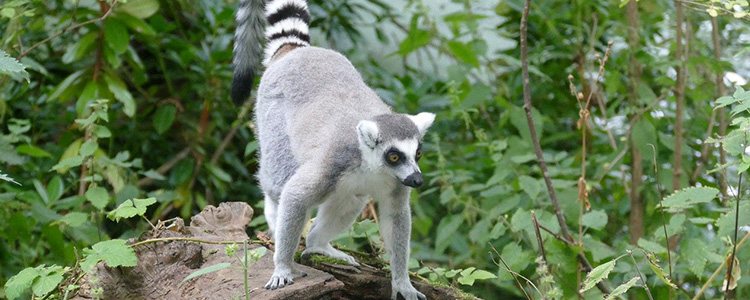
 Organizations for animal protection, animal care and working with wildlife abroad
 Organizations for au pairs, youth work and child care abroad
 Organizations: for bush camping and working at a campsite abroad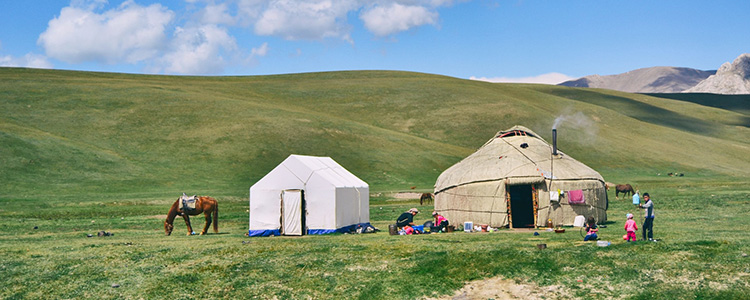
Organizations: for bush camping and working at a safari camp or campsite abroad
Organizations: for catering, hospitality and entertainment abroad Organizations: for civil society and social work abroad
 Organizations for corporate business services
 Organizations: for customer services abroad and help desks
 Organizations: for diving, snorkeling and water sports abroad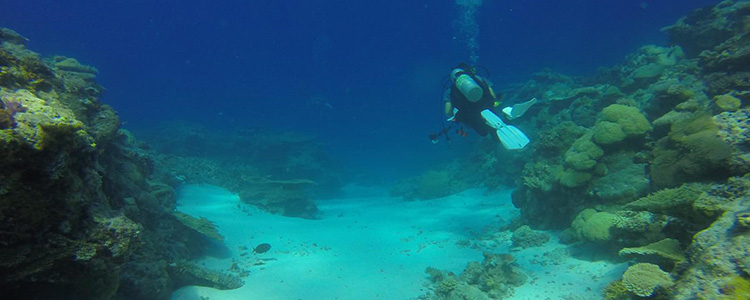
Organizations: for education and schools abroad Organizations: for expatriate insurances, travel insurances, and emergency call centers
 Organizations: for gap year activities abroad and sabbaticals
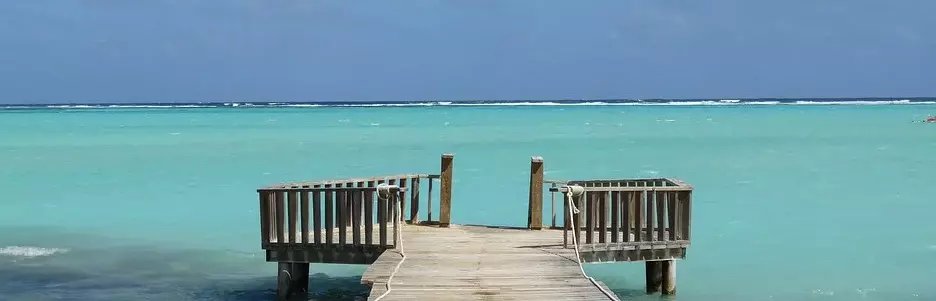 Organizations: for internship placement abroad
 Organizations: for insurances and finance abroad
 Organizations for IT, engineering and construction
  Organizations: for language travel and language teaching abroad
 Organizations for marketing, communication and PR abroad
 Organizations: for mediation in au pairs, childcare and elderly care in the Netherlands
 Organizations for moving, international relocation and transport abroad
 Organizations for nature conservation, environmental protection and working in nature abroad
  Organizations: for nonprofit projects, development work and international cooperation
 Organizations: for online work as digital nomad, freelancer, or independent entrepreneur from abroad
 Organizations: for outdoor activities and sports
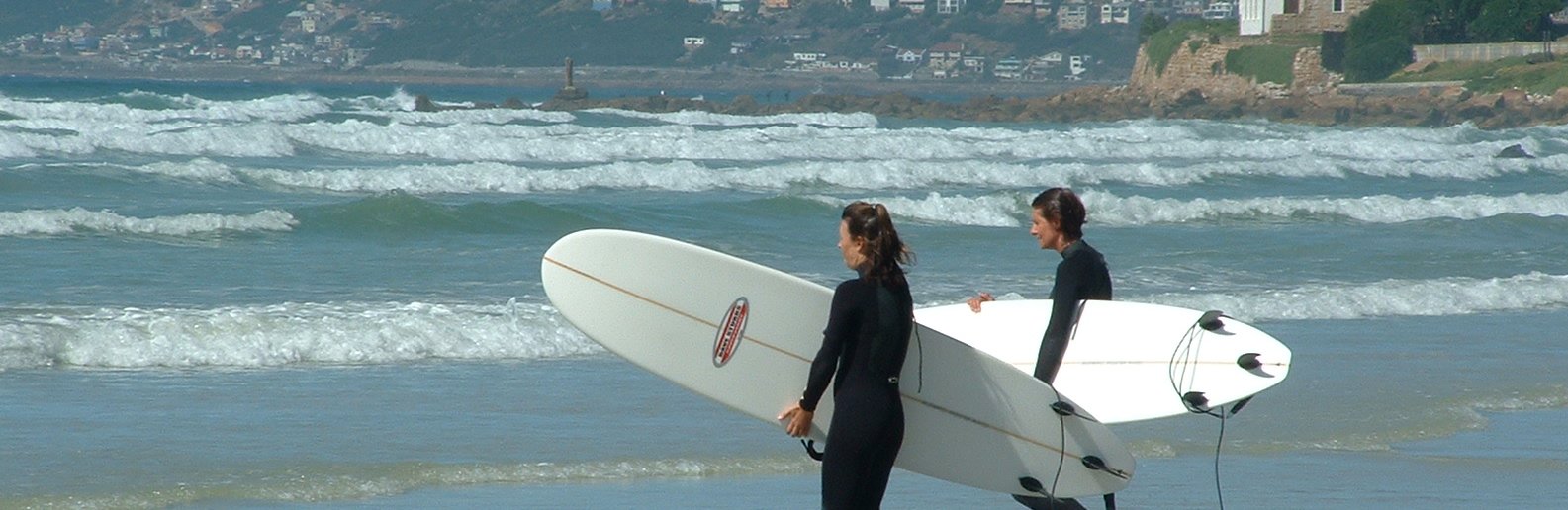 Organizations: for paid employment abroad and international recruitment
Organizations: for providing accommodation and hospitality work in hotels, guesthouses, ecolodges and hostels abroad Organizations: for providing healthcare and working in medical care abroad
 Organizations: for psychological assistance and mental health care abroad
 Organizations: for real estate, brokerage abroad and property rental abroad
 Organizations: for research and scientific work abroad
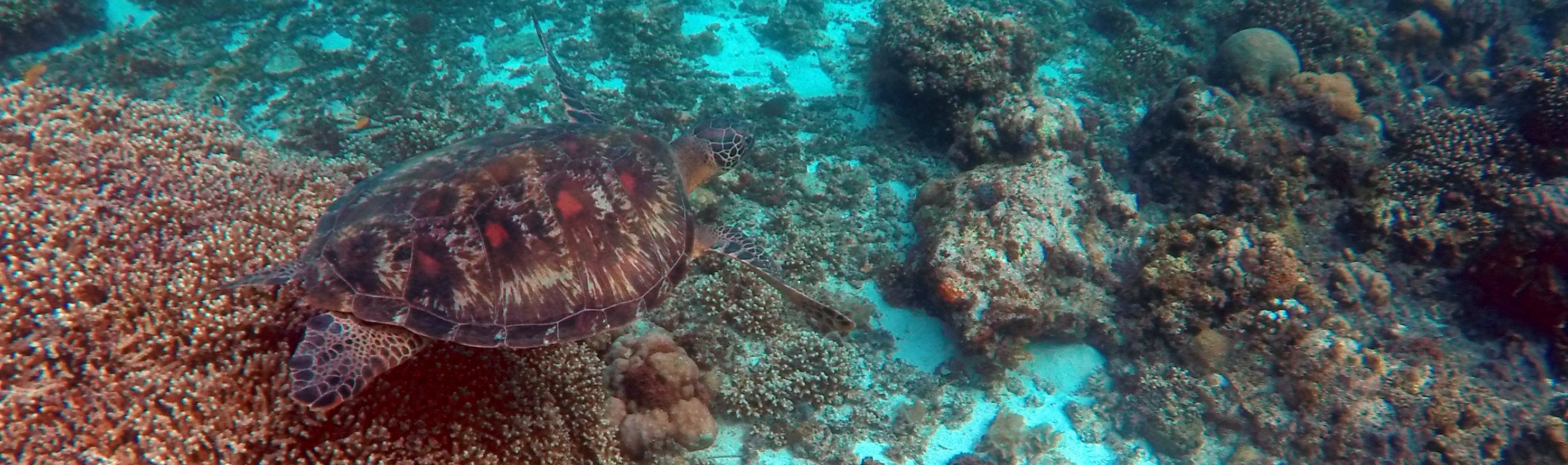 Organizations: for student support and student associations
 Organizations: for tour guidance and adventure tours abroad
Adventure tour operators, sustainable tour operators, and group tour organizers
Organizations: for tourism and organized travel and leisure work abroad Organizations: for voluntary work mediation and project placement abroad
 Organizations for yacht and shipping crew and working on a cruise ship abroad
 SUMMARIES
Make a selection, to find more, or other, summaries and study assistance than you see below
| | Glossary of Academic Skills for the Social and Psychological Sciences - Choose -Chapter 1: LiteratureChapter 2: Conceptual modelChapter 3: Academic writingChapter 4: ArgumentsChapter 5: ReflectingChapter 6: Team WorkChapter 7: Conversation... |
 | Skill Sheets: a summary The Challenges Series A Research Series B Study and Self-Management Series C Reading Series D Listening Series E Writing Series F Presentation Series G Team and Project... |
 | How do you write a paper or scientific article? From idea to conclusion: questions and answers on every step on the way |
| | Study Guide for summaries with Academic Writing Skills by Van der Molen a.o. Study Guide for summaries with Academic Writing Skills by Van der Molen a.o. |
 | Samenvatting van Zelf leren schrijven van Van der Molen - 5e druk Samenvatting van Zelf leren schrijven van Van der Molen - 5e druk |
Summaries: home page Summaries: per type and form Summaries: per study field and university Exams: home page for exams, exam tips and study tips Exams: home bundle Themes: home bundles per study and working fields Themes: main theme pages for summaries and study assistance Themes: main theme pages for learn and study Samenvattingen: startbundel SPOTLIGHT & FAVORITES
Summaries, internships, tips and tools for study and work in law and public administration Definitions, Jurisprudence, Stories, Subjects, Study assistance,

Summaries, study notes, tips and tools for study and know how For optimal and free use of summaries, study help, exam tickets, practice exams, bullet points notes

What are the 13 preconditions for balance and fulfillment in study, work and private life
Summaries, internships, tips and tools for study and work in law and public administration Definitions, Jurisprudence, Stories, Subjects, Study assistance,
What are the 13 preconditions for balance and fulfillment in study, work and private life

Chapter 1: Literature Literature review A detailed ...

Academic Skills & Competences

Internship around the world and abroad Table of content Internship abroad: questions and answers about the work and locations
Content and contributions related to competencies, feelings, motivations and skill improvement ...to help another, travel with care, work together, learn to share and inspire with your experience

Search only via club, country, goal, study, topic or sector
