Travel to Indonesia to backpack, study, intern, volunteer, work, or live as a digital nomad, expat or emigrant?

Image

Image

Image  Indonesia

Intro

Backpacking in Indonesia?

  • You can really do some super hiking and island hopping in Indonesia with your backpack (or suitcase). Whether you have two weeks of vacation or three months time, in Indonesia you will not get bored.
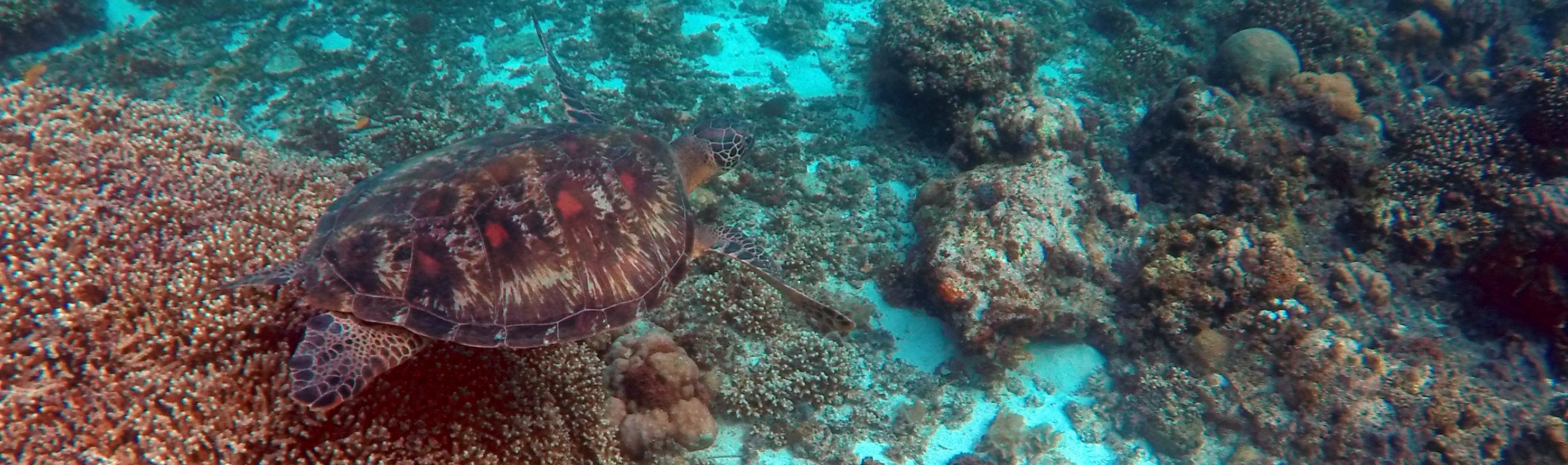
  • Prepare for a beautiful mix of varied islands, diverse religions, special cultures, tropical nature, rare underwater world and lots of relaxing places.

Travel in Indonesia?

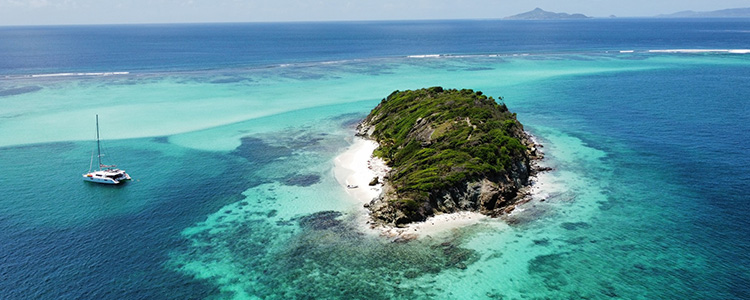
  • A trip through Indonesia is a journey past beautiful rice fields, impressive volcanoes, swaying orangutans, high jungles and paradisiacal islands.
  • Cities and islands spotting: Bali, Bandung, Irian Yaya, Lombok, Sulawesi, Sumatra.
  • Nature spotting: jungles on Sumatra and Borneo, rice fields on Bali, corals near Lombok.
  • Animal spotting: forest elephant, pygmy dragon, komodo dragon, hornbill, orangutan, bird of paradise, sumatran tiger, echidna, black macaque.

Studying in Indonesia?

  • Education in Indonesia: universities and colleges are internationally well regarded, tuition fees are low.
  • Studies in Indonesia: major fields of study are anthropology, business administration, biology, medicine and law.
  • Study cities: Bandung Bogor, Jakarta, Surakarta, Yogyakarta.
  • Language courses in Indonesia: Bahasa can be learned in several places including Bali, Jakarta and Malang.

Internships in Indonesia?

  • Internships: internships can be found in all kinds of sectors such as tourism, health care, development work and business.
  • Characteristics: English language will get you pretty far in business, if you speak a little Bahasa that gives you an advantage.

Working in Indonesia?

  • Both temporary and long term work can be found mainly in the tourism sector.
  • Indonesian organizations consider a pleasant working environment without conflicts very important.
  • Friendships are common among colleagues, employees are often helpful and friendly.
  • Gratitude, respect and punctuality play an important role.
  • In the sectors education, management, engineering and tourism most expatriates and foreigners are employed.

Volunteering in Indonesia?

  • Particularly available in the animal care and activity support sectors.
  • Animal projects: protection of elephants or corals.
  • Characteristics: short-term volunteering of 1 or 2 weeks is also possible.

Working as a digital nomad in Indonesia?

  • Favorite locations: Bandung, Canggu and (Ubud in) Bali, the Gili Islands, Jakarta, Yogyakarta.
  • Characteristics: low cost of living and beautiful locations.

Living in Indonesia or Bali?

  • Language: it is quite important that you learn to speak some Bahasa, or another local language. The language is relatively easy, so you can quickly make yourself understood.
  • Health care in Indonesia: The quality is generally good in the cities, outside it gets worse as quickly. Water supply and hygiene can be problematic.
  • Quality of life: Indonesia generally ranks pretty well among expats and digital nomads. Main reasons for this are the people, food, activities, standard of living and relative safety. 
  • Health insurance: make sure you have your own well-covered health insurance.

Image

Preparation & Packing

Packing list for Indonesia, travel insurance for Indonesia, and taking your belongings

Packing list for Indonesia, travel insurance for Indonesia, and taking your belongings

Packing list for Indonesia, travel insurance for Indonesia, and taking your belongings

To take or not to take to Indonesia, leave at home or arrange locally?

Sufficiently insured or not for your activities in Indonesia?

Sufficiently insured or not for your trip to Indonesia?


What to bring to Indonesia: highlighted

Highlighted items:

  • Documents: passport that is valid for long enough (>6 months). An online and/or offline copy of your passport is always useful.
  • Money: cash is certainly useful for the first few days, a debit card for afterwards.
  • Care: sunscreen with a high factor, that is not cheap there.
  • Outdoor and conveniences: in any case sunglasses and good, coral-friendly sunscreen! If you go during the rainy season, do not forget waterproof clothing and a waterproof cover for your backpack or bag.
  • Clothing: clothing for both heat and humidity (see also tropical clothing and clothing for warm weather) that also covers legs and shoulders in case you want to visit temples or mosques.
  • Shoes: good shoes for walking through the city or in nature. Flip-flops are also useful for showering or a day at the beach!
  • Medicines and travel kit: a set of mosquito repellents (preferably with DEET, see also DEET mosquito repellent) and a medical kit (self-made or not) with anti-diarrhea.
  • Lying down and sleeping: mosquito net, if it is not already present in your accommodation.
  • Safety: a money belt or fanny pack is definitely recommended here.
  • Technology and equipment: do not forget to bring a world plug, a Dutch plug does not fit into the socket in Indonesia (see also world plug or travel plug)
  • Woman: scarf or light shawl – handy if you want to visit a mosque.

What else can you bring:

  • A snorkel set, sometimes you can also rent them on site
  • Water shoes given the coral and stones in the water at the various locations
  • Hat or cap against the sun and heat
  • A shawl that you can wear as a sarong, although you can of course also buy them there. This is especially useful at the temples in Bali.
  • Reusable bottle with water filter - that saves a lot of plastic!

What knowledge is useful when you go to Indonesia?

  • Knowledge of local customs and culture. This also differs greatly between Bali, very remote islands and the rest of Indonesia.
  • A few words of Bahasa Indonesia can sometimes go a long way.
  • Information about safety, health risks and how to protect yourself against theft.

Are there mosquitoes in Indonesia?

  • Indonesia is full of mosquitoes that pose a considerable health risk.
  • You are at risk all year round, but this increases even more during the rainy season.
  • They are found throughout Indonesia, you are not safe anywhere except perhaps on a high mountain.

Are there sand flies in Indonesia?

  • Sand flies are not a very well-known problem in Indonesia, but they do occur.
  • If you protect yourself well against mosquitoes, you are generally also protected against sand flies.

Can you buy DEET or other mosquito repellents in Indonesia?

  • Products containing DEET are available at supermarkets, mini markets and pharmacies, especially in the cities. The amounts of DEET are often lower than in Europe.
  • Soffell is the most popular product in Indonesia.
  • Picaridin is harder to find, so it is better to bring your own.

Where can you get food and drinks in Indonesia?

  • There are good and reasonably large supermarkets in the cities. Especially in Bali you can get a lot of foreign products.
  • Try the local warungs, these are restaurants in people's homes where you can get real, healthy food.
  • There are also many restaurants and fast food chains these days, especially in Bali and in the big cities.
  • Street food can be found spontaneously and at local markets. Pay attention to what you eat, so that you don't have to break your supply of anti-diarrheals!
  • Finding vegan food is very difficult outside of Bali.

Can you buy a beer or wine in Indonesia, or take it with you to Indonesia?

  • If you are 21 years or older, beer and wine are easily available in Bali (although it is a lot more expensive) and in the big cities and tourist spots.
  • But... in other parts of Indonesia, alcohol consumption can be heavily regulated. In the province of Aceh, alcohol is even completely prohibited. If you do drink here, you can expect, literally, severe lashes as a punishment.
  • You are allowed to bring 1 liter of alcohol to Indonesia, so you can at least toast your arrival.

Can you buy a joint or weed in Indonesia, or bring it to Indonesia?

  • A clear no. Don't grow it, don't smoke it, don't bring it.

Health, Insurance & Safety

How does healthcare work in Indonesia, and what travel insurance, health insurance or expat insurance do you need?

How does healthcare work in Indonesia, and what travel insurance, health insurance or expat insurance do you need?

How does the health care system work in Indonesia?

  • Indonesia, like many countries, has a two-part health care system with public and private options.
  • As an expat or emigrant, you can use both systems, fee-based.
  • Indonesia's healthcare system is developing solidly, with more and more hospitals, clinics and medical facilities being added.
  • The quality of care still varies widely, though, with modern hospitals in large cities such as Jakarta, Bandung and on Bali, and more limited facilities in rural areas.
  • Access to medicine may be different from what you are used to. Some medicines that you get in your home country only by prescription can be obtained here and vice versa.
  • In an emergency, you can call 118, but the ambulances through this public healthcare system are not of the quality you would like, and in remote areas are even completely absent. If you live in Indonesia, it is helpful to have the contact information of the nearest private clinic so they can send an ambulance.

How does the public healthcare system work in Indonesia?

  • Indonesia has had a national health insurance program called Badan Penyelenggara Jaminan Sosial (BPJS) since 1968. This system is designed to provide health care for all and is supported by a national insurance program called Jaminan Kesehatan Nasional (JKN).
  • As an expat or emigrant, you can usually take advantage of the public healthcare system, provided you can prove that you have lived in the country for at least a number of months (often at least 6).
  • Although the quality of care is slowly increasing, Indonesia is known for the low quality of public health care. For example, there are too few well-trained doctors and infant mortality is also still high. Many good doctors from the public system exchange their jobs for jobs in private healthcare in, for example, Singapore, Bangkok, Kuala Lumpur.
  • For locals, public care is cheap. But at the same time, care is often overburdened and of lower quality than in the private sector. It is mainly suitable for basic needs.
  • Also, people in public care usually do not speak English.

How does the private healthcare system work in Indonesia?

  • Expats and emigrants generally choose private care because of more modern facilities, better hygiene and English-speaking doctors. International hospitals such as Siloam and BIMC (Bali International Medical Center) are popular.
  • Costs are higher than public care, but relatively affordable compared to Western standards.
  • Yet private care also has limitations.
  • For advanced treatments, people often rely more on hospitals in Singapore, Thailand or Malaysia. It is nice and advisable to have coverage in your (international) health insurance for medical evacuation and repatriation, among other things.

How is the family doctor or general practitioner arranged in Indonesia?

  • Indonesia does not have an extensive general practitioner system. Patients usually visit a specialist or clinic directly.
  • Private clinics (such as SOS International) are available in major cities and expat areas, providing basic care and referrals.

How is the dental care and dentist arranged in Indonesia?

  • Indonesia has a large number of private dental clinics, especially in cities such as Jakarta, Surabaya and in Bali.
  • Standards are high in modern clinics, and English-speaking dentists are available.
  • The cost of dental care is significantly lower than in Europe or North America, making Indonesia a destination for dental tourism.
  • Public dental care is also available through BPJS, but the quality is limited.

How is the pregnancy care arranged in Indonesia?

  • If you are about to have a baby in Indonesia, it is important to know that the facilities of public health institutions are generally not of sufficient quality and infant mortality is very high compared to other countries in Southeast Asia.
  • In public institutions there is a lot of prenatal care, but almost no postnatal care.
  • Expats and emigrants usually use private hospitals or international clinics for prenatal care and postnatal care. Private hospitals offer, at a higher cost, modern facilities for deliveries.
  • In addition, many foreign families choose the services of a private midwife, as this help usually does not come from clinics.
  • In Indonesia, cesarean section is preferred to natural birth because it is seen as less risky. So be sure to discuss well with your doctor what you want.
  • The quality of childbirth monitoring often leaves much to be desired. Culturally, people are reluctant to use physical touch.
  • Breastfeeding is strongly encouraged and supported by campaigns, but the choice of bottle feeding is also respected.
  • Indonesia still has challenges with maternal and infant mortality in rural areas, although the situation in urban hospitals is much better.
  • Indonesia began the village midwife program (bidan di desa) in 1989 in cooperation with international organizations: women gave birth at home with the help of minimally trained traditional midwives (dukun bayi). The number of local midwives increased dramatically and is now very important for local, remote communities.

How safe or unsafe is a trip or stay in Indonesia?

What should you pay attention to in terms of safety in Indonesia?

  • Living and living in Indonesia is pretty safe, but again, not without risks: think earthquakes, floods, petty crime and in very rare cases terrorism.
  • Indonesia is a large country and safety varies greatly by area. In Papua and West Papua, for example, it is more dangerous for visitors than other parts of the country because of political instability. In addition, terrorist attacks occur and areas where tourists frequent are often targeted.
  • There is a lot of petty crime. For example, motorcycle robberies are common. So pay close attention to personal belongings, make sure your bag hangs securely around your shoulders and avoid walking down the street with your phone in your hand.
  • Credit card and ATM fraud are also common. So be sure to keep a close eye on your bank accounts and use cash to pay as much as possible.
  • Political protests are usually peaceful, but avoid large crowds.
  • Respect the local culture, especially in conservative areas. Avoid public drunkenness and be careful when expressing your political opinions.
  • The country is beautiful but at the same time prone to earthquakes, volcanic eruptions and floods. So it is useful to be informed about disaster plans in your area.

What should you look out for in terms of diseases in Indonesia?

  • There are quite a few tropical diseases, many of which are transmitted by mosquitoes. Protect yourself well, especially in rural areas and during the rainy season.
  • Tap water is not safe to drink. It is also recommended not to cook with it.
  • There is a lot of air pollution in major cities. This can lead to worsening existing respiratory problems.
  • Indonesia is generally very hot and tropical. Many new residents suffer from sunburn, sunstroke and dehydration.
  • Pay attention to food hygiene, Bali Belly is a well-known phenomenon.

What should you pay attention to when it comes to traffic in Indonesia?

  • Roads in Indonesia range from reasonable in cities to poorly maintained in rural areas. Traffic jams are a major problem in large cities such as Jakarta.
  • Scooters are the most popular means of transportation, but traffic is chaotic and dangerous for inexperienced drivers.
  • There are also many accidents on the road. Hiring a local driver is the safest option for getting around.
  • Urban areas have improved transportation options such as MRT and bus networks. Cab apps are also increasingly available and popular.
  • Traffic rules are often ignored, and traffic accidents are common. Driving after sunset is not recommended, especially in rural areas.

What are the best insurance options for backpacking, traveling, doing an internship, studying, volunteering, or working in Indonesia?

What types of insurance should you get if you're planning to emigrate, work as an expat, or live in Indonesia?

What insurance can you choose as backpacker, emigrant, expat, intern, nomad, student, volunteer or traveler abroad?

What are the main international insurances through JoHo and WorldSupporter for activities, backpacking or travel to or from Indonesia

Advice and decision support
Insurance

What are the main international insurances through JoHo and WorldSupporter for emigrants, expats and nomads in Indonesia

Advice and decision support
Insurance
Why get specific insurance when going abroad: per activity abroad
What is travel insurance, and why take out specific insurance when you go on a trip or vacation?

What is travel insurance, and why take out specific insurance when you go on a trip or vacation?

What is travel insurance to insure your trip or vacation?

  • Travel insurance is insurance that provides coverage for risks during a trip or vacation abroad. This mainly concerns loss of or damage to your luggage, medical assistance in the event of accidents, for example, or repatriation costs if you need to be transported back to your home country urgently. In some cases, travel insurance coverage also applies in your home country.
  • With continuous travel insurance, you are insured for all your trips throughout the year.
  • With temporary travel insurance, you take out insurance for each trip for the duration of the trip.
  • Cancellation insurance reimburses (all or part of) the travel sum, cancellation or accommodation costs if you have to cancel or interrupt your vacation.

Why should you take out travel insurance for a short trip, vacation, or long-distance trip?

  • Travel insurance can provide coverage in the event of an accident or emergency while you are away.
  • Travel insurance can provide coverage for damage and accidents during the adventurous or sporting activities you are going to do.
  • Travel insurance can continue to provide coverage if your Dutch basic health insurance no longer provides coverage, or if the damage is only reimbursed at Dutch cost price.
  • Travel insurance can provide coverage in the event of damage, loss, or theft of your luggage.
  • Travel insurance can provide coverage if you are held liable for damage you cause to other people or their property.
  • Travel insurance can provide coverage if you have to return home early because something has happened to you or your immediate family.

What is important to insure when you are going to travel?

  • That you have insurance that is valid in the countries where you are going to travel and possible work.
  • That you are adequately insured for the sports and activities you are going to participate in during your full period abroad
  • That you are insured for emergency assistance and early return if something happens to you or your immediate family.
  • That your medical expenses are insured up to the actual cost and not just for the standard costs. The costs per medical treatment vary greatly between countries.
  • That you insure your luggage and take sufficient precautions against theft or damage.
  • That you are well insured against personal liability.
  • That you are well insured in case of accidents.
  • That you only insure yourself for legal assistance if there is an immediate reason to do so, unless coverage is already automatically included in the insurance.
  • That you pay close attention to choosing the right coverage when performing work or voluntary work during your world trip.

What insurance do you need for a trip or vacation?


What is round the world travel insurance or long-term travel insurance, and why take out specific insurance when you go abroad?

What is round the world travel insurance or long-term travel insurance, and why take out specific insurance when you go abroad?

What is round the world travel insurance or long-term travel insurance?

  • Round the world travel insurance means that you take out insurance that continues to provide coverage during all your activities abroad, and which is specifically intended for those who travel for long periods of time, such as world travelers, globetrotters, and nomads.

Why should you take out specialized travel insurance for a long trip abroad?

  • Round the world travel insurance provides coverage for a much longer trip than regular travel insurance.
  • World travel insurance is specifically intended for longer trips, whereas regular travel insurance may offer coverage on paper, but in practice handles it differently.
  • World travel insurance is suitable for many types of activities, ranging from high-altitude trekking to more risky sports.
  • World travel insurance continues to provide coverage if you start working during your trip, whether planned or unplanned. If you did not take out insurance before departure that allows you to work, there is no guarantee that you will be able to take out insurance that provides coverage while abroad.
  • Long-term travel insurance continues to provide coverage when your home country's health insurance no longer does.
  • Worldwide travel insurance also covers your medical expenses up to the actual cost, and not just for the standard costs. The costs per medical treatment vary greatly between countries.
  • Worldwide travel insurance can also continue to provide coverage if negative travel advice is issued.

What is important to insure when you are going to travel around the world?

  • That you have insurance that is valid in the countries where you are going to travel and possibly work.
  • That you are adequately insured for the sports and activities you are going to participate in during your full period abroad
  • That you are insured for emergency assistance and early return if something happens to you or your immediate family.
  • That your medical expenses are insured up to the actual cost and not just for the standard costs. The costs per medical treatment vary greatly between countries.
  • That you insure your luggage and take sufficient precautions against theft or damage.
  • That you are well insured against personal liability.
  • That you are well insured in case of accidents.
  • That you only insure yourself for legal assistance if there is an immediate reason to do so, unless coverage is already automatically included in the insurance.
  • That you pay close attention to choosing the right coverage when performing work or voluntary work during your world trip.

What insurance do you need when backpacking abroad?

What is backpack insurance, and why take out specific insurance when you go backpacking abroad?

What is backpack insurance, and why take out specific insurance when you go backpacking abroad?

What is backpacking insurance and travel insurance for backpackers?

  • Backpacking insurance for backpackers means that you take out insurance that continues to provide coverage during all your activities abroad and is specifically intended for those who are traveling for a long time, traveling independently, or making frequent use of local transportation.

Why should you take out travel insurance specifically for backpacking?

  • Travel insurance for backpacking can provide coverage in the event of an accident or emergency while backpacking.
  • Travel insurance for backpacking can provide coverage for damage and accidents during your adventurous or sporting activities.
  • Travel insurance for backpacking can continue to provide coverage if your Dutch basic health insurance no longer provides coverage, or if the damage is only reimbursed at Dutch cost price.
  • Travel insurance for backpacking can provide coverage in the event of damage, loss, or theft of your luggage while backpacking.
  • Travel insurance for backpacking can provide coverage if you are held liable for damage you cause to other people or their property.
  • Travel insurance for backpacking can provide coverage if you have to return home early because something has happened to you or your immediate family while backpacking.

What aspects are important to insure when backpacking abroad?

  • The duration of your trip: so that you are also covered during a very long backpacking trip, or can extend your coverage if you want to stay longer
  • The activities during your trip: so that you can also participate in all kinds of sports and adventure activities that are excluded from travel insurance
  • Coverage of your medical expenses during your trip: so that you are always covered, even if you go to work or if the costs in the event of an accident are higher than the Dutch rate
  • Coverage for natural disasters and war during your trip: so that you don't have to return home immediately with your tail between your legs every time the Dutch government issues negative travel advice
  • Your insurer's specialization: so that your insurer specializes in backpacking trips or long stays abroad, and doesn't treat you like an “all-inclusive sunglasses claimant.”

What insurance do you need when backpacking abroad?

What is insurance for working abroad, and why do you need specific insurance if you are going to do paid work?

What is insurance for working abroad, and why do you need specific insurance if you are going to do paid work?

What is insurance for working abroad?

  • Insuring yourself for working abroad means taking out insurance that continues to provide coverage during your paid work abroad.

Why take out insurance, and when is normal travel insurance no longer sufficient?

  • There may be several reasons why you need separate insurance for paid work abroad.
  • During your work, local employers generally offer no or limited insurance that does not provide sufficient coverage.
  • The risk of accidents is sometimes greater during your work, for example because you are doing work with which you have little experience or because of the nature of the work.
  • During specific work abroad, additional requirements may apply as soon as you start performing work that involves additional risks. Only special insurance policies offer coverage during this type of work.
  • During work, internships, or volunteer work abroad where you receive a salary or compensation (for example, food or housing), your local health insurance coverage will normally lapse. You will then need special insurance to remain insured for illness and accidents.
  • Standard travel insurance policies generally do not provide sufficient coverage to apply for a work visa or working holiday visa.
  • Standard travel insurance policies generally only cover stays abroad for a limited number of days. If your trip or stay abroad exceeds the maximum number of days, this generally means that there will be no coverage for the entire travel period.
  • Standard travel insurance policies generally only provide coverage for recreational travel without study, internship, or work. If you engage in activities other than recreational activities, this generally means that you will no longer be covered for the entire travel period.

What should you pay attention to in your insurance policy if you are going to work abroad?

  • Make sure you have insurance that is valid in the area where you will be traveling and working.
  • Make sure you are adequately insured for the sports and activities you will be participating in.
  • That you are insured for emergency assistance and early return if something happens to you or your immediate family.
  • That your medical expenses are insured up to the actual cost and not just for the standard costs. The costs per medical treatment vary greatly between countries.
  • That you insure your luggage and take sufficient precautions against theft or damage.
  • That you are well insured against personal liability.
  • That you are well insured in case of accidents.
  • That you insure yourself for legal assistance if there is an immediate reason to do so, unless the coverage is already automatically included in the insurance.
  • That you take care to choose the right coverage when working in healthcare, with wild animals, and with dangerous machinery.

What insurance do you need to work abroad?

What is insurance for working with animals abroad, and why do you need specific insurance for jobs, internships, and volunteer work abroad?

What is insurance for working with animals abroad, and why do you need specific insurance for jobs, internships, and volunteer work abroad?

What is insurance for working with animals abroad?

  • Insuring yourself for working abroad with animals means taking out insurance that continues to provide coverage during your paid, unpaid, or internship work abroad, where minor or major risks are involved.

Why take out insurance, and when is normal travel insurance no longer sufficient?

  • There may be several reasons why you need separate insurance for work abroad.
  • During specific work abroad, additional requirements may apply as soon as you start performing work that involves additional risks. Only special insurance policies offer coverage during this type of work. Almost all standard insurers exclude working with animals from coverage.
  • The risk of accidents is sometimes greater during your work, for example because you are doing work with which you have little experience or because of the nature of the work. All over the world, there are reserves, rescue centers, and zoos where you can roll up your sleeves as a veterinarian, intern, or volunteer. Working with animals or wildlife is not without danger. No matter how cute they may look, or how tame they may behave. All animals can suddenly bite viciously or lash out with a claw or beak. Not only can this result in nasty injuries, but it can also transmit diseases that you would rather not have, and certainly not abroad.
  • During work, internships, or volunteer work abroad where you receive a salary or compensation (for example, food or housing), your local health insurance coverage will normally lapse. You will then need special insurance to remain insured for illness and accidents.
  • During your work, local employers generally offer no or limited insurance that does not provide sufficient coverage.

What should you pay attention to in your insurance policy if you are going to work abroad?

  • Make sure you have insurance that is valid in the area where you will be traveling and working.
  • That you have insurance that provides sufficient coverage for the work you will be performing.
  • Make sure you are adequately insured for the sports and activities you will be participating in.
  • That you are insured for emergency assistance and early return if something happens to you or your immediate family.
  • That your medical expenses are insured up to the actual cost and not just for the standard costs. The costs per medical treatment vary greatly between countries.
  • That you insure your luggage and take sufficient precautions against theft or damage.
  • That you are well insured against personal liability.
  • That you are well insured in case of accidents.
  • That you insure yourself for legal assistance if there is an immediate reason to do so, unless the coverage is already automatically included in the insurance.

Which insurance do you need for working, an internship, or volunteering with animals abroad?

What is volunteer insurance, and why should you take out specific insurance if you are going to do volunteer work?

What is volunteer insurance, and why should you take out specific insurance if you are going to do volunteer work?

What is insurance for volunteering abroad?

  • Insuring volunteer work abroad means taking out insurance that continues to provide coverage while you are working as a volunteer abroad

Why should you take out specialized travel insurance for voluntary work abroad?

  • There may be several reasons why you need separate insurance when volunteering abroad.
  • During specific activities abroad, additional requirements may apply if your work involves extra risks. Only specific insurance policies offer coverage during these activities.
  • The risk of accidents is sometimes higher during your work, for example because you are doing work you have little experience with or because of the nature of the work.
  • Local projects or employers generally offer no or limited insurance that provides insufficient coverage during your work.
  • When volunteering abroad and receiving minor financial compensation (or, for example, food or housing), your home country's health insurance coverage will potentially lapse. You will then need special insurance to remain insured for illness and accidents.
  • Regular travel insurance policies generally provide coverage for trips of a limited number of days. If your trip or stay abroad exceeds the maximum number of days, this generally means that for the entire travel period, you will not be covered.
  • Regular travel insurance policies generally only provide coverage for recreational travel without voluntary work activities. If you engage in activities other than recreational activities (such as volunteer work), this generally means that for the entire travel period, you will not be covered.

What is important to insure when you are going to work as a volunteer abroad?

  • That you have insurance that is valid in the country or countries where you are going to travel and volunteer.
  • That you are adequately insured for the sports and activities you are going to participate in during your period abroad
  • That you are insured for emergency assistance and early return if something happens to you or your immediate family.
  • That your medical expenses are insured up to the actual cost and not just for the standard costs. The costs per medical treatment vary greatly between countries.
  • That you insure your luggage and take sufficient precautions against theft or damage.
  • That you are well insured against personal liability.
  • That you are well insured in case of accidents.
  • That you only insure yourself for legal assistance if there is an immediate reason to do so, unless coverage is already automatically included in the insurance.
  • That when performing work in healthcare, with wild animals, and with dangerous (agricultural) machinery, you take care to choose the right coverage.

What insurance do you need when volunteering abroad?

Why should you take out specialized travel insurance for an internship abroad?

Why should you take out specialized travel insurance for an internship abroad?

What is insurance for an internship abroad?

  • Insuring an internship abroad means taking out insurance that continues to provide coverage during your internship abroad
  • Insurance for internships abroad are also referred to as internship insurance. This internship insurance is specifically for when you go abroad for a long period of time to work as an intern, take courses, or conduct research abroad.

Why should you take out specialized travel insurance for an internship abroad?

  • There may be several reasons why you need separate insurance for an internship abroad.
  • During internship activities abroad, additional requirements may apply as soon as you start performing work that involves additional risks. Only specific insurance policies offer coverage during these activities.
  • During your internship, the risk of accidents is sometimes greater, for example because you are doing work with which you have little experience or because of the nature of the work.
  • During your internship, local employers generally do not offer insurance, or offer limited insurance that does not provide sufficient coverage.
  • During an internship abroad where you receive financial compensation (or, for example, food or accommodation), your home country's health insurance coverage will potentially lapse. You will then need special insurance to remain insured for illness and accidents.
  • Regular travel insurance policies generally provide coverage for trips of a limited number of days. If your trip or stay abroad exceeds the maximum number of days, this generally means that for the entire travel period, you will not be covered.
  • Regular travel insurance policies generally only provide coverage for recreational trips without work activities.

What is important to insure when you are going to be an intern abroad?

  • That you have insurance that is valid in the area where you will be traveling and doing your internship.
  • That you are adequately insured for the sports and activities you will be participating in.
  • That you are insured for emergency assistance and early return in case something happens to you or your immediate family.
  • That your medical expenses are insured up to the actual cost (what it actually costs), and not just for the standard costs. The costs per medical treatment vary greatly between countries.
  • That you insure your luggage and take sufficient precautions against theft or damage.
  • That you are well insured against personal liability and, preferably, also for liability during your internship.
  • That you are well insured in case of accidents.
  • That you insure yourself for legal assistance if there is an immediate reason to do so, unless the coverage is already automatically included in the insurance.
  • Make sure you choose the right coverage for internship work in healthcare, with wild animals, or with dangerous machinery!

Check out more about international insurances

What is insurance for studying abroad, and why should you take out specialized travel insurance for your education abroad?

What is insurance for studying abroad, and why should you take out specialized travel insurance for your education abroad?

What is insurance for studying abroad?

  • Insurance for studying abroad means that you take out insurance that continues to provide coverage during your studies, your education, and your related activities abroad.
  • Insurance for studying abroad is also referred to as study insurance. This study insurance is specifically for when you go abroad for a long period of time to take courses, study, or conduct research abroad.

Why should you take out specialized travel insurance for a study abroad?

  • Study insurance is specifically designed for studying abroad, whereas regular travel insurance policies may offer coverage on paper but handle this situation differently in practice.
  • Study insurance offers coverage for longer stays than regular (vacation) travel insurance.
  • Study insurance is also suitable for many types of activities, ranging from various sports to hiking at high altitudes.
  • Study insurance continues to provide coverage if you start working during your trip, whether planned or unplanned. If you have not taken out insurance before departure that allows you to work, there is no guarantee that you will be able to take out insurance abroad that provides coverage.
  • Study insurance continues to provide coverage if your own country's health insurance no longer provides coverage.
  • Student insurance also covers your healthcare costs above the rates in your own country; with regular insurance, you have to pay the extra costs yourself.
  • Student insurance can also continue to provide coverage if (study) visa issuers impose additional requirements on how you insure yourself, for example if you are going to the US and applying for a J-1 visa.
  • Student insurance continues to provide coverage if you are staying abroad for a longer period of time and want to visit your own country in between.

What is important to insure when you are going to study abroad?

  • That you have insurance that is valid in the country or countries where you are going to travel and work.
  • That you are adequately insured for the sports and activities you are going to participate in during your period abroad
  • That you are insured for emergency assistance and early return if something happens to you or your immediate family.
  • That your medical expenses are insured up to the actual cost and not just for the standard costs. The costs per medical treatment vary greatly between countries.
  • That you insure your luggage and take sufficient precautions against theft or damage.
  • That you are well insured against personal liability.
  • That you are well insured in case of accidents.
  • That you only insure yourself for legal assistance if there is an immediate reason to do so, unless coverage is already automatically included in the insurance.
  • That you pay close attention to choosing the right coverage when performing work alongside your studies.

Check out more about international insurances

What is an expat insurance or emigration insurance, and why specifically take out insurance if you are going to do move abroad?

What is an expat insurance or emigration insurance, and why specifically take out insurance if you are going to do move abroad?

What is an expat insurance?

  • Expat insurance is insurance that continues to provide coverage if you go to work abroad for a local or international employer for an extended period of time.
  • Expat insurance is not only intended for expats, but for anyone who has a more permanent job abroad.

What is an emigration insurance, or insurance for moving and living abroad?

  • Emigration insurance is an insurance that continues to provide coverage if you move abroad permanently or for an indefinite period of time.
  • Emigration insurance is not only intended for emigrants, but for anyone who leaves their home country for an extended period of time and does not intend to return in the foreseeable future.

Why should you take out specialized insurance for emigration or working as an expat abroad?

  • Emigration or expat insurance not only provides coverage for acute assistance in the event of illness or accident abroad, such as travel insurance, but can also provide coverage for existing conditions and ailments or non-urgent care.
  • Emigration or expat insurance does not require you to maintain valid health insurance in your home country.
  • Emigration or expat insurance provides coverage for preventive care or costs related to pregnancy and childbirth.
  • Emigration or expat insurance also provides coverage for long-term treatments and chronic conditions without you having to return to your home country.
  • Emigration or expat insurance often has no restrictions on the duration of the insurance, unlike travel insurance.
  • Emigration or expat insurance usually maintains coverage in cases such as negative travel advice or acts of war.
  • Emigration or expat insurance offers various solutions in the areas of disability, home and household insurance, goods transport, and liability.

What is important to insure when you are going to move abroad?

  • That you have insurance that is valid in the country or countries where you are going to live and/or work.
  • That you are adequately insured for the sports and activities you are going to participate in during your period abroad
  • That you are insured for emergency assistance and early return if something happens to you or your immediate family.
  • That your medical expenses are insured up to the actual cost and not just for the standard costs. The costs per medical treatment vary greatly between countries.
  • That you are well insured against personal liability.
  • That you are well insured in case of accidents.
  • That you pay close attention to choosing the right coverage when performing work with additional health risks

When can you also live abroad for a longer period of time with travel insurance?

  • There are also special expiring travel insurance policies that provide coverage without you having valid health insurance in your home country, however, these travel insurance policies are not intended for emigration or expats, but for stays outside your home country of up to a few years, for study, temporary work, volunteer work, and longer trips.
  • See the information at International Insurances for backpacking and travel abroad

What insurance do you need for emigration or working as an expat abroad?

International insurance through JoHo Insurances and JoHo WorldSupporter

International insurance through JoHo Insurances and JoHo WorldSupporter

Image

Table of content

  • Why should you take out insurance through the JoHo Foundation when you go abroad?
  • Insuring activities abroad:
    • internships, studying, volunteer work or paid work
    • backpacking, holiday, travel or round the world
    • emigration, living abroad, working as expat
  • Insurances for abroad: per insurance 
  • Insurances for abroad: per organization
  • How healthcare works
......Read more on this page
Insuring, troubleshooting and safe travel abroad

Insuring, troubleshooting and safe travel abroad

Image
Table of contents
  • Why get specific insurance when going abroad?
  • How to survive disasters abroad ?
  • How to insure activities abroad?
  • Which Insurances apply for internships, staying, studying, volunteer work or paid work abroad?

Image

Reading & Remembering

Indonesia: Updates & Travel

Indonesia: Updates & Travel

Travel in Indonesia

  • Traveling in Indonesia is an adventure and has it all. The diversity is enormous: Indonesia has the fourth largest population in the world, about 265 million people, and consists of thousands of larger and smaller islands. The people are very friendly and helpful. Travel along beautiful rice fields, climb volcanoes, see orangutans in the jungle on Kalimantan or Sumatra and sunbathe or surf on the white or black beaches with the perfect wave on Bali. Go on a cultural tour and get to know the rich history of the country or experience the phenomenal sunrise at the Buddhist temple Borobudur on Java. The sea that surrounds the countless islands of Indonesia offers opportunities for diving and surfing at the best spots in the world.
  • Do you like volcanoes? Then Indonesia is the right place to go for you. The country has many volcanoes and volcanic areas. Visit and climb Bromo or Merapi on Java or walk to the crater lake at Kawa Ijen, also on Java. Indonesia is a surfers' paradise: many world-class super spots can be found along the coastlines of Sumatra, Java, Bali, Lombok, Flores, Sumbawa, Sumba and further east.
  • Eat at local streetfood places: here you will find the tastiest dishes for a low price: satay, gado gado, tempeh, nasi goreng, sate gambing (picknickstyle) and rendang (spiced and stewed beef or jackfruit).
  • Go in search of orangutans in the jungle of Sumatra or Kalimantan.
  • Indonesia has many temples and temple complexes, where you can sniff Buddhist and Hindu (in Bali) culture.
  • Visit Samosir, an island in the middle of crater lake Danau Toba on Sumatra. The traditional Batak live here, with their beautiful houses (where you can sleep).
  • Bukittingi: a tourist city, centrally located on Sumatra, where there is a lot to see. It also has a cool climate due to its high location. Bukit Lawang: the place on Sumatra from where you can go on a jungle tour to see orangutans.
  • Visit the Prambanan and Borubodur, the largest temple complexes on Java.
  • Purah Besakih, a beautiful high-altitude mega temple complex on Bali.
  • Istiqlal Mosque, the largest mosque in Southeast Asia in the center of Jakarta.
  • Gili Islands (east of Bali and northwest of Lombok). The main reasons to go there are: sun, sea, beach and parties. Gili Trawangan in particular is a great place to stay if you like partying, diving and snorkeling. If you are looking for peace and quiet and are trying to avoid tourists, you should go to Gili Meno or Gili Air. From the harbor town of Bangsal you can get there in 20 to 60 minutes. In addition to the 'outrigger boats' to the Gili's, you will also find many scammers and annoying taxi drivers and captains in Bangsal. To avoid problems, many people choose the long crossing from Sengiggi, Lombok.
  • Be aware that use and/or possession of (soft) drugs is prohibited and is also severely punished.
  • Beware of arak, an alcoholic drink that is locally distilled and available locally. There are known cases of people dying after consuming this drink. Other locally distilled drinks can also be dangerous.
  • Be careful with food and drinks: not everything is equally fresh. Use your common sense. No ice cubes in drinks and preferably no raw vegetables or lettuce if you have any doubts about the way they are prepared.

Updates Indonesia

  • Check all the recent roadwork construction in Bali before you start planning your trip.
  • More about Indonesia, updates and contributions, see the link below.
Indonesia: selection of contributions by WorldSupporters - Bundle

Indonesia: selection of contributions by WorldSupporters - Bundle

Content about Indonesia shared by WorldSupporters

Expat and emigration interviews: Bali emigration story: rescuing animals

Expat and emigration interviews: Bali emigration story: rescuing animals

Image

Who is Marieke?

  • Marieke is an expat from the Netherlands who accidentally got stuck in Bali during covid. Her life changed, without regrets. She enjoys the Balinese spirit, nature, beaches, but mostly her work with her own charity Bali Animal Care. Every day she's busy rescuing and helping animals on the streets of Bali. Read more about her emigration story and her work below. 

How are your experiences moving to Bali?

What should people know about you to understand your emigration story?

  • I lived in different countries as a child and have traveled a lot in my later life. So I have always felt comfortable with different ways of life and with traveling.

Was there a specific moment or event that inspired you to live in Bali?

  • Covid! I was supposed to go to Indonesia for a limited time, but because of Covid I ended up stuck in Bali. So I didn't prepare for emigration at all, because that was not my plan at all. I had also been traveling in Europe for a while. So I had already put my stuff in a storage box and sold my house, I thought I'll see what happens when I get back!

What does your life look like, what kind of work or activities make you feel like you are really 'at home' in Bali?

  • During the beginning of Covid, a lot of people left Bali - in a hurry and without their pets. There were already many stray dogs and cats, but that number increased enormously. When I came across Happy, the dog on the beach, emaciated and abandoned, my life changed. I couldn't leave him behind and managed to catch him and take him to a clinic. Happy eventually recovered, and now he lives with me in my house. During that same year, 2020, I saved several rescues - dogs and cats - from the streets, had them treated in a local clinic and adopted them or found new homes for them. This was the start of Bali Animal Care, something that gives me enormous satisfaction.

How is your daily routine in Bali different from in the Netherlands?

  • My routine is completely different. In Bali, you do everything on the scooter. In the morning I go to the beach with 3 of my dogs on the scooter and on the way I feed stray dogs. If animals need help, I have them picked up and then treated in a local clinic. Once in a healthy condition, I look for a new loving home or shelter for them. I am busy with that all day long. Sometimes I eat out or order something, but there are also many nice shops here with western food (such as sourdough bread) where I like to go and get healthy food.

Do you already have an idea about the future?

  • Then you are asking the wrong person. I have learned to live in the now (perhaps something I have retained from my time in India) and am therefore not concerned with the future. I will see about that later!

How is the culture in Bali? How are the social interactions in Bali?

What was your first encounter with a local resident in Bali? How did that go?

  • The encounter with a local resident was very pleasant. The people are friendly, which is also deeply rooted in Balinese culture. You can easily make contact because locals usually speak a little English.

What is the best or most inspiring thing about your emigration to Bali?

  • That it was completely spontaneous and organic. No plan, it just happened. As I said, I don't really think about the future and I see how things go.

What is the funniest or most painful misunderstanding you have experienced due to language or cultural differences?

  • The most painful misunderstanding is that I cannot communicate when there is a problem because I do not speak the language well enough.

Have you adopted any local customs in Bali?

  • Not many because that is not necessarily necessary in Bali, but you can hardly avoid them as an expat - I also drive a scooter like everyone else here and have learned to drive like the locals. That takes some getting used to at first, but nothing ventured, nothing gained!

How do locals react to the fact that you now live and work in Bali?

  • Bali has long been a popular place for foreigners. Locals always react positively to the fact that I live here and am from the Netherlands. If you also respect them and their culture, you will get that back.

What is your favorite local tradition or holiday in Bali?

  • Nyepi, Bali's New Year's Day - Silence Day is my favorite holiday. It is quiet on the entire island. The airport closes for 24 hours. No one is allowed to leave their house, no lights on or noise, no talking. A day for contemplation. Really special!

How does friendship in Bali differ from how it is experienced in your home country?

  • People quickly call you a friend here. That is different with us. Another beautiful aspect of Balinese culture.

Did you learn Bahasa Indonesia (the local language)?

  • I started learning Bahasa Indonesia via Duolingo but after a while I stopped as didn't find enough time. Luckily we can use Google Translate these days, and most people around me speak some English.

How do you keep in touch with home?

  • Simple WhatsApp calls and messages. It's very easy nowadays!

What are some communication obstacles you've encountered?

  • It's important to be kind and patient while communicating with locals. Communication is different, sometimes people will say yes or maybe just to be polite, when they actually mean no. Or communication can be slow and unclear.

What are the challenges during your move to Bali?

Were there moments when you doubted your emigration to Bali?

  • No, I never doubted, life goes as it goes, and now I am here! I also did not experience any disappointments, of course you encounter things everywhere, but that is part of life.

What would you do differently next time, and what would you advise others with the same idea?

  • If you are planning to move to Bali, make sure you have your scooter/motorcycle license, that will save you hassle!

What was the biggest culture shock in Bali?

  • That animals are often poorly cared for. You see so many animals here that have been abandoned, abused or simply not cared for properly at home. This is difficult to see.

Are there things you appreciate more about the Netherlands now that you are here?

  • Many things are well organized in the Netherlands, and having seasons is also wonderful!

What are the practicalities in Bali?

How do you deal with the administrative hassle in your new country?

  • I have an agent for this! That is definitely recommended and saves a lot of hassle.

How did you find a suitable place to live in Bali? Was it difficult?

  • During covid, I was able to easily find accommodation through a friend

What are the biggest differences in costs between Bali and the Netherlands?

  • The housing costs are a lot lower here, but also daily necessities and, for example, doctor visits. The costs have increased in recent years due to tourism.

Have you used local healthcare in Bali (GP, specialist, dentist, etc.) and what is it like? 

  • Yes, I have regularly used local healthcare (GP and dentist). The care is good and cheaper and I have good experiences with both - also with hospitalization. It is best to rely on the experiences of other expats, so which doctors they recommend. Make sure you have good insurance.

How is your daily life in Bali?

Have you developed new hobbies or interests since living in Bali?

  • Rescuing animals in need, having them treated and trying to find them a new home gives enormous fulfillment.

What do you do in your free time to feel connected to yourself and your environment?

  • Yoga and meditation, listen to music, enjoy peace.

What local traditions or rituals in Bali have inspired or touched you?

  • The daily offerings at my house done by my landlord. Every day the locals bring offerings to the Hindu gods in a beautiful ritual with incense and flowers. It's an ancient ritual full of respect and beauty.

How do you fill your days in Bali?

  • Due to my passion for animals, I set up Bali Animal Care during Covid. We are a charity for the many Bali animals in need and the work never stops. Every day we are busy helping animals and finding homes for them. You can read more, see the links, about our animals and us on our website and Instagram.
  • We are completely dependent on donations and are therefore always looking for donors. The help we receive determines how many animals we can help. Sometimes people abroad adopt one of the animals, but this is quite a process (which I help and give advice how to adopt an animal and bring the animal back to the home country). In other cases people sponsor an animal with a monthly donation or with one-off donations until we find the animal a home. We always need help so take a look at the website or come visit us when you are in Bali!
Expat and emigration interviews: the story of Wouter, who went from the Netherlands to Indonesia

Expat and emigration interviews: the story of Wouter, who went from the Netherlands to Indonesia

What has been your motivation to emigrate to Indonesia?

Who is Wouter?

  • Wouter, 51, born and raised in North Holland, the Netherlands. He has been living in Malang Indonesia with his wife and son since 2016.

What do people need to know about you to understand your emigration story?

  • Nothing special; we were at the point of looking for renewal and improved quality of life. 

Was there a specific moment or event that inspired you to emigrate?

  • My wife had a lot of disagreements with the nursery around how to raise the child. Having more time for your child was definitely something that played into the decision to leave the Netherlands behind.

How did you prepare?

  • Spent 1.5 months in Indonesia looking for a new home and exploring the culture (again).

What does your life look like, what kind of work or activities make you feel you are really ‘at home’ in Indonesia?

  • In daily life, our son's life is actually central; school and the activities around it such as sports club, tutoring and his social life.

How does your daily routine differ from that in your home country?

  • Much less stress, due to better weather and climate and friendlier people. And the convenience of a daily domestic help, so you have more time for other things.

Do you have any ideas about the future yet?

  • I am going to live in Indonesia forever. We still enjoy every day here.

What is the culture like in Indonesia?

What was your first encounter with a local?

  • That encounter was during a previous holiday. 

How did that go?

  • Local people are always positive towards the Dutch, regardless of the colonial past. Something that surprised me somewhat. People are not as concerned with this as in the Netherlands, strangely enough.

Do you have any tips for meeting people?

  • Connecting with local people is very easy. Almost everyone lives outside, so when you walk out to throw away rubbish, to do some shopping or to take your child to school, you can always chat with local people.

What is the best or most inspiring thing about your emigration?

  • How easy it is to arrange a permanent residence permit and good health insurance. 
  • If you prepare well beforehand and visit the right agencies, the government is helpful to foreigners. The young officials are very modern and very capable. All procedures can be arranged online and no long waits are required. I would even dare to say it is better regulated than in the Netherlands.

What is the funniest or most painful misunderstanding you have experienced because of language or cultural differences?

  • Like the Dutch language, Indonesia has thousands of local languages and accents. My Indonesian is naturally spoken with a foreign accent. When I try to order something at a warung or restaurant, they often don't understand me. They don't expect a foreigner not to speak English to them. After 3-4 seconds of ‘thinking time’, I repeat my question, only then is it the ‘Aha, oh yes!’ moment for them.  

Have you adopted local customs?

  • Yes, I can't imagine not eating rice now; I have to eat a hot meal with rice at least once daily.

How do locals react to the fact that you now live and work here?

  • Not particularly actually, in recent years, more and more foreigners are living and working in Malang. 

What is your favourite local tradition/festival?

  • The fasting month or called Ramadhan and Eid or Idul Fitri (sugar festival) actually, because the local people are extra happy; it's very nice to see. There are a lot more roadside food stalls and the whole month celebrates actually.  There is a very positive vibe.

Are there any customs in social interaction that you found difficult to understand or had to get used to?

  • Because of religion and tradition, men are considered the cornerstone of the family; The man is the head of the family here in most cases. But over the years, Indonesian women have become increasingly independent and empowered. 

How does friendship here differ from how it is perceived in your home country?

  • Not much difference really, many people put their own lives and family first. Little time to really meet up or catch up.  

What are the challenges of living in Indonesia?

Have there been times when you doubted your choice/emigration, or what disappointed you?

  • No doubts at all actually. We weighed all the factors (pros and cons) very carefully before making the decision. 

In retrospect, what would you have liked to know about Indonesia beforehand?

  • It is not at all easy to work abroad, in any country. 

What would you do differently next time and what would you give others with the same idea?

  • Gather good information around arranging residence permits, as it can save you thousands of euros a year. 
  • Because of religion, men here have more privileges than women. 

What skill did you never think you would need but have developed?

  • Flexibility; I was always agile as a steel tube in terms of time and schedule. 

What do you miss the most from the Netherlands?

  • I am not homesick and don't really miss anything, almost everything is available here, actually there is more to get here than in the Netherlands. 

Are there things you appreciate more about your homeland now that you are here?

  • Actually no, I actually see a decline in the Netherlands since I left. Both politically and economically. Other than that, of course, I remain a Dutchman and love my country of origin.

How are the practical rules in Indonesia?

How do you cope with the bureaucracy in your new country?

  • Well actually, we arranged permanent residence permit and driving licence in the first year. As long as you prepare well, speak the language well and are willing to arrange all the papers yourself (without a middleman), everything goes very smoothly. 

What was the most difficult rule to understand/follow?

  • There are no rules in traffic, despite the difficult test for getting your driving licence. Traffic is literally a jungle. 

How did you find a suitable place to live?

  • My in-laws had an empty house available for us. 

Was it difficult? What are the biggest cost differences between this country and your home country?

  • Unfortunately, in the past 2 years, food prices have risen by 75%. Indonesia's VAT is the highest in Southeast Asia. Even so, fixed expenses such as water, electricity and wifi are much lower than in the Netherlands.

What did you learn about insurance, taxes and other financial obligations abroad?

  • My wife arranges them with our tax advisor. 

Have you used local healthcare (GP, specialist, dentist, etc.) and what do you notice?

  • Not really notice any differences.

What is similar or totally different from Dutch healthcare?

  • The procedure of using health care is pretty much the same as in the Netherlands. First go to the GP, only then ask for a referral letter to make an appointment with the specialists at the hospital. 

What is useful for others to consider?

  • Use BPJS government health insurance. It is very affordable and the procedures are pretty much the same as in the Netherlands. 

Are there any specific issues or tips around ‘safety’ or ‘health’ that would be useful for other people who are going to live in Indonesia for a long time?

  • Give respect to local culture and customs. Wear neat clothes with sleeves and neat sandals. Except in Bali, don't wear clothes that are too short or too bare. This has nothing to do with freedom, but it has more to do with showing respect. 

Image ACTIVITIES

Check courses, jobs, projects, recipes, suggestions and tips related to: 'Indonesia'

CHECK MORE ACTIVITIES

Make a selection, to find more tips than you see below

Image Diving around the world and abroad
Diving and scuba diving abroad and while traveling Diving abroad: orientation What is diving or scuba diving abroad like? What are the reasons for diving or scuba diving...
Image Snorkeling abroad: what is it, what is the best place to go, and are you insured?
Snorkeling abroad: what is it, where is the best place to go, and are you insured? What is snorkeling abroad? Why should you go snorkeling abroad? What do you need and...
Image Work on cutting-edge engineering, modeling, and plastic pollution research
Work for a non-profit on cutting-edge engineering, modeling, and plastic pollution research. This organization regularly seeks new problem solvers, in data science, AI,...
Image Stage verpleegkunde Bali
Als stagiair verpleegkunde op Bali werk je actief mee met het lokale team in het behandelen van patiënten. Je volgt hiervoor een relevante opleiding verpleegkunde. De...
Image Draag bij aan de ontwikkeling en uitbouw van kleinschalige startende ondernemingen
je draagt bij aan de uitbouw en ontwikkeling van kleinschalige startende ondernemingen afhankelijk van je opleiding, competenties en vaardigheden kan je aan de slag bij...
Image Zet je als vrijwilliger in voor een opvangproject voor straathonden op Bali
Zet je als vrijwilliger in voor een opvangproject voor straathonden op Bali. Help met de verzorging van deze dieren en zorg er als vrijwilliger voor dat er niet meer...
Image Geef Engelse les op scholen om de kinderen zo een betere kans op een goede toekomst te geven
Geef Engelse les op scholen om de kinderen zo een betere kans op een goede toekomst te geven.
Image Haal je duikbrevet en ga aan de slag om koraalriffen te bestuderen en beschermen
Haal je duikbrevet en ga aan de slag om koraalriffen te bestuderen en beschermen
Image Vrijwilligerswerk Sumatra: onderwijs, afvalbeheer, recycling, permacultuur en natuurbehoud
Ga als vrijwilligers aan de slag bij deze Duitse organisatie die werkt vanuit een zelf-gebouwd Recycling Village in Noord-Sumatra, bij Gunung Leuser National Park. Je...
Image Ben jij op zoek naar een nieuwe uitdaging binnen de IT? Ga dan aan de slag bij deze internationale organisatie
Deze organisatie heeft banen voor professionals en starters. Er zijn mogelijkheden op onder andere het gebied van HRM, marketing, consultancy en financiën.
Activities abroad: home bundle

Main content and contributions for activities abroad

,,,accommodations, adventure activities, courses, internships, jobs and volunteer projects

...to help another, travel with care, work together , learn to share and inspire with your experience


Activities abroad: home page

Activities abroad: home page

From language courses to gap year abroad, from work experience to volunteering abroad, from paid work to internship abroad, from mountaineering to diving and from backpacking to travel around the world

    What social activities can you do abroad?

    • Opportunities are found in the areas of helping, learning or studying. You can get involved to volunteer in a social project at a school in Africa, Asia or Latin America. You can get involved in nature, in a project with animals or cleaning the sea or beaches. Those who want to learn more can choose for example a language course in Latin America, Spain or South Africa.

    What work related activities can you do abroad?

    • If you want to gain work experience, and/or also earn money, go and work abroad. You can combine backpacking in Australia with temporary work. You can work on campsites in Europe or bush camps in Africa. You can pretty much go all over the world to work in the hospitality industry, hotels and hostels, in the healthcare sector or for example at a diving school.

    What sports activities to do abroad?

    • Have you ever thought of mountain biking, rafting (going down a wild river on a raft or rubber dinghy, climbing or canoeing), survival (which involves building rafts, climbing or canoeing), abseiling (descending a rock face while secured to ropes), zip-lining (whizzing down a cable), canyoning (starting at the top of a river and then climbing, swimming, diving down the bed) or caving (scrambling, wriggling and crawling through caves and crevices)?
    • Maybe you feel more comfortable on a bodyboard (on a half-wave surfboard, you surf the high waves lying down-with flippers), on a hang glider or while paragliding (with a parachute you float down a mountain or dune), hydrospeeding (on a bodyboard with flippers and a wetsuit on you go down a wild river via rapids) or Tiefschneeskiing (racing down through powder snow)?

    Check the pages below for more activities and inspiration and where to go and how to arrange it

      Activities abroad: for experiencing countries and cultures abroad

      Activities abroad: for experiencing countries and cultures abroad

      Bundled content for experiencing countries and cultures during gap year, travel and backpacking abroad

      Access: 
      Public
      Activities abroad: for sports, adventure and outdoor abroad

      Activities abroad: for sports, adventure and outdoor abroad

      Bundled content for sports, adventure and outdoor during travel, gap year and backpacking abroad

      Access: 
      Public

      Image STORIES

      Check blogs, experiences and information related to: 'Indonesia'

      CHECK MORE STORIES

      Make a selection, to find more blogs and contributions than you see below

      Image How does healthcare work in Indonesia, and what travel insurance, health insurance or expat insurance do you need?
      How does the healthcare system work in Indonesia, and which insurance do you need? How does the health care system work in Indonesia? How does the public healthcare...
      Image Packing list for Bali, travel insurance for Bali and taking your belongings
      What to take to Bali: brief Are there mosquitoes in Bali? Are there sandflies in Bali? Can you buy DEET, or other mosquito repellents, in Bali? Can you buy a joint or...
      Image Orangutans abroad and while traveling: are they dangerous, where do you encounter them, where can you see them?
      Orangutans What are orangutans? Where to see orangutans in the wild abroad? How dangerous are orangutans? Where can you do volunteer work or an internship with...
      Image Expat and emigration interviews: Bali emigration story: rescuing animals
      How are your experiences moving to Bali? How is the culture in Bali? How are the social interactions in Bali? What are the challenges during your move to Bali? What are...
      Image What to do during a volcano eruption, and how dangerous is climbing an active volcano?
      What should you do if you are caught in a volcanic eruption, and how dangerous are volcanoes abroad? There are major differences between one volcanic eruption and...
      Countries & Destinations: home bundle

      Bundled content, suggestions, stories and tips about the countries and destinations in the world

      ...to help another, travel with care, work together , learn to share and inspire with your experience

      Africa: country bundles

      Africa: country bundles

      Access: 
      Public
      Asia: country bundles

      Asia: country bundles

      Country bundles of Asian countries

      Access: 
      Public
      Europe: country bundles

      Europe: country bundles

      Country bundles of European countries

      Access: 
      Public
      The Caribbean: country bundles

      Image ORGANIZATIONS

      Check sectors and organizations related to: 'Indonesia'

      CHECK MORE ORGANIZATIONS

      Make a selection, to find more or other organizations than you see below

      Image Young Professionals Internships Asia
      Young Professionals Internships arranges internships in Indonesia, specializing in Bali, Java, and Lombok.
      Image Wanicare Foundation
      The Wanicare Foundation was founded by a Dutch woman with the mission of supporting Wild Animal Rescue Centers in improving the welfare of wild animals, particularly...
      Image The Ocean Cleanup
      The Ocean Cleanup is a Dutch non-profit organization, with worldwide operations. The Ocean Cleanup is developing and scaling solutions to rid the world’s oceans of...
      Image LiveIn - flexible living solutions
      LiveIn (formerly: Hostelhunting.com) is the largest student accommodation platform with over 35,000 rooms in Malaysia, Singapore and Thailand. Together with universities...
      Image Destination Indonesia
      Destination Indonesia operates under (partly) Dutch management and assists in finding suitable internships on Lombok, Indonesia. The internships span various fields, but...
      Image Organizations: for diving, snorkeling and water sports abroad
      Diving schools and Snorkeling tour operators and organizations for water sports abroad
      Image IPB University Indonesia
      IPB University (formerly Bogor Agricultural University, the agricultural university of Indonesia) is located in Bogor, West Java. Programs still primarily focus on...
      Image Dutchies Travel: reisadvies voor Australië, Nieuw-Zeeland, Fiji, Europa, Canada, USA
      Dutchies Travel is dé plek om reisplannen, ideeën en dromen van alle Dutchies (en hun vrienden) ter wereld te ontwikkelen! Door hun passie en liefde voor reizen te delen...
      Image Indotrainee - Jakarta
      Activitities : Indotrainee was established as the largest internship marketplace in Indonesia with the aim to bridge the gap between academia and industry. Indotrainee...
      Image Vets Beyond Borders
      Vets Beyond Borders is an animal welfare foundation that uses volunteer veterinarians and veterinary assistants to improve the lives of animals and developing...
      Organizations & Services: home bundle

      Bundled content, suggestions, stories and tips about organizations and their products and services

      ...to help another, travel with care, work together, learn to share and inspire with your experience

      Organizations: home page
      Organizations for administrative, tax and legal work and consulting

      Organizations for administrative, tax and legal work and consulting

      international law

      Activities, internships, paid work, services or volunteer work in administration, tax and legal consulting

      Administrative, tax and legal consulting abroad: by position

      For job roles and duties related to activities, internships and jobs abroad, see:
      ......Read more on this page
      Organizations: for agriculture, grape picking, farming and vineyards
      Organizations: for animal protection, animal care and working with wildlife abroad
      Organizations: for au pairs, youth work and child care abroad
      Organizations: for bush camping and working at a campsite abroad
      Organizations: for catering, hospitality and entertainment abroad
      Organizations: for civil society and social work abroad
      Organizations for corporate business services

      Organizations for corporate business services

      Image

      Activities, internships, paid work, services or volunteer work in corporate business services

      Corporate business services abroad: by position

      For job roles and duties related to activities, internships and jobs abroad, see:
      ......Read more on this page
      Organizations: for customer services abroad and help desks
      Organizations: for diving, snorkeling and water sports abroad
      Organizations: for education and schools abroad
      Organizations: for expatriate insurances, travel insurances, and emergency call centers
      Organizations: for gap year activities abroad and sabbaticals
      Organizations: for internship placement abroad
      Organizations: for insurances and finance abroad
      Organizations for IT, engineering and construction

      Organizations for IT, engineering and construction

      Image

      Activities, internships, paid work, services or volunteer work in IT, webdevelopment, engineering and construction

      IT, engineering and construction abroad: by position

      For job roles and duties related to activities, internships and jobs abroad, see:
      ......Read more on this page
      Organizations: for language travel and language teaching abroad
      Organizations for marketing, communication and PR abroad

      Organizations for marketing, communication and PR abroad

      Image

      Activities, internships, paid work, services or volunteer work in marketing and communication

      Marketing, communication and PR abroad: by position

      For job roles and duties related to activities, internships and jobs abroad, see:
      ......Read more on this page
      Organizations: for mediation in au pairs, childcare and elderly care in the Netherlands
      Organizations for moving, international relocation and transport abroad

      Organizations for moving, international relocation and transport abroad

      Image

      Activities, internships, paid work, services or volunteer work in transport and international relocation

      Moving abroad and relocation services abroad: by position

      For job roles and duties related to activities, internships and jobs abroad, see:

      Moving abroad and relocation

      ......Read more on this page
      Organizations for nature conservation, environmental protection and working in nature abroad

      Organizations for nature conservation, environmental protection and working in nature abroad

      Costa Rica rain forest - Jungle

      Activities, internships, paid work, services or volunteer work in environmental protection, sustainability and nature conservation

      Nature conservation and environmental protection abroad: by position

      For job roles and duties related to activities, internships and jobs abroad, see:
      ......Read more on this page
      Organizations: for nonprofit projects, development work and international cooperation
      Organizations: for online work as digital nomad, freelancer, or independent entrepreneur from abroad
      Organizations: for outdoor activities and sports
      Organizations: for providing accommodation and hospitality work in hotels, guesthouses, ecolodges and hostels abroad

      Organizations: for providing accommodation and hospitality work in hotels, guesthouses, ecolodges and hostels abroad

      Image

      Activities, internships, paid work, services or volunteer work in hotels, resorts, guesthouses, ecolodges, bed and breakfasts and hostels abroad

      Working in hospitality and tourist accommodations abroad: by position

      For job roles and duties related to activities, internships and jobs abroad, see:
      ......Read more on this page
      Organizations: for providing healthcare and working in medical care abroad

      Organizations: for providing healthcare and working in medical care abroad

      Image

      Activities, internships, paid work, services or volunteer work in healthcare

      Providing healthcare and working in medical care abroad: by position

      For job roles and duties related to activities, internships and jobs abroad, see:
      ......Read more on this page
      Organizations: for psychological assistance and mental health care abroad

      Organizations: for psychological assistance and mental health care abroad

      Image

      Activities, internships, paid work, services or volunteer work in psychological assistance, coaching and mental health care abroad

      Psychological assistance, coaching and mental health care abroad: by position

      For job roles and duties related to activities, internships and jobs abroad, see:
      ......Read more on this page
      Organizations: for real estate, brokerage abroad and property rental abroad
      Organizations: for research and scientific work abroad

      Organizations: for research and scientific work abroad

      Image

      Organizations: for research, R&D, data collection, data analysis and scientific work abroad

      Activities, internships, paid work, services or volunteer work in research and science

      From R&D to data collection and data analysis

      Research and science abroad: by position

      For job roles and duties related to activities, internships and jobs abroad, see:
      ......Read more on this page
      Organizations: for student support and student associations
      Organizations: for tour guidance and adventure tours abroad
      Organizations: for tourism and organized travel and leisure work abroad
      Organizations: for voluntary work mediation and project placement abroad
      Organizations for yacht and shipping crew and working on a cruise ship abroad

      Organizations for yacht and shipping crew and working on a cruise ship abroad

      Image

      Activities, internships, paid work, services or volunteer work on cruise ships, sailing yachts and other ships

      Boat crew, deck hand or working for an international shipping organization

      Working on a yacht or cruise ship abroad: by position

      For job roles and duties related to activities, internships and jobs abroad, see:
      ......Read more on this page

      Image SUMMARIES

      Check summaries and study assistance related to: 'Indonesia'

      CHECK MORE SUMMARIES

      No results found.

      Image ALL CONTENT

      Search all related content within the topic: 'Indonesia'

      ALL CONTENT WITHIN TOPIC

      Select any filter and click on Apply to see results

      Image

      SPOTLIGHT & FAVORITES

      SPOTLIGHT
      Image

      Ubud was de volgende stad in Bali die op de planning stond. Met de shuttlebus vol toeristen aangekomen in deze stad, deed ik wat ik altijd deed als ik aan kwam op een nieuwe plek. Namelijk een hostel zoeken. Het verbaast me dat er toch veel backpackers zijn die van te voren een hostel regelen. Dit i...

      Shit situations in Surabaya

      Na enkele dagen in Yogyakarta rondgetrokken hebben zette ik de road trip door naar Surabaya. De tweede stad van Indonesie heeft veel Nederlandse invloeden, veel oude gebouwen die de moeite zijn om te bekijken. Helaas heeft de stad ook met problemen te kampen. Elke dag worden er ruim 1 miljoen l...

      FAVORITES
      Image

      Ben jij aan het twijvelen om alleen op vakantie te gaan ?  Is het een droom die al langer bij je speelt, maar waar je maar geen stappen voor durft te zetten ?  Lees mijn artikel en wie weet kan ik je motiveren om toch deze stap te gaan zetten. Tijdens mij opleiding voor Sport&recreatie...

      Image

      E&E op reis door Azie We hebben samen 3 geweldige weken gehad enorm veel gezien en leuke dingen gedaan. We zijn onze reis begonnen in Singapore waar we twee dagen zijn geweest.  We hebben elkaar ontmoet in ons hostel en zijn savonds uit eten geweest om de Indonesische keuken te proeven. De ...

      Image

      TOPICS : check associated topics and more activities

      Check more: activities in WorldSupporter
      Go abroad!
      Page topic

      Stories, tips and experiences from Indonesia & Bali

      Submenu & Search

      Search only via club, country, goal, study, topic or sector