Hyenas: are they dangerous, where to encounter them, where can you see them?

Animals and wildlife: are you prepared if you encounter them while traveling?
Animals and wildlife: are you insured during internship, volunteering or job if you encounter them?
Image

Image

Table of content of this page

Image


Activities abroad: for intern, volunteer and work with environment, farming, nature and animal care abroad
Beach Cleanups and trash hunting abroad: what is it, why should you do it, and where is the best place to go?

Beach Cleanups and trash hunting abroad: what is it, why should you do it, and where is the best place to go?

What is trash hunting and beach cleanup abroad and why is it done?

  • Litter is a problem that exists worldwide, from the north cape to cape horn and from tropical beaches to the slopes of Everest
  • During trash hunting or cleanups, a specific area is chosen to takeaway all plastic trash and other waste.
  • Depending on the location, the waste consists of household waste, PET bottles, leftovers from fishing, tourist trash or floating debris from the other side of the world
  • Cleaning up litter can be intended to protect wildlife, to give nature another chance or to make a place so beautiful that visitors will want to visit it again.
  • Most cleanups are organised by local citizen initiatives, foundations and action groups and joining them is free

What does working in a cleanup project involve?

  • During most cleanups you will go out with a group of volunteers with a pile of garbage bags and work gloves.
  • When cleaning up waste on islands, isolated beaches or between mangroves you will often do your cleanup work from a boat.
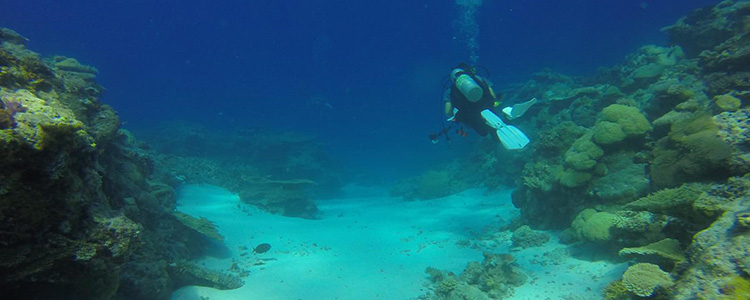
  • In reef cleanups you will go into the water with a snorkel or diving gear depending on the depth of the water
  • Sometimes a competitive element is added to an activity, where groups compete against each other to collect as many kilos of waste as possible.
  • Some environmentally conscious tour agencies offer discounts for people who are willing to pick up trash along hiking or climbing trails
  • No training or experience is required for this work, the much bending and the large amounts of waste make this work quite hard so a reasonable to good condition is desirable

What do you get out of it?

  • Involvement: it strengthens your sense of involvement in tackling pollution and protecting nature in a very hands on way.
  • Experience: for a large part of the cleanups you will be active in a location where you as a tourist will not quickly come. By working with a group of committed volunteers you will experience the environment more strongly than normal
  • New contacts: the low-key nature of the activity ensures that a diverse audience participates. It is a way for outsiders to get to know the locals or for expats to meet other involved citizens

What are the best places to go join a beach cleanup?

  • Indonesia
  • Costa Rica
  • Greece
  • Cape verde
  • Hawaii

What are the best places to join other types of cleanups?

  • Amazon river cleanup: Brazil
  • Inca trail or El misti vulcano trail cleanup near Arequipa, Peru
  • Norwegian fjords cleanup
  • Mangrove cleanups in Jamaica, Bonaire or the Philippines
Grape- or fruit picking: what is it, why should you do it and where is the best place to go?

Grape- or fruit picking: what is it, why should you do it and where is the best place to go?

    What is grape picking?

    • Grape picking is cutting bunches of grapes from the grapevine or vine. The bunches of grapes are removed from the grape plants in one piece and then distributed over the crates.
    • You often work in an international team from different countries.
    • The grape harvest is often a relatively short period, the timing of which depends on the local weather; it can sometimes be difficult to plan to arrive at the right wine region at exactly the right time.

    What is fruit picking?

    • Fruit picking is done in orchards where apples, cherries, olives, plums, oranges or other fruit are picked from the branches or from the ground.
    • Harvesting exotic crops such as cocoa, kiwi, coffee berries and bananas also falls under fruit picking.
    • Depending on the fruit you are harvesting, you may sometimes have to climb trees or steps or bend down a lot or even crawl.
    • Fruit picking can be done in all kinds of places all over the world. If you organize it well and know when to be where, you can pick fruit all year round in Europe or the world.
    • To prepare fruit for picking, a grower often has to do a lot of preparatory work, such as pruning, thinning and weeding. These activities in fruit growing also offer opportunities if you want to work abroad.
    • Some experience in this area can make the work more fun, and also a lot more lucrative if your payment depends on how much you pick.

    What are the working conditions?

    • In most jobs as a fruit picker, you are paid based on the amount of fruit you pick. However, there is usually a set production level that you must achieve as a minimum, especially if the farmer provides a place to sleep and food for you.
    • Try not to feel too discouraged at the end of the first day or week if it turns out that some experienced employees have picked three times as much as you. You can always try to copy their technique or ask for advice. After a week or two, your earnings and self-confidence will certainly have increased.
    • You can often stay cheaply at a nearby campsite or for free at the farmer's own place
    • How physically demanding the work is depends on the crop you pick and what exactly your duties are around the harvest.
    • You usually have to be at least 18 years old.

    Why to pick fruits or grapes?

    • To stimulate your sense of involvement: sometimes you work very intensively on a farm for a long time with the same people, you often also sleep in a room with them: you have to like that, but you also make friends for life.
    • To make the world around you more sustainable: by looking for work in organic farming or permaculture.
    • To be profitable in a creative way: Some small farmers will not be able to pay you a wage, but offer a place to sleep and food in exchange for work. To gain new experiences: You experience much more during your stay on the farm and when you go to work than when you would travel around alone.
    • To increase your self-awareness: further away from your familiar environment you discover more quickly what you can actually do and what you actually want. By going to work you encounter yourself more often, you get to know yourself better and accept who you are and want to be.
    • To test your environmental awareness: by living and working in rural areas, you experience a foreign culture in a completely different and more authentic way than when you work in the tourism sector, for example.

    Where can you pick grapes and fruit abroad?

    • Australia: fruit picking
    • England: fruit picking, especially in southern England
    • France: grape picking, fruit picking
    • Georgia: fruit picking
    • Greece: olive picking
    • Italy: grape picking, fruit picking
    • Jordan: fruit and olive picking
    • New Zealand: fruit picking
    • Spain: grape picking, fruit picking, olive picking
    • Thailand: fruit picking
    • Switzerland: fruit picking

    What do you need as a grape or fruit picker?

    • Professionalism: you often have to work hard and hard, which is why the average slacker usually doesn't last long on a farm or nursery
    • Flexibility: the weather conditions and the growth of plants don't always go according to plan, which means that your flexibility will often be called upon
    • Ability to work together: being able to or learning to work together with a group of seasonal workers or with the farm family will always be necessary

    To what extent are you insured for the risks as a fruit and grape picker?

    There may be several reasons why you need separate insurance when picking fruit or grapes abroad

    • Your local health insurance normally lapses. You then need special insurance to remain insured against illness and accidents.
    • Local employers usually do not offer any, or only limited, supplementary insurance.
    • The risk of accidents is somewhat greater on farms and in the fruit growing business than in other sectors.
    • A number of specialized insurances offer opportunities to do (temporary) paid work abroad where you run a bit more risk, such as working in orchards or vineyards.

    Read more
    Protecting and caring for animals abroad: what is it, why would you do it, and where is the best place to go?

    Protecting and caring for animals abroad: what is it, why would you do it, and where is the best place to go?

    What is working with animals abroad?

    • Working with animals abroad means that you actively work for the protection or care of one or more animal species.
    • The work can be divided into working with animals in their natural environment and working with animals in shelters. In addition, there are often activities to be done in the field of communication, education or, for example, fundraising.
    • What is protecting animals in the natural environment of the animal?
    • Protecting animals abroad in the natural environment (habitat) of the animal means that you do activities that relate to improving the living environment. Or that you help with research such as measurements, counts or behavioral observations.
    • What is caring for animals in shelters and zoos?
    • Caring for animals abroad in shelters means that you do activities that relate to providing food, carrying out fence checks, cleaning cages and monitoring their health.

    Why would you protect and care for animals abroad?

    • Helpfulness: whether you help another person or an animal in need: you get more back for the rewarding work than you put into it.
    • Involvement: it strengthens your sense of involvement in the protection of nature and the animal world and also with other animal lovers.
    • Experience: the chance that you will experience something you have never done before, that you will be pulled out of your comfort zone and that you will have an unforgettable experience is considerable.
    • Stability and stress reduction: animals can have a strong influence on you when it comes to stress reduction; well-known examples are horses and dolphins. Other animals can be a good indicator of the extent to which you are already stress-resistant.
    • Freedom: especially when you are working in the middle of nature, you will notice the difference with the life you sometimes lead at home.

    What do you need or can you learn if you are going to protect and care for animals abroad?

    • Being environmentally aware: for example by taking your environment into account, carefully storing your waste, leaving animals alone in their own habitat. Analytical skills: you will often have to analyse the behaviour of animals well. Sometimes to prevent danger, and sometimes because it is part of your work. In this way, you often also strengthen your own analytical skills.
    • Being aware of the organisation: animal and nature protection organisations, and animal shelters, are often run by a special breed of very committed people. In addition, these are organisations that often have few resources and have to fight against local bureaucracy.
    • Empathy: being aware of these circumstances is sometimes half the battle if you want to understand the behaviour of the employees of a project, or your direct co-helpers.

    To what extent are you insured for the risks?

    • All over the world there are reserves, animal shelters and zoos where you can roll up your sleeves as an intern or volunteer.
    • In addition to 'cute' or 'impressive', 'unpredictable' is also a word that you can attribute to (wild) animals.
    • Working with wildlife (and with animals in general) is therefore not without its risks. If a cute monkey suddenly turns out to be able to bite viciously, this can cause nasty injuries and even illnesses.
    • Because many insurers exclude working with animals from coverage, it is important to handle this carefully.
    • Read more: Travel insurances and insurances for long term abroad - Theme
    • Read more: Werken met dieren in het buitenland verzekeren (NL)

    Protecting animals abroad: what is the best place to go?

    • Australia: marsupials, horses, koalas
    • China: giant pandas, dogs and cats
    • Costa Rica: monkeys, turtles
    • Curaçao: dolphins, birds, dogs, cats
    • Ecuador: felines, capuchin monkeys and kink-tailed bears
    • Egypt: donkeys, horses, dogs and cats
    • Philippines: monkeys
    • Greece: sea turtles, dogs
    • India: dogs and cats
    • Indonesia: orangutans, gibbons, street dogs, birds of prey
    • Cameroon: chimpanzees
    • Malta: birds
    • Madagascar: lemurs, fish
    • Mexico: sea turtles.
    • Mongolia: wild mountain sheep, Prezewalski horses
    • Namibia: cheetahs, horses, wild cats
    • New Zealand: kiwis (the birds)
    • Uganda: rhinos
    • Portugal: Iberian wolves
    • Spain: stray dogs
    • Sri Lanka: elephants, sea turtles
    • Suriname: dogs
    • Thailand: gibbons, elephants
    • United States: wolves, horses
    • Zambia: chimpanzees, lions
    • Zimbabwe: lions, wild dogs
    • South Africa: monkeys, white sharks, lions, rhinos, penguins

    How does the preparation for working with animals abroad work in short?

    • Accommodation: In many nature reserves you can sleep in ranger accommodations, mountain huts, etc., but bringing your own tent often provides a lot more privacy (but keep an eye on the animals). If you work at an animal shelter, for example, your accommodation will often be less primitive.
    • Visas and permits: For some areas you need a special permit. Check this well in advance.
    • Currency: Take extra precautions if you are going to remote areas.
    • Safety & Troubleshooting: safety obviously differs per area you go to, so check the situation carefully with regard to possible rebels, weather and seasonal conditions, routes, presence of wild animals, etc. When working with animals in their natural environment, the environment often offers more risk than the animals you are examining. If you are going to work with animals in a form of captivity, the species you are working with determines the risks to a certain extent.
    • Vaccinations & Health: If you are going into nature or working with animals, make sure you get specialized advice from a travel doctor or the Travel Clinic. Also check the information about the rabies and tick encephalitis vaccination.
    • Insurance & Emergency Centers: when working with animals, an insurance that has taken into account the risks and local circumstances is actually the only luxury that is recommended.
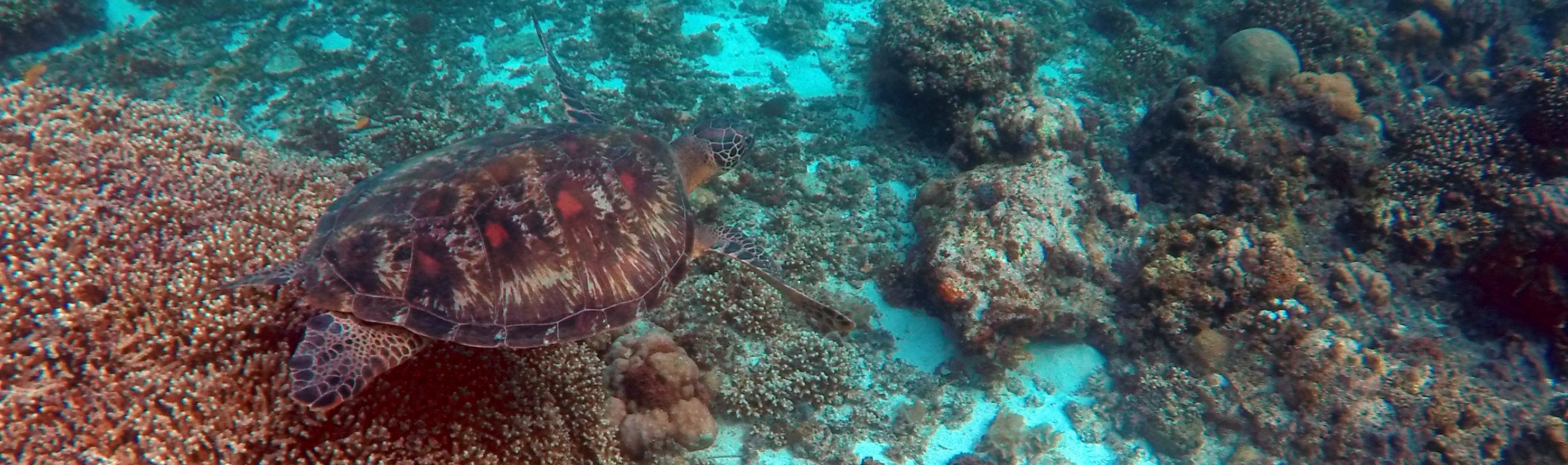
    Protecting sea turtles: what is it, where can you do it and are you insured?

    Protecting sea turtles: what is it, where can you do it and are you insured?

    Image

    Why protect sea turtles abroad?

    • All seven species of sea turtles are (seriously) endangered: the Flatback sea turtle, Green sea turtle, Hawksbill sea turtle, Kemp's sea turtle, Leatherback sea turtle, Loggerhead sea turtle and Dwarf sea turtle can use your help.
    • By protecting sea turtles the local ecosystem is generally also better protected and more balanced

    Protecting sea turtles: what does it involve?

    • Protecting the eggs via fencing, for example
    • Counting turtle eggs
    • Taking care of injured turtles
    • Building nesting sites
    • Collecting data
    • Education at community centers, local schools and at tourist locations to raise awareness

    Protecting sea turtles: what do you get out of it?

    • A special time among engaged animal lovers
    • Knowledge of a special species
    • Images of sometimes thousands of tiny turtles

    Protecting sea turtles: what to bring?

    • Love of nature and animals
    • Flexible sleep schedule
    • Limited sensitivity to less pleasant smells
    • In some cases, considerable stamina (the laying sites are sometimes a bit further away on remote beaches

    Protecting sea turtles: do you need to be insured?

    Where can you work with sea turtles?

    • Sea turtles can be found in almost all oceans, except for the very cold areas and the polar regions. Most sea turtle protection, rescue and rehabilitation centers are located near nesting sites
    • The best places to find internships, jobs or volunteer projects with sea turtles are:
    • Australia: at the Great Barrier Reef or Cook Island
    • Costa Rica: at Tortuguero National Park
    • Ecuador: at the Galapagos Islands, including turtoises
    • Greece: several projects around the peninsula
    • Indonesia: near Bunaken. Pulau Weh or Raja Ampat
    • Malaysia: at Sipidan or the Perhantians
    • Mexico: near Playa del Carmen
    • Nicaragua: at the La Flor reserve
    • Oman: at Musandam peninsula

    Where can you find checklists for your travel, stay or work?

    Reforestation and tree planting abroad: what is it, why should you do it, and where is the best place to go?

    Reforestation and tree planting abroad: what is it, why should you do it, and where is the best place to go?

    What is reforestation and tree planting abroad and why is it done?

    • Reforestation involves planting trees and shrubs in places where they have previously disappeared due to logging, flooding or forest fires.
    • In many areas, planting trees helps to absorb or reduce the effects of climate change.
    • In coastal areas, mangrove forests are planted to break waves, prevent land from being washed away and provide fish with a place to read.
    • In dry areas, new trees provide shade, prevent erosion and desertification of the landscape.
    • In reforestation projects and activities, attention is often also paid to restoring biodiversity by using various local tree species, which benefits local animal species.
    • Many projects have their own nursery where small trees are grown from seeds.

    What does working in a reforestation project involve?

    • You can help care for the young trees (seedlings) at the nursery.
    • You plant the small trees at selected locations.
    • You care for the trees after they have been planted, for example by weeding, watering or placing protection against cattle and other grazers.
    • You teach local communities about biodiversity, the benefits of reforestation for the local economy, for example.
    • If you have a background in horticulture, forestry or water management, you can help train local employees or, for example, carry out a research internship on the results of the project.

    What do you get out of it?

    • Involvement: it strengthens your sense of involvement in tackling climate change, protecting nature and the plant world and also with other nature lovers
    • Experience: the chance that you experience something you have never done before, that you are pulled out of your comfort zone and that you gain an unforgettable experience is considerable
    • Freedom: especially when you are working in the middle of nature, you notice the difference with the life you sometimes lead at home

    What do you need or can you learn if you are going to plant and care for trees abroad?

    • Being environmentally aware: for example, by taking your surroundings into account, carefully storing your waste, minimizing water use and understanding the complex relationship between soil, plants and people.
    • Being organizationally aware: environmental clubs and nature conservation organizations are often run by a special breed of very committed people. In addition, these are organizations that often have few resources and have to fight against local bureaucracy.
    • Empathy: being aware of those circumstances is sometimes half the battle if you want to understand the behavior of the employees of a project, or your direct fellow helpers.

    What are the best places to go to slow or reverse desertification?

    • Spain
    • Egypt 
    • Morocco
    • Kenya

    What are the best places to go to restore mangrove forests?

    • Bonaire
    • Sri Lanka
    • Madagascar

    What are the best places to go to restore rainforests?

    • Brazil
    • Ecuador
    • Panama
    • Indonesia
    Volunteering abroad: what is it, why should you do it and where is the best place to go?

    Volunteering abroad: what is it, why should you do it and where is the best place to go?

    What is volunteer work abroad?

    • Volunteer work abroad means that you work abroad for a certain period of time at a foreign project or organization to help, learn or transfer knowledge.
    • You usually do not receive any compensation for your work in the form of salary, expense allowance or room and board.
    • Projects that have little or no income themselves will generally ask volunteers for compensation for the guidance or for the room and board provided.
    • In the case of an intermediary organization, this compensation can also be made via the intermediary organization.

    Why should you volunteer abroad?

    • To help others with your efforts and skills.
    • To support projects or goals that you consider important in your life.
    • To gain experience in your own field of work, or in the sector where you may want to work later.
    • To see yourself at work in a different environment.
    • To be able to work in another area and see if you like it.
    • To use as a stepping stone to a local job with salary.
    • Because you don't think it's necessary for a project to incur extra costs for your presence while they really need every dime.
    • Because you have already raised money for the project or organization where you will be working

    What do you need if you want to do volunteer work abroad?

    • Flexibility: you already need some form of flexibility, the rest you gain during your stay abroad.
    • Ability to communicate: depending on the type of work, you will need to have a reasonable to good command of the local language.
    • Independence and/or self-confidence: you already need a certain form of independence, and this will increase your self-confidence.
    • Being environmentally aware: an important element for your stay abroad.
    • Collaboration: also abroad it is important that you learn, or are able to, collaborate when you work with others.
    • Be organizationally aware.
    • Empathy.

    Where is the best place to volunteer abroad?

    • If you are looking for social volunteer work: Curaçao - Ghana - Guatemala - India - Nepal - South Africa
    • If you are looking for corporate volunteer work: Australia - Curaçao - Spain - United States of America
    • If you are looking for volunteer work caring for or protecting animals: Costa Rica - Curaçao - Ecuador - Indonesia - South Africa
    • If you are younger than 18 years old: Spanish language course with volunteer work in Spain - or volunteer work for young people in Malawi, Uganda or South Africa
    • If you are looking for volunteer work and are traveling for the first time as a 'woman alone': Australia - New Zealand - Argentina - Ecuador - Costa Rica - Thailand - Indonesia. - Nepal - Ghana
    • If you want to gain experience 'as a woman alone', go to: Bolivia - Peru - Guatemala - Nicaragua - China and Hong Kong - South Africa - Kenya - Malawi

    To what extent are you insured for the risks of volunteering abroad?

    • There may be several reasons why you need separate insurance when volunteering abroad, or at least you should carefully check your insured situation.
      • Local organizations usually offer no, or very limited, insurance.
      • There is a risk of accidents, for example because you are doing work with which you have little experience.
      • During your volunteer work abroad where you receive financial compensation (or, for example, food and housing), your health insurance coverage will potentially lapse. You will then need special insurance to remain insured against illness and accidents.
    • Read more about insuring volunteer work abroad.
    Working on a farm abroad: what is it, where is the best place to go, and are you insured?

    Working on a farm abroad: what is it, where is the best place to go, and are you insured?

    What does working on a farm abroad involve?

    • Working on a farm means that you work temporarily as a seasonal or summer worker for an agricultural company. This can range from working as a fruit picker in France to herding cattle in Australia and from milking organic goats in Chile to working together within a permaculture community in the tropics.
    • Employment: There is always a chance of work if you knock on a farmer's door. Many farms, especially in Europe, but certainly also in Australia and New Zealand, are usually looking for assistance, especially during the busy seasons. Small-scale farms often have work for unskilled (or non-agriculturally trained) people and will also be more open to a construction with room and board.
    • Activities: There is a huge variety of seasonal jobs within agriculture and livestock farming. It can help to have experience with driving a tractor, horse riding or other work on a farm, or to have at least some feeling for working with machinery or farm animals.

    Why should you work on a farm abroad?

    • To stimulate your sense of involvement: sometimes you work very intensively with the same people on a farm for a long time, you often also sleep in a room with them: you have to like that, but you also make friends for life.
    • To make the world around you more sustainable: by looking for work in organic farming, permaculture, or for example in the production of goat cheese, you can nicely combine your work and interests.
    • To be profitable in a creative way: Some small farmers will not be able to pay you a wage, but offer a place to sleep and food in exchange for work.
    • To gain new experiences: During your stay on a farm and when you go to work, you experience much more than if you were to travel around alone.
    • To increase your self-awareness: further away from your familiar environment, you discover more quickly what you can actually do and what you actually want. By going to work, you encounter yourself more often, you get to know yourself better and accept who you are and want to be. To test your environmental awareness: living and working in rural areas allows you to experience a foreign culture in a completely different and more authentic way than, for example, working in tourism.

    Where is the best place to go for farm work abroad?

    • Australia: working holiday, agricultural work, fruit picking
    • Canada: working holiday, agricultural work
    • Chile: fruit picking, livestock farming
    • France: agricultural work, fruit picking, grape picking
    • Italy: agricultural work, fruit picking
    • Ecuador: tropical agriculture, coffee, cocoa and permaculture
    • New Zealand: working holiday, fruit picking, agricultural work
    • Spain: olive picking, viticulture
    • South Africa: ecolodges, ranches

    What do you need if you want to work on a farm?

    • Professionalism: you often have to work hard and hard, which is why the average slacker usually doesn't last long on a farm. Flexibility weather conditions, animal behaviour and plant growth do not always go according to plan, which means that your flexibility will often be called upon.
    • Collaborative skills: being able to learn to work together with a group of seasonal workers or with the farm family will always be necessary.

    To what extent are you insured for the risks of working on a farm or in livestock farming

      Check or search: topics, countries and studies only

      Search only via club, country, goal, study, topic or sector

      Image ACTIVITIES

      Search a course, internship, job, project, suggestion or tips within the topic: 'Hyenas'

      ACTIVITIES
      CHECK ACTIVITIES

      Select any filter and click on Apply to see results

      Activities abroad: home bundle

      Main content and contributions for activities abroad

      ,,,accommodations, adventure activities, courses, internships, jobs and volunteer projects

      ...to help another, travel with care, work together , learn

      ........Read more
      Activities abroad: home page

      Activities abroad: home page

      From language courses to gap year abroad, from work experience to volunteering abroad, from paid work to internship abroad, from mountaineering to diving and from backpacking to travel around the world

        What social activities can you do abroad?

        • Opportunities are found in the areas of helping, learning or studying. You can get involved to volunteer in a social project at a school in Africa, Asia or Latin America. You can get involved in nature, in a project with animals or cleaning the sea or beaches. Those who want to learn more can choose for example a language course in Latin America, Spain or South Africa.

        What work related activities can you do abroad?

        • If you want to gain work experience, and/or also earn money, go and work abroad. You can combine backpacking in Australia with temporary work. You can work on campsites in Europe or bush camps in Africa. You can pretty much go all over the world to work in the hospitality industry, hotels and hostels, in the healthcare sector or for example at a diving school.

        What sports activities to do abroad?

        • Have you ever thought of mountain biking, rafting (going down a wild river on a raft or rubber dinghy, climbing or canoeing), survival (which involves building rafts, climbing or canoeing), abseiling (descending a rock face while secured to ropes), zip-lining (whizzing down a cable), canyoning (starting at the top of a river and then climbing, swimming, diving down the bed) or caving (scrambling, wriggling and crawling through caves and crevices)?
        • Maybe you feel more comfortable on a bodyboard (on a half-wave surfboard, you surf the high waves lying down-with flippers), on a hang glider or while paragliding (with a parachute you float down a mountain or dune), hydrospeeding (on a bodyboard with flippers and a wetsuit on you go down a wild river via rapids) or Tiefschneeskiing (racing down through powder snow)?

        Check the pages below for more activities and inspiration and where to go and how to arrange it

          Image STORIES

          Check blogs, experiences and information related to: 'Hyenas'

          CHECK STORIES

          Select any filter and click on Apply to see results

          Image ORGANIZATIONS

          Check all organizations related to: 'Hyenas'

          ORGANIZATIONS
          Moholoholo Wildlife Rehabilitation Centre

          Moholoholo Wildlife Rehabilitation Centre in South Africa is active in research, conservation and rehab of South African wildlife and raptors. Volunteers are welcome and will be immersed in real-world conservation efforts where anything can happen, from responding to urgent wildlife rescue call-outs...

          CHECK ORGANIZATIONS

          Select any filter and click on Apply to see results

          Organizations & Services: home bundle

          Bundled content, suggestions, stories and tips about organizations and their products and services

          ...to help another, travel with care, work together, learn to share and inspire with

          ........Read more
          Organizations: home page
          Organizations: for administrative, tax and legal work and consulting
          Organizations: for agriculture, grape picking, farming and vineyards
          Organizations: for animal protection, animal care and working with wildlife abroad
          Organizations: for au pairs, youth work and child care abroad
          Organizations: for bush camping and working at a campsite abroad
          Organizations: for catering, hospitality and entertainment abroad
          Organizations: for civil society and social work abroad
          Organizations: for corporate business services
          Organizations: for customer services abroad and help desks
          Organizations: for diving, snorkeling and water sports abroad
          Organizations: for education and schools abroad
          Organizations: for expatriate insurances, travel insurances, and emergency call centers
          Organizations: for gap year activities abroad and sabbaticals
          Organizations: for internship placement abroad
          Organizations: for insurances and finance abroad
          Organizations: for IT, engineering and construction
          Organizations: for language travel and language teaching abroad
          Organizations: for marketing, communication and PR
          Organizations: for mediation in au pairs, childcare and elderly care in the Netherlands
          Organizations: for moving, international relocation and transport abroad
          Organizations: for nature conservation, environmental protection and working in nature abroad
          Organizations: for nonprofit projects, development work and international cooperation
          Organizations: for online work as digital nomad, freelancer, or independent entrepreneur from abroad
          Organizations: for outdoor activities and sports
          Organizations: for providing accommodation and hospitality work in hotels, guesthouses, ecolodges and hostels abroad
          Organizations: for providing healthcare and working in medical care abroad
          Organizations: for psychological assistance and mental health care abroad
          Organizations: for real estate, brokerage abroad and property rental abroad
          Organizations: for research and scientific work abroad
          Organizations: for student support and student associations
          Organizations: for tour guidance and adventure tours abroad
          Organizations: for tourism and organized travel and leisure work abroad
          Organizations: for voluntary work mediation and project placement abroad
          Organizations: for yacht and shipping crew and working on a cruise ship abroad

          Image

          SPOTLIGHT & FAVORITES

          FAVORITES
          Moholoholo Wildlife Rehabilitation Centre

          Moholoholo Wildlife Rehabilitation Centre in South Africa is active in research, conservation and rehab of South African wildlife and raptors. Volunteers are welcome and will be immersed in real-world conservation efforts where anything can happen, from responding to urgent wildlife rescue call-outs...

          Image ALL CONTENT OF TOPIC

          Search all related content within topic: 'Hyenas'

          ALL CONTENT OF TOPIC

          Select any filter and click on Apply to see results

          Image

          Related topics and terms

          Relations of the topic: Hyenas
          Crossroad: spotlight pages
          Organizations: for animal protection, animal care and working with wildlife abroad
          Image

          Organizations for animal protection, animal care and wildlife projects abroad

          For working in animal shelters, wildlife rehabilitation centers, protecting wildlife reserves and taking care of animals abroad
          ....read more on this page