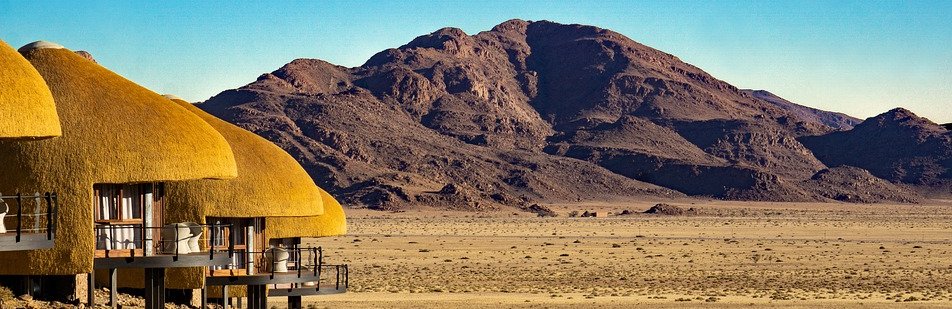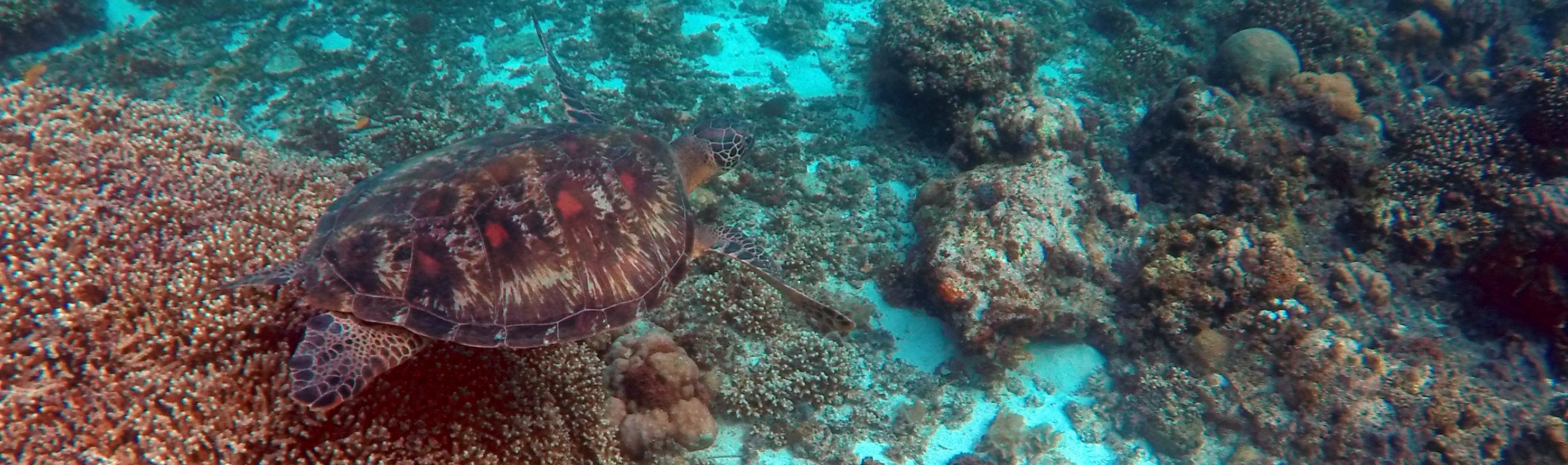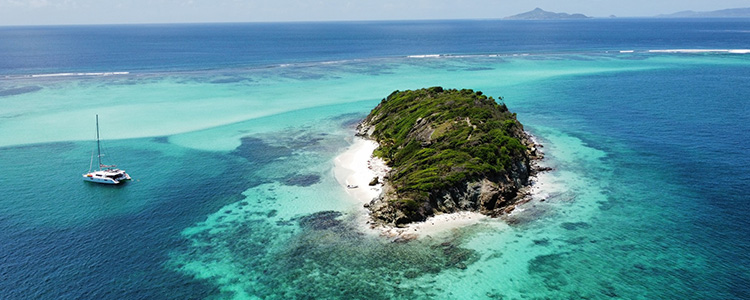
Travel to Ethiopia to backpack, study, intern, volunteer, work, or live as a digital nomad, expat or emigrant?

Image

Image

Image  Ethiopia

Intro

Backpacking or Traveling in Ethiopia?

  • Ethiopia, a land of legends and history, offers travelers a unique mix of nature, culture, and heritage. As one of the few African countries that has never been colonized, Ethiopia has managed to preserve a distinctive culture. From the ancient churches of Lalibela to the impressive Simien Mountains, the country offers breathtaking experiences for adventurous backpackers.
  • Oh, and it’s also the birthplace of coffee. So if you’re a true coffee hipster, you can indulge (and leave) yourself here.
  • Activities to spot: explore the ancient rock temples of Lalibela; trek through the Simien Mountains; visit the Danakil Depression, one of the lowest and hottest places in the world; explore the Omo Valley and meet indigenous tribes; visit Lake Tana, the source of the Blue Nile; admire the architecture of Aksum; visit the Sof Omar Caves, one of the largest cave systems in Africa; enjoy cosmopolitan Addis Ababa; go on safari in Bale Mountains National Park; visit the ancient city of Harar.
  • Animal spotting: Ethiopian wolf, gelada baboons, walia ibex, mountain nyala, parrots, cheetah, black mamba, hippopotamus, honey badger, shoebill stork etc.
  • Food spotting: injera (delicious sourdough pancakes), doro wat (chicken stew), tibs (fried spiced meat), shiro (vegetarian chickpea stew), kitfo (minced beef), firfir (injera in stew), beyaynetu (vegetarian dish on injera), gomen (boiled vegetables), kaffe (strong coffee!), tej (honey wine).

Study in Ethiopia?

  • Ethiopia has a growing higher education system, with several universities spread across the country. Addis Ababa University is one of the oldest and most prestigious universities in Africa. Popular studies include medicine, engineering, agriculture, and social sciences. The quality of education varies, but Ethiopia is increasingly investing in improving its educational institutions.
  • Study cities: Addis Ababa, Jimma, Mekele, Bahir Dar.
  • Language: Officially Arham, but education is in English.

Internship in Ethiopia?

  • An internship in Ethiopia offers a unique opportunity to gain experience in an emerging country that is growing rapidly in areas such as agriculture, healthcare, infrastructure and education, but it is not the easiest environment to find internship opportunities. International NGOs, local organisations and international companies can offer internships. You can work on important development issues and at the same time gain valuable professional skills.
  • Competencies: including intercultural communication, language skills, flexibility and adaptability, project management, problem solving, networking and relationship management, leadership.

Volunteer in Ethiopia?

  • A good way to help the country if you can find a suitable project. Much of the volunteer work focuses on education, healthcare and community development. There are also opportunities in agriculture. Working in Ethiopia?
  • Foreigners often find work in NGOs, international organizations, educational institutions, or healthcare. There are also opportunities in agriculture, consulting, and infrastructure projects. Many jobs come from development aid and international cooperation.
  • Work culture: Ethiopians value respect and politeness in the workplace. Hierarchies are often formal, and respect for senior colleagues and supervisors is important. It can take some time to get used to the pace of work and culture, but relationships and trust are essential to doing business.

Working as a digital nomad in Ethiopia?

  • Working as a digital nomad in Ethiopia can be challenging due to the sometimes inconsistent internet connections, especially outside of major cities like Addis Ababa. However, there are coworking spaces in Addis Ababa, and some cafes offer reliable wifi. Digital nomads can enjoy life in one of Africa’s most unique and historic countries, but they need to be flexible.
  • Favorite locations: Addis Ababa, Bahir Dar, Lalibela.

Living in Ethiopia?

  • Living in Ethiopia offers a mix of modern city lifestyle and traditional culture. Addis Ababa, the capital, offers the most facilities for expats, while the countryside offers a much simpler lifestyle. Although the infrastructure is developing rapidly, some areas outside the cities can be limited in terms of facilities.
  • Education: Addis Ababa has a number of international schools where children can be taught in English.
  • Expat community: The expat community is relatively large, especially in Addis Ababa. Many expats work for international organisations, NGOs, embassies.Safety: Ethiopia is generally safe, especially in the major cities. However, there are occasional political tensions, especially in certain regions. It is important to monitor the local situation and follow travel advice.
  • Culture & Religion: Ethiopia has a rich culture, steeped in religion, traditions and hospitality. The country is proud of its unique identity, and expats are encouraged to participate in cultural events, such as religious festivals and coffee ceremonies.
  • Climate: It is a sunny country with variable temperatures. The country has a dry season and a light and heavy rainy season.
  • Be aware: Foreign residents must adapt to local customs and practices. Access to the internet and some amenities may also be limited, depending on where you live. Expats should also be aware of local rules and customs, such as the meaning of hand gestures and polite forms of communication.
  • Health Insurance: Healthcare in Ethiopia is available, but the quality varies widely. Addis Ababa has some good hospitals and clinics, but access to healthcare is limited in rural areas. Make sure you take out your own health insurance with good coverage.
Ethiopia Country Bundle: suggestions, stories and tips

Ethiopia Country Bundle: suggestions, stories and tips

Image

Content about Ethiopia on WorldSupporter

Ethiopia: Updates & Travel

Ethiopia: Updates & Travel

Travel in Ethiopia

  • Ethiopia is a special country compared to other African countries. The country has mountain ranges, flat areas, vibrant natural parks and dry desert land. Also located in Ethiopia is Danakil, which is the hottest area in the world with volcanic activity resulting from friction between three tectonic plates. The people themselves prefer to call Ethiopia by the name Abyssinia. The country is mostly harmless and the people are one of the friendliest from the African continent.

Updates Ethiopia

  • More about Ethiopia, updates and contributions, see the link below.
How does healthcare work in Ethiopia, and what travel insurance, health insurance or expat insurance do you need?

How does healthcare work in Ethiopia, and what travel insurance, health insurance or expat insurance do you need?

How does the healthcare system work in Ethiopia?

  • Ethiopia has made great strides in recent years to provide its gigantic population with growth in the areas of economy, education and also health care. Life expectancy has increased significantly, maternal and child mortality rates have decreased significantly.
  • However, the quality of care still lags far behind Western countries and there are many challenges in the field of ​​healthcare. Major problems include communicable diseases caused by poor hygiene/sanitation and malnutrition, but nowadays non-communicable diseases (such as cancer, diabetes etc.) are also an increasing problem.
  • Medical care consists of both private and public options, with the best and most comprehensive care in Addis Ababa.
  • In remote areas, health care is very basic or even completely absent.
  • Due to shortages and deficiencies in care, more than 6,000 patients seek specialist care abroad each year.
  • Pharmacies can be found in all major settlements. Particularly in remote areas, it can be the case that medicines are out of stock or that there is simply no pharmacy to be found. 
  • 939 is the emergency number in Ethiopia. Some private hospitals also have an emergency number.

How does the public healthcare system work in Ethiopia?

  • The public healthcare system includes a huge number of health posts, health centres and hospitals, and these numbers are increasing.
  • The healthcare system therefore consists of three layers: primary care (health centres, pharmacies, primary hospitals), secondary care (general hospitals, pharmacies, diagnostic laboratories) and tertiary care (specialised hospitals).
  • However, it still suffers from a lack of funding. Hospitals are often overcrowded, cannot provide sufficient specialist care and the facilities leave much to be desired. 
  • The quality of care is also generally not very good and the country has one of the largest shortages of healthcare workers in the world.
  • Most hospitals can be found in Addis Ababa, but of course everyone knows that, which is why waiting times are often longer here.
  • In the more remote areas, care is usually of poorer quality, although you may be seen more quickly.
  • In terms of insurance, the Ethiopian Health Insurance Agency offers a limited public health insurance for residents. There is also Community-Based Health Insurance for families with very low incomes.

How does the private healthcare system work in Ethiopia?

  • There are more than 3,800 private clinics and more than 40 private hospitals in Ethiopia. These institutions generally offer better, and also more expensive, care than public institutions.
  • Here you usually have to pay for your treatment immediately.
  • At some private health centres/hospitals you can get insurance. Sometimes even including ambulance service.
  • Most foreigners choose private insurance to cover the costs of private care. Often also one with evacuation and repatriation coverage because this may be necessary for Ethiopia.
  • Through your insurance you can often get a list of private institutions that are affiliated with your insurance.

How is the general practitioner arranged in Ethiopia?

  • There is no fixed general practitioner system in Ethiopia and, as in other sectors, there is a great shortage of general/family doctors.
  • In rural areas, health centres are run by nurses and midwives and there are almost never general doctors present. In the cities and large hospitals, general/family doctors can be found.
  • Embassies and foreign government websites often have lists of general doctors who speak English. In Ethiopia, you will find these mainly in private health centers and hospitals that provide general care.

How is the dentist arranged in Ethiopia?

  • There are good dentists to be found in Addis Ababa. They mainly work in private clinics.
  • Outside Addis Ababa, you better keep your teeth safe!

How is pregnancy care arranged in Ethiopia?

  • In Ethiopia, the vast majority of local women give birth at home. This is partly due to the distance to care facilities, education levels and experiences with births in public institutions.
  • However, for people with sufficient money, good pregnancy and maternity care can be found in private institutions in Addis Ababa.
  • It will cost a lot of money, but you can get everything you need in specialist clinics and hospitals. 
  • C-sections are becoming increasingly recommended and normal, not always for the right reasons or due to medical necessity (money can be a reason, for example).

How safe or unsafe is a trip or stay in Ethiopia?

What should you pay attention to in terms of safety in Ethiopia?

  • The security situation in Ethiopia varies by region and is constantly changing. If you take the current situation into account, you can have a safe and wonderful time in Ethiopia, but it is important to stay informed via your embassy or local authorities.
  • There are major security risks, especially in the border areas with Eritrea, Somalia, South Sudan, Sudan and Kenya.
  • There are risks of terrorist attacks and kidnappings.
  • Pickpocketing is not uncommon in Addis Ababa and violent crime sometimes occurs, mainly in the evenings.
  • Earthquakes and volcanic activity also pose a risk to your safety.

What should you look out for in terms of diseases in Ethiopia?

  • There are various health risks in Ethiopia, including yellow fever, malaria, zika, dengue and other insect-borne diseases.
  • HIV/AIDS is also quite common in Ethiopia.
  • In the high-altitude areas, you may become a victim of altitude sickness. This is a risk you run in Addis Ababa and the mountain regions. Symptoms include dizziness, headache, vomiting, difficulty with balance and coordination.
  • Diseases that are transmitted through water and food are common.

What should you pay attention to when it comes to traffic in Ethiopia?

  • Traffic accidents are common. If this happens to you and you are in a safe situation, stay where you are and wait for the police.
  • Main roads in the cities are of reasonable quality, but outside the city it is more like a ride on a bumpy roller coaster. 
  • Most road users are also a danger to your safety. Not only because they are donkeys that walk in the middle of the road, but also because there can be donkeys behind the wheel that drive far too fast and recklessly.
  • If someone approaches you in traffic, know that it is illegal to buy something from someone or give someone money when you are a participant in traffic. Doing this can lead to hefty fines. 
  • Scams are also not uncommon in traffic. Sometimes people will come up to your car to tell you that something is wrong. This is usually to lure you out of the car and then rob you.
  • If you are using public transport, metered taxis are the best option. Minibuses and buses are generally discouraged, as is sharing taxis with strangers.

What work and travel insurance policies are suitable for short and long stays in Ethiopia?

  • Is the trip to Ethiopia and your return sufficiently covered? Are you sufficiently covered before, during and after your activities? Which insurance best suits your trip and your activity? Read more about insurances for abroad on JoHoinsurances.org.

What emigration and expat insurance can you take out for Ethiopia if you are going to live there for a while?

  • For a stay in Ethiopia, international insurance is important if you do not want to pay the high costs of private healthcare yourself. Public healthcare is affordable, but the quality is probably not what you are looking for. Medical evacuation or repatriation may also be necessary because healthcare in Ethiopia is quite limited.
  • So make sure your insurance covers medical evacuation as well as coverage in neighboring countries. Read more about insurances for abroad on Expatinsurances.org.
Packing list for Ethiopia, travel insurance for Ethiopia, and taking your belongings

Packing list for Ethiopia, travel insurance for Ethiopia, and taking your belongings

What to take with you to Ethiopia: spotlighted

To pack and to check:
  • Documents: passport that is valid for at least 6 months upon arrival. An online and/or offline copy of your passport is always useful.
  • Money: definitely bring enough Ethiopian Birr and some spare dollars/euro's, just in case your card doesn't work.
  • Care: strong sunscreen, aftersun.
  • Outdoor and practical items: hat/cap and sunglasses.
  • Clothing: in Ethiopia you will find extremely hot valleys and super cold mountain tops. It is therefore best to be prepared for everything and bring layers. From thin cotton/linen shirts and trousers, to a good fleece layer and possibly thermal clothing. Thin clothing with long sleeves is nice against the sun and mosquitoes. Shoulder and knee covering clothing is useful for in the churches. Swimwear if you plan to dive into the water. For the colder regions, a hat, scarf and gloves are also recommended.
  • Protection: backpack rain cover and a thin water- and windproof jacket for hiking in the mountains.
  • Shoes: flip-flops/sandals, comfortable walking shoes and possibly trekking shoes if you are going into the mountains.
  • Medicines and travel kit: a small first aid kit with plasters, painkillers, anti-diarrhea and ORS, since dehydration is a thing.
  • Safety: money belt or fanny pack for your valuables.
  • Technique and equipment: power bank and headlamp or flashlight (with red setting also helps against mosquitoes).
  • Women: a multifunctional cloth/scarf/sarong for protection against dust, as a cover in church or simply as a towel or blanket.
To consider:
  • Reusable water bottle with filter.
  • Quick-drying travel towel.
  • E-reader and other offline entertainment.
  • Toilet paper/wet wipes, because you won't find that everywhere.
  • International driving license, if you want to rent a car.
  • A buff, scarf or bandana for extra sun protection.
  • If you suspect that your accommodation does not have a mosquito net or air conditioning in the room. You may want to consider bringing a mosquito net.
  • Cultural norms and values, how to dress in church, that sort of thing...
  • The activities you are going to undertake - are you going into the mountains? Take enough protective clothing. If you are staying in warm areas, you can leave a lot at home.

Are there mosquitoes in Ethiopia?

  • It depends on where you are going whether mosquitoes are a problem for you. In general, there are few or no mosquitoes in areas above 2,000m altitude. If you are (also) going to lower areas, it is best to take precautions.
  • Mosquitoes can transmit diseases such as yellow fever and malaria. Particularly in the western lowlands. In some parts of the country this is seasonal, in other parts all year round. The risk peaks after the rainy season (September - December).
  • So protect yourself well with covering clothing and mosquito repellent.

Are there sand flies in Ethiopia?

  • Sand flies are found in several places in Ethiopia and they can transmit various forms of Leishmaniasis.
  • Your set of mosquito repellents with DEET can also provide a solution in combination with covering clothing.

Can you buy DEET, or other mosquito repellents, in Ethiopia?

  • It is difficult to find good mosquito repellent in Ethiopia. There are few options, and if you do find it, it is probably not in the form you would like.
  • So it is best to bring your favorite repellent from home.

Can you buy a joint or weed in Ethiopia, or take it with you to Ethiopia?

  • Ethiopia is the spiritual center of Rastafarianism. For example, there is a Rastafarian settlement in Shashamane – a place once promised by Emperor Haile Selassie to Afro-Caribbean migrants. And yes, cannabis is used there on a limited scale, in a spiritual context.
  • Despite that, everything related to cannabis is prohibited in Ethiopia. As a traveler who wants to score a quick joint “for the experience”, you will quickly stand out. Moreover, there have been arrests in the past of naive tourists who thought they were safe in a weed paradise.
  • You risk prison sentences and heavy fines, and even more if you try to bring it with you.

Image

Why get specific insurance when going abroad: per activity abroad
Why should you take out specialized travel insurance for a long trip abroad?

Why should you take out specialized travel insurance for a long trip abroad?

What is round the world travel insurance or long-term travel insurance?

  • Round the world travel insurance means that you take out insurance that continues to provide coverage during all your activities abroad, and which is specifically intended for those who travel for long periods of time, such as world travelers, globetrotters, and nomads.

Why should you take out specialized travel insurance for a long trip abroad?

  • Round the world travel insurance provides coverage for a much longer trip than regular travel insurance.
  • World travel insurance is specifically intended for longer trips, whereas regular travel insurance may offer coverage on paper, but in practice handles it differently.
  • World travel insurance is suitable for many types of activities, ranging from high-altitude trekking to more risky sports.
  • World travel insurance continues to provide coverage if you start working during your trip, whether planned or unplanned. If you did not take out insurance before departure that allows you to work, there is no guarantee that you will be able to take out insurance that provides coverage while abroad.
  • Long-term travel insurance continues to provide coverage when your home country's health insurance no longer does.
  • Worldwide travel insurance also covers your medical expenses up to the actual cost, and not just for the standard costs. The costs per medical treatment vary greatly between countries.
  • Worldwide travel insurance can also continue to provide coverage if negative travel advice is issued.

What is important to insure when you are going to travel around the world?

  • That you have insurance that is valid in the countries where you are going to travel and posibly work.
  • That you are adequately insured for the sports and activities you are going to participate in during your full period abroad
  • That you are insured for emergency assistance and early return if something happens to you or your immediate family.
  • That your medical expenses are insured up to the actual cost and not just for the standard costs. The costs per medical treatment vary greatly between countries.
  • That you insure your luggage and take sufficient precautions against theft or damage.
  • That you are well insured against personal liability.
  • That you are well insured in case of accidents.
  • That you only insure yourself for legal assistance if there is an immediate reason to do so, unless coverage is already automatically included in the insurance.
  • That you pay close attention to choosing the right coverage when performing work or voluntary work during your world trip.

Check out more about

Why should you take out specific insurance when you go on a trip or vacation?

Why should you take out specific insurance when you go on a trip or vacation?

What is insurance for traveling abroad?

  • Travel insurance is insurance that provides coverage for risks during a trip or vacation abroad. This mainly concerns loss of or damage to your luggage, medical assistance, or repatriation costs if you need to be transported back home urgently. In some cases, travel insurance coverage also applies on domestic trips.
  • With annual travel insurance or multi-trip travel insurance, you are insured for all your trips throughout the year.
  • With temporary travel insurance or single-trip travel insurance, you take out insurance for each trip for the duration of the trip.
  • Cancellation insurance reimburses (all or part of) the travel sum, cancellation or accommodation costs if you have to cancel or interrupt your vacation.

Why should you take out travel insurance for a short trip, vacation, or long-distance trip?

  • Travel insurance can provide coverage in the event of an accident or emergency while you are abroad.
  • Travel insurance can provide coverage for damage and accidents during the adventurous or sporting activities you plan to do.
  • Travel insurance can continue to provide coverage if your health insurance no longer provides coverage, or if the damage is only reimbursed at cost price of your home country.
  • Travel insurance can provide coverage in the event of damage, loss, or theft of your luggage.
  • Travel insurance can provide coverage if you are held liable for damage you cause to other people or their property.
  • Travel insurance can provide coverage if you have to return home early because something has happened to you or your immediate family.

What is important to insure when you are going to travel abroad?

  • That you have insurance that is valid in the country or countries that you are going to visit.
  • That you are adequately insured for the sports and activities you are going to participate in during your period abroad.
  • That you are insured for emergency assistance and early return if something happens to you or your immediate family.
  • That your medical expenses are insured up to the actual cost and not just for the standard costs. The costs per medical treatment vary greatly between countries.
  • That you insure your luggage and take sufficient precautions against theft or damage.
  • That you are well insured against personal liability.
  • That you are well insured in case of accidents.
  • That you only insure yourself for legal assistance if there is an immediate reason to do so, unless coverage is already automatically included in the insurance.
  • That you pay close attention to choosing the right coverage when performing work alongside your travels.

Check out more about international insurances

Why should you take out specialized travel insurance for working abroad?

Why should you take out specialized travel insurance for working abroad?

Why should you take out specialized travel insurance for paid work, voluntary work or an internship abroad?

  • There may be several reasons why you need separate insurance when working abroad.
  • During work, internships, or volunteer work abroad where you receive financial compensation (or, for example, food or housing), your national health insurance coverage may expire. You will then need special insurance to remain insured for illness and accidents.
  • During specific work abroad, additional requirements may apply if your work involves additional risks. Only specific insurance policies offer coverage during this type of work.
  • During your work, the risk of accidents is sometimes greater, for example because you are doing work with which you have little experience or because of the nature of the work.
  • During your work, local employers generally offer no or limited insurance that provides insufficient coverage.

What is important to insure when you are going to work abroad?

  • That you have insurance that is valid in the country or countries where you are going to travel and work.
  • That you are adequately insured for the sports and activities you are going to participate in during your period abroad
  • That you are insured for emergency assistance and early return if something happens to you or your immediate family.
  • That your medical expenses are insured up to the actual cost and not just for the standard costs. The costs per medical treatment vary greatly between countries.
  • That you insure your luggage and take sufficient precautions against theft or damage.
  • That you are well insured against personal liability.
  • That you are well insured in case of accidents.
  • That you only insure yourself for legal assistance if there is an immediate reason to do so, unless coverage is already automatically included in the insurance.
  • That you pay close attention to choosing the right coverage when performing work.

Check out more about international insurances

Why should you take out specialized travel insurance for volunteering abroad?

Why should you take out specialized travel insurance for volunteering abroad?

What is insurance for volunteering abroad?

  • Insuring volunteer work abroad means taking out insurance that continues to provide coverage while you are working as a volunteer abroad

Why should you take out specialized travel insurance for voluntary work abroad?

  • There may be several reasons why you need separate insurance when volunteering abroad.
  • During specific activities abroad, additional requirements may apply if your work involves extra risks. Only specific insurance policies offer coverage during these activities.
  • The risk of accidents is sometimes higher during your work, for example because you are doing work you have little experience with or because of the nature of the work.
  • Local projects or employers generally offer no or limited insurance that provides insufficient coverage during your work.
  • When volunteering abroad and receiving minor financial compensation (or, for example, food or housing), your home country's health insurance coverage will potentially lapse. You will then need special insurance to remain insured for illness and accidents.
  • Regular travel insurance policies generally provide coverage for trips of a limited number of days. If your trip or stay abroad exceeds the maximum number of days, this generally means that for the entire travel period, you will not be covered.
  • Regular travel insurance policies generally only provide coverage for recreational travel without voluntary work activities. If you engage in activities other than recreational activities (such as volunteer work), this generally means that for the entire travel period, you will not be covered.

What is important to insure when you are going to work as a volunteer abroad?

  • That you have insurance that is valid in the country or countries where you are going to travel and volunteer.
  • That you are adequately insured for the sports and activities you are going to participate in during your period abroad
  • That you are insured for emergency assistance and early return if something happens to you or your immediate family.
  • That your medical expenses are insured up to the actual cost and not just for the standard costs. The costs per medical treatment vary greatly between countries.
  • That you insure your luggage and take sufficient precautions against theft or damage.
  • That you are well insured against personal liability.
  • That you are well insured in case of accidents.
  • That you only insure yourself for legal assistance if there is an immediate reason to do so, unless coverage is already automatically included in the insurance.
  • That when performing work in healthcare, with wild animals, and with dangerous (agricultural) machinery, you take care to choose the right coverage.

Check out more about international insurances

Why should you take out specialized travel insurance for an internship abroad?

Why should you take out specialized travel insurance for an internship abroad?

What is insurance for an internship abroad?

  • Insuring an internship abroad means taking out insurance that continues to provide coverage during your internship abroad
  • Insurance for internships abroad are also referred to as internship insurance. This internship insurance is specifically for when you go abroad for a long period of time to work as an intern, take courses, or conduct research abroad.

Why should you take out specialized travel insurance for an internship abroad?

  • There may be several reasons why you need separate insurance for an internship abroad.
  • During internship activities abroad, additional requirements may apply as soon as you start performing work that involves additional risks. Only specific insurance policies offer coverage during these activities.
  • During your internship, the risk of accidents is sometimes greater, for example because you are doing work with which you have little experience or because of the nature of the work.
  • During your internship, local employers generally do not offer insurance, or offer limited insurance that does not provide sufficient coverage.
  • During an internship abroad where you receive financial compensation (or, for example, food or accommodation), your home country's health insurance coverage will potentially lapse. You will then need special insurance to remain insured for illness and accidents.
  • Regular travel insurance policies generally provide coverage for trips of a limited number of days. If your trip or stay abroad exceeds the maximum number of days, this generally means that for the entire travel period, you will not be covered.
  • Regular travel insurance policies generally only provide coverage for recreational trips without work activities.

What is important to insure when you are going to be an intern abroad?

  • That you have insurance that is valid in the area where you will be traveling and doing your internship.
  • That you are adequately insured for the sports and activities you will be participating in.
  • That you are insured for emergency assistance and early return in case something happens to you or your immediate family.
  • That your medical expenses are insured up to the actual cost (what it actually costs), and not just for the standard costs. The costs per medical treatment vary greatly between countries.
  • That you insure your luggage and take sufficient precautions against theft or damage.
  • That you are well insured against personal liability and, preferably, also for liability during your internship.
  • That you are well insured in case of accidents.
  • That you insure yourself for legal assistance if there is an immediate reason to do so, unless the coverage is already automatically included in the insurance.
  • Make sure you choose the right coverage for internship work in healthcare, with wild animals, or with dangerous machinery!

Check out more about international insurances

Why should you take out specialized travel insurance for studying abroad?

Why should you take out specialized travel insurance for studying abroad?

What is insurance for studying abroad?

  • Insurance for studying abroad means that you take out insurance that continues to provide coverage during your studies, your education, and your related activities abroad.
  • Insurance for studying abroad is also referred to as study insurance. This study insurance is specifically for when you go abroad for a long period of time to take courses, study, or conduct research abroad.

Why should you take out specialized travel insurance for a study abroad?

  • Study insurance is specifically designed for studying abroad, whereas regular travel insurance policies may offer coverage on paper but handle this situation differently in practice.
  • Study insurance offers coverage for longer stays than regular (vacation) travel insurance.
  • Study insurance is also suitable for many types of activities, ranging from various sports to hiking at high altitudes.
  • Study insurance continues to provide coverage if you start working during your trip, whether planned or unplanned. If you have not taken out insurance before departure that allows you to work, there is no guarantee that you will be able to take out insurance abroad that provides coverage.
  • Study insurance continues to provide coverage if your own country's health insurance no longer provides coverage.
  • Student insurance also covers your healthcare costs above the rates in your own country; with regular insurance, you have to pay the extra costs yourself.
  • Student insurance can also continue to provide coverage if (study) visa issuers impose additional requirements on how you insure yourself, for example if you are going to the US and applying for a J-1 visa.
  • Student insurance continues to provide coverage if you are staying abroad for a longer period of time and want to visit your own country in between.

What is important to insure when you are going to study abroad?

  • That you have insurance that is valid in the country or countries where you are going to travel and work.
  • That you are adequately insured for the sports and activities you are going to participate in during your period abroad
  • That you are insured for emergency assistance and early return if something happens to you or your immediate family.
  • That your medical expenses are insured up to the actual cost and not just for the standard costs. The costs per medical treatment vary greatly between countries.
  • That you insure your luggage and take sufficient precautions against theft or damage.
  • That you are well insured against personal liability.
  • That you are well insured in case of accidents.
  • That you only insure yourself for legal assistance if there is an immediate reason to do so, unless coverage is already automatically included in the insurance.
  • That you pay close attention to choosing the right coverage when performing work alongside your studies.

Check out more about international insurances

Why should you take out specialized insurance for moving abroad as an emigrant or an expat?

Why should you take out specialized insurance for moving abroad as an emigrant or an expat?

What is an emigration insurance and what is an expat insurance?

  • Emigration insurance is an insurance that continues to provide coverage if you move abroad permanently or for an indefinite period of time.
  • Emigration insurance is not only intended for emigrants, but for anyone who leaves their home country for an extended period of time and does not intend to return in the foreseeable future.
  • Expat insurance is insurance that continues to provide coverage if you go to work abroad for a local or international employer for an extended period of time.
  • Expat insurance is not only intended for expats, but for anyone who has a more permanent job abroad.

Why should you take out specialized insurance for emigration or working as an expat abroad?

  • Emigration or expat insurance not only provides coverage for acute assistance in the event of illness or accident abroad, such as travel insurance, but can also provide coverage for existing conditions and ailments or non-urgent care.
  • Emigration or expat insurance does not require you to maintain valid health insurance in your home country.
  • Emigration or expat insurance provides coverage for preventive care or costs related to pregnancy and childbirth.
  • Emigration or expat insurance also provides coverage for long-term treatments and chronic conditions without you having to return to your home country.
  • Emigration or expat insurance often has no restrictions on the duration of the insurance, unlike travel insurance.
  • Emigration or expat insurance usually maintains coverage in cases such as negative travel advice or acts of war.
  • Emigration or expat insurance offers various solutions in the areas of disability, home and household insurance, goods transport, and liability.

What is important to insure when you are going to move abroad?

  • That you have insurance that is valid in the country or countries where you are going to live and/or work.
  • That you are adequately insured for the sports and activities you are going to participate in during your period abroad
  • That you are insured for emergency assistance and early return if something happens to you or your immediate family.
  • That your medical expenses are insured up to the actual cost and not just for the standard costs. The costs per medical treatment vary greatly between countries.
  • That you are well insured against personal liability.
  • That you are well insured in case of accidents.
  • That you pay close attention to choosing the right coverage when performing work with additional health risks

Check out more about international insurances

Why should you take out travel insurance and why through the JoHo Foundation?

Why should you take out travel insurance and why through the JoHo Foundation?

Why Insurances through JoHo

  • Specialized: in emigration, work, internships, study and travel abroad.

  • Service: JoHo offers multiple travel insurances by multiple companies. Thanks to JoHo's extensive experience, it can offer support in case of problems with insurers, as well as advice and fast and personal handling.

  • Safe: JoHo is recognized as a trustworthy intermediary for insurances.

  • Social: by purchasing an insurance through JoHo you provide a talented student in The Philippines with health insurance

Why Should You Take Out A Travel Insurance?

  • The chance of getting injured or ill is generally higher than when you would have stayed at home. The medical care you will need can be very expensive, even more so if you are treated in a private clinic.

  • If you have to fly back because of family circumstances, the flights might be more expensive than your original flight because you have to fly on short notice.

  • You might have to deal with the damage, loss or theft of your luggage.

  • In case of emergency it can be difficult to figure out what to do. A good travel insurance will have an assistance team on standby for you 24/7 and will be able to tell you what steps to take.

Why Should You Specifically Take Out A Travel Insurance For A Long Trip Abroad?

  • Often regular travel or health insurances only cover trips for a maximum number of days (for example 60, 90 or 180 days).

  • Depending on your home country, your health insurance might not offer any coverage for treatment abroad.

  • During a long trip you might consider specific activities, like paid work or volunteering. Regular travel insurances often don’t cover these kind of activities. The same goes for adventurous/ hazardous sports like skydiving, scuba-diving and bungee jumping.

More on why to use JoHo

  • JoHo is one of the few organizations where you can directly purchase a comprehensive range of foreign insurances from a variety of insurers. As with our other products and services, we believe that you should be able to choose between the best, the most cost effective and the most specialized insurance.

  • JoHo offers various possibilities from combining insurances to assisting in transferring from one insurer to another.

  • When you purchase an insurance policy through JoHo, you will not pay more than if you had purchased it directly from the insurer. Sometimes (through special collective agreements) you will even pay less.

  • JoHo offers support with problems that may arise with the insurer. Sometimes disagreement with claims, cancellation notice or insurance premiums can occur. In this situation it helps if you have the assistance of an organization who has an established relationship with the insurer.


Read more about JoHo and JoHo Insurances

Image

Safety, insurances and packing list for Ethiopia

How does healthcare work in Ethiopia, and what travel insurance, health insurance or expat insurance do you need?

How does healthcare work in Ethiopia, and what travel insurance, health insurance or expat insurance do you need?

How does the healthcare system work in Ethiopia?

  • Ethiopia has made great strides in recent years to provide its gigantic population with growth in the areas of economy, education and also health care. Life expectancy has increased significantly, maternal and child mortality rates have decreased significantly.
  • However, the quality of care still lags far behind Western countries and there are many challenges in the field of ​​healthcare. Major problems include communicable diseases caused by poor hygiene/sanitation and malnutrition, but nowadays non-communicable diseases (such as cancer, diabetes etc.) are also an increasing problem.
  • Medical care consists of both private and public options, with the best and most comprehensive care in Addis Ababa.
  • In remote areas, health care is very basic or even completely absent.
  • Due to shortages and deficiencies in care, more than 6,000 patients seek specialist care abroad each year.
  • Pharmacies can be found in all major settlements. Particularly in remote areas, it can be the case that medicines are out of stock or that there is simply no pharmacy to be found. 
  • 939 is the emergency number in Ethiopia. Some private hospitals also have an emergency number.

How does the public healthcare system work in Ethiopia?

  • The public healthcare system includes a huge number of health posts, health centres and hospitals, and these numbers are increasing.
  • The healthcare system therefore consists of three layers: primary care (health centres, pharmacies, primary hospitals), secondary care (general hospitals, pharmacies, diagnostic laboratories) and tertiary care (specialised hospitals).
  • However, it still suffers from a lack of funding. Hospitals are often overcrowded, cannot provide sufficient specialist care and the facilities leave much to be desired. 
  • The quality of care is also generally not very good and the country has one of the largest shortages of healthcare workers in the world.
  • Most hospitals can be found in Addis Ababa, but of course everyone knows that, which is why waiting times are often longer here.
  • In the more remote areas, care is usually of poorer quality, although you may be seen more quickly.
  • In terms of insurance, the Ethiopian Health Insurance Agency offers a limited public health insurance for residents. There is also Community-Based Health Insurance for families with very low incomes.

How does the private healthcare system work in Ethiopia?

  • There are more than 3,800 private clinics and more than 40 private hospitals in Ethiopia. These institutions generally offer better, and also more expensive, care than public institutions.
  • Here you usually have to pay for your treatment immediately.
  • At some private health centres/hospitals you can get insurance. Sometimes even including ambulance service.
  • Most foreigners choose private insurance to cover the costs of private care. Often also one with evacuation and repatriation coverage because this may be necessary for Ethiopia.
  • Through your insurance you can often get a list of private institutions that are affiliated with your insurance.

How is the general practitioner arranged in Ethiopia?

  • There is no fixed general practitioner system in Ethiopia and, as in other sectors, there is a great shortage of general/family doctors.
  • In rural areas, health centres are run by nurses and midwives and there are almost never general doctors present. In the cities and large hospitals, general/family doctors can be found.
  • Embassies and foreign government websites often have lists of general doctors who speak English. In Ethiopia, you will find these mainly in private health centers and hospitals that provide general care.

How is the dentist arranged in Ethiopia?

  • There are good dentists to be found in Addis Ababa. They mainly work in private clinics.
  • Outside Addis Ababa, you better keep your teeth safe!

How is pregnancy care arranged in Ethiopia?

  • In Ethiopia, the vast majority of local women give birth at home. This is partly due to the distance to care facilities, education levels and experiences with births in public institutions.
  • However, for people with sufficient money, good pregnancy and maternity care can be found in private institutions in Addis Ababa.
  • It will cost a lot of money, but you can get everything you need in specialist clinics and hospitals. 
  • C-sections are becoming increasingly recommended and normal, not always for the right reasons or due to medical necessity (money can be a reason, for example).

How safe or unsafe is a trip or stay in Ethiopia?

What should you pay attention to in terms of safety in Ethiopia?

  • The security situation in Ethiopia varies by region and is constantly changing. If you take the current situation into account, you can have a safe and wonderful time in Ethiopia, but it is important to stay informed via your embassy or local authorities.
  • There are major security risks, especially in the border areas with Eritrea, Somalia, South Sudan, Sudan and Kenya.
  • There are risks of terrorist attacks and kidnappings.
  • Pickpocketing is not uncommon in Addis Ababa and violent crime sometimes occurs, mainly in the evenings.
  • Earthquakes and volcanic activity also pose a risk to your safety.

What should you look out for in terms of diseases in Ethiopia?

  • There are various health risks in Ethiopia, including yellow fever, malaria, zika, dengue and other insect-borne diseases.
  • HIV/AIDS is also quite common in Ethiopia.
  • In the high-altitude areas, you may become a victim of altitude sickness. This is a risk you run in Addis Ababa and the mountain regions. Symptoms include dizziness, headache, vomiting, difficulty with balance and coordination.
  • Diseases that are transmitted through water and food are common.

What should you pay attention to when it comes to traffic in Ethiopia?

  • Traffic accidents are common. If this happens to you and you are in a safe situation, stay where you are and wait for the police.
  • Main roads in the cities are of reasonable quality, but outside the city it is more like a ride on a bumpy roller coaster. 
  • Most road users are also a danger to your safety. Not only because they are donkeys that walk in the middle of the road, but also because there can be donkeys behind the wheel that drive far too fast and recklessly.
  • If someone approaches you in traffic, know that it is illegal to buy something from someone or give someone money when you are a participant in traffic. Doing this can lead to hefty fines. 
  • Scams are also not uncommon in traffic. Sometimes people will come up to your car to tell you that something is wrong. This is usually to lure you out of the car and then rob you.
  • If you are using public transport, metered taxis are the best option. Minibuses and buses are generally discouraged, as is sharing taxis with strangers.

What work and travel insurance policies are suitable for short and long stays in Ethiopia?

  • Is the trip to Ethiopia and your return sufficiently covered? Are you sufficiently covered before, during and after your activities? Which insurance best suits your trip and your activity? Read more about insurances for abroad on JoHoinsurances.org.

What emigration and expat insurance can you take out for Ethiopia if you are going to live there for a while?

  • For a stay in Ethiopia, international insurance is important if you do not want to pay the high costs of private healthcare yourself. Public healthcare is affordable, but the quality is probably not what you are looking for. Medical evacuation or repatriation may also be necessary because healthcare in Ethiopia is quite limited.
  • So make sure your insurance covers medical evacuation as well as coverage in neighboring countries. Read more about insurances for abroad on Expatinsurances.org.
Packing list for Ethiopia, travel insurance for Ethiopia, and taking your belongings

Packing list for Ethiopia, travel insurance for Ethiopia, and taking your belongings

What to take with you to Ethiopia: spotlighted

To pack and to check:
  • Documents: passport that is valid for at least 6 months upon arrival. An online and/or offline copy of your passport is always useful.
  • Money: definitely bring enough Ethiopian Birr and some spare dollars/euro's, just in case your card doesn't work.
  • Care: strong sunscreen, aftersun.
  • Outdoor and practical items: hat/cap and sunglasses.
  • Clothing: in Ethiopia you will find extremely hot valleys and super cold mountain tops. It is therefore best to be prepared for everything and bring layers. From thin cotton/linen shirts and trousers, to a good fleece layer and possibly thermal clothing. Thin clothing with long sleeves is nice against the sun and mosquitoes. Shoulder and knee covering clothing is useful for in the churches. Swimwear if you plan to dive into the water. For the colder regions, a hat, scarf and gloves are also recommended.
  • Protection: backpack rain cover and a thin water- and windproof jacket for hiking in the mountains.
  • Shoes: flip-flops/sandals, comfortable walking shoes and possibly trekking shoes if you are going into the mountains.
  • Medicines and travel kit: a small first aid kit with plasters, painkillers, anti-diarrhea and ORS, since dehydration is a thing.
  • Safety: money belt or fanny pack for your valuables.
  • Technique and equipment: power bank and headlamp or flashlight (with red setting also helps against mosquitoes).
  • Women: a multifunctional cloth/scarf/sarong for protection against dust, as a cover in church or simply as a towel or blanket.
To consider:
  • Reusable water bottle with filter.
  • Quick-drying travel towel.
  • E-reader and other offline entertainment.
  • Toilet paper/wet wipes, because you won't find that everywhere.
  • International driving license, if you want to rent a car.
  • A buff, scarf or bandana for extra sun protection.
  • If you suspect that your accommodation does not have a mosquito net or air conditioning in the room. You may want to consider bringing a mosquito net.
  • Cultural norms and values, how to dress in church, that sort of thing...
  • The activities you are going to undertake - are you going into the mountains? Take enough protective clothing. If you are staying in warm areas, you can leave a lot at home.

Are there mosquitoes in Ethiopia?

  • It depends on where you are going whether mosquitoes are a problem for you. In general, there are few or no mosquitoes in areas above 2,000m altitude. If you are (also) going to lower areas, it is best to take precautions.
  • Mosquitoes can transmit diseases such as yellow fever and malaria. Particularly in the western lowlands. In some parts of the country this is seasonal, in other parts all year round. The risk peaks after the rainy season (September - December).
  • So protect yourself well with covering clothing and mosquito repellent.

Are there sand flies in Ethiopia?

  • Sand flies are found in several places in Ethiopia and they can transmit various forms of Leishmaniasis.
  • Your set of mosquito repellents with DEET can also provide a solution in combination with covering clothing.

Can you buy DEET, or other mosquito repellents, in Ethiopia?

  • It is difficult to find good mosquito repellent in Ethiopia. There are few options, and if you do find it, it is probably not in the form you would like.
  • So it is best to bring your favorite repellent from home.

Can you buy a joint or weed in Ethiopia, or take it with you to Ethiopia?

  • Ethiopia is the spiritual center of Rastafarianism. For example, there is a Rastafarian settlement in Shashamane – a place once promised by Emperor Haile Selassie to Afro-Caribbean migrants. And yes, cannabis is used there on a limited scale, in a spiritual context.
  • Despite that, everything related to cannabis is prohibited in Ethiopia. As a traveler who wants to score a quick joint “for the experience”, you will quickly stand out. Moreover, there have been arrests in the past of naive tourists who thought they were safe in a weed paradise.
  • You risk prison sentences and heavy fines, and even more if you try to bring it with you.

Image ACTIVITIES

Check courses, jobs, projects, recipes, suggestions and tips related to: 'Ethiopia'

CHECK MORE ACTIVITIES

Make a selection, to find more tips than you see below

Image Loop stage op een boerderij in Ethiopië en draag bij aan de ontwikkeling van de lokale economie
Loop stage op een boerderij in Ethiopië en draag bij aan de ontwikkeling van de lokale economie.
Image Help kinderen in nood op het gebied van gezondheid, onderwijs en opvang
Help kinderen in nood op het gebied van gezondheid, onderwijs en opvang
Image Heb jij een HBO/WO opleiding in de zorg en minimaal 3 jaar werkervaring? Zet jouw vakkennis in en draag bij aan betere zorg in ontwikkelingslanden terwijl je leeft en werkt midden in de lokale gemeenschap
Heb jij een HBO/WO opleiding in de zorg en minimaal 3 jaar werkervaring? Zet jouw vakkennis in en draag bij aan betere zorg in ontwikkelingslanden terwijl je leeft en...
Image Oversee the local programs for an international humanitarian organisation as a program manager
Oversee the local programs for an international humanitarian organisation as a program manager.
Image Kom werken als leerkracht Nederlands binnen een wereldwijd netwerk van Nederlandse en internationale scholen
Kom werken als leerkracht Nederlands binnen een wereldwijd netwerk van Nederlandse en internationale scholen Wat hou je er aan over? Improviseren Ervaring met lesgeven...
Image Docenten gezocht met lesgeefervaring op universitair/HBO niveau voor een hogeschool met 100 afdelingen door heel Ethiopie
Docenten gezocht met lesgeefervaring op universitair/HBO niveau (gepromoveerd zijn is een pré) voor een hogeschool met 100 afdelingen door het hele land! Beheersing van...
Image Are you studying on subjects like water supply, sanitation and hygiene? Select an internship project in Africa
Are you studying on subjects like water supply, sanitation and hygiene? Select an internship project in Africa: Burkina Faso, Ethiopia, Ghana, Mali, Niger or Uganda
Image This adventure tour operator is looking for tour leaders on several original destinations
This adventure tour operator is looking for tour leaders on several original destinations, like Central Asia, Latin America, North Africa, Middle East, the Pacific and...
Image Ervaring in welzijnswerk of psychiatrie? Deel je kennis en vaardigheden en train begeleiders in een opvangcentrum voor straatkinderen
Ervaring in welzijnswerk of psychiatrie? Deel je kennis en vaardigheden en train begeleiders in een opvangcentrum voor straatkinderen.
Image Ben jij een deskundige in jouw vakgebied? Deel jouw kennis en ervaring met lokale ondernemers en help met de ontwikkeling van het bedrijfsleven in ontwikkelingslanden
Ben jij een deskundige in jouw vakgebied? Deel jouw kennis en ervaring met lokale ondernemers en help met de ontwikkeling van het bedrijfsleven in ontwikkelingslanden
Activities abroad: home bundle

Main content and contributions for activities abroad

,,,accommodations, adventure activities, courses, internships, jobs and volunteer projects

...to help another, travel with care, work together , learn to share and inspire with your experience


Activities abroad: home page

Activities abroad: home page

From language courses to gap year abroad, from work experience to volunteering abroad, from paid work to internship abroad, from mountaineering to diving and from backpacking to travel around the world

    What social activities can you do abroad?

    • Opportunities are found in the areas of helping, learning or studying. You can get involved to volunteer in a social project at a school in Africa, Asia or Latin America. You can get involved in nature, in a project with animals or cleaning the sea or beaches. Those who want to learn more can choose for example a language course in Latin America, Spain or South Africa.

    What work related activities can you do abroad?

    • If you want to gain work experience, and/or also earn money, go and work abroad. You can combine backpacking in Australia with temporary work. You can work on campsites in Europe or bush camps in Africa. You can pretty much go all over the world to work in the hospitality industry, hotels and hostels, in the healthcare sector or for example at a diving school.

    What sports activities to do abroad?

    • Have you ever thought of mountain biking, rafting (going down a wild river on a raft or rubber dinghy, climbing or canoeing), survival (which involves building rafts, climbing or canoeing), abseiling (descending a rock face while secured to ropes), zip-lining (whizzing down a cable), canyoning (starting at the top of a river and then climbing, swimming, diving down the bed) or caving (scrambling, wriggling and crawling through caves and crevices)?
    • Maybe you feel more comfortable on a bodyboard (on a half-wave surfboard, you surf the high waves lying down-with flippers), on a hang glider or while paragliding (with a parachute you float down a mountain or dune), hydrospeeding (on a bodyboard with flippers and a wetsuit on you go down a wild river via rapids) or Tiefschneeskiing (racing down through powder snow)?

    Check the pages below for more activities and inspiration and where to go and how to arrange it

      Activities abroad: for gap year, sports, travel and outdoor abroad

      Activities abroad: for gap year, sports, travel and outdoor abroad

      Bundled content for gap year, sports, travel and outdoor abroad

      Access: 
      Public

      Image STORIES

      Check blogs, experiences and information related to: 'Ethiopia'

      CHECK MORE STORIES

      Make a selection, to find more blogs and contributions than you see below

      Image What should you do during a volcano eruption, and how dangerous is climbing an active volcano?
      What should you do if you are caught in a volcanic eruption, and how dangerous are volcanoes abroad? There are major differences between one volcanic eruption and...
      Image Packing list for Ethiopia, travel insurance for Ethiopia, and taking your belongings
      To pack and bring to Ethiopia What to take with you to Ethiopia: spotlighted Are there mosquitoes in Ethiopia? Are there sand flies in Ethiopia? Can you buy DEET, or...
      Image NSO Stichting *Let us change* Weeshuis. Ethiopië
      De moeite waard om even bij stil te staan. Let us change is in 2009 opgestart in Awassa, Ethiopië. Het is één van de armste landen ter wereld met een lage...
      Image Welk visum regelen voor een reis of vrijwilligerswerk naar Ethiopië?
      Een toeristenvisum is verplicht voor Ethiopië. Het is mogelijk om bij aankomst een toeristenvisum voor een verblijf tot 30 dagen te krijgen op Bole International Airport
      Image How does healthcare work in Ethiopia, and what travel insurance, health insurance or expat insurance do you need?
      How does the healthcare system work in Ethiopia? How does the public healthcare system work in Ethiopia? How does the private healthcare system work in Ethiopia? How is...
      Countries & Destinations: home bundle

      Bundled content, suggestions, stories and tips about the countries and destinations in the world

      ...to help another, travel with care, work together , learn to share and inspire with your experience

      Africa: country bundles

      Africa: country bundles

      Access: 
      Public
      Asia: country bundles

      Asia: country bundles

      Country bundles of Asian countries

      Access: 
      Public
      Europe: country bundles

      Europe: country bundles

      Country bundles of European countries

      Access: 
      Public
      The Caribbean: country bundles

      Image ORGANIZATIONS

      Check sectors and organizations related to: 'Ethiopia'

      CHECK MORE ORGANIZATIONS

      Make a selection, to find more or other organizations than you see below

      Image Eshi Eco Travel
      Voor individuele rondreizen door Ethiopië kan je terecht bij Eshi Eco Travel. Bezoek Ethiopië met een duurzame reisorganisatie die het land kent, maar via de Nederlandse...
      Image JobnetAfrica
      JobnetAfrica is a Dutch employment agency that recruits international applicants for paid work in Africa. While their niche expertise lies in logistics, renewable energy...
      Image Sint Mary's University College - Addis Ababa
      St. Mary's University College is a local private college in Ethiopia. They regularly seek teachers to teach English. They maintain close contact with the surrounding...
      Image Fair2travel - Fair2do - Fair2work
      Fair2 bestaat uit Fair2travel, Fair2do, Fair2work en Fair2biz. Gezamenlijk focust de organisatie zich op duurzaam reizen, vrijwilligerswerk en sociaal ondernemen.
      Image IRC International Water and Sanitation Centre
      IRC is mostly run by citizens of the eight countries where they work: Burkina Faso, Ethiopia, Ghana, Honduras, India, Mali, Niger and Uganda. IRC works directly with...
      Organizations & Services: home bundle

      Bundled content, suggestions, stories and tips about organizations and their products and services

      ...to help another, travel with care, work together, learn to share and inspire with your experience

      Organizations: home page
      Organizations: for administrative, tax and legal work and consulting
      Organizations: for agriculture, grape picking, farming and vineyards
      Organizations: for animal protection, animal care and working with wildlife abroad
      Organizations: for au pairs, youth work and child care abroad
      Organizations: for bush camping and working at a campsite abroad
      Organizations: for catering, hospitality and entertainment abroad
      Organizations: for civil society and social work abroad
      Organizations: for corporate business services
      Organizations: for customer services abroad and help desks
      Organizations: for diving, snorkeling and water sports abroad
      Organizations: for education and schools abroad
      Organizations: for expatriate insurances, travel insurances, and emergency call centers
      Organizations: for gap year activities abroad and sabbaticals
      Organizations: for internship placement abroad
      Organizations: for insurances and finance abroad
      Organizations: for IT, engineering and construction
      Organizations: for language travel and language teaching abroad
      Organizations: for marketing, communication and PR
      Organizations: for mediation in au pairs, childcare and elderly care in the Netherlands
      Organizations: for moving, international relocation and transport abroad
      Organizations: for nature conservation, environmental protection and working in nature abroad
      Organizations: for nonprofit projects, development work and international cooperation
      Organizations: for online work as digital nomad, freelancer, or independent entrepreneur from abroad
      Organizations: for outdoor activities and sports
      Organizations: for providing accommodation and hospitality work in hotels, guesthouses, ecolodges and hostels abroad
      Organizations: for providing healthcare and working in medical care abroad
      Organizations: for psychological assistance and mental health care abroad
      Organizations: for real estate, brokerage abroad and property rental abroad
      Organizations: for research and scientific work abroad
      Organizations: for student support and student associations
      Organizations: for tour guidance and adventure tours abroad
      Organizations: for tourism and organized travel and leisure work abroad
      Organizations: for voluntary work mediation and project placement abroad
      Organizations: for yacht and shipping crew and working on a cruise ship abroad

      Image SUMMARIES

      Check summaries and study assistance related to: 'Ethiopia'

      CHECK MORE SUMMARIES

      Make a selection, to find more, or other, summaries and study assistance than you see below

      Image Boeksamenvatting bij The Nuer van Evans-Pritchard
      Boeksamenvatting bij The Nuer van Evans-Pritchard

      Image

      SPOTLIGHT & FAVORITES

      FAVORITES
      Sint Mary's University College

      St. Mary's University College is a local private college in Ethiopia. They regularly seek teachers to teach English. They maintain close contact with the surrounding community, NGOs, schools, and businesses. This helps improve and enrich the education offered to students.

      Werk in Afrika Recruitment Services / JobnetAfrica

      JobnetAfrica is a Dutch employment agency that recruits international applicants for paid work in Africa. While their niche expertise lies in logistics, renewable energy, and agricultural supply chain, job opportunities extend beyond these sectors. Common job titles include 'CEO' 'manager' or '...

      Fair2travel - Fair2do - Fair2work

      Fair2 bestaat uit Fair2travel, Fair2do, Fair2work en Fair2biz. Gezamenlijk focust de organisatie zich op duurzaam reizen, vrijwilligerswerk en sociaal ondernemen. 

      IRC International Water and Sanitation Centre

      IRC is mostly run by citizens of the eight countries where they work: Burkina Faso, Ethiopia, Ghana, Honduras, India, Mali, Niger and Uganda. IRC works directly with communities, experts, public servants and decision-makers. IRC initiates and supports local and regional project on WASH services = wa...

      Image ALL CONTENT

      Search all related content within the topic: 'Ethiopia'

      ALL CONTENT WITHIN TOPIC

      Select any filter and click on Apply to see results

      Image

      TOPICS : check associated topics and more activities

      Check more: activities in WorldSupporter
      Go abroad!
      Page topic

      Stories, tips and experiences from Ethiopia

      Submenu & Search

      Search only via club, country, goal, study, topic or sector