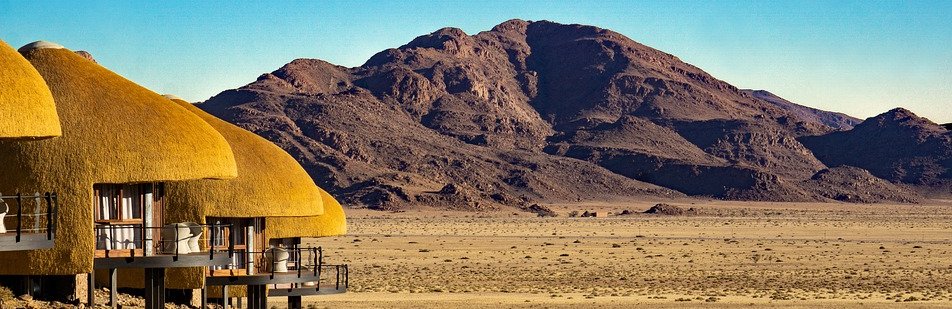
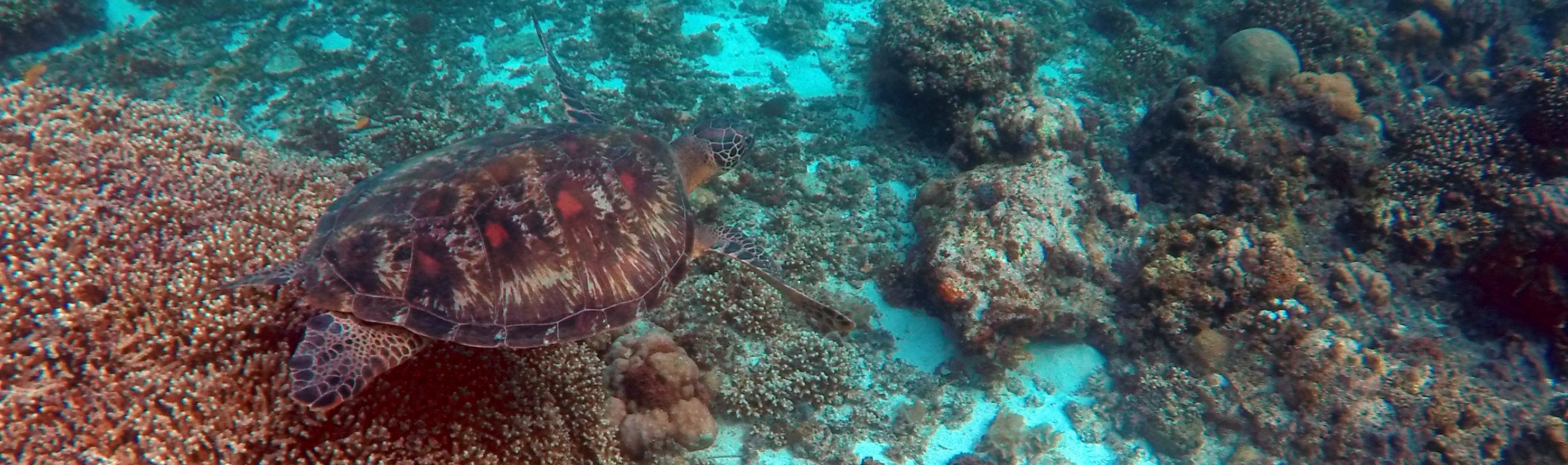
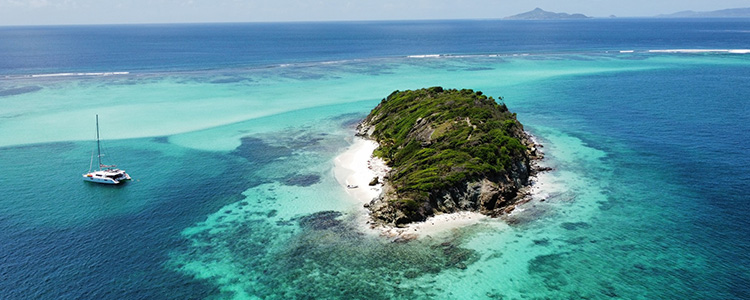
Travel to Greece to backpack, study, intern, volunteer, work, or live as a digital nomad, expat or emigrant?

Image

Image

Image  Greece

Intro

Backpacking in Greece?

  • Greece is the classic among backpacking destinations.

  • Characteristics: island hopping, many traveling nationalities, very relaxed.

Traveling in Greece?

  • A trip through Greece is one trip where you alternate ancient locations with traditional islands and eating and drinking in characteristic waterfront tents.
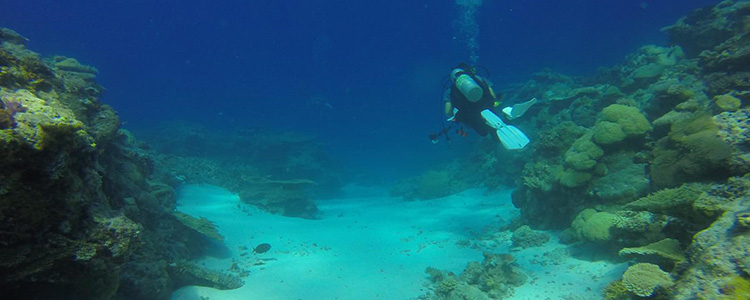
  • Cities and islands spotting: Athens, Corfu, Cyclades, Nafplion, Sporades.
  • Animals spotting: bee-eaters, dolphins, Hague chersos, land turtles, dabblers, sea turtles.

Studying in Greece?

  • Studies: basically all subjects and forms of education can be found. Studies such as archeology, biology (marine studies), drama, philosophy and technical studies predominate.
  • Study cities: in Athens you will find the better universities and educational institutions.
  • Characteristics: education is of increasing quality.

Internships in Greece?

  • Internships: internships can be found in all sectors of society. The tourism sector has the most offers.
  • Internship cities and islands: Athens, Corfu, Crete, Rhodes, Thessaloniki.
  • Characteristics: the work culture is generally Mediterranean.

Volunteering in Greece?

  • Volunteer projects: especially in the social sectors, nature management and animal care.
  • Animal projects: protection of dolphins, dogs, cats and sea turtles.
  • Characteristics: volunteering possible from 1 or 2 weeks to several months.

Working in Greece?

  • Jobs: temporary work can be found mainly in the sectors: hospitality and tourism such as at diving schools and in the travel sector.
  • Characteristics: the work culture can vary considerably from island to island and location to location.

Working as a digital nomad in Greece?

  • Favorite cities and islands: there is almost no place or island that does not have its own charm, so there is a nice location for everyone.
  • Characteristics: great relaxed places where good life is often more important than working life.

Living in Greece?

  • Language: English is spoken almost everywhere. In the smaller remote villages you will have to learn some Greek.
  • Characteristics: The special Greek atmosphere, hospitality and mentality can be found especially further away from the famous touristy islands and top locations. Athens is also a relaxed city most of the year, if you compare it to many other cities in the world.
Greece Country Bundle: suggestions, stories and tips

Greece Country Bundle: suggestions, stories and tips
Image

Content about Greece on WorldSupporter

What are typical Greek habits, food customs, recipes and philosophies in Greece?

What are typical Greek habits, food customs, recipes and philosophies in Greece?

What are the customs in Greece regarding food?

  • Greeks love good food, and eating out. Small snacks (mezes) are often eaten before dinner with a drink.
  • Greek food is quite simple, without elaborate sauces or many herbs. However, a lot of olive oil, garlic, thyme, oregano and onion are used to give the food flavour.
  • Olive oil and olive trees can be found everywhere in Greece. The Greeks love their olive oil.
  • Mezedes, these are the Greek tapas. Keftedes, salad, calamaris, souvlaki, octopus, spanakopita (spinach and feta in dough).
  • There are still many Turkish influences to be found in the Greek cuisine, such as the sweet bakeries (zaharoplasteio) where baklava is usually also sold.
  • The Greeks eat late, around 9:00 PM, 10:00 PM or even 11:00 PM with a lot of ouzo (anis drink with 40% alcohol) and cosy moments around the dining table.

What are the best recipes in Greece?

  • Specialities in Greece Dolmades: Stuffed vine leaves.
  • Missed: Tomatoes, peppers and courgettes stuffed with rice.
  • Moussaka: Eggplant with lamb, cinnamon and red wine.
  • Souvlaki: Roasted meat.
  • Horiatiki: Greek salad with real feta cheese and olives.

What are the best drinks in Greece?

  • Greek mountain (herbal) tea.
  • In Greece you are allowed to drink alcohol from the age of 16.
  • Greek wine is very affordable and easy to drink.
  • Although not everyone likes it, Retsina is a special type of wine made with pine resin.
  • Ouzo: Strong aniseed drink.
  • Greek coffee is strong, and many Greeks therefore add enormous amounts of sugar to it. 

What are notable holidays and festivals in Greece?

  • A Greek year revolves around saints' days and festivals. Most people are conventionally devoted to a saint, areas, stations, boats, you name it. Did you know that name days are more important than birthdays? And of course, take the Mediterranean ones to celebrate it all!
  • Panigiria is a party where everyone/the entire village comes together to celebrate. Music, food (souvlaki), the syrto, the sirtaki and other dances are ingredients of this party. On May 25th, Greek Independence Day celebrates the revolution against the Turks. Every city loves parades, with the most impressive military parade in Athens. May 25th is also a Greek Orthodox religious holiday.
  • On O(c)hi day, which is on October 28th, every year the Greeks celebrate their resistance against the occupation of Italian structures of strategic areas in Greece. Ohi means no.
  • From June to September, the Hellenic Festival is held in various places in Greece. With music, dance and theater performances in the Odeion of Herod in Athens and classical Greek tragedies in the amphitheater in Epidaurus.

What are the notable habits in Greece?

  • The Greeks are often very warm and temperamental people who elevate hospitality as an art. There is often contact (arm or shoulder) and kissing, both by men and women naked. A conversation within a conversation is not acceptable.
  • A Mediterranean standard is everything in moderation and was invented by the Greek philosopher Cleobulus. It is the key to good living.
  • Messimeri is the Greek siesta, from 2:00 PM - 5:00 PM. Shops are closed, people have lunch or sleep.
  • The Greeks meaningfully put plates on the floor after the meal. This tradition is typically Greek, but already forbidden. It is dangerous because of the flying scraps. If your plates fly around, it may be because the restaurant has a license.


Packing list for Greece, travel insurance for Greece, and taking your belongings

Packing list for Greece, travel insurance for Greece, and taking your belongings

What to bring to Greece: highlighted

Highlighted items:

  • Documents: passport or European ID card that is valid for at least 6 months upon arrival. An online and/or offline copy of your passport or ID is always useful.
  • Money: cash euros are useful on the small islands and in the villages. And bring your debit card!
  • Care: sunscreen and aftersun. This is not readily (cheaply) available on all islands.
  • Outdoor and conveniences: cap or hat and sunglasses.
  • Clothing: light clothing. In winter, an extra layer can also be sensible. If you are going into the mountains, bring something warmer.
  • Shoes: flip-flops for the beach and good shoes for walking in the city or through the mountains.
  • Medicines and travel pharmacy: your favourite menstrual products, because not everything is available everywhere.

What else can you bring:

  • Towel or shawl for the beach.
  • Driving licence if you want to rent a car. Water shoes for the pebbly and rocky beaches.
  • Covering clothing for visiting temples and monasteries.
  • Mosquito repellent.

What knowledge is useful when you go to Greece?

  • The neighborhoods in Athens that you should avoid if you don't want to be pickpocketed.
  • A few words of Greek are guaranteed to make people smile!

Are there mosquitoes in Greece?

  • Yes, certainly in the summer and especially near water and in the evening.
  • They are usually not dangerous, but there have been cases of West Nile virus, so protection is not an unnecessary luxury.

Are there sand flies in Greece?

  • They are found in the south and on some islands (such as Crete and Rhodes), especially around dusk.
  • They are annoying, but not dangerous.

Can you buy DEET or other mosquito repellents in Greece?

  • Yes, at pharmacies and larger supermarkets - but often more expensive brands and sometimes low concentrations.
  • So be sure to bring your favorite repellent yourself.

Where can you get your food and drinks in Greece?

  • Supermarkets: AB, Lidl, Sklavenitis – good selection, but island prices can be higher.
  • Street food: gyros, souvlaki, spanakopita – cheap and fantastic.
  • Restaurants: often cheap and good quality. Vegetarians are fine, vegans a little less.

Can you buy a joint or weed in Greece, or take it with you to Greece?

  • No. Soft drugs are illegal in Greece. So you can’t take them with you!
  • Vaping is legal, but there are places where it’s not allowed.
How does healthcare work in Greece, and what travel insurance, health insurance or expat insurance do you need?

How does healthcare work in Greece, and what travel insurance, health insurance or expat insurance do you need?

How does the healthcare system work in Greece?

What is the quality of healthcare in Greece?

  • In general, the quality of healthcare in Greece is good, although there can be differences between urban and rural areas. The country also has the highest number of medical professionals per capita in Europe.
  • Greece has a national health system (ESY) that aims to provide free healthcare to all residents. The system consists of both public and private providers.
  • In Greece, there are general and specialized hospitals. The former are hospitals that offer all types of care, while specialized hospitals focus on a field of expertise and often work with a specific referral. There are also medical clinics (poliklinika) where you can find specialized doctors such as gynecologists, cardiologists, dermatologists, etc.
  • It is not very difficult to find a pharmacy in Greece, especially in the city. Look for a green cross and you found the pharmacy. Most pharmacists can also give good advice for minor problems. Please note that most pharmacies close around noon and then open again in the evening. Ambulances (EKAV) are generally fast in the cities, but less efficient in rural areas or on the islands. EKAV helicopters and taxis can be used here.
  • Call 116 in case of emergency, or 112 if they do not speak English.

How does the public healthcare system work in Greece?

  • Expats who live, work or retire in Greece can join the public healthcare system. Healthcare is often free and good, especially in the cities.
  • To join the public healthcare system, a contribution to the Social Insurance Institute (IKA) must be made. The IKA, will then provide a kind of social security card (AMKA).
  • If you are self-employed, you can register with the OAEE instead of the IKA.
  • Family members including your spouse (if not working), parents, unmarried children living at home and children with a disability are also covered by the social insurance.
  • In general, medical care is free when using providers affiliated with IKA. This applies to medical transport, general and specialist care, laboratory tests and pregnancy care. A contribution is usually requested for medicines.
  • English is usually spoken in health centres, but it can be difficult in small villages or smaller hospitals.
  • EU residents can also use their European Health Insurance Card (EHIC) to use public healthcare during the first 90 days in the country.

How does the private healthcare system work in Greece?

  • There are many private institutions in Greece. These institutions are often better, because they are not so dependent on the economic situation in the country and use much more advanced technology.
  • Treatment in a private institution is not covered by the IKA and is often quite expensive.
  • The main reason why many locals and foreigners have private insurance is because not all care is covered by public insurance. Waiting times in private hospitals are also generally shorter and there is a greater chance that healthcare staff will speak English.

How is the general practitioner arranged in Greece?

  • General practitioners are the first point of care in Greece, but unlike many other countries with a GP system, you do not need a referral to see a specialist.

How is the dentist arranged in Greece?

  • Dental care is of good quality in Greece and there are many providers.
  • In general, you must make an appointment with the dentist in advance for treatment. You cannot just walk-in. During your first visit, you can register with the clinic so that follow-up appointments are easy to make.
  • Dental care is partly free through social insurance. If you have a lot of dental problems, it may be wise to take out private insurance.

How is pregnancy care arranged in Greece?

  • Maternity care is free through the public system. The care is also of good quality with extensive checks and tests.
  • Private care is expensive, but does provide access to specialists, private hospitals and shorter waiting times.
  • When you are pregnant, you have to arrange everything yourself. Your GP can help you with this, but you can also register with a specialist and make your first appointments yourself. There are local websites in English to find (reviews of) health practitioners.
  • The costs via private care can be quite high. Hospital births are expensive.
  • In recent years, home births have become increasingly popular, although hospital births are still the most popular option. Public insurance does not cover the costs of a home birth. When an emergency occurs during the birth and you will have to go to a public hospital by ambulance. The transportation is covered.
  • The midwife will draw up a birth certificate, which you will have to take with you to postnatal appointments.
  • Depending on the circumstances, abortion is legal up to 12, 19 or 24 weeks.

How safe or unsafe is a trip or stay in Greece?

What should you pay attention to in terms of safety in Greece?

  • Greece is generally a safe country with a low crime rate, especially outside the big cities.
  • Pickpocketing does occur in large, tourist areas. Be especially careful at busy markets and when taking public transportation.
  • Political protests and strikes are common, especially in Athens. These are usually peaceful, but can sometimes get out of hand. Avoid large crowds.
  • In summer, there is a high risk of forest fires, especially on islands and in dry areas.
  • Greece is located in a seismically active zone, so minor earthquakes are common.

What should you look out for in terms of diseases in Greece?

  • In summer, temperatures can exceed 40°C, which can cause heat exhaustion or sunstroke. Drink plenty of water and avoid excessive sun exposure in summer.
  • In some areas, especially in summer, mosquitoes can transmit diseases. 

What should you pay attention to when it comes to traffic in Greece?

  • Traffic in Greece is quite chaotic and unpredictable. People often ignore traffic rules and drive aggressively.
  • The roads in the cities are usually narrow and busy. In the countryside, the roads are often poorly maintained.
  • Many locals use scooters, which can be quite chaotic.
  • In cities such as Athens, the metro and bus network is good, but on islands and in remote areas you often have to rely on cars or boats.
  • Taxis are relatively cheap, but some drivers try to rip off tourists. Ridesharing is limited.
  • If you travel a lot between the islands, be prepared to take into account ferry delays due to weather conditions.

What work and travel insurance policies are suitable for short and long stays in Greece?

  • Is the trip to Greece and your return sufficiently covered? Are you sufficiently covered before, during and after your activities? Which insurance best suits your trip and your activity? Read more about insurances for abroad on JoHoinsurances.org.

What emigration and expat insurance can you take out for Greece if you are going to live there for a while?

  • For almost all Greek visa applications, it is necessary to prove that you are insured. Before you can register with the national system, you need your own private insurance. EU citizens can initially use their EHIC. The insurance must cover a certain amount of euros, as well as medical repatriation.
  • Make sure your insurance covers medical evacuation as well as coverage in neighboring countries. Read more about insurances for abroad on Expatinsurances.org.


Image

Why get specific insurance when going abroad: per activity abroad
Why should you take out specialized travel insurance for a long trip abroad?

Why should you take out specialized travel insurance for a long trip abroad?

What is round the world travel insurance or long-term travel insurance?

  • Round the world travel insurance means that you take out insurance that continues to provide coverage during all your activities abroad, and which is specifically intended for those who travel for long periods of time, such as world travelers, globetrotters, and nomads.

Why should you take out specialized travel insurance for a long trip abroad?

  • Round the world travel insurance provides coverage for a much longer trip than regular travel insurance.
  • World travel insurance is specifically intended for longer trips, whereas regular travel insurance may offer coverage on paper, but in practice handles it differently.
  • World travel insurance is suitable for many types of activities, ranging from high-altitude trekking to more risky sports.
  • World travel insurance continues to provide coverage if you start working during your trip, whether planned or unplanned. If you did not take out insurance before departure that allows you to work, there is no guarantee that you will be able to take out insurance that provides coverage while abroad.
  • Long-term travel insurance continues to provide coverage when your home country's health insurance no longer does.
  • Worldwide travel insurance also covers your medical expenses up to the actual cost, and not just for the standard costs. The costs per medical treatment vary greatly between countries.
  • Worldwide travel insurance can also continue to provide coverage if negative travel advice is issued.

What is important to insure when you are going to travel around the world?

  • That you have insurance that is valid in the countries where you are going to travel and posibly work.
  • That you are adequately insured for the sports and activities you are going to participate in during your full period abroad
  • That you are insured for emergency assistance and early return if something happens to you or your immediate family.
  • That your medical expenses are insured up to the actual cost and not just for the standard costs. The costs per medical treatment vary greatly between countries.
  • That you insure your luggage and take sufficient precautions against theft or damage.
  • That you are well insured against personal liability.
  • That you are well insured in case of accidents.
  • That you only insure yourself for legal assistance if there is an immediate reason to do so, unless coverage is already automatically included in the insurance.
  • That you pay close attention to choosing the right coverage when performing work or voluntary work during your world trip.

Check out more about

Why should you take out specific insurance when you go on a trip or vacation?

Why should you take out specific insurance when you go on a trip or vacation?

What is insurance for traveling abroad?

  • Travel insurance is insurance that provides coverage for risks during a trip or vacation abroad. This mainly concerns loss of or damage to your luggage, medical assistance, or repatriation costs if you need to be transported back home urgently. In some cases, travel insurance coverage also applies on domestic trips.
  • With annual travel insurance or multi-trip travel insurance, you are insured for all your trips throughout the year.
  • With temporary travel insurance or single-trip travel insurance, you take out insurance for each trip for the duration of the trip.
  • Cancellation insurance reimburses (all or part of) the travel sum, cancellation or accommodation costs if you have to cancel or interrupt your vacation.

Why should you take out travel insurance for a short trip, vacation, or long-distance trip?

  • Travel insurance can provide coverage in the event of an accident or emergency while you are abroad.
  • Travel insurance can provide coverage for damage and accidents during the adventurous or sporting activities you plan to do.
  • Travel insurance can continue to provide coverage if your health insurance no longer provides coverage, or if the damage is only reimbursed at cost price of your home country.
  • Travel insurance can provide coverage in the event of damage, loss, or theft of your luggage.
  • Travel insurance can provide coverage if you are held liable for damage you cause to other people or their property.
  • Travel insurance can provide coverage if you have to return home early because something has happened to you or your immediate family.

What is important to insure when you are going to travel abroad?

  • That you have insurance that is valid in the country or countries that you are going to visit.
  • That you are adequately insured for the sports and activities you are going to participate in during your period abroad.
  • That you are insured for emergency assistance and early return if something happens to you or your immediate family.
  • That your medical expenses are insured up to the actual cost and not just for the standard costs. The costs per medical treatment vary greatly between countries.
  • That you insure your luggage and take sufficient precautions against theft or damage.
  • That you are well insured against personal liability.
  • That you are well insured in case of accidents.
  • That you only insure yourself for legal assistance if there is an immediate reason to do so, unless coverage is already automatically included in the insurance.
  • That you pay close attention to choosing the right coverage when performing work alongside your travels.

Check out more about international insurances

Why should you take out specialized travel insurance for working abroad?

Why should you take out specialized travel insurance for working abroad?

Why should you take out specialized travel insurance for paid work, voluntary work or an internship abroad?

  • There may be several reasons why you need separate insurance when working abroad.
  • During work, internships, or volunteer work abroad where you receive financial compensation (or, for example, food or housing), your national health insurance coverage may expire. You will then need special insurance to remain insured for illness and accidents.
  • During specific work abroad, additional requirements may apply if your work involves additional risks. Only specific insurance policies offer coverage during this type of work.
  • During your work, the risk of accidents is sometimes greater, for example because you are doing work with which you have little experience or because of the nature of the work.
  • During your work, local employers generally offer no or limited insurance that provides insufficient coverage.

What is important to insure when you are going to work abroad?

  • That you have insurance that is valid in the country or countries where you are going to travel and work.
  • That you are adequately insured for the sports and activities you are going to participate in during your period abroad
  • That you are insured for emergency assistance and early return if something happens to you or your immediate family.
  • That your medical expenses are insured up to the actual cost and not just for the standard costs. The costs per medical treatment vary greatly between countries.
  • That you insure your luggage and take sufficient precautions against theft or damage.
  • That you are well insured against personal liability.
  • That you are well insured in case of accidents.
  • That you only insure yourself for legal assistance if there is an immediate reason to do so, unless coverage is already automatically included in the insurance.
  • That you pay close attention to choosing the right coverage when performing work.

Check out more about international insurances

Why should you take out specialized travel insurance for volunteering abroad?

Why should you take out specialized travel insurance for volunteering abroad?

What is insurance for volunteering abroad?

  • Insuring volunteer work abroad means taking out insurance that continues to provide coverage while you are working as a volunteer abroad

Why should you take out specialized travel insurance for voluntary work abroad?

  • There may be several reasons why you need separate insurance when volunteering abroad.
  • During specific activities abroad, additional requirements may apply if your work involves extra risks. Only specific insurance policies offer coverage during these activities.
  • The risk of accidents is sometimes higher during your work, for example because you are doing work you have little experience with or because of the nature of the work.
  • Local projects or employers generally offer no or limited insurance that provides insufficient coverage during your work.
  • When volunteering abroad and receiving minor financial compensation (or, for example, food or housing), your home country's health insurance coverage will potentially lapse. You will then need special insurance to remain insured for illness and accidents.
  • Regular travel insurance policies generally provide coverage for trips of a limited number of days. If your trip or stay abroad exceeds the maximum number of days, this generally means that for the entire travel period, you will not be covered.
  • Regular travel insurance policies generally only provide coverage for recreational travel without voluntary work activities. If you engage in activities other than recreational activities (such as volunteer work), this generally means that for the entire travel period, you will not be covered.

What is important to insure when you are going to work as a volunteer abroad?

  • That you have insurance that is valid in the country or countries where you are going to travel and volunteer.
  • That you are adequately insured for the sports and activities you are going to participate in during your period abroad
  • That you are insured for emergency assistance and early return if something happens to you or your immediate family.
  • That your medical expenses are insured up to the actual cost and not just for the standard costs. The costs per medical treatment vary greatly between countries.
  • That you insure your luggage and take sufficient precautions against theft or damage.
  • That you are well insured against personal liability.
  • That you are well insured in case of accidents.
  • That you only insure yourself for legal assistance if there is an immediate reason to do so, unless coverage is already automatically included in the insurance.
  • That when performing work in healthcare, with wild animals, and with dangerous (agricultural) machinery, you take care to choose the right coverage.

Check out more about international insurances

Why should you take out specialized travel insurance for an internship abroad?

Why should you take out specialized travel insurance for an internship abroad?

What is insurance for an internship abroad?

  • Insuring an internship abroad means taking out insurance that continues to provide coverage during your internship abroad
  • Insurance for internships abroad are also referred to as internship insurance. This internship insurance is specifically for when you go abroad for a long period of time to work as an intern, take courses, or conduct research abroad.

Why should you take out specialized travel insurance for an internship abroad?

  • There may be several reasons why you need separate insurance for an internship abroad.
  • During internship activities abroad, additional requirements may apply as soon as you start performing work that involves additional risks. Only specific insurance policies offer coverage during these activities.
  • During your internship, the risk of accidents is sometimes greater, for example because you are doing work with which you have little experience or because of the nature of the work.
  • During your internship, local employers generally do not offer insurance, or offer limited insurance that does not provide sufficient coverage.
  • During an internship abroad where you receive financial compensation (or, for example, food or accommodation), your home country's health insurance coverage will potentially lapse. You will then need special insurance to remain insured for illness and accidents.
  • Regular travel insurance policies generally provide coverage for trips of a limited number of days. If your trip or stay abroad exceeds the maximum number of days, this generally means that for the entire travel period, you will not be covered.
  • Regular travel insurance policies generally only provide coverage for recreational trips without work activities.

What is important to insure when you are going to be an intern abroad?

  • That you have insurance that is valid in the area where you will be traveling and doing your internship.
  • That you are adequately insured for the sports and activities you will be participating in.
  • That you are insured for emergency assistance and early return in case something happens to you or your immediate family.
  • That your medical expenses are insured up to the actual cost (what it actually costs), and not just for the standard costs. The costs per medical treatment vary greatly between countries.
  • That you insure your luggage and take sufficient precautions against theft or damage.
  • That you are well insured against personal liability and, preferably, also for liability during your internship.
  • That you are well insured in case of accidents.
  • That you insure yourself for legal assistance if there is an immediate reason to do so, unless the coverage is already automatically included in the insurance.
  • Make sure you choose the right coverage for internship work in healthcare, with wild animals, or with dangerous machinery!

Check out more about international insurances

Why should you take out specialized travel insurance for studying abroad?

Why should you take out specialized travel insurance for studying abroad?

What is insurance for studying abroad?

  • Insurance for studying abroad means that you take out insurance that continues to provide coverage during your studies, your education, and your related activities abroad.
  • Insurance for studying abroad is also referred to as study insurance. This study insurance is specifically for when you go abroad for a long period of time to take courses, study, or conduct research abroad.

Why should you take out specialized travel insurance for a study abroad?

  • Study insurance is specifically designed for studying abroad, whereas regular travel insurance policies may offer coverage on paper but handle this situation differently in practice.
  • Study insurance offers coverage for longer stays than regular (vacation) travel insurance.
  • Study insurance is also suitable for many types of activities, ranging from various sports to hiking at high altitudes.
  • Study insurance continues to provide coverage if you start working during your trip, whether planned or unplanned. If you have not taken out insurance before departure that allows you to work, there is no guarantee that you will be able to take out insurance abroad that provides coverage.
  • Study insurance continues to provide coverage if your own country's health insurance no longer provides coverage.
  • Student insurance also covers your healthcare costs above the rates in your own country; with regular insurance, you have to pay the extra costs yourself.
  • Student insurance can also continue to provide coverage if (study) visa issuers impose additional requirements on how you insure yourself, for example if you are going to the US and applying for a J-1 visa.
  • Student insurance continues to provide coverage if you are staying abroad for a longer period of time and want to visit your own country in between.

What is important to insure when you are going to study abroad?

  • That you have insurance that is valid in the country or countries where you are going to travel and work.
  • That you are adequately insured for the sports and activities you are going to participate in during your period abroad
  • That you are insured for emergency assistance and early return if something happens to you or your immediate family.
  • That your medical expenses are insured up to the actual cost and not just for the standard costs. The costs per medical treatment vary greatly between countries.
  • That you insure your luggage and take sufficient precautions against theft or damage.
  • That you are well insured against personal liability.
  • That you are well insured in case of accidents.
  • That you only insure yourself for legal assistance if there is an immediate reason to do so, unless coverage is already automatically included in the insurance.
  • That you pay close attention to choosing the right coverage when performing work alongside your studies.

Check out more about international insurances

Why should you take out specialized insurance for moving abroad as an emigrant or an expat?

Why should you take out specialized insurance for moving abroad as an emigrant or an expat?

What is an emigration insurance and what is an expat insurance?

  • Emigration insurance is an insurance that continues to provide coverage if you move abroad permanently or for an indefinite period of time.
  • Emigration insurance is not only intended for emigrants, but for anyone who leaves their home country for an extended period of time and does not intend to return in the foreseeable future.
  • Expat insurance is insurance that continues to provide coverage if you go to work abroad for a local or international employer for an extended period of time.
  • Expat insurance is not only intended for expats, but for anyone who has a more permanent job abroad.

Why should you take out specialized insurance for emigration or working as an expat abroad?

  • Emigration or expat insurance not only provides coverage for acute assistance in the event of illness or accident abroad, such as travel insurance, but can also provide coverage for existing conditions and ailments or non-urgent care.
  • Emigration or expat insurance does not require you to maintain valid health insurance in your home country.
  • Emigration or expat insurance provides coverage for preventive care or costs related to pregnancy and childbirth.
  • Emigration or expat insurance also provides coverage for long-term treatments and chronic conditions without you having to return to your home country.
  • Emigration or expat insurance often has no restrictions on the duration of the insurance, unlike travel insurance.
  • Emigration or expat insurance usually maintains coverage in cases such as negative travel advice or acts of war.
  • Emigration or expat insurance offers various solutions in the areas of disability, home and household insurance, goods transport, and liability.

What is important to insure when you are going to move abroad?

  • That you have insurance that is valid in the country or countries where you are going to live and/or work.
  • That you are adequately insured for the sports and activities you are going to participate in during your period abroad
  • That you are insured for emergency assistance and early return if something happens to you or your immediate family.
  • That your medical expenses are insured up to the actual cost and not just for the standard costs. The costs per medical treatment vary greatly between countries.
  • That you are well insured against personal liability.
  • That you are well insured in case of accidents.
  • That you pay close attention to choosing the right coverage when performing work with additional health risks

Check out more about international insurances

Why should you take out travel insurance and why through the JoHo Foundation?

Why should you take out travel insurance and why through the JoHo Foundation?

Why Insurances through JoHo

  • Specialized: in emigration, work, internships, study and travel abroad.

  • Service: JoHo offers multiple travel insurances by multiple companies. Thanks to JoHo's extensive experience, it can offer support in case of problems with insurers, as well as advice and fast and personal handling.

  • Safe: JoHo is recognized as a trustworthy intermediary for insurances.

  • Social: by purchasing an insurance through JoHo you provide a talented student in The Philippines with health insurance

Why Should You Take Out A Travel Insurance?

  • The chance of getting injured or ill is generally higher than when you would have stayed at home. The medical care you will need can be very expensive, even more so if you are treated in a private clinic.

  • If you have to fly back because of family circumstances, the flights might be more expensive than your original flight because you have to fly on short notice.

  • You might have to deal with the damage, loss or theft of your luggage.

  • In case of emergency it can be difficult to figure out what to do. A good travel insurance will have an assistance team on standby for you 24/7 and will be able to tell you what steps to take.

Why Should You Specifically Take Out A Travel Insurance For A Long Trip Abroad?

  • Often regular travel or health insurances only cover trips for a maximum number of days (for example 60, 90 or 180 days).

  • Depending on your home country, your health insurance might not offer any coverage for treatment abroad.

  • During a long trip you might consider specific activities, like paid work or volunteering. Regular travel insurances often don’t cover these kind of activities. The same goes for adventurous/ hazardous sports like skydiving, scuba-diving and bungee jumping.

More on why to use JoHo

  • JoHo is one of the few organizations where you can directly purchase a comprehensive range of foreign insurances from a variety of insurers. As with our other products and services, we believe that you should be able to choose between the best, the most cost effective and the most specialized insurance.

  • JoHo offers various possibilities from combining insurances to assisting in transferring from one insurer to another.

  • When you purchase an insurance policy through JoHo, you will not pay more than if you had purchased it directly from the insurer. Sometimes (through special collective agreements) you will even pay less.

  • JoHo offers support with problems that may arise with the insurer. Sometimes disagreement with claims, cancellation notice or insurance premiums can occur. In this situation it helps if you have the assistance of an organization who has an established relationship with the insurer.


Read more about JoHo and JoHo Insurances

Image

Safety, insurances and packing list for Greece

How does healthcare work in Greece, and what travel insurance, health insurance or expat insurance do you need?

How does healthcare work in Greece, and what travel insurance, health insurance or expat insurance do you need?

How does the healthcare system work in Greece?

What is the quality of healthcare in Greece?

  • In general, the quality of healthcare in Greece is good, although there can be differences between urban and rural areas. The country also has the highest number of medical professionals per capita in Europe.
  • Greece has a national health system (ESY) that aims to provide free healthcare to all residents. The system consists of both public and private providers.
  • In Greece, there are general and specialized hospitals. The former are hospitals that offer all types of care, while specialized hospitals focus on a field of expertise and often work with a specific referral. There are also medical clinics (poliklinika) where you can find specialized doctors such as gynecologists, cardiologists, dermatologists, etc.
  • It is not very difficult to find a pharmacy in Greece, especially in the city. Look for a green cross and you found the pharmacy. Most pharmacists can also give good advice for minor problems. Please note that most pharmacies close around noon and then open again in the evening. Ambulances (EKAV) are generally fast in the cities, but less efficient in rural areas or on the islands. EKAV helicopters and taxis can be used here.
  • Call 116 in case of emergency, or 112 if they do not speak English.

How does the public healthcare system work in Greece?

  • Expats who live, work or retire in Greece can join the public healthcare system. Healthcare is often free and good, especially in the cities.
  • To join the public healthcare system, a contribution to the Social Insurance Institute (IKA) must be made. The IKA, will then provide a kind of social security card (AMKA).
  • If you are self-employed, you can register with the OAEE instead of the IKA.
  • Family members including your spouse (if not working), parents, unmarried children living at home and children with a disability are also covered by the social insurance.
  • In general, medical care is free when using providers affiliated with IKA. This applies to medical transport, general and specialist care, laboratory tests and pregnancy care. A contribution is usually requested for medicines.
  • English is usually spoken in health centres, but it can be difficult in small villages or smaller hospitals.
  • EU residents can also use their European Health Insurance Card (EHIC) to use public healthcare during the first 90 days in the country.

How does the private healthcare system work in Greece?

  • There are many private institutions in Greece. These institutions are often better, because they are not so dependent on the economic situation in the country and use much more advanced technology.
  • Treatment in a private institution is not covered by the IKA and is often quite expensive.
  • The main reason why many locals and foreigners have private insurance is because not all care is covered by public insurance. Waiting times in private hospitals are also generally shorter and there is a greater chance that healthcare staff will speak English.

How is the general practitioner arranged in Greece?

  • General practitioners are the first point of care in Greece, but unlike many other countries with a GP system, you do not need a referral to see a specialist.

How is the dentist arranged in Greece?

  • Dental care is of good quality in Greece and there are many providers.
  • In general, you must make an appointment with the dentist in advance for treatment. You cannot just walk-in. During your first visit, you can register with the clinic so that follow-up appointments are easy to make.
  • Dental care is partly free through social insurance. If you have a lot of dental problems, it may be wise to take out private insurance.

How is pregnancy care arranged in Greece?

  • Maternity care is free through the public system. The care is also of good quality with extensive checks and tests.
  • Private care is expensive, but does provide access to specialists, private hospitals and shorter waiting times.
  • When you are pregnant, you have to arrange everything yourself. Your GP can help you with this, but you can also register with a specialist and make your first appointments yourself. There are local websites in English to find (reviews of) health practitioners.
  • The costs via private care can be quite high. Hospital births are expensive.
  • In recent years, home births have become increasingly popular, although hospital births are still the most popular option. Public insurance does not cover the costs of a home birth. When an emergency occurs during the birth and you will have to go to a public hospital by ambulance. The transportation is covered.
  • The midwife will draw up a birth certificate, which you will have to take with you to postnatal appointments.
  • Depending on the circumstances, abortion is legal up to 12, 19 or 24 weeks.

How safe or unsafe is a trip or stay in Greece?

What should you pay attention to in terms of safety in Greece?

  • Greece is generally a safe country with a low crime rate, especially outside the big cities.
  • Pickpocketing does occur in large, tourist areas. Be especially careful at busy markets and when taking public transportation.
  • Political protests and strikes are common, especially in Athens. These are usually peaceful, but can sometimes get out of hand. Avoid large crowds.
  • In summer, there is a high risk of forest fires, especially on islands and in dry areas.
  • Greece is located in a seismically active zone, so minor earthquakes are common.

What should you look out for in terms of diseases in Greece?

  • In summer, temperatures can exceed 40°C, which can cause heat exhaustion or sunstroke. Drink plenty of water and avoid excessive sun exposure in summer.
  • In some areas, especially in summer, mosquitoes can transmit diseases. 

What should you pay attention to when it comes to traffic in Greece?

  • Traffic in Greece is quite chaotic and unpredictable. People often ignore traffic rules and drive aggressively.
  • The roads in the cities are usually narrow and busy. In the countryside, the roads are often poorly maintained.
  • Many locals use scooters, which can be quite chaotic.
  • In cities such as Athens, the metro and bus network is good, but on islands and in remote areas you often have to rely on cars or boats.
  • Taxis are relatively cheap, but some drivers try to rip off tourists. Ridesharing is limited.
  • If you travel a lot between the islands, be prepared to take into account ferry delays due to weather conditions.

What work and travel insurance policies are suitable for short and long stays in Greece?

  • Is the trip to Greece and your return sufficiently covered? Are you sufficiently covered before, during and after your activities? Which insurance best suits your trip and your activity? Read more about insurances for abroad on JoHoinsurances.org.

What emigration and expat insurance can you take out for Greece if you are going to live there for a while?

  • For almost all Greek visa applications, it is necessary to prove that you are insured. Before you can register with the national system, you need your own private insurance. EU citizens can initially use their EHIC. The insurance must cover a certain amount of euros, as well as medical repatriation.
  • Make sure your insurance covers medical evacuation as well as coverage in neighboring countries. Read more about insurances for abroad on Expatinsurances.org.


Packing list for Greece, travel insurance for Greece, and taking your belongings

Packing list for Greece, travel insurance for Greece, and taking your belongings

What to bring to Greece: highlighted

Highlighted items:

  • Documents: passport or European ID card that is valid for at least 6 months upon arrival. An online and/or offline copy of your passport or ID is always useful.
  • Money: cash euros are useful on the small islands and in the villages. And bring your debit card!
  • Care: sunscreen and aftersun. This is not readily (cheaply) available on all islands.
  • Outdoor and conveniences: cap or hat and sunglasses.
  • Clothing: light clothing. In winter, an extra layer can also be sensible. If you are going into the mountains, bring something warmer.
  • Shoes: flip-flops for the beach and good shoes for walking in the city or through the mountains.
  • Medicines and travel pharmacy: your favourite menstrual products, because not everything is available everywhere.

What else can you bring:

  • Towel or shawl for the beach.
  • Driving licence if you want to rent a car. Water shoes for the pebbly and rocky beaches.
  • Covering clothing for visiting temples and monasteries.
  • Mosquito repellent.

What knowledge is useful when you go to Greece?

  • The neighborhoods in Athens that you should avoid if you don't want to be pickpocketed.
  • A few words of Greek are guaranteed to make people smile!

Are there mosquitoes in Greece?

  • Yes, certainly in the summer and especially near water and in the evening.
  • They are usually not dangerous, but there have been cases of West Nile virus, so protection is not an unnecessary luxury.

Are there sand flies in Greece?

  • They are found in the south and on some islands (such as Crete and Rhodes), especially around dusk.
  • They are annoying, but not dangerous.

Can you buy DEET or other mosquito repellents in Greece?

  • Yes, at pharmacies and larger supermarkets - but often more expensive brands and sometimes low concentrations.
  • So be sure to bring your favorite repellent yourself.

Where can you get your food and drinks in Greece?

  • Supermarkets: AB, Lidl, Sklavenitis – good selection, but island prices can be higher.
  • Street food: gyros, souvlaki, spanakopita – cheap and fantastic.
  • Restaurants: often cheap and good quality. Vegetarians are fine, vegans a little less.

Can you buy a joint or weed in Greece, or take it with you to Greece?

  • No. Soft drugs are illegal in Greece. So you can’t take them with you!
  • Vaping is legal, but there are places where it’s not allowed.

Image ACTIVITIES

Check courses, jobs, projects, recipes, suggestions and tips related to: 'Greece'

CHECK MORE ACTIVITIES

Make a selection, to find more tips than you see below

Image Ben jij een echte hondenliefhebber? Zet je dan in voor een hondenasiel op een Grieks eiland
Je helpt mee met de dagelijkse werkzaamheden bij een hondenasiel op een Grieks eiland, zoals het schoonmaken van de kennels, het voeren van de honden en het wandelen met...
Image Snorkeling abroad: what is it, what is the best place to go, and are you insured?
Snorkeling abroad: what is it, where is the best place to go, and are you insured? What is snorkeling abroad? Why should you go snorkeling abroad? What do you need and...
Image Help met olijven plukken in een Spaanse of Griekse olijfgaard
Help tegen kost en inwoning met olijven plukken in een Spaanse of Griekse olijfgaard. Het plukken begint in november en duurt ongeveer 10 weken. Het zware werk wordt...
Image Zeilvakanties in een prachtig gebied: de Middellandse Zee. Deze organisatie biedt zeilvakanties aan in verschillende landen
Zeilvakanties in een prachtig gebied: de Middellandse Zee. Deze organisatie biedt zeilvakanties aan in verschillende landen.
Image Word hostess in Griekenland en heet de Nederlandse gasten welkom
Word hostess in Griekenland en heet de Nederlandse gasten welkom.
Image Ga aan de slag als host en administratieve hulp bij een duikschool op Kreta
Ga aan de slag als host en administratieve hulp bij een duikschool op Kreta
Image Help kinderen in nood op het gebied van gezondheid, onderwijs en opvang
Help kinderen in nood op het gebied van gezondheid, onderwijs en opvang
Image Word sportinstructeur op een zonnige bestemming, zoals Cyprus, Kreta of diverse andere Griekse eilanden
Word sportinstructeur op een zonnige bestemming, zoals Cyprus, Kreta of diverse andere Griekse eilanden. Je gaat voor een periode van 3 tot 6 maanden op een van deze...
Image Volg een duik- of snorkelcursus op Kreta en geniet van het onderwaterleven
Volg een duik- of snorkelcursus op Kreta en geniet van het onderwaterleven. Ook mogelijk om 's nachts op snorkel of duiktour te gaan. Lessen en tours mogelijk op diverse...
Image Front desk admin and sales on Crete, Greece
You contribute to administrative activities and sales of a diving school. You are responsible for incoming bookings and coordinating activities while you welcome guests...
Activities abroad: home bundle

Main content and contributions for activities abroad

,,,accommodations, adventure activities, courses, internships, jobs and volunteer projects

...to help another, travel with care, work together , learn to share and inspire with your experience


Activities abroad: home page

Activities abroad: home page

From language courses to gap year abroad, from work experience to volunteering abroad, from paid work to internship abroad, from mountaineering to diving and from backpacking to travel around the world

    What social activities can you do abroad?

    • Opportunities are found in the areas of helping, learning or studying. You can get involved to volunteer in a social project at a school in Africa, Asia or Latin America. You can get involved in nature, in a project with animals or cleaning the sea or beaches. Those who want to learn more can choose for example a language course in Latin America, Spain or South Africa.

    What work related activities can you do abroad?

    • If you want to gain work experience, and/or also earn money, go and work abroad. You can combine backpacking in Australia with temporary work. You can work on campsites in Europe or bush camps in Africa. You can pretty much go all over the world to work in the hospitality industry, hotels and hostels, in the healthcare sector or for example at a diving school.

    What sports activities to do abroad?

    • Have you ever thought of mountain biking, rafting (going down a wild river on a raft or rubber dinghy, climbing or canoeing), survival (which involves building rafts, climbing or canoeing), abseiling (descending a rock face while secured to ropes), zip-lining (whizzing down a cable), canyoning (starting at the top of a river and then climbing, swimming, diving down the bed) or caving (scrambling, wriggling and crawling through caves and crevices)?
    • Maybe you feel more comfortable on a bodyboard (on a half-wave surfboard, you surf the high waves lying down-with flippers), on a hang glider or while paragliding (with a parachute you float down a mountain or dune), hydrospeeding (on a bodyboard with flippers and a wetsuit on you go down a wild river via rapids) or Tiefschneeskiing (racing down through powder snow)?

    Check the pages below for more activities and inspiration and where to go and how to arrange it

      Activities abroad: for gap year, sports, travel and outdoor abroad

      Activities abroad: for gap year, sports, travel and outdoor abroad

      Bundled content for gap year, sports, travel and outdoor abroad

      Access: 
      Public

      Image STORIES

      Check blogs, experiences and information related to: 'Greece'

      CHECK MORE STORIES

      Make a selection, to find more blogs and contributions than you see below

      Image Packing list for Greece, travel insurance for Greece, and taking your belongings
      What to bring to Greece: highlighted Are there mosquitoes in Greece? Are there sand flies in Greece? Can you buy DEET or other mosquito repellents in Greece? Where can...
      Image Welk visum regelen voor een reis, werk of vrijwilligerswerk naar Griekenland?
      Toeristenvisum Er is geen toeristenvisum nodig voor Griekenland. Je kunt er onbeperkt verblijven als je een geldige ziektekostenverzekering hebt en genoeg financiële...
      Image What are typical Greek habits, food customs, recipes and philosophies in Greece?
      What are typical Greek habits, food customs, recipes and philosophies in Greece?
      Image How does healthcare work in Greece, and what travel insurance, health insurance or expat insurance do you need?
      How does the healthcare system work in Greece? What is the quality of healthcare in Greece? How does the public healthcare system work in Greece? How does the private...
      Countries & Destinations: home bundle

      Bundled content, suggestions, stories and tips about the countries and destinations in the world

      ...to help another, travel with care, work together , learn to share and inspire with your experience

      Africa: country bundles

      Africa: country bundles

      Access: 
      Public
      Asia: country bundles

      Asia: country bundles

      Country bundles of Asian countries

      Access: 
      Public
      Europe: country bundles

      Europe: country bundles

      Country bundles of European countries

      Access: 
      Public
      The Caribbean: country bundles

      Image ORGANIZATIONS

      Check sectors and organizations related to: 'Greece'

      CHECK MORE ORGANIZATIONS

      Make a selection, to find more or other organizations than you see below

      Image GEDMA
      GEDMA is een uitzendbureau dat Nederlandstaligen helpt om een baan te vinden in het buitenland. GEDMA richt zich op Europese bestemmingen inclusief Marokko en Turkije...
      Image WereldAsielen
      WereldAsielen werft donateurs en fondsen voor opvangcentra voor zwerfdieren wereldwijd. Meestal gaat het om honden en katten, maar ook opvangcentra voor andere dieren...
      Image Faza Aegina
      Faza Aegina is a German/Greek organisation working in the field of animal protection in Greece.
      Image Yource - Customer contact centers
      Yource has call centers in Bulgaria, Greece and Spain and focuses on international customers. They are regularly looking for native Dutch, French, or German speakers...
      Image Experience Tours Zakynthos
      Experience Tours Zakynthos powered by Dutch Ellen and her family, organizes several walks and tours with local guides to cultural sites and local nature on the Greek...
      Image Sunsail
      Sunsail is a travel agency that organizes various types of sailing trips to destinations around the world. Yacht charter or sailing vacations with or without skipper
      Image Yellowsquare Hostels
      Yellowsquare Hostels
      Image Alexander The Great, Hellenic Language School
      This language school has locations in Athens and Thessaloniki on the large Greek island of Crete. The school offers programs in both contemporary and ancient Greek, and...
      Image Remarc International
      Remarc International is specialized in hotel animation, entertainment and human resources. The organization is located in Greece and Cyprus.
      Image Aldemar Resorts
      Aldemar Resorts manages three 5-star properties in Greece.
      Organizations & Services: home bundle

      Bundled content, suggestions, stories and tips about organizations and their products and services

      ...to help another, travel with care, work together, learn to share and inspire with your experience

      Organizations: home page
      Organizations: for administrative, tax and legal work and consulting
      Organizations: for agriculture, grape picking, farming and vineyards
      Organizations: for animal protection, animal care and working with wildlife abroad
      Organizations: for au pairs, youth work and child care abroad
      Organizations: for bush camping and working at a campsite abroad
      Organizations: for catering, hospitality and entertainment abroad
      Organizations: for civil society and social work abroad
      Organizations: for corporate business services
      Organizations: for customer services abroad and help desks
      Organizations: for diving, snorkeling and water sports abroad
      Organizations: for education and schools abroad
      Organizations: for expatriate insurances, travel insurances, and emergency call centers
      Organizations: for gap year activities abroad and sabbaticals
      Organizations: for internship placement abroad
      Organizations: for insurances and finance abroad
      Organizations: for IT, engineering and construction
      Organizations: for language travel and language teaching abroad
      Organizations: for marketing, communication and PR
      Organizations: for mediation in au pairs, childcare and elderly care in the Netherlands
      Organizations: for moving, international relocation and transport abroad
      Organizations: for nature conservation, environmental protection and working in nature abroad
      Organizations: for nonprofit projects, development work and international cooperation
      Organizations: for online work as digital nomad, freelancer, or independent entrepreneur from abroad
      Organizations: for outdoor activities and sports
      Organizations: for providing accommodation and hospitality work in hotels, guesthouses, ecolodges and hostels abroad
      Organizations: for providing healthcare and working in medical care abroad
      Organizations: for psychological assistance and mental health care abroad
      Organizations: for real estate, brokerage abroad and property rental abroad
      Organizations: for research and scientific work abroad
      Organizations: for student support and student associations
      Organizations: for tour guidance and adventure tours abroad
      Organizations: for tourism and organized travel and leisure work abroad
      Organizations: for voluntary work mediation and project placement abroad
      Organizations: for yacht and shipping crew and working on a cruise ship abroad

      Image SUMMARIES

      Check summaries and study assistance related to: 'Greece'

      CHECK MORE SUMMARIES

      No results found.

      Image

      SPOTLIGHT & FAVORITES

      FAVORITES
      Ross Holidays

      Ross Holidays is een Nederlandse organisatie die kleinschalige reizen naar Griekenland organiseert en waar je diverse (luxe) accommodaties verspreid over de mooiste plekjes van Griekenland kunt boeken. Ze zijn met regelmaat op zoek naar reisleiders / host(ess)en.

      Image ALL CONTENT

      Search all related content within the topic: 'Greece'

      ALL CONTENT WITHIN TOPIC

      Select any filter and click on Apply to see results

      Image

      TOPICS : check associated topics and more activities

      Check more: activities in WorldSupporter
      Go abroad!
      Page topic

      Stories, tips and experiences from Greece

      Submenu & Search

      Search only via club, country, goal, study, topic or sector