Organizations: for catering, hospitality and entertainment abroad

Image

Organizations for catering, entertainment and animation abroad

Working in the hospitality or entertainment industry abroad: what is it, why should you do it and where is the best place to

Working at bed & breakfasts, lodges, and eco-accommodations abroad: what is it, why would you do it, and where is the best place to go?

Working at bed & breakfasts, lodges, and eco-accommodations abroad: what is it, why would you do it, and where is the best place to go?

What is working at bed & breakfasts, lodges, and eco-accommodations abroad like?

  • People who work at a bed & breakfast, lodge, or eco-accommodation usually don't work in a place with a hundred rooms and a twenty-page schedule, but in a small-scale location where personal contact is key.
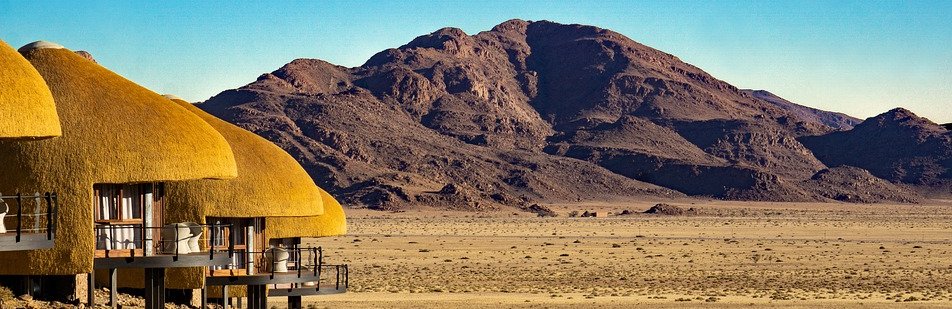
  • Work is often done in nature reserves, rural areas, or unique locations where tranquility, sustainability, or experience are more important than speed.
Responsibilities
  • Receiving and informing guests.
  • Preparing breakfast and sometimes dinner.
  • Cleaning rooms and common areas.
  • Administration, reservations, and scheduling.
  • Maintenance work (garden, grounds, minor repairs).
  • Contributing ideas about sustainability, activities, or guest experience.
  • Occasionally guiding excursions or nature activities.
Working conditions
  • Regular work exchange: work in exchange for accommodation and meals.
  • Paid positions are common, especially with longer contracts. Working weeks are often full-time and less rigidly defined.
  • Contract durations vary from a few weeks to several months.
  • People often live and work at the same location, sometimes remotely.
  • The workplace is often also someone's home, with fewer colleagues than at a hotel, and greater independence. The focus is on responsibility and trust, and contact with guests is often more intensive.

What are the reasons for working at bed & breakfasts, lodges, and eco-accommodations abroad?

  • To feel involved: You directly contribute to the daily operations of a small place that guests consciously choose. This offers a different kind of satisfaction than anonymous work.
  • To become environmentally aware: Working in quiet or natural locations makes you more sensitive to local customs, nature, community, and sustainability.
  • To learn to work independently: With few colleagues and a lot of responsibility, you quickly develop confidence in your own approach.
  • To strengthen integrity: In small-scale settings, reliability is key. A deal is a deal, even when no one is watching.
  • To develop a broader vision: You see how tourism, nature, economy, and local culture intersect in practice.

What skills and motivations do you need to work at bed & breakfasts, lodges, and eco-accommodations abroad?

What are the best countries and locations to work at bed & breakfasts, lodges, and eco-accommodations abroad?

What are the risks of working at bed & breakfasts, lodges, and eco-accommodations abroad, and are you insured against those risks? 

  • What are the risks of working at bed & breakfasts, lodges, and eco-accommodations abroad?
    • Unsafe working environments are common: infrastructure, health risks, political instability, and social norms.
    • Remote locations are common: Medical care can be far away, and transportation is not always readily available.
    • Physically demanding work is common: Cleaning, maintenance, and long hours can lead to injuries or fatigue. Hygienic conditions often deviate: Especially in remote locations, clean water or medical assistance are not always readily available.
    • You often bear a great deal of responsibility: Emergency situations often require independent action.
  • Are you insured while working at bed & breakfasts, lodges, and eco-accommodations abroad?
    • There may be several reasons why you need separate insurance when working abroad.
    • Local employers generally offer limited or no supplementary insurance.
    • There's a risk of accidents, for example, because you're doing work with which you have little experience.
    • During work, internships, or volunteering abroad where you receive compensation or a salary, your own health insurance coverage in your home country may be cancelled.
    • See the pages on: insuring international Insurances for working abroad, for internships abroad, for volunteering abroad, or for expats and emigrants.
Working at a campsite abroad: what is it, why would you do it, and where is the best place to go?

Working at a campsite abroad: what is it, why would you do it, and where is the best place to go?

What is working at a campsite abroad like?

  • At a campsite, you are immersed in everyday life at wonderful vacation spots. No rigid office, but sand between your toes, the scent of pine in the morning, and campers cycling, walking, and driving back and forth.
  • The work is varied and often practical, with plenty of contact with guests and colleagues from all over the world.
  • Responsibilities depend on the season, the type of campsite, and the country, and can include:
    • Maintenance and upkeep such as mowing the lawn, minor repairs, cleaning restrooms, grounds maintenance, chopping wood, or preparing tent pitches.
    • Cleaning toilets, showers, kitchens, cabins, glamping tents, and sometimes campers.
    • Checking in and out, processing bookings, answering questions, providing tourist tips, and taking calls at reception.
    • Working in a campsite shop, snack bar, bar, or restaurant.
    • Supervising entertainment and activities such as sports tournaments, children's activities, campfires, quiz nights, or outdoor activities.
    • All-round campsite work with a bit of everything: cleaning in the morning, reception in the afternoon, and helping with an activity in the evening.
  • Working conditions:
    • This is often seasonal work (spring-summer, sometimes winter campsites).
    • Food and lodging are often included (own tent, caravan, or shared accommodation).
    • The salary varies by country; sometimes it is a salary, sometimes a volunteer allowance or work-for-stay.
    • Workdays are practical and physical, often outdoors.

What are the reasons for working at a campsite abroad?

  • To feel involved: daily contact with guests and colleagues strengthens the feeling of being part of a team and a place.
  • To develop self-confidence: independently solving problems at the campsite gives you more confidence in new situations.
  • To practice teamwork: the work revolves around teamwork, from cleaning to reception to entertainment.
  • To improve flexibility: unexpected tasks or sudden guest requests require constant adaptability.
  • To increase environmental awareness: taking guests, local rules, and the natural environment around the campsite into account is essential.

What skills and motivations do you need to work at a campsite abroad?

What are the best countries and locations to work at a campsite abroad?

What are the risks of working at a campsite abroad, and are you insured against those risks? 

  • What are the risks of working at a campsite abroad?
    • Unsafe working environments are common: sometimes due to health risks, sometimes due to working in unfamiliar conditions.
    • Accidents frequently occur, and they can have serious consequences.
    • It's not uncommon for someone to contract a contagious or local disease, be unable to work for a period, or even have to be flown home.
    • It's not uncommon for someone to be bitten or stung by an animal in the water or on land, with medical consequences.
    • High workloads are common, due to long hours, staff shortages, or intensive supervision.
    • Physically demanding work often involves heavy lifting, cleaning, or maintenance.
  • Are you insured while working at a campsite abroad?
    • There may be several reasons why you need separate insurance when working abroad.
    • Local employers generally offer limited or no supplementary insurance.
    • There's a risk of accidents, for example, because you are doing work with which you have little experience.
    • During work, internships, or volunteering abroad where you receive compensation or a salary, your own health insurance coverage in your home country may be cancelled.
    • See the pages on: insuring international Insurances for working abroad, for internships abroad, for volunteering abroad, or for expats and emigrants.
Working in hostels and guesthouses abroad: what is it, why would you do it, and where is the best place to go?

Working in hostels and guesthouses abroad: what is it, why would you do it, and where is the best place to go?

What is working in hostels and guesthouses abroad like?

  • Hostels and guesthouses are often the beating heart of backpacker life. No anonymous hotel hallways, but shared kitchens, communal breakfast tables, and guests who were strangers yesterday and are planning a road trip together today.
  • Working in these kinds of places usually means participating in the daily life of the accommodation.
Responsibilities
  • Reception work and welcoming guests.
  • Checking in and out (sometimes with systems, sometimes with pen and paper).
  • Cleaning rooms and common areas.
  • Preparing and tidying up breakfast.
  • Bar or kitchen help.
  • Organizing activities or showing guests around.
  • Being a social host: creating a good atmosphere, offering tips, starting conversations.
Working conditions
  • Much of the work is based on work exchange: working a few hours a day in exchange for accommodation (and sometimes food).
  • Paid work is also available, especially in larger hostels or with longer contracts. You are often required to speak the local language. Working hours are often flexible, but not always a 9-to-5.
  • Contracts are usually short-term: from a few weeks to several months.
  • Work and private life sometimes blur together (yes, even on your day off, you get recognized). You often live in the same place where you work.

What are the reasons for working in hostels and guesthouses abroad?

  • To feel involved: You're part of a small community of travelers, colleagues, and regular guests. That sense of belonging often develops faster than you expect.
  • To develop communication skills: Daily contact with people from different cultures sharpens your communication skills, even if your English isn't perfect.
  • To learn to be flexible: No two days are the same. Guests arrive late, rooms suddenly turn out to be double-booked, and plans constantly change. Flexibility isn't a luxury, but a necessity.
  • To strengthen teamwork: In small teams, everyone is important. Working together under pressure quickly teaches you how to complement each other instead of getting in each other's way.
  • To become environmentally aware: You learn to consider local customs, neighbors, rules, and sensitivities. What's normal for travelers isn't always normal for the surrounding area.

What skills and motivations do you need to work in hostels and guesthouses abroad?

  • Communicating: Guests expect clarity, friendliness, and practical tips, often in a different language.
  • Collaborating: Small teams require a lot of coordination and little room for discretion.
  • Flexibility: Schedules, tasks, and responsibilities change regularly.
  • Service-oriented: Guests come for a pleasant experience, not just a bed.
  • Resilience: Busy check-ins, full dorms, and last-minute problems are part of life.

What are the best countries and locations to work in hostels and guesthouses abroad?

What are the risks of working in hostels and guesthouses abroad, and are you insured against those risks? 

  • What are the risks of working at/in hostels and guesthouses abroad?
    • Healthcare is often expensive or limited: A simple food poisoning, infection, or accident can result in unexpectedly high costs.
    • Work and personal life often overlap: Insufficient rest can lead to fatigue or stress.
    • Hygiene standards often differ: Shared kitchens, dormitories, and bathrooms increase the risk of illness.
    • It's common to be given responsibilities without clear guidance: This can lead to stress or mistakes, especially in emergencies.
    • An unsafe work environment is common: infrastructure, health risks, political instability, and social norms.
  • Are you insured while working in hostels and guesthouses abroad?
    • There may be several reasons why you need separate insurance when working abroad.
    • Local employers generally offer limited or no supplementary insurance.
    • There's a risk of accidents, for example, because you're doing work with which you have little experience.
    • During work, internships, or volunteering abroad where you receive compensation or a salary, your own health insurance coverage in your home country may be cancelled.
    • See the pages on: insuring international Insurances for working abroad, for internships abroad, for volunteering abroad, or for expats and emigrants.

 

Working in a restaurant or kitchen abroad: what is it, why would you do it, and where is the best place to go?

Working in a restaurant or kitchen abroad: what is it, why would you do it, and where is the best place to go?

What is working in a restaurant or kitchen abroad like?

  • Does food, a lively work environment, and fast-paced collaboration sound appealing? Then working in a restaurant or kitchen abroad can be a great way to gain international experience, earn money, and discover different food cultures.
  • Working in a restaurant or kitchen revolves around hospitality, teamwork, and timing. In the restaurant area, the emphasis is on service, advising guests, and serving dishes. In the kitchen, the focus is on preparation, hygiene, pace, and collaboration within the kitchen staff.
  • In many hospitality establishments, these worlds overlap, and good communication between the waitstaff and the kitchen staff is essential.
  • Positions can range from waitress, runner, or host to kitchen assistant, dishwasher, prep cook, or all-around kitchen staff.
  • The role differs significantly from that of a head chef or independent cook: the emphasis is usually on support, execution, and service.
  • The international context, location, and type of hospitality establishment strongly determine the content of the work. In tourist areas, the emphasis is often on speed and volume, while in small-scale restaurants, lodges, or retreats, there may be more focus on local ingredients, atmosphere, and guest interaction.
Responsibilities in a restaurant or kitchen are for example
  • Taking orders and serving guests.
  • Serving meals, drinks, and snacks.
  • Explaining menus or dishes.
  • Coordinate with the kitchen regarding timing and special requests.
  • Cutting, washing, and preparing ingredients.
  • Supporting with simple preparations under supervision.
  • Dishwashing and cleaning workstations and equipment.
  • Performing mise en place and preparing tables.
  • Cleaning tables, bar, and work areas.
  • The level of responsibility often increases with good performance. In some kitchens, more independence in prep tasks can develop over time.
Working conditions in the kitchen or in a restaurant may often include
  • Salaries vary considerably by country and can consist of an hourly or monthly wage.
  • In some countries, tips constitute a significant portion of income.
  • In tourist areas, the minimum wage is often based on tip sharing or a service charge.
  • Temporary or seasonal contracts are common, but in some countries, they are informal contracts or verbal agreements. These shifts often include evenings, weekends, and holidays.
  • Sometimes meals during shifts, shared accommodations, or staff discounts are included.
  • There are opportunities for growth towards becoming an independent chef or specializing in food preparation.

What are the reasons for working in a restaurant or kitchen abroad?

  • To become stress-resistant: working during peak hours in an international kitchen requires calmness and focus.
  • To learn to collaborate: good hospitality revolves around collaboration between kitchen, wait staff, and management.
  • To become flexible: changing menus, cultural eating habits, and unexpected busy periods require considerable adaptability.
  • To develop communication skills: working with international guests and colleagues significantly tests communication skills.
  • To be results-oriented: meals must be delivered on time and according to standards, which encourages a focus on efficiency.

What skills and motivations do you need to work in a restaurant or kitchen abroad?

  • Being service-oriented: hospitality is at the heart of restaurant work.
  • Being stress-resistant: peak workloads during busy periods are normal. Collaborative skills: Good communication between kitchen and service staff is essential.
  • Flexible: Working hours and tasks can vary significantly.
  • Professionalism: Proper guest handling, food safety, and financial management are important.
  • Results-oriented: Meals and service must be delivered on time and to standard.

What are the best countries and locations to work in a restaurant or kitchen abroad?

What are the risks of working in a restaurant or kitchen abroad, and are you insured against those risks? 

What are the risks of working in a restaurant or kitchen abroad, and what happens with some regularity:
  • that income fluctuates due to dependence on tips or seasonal pressures.
  • that physical injuries can arise from prolonged standing, walking, or lifting.
  • that accidents such as slips, trips, cuts, or burns occur.
  • that work pressure during peak times leads to mental strain.
  • that some countries have a less safe work environment due to infrastructure, health risks, political instability, or local circumstances.
  • that someone contracts a contagious or local disease, is temporarily unable to work, or even has to be flown home.
  • When you work in the hospitality sector, you may be exposed to greater financial or legal risks as soon as you start performing your work under your own responsibility. It is advisable, as far as possible, to also inquire to what extent your local employer is adequately insured for accidents, technical errors, or misjudgments. Of course, this is not always the case, nor can it be always ascertained in advance. Take this into account as much as possible when deciding whether to perform certain risky tasks.
Are you insured while working in a restaurant or kitchen abroad?
  • There may be several reasons why you need separate insurance when working abroad.
  • Local employers generally offer limited or no supplementary insurance.
  • During work, internships, or volunteering abroad where you receive compensation or a salary, your own health insurance coverage in your home country may lapse. See the pages on: insuring paid work, internships, or volunteering abroad.
  • See also: insurance for working in a restaurant or kitchen for paid work, for internships and for volunteer work abroad.
Working in resorts and holiday parks abroad: what is it, why would you do it, and where is the best place to go?

Working in resorts and holiday parks abroad: what is it, why would you do it, and where is the best place to go?

What is working in resorts and holiday parks abroad like?

  • At resorts or holiday parks, you're part of a large-scale tourism organization where everything revolves around guest experience, seasonality, and teamwork.
  • No small-scale B&Bs or hostels, but sometimes hundreds of guests at a time, with fixed schedules and clear roles.
  • Resorts and holiday parks can be found on beaches, islands, in mountainous areas, and around popular holiday destinations.
  • The work is often seasonal and attracts an international team.
Responsibilities
  • Reception and front office work.
  • Hospitality (restaurant, bar, kitchen).
  • Animation, sports, and activity management.
  • Children's clubs and entertainment.
  • Cleaning and housekeeping.
  • Technical maintenance and facilities management.
  • Guest relations and complaint handling.
Working conditions
  • Paid work is common, often with a contract.
  • Working weeks are usually full-time and tightly scheduled.
  • Accommodation and meals are often (partly) provided.
  • Seasonal contracts range from a few weeks to several months. Working in shifts, including evenings and weekends.
  • The workload often varies with the seasons – a high workload during peak season.
  • You often live and work on the same property, with plenty of social interaction and little privacy.

What are the reasons for working in resorts and holiday parks abroad?

  • To learn to collaborate: You learn to function in international teams where good cooperation is crucial for a smooth daily routine.
  • To become stress-resistant: Busy check-ins, full restaurants, and last-minute problems create a rapid learning curve.
  • To practice being service-oriented: Guest satisfaction is paramount, and you learn to manage expectations, complaints, and diverse cultures.
  • To be results-oriented: Everything revolves around planning, staffing, and quality within tight timelines.
  • To build self-confidence: Working with large groups of guests and colleagues requires clear communication and a strong sense of self.

What skills and motivations do you need to work in resorts and holiday parks abroad?

  • Collaboration: Virtually no position stands alone. Communicating: With guests, colleagues, and managers from different cultures.
  • Stress-resistance: Busy work is not the exception, but the standard.
  • Being service-oriented: Hospitality is not a side issue, but the core of the job.
  • Flexibility: Working hours, tasks, and schedules can change quickly.

What are the best countries and locations to work at resorts and holiday parks abroad?

What are the risks of working at resorts and holiday parks abroad, and are you insured against those risks? 

  • What are the risks of working at resorts and holiday parks abroad?
    • High workloads are common: Long days and few rest periods can lead to fatigue or stress-related issues. Physical demands are common: Frequent standing, lifting, cleaning, or sports coaching can cause injuries.
    • Medical care is often expensive: Especially in popular tourist destinations, healthcare costs can quickly rise.
    • Standard insurance policies often exclude this type of work: Paid work, entertainment, or sports coaching are often not covered by basic coverage.
    • Evacuation is often necessary in extreme circumstances: Think of hurricanes, forest fires, or earthquakes in tourist regions.
  • Are you insured while working at resorts and holiday parks abroad?
    • There may be several reasons why you need separate insurance when working abroad.
    • Local employers generally offer limited or no supplementary insurance.
    • There's a risk of accidents, for example, because you're doing work with which you have little experience.
    • During work, internships, or volunteering abroad where you receive compensation or a salary, your own health insurance coverage in your home country may be cancelled.
    • See the pages on: insuring international Insurances for working abroad, for internships abroad, for volunteering abroad, or for expats and emigrants.
Working on a cruise ship or yacht abroad: what is it, why would you do it, and where is the best place to go?

Working on a cruise ship or yacht abroad: what is it, why would you do it, and where is the best place to go?

What is working on a cruise ship, sailboat or yacht abroad like?

  • Working on a cruise ship or sailing yacht means being part of a team that ensures guests can travel safely, comfortably, and with pleasure. The work can vary from hospitality and entertainment to technical roles or navigation.
  • Personnel on a cruise ship or large sailing yacht can be broadly divided into three categories:
    • Officers: these are the highest positions on board. Examples include the captain, bridge officers, the ship's doctor, and ship management.
    • Staff: these are employees who often have direct contact with guests. Examples include retail staff, casino staff, entertainers, receptionists, spa staff, and restaurant staff.
    • Crew: these are roles that take place more in the background. Examples include cleaning staff, kitchen staff without guest contact, technical staff, and stewards.
  • Depending on the ship and the organization, you can combine different roles.
  • Working on a ship often means long working days, but also a unique opportunity to see the world while you work.
Responsibilities when you work on a cruiseship may be
  • Serving guests in restaurants or bars. Cleaning cabins and common areas.
  • Organizing entertainment or activities.
  • Working in shops, spas, or casinos on board.
  • Assisting with excursions or activities ashore.
  • Technical work and maintenance of the ship.
  • Assisting with safety and emergency procedures.
Working conditions while working on a cruiseship
  • Contracts ranging from a few months to a year.
  • Board and room on board the ship.
  • A salary dependent on position and experience, sometimes with extra income through tips.
  • Long working days and few days off during contract periods.
  • International work environment with colleagues from many different countries.

What are the reasons for working on a cruise ship, yacht or sailboat abroad?

  • To gain experience: by working abroad, your work experience increases within your own field, but generally also beyond it. You experience much more during your stay abroad if you work than if you were to travel around.
  • To strengthen your empathy: by working in a different culture, you often strengthen your own ability to put yourself in someone else's shoes. Differences in culture, working methods, and communication styles ensure that you accept other aspects more quickly or take them as they are. Your own perspective quickly becomes broader, broader, and, in particular, more flexible.
  • To increase your stress resilience: you regularly work under reasonable or significant pressure; working in a different culture can take a toll on your stress resilience. This is especially due to pressure that may arise because you have to communicate in a different language, perform new tasks, or receive limited coaching. Nevertheless, for almost everyone, these experiences contribute to a significant increase in stress resilience precisely because of this.
  • To discover and accept your own qualities: when you are further away from your familiar environment, you discover more quickly what you are actually capable of and what you actually want. By going to work, you confront yourself more often, get to know yourself better, and accept who you are and how you want to be more quickly.

What skills and motivations do you need to work on a cruise ship or yacht abroad?

  • Professionalism: You often have to work hard and long hours. Furthermore, a positive attitude and being easy to get along with are important qualities. You are a quick learner and enjoy working in a multicultural environment.
  • Service orientation: Especially when you have a lot of contact with guests, their wishes always come first.
  • Flexibility: Do you not need to know exactly what your day will look like weeks in advance, but is it enough to discover it at the moment? Then you have the right attitude for working on a ship.
  • Communication skills: On a ship, you get different guests every trip, and it is important that you get to know them as quickly as possible to tailor everything to their wishes.
  • Collaboration skills: Abroad, too, it is important that you learn, or are able, to collaborate when working with others.

What are the best countries and locations to work on a cruise ship or yacht abroad?

The beautiful and famous sailing trips
  • Along the Ionian Islands in Greece.
  • Along the Turkish coast.
  • Across the Andaman Sea.
  • From Bali to Sulawesi.
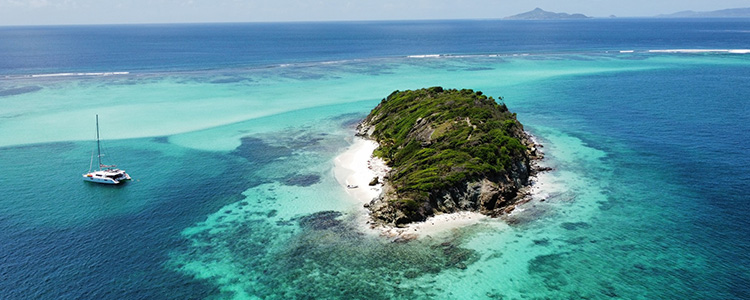
  • From Grenada and the Grenadines to the rest of the Caribbean.
  • Along the coast of Norway.
  • From Colombia via the San Blas Islands to Panama (or vice versa).
  • Sailing through the Grand Canyon.
The beautiful and famous cruises

What are the risks of working on a cruise ship or yacht abroad, and are you insured against those risks? 

What are the risks of working on a cruise ship or yacht abroad, and what happens with some regularity:
  • that there is an unsafe working environment: infrastructure, health risks, political instability, conduct, weather conditions.
  • that your resistance is low: long days, heat or cold, and time pressure can lead to burnout-like symptoms.
  • that there is a lot of stress: due to responsibility, cultural and linguistic problems, busy seasons, working in small spaces with the same people close together.
  • that the physical strain is high: due to a lot of standing and walking.
  • that accidents happen: burns, cuts, back problems, joint problems, falls. that someone contracts a contagious or local infection due to food hygiene in tropical conditions, rendering you unable to work for a period of time, or even requiring you to be flown back home.
  • that someone causes harm to guests: think of spilled grease stains on clothing, or physical damage.
  • When you work in the boating sector, you may be exposed to greater financial or legal risks as soon as you start performing your work under your own responsibility. It is advisable, as far as possible, to also inquire to what extent your local employer is adequately insured for accidents, technical errors, or misjudgments. Of course, this is not always the case, nor can it be always ascertained in advance. Take this into account as much as possible when deciding whether to perform certain risky tasks.
Are you insured while working on a cruise ship, sailing boat or yacht abroad?
  • There may be several reasons why you need separate insurance when working abroad.
  • Local employers generally offer limited or no supplementary insurance.
  • During work, internships, or volunteering abroad where you receive compensation or a salary, your own health insurance coverage in your home country may lapse. See the pages on: insuring paid work, internships, or volunteering abroad.
  • See also: insurance for working on a cruise ship or yacht for paid work, for internships and for volunteer work abroad.

SPOTLIGHT SECTOR

Organizations: for providing accommodation and hospitality work in hotels, guesthouses, ecolodges and hostels abroad
Organizations for yacht and shipping crew and working on a cruise ship abroad

Organizations for yacht and shipping crew and working on a cruise ship abroad

Image

Activities, internships, paid work, services or volunteer work on cruise ships, sailing yachts and other ships

Boat crew, deck hand or working for an international shipping organization

Working on a yacht or cruise ship abroad: by position

For job roles and duties related to activities, internships and jobs abroad, see:

Working on a yacht or cruise ship abroad: favorite countries and destinations

The beautiful and famous sailing trips
  • Along the Ionian Islands in Greece.
  • Along the Turkish coast.
  • Across the Andaman Sea.
  • From Bali to Sulawesi.
  • From Grenada and the Grenadines to the rest of the Caribbean.
  • Along the coast of Norway.
  • From Colombia via the San Blas Islands to Panama (or vice versa).
  • Sailing through the Grand Canyon.
The beautiful and famous cruises

SPOTLIGHT ORGANIZATIONS NL

Wereldstap: voor betaald werk op Curaçao, een carrière switch of een sabbatical
Image
Check: JoHo WorldSupporter concept

Concept of JoHo WorldSupporter

JoHo WorldSupporter mission and vision:

  • JoHo wants to enable people and organizations to develop and work better together, and thereby contribute to a tolerant and sustainable world. Through physical and online platforms, it supports personal development and promote international cooperation is encouraged.

JoHo concept:

  • As a JoHo donor, member or insured, you provide support to the JoHo objectives. JoHo then supports you with tools, coaching and benefits in the areas of personal development and international activities.
  • JoHo's core services include: study support, competence development, coaching and insurance mediation when departure abroad.

Join JoHo WorldSupporter!

for a modest and sustainable investment in yourself, and a valued contribution to what JoHo stands for

Image

Check: activities, tips and vacancies of Organizations: for catering, hospitality and entertainment abroad
Work as a flight attendant around the world and abroad

Work as a flight attendant as part of the cabin crew on a plane Work as a flight attendant: orientation

  • What is working as a flight attendant, steward, or stewardess abroad like?
  • What are the reasons for working as a steward or stewardess abroad?
  • What skills and motiv...

Check more: related content concerning
Check more: related content
Rendez-Vous Restaurant Saba

Rendezvous is located on the island of Saba in the Dutch Caribbean, in the heart of Saba’s beautiful rainforest. It is situated just outside the village of Windwardside, at the top of Mountain Road and not far from the trailhead to Mount Scenery, the highest point in the Kingdom of the Netherl...

Pages

Image

Check more: intern, study, travel, volunteer and work abroad
Check more: cooperating with JoHo WorldSupporter
Image

Start cooperating with JoHo WorldSupporter

Start working in The World of JoHo

Check more: this content is used in bundle

Organizations & Services: home bundle

Organizations: sectors bundled for activities, leisure, tours, sports and tourism*

Share this page!
Join JoHo WorldSupporter!

Join JoHo Worldsupporter by becoming a JoHo member at JoHo.org/joinjoho

Sign up next at JoHo WorldSupporter.org for sharing, studying and getting inspired, or stay at JoHo.org to explore your membership

Statistics
7568
Submenu & Search

Search only via club, country, goal, study, topic or sector