Two weeks of hiking, magical forests, stunning castles, spectacular coastlines and unexpected discoveries in a country that deserves far more attention.
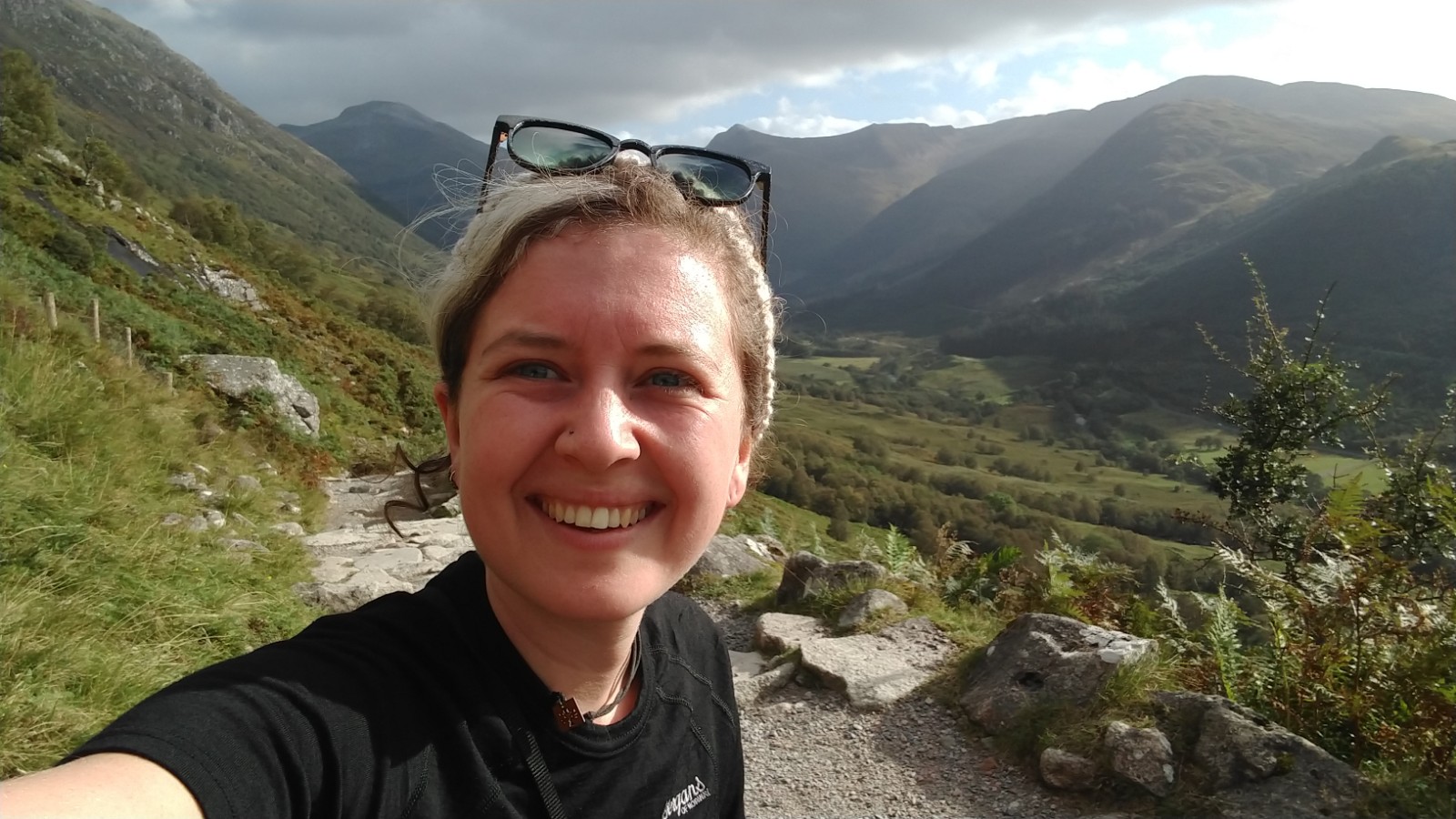
I have just spent two weeks exploring this beautiful corner of Great Britain, and I totally fell in love with it.
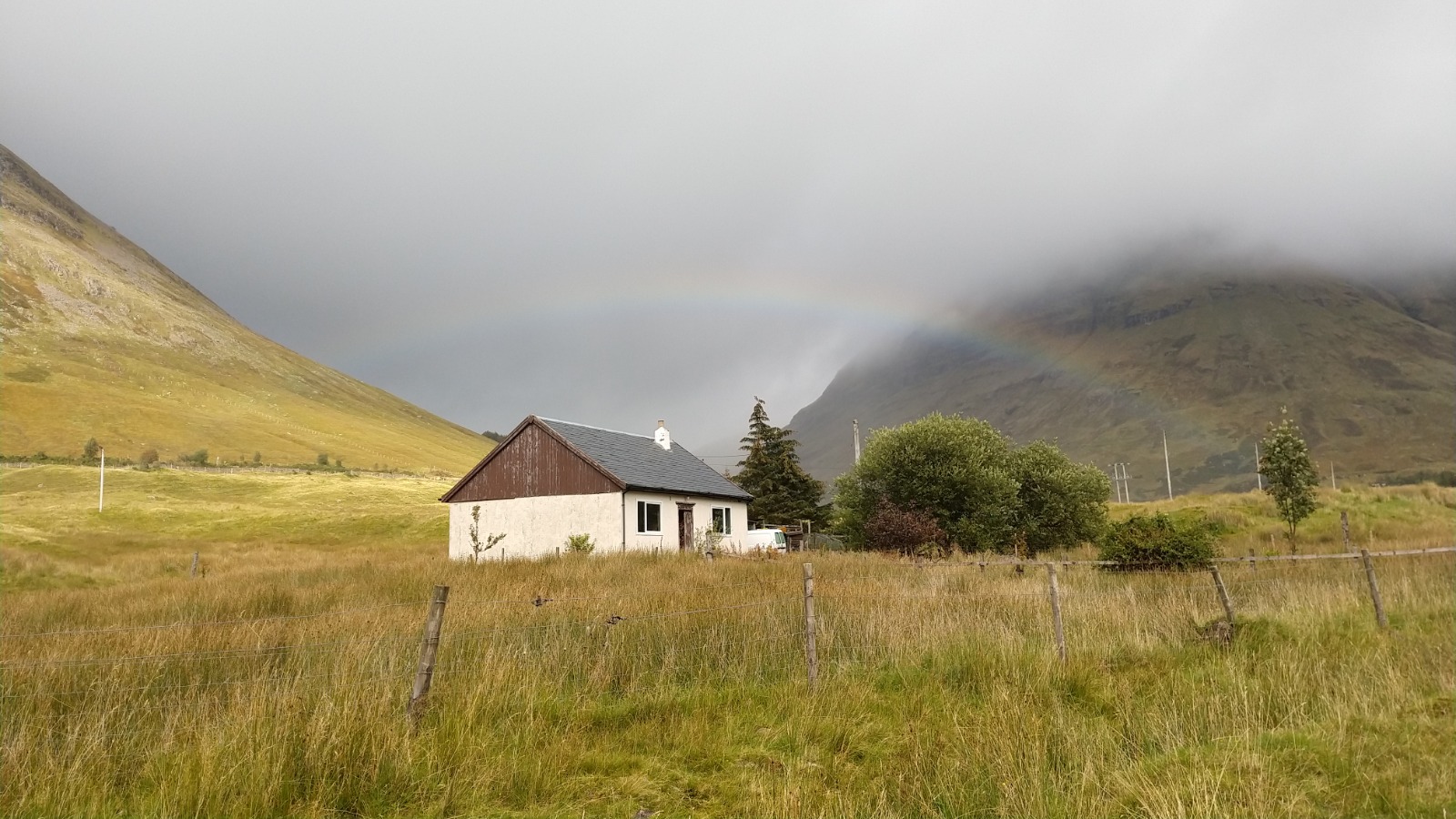
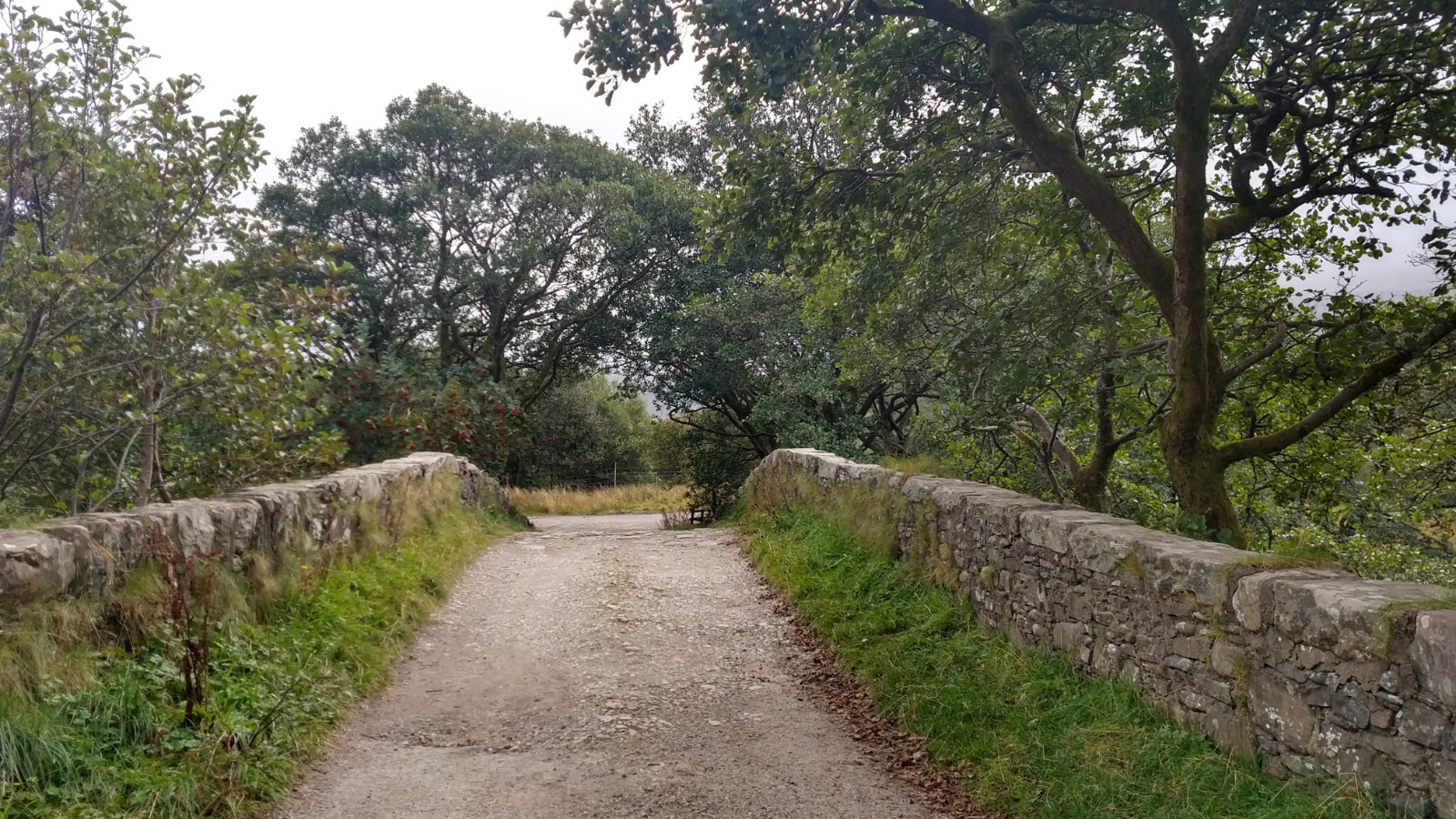
Every day brought another hike, another waterfall, another stretch of coastline or another forest that seemed to have come straight out of a fairytale. It felt a bit like being back in Tasmania (perhaps a bit more barren), but this time closer to home. Dramatic landscapes, beautiful beaches and little moments of unexpected beauty around almost every corner. But that wasn't all. This time, I also got to experience the culture through its amazing castles, pubs and old bridges. And then there were the people: genuinely kind, welcoming and happy to share a little of their country with this curious visitor.
Wales has all the ingredients for an unforgettable trip, especially if you love the outdoors. Yet somehow, it often sits in the shadow of its better-known neighbours, England and Scotland. I wonder if that's why I liked it even more – it felt like a secret that was just for me.
But my interest in Wales actually started long before I arrived here. And, rather unexpectedly, it began in Japan.
A few years ago, I did an exchange semester in Japan, during which I attended a course called English Celts and The Lord of the Rings. Not exactly the sort of course you would expect to find in Japan, but that's what made it so intriguing. I was there to broaden my biology horizons a bit, so why not?
Our teacher was Welsh, maybe the most Welsh person you can imagine. Think long beard, thick accent, and a man who told me he lived in a house under a stone bridge! Through his stories, we explored Celtic history, folklore, mythology and the fascinating connections between these ancient traditions and the world J.R.R. Tolkien created.
We talked about legends, ancient peoples, mysterious landscapes and the cultural heritage that has survived through centuries of change. And, of course, there was music. We even played music together in a pub. Something about his enthusiasm for his country stayed with me throughout the years.
I became curious about Wales: its history, its language, its traditions and the stories that seem to live in the landscape itself.
So, ten years later, I finally came to explore it for myself.
The English name Wales comes from an Old English word, Wealas, which was used to describe foreigners or people who spoke a different language. The Anglo-Saxons used it to refer to the Celtic-speaking Britons, the Welsh. It's quite an interesting explanation: the name by which the country is known in English essentially came from what outsiders called its people.
It is therefore not surprising that the Welsh also have their own name for their country: Cymru, pronounced roughly Kum-ree. The people are called Cymry. Both are believed to derive from an ancient Brittonic word meaning something along the lines of fellow countrymen or compatriots. One name describes how others saw the Welsh, while the other reflects their own sense of belonging.
The Welsh language is also still a very important part of Welsh identity.
Welsh, or Cymraeg, is one of Europe's oldest living languages and belongs to the Celtic branch of the Indo-European language family. More specifically, it is a Brittonic language, related to Breton, spoken in Brittany in France, and Cornish, from Cornwall. Its roots go back many centuries, to the Celtic languages spoken across Britain long before English became dominant.
Over the centuries, Wales experienced Roman occupation, invasions, changing kingdoms and increasing English political control. The conquest of Wales by Edward I in the late 13th century was a major turning point. Later, the Laws in Wales Acts of the 16th century formally incorporated Wales into the English legal and administrative system.
The Welsh language also faced enormous pressure, particularly during the 19th and 20th centuries, when English became increasingly dominant in education, public life and everyday communication. Something that is still happening in Wales, but also in other countries around the world (if you're interested in these things, look into "the loss of language diversity").
But today, Welsh is an official language alongside English, and you see it everywhere: on road signs, in place names, on buildings and in everyday conversations. In some communities, particularly in the north and west, it is still very much the language of daily life.
It's awesome that a language with such deep roots is still being spoken by young and old, taught and celebrated. It gives this place an even more fairytale-like vibe.
One thing you certainly won't miss in Wales is the dragon. The Welsh flag, known as Y Ddraig Goch (the Red Dragon), features a red dragon against a green and white background. But why a dragon?
The story goes back centuries, mixing history, mythology and national identity.
One of the best-known legends appears in Geoffrey of Monmouth's 12th-century account of British history. It tells of a Celtic king named Vortigern, who wanted to build a castle on a hill called Dinas Emrys. However, every time the foundations were laid, they mysteriously collapsed.
A young boy named Emrys (you might guess who this is, if you're into folklore) revealed that two dragons were sleeping beneath the hill in an underground lake, causing the foundations to collapse. Vortigern believed the little boy, as there was something magical about him. So he dug into the hill, and there it was: a lake with two sleeping dragons, one red and one white. When the dragons were released, they fought fiercely. Eventually, after a long battle, the red dragon defeated the white one.
The story came to represent the struggle between the Britons and the invading Saxons, with the red dragon becoming a powerful symbol of Welsh identity and resistance.
The dragon was used as a military emblem long before the modern flag appeared. Henry Tudor, who became Henry VII in 1485, also used the red dragon, combining it with the green and white colours associated with the Tudor dynasty.
And in case you fancy a pub visit while in Wales, here's a little flag-related question for your next pub quiz:
Which other national flag in the world features a dragon?
The answer is Bhutan! Its flag features a white dragon, known as Druk, the Thunder Dragon. So Wales and Bhutan are two rather unusual members of the dragon flag club.
Long before the modern country existed, this part of Britain was home to Celtic-speaking peoples, followed by Roman occupation and centuries of shifting kingdoms and borders. After the Romans left Britain, several Welsh kingdoms emerged. Their rulers fought to defend their territories and identities against the expanding Anglo-Saxon kingdoms to the east.
Later came the Norman influence, the campaigns of Edward I and the construction of the enormous castles that still dominate parts of the Welsh landscape today.
Castles such as Caernarfon, Conwy and Harlech are reminders of a complicated past, when power, independence and identity were constantly being contested. But Wales is not simply a story of battles and conquest. It is also a country of poetry, music, storytelling and a strong connection to the land.
Its folklore is full of giants, fairies, magical creatures and mysterious places. The medieval Welsh tales collected in the Mabinogion are some of the most fascinating examples of Welsh literature, containing themes that have inspired storytellers for generations.
Perhaps this is why some of the forests and mountains felt so magical to me. Once you know a little about the stories associated with this land, it becomes quite easy to let your imagination wander.
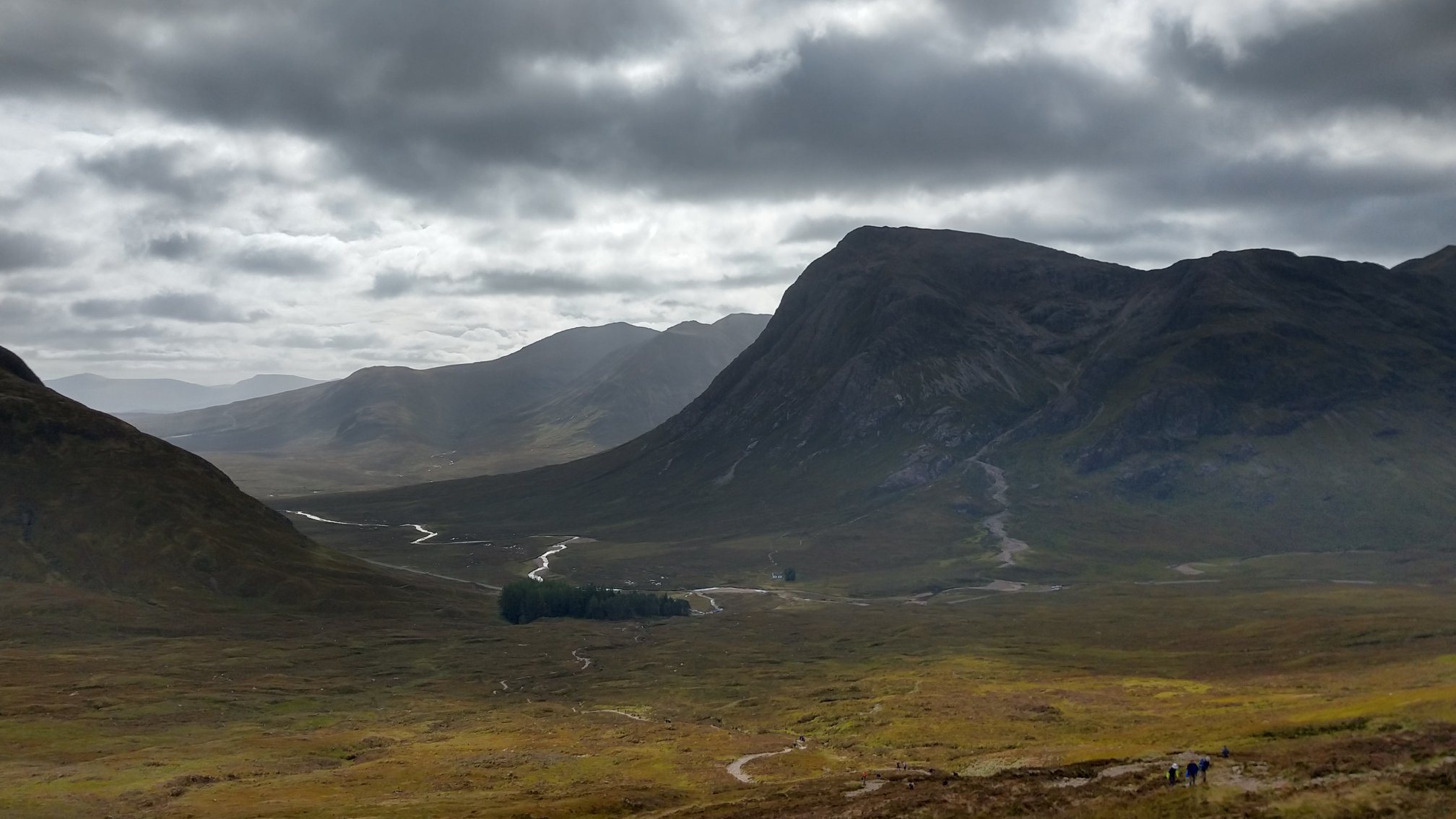
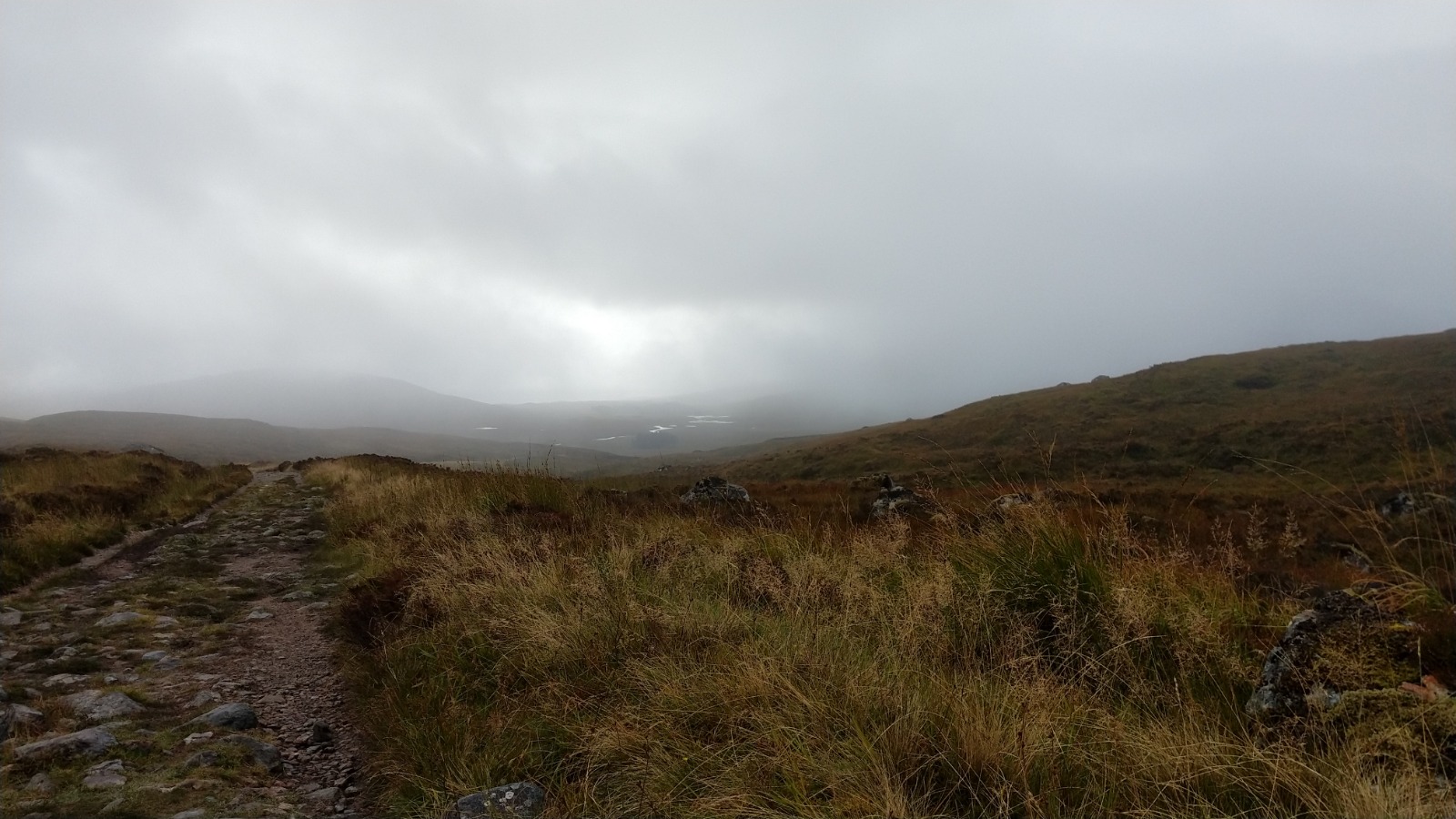
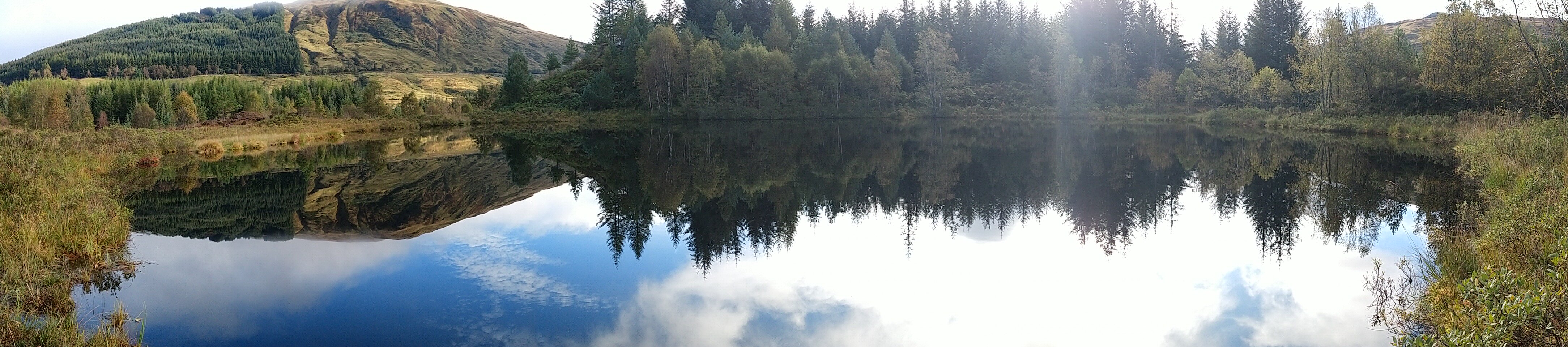
While it was the folklore and stories that initially drew me here, it was the hiking that left me in awe. I came here for a hiking course, so I ended up hiking every day, and I never seemed to run out of places to discover. The landscape has so much to offer: mountains and rolling green hills, ancient woodlands, rivers, waterfalls and some of the most beautiful coastline in Britain.
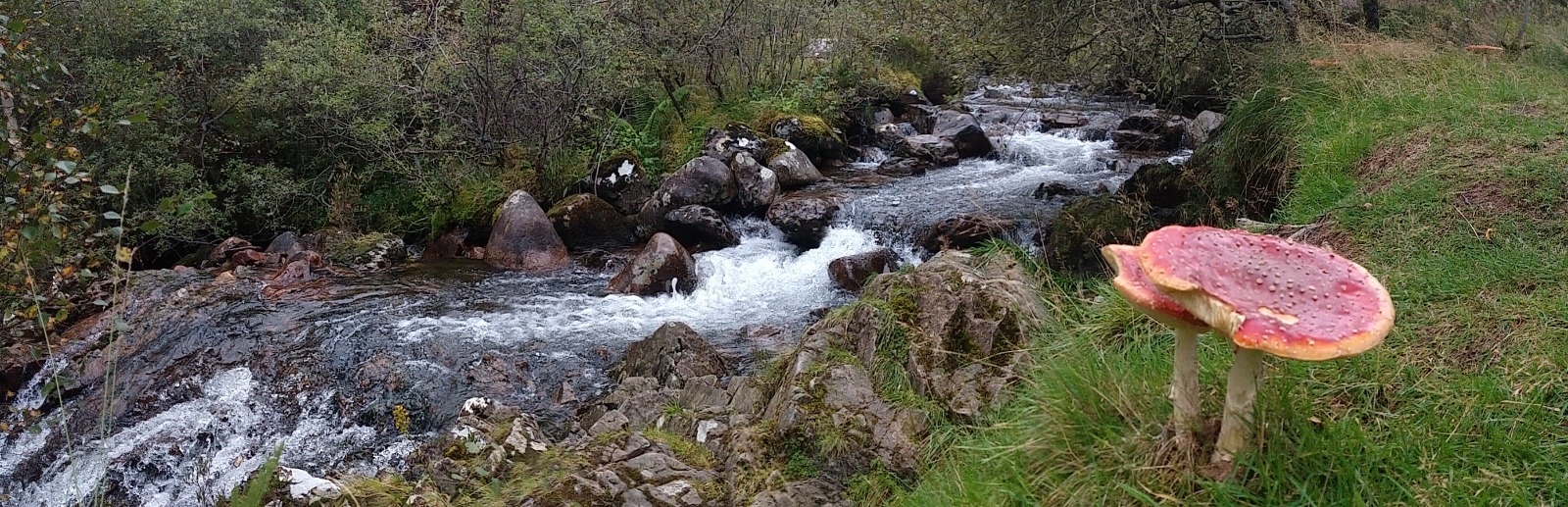
The rivers and waterfalls nestled among the beautiful autumn leaves were among my favourite discoveries. There is something incredibly peaceful about walking through a woodland and suddenly hearing the sound of rushing water before a waterfall appears through the trees.
Some are hidden away in deep, moss-covered forests, where the light filters through the branches and everything feels wonderfully untouched. Others are roaring and seem almost unreal, with enormous trees, twisting roots and carpets of green. Fairytale forests is perhaps the best description I can give them.
But Wales also has an extraordinary coastline, with long stretches of golden sand, dramatic cliffs and turquoise water on a sunny day. Some beaches are so beautiful that you could easily imagine yourself somewhere much further south. There is a wonderful sense of space, too. You can walk for miles, breathe in the fresh sea air and sometimes feel as though the entire coastline belongs to you, the seals and the dolphins.
Wildlife is another part of the experience. It's not a safari country, but if you're lucky, you can see puffins along the coast, wild Carneddau ponies and goats in the mountains, and squirrels running around in the forests.
For anyone who loves hiking, nature and exploring beyond the obvious tourist routes, Wales is absolutely amazing.
I've found that if you want to get to know a place, you have to get to know its people. Travelling should, in my opinion, never just be about ticking off boxes, but also about showing an interest in the local way of life and the people who take care of the land you're visiting. You can visit the most spectacular place in the world, but it is often the people you meet who make the experience memorable.
One thing that really stood out during my time in Wales was how kind and welcoming people were. From little conversations along walking trails to encounters in villages and pubs, I repeatedly experienced genuine warmth and interest. It makes travelling so much more special when you feel that people are happy you have come to discover their home.
Part of the reason Wales feels special to me is that it seems to have a strong identity, a rich cultural heritage and a sense of place that feels very much alive, while still appreciating and showing warmth towards visitors.
For me, it is, alongside Scotland, because I love that country too, haha. Wales exceeded my expectations and I can't wait to come back. It's also only about an eight-hour drive or train ride from the Netherlands, which is a nice bonus.
All in all, Wales is not simply a beautiful part of Great Britain. It is a country with its own language, stories, traditions and character. A place where ancient legends meet wild landscapes, where a red dragon flies proudly on the flag, and where there is always another trail, waterfall or hidden beach waiting to be discovered.
Diolch, Cymru. Thank you, Wales.



 Scotland