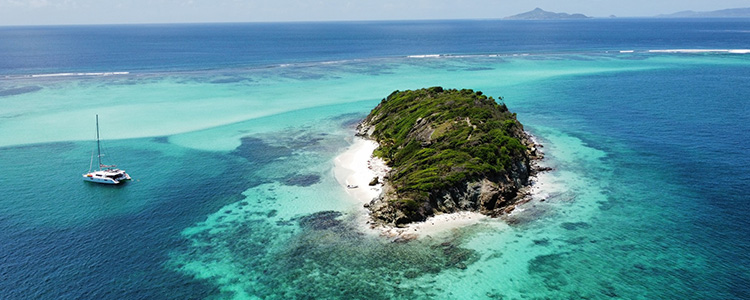
Travel to Caribbean to backpack, study, intern, volunteer, work, or live as a digital nomad, expat or emigrant?

Image

Image
 Caribbean

Intro

Backpacking through the Caribbean?

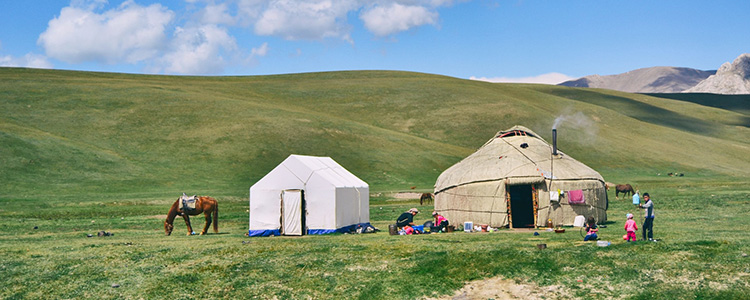
  • Only on the somewhat larger islands such as Cuba, the Dominican Republic, Jamaica or Puerto Rico you can backpack or make a tour around. Other than that, you can go island hopping through the Caribbean mainly by air.
  • Characteristics: special atmosphere, super-relaxed, not really budget-friendly (except for the bigger and Dutch islands) but nice living.

Traveling through the Caribbean?

  • You can really only travel through the Caribbean by (cruise) ship or sailboat. If you choose a particular island, you will soon taste the local island atmosphere and your daily worries will seem very far away.
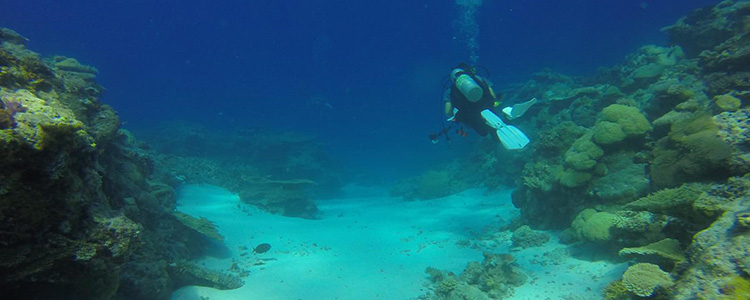
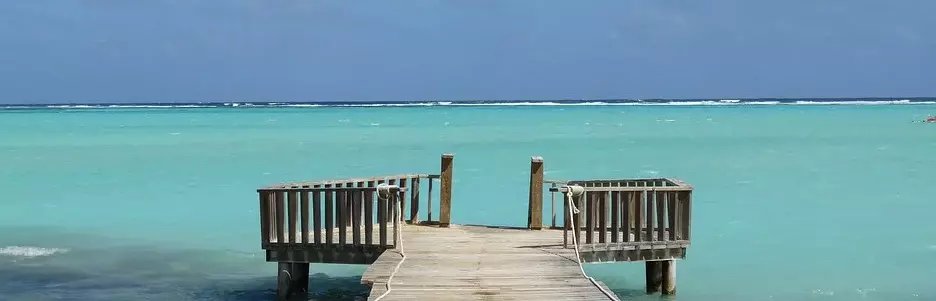
  • Nature and island spotting: beaches of Anguilla, Antigua or the Turks & Caicos Islands, nature on St Lucia or Dominica, the underwater world of Bonaire or the Cayman Islands, the volcanic environment on St Eustatius or St Kitts and Nevis.
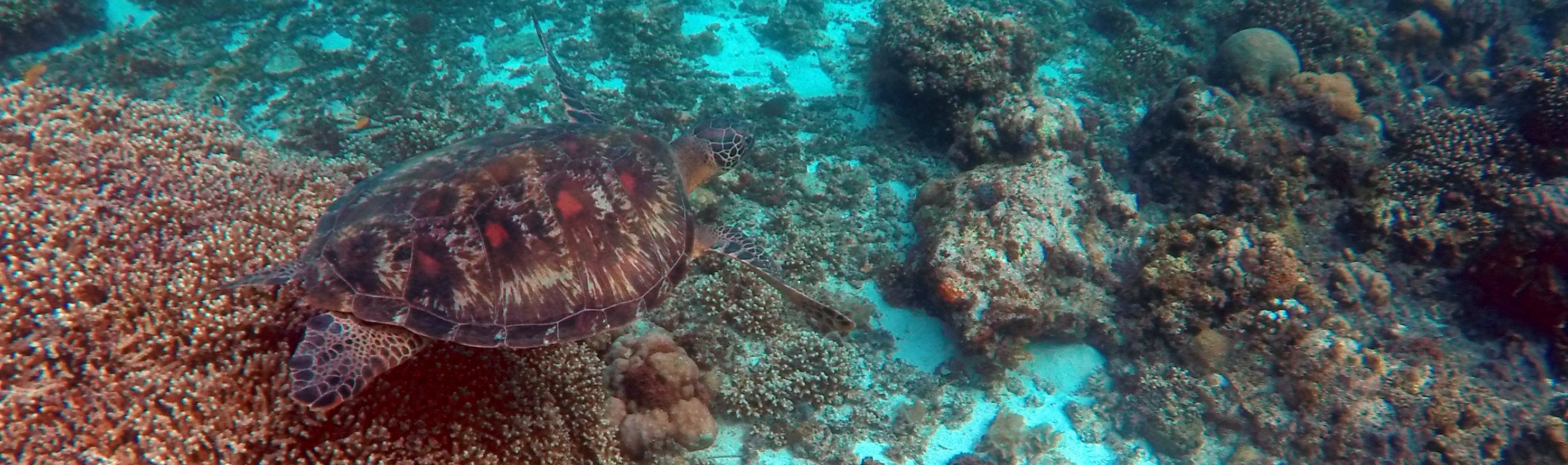
  • Animal spotting: dolphins, iguanas, hammerhead sharks, rays, manatees, sea turtles, whales.

Internship on a Caribbean island?

  • Internship sectors: health care, education and tourism, among others.
  • Internship cities and islands: Aruba, Bonaire, Curacao, Dominican Republic.
  • Learning skills: communication, empathy, flexibility.

Studying on a Caribbean island?

  • Studies: in principle, forms of higher education can be found on all islands, the number of subject areas may be limited.
  • Study cities and islands: Kingston (Jamaica), San Juan (Puerto Rico), Santo Domingo (Dominican Republic), St. Croix (Virgin Islands), Willemstad.Learning Spanish: Cuba, Dominican Republic.

Volunteering on a Caribbean Island?

  • Volunteer projects: particularly in the areas of conservation, medical care and social development.Animal projects: especially protection of coral, fish species and pets.
  • Characteristics: volunteering possible from 1 or 2 weeks to several months.

Working on a Caribbean island?

  • Jobs: paid temporary work can be found mainly in tourism and hospitality.
  • Work culture: varies by island and sector but in some sectors it is hard work, the time difference with Europe can affect working hours as well as the temperature.
  • Work skills: commitment, empathy, patience, flexibility.

Working as a digital nomad on a Caribbean island?

  • Favorite cities and islands: Antigua & Barbuda (visas), Barbados (visas), Bermuda (connection, vibe), Dominica (visas, nature), Jamaica (livelihood), Netherlands Antilles (language, visas).

Living on a Caribbean island?

  • Language: Six official languages are spoken on the Caribbean islands: Creole (Haitian), English, French, Dutch, Papiamento and Spanish.
  • Favorite islands: Aruba, Bonaire, British Virgin Islands, Curaçao, Grenada, Dominican Republic, Cayman Islands, St Lucia , Turks & Caicos, St. Croix, St.Kitts and Nevis.
  • Living climate: healthy life, warm weather all year, good air quality, relatively high political freedom.
  • Characteristics: limited crime (except on some islands or locations), tax favorable, however, many islands are not very suitable for limited budgets, transportation between islands is often by air, good internet. 
  • Health care: varies by island but in general, serious accidents and illness will require flying to the US or your home country. Insurance: seek advice on insurance policies that provide sufficient coverage for proper care and also repatriate in case of emergency.

Supporting content

The Caribbean Country Bundle: suggestions, stories and tips

The Caribbean Country Bundle: suggestions, stories and tips

Content about The Caribbean on WorldSupporter

The Caribbean islands: Updates & Travel

The Caribbean islands: Updates & Travel

Travel in the Caribbean islands?

  • For anyone who loves sun, sea, beach and fun, the Caribbean islands are an ideal destination. There is an island for every type of traveler or working nomad.

What is the Caribbean and what are the Caribbean islands?

  • The Caribbean includes all the islands in the Caribbean Sea. In general, there are 30 archipelagos. In addition, parts of countries in Central and South America that border the Caribbean Sea, French Guiana, Guyana and Suriname are often included in the Caribbean.
  • Some Caribbean islands are independent, others are American, British, French or Dutch.

What are the independent islands in the Caribbean?

  • Antigua and Barbuda: with Saint John's as its capital
  • Bahamas: with Nassau as its capital
  • Barbados: with Bridgetown as its capital
  • Cuba: with Havana as its capital
  • Dominica: with Roseau as its capital
  • Dominican Republic: with Santo Domingo as its capital
  • Grenada: with Saint George's as its capital
  • Haiti: with Port-au-Prince as its capital
  • Jamaica: with Kingston as its capital
  • Saint Kitts and Nevis: with Basseterre as its capital
  • Saint Lucia: with Castries as its capital
  • Saint Vincent and the Grenadines: with Kingstown as its capital
  • Trinidad and Tobago: with Port of Spain as its capital

What are the American islands in the Caribbean?

  • American Virgin Islands: with Charlotte Amalie as its capital
  • Navassa: with Lulu Town as its capital
  • Puerto Rico: with San Juan as its capital

What are the British Isles in the Caribbean?

  • Anguilla: with The Valley as its capital
  • British Virgin Islands with Road Town as its capital
  • Cayman Islands: with George Town as its capital
  • Montserrat: with Plymouth as its capital
  • Turks and Caicos Islands: with Cockburn Town as its capital

What are the French Isles in the Caribbean?

  • Guadeloupe: with Basse-Terre as its capital
  • Martinique: with Fort-de-France as its capital
  • Saint-Barthélemy: with Gustavia as its capital
  • Saint-Martin (French part of Sint-Maarten): with Marigot as its capital

What are the Dutch Isles  in the Caribbean?

  • Aruba: with Oranjestad as its capital
  • Bonaire: with Kralendijk
  • Curaçao: with Willemstad as its capital
  • Saba: with The Bottom as its capital
  • Sint-Maarten (Dutch part): with Philipsburg as its capital
  • Sint Eustatius: with Oranjestad as its capital

On holiday to the Caribbean: which Caribbean island do you choose?

  • for the diving or snorkeling enthusiast: Bonaire, Cayman Islands, Saint Kitts and Nevis
  • for the enthusiast of varied islands: Dominican Republic, Jamaica, Cuba, Puerto Rico
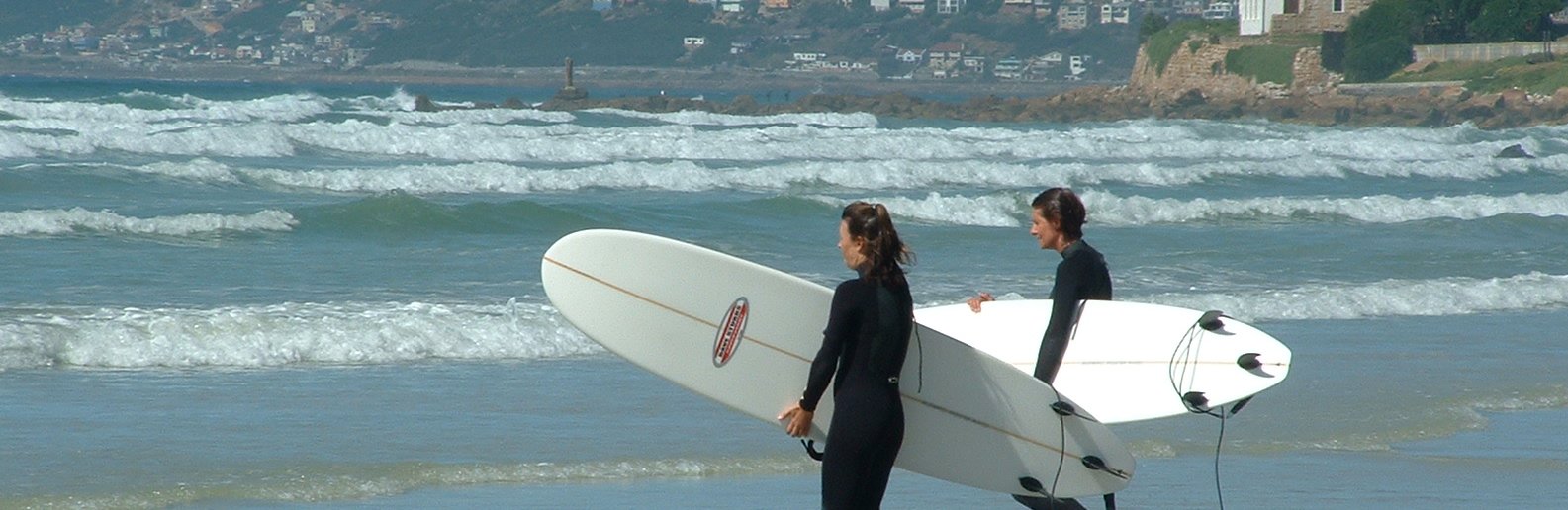
  • for the water sports enthusiast: Curacao (surfing) or sailing between the islands
  • for the enthusiast of beautiful or idyllic islands: Antigua and Barbuda, Guadeloupe, Dominica, Martinique, St. Lucia
  • for the enthusiast of luxury or exclusivity: Bahamas, Barbados
  • for the enthusiast of island tranquility: Dominica, Grenada, Montserrat
  • for the enthusiast of budget-friendly travel: Dominican Republic, Jamaica
  • for the enthusiast of challenging travel: Haiti, Trinidad and Tobago, Saint-Martin
  • for the enthusiast of island hopping: Saint Vincent and the Grenadines
  • for the enthusiast of croquettes: Aruba, Curacao, Sint Maarten

Updates the Caribbean islands

  • More about the Caribbean, updates and contributions, see the link below.


Travel, living and working in the Caribbean and the Antilles - Theme
Recipes from The Caribbean or with a Carib twist by WorldSupporters - Bundle
How does healthcare work in the Caribbean, and what travel insurance, health insurance or expat insurance do you need?

How does healthcare work in the Caribbean, and what travel insurance, health insurance or expat insurance do you need?

How does the healthcare system work in the Caribbean?

  • As in many other parts of the world, the quality of healthcare in the Caribbean varies greatly between islands and countries. This is due to differences in economic situations, population size and colonisation.
  • Some islands (such as the Cayman Islands, Dutch Caribbean, Barbados, Bahamas, French Antilles) generally have modern and good healthcare facilities, while others (such as Haiti, Saint Vincent & the Grenadines and Dominica) suffer from underfunding and limited access.
  • In general, private healthcare is often better for foreigners than public healthcare.
  • Many expats also ultimately opt for specialist healthcare abroad - for example the US, Colombia, Puerto Rico or Europe.
  • Pharmacies are readily available on most islands.
  • Basic medicines are usually in stock, but specialist or chronic medicines are sometimes limited.

How does the public healthcare system work in the Caribbean?

  • Public healthcare is often more limited in quality, staff and materials. On small islands, there may be long waiting times (sometimes a doctor is only flown in a few times a week or month), or certain care is completely absent.
  • In countries such as Jamaica and Haiti, public care is often very overloaded.
  • The French islands have a French healthcare system, which means that EU citizens receive almost free care.
  • The Dutch islands have a Dutch model, which differs from the European Dutch model.
  • Barbados (British Commonwealth) has a relatively well-functioning public system.

How does the private healthcare system work in the Caribbean?

  • Private care is better equipped, offers faster access and often has English-speaking staff (although this is the case in some countries anyway).
  • In countries such as Barbados, the Cayman Islands, Saint Lucia & Trinidad, Aruba, Curaçao, private care for expats is very modern.
  • Private care is a lot more expensive, which is why most foreigners living in the Caribbean opt for their own international health insurance.

How is the general practitioner arranged in the Caribbean?

  • General practitioners are not present everywhere like in Europe; you often go straight to a clinic or hospital.
  • On the Dutch and French islands, the general practitioner fulfils the role of gatekeeper for specialist care. Here you can easily register with a general practitioner's practice.
  • Saint Kitts and Nevis and Barbados do have general practitioners, but the system is less formally organised.
  • On smaller islands, doctors are often generalists who can treat all kinds of things.

How is the dentist arranged in the Caribbean?

  • Dental care is usually not included in public systems, but private practices are easily accessible in tourist areas.
  • Prices can be quite high.
  • The quality varies: good in Aruba, Curaçao, Barbados, Cayman Islands, less reliable on smaller or poorer islands.

How is pregnancy care arranged in the Caribbean?

  • Quality depends greatly on the island. In tourist and wealthy areas, care is often excellently organised. Expats sometimes also choose to give birth in the US or Europe.
  • Good care is available on the larger islands such as Barbados, Trinidad, Aruba, Curacao, Martinique, Guadeloupe.
  • On the smaller islands, the supply is limited. Sometimes people go to a larger island or abroad for the birth.
  • Expats often choose private clinics with English-speaking guidance.
  • Especially in Haiti, pregnancy care is very limited and a pregnancy or birth is often risky.

How safe or unsafe is a trip or stay in the Caribbean?

What should you pay attention to in terms of safety in the Caribbean?

  • In general, the Caribbean is relatively safe for expats, especially islands such as Aruba, Bonaire, Curaçao, the Cayman Islands, Martinique and Guadeloupe. These islands have a stable political climate, low crime rates and a good infrastructure. Petty crime such as pickpocketing sometimes occurs in tourist areas, but you do not have to worry about serious violence. 
  • Islands such as Barbados, Saint Lucia, Antigua and Grenada are also reasonably safe, but in certain neighbourhoods or late at night it is wise to be extra alert. Theft and petty crime occur especially in capital cities.
  • In countries such as Haiti, Jamaica (especially Kingston) and parts of Trinidad (Port of Spain) it is a lot less safe. Armed robberies, drug-related violence and corrupt police can occur here. Expats therefore often choose to stay in guarded residential areas or with international organisations and travel by private transport.
  • In some countries, the hurricane season causes major problems.

What should you look out for in terms of diseases in the Caribbean?

  • In many ways, the Caribbean is a wonderful and pleasant place to live, but there are health risks to be aware of. These are mainly related to tropical diseases, intense sunlight, and in some areas the humid climate.
  • Mosquito-borne diseases are common on almost all Caribbean islands, especially during the rainy season (usually between June and November).
  • Dengue: common, especially on islands such as Puerto Rico, Dominica, Jamaica, Haiti, Saint Lucia and the Dominican Republic.
  • Chikungunya & Zika: these have been less active in recent years, but outbreaks still occur. 
  • Malaria: rare in the Caribbean; only very limited in rural areas of Haiti, for example.
  • Leptospirosis: can occur after flooding or contact with contaminated water, especially in Haiti and Dominica.
  • Another risk is the sun. The UV index is very high throughout most of the Caribbean, often 10 or higher. This increases the risk of sunburn, heat exhaustion or even stroke and eye problems.

What should you pay attention to when it comes to traffic in the Caribbean?

  • Road safety in the Caribbean varies. On islands such as Aruba, Curaçao, Bonaire, the Cayman Islands, Martinique and Guadeloupe, the road network is well maintained and traffic is fairly structured. Many expats choose to rent or buy a car; public transport is limited but taxi systems are reliable.
  • In other countries such as Barbados, Grenada and Saint Lucia, the roads are often narrow, winding and poorly lit, especially outside of the cities. Driving here can be challenging, especially for those not used to left-hand traffic (as in Barbados). Traffic accidents are relatively common, usually due to poor road conditions, overcrowded buses or not-so-careful drivers.
  • In Haiti, parts of Jamaica and Trinidad, traffic is often chaotic and you can't expect people to adhere to traffic rules. There is also a lot of traffic and the roads are poorly maintained. Public transport is not always safe or reliable here, and the use of private transport with a driver is strongly recommended.

What work and travel insurance policies are suitable for short and long stays in the Caribbean?

  • Is the trip to the Caribbean and your return sufficiently covered? Are you sufficiently covered before, during and after your activities? Which insurance best suits your trip and your activity? Read more about insurances for abroad on JoHoinsurances.org.

What emigration and expat insurance can you take out for the Caribbean if you are going to live there for a while?

  • Because local public health coverage is often limited and costs for private or international clinics can be high, international health insurance is generally strongly recommended for a (long-term) stay in the Caribbean.
  • Make sure your insurance covers medical evacuation as well as coverage in neighboring countries. Read more about insurances for abroad on Expatinsurances.org.
How healthcare works in the Caribbean: questions and answers per country about insurance and the healthcare system

How healthcare works in the Caribbean: questions and answers per country about insurance and the healthcare system

How does the healthcare system work across the Caribbean? 

  • How does the public healthcare system work?
  • How does the private healthcare system work?
  • How is the general practitioner arranged?
  • How is the dentist arranged?
  • How is pregnancy care arranged?
  • How safe or unsafe is a trip or stay in the region?
  • What work and travel insurance policies are suitable for short and long stays?
  • What emigration and expat insurance can you take out if you are going to live there for a while?
Access: 
Public
The Caribbean: country bundles
Supporting content:
The Caribbean islands: Updates & Travel

The Caribbean islands: Updates & Travel

Travel in the Caribbean islands?

  • For anyone who loves sun, sea, beach and fun, the Caribbean islands are an ideal destination. There is an island for every type of traveler or working nomad.

What is the Caribbean and what are the Caribbean islands?

  • The Caribbean includes all the islands in the Caribbean Sea. In general, there are 30 archipelagos. In addition, parts of countries in Central and South America that border the Caribbean Sea, French Guiana, Guyana and Suriname are often included in the Caribbean.
  • Some Caribbean islands are independent, others are American, British, French or Dutch.

What are the independent islands in the Caribbean?

  • Antigua and Barbuda: with Saint John's as its capital
  • Bahamas: with Nassau as its capital
  • Barbados: with Bridgetown as its capital
  • Cuba: with Havana as its capital
  • Dominica: with Roseau as its capital
  • Dominican Republic: with Santo Domingo as its capital
  • Grenada: with Saint George's as its capital
  • Haiti: with Port-au-Prince as its capital
  • Jamaica: with Kingston as its capital
  • Saint Kitts and Nevis: with Basseterre as its capital
  • Saint Lucia: with Castries as its capital
  • Saint Vincent and the Grenadines: with Kingstown as its capital
  • Trinidad and Tobago: with Port of Spain as its capital

What are the American islands in the Caribbean?

  • American Virgin Islands: with Charlotte Amalie as its capital
  • Navassa: with Lulu Town as its capital
  • Puerto Rico: with San Juan as its capital

What are the British Isles in the Caribbean?

  • Anguilla: with The Valley as its capital
  • British Virgin Islands with Road Town as its capital
  • Cayman Islands: with George Town as its capital
  • Montserrat: with Plymouth as its capital
  • Turks and Caicos Islands: with Cockburn Town as its capital

What are the French Isles in the Caribbean?

  • Guadeloupe: with Basse-Terre as its capital
  • Martinique: with Fort-de-France as its capital
  • Saint-Barthélemy: with Gustavia as its capital
  • Saint-Martin (French part of Sint-Maarten): with Marigot as its capital

What are the Dutch Isles  in the Caribbean?

  • Aruba: with Oranjestad as its capital
  • Bonaire: with Kralendijk
  • Curaçao: with Willemstad as its capital
  • Saba: with The Bottom as its capital
  • Sint-Maarten (Dutch part): with Philipsburg as its capital
  • Sint Eustatius: with Oranjestad as its capital

On holiday to the Caribbean: which Caribbean island do you choose?

  • for the diving or snorkeling enthusiast: Bonaire, Cayman Islands, Saint Kitts and Nevis
  • for the enthusiast of varied islands: Dominican Republic, Jamaica, Cuba, Puerto Rico
  • for the water sports enthusiast: Curacao (surfing) or sailing between the islands
  • for the enthusiast of beautiful or idyllic islands: Antigua and Barbuda, Guadeloupe, Dominica, Martinique, St. Lucia
  • for the enthusiast of luxury or exclusivity: Bahamas, Barbados
  • for the enthusiast of island tranquility: Dominica, Grenada, Montserrat
  • for the enthusiast of budget-friendly travel: Dominican Republic, Jamaica
  • for the enthusiast of challenging travel: Haiti, Trinidad and Tobago, Saint-Martin
  • for the enthusiast of island hopping: Saint Vincent and the Grenadines
  • for the enthusiast of croquettes: Aruba, Curacao, Sint Maarten

Updates the Caribbean islands

  • More about the Caribbean, updates and contributions, see the link below.


Image ACTIVITIES

Check courses, jobs, projects, recipes, suggestions and tips related to: 'Caribbean'

ACTIVITIES
Image

When traveling is your hobby and want to keep your personal stuff safe in the airplane, train, bus, boat or when u sleep in a hostel. Use a travelsafe! Find out what kind of travelsafe is usefull for you, click here!  

zonnebrand creme op gezicht

Ga je zwemmen in de zee? Check of je zonnebrand het UV-filter oxybenzone bevat. Zo ja, gebruik het dan niet. Dit uv-filter heeft schadelijke effecten op het koraal dat het toch al zwaar heeft door toerisme, overbemesting, afvallozingen en visserij. Op Bonaire wordt er al actief gewaarschuwd door de ...

Omgevingsbewuste horeca medewerker gezocht in het Caribisch gebied
  • Draag bij aan het succes en de ontwikkeling van dit kleinschalige restaurant: help mee in het restaurant, waar lokale gerechten (met producten van het eiland) worden geserveerd.
  • Locatie: Saba Wat hou je er aan over?

    • Competenties: zelfvertrouwen, authenticiteit, verant...
CHECK MORE ACTIVITIES

Select any filter and click on Apply to see results

Recipes from The Caribbean or with a Carib twist by WorldSupporters - Bundle

Recipes from The Caribbean or with a Carib twist by WorldSupporters - Bundle

Recipes from The Caribbean or with a Carib twist by WorldSupporters

Recipe: Antillean food: Cheese Balls

Recipe: Antillean food: Cheese Balls

Cheese Balls

"Cheese balls" is a popular appetizer item served at social gatherings on the Dutch Caribbean Islands. It is made using Jong Dutch cheese (better known as Gouda Cheese in the USA). They are easy to make and are very delicious.

Instructions

  1. Shred the cheese using a shredder or food processor
  2. In a bowl, beat the eggs with the baking powder until it foams up
  3. Add the chredded cheese to the mix and keep mixing the content
  4. Add the pepper and keep mixing the content
  5. Now slowly add the flour until the content have the consistancy to be able to make balls.
  6. With some flour on your hands, make balls out of the content in the bowl .
  7. Do not make them too large. 1.5 to 2 inch in diameter would be perfect
  8. Heat up frying oil and let them fry. Move them around in the pan so it can cook even all around
  9. When the balls gets a gold brown color, you can take them out and put them on paper towel so the oil can drain out
  10. Let them cool of and they are ready to serve by hand or using tooth pick

Ready In: 30 min.

Ingredients:

  • 3 eggs
  • 1 teaspoon of baking powder
  • 1 lb of dutch or gouda cheese. Matured (belegen) is prefered.
  • 1/4 teaspoon of white pepper
  • 1/2 cup of all purpose flour
  • Oil for frying
Activities abroad: home bundle

Main content and contributions for activities abroad

,,,accommodations, adventure activities, courses, internships, jobs and volunteer projects

...to help another, travel with care, work together , learn

........Read more
Activities abroad: home page

Activities abroad: home page

From language courses to gap year abroad, from work experience to volunteering abroad, from paid work to internship abroad, from mountaineering to diving and from backpacking to travel around the world

    What social activities can you do abroad?

    • Opportunities are found in the areas of helping, learning or studying. You can get involved to volunteer in a social project at a school in Africa, Asia or Latin America. You can get involved in nature, in a project with animals or cleaning the sea or beaches. Those who want to learn more can choose for example a language course in Latin America, Spain or South Africa.

    What work related activities can you do abroad?

    • If you want to gain work experience, and/or also earn money, go and work abroad. You can combine backpacking in Australia with temporary work. You can work on campsites in Europe or bush camps in Africa. You can pretty much go all over the world to work in the hospitality industry, hotels and hostels, in the healthcare sector or for example at a diving school.

    What sports activities to do abroad?

    • Have you ever thought of mountain biking, rafting (going down a wild river on a raft or rubber dinghy, climbing or canoeing), survival (which involves building rafts, climbing or canoeing), abseiling (descending a rock face while secured to ropes), zip-lining (whizzing down a cable), canyoning (starting at the top of a river and then climbing, swimming, diving down the bed) or caving (scrambling, wriggling and crawling through caves and crevices)?
    • Maybe you feel more comfortable on a bodyboard (on a half-wave surfboard, you surf the high waves lying down-with flippers), on a hang glider or while paragliding (with a parachute you float down a mountain or dune), hydrospeeding (on a bodyboard with flippers and a wetsuit on you go down a wild river via rapids) or Tiefschneeskiing (racing down through powder snow)?

    Check the pages below for more activities and inspiration and where to go and how to arrange it

      Image STORIES

      Check blogs, experiences and information related to: 'Caribbean'

      STORIES
      Image

      Backpacken op de Kleine Antillen

      • The Windwards & The Leewards
      • Rum en Palmbomen
      • Where To Go
      • Alternatief Reizen

      The Windwards & The Leewards De Kleine Antillen zijn in te delen in de Bovenwindse Eilanden en de Benedenwindse Eilanden. In het Engel...

      Image

      Vliegveld Parijs Orly Ik weet het zeker, Frans met een dik Russisch accent is het meest potsierlijke dat een mens kan produceren. De flamboyante Latijnse mondgymnastiek wordt prachtig tegen de vlakte gewerkt door een onvervalste Siberische bevrorenlippendans. En dan bedoel ik het soort dat je hoort ...

      Image

      More and more people and companies are getting used to online work, and it seems some will offer the ability to work remote. So some will grab the opportunity and move to a more relaxed or warm area to live. And where else to move than to the Caribbean. Barbados anounced a 12-month welcome stamp. Bu...

      Curaçao coast
      • General safety
      • Criminality
      • Forces of nature
      • Traffic
      • Legislation
      • Dangerous areas
      • Some general guidelines to stay safe while visiting Curaçao General safety

        • Generally speaking, Curaçao is considered to be safe, b...
      CHECK MORE STORIES

      Select any filter and click on Apply to see results

      Countries & Destinations: home bundle

      Bundled content, suggestions, stories and tips about the countries and destinations in the world

      ...to help another, travel with care, work together , learn to share and inspire........Read more

      Africa: country bundles

      Africa: country bundles

      Access: 
      Public
      Asia: country bundles

      Asia: country bundles

      Country bundles of Asian countries

      Access: 
      Public
      Europe: country bundles

      Europe: country bundles

      Country bundles of European countries

      Access: 
      Public
      The Caribbean: country bundles

      Image ORGANIZATIONS

      Check sectors and organizations related to: 'Caribbean'

      ORGANIZATIONS
      Queen's Gardens Resort & Spa

      Queen’s Garden Resort & Spa on Saba lies threehundred meters above sealevel with a view over the green vulkanis slopes of Saba to far beyond the Caribbean Ocean. The resort has Dutch management. apparently under renovation during 2024 and 2025

      The Old Gin House

      The Old Gin House is a hotel located in St. Eustatius, a small island part of the Dutch Caribbean islands.

      Wereldstage & Wereldstap

      Al sinds 2000 regelt Wereldstage meeloopstages, projectstages en afstudeeropdrachten voor studenten op Curaçao. In de loop van de jaren zijn daar verschillende andere programma's en diensten bijgekomen zoals tussenjaarprogramma's, vrijwilligerswerkbemiddeling, werkbemiddeling en de begeleidin...

      Global Resourcing

      Global Resourcing is een recruitment bureau dat mensen werft voor verschillende soorten banen in met name management en HR posities op Aruba, Bonaire, Curacao en Sint Maarten.

      CHECK MORE ORGANIZATIONS

      Select any filter and click on Apply to see results

      Organizations & Services: home bundle

      Bundled content, suggestions, stories and tips about organizations and their products and services

      ...to help another, travel with care, work together, learn to share and inspire with

      ........Read more
      Organizations: home page
      Organizations: for administrative, tax and legal work and consulting
      Organizations: for agriculture, grape picking, farming and vineyards
      Organizations: for animal protection, animal care and working with wildlife abroad
      Organizations: for au pairs, youth work and child care abroad
      Organizations: for bush camping and working at a campsite abroad
      Organizations: for catering, hospitality and entertainment abroad
      Organizations: for civil society and social work abroad
      Organizations: for corporate business services
      Organizations: for customer services abroad and help desks
      Organizations: for diving, snorkeling and water sports abroad
      Organizations: for education and schools abroad
      Organizations: for expatriate insurances, travel insurances, and emergency call centers
      Organizations: for gap year activities abroad and sabbaticals
      Organizations: for internship placement abroad
      Organizations: for insurances and finance abroad
      Organizations: for IT, engineering and construction
      Organizations: for language travel and language teaching abroad
      Organizations: for marketing, communication and PR
      Organizations: for mediation in au pairs, childcare and elderly care in the Netherlands
      Organizations: for moving, international relocation and transport abroad
      Organizations: for nature conservation, environmental protection and working in nature abroad
      Organizations: for nonprofit projects, development work and international cooperation
      Organizations: for online work as digital nomad, freelancer, or independent entrepreneur from abroad
      Organizations: for outdoor activities and sports
      Organizations: for providing accommodation and hospitality work in hotels, guesthouses, ecolodges and hostels abroad
      Organizations: for providing healthcare and working in medical care abroad
      Organizations: for psychological assistance and mental health care abroad
      Organizations: for real estate, brokerage abroad and property rental abroad
      Organizations: for research and scientific work abroad
      Organizations: for student support and student associations
      Organizations: for tour guidance and adventure tours abroad
      Organizations: for tourism and organized travel and leisure work abroad
      Organizations: for voluntary work mediation and project placement abroad
      Organizations: for yacht and shipping crew and working on a cruise ship abroad

      Image SUMMARIES

      Check summaries and study assistance related to: 'Caribbean'

      SUMMARIES
      CHECK MORE SUMMARIES

      Select any filter and click on Apply to see results

      Image

      SPOTLIGHT & FAVORITES

      SPOTLIGHT
      Image

      Backpack, travel, intern, live, study, volunteer or work in the Caribbean Antigua and Barbuda - Aruba - Bahamas, The - Barbados - Bonaire - Cuba - Curaçao - Dominica - Dominican Republic - Grenada - Haiti - Jamaica - Puerto Rico - Saba - Saint Kitts and Nevis - Saint Lucia - Saint Vincent and...

      Curaçao coast
      • General safety
      • Criminality
      • Forces of nature
      • Traffic
      • Legislation
      • Dangerous areas
      • Some general guidelines to stay safe while visiting Curaçao General safety

        • Generally speaking, Curaçao is considered to be safe, b...
      FAVORITES
      Image

      When traveling is your hobby and want to keep your personal stuff safe in the airplane, train, bus, boat or when u sleep in a hostel. Use a travelsafe! Find out what kind of travelsafe is usefull for you, click here!  

      Stories, tips and experiences from specific countries in The Caribbean 

      Antigua and Barbuda - Aruba - Bahamas, The - Barbados - Bonaire - Cayman Islands - Cuba - Curaçao - Dominica - Dominican Republic - Grenada - Haiti - Jamaica - Puerto Rico - Saba - Saint Kitts and Nevis - Saint Lucia - Saint Vincent and the Grenadines - Sint Eustatius - Sint Maarten - Trinidad and Tobago

      Safety and insurances in The Caribbean 


      How does healthcare work in the Caribbean, and what travel insurance, health insurance or expat insurance do you need?

      How does healthcare work in the Caribbean, and what travel insurance, health insurance or expat insurance do you need?

      How does the healthcare system work in the Caribbean?

      • As in many other parts of the world, the quality of healthcare in the Caribbean varies greatly between islands and countries. This is due to differences in economic situations, population size and colonisation.
      • Some islands (such as the Cayman Islands, Dutch Caribbean, Barbados, Bahamas, French Antilles) generally have modern and good healthcare facilities, while others (such as Haiti, Saint Vincent & the Grenadines and Dominica) suffer from underfunding and limited access.
      • In general, private healthcare is often better for foreigners than public healthcare.
      • Many expats also ultimately opt for specialist healthcare abroad - for example the US, Colombia, Puerto Rico or Europe.
      • Pharmacies are readily available on most islands.
      • Basic medicines are usually in stock, but specialist or chronic medicines are sometimes limited.

      How does the public healthcare system work in the Caribbean?

      • Public healthcare is often more limited in quality, staff and materials. On small islands, there may be long waiting times (sometimes a doctor is only flown in a few times a week or month), or certain care is completely absent.
      • In countries such as Jamaica and Haiti, public care is often very overloaded.
      • The French islands have a French healthcare system, which means that EU citizens receive almost free care.
      • The Dutch islands have a Dutch model, which differs from the European Dutch model.
      • Barbados (British Commonwealth) has a relatively well-functioning public system.

      How does the private healthcare system work in the Caribbean?

      • Private care is better equipped, offers faster access and often has English-speaking staff (although this is the case in some countries anyway).
      • In countries such as Barbados, the Cayman Islands, Saint Lucia & Trinidad, Aruba, Curaçao, private care for expats is very modern.
      • Private care is a lot more expensive, which is why most foreigners living in the Caribbean opt for their own international health insurance.

      How is the general practitioner arranged in the Caribbean?

      • General practitioners are not present everywhere like in Europe; you often go straight to a clinic or hospital.
      • On the Dutch and French islands, the general practitioner fulfils the role of gatekeeper for specialist care. Here you can easily register with a general practitioner's practice.
      • Saint Kitts and Nevis and Barbados do have general practitioners, but the system is less formally organised.
      • On smaller islands, doctors are often generalists who can treat all kinds of things.

      How is the dentist arranged in the Caribbean?

      • Dental care is usually not included in public systems, but private practices are easily accessible in tourist areas.
      • Prices can be quite high.
      • The quality varies: good in Aruba, Curaçao, Barbados, Cayman Islands, less reliable on smaller or poorer islands.

      How is pregnancy care arranged in the Caribbean?

      • Quality depends greatly on the island. In tourist and wealthy areas, care is often excellently organised. Expats sometimes also choose to give birth in the US or Europe.
      • Good care is available on the larger islands such as Barbados, Trinidad, Aruba, Curacao, Martinique, Guadeloupe.
      • On the smaller islands, the supply is limited. Sometimes people go to a larger island or abroad for the birth.
      • Expats often choose private clinics with English-speaking guidance.
      • Especially in Haiti, pregnancy care is very limited and a pregnancy or birth is often risky.

      How safe or unsafe is a trip or stay in the Caribbean?

      What should you pay attention to in terms of safety in the Caribbean?

      • In general, the Caribbean is relatively safe for expats, especially islands such as Aruba, Bonaire, Curaçao, the Cayman Islands, Martinique and Guadeloupe. These islands have a stable political climate, low crime rates and a good infrastructure. Petty crime such as pickpocketing sometimes occurs in tourist areas, but you do not have to worry about serious violence. 
      • Islands such as Barbados, Saint Lucia, Antigua and Grenada are also reasonably safe, but in certain neighbourhoods or late at night it is wise to be extra alert. Theft and petty crime occur especially in capital cities.
      • In countries such as Haiti, Jamaica (especially Kingston) and parts of Trinidad (Port of Spain) it is a lot less safe. Armed robberies, drug-related violence and corrupt police can occur here. Expats therefore often choose to stay in guarded residential areas or with international organisations and travel by private transport.
      • In some countries, the hurricane season causes major problems.

      What should you look out for in terms of diseases in the Caribbean?

      • In many ways, the Caribbean is a wonderful and pleasant place to live, but there are health risks to be aware of. These are mainly related to tropical diseases, intense sunlight, and in some areas the humid climate.
      • Mosquito-borne diseases are common on almost all Caribbean islands, especially during the rainy season (usually between June and November).
      • Dengue: common, especially on islands such as Puerto Rico, Dominica, Jamaica, Haiti, Saint Lucia and the Dominican Republic.
      • Chikungunya & Zika: these have been less active in recent years, but outbreaks still occur. 
      • Malaria: rare in the Caribbean; only very limited in rural areas of Haiti, for example.
      • Leptospirosis: can occur after flooding or contact with contaminated water, especially in Haiti and Dominica.
      • Another risk is the sun. The UV index is very high throughout most of the Caribbean, often 10 or higher. This increases the risk of sunburn, heat exhaustion or even stroke and eye problems.

      What should you pay attention to when it comes to traffic in the Caribbean?

      • Road safety in the Caribbean varies. On islands such as Aruba, Curaçao, Bonaire, the Cayman Islands, Martinique and Guadeloupe, the road network is well maintained and traffic is fairly structured. Many expats choose to rent or buy a car; public transport is limited but taxi systems are reliable.
      • In other countries such as Barbados, Grenada and Saint Lucia, the roads are often narrow, winding and poorly lit, especially outside of the cities. Driving here can be challenging, especially for those not used to left-hand traffic (as in Barbados). Traffic accidents are relatively common, usually due to poor road conditions, overcrowded buses or not-so-careful drivers.
      • In Haiti, parts of Jamaica and Trinidad, traffic is often chaotic and you can't expect people to adhere to traffic rules. There is also a lot of traffic and the roads are poorly maintained. Public transport is not always safe or reliable here, and the use of private transport with a driver is strongly recommended.

      What work and travel insurance policies are suitable for short and long stays in the Caribbean?

      • Is the trip to the Caribbean and your return sufficiently covered? Are you sufficiently covered before, during and after your activities? Which insurance best suits your trip and your activity? Read more about insurances for abroad on JoHoinsurances.org.

      What emigration and expat insurance can you take out for the Caribbean if you are going to live there for a while?

      • Because local public health coverage is often limited and costs for private or international clinics can be high, international health insurance is generally strongly recommended for a (long-term) stay in the Caribbean.
      • Make sure your insurance covers medical evacuation as well as coverage in neighboring countries. Read more about insurances for abroad on Expatinsurances.org.
      Supporting Content:
      Recipes from Latin America or with a Latin twist by WorldSupporters - Bundle

      Recipes from Latin America or with a Latin twist by WorldSupporters - Bundle

      Recipes from Latin America shared by WorldSupporters

      Recept: Buñuelos de Nicaragua

      Recept: Buñuelos de Nicaragua

      Image

      This recipe is traditionaly made around the holiday season, it compares to the Dutch "Oliebollen". It is a sweet, deepfried treat made from Yuca's (a cassave root) served with sugary topping called miel (honey) made from water, sugar and cinnamon.

      Peel the yuca (note this is not easy, you need a sharp knife and a bit of persistence) then cut the yuca up in smal pieces and put them in the blender. Add the quarter cup of water and mix until it is a smooth mush, add the crumbled cheese and mix it in well.

      Heat a pot with olive oil, while doing that put on a pot with the cups of water, sugar and cinnamon stick in it. Make sure it is kept just below boiling point.

      When the oil is heated take two spoons to shape a little bit of the dough into a ball every time. Deepfrie them until golden brown. Let them drip of and serve while still hot with the sirup over it, enjoy!

      Ready In: 50 min.

      Ingredients:

      • 1 big yuca (cassave root)
      • Salty cheese (feta would do)
      • 1/4 cup of water for the dough
      • 1 Cinnamon stick
      • 1.5 cups of sugar
      • 3 cups of water
      Recipe: Classic Guatemala Enchiladas

      Recipe: Classic Guatemala Enchiladas

      Image

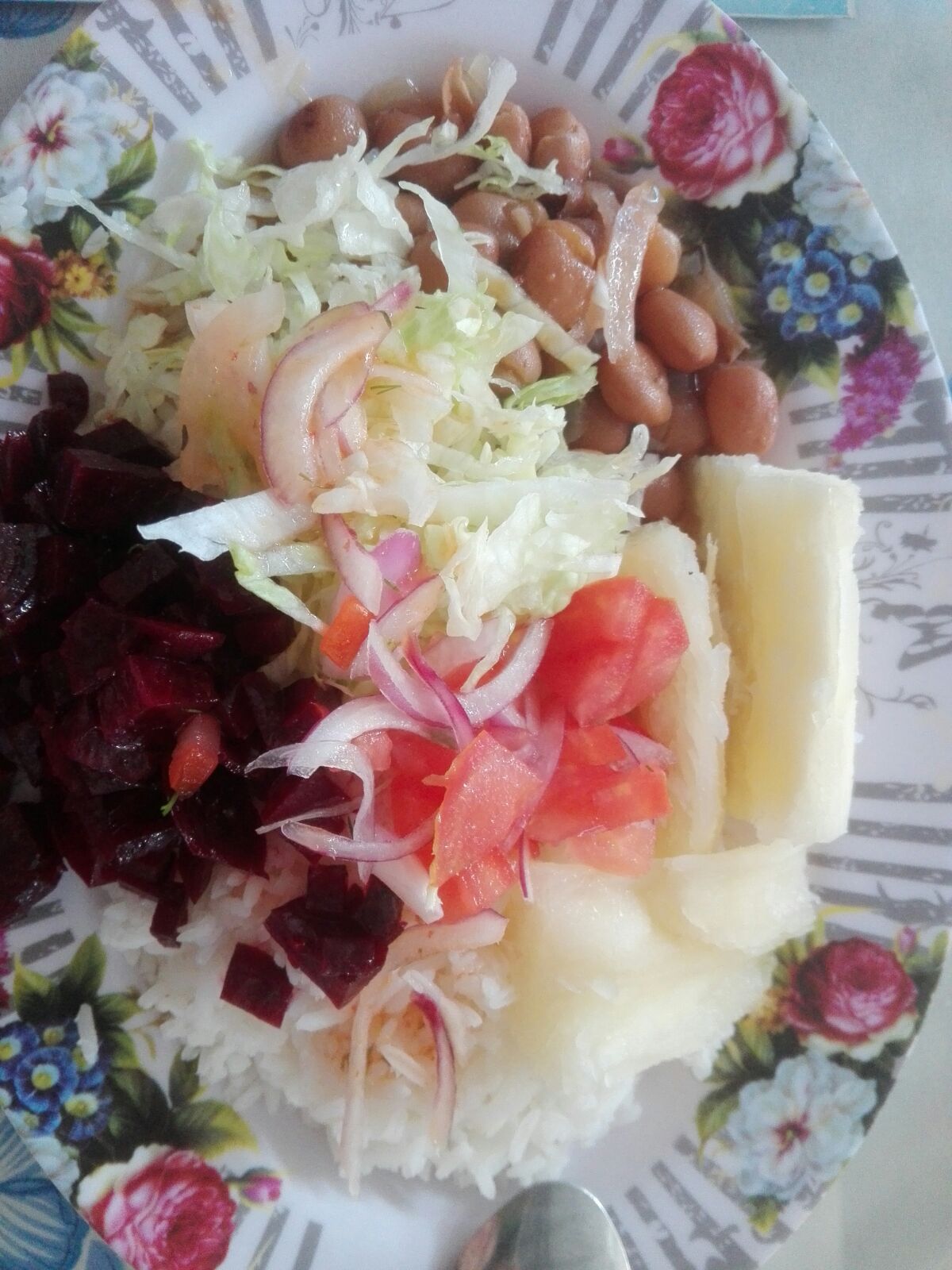
      You’ve probably heard of enchiladas before, but you might be thinking about a rolled tortilla filled with chicken, or beef, topped with melted cheese and sauce, which is more like a Mexican enchilada. These enchiladas -Guatemalan enchiladas- are made by topping a fried or toasted tortilla (called a Tostada) with lettuce, beets, onions, tomato sauce, fresh parsley, an egg slice…and the last touch, a sprinkling of dried Guatemalan cheese (Queso Seco). Parmesan cheese can also work. Sometimes people also add ground beef or chili spice.

      Buen Proveche!

      Ingredients for 25 Enchiladas:

      • 25 tostadas
      • 2-3 lbs fresh lettuce
      • 6-8 red beets
      • 6 boiled eggs
      • 4 dill pickles (optional)
      • 2 sliced onions (optional)
      • 1 large bunch of fresh parsley
      • pepper, salt
      • Queso Seco (dry cheese)
      • Sauce: 3 diced onions 5 diced tomatoes

      Procedure:

      • Some of the steps need to be made a day ahead, once these ingredients are ready you can start assembling the Enchilada.  Those ingredients are the filling, the onion escabeche, vegetable mix and tomato sauce.  The recipe calls for 1 head of garlic, which you will use in the filling recipe, in the vegetable mix recipe and the tomato sauce recipe. Feel free to adjust the garlic amount to your own personal taste.

      Filling:

      • Chop one of the red bell peppers, with half of the green beans, half of the carrots, half of the chayotes, half of the garlic head (or your adjusted amount of garlic), and half of the cabbage. No onions, beets, celery or tomatoes here.
      • Add a bit of oil to a large hot pan, and brown your beef.
      • Season with salt and pepper and add all the chopped vegetables.
      • Let it cook until all the liquid has evaporated.

      Onion “Escabeche”

      • Cut onions into quarters, and then slice and separate the pieces.
      • Mix olive oil, vinegar, salt and pepper to taste.
      • Add onion rings and let them sit for at least 24 hrs in a covered jar.

      Vegetable Mix:

      • Julienne or chop the rest of the vegetables you had left over. You’ll use the remaining carrots, chayotes, garlic (to taste), and cabbage this time you’ll include the beets.
      • Cook them in boiling water, with the 2 bay leaves, except for the beets.  Those are cooked in a separate pot.  Don’t over cook them, it should only take a few minutes.
      • Mix the vegetables, and let them cool.
      • Refrigerate and mix with the onion escabeche.
      • Let this mixture rest for at least half a day.

      Tomato Sauce:

      • Cook the tomatoes, celery stalks and remaining red bell pepper and garlic (to taste).
      • Pure in the blender, return to the pot and season with salt and pepper to taste

      Assembly:

      • Take a tostada, cover with a lettuce leaf.
      • Top the lettuce with the vegetable and escabeche mix.
      • Top this with the beef filling.
      • Next, top with tomato sauce.
      • Decorate with a few sliced hard boiled egg, sprinkle with dried cheese, and chopped cilantro.

      Ready In: 0 min.

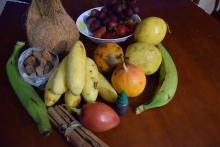
      Ecuadorian Fruits :D

      Ecuadorian Fruits :D

      Image

      Hola Amigos!

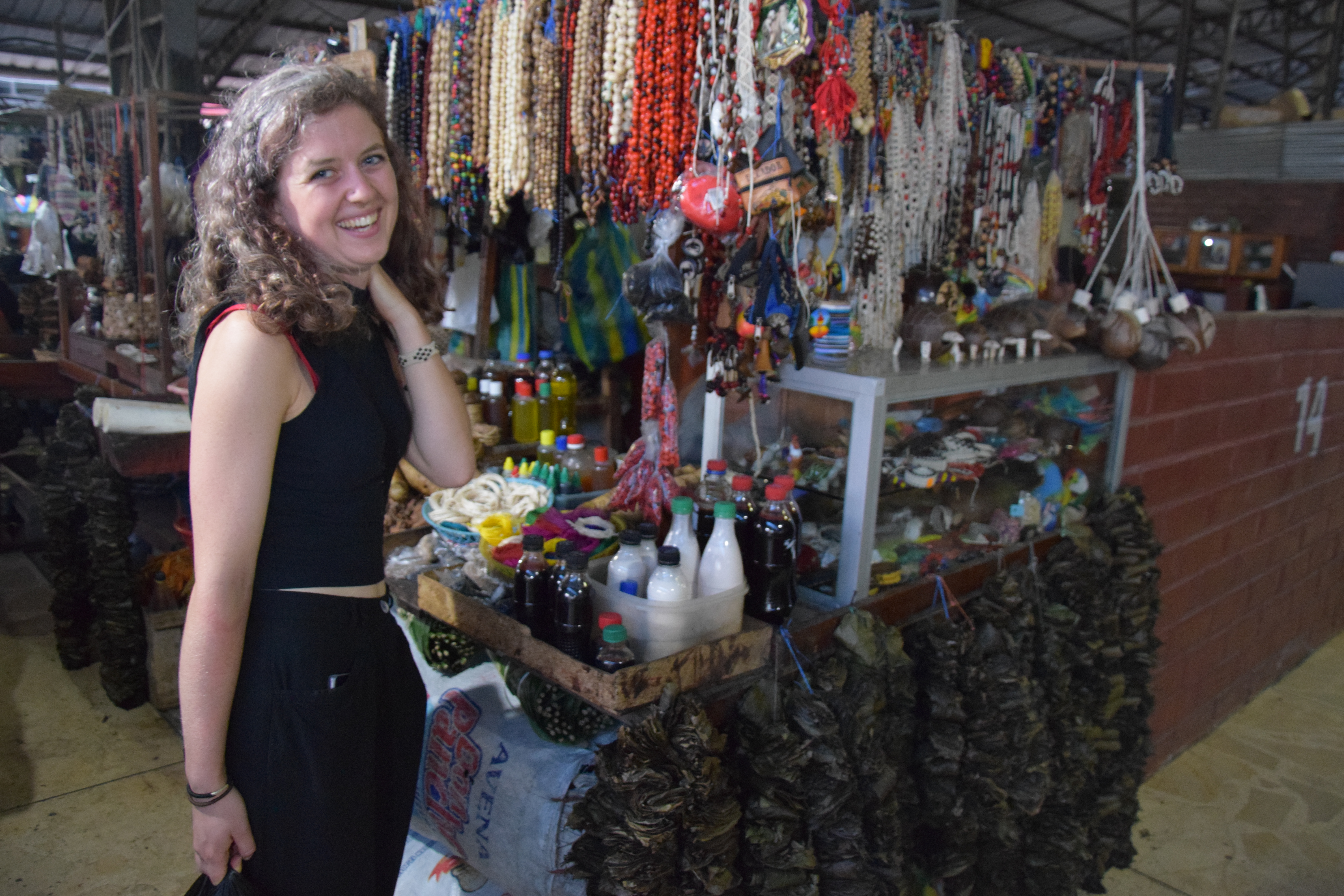
      Fruits are one of the main parts of a healthy diet, but also just simply DELICIOUS. Well, if you want a good choice of fruits, head out to South-America. It's FRUIT HEAVEN! The fruits here are sweet, fresh, without travel pollution and cheap, what else do you want? Well, today for you, my fruit amigos, I will describe some typical fruits which you can find in Ecuador and other parts of South America. I will not talk about the easily recognisable ones like pineapple, mango, grapes etc, but about the ones I was super curious about. Fortunatelly, there are so many that I can't even describe all of them so you'll still have to go on an adventure yourself. Hopefully, however, this blog can help you to get through an Ecuadorian market a little bit easier than I did, if you happen to be at one sometime.

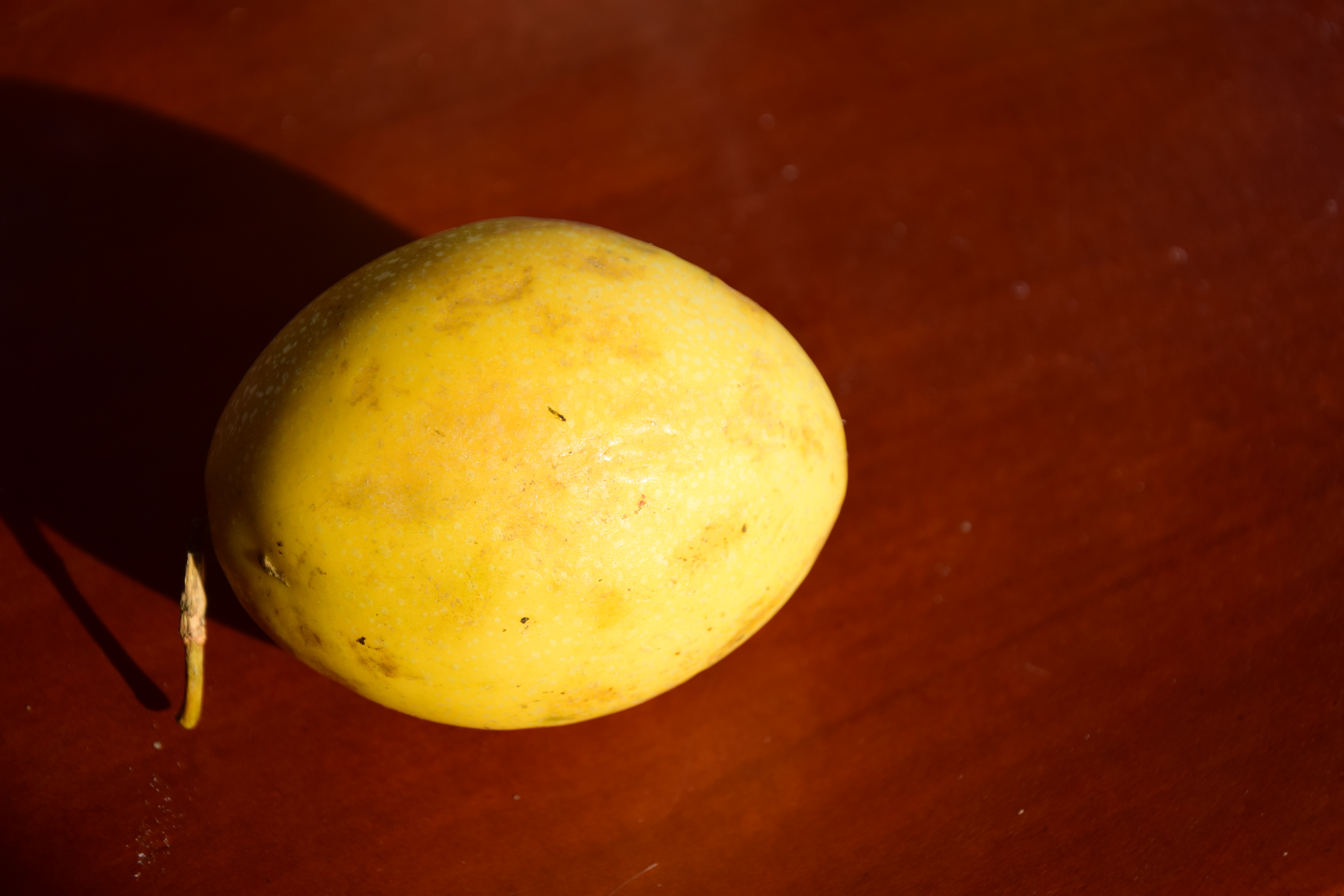
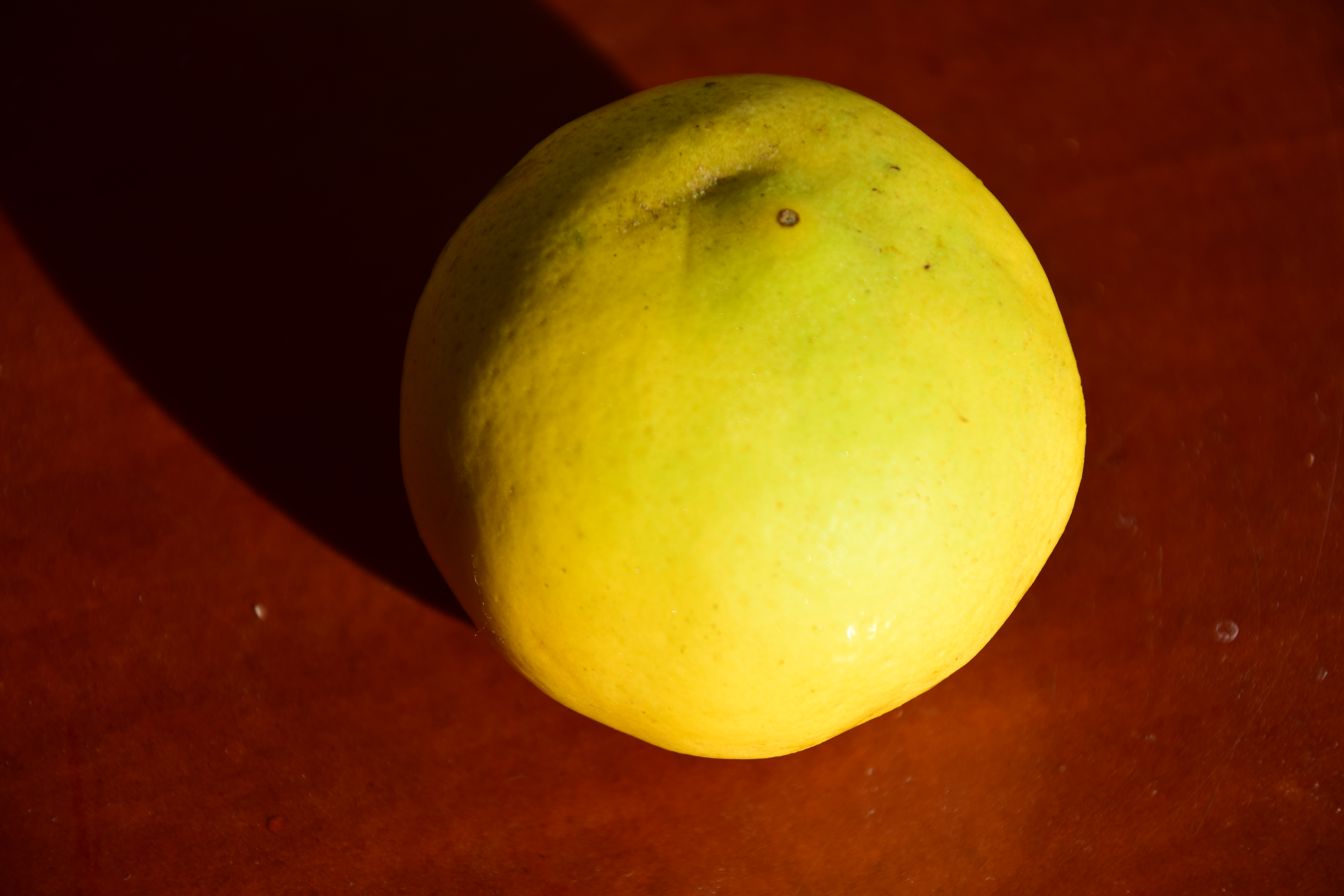
      Maracuya (E: Passion fruit)


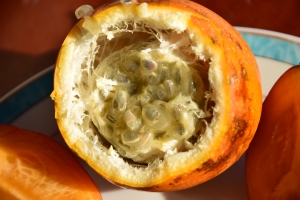
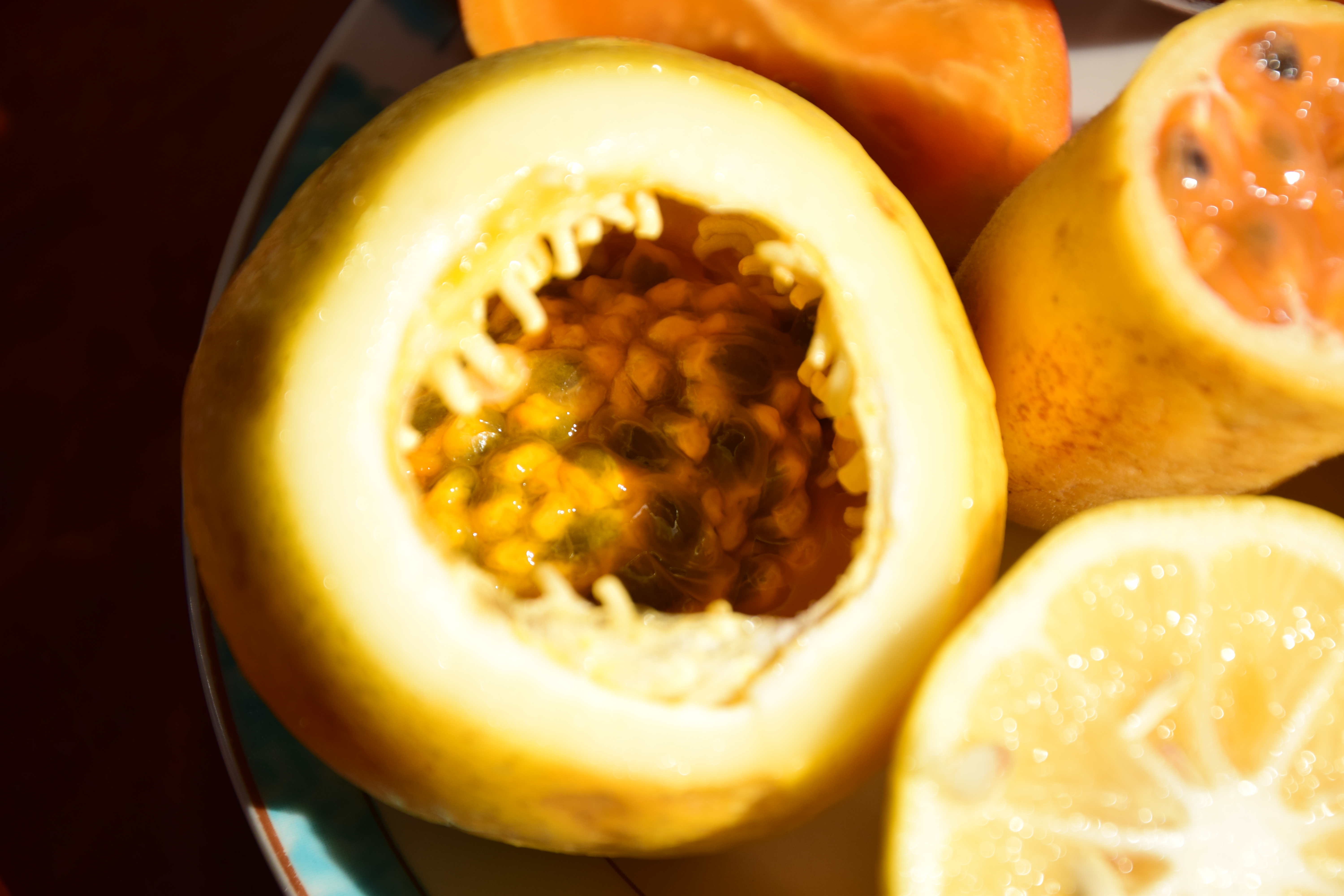
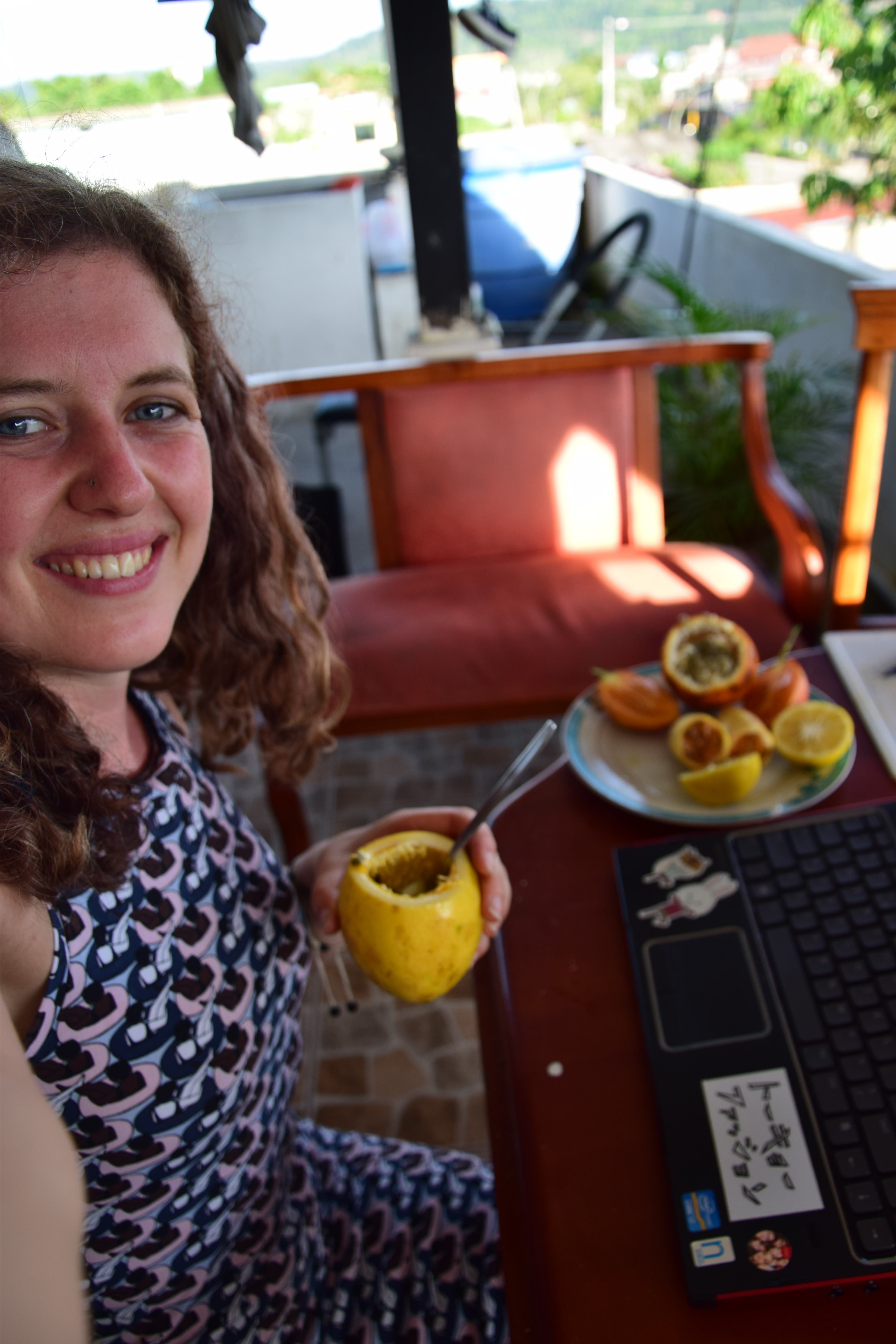
      YES! Let’s start with my ultimate favorite; the maracuya. Even though it looks totally different from the purple small passion fruits we get in Europe, it tastes somewhat the same and is a lot bigger (so better! ;)). This one is yellow with sometimes a little bit of green, and feels quite hard on the outside. To find the best ones on the market, I always pick the biggest and heaviest ones! They usually contain the most seeds. To start eating, either cut it through the middle and eat both halves, or take the top side off and use the maracuya as a bowl and just scoop out the inside. Some people prefer to swallow everything without chewing, however, I like the texture of the seeds since it makes it a little bit crunchy so I prefer to chew on it.

      Use: mostly used for juices since it’s a very sour fruit. But if you’re like my sisters and I, you’ll probably prefer to eat it like this!
      Price: 5/6 for 1 dollar

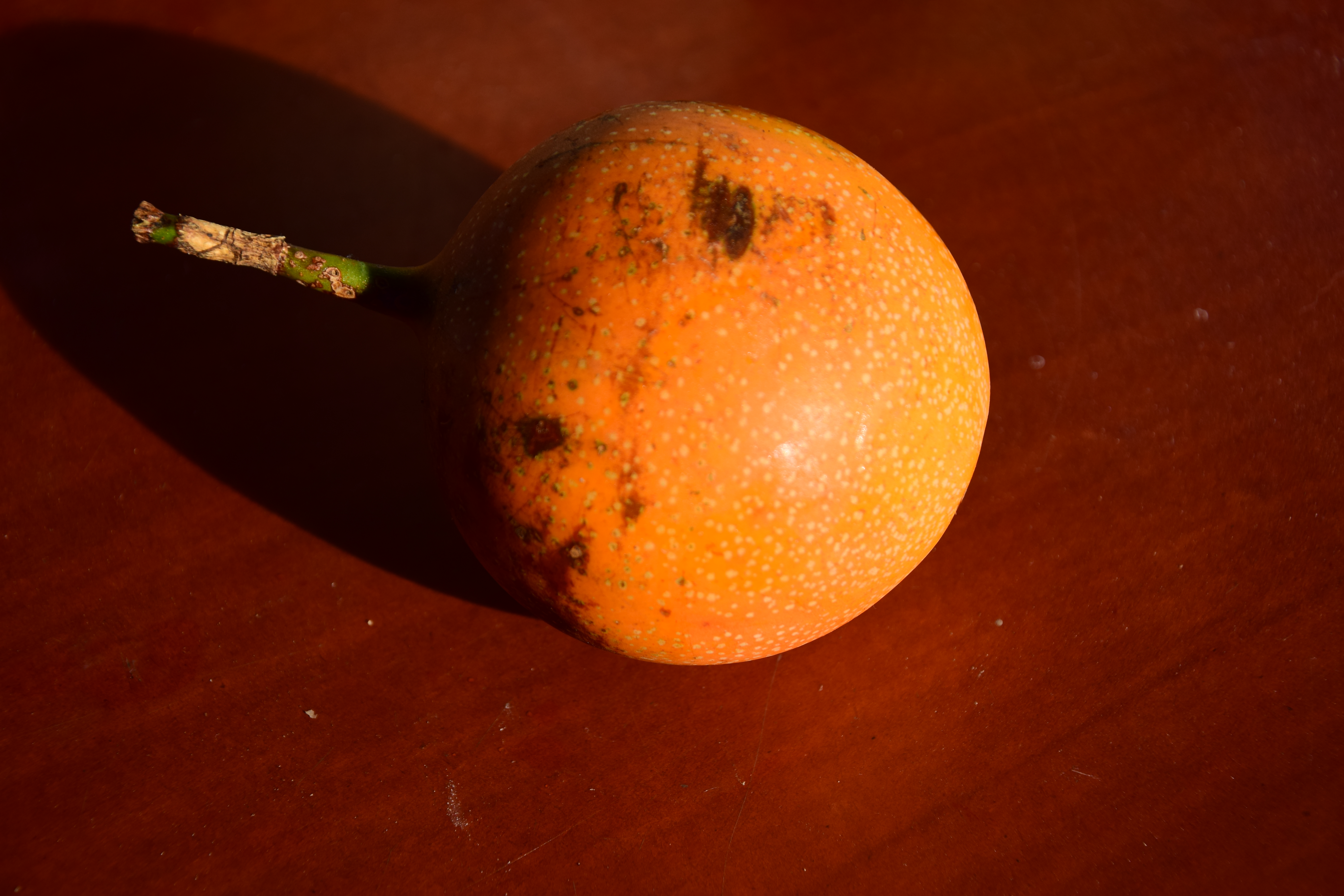
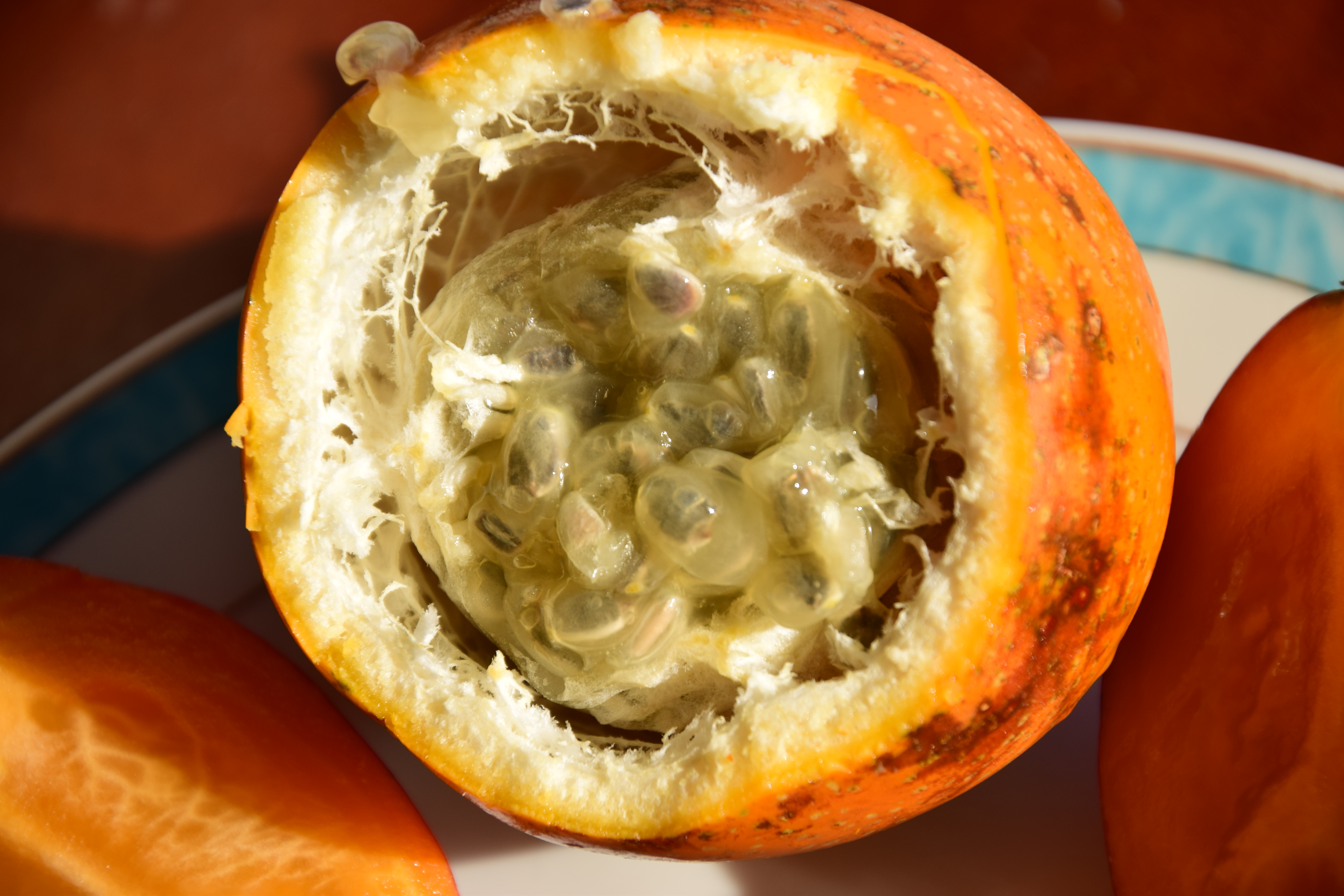
      Granadilla (E: Sweet passion fruit)
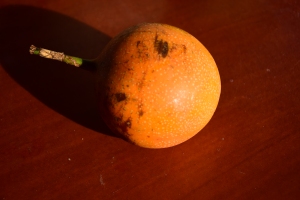
       

      Another passion fruit, yay! It’s an orange fruit with some light brown speckles on it and can be found at most markets. While the maracuya is sour and has a pretty strong flavour, the granadilla is a lot sweeter and the texture is even more like spawn. It might look a bit disgusting at first, but the taste makes up for it. If you like both, but find the granadilla not strong enough (flavour wise) and the maracuya to sour, then do like I do sometimes and mix them together in one of the fruits to get a combination of the two flavours

      Use: I think just for eating, and you can put it in some dishes too.
      Price: 4/5 for 1 dollar

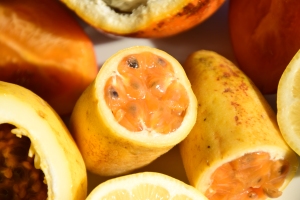
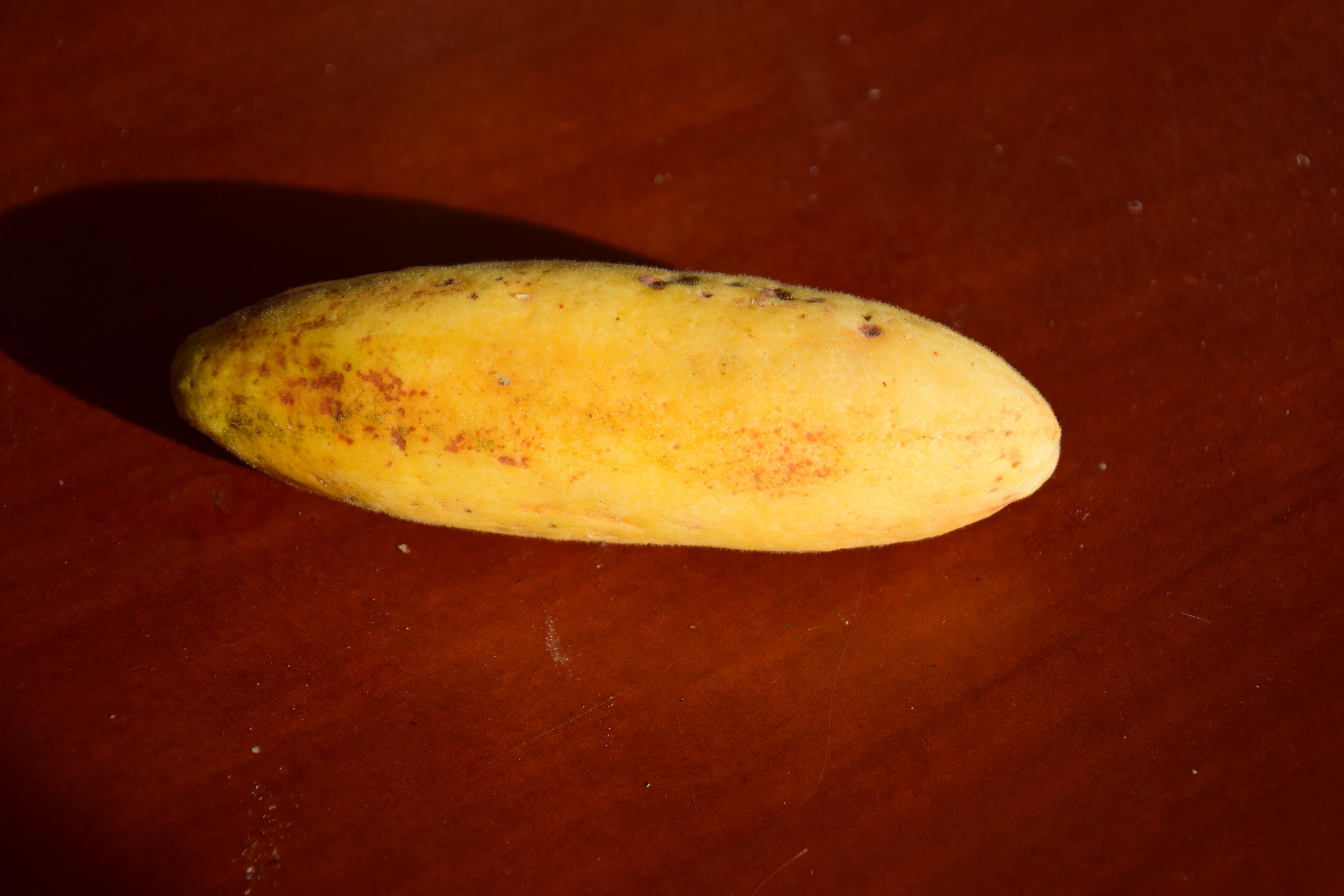
      Taxo (E: Banana passion fruit)
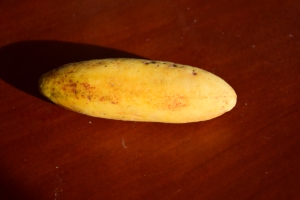
       

      Yes, there is another one for you, passion frutas lovers! Where the name comes from? Well, I think you can take a guess while looking at the picture. The fruits are usually yellow/orang and quite soft when you touch them. Even though I cut it differently in the picture, I think the best way to cut and eat it is longitudinally. The texture is a little bit more tough (and so are the seeds, better just swallow them) than that of the maracuya and granadilla, and therefore it’s also a little bit more difficult to eat, but the flavour resembles that of the maracuya the most. Again it’s quite sour and it has a tangy taste.

      Use: it can be eaten raw (although that is rarely done), but it is mostly used for juices and ice-cream
      Price: 5/6 for 1 dollar

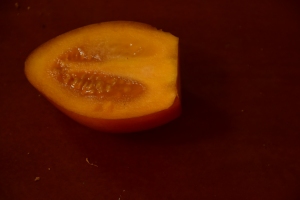
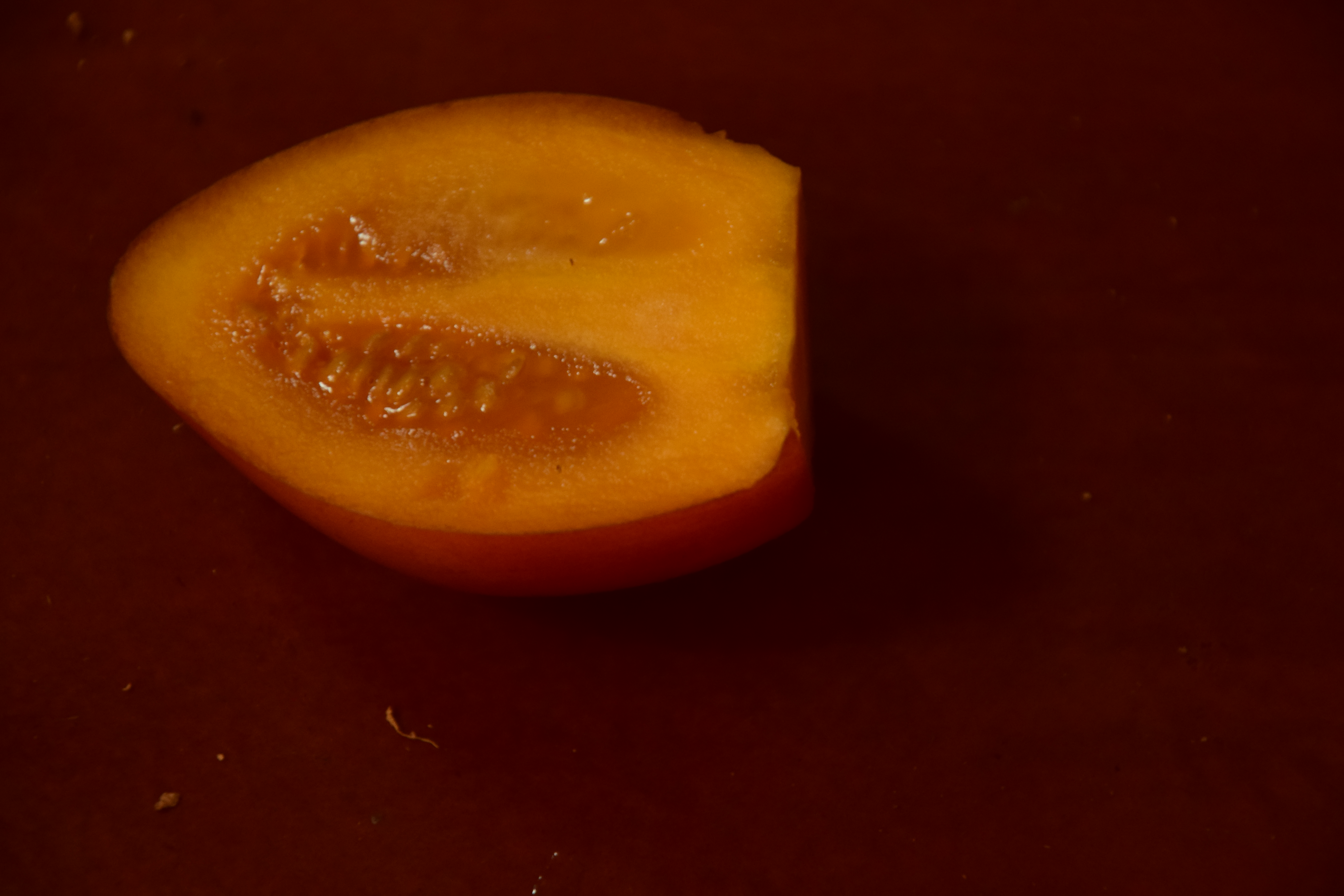
      Tomate de árbol (E: Tree tomato)


      Tree tomato is a strange fruit of which I haven’t really figured out how to eat it yet, except for just drinking it as a juice with a lot of sugar. It’s a kind of red-orange fruit that is more oval-shaped than a tomato, but when you open it, you do realize why they call it tomato anyway. When you eat it fresh, the fruit tastes very sour and kind of like a mix between tomato and papaya. I wouldn’t recommend doing this. However, the fruit can be used for juices and desert when boiled and mixed with sugar. In that way it still is a flavour I’m not used to, but it tastes quite good.

      Use: Juices/desserts/sauces
      Price: 6-8 for 1 dollar

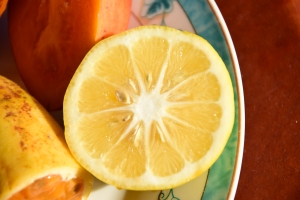
      Lemons/limes/oranges
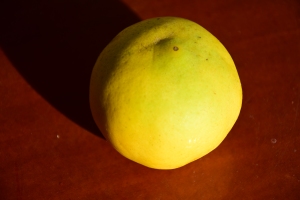
       

      I still haven’t been able to figure out which one is which. While the oranges are quite clear and have a bit of a dirty orange-green look, there are also other oranges that again look different. The same in terms of lemons and limes. There are so many that I can’t even start describing them all. I recommend you just buy and try some to find out for yourself!

      It’s BANANAs!

      There are several types of bananas in Ecuador (what else would you expect in a tropical country) of which I will describe the most common ones:

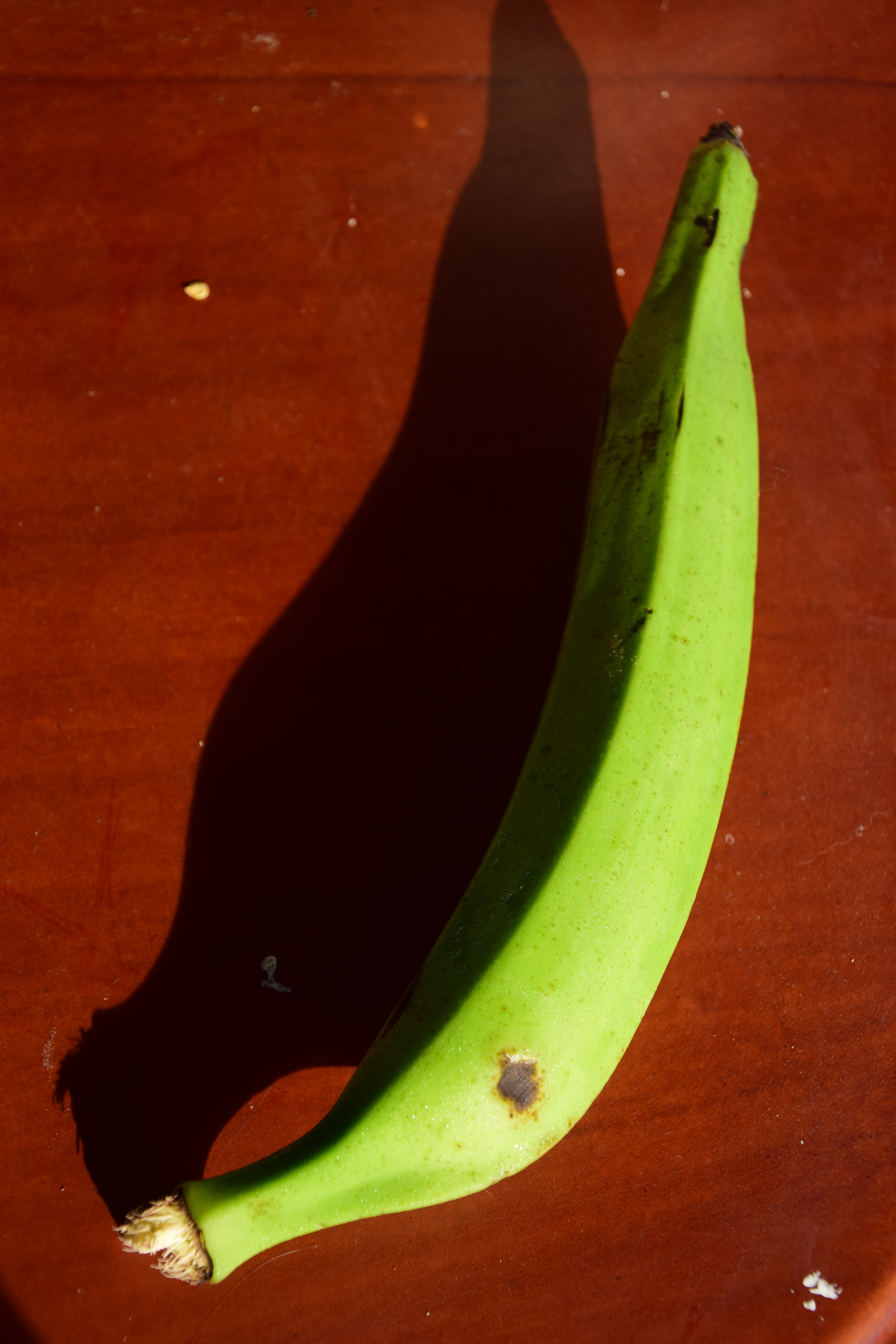
      Platana Verde (E: Green plantain)

      This banana is HUGE and NOT to eat raw. It’s an unripe green plantain with no flavour but it has a great texture for cooking. They go crazy for it here and you can find it everywhere. You can try to prepare it yourself by cooking and baking it, or by making patacones (one of the favorite dishes here), but I recommend you to just go out on the streets and get some ready made, because it’s a lot easier.

      Use: Many dishes, but not raw
      Price: 8 for 1 dollar

      Platano Maduro (E: Ripe plantain)

      The ripe version of platana verde. Again it’s huge, but this time it has a yellow colour due to the ripening process. Now it’s a lot sweeter, but still not very good to eat raw. They are eaten grilled, from the oven, with cheese, fried and they taste very good. While this one is a bit easier to prepare yourself, I would still recommend to buy it on the streets (you can see people selling them outside from the grill while you walk on the streets), since they know how to prepare it the best.

      Use: many dishes but again not raw
      Price: 8 for 1 dollar

      Orito (E: Baby banana)

      Orito is a tiny banana (about 1/3rd of a normal one) and contains just as much, if not more, flavour but more concentrated. It’s full of sugar and delicious to eat and the best of all, they are super super cheap. I use them to cook banana bread, or I eat them raw. They contain a lot of sugar though so don’t eat too many or you’ll start bouncing all over the streets.

      Use: raw! and I use it for banana bread
      Price: depends, but usually a bunch (about 15-20) for 1 dollar

      Platano Rosado (E: Red banana)

      Platano rosado is a banana with a red/purple-ish skin. It's full of antioxidants, beta-carotene and vitamin C and therefore very healthy. Additionally, many more health benefits are attributed to it, although I always remain a bit sceptical. What I know for sure though, is that these bananas are so sweet and delicious. I have eaten the big ones (I heard there are also small ones) and even though it was a bit too much for me at one, since I'm not very fond of bananas, it was soooooo good. So I would really recommend you to eat one if you find them :) 

      Use: raw, just peal it like a normal banana
      Price: Around 5-10 for one dollar

      Mora (E: blackberries)

      Blackberries in Ecuador are very different from the ones I’m used to in the Netherlands. The ones here are more sour and not very juicy, but they still taste good. They look basically the same, but are a little bit bigger and generally quite ‘expensive’ compared to other fruits.

      Use: juices, ice-cream
      Price: 2 dollars a pound


      Next to these frutas, there are of course many others like mango, pineapple (piña), strawberries (fresas), apples (manzana), watermelons (sandia), grapes (uvas), coconut (coco), guanabana, dragon fruit (pitahaya), prickly pear (tuna), papaya and so on. Maybe I'll describe some of the smaller fruits (tamarindo, some kind of small mango and another thing) which are eaten raw as snacks on the street in one of my next blogs or vlogs so if you want to know about that, make sure to follow me!

      I hope this blog helped you to get an idea of Ecuadorian fruits! At least I got to eat all of them while writing this haha. Have fun trying them out too if you get the opportunity!

      Chao! Hannah

      - this is a blog adjusted from my personal website https://hannahchanstravels.wordpress.com/2017/09/25/ecuadorian-fruits/ - 

      Recipe: Guacamole

      Recipe: Guacamole

      Image

      Guacamole: easy, quick, delicous, healthy and vegan! Who doesn't love it? You can dip your nachos in it, spread it on toast or put it as a topping on your rice bowl!

      Here's how I make mine:

      Ingrediënts

      • 2 Ripe avocados
      • Jalapenos or chili peper to preference of heat (I prefer fresh, but you could use chili powder)
      • Half a (red) onion or a small shallot
      • 2 Garlic cloves (or less, or more)
      • Koriander
      • 1 Lime
      • Salt and black peper
      • Ground cumin

      Unlike many others, I prefer my guacamole without tomatoes because I feel it can make it to thin/watery sometimes.

      1. Slide open your avocados, take out the pit and put the flesh in a medium size bowl.
      2. Smash the avocados with a fork until desired consistency (I like mine chunky and not too smooth)
      3. Chop half the onion or the small shallot and the garlic in very fine pieces.
      4. Add the onion and garlic together with a pinch of salt and black peper, a pinch of ground cumin, a tablespoon of chopped koriander leaves, and the juice of half a lime.
      5. Mix well
      6. Add the jalapenos or chili peper to preference of heat
      7. Taste to see if you need more of anything: Salt? Lime? or a bit more heat?

      That's it! And so easy.

      Let me know when you try it! What is your guacamole recipe?


      Ready In: 7 min.

      Recipe: Peruvian Lomo Saltado

      Recipe: Peruvian Lomo Saltado

      Image

      The first peruvian recipe that I learned how to make is 'Lomo Saltado'. This signature dish consists of meat, rice, fresh patatoe fries and various herbs and spices that are characteristic for the popular Peruvian kitchen. Try it out and discover the rich flavours for yourself!

      Ingredients for 4 persons

      • 500 gr of veal
      • 1 (red) onion
      • 1 green pepper
      • 1 tomato
      • 1 spring onion
      • 1 yellow aji (online or in specialised stores), or a fresh chilli
      • 2 cups of rice
      • 500 gr firm boiling patatoes
      • vegetable oil
      • soy sauce
      • 3 teaspoon of applecider vinegar
      • cilantro
      • garlic

      Instructions

      Preheat the oven at 200 degrees. Clean the patatoes and cut them lengthwise. cover them with a little oil, salt and pepper and bake them in 20 minutes. Boil the rice. Then cut the pepper, onion, chilli (without the seeds), the tomatoe and the garlic in small pieces. Cut the meat into strips, let it marinate for a little while in the soy sauce, vinagre, garlic, chilli and half of the cilantro. After that, bake the marinated meat for a short period on high fire. Add all the vegetables except for the tomatoe and bake for a little more. Finally, add the tomatoe and bake for a few more minutes. Serve together with the rice, fries and top with the cilantro. Buen provecho!

      Ready In: 30 min.

      Recipe: Quick and Easy - Ceviche

      Recipe: Quick and Easy - Ceviche

      Image

      Ingredients for 4 people :

      -700g of White fish (eg. Seabass)

      -8 limes

      -1 onion

      -2 table spoons of evaporated milk

      -3-5 table spoons of fish stock (optional but highly recomended)

      -Parsley

      - you might put chillis if you want to spice things up


      Recipe:

      1- cut the onion in juliennes (thin stripes)

      2- cut the parsley in really small pieces and the chili in circles (remove the seeds so its not too spicy)

      3- make sure the fish does not have any bones and remove the skin, then cut it in bite size cubes

      4- put the fish in a bowl, add salt and pepper to taste and the juice of all the limes. then mix it all

      5- add the parsley, the chilli, the evaporated milk and the fish stock (optional) to the fish and mix

      6- let it rest in the fridge for at least 10 minutes before serving

      7- put the fish on a plate, then mix the onions with the juice that is left on the bowl and put them on top of the fish

      Tip: for a truly peruvian style ceviche, you can put some tosted corn around the fish.


      Ready In: 15 min.

      Ingredients:

      • 700g of white fish (eg. seabass)
      • 1 Onion
      • 8-10 Limes
      • Chilli (optional)
      • Parsley
      • 2 table spoons of evaporated milk
      • 3-5 table spoons of fish stock (optional but highly recomended)
      • salt and pepper to taste
      Travelling in Ecuador as a Vegan

      Travelling in Ecuador as a Vegan

      Image

      As a vegan who loves travelling, you've probably heard that it's impossible to do it if you want to stay healthy. Well, I'm here to change that view and give you some tips for travelling as a vegan in Ecuador.

      When I went to Ecuador, I was doubtful about whether I would manage to stay vegan. I had been vegan for a year, and while it was rather easy in the Netherlands, I always thought that I would never be able to keep being vegan while abroad. Nevertheless, I did it with the help of some tips/tricks. 

      1. Cook yourself
      The easiest and best way (if you can use a kitchen) is cooking yourself. There are so many delicious recipes that contain some meat, but it's easy to substitute this meat for beans. Check out the arepas recipe on my page for example. Arepas are totally vegan, and if you combine them with vegetables and beans, very nutritious as well. The plantain recipe is also a very easy recipe for vegans which can be combined with all kinds of things. Basically, you can cook anything you were used to cooking at home as well, just check the ingredients. 

      2. Eating out? Ask for something specific. 
      This might sound strange, but it works better than asking "do you have something vegan?" or "can I have this without meat?". These questions often lead to misunderstandings, or even more questions. If you ask for rice with salad, or rice with beans or rice with beans and avocado, you will get it. Of course, in bigger or more international restaurants you might get away with asking for a dish without meat, but if you're at a bus station, or a smaller town or just local restaurants, ask for a specific thing. 

      3. Look for vegan restaurants
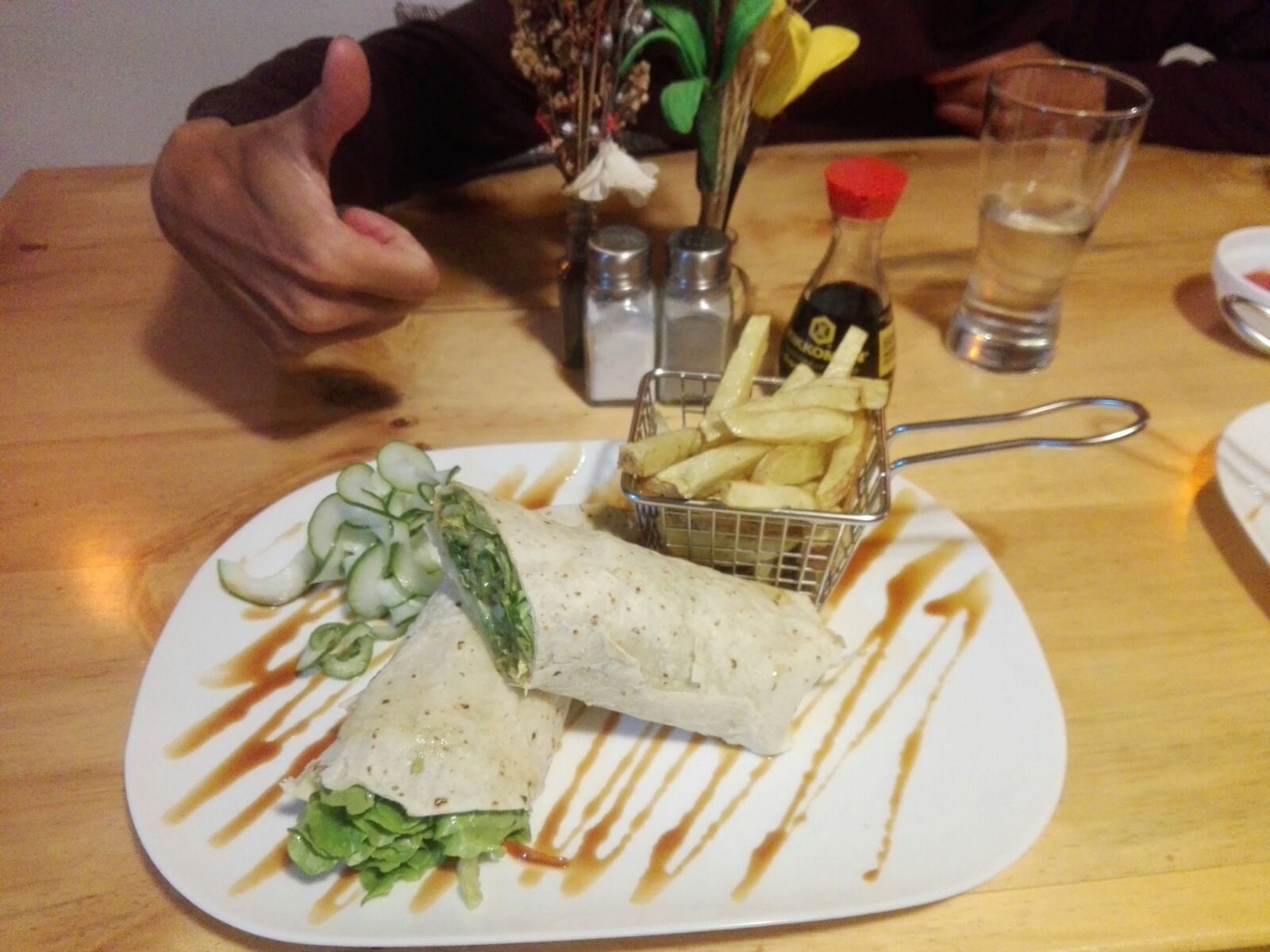
      Nowadays many places have some vegan restaurants, or restaurants with vegan options. Especially in the bigger and more touristic places in Ecuador (Cuenca, Quito, Otavalo, Banos, at the coast) you might have a chance of finding vegan things. For a start, in Tena, where I stayed for 3 months, is a great vegan restaurant next to Cafe Tortuga (which also has some vegan options). It is owned by a wonderful cheff and she makes just great dishes! In Baños there is a restaurant called Healthy Food which you can't find on Google Maps, but it is near Ponche Suizo and they have many vegetarian and Vegan options. Also in Baños is Zumo, a great restaurant at which they offer all kinds of dishes, also vegan, and if you ask they might even be able to make some adjustments to the non vegan dishes. But since Ecuador is a popular travel destination, you can find many options nowadays at more international restaurants. 


      Food at Zumo                                                                                   Vegan Streetfood

      Hopefully, this can encourage you and aid you in your vegan travels! Also in the rest of South America! Let me know if you have any more recommendations :)

      Cheers, 
      Hannah


      Image ALL CONTENT

      Search all related content within the topic: 'Caribbean'

      ALL CONTENT WITHIN TOPIC

      Select any filter and click on Apply to see results

      Check or search within: topics, countries and studies only

      Search only via club, country, goal, study, topic or sector

      Image

      TOPICS : check associated topics and more activities

      Selected Worldsupporter pages in relation with the topic
      Themes: main theme pages for activities abroad (intern, study, travel, volunteer, work or emigrate)

      WorldSupporter Theme pages for activities abroad

      Intern, study, travel, volunteer, work or emigrate

      Activities Abroad - Theme
      Best travel time for weather, climate and activities abroad, and the worst time to go!
      Backpacking and travel your way around the world - Theme
      Emigration and moving abroad - Theme
      Gap Year, Time out and Sabbatical - Theme
      Internship Abroad - Theme
      Learning languages and language courses abroad - Theme
      Remote working abroad and digital nomads - Theme
      Study Abroad - Theme
      Teaching Abroad and Working in Education - Theme
      Travel insurances and insurances for long term abroad - Theme
      Travel gear and packing lists for going abroad - Worldsupporter Theme
      Volunteer abroad - Theme
      Work abroad and working holidays - Theme
      Stay safe and insured
      Go abroad!