Travel to Uganda to backpack, study, intern, volunteer, work, or live as a digital nomad, expat or emigrant?

Image

Image

Image  Uganda

Intro

Backpacking or traveling in Uganda?

  • Uganda, the “Pearl of Africa,” is known for its beautiful landscapes, such as the impressive Rwenzori Mountains, Lake Victoria, and national parks populated by rare species of animals. The country has much to offer for adventure travelers, nature lovers, and those who want to experience its warm culture, and you will also find relatively few other travelers.
  • Activities to spot: gorilla trekking in Bwindi Impenetrable Forest; chimpanzee spotting in Kibale National Park; safari in Queen Elizabeth National Park; rafting on the Nile; hiking in the Rwenzori Mountains; admire the Murchison Falls; swim in Lake Victoria; birdwatching in Mabamba Swamp; explore the markets, historic buildings, and vibrant culture of Kampala.
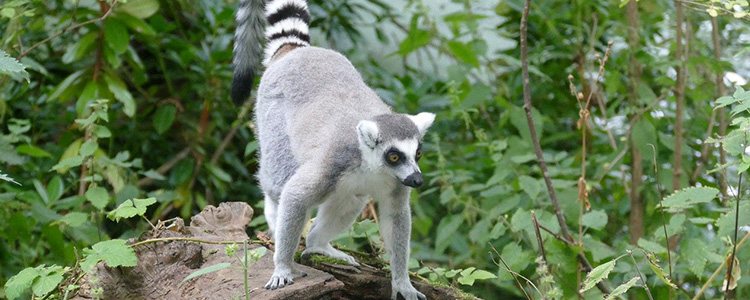
  • Animal spotting: mountain gorillas, chimpanzees, tree-climbing lions, elephants, hippos, crocodiles, rare shoebills, rock hyrax, zebras, cranes etc.
  • Food spotting: matoke, luwombo, rolex (yes really, but not the clock), tilapia, mandazi, muchomo, groundnut sauce.

Studying in Uganda?

  • Uganda has a number of universities where you can follow interesting studies while enjoying the most beautiful landscapes in the world. Think of studies in the field of tropical health care, business and management, agriculture, environmental sciences and nature conservation, tourism and development aid. It is a country where you can also gain a lot of hands-on experience.
  • Study cities: most options can be found in Kampala.
  • Language: English.

Internships in Uganda?

  • There are many opportunities to do internships in sectors such as health, education, sustainable development and ecotourism. Internships can range from field research to supporting local NGOs, particularly in areas such as conservation, healthcare, and education.
  • Competencies: international cooperation, research, intercultural communication, and professional skills in the chosen field.

Volunteering in Uganda?

  • Volunteering in Uganda often focuses on education, healthcare, and community development. For example, you can teach in schools, help in local hospitals, or work on nature projects such as protecting chimpanzees and gorillas. Many volunteer organizations offer cultural exchange opportunities, which adds an extra dimension to your stay.

Working in Uganda?

  • In Uganda, most foreign jobs are in NGOs, development aid, education, and tourism. The jobs are often project-oriented and focused on areas such as healthcare, agriculture, and sustainable tourism.
  • Work culture: The work culture in Uganda is informal, with a focus on relationships and cooperation. English is the business language, but knowledge of local languages ​​can be useful. Punctuality is less strict, and there is often an emphasis on group decision-making.

Working as a digital nomad in Uganda?

  • Kampala is a growing destination for digital nomads, with an increasing number of coworking spaces and reasonably stable internet access. However, outside of the major cities, internet is limited and less reliable.
  • Favorite locations: Kampala, Jinja.

Living in Uganda?

  • Living in Uganda is living in one of the most beautiful countries in the world, and also with a stable and growing economy. You can enjoy nature, culture and still have urban amenities nearby if you live in Kampala or Entebbe.
  • Why or why not? Uganda offers an unparalleled nature experience, friendly people and a culturally rich lifestyle. The cost of living is relatively low (depending on where you live), and you have plenty of opportunities to make an impact in community projects and conservation, but healthcare and infrastructure can be limited and the work rhythm may be different than you are used to. It is important to be prepared for the tropical climate and the challenges of living in a developing country.
  • Education: Kampala has a number of international schools that offer education at the level of the British and American systems. The school system itself is largely English-language.
  • Expat community: There is a fairly large expat community, particularly in Kampala, where many people work for NGOs or embassies. There are many social events, clubs and activities for expats.
  • Safety: Uganda is generally safe for expats, although there can be unrest in certain areas. For those living in larger cities, safety is often comparable to that in many African countries, with the usual precautions in place.
  • Culture: Uganda is multicultural, with diverse ethnic groups and a strong musical tradition. Expats are often warmly welcomed and can participate in local festivals and markets, providing a rich cultural experience.
  • Climate: A tropical climate with two rainy seasons (March-May and September-November). It is relatively cool in the higher areas and in the region around Lake Victoria. Temperatures are usually mild, making the country comfortable for most of the year.
  • Health insurance: Healthcare is relatively good in the big cities, but some expats still choose to have treatment abroad (e.g. Nairobi). So make sure you have your own good health insurance.
Uganda Country Bundle: suggestions, stories and tips

Uganda Country Bundle: suggestions, stories and tips

Image

Content about Uganda on WorldSupporter

Uganda: Updates & Travel

Uganda: Updates & Travel

Travel in Uganda

  • Uganda is a beautiful country full of wildlife parks where you can see elephants, giraffes, buffalos and hippos. You can also take a boat trip on the large Lake Victoria or go whitewater kayaking on the source of the Nile. Mass tourism has not yet hit Uganda, which makes Uganda a real favorite among travelers looking for untouched nature and culture.
  • National parks: Wherever you are in the country, there are many national parks where you can see various wild animals, including many elephants. You can even go on a hike to see the mountain gorillas.
  • Markets: In every city or large village there is a market where you can buy all kinds of things. From beautiful colored fabrics to food and unique handmade souvenirs.
  • Rafting or kayaking on the Nile: The source of the Nile is in Uganda and here you can go whitewater rafting or kayaking (with emphasis on 'wild').
  • Kampala: You can't miss Kampala, a medium-sized city with a vibrant nightlife. There are many Western aid organizations present, which gives the city a high expat content. As a result, there are many diverse restaurants from Thai to French cuisine, but this does not mean that the Ugandan population is not present here and that all clubs and eateries only house non-Ugandan people. On the contrary!
  • One of the hotspots is lake Victoria: This gigantic freshwater lake is the largest lake on the entire African continent and is located in Uganda, Kenya and Tanzania. It is not only beautiful to see during daylight or sunrise and sunset, but you can also swim, kayak, take a boat trip, spot birds and much more.
  • Be prepared to face the organized chaotic traffic.

Updates Uganda

  • More about Uganda, updates and contributions, see the link below.
How does healthcare work in Uganda, and what travel insurance, health insurance or expat insurance do you need?

How does healthcare work in Uganda, and what travel insurance, health insurance or expat insurance do you need?

How does the healthcare system work in Uganda? 

What is the quality of healthcare in Uganda? 

  • Uganda once had one of the least developed healthcare systems in the world, but since the 1990s it has made great progress. It’s now much better, though still far from what most Westerners are used to.
  • Several types of healthcare providers coexist in Uganda — public hospitals, private clinics, NGOs, and traditional healers.
  • In 1999, the Ugandan government introduced the National Minimum Health Care Package (UNMHCP), which helped make essential healthcare more accessible to the population.
  • Foreigners can use healthcare facilities too, expect mainly basic services.
  • Challenges remain — especially in rural areas, where roads are poor, facilities are limited, and trained staff are scarce.
  • Pharmacies are mostly found in cities and usually have a decent supply of medicines, though shortages of essential drugs can happen.
  • Some medications are only available in hospitals, so check there if the local pharmacy is out.
  • Traditional healers, herbal medicine, and local remedies are widely used, especially in rural areas or as a first step before going to a modern clinic.
  • Ambulance services exist mainly in larger towns, but coverage, speed, and reliability vary widely. The emergency number is 911, though in practice, help may not arrive very quickly.

How does the public healthcare system work in Uganda? 

  • Public healthcare is meant to provide an easy first step for locals to access medical care.
  • Local health centers deliver primary care such as vaccinations, common treatments, and basic maternal and child health services.
  • There are regional and national referral hospitals offering more advanced and specialized care — Mulago National Referral Hospital being the best-known example.
  • Most care of acceptable quality is found in the big cities.
  • That said, quality in public hospitals can vary dramatically. Some urban hospitals have fairly modern equipment, while others struggle with shortages of supplies, power, or even running water.

How does the private healthcare system work in Uganda? 

  • The private sector plays an important supplementary role. Clinics are reasonably spread across cities and rural areas, ensuring moderate access for many people.
  • Because Uganda hosts many expats and diplomats, there’s a market for high-quality private and specialized healthcare, especially in Kampala and other large towns.
  • Well-known private hospitals include Nakasero Hospital, International Hospital Kampala, and C-Care.
  • Private care generally offers better facilities, shorter waiting times, more comfort, and specialized services.
  • English is widely spoken in private hospitals, that makes communication easier.
  • However, costs for private healthcare are significantly higher and payment is usually required upfront.
  • Expats and wealthier locals typically use private healthcare facilities — or travel abroad for treatment — while private care remains out of reach for most Ugandans.

How is the general practitioner arranged in Uganda? 

  • Uganda doesn’t really have a GP system.
  • Usually, whoever is present at the local health center, or the traditional healer, acts as the “family doctor.”
  • In cities, private doctors operate in clinics, where you can go for regular checkups or minor issues.

How is the dentist arranged in Uganda? 

  • For dental care, cities are your best bet — especially Kampala, where there are several decent private dental clinics.
  • Specialist dental care (like orthodontics or implants) can be expensive, but is still often cheaper than in Western countries.

How is pregnancy care arranged in Uganda? 

  • Prenatal care is available in many regions, and government programs encourage giving birth under medical supervision.
  • Many births take place in healthcare facilities, particularly in cities.
  • However, in some rural areas, women still give birth at home or with traditional birth attendants.
  • The quality of maternity care varies: some hospitals are well-equipped, others much less so — and complications can be risky in poorly supplied rural facilities.
  • The best and most comprehensive maternity care is found in private hospitals in Kampala, Bugolobi, Bukoto, and Makindye. It’s not cheap, but you’ll be in good hands.

How safe or unsafe is a trip or stay in Uganda? 

What should you pay attention to in terms of safety in Uganda? 

  • Overall, Uganda is a fairly stable destination, especially compared to some of its neighboring countries.
  • However, certain regions can be unsafe, particularly border areas or zones affected by local conflicts. Check the latest safety instructions.
  • Petty crime such as pickpocketing and bag snatching occurs in crowded markets, taxi stations, and tourist areas.
  • Keep an eye on your belongings, and avoid showing valuables.

What should you look out for in terms of diseases in Uganda? 

  • Malaria is widespread, so mosquito repellent is not optional.
  • Other infectious diseases such as HIV/AIDS and tuberculosis remain serious public health issues.
  • Avoid drinking tap water, and be careful with street food or raw produce.

What should you pay attention to when it comes to traffic in Uganda? 

  • Roads in the cities are usually paved and in decent condition, but rural roads are often unpaved and in poor shape.
  • Traffic in Kampala can be chaotic — think congestion, creative driving, and spontaneous honking as a language of its own.
  • Nighttime travel outside urban areas is not recommended due to poor lighting, unmarked obstacles, and safety risks.

What work and travel insurance policies are suitable for short and long stays in Uganda? 

  • Is the trip to Uganda and your return sufficiently covered? Are you sufficiently covered before, during and after your activities? Which insurance best suits your trip and your activity? Read more about insurances for abroad on JoHoinsurances.org.

What emigration and expat insurance can you take out for Uganda if you are going to live there for a while?

  • When applying for your visa, you are usually required to be able to prove that you have valid health insurance.
  • Private medical care is pretty decent in Uganda, but also pretty expensive. A good international health insurance is important to cover the costs of private care and possible medical evacuation/repatriation.
  • Read more about insurances for abroad on Expatinsurances.org.

Image

Why get specific insurance when going abroad: per activity abroad
What is travel insurance, and why take out specific insurance when you go on a trip or vacation?

What is travel insurance, and why take out specific insurance when you go on a trip or vacation?

What is travel insurance to insure your trip or vacation?

  • Travel insurance is insurance that provides coverage for risks during a trip or vacation abroad. This mainly concerns loss of or damage to your luggage, medical assistance in the event of accidents, for example, or repatriation costs if you need to be transported back to your home country urgently. In some cases, travel insurance coverage also applies in your home country.
  • With continuous travel insurance, you are insured for all your trips throughout the year.
  • With temporary travel insurance, you take out insurance for each trip for the duration of the trip.
  • Cancellation insurance reimburses (all or part of) the travel sum, cancellation or accommodation costs if you have to cancel or interrupt your vacation.

Why should you take out travel insurance for a short trip, vacation, or long-distance trip?

  • Travel insurance can provide coverage in the event of an accident or emergency while you are away.
  • Travel insurance can provide coverage for damage and accidents during the adventurous or sporting activities you are going to do.
  • Travel insurance can continue to provide coverage if your Dutch basic health insurance no longer provides coverage, or if the damage is only reimbursed at Dutch cost price.
  • Travel insurance can provide coverage in the event of damage, loss, or theft of your luggage.
  • Travel insurance can provide coverage if you are held liable for damage you cause to other people or their property.
  • Travel insurance can provide coverage if you have to return home early because something has happened to you or your immediate family.

What is important to insure when you are going to travel?

  • That you have insurance that is valid in the countries where you are going to travel and possible work.
  • That you are adequately insured for the sports and activities you are going to participate in during your full period abroad
  • That you are insured for emergency assistance and early return if something happens to you or your immediate family.
  • That your medical expenses are insured up to the actual cost and not just for the standard costs. The costs per medical treatment vary greatly between countries.
  • That you insure your luggage and take sufficient precautions against theft or damage.
  • That you are well insured against personal liability.
  • That you are well insured in case of accidents.
  • That you only insure yourself for legal assistance if there is an immediate reason to do so, unless coverage is already automatically included in the insurance.
  • That you pay close attention to choosing the right coverage when performing work or voluntary work during your world trip.

What insurance do you need for a trip or vacation?


What is round the world travel insurance or long-term travel insurance, and why take out specific insurance when you go abroad?

What is round the world travel insurance or long-term travel insurance, and why take out specific insurance when you go abroad?

What is round the world travel insurance or long-term travel insurance?

  • Round the world travel insurance means that you take out insurance that continues to provide coverage during all your activities abroad, and which is specifically intended for those who travel for long periods of time, such as world travelers, globetrotters, and nomads.

Why should you take out specialized travel insurance for a long trip abroad?

  • Round the world travel insurance provides coverage for a much longer trip than regular travel insurance.
  • World travel insurance is specifically intended for longer trips, whereas regular travel insurance may offer coverage on paper, but in practice handles it differently.
  • World travel insurance is suitable for many types of activities, ranging from high-altitude trekking to more risky sports.
  • World travel insurance continues to provide coverage if you start working during your trip, whether planned or unplanned. If you did not take out insurance before departure that allows you to work, there is no guarantee that you will be able to take out insurance that provides coverage while abroad.
  • Long-term travel insurance continues to provide coverage when your home country's health insurance no longer does.
  • Worldwide travel insurance also covers your medical expenses up to the actual cost, and not just for the standard costs. The costs per medical treatment vary greatly between countries.
  • Worldwide travel insurance can also continue to provide coverage if negative travel advice is issued.

What is important to insure when you are going to travel around the world?

  • That you have insurance that is valid in the countries where you are going to travel and possibly work.
  • That you are adequately insured for the sports and activities you are going to participate in during your full period abroad
  • That you are insured for emergency assistance and early return if something happens to you or your immediate family.
  • That your medical expenses are insured up to the actual cost and not just for the standard costs. The costs per medical treatment vary greatly between countries.
  • That you insure your luggage and take sufficient precautions against theft or damage.
  • That you are well insured against personal liability.
  • That you are well insured in case of accidents.
  • That you only insure yourself for legal assistance if there is an immediate reason to do so, unless coverage is already automatically included in the insurance.
  • That you pay close attention to choosing the right coverage when performing work or voluntary work during your world trip.

What insurance do you need when backpacking abroad?

What is backpack insurance, and why take out specific insurance when you go backpacking abroad?

What is backpack insurance, and why take out specific insurance when you go backpacking abroad?

What is backpacking insurance and travel insurance for backpackers?

  • Backpacking insurance for backpackers means that you take out insurance that continues to provide coverage during all your activities abroad and is specifically intended for those who are traveling for a long time, traveling independently, or making frequent use of local transportation.

Why should you take out travel insurance specifically for backpacking?

  • Travel insurance for backpacking can provide coverage in the event of an accident or emergency while backpacking.
  • Travel insurance for backpacking can provide coverage for damage and accidents during your adventurous or sporting activities.
  • Travel insurance for backpacking can continue to provide coverage if your Dutch basic health insurance no longer provides coverage, or if the damage is only reimbursed at Dutch cost price.
  • Travel insurance for backpacking can provide coverage in the event of damage, loss, or theft of your luggage while backpacking.
  • Travel insurance for backpacking can provide coverage if you are held liable for damage you cause to other people or their property.
  • Travel insurance for backpacking can provide coverage if you have to return home early because something has happened to you or your immediate family while backpacking.

What aspects are important to insure when backpacking abroad?

  • The duration of your trip: so that you are also covered during a very long backpacking trip, or can extend your coverage if you want to stay longer
  • The activities during your trip: so that you can also participate in all kinds of sports and adventure activities that are excluded from travel insurance
  • Coverage of your medical expenses during your trip: so that you are always covered, even if you go to work or if the costs in the event of an accident are higher than the Dutch rate
  • Coverage for natural disasters and war during your trip: so that you don't have to return home immediately with your tail between your legs every time the Dutch government issues negative travel advice
  • Your insurer's specialization: so that your insurer specializes in backpacking trips or long stays abroad, and doesn't treat you like an “all-inclusive sunglasses claimant.”

What insurance do you need when backpacking abroad?

What is insurance for working abroad, and why do you need specific insurance if you are going to do paid work?

What is insurance for working abroad, and why do you need specific insurance if you are going to do paid work?

What is insurance for working abroad?

  • Insuring yourself for working abroad means taking out insurance that continues to provide coverage during your paid work abroad.

Why take out insurance, and when is normal travel insurance no longer sufficient?

  • There may be several reasons why you need separate insurance for paid work abroad.
  • During your work, local employers generally offer no or limited insurance that does not provide sufficient coverage.
  • The risk of accidents is sometimes greater during your work, for example because you are doing work with which you have little experience or because of the nature of the work.
  • During specific work abroad, additional requirements may apply as soon as you start performing work that involves additional risks. Only special insurance policies offer coverage during this type of work.
  • During work, internships, or volunteer work abroad where you receive a salary or compensation (for example, food or housing), your local health insurance coverage will normally lapse. You will then need special insurance to remain insured for illness and accidents.
  • Standard travel insurance policies generally do not provide sufficient coverage to apply for a work visa or working holiday visa.
  • Standard travel insurance policies generally only cover stays abroad for a limited number of days. If your trip or stay abroad exceeds the maximum number of days, this generally means that there will be no coverage for the entire travel period.
  • Standard travel insurance policies generally only provide coverage for recreational travel without study, internship, or work. If you engage in activities other than recreational activities, this generally means that you will no longer be covered for the entire travel period.

What should you pay attention to in your insurance policy if you are going to work abroad?

  • Make sure you have insurance that is valid in the area where you will be traveling and working.
  • Make sure you are adequately insured for the sports and activities you will be participating in.
  • that you are insured for emergency assistance and early return if something happens to you or your immediate family.
  • that your medical expenses are insured up to the actual cost (what it actually costs), and not just for the standard costs. In most countries, healthcare costs are higher than in the Netherlands.
  • that you insure your luggage and take sufficient precautions against theft or damage.
  • that you are well insured against personal liability.
  • that you are well insured in case of accidents.
  • that you insure yourself for legal assistance if there is an immediate reason to do so, unless the coverage is already automatically included in the insurance.
  •  that you take care to choose the right coverage when working in healthcare, with wild animals, and with dangerous machinery.

What insurance do you need to work abroad?

What is volunteer insurance, and why should you take out specific insurance if you are going to do volunteer work

What is volunteer insurance, and why should you take out specific insurance if you are going to do volunteer work

What is insurance for volunteering abroad?

  • Insuring volunteer work abroad means taking out insurance that continues to provide coverage while you are working as a volunteer abroad

Why should you take out specialized travel insurance for voluntary work abroad?

  • There may be several reasons why you need separate insurance when volunteering abroad.
  • During specific activities abroad, additional requirements may apply if your work involves extra risks. Only specific insurance policies offer coverage during these activities.
  • The risk of accidents is sometimes higher during your work, for example because you are doing work you have little experience with or because of the nature of the work.
  • Local projects or employers generally offer no or limited insurance that provides insufficient coverage during your work.
  • When volunteering abroad and receiving minor financial compensation (or, for example, food or housing), your home country's health insurance coverage will potentially lapse. You will then need special insurance to remain insured for illness and accidents.
  • Regular travel insurance policies generally provide coverage for trips of a limited number of days. If your trip or stay abroad exceeds the maximum number of days, this generally means that for the entire travel period, you will not be covered.
  • Regular travel insurance policies generally only provide coverage for recreational travel without voluntary work activities. If you engage in activities other than recreational activities (such as volunteer work), this generally means that for the entire travel period, you will not be covered.

What is important to insure when you are going to work as a volunteer abroad?

  • That you have insurance that is valid in the country or countries where you are going to travel and volunteer.
  • That you are adequately insured for the sports and activities you are going to participate in during your period abroad
  • That you are insured for emergency assistance and early return if something happens to you or your immediate family.
  • That your medical expenses are insured up to the actual cost and not just for the standard costs. The costs per medical treatment vary greatly between countries.
  • That you insure your luggage and take sufficient precautions against theft or damage.
  • That you are well insured against personal liability.
  • That you are well insured in case of accidents.
  • That you only insure yourself for legal assistance if there is an immediate reason to do so, unless coverage is already automatically included in the insurance.
  • That when performing work in healthcare, with wild animals, and with dangerous (agricultural) machinery, you take care to choose the right coverage.

What insurance do you need when volunteering abroad?

Why should you take out specialized travel insurance for an internship abroad?

Why should you take out specialized travel insurance for an internship abroad?

What is insurance for an internship abroad?

  • Insuring an internship abroad means taking out insurance that continues to provide coverage during your internship abroad
  • Insurance for internships abroad are also referred to as internship insurance. This internship insurance is specifically for when you go abroad for a long period of time to work as an intern, take courses, or conduct research abroad.

Why should you take out specialized travel insurance for an internship abroad?

  • There may be several reasons why you need separate insurance for an internship abroad.
  • During internship activities abroad, additional requirements may apply as soon as you start performing work that involves additional risks. Only specific insurance policies offer coverage during these activities.
  • During your internship, the risk of accidents is sometimes greater, for example because you are doing work with which you have little experience or because of the nature of the work.
  • During your internship, local employers generally do not offer insurance, or offer limited insurance that does not provide sufficient coverage.
  • During an internship abroad where you receive financial compensation (or, for example, food or accommodation), your home country's health insurance coverage will potentially lapse. You will then need special insurance to remain insured for illness and accidents.
  • Regular travel insurance policies generally provide coverage for trips of a limited number of days. If your trip or stay abroad exceeds the maximum number of days, this generally means that for the entire travel period, you will not be covered.
  • Regular travel insurance policies generally only provide coverage for recreational trips without work activities.

What is important to insure when you are going to be an intern abroad?

  • That you have insurance that is valid in the area where you will be traveling and doing your internship.
  • That you are adequately insured for the sports and activities you will be participating in.
  • That you are insured for emergency assistance and early return in case something happens to you or your immediate family.
  • That your medical expenses are insured up to the actual cost (what it actually costs), and not just for the standard costs. The costs per medical treatment vary greatly between countries.
  • That you insure your luggage and take sufficient precautions against theft or damage.
  • That you are well insured against personal liability and, preferably, also for liability during your internship.
  • That you are well insured in case of accidents.
  • That you insure yourself for legal assistance if there is an immediate reason to do so, unless the coverage is already automatically included in the insurance.
  • Make sure you choose the right coverage for internship work in healthcare, with wild animals, or with dangerous machinery!

Check out more about international insurances

What is insurance for studying abroad, and why should you take out specialized travel insurance for your education abroad?

What is insurance for studying abroad, and why should you take out specialized travel insurance for your education abroad?

What is insurance for studying abroad?

  • Insurance for studying abroad means that you take out insurance that continues to provide coverage during your studies, your education, and your related activities abroad.
  • Insurance for studying abroad is also referred to as study insurance. This study insurance is specifically for when you go abroad for a long period of time to take courses, study, or conduct research abroad.

Why should you take out specialized travel insurance for a study abroad?

  • Study insurance is specifically designed for studying abroad, whereas regular travel insurance policies may offer coverage on paper but handle this situation differently in practice.
  • Study insurance offers coverage for longer stays than regular (vacation) travel insurance.
  • Study insurance is also suitable for many types of activities, ranging from various sports to hiking at high altitudes.
  • Study insurance continues to provide coverage if you start working during your trip, whether planned or unplanned. If you have not taken out insurance before departure that allows you to work, there is no guarantee that you will be able to take out insurance abroad that provides coverage.
  • Study insurance continues to provide coverage if your own country's health insurance no longer provides coverage.
  • Student insurance also covers your healthcare costs above the rates in your own country; with regular insurance, you have to pay the extra costs yourself.
  • Student insurance can also continue to provide coverage if (study) visa issuers impose additional requirements on how you insure yourself, for example if you are going to the US and applying for a J-1 visa.
  • Student insurance continues to provide coverage if you are staying abroad for a longer period of time and want to visit your own country in between.

What is important to insure when you are going to study abroad?

  • That you have insurance that is valid in the country or countries where you are going to travel and work.
  • That you are adequately insured for the sports and activities you are going to participate in during your period abroad
  • That you are insured for emergency assistance and early return if something happens to you or your immediate family.
  • That your medical expenses are insured up to the actual cost and not just for the standard costs. The costs per medical treatment vary greatly between countries.
  • That you insure your luggage and take sufficient precautions against theft or damage.
  • That you are well insured against personal liability.
  • That you are well insured in case of accidents.
  • That you only insure yourself for legal assistance if there is an immediate reason to do so, unless coverage is already automatically included in the insurance.
  • That you pay close attention to choosing the right coverage when performing work alongside your studies.

Check out more about international insurances

Why should you take out specialized insurance for moving abroad as an emigrant or an expat?

Why should you take out specialized insurance for moving abroad as an emigrant or an expat?

What is an emigration insurance and what is an expat insurance?

  • Emigration insurance is an insurance that continues to provide coverage if you move abroad permanently or for an indefinite period of time.
  • Emigration insurance is not only intended for emigrants, but for anyone who leaves their home country for an extended period of time and does not intend to return in the foreseeable future.
  • Expat insurance is insurance that continues to provide coverage if you go to work abroad for a local or international employer for an extended period of time.
  • Expat insurance is not only intended for expats, but for anyone who has a more permanent job abroad.

Why should you take out specialized insurance for emigration or working as an expat abroad?

  • Emigration or expat insurance not only provides coverage for acute assistance in the event of illness or accident abroad, such as travel insurance, but can also provide coverage for existing conditions and ailments or non-urgent care.
  • Emigration or expat insurance does not require you to maintain valid health insurance in your home country.
  • Emigration or expat insurance provides coverage for preventive care or costs related to pregnancy and childbirth.
  • Emigration or expat insurance also provides coverage for long-term treatments and chronic conditions without you having to return to your home country.
  • Emigration or expat insurance often has no restrictions on the duration of the insurance, unlike travel insurance.
  • Emigration or expat insurance usually maintains coverage in cases such as negative travel advice or acts of war.
  • Emigration or expat insurance offers various solutions in the areas of disability, home and household insurance, goods transport, and liability.

What is important to insure when you are going to move abroad?

  • That you have insurance that is valid in the country or countries where you are going to live and/or work.
  • That you are adequately insured for the sports and activities you are going to participate in during your period abroad
  • That you are insured for emergency assistance and early return if something happens to you or your immediate family.
  • That your medical expenses are insured up to the actual cost and not just for the standard costs. The costs per medical treatment vary greatly between countries.
  • That you are well insured against personal liability.
  • That you are well insured in case of accidents.
  • That you pay close attention to choosing the right coverage when performing work with additional health risks

Check out more about international insurances

International insurances through JoHo Insurances and JoHo WorldSupporter

International insurances through JoHo Insurances and JoHo WorldSupporter

Image

Table of content

  • Why should you take out insurance through the JoHo Foundation when you go abroad?
  • Insuring activities abroad:
    • internships, studying, volunteer work or paid work
    • backpacking, holiday, travel or round the world
    • emigration, living abroad, working as expat
  • Insurances for abroad: per insurance 
  • Insurances for abroad: per organization
  • How healthcare works
......Read more on this page

Image

How does healthcare work in Uganda, and what travel insurance, health insurance or expat insurance do you need?

How does healthcare work in Uganda, and what travel insurance, health insurance or expat insurance do you need?

How does the healthcare system work in Uganda? 

What is the quality of healthcare in Uganda? 

  • Uganda once had one of the least developed healthcare systems in the world, but since the 1990s it has made great progress. It’s now much better, though still far from what most Westerners are used to.
  • Several types of healthcare providers coexist in Uganda — public hospitals, private clinics, NGOs, and traditional healers.
  • In 1999, the Ugandan government introduced the National Minimum Health Care Package (UNMHCP), which helped make essential healthcare more accessible to the population.
  • Foreigners can use healthcare facilities too, expect mainly basic services.
  • Challenges remain — especially in rural areas, where roads are poor, facilities are limited, and trained staff are scarce.
  • Pharmacies are mostly found in cities and usually have a decent supply of medicines, though shortages of essential drugs can happen.
  • Some medications are only available in hospitals, so check there if the local pharmacy is out.
  • Traditional healers, herbal medicine, and local remedies are widely used, especially in rural areas or as a first step before going to a modern clinic.
  • Ambulance services exist mainly in larger towns, but coverage, speed, and reliability vary widely. The emergency number is 911, though in practice, help may not arrive very quickly.

How does the public healthcare system work in Uganda? 

  • Public healthcare is meant to provide an easy first step for locals to access medical care.
  • Local health centers deliver primary care such as vaccinations, common treatments, and basic maternal and child health services.
  • There are regional and national referral hospitals offering more advanced and specialized care — Mulago National Referral Hospital being the best-known example.
  • Most care of acceptable quality is found in the big cities.
  • That said, quality in public hospitals can vary dramatically. Some urban hospitals have fairly modern equipment, while others struggle with shortages of supplies, power, or even running water.

How does the private healthcare system work in Uganda? 

  • The private sector plays an important supplementary role. Clinics are reasonably spread across cities and rural areas, ensuring moderate access for many people.
  • Because Uganda hosts many expats and diplomats, there’s a market for high-quality private and specialized healthcare, especially in Kampala and other large towns.
  • Well-known private hospitals include Nakasero Hospital, International Hospital Kampala, and C-Care.
  • Private care generally offers better facilities, shorter waiting times, more comfort, and specialized services.
  • English is widely spoken in private hospitals, that makes communication easier.
  • However, costs for private healthcare are significantly higher and payment is usually required upfront.
  • Expats and wealthier locals typically use private healthcare facilities — or travel abroad for treatment — while private care remains out of reach for most Ugandans.

How is the general practitioner arranged in Uganda? 

  • Uganda doesn’t really have a GP system.
  • Usually, whoever is present at the local health center, or the traditional healer, acts as the “family doctor.”
  • In cities, private doctors operate in clinics, where you can go for regular checkups or minor issues.

How is the dentist arranged in Uganda? 

  • For dental care, cities are your best bet — especially Kampala, where there are several decent private dental clinics.
  • Specialist dental care (like orthodontics or implants) can be expensive, but is still often cheaper than in Western countries.

How is pregnancy care arranged in Uganda? 

  • Prenatal care is available in many regions, and government programs encourage giving birth under medical supervision.
  • Many births take place in healthcare facilities, particularly in cities.
  • However, in some rural areas, women still give birth at home or with traditional birth attendants.
  • The quality of maternity care varies: some hospitals are well-equipped, others much less so — and complications can be risky in poorly supplied rural facilities.
  • The best and most comprehensive maternity care is found in private hospitals in Kampala, Bugolobi, Bukoto, and Makindye. It’s not cheap, but you’ll be in good hands.

How safe or unsafe is a trip or stay in Uganda? 

What should you pay attention to in terms of safety in Uganda? 

  • Overall, Uganda is a fairly stable destination, especially compared to some of its neighboring countries.
  • However, certain regions can be unsafe, particularly border areas or zones affected by local conflicts. Check the latest safety instructions.
  • Petty crime such as pickpocketing and bag snatching occurs in crowded markets, taxi stations, and tourist areas.
  • Keep an eye on your belongings, and avoid showing valuables.

What should you look out for in terms of diseases in Uganda? 

  • Malaria is widespread, so mosquito repellent is not optional.
  • Other infectious diseases such as HIV/AIDS and tuberculosis remain serious public health issues.
  • Avoid drinking tap water, and be careful with street food or raw produce.

What should you pay attention to when it comes to traffic in Uganda? 

  • Roads in the cities are usually paved and in decent condition, but rural roads are often unpaved and in poor shape.
  • Traffic in Kampala can be chaotic — think congestion, creative driving, and spontaneous honking as a language of its own.
  • Nighttime travel outside urban areas is not recommended due to poor lighting, unmarked obstacles, and safety risks.

What work and travel insurance policies are suitable for short and long stays in Uganda? 

  • Is the trip to Uganda and your return sufficiently covered? Are you sufficiently covered before, during and after your activities? Which insurance best suits your trip and your activity? Read more about insurances for abroad on JoHoinsurances.org.

What emigration and expat insurance can you take out for Uganda if you are going to live there for a while?

  • When applying for your visa, you are usually required to be able to prove that you have valid health insurance.
  • Private medical care is pretty decent in Uganda, but also pretty expensive. A good international health insurance is important to cover the costs of private care and possible medical evacuation/repatriation.
  • Read more about insurances for abroad on Expatinsurances.org.

Image ACTIVITIES

Check courses, jobs, projects, recipes, suggestions and tips related to: 'Uganda'

CHECK MORE ACTIVITIES

Make a selection, to find more tips than you see below

Image Kom werken als leerkracht Nederlands binnen een wereldwijd netwerk van Nederlandse en internationale scholen
Kom werken als leerkracht Nederlands binnen een wereldwijd netwerk van Nederlandse en internationale scholen Wat hou je er aan over? Improviseren Ervaring met lesgeven...
Image Studeer jij geneeskunde of verpleegkunde? Zet jouw kennis dan in en doe tegelijk nieuwe ervaring op in een openbaar ziekenhuis of kliniek
Studeer jij geneeskunde of verpleegkunde? Zet jouw kennis dan in en doe tegelijk nieuwe ervaring op in een openbaar ziekenhuis of kliniek
Image Conduct research or help with the activities of a global development organization that strives to create sustainable development for local communities around the world
Conduct research or help with the activities of a global development organization that strives to create sustainable development for local communities around the world.
Image Werk bij een trainingscentrum voor kansarme jongeren in Oost-Afrika en ontwikkel je sociale en maatschappelijke vaardigheden
Je werkt bij een trainingscentrum voor jongeren die hun ouders zijn verloren tijdens de genocide van 1994. Zo draag je bij aan meer maatschappelijke kansen voor deze...
Image Help mee binnen een project voor straatkinderen in de hoofdstad van Oeganda
Dit project ondersteunt straatkinderen op verschillende manieren: via een centrum met een dagbestedingprogramma, een opvangcentrum waar kinderen (tijdelijk) kunnen wonen...
Image Stay at a hostel in the centre of Kampala, which is surrounded by restaurants, shops and museums.*
Stay at a hostel in the centre of Kampala, which is surrounded by restaurants, shops and museums. Location: Kampala
Image Fietsen in Kampala en fiets safari in Oeganda
Hou je van fietsen en van avontuur? Ga samen met Ton Apeldoorn en de Kampala Cycling Club op 18-daagse fietstour door Oeganda. Beleef de fietsuitdaging in het groene...
Image Loop stage bij een project waarbij je mensen leert hoe zij hun eigen inkomen kunnen generen
Loop stage bij een project waarbij je mensen leert hoe zij hun eigen inkomen kunnen generen.
Image Werken met straat- en weeskinderen in Kampala
Werken met straat- en weeskinderen in Kampala
Image Help kinderen in nood op het gebied van gezondheid, onderwijs en opvang
Help kinderen in nood op het gebied van gezondheid, onderwijs en opvang
Activities abroad: home bundle

Main content and contributions for activities abroad

,,,accommodations, adventure activities, courses, internships, jobs and volunteer projects

...to help another, travel with care, work together , learn to share and inspire with your experience


Activities abroad: home page

Activities abroad: home page

From language courses to gap year abroad, from work experience to volunteering abroad, from paid work to internship abroad, from mountaineering to diving and from backpacking to travel around the world

    What social activities can you do abroad?

    • Opportunities are found in the areas of helping, learning or studying. You can get involved to volunteer in a social project at a school in Africa, Asia or Latin America. You can get involved in nature, in a project with animals or cleaning the sea or beaches. Those who want to learn more can choose for example a language course in Latin America, Spain or South Africa.

    What work related activities can you do abroad?

    • If you want to gain work experience, and/or also earn money, go and work abroad. You can combine backpacking in Australia with temporary work. You can work on campsites in Europe or bush camps in Africa. You can pretty much go all over the world to work in the hospitality industry, hotels and hostels, in the healthcare sector or for example at a diving school.

    What sports activities to do abroad?

    • Have you ever thought of mountain biking, rafting (going down a wild river on a raft or rubber dinghy, climbing or canoeing), survival (which involves building rafts, climbing or canoeing), abseiling (descending a rock face while secured to ropes), zip-lining (whizzing down a cable), canyoning (starting at the top of a river and then climbing, swimming, diving down the bed) or caving (scrambling, wriggling and crawling through caves and crevices)?
    • Maybe you feel more comfortable on a bodyboard (on a half-wave surfboard, you surf the high waves lying down-with flippers), on a hang glider or while paragliding (with a parachute you float down a mountain or dune), hydrospeeding (on a bodyboard with flippers and a wetsuit on you go down a wild river via rapids) or Tiefschneeskiing (racing down through powder snow)?

    Check the pages below for more activities and inspiration and where to go and how to arrange it

      Activities abroad: for gap year, sports, travel and outdoor abroad

      Activities abroad: for gap year, sports, travel and outdoor abroad

      Bundled content for gap year, sports, travel and outdoor abroad

      Access: 
      Public

      Image STORIES

      Check blogs, experiences and information related to: 'Uganda'

      CHECK MORE STORIES

      Make a selection, to find more blogs and contributions than you see below

      Image Uganda 2014!!!
      Onze reis naar Uganda begon om 12 juli 2014, het was een reis om nooit te vergeten. Hieronder een samenvatting van dit ongelovelijke avontuur
      Image Acclimatiseren
      Na ongeveer een week weer terug in Nederland te zijn begin ik Oeganda wel weer te missen :'( het waren 2 onvergetelijke weken.Ik mocht genieten van de zon, de projecten...
      Image Uganda Child Care Foundation (UCCF)
      Uganda Child Care foundation (UCCF):De Uganda Child Care Foundation is een jonge, dynamische vrijwilligers stichting die concrete hulp biedt aan kinderen in Oeganda een...
      Image How does healthcare work in Uganda, and what travel insurance, health insurance or expat insurance do you need?
      How does the healthcare system work in Uganda? What is the quality of healthcare in Uganda? How does the public healthcare system work in Uganda? How does the private...
      Image Welk visum regelen voor een reis of vrijwilligerswerk naar Oeganda?
      Toeristenvisum Als toerist heb je voor Oeganda een visum nodig. Deze kun je aanvragen bij de ambassade in Brussel, of bij aankomst in Oeganda bij de grote...
      Countries & Destinations: home bundle

      Bundled content, suggestions, stories and tips about the countries and destinations in the world

      ...to help another, travel with care, work together , learn to share and inspire with your experience

      Africa: country bundles

      Africa: country bundles

      Access: 
      Public
      Asia: country bundles

      Asia: country bundles

      Country bundles of Asian countries

      Access: 
      Public
      Europe: country bundles

      Europe: country bundles

      Country bundles of European countries

      Access: 
      Public
      The Caribbean: country bundles

      Image ORGANIZATIONS

      Check sectors and organizations related to: 'Uganda'

      CHECK MORE ORGANIZATIONS

      Make a selection, to find more or other organizations than you see below

      Image Let's Go Africa: Stages en Vrijwilligerswerk
      Let's Go Africa is een Nederlandse bemiddelingsorganisatie voor stages en vrijwilligerswerk in Afrika. Het doel van de organisatie is om studenten, vrijwilligers en...
      Image Fat Cat Backpackers Hostel - Kampala
      The Fat Cat Backpackers Kampala is a hostel located in the middle of Kololo, the expat neighbourhood of Kampala. Note: this hostel no longer seems to be operative
      Image Multi-pass
      steunt kleine projecten voor gehandicapten, jongeren en arme families in Afrika.
      Image African Travels
      African Travels biedt verantwoorde en duurzame reizen aan naar Botswana, Congo, Kenia, Madagascar, Malawi, Mauritius. Mozambique, Namibie, Oeganda Rwanda, Seychellen,...
      Image Bona Baana
      Bona Baana is een stichting die lokale organisaties in Kenia, Rwanda en Oeganda helpt met het opzetten van kleinschalige en duurzame projecten met een focus op kinderen...
      Image Internationale Bouworde (IBO)
      IBO-Nederland bemiddelt in vrijwilligerswerk en stages met name in Europa, maar ook daarbuiten. De stichting richtte zich in het verleden met name op bouwprojecten, maar...
      Image Doingoood Experience
      Doingoood Experience is een stichting die vrijwilligerswerk, stages en reizen in Afrika organiseert voor jong en oud. De stichting heeft projecten in verschillende...
      Image Let's Go Africa: Internships and Volunteering
      Let’s Go Africa is a small scale, personal and innovative mediation agency with a unique placement programme for everyone that wants to experience a meaningful...
      Image ICU International Contact Uganda
      Internationaal Contact Uganda is een overkoepelende organisatie die als basis dient voor de werkzaamheden van 5 sub-organisaties. Uiteindelijk doel van de activiteiten...
      Image Dutchess
      Dutchess is een boetiekhotel en restaurant in Fort Portal, Oeganda dat in 2011 is opgericht door het Nederlands echtpaar Michel Kroon en Heleen Meijer.
      Organizations & Services: home bundle

      Bundled content, suggestions, stories and tips about organizations and their products and services

      ...to help another, travel with care, work together, learn to share and inspire with your experience

      Organizations: home page
      Organizations: for administrative, tax and legal work and consulting
      Organizations: for agriculture, grape picking, farming and vineyards
      Organizations: for animal protection, animal care and working with wildlife abroad
      Organizations: for au pairs, youth work and child care abroad
      Organizations: for bush camping and working at a campsite abroad
      Organizations: for catering, hospitality and entertainment abroad
      Organizations: for civil society and social work abroad
      Organizations: for corporate business services
      Organizations: for customer services abroad and help desks
      Organizations: for diving, snorkeling and water sports abroad
      Organizations: for education and schools abroad
      Organizations: for expatriate insurances, travel insurances, and emergency call centers
      Organizations: for gap year activities abroad and sabbaticals
      Organizations: for internship placement abroad
      Organizations: for insurances and finance abroad
      Organizations: for IT, engineering and construction
      Organizations: for language travel and language teaching abroad
      Organizations: for marketing, communication and PR
      Organizations: for mediation in au pairs, childcare and elderly care in the Netherlands
      Organizations: for moving, international relocation and transport abroad
      Organizations: for nature conservation, environmental protection and working in nature abroad
      Organizations: for nonprofit projects, development work and international cooperation
      Organizations: for online work as digital nomad, freelancer, or independent entrepreneur from abroad
      Organizations: for outdoor activities and sports
      Organizations: for providing accommodation and hospitality work in hotels, guesthouses, ecolodges and hostels abroad
      Organizations: for providing healthcare and working in medical care abroad
      Organizations: for psychological assistance and mental health care abroad
      Organizations: for real estate, brokerage abroad and property rental abroad
      Organizations: for research and scientific work abroad
      Organizations: for student support and student associations
      Organizations: for tour guidance and adventure tours abroad
      Organizations: for tourism and organized travel and leisure work abroad
      Organizations: for voluntary work mediation and project placement abroad
      Organizations: for yacht and shipping crew and working on a cruise ship abroad

      Image SUMMARIES

      Check summaries and study assistance related to: 'Uganda'

      CHECK MORE SUMMARIES

      Make a selection, to find more, or other, summaries and study assistance than you see below

      Image Boeksamenvatting bij Living with Bad Surroundings van Finnström
      Boeksamenvatting bij Living with Bad Surroundings van Finnström

      Image ALL CONTENT

      Search all related content within the topic: 'Uganda'

      ALL CONTENT WITHIN TOPIC

      Select any filter and click on Apply to see results

      Image

      SPOTLIGHT & FAVORITES

      FAVORITES
      Image

      Toeristenvisum Als toerist heb je voor Oeganda een visum nodig. Deze kun je aanvragen bij de ambassade in Brussel, of bij aankomst in Oeganda bij de grote grensovergangen op op het vliegveld. Bewijs van een vaccinatie tegen gele koorts is verplicht. Ook moet je in het bezit zijn van een retourticket...

      Image

      Alweer een week is voorbij gevlogen. Met de nadruk op gevlogen, want ik kan me nauwelijks nog voorstellen dat ik een week geleden nog in het vliegtuig zat. Hoe blij we met z’n allen waren dat we na een lange reis eindelijk geland waren, zo blij zijn we nu dat we eindelijk al het rode zand van ...

      Image

      This recipe is from: blog.ssekodesigns.com I didn't try to make them myself yet, but i ate lots of Samosas in Uganda and they absolutely were my favourite Ugandan food!! Preheat the oven to 400 degrees F. Heat the oil in a small nonstick pan. Add the mustard seeds and fry for about ten seconds,...

      Image

      Na ongeveer een week weer terug in Nederland te zijn begin ik Oeganda wel weer te missen :'( het waren 2 onvergetelijke weken. Ik mocht genieten van de zon, de projecten, de bevolking, de natuur en de groep wereldsupporters. Als je Oeganda en Nederland naast elkaar zet zijn er natuurlijk veel v...

      Image

      TOPICS : check associated topics and more activities

      Check more: activities in WorldSupporter
      Check more: of the topic below
      FloJa Malawi: hulporganisatie en campsite

      FloJa Malawi is a Dutch foundation that provides education, healthcare, and nutrition to vulnerable children in Ngara, a village in northern Malawi. FloJa Malawi also manages a campsite and welcomes volunteers, both short-term and long-term, travelers, and interns.

      Go abroad!
      Page topic

      Stories, tips and experiences from Uganda

      Submenu & Search

      Search only via club, country, goal, study, topic or sector