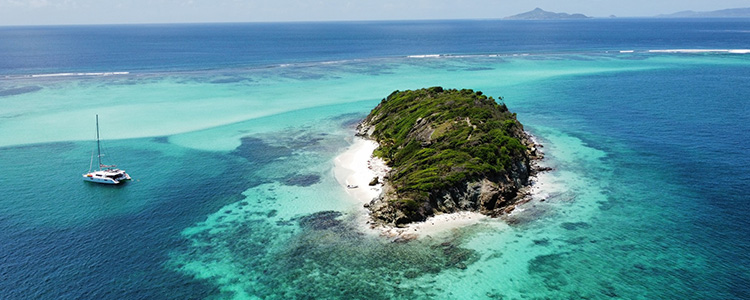


Coral reefs: what are they, where can you see the most beautiful corals, and what are the dangers?
What is a coral reef?
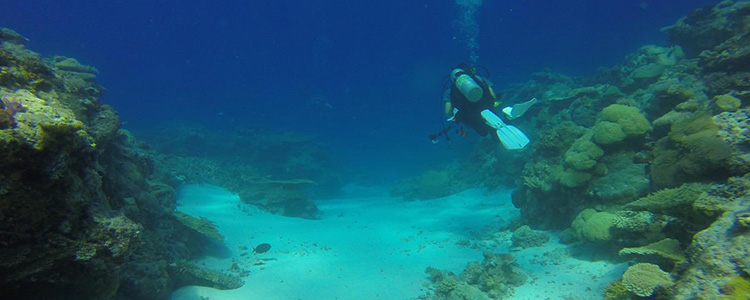
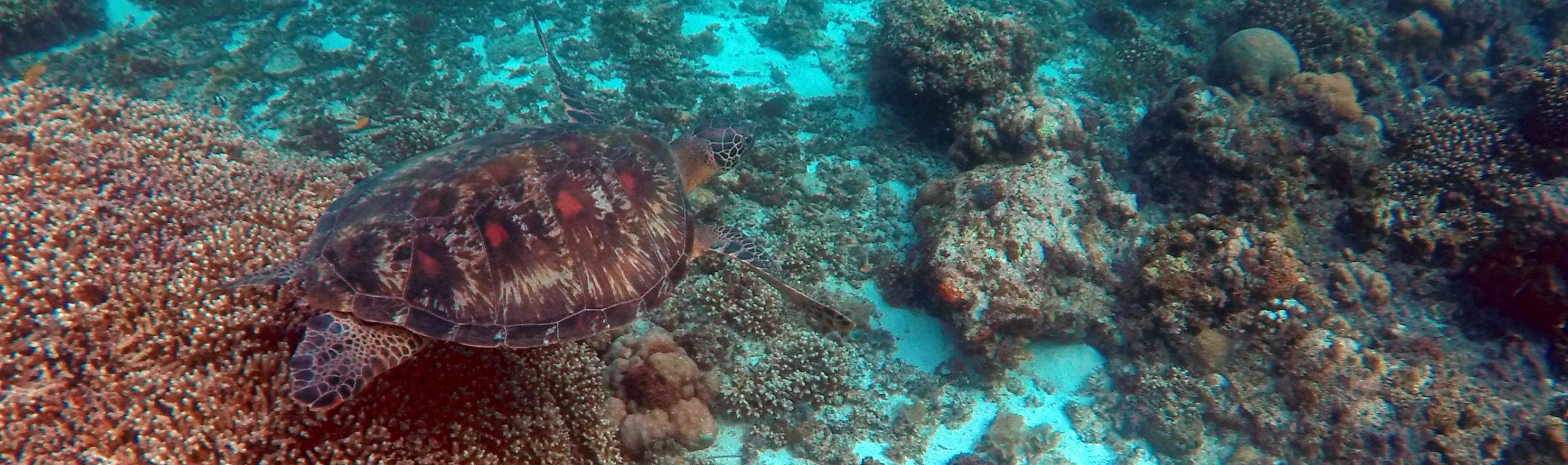
- A coral reef is a rocky structure that can be found underwater, particularly in (sub)tropical seas and oceans.
- Coral reefs consist of a solid layer of dead stony corals to which many living coral species, sponges, and anemones are attached.
- Hiding among all these (living) structures are fish, crabs, lobsters, sea urchins, starfish, and all kinds of wondrous underwater creatures.
- Coral reefs can be found around the coast as well as in seemingly random places in the ocean. Reef-building stony corals in particular have a complex dependency on algae, so the reefs can only be built in shallow and clear water.
- Coral reefs are biodiversity hotspots but are threatened by coral bleaching.
Where to go if you want to see a coral reef in real life?
- Great Barrier Reef, Australia
- Great Mayan Reef (Mesoamerican Coral Reef), Mexico, Belize, Guatemala
- Red Sea Reef, Egypt
- Maldives
- Around the island of Andros, Bahamas
- Bonaire
What dangers can you face at a coral reef?
- Living corals are poisonous; the toxic stinging cells they release when you touch them are similar to those of jellyfish.
- Fire corals are an example of corals that can cause significant irritation upon contact; corals are usually not deadly.
- The other animals living around the coral reef are also frequently poisonous, spiny, or dangerous. They have developed these adaptations as protection against predators.
- Around coral reefs, there is an increased chance of encountering a shark, ray, or poisonous fish.
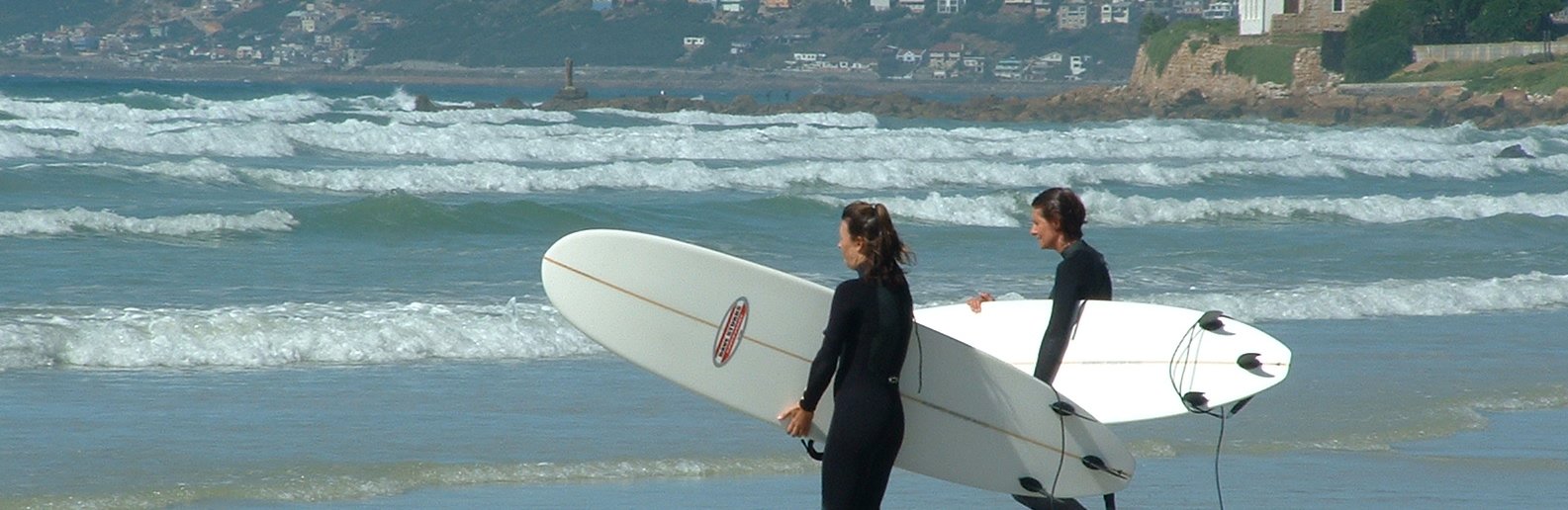
- The dead part of the coral reef is very sharp. You can sustain nasty wounds here while snorkeling, surfing, or swimming.
How can you help protect coral reefs?
- Despite major dangers such as climate change, over-fertilization, and ocean acidification, there are ways to make concrete contributions to the protection of coral reefs.
- Be careful: Corals grow slowly over years, and kicking them with a fin while diving or snorkeling can damage fragile corals.
- Check your sunscreen: many chemical sunscreens are toxic to corals, even in small amounts. The most notable toxic chemicals are oxybenzone and octinoxate. You can also wear UV-protective clothing instead of sunscreen, and make sure that there is plenty of time between the application of sunscreen and entering the ocean.
- Lend a hand: litter can suffocate a reef. While diving, take the time to carefully remove some plastic from the reef.
- Volunteer work: there are various projects where you can help as a volunteer with cultivating, replanting, and protecting corals.