

Biodiversity hotspots: what are they, where can you find them, are they dangerous?
What is biodiversity?
- Biodiversity is the variety of life forms in a specific location.
- Biodiversity is also referred to as species richness, usually implying the abundance of plants and animals.
- Areas with high biodiversity are often called 'biodiversity hotspots'.
Where to go for the most diverse nature with high biodiversity?
- Biodiversity depends, among other things, on the local climate and geological history.
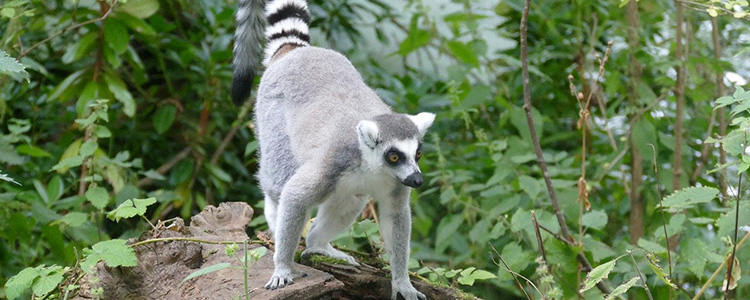
- Islands and remote areas have often acquired a unique set of plant and animal species throughout thousands of years of evolution. Madagascar, Sri Lanka, Papua New Guinea, Tasmania, the Galápagos Islands, and the Azores are good examples of this. You can enter in Darwin's footsteps and visit the Galápagos Islands, where he laid the foundation for the principles of evolution by observing different types of finches.
- When the climate is favorable for animals and plants, biodiversity will also be higher. In tropical rainforests and other (sub)tropical ecosystems, there is more biodiversity than in challenging ecosystems such as tundras, steppes, and deserts.
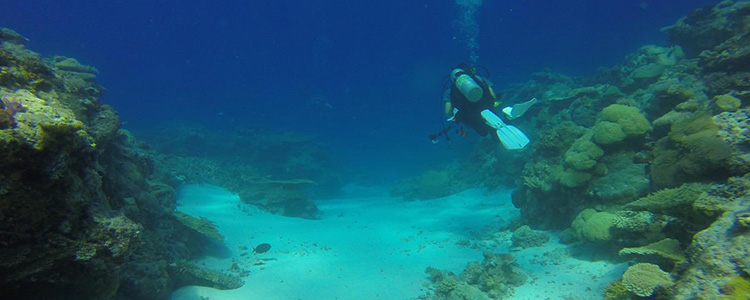
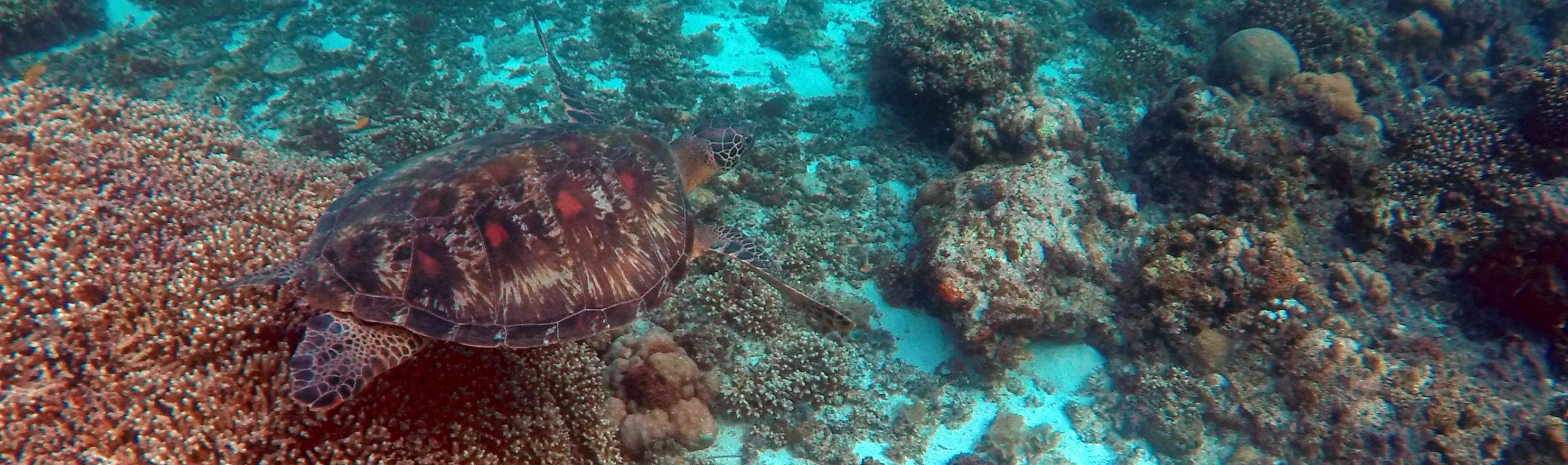
- Aquatic areas, coral reefs in particular, are hotspots for biodiversity.
How dangerous is an area with high biodiversity?
- Biodiversity hotspots are not dangerous in and of themselves.
- In general, however, they are areas where there is a greater chance of encountering unknown plants or animals that could be dangerous.
What are the greatest risks to biodiversity hotspots?
Biodiversity is threatened by multiple factors, often caused by human behavior, resulting in a complex interaction between the following:
- Deforestation
- Agriculture (particularly intensive monoculture and the use of pesticides)
- Construction (including cities, roads, dams)
- Pollution (including litter, leaking oil pipes, illegal dumping, medicine use, pesticides)
- Overfishing
- Dominance (invasive, non-native species)
- Climate change (including coral bleaching, desertification, desiccation)
What activities can you undertake regarding biodiversity?
- Protection: through education, fundraising, and patrolling, you can protect local ecosystems against, for example, poachers, loggers, and illegal mining and overexploitation.
- Restoration: reforestation and tree planting can help restore local biodiversity.
- Appreciation: by working as a guide or tour leader in sustainable tourism, you can demonstrate the importance of biodiversity to both tourists and the local population.
- Research: it is estimated that millions of species remain to be discovered on Earth, particularly in impenetrable jungles and in the deep sea. Go on an expedition as a researcher.