
Physical complaints while traveling: questions and answers about common traveler diseases
Content and selected contributions on common physical complaints experienced by travelers abroad
Altitude sickness: what is it, how to prevent it, and what to do when you experience altitude sickness?
 Altitude sickness: what is it, how to prevent it, and what to do when you experience altitude sickness?
Altitude sickness: what is it, how can you prevent it, and what can you do about it?
What is altitude sickness?
- Altitude sickness is caused by a lack of oxygen in the body. This usually occurs at an altitude of around 2500m or higher. In severe cases, pulmonary and cerebral edema can even occur, resulting in coma or death.
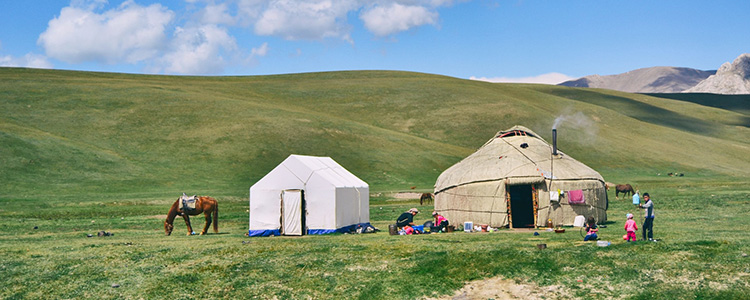
- It's a disease that many travelers in the Himalayas, Andes, or other high-altitude regions experience to varying degrees. It should definitely not be underestimated!
- The mildest stage of altitude sickness is called acute mountain sickness
What are the symptoms of altitude sickness?
- General symptoms: headache, insomnia, lack of appetite, nausea, vomiting, dizziness
- Symptoms of severe altitude sickness: confusion, hallucinations, walking difficulties ("drunken gait"), seizures
Preventing altitude sickness while traveling?
- Good physical condition is very important.
- Sleep before climbing; sleep at an altitude of 2500 meters for a few nights first. Try to stay at the same altitude for one day after every 1000-meter ascent.
- Ascents from 2500 m: do not ascend more than 300 m per day. Ascents from 4000 m: do not ascend more than 150 m per day.
- Never climb any higher if you have early symptoms altitude sickness.
- Drink plenty of fluids! Drink an extra 1 liter after every 1000 m.
- Avoid alcohol during acclimatization.
What should you do if you experience altitude sickness?
- Descent is the most important!
- Paracetamol can be taken for a headache. Note: this does not solve the problem => therefore, descend!
- Acetazolamide is also sometimes taken for mild symptoms.
- For severe cases, dexamethasone is recommended; at this stage, you need someone with sufficient medical knowledge.
- And supplement with oxygen from a tank and other medications.
What about high altitudes and pregnancy?
- The American CDC indicates that many doctors recommend not staying overnight above 3,600 meters.
- European organizations often set 2,500 meters as the limit for overnight stays and sports activities during pregnancy.
- In any case, consult your doctor before traveling to high altitudes during your pregnancy.
What other dangers are there when traveling at high altitude?
- Sunburn: Snow and ice reflect sun rays and amplify their effects. Therefore, even in freezing temperatures and even on cloudy days, you run the risk of sunburn.
- Hypothermia: Temperatures can be quite extreme, and at night, the temperature drops particularly quickly above the tree line.
- Falling rocks and landslides: Falling rocks, avalanches, and landslides make hiking and mountaineering particularly risky.
- Medical evacuation or rescue: If you are injured or become ill at high altitude, a medical evacuation can be difficult, take longer, and can be expensive.
Decompression sickness: what is it, how can you prevent it, and what can you do about it?
Decompression sickness: what is it, how can you prevent it, and what can you do about it?
What is decompression sickness?
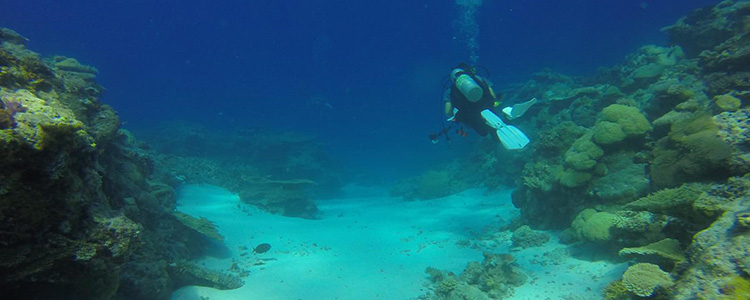
- Decompression sickness occurs when gas bubbles form in your blood and tissues. These nitrogen bubbles develop when you ascend too quickly after a dive, especially if you've been underwater for a longer period of time and at a deeper depth.
- When you dive, your body is under increased pressure, and because of this extra pressure, more nitrogen dissolves in your blood and body. If you ascend too quickly or have an infection, your body can't release the nitrogen through breathing, and the dangerous bubbles develop.
- Decompression sickness is also called divers' disease or caisson disease.
Where does decompression sickness occur?
- You can get decompression sickness anywhere in the world.
- If you don't dive deeper than 6 meters, the risk of decompression sickness is very small.
What are the symptoms of decompression sickness?
- The effects and symptoms of decompression sickness depend on the location of the bubbles and the number of bubbles.
- Symptoms of decompression sickness can vary greatly and usually occur within minutes to hours after diving.
- Common symptoms include: joint and muscle pain, headache, dizziness, muscle weakness, tingling in the limbs, impaired thinking ability, or difficulty concentrating.
- In severe cases, and without appropriate treatment, paralysis, loss of consciousness, or even death can occur.
How to prevent decompression sickness abroad?
- Follow the rules and advice regarding the rate of ascent while diving and avoid surprises due to insufficient air supply.
- Make sure you are in good physical condition. Being overweight or underweight, dehydration, and fatigue increase the risk of decompression sickness.
- Do not dive if you are feeling unwell or have an infection.
- Diving in cold water and strenuous underwater exertion increase the risk of decompression sickness. Allow sufficient time between dives and avoid flying or high-altitude flights within 24 hours of your dive.
How do you treat decompression sickness and is divers' disease curable?
- Decompression sickness can be treated by breathing 100% oxygen. The high oxygen content allows the nitrogen to be released more quickly during breathing, reducing the chance of new air bubbles and shrinking existing air bubbles.
- For complete treatment, the diver is repressurized in a special decompression tank. In this chamber, the oxygen treatment continues, effectively simulating a slow ascent during a dive. This allows the nitrogen to be removed from your body at the correct rate and any air bubbles to dissolve.
- Always check the location of the nearest decompression tank when diving somewhere and check how you can be transported there as quickly as possible.
Dehydration: what is it, how to prevent it, and what to do about it?
Dehydration: what is it, how to prevent it, and what to do about it?
What to do if you become dehydrated while traveling, and how dangerous is dehydration?
What is dehydration?
- Dehydration occurs when your body absorbs less water than it loses. A water shortage develops in your body.
- Dehydration prevents your body from functioning optimally, which can cause mild to severe symptoms.
What are the consequences of dehydration?
- A common initial symptom of dehydration is feeling (very) thirsty and having a dry mouth. Dark yellow urine, muscle cramps, and fatigue can also be signs of dehydration, possibly followed later by a headache.
- Less elastic skin can also be a sign of dehydration. If you pull on your skin, it doesn't spring back into place immediately, but only after almost a second.
- More serious symptoms include loss of consciousness, fainting, cold or clammy limbs, confusion, and rapid, irregular breathing or heartbeat.
- Severe dehydration can lead to a coma.
What increases the risk of dehydration?
- Drinking too little in hot or warm weather
- Sweating a lot in hot weather
- Diarrhea accompanied by fever, nausea, or vomiting can significantly increase the risk of dehydration. You lose fluid through stool, sweat, and vomit simultaneously.
- Vomiting or fever
- Urinating frequently
What should you do if you're dehydrated?
- Dehydration occurs when you lack fluids, essential sugars, and salts.
- It's important to drink plenty of fluids, such as water, tea, and fruit juice.
- It's also important to drink something salty, such as broth or ORS. This can also be useful if you are just worried that you are going to get diarrhea.
What should you do to prevent dehydration?
- Drink water, coffee, and tea without sugar.
- Continue drinking, even when you're sick (even if it's just a small amount).
- Reduce sweating, by becoming less active
- Check your urine color (not too dark).
- Stay out of the sun as much as possible after experiencing symptoms.
- Don't drink alcohol.
Food poisoning abroad: what is it, how to prevent it, and what to do about it?
Food poisoning abroad: what is it, how to prevent it, and what to do about it?
Food poisoning abroad: what is it, how can you prevent it, and what can you do about it?
What is food poisoning?
- Food poisoning occurs when you eat or drink something that contains a pathogenic, toxic substance.
- This usually involves bacteria in food, but it can also involve viruses, parasites, amoebas, poisonous plants and mushrooms, or pesticide residues on your food.
- Well-known examples include botulism, norovirus, salmonella, giardiasis, and E. coli.
What is the difference between food poisoning and foodborne illness?
- In informal, popular usage, the term "food poisoning" is often used, but technically and medically, a distinction is made between "food intoxication" and "foodborne infection".
- With food intoxication, the pathogenic toxins are already present when you ingest the food or drink, for example, mushrooms and toxin-producing bacteria.
- With foodborne infection, you ingest pathogenic organisms while eating or drinking, such as bacteria, viruses, and parasites, which then grow in your body and either produce toxins or directly damage tissues.
- Whether your food poisoning is a foodborne infection or food intoxication doesn't really affect the symptoms.
What are the symptoms of food poisoning?
- The symptoms of food poisoning often appear relatively quickly after ingesting the food. Some forms of food poisoning take a while to develop into a problem in your body. For example, if symptoms appear a day or several days later, it's sometimes unclear where and how you contracted the poisoning.
- When you contract food poisoning, you usually vomit profusely and frequently. This is your body's response to rid yourself of the toxins. Depending on the source and the extent of the contamination, you may also develop diarrhea after some time.
- Botulism is a very dangerous form of food poisoning that can cause paralysis.
Where can you get food poisoning?
- You can get food poisoning anywhere that hygiene during food preparation isn't properly maintained.
- Although the risk of food poisoning at an unrefrigerated street stall is greater than at a more upscale restaurant, you're never completely safe, and bad luck is also a factor.
- In Australia, for example, several dozen people die from food poisoning every year.
How can you prevent food poisoning?
- Reheating frozen food, eating undercooked or raw meat, or eating food that has been sitting at tropical room temperature for a while are risk factors. Heating kills living pathogens, but if the food is contaminated by certain bacteria, heating it doesn't change that, and you will still get sick.
- Thaw food in the refrigerator, not at room temperature, to inhibit bacterial growth.
- Meat contains the highest diversity of pathogens. Many parasites, in particular, can only be contracted by eating contaminated meat.
- Food poisoning doesn't mean your food is spoiled; the pathogens usually don't affect the taste and smell of the food, so smelling or taking a small bite won't offer any additional protection.
- Use a water filter, water purification tablets, or bottled water if the local drinking water is unreliable.
How can you treat food poisoning?
- There's really not much you can do once vomiting or diarrhea has started.
- The most important thing is to rest and recover, and avoid further problems, such as dehydration.
- Try to start drinking again as soon as possible, such as water, tea, broth, or ORS.
- Symptoms usually disappear on their own after 1 to 3 days.
- In severe cases, with persistent illness and or high fever, or in vulnerable groups such as children and the elderly, a visit to a doctor is advisable.
Hypothermia or frostbite: what is it, what to do in extreme cold, and how dangerous is hypothermia abroad?
Hypothermia or frostbite: what is it, what to do in extreme cold, and how dangerous is hypothermia abroad?
Hypothermia and frostbite: what is it, how can you prevent it, and what can you do about it?
What is hypothermia, and what are the symptoms?
- Hypothermia is caused by prolonged exposure to the cold. The risk of hypothermia isn't limited to high altitudes and cold climates. Even during a sudden downpour or a strong wind in a warm area, and you're wearing a thin T-shirt, you can become hypothermic.
- Hypothermia occurs when your body temperature drops below 35 degrees Celsius (95 degrees Fahrenheit).
- Swimming in cold water, even at the foot of a beautiful waterfall or on a sunny day, is another common cause of hypothermia while traveling. You cool down much faster in cold water than in cold air. In water colder than 20 degrees Celsius (68 degrees Fahrenheit), your body can't maintain a temperature of around 37 degrees Celsius (98 degrees Fahrenheit), even if you're actively swimming.
- People suffering from hypothermia feel extremely cold, are unable to suppress shivering, and have difficulty speaking and moving. As the condition worsens, the person becomes dazed and eventually falls into a coma.
What is frostbite, and what are the symptoms?
- Frostbite occurs when skin and blood vessels are damaged by freezing temperatures. This can have extremely serious consequences.
- The risk of frostbite while traveling is limited to areas where temperatures drop below zero. Besides winter sports and mountain climbing, you should also be aware of this when spending the night in some deserts.
- It begins with a tingling sensation, after which the body part becomes numb. If the tissue is actually damaged, it can even turn black and lead to tissue death.
How can you prevent hypothermia and frostbite abroad and while traveling?
- The most important thing you can do to prevent hypothermia and frostbite is to stay warm with dry clothing. Wear multiple layers of clothing, as heat is trapped by the air between your body and clothing. Ideally, wear windproof clothing as well.
- 70% of heat is lost through the head, so keep your head and neck warm and covered.
- Eat enough carbohydrates and sugars to maintain your energy levels so your body can generate heat.
- Be careful with alcohol and smoking. Both increase blood circulation, which in turn causes your skin to lose heat.
- If you suspect hypothermia or frostbite, seek dry, warm shelter as soon as possible and seek immediate medical attention.
How can you prevent hypothermia while swimming?
- Not everyone gets hypothermia at the same rate while swimming. Experienced swimmers can often stay in cold or cool water longer and are often better at recognizing the signs of hypothermia.
- In cold water, below 13 degrees Celsius, don't swim alone, but with an (experienced) buddy. Hypothermia can kick-in after just a few minutes.
- In water between 13 and 20 degrees Celsius, an inexperienced swimmer can often swim for 10 to 45 minutes without any problems.
- In water above 20 degrees Celsius, you can stay in the water for more than an hour, but even experienced swimmers can become hypothermic within two hours.
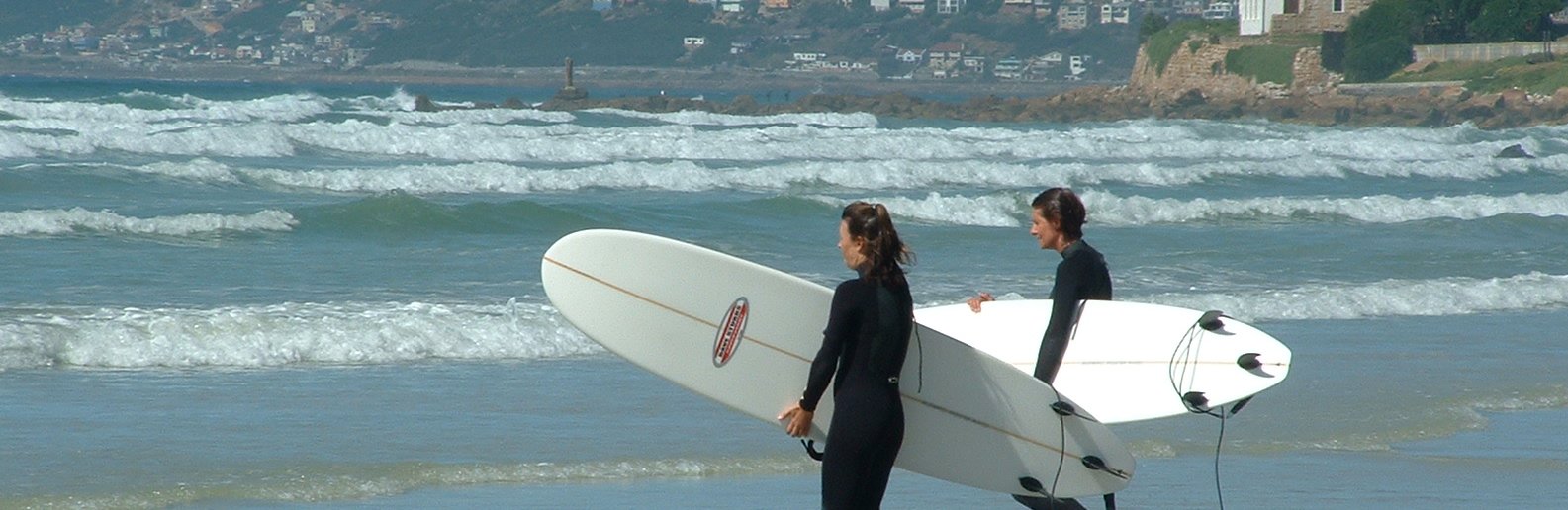
- Wear a wetsuit or even a drysuit when diving, snorkeling, and surfing. Above 20 degrees Celsius, a thin, short wetsuit is often sufficient. Below 13 degrees Celsius, you need a thicker wetsuit, including a swim cap, gloves, and shoes to stay in the water longer.
- Read more about the dangers of swimming, surfing, diving, and snorkeling.
What should you do if you have frostbite?
- If you experience symptoms such as white, hard, and numb fingers/toes/cheeks/nose, try to get to a safe place to prevent further frostbite. Thawing frozen body parts that then refreeze increases the risk of damage.
- Once you are safe, it's best to try to warm your entire body to get your circulation going again. Warm, sweet drinks are very effective at warming your body from the inside out.
- Do not use a heat source to thaw the frozen parts; a warm bath around 40 degrees Celsius is fine.
- Do not rub the damaged body parts, as you may worsen the damage.
- Seek medical attention as soon as possible.
Jet lag: what is it, how to prevent it and how to get rid of it after a flight?
Jet lag: what is it, how to prevent it and how to get rid of it after a flight?
What is jet lag?
- Jet lag, or "flying hangover," is a collective term for the symptoms that arise when your biological clock is disrupted during air travel. Your body's day-night rhythm differs from the one appropriate for your geographic location.
- Jet lag occurs when you move quickly across different time zones, so when you travel east or west.
What are the symptoms of jet lag?
- Common physical symptoms of jet lag include extreme fatigue, feeling sleepy during the day or awake at night, headaches, dizziness, nausea, and impaired bowel movements and appetite.
- Jet lag also often causes mental problems, such as difficulty concentrating, memory loss, irritability, or feeling confused.
What can you do about jet lag abroad or upon returning to the Netherlands?
- Alcohol on the plane has a stronger effect than on the ground and will cause you more difficulty coping with jet lag upon arrival. So, moderate your alcohol consumption or avoid it altogether. Drinking alcohol the day before departure also has a negative effect on your jet lag.
- There are no miracle cures available without a doctor's prescription that will solve jet lag for you. With the right dosage and timing, melatonin might help reset your biological clock.
- Top athletes sometimes choose to start dealing with jet lag at home (i.e., before departure). By shifting your daily routine by one or two hours, your body gets used to the rhythm of your day at your destination.
- Try to get into the local rhythm as soon as possible after arrival, actively seek out daylight, and eat meals at a time that's local.
- After a long journey, a nap of up to 30 minutes can help; sleeping longer during the day can prolong your jet lag.
What effect do direction and distance of travel have on the severity of jet lag?
- On average, people experience a journey to the east as more severe in terms of jet lag; your body copes less well with a shorter day than with a longer one. When traveling eastbound, a day flight can help; when traveling westbound, an evening flight is the better option.
- The rule of thumb is often one day per time zone to fully recover from jet lag. This will take less time for young people and when traveling westbound.
- For all symptoms, the greater the number of time zones crossed, the more severe and prolonged the symptoms will be.
- When traveling across many time zones, a layover of at least 24 hours can help your body adjust its biological clock, but make sure you spend a lot of time outdoors during daylight hours.
Motion sickness: what is it, how can you prevent it, and what can you do about it?
Motion sickness: what is it, how can you prevent it, and what can you do about it?
Motion sickness: what is it, how can you prevent it, and what can you do about it?
What is motion sickness?
- Motion sickness, or travel sickness, is a collective term for car sickness, seasickness, and airsickness. All three are common discomforts during travel.
- Symptoms include feeling dizzy, yawning, sweating, looking pale, headaches, nausea, and perhaps the most common: (frequent) vomiting.
What is car sickness?
- Motion sickness is the form of motion sickness that is more common in children between the ages of 2 and 10.
- This is especially true during car and bus rides with many winding roads, or in drivers with a somewhat erratic driving style.
- Anyone who is a bit older can also suffer from it, especially if they are traveling abroad in a rickety, overheated bus on winding roads through mountains or hills.
What is seasickness?
- Seasickness is a form of motion sickness that few people escape when they're on a boat and the sea gets rough.
- For some people, however, even a slight swell is enough to send them overboard.
What causes motion sickness while traveling?
- Your balance organs are located near your ears. These organs try to register the direction your body is moving as accurately as possible.
- If you're in a moving vehicle, this organ registers the movement.
- Because you and everything around you in the vehicle moves in the same way, it appears to your eyes as if your surroundings are standing still. This is contradictory for your brain that senses motion.
- The signals are out of balance and activate the vomiting center in your brain.
- The result is feeling dizzy, looking pale, sometimes headaches, almost always nausea, and often vomiting.
How to avoid getting motion sickness or seasick abroad?
- Make sure you're sitting in the direction you're traveling.
- Get fresh air regularly.
- Look at the horizon. This way, your eyes better register the movement that your balance organ also perceives.
- Keep yourself distracted on a long journey; engage in an engaging conversation or stroll down the aisle regularly.
- Avoid reading, writing, gaming, or using the internet during the trip, as this can make you feel more dizzy and nauseous.
- Eat regularly but not too heavy.
- Don't travel on an empty stomach; it helps. Make sure you have a small meal beforehand or a hearty snack.
- If you're traveling for a long time, eat at least three light meals a day.
- Avoid coffee, alcohol, or carbonated drinks before or during your trip. These can aggravate your motion sickness.
- Try to sit near the wings on an airplane, in the middle on a boat or in the front of a car.
- Use an antihistamine such as cyclizine, cinnarizine, or meclozine. Take these before departure.
Which medications work best against motion sickness?
- Anti-motion sickness pills are essential in every medical kit, even if you rarely get nauseous. A bus ride through the Nepalese mountains, a boat trip through a tropical storm, or a domestic flight during severe weather can often take the stoutest of men.
- Anti-motion sickness medications work best when used preventatively.
How do antihistamines work for motion sickness?
- Sedating antihistamines, such as anti-motion sickness pills, are often used to treat motion sickness. These are medications that help with allergies. There is limited evidence that this type of sedative antihistamine is effective against motion sickness. However, many people seem to benefit from them. Examples of this type of antihistamine are: cinnarizine, cyclizine, and meclozine.
- cinnarizine: starts working after about half an hour. The effect lasts 4 to 8 hours.
- cyclizine: starts working within half an hour. The effect usually lasts 4 hours.
- meclozine: starts working within 2 hours. The effect lasts 8 hours.
- In addition to their anti-allergic effect, these antihistamines also have a mild sedative effect. They can even make you drowsy. So be careful when using them in traffic if you're driving.
How does Scopolamine work for motion sickness?
- Another, more potent remedy is scopolamine, which is often found in patches. You stick these patches behind your ear. They work for three days straight, making them particularly suitable for long sea voyages. Side effects of scopolamine include dry mouth, drowsiness, and blurred vision.
- Scopolamine is not suitable for use by anyone under 18 and is only available by prescription in many countries.
How do ginger extract-based and homeopathic remedies work for motion sickness?
- Ginger extract-based remedies are often cited as effective, non-drowsy remedies.
- There are also many alternative and homeopathic remedies on the market. Their effectiveness has not been proven.
- This doesn't mean they can't still work for some people. Examples include wristbands with snaps and scented rollers.
- Studies on motion sickness show that the placebo effect for motion sickness is quite pronounced, a "magic drop." or 'miracle pill' you can make 'really' work for some of the users with any good story.
Sunstroke or heatstroke: what is it, how to prevent it, and what to do about it?
Sunstroke or heatstroke: what is it, how to prevent it, and what to do about it?
What to do when you get sunstroke or heatstroke while traveling?
What is heatstroke, and is it dangerous?
- Heatstroke occurs when your body is overheated by the sun's heat. Your body temperature rises above 40 degrees Celsius during heatstroke.
- Heatstroke usually occurs from being active in the sun on a hot day when your head and/or body are unprotected from sunlight.
- The risk of heatstroke is higher if you don't drink enough. In dry conditions, you sometimes lose a lot of fluids without realizing it, and your body can no longer regulate your temperature.
- In high humidity, such as in the tropics, your body can also overheat more quickly.
- If the early signs of heatstroke, such as dizziness, confusion, and nausea, are ignored, heatstroke can be life-threatening.
What can you do to prevent heatstroke?
- Adapt your activities to the temperature and humidity. On hot, sunny days, it's best to avoid exercising or walking in the sun between 12 and 3 PM.
- Covering your head with a cap or hat significantly reduces the risk of heatstroke.
- Drink plenty of fluids. When you sweat a lot, you need extra salts in addition to water to maintain your fluid balance.
- During heatstroke, the person experiencing it is often not very sharp and alert, so it's important to take good care of each other.
How can you treat heatstroke?
- A person with heatstroke has a high body temperature, so the entire body needs to be cooled.
- Remove the person from the sun and remove excess clothing.
- Cool the body with water and/or moving air.
- Heatstroke is also dehydration: give them water, juice, or, if available, an ORS solution.
Traveler's diarrhea: what is it, how to prevent it, and what to do about diarrhea abroad?
Traveler's diarrhea: what is it, how to prevent it, and what to do about diarrhea abroad?
Traveler's diarrhea: what is it, how can you prevent it, and what can you do about it?
- What is diarrhea, and what is traveler's diarrhea?
- What else do you experience with diarrhea?
- How do you get traveler's diarrhea?
- How can you prevent intestinal problems and diarrhea while traveling and backpacking?
- When should you take action if you have diarrhea?
- What should you do if you have diarrhea?
- What can you do about traveler's diarrhea if you are pregnant or very young?
- Can you treat diarrhea with antidiarrheal medications, and which medications help with diarrhea?
- When to prefer antidiarrheal medications containing loperamide?
- How to choose between loperamide, activated charcoal, or tasectan for fighting diarrhea?
- What about using activated charcoal in combination with other medications?
What is diarrhea, and what is traveler's diarrhea?
- Diarrhea is a loose, watery stool.
- Diarrhea is also called traveler's diarrhea.
- More flowery descriptions include: the runs, the skitters, Gippy tummy, the squits, a Delhi Belly, the Aztec Two-step, Turista, the Malta Dog, the Rangoon Runs, or Montezuma's Revenge.
What else do you experience with diarrhea?
- In addition to loose, watery stools, you also regularly experience abdominal cramps, nausea, fever, and flatulence.
- Your body tries to eliminate the germs that caused the diarrhea as quickly as possible, so the intestines don't have time to remove moisture from the stool. This makes the stool extra watery and thin, and you have to go to the bathroom several times a day.
- In severe cases, blood or mucus may appear in your stool (do not take antidiarrheal medication in this case!).
- Many travelers experience diarrhea during the first two weeks of their trip.
How do you get traveler's diarrhea?
- Traveler's diarrhea can be caused simply by a change in your environment, daily routine, a lack of stress, or simply by the tension of the new travel environment.
- A more unpleasant and dangerous cause is diarrhea caused by drinking contaminated water or eating contaminated food.
- Undercooked food often contains bacteria that cause diarrhea.
How can you prevent intestinal problems and diarrhea while traveling and backpacking?
- Preventing diarrhea starts with safe and clean food and drinks.
- Another measure is washing your hands regularly.
- Bacteria can be transferred from your hands to your mouth, for example, when peeling fruit or simply by placing your unwashed fingers too close to your mouth.
- In many cultures, it's normal to eat with your hands. If you don't wash your hands regularly and correctly, you can quickly suffer from diarrhea.
- There are countless ways to wash your hands. It's important to rub your hands together thoroughly for at least twenty seconds, and to wash your nails thoroughly as well. Use soap if available.
- Sanitizing gels are often used as a substitute for washing your hands with soap. An ideal emergency solution, but not a full-fledged substitute for soap in terms of disinfection.
- Don't dry your hands with a dirty cloth after washing.
When should you take action if you have diarrhea?
- If your diarrhea lasts longer than a few days and is accompanied by a high fever (higher than 38°C or longer than 24 hours), see a doctor.
- When diarrhea is accompanied by fever, bleeding, nausea, or vomiting, the risk of dehydration is greater, and diarrhea can become dangerous.
- For children under 2 years old, contact a doctor immediately after the first day.
What should you do if you have diarrhea?
- The greatest risk of diarrhea is dehydration. So pay close attention to your urine; if it is scanty and dark in color, you need to drink more! It's important to keep drinking plenty of fluids to prevent dehydration.
- Avoid alcohol and coffee. No special diet is necessary.
- It's helpful to follow a "light" diet on the first day. For example, tea with a little sugar, cooked rice, bottled water, or even easier, a saline solution of ORS. This is a sugar/salt solution to replace the loss of minerals and salts. Drinking ORS helps retain fluids in the body better than drinking only water, tea, or soda. It also often helps prevent diarrhea. You can dissolve a sachet of ORS in a glass of water, but if you don't have any with you, you can make your own by dissolving sugar and salt in water.
- For very young children and adults over 70, it's recommended to take ORS immediately when experiencing diarrhea.
- Tips about not eating unwashed vegetables are nice in theory, but impossible in practice. There's simply no way around it. However, you could consider sticking to a vegetarian diet as much as possible or being very selective about where and when you eat meat (and which ones!). Always have plenty of backup food with you so you can skip that dirty road restaurant.
- Diarrhea can also reduce the absorption and effectiveness of medications (including malaria pills like Malarone and Lariam) and contraceptives, so you should take this into account.
What can you do about traveler's diarrhea if you are pregnant or very young?
- It is recommended not to use antidiarrheal medication during pregnancy, for children under 2 years of age, or for diarrhea accompanied by blood or fever.
- Consult a doctor about what is necessary in your personal situation.
Can you treat diarrhea with antidiarrheal medications, and which medications help with diarrhea?
- Do you have traveler's diarrhea? This usually goes away on its own after a few days. It is also possible to stop the diarrhea symptom without addressing the underlying problem. This can be done with so-called antidiarrheal medications. Examples include medications based on loperamide or activated charcoal (such as Norit).
- Medications like Norit rarely help with diarrhea. Moreover, they are not recommended because they reduce the effectiveness of other medications (such as antimalarials and contraceptives). These also make it difficult to detect any blood in the stool.
- If you have a 10-hour bus ride ahead of you, with only two stops along the way, you can also use an antidiarrheal medication such as Loperamide (Imodium). Loperamide doesn't cure diarrhea, but it slows down bowel movements and thus reduces diarrhea.
- There are other antidiarrheal medications with stronger effects. Read the instructions carefully, because you often shouldn't take these types of medications if you also have a fever or if the condition is more serious than traveler's diarrhea.
When to prefer antidiarrheal medications containing loperamide?
- If you're traveling and have hours left on the bus, it's very wise to carry antidiarrheal medication containing loperamide with you.
- These pills slow down the process that diarrhea goes through, so your body is able to absorb more fluid from the intestines and you'll have less loose stools.
- Note: this doesn't address the cause of diarrhea! In any case, you don't have to worry about waiting for your next stop, or worse...
- If you have more time and are often near the restroom, you can take over-the-counter products based on activated charcoal. This product absorbs water, bacteria, and potential toxins, thus addressing the cause of diarrhea. Note that activated charcoal hasn't been sufficiently proven to rely solely on this.
How to choose between loperamide, activated charcoal, or tasectan for fighting diarrhea?
- Loperamide reduces diarrhea. You'll need to go to the bathroom less often. Essentially, it causes constipation, which is very useful when you're traveling for a long time and can't always go to the bathroom when necessary. Loperamide is not used as a cure and is for temporary use. The most common antidiarrheal medications contain loperamide.
- Activated charcoal is claimed to address the cause. This activated charcoal absorbs and removes toxins from your body. The effectiveness of this medication is not yet sufficiently scientifically proven to fully rely on this. It also absorbs medications and hormonal contraceptives and masks blood in stool (activated charcoal turns your stool black).
- Tasectan is a medication that is also claimed to address the underlying cause. Tasectan ensures that the intestinal wall absorbs sufficient fluid again. This prevents fluid from being removed with the stool, thus resolving the diarrhea. Tasectan can be used for very young babies. While its effectiveness has not yet been sufficiently scientifically proven, there are no known major drawbacks.
What about using activated charcoal in combination with other medications?
- When using activated charcoal, Norit or other charcoal tablets, you should be careful when taking other medications. Activated charcoal is an absorbent and can therefore also absorb substances from other medications. It is advisable to wait 2 to 4 hours before taking another medication. You also need to be extra careful with contraceptives like the pill! Activated charcoal (including Norit) also absorbs your anti-malaria pills, eliminating the desired protection!
- Note: Norit causes black stools, which can mask any blood in your diarrhea.
Travel thrombosis: what is it, how can you prevent it, and what can you do about it?
Travel thrombosis: what is it, how can you prevent it, and what can you do about it?
Travel thrombosis: what is it, how can you prevent it, and what can you do about it?
What is travel thrombosis?
- Travel thrombosis is the formation of a blood clot in the leg as a result of prolonged sitting.
- Sitting still slows blood circulation in your legs, and blood clots can form. These clots are particularly dangerous if they break loose, as they can then cause a pulmonary embolism.
- Travel thrombosis can be recognized by swollen, painful (lower) legs and sometimes a red/purple discoloration of the skin.
- Travel thrombosis is also known as 'Economy Class Syndrome' or traveler's thrombosis.
When should you be aware of travel thrombosis?
- Travel thrombosis is often associated with long flights, but it can also occur during long bus or car rides.
- For flights, the risk of thrombosis increases from 5,000 kilometers. When sitting still in a car or bus, you should pay extra attention to your circulation, especially on journeys longer than six hours.
- Be extra mindful of the risk of thrombosis if you're traveling with a recent (leg) injury, shortly after surgery, or wearing a cast on your arm or leg.
How common is travel thrombosis?
- Thrombosis occurs in one to two percent of long-distance travelers.
- However, the risk of a (fatal) pulmonary embolism due to the clotting is much lower.
- At-risk groups for travel thrombosis include overweight travelers, people over 40, and pregnant women.
What can you do to prevent travel thrombosis?
- Ensure sufficient exercise during long journeys. On long flights, occasionally walk down the aisle. On bus and car journeys, it's important to get out during breaks and move around.
- You can also try to change positions regularly and do stretching exercises while in your seat, especially for your thighs, calves, ankles, and feet. In addition to exercise, wearing loose-fitting clothing is recommended to promote blood circulation. It's best to remove your shoes while traveling.
- Travelers in high-risk groups are advised to wear supportive socks, also known as flight support socks. Consult a doctor to determine if this applies to you, as improper use of this type of sock can be counterproductive.
- Drinking plenty of water and avoiding alcohol also helps prevent travel thrombosis.
Wound infection: what is it, how to prevent it, and what to do about it?
Wound infection: what is it, how to prevent it, and what to do about it?
What is a wound infection?
- A wound is infected when microorganisms, usually bacteria, are present that damage local tissue and delay wound healing.
- A wound infection can be recognized by: swelling around the wound, increased pain at the wound site, redness at the wound site, a throbbing sensation at the wound site, and a red ring around the wound.
- If left untreated, pus formation, a foul odor, and fever follow. If the infection spreads to your bloodstream, you can eventually die from a wound that started out small.
What to do in case of an infection or a wound while traveling?
In the tropics
- Small skin wounds in the tropics can quickly develop into serious infections and persistent ulcers.
- So treat every tiny wound very carefully!
- Disinfect as much as possible and, depending on the situation, protect the wound appropriately from "external hazards."
- If there is no response after a few days, an antibiotic may be necessary. See a doctor if you have a fever, pus, or red streaks from the wound.
Outside the tropics
- In principle, treat as you would at home, although it may be helpful to exercise some extra caution while traveling.
How can you disinfect a wound?
- Start by cleaning the wound with clean, lukewarm drinking water or saline solution. This will remove dirt and some bacteria from the wound.
- Next, preferably use povidone-iodine (betadine), a special type of iodine that doesn't sting and has few side effects. Betadine is the name for products containing povidone-iodine.
- Cover the wound with sterile gauze or a bandage to prevent new dirt from entering the wound.
- Aftercare: Change the gauze or bandage at least once a day as long as the wound is open or moist. While changing the gauze or bandage, check the wound for signs of infection and, if necessary, rinse it again, let it air dry, and then apply a new gauze or bandage.
Explanation:
- The sooner you clean the wound, the smaller the chance for infection
- For small, superficial wounds, Sterilon is a slightly less effective, but effective alternative to Betadine.
- Do not use alcohol on open wounds.
- You can clean the skin around the wound with mild soap.
What to do after a coral wound?
- Be careful with coral wounds. They can heal very slowly and eventually cause unpleasant infections.
- Clean thoroughly and remove all coral fragments.
- How to prevent this: wear (water) shoes and a wetsuit as much as possible when swimming, surfing or snorkeling over a coral reef.
Are you insured against infection or stitching a wound while traveling abroad?
Travel insurance coverage:
Emergency medical care abroad is usually covered by your travel insurance and includes:
- a sudden infection
- stitching and dressing wounds
- antibiotics prescribed by a doctor
- Login of registreer om te kunnen reageren
- 30 keer gelezen