
 Papua New Guinea

Packing list for Papua New Guinea, travel insurance for Papua New Guinea and taking your belongings
What to take to Papua New Guinea: brief
To pack and check:
- Documents: a passport that is valid for at least another 6 months upon arrival (with sufficient blank visa pages). Visa requirements depend on your nationality (for many nationalities, a visa is mandatory and can be applied for online in advance via the official e-Visa portal). Upon arrival, a return or onward ticket, accommodation address and proof of sufficient funds may be requested.
- Money: the official currency is the Papua New Guinean kina (PGK). Outside Port Moresby and larger towns such as Lae and Mount Hagen, ATMs are scarce or often do not work with foreign bank cards. Credit cards are only accepted in larger hotels in Port Moresby. So bring plenty of cash (kina, or undamaged US or Australian dollars to exchange) for the interior, local guides and village visits.
- Clothing: lightweight, breathable and quick-drying clothing for the hot, humid tropical climate along the coast and on the islands. If you are heading into the highlands (such as Mount Hagen, Goroka or for the Kokoda Track), temperatures drop significantly in the evenings and at night; bring warm layers, a fleece or sweater, long trousers and a good waterproof rain jacket or poncho. Modest clothing (shoulders and knees covered) is appreciated outside the resorts.
- Shoes: sturdy, broken-in (and ideally waterproof) hiking shoes with deep grip are important for muddy jungle trails, river crossings and mountain hikes. Also bring airy sandals or travel shoes and flip-flops for around your accommodation and along the coast.
- Personal care and hygiene: reef-friendly sunscreen with a high SPF, aftersun, sunglasses and SPF lip balm.
- Packing and protection: a sturdy daypack with a rain cover, and waterproof dry bags (or zip-lock bags) to keep your passport, money, clothing and electronics dry during boat trips, river crossings and heavy tropical downpours.
- Insects and animals: a strong insect repellent containing at least 30% to 50% DEET or picaridin, plus an impregnated mosquito net (many basic lodges and villages lack window screens or proper mosquito nets).
- Outdoor gear and useful extras: a reusable water bottle with a water filter or water purification tablets (tap water is not safe to drink anywhere), a head torch or torch with spare batteries (power outages occur regularly and remote villages often have no electricity) and a cap or sun hat.
- Medication and first-aid kit: a very comprehensive first-aid kit including malaria prophylaxis if recommended by your travel doctor, personal medication with an English-language medical certificate, ORS, medication for diarrhoea, iodine or wound disinfectant, waterproof blister plasters, antifungal cream and ointment for insect bites. Medical facilities outside Port Moresby are extremely limited.
- Technology and equipment: a travel adapter for type I sockets, and a powerful power bank (or solar charger for multi-day treks).
To consider:
- Leech socks or high hiking socks for treks through the rainforest.
- Trekking poles for steep, slippery and muddy mountain trails.
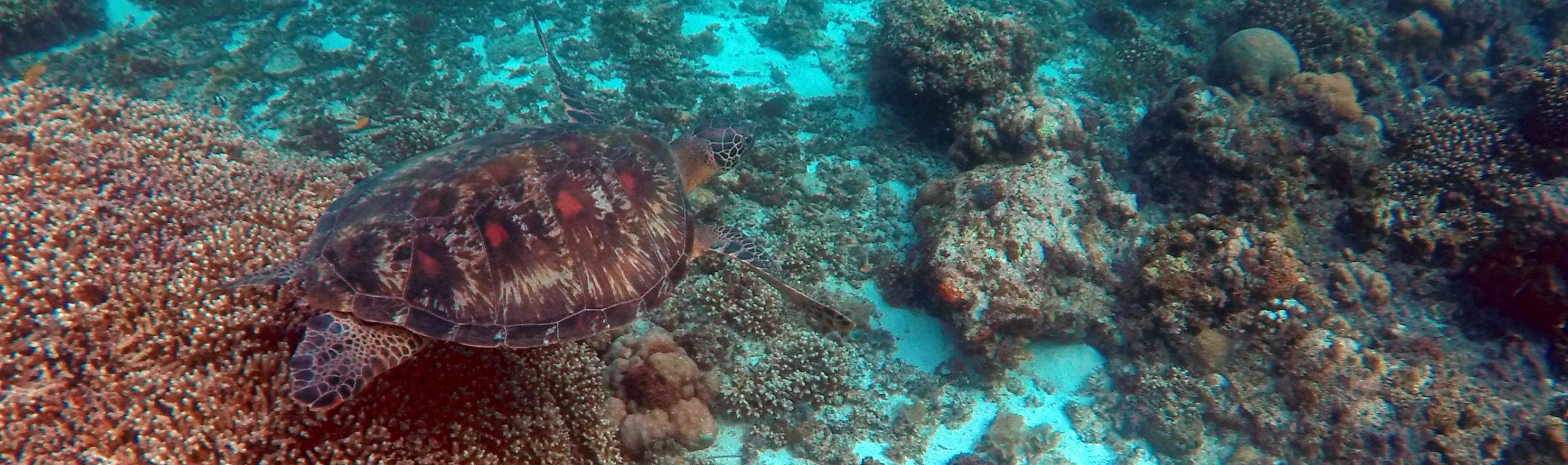
- Your own snorkel mask for the coral reefs around Kimbe Bay, Milne Bay, Tufi or Madang.
- Quick-drying microfibre towels and extra socks (your feet are virtually guaranteed to get wet during hikes).
Are there dangerous insects and animals in Papua New Guinea?
Are there mosquitoes in Papua New Guinea?
- Papua New Guinea is a true mosquito paradise, especially in coastal areas, the lowlands, swamps and on the islands (they are less common above 1,800 metres in the highlands). Due to the tropical climate, they are active year-round.
- In the country, there is a high risk of malaria (including the dangerous form malaria tropicana), and mosquitoes can also transmit diseases such as dengue, chikungunya, zika and Japanese encephalitis. Definitely nothing to joke about, those mosquitoes there.
- Because some mosquitoes bite during the day and others in the evening and at night, 24-hour protection is very important. Taking malaria tablets as advised, sleeping under an impregnated mosquito net, wearing covering clothing and applying DEET or picaridin thoroughly to exposed skin are key measures.
- Read more about mosquitoes.
- Read more about the use of DEET, as well as other ways to protect yourself against mosquitoes and insects.
Are there sand flies and biting midges in Papua New Guinea?
- Along beaches, near mangroves and along riverbanks, small biting flies occur (sand flies). They do not transmit serious diseases such as leishmaniasis here, though their bites cause annoying, intensely itchy bumps that can easily become infected in the humid climate.
- The sand flies are mainly active around sunrise and sunset. Applying insect repellent thoroughly, wearing long, airy clothing in the evening and using a towel instead of sitting directly on the sand help prevent bites.
- Sand fleas are generally not an issue.
- Read more about sand flies.
- Read more about protection against sand flies and sand fleas.
Are there ticks in Papua New Guinea?
- Ticks, mites (scrub typhus) and leeches occur in the humid rainforests, scrubland and grasslands in the interior.
- It is uncommon, though ticks carry the potential to transmit diseases, while leeches are mainly unpleasant.
- Closed shoes, long trousers (tucked into your socks) and insect repellent help during hikes through the jungle and grasslands. Check your body and clothing thoroughly afterwards.
- Read more about ticks and leeches.
- Read more about protection against ticks and leeches.
Can you buy DEET or other mosquito repellents in Papua New Guinea?
- In Port Moresby and a handful of larger towns (such as Lae and Mount Hagen), there are a few large supermarkets and pharmacies (chemists) where you can find mosquito repellents, though the selection is nothing to write home about.
- Outside these areas, availability is virtually non-existent and prices are very high. Because proper mosquito protection is essential here due to malaria, it is very important to bring plenty of DEET or picaridin with you from home.
Can you buy weed or a joint in Papua New Guinea, or bring it into the country?
- No, that is definitely not permitted. Cannabis is illegal in every form in Papua New Guinea, for both recreational and medical use.
- Possession, use, buying, selling and importing are serious criminal offences. Although locally grown weed (spak brus) exists in some regions, the police crack down hard and tourists can expect arrest, heavy fines or lengthy prison sentences under very harsh conditions.
- Bringing or buying weed or other drugs therefore likely means a free trip to the local prison.