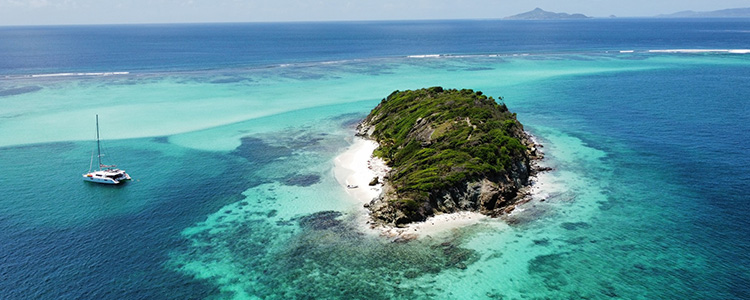
Doing water sports abroad

What is it, how do you do it, with whom, and where do you need to be?

Activities, organizations, preparations, skills, stories or vacancies abroad

Image

Image

Image

Doing water sports abroad

Image

Canoeing, kayaking, rafting and tubing abroad: what is it, why should you do it, and what is the best place to go?

Canoeing, kayaking, rafting and tubing abroad: what is it, why should you do it, and what is the best place to go?

What is rafting?

  • Rafting is going down a fast-flowing river in a large inflatable boat.
  • A raft holds 4 to 12 persons; generally a rafting guide is steering the raft from the back of the boat.
  • Rafting can be done at different levels, varying from small family friendly rapids with mostly low waves to long stretched rapids with high, irregular sharp bends, difficult breakers, and whirlpools.

What is canoeing?

  • Canoeing is sailing with 1 or more people in a narrow and open boat where you propel yourself forward with paddles.
  • In a canoe you use a paddle with a blade on only one side.
  • Canoeing is usually done on calm water, but in certain countries, for example, fishermen also use a canoe on the open sea.

What is kayaking?

  • Kayaking is sailing in a narrow boat that you often close in around your waist and where you can easily capsize and come back up.
  • When kayaking, you use a paddle with a blade on both sides to push yourself off in the water. Kayaking can be done at different levels, varying from small rapids with mostly low waves to long, stretched rapids with high, irregular sharp bends, difficult breakers and whirlpools.
  • With sea kayaking, the type of coast and the weather determine the risks and level of difficulty.

What is river trekking?

  • River trekking is floating down a fast-flowing river with a life jacket and a protective helmet.

What is tubing?

  • With tubing, you float down a river in an inflated tire.
  • Because tubing is usually offered on not too wild rivers, it is also a good way to experience the landscape.

Why would you go rafting, canoeing, kayaking, river trekking, or tubing abroad?

  • Relaxation: once on the water you will find yourself in a rare quiet environment, where you are surrounded by nature.
  • Adrenaline: some kayak and raft routes provide adrenaline to every fiber.
  • Love for nature: you will encounter so much beauty that you will often put protecting nature higher on your list.

What is the best place to go when you want to canoe, kayak, raft or tube abroad?

  • Canoe or raft trip on the Zambezi (at the Victoria Falls!) or on the Orange or Doring river in South Africa
  • Kayaking trips to Mumba Island, Malawi
  • White Water Rafting in Bali, in the Andes or the East Coast of Australia
  • Kayaking, diving or surfing course in Panama
  • Kayaking course on a wild river in Turrialba, Costa Rica
  • By canoe (hollowed out tree trunk) down the rivers (with rapids!) of the immense Amazon region
  • Kayaking trips around Vancouver (Canada)
  • River rafting on the Apurimac and Urubamba rivers (Peru)
  • Combine a canoe trip with wild camping and discover the Swedish lakes or the island-rich coast
Diving abroad: what is it, where is the best place to go, and are you insured?

Diving abroad: what is it, where is the best place to go, and are you insured?

What is diving or scuba diving?

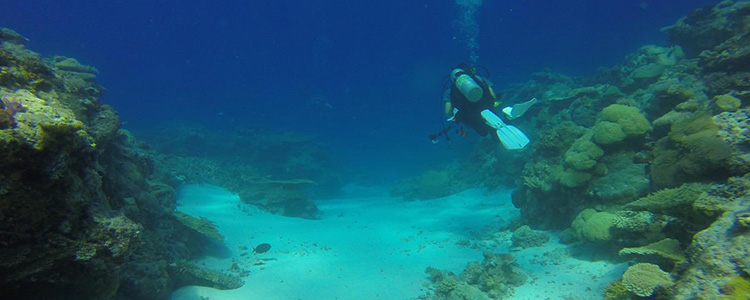
  • Diving is staying underwater for a long time with an air tank on your back to be able to view the underwater world up close and personal.
  • A diver breathes through his breathing apparatus, looks around through a diving mask, swims calmly through the water with fins and often wears a diving suit to stay warm.
  • Diving is also called scuba diving.
  • SCUBA is the abbreviation of Self Contained Underwater Breathing Apparatus. That is the international term for a compressed air device such as that used by divers.

Why would you go diving abroad?

  • Distraction: only a few things work better as a distraction than making a deep sea dive.
  • Relaxation: once underwater you end up in a rare quiet environment, at a slow pace you swim through a completely different inhabited world.
  • Adrenaline: some dives can provide encounters with special fish species or large coral inhabitants. You will never forget the thrill of swimming quietly past or through them.
  • Love of nature: you will encounter so much beauty that you will often put protecting the underwater world higher on your list.

What do you need when you go diving abroad?

  • Good health: diving can involve risks if you are not fit enough or suffer from certain ailments.
  • Respect for the underwater world: as a diver you can destroy more than you would like.
  • A bag with useful items for diving, for before and after the dive (water, sunscreen, etc.).

To what extent are you insured for the risks of diving abroad?

  • On average, diving is no more dangerous than most other sports.
  • However, preparation and learning about the dangers of diving are more important, so you are well prepared when you face challenges.
  • It is not without reason that the diving schools first require you to obtain your diving certificate (for example PADI) before you can go out on your own. But even with your diving certificate in your pocket, it is often wise to go out with a local dive master.

What are the consequences if something goes wrong while diving?

What are the best dive destinations?


Snorkeling abroad: what is it, what is the best place to go, and are you insured?

Snorkeling abroad: what is it, what is the best place to go, and are you insured?

What is snorkeling abroad?

  • Snorkeling is swimming with a windpipe and diving goggles to be able to view the underwater world from above.
  • You usually wear flippers to make it easier to move or to be able to dive a few meters deep.
  • A snorkeler breathes through a snorkel and looks down through diving goggles.

Why should you go snorkeling abroad?

  • Experience: expect unforgettable impressions. The first time you snorkel among the many colorful fish is an unforgettable experience for everyone. In real life it is much more intense than you would have expected.
  • Involvement: snorkeling increases your awe for nature underwater, whether you go snorkeling with dolphins, come face-to-face with enormous manta rays, or encounter a sea turtle while snorkeling, your view of nature will never be the same again!
  • Stability and stress reduction: snorkeling is not only the ultimate relaxation, but it is also fantastically beautiful to float among thousands of fish and coral species, to let yourself be carried by the current along a rock wall with bright red fan corals and parrot fish that calmly look at you.

What do you need and what should you take into account when you go snorkeling?

  • Environmental awareness: for example, by using coral-friendly sunscreen, by not standing on corals, and by touching as little coral or fish as possible.
  • Health: snorkeling can sometimes involve risks if you are not fit enough and there is a strong current.

What are the risks when practicing diving abroad?

  • Snorkeling is relatively harmless.
  • Do inquire well about the local dangers such as currents and certain dangerous fish species.
  • To have a pleasant night's sleep afterward, you better make sure that you do not burn your back and legs; that happens quickly!

What are the consequences if something goes wrong while snorkeling?

  • If you end up in the hospital, you may have to pay the costs yourself when you do not have insurance that covers your activities.
  • Snorkeling abroad is generally not restricted by regular insurance.
  • Be careful not to take unnecessary risks. If there is a red flag in connection with the visit of a white shark or dangerous jellyfish, skip a day of snorkeling because your insurance will not cover you if you are careless.
  • Read more: Travel insurances and insurances for long term abroad - Theme
  • Read more: watersport en duikactiviteiten verzekeren (NL)

Where is the best place to go if you want to snorkel and have an unforgettable experience?

  • Australia: top locations include the Great Barrier Reef
  • Bonaire: check the right places
  • Egypt: top locations you will find in the south and in the Sinai
  • Philippines: besides Palawan and Bohol there are several top locations
  • Honduras: for example around Roatan and Utila
  • Indonesia: such as on Lombok (cheap), Sulawesi (Bunaken!) and Pulau Weh (Aceh)
  • Maldives: on many of the islands you can snorkel superb
  • Malaysia: the Perhentians and Sipidan (on Borneo)
  • Panama: for example on Bocas del Torro
  • Tanzania: on Pemba and Zanzibar

Where else in the world can you snorkel really well?

    Surfing, kitesurfing and windsurfing around the world and abroad

    Surfing, kitesurfing and windsurfing around the world and abroad

    Surfing, kitesurfing, and windsurfing around the world and abroad

    Table of content

    Surfing, kitesurfing, and windsurfing abroad: questions and answers about the work and locations
    • What is surfing, kitesurfing, and windsurfing abroad like?
    • What are the reasons for surfing, kitesurfing and windsurfing abroad?
    • What skills and motivations do you need when surfing, kitesurfing, and windsurfing abroad?
    • What are the best countries and locations to surf, kitesurf and windsurf abroad?
    • What are the risks of surfing, kitesurfing and windsurfing abroad, and are you insured against those risks?
    Surfing, kitesurfing, and windsurfing abroad: related organizations
    • Organizations: for surfing, kitesurfing and windsurfing.
    • Surfing, kitesurfing and windsurfing: jobs in the spotlight.

    Image

    Organizations: for diving, snorkeling and water sports abroad

    Image

    Water sports abroad: questions and answers about the risks of diving, surfing and swimming

    Water sports abroad: questions and answers about the risks of diving, surfing and swimming

    Tips and advice to stay safe and healthy while diving, surfing and swimming abroad or while traveling
    What are the dangers of snorkeling while traveling and backpacking abroad?

    What are the dangers of snorkeling while traveling and backpacking abroad?

    What are the dangers of snorkeling while traveling and backpacking abroad?

    • More often than when swimming, you'll be near rocks and corals while snorkeling, because that's where most of the fish and other marine life can be seen. A wave or current pushing you against the sharp rocks can cause serious injuries. Hitting your head on a rock is especially life-threatening.
    • Every diver, but not every snorkeler or swimmer, knows not to touch coral. Not only are you likely to damage the coral, but you also run the risk of contracting an infection from the wounds that coral easily causes. If you come into contact with "poisonous" corals like fire coral, you only worry about the infection once the pain has subsided.
    • While snorkeling, you're often so focused on watching or tracking fish and sea turtles, for example, that you forget to check whether you're drifting too far from shore or a safe beach. Wearing fins further enhances this effect, as even with gentle movements, you reach a much higher speed than when swimming. Regularly check your position above the water.
    • Floating on the surface, you're an ideal victim of severe sunburn. Many snorkelers choose protective clothing, which helps protect against the sun, hypothermia, and injuries from coral or sharp rocks.
    • Also read the risks of swimming in the sea and abroad.
    What are the dangers of swimming while traveling and backpacking abroad?

    What are the dangers of swimming while traveling and backpacking abroad?

    What are the dangers of swimming while traveling abroad?

    • Pollution: This is especially true in places where sewage systems are inadequate and there are large cities nearby or upstream. In extreme cases, you might smell or see that the water is not suitable for swimming. In most cases, however, pollution is invisible and you only notice it the next day when using the toilet or, for example, in the form of a skin rash.
    • Infections: The risk of bacterial contamination is higher in stagnant water and in water that is comfortably warm (for swimmers and bacteria). If the water quality is unknown, it's a good idea to at least use earplugs to prevent ear infections.
    • Obstacles: Be careful diving into the water if you don't know the depth, as you risk a broken neck and other injuries.
    • Intoxication: If you have consumed alcohol, be very careful or avoid intense swimming. Alcohol and swimming have proved fatal for many a brave traveler.
    • Overconfidence: in places where swimming is particularly dangerous, warning signs are often posted, which are often ignored.

    What are the dangers of swimming in the sea abroad?

    • Although many swimmers have a considerable fear of invisible sharks, jellyfish, and poisonous fish, drowning is by far the greatest risk of swimming in seawater.
    • The majority of drownings are caused by currents. Rip currents, in particular, cause many deaths and require lifeguard rescues.
    • A rip current is where waves flow back out to sea. Strong rip currents are also found, especially with large waves. The force of a rip current is greater than a swimmer can handle. Swimmers who are startled by a rip current and panic are the ones who drown. If you encounter a rip current, it's best to swim away perpendicular to the current, usually parallel to the beach. Don't worry, behind the break line, a rip current quickly diminishes in strength, and you can swim back to the beach. Surfers and sea kayakers often use the rip current to paddle leisurely through the surf.
    • You can often recognize a rip current from the beach by foam flowing out to sea or slightly browner water, and often smaller waves.
    • When there are many surfers and large waves, it's a good sign to inquire whether swimming is safe.
    • Due to the waves and the tides, there's almost always a current along the coast. This current can move you sideways unnoticed; this is especially a problem near rocks, breakwaters, and piers. So, when swimming in the sea, regularly check the distance from these kinds of dangerous objects.
    • Tip: A deserted beach is often deserted for a reason, whether it's the presence of sharks, jellyfish, sea urchins, dangerously sharp surfaces, or a strong current.
    • Tip: If you're swimming somewhere where you're unfamiliar with the current or undercurrent, whirlpools can occur, the waves are very high, etc., have someone keep an eye on you on the shore and/or check with those who are familiar with the local situation.

    What are the dangers of swimming in rivers abroad?

    • The current, waterfalls, rough surfaces, and wild animals pose some of the greatest dangers when swimming in rivers.
    • River currents are often stronger than humans. If the current catches you, try to estimate which side the current is weakest and swim in that direction. Swimming against the current is pointless; try to swim roughly perpendicular to the current.
    • In fast-flowing water, try to keep your head above water and your feet in front of you. This way, you won't bump your head on unexpected underwater rocks. Keeping your feet as high as possible also reduces the risk of dangerous entrapment.
    • If you end up in a whirlpool, the best exit is generally in the direction of the current; you'll essentially be thrown out.
    • Especially higher in the mountains, river water is often cold. Besides hypothermia, this also poses a risk of unknowingly sustaining injuries to your feet, for example.

    What are the dangers of swimming in the tropics while traveling or backpacking?

    • The warm weather and often less developed sewage systems make swimming in freshwater in the tropics particularly dangerous for bacterial infections and infections with various tropical parasites, such as bilharzia and giardiasis.
    • In the tropics there are several animal species that you would rather not encounter as a swimmer: hippos, crocodiles, alligators and piranhas
    What are the dangers of diving while traveling and backpacking abroad?

    What are the dangers of diving while traveling and backpacking abroad?

    What are the main dangers of diving?

    • Water pressure during descent: The ever-increasing pressure on your body as you dive deeper poses various health risks, especially for your ears. By "equalizing" your ears, you restore the pressure in your ear. If equalization/clearing is not successful, you run the risk of eardrum perforation, middle ear barotrauma, inner ear barotrauma, dizziness, and balance disorders.
    • Water pressure during ascent: Ascending too quickly is one of the greatest dangers for divers due to decompression sickness.
    • Oxygen depletion: Poor planning, bad luck on the way, increased breathing due to stress, or excessive exertion can all cause you to run out of oxygen while still underwater. If you return to the surface in a hurry, you also run an additional risk of decompression sickness.
    • Poor diving equipment: Good quality, a good fit, and the right diving outfit for a specific type of dive can reduce various underwater risks. Diving with experienced instructors and through reputable diving schools reduces the chance of problems with your diving equipment.
    • Hypothermia: You cool down twenty times faster underwater than on land. Since the water is almost always colder than your body temperature during diving, the risk is always present, even at tropical diving destinations and especially when diving at deeper depths.
    • Getting stuck: For example, while wreck diving or exploring an underwater cave, you run the risk of getting caught on something or swimming into a trap.
    • Whitewater conditions: Breaking waves and currents can crash you into rocks or the bottom. When you have to use more energy underwater, your oxygen will also deplete faster than average.
    • Being run over by a boat: especially in places with slightly poorer visibility, a speeding boat can suddenly surprise you when you're near the surface.
    • Reduced visibility due to swirling bottom debris: in many locations, this is a constant factor that makes diving more difficult and dangerous. It can also occur in clear water, for example, when a diver approaches the bottom too close with their flipper. The chance of losing your buddy or getting too close to a dangerous object increases in poor visibility.
    • Dangerous marine life: not all underwater wildlife will be equally welcoming. Try not to touch animals and keep your hands away from potential hiding places.

    What causes the most fatalities in diving?

    • Drowning is the most common cause of death among divers. Drowning results from various causes, often related to poor planning, inadequate training, panic, and/or equipment failure or entrapment.
    • Because diving is quite strenuous on your body, divers who suffer heart attacks account for a significant number of fatal diving accidents.

    What is the waiting period before flying after your last dive abroad?

    • Also, keep in mind that there should be sufficient time between your last dive and any flight. It is recommended to wait 24 hours after your last dive before boarding a plane.
    • It is also recommended not to dive immediately after flying. This is due to your body's hydration levels. You can become somewhat dehydrated during a long flight, which increases the risk of decompression sickness while diving.

    Is diving while pregnant dangerous?

    • Do not dive if you are pregnant. There is strong evidence (based on animal testing) that diving can be harmful to the unborn fetus and increases the risk of decompression sickness.
    • During pregnancy, the mucous membranes also swell, making it difficult to equalize, increasing your risk of severe earaches.
    • In the Netherlands, the Working Conditions Act prohibits diving during work hours, for example, as a diving instructor. While these laws don't exist at every diving destination, it might be a good starting point to discuss this with your employer if you find yourself in this situation.
    What are the dangers of surfing while traveling, and is kiting or windsurfing dangerous abroad?

    What are the dangers of surfing while traveling, and is kiting or windsurfing dangerous abroad?

    What are the dangers of surf sports abroad?

    • Many of the dangers of surfing are similar to other water sports at sea: drowning, exhaustion, and hypothermia are all lurking, especially with poor preparation.
    • Take the time to "read" the sea. Where are the waves breaking, where is the water flowing back (river!), how are other beachgoers and surfers behaving?
    • Don't go out alone; make sure there are people around you who can help you or call for help if you get into trouble.

    What are the dangers of surfing while traveling?

    • Although waves can often look quite violent from the beach, experiencing a breaking wave while you're in the middle of one is an experience in itself.
    • The brutal force of a breaking wave can slam you to the bottom and keep you underwater for quite a while, while you become disoriented by the churning water. The sharper the surface, the greater the risk of a fall. Protective clothing and surf shoes can prevent some of the damage. A fall on a firm sandy bottom can also be quite severe.
    • Catching waves that exceed your surfboarding skills can seriously jeopardize your chances.
    • Occasionally, a surfer is mistaken for a tasty morsel by a shark, for example. Surfers usually escape unscathed in these situations, but occasionally, serious and fatal injuries occur.
    • Although the surfing community is often seen as "chill," it's important to be mindful of unwritten rules regarding who can catch which wave and when. There are also surf spots where local surfers try to ward off or chase away visitors.

    What are the dangers of windsurfing and kitesurfing abroad?

    • Especially for beginners, it can be quite difficult to estimate how far you can surf and still return safely. Exhaustion and hypothermia can strike while trying to surf back to shore in unfavorable winds. Especially in strong winds, it becomes increasingly difficult to maintain control, which can lead to collisions with other water sports enthusiasts, and when kitesurfing, someone can even be blown into the shore.
    • Personal experience: there's a serious risk of a bruised ego if it turns out that combining kite flying and surfing isn't one of your talents.
    Decompression sickness: what is it, how can you prevent it, and what can you do about it?

    Decompression sickness: what is it, how can you prevent it, and what can you do about it?

    What is decompression sickness?

    • Decompression sickness occurs when gas bubbles form in your blood and tissues. These nitrogen bubbles develop when you ascend too quickly after a dive, especially if you've been underwater for a longer period of time and at a deeper depth.
    • When you dive, your body is under increased pressure, and because of this extra pressure, more nitrogen dissolves in your blood and body. If you ascend too quickly or have an infection, your body can't release the nitrogen through breathing, and the dangerous bubbles develop.
    • Decompression sickness is also called divers' disease or caisson disease.

    Where does decompression sickness occur?

    • You can get decompression sickness anywhere in the world.
    • If you don't dive deeper than 6 meters, the risk of decompression sickness is very small.

    What are the symptoms of decompression sickness?

    • The effects and symptoms of decompression sickness depend on the location of the bubbles and the number of bubbles.
    • Symptoms of decompression sickness can vary greatly and usually occur within minutes to hours after diving.
    • Common symptoms include: joint and muscle pain, headache, dizziness, muscle weakness, tingling in the limbs, impaired thinking ability, or difficulty concentrating.
    • In severe cases, and without appropriate treatment, paralysis, loss of consciousness, or even death can occur.

    How to prevent decompression sickness abroad?

    • Follow the rules and advice regarding the rate of ascent while diving and avoid surprises due to insufficient air supply.
    • Make sure you are in good physical condition. Being overweight or underweight, dehydration, and fatigue increase the risk of decompression sickness.
    • Do not dive if you are feeling unwell or have an infection.
    • Diving in cold water and strenuous underwater exertion increase the risk of decompression sickness. Allow sufficient time between dives and avoid flying or high-altitude flights within 24 hours of your dive.

    How do you treat decompression sickness and is divers' disease curable?

    • Decompression sickness can be treated by breathing 100% oxygen. The high oxygen content allows the nitrogen to be released more quickly during breathing, reducing the chance of new air bubbles and shrinking existing air bubbles.
    • For complete treatment, the diver is repressurized in a special decompression tank. In this chamber, the oxygen treatment continues, effectively simulating a slow ascent during a dive. This allows the nitrogen to be removed from your body at the correct rate and any air bubbles to dissolve.
    • Always check the location of the nearest decompression tank when diving somewhere and check how you can be transported there as quickly as possible.
    Why get specific insurance when going abroad: per activity abroad
    What is travel insurance, and why take out specific insurance when you go on a trip or vacation?

    What is travel insurance, and why take out specific insurance when you go on a trip or vacation?

    What is travel insurance to insure your trip or vacation?

    • Travel insurance is insurance that provides coverage for risks during a trip or vacation abroad. This mainly concerns loss of or damage to your luggage, medical assistance in the event of accidents, for example, or repatriation costs if you need to be transported back to your home country urgently. In some cases, travel insurance coverage also applies in your home country.
    • With continuous travel insurance, you are insured for all your trips throughout the year.
    • With temporary travel insurance, you take out insurance for each trip for the duration of the trip.
    • Cancellation insurance reimburses (all or part of) the travel sum, cancellation or accommodation costs if you have to cancel or interrupt your vacation.

    Why should you take out travel insurance for a short trip, vacation, or long-distance trip?

    • Travel insurance can provide coverage in the event of an accident or emergency while you are away.
    • Travel insurance can provide coverage for damage and accidents during the adventurous or sporting activities you are going to do.
    • Travel insurance can continue to provide coverage if your Dutch basic health insurance no longer provides coverage, or if the damage is only reimbursed at Dutch cost price.
    • Travel insurance can provide coverage in the event of damage, loss, or theft of your luggage.
    • Travel insurance can provide coverage if you are held liable for damage you cause to other people or their property.
    • Travel insurance can provide coverage if you have to return home early because something has happened to you or your immediate family.

    What is important to insure when you are going to travel?

    • That you have insurance that is valid in the countries where you are going to travel and possible work.
    • That you are adequately insured for the sports and activities you are going to participate in during your full period abroad
    • That you are insured for emergency assistance and early return if something happens to you or your immediate family.
    • That your medical expenses are insured up to the actual cost and not just for the standard costs. The costs per medical treatment vary greatly between countries.
    • That you insure your luggage and take sufficient precautions against theft or damage.
    • That you are well insured against personal liability.
    • That you are well insured in case of accidents.
    • That you only insure yourself for legal assistance if there is an immediate reason to do so, unless coverage is already automatically included in the insurance.
    • That you pay close attention to choosing the right coverage when performing work or voluntary work during your world trip.

    What insurance do you need for a trip or vacation?


    What is round the world travel insurance or long-term travel insurance, and why take out specific insurance when you go abroad?

    What is round the world travel insurance or long-term travel insurance, and why take out specific insurance when you go abroad?

    What is round the world travel insurance or long-term travel insurance?

    • Round the world travel insurance means that you take out insurance that continues to provide coverage during all your activities abroad, and which is specifically intended for those who travel for long periods of time, such as world travelers, globetrotters, and nomads.

    Why should you take out specialized travel insurance for a long trip abroad?

    • Round the world travel insurance provides coverage for a much longer trip than regular travel insurance.
    • World travel insurance is specifically intended for longer trips, whereas regular travel insurance may offer coverage on paper, but in practice handles it differently.
    • World travel insurance is suitable for many types of activities, ranging from high-altitude trekking to more risky sports.
    • World travel insurance continues to provide coverage if you start working during your trip, whether planned or unplanned. If you did not take out insurance before departure that allows you to work, there is no guarantee that you will be able to take out insurance that provides coverage while abroad.
    • Long-term travel insurance continues to provide coverage when your home country's health insurance no longer does.
    • Worldwide travel insurance also covers your medical expenses up to the actual cost, and not just for the standard costs. The costs per medical treatment vary greatly between countries.
    • Worldwide travel insurance can also continue to provide coverage if negative travel advice is issued.

    What is important to insure when you are going to travel around the world?

    • That you have insurance that is valid in the countries where you are going to travel and possibly work.
    • That you are adequately insured for the sports and activities you are going to participate in during your full period abroad
    • That you are insured for emergency assistance and early return if something happens to you or your immediate family.
    • That your medical expenses are insured up to the actual cost and not just for the standard costs. The costs per medical treatment vary greatly between countries.
    • That you insure your luggage and take sufficient precautions against theft or damage.
    • That you are well insured against personal liability.
    • That you are well insured in case of accidents.
    • That you only insure yourself for legal assistance if there is an immediate reason to do so, unless coverage is already automatically included in the insurance.
    • That you pay close attention to choosing the right coverage when performing work or voluntary work during your world trip.

    What insurance do you need when backpacking abroad?

    What is backpack insurance, and why take out specific insurance when you go backpacking abroad?

    What is backpack insurance, and why take out specific insurance when you go backpacking abroad?

    What is backpacking insurance and travel insurance for backpackers?

    • Backpacking insurance for backpackers means that you take out insurance that continues to provide coverage during all your activities abroad and is specifically intended for those who are traveling for a long time, traveling independently, or making frequent use of local transportation.

    Why should you take out travel insurance specifically for backpacking?

    • Travel insurance for backpacking can provide coverage in the event of an accident or emergency while backpacking.
    • Travel insurance for backpacking can provide coverage for damage and accidents during your adventurous or sporting activities.
    • Travel insurance for backpacking can continue to provide coverage if your Dutch basic health insurance no longer provides coverage, or if the damage is only reimbursed at Dutch cost price.
    • Travel insurance for backpacking can provide coverage in the event of damage, loss, or theft of your luggage while backpacking.
    • Travel insurance for backpacking can provide coverage if you are held liable for damage you cause to other people or their property.
    • Travel insurance for backpacking can provide coverage if you have to return home early because something has happened to you or your immediate family while backpacking.

    What aspects are important to insure when backpacking abroad?

    • The duration of your trip: so that you are also covered during a very long backpacking trip, or can extend your coverage if you want to stay longer
    • The activities during your trip: so that you can also participate in all kinds of sports and adventure activities that are excluded from travel insurance
    • Coverage of your medical expenses during your trip: so that you are always covered, even if you go to work or if the costs in the event of an accident are higher than the Dutch rate
    • Coverage for natural disasters and war during your trip: so that you don't have to return home immediately with your tail between your legs every time the Dutch government issues negative travel advice
    • Your insurer's specialization: so that your insurer specializes in backpacking trips or long stays abroad, and doesn't treat you like an “all-inclusive sunglasses claimant.”

    What insurance do you need when backpacking abroad?

    What is insurance for working abroad, and why do you need specific insurance if you are going to do paid work?

    What is insurance for working abroad, and why do you need specific insurance if you are going to do paid work?

    What is insurance for working abroad?

    • Insuring yourself for working abroad means taking out insurance that continues to provide coverage during your paid work abroad.

    Why take out insurance, and when is normal travel insurance no longer sufficient?

    • There may be several reasons why you need separate insurance for paid work abroad.
    • During your work, local employers generally offer no or limited insurance that does not provide sufficient coverage.
    • The risk of accidents is sometimes greater during your work, for example because you are doing work with which you have little experience or because of the nature of the work.
    • During specific work abroad, additional requirements may apply as soon as you start performing work that involves additional risks. Only special insurance policies offer coverage during this type of work.
    • During work, internships, or volunteer work abroad where you receive a salary or compensation (for example, food or housing), your local health insurance coverage will normally lapse. You will then need special insurance to remain insured for illness and accidents.
    • Standard travel insurance policies generally do not provide sufficient coverage to apply for a work visa or working holiday visa.
    • Standard travel insurance policies generally only cover stays abroad for a limited number of days. If your trip or stay abroad exceeds the maximum number of days, this generally means that there will be no coverage for the entire travel period.
    • Standard travel insurance policies generally only provide coverage for recreational travel without study, internship, or work. If you engage in activities other than recreational activities, this generally means that you will no longer be covered for the entire travel period.

    What should you pay attention to in your insurance policy if you are going to work abroad?

    • Make sure you have insurance that is valid in the area where you will be traveling and working.
    • Make sure you are adequately insured for the sports and activities you will be participating in.
    • That you are insured for emergency assistance and early return if something happens to you or your immediate family.
    • That your medical expenses are insured up to the actual cost and not just for the standard costs. The costs per medical treatment vary greatly between countries.
    • That you insure your luggage and take sufficient precautions against theft or damage.
    • That you are well insured against personal liability.
    • That you are well insured in case of accidents.
    • That you insure yourself for legal assistance if there is an immediate reason to do so, unless the coverage is already automatically included in the insurance.
    • That you take care to choose the right coverage when working in healthcare, with wild animals, and with dangerous machinery.

    What insurance do you need to work abroad?

    What is insurance for working with animals abroad, and why do you need specific insurance for jobs, internships, and volunteer work abroad?

    What is insurance for working with animals abroad, and why do you need specific insurance for jobs, internships, and volunteer work abroad?

    What is insurance for working with animals abroad?

    • Insuring yourself for working abroad with animals means taking out insurance that continues to provide coverage during your paid, unpaid, or internship work abroad, where minor or major risks are involved.

    Why take out insurance, and when is normal travel insurance no longer sufficient?

    • There may be several reasons why you need separate insurance for work abroad.
    • During specific work abroad, additional requirements may apply as soon as you start performing work that involves additional risks. Only special insurance policies offer coverage during this type of work. Almost all standard insurers exclude working with animals from coverage.
    • The risk of accidents is sometimes greater during your work, for example because you are doing work with which you have little experience or because of the nature of the work. All over the world, there are reserves, rescue centers, and zoos where you can roll up your sleeves as a veterinarian, intern, or volunteer. Working with animals or wildlife is not without danger. No matter how cute they may look, or how tame they may behave. All animals can suddenly bite viciously or lash out with a claw or beak. Not only can this result in nasty injuries, but it can also transmit diseases that you would rather not have, and certainly not abroad.
    • During work, internships, or volunteer work abroad where you receive a salary or compensation (for example, food or housing), your local health insurance coverage will normally lapse. You will then need special insurance to remain insured for illness and accidents.
    • During your work, local employers generally offer no or limited insurance that does not provide sufficient coverage.

    What should you pay attention to in your insurance policy if you are going to work abroad?

    • Make sure you have insurance that is valid in the area where you will be traveling and working.
    • That you have insurance that provides sufficient coverage for the work you will be performing.
    • Make sure you are adequately insured for the sports and activities you will be participating in.
    • That you are insured for emergency assistance and early return if something happens to you or your immediate family.
    • That your medical expenses are insured up to the actual cost and not just for the standard costs. The costs per medical treatment vary greatly between countries.
    • That you insure your luggage and take sufficient precautions against theft or damage.
    • That you are well insured against personal liability.
    • That you are well insured in case of accidents.
    • That you insure yourself for legal assistance if there is an immediate reason to do so, unless the coverage is already automatically included in the insurance.

    Which insurance do you need for working, an internship, or volunteering with animals abroad?

    What is volunteer insurance, and why should you take out specific insurance if you are going to do volunteer work?

    What is volunteer insurance, and why should you take out specific insurance if you are going to do volunteer work?

    What is insurance for volunteering abroad?

    • Insuring volunteer work abroad means taking out insurance that continues to provide coverage while you are working as a volunteer abroad

    Why should you take out specialized travel insurance for voluntary work abroad?

    • There may be several reasons why you need separate insurance when volunteering abroad.
    • During specific activities abroad, additional requirements may apply if your work involves extra risks. Only specific insurance policies offer coverage during these activities.
    • The risk of accidents is sometimes higher during your work, for example because you are doing work you have little experience with or because of the nature of the work.
    • Local projects or employers generally offer no or limited insurance that provides insufficient coverage during your work.
    • When volunteering abroad and receiving minor financial compensation (or, for example, food or housing), your home country's health insurance coverage will potentially lapse. You will then need special insurance to remain insured for illness and accidents.
    • Regular travel insurance policies generally provide coverage for trips of a limited number of days. If your trip or stay abroad exceeds the maximum number of days, this generally means that for the entire travel period, you will not be covered.
    • Regular travel insurance policies generally only provide coverage for recreational travel without voluntary work activities. If you engage in activities other than recreational activities (such as volunteer work), this generally means that for the entire travel period, you will not be covered.

    What is important to insure when you are going to work as a volunteer abroad?

    • That you have insurance that is valid in the country or countries where you are going to travel and volunteer.
    • That you are adequately insured for the sports and activities you are going to participate in during your period abroad
    • That you are insured for emergency assistance and early return if something happens to you or your immediate family.
    • That your medical expenses are insured up to the actual cost and not just for the standard costs. The costs per medical treatment vary greatly between countries.
    • That you insure your luggage and take sufficient precautions against theft or damage.
    • That you are well insured against personal liability.
    • That you are well insured in case of accidents.
    • That you only insure yourself for legal assistance if there is an immediate reason to do so, unless coverage is already automatically included in the insurance.
    • That when performing work in healthcare, with wild animals, and with dangerous (agricultural) machinery, you take care to choose the right coverage.

    What insurance do you need when volunteering abroad?

    Why should you take out specialized travel insurance for an internship abroad?

    Why should you take out specialized travel insurance for an internship abroad?

    What is insurance for an internship abroad?

    • Insuring an internship abroad means taking out insurance that continues to provide coverage during your internship abroad
    • Insurance for internships abroad are also referred to as internship insurance. This internship insurance is specifically for when you go abroad for a long period of time to work as an intern, take courses, or conduct research abroad.

    Why should you take out specialized travel insurance for an internship abroad?

    • There may be several reasons why you need separate insurance for an internship abroad.
    • During internship activities abroad, additional requirements may apply as soon as you start performing work that involves additional risks. Only specific insurance policies offer coverage during these activities.
    • During your internship, the risk of accidents is sometimes greater, for example because you are doing work with which you have little experience or because of the nature of the work.
    • During your internship, local employers generally do not offer insurance, or offer limited insurance that does not provide sufficient coverage.
    • During an internship abroad where you receive financial compensation (or, for example, food or accommodation), your home country's health insurance coverage will potentially lapse. You will then need special insurance to remain insured for illness and accidents.
    • Regular travel insurance policies generally provide coverage for trips of a limited number of days. If your trip or stay abroad exceeds the maximum number of days, this generally means that for the entire travel period, you will not be covered.
    • Regular travel insurance policies generally only provide coverage for recreational trips without work activities.

    What is important to insure when you are going to be an intern abroad?

    • That you have insurance that is valid in the area where you will be traveling and doing your internship.
    • That you are adequately insured for the sports and activities you will be participating in.
    • That you are insured for emergency assistance and early return in case something happens to you or your immediate family.
    • That your medical expenses are insured up to the actual cost (what it actually costs), and not just for the standard costs. The costs per medical treatment vary greatly between countries.
    • That you insure your luggage and take sufficient precautions against theft or damage.
    • That you are well insured against personal liability and, preferably, also for liability during your internship.
    • That you are well insured in case of accidents.
    • That you insure yourself for legal assistance if there is an immediate reason to do so, unless the coverage is already automatically included in the insurance.
    • Make sure you choose the right coverage for internship work in healthcare, with wild animals, or with dangerous machinery!

    Check out more about international insurances

    What is insurance for studying abroad, and why should you take out specialized travel insurance for your education abroad?

    What is insurance for studying abroad, and why should you take out specialized travel insurance for your education abroad?

    What is insurance for studying abroad?

    • Insurance for studying abroad means that you take out insurance that continues to provide coverage during your studies, your education, and your related activities abroad.
    • Insurance for studying abroad is also referred to as study insurance. This study insurance is specifically for when you go abroad for a long period of time to take courses, study, or conduct research abroad.

    Why should you take out specialized travel insurance for a study abroad?

    • Study insurance is specifically designed for studying abroad, whereas regular travel insurance policies may offer coverage on paper but handle this situation differently in practice.
    • Study insurance offers coverage for longer stays than regular (vacation) travel insurance.
    • Study insurance is also suitable for many types of activities, ranging from various sports to hiking at high altitudes.
    • Study insurance continues to provide coverage if you start working during your trip, whether planned or unplanned. If you have not taken out insurance before departure that allows you to work, there is no guarantee that you will be able to take out insurance abroad that provides coverage.
    • Study insurance continues to provide coverage if your own country's health insurance no longer provides coverage.
    • Student insurance also covers your healthcare costs above the rates in your own country; with regular insurance, you have to pay the extra costs yourself.
    • Student insurance can also continue to provide coverage if (study) visa issuers impose additional requirements on how you insure yourself, for example if you are going to the US and applying for a J-1 visa.
    • Student insurance continues to provide coverage if you are staying abroad for a longer period of time and want to visit your own country in between.

    What is important to insure when you are going to study abroad?

    • That you have insurance that is valid in the country or countries where you are going to travel and work.
    • That you are adequately insured for the sports and activities you are going to participate in during your period abroad
    • That you are insured for emergency assistance and early return if something happens to you or your immediate family.
    • That your medical expenses are insured up to the actual cost and not just for the standard costs. The costs per medical treatment vary greatly between countries.
    • That you insure your luggage and take sufficient precautions against theft or damage.
    • That you are well insured against personal liability.
    • That you are well insured in case of accidents.
    • That you only insure yourself for legal assistance if there is an immediate reason to do so, unless coverage is already automatically included in the insurance.
    • That you pay close attention to choosing the right coverage when performing work alongside your studies.

    Check out more about international insurances

    What is an expat insurance or emigration insurance, and why specifically take out insurance if you are going to do move abroad?

    What is an expat insurance or emigration insurance, and why specifically take out insurance if you are going to do move abroad?

    What is an expat insurance?

    • Expat insurance is insurance that continues to provide coverage if you go to work abroad for a local or international employer for an extended period of time.
    • Expat insurance is not only intended for expats, but for anyone who has a more permanent job abroad.

    What is an emigration insurance, or insurance for moving and living abroad?

    • Emigration insurance is an insurance that continues to provide coverage if you move abroad permanently or for an indefinite period of time.
    • Emigration insurance is not only intended for emigrants, but for anyone who leaves their home country for an extended period of time and does not intend to return in the foreseeable future.

    Why should you take out specialized insurance for emigration or working as an expat abroad?

    • Emigration or expat insurance not only provides coverage for acute assistance in the event of illness or accident abroad, such as travel insurance, but can also provide coverage for existing conditions and ailments or non-urgent care.
    • Emigration or expat insurance does not require you to maintain valid health insurance in your home country.
    • Emigration or expat insurance provides coverage for preventive care or costs related to pregnancy and childbirth.
    • Emigration or expat insurance also provides coverage for long-term treatments and chronic conditions without you having to return to your home country.
    • Emigration or expat insurance often has no restrictions on the duration of the insurance, unlike travel insurance.
    • Emigration or expat insurance usually maintains coverage in cases such as negative travel advice or acts of war.
    • Emigration or expat insurance offers various solutions in the areas of disability, home and household insurance, goods transport, and liability.

    What is important to insure when you are going to move abroad?

    • That you have insurance that is valid in the country or countries where you are going to live and/or work.
    • That you are adequately insured for the sports and activities you are going to participate in during your period abroad
    • That you are insured for emergency assistance and early return if something happens to you or your immediate family.
    • That your medical expenses are insured up to the actual cost and not just for the standard costs. The costs per medical treatment vary greatly between countries.
    • That you are well insured against personal liability.
    • That you are well insured in case of accidents.
    • That you pay close attention to choosing the right coverage when performing work with additional health risks

    When can you also live abroad for a longer period of time with travel insurance?

    • There are also special expiring travel insurance policies that provide coverage without you having valid health insurance in your home country, however, these travel insurance policies are not intended for emigration or expats, but for stays outside your home country of up to a few years, for study, temporary work, volunteer work, and longer trips.
    • See the information at International Insurances for backpacking and travel abroad

    What insurance do you need for emigration or working as an expat abroad?

    International insurance through JoHo Insurances and JoHo WorldSupporter

    International insurance through JoHo Insurances and JoHo WorldSupporter

    Image

    Table of content

    • Why should you take out insurance through the JoHo Foundation when you go abroad?
    • Insuring activities abroad:
      • internships, studying, volunteer work or paid work
      • backpacking, holiday, travel or round the world
      • emigration, living abroad, working as expat
    • Insurances for abroad: per insurance 
    • Insurances for abroad: per organization
    • How healthcare works
    ......Read more on this page
    Insuring, troubleshooting and safe travel abroad

    Insuring, troubleshooting and safe travel abroad

    Image
    Table of contents
    • Why get specific insurance when going abroad?
    • How to survive disasters abroad ?
    • How to insure activities abroad?
    • Which Insurances apply for internships, staying, studying, volunteer work or paid work abroad?

    Image

    Related topics and terms to: Doing water sports abroad

    Relations of the topic: Doing water sports abroad

    Image ACTIVITIES

    Search a course, internship, job, project, suggestion or tips within the topic: 'Doing water sports abroad'

    CHECK ACTIVITIES

    Make a selection, to find more tips than you see below

    Image Surfing, kitesurfing and windsurfing around the world and abroad
    Surfing, kitesurfing, and windsurfing around the world and abroad Table of content Surfing, kitesurfing, and windsurfing abroad: questions and answers about the work and...
    Image Canoeing, kayaking, rafting and tubing around the world and abroad
    Canoeing, kayaking, rafting and tubing around the world and abroad Table of content Canoeing, kayaking, rafting and tubing abroad: questions and answers about the sport...
    Image Snorkeling around the world and abroad
    Snorkeling around the world and abroad Table of content Snorkeling abroad: questions and answers about the work and locations What is snorkeling abroad like? What are...
    Image What are the most special and beautiful places to go swimming abroad?
    What are the most special and beautiful places abroad to go swimming? The cenotes of the Yucatán ( Mexico ), many of these natural pools have crystal-clear water in...
    Image Are you a cook but do you want to travel as well? Become a chef on a yacht and sail all over the world
    Are you a cook but do you want to travel as well? Become a chef on a yacht and sail all over the world
    Image Leer de kinderen van Kaapstad zwemmen en surfen en geef ze de tijd van hun leven
    Leer de kinderen van Kaapstad zwemmen en surfen en geef ze de tijd van hun leven
    Image Wordt activiteiten begeleider tijdens actieve watersport vakanties in Frankrijk
    Wordt activiteiten begeleider tijdens actieve watersport vakanties in Frankrijk. Er zijn mogelijkheden voor all-round activiteiten begeleiders en voor mensen met...
    Image Doe managementervaring op in een watersportbedrijf en organiseer events op Curaçao
    Dit watersportbedrijf is op zoek naar een sportieve stagiair(e). Je organiseert evenementen voor het bedrijf, en denkt ook mee over de marketing en sales. Je assisteert...
    Image Neem surflessen en ga op surfkamp en leer andere reizigers kennen in Australië
    Neem surflessen en ga op surfkamp en leer andere reizigers kennen in Australië. Surflessen afgestemd op jouw surfkennis, skills en ambitie.
    Image Get to work on a boat or ship. In exchange for your help, you sail along and discover life at sea
    Get to work on a boat or ship abroad. In exchange for your help, you sail along and discover life at sea. From modern catamarans to traditional sailboats. At some boats...
    Activities abroad: home bundle

    Main content and contributions for activities abroad

    ,,,accommodations, adventure activities, courses, internships, jobs and volunteer projects

    ...to help another, travel with care, work together , learn to share and inspire with your experience


    Activities abroad: home page

    Activities abroad: home page

    From language courses to a gap year abroad, from work experience to volunteering abroad, from paid work to an internship abroad, from mountaineering to diving, and from backpacking to traveling around the world

      What social activities can you do abroad?

      • Opportunities are found in the areas of helping, learning or studying.
      • You can get involved and volunteer in a social project at a school in Africa, Asia or Latin America.
      • You can get involved in nature, in a project with animals or cleaning the sea or beaches.
      • Those who want to learn more can choose to do, for example a language course in Latin America, Spain or South Africa.

      What work related activities can you do abroad?

      • When you aim to gain work experience and/or also earn money, go and work abroad.
      • You can combine backpacking in Australia with temporary work.
      • You can work on campsites in Europe or bush camps in Africa.
      • You can almost go all over the world to work in the hospitality industry, hotels, and hostels, in the healthcare sector, or, for example, at a diving school.

      What sports activities to do abroad?

      • Have you ever thought of mountain biking, rafting (going down a wild river on a raft or rubber dinghy, climbing, or canoeing), survival (which involves building rafts, climbing or canoeing), abseiling (descending a rock face while secured to ropes), zip-lining (whizzing down a cable), canyoning (starting at the top of a river and then climbing, swimming, diving down the bed) or caving (scrambling, wriggling and crawling through caves and crevices)?
      • Maybe you feel more comfortable on a bodyboard (on a half-wave surfboard, you surf the high waves lying down with flippers), on a hang glider or while paragliding (with a parachute you float down a mountain or dune), hydrospeeding (on a bodyboard with flippers and a wetsuit on you go down a wild river via rapids), or Tiefschneeskiing (racing down through powder snow)?

      Check the pages below for more activities and inspiration and where to go and how to arrange it

        Activities abroad: for experiencing countries and cultures abroad

        Activities abroad: for experiencing countries and cultures abroad

        Bundled content for experiencing countries and cultures during gap year, travel and backpacking abroad

        Access: 
        Public
        What to do abroad? Questions and answers about working, internships, and volunteering per focus area

        What to do abroad? Questions and answers about working, internships, and volunteering per focus area

        Functions, opportunities and careers per focus area

        What is it, why would you do it, and where is the best place to go?

        Access: 
        Public

        Image STORIES

        Check blogs, experiences and information related to: 'Doing water sports abroad'

        CHECK MORE STORIES

        Make a selection, to find more blogs and contributions than you see below

        Image Freediving Coaches of Asia: your connection to the Ocean
        FCOA for
        Image What are the dangers of diving while traveling and backpacking abroad?
        Dangers of diving abroad What are the main dangers of diving? What causes the most fatalities in diving? What is the waiting period before flying after your last dive...
        Image Decompression sickness: what is it, how can you prevent it, and what can you do about it?
        Decompression sickness and divers' disease What is decompression sickness? Where does decompression sickness occur? What are the symptoms of decompression sickness...
        Image What are the dangers of snorkeling while traveling and backpacking abroad?
        What are the dangers of snorkeling while traveling and backpacking abroad? More often than when swimming, you'll be near rocks and corals while snorkeling, because that'...
        Image What are the dangers of surfing while traveling, and is kiting or windsurfing dangerous abroad?
        Dangers of surfing, kiting or windsurfing abroad What are the dangers of surf sports abroad? What are the dangers of surfing while traveling? What are the dangers of...

        Image ORGANIZATIONS

        Check all organizations related to: 'Doing water sports abroad'

        CHECK ORGANIZATIONS

        Make a selection, to find more or other organizations than you see below

        Image Organizations: for diving, snorkeling and water sports abroad
        Diving schools and Snorkeling tour operators and organizations for water sports abroad
        Image Paje by Kite - Kitessurf school Zanzibar
        Paje by kite is a kitesurfing school on the island of Zanzibar, Tanzania.
        Image Outdoor Switzerland
        Through Outdoor Switzerland (formerly Grindelwald Sports), you can enjoy a variety of sporty and adventurous activities in both winter and summer. They regularly seek...
        Image Fairtransport
        Fairtransport practices and educates people on sustainable cargo shipment. Join the crew as a trainee, hoist the sails with them and set course for emission-free...
        Image Sunsail
        Sunsail is a travel agency that organizes various types of sailing trips to destinations around the world. Yacht charter or sailing vacations with or without skipper
        Image Pyrénées Emotions in France
        Pyrénées Emotions is a site located in the heart of the Pyrenees. The site has a campsite, a number of surprising rooms, an apartment and a restaurant. Various outdoor...
        Image ReefoDivers Diani Kenya
        ReefoDivers Diani is a small dive base located at the beachfront of Swahili Beach resort in Diani, Kenya. They focus on certified divers who are interested in coral reef...
        Image The Last Resort
        The Last Resort offers adventure sports such as bungee jumping, whitewater rafting and canoeing in Nepal.
        Image Karma Kayak
        Karma Kayak offers bungalow accommodations on Gili Trawangan, Indonesia. There's also a restaurant and various activities, including sea kayaking.
        Image Aruba Watersport Center
        Various internship activities at a water sports center in Aruba. Possible functions are a diving instructor, a sailing instructor and a dance teacher. Other possible...
        Organizations & Services: home bundle

        Bundled content, suggestions, stories and tips about organizations and their products and services

        ...to help another, travel with care, work together, learn to share and inspire with your experience

        Organizations: home page
        Organizations for administrative, tax and legal work and consulting

        Organizations for administrative, tax and legal work and consulting

        international law

        Activities, internships, paid work, services or volunteer work in administration, tax and legal consulting

        Administrative, tax and legal consulting abroad: by position

        For job roles and duties related to activities, internships and jobs abroad, see:
        ......Read more on this page
        Organizations for agriculture, grape picking, farming and vineyards

        Organizations for agriculture, grape picking, farming and vineyards

        Image

        Activities, internships, paid work, services or volunteer work in agriculture, grape picking, farming and vineyards abroad

        Working with livestock, harvesting crops, wine production and horticulture abroad

        Agriculture, fruit picking and farming: by position

        For job roles and duties related to activities, internships and jobs abroad, see:
        ......Read more on this page
        Organizations for animal protection, animal care and working with wildlife abroad

        Organizations for animal protection, animal care and working with wildlife abroad

        Image

        Activities, internships, paid work, services or volunteer work in animal protection, animal care and wildlife projects abroad

        For working in animal shelters, wildlife rehabilitation centers, protecting wildlife reserves and taking care of animals abroad

        Animal protection, animal care and working with wildlife: by position

        For job roles and duties related to activities, internships and jobs abroad, see:
        ......Read more on this page
        Organizations for au pairs, youth work and child care abroad

        Organizations for au pairs, youth work and child care abroad

        Image

        Activities, internships, paid work, services or volunteer work in youth work, child care or as an au pair abroad

        Au pair exchange, youth work and child care: by position

        For job roles and duties related to activities, internships and jobs abroad, see:
        ......Read more on this page
        Organizations: for bush camping and working at a campsite abroad
        Organizations: for catering, hospitality and entertainment abroad
        Organizations: for civil society and social work abroad
        Organizations for corporate business services

        Organizations for corporate business services

        Image

        Activities, internships, paid work, services or volunteer work in corporate business services

        Corporate business services abroad: by position

        For job roles and duties related to activities, internships and jobs abroad, see:
        ......Read more on this page
        Organizations: for customer services abroad and help desks
        Organizations: for diving, snorkeling and water sports abroad
        Organizations: for education and schools abroad
        Organizations: for expatriate insurances, travel insurances, and emergency call centers
        Organizations: for gap year activities abroad and sabbaticals
        Organizations: for internship placement abroad
        Organizations: for insurances and finance abroad
        Organizations for IT, engineering and construction

        Organizations for IT, engineering and construction

        Image

        Activities, internships, paid work, services or volunteer work in IT, webdevelopment, engineering and construction

        IT, engineering and construction abroad: by position

        For job roles and duties related to activities, internships and jobs abroad, see:
        ......Read more on this page
        Organizations: for language travel and language teaching abroad
        Organizations for marketing, communication and PR abroad

        Organizations for marketing, communication and PR abroad

        Image

        Activities, internships, paid work, services or volunteer work in marketing and communication

        Marketing, communication and PR abroad: by position

        For job roles and duties related to activities, internships and jobs abroad, see:
        ......Read more on this page
        Organizations: for mediation in au pairs, childcare and elderly care in the Netherlands
        Organizations for moving, international relocation and transport abroad

        Organizations for moving, international relocation and transport abroad

        Image

        Activities, internships, paid work, services or volunteer work in transport and international relocation

        Moving abroad and relocation services abroad: by position

        For job roles and duties related to activities, internships and jobs abroad, see:

        Moving abroad and relocation

        ......Read more on this page
        Organizations for nature conservation, environmental protection and working in nature abroad

        Organizations for nature conservation, environmental protection and working in nature abroad

        Costa Rica rain forest - Jungle

        Activities, internships, paid work, services or volunteer work in environmental protection, sustainability and nature conservation

        Nature conservation and environmental protection abroad: by position

        For job roles and duties related to activities, internships and jobs abroad, see:
        ......Read more on this page
        Organizations: for nonprofit projects, development work and international cooperation
        Organizations: for online work as digital nomad, freelancer, or independent entrepreneur from abroad
        Organizations: for outdoor activities and sports
        Organizations: for providing accommodation and hospitality work in hotels, guesthouses, ecolodges and hostels abroad

        Organizations: for providing accommodation and hospitality work in hotels, guesthouses, ecolodges and hostels abroad

        Image

        Activities, internships, paid work, services or volunteer work in hotels, resorts, guesthouses, ecolodges, bed and breakfasts and hostels abroad

        Working in hospitality and tourist accommodations abroad: by position

        For job roles and duties related to activities, internships and jobs abroad, see:
        ......Read more on this page
        Organizations: for providing healthcare and working in medical care abroad

        Organizations: for providing healthcare and working in medical care abroad

        Image

        Activities, internships, paid work, services or volunteer work in healthcare

        Providing healthcare and working in medical care abroad: by position

        For job roles and duties related to activities, internships and jobs abroad, see:
        ......Read more on this page
        Organizations: for psychological assistance and mental health care abroad

        Organizations: for psychological assistance and mental health care abroad

        Image

        Activities, internships, paid work, services or volunteer work in psychological assistance, coaching and mental health care abroad

        Psychological assistance, coaching and mental health care abroad: by position

        For job roles and duties related to activities, internships and jobs abroad, see:
        ......Read more on this page
        Organizations: for real estate, brokerage abroad and property rental abroad
        Organizations: for research and scientific work abroad

        Organizations: for research and scientific work abroad

        Image

        Organizations: for research, R&D, data collection, data analysis and scientific work abroad

        Activities, internships, paid work, services or volunteer work in research and science

        From R&D to data collection and data analysis

        Research and science abroad: by position

        For job roles and duties related to activities, internships and jobs abroad, see:
        ......Read more on this page
        Organizations: for student support and student associations
        Organizations: for tour guidance and adventure tours abroad
        Organizations: for tourism and organized travel and leisure work abroad
        Organizations for voluntary work mediation and project placement abroad

        Organizations for voluntary work mediation and project placement abroad

        Image

        Activities, services, or volunteer work through intermediaries for volunteering abroad and organizations that could make good use of volunteers!

        Voluntary work mediation and project placement abroad: by position

        For job roles and duties related to activities, internships, and volunteering abroad, see:
        ......Read more on this page
        Organizations for yacht and shipping crew and working on a cruise ship abroad

        Organizations for yacht and shipping crew and working on a cruise ship abroad

        Image

        Activities, internships, paid work, services or volunteer work on cruise ships, sailing yachts and other ships

        Boat crew, deck hand or working for an international shipping organization

        Working on a yacht or cruise ship abroad: by position

        For job roles and duties related to activities, internships and jobs abroad, see:
        ......Read more on this page

        Image SUMMARIES

        Check or search summaries, tests and study assistance within topic: 'Doing water sports abroad'

        CHECK SUMMARIES

        No results found.

        Summaries: home bundle

        Content and contributions related to summaries, study assistance and study skills

        ...to help another, travel with care, work together, learn to share and inspire with your experience

        Summaries: home page

        Summaries: home page

        Home page for the use of summaries on WorldSupporter

        What is this page about?

        • Contents: information about using and finding summaries of study books, scientific articles, academic concepts and practice exams on WorldSupporter
        • Study areas: Business, Education, Health, Psychology, Law, Nature, Society and more
        • Languages: English, Dutch
        • Access: Public

        Where to go next?

        What to find below?

        • Summaries per study and study field
        • Summaries per type and form
          • How to use and find summaries, study notes en practice exams on JoHo WorldSupporter?
          • How and why would you use summaries?
          • Finding summaries practice exams on JoHo WorldSupporter
          • Quicklinks to fields of study for summaries and study assistance
        • Main theme pages for learn and study
        • FAQ: questions and answers about summaries
        Access: 
        Public
        Summaries: per type and form

        Summaries: per type and form

        Home page for summaries by type and form

        • Summary sort: Study books, Scientific articles, Academic Concepts
        • Areas: Business, Education, Health, Psychology, Law, Nature, Society and more
        • Languages: English, Dutch
        • Access: This study guide contains exclusive and publicly available study materials
        Access: 
        Public
        Exams: home page for exams, exam tips and study tips

        Exams: home page for exams, exam tips and study tips

        Taking and passing exams, using study tips and learning to study

        What is this page about?

        • Contents: information for exams, exam tips and study tips on WorldSupporter
        • Study areas: Business, Education, Health, Psychology, Law, Nature, Society and more
        • Languages: English, Dutch
        • Access: Public, Exclusive

        Where to go next?

        What to find below?

        • Highlighted content concerning exams, exam tips and study tips
        Access: 
        Public
        All summaries by study and subject

        All summaries by study and subject

        Table of contents:

        WorldSupporter summaries by study and subject: study and knowledge
        • What is JoHo WorldSupporter, how to use it and how to create an account?
        • How to use WorldSupporter for summaries and study assistance?
        • How to find summaries and how to upload new summaries on WorldSupporter?
        WorldSupporter summaries by study and subject: summaries and study assistance
        • What is the homepage for summaries per main area of study?
        • What are the best textbooks summarized per field of study?
        WorldSupporter summaries by study and subject: summaries per related study field
        WorldSupporter summaries by study and subject: study and work skills
        • How to improve your study skills?
        • Which skills are related to studying?
        WorldSupporter summaries by study and subject: study abroad, intern abroad and work abroad
        • Which activities, internships and vacancies abroad are related to the field of business organization and economics?
        • Which organizations offer internships and activities in the field of business organization and economics?
        WorldSupporter summaries by study and subject: shared experiences
        • What are the related spotlight blogs and contributions of other WorldSupporters?
        Samenvattingen en studiehulp

        Samenvattingen en studiehulp

        Inhoudsopgave:

        JoHo samenvattingen en studiehulp: studie en kennis
        • Wat is JoHo WorldSupporter en hoe kan je je aanmelden en toegang tot studiematerialen krijgen?
        • Wat zijn WorldSupporter samenvattingen en hoe kan je de samenvattingen voor jouw studie vinden?
        JoHo samenvattingen en studiehulp: studiehulp en samenvattingen
        • Wat zijn de gerelateerde vakken op WorldSupporter voor samenvattingen, studiehulp, stages en uittreksels?
        • Wat zijn de beschikbare samenvattingen en studiehulpmaterialen per studiegebied en studierichting?
        JoHo samenvattingen en studiehulp: samenhangende pagina's op WorldSupporter
        JoHo samenvattingen en studiehulp: studiecompetenties en stagevaardigheden
        • Hoe kan je het effectief studeren, en hoe haal je een tentamen?
        • Welke vaardigheden heb je nodig, of kan je leren bij een stage?
        JoHo samenvattingen en studiehulp: studeren, stage lopen en werken in het buitenland
        • Waar kan je meer vinden over je voorbereidingen als je langer naar het buitenland gaat?
        • Wat moet je doen als je verzekerd wil zijn tijdens een studie of stage of baan in het buitenland?
        JoHo samenvattingen en studiehulp: studietips en ervaringen
        • Wat zijn de uitgelichte blogs, ervaringen en tips van andere WorldSupporters?
        • Wat zijn alle blogs organisaties, tips, samenvattingen en vacatures die verbonden zijn aan JoHo samenvattingen en studiehulp?
        . ga hier verder naar de pagina
        Check more: external links

        Image ALL CONTENT OF TOPIC

        Search all related content within topic: 'Doing water sports abroad'

        ALL CONTENT OF TOPIC

        Select any filter and click on Apply to see results

        Image

        SPOTLIGHT & FAVORITES

        FAVORITES
        Fairtransport

        Fairtransport practices and educates people on sustainable cargo shipment. Join the crew as a trainee, hoist the sails with them and set course for emission-free adventures!

        Pyrénées Emotions

        Pyrénées Emotions is a site located in the heart of the Pyrenees. The site has a campsite, a number of surprising rooms, an apartment and a restaurant. Various outdoor activities are also offered: canyoning, escalation, abseiling, rafting and canoe-rafting

        Crossroad: spotlight pages
        Crossroads in the field of:
        Surfing, kitesurfing and windsurfing around the world and abroad

        Surfing, kitesurfing, and windsurfing around the world and abroad Table of content Surfing, kitesurfing, and windsurfing abroad: questions and answers about the work and locations

        • What is surfing, kitesurfing, and windsurfing abroad like?
        • What are the reasons for surfing, kite...

        Page topic
        Submenu & Search

        Search only via club, country, goal, study, topic or sector