
 Cayman Islands

Packing list for the Cayman Islands, travel insurance for the Cayman Islands and taking your belongings
Packing for and taking to the Cayman Islands
What to take to the Cayman Islands: brief
To pack and check:
- Documents: a passport that is valid until after your planned departure date. Exact validity and visa rules depend on your nationality. Also bring a return or onward ticket. Immigration officials may ask you to provide proof that you have sufficient funds to cover your stay.
- Money: the Cayman Islands dollar (KYD or CI$) is the official currency. US dollars are accepted almost everywhere. ATMs can be found at banks, at the airport and at larger supermarkets. There are plenty of options on Grand Cayman, but fewer on Cayman Brac and especially Little Cayman. Make sure you withdraw some cash in good time if you are travelling to one of the smaller islands.
- Clothing: lightweight summer clothes, swimwear and something to protect your skin from the sun. Also bring a smart outfit for restaurants and a light cardigan or long-sleeved shirt for air-conditioned spaces.
- Shoes: flip-flops for the beach, sandals, and comfortable sneakers. Water shoes are useful along rocky coastlines and when snorkeling from spots with coral.
- Toiletries and personal hygiene: reef-conscious sunscreen with a high SPF, aftersun lotion, sunglasses and SPF lip balm.
- Packing and protection: a roomy beach bag, dry bag and waterproof phone case. A small daypack is useful for excursions and boat trips.
- Insects and animals: mosquito repellent, preferably containing DEET or picaridin, and something to soothe itchy bites.
- Outdoor essentials and useful items: a reusable water bottle, cap or hat and, if needed, a lightweight rain jacket.
- Medication and travel first-aid kit: personal medication, plasters, antiseptic, painkillers, ORS (oral rehydration salts) and medication for travel sickness or seasickness.
- Technology and equipment: a travel adapter for type A and B power sockets, as used in the United States. A power bank is useful for long days at the beach or out on a boat.
To consider:
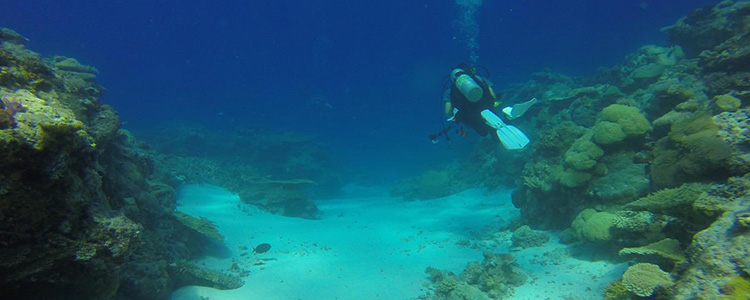
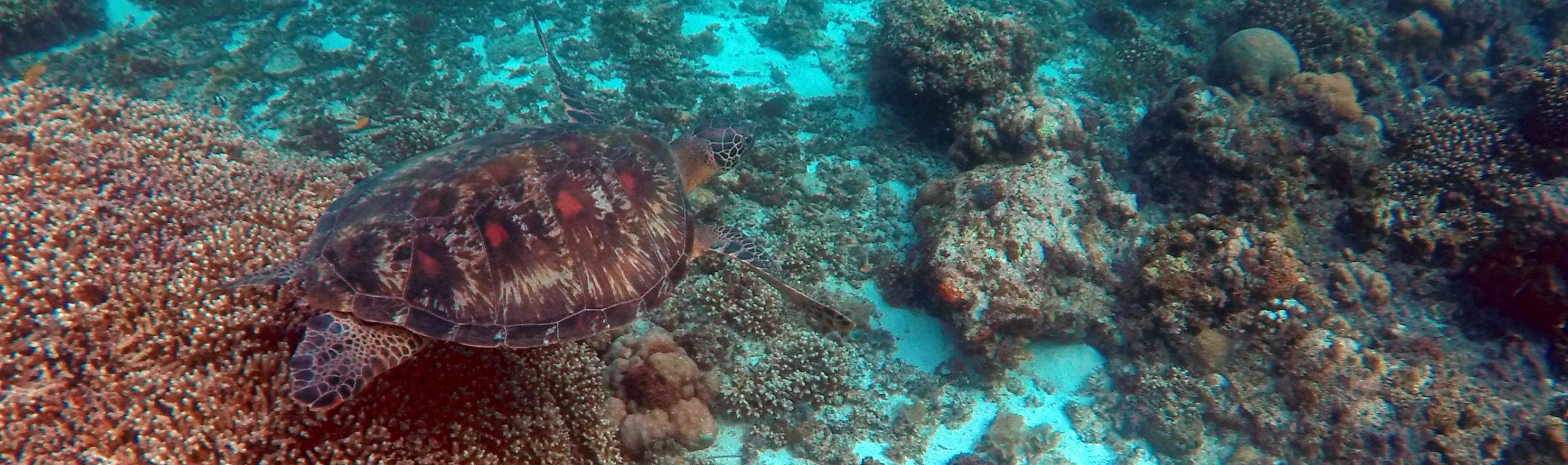
- Your own snorkelling set for exploring the beautiful coral reefs.
- A waterproof camera or action camera for underwater photos, boat trips and spotting rays and turtles.
- A dry bag for boat trips, beach days and excursions to the smaller islands.
- A rash guard or UV shirt. Ideal if you plan to snorkel or swim for long periods and don't want to keep reapplying sunscreen.
- A book, e-reader or headphones for a relaxing day at the beach.
- Travelling between June and November? Bear in mind that this is the Atlantic hurricane season. Keep an eye on the weather forecast and save important travel information offline as well.
Are there dangerous insects and animals in the Cayman Islands?
Are there mosquitoes in the Cayman Islands?
- Yes, several mosquito species are found in the Cayman Islands. The local authorities actively monitor and control the mosquito population. Even so, you may encounter mosquitoes, particularly after rainfall, near wetlands and mangroves, and around sunrise and sunset.
- Mosquitoes can transmit diseases such as dengue and Zika. The risk to tourists is relatively low, but it is still sensible to prevent mosquito bites.
- If there are many mosquitoes around, wear lightweight, covering clothing and use an insect repellent. Where possible, choose accommodation with window screens or air conditioning.
- Read more about mosquitoes.
- Read more about the use of DEET, as well as other ways to protect yourself against mosquitoes and insects.
Are there sand flies in the Cayman Islands?
- Yes, tiny biting insects commonly known as sand flies or no-see-ums are found in the Cayman Islands. These tiny flies can be particularly active around sunset.
- You are most likely to encounter them in sheltered, windless spots, near beaches and around damp, vegetated areas. They are barely visible and are not dangerous, but their bites can be very itchy.
- Mosquito repellent may also help protect against these insects, but not every product works equally well. Covering clothing and an insect repellent suitable for biting midges provide extra protection.
- Read more about sand flies.
- Read more about protection against sand flies and sand fleas.
Are there ticks in the Cayman Islands?
- Ticks are relatively uncommon in the Cayman Islands and generally do not pose a problem for visitors. However, it never hurts to check yourself after spending time outdoors.
- Read more about ticks.
- Read more about protection against ticks and leeches.
Can you buy DEET or other mosquito repellents in the Cayman Islands?
- Yes, insect repellents are available at pharmacies and larger supermarkets on Grand Cayman.
- You can ask for products containing DEET or picaridin. The range varies from shop to shop. The local health department recommends using a repellent with a high DEET concentration, among other options, to protect against mosquitoes.
- Grand Cayman generally has a wider selection than Cayman Brac and Little Cayman. If you are travelling to the smaller islands, it is a good idea to bring enough mosquito repellent with you.
- Ideally, bring a product you are already familiar with and know your skin tolerates well.
Can you buy a joint or weed in the Cayman Islands, or bring it with you to the Cayman Islands?
- No, recreational cannabis is illegal in the Cayman Islands and the rules are strictly enforced.
- Possession, sale and importation of marijuana are prohibited. This also applies to cannabis products such as THC sweets, edibles, vape products and CBD products.
- Medical cannabis is permitted under certain conditions. You need an official prescription from a local doctor.
- In short: do not bring a joint, weed, CBD oil, THC products or any other cannabis products in your luggage, unless you fancy getting to know the local legal system a little better.