Vegetarian travel and staying vega abroad - Bundle

Vegetarian travel and staying vega abroad

Bundle items:
To be or not to be a vegetarian while travelling

To be or not to be a vegetarian while travelling

Although eating vegetarian for over 20 years (yeah, was one of those 8 years olds who realized killing animals is sad, and then never changed my mind), travelling is one of my main reasons to make an exeption. Although I was SO HAPPY in India for just being able to order ANYTHING (well, in most parts of the country and all veg restaurants of course). The exeption actually mainly is used when eating at family homes (I remember very well my Colombian host family taking me out to a Grill Restaurant (so sweet!), or when staying at a local project in the slums of Manilla where ''it was the one day a week when there was Fish instead of veggies on the menu). And there's still some European countries where eating veg is not always easy (have you tried local villages in France or just Belgium in general ;-). On my last trip to Guatemala and Belize however it was actually quite easy to look for veggies on the menu, so I guess travelling and eating no dead animals will become easier, though I will always prefer staying locally at a Family (and eating whatever great comes out of their kitchen), than making travelling about finding the 'right meals''. How about you?

WorldSupporter Goals & Development Goals: 
Personal competences, goals and skills: 
Travelling in Ecuador as a Vegan

Travelling in Ecuador as a Vegan

Image

As a vegan who loves travelling, you've probably heard that it's impossible to do it if you want to stay healthy. Well, I'm here to change that view and give you some tips for travelling as a vegan in Ecuador.

When I went to Ecuador, I was doubtful about whether I would manage to stay vegan. I had been vegan for a year, and while it was rather easy in the Netherlands, I always thought that I would never be able to keep being vegan while abroad. Nevertheless, I did it with the help of some tips/tricks. 

1. Cook yourself
The easiest and best way (if you can use a kitchen) is cooking yourself. There are so many delicious recipes that contain some meat, but it's easy to substitute this meat for beans. Check out the arepas recipe on my page for example. Arepas are totally vegan, and if you combine them with vegetables and beans, very nutritious as well. The plantain recipe is also a very easy recipe for vegans which can be combined with all kinds of things. Basically, you can cook anything you were used to cooking at home as well, just check the ingredients. 

2. Eating out? Ask for something specific. 
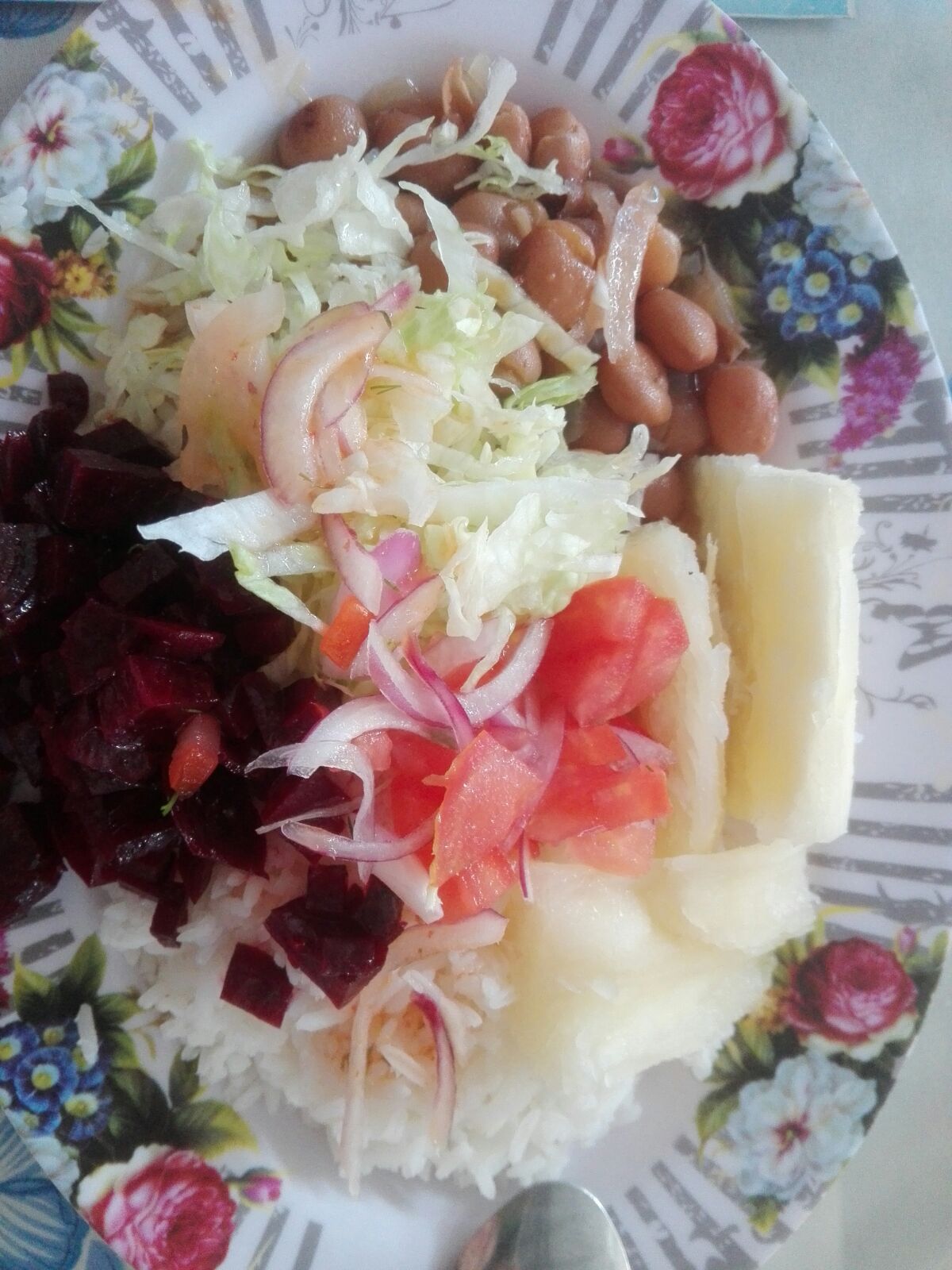
This might sound strange, but it works better than asking "do you have something vegan?" or "can I have this without meat?". These questions often lead to misunderstandings, or even more questions. If you ask for rice with salad, or rice with beans or rice with beans and avocado, you will get it. Of course, in bigger or more international restaurants you might get away with asking for a dish without meat, but if you're at a bus station, or a smaller town or just local restaurants, ask for a specific thing. 

3. Look for vegan restaurants
Nowadays many places have some vegan restaurants, or restaurants with vegan options. Especially in the bigger and more touristic places in Ecuador (Cuenca, Quito, Otavalo, Banos, at the coast) you might have a chance of finding vegan things. For a start, in Tena, where I stayed for 3 months, is a great vegan restaurant next to Cafe Tortuga (which also has some vegan options). It is owned by a wonderful cheff and she makes just great dishes! In Baños there is a restaurant called Healthy Food which you can't find on Google Maps, but it is near Ponche Suizo and they have many vegetarian and Vegan options. Also in Baños is Zumo, a great restaurant at which they offer all kinds of dishes, also vegan, and if you ask they might even be able to make some adjustments to the non vegan dishes. But since Ecuador is a popular travel destination, you can find many options nowadays at more international restaurants. 


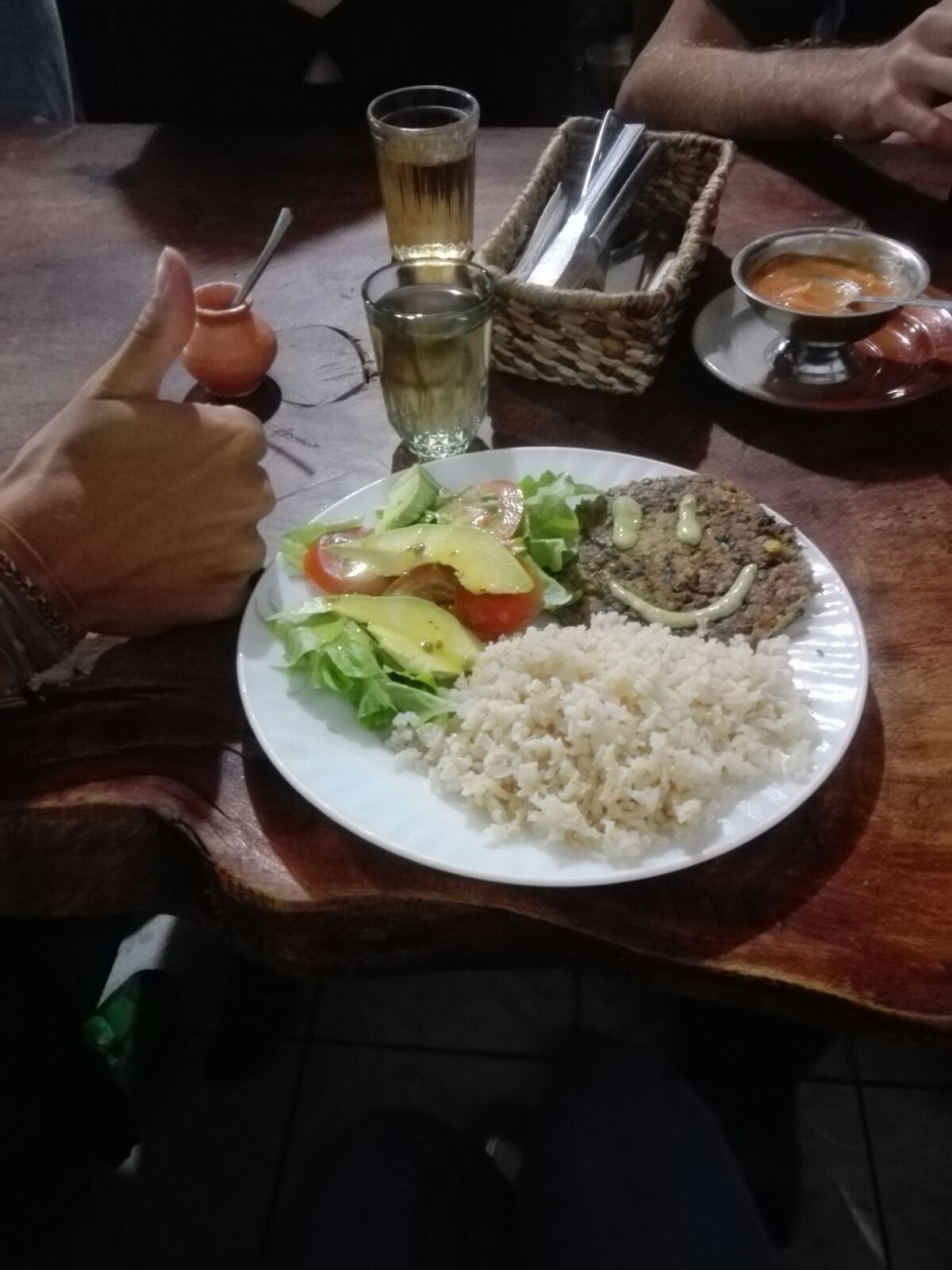
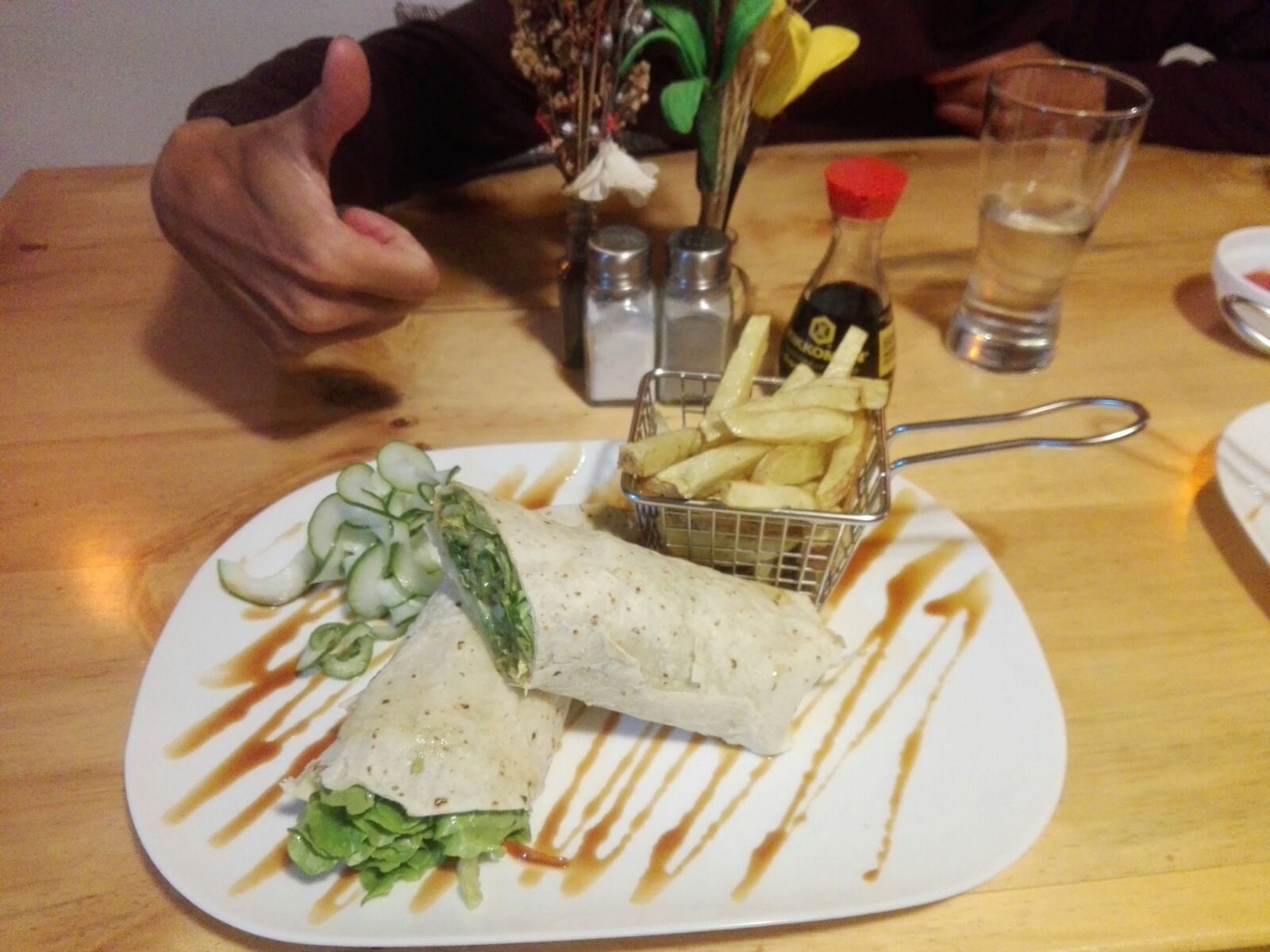
Food at Zumo                                                                                   Vegan Streetfood

Hopefully, this can encourage you and aid you in your vegan travels! Also in the rest of South America! Let me know if you have any more recommendations :)

Cheers, 
Hannah


Countries & Regions: 
1 - left - closed: make a reference to other content or organization: 
Vegetarian in Japan: A guide to vegetarian (or vegan) travelling in Japan

Vegetarian in Japan: A guide to vegetarian (or vegan) travelling in Japan

Image

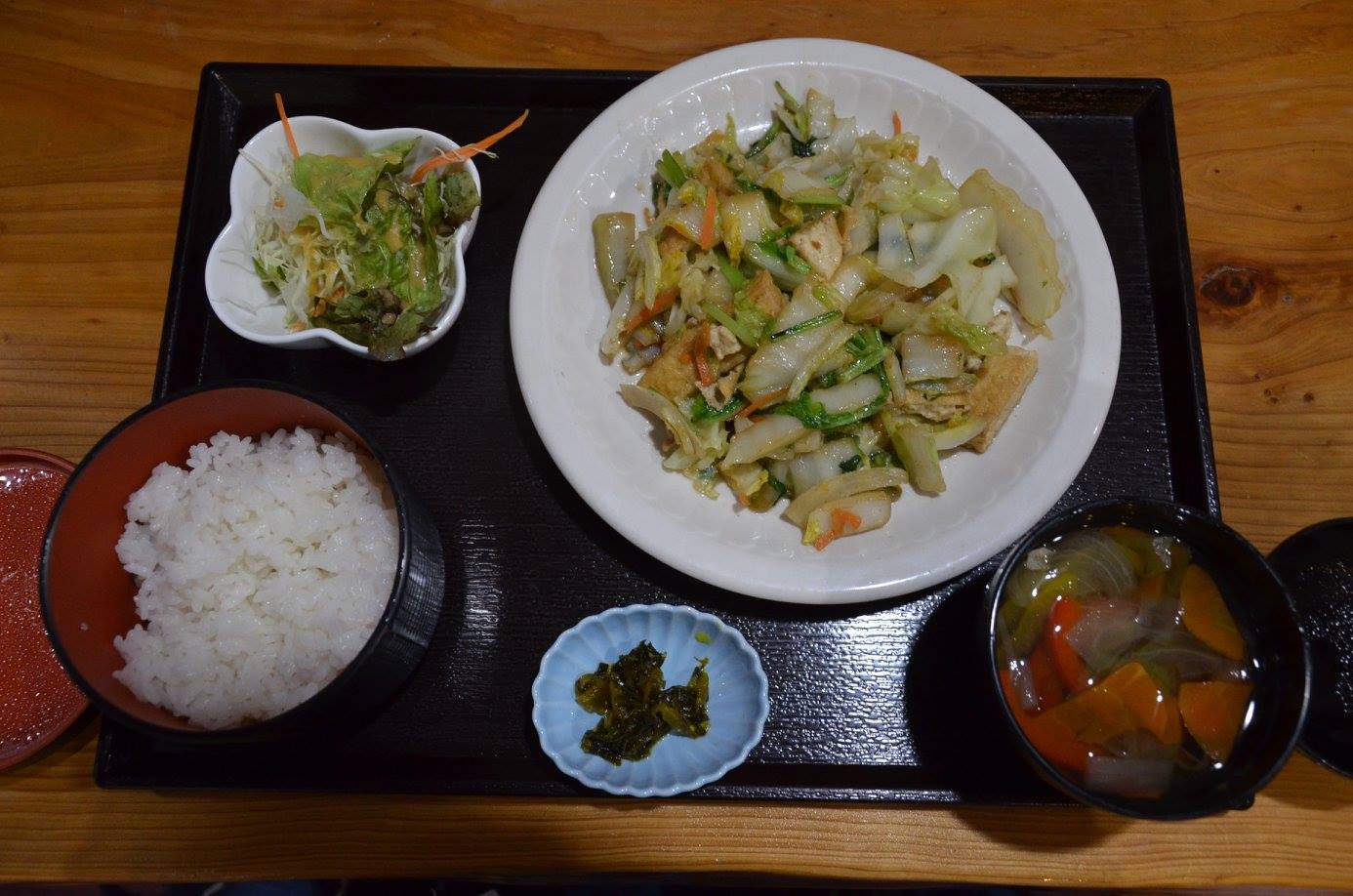
Being a vegetarian in Japan is quite a challenge, let alone being vegan. However, it is far from impossible! Just like in many other places throughout the world, vegetarian food is becoming increasingly popular. While I was living in Kyoto in 2016/2017 I found quite some awesome vegetarian an vegan restaurants (want to know more, check out this blog). Similarly when I went to Tokyo in 2018, I found some great places as well. While it is still a bit difficult to figure out what you can and what you can't eat (especially if you're a strict vegetarian/vegan), there are some ways to make this life a little bit easier. 

Learn the Language
First of all, it definitely helps if you know Japanese, of have a friend who can come along and translate. While it seems obvious, this is one of the biggest problems. Generally, Japanese people don't have a full understanding of what vegetarian or vegan is. So even if you say "watashi wa bejitarian desu" (I'm a vegetarian), it doesn't guarantee you'll get vegetarian food. An easier way to make clear that you're avoiding meat and fish is to say: "watashi wa niku to sakana wo tabemasen", meaning I don't eat meat or fish. Of course you can say this for other things as well, just mention the thing you don't eat followed by wo tabemasen (meaning don't eat) and it will help a lot.

But even if you say "watashi wa niku to sakana wo tabemasen", you still have to be careful of katsuo-dashi, this is fish stock and often not regarded as 'meat' or 'fish', therefore your meal might still contain this. The same is true for bonito flakes (fish flakes), cold katsuoboshi in Japanese. If you want to make sure this is not in your food either, you can for example say: niku to sakana wo tabemasen. followed by: "katsuo-dashi to katsuoboshi mo tabemasen"

For vegans it's a little bit more difficult. Of course you can metion all the things you don't eat, such as: 

- egg: tamago
cheese: chiizu
milk: gyuunyuu

Get a dietary card
but be prepared to get some startled looks. There's an easier way as well. When I stayed at a hostel in Tokyo, they had these super useful dietary cards which said in Japanese what you could and couldn't eat. In this way you can just show the staff of a restaurant the card and then they can help you choose a dish. the website justhungry.com offers some options for cards for several dietary restrictions. Simply download them and show them on your phone. While these cards are useful, I prefer the cards on which you can circle your restrictions, such as the one provided by LiveJapan. They also show some common ingredients you should be aware of and ways to say you're allergic for example. 

Get the google translate app
When you're buying food in a store it can also be rather challenging to find vegetarian/vegan options. While you can sometimes ask the clerk, or another shopper, this is not always an option. Google translate can come in real handy in this case. Since many places have WiFi nowadays, especially convenience stores (although it can be a bit of a hassle to acces it), you can easily use the app. By simply scanning an ingredient list with the app, it will give you an immediate translation of the japanese ingredients. 

If you're not able to use internet or WiFi, you can also learn the kanji for the words important to you, or list them on your phone so you can check more easily. SurvivingnJapan also provides a great guide to reading food labels and the ingredients. 

Be aware of ingredients/dishes
You don't have to eat at vegetarian or vegan restaurants all the time, there are still plenty of options at other places. However, there are some things to be aware of. 

Sushi
When you go out to eat sushi, the obvious thing is to avoid fish sushi. However, other sushi options are less obvious such as sushi with fish eggs, sperm, or ground fish, but also the sushi wrapped in tofu pockets, they are almost always boiled in fish stock. Sushi you can eat/ask for are sushi with egg (tamago), cucumber (kappa maki), pickled daikon (oshinko maki), mushroom nigiri, okrah nigiri, eggplant nigiri, avocado onigiri, natto (fermented soy beans) maki, and some other options. So there's still plenty to eat. 

Ramen
Unless ramen is labeled as vegetarian or vegan, it will highly likely contain meat or fish broth. However, more and more vegan and vegetarian ramen places are popping up, so don't fuzz, since you'll find some great places to eat. A very popular vegetarian/vegan ramen place is T's TanTan in Tokyo, as well as Sorainoro where they have one delicious vegan option. In Kyoto you can eat vegetarian (not sure if it's vegan) ramen at Mumokuteki in the city center and Mamezen.

Kushikatsu & Tempura
Kushikatsu in a great dish which you can find a lot in Osaka for example. Tempura is super delicious as well. While it is often vegan if you choose the vegetable options, the tempura batter can sometimes contain eggs, so be sure to check. The dipping sauce also usually contains fish, since it's often a mix of dashi and soy sauce. Sometimes you can ask for simple soy sauce (however, they don't always have it), or you can dip it in salt. 

Udon & Soba
Udon and Soba noodles can either be served in broth, or in a basket with many sides. I would avoid broths since they are always meat or fish based (unless indicated otherwise of course). If you order the ones that are not served in the broth, make sure you order it withous bonito flakes. Also the dipping sauce if other a mix of soy and fish stock and sometimes additional things. However, the noodles come with several sides such as sea weed, spring onion, pickles and can therefore still be greatly enjoyed! 

Convenience stores
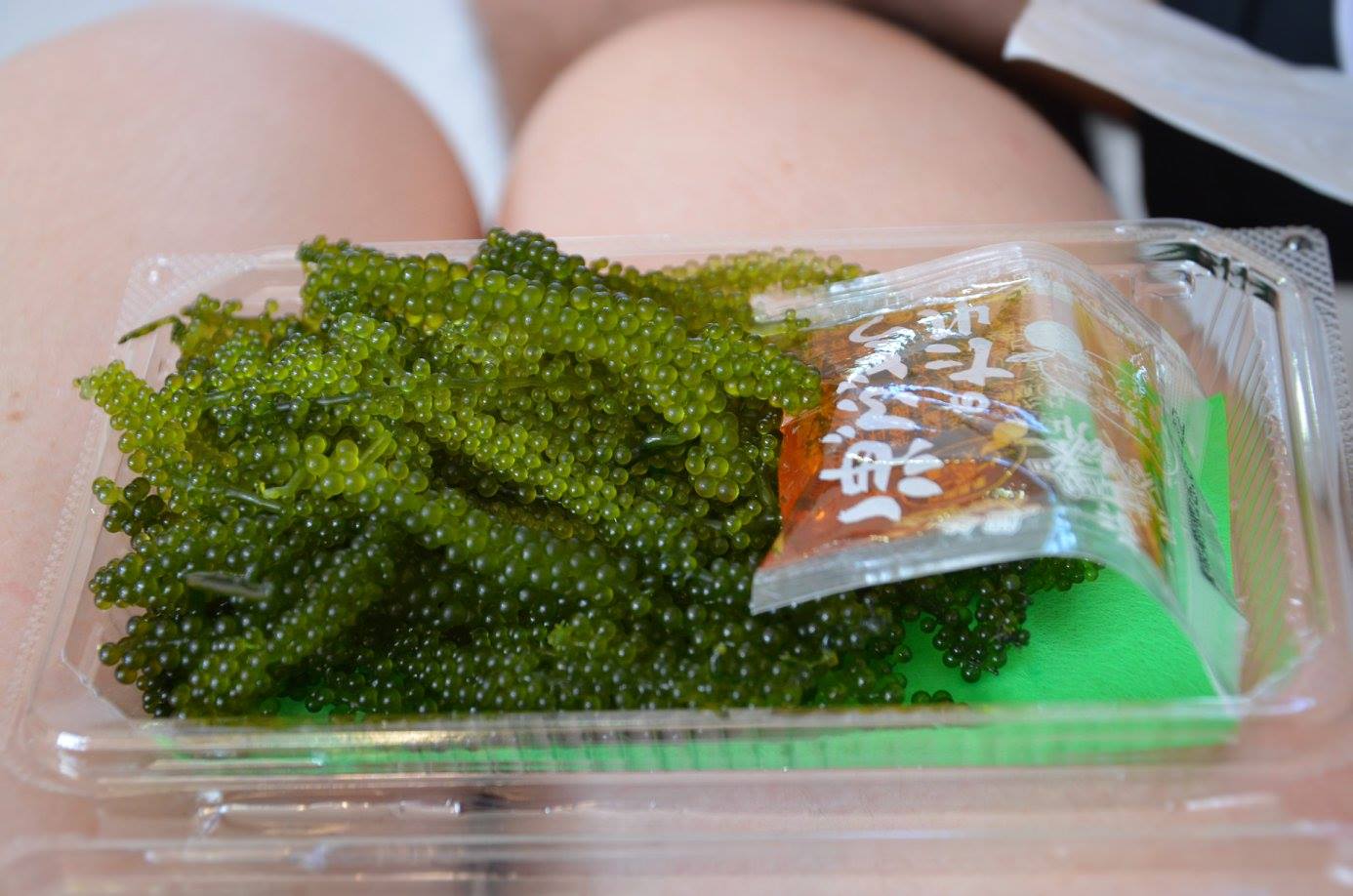
While many things in the convenience store are not vegetarian/vegan, other things are. To start with: the onigiris. In the konbini you can find ume (pickled plum), seaweed, plain, red bean and corn-mayo onigiri which are all vegan, excepts for the last one. Furthermore you can find two types of vegan/vegetarian sushi. The vegan one is natto (which is quite a thing to get used to), the second one is a big roll with egg, vegetables and some pink grainy stuff that almost looks like fish eggs, this is vegetarian! Other things are things like Dango (rice balls), tsukemono (pickled vegetables), pre-made salads (they are in see through boxes so you can see what's inside), happy dates bars, nuts, edamame (soy beans), and more. If you want to know about more vegan dishes check out this great vlog by Currently Hannah

Last but not least... Prepare!
Preparing is a big part of finding the best vegetarian and vegan places to eat. You can find information through the large amount of blogs and vlogs on the internet, which can help you greatly, and you can ask locals or hotel staff. The website happycow.net is also a good source of inspiration. This website lists all kinds of places with vegetarian and vegan food. Other than that, if you're having a hard time finding a vegetarian place wherever you are in Japan, a good alternative is to find an Indian restaurant. Indian restaurants are really popular and always have vegetarian and vegan options. They are very aware of what it means to be vegetarian or vegan so you're safe there. 

Good luck! :)

Countries & Regions: 
WorldSupporter Goals & Development Goals: 
Fields of study and work: 
Vegan Asian, Vegan European, Vegan Cookbooks

Vegan Asian, Vegan European, Vegan Cookbooks

Vegan cookbooks

A list of my personal all time favorites... even though I am not so good at following recipes. 

Three bowl cooking, the Secrets of Enlightened Cooking from the Zen Mountain Center by David Scott & Tom Pappas.

  • I accidentally bought this book at a thriftstore (kringloop in the Netherlands). My favorite dish is the peanut Udon noodles (and I even don't like peanut sauce that much), I use the sauce also in other creations, succes garanteed. See the link below.

Vegan Asian, A Cookbook by Jeeca Uy (born and raised in the Philippines), creator of a Foodie Takes Flight.

  • She gives the recipes of the Best Dishes from Thailand, Japan, China and More Made Simple. I didn't know you could make such original tastes with vegan cooking broth. I knew the secret of how to make the easiest best Chinese sweet and sour sauce (one cup of ketchup, one cup of cheap vinegar, and one cup (I do less) of sugar and a little bit of maizena). There is Pad Thai, Char Siu Tofu, Vietnamese Mushroom Pho, Singaporean Chili Tofu, Chinese Lettuce Wraps. All made easy to prepare. 

Hiltl. Virtuoso Vegetarian by Rolf Hiltl of the Haus of Hiltl.

  • Get inspiration for vegetarian recipes out of the book of the Haus of Hiltl, the first ever vegetarian restaurant in Zurich since 1898! I ate there once, it was really overwhelming their huge buffet. You can just make your own plate (the content on your plate is weighted at the cashier), all vegan, all delicious. Their recipes are in the book.

Do you have any additions?

  • The Indian kitchen has originally a lot of vegan and vegetarian dishes and I check Indian recipes as well. Indian cooking is very easy as long as you use the right herbs and prepare them the right way (most of the time the herbs and the frying is at the start of the dish, when I still follow recipes pretty well).
  • Jack Monroe (zero waste cooker) and her recipe for the Kerala Aubergine Curry, check her out. Her recipes are not all vegan, she calls them vegan(ish) but all based on zero-waste. How beautiful to combine?

Good luck!

Destinaton: Country & Regions: 
Date: 
01-01-2023 to 31-01-2023
Recipe: Ugandan vegetable Samosas

Recipe: Ugandan vegetable Samosas

This recipe is from: blog.ssekodesigns.com

I didn't try to make them myself yet, but i ate lots of Samosas in Uganda and they absolutely were my favourite Ugandan food!!

Preheat the oven to 400 degrees F.

Heat the oil in a small nonstick pan. Add the mustard seeds and fry for about ten seconds, or until they begin to splutter.

Add the onion and ginger, and cook for 2 to 3 minutes over a high heat. Add the peas, and stir well. Add the coriander, cumin, chile powder, garam masala, salt to taste, and a splash of water. Cook for 1 to 2 minutes, and then add the potatoes, and cilantro, and cook for another 2 to 3 minutes. Taste the mixture and adjust the seasoning as necessary.

Unroll the phyllo pastry dough, cover with plastic wrap and a damp tea or kitchen towel. Peel off one sheet and keep the rest covered so that it doesn't dry out. Lay the pastry sheet flat on a clean surface, and brush with melted butter. Fold in one third of the pastry lengthwise towards the middle. Brush again with the butter and fold in the other side to make a long triple-layered strip.

Place one rounded teaspoon of the filling mixture at one end of the strip, leaving a 1-inch border. Take the right corner and fold diagonally to the left, enclosing the filling and forming a triangle. Fold again along the upper crease of the triangle. Keep folding in this way until you reach the end of the strip. Brush the outer surface with more butter. Place the triangle onto a baking sheet and cover while you make the rest of the samosas. Bake in the center of the oven for 30 to 35 minutes, or until golden and crisp, turning halfway through the cooking time.

Enjoy!

Ready in: 50 min.

Ingredients:

  • 3 tablespoons vegetable oil
  • ½ teaspoon mustard seeds
  • 2 ½ ounces chopped onion
  • 1 teaspoon finely chopped ginger
  • 2 ½ ounces peas
  • 1 tablespoon coriander
  • 1 teaspoon ground cumin
  • ¼ teaspoon red chile powder
  • ½ to ¾ teaspoon garam masala
  • pinch of kosher salt
  • splash of water
  • 1 lb and 5 ounces potatoes, peeled, boiled until soft and crushed into large lumps
  • 4 tablespoons chopped fresh cilantro
  • 1 package frozen phyllo pastry dough, thawed
  • 5 tablespoons melted butter, for brushing
Destinaton: Country & Regions: 
Recipe: Udon noodles with peanut sauce as in a Zen Monastery

Recipe: Udon noodles with peanut sauce as in a Zen Monastery

Inspired by Staycations, see my former blog. And now inspired by a story of my friend in the Philippines. The lockdown is very strict and with christmas being there soon, people in the Philippines meet each other. They meet each other Online through Zoom meetings.

They have dinners together. The food is being sent to the family members, one makes the appetizer, the other the head course and one the dessert. So everyone it eating each others creations ant eat together in front of the computer. After dinner, online games are played together.

I think it is great, finding new opportunities to be together! And still be a hero and staying inside.

Hereby when you will make a Japanese themed dinner, my favorite and of my first cooking books. Three Bowl cooking, inspired by a Zen monastery, all vegetarian not vegan recipes by season. Easy to make, when you make three bowls (of different recipes to follow) your dinner is cute and different.

Enjoy!

Ready In: 10 min.

Ingredients:

  • udon
  • ginger
  • garlic
  • jalapeno pepper
  • scallions
  • fresh cilantro
  • peanut butter
  • lime
  • japanese soy sauce
  • japanese rice vinegar
  • sugar
  • sesame oil
  • bean sprouts
Destinaton: Country & Regions: 
WorldSupporter goals & Development goals: 
Supporting content & Crossroads:
Safe food & Vega travel abroad
Recipes from around the world and checking local eating habits - Theme
Access: 
Public
Follow the author: Travel Supporter
Contributions, Comments & Kudos

Add new contribution

CAPTCHA
This question is for testing whether or not you are a human visitor and to prevent automated spam submissions.
Image CAPTCHA
Enter the characters shown in the image.
Statistics
1140