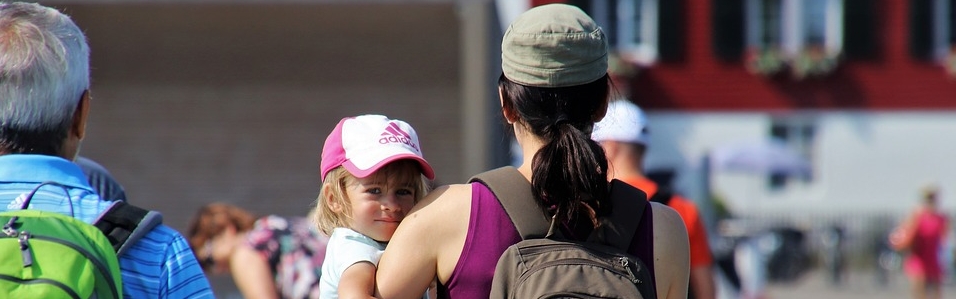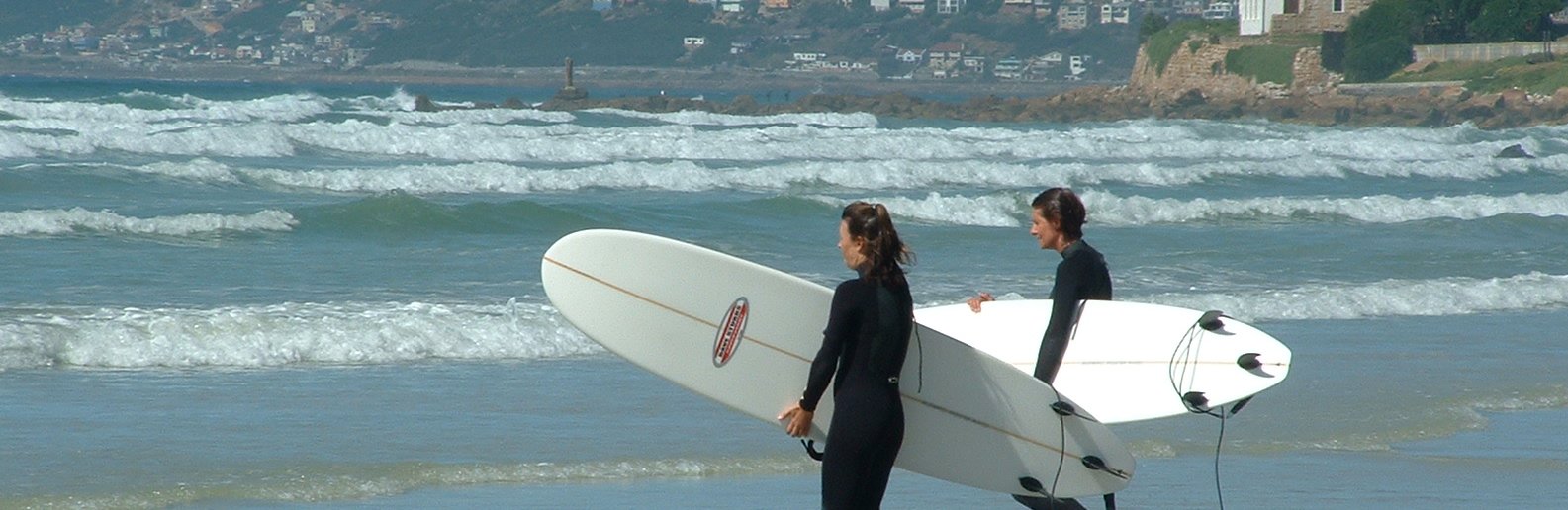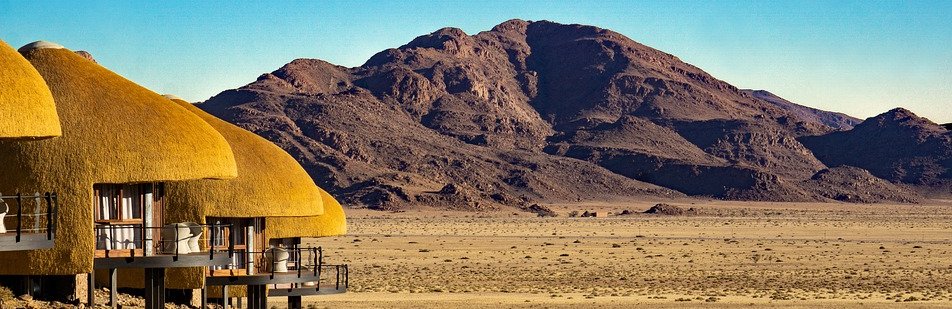
Travel to Africa to backpack, study, intern, volunteer, work, or live as a digital nomad, expat or emigrant?

Image

Image

Image  Africa

Intro

Backpacking in Africa?

  • Africa is perhaps the continent where backpackers face the greatest challenges and experience the most beautiful adventures. More than in the other continents, you are often pulled completely out of your comfort zone and you travel as journeys were once intended.
  • Characteristics: lots of adventure, lots of local contact, lots of music, lots of wildlife and sometimes some setbacks.

Travel in Africa?

  • Nothing or no one can prepare you for the wonderful world of Africa. From the pyramids of Giza in the Egyptian desert to the annual migration of wildebeest in search of water in the Serengeti National Park (Tanzania). The trips with a Spotting nature: Victoria Falls (Zimbabwe, Zambia), the West African Sahara, the safari areas in East Africa, the surf spots of Guinea or South Africa.
  • Spotting animals: from lions to elephants and from rhinos to penguins.

Internship and study in Africa?

  • Studies: in principle, all subjects and forms of education can be found.
  • Study and internship cities: Cairo, Cape Town, Kigali, Mombasa, Zanzibar.
  • Internship competencies: patience, perseverance.

Volunteer work in Africa?

  • Volunteer projects: mainly in the social sectors, education, healthcare and animal care.
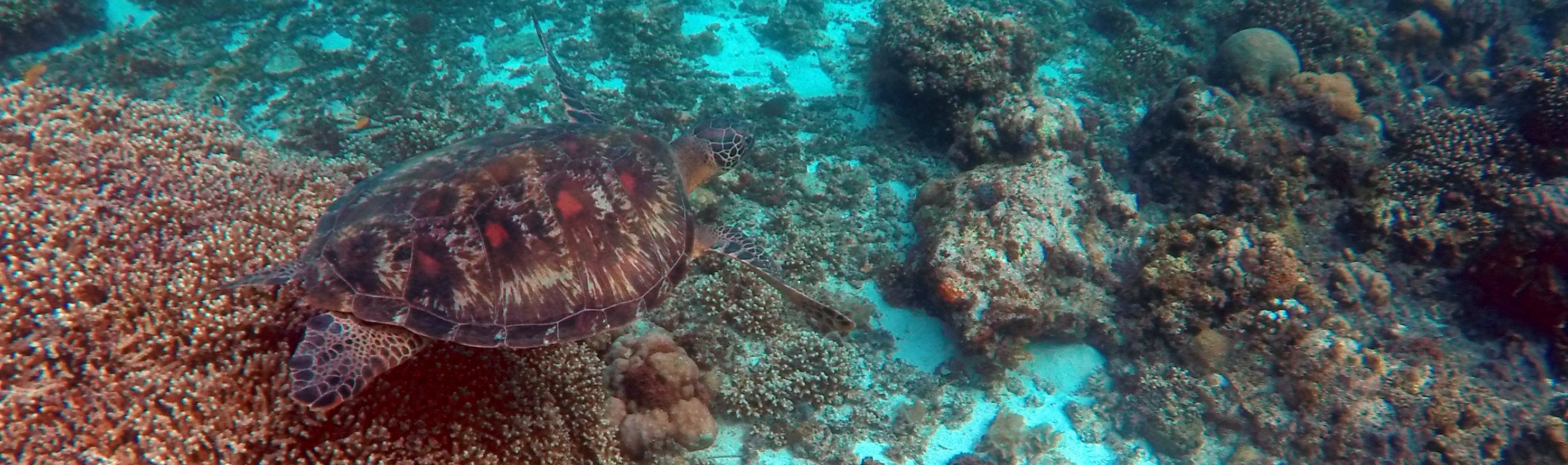
  • Animal projects: protection of monkeys, elephants, penguins, sea turtles, among others.
  • Features: volunteer work possible from 1 or 2 weeks to several months.

Working in Africa?

  • Jobs: temporary work can mainly be found in tourism and healthcare.
  • Work competencies: involvement, empathy, patience, perseverance.

Working as a digital nomad in Africa?

  • Favorite cities and islands: Cairo, Dahab (Egypt), Cape Town, Kigali (Rwanda), Marrakesh, Nairobi, Port Louis (Mauritius), Zanzibar (Tanzania).

Living in Africa?

  • Language: English or French is spoken almost everywhere.
  • Living environment: varies enormously per location, but in general life in some African countries is a bit more adventurous than in most other regions.
  • Care in Africa: ask for advice about insurance policies that provide sufficient coverage for the right care and also repatriation in the event of an emergency.

Orientation & Discovering

Africa: typical African habits, food customs, recipes and philosophies

Africa: typical African habits, food customs, recipes and philosophies

African habits, food customs and remarkable philosophies

    What are typical Kenyan habits, food customs, recipes and philosophies in Kenya?

    What are typical Kenyan habits, food customs, recipes and philosophies in Kenya?

    What are the customs in Kenya regarding food?

    • Because of the many different tribes and groups of people from Asia and Arab countries, among others, Kenya has a very diverse cuisine. For example, the Massai, pastoralists, eat a lot of meat and drink a lot of milk while the peoples living around Lake Queen Victoria eat mostly fish. Most meals in Kenya consist of ugali or potatoes accompanied by meat or fish and lots of vegetables.

    What are the best recipes in Kenya?

    • Ugali which is a mixture of water, milk and corn flour.
    • Mandazi are a type of doughnut that many Kenyans absolutely love.
    • Kachumbari is spicy tomato sauce with meat.

    What are the best drinks in Kenya?

    • Tea is served British-style with lots of sugar and milk.
    • Kenyans like warm beer.
    • Try to avoid locally distilled alcoholic beverages such as Busaa and Changaa. These drinks have caused a fair number of deaths due to the unsanitary conditions under which they are made.
    • Ginger Ale from Tangawizi is a locally brewed drink enjoyed by many Kenyans.

    What are notable holidays and festivals in Kenya?

    • Kenyatta Day is on October 20. The holiday of Kenya's first president, Jomo Kenyatta, is celebrated with parades throughout the country.
    • Jahmuri Day, or Independence Day, is celebrated on Dec. 12. In 1963 Kenya gained independence from England and in 1964 on this day Kenya became part of the Commonwealth. There are throughout the country, speeches, parades and celebrations with dancing and music.

    What are the remarkable habits in Kenya?

    • Cultural customs: there are a huge number of cultures to be found in Kenya, and people identify strongly with their own ethnic group and its customs. Yet there is also a strong sense of national identity. General values found in Kenya are caring for neighbors and loved ones, strong family ties and modesty.
    • Social norms & mutual communication: greetings are important in both business and personal conversations, titles and formal forms of address are used to show respect, and non-verbal communication plays a big role!
    • Etiquettes & traditions: think politeness, respect, shaking hands with a slight head bow, hospitality towards guests, wearing traditional clothing on special occasions. Color and patterns may also be important here.
    • Eating and drinking habits: Meals are consumed together and it is polite to wait for the elder or host to start eating. Many Kenyans eat with their hands in the process.

    What are some Kenian wisdoms and proverbs?

    • "Do not mistake a rained on lion for a cat."

      • even if someone does not feel like hunting he can still kill

    • "Wisdom is like a baobab tree; no one individual can embrace it."

      • wisdom is vast and collective; it requires the contributions of many to fully understand

    • "The strength of the crocodile is in the water."

      • You are stronger in your environment than anywhere else

    • "One who is not disciplined by their mother will be disciplined by the world’

      • If you are not taught at home, then you will learn it the hard way

    What are typical Mediterranean habits, food customs and remarkable philosophies?

    What are typical Mediterranean habits, food customs and remarkable philosophies?

    Image

    The Mediterranean Sea is surrounded by 16 countries. Of these 16 countries, 6 are in Europe, 5 are in Africa, 4 are in Asia. The 6 European countries that border the Mediterranean are Spain, France, Monaco, Italy, Greece, and the island country of Malta and Turkey. The 5 African countries are Egypt, Libya, Tunisia, Algeria, and Morocco; the 4 Asian countries are Syria, Lebanon, Israel, and Cyprus. Since the Mediterranean area is quite big, it is difficult to generalise, but let's try for a change.

    To me the Mediterranean is famous for food. Often people speak about the Mediterranean diet. A Mediterranean diet consists food that is found in the region like fresh vegetables, local herbs and spices, fish and seafood, lentils, poultry, eggs, cheese, yoghurt, nuts. Consume with (a moderate amount of) wine and plenty of water.  Many nutrition experts recommend the Mediterranean diet for health reasons. There is hardly any red meat in the diet.

    General

    • A Mediterranean habit is everything in moderation and it was coined by the Greek philosopher Cleobulus. It is key in living well.
    • Everyone eats late.

    Habits in Cyprus

    • Family is a priority in Cyprus. Parents take care of their children. When parents grow old, children will take care of them. Old people take care of their grandchildren. Family is everything!
    • People Cyprus are generally slow and they postpone things until the next day. Nobody is in a hurry and try to enjoy every minute of life.
    • The meze is a selection of small dishes, like tapas. The meze is a good formula to enjoy multiple flavors and to socialize over a long meal.
    • Some people in Cyprus believe in the evil eye, which brings bad luck, there are charms to keep you protected.

    Habits in Egypt

    • The hot climate has defined the Egyptians' national character - calmness. People in Egypt like to take it easy. They are often late and spend a lot of time to make a decisions. Non-punctuality and slowness are justified by the habit of living by the "Egyptian time". It is from the Mediterranean habit to relax. Egyptians' favorite word is "Bukra", which means "tomorrow". Which reminds me of mañana mañana.

    Habits in France

    • Fresh and homemade are the two words that describe home cooking in France. Most meals are freshly prepared meals. Everything made from scratch from salad dressings to bread. It is a daily practice for many Europeans. The French are famous for drinking wine with their dinner. All in moderation, then it is even good for health!

    Habits in Israel

    • Israeli diet is considered the healthiest of the world. It totally fits the Mediterranean diet, it is the Mediterranean diet! A lot of vegetables, lemon, chickpeas, moderate amounts of dairy and meat, and all with olive oil. All meals are served in small portions. 

    Habits in Italy

    • I remember my time in Italy with huge meals, of multiple courses, hours and hours spent around the table dining with friends and family. One specific ingredient used in Italy is olive oil. Healthy to the max, used in small portions. 

    Habits in Malta 

    • Daily life in Malta is very laid back. No one seems to ever be in a rush.
    • Many locals enjoy good conversation over a coffee. Malta is a very much family-orientated island, and you can see families spending time together.
    • It is too hot during the day, especially in summer, when the sun is high on the horizon, so the shops are closed and people are resting.

    Habits in Monaco

    • Monacan habits are also connected to food! Daily eating habits reflect a Mediterranean heritage. French and Italian influences can be found in the local recipes. Breakfast is very small, but lunch and dinner often have multiple courses.

    Habits in Morocco

    • Morocco has a small part of the country, which is on the Mediterranean coast. You will find Mediterranean habits in Morocco. Family is for most Moroccans is the most important element in life. It is family before work, friends and sometimes even marriage. Many Moroccans live with their families before and after marriage. The topic family is a populair topic to talk about. It is normal to inquire about details of family relationships of a person you don't know.
    • The people in the country are in general warm, open and do not have any inhibitions. A guest is a gift from Allah. People are likely to invite you to their homes. 
    • Dine and feed your guests even if you are starving is a proverb. The people are generous and will likely send you home stuffed and full. 

    Habits in Spain

    • Flamengo is the example of exercise in a fun way, while dancing. Joy and sorrow threaten to overwhelm you. The raw passion of flamengo can bring you to another world. Get transformed as well and listen to:
    • Pata Negra, Blues de la fontera (1987)
    • Chambao, Flamenco chill (2002)
    • Every one takes naps, the so called siesta. Shops are closed, people eat with family and friends and take a nap afterwards. The nap has the effect that you can't sleep early, so you work until later in the evening, since you had a siesta. You have dinner later and you sleep later.
    • Mañana mañana is a word from the Spanish language that means tomorrow and morning. This word describes the period of time between midnight and noon. It means it is done sometime tomorrow, which means no stress. Take it easy. Enjoy life and relax when possible.

    Please help me adding

    • Algeria
    • Libya
    • Syria
    • Lebanon
    • Tunisia

    Image

    Preparation & Packing

    Packing list for Burkina Faso, travel insurance for Burkina Faso, and taking your belongings

    Packing list for Burkina Faso, travel insurance for Burkina Faso, and taking your belongings

    What to take with you to Burkina Faso: spotlighted

    To bring and to check:
    • Documents: passport with at least six months validity.
    • Money: be sure to bring some West African CFA francs (XOF) and your debit card.
    • Care: sunscreen and aftersun.
    • Outdoor and practical items: hat/cap and good sunglasses. Lightweight raincoat (June-September) and a buff, scarf or bandana against the sun and dust.
    • Clothing: light and airy clothing, with long sleeves against the sun and mosquitoes. An extra layer (fleece/sweater) for the cool mornings and evenings.
    • Shoes: comfortable walking shoes and slippers/sandals.
    • Medicines and travel pharmacy: a small first aid kit with plasters, painkillers, hand sanitizer, remedies for stomach problems. ORS and mosquito repellent.
    • Safety: money belt or fanny pack for your valuables. Technique and equipment: world plug type C & E, power bank.

    What are some other options for packing as well?

    • Reusable water bottle with filter, because tap water is technically drinkable, but often tastes strange.
    • Quick-drying travel towel.
    • Not sure whether you will sleep in places with a mosquito net or air conditioning? Then bring your own impregnated mosquito net or mosquito net.
    • E-reader or other offline entertainment.
    • A few sentences in French, to make a good impression.
    • International driving license, if you want to rent a car.
    • Headlamp or flashlight.

    What should you keep in mind when traveling to Burkina Faso with your belongings?

    • The malaria risks in Burkina Faso.
    • How to dress appropriately.

    Are there mosquitoes in Burkina Faso?

    • Malaria is a significant health problem in Burkina Faso. The country is among the ten countries with the highest number of malaria cases and deaths. And not only that, mosquitoes in Burkina Faso can also transmit other nasty diseases.
    • The risk is highest during the rainy season, from June to September.
    • Use insect repellent, wear protective clothing and sleep under an impregnated mosquito net.

    Are there sandflies in Burkina Faso?

    • There are sand flies all over the country, and they can transmit Leishmaniasis. So protecting yourself is important.
    • Your set of mosquito repellents with DEET can help in combination with covering clothing, good spray, and not sleeping on the beach without protection.

    Can you buy DEET, or other mosquito repellents, in Burkina Faso?

    • It will be difficult to find your favorite and good mosquito repellent in Burkina Faso.
    • So it is best to bring it from home.
    • Locals use as a mosquito repellent: Faso soap or Fasoap.

    Can you buy a joint or weed in Burkina Faso, or take it with you to Burkina Faso?

    • Burkina Faso has an ideal climate for cannabis, but unfortunately that does not mean you can just find and use it everywhere.
    • Burkina Faso has a very strict drug policy. Cannabis use, cultivation and possession are illegal and can lead to high fines, long prison sentences (up to 10 years!) and a spontaneous ‘extended stay’ in a cell that cannot be found on Booking.com.
    • Even small amounts or suspicion of possession can be enough to cause serious legal problems. So taking it with you is also not a good idea.
    Packing list for Egypt, travel insurance for Egypt, and taking your belongings

    Packing list for Egypt, travel insurance for Egypt, and taking your belongings

    What to take with you to Egypt: short

    Featured items:
    • Documents: passport valid for at least 6 months upon arrival. An online and/or offline copy of your passport is also always useful.
    • Money: It is useful to have Egyptian pounds (EGP) when you want to pay at markets, small shops and street vendors. Also, outside tourist areas, there are not always ATMs available.
    • Care: sunscreen with a high factor - because hiding from the sun is going to be difficult in Egypt and buying it there is expensive!
    • Outdoor and conveniences: cap or hat and sunglasses.
    • Clothing: breathable clothing and layers. It can still be quite cold in the winter months. As a woman, it can be nice to wear covering clothing.
    • Shoes: comfortable, airy (walking) shoes and sandals.
    • Medicines and travel kit: a small first aid kit with plasters, hand sanitizer, painkillers, anti-diarrhea and ORS. Anti-mosquito repellent for the summer.
    • Technology and equipment: world plug with type C & F.
    • Women: scarf or light shawl for the sun and for visiting mosques. Tampons if you use them!
    What are some other options for packing as well?
    • Reusable water bottle with filter (more about drinking bottles).
    • Portable fan or fan for cooling.
    • Quick-drying travel towel and swimwear for the beach or pool. In terms of swimwear, what people wear varies - from bikini to burkini.
    • Diving goggles and snorkel!
    • Earplugs for the noisy cities.
    • Biodegradable tissues for the toilets. Often there is no toilet paper.

    What should you keep in mind when traveling to Egypt with your belongings?

    • What time of year you are going.
    • The dress code at different locations.
    • What you are going to do.

    Are there mosquitoes in Egypt?

    • Yes, there are! You will mainly find mosquitoes in areas around water.
    • Egyptian mosquitoes are most active in the evening and at night.
    • You do not need to be afraid of malaria, but other diseases such as dengue and West Nile virus do occur.

    Are there sandflies in Egypt?

    • Sand flies live in Egypt, but don’t often cause problems for tourist. 
    • They are usually active during twilight and night.
    • There is a risk that they can transmit leishmaniasis.

    Can you buy DEET, or other mosquito repellents, in Egypt?

    • It is not always easy to find mosquito repellent in Egypt.
    • Your best chance is online and at pharmacies and large drugstores.
    • It is easiest to bring your own preferred repellent from home. 

    Can you buy beer or wine in Egypt, or take it to Egypt?

    • Because Egypt is a largely Islamic country, it is not necessarily easy or cheap to go wild with a night of drinking. And that despite the fact that they have quite a history with beer and wine production!
    • Alcohol consumption is haram, or forbidden, for Muslims according to Islam. Apart from that, it is legal to drink alcohol in Egypt and available in certain hotels, restaurants and bars, especially in tourist areas.
    • You must be 21 years old to be able to drink alcohol.
    • It is better not to drink alcohol in public, because it's forbidden.
    • Alcohol consumption is also totally forbidden during Ramadan and Islamic holy days.
    • You’re allowed to bring one liter of alcohol in your luggage. 

    Can you buy a joint or weed in Egypt, or take it with you to Egypt?

    • Totally illegal. Smoking of cannabis does happen in Egypt, but the laws are strictly enforced. Especially for tourists!
    • A prison sentence is not uncommon.
    • So you are not allowed to take a joint or weed with you either.
    Packing list for Gambia, travel insurance for Gambia, and taking your belongings

    Packing list for Gambia, travel insurance for Gambia, and taking your belongings

    What to bring to Gambia: highlighted

    Highlighted items:

    • Documents: a passport with at least 6 months validity, and an online and offline copy. Copy/screenshot of your visa if you need it.
    • Money: having sufficient Gambian dalasi (GMD) or pounds is useful. ATMs are available in urban areas, so your debit card will come in handy for that.
    • Care: high factor sunscreen and after-sun in case things go wrong.
    • Outdoor and conveniences: head protection such as a cap or hat if you don't want a boiling head and of course some sunglasses.
    • Clothing: light clothing made of cotton or linen that covers your shoulders and knees due to local customs. (See also tropical clothing and clothing for warm weather)
    • Shoes: sandals/slippers for the beach and closed shoes for walks and excursions.
    • Medicines and travel pharmacy: anti-diarrhea medication, plasters, possibly malaria medication, painkillers and ORS are certainly useful in Gambia. And your vaccinations of course.
    • Safety: for your sense of security, a money belt or fanny pack for your valuables is good to have.
    • Technology and equipment: world plug type G, you may still have one from a visit to the UK (see also world plug or travel plug).

    What else can you take with you:

    • Water bottle with filter, you will definitely be happy with that.
    • Flashlight for when the power goes out again.
    • A small power bank, also for when the power goes out.

    What knowledge is useful when you go to Gambia?

    • Knowledge of the culture (mainly Islamic) and local customs.
    • Knowledge of local regulations.

    Are there mosquitoes in Gambia?

    • There are quite a few mosquitoes in Gambia.
    • The number of mosquitoes increases significantly during the rainy season.
    • Because they can transmit diseases such as malaria, it is important to protect yourself.

    Are there sand flies in Gambia?

    • Sandflies are present in Gambia, particularly in the savannah regions and also in some wetter areas.
    • There is a risk of getting leishmaniasis.

    Can you buy DEET, or other mosquito repellents, in Gambia?

    • It is possible to find DEET in Gambia, in the large shops and chemists, but finding specific products, such as mosquito spray that is safe for children, can be difficult.
    • So it is useful to bring your own, prefered products.

    Where can you get your food and drinks in Gambia?

    • There are supermarkets that may not be that big, but they sell everything you need.
    • There are restaurants with all kinds of cuisines - from Indian to Italian and beach bars with all kinds of snacks.
    • Local barbecues - “Afra takeaways”, on the street where you mainly encounter meat. It does occasionally cause traveller's diarrhoea.

    Can you buy a beer or wine in Gambia, or take it to Gambia?

    • Yes, alcohol is legal and can be bought everywhere: supermarkets, bars, resorts.
    • You may import a maximum of 1 liter of spirits, 24 cans of beer or 1 liter of wine duty-free upon arrival.

    Can you buy a joint or weed in Gambia, or take it with you to Gambia?

    • No, cannabis is illegal.
    • You will also have to leave your own supply at home.
    • Even small amounts or edibles are punishable. There are severe penalties for possession and use.
    Packing list for South Africa, travel insurance for South Africa, and taking your belongings

    Packing list for South Africa, travel insurance for South Africa, and taking your belongings

    Packing list for South Africa, travel insurance for South Africa, and taking your belongings

    To take or not to take to South Africa, leave at home or arrange locally?

    Sufficiently insured or not for your activities in South Africa?

    Sufficiently insured or not for your trip to South Africa?


    What to take with you to South Africa: spotlighted

    Featured items:

    • Documents: passport that is valid for at least 30 days after your departure date upon arrival. An online and/or offline copy of your passport is also always useful.
    • Money: a little cash (South African rand) is always useful for the smaller places, but it is easy to use an ATM. Also take your credit card with you for deposits and roadside assistance.
    • Care: high factor sunscreen. This is often cheaper at home. Sunglasses with good protection.
    • Outdoor and conveniences: a good hat, or possibly a cap and sunglasses. A thin buff is useful for dusty safari trips.
    • Clothing: layers are useful. Airy, lightweight clothing for the day and something warmer for the air conditioning or the cool evenings and mornings camping. Beachwear is of course also no harm! Neutral colored clothing for the safari.
    • Shoes: comfortable walking shoes and sandals.
    • Protection: in the rainy season (November-March) a raincoat, poncho and/or protective cover for your backpack is useful. Medicines and travel kit: a first aid kit with at least plasters, painkillers, ORS and mosquito repellent.
    • Safety: money belt and possibly locks for your bag.
    • Technology and equipment: world plug with type M, because otherwise it will keep trying for a long time. Powerbank for regulated and unregulated power outages.

    What are some other options for packing as well?

    • Reusable water bottle with filter.
    • International driving license for your car adventures.
    • Small binoculars for your safari or chill evening in the bush.
    • Are you going camping? Bring a headlamp and something fun to do.
    • Women: a shawl or scarf is multifunctional for the cold, temples and culturally sensitive places.
    • A good sense of adventure.

    What should you know when you bring your stuff with you to South Africa?

    • The reversed seasons compared to the northern hemisphere. 
    • What activities you are going to undertake and what is useful to bring with you.

    Are there mosquitoes in South Africa?

    • Yes, mosquitoes are present, especially in the northern and eastern regions. Malaria is a risk, especially during the months of September to May, the malaria season.
    • Higher risk areas are the north-east of KwaZulu-Natal and parts of Mpumalanga and Limpopo.
    • During the winter months (approximately May to August) the number of mosquitoes decreases considerably, especially in the higher areas. This is due to the cold and because it is drier.

    Are there sandflies in South Africa?

    • Sand flies are generally not a problem in South Africa.

    Can you buy DEET, or other mosquito repellents, in South Africa?

    • DEET and anti-mosquito sprays are readily available.
    • You can easily get it from large pharmacies and supermarkets.
    • Some shops where you can get it are Clicks and Dischem. Popular products are Tabard and Peaceful Sleep.

    Can you buy a joint or weed in South Africa, or take it with you to South Africa?

    • In 2018, the Constitutional Court of South Africa ruled that the private use and possession of cannabis by adults is legal.
    • This means:
      • You can smoke in your own home.
      • You can have a limited amount at home for personal use.
      • You can grow plants (for yourself).
    • Public use, sale, and possession in large quantities remain prohibited. You also cannot bother anyone else while you’re smoking a joint - not even a family member.  
    • The exact boundaries of “personal use” are not strictly defined in law — so there is some room for interpretation, including for police officers.
    • You absolutely cannot import or export weed, not even a little, not even in a cookie, not even if you “didn’t know it was in your bag.”
    Packing list for Tanzania, travel insurance for Tanzania, and taking your belongings

    Packing list for Tanzania, travel insurance for Tanzania, and taking your belongings

    What to take with you to Tanzania: spotlighted

    • Documents: Passport, valid for at least 6 months after the end of your trip. An online and/or offline copy of your passport.
    • Money: Enough Tanzanian Shillings (TZS) in cash (preferably small) for most of your holiday – US dollars are also acceptable, but they must be new and free of tears. Debit and credit cards for the big cities.
    • Care: Enough sunscreen, as it is cheaper and easier to find at home (read more about sunscreen and sun block).
    • Outdoor and practical: sunglasses and something for your head (read more about a hat, travel cap or cap here!
    • Clothing: light and neutrally colored tropical clothing that is best for safaris and warm areas if it covers your body because of the mosquitoes. A not too thin sweater for the cooler hills.
    • Shoes: suitable, light shoes for walking and the tropics. And possibly travel sandals, tevas or open shoes.
    • Medicines and travel pharmacy: a small first aid kit with plasters, painkillers, anti-diarrhea, disinfectant and of course good anti-mosquito repellent (see also DEET anti-mosquito repellent).
    • Technology and equipment: world plug type D & G (see also world plug or travel plug), power bank for your multi-day nature trips.
    • Women: menstrual products. You can even take some extra to leave somewhere. Also check the Binti project and Reenpad if you want to contribute.
    • Extras: a reusable bag. Plastic bags are prohibited, so don't bring them! (Wet), biodegradable wipes for toilet visits.
    What are some other options for packing as well?
    • Reusable water bottle with filter (read more about drinking bottles).
    • Mini binoculars or monocular.
    • Water shoes, given the coral and rocks in the water at various locations.
    • Mosquito net, impregnated or not (read more about mosquito nets or impregnated mosquito net or mosquito net).
    • Sandals/slippers for at the hotel.
    • Headlamp (read more about headlamp or flashlight) and entertainment for evening adventures.
    • Money belt if you want to feel a bit safer (but not really necessary).

    What should you keep in mind when traveling to Tanzania with your belongings?

    • That you will spend quite a bit of extra cash on tips (10%). 
    • The culture of the regions you are going to - in Zanzibar and Islamic regions for example: no bare shoulders or knees, not even on the beach in local neighborhoods.

    Are there mosquitoes in Tanzania?

    • There are mosquitoes throughout Tanzania.
    • Mosquitoes in Tanzania can transmit both malaria and dengue.
    • Mosquitoes are particularly active at sunrise and sunset.
    • More about protection against mosquitoes and insects.

    Are there sandflies in Tanzania?

    • Sand flies are not a big problem in Tanzania, but have been found in the north of the country (where they can transmit leishmaniasis) and tourists report sand flies on some islands.
    • If you are already protecting yourself against mosquitoes, you probably don't have to worry about sand flies.

    Can you buy DEET, or other mosquito repellents, in Tanzania?

    • DEET is available at large pharmacies in Tanzania and also natural mosquito repellent. But… the choice is a lot more limited and often a lot more expensive than at home because it has to be imported.

    Can you buy a joint or weed in Tanzania, or take it with you to Tanzania?

    • Weed is illegal and foreign tourists are severely punished with prison sentences.
    • Even small amounts can cause big problems. So: Hakuna matata? Only without a joint.
    • So you are not allowed to take it with you!

    Health, Insurance & Safety 

    How does healthcare work in Africa, and what travel insurance, health insurance or expat insurance do you need?

    How does healthcare work in Africa, and what travel insurance, health insurance or expat insurance do you need?

    How does the healthcare system work in Africa?

    • The quality of healthcare in Africa varies greatly from country to country, depending on factors such as economic development, political stability, colonial history and urban infrastructure.
    • The best countries for healthcare are South Africa, Ghana, Kenya, Tunisia, Algeria, Nigeria, Egypt and Morocco. Countries where locals suffer greatly and where you cannot find good healthcare include the Central African Republic, DR Congo, Somalia, South Sudan and Chad.
    • Outside of popular international cities, it can be difficult to find English-speaking healthcare.
    • Most countries offer both public and private healthcare options.
    • Pharmacies are found in urban areas. Large international cities in particular have well-equipped pharmacies with all the necessary medicines. In rural areas and in many poorer countries, pharmacies are limited or non-existent.
    • In some countries, medical evacuation to South Africa, Europe or the Middle East is necessary for serious medical problems. Expats almost always opt for international health insurance, mainly because private healthcare is expensive and public healthcare often falls short.

    How does the public healthcare system work in Africa?

    • Public healthcare is free or very cheap for residents in most countries, but of varying quality. For foreigners, this care is usually of limited use, unless they officially register with a local healthcare system.
    • The quality does depend strongly on the location: healthcare is better organised in urban areas than in rural areas.
    • Expats often have access to healthcare, but the quality and waiting times are a barrier.

    How does the private healthcare system work in Africa?

    • Private healthcare is often used by foreigners and the local middle class. The care is often of better quality, with more extensive facilities and better trained doctors.
    • You can also find English-speaking staff more quickly here, especially in large cities.
    • Many countries have international private hospitals, for example Aga Khan Health Services (East Africa), Netcare and Mediclinic (South Africa), or private clinics in Nairobi, Accra, Tunis, or Rabat.
    • In countries such as South Africa, Morocco, Tunisia, Ghana, Kenya, Mauritius, Botswana you will find good private care.
    • In countries such as Niger, Eritrea and the Central African Republic even private care is difficult to find.

    How is the general practitioner arranged in Africa?

    • In many African countries the classic ‘general practitioner system’ does not exist as in Europe. People often go directly to clinics or hospitals.
    • In countries such as South Africa, Namibia, Mauritius and parts of North Africa (such as Morocco and Tunisia) general practitioners are part of the system.
    • In rural areas it is nurses, community health workers or traditional healers who fulfil the role of primary care provider.

    How is the dentist arranged in Africa?

    • In cities in some countries, private dental practices are easily accessible. In popular countries such as South Africa, Morocco, Egypt, Ghana, Kenya the quality of dental care is reasonable, especially in private clinics.
    • In rural areas or in conflict areas dental care is often limited or absent.
    • Prices are relatively low compared to Europe. Expats generally choose private clinics for reliability and hygiene.

    How is pregnancy care arranged in Africa?

    • Public maternity care is often free or cheap, but varies greatly in quality. In many countries, women depend on clinics with basic facilities or on help from NGOs.
    • In Rwanda, Ghana, South Africa, Kenya, Morocco, maternal and child care is relatively well developed, with prenatal care and vaccination programmes.
    • In countries such as Haiti, DR Congo, Chad, and Somalia, maternity care is limited or risky; giving birth is often dangerous here due to a lack of hygiene, emergency care and medical support.
    • Expats usually choose private clinics with international support, or fly abroad (e.g. South Africa or Europe) for childbirth and maternity care.

    How safe or unsafe is a trip or stay in Africa?

    What should you pay attention to in terms of safety in Africa?

    • The safety situation also varies greatly per country in Africa. While you can expect some countries to be relatively safe - for example countries where many expats live, where the political situation is stable and where the economy is reasonable - other countries are sometimes extremely unsafe.
    • The relatively safe countries are Botswana, Namibia, Mauritius, Ghana, Cape Verde and parts of South Africa. Unsafe countries are mainly conflict countries such as DR Congo, Somalia, South Sudan and Burkina Faso. Here the risk of kidnappings and serious conflicts is much greater.
    • In general, you should be careful everywhere for pickpocketing, burglaries and car theft. Many foreigners live in guarded neighbourhoods.
    • It is also unsafe to walk the streets alone in the dark in many countries.
    • In countries where the government situation is stable, political unrest can lead to sudden unsafe situations.

    What should you look out for in terms of diseases in Africa?

    • You cannot avoid the risk of tropical diseases in Africa. These types of diseases, such as malaria, dengue, bilharzia, yellow fever and typhoid are widespread.
    • In many countries, tap water is not drinkable.
    • In high-altitude areas, altitude sickness can occur.

    What should you pay attention to when it comes to traffic in Africa?

    • Driving in Africa actually also poses a considerable risk in terms of safety and health, although this also varies greatly from country to country. Roads are often poorly maintained, traffic is sometimes chaotic and you can get stuck in extremely remote places if you are looking for adventure.
    • In countries such as Kenya, Nigeria, Uganda, Ghana and Tanzania, traffic is busy and dangerous, with many accidents.
    • In South Africa, the road network is well developed, but there are risks of robberies on certain routes.
    • Public transport is usually limited or unsafe; many expats use private drivers, taxi apps or their own transport with local knowledge.

    What work and travel insurance policies are suitable for short and long stays in Africa?

    • Is the trip to Africa and your return sufficiently covered? Are you sufficiently covered before, during and after your activities? Which insurance best suits your trip and your activity? Which insurance best suits your trip and your activity? Read more about insurances for abroad on JoHoinsurances.org.

    What emigration and expat insurance can you take out for Africa if you are going to live there for a while?

    • A good, international health insurance is essential for almost all countries in Africa. There are many health risks, while the quality of care often leaves much to be desired. Insurance is therefore not only important to cover the costs of private care, but especially to prevent high costs for medical evacuation or repatriation.
    • Make sure your insurance covers medical evacuation as well as coverage in neighboring countries. Read more about insurances for abroad on Expatinsurances.org.
    Why get specific insurance when going abroad: per activity abroad
    Why should you take out specialized travel insurance for a long trip abroad?

    Why should you take out specialized travel insurance for a long trip abroad?

    What is round the world travel insurance or long-term travel insurance?

    • Round the world travel insurance means that you take out insurance that continues to provide coverage during all your activities abroad, and which is specifically intended for those who travel for long periods of time, such as world travelers, globetrotters, and nomads.

    Why should you take out specialized travel insurance for a long trip abroad?

    • Round the world travel insurance provides coverage for a much longer trip than regular travel insurance.
    • World travel insurance is specifically intended for longer trips, whereas regular travel insurance may offer coverage on paper, but in practice handles it differently.
    • World travel insurance is suitable for many types of activities, ranging from high-altitude trekking to more risky sports.
    • World travel insurance continues to provide coverage if you start working during your trip, whether planned or unplanned. If you did not take out insurance before departure that allows you to work, there is no guarantee that you will be able to take out insurance that provides coverage while abroad.
    • Long-term travel insurance continues to provide coverage when your home country's health insurance no longer does.
    • Worldwide travel insurance also covers your medical expenses up to the actual cost, and not just for the standard costs. The costs per medical treatment vary greatly between countries.
    • Worldwide travel insurance can also continue to provide coverage if negative travel advice is issued.

    What is important to insure when you are going to travel around the world?

    • That you have insurance that is valid in the countries where you are going to travel and posibly work.
    • That you are adequately insured for the sports and activities you are going to participate in during your full period abroad
    • That you are insured for emergency assistance and early return if something happens to you or your immediate family.
    • That your medical expenses are insured up to the actual cost and not just for the standard costs. The costs per medical treatment vary greatly between countries.
    • That you insure your luggage and take sufficient precautions against theft or damage.
    • That you are well insured against personal liability.
    • That you are well insured in case of accidents.
    • That you only insure yourself for legal assistance if there is an immediate reason to do so, unless coverage is already automatically included in the insurance.
    • That you pay close attention to choosing the right coverage when performing work or voluntary work during your world trip.

    Check out more about

    Why should you take out specific insurance when you go on a trip or vacation?

    Why should you take out specific insurance when you go on a trip or vacation?

    What is insurance for traveling abroad?

    • Travel insurance is insurance that provides coverage for risks during a trip or vacation abroad. This mainly concerns loss of or damage to your luggage, medical assistance, or repatriation costs if you need to be transported back home urgently. In some cases, travel insurance coverage also applies on domestic trips.
    • With annual travel insurance or multi-trip travel insurance, you are insured for all your trips throughout the year.
    • With temporary travel insurance or single-trip travel insurance, you take out insurance for each trip for the duration of the trip.
    • Cancellation insurance reimburses (all or part of) the travel sum, cancellation or accommodation costs if you have to cancel or interrupt your vacation.

    Why should you take out travel insurance for a short trip, vacation, or long-distance trip?

    • Travel insurance can provide coverage in the event of an accident or emergency while you are abroad.
    • Travel insurance can provide coverage for damage and accidents during the adventurous or sporting activities you plan to do.
    • Travel insurance can continue to provide coverage if your health insurance no longer provides coverage, or if the damage is only reimbursed at cost price of your home country.
    • Travel insurance can provide coverage in the event of damage, loss, or theft of your luggage.
    • Travel insurance can provide coverage if you are held liable for damage you cause to other people or their property.
    • Travel insurance can provide coverage if you have to return home early because something has happened to you or your immediate family.

    What is important to insure when you are going to travel abroad?

    • That you have insurance that is valid in the country or countries that you are going to visit.
    • That you are adequately insured for the sports and activities you are going to participate in during your period abroad.
    • That you are insured for emergency assistance and early return if something happens to you or your immediate family.
    • That your medical expenses are insured up to the actual cost and not just for the standard costs. The costs per medical treatment vary greatly between countries.
    • That you insure your luggage and take sufficient precautions against theft or damage.
    • That you are well insured against personal liability.
    • That you are well insured in case of accidents.
    • That you only insure yourself for legal assistance if there is an immediate reason to do so, unless coverage is already automatically included in the insurance.
    • That you pay close attention to choosing the right coverage when performing work alongside your travels.

    Check out more about international insurances

    Why should you take out specialized travel insurance for working abroad?

    Why should you take out specialized travel insurance for working abroad?

    Why should you take out specialized travel insurance for paid work, voluntary work or an internship abroad?

    • There may be several reasons why you need separate insurance when working abroad.
    • During work, internships, or volunteer work abroad where you receive financial compensation (or, for example, food or housing), your national health insurance coverage may expire. You will then need special insurance to remain insured for illness and accidents.
    • During specific work abroad, additional requirements may apply if your work involves additional risks. Only specific insurance policies offer coverage during this type of work.
    • During your work, the risk of accidents is sometimes greater, for example because you are doing work with which you have little experience or because of the nature of the work.
    • During your work, local employers generally offer no or limited insurance that provides insufficient coverage.

    What is important to insure when you are going to work abroad?

    • That you have insurance that is valid in the country or countries where you are going to travel and work.
    • That you are adequately insured for the sports and activities you are going to participate in during your period abroad
    • That you are insured for emergency assistance and early return if something happens to you or your immediate family.
    • That your medical expenses are insured up to the actual cost and not just for the standard costs. The costs per medical treatment vary greatly between countries.
    • That you insure your luggage and take sufficient precautions against theft or damage.
    • That you are well insured against personal liability.
    • That you are well insured in case of accidents.
    • That you only insure yourself for legal assistance if there is an immediate reason to do so, unless coverage is already automatically included in the insurance.
    • That you pay close attention to choosing the right coverage when performing work.

    Check out more about international insurances

    Why should you take out specialized travel insurance for volunteering abroad?

    Why should you take out specialized travel insurance for volunteering abroad?

    What is insurance for volunteering abroad?

    • Insuring volunteer work abroad means taking out insurance that continues to provide coverage while you are working as a volunteer abroad

    Why should you take out specialized travel insurance for voluntary work abroad?

    • There may be several reasons why you need separate insurance when volunteering abroad.
    • During specific activities abroad, additional requirements may apply if your work involves extra risks. Only specific insurance policies offer coverage during these activities.
    • The risk of accidents is sometimes higher during your work, for example because you are doing work you have little experience with or because of the nature of the work.
    • Local projects or employers generally offer no or limited insurance that provides insufficient coverage during your work.
    • When volunteering abroad and receiving minor financial compensation (or, for example, food or housing), your home country's health insurance coverage will potentially lapse. You will then need special insurance to remain insured for illness and accidents.
    • Regular travel insurance policies generally provide coverage for trips of a limited number of days. If your trip or stay abroad exceeds the maximum number of days, this generally means that for the entire travel period, you will not be covered.
    • Regular travel insurance policies generally only provide coverage for recreational travel without voluntary work activities. If you engage in activities other than recreational activities (such as volunteer work), this generally means that for the entire travel period, you will not be covered.

    What is important to insure when you are going to work as a volunteer abroad?

    • That you have insurance that is valid in the country or countries where you are going to travel and volunteer.
    • That you are adequately insured for the sports and activities you are going to participate in during your period abroad
    • That you are insured for emergency assistance and early return if something happens to you or your immediate family.
    • That your medical expenses are insured up to the actual cost and not just for the standard costs. The costs per medical treatment vary greatly between countries.
    • That you insure your luggage and take sufficient precautions against theft or damage.
    • That you are well insured against personal liability.
    • That you are well insured in case of accidents.
    • That you only insure yourself for legal assistance if there is an immediate reason to do so, unless coverage is already automatically included in the insurance.
    • That when performing work in healthcare, with wild animals, and with dangerous (agricultural) machinery, you take care to choose the right coverage.

    Check out more about international insurances

    Why should you take out specialized travel insurance for an internship abroad?

    Why should you take out specialized travel insurance for an internship abroad?

    What is insurance for an internship abroad?

    • Insuring an internship abroad means taking out insurance that continues to provide coverage during your internship abroad
    • Insurance for internships abroad are also referred to as internship insurance. This internship insurance is specifically for when you go abroad for a long period of time to work as an intern, take courses, or conduct research abroad.

    Why should you take out specialized travel insurance for an internship abroad?

    • There may be several reasons why you need separate insurance for an internship abroad.
    • During internship activities abroad, additional requirements may apply as soon as you start performing work that involves additional risks. Only specific insurance policies offer coverage during these activities.
    • During your internship, the risk of accidents is sometimes greater, for example because you are doing work with which you have little experience or because of the nature of the work.
    • During your internship, local employers generally do not offer insurance, or offer limited insurance that does not provide sufficient coverage.
    • During an internship abroad where you receive financial compensation (or, for example, food or accommodation), your home country's health insurance coverage will potentially lapse. You will then need special insurance to remain insured for illness and accidents.
    • Regular travel insurance policies generally provide coverage for trips of a limited number of days. If your trip or stay abroad exceeds the maximum number of days, this generally means that for the entire travel period, you will not be covered.
    • Regular travel insurance policies generally only provide coverage for recreational trips without work activities.

    What is important to insure when you are going to be an intern abroad?

    • That you have insurance that is valid in the area where you will be traveling and doing your internship.
    • That you are adequately insured for the sports and activities you will be participating in.
    • That you are insured for emergency assistance and early return in case something happens to you or your immediate family.
    • That your medical expenses are insured up to the actual cost (what it actually costs), and not just for the standard costs. The costs per medical treatment vary greatly between countries.
    • That you insure your luggage and take sufficient precautions against theft or damage.
    • That you are well insured against personal liability and, preferably, also for liability during your internship.
    • That you are well insured in case of accidents.
    • That you insure yourself for legal assistance if there is an immediate reason to do so, unless the coverage is already automatically included in the insurance.
    • Make sure you choose the right coverage for internship work in healthcare, with wild animals, or with dangerous machinery!

    Check out more about international insurances

    Why should you take out specialized travel insurance for studying abroad?

    Why should you take out specialized travel insurance for studying abroad?

    What is insurance for studying abroad?

    • Insurance for studying abroad means that you take out insurance that continues to provide coverage during your studies, your education, and your related activities abroad.
    • Insurance for studying abroad is also referred to as study insurance. This study insurance is specifically for when you go abroad for a long period of time to take courses, study, or conduct research abroad.

    Why should you take out specialized travel insurance for a study abroad?

    • Study insurance is specifically designed for studying abroad, whereas regular travel insurance policies may offer coverage on paper but handle this situation differently in practice.
    • Study insurance offers coverage for longer stays than regular (vacation) travel insurance.
    • Study insurance is also suitable for many types of activities, ranging from various sports to hiking at high altitudes.
    • Study insurance continues to provide coverage if you start working during your trip, whether planned or unplanned. If you have not taken out insurance before departure that allows you to work, there is no guarantee that you will be able to take out insurance abroad that provides coverage.
    • Study insurance continues to provide coverage if your own country's health insurance no longer provides coverage.
    • Student insurance also covers your healthcare costs above the rates in your own country; with regular insurance, you have to pay the extra costs yourself.
    • Student insurance can also continue to provide coverage if (study) visa issuers impose additional requirements on how you insure yourself, for example if you are going to the US and applying for a J-1 visa.
    • Student insurance continues to provide coverage if you are staying abroad for a longer period of time and want to visit your own country in between.

    What is important to insure when you are going to study abroad?

    • That you have insurance that is valid in the country or countries where you are going to travel and work.
    • That you are adequately insured for the sports and activities you are going to participate in during your period abroad
    • That you are insured for emergency assistance and early return if something happens to you or your immediate family.
    • That your medical expenses are insured up to the actual cost and not just for the standard costs. The costs per medical treatment vary greatly between countries.
    • That you insure your luggage and take sufficient precautions against theft or damage.
    • That you are well insured against personal liability.
    • That you are well insured in case of accidents.
    • That you only insure yourself for legal assistance if there is an immediate reason to do so, unless coverage is already automatically included in the insurance.
    • That you pay close attention to choosing the right coverage when performing work alongside your studies.

    Check out more about international insurances

    Why should you take out specialized insurance for moving abroad as an emigrant or an expat?

    Why should you take out specialized insurance for moving abroad as an emigrant or an expat?

    What is an emigration insurance and what is an expat insurance?

    • Emigration insurance is an insurance that continues to provide coverage if you move abroad permanently or for an indefinite period of time.
    • Emigration insurance is not only intended for emigrants, but for anyone who leaves their home country for an extended period of time and does not intend to return in the foreseeable future.
    • Expat insurance is insurance that continues to provide coverage if you go to work abroad for a local or international employer for an extended period of time.
    • Expat insurance is not only intended for expats, but for anyone who has a more permanent job abroad.

    Why should you take out specialized insurance for emigration or working as an expat abroad?

    • Emigration or expat insurance not only provides coverage for acute assistance in the event of illness or accident abroad, such as travel insurance, but can also provide coverage for existing conditions and ailments or non-urgent care.
    • Emigration or expat insurance does not require you to maintain valid health insurance in your home country.
    • Emigration or expat insurance provides coverage for preventive care or costs related to pregnancy and childbirth.
    • Emigration or expat insurance also provides coverage for long-term treatments and chronic conditions without you having to return to your home country.
    • Emigration or expat insurance often has no restrictions on the duration of the insurance, unlike travel insurance.
    • Emigration or expat insurance usually maintains coverage in cases such as negative travel advice or acts of war.
    • Emigration or expat insurance offers various solutions in the areas of disability, home and household insurance, goods transport, and liability.

    What is important to insure when you are going to move abroad?

    • That you have insurance that is valid in the country or countries where you are going to live and/or work.
    • That you are adequately insured for the sports and activities you are going to participate in during your period abroad
    • That you are insured for emergency assistance and early return if something happens to you or your immediate family.
    • That your medical expenses are insured up to the actual cost and not just for the standard costs. The costs per medical treatment vary greatly between countries.
    • That you are well insured against personal liability.
    • That you are well insured in case of accidents.
    • That you pay close attention to choosing the right coverage when performing work with additional health risks

    Check out more about international insurances

    Why should you take out travel insurance and why through the JoHo Foundation?

    Why should you take out travel insurance and why through the JoHo Foundation?

    Why Insurances through JoHo

    • Specialized: in emigration, work, internships, study and travel abroad.

    • Service: JoHo offers multiple travel insurances by multiple companies. Thanks to JoHo's extensive experience, it can offer support in case of problems with insurers, as well as advice and fast and personal handling.

    • Safe: JoHo is recognized as a trustworthy intermediary for insurances.

    • Social: by purchasing an insurance through JoHo you provide a talented student in The Philippines with health insurance

    Why Should You Take Out A Travel Insurance?

    • The chance of getting injured or ill is generally higher than when you would have stayed at home. The medical care you will need can be very expensive, even more so if you are treated in a private clinic.

    • If you have to fly back because of family circumstances, the flights might be more expensive than your original flight because you have to fly on short notice.

    • You might have to deal with the damage, loss or theft of your luggage.

    • In case of emergency it can be difficult to figure out what to do. A good travel insurance will have an assistance team on standby for you 24/7 and will be able to tell you what steps to take.

    Why Should You Specifically Take Out A Travel Insurance For A Long Trip Abroad?

    • Often regular travel or health insurances only cover trips for a maximum number of days (for example 60, 90 or 180 days).

    • Depending on your home country, your health insurance might not offer any coverage for treatment abroad.

    • During a long trip you might consider specific activities, like paid work or volunteering. Regular travel insurances often don’t cover these kind of activities. The same goes for adventurous/ hazardous sports like skydiving, scuba-diving and bungee jumping.

    More on why to use JoHo

    • JoHo is one of the few organizations where you can directly purchase a comprehensive range of foreign insurances from a variety of insurers. As with our other products and services, we believe that you should be able to choose between the best, the most cost effective and the most specialized insurance.

    • JoHo offers various possibilities from combining insurances to assisting in transferring from one insurer to another.

    • When you purchase an insurance policy through JoHo, you will not pay more than if you had purchased it directly from the insurer. Sometimes (through special collective agreements) you will even pay less.

    • JoHo offers support with problems that may arise with the insurer. Sometimes disagreement with claims, cancellation notice or insurance premiums can occur. In this situation it helps if you have the assistance of an organization who has an established relationship with the insurer.


    Read more about JoHo and JoHo Insurances

    Image

    Reading & Remembering

    Africa: Updates & Travel

    Africa: Updates & Travel

    Travel in Africa

    • Nothing and no one can prepare you for the wonderful world of Africa. From the pyramids of Giza in the Egyptian desert to the annual migration of wildebeest in search of water in the Serengeti National Park (Tanzania). Many travellers who have once travelled through Africa return, because there is so much to discover.
    • Absolute highlights are the unprecedented water violence and natural beauty at the Victoria Falls (Zimbabwe, Zambia), the cultural traditions in West Africa, the safari areas in East Africa and the surf spots with swinging djembes on the beaches of Guinea, or in South Africa.
    • The trips with a 4x4 truck across a number of African countries also remain one of the most attractive and adventurous ways to get to know the continent.
    • Travelling through Africa can also be tough. Due to changing political situations, poor infrastructure and poverty, the dangers and challenges are greater than average. But those who do not shy away from the unknown and adventurous will have an incredible experience.
    • Check the Nile River (South Sudan/Sudan/Egypt): Drift along the green and fertile Nile with the ancient traditions of the Nubian people.
    • Climb the Kilimanjaro (Tanzania): Climb the snow-capped peak of Kilimanjaro, 5,896 meters high and just below the equator in the African savannah.
    • Visit the pyramids of Giza (Egypt): A wonderful feeling when you see these famous pyramids looming up from the deserted Egyptian plains.
    • Bwindi National Park (Uganda): Go in search of the mountain gorillas in this wild but beautiful park.
    • Beaches of Northern Mozambique: Dance together with the relaxed locals on the endless beaches with fine white sand, turquoise water and mango trees.
    • Sossus Valley (Namibia): Experience the lonely and cruel side of nature in the dark red and endless desert of Namibia.
    • Ténéré Desert (Niger): An unforgiving climate, but the most beautiful sand dunes of the Sahara.
    • Go to Lalibela (Ethiopia): Visit the beautiful monolithic churches and learn about the ancient culture of Ethiopia.
    • Do visit: Serengeti National Park (Tanzania): One of the largest game parks, known for the annual emigration of a million gazelles, zebras, wildebeest and other animals.
    • Kruger National Park (South Africa): Real African savannah with the 'Big Five'.
    • Dakar (Senegal): Furious drumbeats, the best art festivals, white beaches and endless African markets form the scene of this great West African city.
    • Dogon Country (Mali): Discover the surreal clay houses built against mountains, the ancient Malian culture on the border of the Sahel.
    • Marrakesh (Morocco): The medina of Marrakesh is a labyrinth of alleys. Busy sellers of gold and silver and the smell of spices in the bazaars make for a day full of wonder.
    • Victoria Falls (Zimbabwe/Zambia): 'Smoke that thunders'. See, hear and experience the power of the water of the Zambezi River.

    Updates Africa

    • More about Africa, updates and contributions, see the link below.


    Interviews with emigrants, expats and world nomads around the world: Africa

    Interviews with emigrants, expats and world nomads around the world: Africa

    Interviews with emigrants, expats and world nomads in Africa

    Expat and emigration interviews: Living in Kenya to restore coral reefs - meet Peter Vodegel

    Expat and emigration interviews: Living in Kenya to restore coral reefs - meet Peter Vodegel

    Emigrant Kenya

    Who is Peter?

    • Meet Peter. Peter is a biologist and nature conservationist who decided to dedicate the first few years of his career to saving coral reefs in Kenya.
    • He took a leap, gave up all his things in the Netherlands and left the country to find a new home.
    • Kenya warmed his heart, he set up a great project and after two years he returned home.
    • Read more about his story below in the interview below

    What motivated you to emigrate to Kenya?

    • Several things motivated me to emigrate to Kenya. The main reason was what I was going to do there. I had been asked to help set up a coral reef restoration project. This did not come completely out of the blue because during my master's thesis in marine biology, I had already done research in Kenya on a similar project. So the request to help set up a second project came from the organization of that project, REEFolution. The choice was quickly made - and it helped that I already knew the country.

    Covid...

    • In February 2020, three other marine biology graduates and I were supposed to go to Kenia to conduct a feasibility study for such a project at two sites. Then came covid... Our flights were canceled and we had no idea when we would be able to go again. The resorts that would house us for the study also closed and we could not go there. In September finally the moment came that we could tentatively fly again and the Swahili Beach Resort was willing to accommodate two marine biologists. 

    Burn your bridges

    • So... I left everything in the Netherlands, sold all my furniture, gave up rent, quit my job at Greenpeace and I got on the next flight. By burning my bridges there was no going back and I would do everything I could for the project.

    Beautiful Kenya

    • Kenya is fantastic, the people are nice, it's warm, the beach is beautiful, the fruit is delicious. You can actually always be outside with monkeys and birds around you and you can always snorkel to see some beautiful sea life. It's a paradise. Unfortunately, it's also a paradise that is disappearing due to climate change and overfishing. So I had tremendous motivation to help preserve it.

    Day to day life - a big challenge

    • In Kenya you really live from day to day, which is wonderful and peaceful on the one hand, but makes work sometimes difficult to plan. Because of this way of living, the mentality in Kenya is much more “why do it today if you can do it tomorrow,” which clashed tremendously with my own mentality of getting as much done in a day as possible. This was the biggest challenge for me, and in my opinion a big difference between the Dutch working mindset, and the Kenyan.

    Coral reef restoration project for and by local communities

    • With Guido Paap and in collaboration with Swahili Beach Resort, Wageningen University, REEFolution and many volunteers, we set up Reefo divers Diani. A coral reef reclamation project and education dive base where we train local community members to become REEF Rangers. The REEF Rangers learn swimming, diving, giving presentations, ecology, coral reef restoration, coral and fish identification and even data collection. The intention is to eventually turn the project over to the local people.
    • On one of the photos you see me along with 4 locally trained REEF Rangers.

    Leaving...

    • Finally with pain in my heart, I returned to the Netherlands after 2 years. My savings had run out and the promised funding was not forthcoming. We managed to raise some funds, but this covered training for the REEF Rangers and equipment. It didn't cover our own expenses. We also tried to generate income from the dive base with eco diving. But because of Covid, there was practically no tourism.
    • So eventually this led to the painful decision to move home for a more stable job.

    A boost for my life - I would do it again in a heartbeat

    • I would do it again in a heartbeat and I recommend it to everyone. I learned more in these two years than during any course or study, and besides that, I had a fantastic time.

    Pole Pole - an easy misunderstanding

    • Kenyans are super cheerful people and always up for a joke. A common misunderstanding came from the words “pole” meaning sorry and “pole pole” meaning calm down. Pole pole is therefore used quite often. But as a punctual and productivity-oriented Dutchman, I am more of the “araka raka” which means hurry up. So often when my Kenyan colleagues, the captain or REEF Rangers, said “pole pole” to me I would say “araka raka” in jest and they always had a good laugh about it. But one time the captain had made a mistake, so we couldn't dive that day and he said “pole pole pole” and I thought yeah hello nothing calm, I have to make up for the whole day now. So I said “araka raka” and then he looks at me funny and I him, until I realized that he said sorry 3x instead of calm down.

    Happiness is made and not for sale

    • What inspired me enormously about Kenya is with how little people can be happy and how they still have time and a smile for you despite all the misery. Whereas in the Netherlands it is often a lot about individualism, money and consumption, in Kenya I saw how little that actually matters to be happy. At the same time, I saw in Kenya how they suffer from the consequences of our overconsumption and our search for “happiness” through money. Our consumption, CO2 emissions and mega-trawlers are endangering the future of their reefs. I wish I could impart that experience to every Westerner so that we can all live much happier and more sustainable lives.

    Word of thanks

    • From the Netherlands I still support the project. In particular I would like to put Guido Paap in the spotlight, who has been volunteering most of his time to Reefo Divers Diani and educating local communities for over 4 years now. I would like to thank our Captain Ali and the REEF Rangers, the volunteers and our partners/sponsors.

    Interested to help us?

    • Are you also interested in doing something for the ocean or do you want to learn how to restore coral reefs? You can learn this in Kenya, but we also have a partner in the Netherlands, Discovery Divers. They teach the same coral reef restoration course with which we train our REEF Rangers, and I usually help out one of the two course days. So this way I can still continue my work a little bit in the Netherlands.
    • Are you interested in the project, the course, or maybe you just have a question? Then contact me via linkedin.


    Recipes from Africa or with a African twist by WorldSupporters - Bundle

    Recipes from Africa or with a African twist by WorldSupporters - Bundle

    Recipes from Africa collected by WorldSupporters

    Recipe: Kenyan chapati

    Recipe: Kenyan chapati

    Image
    1. Add the flower, salt and if wanted 2 tablespoons of sugar to a big mixing bowl
    2. Stir the dry ingredients
    3. Add a fair amount, say 200 milliliters of the water to the bowl
    4. Mix the water and the dry ingredients with hand of with doughmixer
    5. Mix and add water untill a firm, moist, but non sticky dough exsists
    6. Add 2 tablespoons of oil to the mixture
    7. Knead dough for about 10 minutes, untill dough feels soft and elastic
    8. Cover the dough and let it rest for approximatly 1 hour
    9. After 1 hour cover the worksheet with flower, to prevent the dough from sticking to the surface, than split the dough and unroll it to a slice of 0,5-1cm thick
    10. Cover the topside of the slice with a fair amount of oil
    11. Slice the dough in stripes of 5 cm wide and 30 cm long, if the slice is shorter, dont bother just 'glue' 2 slices to make it one
    12. Roll up the slice with the oillayer faced in, tuck the end of the doughstripe in the middle
    13. When finished with all the small doughballs, let them rest again for 30 minutes
    14. After 30 minutes roll the doughballs out separatly untill they have the diameter of the pan you're going to bake them in
    15. A non stick pan works best for this recipe
    16. First bake all the chapati's in a smoking hot pan on both sides for 30 seconds or untill brown spots appear in the dough
    17. When all the chapati's are baked put the chapati's back in the pan, pay attention this is a quick movement
    18. Add oil on top of the chapati, about a tablespoon or until the top of the chapati is covered
    19. Quickly turn the oil side to the pan and whilst twisting the chapati to prevent it from burning, add oil to the other side
    20. Turn the chapati to let the other side bake
    21. Repeat this process with all the chapati's


    Serves nice with beanstew, potatoe stew, meatstew but my alltime favorite lentilstew!

    Ready In: 120 min.

    Ingredients:

    • 1 kg of plain flour
    • lukewarm water
    • pinch of salt
    • (optional) sugar
    • sunflower oil
    Recipe: Ndole - Cameroon
    Recipe: Ugandan vegetable Samosas

    Recipe: Ugandan vegetable Samosas

    Image

    This recipe is from: blog.ssekodesigns.com

    I didn't try to make them myself yet, but i ate lots of Samosas in Uganda and they absolutely were my favourite Ugandan food!!

    Preheat the oven to 400 degrees F.

    Heat the oil in a small nonstick pan. Add the mustard seeds and fry for about ten seconds, or until they begin to splutter.

    Add the onion and ginger, and cook for 2 to 3 minutes over a high heat. Add the peas, and stir well. Add the coriander, cumin, chile powder, garam masala, salt to taste, and a splash of water. Cook for 1 to 2 minutes, and then add the potatoes, and cilantro, and cook for another 2 to 3 minutes. Taste the mixture and adjust the seasoning as necessary.

    Unroll the phyllo pastry dough, cover with plastic wrap and a damp tea or kitchen towel. Peel off one sheet and keep the rest covered so that it doesn't dry out. Lay the pastry sheet flat on a clean surface, and brush with melted butter. Fold in one third of the pastry lengthwise towards the middle. Brush again with the butter and fold in the other side to make a long triple-layered strip.

    Place one rounded teaspoon of the filling mixture at one end of the strip, leaving a 1-inch border. Take the right corner and fold diagonally to the left, enclosing the filling and forming a triangle. Fold again along the upper crease of the triangle. Keep folding in this way until you reach the end of the strip. Brush the outer surface with more butter. Place the triangle onto a baking sheet and cover while you make the rest of the samosas. Bake in the center of the oven for 30 to 35 minutes, or until golden and crisp, turning halfway through the cooking time.

    Enjoy!

    Ready in: 50 min.

    Ingredients:

    • 3 tablespoons vegetable oil
    • ½ teaspoon mustard seeds
    • 2 ½ ounces chopped onion
    • 1 teaspoon finely chopped ginger
    • 2 ½ ounces peas
    • 1 tablespoon coriander
    • 1 teaspoon ground cumin
    • ¼ teaspoon red chile powder
    • ½ to ¾ teaspoon garam masala
    • pinch of kosher salt
    • splash of water
    • 1 lb and 5 ounces potatoes, peeled, boiled until soft and crushed into large lumps
    • 4 tablespoons chopped fresh cilantro
    • 1 package frozen phyllo pastry dough, thawed
    • 5 tablespoons melted butter, for brushing
    Africa: selection of contributions by WorldSupporters - Bundle

    Africa: selection of contributions by WorldSupporters - Bundle

    Selection of contributions shared by WorldSupporters about Africa

    Image ACTIVITIES

    Check courses, jobs, projects, recipes, suggestions and tips related to: 'Africa'

    CHECK MORE ACTIVITIES

    Make a selection, to find more tips than you see below

    Image Protecting and caring for animals abroad: what is it, why would you do it, and where is the best place to go?
    Protecting and caring for animals abroad: what is it, why would you do it, and where is the best place to go? What is working with animals abroad? Why would you protect...
    Image Watching the great animal migrations abroad: what is it, why should you do it and where should you go?
    Watching the great animal migrations abroad What are large animal migrations? Where and when can you encounter large animal migrations abroad? Back to top What are large...
    Image Working abroad as expat: what is it, why should you do it and where is the best place to go?
    Working abroad as expat What is working as an expat abroad? Why should you work as an expat abroad? What do you need if you want to work abroad as an expat? To what...
    Image Mountain biking and Cycling abroad: what is it, why do it, and where is the best place to go?
    Mountain biking and Cycling abroad: what is it, why do it, and where is the best place to go? What is cycling abroad? Why should you go cycling abroad? What do you need...
    Image Volunteer with an organization that helps people with intellectual disabilities
    Get involved with an organization that helps people with intellectual disabilities! You will live and work together in one of the communities and help with daily...
    Image Stay at a hostel in the centre of Kampala, which is surrounded by restaurants, shops and museums.*
    Stay at a hostel in the centre of Kampala, which is surrounded by restaurants, shops and museums. Location: Kampala
    Image Fietsen in Kampala en fiets safari in Oeganda
    Hou je van fietsen en van avontuur? Ga samen met Ton Apeldoorn en de Kampala Cycling Club op 18-daagse fietstour door Oeganda. Beleef de fietsuitdaging in het groene...
    Image Wil je helpen de wildlife van Kenia te beschermen? Doe mee aan onderzoek naar walvissen, dolfijnen en apen
    Wil je helpen de wildlife van Kenia te beschermen? Doe mee aan onderzoek naar walvissen, dolfijnen en apen, en help de bevolking met het beschermen van haar leefomgeving.
    Image Take a course on coral reef restoration and volunteer at a coral nursery in Kenya
    Take a special diving course on coral reef restoration and volunteer at a coral nursery in Kenya. You can also join the team on a research and cleanup dive where you...
    Image Protecting sea turtles: what is it, where can you do it and are you insured?
    Why protect sea turtles abroad? Protecting sea turtles: what does it involve? Protecting sea turtles: what do you get out of it? Protecting sea turtles: what to bring?...
    Activities abroad: home bundle

    Main content and contributions for activities abroad

    ,,,accommodations, adventure activities, courses, internships, jobs and volunteer projects

    ...to help another, travel with care, work together , learn to share and inspire with your experience


    Activities abroad: home page

    Activities abroad: home page

    From language courses to gap year abroad, from work experience to volunteering abroad, from paid work to internship abroad, from mountaineering to diving and from backpacking to travel around the world

      What social activities can you do abroad?

      • Opportunities are found in the areas of helping, learning or studying. You can get involved to volunteer in a social project at a school in Africa, Asia or Latin America. You can get involved in nature, in a project with animals or cleaning the sea or beaches. Those who want to learn more can choose for example a language course in Latin America, Spain or South Africa.

      What work related activities can you do abroad?

      • If you want to gain work experience, and/or also earn money, go and work abroad. You can combine backpacking in Australia with temporary work. You can work on campsites in Europe or bush camps in Africa. You can pretty much go all over the world to work in the hospitality industry, hotels and hostels, in the healthcare sector or for example at a diving school.

      What sports activities to do abroad?

      • Have you ever thought of mountain biking, rafting (going down a wild river on a raft or rubber dinghy, climbing or canoeing), survival (which involves building rafts, climbing or canoeing), abseiling (descending a rock face while secured to ropes), zip-lining (whizzing down a cable), canyoning (starting at the top of a river and then climbing, swimming, diving down the bed) or caving (scrambling, wriggling and crawling through caves and crevices)?
      • Maybe you feel more comfortable on a bodyboard (on a half-wave surfboard, you surf the high waves lying down-with flippers), on a hang glider or while paragliding (with a parachute you float down a mountain or dune), hydrospeeding (on a bodyboard with flippers and a wetsuit on you go down a wild river via rapids) or Tiefschneeskiing (racing down through powder snow)?

      Check the pages below for more activities and inspiration and where to go and how to arrange it

        Activities abroad: for gap year, sports, travel and outdoor abroad

        Activities abroad: for gap year, sports, travel and outdoor abroad

        Bundled content for gap year, sports, travel and outdoor abroad

        Access: 
        Public

        Image STORIES

        Check blogs, experiences and information related to: 'Africa'

        CHECK MORE STORIES

        Make a selection, to find more blogs and contributions than you see below

        Image Packing list for Mali, travel insurance for Mali, and taking your belongings
        To pack and bring to Mali What to take with you to Mali: spotlighted What should you keep in mind when traveling to Mali with your belongings? Are there mosquitoes in...
        Image Packing list for Gambia, travel insurance for Gambia, and taking your belongings
        What to bring to Gambia: highlighted What knowledge is useful when you go to Gambia? Are there mosquitoes in Gambia? Are there sand flies in Gambia? Can you buy DEET, or...
        Image Packing list for Malawi, travel insurance for Malawi, and taking your belongings
        To pack and bring to Malawi What to take with you to Malawi: short What should you keep in mind when traveling to Malawi with your belongings? Are there mosquitoes in...
        Image Packing list for Egypt, travel insurance for Egypt, and taking your belongings
        To pack and bring to Egypt What to take with you to Egypt: short What should you keep in mind when traveling to Egypt with your belongings? Are there mosquitoes in Egypt...
        Image Packing list for Cape Verde, travel insurance for Cape Verde, and taking your belongings
        To pack and bring to Cape Verde Are there mosquitoes in Cape Verde? Are there sandflies in Cape Verde? Can you buy DEET, or other mosquito repellents, in Cape Verde? Can...
        Countries & Destinations: home bundle

        Bundled content, suggestions, stories and tips about the countries and destinations in the world

        ...to help another, travel with care, work together , learn to share and inspire with your experience

        Africa: country bundles

        Africa: country bundles

        Access: 
        Public
        Asia: country bundles

        Asia: country bundles

        Country bundles of Asian countries

        Access: 
        Public
        Europe: country bundles

        Europe: country bundles

        Country bundles of European countries

        Access: 
        Public
        The Caribbean: country bundles

        Image ORGANIZATIONS

        Check sectors and organizations related to: 'Africa'

        CHECK MORE ORGANIZATIONS

        Make a selection, to find more or other organizations than you see below

        Image Central African Republic Travel and Tours
        Take a tour with this agency for river tours, day trips and multi-day nature tours. Discover wildlife from Bangui with local guides. This agency also assists...
        Image Track & Trail River Camp in Zambia
        Track and Trail Rivercamp is a unique safari lodge on the banks of the Luangwa River in Zambia. The lodge has been run for many years by Dutch adventurers Kirsten and...
        Image African Horse Safaris
        African Horse Safaris offers safaris and other horseback riding tours in various African countries, including South Africa, Kenya, Morocco, Botswana, Namibia, and Uganda...
        Image Makasa
        Makasa is an independent tour operator in Moshi, Tanzania.
        Image ELCT Language & Orientation School
        At the ELFT language and orientation school you can take lessons in Swahili.
        Image MamboSteunPunt / MamboViewPoint
        MamboSteunPunt is a Dutch foundation that supports development projects in and around Mambo in Tanzania and helps donors find a good destination for their contribution.
        Image KIU Swahili language and cultural training
        The language school was established in 1985. In addition to Swahili language courses, the school offers cultural lessons and translation services. The organization...
        Image Future Stars Academy
        Future Stars Academy has developed a program in which children can develop their responsibility, resilience, and leadership qualities through sports (primarily football...
        Image Paje by Night
        Paje by Night is a hotel/restaurant/bar with a unique atmosphere on the beach on the island of Zanzibar.
        Image Paje by Kite - Kitessurf school Zanzibar
        Paje by kite is a kitesurfing school on the island of Zanzibar, Tanzania.
        Organizations & Services: home bundle

        Bundled content, suggestions, stories and tips about organizations and their products and services

        ...to help another, travel with care, work together, learn to share and inspire with your experience

        Organizations: home page
        Organizations: for administrative, tax and legal work and consulting
        Organizations: for agriculture, grape picking, farming and vineyards
        Organizations: for animal protection, animal care and working with wildlife abroad
        Organizations: for au pairs, youth work and child care abroad
        Organizations: for bush camping and working at a campsite abroad
        Organizations: for catering, hospitality and entertainment abroad
        Organizations: for civil society and social work abroad
        Organizations: for corporate business services
        Organizations: for customer services abroad and help desks
        Organizations: for diving, snorkeling and water sports abroad
        Organizations: for education and schools abroad
        Organizations: for expatriate insurances, travel insurances, and emergency call centers
        Organizations: for gap year activities abroad and sabbaticals
        Organizations: for internship placement abroad
        Organizations: for insurances and finance abroad
        Organizations: for IT, engineering and construction
        Organizations: for language travel and language teaching abroad
        Organizations: for marketing, communication and PR
        Organizations: for mediation in au pairs, childcare and elderly care in the Netherlands
        Organizations: for moving, international relocation and transport abroad
        Organizations: for nature conservation, environmental protection and working in nature abroad
        Organizations: for nonprofit projects, development work and international cooperation
        Organizations: for online work as digital nomad, freelancer, or independent entrepreneur from abroad
        Organizations: for outdoor activities and sports
        Organizations: for providing accommodation and hospitality work in hotels, guesthouses, ecolodges and hostels abroad
        Organizations: for providing healthcare and working in medical care abroad
        Organizations: for psychological assistance and mental health care abroad
        Organizations: for real estate, brokerage abroad and property rental abroad
        Organizations: for research and scientific work abroad
        Organizations: for student support and student associations
        Organizations: for tour guidance and adventure tours abroad
        Organizations: for tourism and organized travel and leisure work abroad
        Organizations: for voluntary work mediation and project placement abroad
        Organizations: for yacht and shipping crew and working on a cruise ship abroad

        Image SUMMARIES

        Check summaries and study assistance related to: 'Africa'

        CHECK MORE SUMMARIES

        Make a selection, to find more, or other, summaries and study assistance than you see below

        Image Armed Activities on the Territory of the Congo (Democratic Republic of the Congo v. Rwanda)- Arrest
        Samenvatting arrest: ICJ Armed Activities on the Territory of the Congo (Democratic Republic of the Congo v. Rwanda)- Arrest
        Image Boeksamenvatting bij The Nuer van Evans-Pritchard
        Boeksamenvatting bij The Nuer van Evans-Pritchard
        Image Zimbabwe - Arrest
        Samenvatting arrest: Zimbabwe - Arrest
        Image Boeksamenvatting bij Living with Bad Surroundings van Finnström
        Boeksamenvatting bij Living with Bad Surroundings van Finnström
        Image Samenvatting Continuity and change in Moroccan socialisation & Artikelen
        Deze samenvatting is gebaseerd op collegejaar 2012-2013. In dit hoofdstuk zal er gekeken worden naar de sociale organisatie van de Marokkaanse gemeenschap en van de...

        Image

        SPOTLIGHT & FAVORITES

        SPOTLIGHT
        Image

        1. What are the issues to bear in mind when emigrating?

        • Keep track of the emigration process; for example write down what to do and what you are going through in an emigration diary.
        • Make use of the media and guidebooks when researching possible destinations.
        • Get an i...

        FAVORITES
        Image

        1. What are the issues to bear in mind when emigrating?

        • Keep track of the emigration process; for example write down what to do and what you are going through in an emigration diary.
        • Make use of the media and guidebooks when researching possible destinations.
        • Get an i...

        Dankbaar

        Mensen kunnen je vertellen over de geuren en kleuren van Afrika, over de dankbaarheid en openhartigheid van haar mensen en over een manier van leven die hier bijna ondenkbaar is. Je kunt er over lezen in boeken en je ziet de beelden op tv. Maar het zal nooit hetzelfde zijn als wanneer je dit zelf me...

        Image ALL CONTENT

        Search all related content within the topic: 'Africa'

        ALL CONTENT WITHIN TOPIC

        Select any filter and click on Apply to see results

        Image

        TOPICS : check associated topics and more activities

        Check more: activities in WorldSupporter
        Check more: of the topic below
        Go abroad!
        Page topic

        Stories, tips and experiences from specific countries in Africa

        Submenu & Search

        Search only via club, country, goal, study, topic or sector