Aquatic and Marine Animals: are they dangerous, where to encounter them, where can you see them?

Aquatic and Marine Animals: are you prepared if you encounter them while traveling?
Aquatic and Marine Animals: are you insured during internship, volunteering or job if you encounter them?

Image

Image

Image  

 Aquatic and Marine Animals

Intro

Aquatic and Marine Animals: are they dangerous, where to encounter them, where can you see them?

Content a.o.
Aquatic and Marine Animals abroad and while traveling: Orientation
  • What kind of animals can be found in freshwater and in the ocean?
  • Are freshwater and marine animals dangerous?
  • What to do if you encounter freshwater and marine animals in the wild?
  • What to do when an animal attacks you in the water?
  • What to do in case of a bite or scratch by freshwater and marine animals?
  • What are the most dangerous freshwater and marine animal species and why?
  • Which diseases can humans get from freshwater and marine animals?
  • Can you volunteer or intern with freshwater and marine animals?
  • What should you do if you are going to work with freshwater and marine animals during your volunteer work, internship or study.
Aquatic and Marine Animals abroad and while traveling: related pages
Aquatic and Marine Animals abroad and while traveling: about your insurance coverage
  • Are you insured while working with aquatic and marine animals or other animals abroad?
  • What insurance can you choose as backpacker, emigrant, expat, intern, nomad, student, volunteer or traveler abroad?
Marine and aquatic animals abroad and when travelling: are they dangerous, where do you encounter them, where can you see them?

Marine and aquatic animals abroad and when travelling: are they dangerous, where do you encounter them, where can you see them?

What kind of animals can be found in freshwater and in the ocean? 

There are of course too many to mention, but some popular and well-known animals are:

  • Dolphins
  • Sharks
  • Jellyfish
  • All kinds of fish
  • Whales
  • Sea urchins
  • Manatees
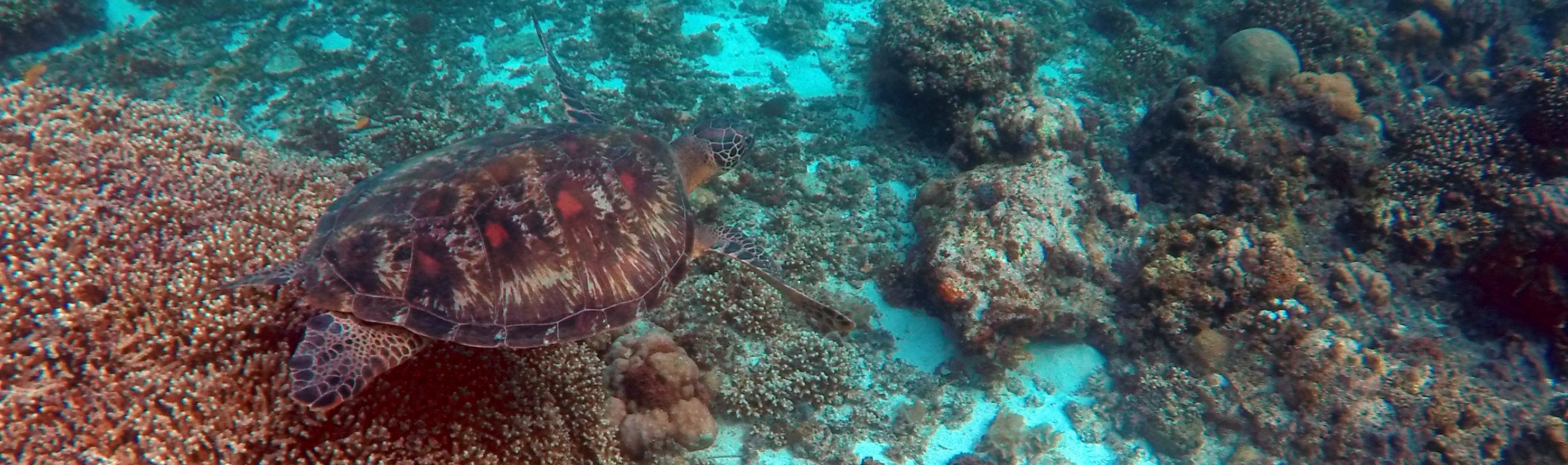
  • Sea turtles
  • Seals, sea lions and walrusses
  • Starfish
  • Crocodiles and alligators
  • Manatees, dugongs and manatees

Are freshwater and marine animals dangerous?

  • Marine and freshwater animals can be extremely dangerous, and even deadly.
  • Some animals only cause some discomfort or pain, such as certain jellyfish, sea urchins or some fish.
  • Other animals are mainly dangerous because of their (biting) power, such as crocodiles, hippos and sharks.
  • And in some species, poison or electricity is a major problem.

What to do if you encounter freshwater and marine animals in the wild?

  • As with any other animal, it is important to keep your distance and not to provoke.
  • The best thing to do varies greatly per animal, see the specific animal pages for this.
  • Sometimes you don't see animals, especially in water. It can help to be aware of the risks you run in the area where you are.

What to do when an animal attacks you in the water?

  • Check the specific animal pages to get an answer.

What to do in case of a bite or scratch by freshwater and marine animals?

  • This also varies greatly per animal, but in general you should get out of the water as soon as possible and seek medical help. It is even better if you can find a lifeguard right away. They usually know what to do.
  • Sometimes you have to wash the wound, or if it bleeds badly, apply pressure to the wound. In other cases you have to use hot water or apply pressure bandages.

What are the most dangerous freshwater and marine animal species and why?

  • Some of the most dangerous marine animals are:
    • Australian sea wasp (box jellyfish)
    • White shark
    • Stonefish
    • Sea snake
    • Lionfish
    • Blue-ringed octopus
    • Portuguese man-of-war
    • cone snail (yes, a snail. So don't pick up that beautiful shell in Australia, because it could mean the end!)
  • In freshwater you mainly encounter strong animals such as:
    • Bull shark - which sometimes swims into river areas from the sea
    • Electric eel - yes, really shocking
    • Goliath tigerfish. This African fish can grow to 70 kg!
    • Nile crocodile
    • Hippopotamus
    • Piranha
    • Saltwater crocodile

Which diseases can humans get from freshwater and marine animals?

  • There are all kinds of diseases that you can get from animals in fresh water and sea water. Bacterial infections, parasites, poison and even death.

Can you volunteer or intern with freshwater and marine animals?

  • There are opportunities all over the world to do volunteer work or an internship with water animals. Mostly it concerns animals that live in the sea, but there are also projects with freshwater animals here and there.
  • Popular projects are often projects focused on dolphins, sea turtles, whales, or coral reefs.

What should you do if you are going to work with freshwater and marine animals during your volunteer work, internship or study.

  • Read up on the animal species you are going to work with.
  • Ask for safety protocols, because working on/in the water is very different from working on land.
  • Always follow the instructions of the organization and supervisors carefully.
  • Respect the animal and the ecosystem.

Image

Health, Insurance & Safety

Are you insured while working with animals abroad?
  • There may be several reasons why you need separate insurance when working abroad.
  • Local employers generally offer limited or no supplementary insurance.
  • During work, internships, or volunteering abroad where you receive compensation or a salary, your own health insurance coverage in your home country may lapse. See the pages on: insuring paid work, internships, or volunteering abroad.
  • See also: insurance for working with animals for paid work, for internships and for volunteer work abroad.
What is insurance for working with animals abroad, and why do you need specific insurance for jobs, internships, and volunteer work abroad?

What is insurance for working with animals abroad?

  • Insuring yourself for working abroad with animals means taking out insurance that continues to provide coverage during your paid, unpaid, or internship work abroad, where minor or major risks are involved.

Why take out insurance, and when is normal travel insurance no longer sufficient?

  • There may be several reasons why you need separate insurance for work abroad.
  • During specific work abroad, additional requirements may apply as soon as you start performing work that involves additional risks. Only special insurance policies offer coverage during this type of work. Almost all standard insurers exclude working with animals from coverage.
  • The risk of accidents is sometimes greater during your work, for example because you are doing work with which you have little experience or because of the nature of the work. All over the world, there are reserves, rescue centers, and zoos where you can roll up your sleeves as a veterinarian, intern, or volunteer. Working with animals or wildlife is not without danger. No matter how cute they may look, or how tame they may behave. All animals can suddenly bite viciously or lash out with a claw or beak. Not only can this result in nasty injuries, but it can also transmit diseases that you would rather not have, and certainly not abroad.
  • During work, internships, or volunteer work abroad where you receive a salary or compensation (for example, food or housing), your local health insurance coverage will normally lapse. You will then need special insurance to remain insured for illness and accidents.
  • During your work, local employers generally offer no or limited insurance that does not provide sufficient coverage.

What should you pay attention to in your insurance policy if you are going to work abroad?

  • Make sure you have insurance that is valid in the area where you will be traveling and working.
  • That you have insurance that provides sufficient coverage for the work you will be performing.
  • Make sure you are adequately insured for the sports and activities you will be participating in.
  • That you are insured for emergency assistance and early return if something happens to you or your immediate family.
  • That your medical expenses are insured up to the actual cost and not just for the standard costs. The costs per medical treatment vary greatly between countries.
  • That you insure your luggage and take sufficient precautions against theft or damage.
  • That you are well insured against personal liability.
  • That you are well insured in case of accidents.
  • That you insure yourself for legal assistance if there is an immediate reason to do so, unless the coverage is already automatically included in the insurance.

Which insurance do you need for working, an internship, or volunteering with animals abroad?

What insurance can you choose as backpacker, emigrant, expat, intern, nomad, student, volunteer or traveler abroad?

What are the main international insurances through JoHo and WorldSupporter for activities or travel abroad

Advice and decision support
Insurance

What are the main international insurances through JoHo and WorldSupporter for emigrants, expats and nomads

Advice and decision support
Insurance

Image

Activities abroad: for intern, volunteer and work with environment, farming, nature and animal care abroad
Nature and environmental protection abroad: what is it, why would you do it, and where is the best place to go?

Nature and environmental protection abroad: what is it, why would you do it, and where is the best place to go?

What is nature and environmental protection?

  • Working in nature and the environment protection abroad means committing to protecting, restoring, and sustainably managing ecosystems and natural resources.
  • The protection can take place in remote nature reserves, but also in cities, research institutions, or in collaboration with local communities.
  • The core of working in the nature and environmental protection is finding a balance between humans and nature.
  • You can focus for example on protecting endangered species, restoring damaged ecosystems, or supporting more sustainable ways of living and producing.
As a nature and environmental protection worker tasks and responsibilities can include:
  • Protecting biodiversity like animal and plant species.
  • Combating deforestation, pollution, and climate change.
  • Restoring ecosystems such as forests, coral reefs, or mangroves.
  • Promoting the sustainable use of water, agriculture, and energy.
  • Contributing to education and awareness regarding the environment and nature.
Your role in the nature protection can vary greatly depending on the project, your background, and the location. It will most probably consist of:
  • Participating in nature restoration projects, such as planting trees or restoring habitats.
  • Assisting with wildlife conservation or in animal shelters
  • Collecting data for ecological or climate research.
  • Supporting local communities in sustainable land use.
  • Providing education on nature and the environment.
  • Contributing to campaigns or activist actions, such as awareness projects or protests.
  • It is important to realize that nature conservation rarely revolves solely around nature. Projects are often closely linked to local living conditions, economic interests, and cultural values. The involvement of the local population is therefore essential for the success of a project.
Good to know, when you are protecting nature and the environment is:
  • The impact of your work is often only visible on long term basis, and projects vary greatly in approach, quality, and effectiveness.
  • The work is often physical and takes place outdoors, sometimes in remote areas.
  • There are also important roles within research, organization, communication, or policy that take place indoors.

What are reasons to protect nature and the environment?

  • To become environmentally aware: you learn to understand ecosystems and see the direct impact of human activity on nature and the climate.
  • To be involved: you actively contribute to protecting nature, biodiversity, and the living environment.
  • To learn to analyze: you gain insight into complex environmental problems such as climate change, deforestation, and pollution.
  • To develop your own vision: you form an opinion on sustainability and the role of humans and nature.
  • To work in a results-oriented manner: you make a concrete contribution to projects such as reforestation, research, or education.

What skills and motivations do you need to protect nature and the environment?

  • Commitment: because without passion for nature and the environment, it is difficult to achieve anything.
  • Perseverance: conditions can be tough, so it's useful to be a bit stress resistant.
  • Environmental awareness: you simply can't do or experience nature and environmental protection without already some respect for nature and ecosystems.
  • Collaboration: nature and environmental protection is all about working in teams and with locals where empathy and communicating across a language barrier require additional skills

What are good continents and countries to protect nature and the environment?

What are the risks of nature and environmental protection and are you insured against those risks while abroad?

What are the risks of nature and environmental protection, and what happens with some regularity:
  • that you work in remote nature areas where medical facilities are limited and evacuation can be difficult.
  • that you are exposed to extreme weather conditions such as heat, cold, rain, or altitude differences.
  • that you come into contact with wild animals, insects, or plants that pose health risks (bites, allergies, diseases).
  • that the physical strain is high due to heavy work, long days, and working in harsh conditions.
  • that projects take place in countries with less stable infrastructure or healthcare.
  • that costs for medical assistance, evacuation, or damage are not covered without appropriate insurance.
Are you insured for working in nature and environmental protection abroad?
  • There may be several reasons why you need separate insurance when working abroad.
  • Local employers generally offer limited or no supplementary insurance.
  • During work, internships, or volunteering abroad where you receive compensation or a salary, your own health insurance coverage in your home country may lapse.
  • See the pages on insurance for working in environmental and nature protection for paid work, for internships and for volunteer work abroad.
Beach cleanups and trash hunting around the world and abroad

Beach cleanups and trash hunting around the world and abroad

Beach cleanups and trash hunting around the world and abroad

Table of content

Beach cleanups and trash hunting abroad: questions and answers about the work and locations
  • What is doing a beach cleanup and trash hunting abroad like?
  • What are the reasons for beach cleanups and trash hunting abroad?
  • What skills and motivations do you need when doing beach cleanups and trash hunting abroad?
  • What are the best countries and locations to do beach cleanups and trash hunting abroad?
  • What are the risks of doing beach cleanups and trash hunting abroad, and are you insured against those risks?
Beach cleanups and trash hunting abroad: related organizations
  • Organizations: for beach cleanups and trash hunting.
  • Internship: jobs in the spotlight.
Grape picking and fruit picking around the world and abroad

Grape picking and fruit picking around the world and abroad

Table of content

Grape picking and fruit picking abroad: questions and answers about the work and locations
  • What is working as a fruit picker or grape picker abroad like?
  • What are the reasons for working as a fruit picker or grape picker abroad?
  • What skills and motivations do you need to work as a fruit picker or grape picker abroad?
  • What are the best countries and locations to work as a fruit picker or grape picker abroad?
  • What are the risks of working as a fruit picker or grape picker abroad, and are you insured against those risks?
Grape picking and fruit picking abroad: related organizations
  • Organizations: for agriculture, grape picking, farming, and vineyards.
  • Grapepicking and fruit picking jobs in the spotlight.
Protecting and caring for animals abroad: what is it, why would you do it, and where is the best place to go?

Protecting and caring for animals abroad: what is it, why would you do it, and where is the best place to go?

What is working with animals abroad?

  • Working with animals abroad means that you actively work for the protection or care of one or more animal species.
  • The work can be divided into working with animals in their natural environment and working with animals in shelters. In addition, there are often activities to be done in the field of communication, education or, for example, fundraising.
  • What is protecting animals in the natural environment of the animal?
  • Protecting animals abroad in the natural environment (habitat) of the animal means that you do activities that relate to improving the living environment. Or that you help with research such as measurements, counts or behavioral observations.
  • What is caring for animals in shelters and zoos?
  • Caring for animals abroad in shelters means that you do activities that relate to providing food, carrying out fence checks, cleaning cages and monitoring their health.

Why would you protect and care for animals abroad?

  • Helpfulness: whether you help another person or an animal in need: you get more back for the rewarding work than you put into it.
  • Involvement: it strengthens your sense of involvement in the protection of nature and the animal world and also with other animal lovers.
  • Experience: the chance that you will experience something you have never done before, that you will be pulled out of your comfort zone and that you will have an unforgettable experience is considerable.
  • Stability and stress reduction: animals can have a strong influence on you when it comes to stress reduction; well-known examples are horses and dolphins. Other animals can be a good indicator of the extent to which you are already stress-resistant.
  • Freedom: especially when you are working in the middle of nature, you will notice the difference with the life you sometimes lead at home.
  • Read more: about these and more skills and motivations

What do you need or can you learn if you are going to protect and care for animals abroad?

  • Being environmentally aware: for example by taking your environment into account, carefully storing your waste, leaving animals alone in their own habitat. Analytical skills: you will often have to analyse the behaviour of animals well. Sometimes to prevent danger, and sometimes because it is part of your work. In this way, you often also strengthen your own analytical skills.
  • Being aware of the organisation: animal and nature protection organisations, and animal shelters, are often run by a special breed of very committed people. In addition, these are organisations that often have few resources and have to fight against local bureaucracy.
  • Empathy: being aware of these circumstances is sometimes half the battle when it comes to understanding the behavior of project staff or your immediate colleagues.
  • Read more: about these and more skills and motivations

Protecting animals abroad: what is the best place to go?

  • Australia: marsupials, horses, koalas
  • China: giant pandas, dogs and cats
  • Costa Rica: monkeys, turtles
  • Curaçao: dolphins, birds, dogs, cats
  • Ecuador: felines, capuchin monkeys and kink-tailed bears
  • Egypt: donkeys, horses, dogs and cats
  • Philippines: monkeys
  • Greece: sea turtles, dogs
  • India: dogs and cats
  • Indonesia: orangutans, gibbons, street dogs, birds of prey
  • Cameroon: chimpanzees
  • Malta: birds
  • Madagascar: lemurs, fish
  • Mexico: sea turtles.
  • Mongolia: wild mountain sheep, Prezewalski horses
  • Namibia: cheetahs, horses, wild cats
  • New Zealand: kiwis (the birds)
  • Uganda: rhinos
  • Portugal: Iberian wolves
  • Spain: stray dogs
  • Sri Lanka: elephants, sea turtles
  • Suriname: dogs
  • Thailand: gibbons, elephants
  • United States: wolves, horses
  • Zambia: chimpanzees, lions
  • Zimbabwe: lions, wild dogs
  • South Africa: monkeys, white sharks, lions, rhinos, penguins
  • Read more about all activities in these countries via the menu, or check: all the countries and activities in The World

How does the preparation for working with animals abroad work in short?

  • Accommodation: In many nature reserves you can sleep in ranger accommodations, mountain huts, etc., but bringing your own tent often provides a lot more privacy (but keep an eye on the animals). If you work at an animal shelter, for example, your accommodation will often be less primitive.
  • Visas and permits: For some areas you need a special permit. Check this well in advance.
  • Currency: Take extra precautions if you are going to remote areas.
  • Safety & Troubleshooting: safety obviously differs per area you go to, so check the situation carefully with regard to possible rebels, weather and seasonal conditions, routes, presence of wild animals, etc. When working with animals in their natural environment, the environment often offers more risk than the animals you are examining. If you are going to work with animals in a form of captivity, the species you are working with determines the risks to a certain extent.
  • Vaccinations & Health: If you are going into nature or working with animals, make sure you get specialized advice from a travel doctor or the Travel Clinic. Also check the information about the rabies and tick encephalitis vaccination.
  • Insurance & Emergency Centers: when working with animals, an insurance that has taken into account the risks and local circumstances is actually the only luxury that is recommended.

To what extent are you insured for the risks?

  • All over the world there are reserves, animal shelters and zoos where you can roll up your sleeves as an intern or volunteer.
  • In addition to 'cute' or 'impressive', 'unpredictable' is also a word that you can attribute to (wild) animals.
  • Working with wildlife (and with animals in general) is therefore not without its risks. If a cute monkey suddenly turns out to be able to bite viciously, this can cause nasty injuries and even illnesses.
  • Because many insurers exclude working with animals from coverage, it is important to handle this carefully.
  • Read more: Travel insurances and insurances for long term abroad - Theme
  • Read more: Werken met dieren in het buitenland verzekeren (NL)
Protecting sea turtles: what is it, where can you do it and are you insured?

Protecting sea turtles: what is it, where can you do it and are you insured?

Image

Why protect sea turtles abroad?

  • All seven species of sea turtles are (seriously) endangered: the Flatback sea turtle, Green sea turtle, Hawksbill sea turtle, Kemp's sea turtle, Leatherback sea turtle, Loggerhead sea turtle and Dwarf sea turtle can use your help.
  • By protecting sea turtles the local ecosystem is generally also better protected and more balanced

Protecting sea turtles: what does it involve?

  • Protecting the eggs via fencing, for example
  • Counting turtle eggs
  • Taking care of injured turtles
  • Building nesting sites
  • Collecting data
  • Education at community centers, local schools and at tourist locations to raise awareness

Protecting sea turtles: what do you get out of it?

  • A special time among engaged animal lovers
  • Knowledge of a special species
  • Images of sometimes thousands of tiny turtles

Protecting sea turtles: what to bring?

  • Love of nature and animals
  • Flexible sleep schedule
  • Limited sensitivity to less pleasant smells
  • In some cases, considerable stamina (the laying sites are sometimes a bit further away on remote beaches

Protecting sea turtles: do you need to be insured?

Where can you work with sea turtles?

  • Sea turtles can be found in almost all oceans, except for the very cold areas and the polar regions. Most sea turtle protection, rescue and rehabilitation centers are located near nesting sites
  • The best places to find internships, jobs or volunteer projects with sea turtles are:
  • Australia: at the Great Barrier Reef or Cook Island
  • Costa Rica: at Tortuguero National Park
  • Ecuador: at the Galapagos Islands, including turtoises
  • Greece: several projects around the peninsula
  • Indonesia: near Bunaken. Pulau Weh or Raja Ampat
  • Malaysia: at Sipidan or the Perhantians
  • Mexico: near Playa del Carmen
  • Nicaragua: at the La Flor reserve
  • Oman: at Musandam peninsula

Where can you find checklists for your travel, stay or work?

Reforestation and tree planting abroad: what is it, why should you do it, and where is the best place to go?

Reforestation and tree planting abroad: what is it, why should you do it, and where is the best place to go?

What is reforestation and tree planting abroad and why is it done?

  • Reforestation involves planting trees and shrubs in places where they have previously disappeared due to logging, flooding or forest fires.
  • In many areas, planting trees helps to absorb or reduce the effects of climate change.
  • In coastal areas, mangrove forests are planted to break waves, prevent land from being washed away and provide fish with a place to read.
  • In dry areas, new trees provide shade, prevent erosion and desertification of the landscape.
  • In reforestation projects and activities, attention is often also paid to restoring biodiversity by using various local tree species, which benefits local animal species.
  • Many projects have their own nursery where small trees are grown from seeds.

What does working in a reforestation project involve?

  • You can help care for the young trees (seedlings) at the nursery.
  • You plant the small trees at selected locations.
  • You care for the trees after they have been planted, for example by weeding, watering or placing protection against cattle and other grazers.
  • You teach local communities about biodiversity, the benefits of reforestation for the local economy, for example.
  • If you have a background in horticulture, forestry or water management, you can help train local employees or, for example, carry out a research internship on the results of the project.

What do you get out of it?

  • Involvement: it strengthens your sense of involvement in tackling climate change, protecting nature and the plant world and also with other nature lovers
  • Experience: the chance that you experience something you have never done before, that you are pulled out of your comfort zone and that you gain an unforgettable experience is considerable
  • Freedom: especially when you are working in the middle of nature, you notice the difference with the life you sometimes lead at home

What do you need or can you learn if you are going to plant and care for trees abroad?

  • Being environmentally aware: for example, by taking your surroundings into account, carefully storing your waste, minimizing water use and understanding the complex relationship between soil, plants and people.
  • Being organizationally aware: environmental clubs and nature conservation organizations are often run by a special breed of very committed people. In addition, these are organizations that often have few resources and have to fight against local bureaucracy.
  • Empathy: being aware of those circumstances is sometimes half the battle if you want to understand the behavior of the employees of a project, or your direct fellow helpers.

What are the best places to go to slow or reverse desertification?

  • Spain
  • Egypt 
  • Morocco
  • Kenya

What are the best places to go to restore mangrove forests?

  • Bonaire
  • Sri Lanka
  • Madagascar

What are the best places to go to restore rainforests?

  • Brazil
  • Ecuador
  • Panama
  • Indonesia
Volunteering around the world and abroad

Volunteering around the world and abroad

Volunteering around the world and abroad

Table of content

Volunteering abroad: questions and answers about the work and locations
  • What is volunteering abroad like?
  • What are the reasons for volunteering abroad?
  • What skills and motivations do you need when volunteering abroad?
  • What are the best countries and locations to volunteer abroad?
  • What are the risks of volunteering abroad, and are you insured against those risks?
Volunteering abroad: related organizations
  • Organizations: for volunteering.
  • Volunteering: jobs in the spotlight.
Working on a farm around the world and abroad

Working on a farm around the world and abroad

Working on a farm around the world and abroad

Table of content

Working on a farm abroad: questions and answers about the work and locations
  • What is working on a farm abroad like?
  • What are the reasons to work on a farm abroad?
  • What skills and motivations do you need when working on a farm abroad?
  • What are the best countries and locations to work on a farm abroad?
  • What are the risks of working on a farm abroad, and are you insured against those risks?
Working on a farm abroad: related organizations
  • Organizations: to work on a farm.
  • Working on a farm: jobs in the spotlight.
Working as a veterinarian abroad: what is it, why would you do it, and where is the best place to go?

Working as a veterinarian abroad: what is it, why would you do it, and where is the best place to go?

​​​​​​

What is working as a veterinarian abroad like?

  • As a veterinarian abroad, you can experience quite a lot. From working with cows surrounded by mountains to rehabilitating dogs from the most dire circumstances.
  • The work involves health (for both animals and people), animal welfare, public health, and often ethical dilemmas.
  • Depending on where you are, you will work with limited resources, unexpected illnesses, and very different animal interactions than you are used to.
  • As a veterinarian abroad, you'll work in clinics (limited or modern), on farms, in nature reserves, for NGOs, or for international organizations.
  • You can work with companion animals, farm animals, wildlife, and animals in shelters and rescue clinics.
  • Responsibilities: Depending on your specialization, you can:
    • Provide medical care to animals;
    • Implement vaccination and sterilization programs;
    • Work on animal disease prevention (zoonoses);
    • Train farmers or local communities;
    • Contribute to research or monitoring;
    • Advise on animal welfare and policy.
  • Working conditions: Veterinarian work can be done paid, as a volunteer, or as an internship. Salaries vary significantly depending on the country, sector, and organization. NGOs typically offer lower compensation, sometimes with room and board.
  • Contracts range from short-term projects to long-term placements.
  • Flexibility and improvisation are more important than fixed working hours in this field.

What are the reasons for working as a veterinarian abroad?

  • To be involved: you work directly on animal welfare and health. With the help of a veterinarian, animals have a better life, and people are safer.
  • To learn to act with empathy: a key part of the job is interacting with animals and people in vulnerable situations.
  • To grow professionally: applying knowledge on your own initiative and being open to new knowledge is essential.
  • To be meaningful: your work contributes to health, animal welfare, or nature conservation.
  • To practice processing information and knowledge: you sometimes have to form an opinion about a situation with little information and time.

What skills and motivations do you need to work as a veterinarian abroad?

  • Stress resistance: emergencies, limited resources, and emotional situations are common.
  • Flexibility: protocols and facilities are not always readily available.
  • Communication skills: collaborating with local colleagues and communities is essential.
  • Independence: you rely mainly on yourself and you often have to make your own decisions.
  • Situational awareness: Cultural differences in animal interactions require tact and respect.

What are the best countries and locations to work as a veterinarian abroad?

What are the risks of working as a veterinarian abroad, and are you insured against those risks? 

  • What are the risks of working as a veterinarian abroad?
    • Veterinarians often encounter diseases that can be transmitted from animals to humans, posing a significant health risk.
    • Medical facilities are often limited: good care isn't readily available everywhere, and assistance can therefore be expensive.
    • Physical demands are often high: long hours, lifting, and working in heat or in remote areas.
    • Accidents and bite wounds are common, especially when working with stressed or wild animals.
    • Healthcare costs and evacuations are often very expensive, especially in remote locations.
  • Are you insured while working as a veterinarian abroad?
    • There may be several reasons why you need separate insurance when working abroad.
    • Local employers generally offer limited or no supplementary insurance.
    • There's a risk of accidents, for example, because you're doing work with which you have little experience.
    • During work, internships, or volunteering abroad where you receive compensation or a salary, your own health insurance coverage in your home country may be cancelled.
    • See the pages on: insuring international Insurances for working abroad, for internships abroad, for volunteering abroad, or for expats and emigrants.
Working for environmental organisations and in nature management abroad: what is it, why would you do it, and where is the best place to go?

Working for environmental organisations and in nature management abroad: what is it, why would you do it, and where is the best place to go?

What is working for environmental organisations and in nature management abroad like?

  • Working for environmental organisations and in nature management abroad means you are committed to protecting, restoring, and sustainably using nature and ecosystems.
  • This can range from practical fieldwork to policy, educational, or communication work.
  • You can work for international NGO's, local nature organizations, research institutes, government agencies, or social enterprises focused on biodiversity, climate, nature management, or sustainability.
  • Depending on your background, you might work in nature reserves, on projects with local communities, in research programs, or in offices where policy and strategy are developed.
  • Responsibilities: the work varies considerably depending on the project and organization, and can include:
    • Ecological fieldwork and monitoring of flora and fauna.
    • Supporting nature management and restoration projects.
    • Environmental education and outreach to local communities.
    • Conducting research on biodiversity, climate, or land use.
    • Policy and project support for NGOs.
    • Data collection, reporting, and evaluation.
    • Collaborating with local partners and government agencies.
  • Working conditions: Many positions are project-based or temporary. Contracts often run for six months to a year.
  • Work can be paid, an internship, or volunteer work.
  • Salaries are generally lower than in the commercial sector.
  • In return, you often gain extensive experience and in-depth knowledge of the subject.
  • Working hours can be irregular, especially during fieldwork.

What are the reasons for working for environmental organisations and in nature management abroad?

  • To feel involved: you work directly on the conservation of nature and biodiversity, often in areas where the need is greatest.
  • To become environmentally aware: you learn how nature, people, the economy, and culture are intertwined.
  • To take responsibility: you contribute to projects with long-term impact and often significant ecological interests.
  • To develop analytical skills: you learn to understand, monitor, and translate ecological problems into solutions.
  • To experience meaning: your work visibly contributes to a more sustainable world.

What skills and motivations do you need to work for environmental organisations and in nature management abroad?

  • Commitment: An affinity for nature, the environment, and sustainability is essential.
  • Collaboration: You will work with local communities, colleagues, and international partners.
  • Flexibility: Projects may not proceed as planned due to weather, environmental factors, or local circumstances.
  • Independence: Personal initiative is expected, especially in the field.
  • Perseverance: Results are often only visible in the long term.
  • Environmental awareness: Respect for local knowledge, culture, and interests.

What are the best countries and locations to work for environmental organisations and in nature management abroad?

  • Countries with many international environmental organizations and policy work: Switzerland, Belgium, Germany, and the Netherlands.
  • Countries with many nature projects and fieldwork: Costa Rica – biodiversity, nature management, ecotourism; South Africa – wildlife, nature parks, community projects; Indonesia – rainforest, marine conservation; Brazil – Amazon, nature and climate projects; Kenya – wildlife conservation and community management. 
  • Countries with many marine and coastal protection projects: Australia – Great Barrier Reef, marine research and policy, Belize – coral reefs and marine reserves, Indonesia – mangroves, coral restoration, coastal communities, Mozambique – marine biodiversity and fisheries management.
  • Countries suitable for starters, interns, and volunteers: Nepal – nature, education, and community projects, Peru – biodiversity and local nature projects, Thailand – nature conservation and education, Mexico – environmental and community projects.

What are the risks of working for environmental organisations and in nature management abroad, and are you insured against those risks? 

  • What are the risks of working for environmental organisations and in nature management abroad?
    • It is common to work in remote areas with limited medical facilities and high evacuation costs.
    • It is common to contract a contagious or local disease, be unable to work for a period, or even have to be flown home.
    • It is common to get bitten or stung by an animal in the water or on land, with medical consequences.
    • It is common for work to be physically demanding, with a risk of injuries and accidents. 
    • It is common to work in areas with unsafe infrastructure due to poor roads, transportation or communication. 
  • Are you insured while working for environmental organisations and in nature management abroad?
    • There may be several reasons why you need separate insurance when working abroad.
    • Local employers generally offer limited or no supplementary insurance.
    • There's a risk of accidents, for example, because you're doing work with which you have little experience.
    • During work, internships, or volunteering abroad where you receive compensation or a salary, your own health insurance coverage in your home country may be cancelled.
    • See the pages on: insuring international Insurances for working abroad, for internships abroad, for volunteering abroad, or for expats and emigrants.

Image 

Related topics and terms to Aquatic and Marine Animals

Relations of the topic: Aquatic and Marine Animals

Image ACTIVITIES

Search a course, internship, job, project, suggestion or tips within the topic: 'Aquatic and Marine Animals'

CHECK ACTIVITIES

Make a selection, to find more tips than you see below

Image Help conserve the leatherback sea turtles on Grenada
Volunteer on the tropical island of Grenada, enjoy nature, and help conserve the leatherback sea turtles on the island. Within the project other nature conservation...
Image Onderzoek en stage met dolfijnen, walvissen en zeekoeien in Kenia
Heb jij een passie voor de natuur en onderwaterleven in het bijzonder? Bij dit project in Kenia doe je tijdens je stage (of vrijwilligerswerk) onderzoek naar dolfijnen,...
Image Zet je als vrijwilliger in voor het behoud van de bedreigde zeeschildpadden in Mexico
Zet je als vrijwilliger in voor het behoud van de bedreigde zeeschildpadden in Mexico: Groene zeeschildpadden, Ridley zeeschildpadden en de ernstig bedreigde...
Image Zet je als vrijwilliger in voor het behoud van de zeeschildpadden. Doe onderzoek, maak stranden schoon en organiseer educatieve campagnes
Zet je als vrijwilliger in voor het behoud van de zeeschildpadden in Kenia, de Malediven, de Seychellen of Oman. Doe onderzoek, maak stranden schoon en organiseer...
Image Zet je in voor het behoud van het unieke ecosysteem van de Galapagos Eilanden
Zet je in voor het behoud van het unieke ecosysteem van de Galapagos Eilanden.
Image Volunteer in a Marine Conservation project on Mauritius
Volunteer in a Marine Conservation project on Mauritius. As a volunteer you can assist in educational activities, monitoring of dolphins, and help out with research...
Image Zeeschildpadden beschermen in het buitenland als vrijwilliger via een Nederlandse bemiddelingsorganisatie
Ga zeeschildpadden beschermen in het buitenland als vrijwilliger via een Nederlandse bemiddelingsorganisatie. Met name in de landen waar de zeeschildpadden hun eieren...
Image Zwemmen met dolfijnen, walvissen spotten en duiken met haaien in Australië, Fiji en Nieuw-Zeeland
Tropische verrassingen in de Stille Zuidzee. Zwemmen met dolfijnen, walvissen spotten en duiken met haaien in Australië, Fiji en Nieuw-Zeeland
Image Onderzoek de lederschildpad op het tropische eiland Trinidad. Ga mee op patrouille en verzamel informatie over de broedwijze van deze bijzondere dieren
Onderzoek de lederschildpad op het tropische eiland Trinidad. Ga mee op patrouille en verzamel informatie over de broedwijze van deze bijzondere dieren.
Image Red de zeeschildpad door mee te helpen bij onderzoek naar z’n ecosysteem in de Indische oceaan
Red de zeeschildpad door mee te helpen bij onderzoek naar z’n ecosysteem in de Indische oceaan.
Activities abroad: home bundle

Main content and contributions for activities abroad

,,,accommodations, adventure activities, courses, internships, jobs and volunteer projects

...to help another, travel with care, work together , learn to share and inspire with your experience


Activities abroad: home page

Activities abroad: home page

From language courses to a gap year abroad, from work experience to volunteering abroad, from paid work to an internship abroad, from mountaineering to diving, and from backpacking to traveling around the world

    What social activities can you do abroad?

    • Opportunities are found in the areas of helping, learning or studying.
    • You can get involved and volunteer in a social project at a school in Africa, Asia or Latin America.
    • You can get involved in nature, in a project with animals or cleaning the sea or beaches.
    • Those who want to learn more can choose to do, for example a language course in Latin America, Spain or South Africa.

    What work related activities can you do abroad?

    • When you aim to gain work experience and/or also earn money, go and work abroad.
    • You can combine backpacking in Australia with temporary work.
    • You can work on campsites in Europe or bush camps in Africa.
    • You can almost go all over the world to work in the hospitality industry, hotels, and hostels, in the healthcare sector, or, for example, at a diving school.

    What sports activities to do abroad?

    • Have you ever thought of mountain biking, rafting (going down a wild river on a raft or rubber dinghy, climbing, or canoeing), survival (which involves building rafts, climbing or canoeing), abseiling (descending a rock face while secured to ropes), zip-lining (whizzing down a cable), canyoning (starting at the top of a river and then climbing, swimming, diving down the bed) or caving (scrambling, wriggling and crawling through caves and crevices)?
    • Maybe you feel more comfortable on a bodyboard (on a half-wave surfboard, you surf the high waves lying down with flippers), on a hang glider or while paragliding (with a parachute you float down a mountain or dune), hydrospeeding (on a bodyboard with flippers and a wetsuit on you go down a wild river via rapids), or Tiefschneeskiing (racing down through powder snow)?

    Check the pages below for more activities and inspiration and where to go and how to arrange it

      Activities abroad: for experiencing countries and cultures abroad

      Activities abroad: for experiencing countries and cultures abroad

      Bundled content for experiencing countries and cultures during gap year, travel and backpacking abroad

      Access: 
      Public

      Image STORIES

      Check blogs, experiences and information related to: 'Aquatic and Marine Animals'

      CHECK STORIES

      Make a selection, to find more blogs and contributions than you see below

      Image What is the most dangerous animal in the world, which animal kills the most people, and what to do if you encounter one?
      Dangerous and Deadly Animals: What is the most dangerous animal in the world? What is the deadliest animal in the world? RANKING OF THE DEADLIEST ANIMALS IN THE WORLD 1...
      Image Sharks abroad and while traveling: are they dangerous, where do you encounter them, where can you see them?
      What are sharks? What is a great white shark? Where can you see sharks from a boat? Where can you see sharks well when snorkelling? Where is the best place to dive with...
      Image Jellyfish abroad and while traveling: are they dangerous, where do you encounter them, where can you see them?
      Jellyfish abroad and while traveling What are jellyfish? Where to see jellyfish in the wild abroad? How dangerous are jellyfish? What are the most dangerous types of...
      Image Sea urchins abroad and while traveling: are they dangerous, where do you encounter them, where can you see them?
      What are sea urchins? Where to see sea urchins in the wild abroad? How dangerous are sea urchins? What are the most dangerous types of sea urchins and why? Which...
      Image Sea turtles abroad and while traveling: are they dangerous, where do you encounter them, where can you see them?
      What are sea turtles? Where can you encounter sea turtles in the wild when traveling and abroad? Are sea turtles dangerous ? What to do if you encounter a sea turtle...

      Image ORGANIZATIONS

      Check all organizations related to: 'Aquatic and Marine Animals'

      CHECK ORGANIZATIONS

      Make a selection, to find more or other organizations than you see below

      Image 1 2 Experience Africa
      1.2 Experience Africa biedt stages en vrijwilligerswerk in Kenia. Mogelijkheden in overleg, maar onder andere: wildlife projecten, duurzaam ondernemen, sociaal werk,...
      Image Rich Coast Diving Costa Rica
      Rich Coast Diving is a diving school in Costa Rica, established and managed by Dutch people, where you can dive and take scuba diving courses at all levels. Under the...
      Image Heliconia B&B & Tanager Tourism Ecotours - Panama
      Tanager tourism is a small eco-tour company, run by two Dutch biologists. They organise camping trips to Coiba (1, 2 or 3 nights), snorkelling and walks through the...
      Image Oliver Ridley Project
      The Oliver Ridley Project is a charity that focusses on protecting sea turtles. on four project locations they educate local people, rescue injured turtles, cleaning the...
      Image Go Pure! Vrijwilligerswerk in het buitenland
      Wil jij vrijwilligerswerk doen in Azië en een steentje bijdragen? Een steentje dat voor mensen in Azië een groot verschil kan maken? Houd jij ervan om mee te helpen aan...
      Image Archelon
      Archelon is committed to the protection of sea turtles in Greece. Through education, awareness, turtle rescue and rehabilitation, monitoring and habitat conservation,...
      Image Vrijwillig Wereldwijd: Vrijwilligersprojecten
      Vrijwillig Wereldwijd is een kleinschalige organisatie die de mooiste lokale projecten in meer dan 10 landen ondersteunt op de continenten: Afrika, Zuid-Amerika, Azië en...
      Image Atlantic Whale Foundation
      The Atlantic Whale Foundation offers volunteer work in the field of nature conservation and observation in countries such as Spain (Tenerife), Sierra Leone, Argentina,...
      Image Enkosini Wildlife Conservation
      Enkosini Wildlife Conservation is a South African non-profit focussing on wildlife conservation in Southern Africa. Enkosini believes that education and collaboration...
      Image Kaya Responsible Travel
      Kaya Responsible Travel offers volunteering and internship programs abroad. Based in the USA and UK they offer internships, volunteer projects and gap year programs in...
      Organizations & Services: home bundle

      Bundled content, suggestions, stories and tips about organizations and their products and services

      ...to help another, travel with care, work together, learn to share and inspire with your experience

      Organizations: home page
      Organizations for administrative, tax and legal work and consulting

      Organizations for administrative, tax and legal work and consulting

      international law

      Activities, internships, paid work, services or volunteer work in administration, tax and legal consulting

      Administrative, tax and legal consulting abroad: by position

      For job roles and duties related to activities, internships and jobs abroad, see:
      ......Read more on this page
      Organizations: for agriculture, grape picking, farming and vineyards
      Organizations: for animal protection, animal care and working with wildlife abroad
      Organizations: for au pairs, youth work and child care abroad
      Organizations: for bush camping and working at a campsite abroad
      Organizations: for catering, hospitality and entertainment abroad
      Organizations: for civil society and social work abroad
      Organizations for corporate business services

      Organizations for corporate business services

      Image

      Activities, internships, paid work, services or volunteer work in corporate business services

      Corporate business services abroad: by position

      For job roles and duties related to activities, internships and jobs abroad, see:
      ......Read more on this page
      Organizations: for customer services abroad and help desks
      Organizations: for diving, snorkeling and water sports abroad
      Organizations: for education and schools abroad
      Organizations: for expatriate insurances, travel insurances, and emergency call centers
      Organizations: for gap year activities abroad and sabbaticals
      Organizations: for internship placement abroad
      Organizations: for insurances and finance abroad
      Organizations for IT, engineering and construction

      Organizations for IT, engineering and construction

      Image

      Activities, internships, paid work, services or volunteer work in IT, webdevelopment, engineering and construction

      IT, engineering and construction abroad: by position

      For job roles and duties related to activities, internships and jobs abroad, see:
      ......Read more on this page
      Organizations: for language travel and language teaching abroad
      Organizations for marketing, communication and PR abroad

      Organizations for marketing, communication and PR abroad

      Image

      Activities, internships, paid work, services or volunteer work in marketing and communication

      Marketing, communication and PR abroad: by position

      For job roles and duties related to activities, internships and jobs abroad, see:
      ......Read more on this page
      Organizations: for mediation in au pairs, childcare and elderly care in the Netherlands
      Organizations for moving, international relocation and transport abroad

      Organizations for moving, international relocation and transport abroad

      Image

      Activities, internships, paid work, services or volunteer work in transport and international relocation

      Moving abroad and relocation services abroad: by position

      For job roles and duties related to activities, internships and jobs abroad, see:

      Moving abroad and relocation

      ......Read more on this page
      Organizations for nature conservation, environmental protection and working in nature abroad

      Organizations for nature conservation, environmental protection and working in nature abroad

      Costa Rica rain forest - Jungle

      Activities, internships, paid work, services or volunteer work in environmental protection, sustainability and nature conservation

      Nature conservation and environmental protection abroad: by position

      For job roles and duties related to activities, internships and jobs abroad, see:
      ......Read more on this page
      Organizations: for nonprofit projects, development work and international cooperation
      Organizations: for online work as digital nomad, freelancer, or independent entrepreneur from abroad
      Organizations: for outdoor activities and sports
      Organizations: for providing accommodation and hospitality work in hotels, guesthouses, ecolodges and hostels abroad

      Organizations: for providing accommodation and hospitality work in hotels, guesthouses, ecolodges and hostels abroad

      Image

      Activities, internships, paid work, services or volunteer work in hotels, resorts, guesthouses, ecolodges, bed and breakfasts and hostels abroad

      Working in hospitality and tourist accommodations abroad: by position

      For job roles and duties related to activities, internships and jobs abroad, see:
      ......Read more on this page
      Organizations: for providing healthcare and working in medical care abroad

      Organizations: for providing healthcare and working in medical care abroad

      Image

      Activities, internships, paid work, services or volunteer work in healthcare

      Providing healthcare and working in medical care abroad: by position

      For job roles and duties related to activities, internships and jobs abroad, see:
      ......Read more on this page
      Organizations: for psychological assistance and mental health care abroad

      Organizations: for psychological assistance and mental health care abroad

      Image

      Activities, internships, paid work, services or volunteer work in psychological assistance, coaching and mental health care abroad

      Psychological assistance, coaching and mental health care abroad: by position

      For job roles and duties related to activities, internships and jobs abroad, see:
      ......Read more on this page
      Organizations: for real estate, brokerage abroad and property rental abroad
      Organizations: for research and scientific work abroad

      Organizations: for research and scientific work abroad

      Image

      Organizations: for research, R&D, data collection, data analysis and scientific work abroad

      Activities, internships, paid work, services or volunteer work in research and science

      From R&D to data collection and data analysis

      Research and science abroad: by position

      For job roles and duties related to activities, internships and jobs abroad, see:
      ......Read more on this page
      Organizations: for student support and student associations
      Organizations: for tour guidance and adventure tours abroad
      Organizations: for tourism and organized travel and leisure work abroad
      Organizations: for voluntary work mediation and project placement abroad
      Organizations for yacht and shipping crew and working on a cruise ship abroad

      Organizations for yacht and shipping crew and working on a cruise ship abroad

      Image

      Activities, internships, paid work, services or volunteer work on cruise ships, sailing yachts and other ships

      Boat crew, deck hand or working for an international shipping organization

      Working on a yacht or cruise ship abroad: by position

      For job roles and duties related to activities, internships and jobs abroad, see:
      ......Read more on this page

      ImageSUMMARIES

      check or search summaries, tests and study assistance within topic: 'Aquatic and Marine Animals'

      CHECK SUMMARIES

      No results found.

      Image

      SPOTLIGHT & FAVORITES

      SPOTLIGHT
      whale tale

      Ga met de boot 'Silurian' op expeditie en assisteer tijdens het meerjarige walvissen en dolfijnen onderzoek in de Schotse wateren aan de west kust. Je kunt je aanmelden voor een expeditie van 7-12 dagen (uiteraard op eigen kosten a 900 pond om zo het project niet extra te belasten). Het team op de b...

      FAVORITES
      Help conserve the leatherback sea turtles on Grenada

      Volunteer on the tropical island of Grenada, enjoy nature, and help conserve the leatherback sea turtles on the island. Within the project other nature conservation activities are also organized for volunteers.

      Bezoek de Maldiven van Vietnam: Whale Island

      Whale Island bevindt zich in Zuid-Oost Vietnam. Een adembenemend plekje, weg van alle drukte. Whale Island, het palmeneiland Aan de oostkust van Vietnam, op ongeveer het midden van het land en iets meer naar het zuiden vind je een klein eilandje genaamd Whale Island. Het eilandje ligt in Van Phong B...

      Image ALL CONTENT OF TOPIC

      Search all related content within topic: 'Aquatic and Marine Animals'

      ALL CONTENT OF TOPIC

      Select any filter and click on Apply to see results

      Crossroad: spotlight pages
      Page topic
      Submenu & Search

      Search only via club, country, goal, study, topic or sector