
Working in water sports abroad: what is it, why would you do it, and where is the best place to go?
- What is working in water sports abroad like?
- What are the reasons for working in water sports abroad?
- What skills and motivations do you need to work in water sports abroad?
- What are the best countries and locations to work in water sports abroad?
- What are the risks of working in water sports abroad, and are you insured against those risks?
What is working in water sports abroad like?
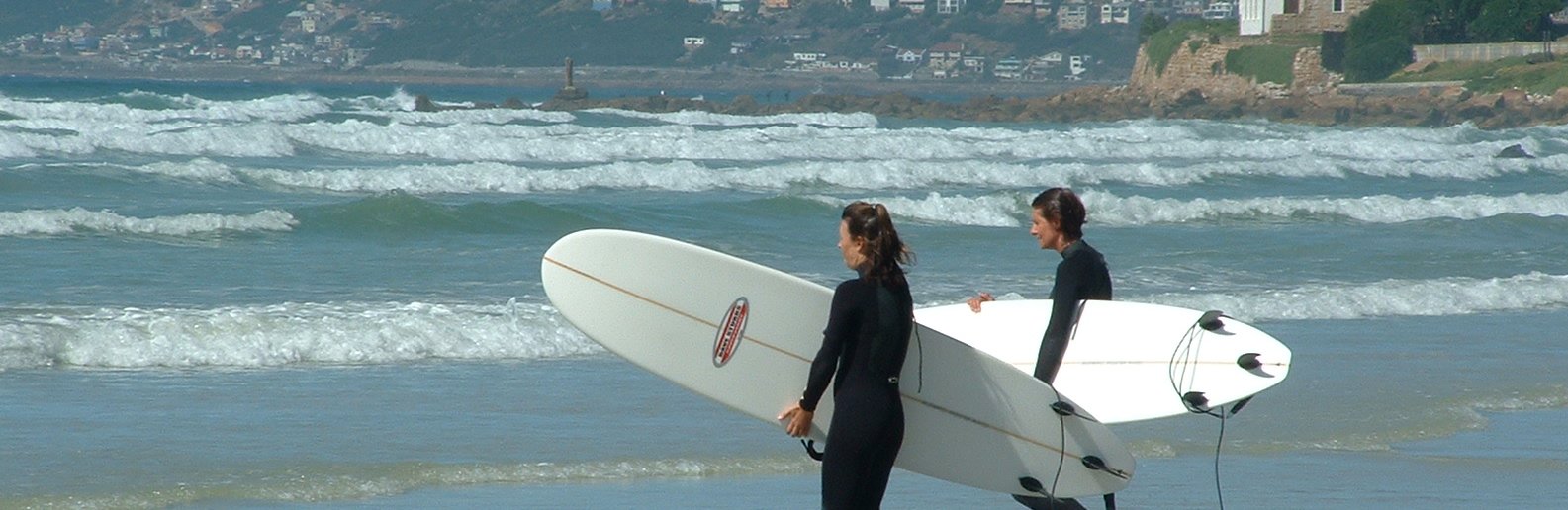
- Working in water sports is for true water lovers. It means spending a lot of time in the water, or at least being involved with it.
- Water sports include not only surfers' paradises and dive resorts, but also other extreme sports like windsurfing and even canyoning.
- Unless you choose an office job, you will be working outdoors a lot, often barefoot, often in international teams, and in a relaxed but hardworking atmosphere.
- Responsibilities: there are many different roles you can fill in water sports. Of course, there are sport-specific roles, but that's not all! Here are some examples of what the duties may entail:
- Teaching: surfing, windsurfing, kiting, sailing, SUP, kayaking
- Conducting briefings: safety, equipment, and water behavior
- Conducting clinics: from beginner lessons to technique training
- Rescue team: conducting rescues, supervising, and handling emergency situations. Performing maintenance: waxing boards, filling oxygen tanks, checking kites, cleaning boats, and checking gear.
- Organization and hospitality: assisting with events, welcoming and advising clients, creating social media content.
- General tasks: tidying up, cleaning, carrying, arranging transport, keeping the location tidy.
- Working conditions: The salary in the outdoor sector isn't necessarily something to write home about. It's often low to average, depending on the country and qualifications. Instructors with international certifications and extensive experience earn more.
- Room and board are usually included at surf camps, children's camps, dive resorts, and outdoor centers. In other sectors, you often have to arrange and pay for your own accommodation.
- You can also sometimes use equipment free of charge outside working hours and receive a discount on courses.
- Working hours vary depending on the weather, irregular hours are part of the job, and it's hard work, but you also get a lot of enjoyment and physical strength in return.
What are the reasons for working in water sports abroad?
- To train your situational awareness: you learn to deal with wind, currents, weather, and local hazards; you develop a keen instinct for nature and safety.
- To practice solution-oriented thinking: equipment breaks, weather changes, students panic: you learn to improvise and adapt quickly.
- To learn to take responsibility: from rescues to teaching, from surfing skills to equipment management, in all these cases, you are responsible for your clients' safety.
- To learn to lead: in many of these roles, you take the lead and lead others!
- To improve your empathy: although many people are eager for their outdoor adventure, fears and uncertainties often arise. You will gradually develop an understanding of this.
What skills and motivations do you need to work in water sports abroad?
- Stress management: you must remain calm in unexpected situations such as waves, gusts of wind, or anxious students.
- Communication skills: clear instructions save lives, especially when communication is difficult on or in the water. And they make lessons more enjoyable.
- Sense of responsibility: Safety always comes before fun, and students rely on your expertise.
- Service-oriented: You'll almost always work with clients and ensure they have the experience of a lifetime.
- Exuding authority: It's important that people listen to you and follow your instructions carefully, for their safety and yours.
What are the best countries and locations to work in water sports abroad?
- Working in the surfing industry: Indonesia, Portugal, Spain, Costa Rica, Australia, Sri Lanka, Morocco, South Africa, Mexico, Peru, New Zealand.
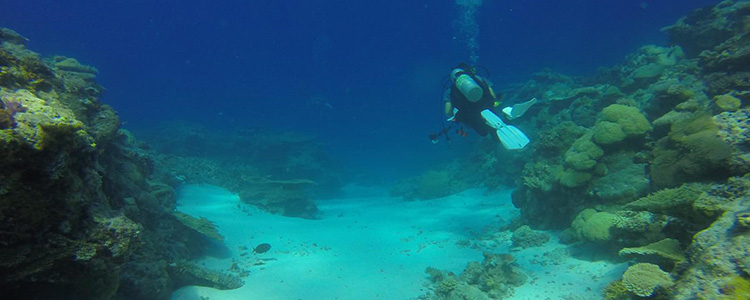
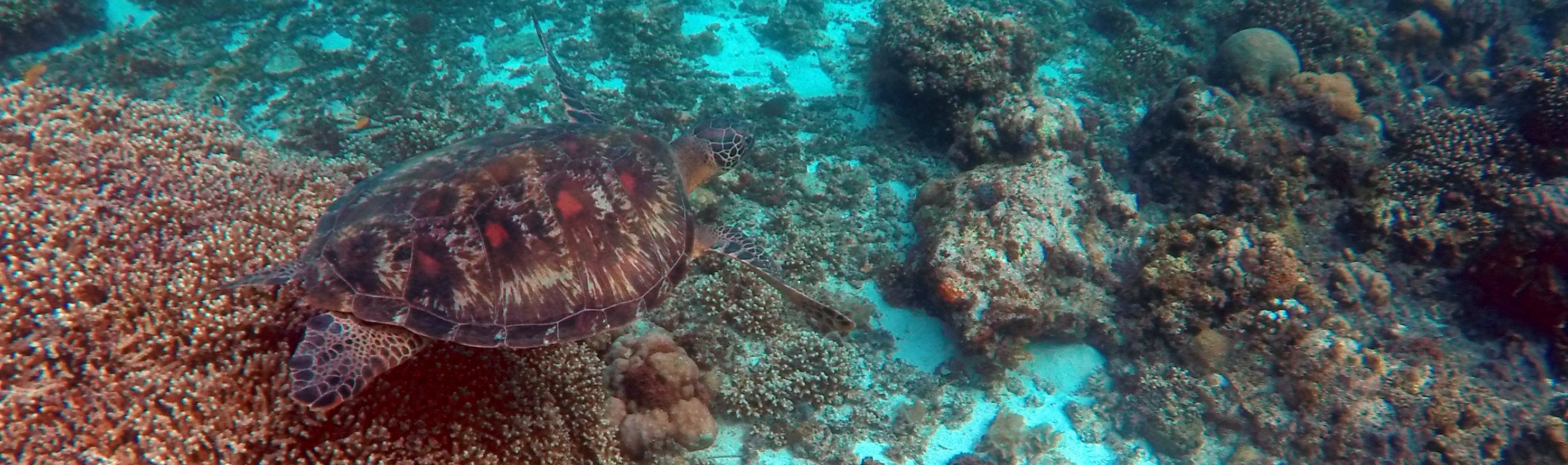
- Working in the diving industry: Indonesia, the Philippines, Thailand, Mexico, East Timor, Belize, Egypt, the Maldives, Bonaire/Curaçao
- Working at kite surfing/windsurfing locations: Brazil (Jericoacoara, Cumbuco), Vietnam (Mui Ne), Cape Verde, Spain, Portugal, the Egyptian Red Sea (Dahab, El Gouna), New Zealand.
- Working in the sailing industry or on yachts: Greece, Croatia, the Caribbean (St. Maarten, Antigua), Australia (Whitsundays), New Zealand.
- Working in kayak/rafting areas: New Zealand, Canada, Norway, Costa Rica, Nepal, Chile (Futaleufú)
- Working on a wakeboard or water ski: Thailand, Spain, Australia, USA (Florida)
- Working in the SUP world: Portugal, Greece, Bali, Spain, Mexico
What are the risks of working in water sports abroad, and are you insured against those risks?
- What are the risks of working in water sports abroad?
- There are many risks you face when working in the water sports industry, and your employer doesn't always provide comprehensive insurance.
- Therefore, it's important to be properly insured for injuries
- Injuries that are just around the corner are, among other things, fractures and sprains, accidents, ear problems, decompression problems, rescue situations, collisions, theft of equipment, cuts and bruises while sailing, and accidents involving wild animals such as jellyfish and sea urchins.
- Are you insured while working in the water sports industry?
- There may be several reasons why you need separate insurance when working abroad. See the pages on: insuring international Insurances for working abroad, for internships abroad, for volunteering abroad, or for expats and emigrants.
- 195 keer gelezen