Travel to North America to backpack, study, intern, volunteer, work, or live as a digital nomad, expat or emigrant?

Image

Image

Image  North America

Intro

Backpacking or traveling in North America?

  • North America lends itself to both the backpacker and the traveler. The country is home to spectacular wildlife. From vast deserts to rugged coastlines, from tropical beaches to cold mountain lakes. Traveling around by car or RV is particularly popular for the traveler, but for the backpacker there are also good bus connections. There are also many hostels and Airbnb and Couchsurfing are common platforms. The U.S. and Canada are expensive; for the traveler on a smaller budget, Mexico is excellent. 
  • Activity spotting: tons of outdoor activities such as hiking, climbing, skiing, surfing and rafting, often in national parks. Taste real Mexican spicy food in Oaxaca; visit New York, Mexico City, New Orleans and Quebec to learn about their unique culture; explore the natural wonders of Banff, Yellowstone, Grand Canyon and Yucatán Peninsula; climb volcanoes in Hawaii; experience vast wilderness in Alaska; sample Texas BBQ; road-trip along Route 6; admire Mexico's Mayan cities, including Chichén Itzá, one of the most famous Mayan ruins, and Palenque.  

Studying in North America?

  • In the U.S., you'll find the really big names, as well as the really big prizes. American universities are often at the forefront of research and innovation, with strong programs and state-of-the-art facilities in technology, medicine, and the arts. There is also a large international student community.
  • Canada has renowned universities that are less expensive than in the US. Canada is known for its inclusive and multicultural society, which creates a welcoming environment for international students.
  • Mexico has an increasing number of high-quality institutions, and the country offers studies focused on Latin America, the arts and languages. Costs are also generally much lower than in the U.S. or Canada. In addition, studying in Mexico offers you the chance to immerse yourself in the local culture and Spanish language. 
  • Language: in the U.S. you study in English, in Canada in English and French, and in Mexico in Spanish or English. 
  • Study culture: campus life in North America is often rich in clubs, organizations, and sports activities, contributing to a diverse student experience.

Internship in North America?

  • The U.S. has a wide range of industries such as technology, finance, media, and healthcare. Major cities such as New York, San Francisco, and Los Angeles offer numerous internship opportunities in these sectors. Silicon Valley is a hotspot for tech internships, with opportunities at companies such as Google, Apple, and Facebook.
  • Many universities and organizations in the U.S. offer structured internship programs, but internships can be very competitive. 
  • Canada offers internships in various sectors such as technology, engineering, finance, and health care. Major cities such as Toronto, Vancouver, and Montreal are major centers for internship opportunities.
  • Many Canadian universities have co-op programs that offer integrated internships in studies, which can help in finding an internship and gaining relevant experience. There are also government initiatives that promote internship and employment opportunities for young people. 
  • Mexico offers internship opportunities in sectors such as finance, marketing, technology, and tourism. Major cities for internships include Mexico City, Monterrey, and Guadalajara. Mexico has a growing start-up scene, providing opportunities for internships in emerging companies and innovative sectors.
  • Many Mexican universities have partnerships with companies for internships; there are also opportunities for internships with nonprofit organizations and government agencies. 
  • Internship experience in North America provides opportunities for highly professional experience and to build valuable professional networks. This can help with future career opportunities.

Doing volunteer work in North America?

  • In the U.S. and Canada, volunteering with wildlife, in national parks or at summer camps is particularly popular. In Mexico, volunteering in (marine) conservation, education and community development is popular. 
  • Short-term volunteering is available, as well as long-term volunteering. 

Working in North America?

  • For economic opportunities, head to the US. The U.S. has a diverse economy with strong sectors such as technology, finance, healthcare, and entertainment. Major cities such as New York, San Francisco, and Chicago offer numerous career opportunities. The U.S. is also a center of innovation, especially in technology and start-ups, with Silicon Valley as a major hub.
  • The U.S. has less extensive labor laws compared to many European countries, particularly in terms of working hours, vacation days, and sick leave. Employees often have a lot fewer legal vacation and leave days. Also, the labor market is truly competitive and performance-oriented. 
  • Canada offers opportunities in sectors such as technology, health care, and natural resources. Major cities such as Toronto, Vancouver, and Montreal are centers of employment. There is a growing demand for skills in technology, green energy, and health care.
  • Canada has generally favorable working conditions, with extensive arrangements for vacation, sick leave, and family leave. Work-life balance is often valued, and the work culture is more focused on collaboration and inclusiveness. 
  • Mexico has opportunities in sectors such as manufacturing, tourism, and services. Cities such as Mexico City, Monterrey, and Guadalajara are economic centers. The technology and start-up sector is growing, with increasing opportunities in innovation and digital services.
  • Mexico has labor laws that provide basic rights such as vacation days, sick leave, and a minimum wage. However, working conditions can vary depending on the sector and region. The work culture is informal, with a strong focus on personal relationships. 

Working as a digital nomad in North America?

  • There are many coworking spaces, good Internet and many networking events (especially in the U.S. and Canada). The cost of living does vary greatly, with North American cities in the U.S. and Canada on one side and Mexican cities on the other. 
  • If you want to be in the middle of economic centers and network, go to the US or Canada. If you want to experience a relaxed and cheaper lifestyle, go to Mexico!
  • Favorite locations: Austin, Miami, LA, New York, Toronto, Vancouver, Montreal, Mexico City, Playa del Carmen, Tulum. 

Living in North America?

  • Major cities offer a very comfortable quality of life because of their rich culture, diverse dining options and many amenities. However, they do come with high costs and you really have to watch out at night in some neighborhoods in the U.S. and Mexico.
  • Smaller cities, on the other hand, can be more attractive because of their lower costs. And also, coastal towns in Mexico are attractive because of the wonderful beach life. 
  • The cost of living is high in the U.S. and Canada in big cities. In Mexico, costs are lower. 
  • Mexico offers a warm, welcoming culture with a strong emphasis on family and community. There are many festivities and a rich gastronomic scene.
  • Canada offers a high quality of life with a strong focus on social welfare and the environment. There are many outdoor activities and multiculturalism is a big aspect of living in Canada.
  • Social life and culture in the U.S. vary widely by region. There are diverse cultural communities and a wide range of recreational activities available.
  • Climate: North America offers a wide range of climates, from tropical in Mexico to the temperate and cold climates of Canada and the U.S. Choose a region that suits your preferences for weather and seasons.
  • Health insurance: Health care is good throughout North America, from Canada to Mexico. In Mexico, health care is also a lot cheaper. Make sure you have your own well-covered health insurance, though.


Orientation & Discovering

Life & Activities

Why study in Canada, do an internship, do volunteer work or look for a job in Canada?

Why study in Canada, do an internship, do volunteer work or look for a job in Canada?

Why study, do an internship, volunteer or work temporarily in Canada?

  • Because the teaching is of very high quality.
  • Because you will find a wide range of study and internship opportunities.
  • Because it helps you improve and professionalize your English and/or French.
  • Because you can gain insight into a multicultural environment, which is valuable in a globalized job market.
  • Because you can gain high-quality practical skills. 

What should you pay attention to?

  • That tuition fees can be very high.
  • That you know (some of) the language of the area you are going to.
  • That equality, fair treatment and inclusiveness are very important values. 
     
Why live in Canada, why emigrate to Canada or stay for a long time?

Why live in Canada, why emigrate to Canada or stay for a long time?

Why should you live in Canada as an expat, emigrant or working nomad?

  • Because Canada is one of the most favorite countries for longer stays and emigration.
  • Because there is a tremendous amount of outdoor adventures.
  • Because the amenities are good, and the people are incredibly kind.
  • Because environmental awareness is high. 
  • Because health care is a fundamental right in Canada. 
  • Because you can learn a lot about kindness, respect for others and equality in a multicultural society. 
  • Because you can give your English and possibly French language skills a big boost. 
  • Because Canada is open to immigrants. 

What should you pay attention to?

  • That the cost of living is relatively high in the big cities. 
  • That it can get very cold in the winter. 
  • That the distances are great so you may be far away from friends or public transportation options. 
 
Why study in the United States of America, do an internship, do volunteer work or look for a job in the United States of America?

Why study in the United States of America, do an internship, do volunteer work or look for a job in the United States of America?

Why study, do an internship, volunteer or work temporarily in the United States of America?

  • Because you can study or intern at the best universities in the world.
  • Because you notice what is like when hard work is done somewhere without complaining.
  • Because you get to further discover and stimulate your qualities.
  • To spend some time abroad and earn a living.
  • To experience sports culture that is quite unique in the world.
  • To work in a country where you can easily make yourself understood.
  • Because you can improve your networking skills and build a broad professional network.

What should you pay attention to?

  • That hierarchy plays a more important role than in the Netherlands.
  • That people are less direct, less likely to criticize at work. 
  • That your colleagues can easily be fired (and you can have an influence on that).
  • That your workdays are long, breaks are rarely taken, and lunch is often at your desk.
  • That vacations in the U.S. are generally limited to a week or two.
  • That you connect with your colleagues easily, superficially.
  • That your dress style matches the rest of your organization, generally a little less formal than in Europe.


Why live in the United States of America, why emigrate to the United States of America or stay for a long time?

Why live in the United States of America, why emigrate to the United States of America or stay for a long time?

Why should you live in the United States of America as an expat, emigrant or working nomad?

  • Because there are many opportunities for developing a new career.
  • Because there is a the diversity of cultures, customs and traditions.
  • Because the quality of education is high.
  • Because there is a great entrepreneurial climate, where entrepreneurship is highly valued.
  • Because you have access to state-of-the-art technology. 
  • Because there are many networking events in all kinds of sectors, where you can enhance your networking skills. 
  • Because the quality of life is good provided you have money. 
  • Because the people are very friendly. 
  • Because you can experience real personal freedom.
  • Because there is a huge amount to experience in nature and a great outdoor culture. 

What should you pay attention to?

  • That it takes balancing skills to keep a balance between work and home.
  • That the cost of living is hefty.
  • That the differences in culture (guns, harsh politeike climate) also bring dark sides.
  • That in health care, the costs you incur in a hospital can skyrocket.
  • That without good (international) health insurance you are playing American roulette.
 
Why live in Mexico, why emigrate to Mexico or stay for a long time?

Why live in Mexico, why emigrate to Mexico or stay for a long time?

Why should you live in Mexico as an expat, emigrant or working nomad?

  • because of the climate.
  • because of its diverse nature with volcanoes, jungle, mountains and beaches.
  • because of its culture, traditions and rich history.
  • because of the gastronomy.
  • because of the emphasis on teamwork and cooperation and achieving results together. Being loyal and fulfilling your commitments is considered important.
  • because it is a popular destination and more expats reside in Mexico.

What should you pay attention to?

  • that the standard of living is much lower than in developed countries and there is a lot of poverty.
  • that the country (in some parts more and some parts less) has a lot of crime.
  • that the culture can be experienced as rigid.
  • that there are clear lines of authority in the workplace.
  • that respect for authority is important and being polite and patient is important.
  • that communication is indirect. It is common to be reserved with criticism and to avoid conflict.
  • that it is a popular destination and more expats reside in Mexico.

Image

Preparation & Packing

Packing list for the United States (USA), travel insurance for the United States (USA), and taking your belongings

Packing list for the United States (USA), travel insurance for the United States (USA), and taking your belongings

What to take with you to the United States (USA): spotlighted

Featured items:
  • Documents: passport that is valid for at least 6 months upon arrival, ESTA (apply in time!) and copies of both.
  • Money: credit card and cash US dollars. These come in handy everywhere in the world.
  • Outdoor and conveniences: cap (MAGA or not, that varies per state) and sunglasses.
  • Clothing: depends on where you are going and what you are going to do. Generally light clothing in the summer, warm layers in the winter. You can also think of beachwear, going-out clothing and of course rain gear.
  • Shoes: good walking shoes for hikes, comfortable sneakers for when you stay in the cities and sandals/slippers for Florida and California.
  • Medicines and travel pharmacy: a small first aid kit.
  • Extra: foldable bag, in some states plastic bags are prohibited. Technology and equipment: world plug type A&B. (see also world plug or travel plug), otherwise you will quickly be socially exhausted. Power bank, because you really use your phone for everything.

What are some other options for packing as well?

  • Reusable water bottle for all refill stations.
  • International driving permit for car rental.
  • Camping gear such as a headlamp or flashlight, for in the National Parks.
  • Quick-drying travel towel.

What should you keep in mind when traveling to the United States with your belongings?

  • That tipping can add a lot on your expenses, so take some extra money with you!
  • That legislation can differ greatly per state, so you are allowed to have some things with you in one state and not in another.

Are there mosquitoes in the United States?

  • In the US you will encounter mosquitoes almost everywhere in the summer, but some areas are worse than others.
  • The humid states in the southeast, such as Florida, Louisiana, Mississippi, Alabama, Georgia are heaven for mosquitoes. Texas, warm and with a lot of stagnant water, is also attractive to mosquitoes. Minnesota and Wisconsin are particularly bad around the lakes in the summer (Minnesota is sometimes jokingly called “the land of 10,000 lakes and 10,000,000 mosquitoes”).
  • Hawaii has a tropical climate, so mosquitoes are everywhere.
  • Summer (May-September) is peak season, but in the south it starts in spring.
  • Mosquitoes are most active in the mornings and evenings.
  • West Nile virus is prevalent throughout the US. Dengue is prevalent in Hawaii, Puerto Rico, and now the southern US all the way to Washington D.C.!
  • You usually don’t need to protect yourself from mosquitoes, but in areas where West Nile virus is common, it’s smart to protect yourself — especially in the summer.

Are there sandflies in the United States?

  • Due to climate change, sand flies that carry leishmaniasis, like mosquitoes with dengue, have now arrived in the US.
  • In Texas they are endemic and have the highest incidence, but in Florida, Oklahoma and Arizona sand flies can also sporadically spread leishmaniasis.
  • Don't be too scared, it is very rare for someone to get infected, especially a tourist.

Can you buy DEET, or other mosquito repellents, in the United States?

  • There are a lot of products available in the US such as DEET, picaridin and natural products.
  • You can buy mosquito repellents at supermarkets like Walmart and Target, drugstores like CVS and Walgreens, outdoor stores like REI, Cabela's, Amazon and even some gas stations.
  • OFF! is a popular brand, but 100% DEET is overkill.

Can you buy a joint or weed in the United States, or take it with you to the United States?

  • Just like almost everything, it also varies by state whether weed is legal. At the government level, it is illegal in any case and you can therefore be punished, especially as a tourist, if you do not know the rules well in the state where you are.
  • For medical use, cannabis is legal in 39/50 states. In more than 20 states you are allowed to use it for recreational purposes and here the government legislation is therefore not followed.
  • And then you have states like Texas or Idaho where you can still be arrested for a joint as if it were 1993.
  • The amount of weed (plants) you are allowed to have differs per state.
  • As a tourist you must therefore pay close attention to the rules in the state where you are. You are usually allowed to buy cannabis as a 21+ tourist at a regulated shop ("dispensary"), upon presentation of your passport.
  • Use is only permitted in private spaces (so not on the street, not in parks, not on hotel balconies, and certainly not in Disneyland parking lots). Weed may be legal in some places, but often not socially accepted.
  • In any case, you are not allowed to bring weed to the US, no matter where you fly to. Federal rules apply once you enter the country. The same applies when you travel across state borders, you are also not allowed to bring anything with you.
  • In states where a joint or weed is not allowed (e.g. Georgia, Idaho), you risk fines, arrest, or can even get into immigration problems.
  • As a foreigner, you also run the risk of visa problems or re-entry issues: cannabis use could theoretically make you “inadmissible” under US immigration law, even if it was legal where you smoked it.

Health, Insurance & Safety

How does healthcare work in North America, and what travel insurance, health insurance or expat insurance do you need?

How does healthcare work in North America, and what travel insurance, health insurance or expat insurance do you need?

How does the healthcare system work in North America?

  • In North America, the quality of healthcare is generally good, but accessibility varies greatly by country.
  • While healthcare in Canada and the United States is generally easy to access, this is a completely different story in Greenland.
  • In Greenland, there is only a large hospital in the capital. In other parts of the country, it can take a long time before you have access to care.
  • In the US and Canada, pharmacies can be found everywhere and medicines are generally in stock. In Greenland, medicines are sometimes scarce and you can only find pharmacies at hospitals or health centres.
  • In the US and Canada, the emergency number is 911. In Greenland, it is 112.

How does the public healthcare system work in North America?

  • The quality of public healthcare is good in North America.
  • In Greenland, as a resident, you are entitled to free public healthcare and medicines. This is different in the US and Canada.
  • In Canada, residents, and sometimes expats with a work permit, have access to Medicare. Medicare provides coverage for certain types of care, which varies by province. For certain services such as dental care and physiotherapy, an additional payment must be made or private insurance must be taken out.
  • In the US, Medicare and Medicaid provide coverage for health care, but expats are usually not eligible for this.
  • In general, the waiting times for public care in the US and Canada are quite long. The costs are also quite high.

How does the private healthcare system work in North America?

  • While the private sector is large in the US and Canada, it is very small in Greenland.
  • In Canada, private care is mainly good for care that is not covered by Medicare, or for people who do not qualify for it.
  • In the US, three-quarters of hospitals are privately owned. Private care is the norm here.
  • In Greenland, there is therefore little private care and most people choose to go abroad for specialized treatments.
  • The costs of private care are very high.

How is the general practitioner arranged in North America?

  • In North America, general practitioners are the gatekeepers of the health care system. The family doctor is the first point of contact and you usually need a referral from your family doctor to see a specialist.
  • In Greenland, nurses and paramedics often play the role of family doctor in remote areas.
  • In Canada, it can be difficult to visit a family doctor in some places. As a result, many Canadians go straight to the emergency room, even if they only have the flu.

How is the dentist arranged in North America?

  • The quality of oral care is good in North America.
  • In Canada and the US, the costs of oral care are generally high. In Greenland, this is partly free.
  • In the US and Canada, there are many private dental practices, in Greenland private dentists are hard to find.

How is pregnancy care arranged in North America?

  • The quality of maternity care is good in all three countries, but there are differences in accessibility.
  • All necessary tests are carried out in all three countries. In the US and Canada, this is possible almost everywhere, in Greenland extensive maternity care is only available in Nuuk.
  • The costs of childbirth and caesarean section are very high in the US. In Canada, maternity care is covered by Medicare, and in Greenland, care is also largely free.

How safe or unsafe is a trip or stay in North America?

What should you pay attention to in terms of safety in North America?

  • Greenland and Canada are very safe to live in when it comes to crime. The US is less so.
  • In Greenland, the safety risks are mainly about the extreme climate, in Canada it is safe to live and there are some nature-related risks depending on where you are, and in the US there are more risks in terms of crime and weapon use.

What should you look out for in terms of diseases in North America?

  • There are few health risks in North America.
  • Tap water is generally drinkable and food hygiene is good.
  • The health risks that do exist are mainly related to the weather conditions, so heat and cold.
  • Tick bites also pose a risk.

What should you pay attention to when it comes to traffic in North America?

  • In the US and Canada, a car is almost necessary if you live there. In Greenland, people use boats, planes and snowmobiles more.
  • The roads are good and the traffic rules are clear and strict.

What work and travel insurance policies are suitable for short and long stays in North America?

  • Is the trip to North America and your return sufficiently covered? Are you sufficiently covered before, during and after your activities? Which insurance best suits your trip and your activity?Read more about insurances for abroad on JoHoinsurances.org.

What emigration and expat insurance can you take out for North America if you are going to live there for a while?

  • In Canada and Greenland, you may be entitled to free or low-cost healthcare, provided you meet certain requirements and stay for a longer period. If not, good international health insurance is required to cover the high healthcare costs. In the US, good health insurance is a must anyway, because otherwise you might just go bankrupt.
  • Make sure your insurance covers medical evacuation as well as coverage in neighboring countries. Read more about insurances for abroad on Expatinsurances.org.
Why get specific insurance when going abroad: per activity abroad
Why should you take out specialized travel insurance for a long trip abroad?

Why should you take out specialized travel insurance for a long trip abroad?

What is round the world travel insurance or long-term travel insurance?

  • Round the world travel insurance means that you take out insurance that continues to provide coverage during all your activities abroad, and which is specifically intended for those who travel for long periods of time, such as world travelers, globetrotters, and nomads.

Why should you take out specialized travel insurance for a long trip abroad?

  • Round the world travel insurance provides coverage for a much longer trip than regular travel insurance.
  • World travel insurance is specifically intended for longer trips, whereas regular travel insurance may offer coverage on paper, but in practice handles it differently.
  • World travel insurance is suitable for many types of activities, ranging from high-altitude trekking to more risky sports.
  • World travel insurance continues to provide coverage if you start working during your trip, whether planned or unplanned. If you did not take out insurance before departure that allows you to work, there is no guarantee that you will be able to take out insurance that provides coverage while abroad.
  • Long-term travel insurance continues to provide coverage when your home country's health insurance no longer does.
  • Worldwide travel insurance also covers your medical expenses up to the actual cost, and not just for the standard costs. The costs per medical treatment vary greatly between countries.
  • Worldwide travel insurance can also continue to provide coverage if negative travel advice is issued.

What is important to insure when you are going to travel around the world?

  • That you have insurance that is valid in the countries where you are going to travel and posibly work.
  • That you are adequately insured for the sports and activities you are going to participate in during your full period abroad
  • That you are insured for emergency assistance and early return if something happens to you or your immediate family.
  • That your medical expenses are insured up to the actual cost and not just for the standard costs. The costs per medical treatment vary greatly between countries.
  • That you insure your luggage and take sufficient precautions against theft or damage.
  • That you are well insured against personal liability.
  • That you are well insured in case of accidents.
  • That you only insure yourself for legal assistance if there is an immediate reason to do so, unless coverage is already automatically included in the insurance.
  • That you pay close attention to choosing the right coverage when performing work or voluntary work during your world trip.

Check out more about

Why should you take out specific insurance when you go on a trip or vacation?

Why should you take out specific insurance when you go on a trip or vacation?

What is insurance for traveling abroad?

  • Travel insurance is insurance that provides coverage for risks during a trip or vacation abroad. This mainly concerns loss of or damage to your luggage, medical assistance, or repatriation costs if you need to be transported back home urgently. In some cases, travel insurance coverage also applies on domestic trips.
  • With annual travel insurance or multi-trip travel insurance, you are insured for all your trips throughout the year.
  • With temporary travel insurance or single-trip travel insurance, you take out insurance for each trip for the duration of the trip.
  • Cancellation insurance reimburses (all or part of) the travel sum, cancellation or accommodation costs if you have to cancel or interrupt your vacation.

Why should you take out travel insurance for a short trip, vacation, or long-distance trip?

  • Travel insurance can provide coverage in the event of an accident or emergency while you are abroad.
  • Travel insurance can provide coverage for damage and accidents during the adventurous or sporting activities you plan to do.
  • Travel insurance can continue to provide coverage if your health insurance no longer provides coverage, or if the damage is only reimbursed at cost price of your home country.
  • Travel insurance can provide coverage in the event of damage, loss, or theft of your luggage.
  • Travel insurance can provide coverage if you are held liable for damage you cause to other people or their property.
  • Travel insurance can provide coverage if you have to return home early because something has happened to you or your immediate family.

What is important to insure when you are going to travel abroad?

  • That you have insurance that is valid in the country or countries that you are going to visit.
  • That you are adequately insured for the sports and activities you are going to participate in during your period abroad.
  • That you are insured for emergency assistance and early return if something happens to you or your immediate family.
  • That your medical expenses are insured up to the actual cost and not just for the standard costs. The costs per medical treatment vary greatly between countries.
  • That you insure your luggage and take sufficient precautions against theft or damage.
  • That you are well insured against personal liability.
  • That you are well insured in case of accidents.
  • That you only insure yourself for legal assistance if there is an immediate reason to do so, unless coverage is already automatically included in the insurance.
  • That you pay close attention to choosing the right coverage when performing work alongside your travels.

Check out more about international insurances

Why should you take out specialized travel insurance for working abroad?

Why should you take out specialized travel insurance for working abroad?

Why should you take out specialized travel insurance for paid work, voluntary work or an internship abroad?

  • There may be several reasons why you need separate insurance when working abroad.
  • During work, internships, or volunteer work abroad where you receive financial compensation (or, for example, food or housing), your national health insurance coverage may expire. You will then need special insurance to remain insured for illness and accidents.
  • During specific work abroad, additional requirements may apply if your work involves additional risks. Only specific insurance policies offer coverage during this type of work.
  • During your work, the risk of accidents is sometimes greater, for example because you are doing work with which you have little experience or because of the nature of the work.
  • During your work, local employers generally offer no or limited insurance that provides insufficient coverage.

What is important to insure when you are going to work abroad?

  • That you have insurance that is valid in the country or countries where you are going to travel and work.
  • That you are adequately insured for the sports and activities you are going to participate in during your period abroad
  • That you are insured for emergency assistance and early return if something happens to you or your immediate family.
  • That your medical expenses are insured up to the actual cost and not just for the standard costs. The costs per medical treatment vary greatly between countries.
  • That you insure your luggage and take sufficient precautions against theft or damage.
  • That you are well insured against personal liability.
  • That you are well insured in case of accidents.
  • That you only insure yourself for legal assistance if there is an immediate reason to do so, unless coverage is already automatically included in the insurance.
  • That you pay close attention to choosing the right coverage when performing work.

Check out more about international insurances

Why should you take out specialized travel insurance for volunteering abroad?

Why should you take out specialized travel insurance for volunteering abroad?

What is insurance for volunteering abroad?

  • Insuring volunteer work abroad means taking out insurance that continues to provide coverage while you are working as a volunteer abroad

Why should you take out specialized travel insurance for voluntary work abroad?

  • There may be several reasons why you need separate insurance when volunteering abroad.
  • During specific activities abroad, additional requirements may apply if your work involves extra risks. Only specific insurance policies offer coverage during these activities.
  • The risk of accidents is sometimes higher during your work, for example because you are doing work you have little experience with or because of the nature of the work.
  • Local projects or employers generally offer no or limited insurance that provides insufficient coverage during your work.
  • When volunteering abroad and receiving minor financial compensation (or, for example, food or housing), your home country's health insurance coverage will potentially lapse. You will then need special insurance to remain insured for illness and accidents.
  • Regular travel insurance policies generally provide coverage for trips of a limited number of days. If your trip or stay abroad exceeds the maximum number of days, this generally means that for the entire travel period, you will not be covered.
  • Regular travel insurance policies generally only provide coverage for recreational travel without voluntary work activities. If you engage in activities other than recreational activities (such as volunteer work), this generally means that for the entire travel period, you will not be covered.

What is important to insure when you are going to work as a volunteer abroad?

  • That you have insurance that is valid in the country or countries where you are going to travel and volunteer.
  • That you are adequately insured for the sports and activities you are going to participate in during your period abroad
  • That you are insured for emergency assistance and early return if something happens to you or your immediate family.
  • That your medical expenses are insured up to the actual cost and not just for the standard costs. The costs per medical treatment vary greatly between countries.
  • That you insure your luggage and take sufficient precautions against theft or damage.
  • That you are well insured against personal liability.
  • That you are well insured in case of accidents.
  • That you only insure yourself for legal assistance if there is an immediate reason to do so, unless coverage is already automatically included in the insurance.
  • That when performing work in healthcare, with wild animals, and with dangerous (agricultural) machinery, you take care to choose the right coverage.

Check out more about international insurances

Why should you take out specialized travel insurance for an internship abroad?

Why should you take out specialized travel insurance for an internship abroad?

What is insurance for an internship abroad?

  • Insuring an internship abroad means taking out insurance that continues to provide coverage during your internship abroad
  • Insurance for internships abroad are also referred to as internship insurance. This internship insurance is specifically for when you go abroad for a long period of time to work as an intern, take courses, or conduct research abroad.

Why should you take out specialized travel insurance for an internship abroad?

  • There may be several reasons why you need separate insurance for an internship abroad.
  • During internship activities abroad, additional requirements may apply as soon as you start performing work that involves additional risks. Only specific insurance policies offer coverage during these activities.
  • During your internship, the risk of accidents is sometimes greater, for example because you are doing work with which you have little experience or because of the nature of the work.
  • During your internship, local employers generally do not offer insurance, or offer limited insurance that does not provide sufficient coverage.
  • During an internship abroad where you receive financial compensation (or, for example, food or accommodation), your home country's health insurance coverage will potentially lapse. You will then need special insurance to remain insured for illness and accidents.
  • Regular travel insurance policies generally provide coverage for trips of a limited number of days. If your trip or stay abroad exceeds the maximum number of days, this generally means that for the entire travel period, you will not be covered.
  • Regular travel insurance policies generally only provide coverage for recreational trips without work activities.

What is important to insure when you are going to be an intern abroad?

  • That you have insurance that is valid in the area where you will be traveling and doing your internship.
  • That you are adequately insured for the sports and activities you will be participating in.
  • That you are insured for emergency assistance and early return in case something happens to you or your immediate family.
  • That your medical expenses are insured up to the actual cost (what it actually costs), and not just for the standard costs. The costs per medical treatment vary greatly between countries.
  • That you insure your luggage and take sufficient precautions against theft or damage.
  • That you are well insured against personal liability and, preferably, also for liability during your internship.
  • That you are well insured in case of accidents.
  • That you insure yourself for legal assistance if there is an immediate reason to do so, unless the coverage is already automatically included in the insurance.
  • Make sure you choose the right coverage for internship work in healthcare, with wild animals, or with dangerous machinery!

Check out more about international insurances

Why should you take out specialized travel insurance for studying abroad?

Why should you take out specialized travel insurance for studying abroad?

What is insurance for studying abroad?

  • Insurance for studying abroad means that you take out insurance that continues to provide coverage during your studies, your education, and your related activities abroad.
  • Insurance for studying abroad is also referred to as study insurance. This study insurance is specifically for when you go abroad for a long period of time to take courses, study, or conduct research abroad.

Why should you take out specialized travel insurance for a study abroad?

  • Study insurance is specifically designed for studying abroad, whereas regular travel insurance policies may offer coverage on paper but handle this situation differently in practice.
  • Study insurance offers coverage for longer stays than regular (vacation) travel insurance.
  • Study insurance is also suitable for many types of activities, ranging from various sports to hiking at high altitudes.
  • Study insurance continues to provide coverage if you start working during your trip, whether planned or unplanned. If you have not taken out insurance before departure that allows you to work, there is no guarantee that you will be able to take out insurance abroad that provides coverage.
  • Study insurance continues to provide coverage if your own country's health insurance no longer provides coverage.
  • Student insurance also covers your healthcare costs above the rates in your own country; with regular insurance, you have to pay the extra costs yourself.
  • Student insurance can also continue to provide coverage if (study) visa issuers impose additional requirements on how you insure yourself, for example if you are going to the US and applying for a J-1 visa.
  • Student insurance continues to provide coverage if you are staying abroad for a longer period of time and want to visit your own country in between.

What is important to insure when you are going to study abroad?

  • That you have insurance that is valid in the country or countries where you are going to travel and work.
  • That you are adequately insured for the sports and activities you are going to participate in during your period abroad
  • That you are insured for emergency assistance and early return if something happens to you or your immediate family.
  • That your medical expenses are insured up to the actual cost and not just for the standard costs. The costs per medical treatment vary greatly between countries.
  • That you insure your luggage and take sufficient precautions against theft or damage.
  • That you are well insured against personal liability.
  • That you are well insured in case of accidents.
  • That you only insure yourself for legal assistance if there is an immediate reason to do so, unless coverage is already automatically included in the insurance.
  • That you pay close attention to choosing the right coverage when performing work alongside your studies.

Check out more about international insurances

Why should you take out specialized insurance for moving abroad as an emigrant or an expat?

Why should you take out specialized insurance for moving abroad as an emigrant or an expat?

What is an emigration insurance and what is an expat insurance?

  • Emigration insurance is an insurance that continues to provide coverage if you move abroad permanently or for an indefinite period of time.
  • Emigration insurance is not only intended for emigrants, but for anyone who leaves their home country for an extended period of time and does not intend to return in the foreseeable future.
  • Expat insurance is insurance that continues to provide coverage if you go to work abroad for a local or international employer for an extended period of time.
  • Expat insurance is not only intended for expats, but for anyone who has a more permanent job abroad.

Why should you take out specialized insurance for emigration or working as an expat abroad?

  • Emigration or expat insurance not only provides coverage for acute assistance in the event of illness or accident abroad, such as travel insurance, but can also provide coverage for existing conditions and ailments or non-urgent care.
  • Emigration or expat insurance does not require you to maintain valid health insurance in your home country.
  • Emigration or expat insurance provides coverage for preventive care or costs related to pregnancy and childbirth.
  • Emigration or expat insurance also provides coverage for long-term treatments and chronic conditions without you having to return to your home country.
  • Emigration or expat insurance often has no restrictions on the duration of the insurance, unlike travel insurance.
  • Emigration or expat insurance usually maintains coverage in cases such as negative travel advice or acts of war.
  • Emigration or expat insurance offers various solutions in the areas of disability, home and household insurance, goods transport, and liability.

What is important to insure when you are going to move abroad?

  • That you have insurance that is valid in the country or countries where you are going to live and/or work.
  • That you are adequately insured for the sports and activities you are going to participate in during your period abroad
  • That you are insured for emergency assistance and early return if something happens to you or your immediate family.
  • That your medical expenses are insured up to the actual cost and not just for the standard costs. The costs per medical treatment vary greatly between countries.
  • That you are well insured against personal liability.
  • That you are well insured in case of accidents.
  • That you pay close attention to choosing the right coverage when performing work with additional health risks

Check out more about international insurances

Why should you take out travel insurance and why through the JoHo Foundation?

Why should you take out travel insurance and why through the JoHo Foundation?

Why Insurances through JoHo

  • Specialized: in emigration, work, internships, study and travel abroad.

  • Service: JoHo offers multiple travel insurances by multiple companies. Thanks to JoHo's extensive experience, it can offer support in case of problems with insurers, as well as advice and fast and personal handling.

  • Safe: JoHo is recognized as a trustworthy intermediary for insurances.

  • Social: by purchasing an insurance through JoHo you provide a talented student in The Philippines with health insurance

Why Should You Take Out A Travel Insurance?

  • The chance of getting injured or ill is generally higher than when you would have stayed at home. The medical care you will need can be very expensive, even more so if you are treated in a private clinic.

  • If you have to fly back because of family circumstances, the flights might be more expensive than your original flight because you have to fly on short notice.

  • You might have to deal with the damage, loss or theft of your luggage.

  • In case of emergency it can be difficult to figure out what to do. A good travel insurance will have an assistance team on standby for you 24/7 and will be able to tell you what steps to take.

Why Should You Specifically Take Out A Travel Insurance For A Long Trip Abroad?

  • Often regular travel or health insurances only cover trips for a maximum number of days (for example 60, 90 or 180 days).

  • Depending on your home country, your health insurance might not offer any coverage for treatment abroad.

  • During a long trip you might consider specific activities, like paid work or volunteering. Regular travel insurances often don’t cover these kind of activities. The same goes for adventurous/ hazardous sports like skydiving, scuba-diving and bungee jumping.

More on why to use JoHo

  • JoHo is one of the few organizations where you can directly purchase a comprehensive range of foreign insurances from a variety of insurers. As with our other products and services, we believe that you should be able to choose between the best, the most cost effective and the most specialized insurance.

  • JoHo offers various possibilities from combining insurances to assisting in transferring from one insurer to another.

  • When you purchase an insurance policy through JoHo, you will not pay more than if you had purchased it directly from the insurer. Sometimes (through special collective agreements) you will even pay less.

  • JoHo offers support with problems that may arise with the insurer. Sometimes disagreement with claims, cancellation notice or insurance premiums can occur. In this situation it helps if you have the assistance of an organization who has an established relationship with the insurer.


Read more about JoHo and JoHo Insurances

Image

Reading & Remembering

United States of America: Updates & Travel

United States of America: Updates & Travel

Travel in the United States of America

  • Even though the United States is very Western, there are huge differences from Europe. Everything but everything is or seems big in the United States. Large portions of food, the size of roads and buildings. It is the land of unlimited possibilities including Route 66, The Big Apple, Yellowstone, Hollywood, Hawaii, The Rocky Mountains, the Redwoods and Broadway.

Updates United States of America

  • More about the United States, updates and contributions, see the link below.
Interviews with emigrants, expats and world nomads around the world: Northern America

Interviews with emigrants, expats and world nomads around the world: Northern America

Interviews with emigrants, expats and world nomads in Northern America

Joe's emigration from the UK to the US - chasing the American Dream

Joe's emigration from the UK to the US - chasing the American Dream

Image

Meet Joe. Joe grew up in small town in the United Kingdom, but decided to move to the US for his studies. In 2014 he applied for a scholarship, got it and said goodbye to his family and friends to go on a 6-year adventure in the US. After four years of studying and two years of working he decided to leave. Read more about his story below! 

What motivated you to move to the United States of America and how was your experience?

What should people know about you to understand your emigration story?

I moved to the US at 18 to pursue a college education as I received a merit-based scholarship. I studied for four years, graduating with a degree in chemistry, and then made use of the STEM optional practical training (OPT) program to work for two years.

Was there a specific moment or event that inspired you to emigrate?

Many, but mainly growing up watching the big bang theory and meeting an american girl on a holiday in France when I was 15! 

How did you prepare?

A few vaccines that I had to get that were required in the US but not in the EU. A physical check-up. Getting all my dental/optical health taken care of as I wasn’t sure how much it would cost in the US.

What did your life look like, what kind of work/activities made you feel like you were really at home in the USA?

Hiking and spending time in nature! The US is vast and the sky feels huge compared to anywhere else I’ve been in the world - reaching a viewpoint on the Appalachian trail and seeing lush green trees as far as the eye can see. Camping trips to Maine and the Adirondacks, the myriad colours of leaves in a New England fall. Halloween pumpkin picking and carving, drinking apple cider, eating pumpkin pie. Going to a baseball game or an ice hockey game. Fourth of July fireworks! Watching the NFL on Thanksgiving.

Did you have an idea about the future?

At the time of leaving, I did not have much of an idea of the future due to the pandemic. I had a plan for moving back to the UK, and made sure to tie up loose ends before leaving the US. I knew that I eventually wanted to travel to Japan and New Zealand/Australia. 

Why did you return to the UK?

Again, many reasons. It was difficult during the pandemic being isolated from my family in the UK. I also wanted to travel internationally outside of the USA and make use of UK-based working holiday programmes, which was at odds with needing to maintain my visa status and employer-provided health insurance in the US.


How was university life in the USA?

Did you get funding to go to university in the US?

⁠I was lucky to be able to go through the Sutton Trust US programme, a programme aimed at educating UK state school students on college opportunities available in the US as there is a lot of financial aid on offer for international students. The programme guided me through the daunting US college admission process. There are different forms of funding in terms of scholarships, merit-based financial aid, and need-based financial aid (what I got, I was admitted to the university but then received grant money from the university to attend, otherwise I wasn’t able to afford it). Advice would be to look at highly ranked US universities, as they will typically have more money and financial aid available to give to international students.  

What kind of university did you attend?

I attended a liberal arts college, smaller than traditional universities, and focusing on a more holistic and well-rounded education rather than a single area. (I had to take classes in different subject areas - social sciences, natural sciences, arts, physical education, etc.) in order to graduate. I didn’t declare a major (chemistry) until the end of my second year, and was able to take non-chemistry classes throughout my time. 

What did the academic year look like?

⁠Academic year followed a two semester system, fall and spring. Assessments were done throughout the semester, rather than a single exam at the end. I was fortunate to attend a liberal arts college as they are solely undergraduate institutions and have small student bodies (2000 student). I was able to do research in the chemistry department and used high level instrumentation that would be difficult to find/use even at graduate level. Classes were also much smaller and much more student/professor interaction.

Any advice?

Thanksgiving is a really fun holiday, I found my American friends were happy to invite me into their homes when I told them I’d be alone on the holidays.


What is American culture like, and how do people interact socially in the United States?

How did you make friends? Do you have any tips for meeting people?

I was fortunate to meet friends through college and then work. Americans are generally very friendly and happy to help or to have a conversation. Many of my friends invited me into their homes during public holidays like Christmas and Thanksgiving. My tips for meeting people would be to pursue groups based on hobbies and shared interests, and to be open to new opportunities and putting yourself outside of your comfort zone.

How did locals react to you living and working in the US?

I found that people are always happy to chat to people from Europe and hear about where they are from! But for the most part living and working here is the same as anywhere else!

What is your favorite local tradition/holiday?

Thanksgiving, the desserts/pies are amazing and the lack of focus on gifts (like christmas) makes it a nice holiday focused on spending time with family and friends.

Are there things you struggled with in social interactions?

The directness and extroverted nature of conversations is sometimes overwhelming. Another thing was not knowing if people are endearing or genuinely interested in friendship versus stereotypical friendly American. This sometimes made it difficult to foster genuine friendships. 

How did you stay in touch with home?

Facetime and Whatsapp, sending family pictures, Polarsteps

Have you learned anything useful about communication with home?

It highlighted indirect patterns of speech that are used in the UK, which was useful when I returned to work after my time in the US. 

What was one of the best experiences? 

It starts with losing my expensive glasses in the ocean, not the best experience... But then the family I was staying with talked with their neighbours/local community and they all chipped in money for me to get a replacement pair. I'd never experienced something like that before and it showed the kindness of many Americans, even towards a relative stranger. 


What are the challenges of emigrating to the USA as a British person?

What were your biggest disappointments after emigrating?

The lack of walkability disappointed me, a car is very much a necessity outside of few major cities. In the UK distances are much smaller and public transportation is easy, or you can even go somewhere by bike or walk. In the US this can be very different. 

Health insurance being tied to employment was another things that caused me stress and frustration at times as well, since without employment, well....

In retrospect, what do you wish you had known about the USA?

There is no legally mandated minimum vacation time. The work culture is tough and very individualistic. 

What would you do differently next time and what would you tell others with the same idea?

Unless I was living in a city like New York or Boston, I would buy a car, as it gives a lot of freedom and independence. Fuel is cheap compared to Europe and distances are vast. 

What was the biggest culture shock? 

There is a large level of income inequality and there’s high levels of homelessness and addiction.  

What did you miss most from the UK?

Having a supply of wine gums and Haribo! But I also missed British sports culture and the quality of food/vegetables in my home country. A lot of food in the US has high fructose corn syrup and/or added sugar. 

Were there things you appreciated more about the UK while you were in the US?

Walkability, legally mandated time off, fresh food and cheap fruit/vegetables, mobile banking and bank transfers, most paperwork has been digitised in the UK and can be easily handled using gov.uk. 


What are the practicalities of living in the USA?

What was the most difficult rule to understand in the US?

States with different laws regarding tax, driving, alcohol, gambling etc. It can be quite confusing! 

How did you find a suitable place to live? Was it difficult?

I found a room to rent through Craigslist. It was straight forward although I did need a reference.

What was the working culture like? Was it different from the UK?

I worked for a small family run company. Quite a stressful environment and a high workload. Lots of interaction with the boss, some micromanagement, but it also allowed me flexibility that you don’t necessarily at a larger corporate company (I.e. taking holiday in advance as I needed to return to the UK to renew my visa). All decisions had to be approved by the boss. There was no progression/pathway for promotion, which was also one of my reasons for leaving - I came in to a high level position compared to others in a similar age/degree background, but more senior positions were filled by long-term staff and so promotion was only realistic if someone retired. No mandated holiday time, I earned 10 days of holiday time after 1 year at the company, increasing by 5 days each year at the company. It was a good stepping stone, but quite a toxic work environment and I missed the employer protections offered in Europe. I would consider returning to the US and working at a more senior level in a more competitive industry and location, as benefits are generally better to maintain employees (I.e more days off given by the company per year than in the UK).

What were the biggest differences in costs between the USA and the UK?

Fuel is significantly cheaper than Europe/UK, second hand cars are more expensive, rent and cost of living is more expensive in the US.

What have you learned about insurance, taxes and other financial obligations in the US?

Having to manually fill in a tax return and use tax company software. Generally tax returns are done automatically in the UK. 

Did you use local healthcare in the US and what did you notice? Was it similar or completely different?

I had a few experiences with the US healthcare system, but was able to get seen very quickly whenever problems arose. I had laser repair work done on my eyes, something that would have taken 6 months for an appointment in the UK, whereas I was seen within a week in the US. I had orthodontic work done in my first year in the US. It was expensive as it was only partially covered by my insurance, but I had been wearing braces for 5 years on the NHS with very slow/no improvement. My orthodontist in the US gave me a 1 year plan for completing my orthodontic work and was very proactive and communicated clearly. I have zero regrets and still enjoy my smile 10 years on! 

But.. next to this, the healthcare system was very confusing. I was afraid of getting sick and having to go to doctors when I was a student as I wasn't sure how much it would cost me. I knew a case of someone who didn't call an ambulance for their paralytic friend because they didn't know if they could afford it (>1000 dollars). I would definitely recommend sorting out good health insurance before you go. 

Are there specific issues or tips around 'safety' or 'health' that are useful for other people who are going to live or work in the US for a longer period of time to know?

Be aware of food quality, additives, and portion sizes - it is really easy to put on weight. And, unfortunately, gun safety is another thing to be aware of. 

Other things you want to share about your emigration?

I had to fly back to the UK to renew my visa, I couldn’t get it done in the US. So make sure you check how to do it, and perhaps you can combine it with a nice visit to your family and friends! 


How did you experience your expat life in the USA?

Did you develop any new hobbies or interests while living in the USA?

I pursued hiking, camping, climbing, and played many board games! 

Were there any projects or activities you were involved in that gave you a sense of fulfillment?

I volunteered at my local independent movie theatre and also at Habitat for Humanity (US organisation aimed at building affordable housing)

How did you balance work, relaxation and enjoying your new surroundings?

The US work culture and lack of employment rights means maintaining a work life balance is notoriously difficult, but it is important to schedule days off and plan solo outings or meet up with friends. 

Overall I had a great time in the US, and despite certain things, I still miss the country and my friends. As I said, maybe I'll go back some day, but first - Australia :). 

North America: selection of contributions by WorldSupporters

North America: selection of contributions by WorldSupporters

Selection of contributions about North America shared by WorldSupporters

Canada: selection of contributions by WorldSupporters - Bundle

Canada: selection of contributions by WorldSupporters - Bundle

Content about Canada shared by WorldSupporters

Expat and emigration interviews: the story of Maartje Ruijgt (Netherlands) who lived all over the world and settled in Canada

Expat and emigration interviews: the story of Maartje Ruijgt (Netherlands) who lived all over the world and settled in Canada

Image

Motivation and experiences

Who is Maartje?

  • Maartje Ruijgt used to be a nomad. She traveled and lived for longer periods of time all over the world (Mexico, Philippines, Malaysia). She worked on a ship for a while and ended up during the covid period in Canada. She feels at home in Canada and just got her permanent residency. She is here to stay.

What do people need to know about you to understand your emigration story?

  • I always try to follow my heart and that has allowed me to explore all over the world as a nomad for 17 years. I got stuck in Canada due to Covid and finally got permanent residency after 3 ½ years.

Was there a specific moment or event that inspired you to leave the Netherlands?

  • The boyfriend I was living with in the Netherlands wanted to quit everything and travel the world. We were very good travel buddies and had already made several long-distance trips together. Of course I went along, I didn't fancy being left alone in the Netherlands.

How did you prepare?

  • From deciding to leaving took eight months. We rented a cottage, so it was mainly selling and/or giving away everything. Stored a few boxes of personal photos and books and we left the Netherlands with a backpack on December 5, 2007 by bus to Spain.

What does your life look like, what kind of work or activities make you feel like you are really ‘at home’ somewhere?

  • I believe you are at home in yourself, the rest is a place somewhere in the world where you have a nice community and a cottage where in you feel safe and can unwind.

How does your daily routine differ from that in your home country?

  • I don't think I have a daily routine like you might have in the Netherlands. I still live without a home and from day to day. For the last 10 years, I have worked a lot on expedition ships and when I was not on board, I travelled the world to visit friends.

Do you have any ideas about the future yet?

  • Now that I finally got my permanent residency here in Canada I might go back one day after a regular life with a daily routine. No idea, I am not someone who has a lot of future plans. I see what comes my way and follow my heart.

Culture and social interactions

What was your first encounter with a local? And how did that go?

  • I can remember many first encounters with local admirers and in any continent, country, community or ship, there is nothing more fun than meeting new people. In the end, everyone is a person with a life story shaped by the values and/or living conditions they grew up in. Not every experience is nice or beautiful, but always instructive.

Do you have any tips for meeting people?

  • If your smile is met with a smile, step up to that person. Learn some local words and make a nice comment or ask a question. If the chemistry is there, you might get the most fun and informative conversations. You might be invited to their home and they might let you sleep on a bed for weeks. You never know what a connection can bring you, but always be wise and use your wits. Unfortunately, there are also those with wrong intentions.

What is the best or most inspiring thing about your emigration?

  • I don't know if I am inspiring, you might have to ask others. I live as I live and that is perhaps different from what many people can imagine. Maybe I am brave or crazy? I hope to get everything out of life. After 17 years, I feel I have seen enough of the world and maybe now is the time to learn, say, knitting, gardening or running my own farm? Maybe I inspire others by always wanting to keep learning, understanding and growing as a person? I don't know, this is difficult question.

What is the funniest or most painful misunderstanding you have experienced because of language or cultural differences?

  • I was teaching English in Mexico and a student said, the teacher has a nice butt. I was embarrassed, and asked what? The teacher has a nice butt, but pointed to my new boots. (Boots). Spoken language causes incredible misunderstandings. Hand and foot work is sometimes necessary, but also makes it very funny.
  • When we are on expedition in the Arctic or Antarctica we have the most amazing fun, because as a team you carry a great responsibility together. Humour brings people from different cultures together. But I am also still very directly Dutch! In my experience, the Dutch have great direct humour and communication and I haven't come across many other nationalities with whom we share this. Because of this, I also really created or got many misunderstandings in my worldly life and I was not always aware of this.  

Have you adopted local customs?

  • I think you always pick up a local custom if you really want to emigrate yourself and get to know another culture. Maybe it's a local recipe or a new levelling experience that gives you a different view of the world. I still fold my plastic bags like they do in the Philippines, but I also think my time in Asia changed me a lot. People live in poverty, and I experienced and saw that with my own eyes. At the same time, there is still so much warmth, love and joy. I think these experiences and perhaps many others have made me very humble.

How do locals react to the fact that you now live and work in Canada?

  • Generally always very welcoming, but to get real friendships is sometimes challenging. You come into their world and you start adapting to the environment. That's not always easy. Plus you don't yet have a history together or a shared life and friends. On the other hand, you are embarking on a new adventure together and that can also be very bonding. I have made deep friendships around the world and I know that even if I don't see them for years, you just pick up where you left off. Very beautiful and valuable.

What is your favourite local tradition/festival?

  • Oh there are so many. Every culture is so special. Experiencing the Hindu holidays or Chinese New Year is very special. But also the Halloween here in Canada. That's what makes a country or culture so unique and special, its holidays and traditions. Especially when you get to experience them among the locals. On a trip in Buthan, we got to attend a ceremony with the religious leaders in the palace courtyard. That was very impressive.

Are there any customs in social interaction that you found difficult to understand or had to get used to?

  • No, not really. I think maybe I always go into a new situation very openly. If I don't understand it, I ask for an explanation. If it's a word or an experience I don't understand. And if it doesn't feel right, then maybe I don't engage in the social interaction.

How does friendship here differ from how it is perceived in your home country?

  • For me, a friendship differs by country. I still have some very dear wonderful girlfriends in the Netherlands, but now also all over the world. I believe in the expression, you meet someone for a reason, a period or for life.

Challenges and growth

Have there been moments when you had doubts about your choice/emigration, or what disappointed you?

  • I actually only had 1 moment of doubt and that was when we had just arrived in Mexico. We had left the Netherlands and in Barcelona we took a one-way ticket on a cruise ship as guests to start our new life and adventure in Mexico. The two weeks on the ship were just great fun, but ashore in a motel room the realisation dawned on me what I had done. Gave up my entire safe fixed life. I had nothing left except the backpack with some clothes and love. I also realised that going back was not an option for me and I remembered that I had also always wanted to study cultural anthropology. Why not travel the world and see what comes my way. It has certainly not been an easy journey to land here in Canada, but it has all been worth it.

In retrospect, what would you have liked to know about Canada beforehand?

  • I knew Canada for several years before I got stuck in Canada. I think each province has its own history and culture. I really like and learn about the lifestyle they have here in New Brunswick or the Atlantic Maritimes, where you live closely with nature and the seasons and are very focused on being self-sufficient. Canadians are very friendly, but it is an incredibly complicated and laborious immigration process to get to permanent residency.

What would you do differently next time and what would you give others with the same idea?

  • I wouldn't want to do anything differently. The choice for me was to marry a Canadian man or I had to go through the Atlantic Immigration programme. I chose the latter. It was not only emotionally tough and you have to have some money financially. It takes a lot of patience, but it is a good programme and I am very grateful that it allows me to live in Canada.

What was the biggest culture shock?

  • I don't think there is a real big culture shock from the Netherlands. Life is different, but we are both Western. There are a lot of Dutch people living in Canada. There are even Dutch products in the supermarket sometimes.

What skill did you never think you would need but have developed?

  • You have to be able to improvise and not be averse to doing a chore in your household. It's life is more basic here, from months of shovelling snow or keeping yourself warm with a wood stove. Chances are that electricity and therefore the use of your water pump will be down in a storm. It really is survival at times, but then again I live in the middle of nowhere in New Brunswick Canada. I believe if you're more into urban areas life maintenance must be easier.

How do you cope with homesickness/loneliness/what do you miss most?

  • I myself am unfamiliar with the feelings of homesickness and loneliness. I think if you have these feelings, you can easily find a solution here. You can always go back to the Netherlands or if you feel lonely, try to connect with locals. If you can't find a connection or friendships here, make yourself a member of the Dutch club or an expat association. In Malaysia, for example, I joined the Dutch hockey club and organised Sinterklaas for the Embassy. I miss Dutch food like endive stampot and of course the bitterballen, but that always makes a visit to the Netherlands very tasty and something to look forward to.

Are there things you appreciate more about your homeland now that you are here?

  • What I have always appreciated about the Netherlands is how well organised everything is such as public transport and the ability to get on a bike.

Practical rules and issues in Canada

How do you deal with bureaucracy in your new country?

  • I don't think Canada has more bureaucracy than the Netherlands. They ask for a lot of data and documents here if you want to immigrate. It is a long and complicated process. I hired an immigration lawyer and she helped me tremendously, but it was not cheap.

What was the hardest rule to understand/follow?

  • It's actually quite simple for me. To live and work in Canada, I had to marry a Canadian or follow an immigration programme. These programmes vary by province and it is best to contact an immigration advice centre that are even set up specifically for Dutch people who want to immigrate to Canada. There is also on Facebook groups for Dutch people in Canada where you can ask questions.

How did you find a suitable place to live?

  • Just like in the Netherlands, through the internet, social media and through connections I made here.

Was it difficult? What are the biggest cost differences between this country and your home country?

  • Right now, living in Canada is very expensive. Living costs are similar to the Netherlands, but prices of groceries and petrol have gone up incredibly here in New Brunswick. To keep costs down, I would like to eventually start my own hobby farm. That way I can grow my own vegetables and fruits and keep some chickens for eggs etc. Most of the friends I have here live as close to nature as possible and try to be self-sufficient as much as possible.

What did you learn about insurance, taxes and other financial obligations abroad?

  • I have to figure this out now, as I have just been told that I am therefore allowed to stay here permanently.

Have you used local healthcare (GP, specialist, dentist, etc.) and what strikes you?

  • Healthcare is definitely different from the Netherlands and not comparable in quality. Healthcare in the Netherlands is very well organised, reliable and accessible. Make sure you take out good travel insurance when you leave the Netherlands. I myself have been insured with Joho for years and can 100% recommend them. They give you the best advice and I have also always appreciated the fast, helpful and open communication and care from them.


CANADA WORK PERMIT VISA

CANADA WORK PERMIT VISA

CANADA WORK PERMIT VISA

A work visa, also known as a Canada work permit, is given to eligible foreign nationals so they can work there for a set amount of time. In this blog, we will discuss about canada work visa for indians.

People need to apply for a work visa only after receiving a job offer or an employment contract from a Canadian employer. Employers wishing to hire skilled foreign employees for positions that Canadian citizens or permanent residents cannot fill must obtain an LMIA (Labour Market Impact Assessment) from ESDC (Employment and Social Development Canada).

For people looking to work overseas, Canada is an excellent option because it has one of the strongest economies in the world. Businesspeople, permanent workers, temporary workers, and students can work in Canada with a work permit. Typically, applicants cannot submit a work permit visa application without a job offer. Y-Axis can assist you in locating employment and in applying for a Canadian Work Permit Visa with our end-to-end foreign career solutions.

CANADA WORK PERMIT VISA DETAILS

Canada issued visas to more than 400,000 foreign applicants in 2021. This is a fantastic chance for foreign laborers looking to improve their living standards. With a visa for a work permit from Canada, you can:

  • Work for the employer you listed on your work permit application in Canada.

  • able to apply for dependant visas so you can contact your dependents

  • income in dollars

  • Circumnavigating Canada

  • Later, apply for a PR visa.

GENERAL ELIGIBILITY REQUIREMENTS

  • Show an officer evidence that you'll leave Canada once your work permit expires.

  • Have proof that you can support yourself and your family throughout your stay in Canada, such as financial documentation.

  • possess a clean criminal record and provide documentation from the police

  • They are not a threat to the security of Canada

  • and must be in excellent health and submit to a medical examination if necessary

  • Have no intention of working for a company that the government has deemed ineligible due to its failure to meet specific requirements.

  • Have no intention of working for a company that provides sensual massages, escort services, or erotic dance.

  • To qualify for entrance to Canada, you must be prepared to present any documentation that the police may want.

DOCUMENTS REQUIRED TO APPLY FOR A CANADA WORK PERMIT VISA

  • a passport in good standing with a validity date that is greater than six months past the intended date of entry into Canada

  • two most recent passport-sized photos

  • academic credentials certificates

  • evidence of professional credentials, including job history

  • evidence of having enough money to meet their costs while they are in Canada

  • It is necessary to get a medical checkup at a hospital that is registered.

  • fee for applications

Image ACTIVITIES

Check courses, jobs, projects, recipes, suggestions and tips related to: 'North America'

CHECK MORE ACTIVITIES

Make a selection, to find more tips than you see below

Image Going for winter sports: what is it, why do it, and where is the best place to go?
Going for winter sports abroad What are winter sports? Why should you go on winter sports abroad? What are the risks when going for winter sports abroad? Where is the...
Image Working abroad as expat: what is it, why should you do it and where is the best place to go?
Working abroad as expat What is working as an expat abroad? Why should you work as an expat abroad? What do you need if you want to work abroad as an expat? To what...
Image Mountain biking and Cycling abroad: what is it, why do it, and where is the best place to go?
Mountain biking and Cycling abroad: what is it, why do it, and where is the best place to go? What is cycling abroad? Why should you go cycling abroad? What do you need...
Image World Cleanup Day 2026
World Cleanup Day 2026 - 20 september Sluit je ook in 2026 weer aan bij deze wereldwijde schoonmaakactie - World Cleanup Day = het grootste evenement tegen zwerfvuil en...
Image Watching the northern light abroad: what is it, why should you do it and where should you go?
Watching the Northern light abroad What is the northern lights? What is the southern lights? When is the best time to see the northern lights? Why should you go see the...
Image Takanna
Takanna means “Enjoy your meal” in Greenlandic. Food from Greenland is meat from marine mammals, birds and fish. High protein food! The Greenlandic cuisine has been...
Image Prepare for a career as a ski or snowboard instructor with an internship program
Prepare for a career as a ski or snowboard instructor with an internship program in winter sport resorts in Canada, the USA, Japan, New Zealand and Switzerland.
Image Enjoy the Hawaiian vibe by working in exchange for board and lodging at this hostel on Maui
Enjoy the Hawaiian vibe by working in exchange for board and lodging at this hostel on Maui. Work and relax in this laid-back hostel, join island tours, use the shared...
Image Doe internationale werkervaring op met een stage binnen de landbouw- of tuinbouwsector
Doe internationale werkervaring op met een HBO of MBO stage binnen de landbouw- of tuinbouwsector in Amerika Deze organisatie biedt stagemogelijkheden en traineeships...
Image Werk-meeloopstages bij farms, kwekers en boerderijen verspreid over heel Canada
Werk-meeloopstages bij farms en boerderijen verspreid over heel Canada. Kies voor een boerderij met koeien, kippen, varkens, aquacultuur of ga voor biologische akkerbouw...
Activities abroad: home bundle

Main content and contributions for activities abroad

,,,accommodations, adventure activities, courses, internships, jobs and volunteer projects

...to help another, travel with care, work together , learn to share and inspire with your experience


Activities abroad: home page

Activities abroad: home page

From language courses to gap year abroad, from work experience to volunteering abroad, from paid work to internship abroad, from mountaineering to diving and from backpacking to travel around the world

    What social activities can you do abroad?

    • Opportunities are found in the areas of helping, learning or studying. You can get involved to volunteer in a social project at a school in Africa, Asia or Latin America. You can get involved in nature, in a project with animals or cleaning the sea or beaches. Those who want to learn more can choose for example a language course in Latin America, Spain or South Africa.

    What work related activities can you do abroad?

    • If you want to gain work experience, and/or also earn money, go and work abroad. You can combine backpacking in Australia with temporary work. You can work on campsites in Europe or bush camps in Africa. You can pretty much go all over the world to work in the hospitality industry, hotels and hostels, in the healthcare sector or for example at a diving school.

    What sports activities to do abroad?

    • Have you ever thought of mountain biking, rafting (going down a wild river on a raft or rubber dinghy, climbing or canoeing), survival (which involves building rafts, climbing or canoeing), abseiling (descending a rock face while secured to ropes), zip-lining (whizzing down a cable), canyoning (starting at the top of a river and then climbing, swimming, diving down the bed) or caving (scrambling, wriggling and crawling through caves and crevices)?
    • Maybe you feel more comfortable on a bodyboard (on a half-wave surfboard, you surf the high waves lying down-with flippers), on a hang glider or while paragliding (with a parachute you float down a mountain or dune), hydrospeeding (on a bodyboard with flippers and a wetsuit on you go down a wild river via rapids) or Tiefschneeskiing (racing down through powder snow)?

    Check the pages below for more activities and inspiration and where to go and how to arrange it

      Activities abroad: for gap year, sports, travel and outdoor abroad

      Activities abroad: for gap year, sports, travel and outdoor abroad

      Bundled content for gap year, sports, travel and outdoor abroad

      Access: 
      Public

      Image STORIES

      Check blogs, experiences and information related to: 'North America'

      CHECK MORE STORIES

      Make a selection, to find more blogs and contributions than you see below

      Image Packing list for Canada, travel insurance for Canada, and taking your belongings
      To pack and bring to Canada What to take with you to Canada: spotlighted What are some other options to pack as well? What should you keep in mind when traveling to...
      Image Packing list for the United States (USA), travel insurance for the United States (USA), and taking your belongings
      To pack and bring to the US What to take with you to the United States (USA): spotlighted What should you keep in mind when traveling to the United States with your...
      Image Livestock and farm animals abroad and when travelling: are they dangerous, where do you encounter them, where can you see them?
      What are livestock? What kind of work, internship or volunteer work can you do with livestock and farm animals abroad? What should you pay attention to if you are going...
      Image What should you do during a volcano eruption, and how dangerous is climbing an active volcano?
      What should you do if you are caught in a volcanic eruption, and how dangerous are volcanoes abroad? There are major differences between one volcanic eruption and...
      Image Horses abroad and while traveling: are they dangerous, where do you encounter them, where can you see them?
      Horses abroad and while traveling Are horses dangerous? What should you pay attention to when you are going to care for horses abroad? What should you pay attention to...
      Countries & Destinations: home bundle

      Bundled content, suggestions, stories and tips about the countries and destinations in the world

      ...to help another, travel with care, work together , learn to share and inspire with your experience

      Africa: country bundles

      Africa: country bundles

      Access: 
      Public
      Asia: country bundles

      Asia: country bundles

      Country bundles of Asian countries

      Access: 
      Public
      Europe: country bundles

      Europe: country bundles

      Country bundles of European countries

      Access: 
      Public
      The Caribbean: country bundles

      Image ORGANIZATIONS

      Check sectors and organizations related to: 'North America'

      CHECK MORE ORGANIZATIONS

      Make a selection, to find more or other organizations than you see below

      Image Au Pair Spain
      Au Pair Spain is a small scale au pair agency, based in Barcelona. They offer traditional au pair opportunities, but also offer programs for 30+ au pairs, au pair who...
      Image The Crew Network
      A yacht crew recruiting agency based in Italy, Spain and the US. They have developed a database where people can look for a job on yachts and where yachts can recruit...
      Image Crystal Cruises
      Crystal Cruises organizes luxury cruises all around the world. New cruise ship crew is always welcome to apply, with possibilities ranging from sport & health to...
      Image Innisfree Village
      Innisfree Village is a residential/working community in Virginia where adults with developmental disabilities live and receive support. The organization aims to give...
      Image StudyTravel
      StudyTravel consists of a permanent team of enthusiastic employees, all with experience abroad. You can go there to learn various languages such as Italian, German,...
      Image Outreach360
      Outreach360 is a volunteer organization in the field of English education. English classes are provided to students from South and Central America via online instruction.
      Image Dutchies Travel: reisadvies voor Australië, Nieuw-Zeeland, Fiji, Europa, Canada, USA
      Dutchies Travel is dé plek om reisplannen, ideeën en dromen van alle Dutchies (en hun vrienden) ter wereld te ontwikkelen! Door hun passie en liefde voor reizen te delen...
      Image Oak Travel
      Oak Travel biedt, taalcursussen, avontuurlijke groepsreizen en vrijwilligerswerk voor jongeren naar unieke bestemmingen wereldwijd. Van een surfkamp in Costa Rica tot...
      Image ESL Taalreizen
      ESL biedt taalreizen aan in meer dan tweehonderd bestemmingen wereldwijd waarbij cursussen in vele talen kunnen worden gevolgd. Cursussen voor jongeren, volwassenen en...
      Image Butrfly au pair
      The au pair stay offers young people of all nationalities the opportunity to live abroad for a time. The aim of the au pair stay is a two-way cultural exchange: the...
      Organizations & Services: home bundle

      Bundled content, suggestions, stories and tips about organizations and their products and services

      ...to help another, travel with care, work together, learn to share and inspire with your experience

      Organizations: home page
      Organizations: for administrative, tax and legal work and consulting
      Organizations: for agriculture, grape picking, farming and vineyards
      Organizations: for animal protection, animal care and working with wildlife abroad
      Organizations: for au pairs, youth work and child care abroad
      Organizations: for bush camping and working at a campsite abroad
      Organizations: for catering, hospitality and entertainment abroad
      Organizations: for civil society and social work abroad
      Organizations: for corporate business services
      Organizations: for customer services abroad and help desks
      Organizations: for diving, snorkeling and water sports abroad
      Organizations: for education and schools abroad
      Organizations: for expatriate insurances, travel insurances, and emergency call centers
      Organizations: for gap year activities abroad and sabbaticals
      Organizations: for internship placement abroad
      Organizations: for insurances and finance abroad
      Organizations: for IT, engineering and construction
      Organizations: for language travel and language teaching abroad
      Organizations: for marketing, communication and PR
      Organizations: for mediation in au pairs, childcare and elderly care in the Netherlands
      Organizations: for moving, international relocation and transport abroad
      Organizations: for nature conservation, environmental protection and working in nature abroad
      Organizations: for nonprofit projects, development work and international cooperation
      Organizations: for online work as digital nomad, freelancer, or independent entrepreneur from abroad
      Organizations: for outdoor activities and sports
      Organizations: for providing accommodation and hospitality work in hotels, guesthouses, ecolodges and hostels abroad
      Organizations: for providing healthcare and working in medical care abroad
      Organizations: for psychological assistance and mental health care abroad
      Organizations: for real estate, brokerage abroad and property rental abroad
      Organizations: for research and scientific work abroad
      Organizations: for student support and student associations
      Organizations: for tour guidance and adventure tours abroad
      Organizations: for tourism and organized travel and leisure work abroad
      Organizations: for voluntary work mediation and project placement abroad
      Organizations: for yacht and shipping crew and working on a cruise ship abroad

      Image SUMMARIES

      Check summaries and study assistance related to: 'North America'

      CHECK MORE SUMMARIES

      Make a selection, to find more, or other, summaries and study assistance than you see below

      Image Summary Case Law: United States v. Russel
      Comparative Criminal Law (2016/2017): Case Law Summary: United States v. Russel United States v. Russel Introduction Facts Appeal Decision Back to top United States v...

      Image

      SPOTLIGHT & FAVORITES

      SPOTLIGHT
      Image

      1. What are the issues to bear in mind when emigrating?

      • Keep track of the emigration process; for example write down what to do and what you are going through in an emigration diary.
      • Make use of the media and guidebooks when researching possible destinations.
      • Get an i...

      FAVORITES
      Image

      When traveling is your hobby and want to keep your personal stuff safe in the airplane, train, bus, boat or when u sleep in a hostel. Use a travelsafe! Find out what kind of travelsafe is usefull for you, click here!  

      Image

      1. What are the issues to bear in mind when emigrating?

      • Keep track of the emigration process; for example write down what to do and what you are going through in an emigration diary.
      • Make use of the media and guidebooks when researching possible destinations.
      • Get an i...

      Image ALL CONTENT

      Search all related content within the topic: 'North America'

      ALL CONTENT WITHIN TOPIC

      Select any filter and click on Apply to see results

      Image

      TOPICS : check associated topics and more activities

      Check more: activities in WorldSupporter
      Check more: of the topic below
      Go abroad!
      Page topic

      Stories, tips and experiences from specific countries in North America
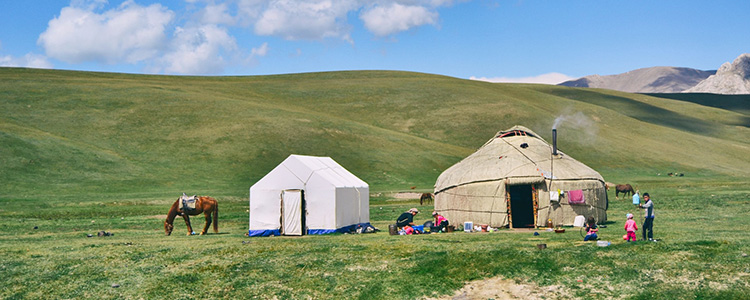
      Submenu & Search

      Search only via club, country, goal, study, topic or sector