Travel to New Zealand to backpack, study, intern, volunteer, work, or live as a digital nomad, expat or emigrant?

Image

Image
 New Zealand

Intro

Backpacking in New Zealand?

  • A wonderful backpacking country for those who love nature, Lord of the Rings and outdoor adventures. 
  • Characteristics: safe, lots of backpackers, bizarre landscapes, remote, little ancient culture.  

Travel in New Zealand?

  • Are you ready for adventure? Then definitely don't skip New Zealand. New Zealand is a safe country full of vast wilderness, outdoor activities and cozy cities. Just don't expect much traditional culture. 
  • City spotting: Auckland, Wellington, Christchurch, Dunedin, Nelson.
  • Activities spotting: bungee jumping in Queenstown, skiing, wine tastings, multi-day hikes, canoeing, skydiving, visiting volcanoes. 
  • Nature spotting: the fjords of Milford Sound, Tongariro National Park, the glaciers of Franz Josef and Fox, The Catlins, Mount Cook National Park/Aoraki, Abel Tasman National Park and trail, Kaikoura. There is too much to list, but imagine dramatic coastlines, mountainous landscapes, pristine forests, volcanoes and clear blue waters. 
  • Animal watching: watch the kiwis in their natural habitat, spot dolphins and whales, visit albatross colonies, fishing penguins and leopard seals.   

Study in New Zealand?

  • Education in New Zealand: Education in New Zealand is internationally recognized and of very high quality, with a number of universities ranking highly in world rankings, such as the University of Auckland and the University of Otago. The education system is known for its innovative and hands-on approach.
  • Language: The language of instruction is primarily English. However, programs and courses are also available in Māori, especially in the areas of culture and language studies.
  • Studies: Popular areas of study include computer science, natural sciences, engineering, psychology, commerce, agriculture and tourism. New Zealand universities also offer strong programs in creative arts and social sciences.
  • Study cities: Auckland, Wellington, and Christchurch are the major study cities.
  • Study Culture: The study culture is generally informal and participatory, with a focus on self-directed learning and hands-on experience. There is a strong emphasis on diversity and inclusion, with respect for different cultural and social backgrounds.
  • Language learning: For international students, knowledge of English is sufficient to study, although some universities offer courses in Māori for those interested. In New Zealand, learning Māori as a second language is a valuable addition for those interested in the country's culture and history.

Internship in New Zealand?

  • Internship opportunities: New Zealand offers a wide range of internship opportunities, especially in sectors such as tourism, technology, creative design, and renewable energy. Large companies and international organizations may also offer internships, often with a focus on innovation and hands-on experience.
  • Internship cities: Auckland, Wellington, Christchurch, Dunedin, and Hamilton.
  • Characteristics: informal and collaborative work culture, room for independence and initiative, with a strong focus on innovation and hands-on experience. Professional networking is important and often supported by networking events and professional organizations. Many small companies, so more involved in different parts of the organization. 
  • Competencies: you will develop skills in professional English, acquire practical work experience, learn to deal with a diverse and inclusive work culture, and possibly knowledge of Māori culture and language. Adaptability and cultural sensitivity are also important for success in this dynamic and international environment.

Volunteering in New Zealand?

  • There are many volunteer opportunities in New Zealand, ranging from board and lodging projects to short-term and part-time activities, think conservation and organic farming. This offers the chance to contribute to different communities and environmental projects while gaining experience in a beautiful environment.
  • Animals/Nature projects: think coastal conservation, working with native species and managing national parks. Projects may include kiwi conservation, stray animal shelters and nature conservation.
  • Characteristics: Volunteer work in New Zealand can be full-time or part-time and both short-term and long-term.

Working in New Zealand?

  • Jobs: particularly in IT, tech, healthcare, education, tourism and agriculture. If you have a working holiday visa then even more doors will open for you because you don't need visa sponsorship. 
  • Work culture: New Zealanders are known for their informal and equal work culture. Direct communication, openness and work-life balance are important. There is usually little hierarchy, and employees often have a lot of freedom to make their own decisions also with regard to flexible working hours and opportunities for working from home. Women have equal opportunities and are represented in all levels of business. 
  • Features: English (learn some Maori too!), lots of networking events and professional associations, an open and inclusive culture, lots of activities.
  • Working as a digital nomad in New Zealand?
  • New Zealand is becoming increasingly popular for digital nomads. Especially with the working holiday visa for different nationalities, this opens more doors. 
  • Favorite locations: Auckland, Wellington, Queenstown.
  • Characteristics: temperate climate, expensive (unless you stay in a van), high quality of life, strong infrastructure, safe and so much adventure! 

Living in New Zealand?

  • A friendly country, far from the rest of the world but with a friendly, mixed population and a huge amount to experience for nature lovers. 
  • Language: English and Māori. 
  • Quality of life: New Zealand offers a high standard of living with modern amenities, a well-developed infrastructure and plenty of stores and restaurants. The country is known for its beautiful nature and outdoor activities. It is a safe, stable and family-friendly environment, although the cost of living in cities such as Auckland and Wellington can be high.
  • Culture: New Zealand has a diverse and inclusive culture with influences from Māori and Pacific Islander traditions, in addition to European colonial history. Respect for indigenous culture and customs, such as powhiri (welcoming ceremony) and the use of te reo Māori, is strongly encouraged. Kiwi culture values egalitarianism, environmental awareness and a relaxed lifestyle.
  • Features: modern housing options, excellent infrastructure and many cultural and recreational activities. English is sufficient to communicate and work, and the country is known for its welcoming and safe environment. Work-life balance is valued, and gender equality is very important. 
  • Health care: Health care in New Zealand is of high quality, with well-equipped hospitals and medical facilities. Be sure to arrange your own (international) health insurance.

Supporting content

New Zealand Country Bundle: suggestions, stories and tips

New Zealand Country Bundle: suggestions, stories and tips

Image

Content about New Zealand on WorldSupporter

Packing list for New Zealand, travel insurance for New Zealand, and taking your belongings

Packing list for New Zealand, travel insurance for New Zealand, and taking your belongings

What to bring to New Zealand: highlighted

Highlighted items:
  • Documents: passport that is valid for at least 3 months after your planned departure date, a visa or NZeTA (New Zealand Electronic Travel Authority)
  • Money: a few NZ dollars can be handy, but you can also easily get them at the airport if you don't forget your debit card.
  • Care: if you have a favorite sunscreen with a high protection factor, take it with you because the thin layer of ozone will not protect you. The same goes for lip balm (especially in winter). But, know that you can find the best sunscreen in New Zealand itself.
  • Outdoor and handy: sunglasses and rain gear.
  • Clothing: clothing for all types of weather, you know - four seasons in one day. If you want to be well prepared for everything, then packing a layering system is the best.
  • Shoes: you will definitely be happy with hiking boots. For short trips, jandals (slippers in Kiwi) are handy. Medicines and travel kit: a small first aid kit with plasters, painkillers, tweezers and ORS (especially for the hiking days).
  • Mosquitoes and sandflies: DEET is not an unnecessary luxury, although you can easily get it there.
  • Technology and equipment: world plug type I.

What else can you take with you?

  • A reusable water bottle with filter, because tap water is technically drinkable, but often tastes strange.
  • Are you going hiking? Then don't forget your camping gear and walking sticks and clean everything well so that you can easily get through customs. It can also be useful to take things like plastic bags to take your used toilet paper back with you.
  • A good sun hat or cap.
  • A UV-protected swimming top if you plan to swim a lot in the summer.

What knowledge is useful when you go to New Zealand?

  • A knowledge of map and compass reading is quite useful if you are going into the wilderness for a few days.
  • Knowledge of the history of the country and the Maori culture.
  • With a little knowledge of the beloved local birds you will quickly make friends!

Are there mosquitoes in New Zealand?

  • There are annoying mosquitoes, but they are not a problem for your health.

Are there sand flies in New Zealand?

  • Sand flies, also called “blackflies”, are a bigger problem. They do not transmit diseases, but they can drive you crazy with the itch.
  • They are mainly found in bushy areas with running water, beaches and lakes and marshes.
  • They are most active during sunrise, sunset and just before rain.
  • Covering your body with (light-coloured) clothing and products such as DEET and Picaridin work best against sand flies.

Can you buy DEET, or other mosquito repellents, in New Zealand?

  • Mosquito repellents are easy to obtain in New Zealand. Popular products are Aerogard and Bushman.
  • Chemist Warehouse and Woolworths are good places to get it.

Where can you get food and drinks in New Zealand?

  • There are large supermarkets, many restaurants and you can also order food in the cities.
  • Street food is almost non-existent, unless you find a nice market or festival.
  • Just like in Australia, barbecuing is also very popular in New Zealand.

Can you buy a joint or weed in New Zealand, or take it with you to New Zealand?

  • Cannabis is not legal in New Zealand and you can get a fine or even jail time if you are in possession of it.
How does healthcare work in New Zealand, and what travel insurance, health insurance or expat insurance do you need?

How does healthcare work in New Zealand, and what travel insurance, health insurance or expat insurance do you need?

How does the healthcare system work in New Zealand?

What is the quality of healthcare in New Zealand?

  • New Zealand has one of the most accessible and high-quality healthcare systems in the world, largely funded by the government. Healthcare is funded through taxation, meaning that residents and citizens have access to free or highly subsidized medical services. However, there are some nuances for expats.
  • There are also good private institutions in New Zealand.
  • Healthcare can be difficult to access in remote areas. Sometimes you have to travel for hours to get to a clinic or hospital, or even to the other side of the country for specialist care.
  • About 60% of New Zealanders have supplementary medical insurance to cover additional costs and because of the long waiting lists.
  • Ambulance services are provided by an organization called St John.
  • The vast majority of illnesses requiring medical attention in New Zealand are heart disease and cancer.
  • The Maori population is an exception in terms of the most common illnesses. A number of hospitals, mainly in the Northban on the North Island, are located in areas rich in Maori. This population generally suffers more from diseases that have resulted from the Western way of life, such as diabetes and hypertension. Trauma and injuries, both intentional and accidental, are also more common in this population group.
  • In New Zealand, the sixth year of medical training consists of working as a ‘trainee intern’. At that point, the students have already passed their exams. They then rotate through the various departments of the hospital during this year. They are also paid, about half the salary that a surgeon earns. However, they still pay tuition fees, so they do not have much left. Medical students in New Zealand still earn considerably more, compared to medical students in the Netherlands (who do not receive a salary during their internships and have to finance everything themselves). 

How does the public healthcare system work in New Zealand?

  • New Zealand has a universal health care system with accident cover (Accident Compensation Corporation - ACC). Health care consists of three levels; primary care, secondary care and tertiary care. Primary care is mainly provided by Primary Health Organisations (PHO) and public hospitals.
  • Public health care provides free or affordable access to these primary basic services, such as GP visits, hospital admissions and acute care.
  • The ACC covers free medical care, but only in the event of an accident.
  • For secondary care, you need a referral from your GP.
  • Expatriates who have a visa for two years or more (or permanent residents) are entitled to the same health care as local residents. This also applies to work visas of two years or more. People with a tourist visa, working holiday visa or student visa cannot register for public health care.
  • There are therefore conditions for expats to be entitled to public health care. If you receive public health care, this care is cheap. You do have to pay for visits to the dentist and GP yourself. And the costs of the dentist are high.

How does the private healthcare system work in New Zealand?

  • Expats with a temporary visa of less than two years must have private international health insurance. However, emigrants/expats can also use the ACC free of charge.
  • In private healthcare, you get faster access to specialist treatments, more freedom of choice in doctors and hospitals and shorter waiting times for non-urgent procedures.
  • The quality of care is very good, comparable to public healthcare but not necessarily better.

How is the general practitioner arranged in New Zealand?

  • The GP is the first line of healthcare.
  • For residents and long-term expats, GP visits are subsidised and relatively cheap (usually between NZD 19-55). For expats without access to public healthcare, these costs can increase.
  • GPs provide basic healthcare. If you do not live in a small village, the accessibility of GPs is quite high. GP practices have waiting times. There are often several specialists present and the nurses can also be contacted to provide care.
  • It is useful to register with a local GP, especially if you are staying in New Zealand for a longer period of time. You can visit the Healthpoint website to find a GP near you.

How is the dentist arranged in New Zealand?

  • Dental care is not included in the public health care system for adults, except in emergencies.
  • Children under 18 years of age have free access to dental care through the public system.
  • For adults, dental visits must be paid out of pocket, unless you have additional private insurance. The cost of a simple check-up can start at NZD 120.
  • Another option that people choose is dental care abroad, for example in Bali or Bangkok.

How is pregnancy care arranged in New Zealand?

  • In New Zealand, you will get good maternity care, with all the necessary facilities.
  • Care is free through the public health system. For expats without public health care, the cost of pregnancy and childbirth can vary, but a hospital birth can cost between NZD 5,000-15,000. As a foreigner on a temporary visa, you may also need to show that you have NZD 9,000 to cover your pregnancy. Once you are pregnant you will need to appoint a Lead Maternity Carer (LMC). This can be a midwife, obstetrician or GP. This LMC will support you throughout your pregnancy, be present at the birth and also support you in the 4-6 weeks after the birth.
  • Breastfeeding is strongly encouraged in New Zealand, and there are many lactation consultants and support groups available. Breastfeeding in public is completely acceptable.

How safe or unsafe is a trip or stay in New Zealand?

What should you pay attention to in terms of safety in New Zealand?

  • New Zealand is quite safe for expats, perhaps one of the safest countries in terms of crime. The country has low crime rates and friendly people. Most crime involves petty theft, such as pickpocketing in tourist areas.
  • There are also no poisonous or dangerous animals in New Zealand, which makes it a safe country in terms of wildlife. However, nature can bring dangers.
  • For example, the weather can be unpredictable, especially in mountainous areas. Unexpected things can happen during a hike, so always make sure you inform someone about your plans before you go out.
  • There can also be strong currents on beaches, so always follow local swimming advice.

What should you look out for in terms of diseases in New Zealand?

  • New Zealand is a fairly healthy country with no major health risks. There are no native tropical diseases such as malaria or dengue.
  • Make sure you are well informed about the latest health measures and vaccinations.
  • Tap water is safe to drink throughout the country. The strong UV rays increase the risk of skin cancer. Sunscreen with a high SPF is strongly recommended.
  • Some people develop hay fever due to the pollen of native plants.

What should you pay attention to when it comes to traffic in New Zealand?

  • New Zealand drives on the left side of the road, which can take some getting used to for expatriates.
  • The roads are generally in good condition, but in rural areas there are many narrow, winding roads and gravel roads.

  • Beware of tourists who are less familiar with driving on the left. Traffic incidents can occur, especially on popular routes.

  • Read up on the traffic rules. For example, seat belts are mandatory for everyone in the car and hands-free calling is mandatory. Using your phone while driving is prohibited.

What work and travel insurance policies are suitable for short and long stays in New Zealand?

  • Is the trip to New Zealand and your return sufficiently covered? Are you sufficiently covered before, during and after your activities? Which insurance best suits your trip and your activity? Read more about insurances for abroad on JoHoinsurances.org.

What emigration and expat insurance can you take out for New Zealand if you are going to live there for a while?

  • If you're moving to New Zealand on a short-term visa, private health insurance is usually mandatory. But even on long term visas people take out private health insurance to have more options and cover extra costs of things like dental care. Read more about insurances for abroad on Expatinsurances.org.
New Zealand: Updates & Travel

New Zealand: Updates & Travel

Travel in New Zealand?

  • It sounds a bit cliché, of course, but imagine Lord of the Rings. This movie was shot in New Zealand. So imagine challenging hikes over mountain peaks and through valleys. Glaciers, volcanic areas, as well as islands with beautiful beaches. For the active traveler, the range is vast: for many, New Zealand is the favorite place for bungee jumping, skydiving, ice climbing and multi-day treks (tramping) through the mountains. Exotic animals, such as strange birds that don't fly (the kiwis), roam the forest. Most people live on the North Island, especially in the large multicultural cities: the capital Auckland and Wellington. The South Island has fewer inhabitants, and nature is more intense. Here you will find those glaciers and vast empty beaches.
  • Queenstown is the base for extreme sports: bungee jumping seems like it was invented in New Zealand. Jump off the Kawarau River Bridge, where you can go headfirst into the river, or do the Nevis, the Pipeline, or Ledge (all near Queenstown).
  • Tramping: trek for several days (or even weeks!) through the mountains, through breathtaking scenery. You'll also encounter wildlife this way, or a stray mountain goat.
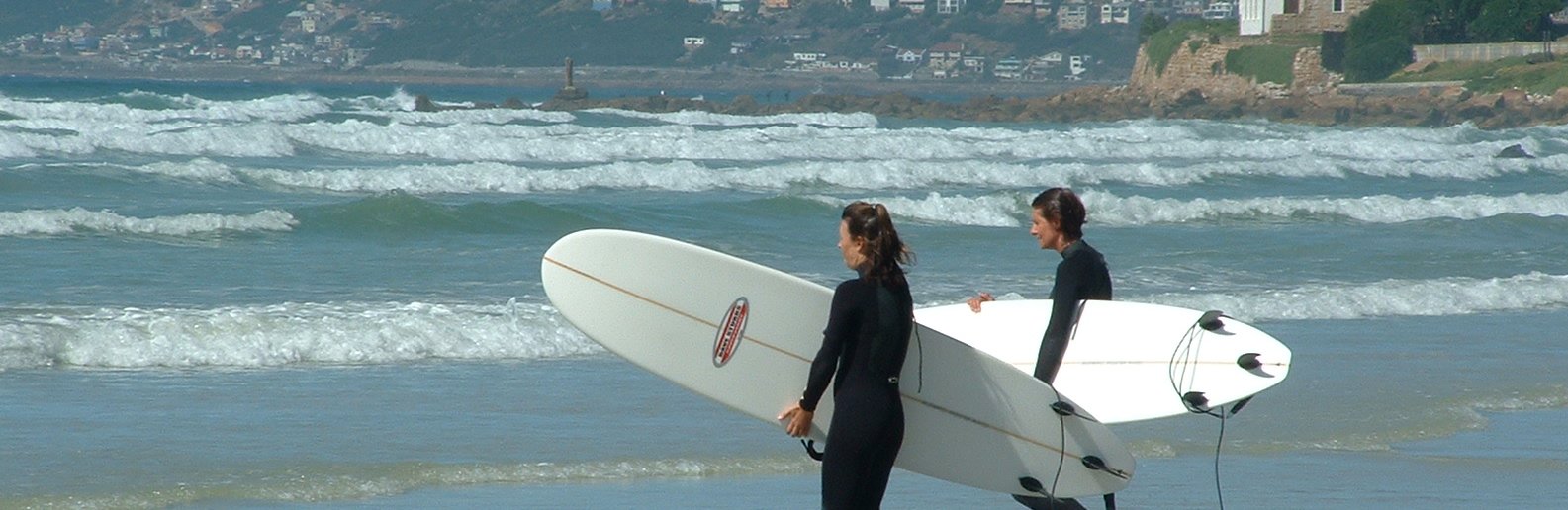
  • Sailing, surfing, whitewater rafting, it's all possible, and good too.
  • In the winter season, it's good skiing and snowboarding, or even heliskiing.
  • Make sure you know what world-famous New Zealand wine tastes like: taste different wines at a tasting.
  • Auckland is the capital city, where many different cultures live together. Take the boat to explore different islands and bays around the city.
  • Christchurch is also well known for its beautiful parks, which you can wander through for hours. Unfortunately, the city center was damaged by the massive earthquake of February 2011. The good news is that there is still plenty to see and do. Visit stately churches and bustling cafes.
  • Rotorua. If you like rotten eggs, this is the place to be. This volcanic area bubbles and smokes on all sides. It's definitely worth a visit, but to say it smells good.... no.
  • Franz Josef and Fox Glacier. Go ice climbing, or go crazy and go skydiving. The views are phenomenal and you've never flown so close over a glacier.
  • Be prepared that around December and January are the children's school vacations in New Zealand, so it can be very busy.
  • The south can be a bit cold, especially in the New Zealand winter months.

Updates New Zealand

  • More about New Zealand, updates and contributions, see the link below.
Supporting content:
New Zealand: Updates & Travel

New Zealand: Updates & Travel

Travel in New Zealand?

  • It sounds a bit cliché, of course, but imagine Lord of the Rings. This movie was shot in New Zealand. So imagine challenging hikes over mountain peaks and through valleys. Glaciers, volcanic areas, as well as islands with beautiful beaches. For the active traveler, the range is vast: for many, New Zealand is the favorite place for bungee jumping, skydiving, ice climbing and multi-day treks (tramping) through the mountains. Exotic animals, such as strange birds that don't fly (the kiwis), roam the forest. Most people live on the North Island, especially in the large multicultural cities: the capital Auckland and Wellington. The South Island has fewer inhabitants, and nature is more intense. Here you will find those glaciers and vast empty beaches.
  • Queenstown is the base for extreme sports: bungee jumping seems like it was invented in New Zealand. Jump off the Kawarau River Bridge, where you can go headfirst into the river, or do the Nevis, the Pipeline, or Ledge (all near Queenstown).
  • Tramping: trek for several days (or even weeks!) through the mountains, through breathtaking scenery. You'll also encounter wildlife this way, or a stray mountain goat.
  • Sailing, surfing, whitewater rafting, it's all possible, and good too.
  • In the winter season, it's good skiing and snowboarding, or even heliskiing.
  • Make sure you know what world-famous New Zealand wine tastes like: taste different wines at a tasting.
  • Auckland is the capital city, where many different cultures live together. Take the boat to explore different islands and bays around the city.
  • Christchurch is also well known for its beautiful parks, which you can wander through for hours. Unfortunately, the city center was damaged by the massive earthquake of February 2011. The good news is that there is still plenty to see and do. Visit stately churches and bustling cafes.
  • Rotorua. If you like rotten eggs, this is the place to be. This volcanic area bubbles and smokes on all sides. It's definitely worth a visit, but to say it smells good.... no.
  • Franz Josef and Fox Glacier. Go ice climbing, or go crazy and go skydiving. The views are phenomenal and you've never flown so close over a glacier.
  • Be prepared that around December and January are the children's school vacations in New Zealand, so it can be very busy.
  • The south can be a bit cold, especially in the New Zealand winter months.

Updates New Zealand

  • More about New Zealand, updates and contributions, see the link below.

Image ACTIVITIES

Check courses, jobs, projects, recipes, suggestions and tips related to: 'New Zealand'

ACTIVITIES
Image

Professor Onwubiko Agozino (Professor of Sociology and Africana Studies from Virginia Polytechnic Institute and State University, Virginia USA) will provide this public lecture. Join his lecture if you're interested in the project of colonization and patriarchal imperialism as a science created...

CHECK MORE ACTIVITIES

Select any filter and click on Apply to see results

Activities abroad: home bundle

Main content and contributions for activities abroad

,,,accommodations, adventure activities, courses, internships, jobs and volunteer projects

...to help another, travel with care, work together , learn

........Read more
Activities abroad: home page

Activities abroad: home page

From language courses to gap year abroad, from work experience to volunteering abroad, from paid work to internship abroad, from mountaineering to diving and from backpacking to travel around the world

    What social activities can you do abroad?

    • Opportunities are found in the areas of helping, learning or studying. You can get involved to volunteer in a social project at a school in Africa, Asia or Latin America. You can get involved in nature, in a project with animals or cleaning the sea or beaches. Those who want to learn more can choose for example a language course in Latin America, Spain or South Africa.

    What work related activities can you do abroad?

    • If you want to gain work experience, and/or also earn money, go and work abroad. You can combine backpacking in Australia with temporary work. You can work on campsites in Europe or bush camps in Africa. You can pretty much go all over the world to work in the hospitality industry, hotels and hostels, in the healthcare sector or for example at a diving school.

    What sports activities to do abroad?

    • Have you ever thought of mountain biking, rafting (going down a wild river on a raft or rubber dinghy, climbing or canoeing), survival (which involves building rafts, climbing or canoeing), abseiling (descending a rock face while secured to ropes), zip-lining (whizzing down a cable), canyoning (starting at the top of a river and then climbing, swimming, diving down the bed) or caving (scrambling, wriggling and crawling through caves and crevices)?
    • Maybe you feel more comfortable on a bodyboard (on a half-wave surfboard, you surf the high waves lying down-with flippers), on a hang glider or while paragliding (with a parachute you float down a mountain or dune), hydrospeeding (on a bodyboard with flippers and a wetsuit on you go down a wild river via rapids) or Tiefschneeskiing (racing down through powder snow)?

    Check the pages below for more activities and inspiration and where to go and how to arrange it

      Image STORIES

      Check blogs, experiences and information related to: 'New Zealand'

      STORIES
      Image

      WWOOFing is a great way to experience a country on a completely different way than when you 'just' travel. You generally perform work you haven't done before and live on a farm that you didn't know before. Besides all the reasons why you should pack your bag and start WWOOFing, please consider some ...

      Dutchies Travel: Passie voor reizen blijft bestaan

      Hoewel de reiswereld momenteel op z’n gat ligt, zijn ze bij Dutchies Travel nog steeds hard aan het werk om alle Nederlanders die een tour, activiteit of reis via de organisatie hebben geboekt van informatie te voorzien. Dutchies Travel is een online reisbureau, gevestigd in Australi...

      CHECK MORE STORIES

      Select any filter and click on Apply to see results

      Countries & Destinations: home bundle

      Bundled content, suggestions, stories and tips about the countries and destinations in the world

      ...to help another, travel with care, work together , learn to share and inspire........Read more

      Africa: country bundles

      Africa: country bundles

      Access: 
      Public
      Asia: country bundles

      Asia: country bundles

      Country bundles of Asian countries

      Access: 
      Public
      Europe: country bundles

      Europe: country bundles

      Country bundles of European countries

      Access: 
      Public
      The Caribbean: country bundles

      Image ORGANIZATIONS

      Check sectors and organizations related to: 'New Zealand'

      ORGANIZATIONS
      Snowminds

      Become a ski instructor with Snowminds in Austria, Canada, Spain, Switzerland, Japan or New Zealand At Snowminds the entire team shares the same passion: Snow

      • Everyone on the team has done winter seasons, ranging from one winter season to more than nine.
      • Snowminds guides its ski ...

      Wairarapa Eco Farm

      Wairarapa Eco Farm is een biologisch-dynamische boerderij in Nieuw-Zeeland. De boerderij wordt gerund door een Nederlands gezin en heeft een Demeter keurmerk (kwaliteitskeurmerk voor biodynamische landbouw en voeding). 

      Psych Recruitment

      Psych Recruitment is an agency which recruits people from all over the world for psychology jobs in New Zealand. The organization recruits people for several fields, such as clininal psychology and special education. Besides, the organization provides relocation coordination...

      New Zealand Internships

      New Zealand Internships (onderdeel van de organisatie 'Stagereizen') is een bemiddelingsorganisatie die helpt bij het regelen van een stage en de voorbereidingen die daarbij komen kijken.

      CHECK MORE ORGANIZATIONS

      Select any filter and click on Apply to see results

      Organizations & Services: home bundle

      Bundled content, suggestions, stories and tips about organizations and their products and services

      ...to help another, travel with care, work together, learn to share and inspire with

      ........Read more
      Organizations: home page
      Organizations: for administrative, tax and legal work and consulting
      Organizations: for agriculture, grape picking, farming and vineyards
      Organizations: for animal protection, animal care and working with wildlife abroad
      Organizations: for au pairs, youth work and child care abroad
      Organizations: for bush camping and working at a campsite abroad
      Organizations: for catering, hospitality and entertainment abroad
      Organizations: for civil society and social work abroad
      Organizations: for corporate business services
      Organizations: for customer services abroad and help desks
      Organizations: for diving, snorkeling and water sports abroad
      Organizations: for education and schools abroad
      Organizations: for expatriate insurances, travel insurances, and emergency call centers
      Organizations: for gap year activities abroad and sabbaticals
      Organizations: for internship placement abroad
      Organizations: for insurances and finance abroad
      Organizations: for IT, engineering and construction
      Organizations: for language travel and language teaching abroad
      Organizations: for marketing, communication and PR
      Organizations: for mediation in au pairs, childcare and elderly care in the Netherlands
      Organizations: for moving, international relocation and transport abroad
      Organizations: for nature conservation, environmental protection and working in nature abroad
      Organizations: for nonprofit projects, development work and international cooperation
      Organizations: for online work as digital nomad, freelancer, or independent entrepreneur from abroad
      Organizations: for outdoor activities and sports
      Organizations: for providing accommodation and hospitality work in hotels, guesthouses, ecolodges and hostels abroad
      Organizations: for providing healthcare and working in medical care abroad
      Organizations: for psychological assistance and mental health care abroad
      Organizations: for real estate, brokerage abroad and property rental abroad
      Organizations: for research and scientific work abroad
      Organizations: for student support and student associations
      Organizations: for tour guidance and adventure tours abroad
      Organizations: for tourism and organized travel and leisure work abroad
      Organizations: for voluntary work mediation and project placement abroad
      Organizations: for yacht and shipping crew and working on a cruise ship abroad

      Image SUMMARIES

      Check summaries and study assistance related to: 'New Zealand'

      CHECK MORE SUMMARIES

      Select any filter and click on Apply to see results

      Image

      SPOTLIGHT & FAVORITES

      SPOTLIGHT
      FAVORITES
      Image

      WWOOFing is a great way to experience a country on a completely different way than when you 'just' travel. You generally perform work you haven't done before and live on a farm that you didn't know before. Besides all the reasons why you should pack your bag and start WWOOFing, please consider some ...

      Snowminds

      Become a ski instructor with Snowminds in Austria, Canada, Spain, Switzerland, Japan or New Zealand At Snowminds the entire team shares the same passion: Snow

      • Everyone on the team has done winter seasons, ranging from one winter season to more than nine.
      • Snowminds guides its ski ...

      New Zealand Internships

      New Zealand Internships (onderdeel van de organisatie 'Stagereizen') is een bemiddelingsorganisatie die helpt bij het regelen van een stage en de voorbereidingen die daarbij komen kijken.

      International Volunteer HQ

      International Volunteer HQ offers volunteer opportunities all over the world. From teaching children in Fiji to protecting turtles in Bali, the needs of the community are at the forefront of International Volunteer HQ. International Volunteer HQ operates from New Zealand.

      Safety, insurances and packing list for New Zealand

      How does healthcare work in New Zealand, and what travel insurance, health insurance or expat insurance do you need?

      How does healthcare work in New Zealand, and what travel insurance, health insurance or expat insurance do you need?

      How does the healthcare system work in New Zealand?

      What is the quality of healthcare in New Zealand?

      • New Zealand has one of the most accessible and high-quality healthcare systems in the world, largely funded by the government. Healthcare is funded through taxation, meaning that residents and citizens have access to free or highly subsidized medical services. However, there are some nuances for expats.
      • There are also good private institutions in New Zealand.
      • Healthcare can be difficult to access in remote areas. Sometimes you have to travel for hours to get to a clinic or hospital, or even to the other side of the country for specialist care.
      • About 60% of New Zealanders have supplementary medical insurance to cover additional costs and because of the long waiting lists.
      • Ambulance services are provided by an organization called St John.
      • The vast majority of illnesses requiring medical attention in New Zealand are heart disease and cancer.
      • The Maori population is an exception in terms of the most common illnesses. A number of hospitals, mainly in the Northban on the North Island, are located in areas rich in Maori. This population generally suffers more from diseases that have resulted from the Western way of life, such as diabetes and hypertension. Trauma and injuries, both intentional and accidental, are also more common in this population group.
      • In New Zealand, the sixth year of medical training consists of working as a ‘trainee intern’. At that point, the students have already passed their exams. They then rotate through the various departments of the hospital during this year. They are also paid, about half the salary that a surgeon earns. However, they still pay tuition fees, so they do not have much left. Medical students in New Zealand still earn considerably more, compared to medical students in the Netherlands (who do not receive a salary during their internships and have to finance everything themselves). 

      How does the public healthcare system work in New Zealand?

      • New Zealand has a universal health care system with accident cover (Accident Compensation Corporation - ACC). Health care consists of three levels; primary care, secondary care and tertiary care. Primary care is mainly provided by Primary Health Organisations (PHO) and public hospitals.
      • Public health care provides free or affordable access to these primary basic services, such as GP visits, hospital admissions and acute care.
      • The ACC covers free medical care, but only in the event of an accident.
      • For secondary care, you need a referral from your GP.
      • Expatriates who have a visa for two years or more (or permanent residents) are entitled to the same health care as local residents. This also applies to work visas of two years or more. People with a tourist visa, working holiday visa or student visa cannot register for public health care.
      • There are therefore conditions for expats to be entitled to public health care. If you receive public health care, this care is cheap. You do have to pay for visits to the dentist and GP yourself. And the costs of the dentist are high.

      How does the private healthcare system work in New Zealand?

      • Expats with a temporary visa of less than two years must have private international health insurance. However, emigrants/expats can also use the ACC free of charge.
      • In private healthcare, you get faster access to specialist treatments, more freedom of choice in doctors and hospitals and shorter waiting times for non-urgent procedures.
      • The quality of care is very good, comparable to public healthcare but not necessarily better.

      How is the general practitioner arranged in New Zealand?

      • The GP is the first line of healthcare.
      • For residents and long-term expats, GP visits are subsidised and relatively cheap (usually between NZD 19-55). For expats without access to public healthcare, these costs can increase.
      • GPs provide basic healthcare. If you do not live in a small village, the accessibility of GPs is quite high. GP practices have waiting times. There are often several specialists present and the nurses can also be contacted to provide care.
      • It is useful to register with a local GP, especially if you are staying in New Zealand for a longer period of time. You can visit the Healthpoint website to find a GP near you.

      How is the dentist arranged in New Zealand?

      • Dental care is not included in the public health care system for adults, except in emergencies.
      • Children under 18 years of age have free access to dental care through the public system.
      • For adults, dental visits must be paid out of pocket, unless you have additional private insurance. The cost of a simple check-up can start at NZD 120.
      • Another option that people choose is dental care abroad, for example in Bali or Bangkok.

      How is pregnancy care arranged in New Zealand?

      • In New Zealand, you will get good maternity care, with all the necessary facilities.
      • Care is free through the public health system. For expats without public health care, the cost of pregnancy and childbirth can vary, but a hospital birth can cost between NZD 5,000-15,000. As a foreigner on a temporary visa, you may also need to show that you have NZD 9,000 to cover your pregnancy. Once you are pregnant you will need to appoint a Lead Maternity Carer (LMC). This can be a midwife, obstetrician or GP. This LMC will support you throughout your pregnancy, be present at the birth and also support you in the 4-6 weeks after the birth.
      • Breastfeeding is strongly encouraged in New Zealand, and there are many lactation consultants and support groups available. Breastfeeding in public is completely acceptable.

      How safe or unsafe is a trip or stay in New Zealand?

      What should you pay attention to in terms of safety in New Zealand?

      • New Zealand is quite safe for expats, perhaps one of the safest countries in terms of crime. The country has low crime rates and friendly people. Most crime involves petty theft, such as pickpocketing in tourist areas.
      • There are also no poisonous or dangerous animals in New Zealand, which makes it a safe country in terms of wildlife. However, nature can bring dangers.
      • For example, the weather can be unpredictable, especially in mountainous areas. Unexpected things can happen during a hike, so always make sure you inform someone about your plans before you go out.
      • There can also be strong currents on beaches, so always follow local swimming advice.

      What should you look out for in terms of diseases in New Zealand?

      • New Zealand is a fairly healthy country with no major health risks. There are no native tropical diseases such as malaria or dengue.
      • Make sure you are well informed about the latest health measures and vaccinations.
      • Tap water is safe to drink throughout the country. The strong UV rays increase the risk of skin cancer. Sunscreen with a high SPF is strongly recommended.
      • Some people develop hay fever due to the pollen of native plants.

      What should you pay attention to when it comes to traffic in New Zealand?

      • New Zealand drives on the left side of the road, which can take some getting used to for expatriates.
      • The roads are generally in good condition, but in rural areas there are many narrow, winding roads and gravel roads.
      • Beware of tourists who are less familiar with driving on the left. Traffic incidents can occur, especially on popular routes.
      • Read up on the traffic rules. For example, seat belts are mandatory for everyone in the car and hands-free calling is mandatory. Using your phone while driving is prohibited.

      What work and travel insurance policies are suitable for short and long stays in New Zealand?

      • Is the trip to New Zealand and your return sufficiently covered? Are you sufficiently covered before, during and after your activities? Which insurance best suits your trip and your activity? Read more about insurances for abroad on JoHoinsurances.org.

      What emigration and expat insurance can you take out for New Zealand if you are going to live there for a while?

      • If you're moving to New Zealand on a short-term visa, private health insurance is usually mandatory. But even on long term visas people take out private health insurance to have more options and cover extra costs of things like dental care. Read more about insurances for abroad on Expatinsurances.org.
      Packing list for New Zealand, travel insurance for New Zealand, and taking your belongings

      Packing list for New Zealand, travel insurance for New Zealand, and taking your belongings

      What to bring to New Zealand: highlighted

      Highlighted items:
      • Documents: passport that is valid for at least 3 months after your planned departure date, a visa or NZeTA (New Zealand Electronic Travel Authority)
      • Money: a few NZ dollars can be handy, but you can also easily get them at the airport if you don't forget your debit card.
      • Care: if you have a favorite sunscreen with a high protection factor, take it with you because the thin layer of ozone will not protect you. The same goes for lip balm (especially in winter). But, know that you can find the best sunscreen in New Zealand itself.
      • Outdoor and handy: sunglasses and rain gear.
      • Clothing: clothing for all types of weather, you know - four seasons in one day. If you want to be well prepared for everything, then packing a layering system is the best.
      • Shoes: you will definitely be happy with hiking boots. For short trips, jandals (slippers in Kiwi) are handy. Medicines and travel kit: a small first aid kit with plasters, painkillers, tweezers and ORS (especially for the hiking days).
      • Mosquitoes and sandflies: DEET is not an unnecessary luxury, although you can easily get it there.
      • Technology and equipment: world plug type I.

      What else can you take with you?

      • A reusable water bottle with filter, because tap water is technically drinkable, but often tastes strange.
      • Are you going hiking? Then don't forget your camping gear and walking sticks and clean everything well so that you can easily get through customs. It can also be useful to take things like plastic bags to take your used toilet paper back with you.
      • A good sun hat or cap.
      • A UV-protected swimming top if you plan to swim a lot in the summer.

      What knowledge is useful when you go to New Zealand?

      • A knowledge of map and compass reading is quite useful if you are going into the wilderness for a few days.
      • Knowledge of the history of the country and the Maori culture.
      • With a little knowledge of the beloved local birds you will quickly make friends!

      Are there mosquitoes in New Zealand?

      • There are annoying mosquitoes, but they are not a problem for your health.

      Are there sand flies in New Zealand?

      • Sand flies, also called “blackflies”, are a bigger problem. They do not transmit diseases, but they can drive you crazy with the itch.
      • They are mainly found in bushy areas with running water, beaches and lakes and marshes.
      • They are most active during sunrise, sunset and just before rain.
      • Covering your body with (light-coloured) clothing and products such as DEET and Picaridin work best against sand flies.

      Can you buy DEET, or other mosquito repellents, in New Zealand?

      • Mosquito repellents are easy to obtain in New Zealand. Popular products are Aerogard and Bushman.
      • Chemist Warehouse and Woolworths are good places to get it.

      Where can you get food and drinks in New Zealand?

      • There are large supermarkets, many restaurants and you can also order food in the cities.
      • Street food is almost non-existent, unless you find a nice market or festival.
      • Just like in Australia, barbecuing is also very popular in New Zealand.

      Can you buy a joint or weed in New Zealand, or take it with you to New Zealand?

      • Cannabis is not legal in New Zealand and you can get a fine or even jail time if you are in possession of it.

      Image ALL CONTENT

      Search all related content within the topic: 'New Zealand'

      ALL CONTENT WITHIN TOPIC

      Select any filter and click on Apply to see results

      Check or search within: topics, countries and studies only

      Search only via club, country, goal, study, topic or sector

      Image

      TOPICS : check associated topics and more activities

      Selected Worldsupporter pages in relation with the topic
      Themes: main theme pages for activities abroad (intern, study, travel, volunteer, work or emigrate)

      WorldSupporter Theme pages for activities abroad

      Intern, study, travel, volunteer, work or emigrate

      Activities Abroad - Theme
      Best travel time for weather, climate and activities abroad, and the worst time to go!
      Backpacking and travel your way around the world - Theme
      Emigration and moving abroad - Theme
      Gap Year, Time out and Sabbatical - Theme
      Internship Abroad - Theme
      Learning languages and language courses abroad - Theme
      Remote working abroad and digital nomads - Theme
      Study Abroad - Theme
      Teaching Abroad and Working in Education - Theme
      Travel insurances and insurances for long term abroad - Theme
      Travel gear and packing lists for going abroad - Worldsupporter Theme
      Volunteer abroad - Theme
      Work abroad and working holidays - Theme
      Stay safe and insured
      Go abroad!