
Sustainable and respectful travel

What is it, how do you do it, with whom, and where do you need to be?

Activities, organizations, preparations, skills, stories or vacancies abroad

Image

Image

Sustainable and respectful travel

Intro

Sustainable and respectful travel

Image

Sustainable shopping and recycling - WorldSupporter Theme
Goals: home page

Goals: home page

Image
The main WorldSupporter goals in short: Improvement of world tolerance Stimulating activities abroad to improve tolerance and the ability to cooperate Understanding another person and culture Stimulating personal development around and abroad Sharing knowledge and know how worldwide Stimulating the Sustainable Development Goals

Image

What is sustainable tourism, why would you study it, and where is the best place to study, intern or work abroad?

What is sustainable tourism, why would you study it, and where is the best place to study, intern or work abroad?

What is sustainable tourism?

  • Sustainable tourism is a travel philosophy that balances visitor needs with the long-term environmental, cultural, and economic well-being of destinations.
  • As a discipline, it examines how tourism affects ecosystems, communities, local economies, cultural traditions, and the management of destinations.
  • It provides a way of understanding tourism landscapes as interconnected places shaped by visitors, residents, businesses, resources, heritage, and conservation priorities.

What are the main reasons for being active in the field of sustainable tourism?

  • The field examines how tourism development can balance environmental protection, community interests, cultural continuity, visitor experiences, and economic viability.
  • Sustainable tourism addresses practical challenges involving resource consumption, waste reduction, transportation, accommodation, conservation, and the management of visitor pressure.
  • It studies how local communities can participate in tourism planning, operations, decision-making, and the distribution of tourism income.
  • The discipline connects tourism with international discussions about sustainability, cultural exchange, biodiversity protection, responsible business, and destination governance.
  • It encourages critical examination of greenwashing, economic leakage, cultural commodification, and other differences between sustainability claims and actual tourism practices.

What skills do you need to participate in sustainable tourism?

  • To analyse: sustainable tourism involves assessing environmental pressures, community benefits, visitor behavior, resource use, and the consequences of tourism development.
  • To be aware of your surroundings: the field requires attention to local ecosystems, cultural practices, community concerns, infrastructure, and changing destination conditions.
  • To collaborate: sustainable tourism commonly brings residents, businesses, public authorities, conservation groups, visitors, and tourism organizations into shared planning processes.
  • To communicate: clear communication supports cultural exchange, community consultation, visitor education, responsible marketing, and cooperation between stakeholders with different interests.
  • To plan: tourism activities must account for visitor numbers, transportation, accommodation, resource consumption, local participation, waste management, and long-term destination needs.
  • To have integrity: credible sustainability work depends on transparent claims, fair community relationships, responsible operations, and avoiding misleading environmental or social promises.

What motivates people to study or work in sustainable tourism?

  • Be and feel connected: the discipline explores relationships between visitors, residents, cultures, businesses, ecosystems, and the places in which tourism occurs.
  • Be and feel involved: sustainable tourism attracts people interested in participating in destination planning, community initiatives, conservation activities, and responsible tourism operations.
  • Be and feel meaningful with a sense of purpose: the field connects travel with environmental responsibility, cultural respect, community participation, and fairer local economic benefits.
  • Be and feel helpful: tourism initiatives can support locally owned businesses, conservation projects, cultural knowledge, community services, and responsible visitor behavior.
  • Be and feel self-aware: the discipline encourages reflection on how travel choices, expectations, consumption patterns, and interactions affect destinations and host communities.

What are the best countries and locations to study, intern or work in sustainable tourism?

  • Destinations associated with biodiversity, protected natural areas, and community-based tourism: Costa Rica, Ecuador, Kenya, and Madagascar.
  • Island destinations where tourism depends closely on marine ecosystems, water use, waste management, and local participation: Fiji, Maldives, Mauritius, and Seychelles.
  • Mountain destinations where tourism planning intersects with fragile landscapes, rural livelihoods, conservation, and guided outdoor activities: Nepal, Bhutan, Switzerland, and New Zealand.
  • Destinations where cultural heritage, local enterprise, visitor pressure, and destination management are closely connected: Portugal, Croatia, Morocco, and Peru.
  • Destinations suited to examining environmental governance, low-impact travel, conservation funding, and responsible accommodation: The Netherlands, Norway, Slovenia, and Australia.

Where can you find work experience and vacancies for jobs, internships, and voluntary work in sustainable tourism abroad?

What are things to consider when studying or working abroad in sustainable tourism?

  • International experience in sustainable tourism may include study, internships, community projects, conservation work, hospitality, or destination initiatives: activities around and abroad
  • Responsible participation requires attention to local customs, transport, accommodation, documentation, environmental expectations, and community relationships: preparation for successful travel and stay abroad
  • Health arrangements, insurance, personal safety, and appropriate support remain important when joining tourism or conservation activities overseas: insuring and taking care abroad

Further depth: what is sustainable tourism as a discipline?

What are the main features of sustainable tourism?

Sustainable tourism examines how travel can remain environmentally responsible, socially respectful, and economically viable while protecting the long-term qualities that make destinations liveable and attractive.

  • Community empowerment: Local residents participate in tourism planning and operations so that development reflects community priorities and distributes benefits beyond outside companies.
  • Economic viability: Tourism supports locally owned enterprises and destination services while remaining financially workable without exhausting the environmental or cultural resources on which it depends.
  • Sociocultural awareness: Tourism activities respect traditions, customs, heritage, and local knowledge while encouraging exchanges that do not reduce culture to a commercial performance.
  • Environmental responsibility: Destinations and tourism operators reduce unnecessary water and energy use, limit waste, and support the conservation of ecosystems and biodiversity.
  • Long-term balance: Sustainable tourism considers visitor expectations alongside the continuing well-being of residents, landscapes, businesses, cultural practices, and future destination users.

What are important sub-areas of sustainable tourism?

The discipline includes several connected approaches that focus on particular relationships between tourism, natural environments, local economies, cultural heritage, community participation, and destination management.

  • Community-based tourism: Local families and organizations manage accommodation, guiding, meals, or activities so that decision-making and tourism income remain closely connected to the community.
  • Ecotourism: Travel focuses on natural environments while limiting ecological disturbance, educating visitors, contributing to conservation, and creating appropriate benefits for nearby communities.
  • Sustainable hospitality: Accommodation providers address energy use, water consumption, purchasing, waste, local employment, and guest behavior as interconnected parts of responsible operations.
  • Cultural tourism: Locally guided experiences present traditions, heritage, crafts, and stories while seeking to preserve cultural meaning and prevent exploitative or inauthentic representation.
  • Destination management: Public authorities, businesses, residents, and other organizations coordinate tourism development, visitor flows, infrastructure, conservation, and community interests across a destination.
  • Responsible mobility: Tourism planning considers walking, cycling, public transport, shared travel, and lower-impact vehicles as alternatives to resource-intensive transportation practices.

What are key concepts in sustainable tourism?

Sustainable tourism is organized around concepts that clarify how benefits, responsibilities, environmental limits, community interests, and visitor activities interact within a destination.

  • Sustainability: Tourism meets present visitor and destination needs
......more on this page, or read on below >>
Access: 
Public
What is ecotourism, why would you study it, and where is the best place to study, intern or work abroad?

What is ecotourism, why would you study it, and where is the best place to study, intern or work abroad?

What is ecotourism?

  • Ecotourism is the study and practice of responsible travel in natural environments, with attention to conservation, education, and community benefits.
  • The field examines how visitors, tourism organizations, ecosystems, and local communities interact within environmentally sensitive destinations.
  • Ecotourism offers a way of understanding natural landscapes as ecological systems, cultural environments, visitor destinations, and shared sources of local livelihoods.

What are the main reasons for being active in the field of ecotourism?

  • Ecotourism connects tourism studies with ecology, conservation, geography, cultural studies, and community development.
  • The field examines how tourism can operate while limiting environmental damage, excessive resource use, habitat disturbance, and waste.
  • Ecotourism provides practical frameworks for designing nature-based activities, educational experiences, conservation projects, and low-impact accommodation.
  • The discipline considers how tourism income, decision-making, and conservation responsibilities can be shared with local communities.
  • Its international scope makes it possible to compare ecosystems, tourism practices, conservation challenges, and community relationships across destinations.

What skills do you need to participate in ecotourism?

  • To analyse: ecotourism involves examining environmental impacts, visitor behavior, conservation outcomes, and the distribution of tourism benefits.
  • To be aware of your surroundings: work in natural areas requires close attention to ecosystems, wildlife, local conditions, and the effects of visitor activities.
  • To communicate: guides, educators, researchers, and project workers translate ecological and cultural knowledge into accessible information for different audiences.
  • To collaborate: ecotourism commonly brings together residents, conservation groups, tourism providers, public authorities, researchers, and visitors.
  • To plan: responsible tourism activities require preparation involving routes, visitor numbers, safety, waste, transport, accommodation, and environmental safeguards.
  • To have integrity: credible ecotourism depends on transparent environmental claims, respect for communities, and consistent application of conservation principles.

What motivates people to study or work in ecotourism?

  • Be and feel connected: ecotourism attracts people interested in relationships between visitors, natural environments, local communities, and conservation organizations.
  • Be and feel involved: the field suits people who prefer direct engagement with destinations, environmental projects, educational activities, and community initiatives.
  • Be and feel meaningful with a sense of purpose: ecotourism can connect travel activities with conservation funding, ecological awareness, and locally shared economic benefits.
  • Be and feel helpful: some people are motivated by supporting conservation work, responsible visitor behavior, environmental education, or community-led tourism projects.
  • Be and feel self-aware: ecotourism encourages reflection on how travel choices, expectations, consumption, and behavior affect ecosystems and host communities.

What are the best countries and locations to study, intern or work in ecotourism?

  • Countries known for tropical forests, rich biodiversity, wildlife observation, and conservation-based visitor experiences: Costa Rica, Ecuador, Brazil, Indonesia.
  • Countries where mountain ecosystems support guided hiking, nature education, community tourism, and protected-area management: Nepal, Bhutan, Peru, New Zealand.
  • Countries with savannahs, protected wildlife areas, and tourism models connected to conservation and nearby communities: Kenya, Tanzania, Botswana, South Africa.
  • Island destinations where ecotourism is linked to marine ecosystems, coral reefs, coastal conservation, and limited natural resources: Fiji, Palau, Seychelles, Belize.
  • Countries with forests, volcanic landscapes, northern ecosystems, and established approaches to outdoor recreation and environmental management: Iceland, Norway, Finland, Canada.

Where can you find work experience and vacancies for jobs, internships, and voluntary work in ecotourism abroad?

What are things to consider when studying or working abroad in ecotourism?

  • Comparing study, internships, volunteering, conservation projects, guiding, hospitality, and other international possibilities provides a useful starting point: activities around and abroad
  • Preparation should address permits, transport, accommodation, environmental conditions, cultural expectations, field equipment, and responsible conduct in natural areas: preparation for successful travel and stay abroad
  • Health arrangements, insurance coverage, vaccinations, emergency procedures, and risks associated with wildlife or remote locations require advance attention: insuring and taking care abroad

Further depth: what is ecotourism as a discipline?

What are the main features of ecotourism?

Ecotourism combines nature-based travel with environmental responsibility, visitor education, conservation support, and attention to the interests of communities living in or near destinations.

  • Nature focus: Ecotourism primarily takes place in forests, mountains, wetlands, coastal zones, coral reefs, wildlife habitats, and other environments valued for their ecological characteristics.
  • Low-impact travel: Activities are organized to reduce habitat disturbance, pollution, waste, excessive resource consumption, and disruptive interactions between visitors and wildlife.
  • Environmental education: Interpretation, guiding, and direct observation introduce visitors to local species, ecological relationships, conservation challenges, and appropriate behavior in sensitive environments.
  • Conservation support: Entrance fees, tourism income, volunteer activities, or direct contributions may provide resources for protected areas, restoration work, wildlife protection, and ecological monitoring.
  • Community participation: Local residents may contribute knowledge, guide visitors, operate accommodation, provide services, and participate in decisions concerning tourism development and conservation.

What are important sub-areas of ecotourism?

The field includes several connected areas that examine how nature-based tourism can be organized, evaluated, communicated, and integrated with conservation and community interests.

  • Wildlife tourism: This area examines responsible observation of animals while considering welfare, habitat protection, visitor distance, group size, noise, feeding, and behavioral disturbance.
  • Protected-area tourism: This sub-area studies visitor access, park fees, trails, interpretation, zoning, carrying capacity, enforcement, and the financing of conservation management.
  • Community-based tourism: This approach centers local ownership, participation, knowledge, services, and decision-making while examining how tourism income is distributed within communities.
  • Eco-lodge management: This area considers accommodation design, energy and water use, waste management, local employment, food sourcing, construction materials, and environmental interpretation.
  • Conservation volunteering: This sub-area examines visitor participation in activities such as tree planting, species surveys, habitat restoration, reef projects, and environmental education.
  • Nature interpretation: This field develops ways of communicating ecological and cultural knowledge through guides, signs, visitor centers, excursions, demonstrations, and educational materials.

What are key concepts in ecotourism?

Ecotourism is shaped by concepts that connect environmental limits, visitor behavior, economic distribution, community participation, education, and the credibility of sustainability claims.

  • Environmental impact: This concept concerns the effects of transport, accommodation, infrastructure, waste, resource consumption, noise, and visitor activities on ecosystems and species.
  • Carrying capacity: This refers to the level of visitation a destination can accommodate without unacceptable ecological damage, declining visitor experiences, or harmful social consequences.
  • Conservation finance: Tourism charges and spending can support protected areas and environmental projects when funding is transparently collected, distributed, monitored, and connected to conservation.
  • Community benefit: Ecotourism considers whether local residents receive income,
......more on this page, or read on below >>
Access: 
Public
Understanding another person and another culture: what is it, why would you do it, and where is the best place to go?

Understanding another person and another culture: what is it, why would you do it, and where is the best place to go?

What does it mean to understand another person and another culture?

  • Understanding another person and another culture abroad means trying to look beyond your own norms, values, and customs.
  • Every culture has its own way of communicating, collaborating, dealing with time, hierarchy, emotions, and relationships. What is “normal” for you may be unusual or even rude elsewhere.
  • Understanding another culture does not mean that you have to adopt everything or agree with everything, but rather that you:
    • are aware of differences
    • are open to other perspectives
    • try to see behavior and situations in context
  • Understanding another person or another culture plays a role in almost everything you do abroad: working, traveling, living, collaborating, and communicating.

What can you do to better understand other people and cultures?

  • In addition to undertaking activities such as volunteering, working abroad, and internships, there are also personal things you can do such as:
  • Actively listening to people and their stories.
  • Observing how people interact with each other (for example, at work or in families). 
  • Asking questions about customs, practices, and traditions.
  • Delving into the history and culture of a country.
  • Participating in local activities or traditions.
  • Reflecting on your own behavior and assumptions.
  • Collaborating with local colleagues or communities.
  • Adapting to local customs where possible.

What are reasons to understand other people and cultures abroad?

  • To communicate better: by understanding cultural differences, you prevent misunderstandings and build stronger relationships.
  • To act more respectfully: you learn to take local norms and values ​​into account.
  • To get to know yourself better: you become more aware of your own beliefs and behavior.
  • To collaborate more effectively: understanding other working styles and forms of communication makes collaboration easier.
  • To get more out of your experience: you experience a country and culture in a deeper and more meaningful way.

What skills and qualities do you need to understand other people and cultures?

  • Empathy: being able to put yourself in the thoughts and feelings of others.
  • Open attitude: being willing to accept new perspectives without immediately judging.
  • Communication skills: being able to communicate clearly and respectfully, even when things go differently than you are used to.
  • Reflective capacity: being able to reflect on your own behavior and assumptions.
  • Flexibility: being able to adapt to other ways of thinking and acting.

What are the best countries to learn to understand other people and cultures better?

What are the risks and points of attention regarding understanding other people and cultures?

  • That you judge quickly based on your own frame of reference without understanding the context.
  • That misunderstandings arise due to differences in communication (e.g., direct versus indirect).
  • That you unintentionally come across as disrespectful due to behavior, clothing, or language use. 
  • Frustration arises when things run differently than you are used to (for example, planning or punctuality).
  • You lose yourself in adapting and no longer properly guard your own boundaries.

Are you insured, and what should you look out for?

  • Understanding cultures is less about direct risks, but often about the context in which you work or travel.
  • Cultural misunderstandings can sometimes also affect work situations or safety, so good preparation is important.
  • When you are understanding other people and cultures abroad and you are working, doing an internship, or volunteer and when you receive compensation or a salary, your own health insurance coverage in your home country may lapse. See the pages on: paid work, for internships and for volunteer work abroad.

Image

Why get specific insurance when going abroad: per activity abroad
What is travel insurance, and why take out specific insurance when you go on a trip or vacation?

What is travel insurance, and why take out specific insurance when you go on a trip or vacation?

What is travel insurance to insure your trip or vacation?

  • Travel insurance is insurance that provides coverage for risks during a trip or vacation abroad. This mainly concerns loss of or damage to your luggage, medical assistance in the event of accidents, for example, or repatriation costs if you need to be transported back to your home country urgently. In some cases, travel insurance coverage also applies in your home country.
  • With continuous travel insurance, you are insured for all your trips throughout the year.
  • With temporary travel insurance, you take out insurance for each trip for the duration of the trip.
  • Cancellation insurance reimburses (all or part of) the travel sum, cancellation or accommodation costs if you have to cancel or interrupt your vacation.

Why should you take out travel insurance for a short trip, vacation, or long-distance trip?

  • Travel insurance can provide coverage in the event of an accident or emergency while you are away.
  • Travel insurance can provide coverage for damage and accidents during the adventurous or sporting activities you are going to do.
  • Travel insurance can continue to provide coverage if your Dutch basic health insurance no longer provides coverage, or if the damage is only reimbursed at Dutch cost price.
  • Travel insurance can provide coverage in the event of damage, loss, or theft of your luggage.
  • Travel insurance can provide coverage if you are held liable for damage you cause to other people or their property.
  • Travel insurance can provide coverage if you have to return home early because something has happened to you or your immediate family.

What is important to insure when you are going to travel?

  • That you have insurance that is valid in the countries where you are going to travel and possible work.
  • That you are adequately insured for the sports and activities you are going to participate in during your full period abroad
  • That you are insured for emergency assistance and early return if something happens to you or your immediate family.
  • That your medical expenses are insured up to the actual cost and not just for the standard costs. The costs per medical treatment vary greatly between countries.
  • That you insure your luggage and take sufficient precautions against theft or damage.
  • That you are well insured against personal liability.
  • That you are well insured in case of accidents.
  • That you only insure yourself for legal assistance if there is an immediate reason to do so, unless coverage is already automatically included in the insurance.
  • That you pay close attention to choosing the right coverage when performing work or voluntary work during your world trip.

What insurance do you need for a trip or vacation?


What is round the world travel insurance or long-term travel insurance, and why take out specific insurance when you go abroad?

What is round the world travel insurance or long-term travel insurance, and why take out specific insurance when you go abroad?

What is round the world travel insurance or long-term travel insurance?

  • Round the world travel insurance means that you take out insurance that continues to provide coverage during all your activities abroad, and which is specifically intended for those who travel for long periods of time, such as world travelers, globetrotters, and nomads.

Why should you take out specialized travel insurance for a long trip abroad?

  • Round the world travel insurance provides coverage for a much longer trip than regular travel insurance.
  • World travel insurance is specifically intended for longer trips, whereas regular travel insurance may offer coverage on paper, but in practice handles it differently.
  • World travel insurance is suitable for many types of activities, ranging from high-altitude trekking to more risky sports.
  • World travel insurance continues to provide coverage if you start working during your trip, whether planned or unplanned. If you did not take out insurance before departure that allows you to work, there is no guarantee that you will be able to take out insurance that provides coverage while abroad.
  • Long-term travel insurance continues to provide coverage when your home country's health insurance no longer does.
  • Worldwide travel insurance also covers your medical expenses up to the actual cost, and not just for the standard costs. The costs per medical treatment vary greatly between countries.
  • Worldwide travel insurance can also continue to provide coverage if negative travel advice is issued.

What is important to insure when you are going to travel around the world?

  • That you have insurance that is valid in the countries where you are going to travel and possibly work.
  • That you are adequately insured for the sports and activities you are going to participate in during your full period abroad
  • That you are insured for emergency assistance and early return if something happens to you or your immediate family.
  • That your medical expenses are insured up to the actual cost and not just for the standard costs. The costs per medical treatment vary greatly between countries.
  • That you insure your luggage and take sufficient precautions against theft or damage.
  • That you are well insured against personal liability.
  • That you are well insured in case of accidents.
  • That you only insure yourself for legal assistance if there is an immediate reason to do so, unless coverage is already automatically included in the insurance.
  • That you pay close attention to choosing the right coverage when performing work or voluntary work during your world trip.

What insurance do you need when backpacking abroad?

What is backpack insurance, and why take out specific insurance when you go backpacking abroad?

What is backpack insurance, and why take out specific insurance when you go backpacking abroad?

What is backpacking insurance and travel insurance for backpackers?

  • Backpacking insurance for backpackers means that you take out insurance that continues to provide coverage during all your activities abroad and is specifically intended for those who are traveling for a long time, traveling independently, or making frequent use of local transportation.

Why should you take out travel insurance specifically for backpacking?

  • Travel insurance for backpacking can provide coverage in the event of an accident or emergency while backpacking.
  • Travel insurance for backpacking can provide coverage for damage and accidents during your adventurous or sporting activities.
  • Travel insurance for backpacking can continue to provide coverage if your Dutch basic health insurance no longer provides coverage, or if the damage is only reimbursed at Dutch cost price.
  • Travel insurance for backpacking can provide coverage in the event of damage, loss, or theft of your luggage while backpacking.
  • Travel insurance for backpacking can provide coverage if you are held liable for damage you cause to other people or their property.
  • Travel insurance for backpacking can provide coverage if you have to return home early because something has happened to you or your immediate family while backpacking.

What aspects are important to insure when backpacking abroad?

  • The duration of your trip: so that you are also covered during a very long backpacking trip, or can extend your coverage if you want to stay longer
  • The activities during your trip: so that you can also participate in all kinds of sports and adventure activities that are excluded from travel insurance
  • Coverage of your medical expenses during your trip: so that you are always covered, even if you go to work or if the costs in the event of an accident are higher than the Dutch rate
  • Coverage for natural disasters and war during your trip: so that you don't have to return home immediately with your tail between your legs every time the Dutch government issues negative travel advice
  • Your insurer's specialization: so that your insurer specializes in backpacking trips or long stays abroad, and doesn't treat you like an “all-inclusive sunglasses claimant.”

What insurance do you need when backpacking abroad?

What is insurance for working abroad, and why do you need specific insurance if you are going to do paid work?

What is insurance for working abroad, and why do you need specific insurance if you are going to do paid work?

What is insurance for working abroad?

  • Insuring yourself for working abroad means taking out insurance that continues to provide coverage during your paid work abroad.

Why take out insurance, and when is normal travel insurance no longer sufficient?

  • There may be several reasons why you need separate insurance for paid work abroad.
  • During your work, local employers generally offer no or limited insurance that does not provide sufficient coverage.
  • The risk of accidents is sometimes greater during your work, for example because you are doing work with which you have little experience or because of the nature of the work.
  • During specific work abroad, additional requirements may apply as soon as you start performing work that involves additional risks. Only special insurance policies offer coverage during this type of work.
  • During work, internships, or volunteer work abroad where you receive a salary or compensation (for example, food or housing), your local health insurance coverage will normally lapse. You will then need special insurance to remain insured for illness and accidents.
  • Standard travel insurance policies generally do not provide sufficient coverage to apply for a work visa or working holiday visa.
  • Standard travel insurance policies generally only cover stays abroad for a limited number of days. If your trip or stay abroad exceeds the maximum number of days, this generally means that there will be no coverage for the entire travel period.
  • Standard travel insurance policies generally only provide coverage for recreational travel without study, internship, or work. If you engage in activities other than recreational activities, this generally means that you will no longer be covered for the entire travel period.

What should you pay attention to in your insurance policy if you are going to work abroad?

  • Make sure you have insurance that is valid in the area where you will be traveling and working.
  • Make sure you are adequately insured for the sports and activities you will be participating in.
  • That you are insured for emergency assistance and early return if something happens to you or your immediate family.
  • That your medical expenses are insured up to the actual cost and not just for the standard costs. The costs per medical treatment vary greatly between countries.
  • That you insure your luggage and take sufficient precautions against theft or damage.
  • That you are well insured against personal liability.
  • That you are well insured in case of accidents.
  • That you insure yourself for legal assistance if there is an immediate reason to do so, unless the coverage is already automatically included in the insurance.
  • That you take care to choose the right coverage when working in healthcare, with wild animals, and with dangerous machinery.

What insurance do you need to work abroad?

What is insurance for working with animals abroad, and why do you need specific insurance for jobs, internships, and volunteer work abroad?

What is insurance for working with animals abroad, and why do you need specific insurance for jobs, internships, and volunteer work abroad?

What is insurance for working with animals abroad?

  • Insuring yourself for working abroad with animals means taking out insurance that continues to provide coverage during your paid, unpaid, or internship work abroad, where minor or major risks are involved.

Why take out insurance, and when is normal travel insurance no longer sufficient?

  • There may be several reasons why you need separate insurance for work abroad.
  • During specific work abroad, additional requirements may apply as soon as you start performing work that involves additional risks. Only special insurance policies offer coverage during this type of work. Almost all standard insurers exclude working with animals from coverage.
  • The risk of accidents is sometimes greater during your work, for example because you are doing work with which you have little experience or because of the nature of the work. All over the world, there are reserves, rescue centers, and zoos where you can roll up your sleeves as a veterinarian, intern, or volunteer. Working with animals or wildlife is not without danger. No matter how cute they may look, or how tame they may behave. All animals can suddenly bite viciously or lash out with a claw or beak. Not only can this result in nasty injuries, but it can also transmit diseases that you would rather not have, and certainly not abroad.
  • During work, internships, or volunteer work abroad where you receive a salary or compensation (for example, food or housing), your local health insurance coverage will normally lapse. You will then need special insurance to remain insured for illness and accidents.
  • During your work, local employers generally offer no or limited insurance that does not provide sufficient coverage.

What should you pay attention to in your insurance policy if you are going to work abroad?

  • Make sure you have insurance that is valid in the area where you will be traveling and working.
  • That you have insurance that provides sufficient coverage for the work you will be performing.
  • Make sure you are adequately insured for the sports and activities you will be participating in.
  • That you are insured for emergency assistance and early return if something happens to you or your immediate family.
  • That your medical expenses are insured up to the actual cost and not just for the standard costs. The costs per medical treatment vary greatly between countries.
  • That you insure your luggage and take sufficient precautions against theft or damage.
  • That you are well insured against personal liability.
  • That you are well insured in case of accidents.
  • That you insure yourself for legal assistance if there is an immediate reason to do so, unless the coverage is already automatically included in the insurance.

Which insurance do you need for working, an internship, or volunteering with animals abroad?

What is volunteer insurance, and why should you take out specific insurance if you are going to do volunteer work?

What is volunteer insurance, and why should you take out specific insurance if you are going to do volunteer work?

What is insurance for volunteering abroad?

  • Insuring volunteer work abroad means taking out insurance that continues to provide coverage while you are working as a volunteer abroad

Why should you take out specialized travel insurance for voluntary work abroad?

  • There may be several reasons why you need separate insurance when volunteering abroad.
  • During specific activities abroad, additional requirements may apply if your work involves extra risks. Only specific insurance policies offer coverage during these activities.
  • The risk of accidents is sometimes higher during your work, for example because you are doing work you have little experience with or because of the nature of the work.
  • Local projects or employers generally offer no or limited insurance that provides insufficient coverage during your work.
  • When volunteering abroad and receiving minor financial compensation (or, for example, food or housing), your home country's health insurance coverage will potentially lapse. You will then need special insurance to remain insured for illness and accidents.
  • Regular travel insurance policies generally provide coverage for trips of a limited number of days. If your trip or stay abroad exceeds the maximum number of days, this generally means that for the entire travel period, you will not be covered.
  • Regular travel insurance policies generally only provide coverage for recreational travel without voluntary work activities. If you engage in activities other than recreational activities (such as volunteer work), this generally means that for the entire travel period, you will not be covered.

What is important to insure when you are going to work as a volunteer abroad?

  • That you have insurance that is valid in the country or countries where you are going to travel and volunteer.
  • That you are adequately insured for the sports and activities you are going to participate in during your period abroad
  • That you are insured for emergency assistance and early return if something happens to you or your immediate family.
  • That your medical expenses are insured up to the actual cost and not just for the standard costs. The costs per medical treatment vary greatly between countries.
  • That you insure your luggage and take sufficient precautions against theft or damage.
  • That you are well insured against personal liability.
  • That you are well insured in case of accidents.
  • That you only insure yourself for legal assistance if there is an immediate reason to do so, unless coverage is already automatically included in the insurance.
  • That when performing work in healthcare, with wild animals, and with dangerous (agricultural) machinery, you take care to choose the right coverage.

What insurance do you need when volunteering abroad?

Why should you take out specialized travel insurance for an internship abroad?

Why should you take out specialized travel insurance for an internship abroad?

What is insurance for an internship abroad?

  • Insuring an internship abroad means taking out insurance that continues to provide coverage during your internship abroad
  • Insurance for internships abroad are also referred to as internship insurance. This internship insurance is specifically for when you go abroad for a long period of time to work as an intern, take courses, or conduct research abroad.

Why should you take out specialized travel insurance for an internship abroad?

  • There may be several reasons why you need separate insurance for an internship abroad.
  • During internship activities abroad, additional requirements may apply as soon as you start performing work that involves additional risks. Only specific insurance policies offer coverage during these activities.
  • During your internship, the risk of accidents is sometimes greater, for example because you are doing work with which you have little experience or because of the nature of the work.
  • During your internship, local employers generally do not offer insurance, or offer limited insurance that does not provide sufficient coverage.
  • During an internship abroad where you receive financial compensation (or, for example, food or accommodation), your home country's health insurance coverage will potentially lapse. You will then need special insurance to remain insured for illness and accidents.
  • Regular travel insurance policies generally provide coverage for trips of a limited number of days. If your trip or stay abroad exceeds the maximum number of days, this generally means that for the entire travel period, you will not be covered.
  • Regular travel insurance policies generally only provide coverage for recreational trips without work activities.

What is important to insure when you are going to be an intern abroad?

  • That you have insurance that is valid in the area where you will be traveling and doing your internship.
  • That you are adequately insured for the sports and activities you will be participating in.
  • That you are insured for emergency assistance and early return in case something happens to you or your immediate family.
  • That your medical expenses are insured up to the actual cost (what it actually costs), and not just for the standard costs. The costs per medical treatment vary greatly between countries.
  • That you insure your luggage and take sufficient precautions against theft or damage.
  • That you are well insured against personal liability and, preferably, also for liability during your internship.
  • That you are well insured in case of accidents.
  • That you insure yourself for legal assistance if there is an immediate reason to do so, unless the coverage is already automatically included in the insurance.
  • Make sure you choose the right coverage for internship work in healthcare, with wild animals, or with dangerous machinery!

Check out more about international insurances

What is insurance for studying abroad, and why should you take out specialized travel insurance for your education abroad?

What is insurance for studying abroad, and why should you take out specialized travel insurance for your education abroad?

What is insurance for studying abroad?

  • Insurance for studying abroad means that you take out insurance that continues to provide coverage during your studies, your education, and your related activities abroad.
  • Insurance for studying abroad is also referred to as study insurance. This study insurance is specifically for when you go abroad for a long period of time to take courses, study, or conduct research abroad.

Why should you take out specialized travel insurance for a study abroad?

  • Study insurance is specifically designed for studying abroad, whereas regular travel insurance policies may offer coverage on paper but handle this situation differently in practice.
  • Study insurance offers coverage for longer stays than regular (vacation) travel insurance.
  • Study insurance is also suitable for many types of activities, ranging from various sports to hiking at high altitudes.
  • Study insurance continues to provide coverage if you start working during your trip, whether planned or unplanned. If you have not taken out insurance before departure that allows you to work, there is no guarantee that you will be able to take out insurance abroad that provides coverage.
  • Study insurance continues to provide coverage if your own country's health insurance no longer provides coverage.
  • Student insurance also covers your healthcare costs above the rates in your own country; with regular insurance, you have to pay the extra costs yourself.
  • Student insurance can also continue to provide coverage if (study) visa issuers impose additional requirements on how you insure yourself, for example if you are going to the US and applying for a J-1 visa.
  • Student insurance continues to provide coverage if you are staying abroad for a longer period of time and want to visit your own country in between.

What is important to insure when you are going to study abroad?

  • That you have insurance that is valid in the country or countries where you are going to travel and work.
  • That you are adequately insured for the sports and activities you are going to participate in during your period abroad
  • That you are insured for emergency assistance and early return if something happens to you or your immediate family.
  • That your medical expenses are insured up to the actual cost and not just for the standard costs. The costs per medical treatment vary greatly between countries.
  • That you insure your luggage and take sufficient precautions against theft or damage.
  • That you are well insured against personal liability.
  • That you are well insured in case of accidents.
  • That you only insure yourself for legal assistance if there is an immediate reason to do so, unless coverage is already automatically included in the insurance.
  • That you pay close attention to choosing the right coverage when performing work alongside your studies.

Check out more about international insurances

What is an expat insurance or emigration insurance, and why specifically take out insurance if you are going to do move abroad?

What is an expat insurance or emigration insurance, and why specifically take out insurance if you are going to do move abroad?

What is an expat insurance?

  • Expat insurance is insurance that continues to provide coverage if you go to work abroad for a local or international employer for an extended period of time.
  • Expat insurance is not only intended for expats, but for anyone who has a more permanent job abroad.

What is an emigration insurance, or insurance for moving and living abroad?

  • Emigration insurance is an insurance that continues to provide coverage if you move abroad permanently or for an indefinite period of time.
  • Emigration insurance is not only intended for emigrants, but for anyone who leaves their home country for an extended period of time and does not intend to return in the foreseeable future.

Why should you take out specialized insurance for emigration or working as an expat abroad?

  • Emigration or expat insurance not only provides coverage for acute assistance in the event of illness or accident abroad, such as travel insurance, but can also provide coverage for existing conditions and ailments or non-urgent care.
  • Emigration or expat insurance does not require you to maintain valid health insurance in your home country.
  • Emigration or expat insurance provides coverage for preventive care or costs related to pregnancy and childbirth.
  • Emigration or expat insurance also provides coverage for long-term treatments and chronic conditions without you having to return to your home country.
  • Emigration or expat insurance often has no restrictions on the duration of the insurance, unlike travel insurance.
  • Emigration or expat insurance usually maintains coverage in cases such as negative travel advice or acts of war.
  • Emigration or expat insurance offers various solutions in the areas of disability, home and household insurance, goods transport, and liability.

What is important to insure when you are going to move abroad?

  • That you have insurance that is valid in the country or countries where you are going to live and/or work.
  • That you are adequately insured for the sports and activities you are going to participate in during your period abroad
  • That you are insured for emergency assistance and early return if something happens to you or your immediate family.
  • That your medical expenses are insured up to the actual cost and not just for the standard costs. The costs per medical treatment vary greatly between countries.
  • That you are well insured against personal liability.
  • That you are well insured in case of accidents.
  • That you pay close attention to choosing the right coverage when performing work with additional health risks

When can you also live abroad for a longer period of time with travel insurance?

  • There are also special expiring travel insurance policies that provide coverage without you having valid health insurance in your home country, however, these travel insurance policies are not intended for emigration or expats, but for stays outside your home country of up to a few years, for study, temporary work, volunteer work, and longer trips.
  • See the information at International Insurances for backpacking and travel abroad

What insurance do you need for emigration or working as an expat abroad?

International insurance through JoHo Insurances and JoHo WorldSupporter

International insurance through JoHo Insurances and JoHo WorldSupporter

Image

Table of content

  • Why should you take out insurance through the JoHo Foundation when you go abroad?
  • Insuring activities abroad:
    • internships, studying, volunteer work or paid work
    • backpacking, holiday, travel or round the world
    • emigration, living abroad, working as expat
  • Insurances for abroad: per insurance 
  • Insurances for abroad: per organization
  • How healthcare works
......Read more on this page
Insuring, troubleshooting and safe travel abroad

Insuring, troubleshooting and safe travel abroad

Image
Table of contents
  • Why get specific insurance when going abroad?
  • How to survive disasters abroad ?
  • How to insure activities abroad?
  • Which Insurances apply for internships, staying, studying, volunteer work or paid work abroad?

Image

Related topics and terms to: Sustainable and respectful travel

Relations of the topic: Sustainable and respectful travel

Image ACTIVITIES

Search a course, internship, job, project, suggestion or tips within the topic: 'Sustainable and respectful travel'

CHECK ACTIVITIES

Make a selection, to find more tips than you see below

Image Begeleid als kok of fietsenmaker een groep fietsers tijdens hun kampeervakantie in het zomerseizoenen in Europa
Staat gastvrijheid, sportiviteit, creativiteit en gezelligheid jou op het lijf geschreven? Dan kan jij gaan werken als reisbegeleider of kok bij verschillende...
Image Wil je de meest unieke jungle ervaring beleven? Via zogenaamde 'ziplines' verplaats je je langs de bomen, zodat je letterlijk door het oerwoud vliegt en vanuit een vogelperspectief alles kunt gadeslaan
Wil je de meest unieke jungle ervaring beleven? Via zogenaamde 'ziplines' verplaats je je langs de bomen, zodat je letterlijk door het oerwoud vliegt en vanuit een...
Image Mooie en avontuurlijke excursies door de woestijn van Namibië. Met je geboekte tour steun je het behoud van natuurreservaten in het gebied
Mooie en avontuurlijke excursies door de woestijn van Namibië. Deze woestijnen zijn één van de hoogtepunten van Namibië, een must-see! Tevens bescherm je met je geboekte...
Image Ontdek de diversiteit van Bolivia tijdens een op jouw wensen afgestemd reisprogramma
Ontdek de diversiteit van Bolivia tijdens een op jouw wensen afgestemd reisprogramma via deze tour operator met Nederlandse eigenaren.
Image Een schoolreisje maar dan net even anders. Ga met een groep leerlingen op culturele uitwisseling en ontdek via homestay het leven van de lokale bevolking
Verleg als jongere je grenzen en ga mee op reis naar bijvoorbeeld Tanzania om een bezoek te brengen aan microkredietprojecten! Je ontdekt hoe microkrediet werkt, je...
Image Zet je minstens twee weken met het hele gezin in voor een sociaal of educatief vrijwilligersproject!
Zet je minstens twee weken met het hele gezin in voor een sociaal of educatief vrijwilligersproject!
Image Go on a tour or book an accommodation with a fair trade travel agent in Mombasa
Go on a tour or book an accommodation with a fair trade travel agent in Mombasa
Image Maak een actieve en avontuurlijke ecotoerisme rondreis door Lesotho
Maak een actieve en avontuurlijke ecotoerisme rondreis door Lesotho en ontdek wandelend, via homestays en met een gids dit mooie land.
Activities abroad: home bundle

Main content and contributions for activities abroad

,,,accommodations, adventure activities, courses, internships, jobs and volunteer projects

...to help another, travel with care, work together , learn to share and inspire with your experience


Activities abroad: home page

Activities abroad: home page

From language courses to gap year abroad, from work experience to volunteering abroad, from paid work to internship abroad, from mountaineering to diving and from backpacking to travel around the world

    What social activities can you do abroad?

    • Opportunities are found in the areas of helping, learning or studying. You can get involved to volunteer in a social project at a school in Africa, Asia or Latin America. You can get involved in nature, in a project with animals or cleaning the sea or beaches. Those who want to learn more can choose for example a language course in Latin America, Spain or South Africa.

    What work related activities can you do abroad?

    • If you want to gain work experience, and/or also earn money, go and work abroad. You can combine backpacking in Australia with temporary work. You can work on campsites in Europe or bush camps in Africa. You can pretty much go all over the world to work in the hospitality industry, hotels and hostels, in the healthcare sector or for example at a diving school.

    What sports activities to do abroad?

    • Have you ever thought of mountain biking, rafting (going down a wild river on a raft or rubber dinghy, climbing or canoeing), survival (which involves building rafts, climbing or canoeing), abseiling (descending a rock face while secured to ropes), zip-lining (whizzing down a cable), canyoning (starting at the top of a river and then climbing, swimming, diving down the bed) or caving (scrambling, wriggling and crawling through caves and crevices)?
    • Maybe you feel more comfortable on a bodyboard (on a half-wave surfboard, you surf the high waves lying down-with flippers), on a hang glider or while paragliding (with a parachute you float down a mountain or dune), hydrospeeding (on a bodyboard with flippers and a wetsuit on you go down a wild river via rapids) or Tiefschneeskiing (racing down through powder snow)?

    Check the pages below for more activities and inspiration and where to go and how to arrange it

      Activities abroad: for experiencing countries and cultures abroad

      Activities abroad: for experiencing countries and cultures abroad

      Bundled content for experiencing countries and cultures during gap year, travel and backpacking abroad

      Access: 
      Public

      Image STORIES

      Check blogs, experiences and information related to: 'Sustainable and respectful travel'

      CHECK MORE STORIES

      Make a selection, to find more blogs and contributions than you see below

      Image Tourism Tiger's Sustaining Tourism
      Sustaining Tourism is a new word for me, and it caught my attention. Hopefully yours as well. From the TourismTiger website.Sustaining Tourism compares responsible...

      Image ORGANIZATIONS

      Check all organizations related to: 'Sustainable and respectful travel'

      CHECK ORGANIZATIONS

      Make a selection, to find more or other organizations than you see below

      Image Ecole Travel & Colourful Ecuador
      Ecole Travel is a Dutch travel agency based in Ecuador. The organization has been led by Lydia and Wytze since 2002. Under the name Colourful Ecuador Travels, they...
      Image Heliconia B&B & Tanager Tourism Ecotours - Panama
      Tanager tourism is a small eco-tour company, run by two Dutch biologists. They organise camping trips to Coiba (1, 2 or 3 nights), snorkelling and walks through the...
      Image Inspiratiereizen
      Inspiratiereizen (voorheen Tracking Traces) is een Nederlandse organisatie die persoonlijke en kleinschalige reizen organiseert door Kenia, met oog voor ontmoeting,...
      Image Better Places
      Better Places is een Social Enterprise gespecialiseerd in individuele verre reizen op maat. De organisatie richt zich op sociaal verantwoord en duurzaam toerisme.
      Image Dutchies Travel: reisadvies voor Australië, Nieuw-Zeeland, Fiji, Europa, Canada, USA
      Dutchies Travel is dé plek om reisplannen, ideeën en dromen van alle Dutchies (en hun vrienden) ter wereld te ontwikkelen! Door hun passie en liefde voor reizen te delen...
      Image Smokey Tours
      Smokey slum tours in the slums of Manila What are slum tours? Which organization is organizing the Smokey slum tours in Manila? When and how can you book the slum tour?...
      Image Apus Peru Adventure Travel Specialists
      With Apus Adventure Travel Specialists you can select off-the-beaten-trail hikes and explore the Andes around Cusco on lesser-known Inca trails. During their hikes they...
      Image Experience Tours Zakynthos
      Experience Tours Zakynthos powered by Dutch Ellen and her family, organizes several walks and tours with local guides to cultural sites and local nature on the Greek...
      Image Organizations: for tour guidance and adventure tours abroad
      Adventure tour operators, sustainable tour operators, and group tour organizers
      Image Fairaway & Cross Your Borders
      Cross Your Border (CYB) is een stichting die onderwijsprojecten op Nederlandse middelbare scholen organiseert over de maatschappij en de wereld. Onder de naam Fairaway...
      Organizations & Services: home bundle

      Bundled content, suggestions, stories and tips about organizations and their products and services

      ...to help another, travel with care, work together, learn to share and inspire with your experience

      Organizations: home page
      Organizations for administrative, tax and legal work and consulting

      Organizations for administrative, tax and legal work and consulting

      international law

      Activities, internships, paid work, services or volunteer work in administration, tax and legal consulting

      Administrative, tax and legal consulting abroad: by position

      For job roles and duties related to activities, internships and jobs abroad, see:
      ......Read more on this page
      Organizations: for agriculture, grape picking, farming and vineyards
      Organizations: for animal protection, animal care and working with wildlife abroad
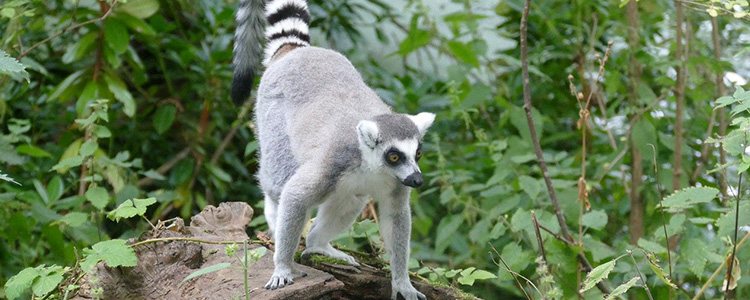
      Organizations: for au pairs, youth work and child care abroad

      Organizations: for bush camping and working at a campsite abroad
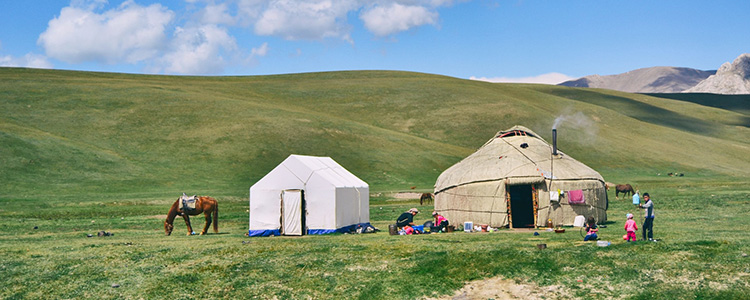
      Organizations: for catering, hospitality and entertainment abroad
      Organizations: for civil society and social work abroad
      Organizations for corporate business services

      Organizations for corporate business services

      Image

      Activities, internships, paid work, services or volunteer work in corporate business services

      Corporate business services abroad: by position

      For job roles and duties related to activities, internships and jobs abroad, see:
      ......Read more on this page
      Organizations: for customer services abroad and help desks

      Organizations: for diving, snorkeling and water sports abroad
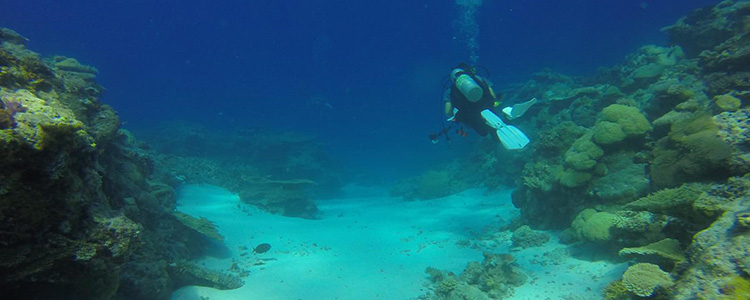
      Organizations: for education and schools abroad

      Organizations: for expatriate insurances, travel insurances, and emergency call centers
      Organizations: for gap year activities abroad and sabbaticals
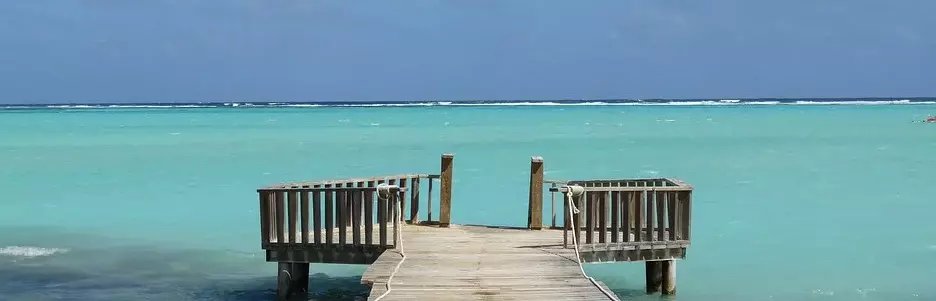
      Organizations: for internship placement abroad
      Organizations: for insurances and finance abroad
      Organizations for IT, engineering and construction

      Organizations for IT, engineering and construction

      Image

      Activities, internships, paid work, services or volunteer work in IT, webdevelopment, engineering and construction

      IT, engineering and construction abroad: by position

      For job roles and duties related to activities, internships and jobs abroad, see:
      ......Read more on this page
      Organizations: for language travel and language teaching abroad

      Organizations for marketing, communication and PR abroad

      Organizations for marketing, communication and PR abroad

      Image

      Activities, internships, paid work, services or volunteer work in marketing and communication

      Marketing, communication and PR abroad: by position

      For job roles and duties related to activities, internships and jobs abroad, see:
      ......Read more on this page
      Organizations: for mediation in au pairs, childcare and elderly care in the Netherlands

      Organizations for moving, international relocation and transport abroad

      Organizations for moving, international relocation and transport abroad

      Image

      Activities, internships, paid work, services or volunteer work in transport and international relocation

      Moving abroad and relocation services abroad: by position

      For job roles and duties related to activities, internships and jobs abroad, see:

      Moving abroad and relocation

      ......Read more on this page
      Organizations for nature conservation, environmental protection and working in nature abroad

      Organizations for nature conservation, environmental protection and working in nature abroad

      Costa Rica rain forest - Jungle

      Activities, internships, paid work, services or volunteer work in environmental protection, sustainability and nature conservation

      Nature conservation and environmental protection abroad: by position

      For job roles and duties related to activities, internships and jobs abroad, see:
      ......Read more on this page
      Organizations: for nonprofit projects, development work and international cooperation
      Organizations: for online work as digital nomad, freelancer, or independent entrepreneur from abroad

      Organizations: for outdoor activities and sports
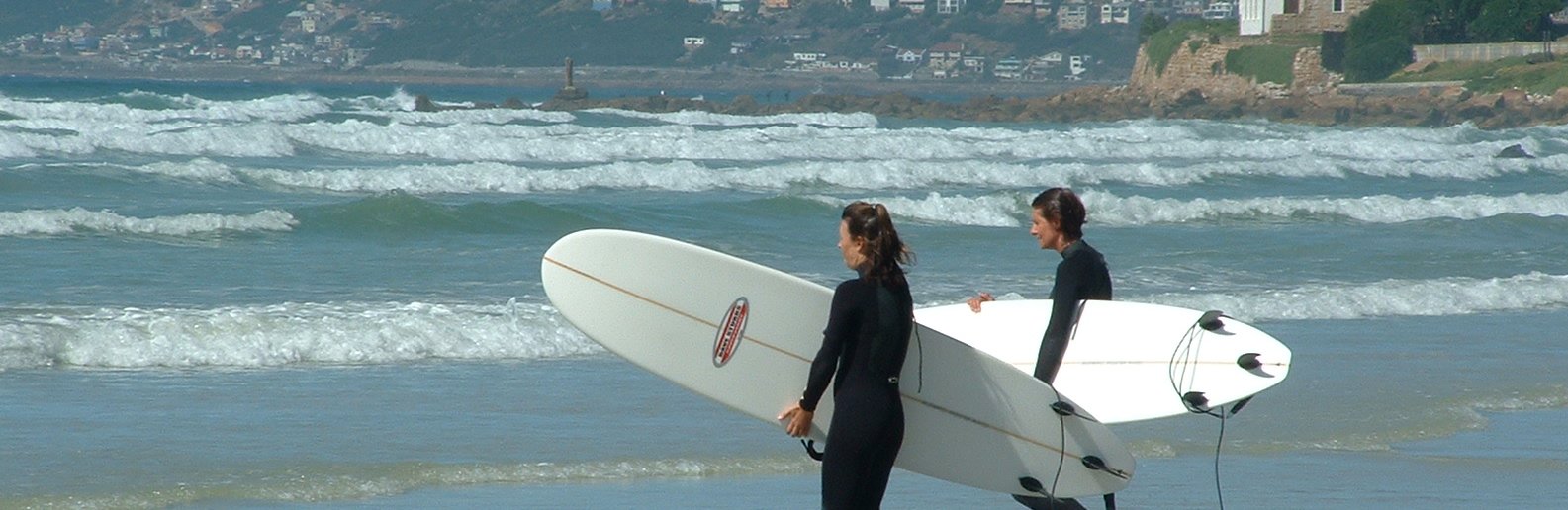
      Organizations: for providing accommodation and hospitality work in hotels, guesthouses, ecolodges and hostels abroad
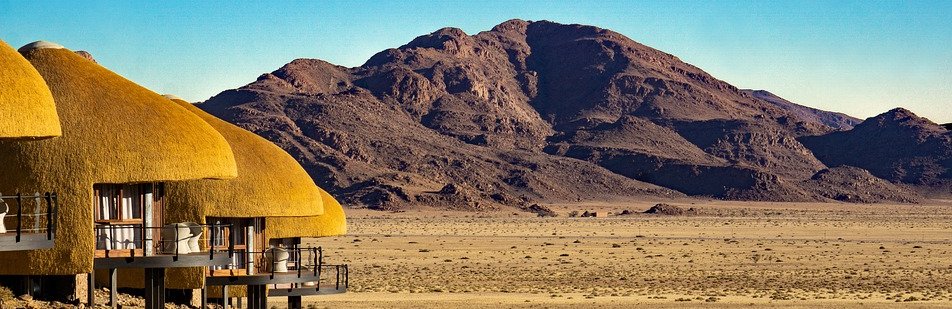
      Organizations: for providing accommodation and hospitality work in hotels, guesthouses, ecolodges and hostels abroad

      Image

      Activities, internships, paid work, services or volunteer work in hotels, resorts, guesthouses, ecolodges, bed and breakfasts and hostels abroad

      Working in hospitality and tourist accommodations abroad: by position

      For job roles and duties related to activities, internships and jobs abroad, see:
      ......Read more on this page
      Organizations: for providing healthcare and working in medical care abroad

      Organizations: for providing healthcare and working in medical care abroad

      Image

      Activities, internships, paid work, services or volunteer work in healthcare

      Providing healthcare and working in medical care abroad: by position

      For job roles and duties related to activities, internships and jobs abroad, see:
      ......Read more on this page
      Organizations: for psychological assistance and mental health care abroad

      Organizations: for psychological assistance and mental health care abroad

      Image

      Activities, internships, paid work, services or volunteer work in psychological assistance, coaching and mental health care abroad

      Psychological assistance, coaching and mental health care abroad: by position

      For job roles and duties related to activities, internships and jobs abroad, see:
      ......Read more on this page
      Organizations: for real estate, brokerage abroad and property rental abroad
      Organizations: for research and scientific work abroad

      Organizations: for research and scientific work abroad
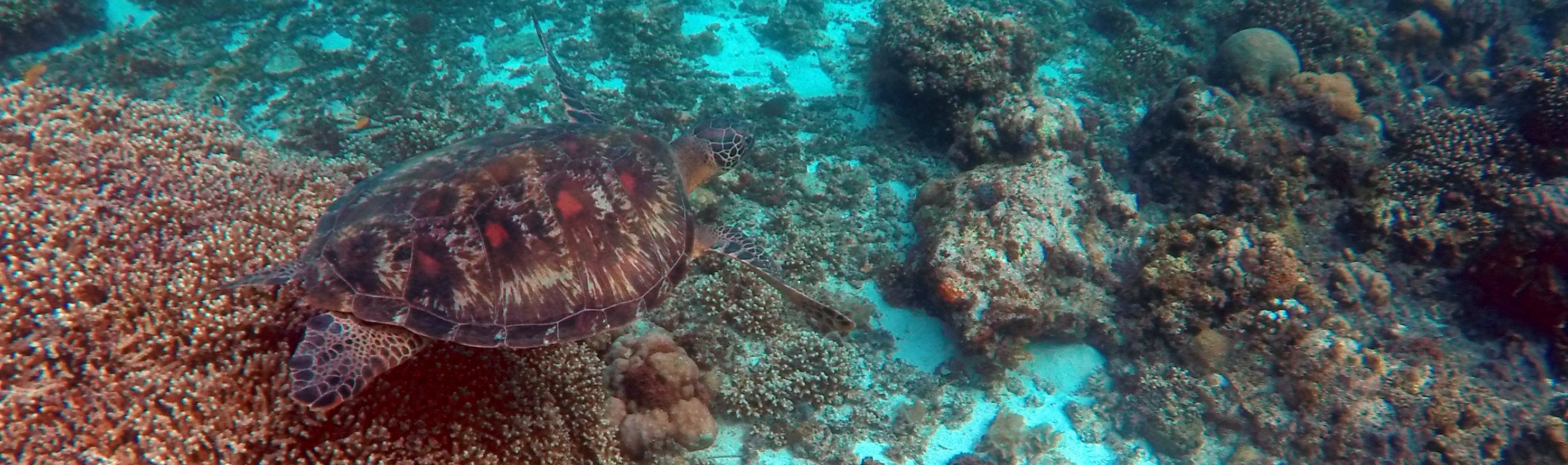
      Image

      Organizations: for research, R&D, data collection, data analysis and scientific work abroad

      Activities, internships, paid work, services or volunteer work in research and science

      From R&D to data collection and data analysis

      Research and science abroad: by position

      For job roles and duties related to activities, internships and jobs abroad, see:
      ......Read more on this page
      Organizations: for student support and student associations
      Organizations: for tour guidance and adventure tours abroad
      Organizations: for tourism and organized travel and leisure work abroad

      Organizations: for voluntary work mediation and project placement abroad
      Organizations for yacht and shipping crew and working on a cruise ship abroad

      Organizations for yacht and shipping crew and working on a cruise ship abroad
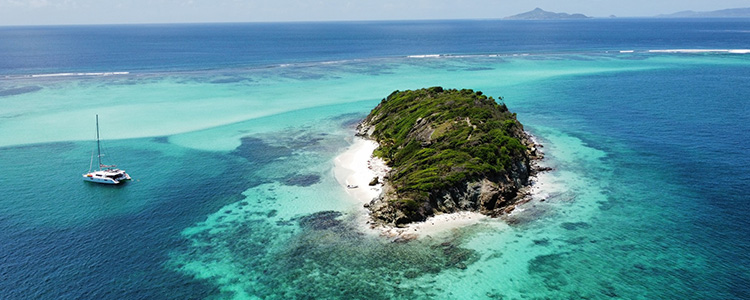
      Image

      Activities, internships, paid work, services or volunteer work on cruise ships, sailing yachts and other ships

      Boat crew, deck hand or working for an international shipping organization

      Working on a yacht or cruise ship abroad: by position

      For job roles and duties related to activities, internships and jobs abroad, see:
      ......Read more on this page

      Image SUMMARIES

      Check or search summaries, tests and study assistance within topic: 'Sustainable and respectful travel'

      CHECK SUMMARIES

      Make a selection, to find more, or other, summaries and study assistance than you see below

      Summaries: home bundle

      Content and contributions related to summaries, study assistance and study skills

      ...to help another, travel with care, work together, learn to share and inspire with your experience

      Summaries: home page

      Summaries: home page

      Home page for the use of summaries on WorldSupporter

      What is this page about?

      • Contents: information about using and finding summaries of study books, scientific articles, academic concepts and practice exams on WorldSupporter
      • Study areas: Business, Education, Health, Psychology, Law, Nature, Society and more
      • Languages: English, Dutch
      • Access: Public

      Where to go next?

      What to find below?

      • Summaries per study and study field
      • Summaries per type and form
        • How to use and find summaries, study notes en practice exams on JoHo WorldSupporter?
        • How and why would you use summaries?
        • Finding summaries practice exams on JoHo WorldSupporter
        • Quicklinks to fields of study for summaries and study assistance
      • Main theme pages for learn and study
      • FAQ: questions and answers about summaries
      Access: 
      Public
      Summaries: per type and form

      Summaries: per type and form

      Home page for summaries by type and form

      • Summary sort: Study books, Scientific articles, Academic Concepts
      • Areas: Business, Education, Health, Psychology, Law, Nature, Society and more
      • Languages: English, Dutch
      • Access: This study guide contains exclusive and publicly available study materials
      Access: 
      Public
      Exams: home page for exams, exam tips and study tips

      Exams: home page for exams, exam tips and study tips

      Taking and passing exams, using study tips and learning to study

      What is this page about?

      • Contents: information for exams, exam tips and study tips on WorldSupporter
      • Study areas: Business, Education, Health, Psychology, Law, Nature, Society and more
      • Languages: English, Dutch
      • Access: Public, Exclusive

      Where to go next?

      What to find below?

      • Highlighted content concerning exams, exam tips and study tips
      Access: 
      Public
      All summaries by study and subject

      All summaries by study and subject

      Table of contents:

      WorldSupporter summaries by study and subject: study and knowledge
      • What is JoHo WorldSupporter, how to use it and how to create an account?
      • How to use WorldSupporter for summaries and study assistance?
      • How to find summaries and how to upload new summaries on WorldSupporter?
      WorldSupporter summaries by study and subject: summaries and study assistance
      • What is the homepage for summaries per main area of study?
      • What are the best textbooks summarized per field of study?
      WorldSupporter summaries by study and subject: summaries per related study field
      WorldSupporter summaries by study and subject: study and work skills
      • How to improve your study skills?
      • Which skills are related to studying?
      WorldSupporter summaries by study and subject: study abroad, intern abroad and work abroad
      • Which activities, internships and vacancies abroad are related to the field of business organization and economics?
      • Which organizations offer internships and activities in the field of business organization and economics?
      WorldSupporter summaries by study and subject: shared experiences
      • What are the related spotlight blogs and contributions of other WorldSupporters?
      Samenvattingen en studiehulp

      Samenvattingen en studiehulp

      Inhoudsopgave:

      JoHo samenvattingen en studiehulp: studie en kennis
      • Wat is JoHo WorldSupporter en hoe kan je je aanmelden en toegang tot studiematerialen krijgen?
      • Wat zijn WorldSupporter samenvattingen en hoe kan je de samenvattingen voor jouw studie vinden?
      JoHo samenvattingen en studiehulp: studiehulp en samenvattingen
      • Wat zijn de gerelateerde vakken op WorldSupporter voor samenvattingen, studiehulp, stages en uittreksels?
      • Wat zijn de beschikbare samenvattingen en studiehulpmaterialen per studiegebied en studierichting?
      JoHo samenvattingen en studiehulp: samenhangende pagina's op WorldSupporter
      JoHo samenvattingen en studiehulp: studiecompetenties en stagevaardigheden
      • Hoe kan je het effectief studeren, en hoe haal je een tentamen?
      • Welke vaardigheden heb je nodig, of kan je leren bij een stage?
      JoHo samenvattingen en studiehulp: studeren, stage lopen en werken in het buitenland
      • Waar kan je meer vinden over je voorbereidingen als je langer naar het buitenland gaat?
      • Wat moet je doen als je verzekerd wil zijn tijdens een studie of stage of baan in het buitenland?
      JoHo samenvattingen en studiehulp: studietips en ervaringen
      • Wat zijn de uitgelichte blogs, ervaringen en tips van andere WorldSupporters?
      • Wat zijn alle blogs organisaties, tips, samenvattingen en vacatures die verbonden zijn aan JoHo samenvattingen en studiehulp?
      . ga hier verder naar de pagina

      Image ALL CONTENT OF TOPIC

      Search all related content within topic: 'Sustainable and respectful travel'

      ALL CONTENT OF TOPIC

      Select any filter and click on Apply to see results

      Image

      SPOTLIGHT & FAVORITES

      FAVORITES
      Het Andere Reizen

      Het Andere Reizen is een organisatie die duurzaam en verantwoord reizen promoot. Naast de reisprogramma's worden ook diverse sociale en duurzame stages en vrijwlligersprojecten aangeboden.

      Smokey Tours in Manila

       Smokey slum tours in the slums of Manila

      • What are slum tours?
      • Which organization is organizing the Smokey slum tours in Manila?
      • When and how can you book the slum tour?

      What are slum tours?

      • Slum tours offer experience, believing that de...

      Crossroad: spotlight pages
      Crossroads in the field of:
      Mountain biking and cycling around the world and abroad

      Mountain biking and cycling around the world and abroad Mountain biking and cycling abroad: orientation

      • What is cycling abroad?
      • Why should you go cycling abroad?
      • What do you need and what should you consider when you go cycling?
      • What are the risks when cycli...

      Page topic

      Sustainable and respectful travel

      Submenu & Search

      Search only via club, country, goal, study, topic or sector