 Fiji
FijiFiji Country Bundle: suggestions, stories and tips

Content about Fiji on WorldSupporter
Fiji: Updates & Travel
 Fiji: Updates & Travel
Travel in Fiji?
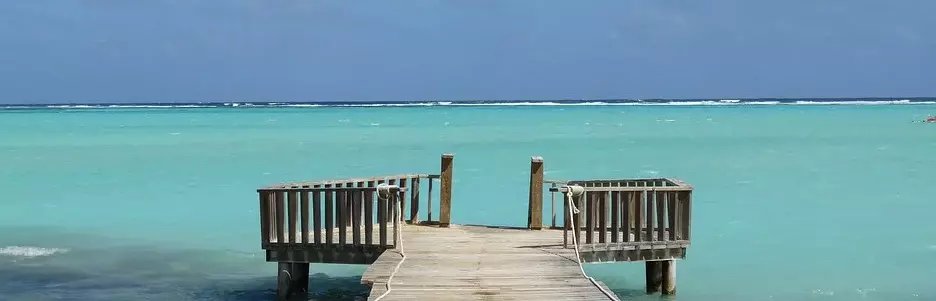
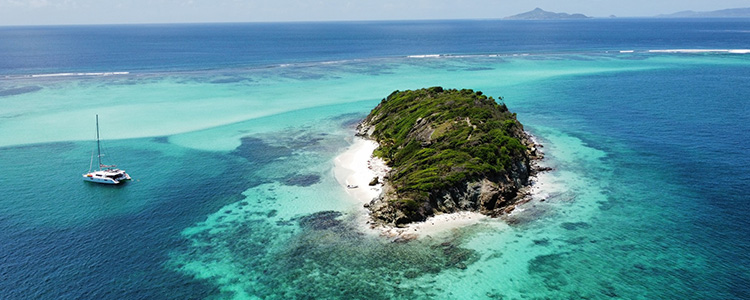
- Fiji consists of more than 300 large and small islands. The white beaches, deep blue sea and most beautiful coral reefs make Fiji a popular vacation destination for tourists looking for peace and beach. Fiji also offers opportunities for the active traveler such as fierce surf, and plenty of sailing, surfing, and hiking.
- Instead of staying on the main island of Viti Levu, go “island hopping”: take a boat to several islands, staying on each island for a few days in a resort or bungalow.
- Go snorkeling in a cave, where to get to the next room, you have to swim some distance underwater.
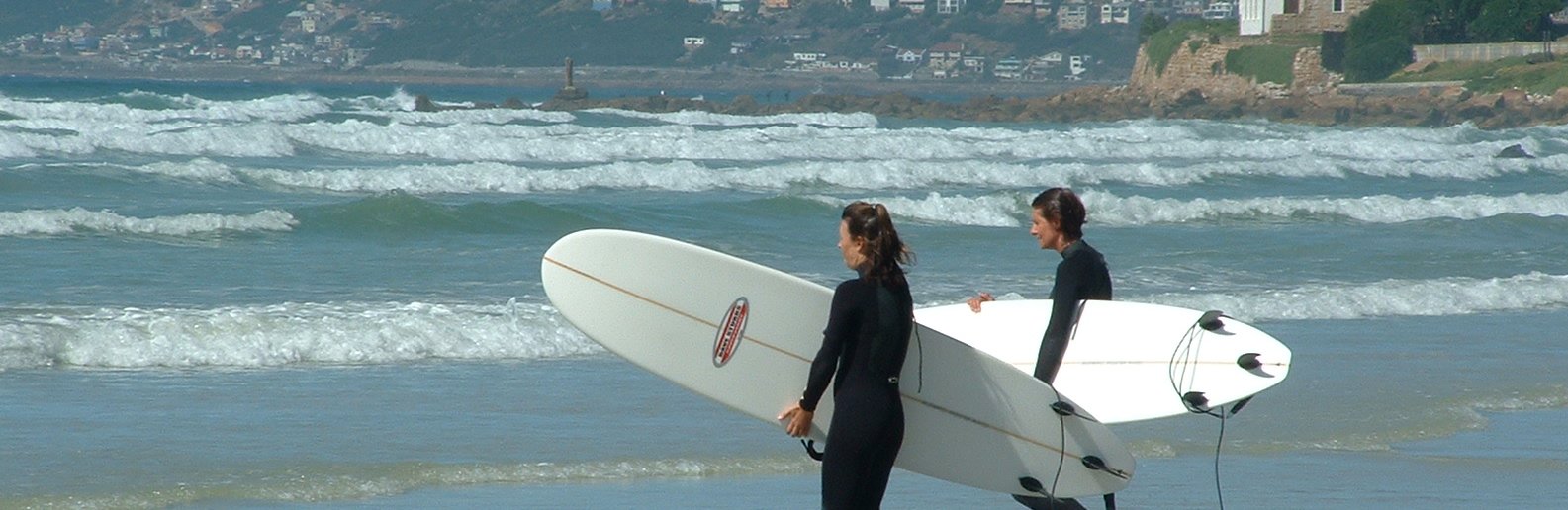
- Fiji is the place to be for surfing! Most spots are reefbreaks (the waves break above a coral reef) and can only be reached by boat. For beginners, this may not be such a good idea!
- Sailing and windsurfing are also possible in Fiji. Many resorts rent equipment and run courses.
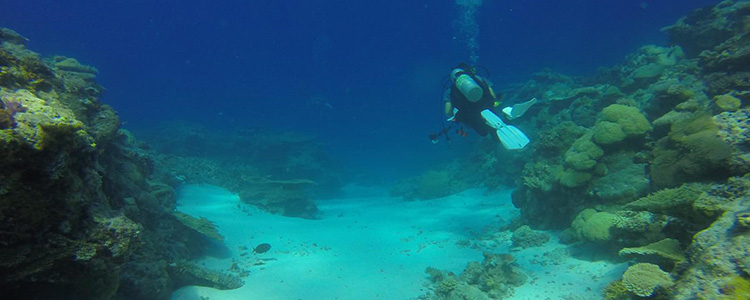
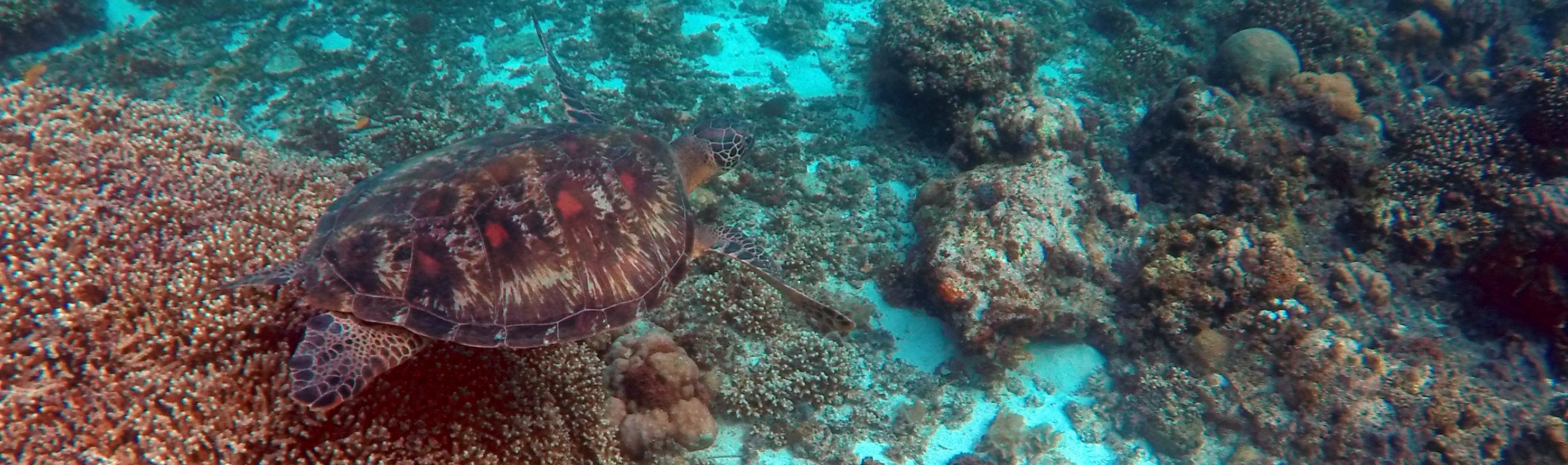
- Go Scuba Diving in the most beautiful places: Fiji is one of the best places in the Pacific for scuba diving.
- Taveuni: trails have been laid out on this island and you can do beautiful trekking, or even a challenging climb.
- Fiji Museum: check out the extensive archaeological collection dating back over 3.5 thousand years.
- Yasawas: island group north of Viti Levu, where many tourists go and stay on different islands.
- Mamanucas: island group located a little closer to Viti Levu, also on the northwest side, very convenient to reach by boat.
- Be prepared that there are Impassable roads outside the tourist area.
- Fiji is not cheap.
- The political situation is unstable - but you generally don't notice much of that as a traveler.
- Severe storms are possible in the rainy season (December - March).
Updates Fiji
- More about Fiji, updates and contributions, see the link below.
Packing list for Fiji, travel insurance for Fiji, and taking your belongings
Packing list for Fiji, travel insurance for Fiji, and taking your belongings
What to take to Fiji: brief
To bring and check
- Documents: Passport valid for at least 6 months upon arrival and a return or onward ticket. Check always the current rules for your nationality. Are you traveling via the US or Australia? Then don't forget any ESTA or ETA regulations.
- Money: Fiji dollar (FJD). In larger towns and resorts, you can often withdraw cash or pay by card, but on smaller islands, cash often works better. So, bring some cash for boats, small shops, or accommodations where a "broken card machine" is sometimes a way of life.
- Personal Care: sunscreen with a high protection factor, lip balm with SPF, and mosquito repellent. The tropical sun is intense and the humidity is high. When you have a favorite sunscreen or sensitive skin, it is better to bring it from home, as products on small islands are limited and more expensive.
- Outdoor gear and practicals: sunglasses, a dry bag, and a reusable water bottle. Chances are you will frequently be on a boat, walking through a tropical downpour, or spontaneously diving into the water.
- Clothing: light clothing for warm weather, but also something with long sleeves to protect against mosquitoes and the sun. Outside of resorts and beaches, modest clothing is appreciated, especially in villages.
- Shoes: water shoes or sturdy sandals are useful due to coral, sea urchins, and rocky beaches. Flip-flops are ideal, until you step right into a reef.
- Medicines and travel first-aid kit: a small first-aid kit with ORS, plasters, painkillers, tweezers, and any personal medication. Especially handy if you are traveling to smaller islands where pharmacies are limited.
- Mosquitoes and sandflies: bringing DEET or Picaridin is smart. Mosquitoes can transmit dengue, and sandflies are particularly prevalent on some beaches.
- Technology and equipment: Type I universal adapter (Australian/New Zealand model). A power bank can also be handy while island hopping.
To consider
- A snorkel set when you want to snorkel a lot and don't want to rent it every time.
- A UV-protective swim shirt or rash guard to protect against sunburn while snorkeling or kayaking.
- Travel laundry detergent: clothes dry quickly in the tropical heat.
- A waterproof phone case for fun coral photos.
- Earplugs for roosters, partying backpackers, or villages where people wake up surprisingly early.
- A small gift or something from your home country if you are staying with locals.
- Extra patience for “Fiji time”: rushing is usually a concept from other countries here.
What knowledge is useful when you go to Fiji?
- Knowledge of the climate helps enormously. Fiji has a tropical climate with a wet season from about November to April, during which heavy rain and cyclones can occur.
- Knowledge of marine safety is also useful. Strong currents, sharp coral, and sea urchins are often a bigger problem than the animals tourists worry about.
- Additionally, it helps to know something about local culture and customs. Fiji is friendly and relaxed, but traditional villages appreciate respectful clothing and behavior.
Are there mosquitoes in Fiji?
- Yes. Especially during the wet season and around stagnant water.
- Mosquitoes can transmit diseases such as dengue, chikungunya, and sometimes Zika. Malaria does not occur in Fiji.
- More about protection against mosquitoes and insects.
Are there sandflies in Fiji?
- Yes, especially around beaches, mangroves, and damp coastal areas.
- They are small, quiet, and annoyingly effective at finding exactly that patch of skin you forgot to apply repellent to.
- Long clothing and mosquito repellent usually work well.
- More about sandflies and sand fleas.
Can you buy DEET, or other mosquito repellents, in Fiji?
- Yes, especially in larger towns, supermarkets, and pharmacies.
- On smaller islands, the selection may be limited and often more expensive than at home. Therefore, it is preferable to bring enough from home.
Can you buy a joint or weed in Fiji, or bring it to Fiji?
- Cannabis is illegal in Fiji. Use, possession, sale, and bringing it in can lead to hefty fines or imprisonment.
- It is sometimes offered to tourists, but that does not mean it is safe or legal.
How does healthcare work in Fiji, and what travel insurance, health insurance or expat insurance do you need?
How does healthcare work in Fiji, and what travel insurance, health insurance or expat insurance do you need?
How does the healthcare system work in Fiji, and which insurance do you need?
- What is the quality of healthcare in Fiji?
- How does the public healthcare system work in Fiji?
- How does the private healthcare system work in Fiji?
- How is the family doctor or general practitioner arranged in Fiji?
- How is the dental care and dentist arranged in Fiji?
- How is pregnancy and maternity care arranged in Fiji?
- How safe or unsafe is a trip or stay in Fiji?
- What are the best insurance options for backpacking, traveling, doing an internship, studying, volunteering, or working in Fiji?
- What types of insurance should you get if you're planning to emigrate, work as an expat, or live in Fiji?
What is the quality of healthcare in Fiji?
- In Fiji, the quality of healthcare varies considerably. The country is a developing country and it is reflected in the healthcare.
- Some hospitals are good, especially private and public hospitals in urban areas, others are of a much lower quality, especially in rural areas.
- There are pharmacies in the larger cities and towns. You can also usually find a pharmacy near the resorts. 24-hour pharmacies are rare.
- In general, the supply of medicines is good, but the options are limited. Just in case bring your own stack of medicination.
- Because healthcare is limited in Fiji, medical evacuation may be necessary. People are usually taken to Australia or New Zealand.
- For emergency medical care, you can call 911. However, it often takes a long time to get help and ambulances are not of very good quality.
How does the public healthcare system work in Fiji?
- The quality of public healthcare is generally not great. In cities, basic healthcare is reasonable, but in remote villages the quality of healthcare is often poor, because there are not enough facilities and doctors.
- There are also often long waiting times due to staff shortages.
- Expats can use public healthcare in Fiji.
- There are about 25 hospitals in Fiji, of which the best (reviewed) four are on the islands of Viti Levu and Vanua Levu.
How does the private healthcare system work in Fiji?
- The quality of private healthcare is, like in many other countries, a lot better. The facilities are often more modern and the waiting times are shorter.
- Most clients of private healthcare are foreigners living in Fiji.
- There are a few private hospitals, especially in Suva and Nadi. In these hospitals you will find general practitioners, specialists and 24-hour care.
- However, the private sector also has to deal with shortages, especially shortages of specialists and diagnostic facilities.
- Oceania Hospital is the largest private hospital in Fiji. Pacific Specialist Healthcare is another large private hospital.
How is the family doctor or general practitioner arranged in Fiji?
- GPs are mainly found in private hospitals and clinics. On more remote islands you may have to travel to another island to see a GP.
- Ask other foreigners living in Fiji for advice on finding a good GP.
- If you are in a resort, there may also be a resort GP.
How is the dental care and dentist arranged in Fiji?
- There are several private dental practices in Fiji that offer good dental care.
- Most options are found in Nadi and Suva.
- You can ask friends or your resort for advice on finding a good dentist.
How is pregnancy and maternity care arranged in Fiji?
- There are certainly quite a few challenges in the area of maternity care, especially in the public health care.
- All public health centres have the necessary materials in case a birth takes place in their clinic. The government also pays a lot of attention to training healthcare workers in the area of maternity care. In general, private hospitals and clinics are better for pregnancy care and childbirth. In private institutions, you can expect good, modern care.
- Caesareans are performed and are generally safe. The starting point for a caesarean section is usually medical necessity rather than personal preference.
- There are (limited) neonatal intensive care units.
- Abortion is illegal unless the mother's life is in danger.
How safe or unsafe is a trip or stay in Fiji?
What should you pay attention to in terms of safety in Fiji?
- In general, anyone in Fiji, doesn't not have to worry about safety, if some things are kept in mind.
- There are parts of the country that have higher crime rates. This is mainly due to the large gap between rich and poor, which means that there is a lot of petty crime such as theft.
- Best to not wear expensive things in public and do not walk around alone at night, especially not in tourist areas.
- The cyclone season takes place from November to April. Always follow government advice when a storm is approaching.
What should you look out for in terms of diseases in Fiji?
- In Fiji, you run the risk of leptospirosis and mosquito-borne diseases such as zika and dengue. So protect yourself well!
- Food poisoning is common in Fiji. It is also recommended to avoid tap water and raw salads.
- HIV/AIDS is increasing in the country.
- Drinking kava, a local type of alcohol, can have negative consequences for your health.
What should you pay attention to when it comes to traffic in Fiji?
- Traffic is not as tightly regulated as in more western countries. Many drivers do not adhere to traffic rules, which can lead to dangerous situations. So always drive defensively.
- The roads in the cities are reasonable, in the countryside they are often bad.
- Outside the cities, it is not recommended to drive in the dark. Animals can easily walk onto the road and there are often pedestrians walking along the side of the road.
- When using public transport you can run the risk of being robbed.
What are the best insurance options for backpacking, traveling, doing an internship, studying, volunteering, or working in Fiji?
- Is the trip to Fiji and your return sufficiently covered? Are you sufficiently covered before, during and after your activities? Which insurance best suits your trip and your activity?
- Insurance for backpacking and traveling in Fiji
- Insurance for studying in Fiji
- Insurance for internships in Fiji
- Insurance for volunteering in Fiji
- Insurance for digital nomads or paid work in Fiji
What types of insurance should you get if you're planning to emigrate, work as an expat, or live in Fiji?
- For a stay in Fiji, international health insurance is a must. This way you can ensure that you are covered for the high costs of private care and any medical evacuation or repatriation.
- Make sure your insurance covers medical evacuation as well as coverage in neighboring countries.
- International health insurance for Fiji
- International travel insurance for Fiji
- International life insurance for Fiji
- International income protection insurance for Fiji
Fiji: selection of contributions by WorldSupporters - Bundle
 Fiji: selection of contributions by WorldSupporters - Bundle
Content about Fiji shared by WorldSupporters

Access:
Public
Fiji

Backpacking or traveling in Fiji?
- Fiji consists of more than 300 large and small islands. It is therefore a popular beach vacation destination for many travelers, divers and surfers. And don't forget to go off-the-beaten-path and discover the real culture of Fiji with its friendly people, beautiful dances, traditional spear fishing and delicious food.
Studying in Fiji?
- Fiji has three universities, with not very high rankings. That said, there are great study options and you can spend your student time on the beautiful islands.
Internship in Fiji?
- There are limited internship opportunities in Fiji. As a foreigner, you will mainly find internships with the major hotel chains.
Volunteering in Fiji?
- Get to work with children, in education, marine research or construction.
Work in Fiji?
- If you want to find a job in Fiji you have the best chance in tourism, hospitality, banking and agriculture.
Working as a digital nomad in Fiji?
- Fiji is an attractive destination for digital nomads with its beautiful beaches, wonderful climate and wonderful culture. Working in Fiji may feel like working from paradise.
Living in Fiji?
- Gorgeous beaches, beautiful nature, living in Fiji is definitely not a punishment. There is plenty to do, the people are friendly and welcoming and the amenities are good! However, it can be difficult to cope with the great economic inequality and annual cyclones.