Attacks by wild or dangerous animals

What is it, how do you do it, with whom, and where do you need to be?

Activities, organizations, preparations, skills, stories or vacancies abroad

Image

Image

Attacks by wild or dangerous animals

Intro

Attacks by wild or dangerous animals

What to do when you encounter a wild or dangerous animal abroad?

What to do when you encounter a wild or dangerous animal abroad?

What are the basic rules if you encounter dangerous animals in the wild?

  • Never feed wild animals unless it's part of a conservation project.
  • Leave animals alone as much as possible; they'll start moving on their own and behave normally if you have enough patience.
  • Almost all animals are especially dangerous when they have young or are injured.
  • Don't assume you can predict their behavior, as you sometimes do with people.
  • Try to assume that something unexpected can always happen.
    • A shark sometimes has trouble distinguishing a surfer paddling on their surfboard from a sea turtle, their favorite dessert.
    • An elephant doesn't have a route planner; if you get in their way, you or your car will simply be pushed aside or crushed.
    • An African buffalo that hasn't slept well is more dangerous than any other animal.

What are the rules if you venture out among dangerous wild animals yourself?

  • In principle, don't get out of your car in a wildlife reserve where large or dangerous wildlife is common, not even for that one unique photo. Even with a partially open window, you need to be vigilant in some areas.
  • If you do get out in a location where it's permitted, pay close attention to every movement you see and every sound you hear.
  • Always tell someone where you're going and when you need to be back.
  • Be aware of your surroundings: where can you hide, what are the escape routes, and what animals are present and which are the most dangerous?
  • Don't put your hand in holes or in places where you can't see if a venomous or biting animal is hiding.

What are some of the most dangerous animals to encounter in the wild?

What is the most dangerous animal in the world, which animal kills the most people, and what to do if you encounter one?

What is the most dangerous animal in the world, which animal kills the most people, and what to do if you encounter one?

Dangerous and Deadly Animals:

What is the most dangerous animal in the world?

  • The most dangerous animal in the world is the mosquito, followed by dogs and snakes.
  • It should be noted that relatively few figures are available on the number of animal bites, or on the number of people who become seriously ill from an animal sting, bite, or attack. More figures are available on the number of fatalities caused by animals.

What is the deadliest animal in the world?

  • The deadliest animal in the world is the mosquito. Snails, snakes, dogs, sand flies, and assassin bugs, respectively, account for the most fatalities. When humans are included as part of the animal kingdom, they come in second place.
  • Animals can be dangerous to humans in various ways. They can transmit dangerous diseases, they can sting or bite with venom, they can lash out with their claws, and they can bite with their teeth and powerful jaws.
  • The deadliest animals in the world account for millions of people who die each year after contact with an animal. The top five account for the majority of these deaths.
  • In some animals, the "sense of danger" is many times greater than the actual danger, such as in the wolf. The elephant, the hippopotamus, and the most dangerous insects are often underestimated.

RANKING OF THE DEADLIEST ANIMALS IN THE WORLD

1 - Mosquitoes: How many people are killed by mosquitoes each year?

  • Mosquitoes are responsible for 1 to 2 million fatalities annually. Most victims are between 0 and 4 years old and are bitten by a female mosquito that transmits malaria to humans.
  • More than 200 million people become seriously ill from malaria each year.
  • More than 14 million people develop dengue fever each year.
  • 700 million people become ill each year from mosquito-borne diseases, ranging from yellow fever to West Nile virus.
  • Most dangerous mosquito species: Anopheles (for malaria), Aedes aegypti (for dengue and Zika virus).
  • Read more about the dangers of mosquitoes and what you can do to protect yourself.

2 - Humans: How many people are killed by humans each year?

  • Every year, 500,000 people are deliberately killed by another human being, resulting in imprisonment.
  • Every year, wars and conflicts are started by dictators, presidents, and other powerful figures, resulting in an average of between 200,000 and 600,000 human casualties.
  • More than 8 million people die worldwide each year from the effects of smoking and tobacco products, 1.2 million of whom are affected by passive smoking.
  • Every year, 300,000 people die in accidents involving drivers who have consumed alcohol or drugs.
  • Besides the number of deaths, humans are also responsible for causing millions of serious injuries and other harm to other people.
  • Read more about the dangers of humans and what to do if you encounter a human.

3 - Snails: How many people are killed by snails each year?

  • Every year, more than 200,000 deaths are caused by freshwater snails. Freshwater snails are the host of a parasitic fluke. This fluke is responsible for the disease schistosomiasis, also known as "snail fever." The disease occurs in Africa, parts of South America, the Caribbean, the Middle East, and a few countries in Asia (particularly Southeast Asia).
  • Worldwide, more than 230 million people are likely infected. Some people will hardly notice anything, some will become seriously ill, and some will die immediately.
  • Most snails on land are harmless to humans. Of the 40,000 species of snails, several hundred are venomous.

4 - Snakes: How many people are killed by snakes each year?

  • Snakes are responsible for 100,000 deaths annually.
  • More than 2.5 million people are bitten by venomous snakes each year. 75% of these occur in Asia, with the remainder primarily in Africa and Latin America. More than 300,000 people suffer amputations or more serious injuries from venomous snakebites.
  • Read more about the dangers of snakes and what to do if you're bitten.

5 - Dogs: How many people are killed by a dog each year?

6 - Sandflies: How many people are killed by a sandfly each year?

  • Sandflies are responsible for 20,000 to 40,000 deaths annually. The small sandfly is a specific species of sandfly that can carry a parasite that causes leishmaniasis.
  • Approximately 12 million people are infected with leishmaniasis annually across nearly 100 countries in Asia, the Middle East, Central America, and parts of Africa and the Mediterranean.
  • Read more about the dangers of sand flies and how to prevent a bite

7 - Assassin bugs: How many people are killed by assassin bugs each year?

  • Assassin bugs are responsible for 20,000 deaths annually. There is a Central American species that can transmit Chagas disease, especially to children. The assassin bug is also known as the devil bug, assassin bug, and kissing bug. This bug prefers to bite near your eyes or mouth, and by scratching the wound, you become infected with a parasite (you scratch the bug droppings containing the parasite into your wound).
  • In the Netherlands, harmless assassin bugs are used in organic farming.
  • Read more about the dangers of assassin bugs and how to deter them.

8 - Roundworms: How many people are killed by roundworms each year?

9 - Tapeworms: How many people are killed by a tapeworm each year?

  • Tapeworms are responsible for approximately 4,000 deaths annually. They are parasites that can sometimes live in a human for 30 years, but can also cause fatal infections.

10 - Scorpions: How many people in the world are killed by a scorpion each year?

  • Scorpions are responsible for approximately 3,000 deaths annually. Scorpions are found all over the world, from Spain to Suriname. Of the 200 species, just over 10% can also kill humans; the others only inflict a painful sting. The deadly species are not found in Europe.
  • Read more about the dangers of scorpions and what to do if you are stung.

11 - Ticks: How many people are killed by a tick each year?

12 - Crocodiles: How many people are killed by crocodiles each year?

  • Crocodiles and alligators are responsible for approximately 1,000 proven deaths annually. Since crocodiles leave few traces, the actual figures are likely considerably higher.
  • The saltwater crocodile is not only the largest, but also the most dangerous enemy when it comes to attacks on humans.
  • Read more about the dangers of crocodiles and what to do if you encounter one.

13 - Tsetse flies: How many people worldwide die each year from tsetse flies?

  • Tsetse flies are currently responsible for fewer than 1,000 deaths annually. While this number was over 50,000 not so long ago,
  • the tsetse fly is a fairly large fly that can transmit sleeping sickness. Only a small percentage of these flies are infected, transferring the blood of an infected animal to an uninfected one.
  • This small dracula is mainly found in central and southern Africa. The most dangerous variants are found in eastern Africa.
  • Read more about the dangers of tsetse flies and other fly species

14 - Elephants: How many people are killed by an elephant each year?

15 - Hippos: How many people are killed by a hippo each year?

16 - Lions: How many people are killed by a lion each year?

17 - Buffaloes: How many people are killed by buffalo each year?

18 - Deer: How many people are killed by deer each year?

  • Deer are responsible for approximately 100 to 150 deaths annually. Most deaths occur when a deer suddenly crosses the road, causing a car accident. The number of deer killed in this way by humans is many times higher. However, deer can also attack humans in exceptional cases, and that sometimes doesn't end well either.
  • Read more about deer and large herbivores and where to care for or see them.

19 - Hyenas: How many people are killed by hyenas each year?

20 - Bees: How many people are killed by a bee or wasp each year?

21 - Jellyfish: How many people are killed by jellyfish each year?

  • Jellyfish are responsible for approximately 100 deaths annually.
  • The sea wasp is an extremely venomous jellyfish species with tentacles up to 3 meters long and a very fast-acting, lethal venom. The sea wasp, also known as the Australian box jellyfish, is found in northern Australia and from Indonesia to the Philippines and Vietnam.
  • The infamous "Portuguese man-of-war" is not actually a jellyfish, but a colony of several polyps that work together like an animal. The strong venom can cause severe pain and shortness of breath. Normally, you only find them in the open sea, but depending on the wind, they sometimes come ashore, and then their 50-meter-long tentacles pose a danger to any swimmer.
  • Most jellyfish, however, only cause minor injuries.
  • Read more about the dangers of jellyfish and how to avoid being stung.

22 - Tigers: How many people are killed by a tiger each year?

23 - Leopards: How many people are killed by a leopard or panther each year?

  • Leopards, panthers, and jaguars are responsible for an average of 50 deaths each year. Numbers can vary considerably from year to year.
  • They are mainly found in India, Sri Lanka, Central and South America, Nepal, and various African countries (including Zambia and South Africa).
  • Read more about the dangers of felines like leopards and cheetahs.

24 - Spiders: How many people are killed by spiders each year?

  • Spiders are responsible for approximately 10 to 15 deaths annually.
  • Dangerous subspecies: the black widow (North and South America), the Brazilian wandering spider (South America), the nursery web spider and funnel-web spider (in Australia), and the brown recluse spider (which also occurs in Southern Europe).
  • Read more about the dangers of spiders and what to do after a bite or sting.

25 - Bears: How many people are killed by bears each year?

26 - Birds: How many people are killed by birds each year?

  • Birds of prey are responsible for 5 to 10 deaths each year.
  • Most dangerous birds: harpy eagle, bearded vulture, steppe eagle, white-headed eagle.
  • Most aggressive birds: cassowary, ostrich, emu, red-tailed hawk, short-eared owl, long-eared owl.
  • Most bold birds: gulls.
  • Read more about special bird watching, where to see and encounter them.

27 - Sharks: How many people are killed by sharks each year?

  • Sharks are responsible for 5 to 10 deaths annually.
  • More than 80 reports are made each year of shark attacks on people that result in injuries.

  • The most dangerous species are: the great white shark, the tiger shark, and the bull shark.
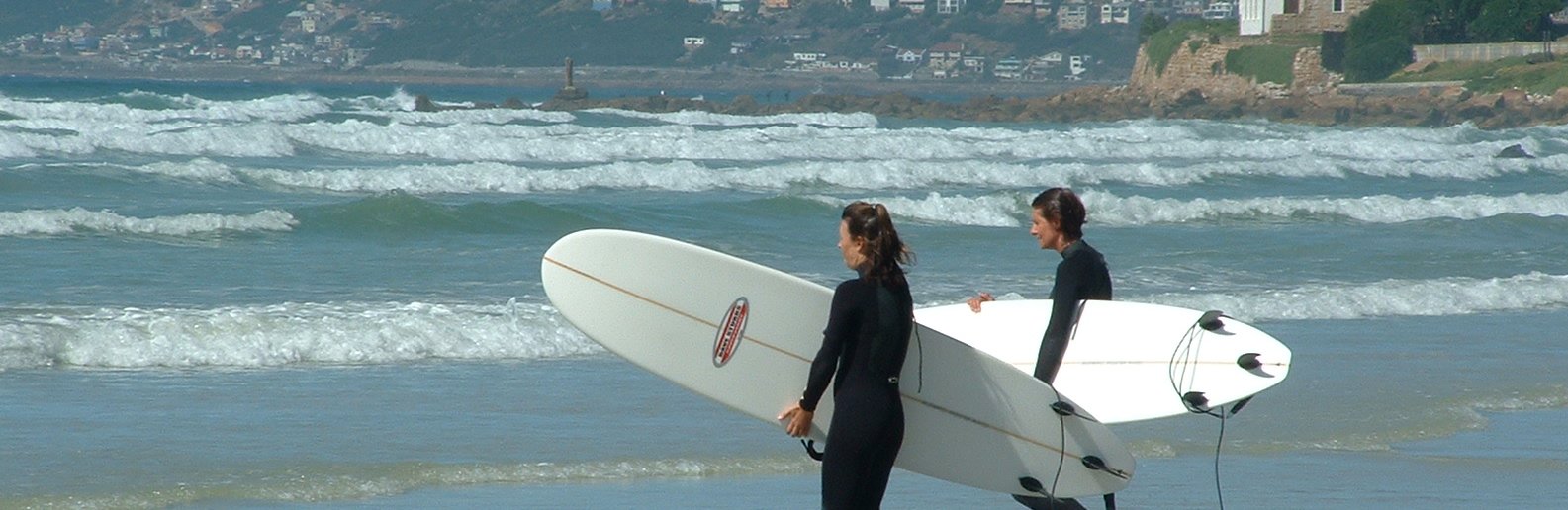
  • Read more about the dangers of sharks and what to do if a shark circles you.

28 - Frogs: How many people are killed by frogs each year?

29 - Lizards: How many people are killed by lizards each year?

30 - Monkeys: How many people are killed by monkeys each year?

  • Hardly any people are killed by monkeys in the wild each year. Only the gorilla is known to kill a number of people annually.
  • Monkeys can become aggressive and attack people, both individually and in large groups.
  • Monkeys are particularly dangerous because of the serious diseases they can transmit when they bite or scratch, and the sometimes serious injuries they can cause.
  • The most dangerous species are: the gorilla (strength), slow loris (venomous), rhesus monkey (unafraid, easily attacks people), mandrill (large teeth), baboons (aggressive when hungry, more powerful than humans), spider monkeys (sharp teeth and attacks people), chimpanzees (attack children, among others), capuchin monkeys (unfortunately often kept as pets, unruly, sharp teeth, dangerous for owners).
  • Read more about the dangers of monkeys, where they are, and what to do if you've been bitten.

31 - Piranhas: How many people are killed by piranhas each year?

  • Piranhas are only responsible for a few deaths each year.
  • The most dangerous is the red-tailed piranha, which can bite quite hard.
  • Read more about the dangers of spiny and toothy fish

32 - Venomous fish: How many people are killed by venomous fish each year?

  • Every year, people die from various species of poisonous and dangerous fish.
  • The most dangerous species are: the pufferfish (fugu), which poses less of a threat underwater but can be even more deadly on your plate (when prepared incorrectly), the stonefish, and the electric eel.
  • Read more about the dangers of poisonous fish.

33 - Whales: How many people are killed by whales each year?

  • Whales in the wild don't actually cause any direct deaths. Boat accidents due to orca attacks or collisions with whales do occur. Sporadically, deaths occur from orcas held in captivity.
  • Read more about the dangers of whales and where to see them.

34 - Wolves: How many people are killed by wolves each year?

  • Wolves cause far more debate than deaths. On average, one person dies annually from a wolf attack worldwide. An average of eight incidents per year occur in which a wolf bites or attacks a human (mainly in Turkey). Rabies is the main danger to humans from a wolf bite.
  • Read more about the dangers of wolves and what to do if you encounter them.

Image

Why get specific insurance when going abroad: per activity abroad
What is travel insurance, and why take out specific insurance when you go on a trip or vacation?

What is travel insurance, and why take out specific insurance when you go on a trip or vacation?

What is travel insurance to insure your trip or vacation?

  • Travel insurance is insurance that provides coverage for risks during a trip or vacation abroad. This mainly concerns loss of or damage to your luggage, medical assistance in the event of accidents, for example, or repatriation costs if you need to be transported back to your home country urgently. In some cases, travel insurance coverage also applies in your home country.
  • With continuous travel insurance, you are insured for all your trips throughout the year.
  • With temporary travel insurance, you take out insurance for each trip for the duration of the trip.
  • Cancellation insurance reimburses (all or part of) the travel sum, cancellation or accommodation costs if you have to cancel or interrupt your vacation.

Why should you take out travel insurance for a short trip, vacation, or long-distance trip?

  • Travel insurance can provide coverage in the event of an accident or emergency while you are away.
  • Travel insurance can provide coverage for damage and accidents during the adventurous or sporting activities you are going to do.
  • Travel insurance can continue to provide coverage if your Dutch basic health insurance no longer provides coverage, or if the damage is only reimbursed at Dutch cost price.
  • Travel insurance can provide coverage in the event of damage, loss, or theft of your luggage.
  • Travel insurance can provide coverage if you are held liable for damage you cause to other people or their property.
  • Travel insurance can provide coverage if you have to return home early because something has happened to you or your immediate family.

What is important to insure when you are going to travel?

  • That you have insurance that is valid in the countries where you are going to travel and possible work.
  • That you are adequately insured for the sports and activities you are going to participate in during your full period abroad
  • That you are insured for emergency assistance and early return if something happens to you or your immediate family.
  • That your medical expenses are insured up to the actual cost and not just for the standard costs. The costs per medical treatment vary greatly between countries.
  • That you insure your luggage and take sufficient precautions against theft or damage.
  • That you are well insured against personal liability.
  • That you are well insured in case of accidents.
  • That you only insure yourself for legal assistance if there is an immediate reason to do so, unless coverage is already automatically included in the insurance.
  • That you pay close attention to choosing the right coverage when performing work or voluntary work during your world trip.

What insurance do you need for a trip or vacation?


What is round the world travel insurance or long-term travel insurance, and why take out specific insurance when you go abroad?

What is round the world travel insurance or long-term travel insurance, and why take out specific insurance when you go abroad?

What is round the world travel insurance or long-term travel insurance?

  • Round the world travel insurance means that you take out insurance that continues to provide coverage during all your activities abroad, and which is specifically intended for those who travel for long periods of time, such as world travelers, globetrotters, and nomads.

Why should you take out specialized travel insurance for a long trip abroad?

  • Round the world travel insurance provides coverage for a much longer trip than regular travel insurance.
  • World travel insurance is specifically intended for longer trips, whereas regular travel insurance may offer coverage on paper, but in practice handles it differently.
  • World travel insurance is suitable for many types of activities, ranging from high-altitude trekking to more risky sports.
  • World travel insurance continues to provide coverage if you start working during your trip, whether planned or unplanned. If you did not take out insurance before departure that allows you to work, there is no guarantee that you will be able to take out insurance that provides coverage while abroad.
  • Long-term travel insurance continues to provide coverage when your home country's health insurance no longer does.
  • Worldwide travel insurance also covers your medical expenses up to the actual cost, and not just for the standard costs. The costs per medical treatment vary greatly between countries.
  • Worldwide travel insurance can also continue to provide coverage if negative travel advice is issued.

What is important to insure when you are going to travel around the world?

  • That you have insurance that is valid in the countries where you are going to travel and possibly work.
  • That you are adequately insured for the sports and activities you are going to participate in during your full period abroad
  • That you are insured for emergency assistance and early return if something happens to you or your immediate family.
  • That your medical expenses are insured up to the actual cost and not just for the standard costs. The costs per medical treatment vary greatly between countries.
  • That you insure your luggage and take sufficient precautions against theft or damage.
  • That you are well insured against personal liability.
  • That you are well insured in case of accidents.
  • That you only insure yourself for legal assistance if there is an immediate reason to do so, unless coverage is already automatically included in the insurance.
  • That you pay close attention to choosing the right coverage when performing work or voluntary work during your world trip.

What insurance do you need when backpacking abroad?

What is backpack insurance, and why take out specific insurance when you go backpacking abroad?

What is backpack insurance, and why take out specific insurance when you go backpacking abroad?

What is backpacking insurance and travel insurance for backpackers?

  • Backpacking insurance for backpackers means that you take out insurance that continues to provide coverage during all your activities abroad and is specifically intended for those who are traveling for a long time, traveling independently, or making frequent use of local transportation.

Why should you take out travel insurance specifically for backpacking?

  • Travel insurance for backpacking can provide coverage in the event of an accident or emergency while backpacking.
  • Travel insurance for backpacking can provide coverage for damage and accidents during your adventurous or sporting activities.
  • Travel insurance for backpacking can continue to provide coverage if your Dutch basic health insurance no longer provides coverage, or if the damage is only reimbursed at Dutch cost price.
  • Travel insurance for backpacking can provide coverage in the event of damage, loss, or theft of your luggage while backpacking.
  • Travel insurance for backpacking can provide coverage if you are held liable for damage you cause to other people or their property.
  • Travel insurance for backpacking can provide coverage if you have to return home early because something has happened to you or your immediate family while backpacking.

What aspects are important to insure when backpacking abroad?

  • The duration of your trip: so that you are also covered during a very long backpacking trip, or can extend your coverage if you want to stay longer
  • The activities during your trip: so that you can also participate in all kinds of sports and adventure activities that are excluded from travel insurance
  • Coverage of your medical expenses during your trip: so that you are always covered, even if you go to work or if the costs in the event of an accident are higher than the Dutch rate
  • Coverage for natural disasters and war during your trip: so that you don't have to return home immediately with your tail between your legs every time the Dutch government issues negative travel advice
  • Your insurer's specialization: so that your insurer specializes in backpacking trips or long stays abroad, and doesn't treat you like an “all-inclusive sunglasses claimant.”

What insurance do you need when backpacking abroad?

What is insurance for working abroad, and why do you need specific insurance if you are going to do paid work?

What is insurance for working abroad, and why do you need specific insurance if you are going to do paid work?

What is insurance for working abroad?

  • Insuring yourself for working abroad means taking out insurance that continues to provide coverage during your paid work abroad.

Why take out insurance, and when is normal travel insurance no longer sufficient?

  • There may be several reasons why you need separate insurance for paid work abroad.
  • During your work, local employers generally offer no or limited insurance that does not provide sufficient coverage.
  • The risk of accidents is sometimes greater during your work, for example because you are doing work with which you have little experience or because of the nature of the work.
  • During specific work abroad, additional requirements may apply as soon as you start performing work that involves additional risks. Only special insurance policies offer coverage during this type of work.
  • During work, internships, or volunteer work abroad where you receive a salary or compensation (for example, food or housing), your local health insurance coverage will normally lapse. You will then need special insurance to remain insured for illness and accidents.
  • Standard travel insurance policies generally do not provide sufficient coverage to apply for a work visa or working holiday visa.
  • Standard travel insurance policies generally only cover stays abroad for a limited number of days. If your trip or stay abroad exceeds the maximum number of days, this generally means that there will be no coverage for the entire travel period.
  • Standard travel insurance policies generally only provide coverage for recreational travel without study, internship, or work. If you engage in activities other than recreational activities, this generally means that you will no longer be covered for the entire travel period.

What should you pay attention to in your insurance policy if you are going to work abroad?

  • Make sure you have insurance that is valid in the area where you will be traveling and working.
  • Make sure you are adequately insured for the sports and activities you will be participating in.
  • that you are insured for emergency assistance and early return if something happens to you or your immediate family.
  • that your medical expenses are insured up to the actual cost (what it actually costs), and not just for the standard costs. In most countries, healthcare costs are higher than in the Netherlands.
  • that you insure your luggage and take sufficient precautions against theft or damage.
  • that you are well insured against personal liability.
  • that you are well insured in case of accidents.
  • that you insure yourself for legal assistance if there is an immediate reason to do so, unless the coverage is already automatically included in the insurance.
  •  that you take care to choose the right coverage when working in healthcare, with wild animals, and with dangerous machinery.

What insurance do you need to work abroad?

What is volunteer insurance, and why should you take out specific insurance if you are going to do volunteer work

What is volunteer insurance, and why should you take out specific insurance if you are going to do volunteer work

What is insurance for volunteering abroad?

  • Insuring volunteer work abroad means taking out insurance that continues to provide coverage while you are working as a volunteer abroad

Why should you take out specialized travel insurance for voluntary work abroad?

  • There may be several reasons why you need separate insurance when volunteering abroad.
  • During specific activities abroad, additional requirements may apply if your work involves extra risks. Only specific insurance policies offer coverage during these activities.
  • The risk of accidents is sometimes higher during your work, for example because you are doing work you have little experience with or because of the nature of the work.
  • Local projects or employers generally offer no or limited insurance that provides insufficient coverage during your work.
  • When volunteering abroad and receiving minor financial compensation (or, for example, food or housing), your home country's health insurance coverage will potentially lapse. You will then need special insurance to remain insured for illness and accidents.
  • Regular travel insurance policies generally provide coverage for trips of a limited number of days. If your trip or stay abroad exceeds the maximum number of days, this generally means that for the entire travel period, you will not be covered.
  • Regular travel insurance policies generally only provide coverage for recreational travel without voluntary work activities. If you engage in activities other than recreational activities (such as volunteer work), this generally means that for the entire travel period, you will not be covered.

What is important to insure when you are going to work as a volunteer abroad?

  • That you have insurance that is valid in the country or countries where you are going to travel and volunteer.
  • That you are adequately insured for the sports and activities you are going to participate in during your period abroad
  • That you are insured for emergency assistance and early return if something happens to you or your immediate family.
  • That your medical expenses are insured up to the actual cost and not just for the standard costs. The costs per medical treatment vary greatly between countries.
  • That you insure your luggage and take sufficient precautions against theft or damage.
  • That you are well insured against personal liability.
  • That you are well insured in case of accidents.
  • That you only insure yourself for legal assistance if there is an immediate reason to do so, unless coverage is already automatically included in the insurance.
  • That when performing work in healthcare, with wild animals, and with dangerous (agricultural) machinery, you take care to choose the right coverage.

What insurance do you need when volunteering abroad?

Why should you take out specialized travel insurance for an internship abroad?

Why should you take out specialized travel insurance for an internship abroad?

What is insurance for an internship abroad?

  • Insuring an internship abroad means taking out insurance that continues to provide coverage during your internship abroad
  • Insurance for internships abroad are also referred to as internship insurance. This internship insurance is specifically for when you go abroad for a long period of time to work as an intern, take courses, or conduct research abroad.

Why should you take out specialized travel insurance for an internship abroad?

  • There may be several reasons why you need separate insurance for an internship abroad.
  • During internship activities abroad, additional requirements may apply as soon as you start performing work that involves additional risks. Only specific insurance policies offer coverage during these activities.
  • During your internship, the risk of accidents is sometimes greater, for example because you are doing work with which you have little experience or because of the nature of the work.
  • During your internship, local employers generally do not offer insurance, or offer limited insurance that does not provide sufficient coverage.
  • During an internship abroad where you receive financial compensation (or, for example, food or accommodation), your home country's health insurance coverage will potentially lapse. You will then need special insurance to remain insured for illness and accidents.
  • Regular travel insurance policies generally provide coverage for trips of a limited number of days. If your trip or stay abroad exceeds the maximum number of days, this generally means that for the entire travel period, you will not be covered.
  • Regular travel insurance policies generally only provide coverage for recreational trips without work activities.

What is important to insure when you are going to be an intern abroad?

  • That you have insurance that is valid in the area where you will be traveling and doing your internship.
  • That you are adequately insured for the sports and activities you will be participating in.
  • That you are insured for emergency assistance and early return in case something happens to you or your immediate family.
  • That your medical expenses are insured up to the actual cost (what it actually costs), and not just for the standard costs. The costs per medical treatment vary greatly between countries.
  • That you insure your luggage and take sufficient precautions against theft or damage.
  • That you are well insured against personal liability and, preferably, also for liability during your internship.
  • That you are well insured in case of accidents.
  • That you insure yourself for legal assistance if there is an immediate reason to do so, unless the coverage is already automatically included in the insurance.
  • Make sure you choose the right coverage for internship work in healthcare, with wild animals, or with dangerous machinery!

Check out more about international insurances

What is insurance for studying abroad, and why should you take out specialized travel insurance for your education abroad?

What is insurance for studying abroad, and why should you take out specialized travel insurance for your education abroad?

What is insurance for studying abroad?

  • Insurance for studying abroad means that you take out insurance that continues to provide coverage during your studies, your education, and your related activities abroad.
  • Insurance for studying abroad is also referred to as study insurance. This study insurance is specifically for when you go abroad for a long period of time to take courses, study, or conduct research abroad.

Why should you take out specialized travel insurance for a study abroad?

  • Study insurance is specifically designed for studying abroad, whereas regular travel insurance policies may offer coverage on paper but handle this situation differently in practice.
  • Study insurance offers coverage for longer stays than regular (vacation) travel insurance.
  • Study insurance is also suitable for many types of activities, ranging from various sports to hiking at high altitudes.
  • Study insurance continues to provide coverage if you start working during your trip, whether planned or unplanned. If you have not taken out insurance before departure that allows you to work, there is no guarantee that you will be able to take out insurance abroad that provides coverage.
  • Study insurance continues to provide coverage if your own country's health insurance no longer provides coverage.
  • Student insurance also covers your healthcare costs above the rates in your own country; with regular insurance, you have to pay the extra costs yourself.
  • Student insurance can also continue to provide coverage if (study) visa issuers impose additional requirements on how you insure yourself, for example if you are going to the US and applying for a J-1 visa.
  • Student insurance continues to provide coverage if you are staying abroad for a longer period of time and want to visit your own country in between.

What is important to insure when you are going to study abroad?

  • That you have insurance that is valid in the country or countries where you are going to travel and work.
  • That you are adequately insured for the sports and activities you are going to participate in during your period abroad
  • That you are insured for emergency assistance and early return if something happens to you or your immediate family.
  • That your medical expenses are insured up to the actual cost and not just for the standard costs. The costs per medical treatment vary greatly between countries.
  • That you insure your luggage and take sufficient precautions against theft or damage.
  • That you are well insured against personal liability.
  • That you are well insured in case of accidents.
  • That you only insure yourself for legal assistance if there is an immediate reason to do so, unless coverage is already automatically included in the insurance.
  • That you pay close attention to choosing the right coverage when performing work alongside your studies.

Check out more about international insurances

What is an expat insurance or emigration insurance, and why specifically take out insurance if you are going to do move abroad?

What is an expat insurance or emigration insurance, and why specifically take out insurance if you are going to do move abroad?

What is an expat insurance?

  • Expat insurance is insurance that continues to provide coverage if you go to work abroad for a local or international employer for an extended period of time.
  • Expat insurance is not only intended for expats, but for anyone who has a more permanent job abroad.

What is an emigration insurance, or insurance for moving and living abroad?

  • Emigration insurance is an insurance that continues to provide coverage if you move abroad permanently or for an indefinite period of time.
  • Emigration insurance is not only intended for emigrants, but for anyone who leaves their home country for an extended period of time and does not intend to return in the foreseeable future.

Why should you take out specialized insurance for emigration or working as an expat abroad?

  • Emigration or expat insurance not only provides coverage for acute assistance in the event of illness or accident abroad, such as travel insurance, but can also provide coverage for existing conditions and ailments or non-urgent care.
  • Emigration or expat insurance does not require you to maintain valid health insurance in your home country.
  • Emigration or expat insurance provides coverage for preventive care or costs related to pregnancy and childbirth.
  • Emigration or expat insurance also provides coverage for long-term treatments and chronic conditions without you having to return to your home country.
  • Emigration or expat insurance often has no restrictions on the duration of the insurance, unlike travel insurance.
  • Emigration or expat insurance usually maintains coverage in cases such as negative travel advice or acts of war.
  • Emigration or expat insurance offers various solutions in the areas of disability, home and household insurance, goods transport, and liability.

What is important to insure when you are going to move abroad?

  • That you have insurance that is valid in the country or countries where you are going to live and/or work.
  • That you are adequately insured for the sports and activities you are going to participate in during your period abroad
  • That you are insured for emergency assistance and early return if something happens to you or your immediate family.
  • That your medical expenses are insured up to the actual cost and not just for the standard costs. The costs per medical treatment vary greatly between countries.
  • That you are well insured against personal liability.
  • That you are well insured in case of accidents.
  • That you pay close attention to choosing the right coverage when performing work with additional health risks

When can you also live abroad for a longer period of time with travel insurance?

  • There are also special expiring travel insurance policies that provide coverage without you having valid health insurance in your home country, however, these travel insurance policies are not intended for emigration or expats, but for stays outside your home country of up to a few years, for study, temporary work, volunteer work, and longer trips.
  • See the information at International Insurances for backpacking and travel abroad

What insurance do you need for emigration or working as an expat abroad?

International insurance through JoHo Insurances and JoHo WorldSupporter

International insurance through JoHo Insurances and JoHo WorldSupporter

Image

Table of content

  • Why should you take out insurance through the JoHo Foundation when you go abroad?
  • Insuring activities abroad:
    • internships, studying, volunteer work or paid work
    • backpacking, holiday, travel or round the world
    • emigration, living abroad, working as expat
  • Insurances for abroad: per insurance 
  • Insurances for abroad: per organization
  • How healthcare works
......Read more on this page

Image

Related topics and terms to: Attacks by wild or dangerous animals

Relations of the topic: Attacks by wild or dangerous animals

Image ACTIVITIES

Search a course, internship, job, project, suggestion or tips within the topic: 'Attacks by wild or dangerous animals'

CHECK ACTIVITIES

No results found.

Activities abroad: home bundle

Main content and contributions for activities abroad

,,,accommodations, adventure activities, courses, internships, jobs and volunteer projects

...to help another, travel with care, work together , learn to share and inspire with your experience


Activities abroad: home page

Activities abroad: home page

From language courses to gap year abroad, from work experience to volunteering abroad, from paid work to internship abroad, from mountaineering to diving and from backpacking to travel around the world

    What social activities can you do abroad?

    • Opportunities are found in the areas of helping, learning or studying. You can get involved to volunteer in a social project at a school in Africa, Asia or Latin America. You can get involved in nature, in a project with animals or cleaning the sea or beaches. Those who want to learn more can choose for example a language course in Latin America, Spain or South Africa.

    What work related activities can you do abroad?

    • If you want to gain work experience, and/or also earn money, go and work abroad. You can combine backpacking in Australia with temporary work. You can work on campsites in Europe or bush camps in Africa. You can pretty much go all over the world to work in the hospitality industry, hotels and hostels, in the healthcare sector or for example at a diving school.

    What sports activities to do abroad?

    • Have you ever thought of mountain biking, rafting (going down a wild river on a raft or rubber dinghy, climbing or canoeing), survival (which involves building rafts, climbing or canoeing), abseiling (descending a rock face while secured to ropes), zip-lining (whizzing down a cable), canyoning (starting at the top of a river and then climbing, swimming, diving down the bed) or caving (scrambling, wriggling and crawling through caves and crevices)?
    • Maybe you feel more comfortable on a bodyboard (on a half-wave surfboard, you surf the high waves lying down-with flippers), on a hang glider or while paragliding (with a parachute you float down a mountain or dune), hydrospeeding (on a bodyboard with flippers and a wetsuit on you go down a wild river via rapids) or Tiefschneeskiing (racing down through powder snow)?

    Check the pages below for more activities and inspiration and where to go and how to arrange it

      Activities abroad: for gap year, sports, travel and outdoor abroad

      Activities abroad: for gap year, sports, travel and outdoor abroad

      Bundled content for gap year, sports, travel and outdoor abroad

      Access: 
      Public

      Image STORIES

      Check blogs, experiences and information related to: 'Attacks by wild or dangerous animals'

      CHECK MORE STORIES

      Make a selection, to find more blogs and contributions than you see below

      Image What is the most dangerous animal in the world, which animal kills the most people, and what to do if you encounter one?
      Dangerous and Deadly Animals: What is the most dangerous animal in the world? What is the deadliest animal in the world? RANKING OF THE DEADLIEST ANIMALS IN THE WORLD 1...
      Image What to do when you encounter a wild or dangerous animal abroad?
      What to do when you encounter a wild or dangerous animal abroad? What are the basic rules if you encounter dangerous animals in the wild? What are the rules if you...

      Image ORGANIZATIONS

      Check all organizations related to: 'Attacks by wild or dangerous animals'

      CHECK ORGANIZATIONS

      No results found.

      Organizations & Services: home bundle

      Bundled content, suggestions, stories and tips about organizations and their products and services

      ...to help another, travel with care, work together, learn to share and inspire with your experience

      Organizations: home page
      Organizations: for administrative, tax and legal work and consulting
      Organizations: for agriculture, grape picking, farming and vineyards
      Organizations: for animal protection, animal care and working with wildlife abroad
      Organizations: for au pairs, youth work and child care abroad
      Organizations: for bush camping and working at a campsite abroad
      Organizations: for catering, hospitality and entertainment abroad
      Organizations: for civil society and social work abroad
      Organizations: for corporate business services
      Organizations: for customer services abroad and help desks
      Organizations: for diving, snorkeling and water sports abroad
      Organizations: for education and schools abroad
      Organizations: for expatriate insurances, travel insurances, and emergency call centers
      Organizations: for gap year activities abroad and sabbaticals
      Organizations: for internship placement abroad
      Organizations: for insurances and finance abroad
      Organizations: for IT, engineering and construction
      Organizations: for language travel and language teaching abroad
      Organizations: for marketing, communication and PR
      Organizations: for mediation in au pairs, childcare and elderly care in the Netherlands
      Organizations: for moving, international relocation and transport abroad
      Organizations: for nature conservation, environmental protection and working in nature abroad
      Organizations: for nonprofit projects, development work and international cooperation
      Organizations: for online work as digital nomad, freelancer, or independent entrepreneur from abroad
      Organizations: for outdoor activities and sports
      Organizations: for providing accommodation and hospitality work in hotels, guesthouses, ecolodges and hostels abroad
      Organizations: for providing healthcare and working in medical care abroad
      Organizations: for psychological assistance and mental health care abroad
      Organizations: for real estate, brokerage abroad and property rental abroad
      Organizations: for research and scientific work abroad
      Organizations: for student support and student associations
      Organizations: for tour guidance and adventure tours abroad
      Organizations: for tourism and organized travel and leisure work abroad
      Organizations: for voluntary work mediation and project placement abroad
      Organizations: for yacht and shipping crew and working on a cruise ship abroad

      Image SUMMARIES

      Check or search summaries, tests and study assistance within topic: 'Attacks by wild or dangerous animals'

      CHECK SUMMARIES

      No results found.

      Summaries: home bundle

      Content and contributions related to summaries, study assistance and study skills

      ...to help another, travel with care, work together, learn to share and inspire with your experience

      Summaries: home page

      Summaries: home page

      Home page for the use of summaries on WorldSupporter

      What is this page about?

      • Contents: information about using and finding summaries of study books, scientific articles, academic concepts and practice exams on WorldSupporter
      • Study areas: Business, Education, Health, Psychology, Law, Nature, Society and more
      • Languages: English, Dutch
      • Access: Public

      Where to go next?

      What to find below?

      • Summaries per study and study field
      • Summaries per type and form
        • How to use and find summaries, study notes en practice exams on JoHo WorldSupporter?
        • How and why would you use summaries?
        • Finding summaries practice exams on JoHo WorldSupporter
        • Quicklinks to fields of study for summaries and study assistance
      • Main theme pages for learn and study
      • FAQ: questions and answers about summaries
      Access: 
      Public
      Summaries: per type and form

      Summaries: per type and form

      Home page for summaries by type and form

      • Summary sort: Study books, Scientific articles, Academic Concepts
      • Areas: Business, Education, Health, Psychology, Law, Nature, Society and more
      • Languages: English, Dutch
      • Access: This study guide contains exclusive and publicly available study materials
      Access: 
      Public
      Exams: home page for exams, exam tips and study tips

      Exams: home page for exams, exam tips and study tips

      Taking and passing exams, using study tips and learning to study

      What is this page about?

      • Contents: information for exams, exam tips and study tips on WorldSupporter
      • Study areas: Business, Education, Health, Psychology, Law, Nature, Society and more
      • Languages: English, Dutch
      • Access: Public, Exclusive

      Where to go next?

      What to find below?

      • Highlighted content concerning exams, exam tips and study tips
      Access: 
      Public

      Image ALL CONTENT OF TOPIC

      Search all related content within topic: 'Attacks by wild or dangerous animals'

      ALL CONTENT OF TOPIC

      Select any filter and click on Apply to see results

      Image

      SPOTLIGHT & FAVORITES

      FAVORITES
      What to do when you encounter a wild or dangerous animal abroad?

      What to do when you encounter a wild or dangerous animal abroad?

      • What are the basic rules if you encounter dangerous animals in the wild?
      • What are the rules if you venture out among dangerous wild animals yourself?
      • What are some of the most dangerous animals to encounter ...

      Crossroad: spotlight pages
      Crossroads in the field of:
      Page topic

      Attacks by wild or dangerous animals

      Submenu & Search

      Search only via club, country, goal, study, topic or sector