
Endangered and rare animals abroad and while traveling: are they dangerous, where do you encounter them, where can you see them?
- What is the difference between endangered and rare species?
- What are the most endangered animal species in the world?
- Why are species endangered?
- What can be done about this?
- What are the rarest animal species on earth?
- Where can you volunteer with endangered or rare species?
- What should you pay attention to when you volunteer or do an internship with endangered and rare species?
What is the difference between endangered and rare species?
- The terms may seem similar, but there is a clear difference.
- Rare species are species that only occur in very specific areas, or only in small populations. They are therefore difficult to find, but not necessarily threatened with extinction.
- And endangered species are! These species can occur anywhere, but the populations are declining so rapidly that they are at risk of becoming extinct as a species.
- Rare species are often more vulnerable to extinction because they only occur in small populations or in few areas.
What are the most endangered animal species in the world?
- Unfortunately, there are many endangered animal species in the world. More than 47,000 animals are even threatened with extinction.
- This can be found on the website of “The International Union for the Conservation of Nature - IUCN”.
- Some of the most endangered species are:
- African forest elephant
- Black rhino
- Orangutan species
- Multiple gorilla species
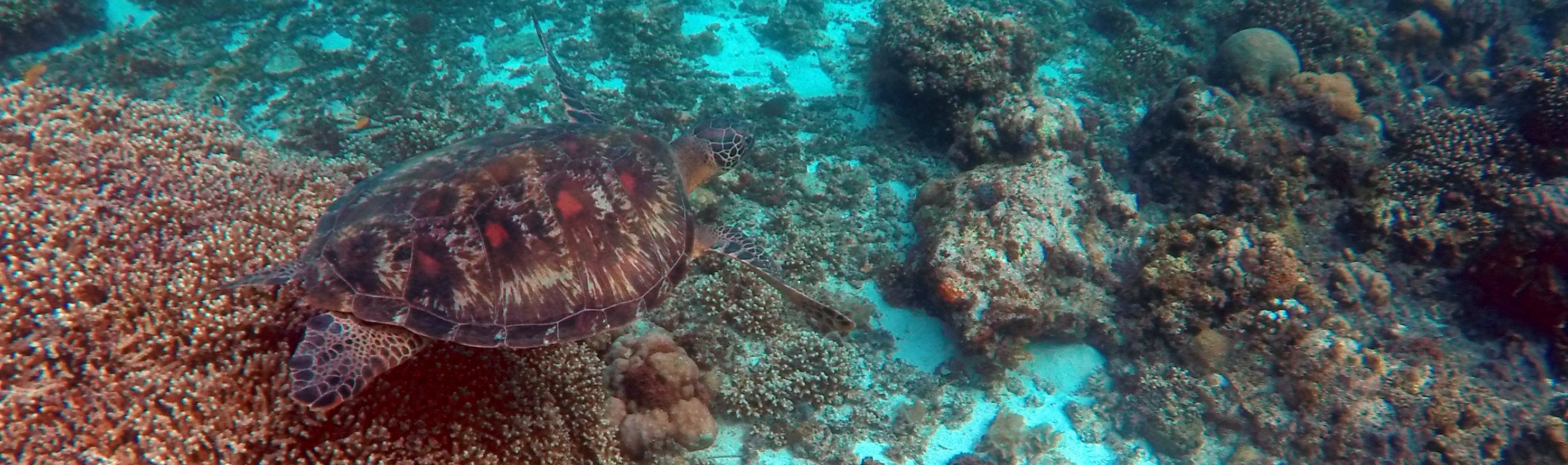
- Hawksbill turtle
- Saola
- Vaquita
- Sumatran elephant
- Sumatran rhino
- Blue whale
- Galapagos penguin
- and many more…
Why are species endangered?
- There are many things that contribute to the risk of extinction of a species. These causes vary by species, but some of the most common problems are:
- habitat loss
- overexploitation, so too much fishing or hunting
- invasive species that wipe out local species because they are stronger
- climate change, which changes the characteristics of habitats
- pollution, think of pesticides and chemical waste that ends up in nature.
- Human-wildlife conflict is another cause. This is where problems arise between people and animals. For example, monkeys that destroy things in the city, or people who forage in places where bears also eat. Animals are often killed for these kinds of reasons. So humans have a big influence on the accelerated extinction of animals.
What can be done about this?
- Fortunately, there are many things you can do to slow down or reverse the process of extinction.
- For example, you can:
- support nature conservation organizations financially
- contribute to nature conservation projects as a volunteer
- raise money for nature conservation organizations
- make sustainable choices when it comes to consuming (for example, buy local food, only buy certified furniture, etc.) and reduce your own footprint.
- wilder your own garden
- talk to people about it to raise awareness
- work for a nature organization!
What are the rarest animal species on earth?
- Unfortunately, most of the rare animal species on earth are comparable to the most endangered animal species. Some very rare species are:
- Vaquita porpoise
- Hainan gibbon
- Sumatran rhinoceros
- Javanese rhinoceros
- Cross river gorilla
- Andean quill eagle
- Pleurodema somuncurense
- Mouse sleeper
- and many more…
Where can you volunteer with endangered or rare species?
- You can contribute to the protection of rare or endangered species in various ways.
- There are often location-specific projects that protect nature on site.
- There are also educational organizations that focus on local communities and provide information on how species can be protected.
- Zoos often have projects for the protection of animal species.
- And of course there are large NGOs that do all sorts of things in the field of nature conservation.
What should you pay attention to when you volunteer or do an internship with endangered and rare species?
- It is useful to read up on the species you are going to work with.
- Also make sure you research the organization. Not every organization does really good conservation work. Some organizations are unfortunately more focused on money than on making a contribution.
- Be prepared for hard work and full days!
- Also make sure you are well insured in case something happens.