Travel to Taiwan to backpack, study, intern, volunteer, work, or live as a digital nomad, expat or emigrant?

Image

Image
 Taiwan

Intro

Backpacking and traveling in Taiwan?

  • Taiwan is unfairly not high on the favorite backpackers wish list. This makes the experience all the more authentic because you won't encounter large numbers of tourists. It is a great country for both travelers and backpackers, with facilities for every type of trip, friendly people and good infrastructure.
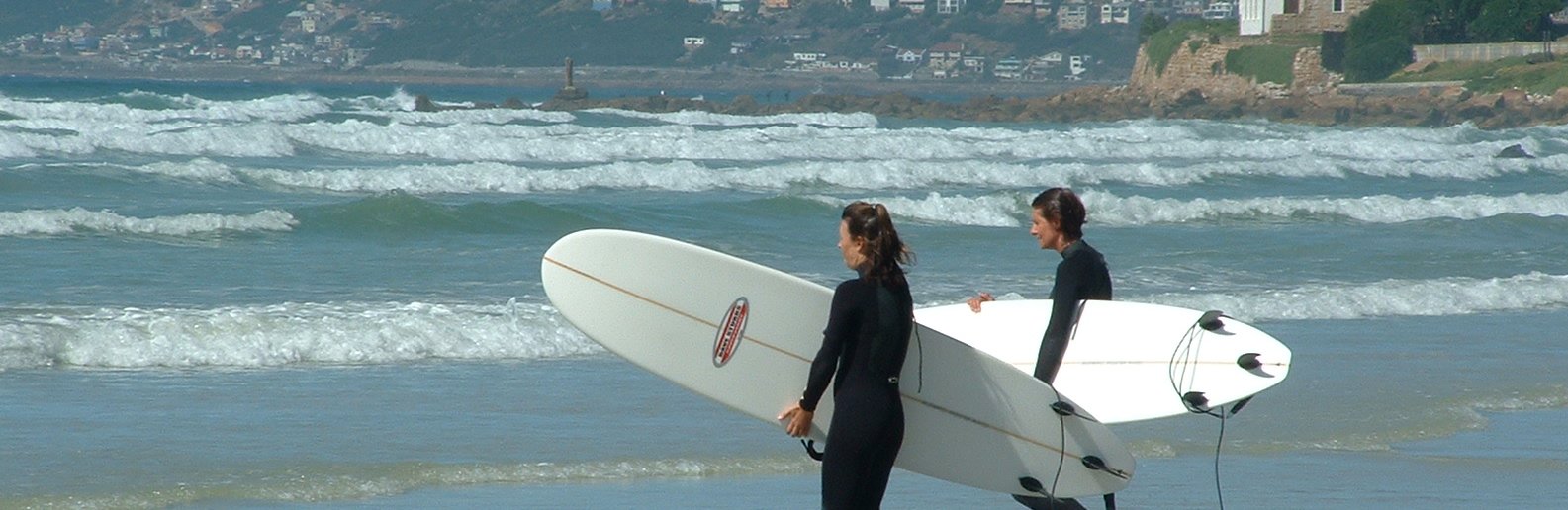
  • Activity spotting: visit Taipei and one of the world's most famous skyscrapers; explore the Taroko Gorge; visit hot springs; sneak at night markets; learn about Chinese art at Taipei Palace Museum; wander to the top of Hehuanshan; bike around Sun Moon Lake; visit Chiang Kai-Shek Memorial Hall; admire the sunrise and tea plantations of Alishan; take part in the Pingxi Lantern Festival; surf in Kenting and so on! 
  • City spotting: Taiwan, Tainan, Hualien. 
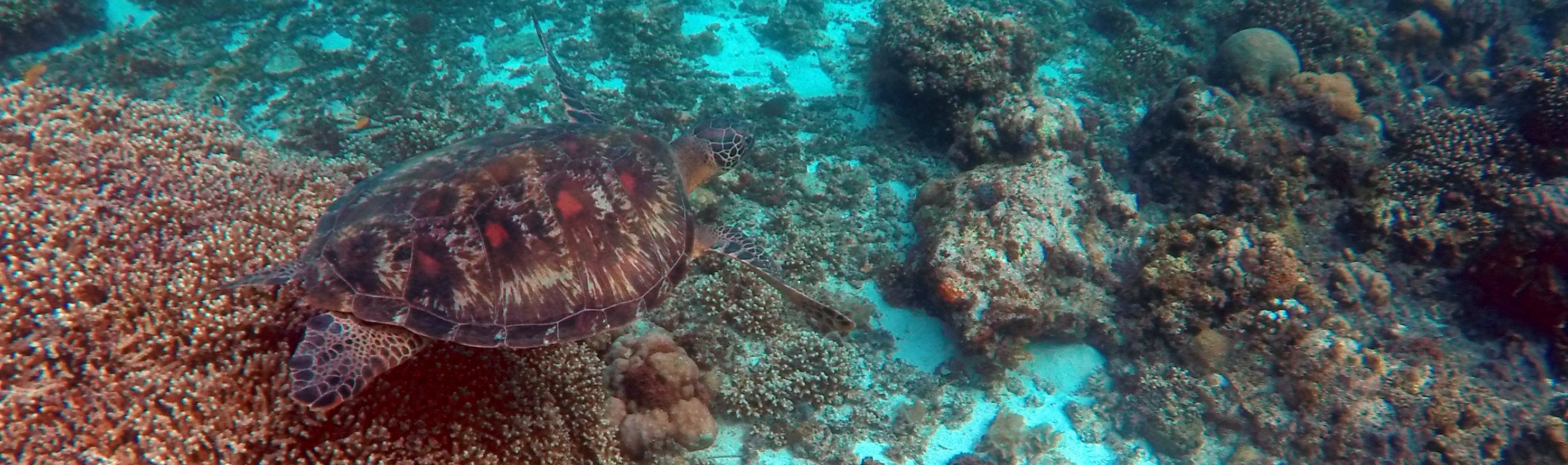
  • Animal spotting: Taiwan black bear, macaque, sambar deer, Taiwan flying squirrel, Taiwan serow, coral snake, mikado pheasant, swinhoes pheasant, blue magpie, whales, manatees, coral reefs. 
  • Food spotting: bubble tea! Beef noodle soup, xiaolongbao (stuffed, soft rolls), oyster omelettes, stinky tofu, gua bao (Taiwanese burger), shaved ice, ba wan (dumplings), Buddhist vegan cuisine! 
  • Features: Beautiful nature and places, tea plantations, temples and monasteries, helpful and friendly people and feeling safe.

Studying in Taiwan?

  • Studies: basically all subjects and forms of education can be found. Universities in Taiwan are known to be the best in the world.
  • Study cities: Taipei, Taichung, Tainan, Kaohsiung (National Sun Yat-sen University and Kaohsiung University of Science and Technology), Gaoshiung (National Kaohsiung University of Science and Technology and Kaohsiun University).
  • Features: investment in research and innovation, learning from experienced experts and teachers, strong academic programs.

Internship in Taiwan?

  • Internships: found in all sectors of society: shipping, steel, chemicals, agriculture, trade, electronics. In start-ups, multinationals, NGOs and government.
  • Internship cities: Taipei, Kaohsiung, Taichung, Tainan. 
  • Competencies: intercultural skills, technical skills, adaptability, knowledge of Mandarin. 

Volunteer in Taiwan?

  • In terms of volunteering, there are mainly options through individuals, called “Work exchange.” Consider working on farms, helping with the household, living in a Buddhist monastery, helping in schools and with sustainability projects.

Work in Taiwan?

  • Many foreigners come to Taiwan to teach English. There is a high demand for English-speaking teachers at all levels of education. In addition, the IT and Tech sectors are also a great source of jobs for expats. Other options include working as an interpreter, working in international trade or scientific research and academia. 

  • Work culture: companies often have hierarchical structures with decisions often made by upper management. Also, communication is often formal and politeness and respect are highly valued. People work hard and put in long hours. 

Working as a digital nomad in Taiwan?

  • Taiwan is an attractive destination for digital nomads. The Internet is reliable and fast, the cities are modern, with a high standard of living and at the same time the culture is still very much alive on the streets, the costs are relatively low, the climate is favorable and there is a growing number of co-working spaces.
  • Favorite locations: Taipei, Taichung, Kaohsiung, Hualien, Tainan.  

Living in Taiwan?

  • In Taiwan, you enjoy a comfortable life as an expatriate thanks to the welcoming culture, good infrastructure and high quality of life. 
  • Facilities are modern and good, life is affordable, food is delicious, people are incredibly friendly and hospitable. They have an open and interested attitude toward foreigners, which makes it easy to adapt. 
  • Employment opportunities are plentiful, there are good international schools and universities for children, and although the official language is Mandarin, English is mostly spoken in professional settings. In more remote areas, basic knowledge of Mandarin does come in handy. 
  • You can enjoy excellent dining options and you don't have to think about cooking because eating out is not expensive. The climate is subtropical, comfortable. 
  • Health insurance: health care is excellent. But before you leave, make sure you have your own well-covered health insurance.


    Supporting content

    Taiwan Country Bundle: suggestions, stories and tips

    Taiwan Country Bundle: suggestions, stories and tips
    Image

    Suggestions, stories and tips about Taiwan

    What are typical Taiwanese habits, food customs, recipes and philosophies in Taiwan?

    What are typical Taiwanese habits, food customs, recipes and philosophies in Taiwan?

    What are the customs in Taiwan regarding food?

    • Leave some food on your plate. It shows appreciation for the amount of food served and is considered polite.
    • Characteristic are the many choices of dishes that you eat together with rice. Rice is the staple food. 

    What are the best recipes in Taiwan?

    • Stinky tofu, chou doufu: Don't let the name fool you! Stinky tofu is a popular Taiwanese street food made from fermented tofu that has a strong odor but a surprisingly mild and creamy flavor. It's usually served deep-fried and topped with a variety of sauces and pickles.
    • Taiwan is famous for the amount of streetfood available. The Taiwanese kitchen is a blend of Chinese and indigenous food. The focus is on fresh ingredients, bold flavors, and variety.

    What are the best drinks in Taiwan?

    • Taiwan is famous for it's tea. There are tea plantations found in Taiwan, from Oolong to Jasmine tea.
    • Bubble tea is a Taiwanese invention called the king of Taiwanese drinks, bubble tea is a global phenomenon. This sweet and creamy concoction features a tea base (usually black or green tea) with chewy tapioca pearls and other toppings like jellies, fruits in all kinds, and whipped cream.
    • Wheat Grass Tea is an unique and healthy drink, wheatgrass tea is made from the young shoots of the wheat plant. It has a grassy flavor and is believed to have various health benefits.

    What are notable activities, holidays and festivals in Taiwan?

    • KTV – Karaoke is a popular waste of time or night.
    • Founding Day of the Republic of China (ROC) is on January 1. This is a three-day bank holiday that celebrates the founding of the ROC in 1912.
    • Chinese New Year (depending on the moon, in general late January or February): This is a 15-day holiday that is the most important holiday in Taiwan. It is a time for families to come together and celebrate the beginning of the new year.
    • Tomb Sweeping Day is on April 5. This day is a time for families to visit the graves of their ancestors and clean them.
    • Mid-Autumn Festival (September). This festival is also known as the Moon Festival. It is a time to celebrate the harvest and give thanks for the bounty of the earth. Mooncakes are a popular food during this festival.
    • All festivals have their specific traditions and customs.

    What are the notable habits in Taiwan?

    • Politeness - Taiwanese people are very polite and respectful. It is customary to bow when greeting someone and to say “thank you” and “please.”
    • Respectfulness - Taking off shoes when entering a house: In Taiwan, it is customary to take off your shoes before entering someone's house. This is done as a sign of respect and to keep the house clean.
    • Respect for elders is considered vital, as is loyalty toward the family
    • Cleanliness - Using toilet paper with the right hand: In Taiwan, toilet paper is used with the right hand, while the left hand is considered unclean.
    • Convenience stores – Open 24/7, with a variety of food, drinks and everyday items available.
    • Gift giving is an art and gifts have a meaning. Knives and scissors are not appreciated and will be seen as severing a relationship. Clocks and handkerchiefs are best avoided, that will be connected to death and funerals.
    • Check the label of the gift you would like to give: made in Taiwan is not an interesting gift and the recipient from Taiwan already has (all) things made in Taiwan.
    Why study in Taiwan, do an internship, do volunteer work or look for a job in Taiwan?

    Why study in Taiwan, do an internship, do volunteer work or look for a job in Taiwan?

    Why study, do an internship, volunteer or work temporarily in Taiwan?

    • because Taiwan has a rich culture and history to explore. There is much to explore: temples, historical sites and museums.
    • because Taiwan has a diverse landscape, with mountains, beaches, forests and lakes.
    • because of its high ranking compared to other universities in Asia.
    • because you can easily hike, bike, swim and do other outdoor activities.
    • because the standard of living in Taiwan, despite substantial increases, is still relatively affordable.
    • because you can get around easily without a car. All cities and towns are generally easy to reach by public transportation.
    • because of the opportunity to learn Mandarin because you are surrounded by Mandarin every day, you learn faster and easier.
    • because of the good technological developments in the country and all the opportunities around it.

    What should you pay attention to?

    • Taiwanese people are very polite and respectful. It is customary to bow when greeting someone and to say “thank you” and “please.”
    • that the well-known bureaucracy can make things like visa applications complicated and time-consuming to arrange.
    Why live in Taiwan, why emigrate to Taiwan or stay for a long time?

    Why live in Taiwan, why emigrate to Taiwan or stay for a long time?

      Why live in Taiwan as an expat, emigrant or working nomad?

      • because of the high quality of life.
      • because of the efficient health care system.
      • because of a well-developed economy.
      • because of the low crime rate and sense of security.
      • because of the clean environment.
      • because of its hospitable and friendly residents.
      • because of the good work ethic and commitment to work of employees.
      • because of the career opportunities for expats.

      What should you pay attention to?

      • that it is helpful to speak a little Mandarin. Communicating with locals can be difficult if you don't speak any Mandarin.
      • Taiwan has a humid climate, which is not pleasant for everyone.
      • Stay informed about political relations and possible tensions.
      How does healthcare work in Taiwan, and what travel insurance, health insurance or expat insurance do you need?

      How does healthcare work in Taiwan, and what travel insurance, health insurance or expat insurance do you need?

      How does the healthcare system work in Taiwan?

      • The healthcare system in Taiwan is known worldwide for its high quality and efficiency. It is one of the best systems in the world. The country offers an excellent healthcare system that combines both public and private options. 
      • Taiwan has the National Health Insurance (NHI) system, which covers almost the entire population including emigrants legally residing in the country. It is mandatory to join the NHI. 
      • If you have an Alien Resident Certificate (ARC) after 6 months in Taiwan, are a foreign self-employed person or student, then you must apply for the NHI. 
      • You can apply online or at the municipal office. For this, you will need an application form, photo and copy of your ARC. Within 5-14 days of applying, you will then receive your NHI card. 
      • Because the NHI does not cover everything, as an expat it is wise to get private health insurance. Among other things, the NHI does not cover chemotherapy, repatriation, braces, eyeglasses or treatments lasting longer than one month. 

      How does the public healthcare system work in Taiwan?

      • Taiwan's public healthcare is provided through the NHI, a single-payer system that covers almost all residents and legally residing foreigners.
      • The NHI system is very affordable, with low premiums and low co-payments for doctor visits and treatments. 
      • Many medical treatments and medications are reimbursed.
      • Public health care is modern and efficient. Hospitals and clinics are well equipped and provide high-quality care.
      • In urban areas such as Taipei, Taichung and Kaohsiung, you can find English-speaking doctors, especially in larger hospitals. In smaller cities or rural areas, this is less obvious.

      How does the private healthcare system work in Taiwan?

      • In addition to public care, there are many private hospitals and clinics in Taiwan. These often offer shorter waiting times and a more personalized approach.
      • Private care is more expensive than public care, but still reasonable compared to Western countries.
      • For specialist care or to avoid waiting times, some expats choose private institutions.

      How is the General practitioner arranged in Taiwan?

      • Taiwan does not have a traditional general practitioner system like in the Netherlands. For medical complaints, you can go directly to a clinic or hospital. You do not need a referral for specialists.

      How is the dentist arranged in Taiwan?

      • Dental care falls under the NHI system, but not all treatments (such as braces or cosmetic dentistry) are covered.
      • Dental practices in Taiwan are modern and well-equipped
      • Basic dental care is affordable and often partially or fully covered by the NHI. For uninsured treatments, costs are also much lower than in the Netherlands. Private insurance can cover these additional costs. 

      How is pregnancy care arranged in Taiwan?

      • Prenatal care is largely covered by the NHI and is of high quality. Regular checkups, ultrasounds and basic tests are easily accessible.
      • Hospitals and clinics in Taiwan are state-of-the-art! Many women choose hospital births; home births are not very popular.
      • Taiwan has low mortality rates for both mothers and children, which is an indication of good maternity care.
      • In Taiwan, in addition to breastfeeding in public, protected by the “Pro Breastfeeding Act,” you can also breastfeed in the many, public rooms set up for that purpose. 

      How safe or unsafe is a trip or stay in Taiwan?

      What should you pay attention to in terms of safety in Taiwan?

      • Taiwan is incredibly safe for all kinds of travelers and new residents. Even as a solo woman, you can generally walk through Taipei at night without worrying. 
      • Just be aware of pickpockets and so-called “bagnatchers” in crowded places. It's not common, but it does happen. Make sure you carry your bag on your belly instead of on your back in crowded places. 
      • Scams toward tourists are rare, but emigrants may encounter credit card or phone fraud. 
      • There is organized crime in Taiwan, but you won't have much to do with that as an expat unless you enjoy going to the hidden, poorly lit barbershops and massage shops. 
      • The police are generally very helpful and friendly.
      • Because of its location, Taiwan is prone to earthquakes.
      • In addition, the country also experiences a substantial typhoon season from July to November. 
      • The relationship between Taiwan and China is complex and regularly causes tensions. In daily life one usually notices little of this, but it is important to keep an eye on the situation.
      • Respect the local culture, such as neatly waiting in line and not talking too loudly in public. 

      What should you look out for in terms of diseases in Taiwan?

      • Because Taiwan experiences quite a few earthquakes, water pipes can break and water can become contaminated with anything and everything. So most foreigners have a filter on the tap or buy water. 
      • Public drinking fountains are generally equipped with such a filter. 
      • Food hygiene standards are good in Taiwan. 
      • There are no major health risks. Dengue does occur in Taiwan, particularly in the south during the rainy season. 

      What should you pay attention to when it comes to traffic in Taiwan?

      • Taiwan's urban areas are full of traffic congestion. Thus, many locals also opt for a scooter. This way you get around easier and faster, but it also leads to many accidents. 
      • The roads in western and northern Taiwan are generally good, but in the east they can be in poor condition. This is particularly due to flooding during typhoon season. 

      Which work and travel insurance policies are suitable for short and long stays in Taiwan?

      • Is the trip to Taiwan and your return sufficiently covered? Are you sufficiently covered before, during and after your activities? Which insurance best suits your trip and your activity? Read more about insurances for abroad on JoHoinsurances.org.

      What emigration and expat insurance can you take out for Taiwan if you are going to live there for a while?

      • Registering for local public health insurance (NHI) is mandatory. In addition, we recommend that you also insure yourself with your own private insurance to cover gaps such as uninsured dental care and repatriation. Read more about insurances for abroad on Expatinsurances.org.
      Packing list for Taiwan, travel insurance for Taiwan, and taking your belongings

      Packing list for Taiwan, travel insurance for Taiwan, and taking your belongings

      Packing list for Taiwan, travel insurance for Taiwan, and taking your belongings

      To take or not to take to Taiwan, leave at home or arrange locally?
      Sufficiently insured or not for your activities in Taiwan?
      Sufficiently insured or not for your trip to Taiwan?

      What to take with you to Taiwan: short

      Featured items:
      • Documents: passport valid for at least 6 months and an online and/or offline copy.
      • Money: be sure to bring some New Taiwan Dollar cash for markets, street vendors and the countryside. Credit cards and debit cards are accepted at major businesses.
      • Care: strong, coral-friendly sunscreen or sunscreen and lip balm, unless you want one of the many local versions that whiten your skin and aftersun.
      • Outdoor and practical: raincoat and backpack rain cover. A hat or travel cap for the sun and a good pair of sunglasses are also essential.
      • Clothing: light clothing for the humid, hot summer, layers for the mountains. Taiwanese winters are cold, so warm clothes with long sleeves, a sweater and a jacket. Hat and gloves are also a must, although you can buy some really cool ones there.
      • Shoes: comfortable walking shoes and flip-flops when you are in Taiwan during the summer. The big hikes require walking shoes with good grip.
      • Medicines and travel kit: a small first aid kit with plasters, painkillers, hand sanitizer and ORS (dehydration is a thing). Mosquito repellent.
      • Technique and equipment: world plug with type A & B.
      What are some other options for packing as well?
      • Reusable water bottle with filter.
      • Quick-drying travel towel.
      • Swimwear and snorkel set.
      • International driving permit, when you want to rent a car or scooter.
      • Deodorant, because they also often have "whitening agents" in the ingredients list locally.
      • Umbrella.
      • Tissues for the public toilets.
      • If you are staying in rural areas for a long time in the summer, take a mosquito net with you.

      Are there mosquitoes in Taiwan?

      • Mosquitoes are mainly present in the warmer and humid areas of Taiwan, so almost everywhere.
      • During the rainy season (May–October) the mosquito alert is extra high in Taiwan, especially in the summer months and around typhoon seasons.
      • Dengue is the biggest concern, with regular outbreaks in Taiwan.
      • There is also a risk of Japanese encephalitis, especially in rural areas.

      Are there sandflies in Taiwan?

      • Sand flies are not so much of a problem in Taiwan, but the “little black mosquitoes” are.
      • You mainly find them in the countryside (although you hardly see them) and they can cause extremely annoying itching.
      • Fortunately, mosquito repellent also helps against these biting flies.

      Can you buy DEET, or other mosquito repellents, in Taiwan?

      • DEET products are available at major chains such as Watsons, Cosmed, and some 7-Eleven or FamilyMart stores. These are usually formulas with around 10-15% DEET and are not always effective.
      • Specialist outdoor stores sometimes have products with higher concentrations of DEET (20-30%) or picaridin.
      • When you want to be sure of a strong spray, or have your own preferred product, it is best to prepare ahead of your arrival to Taiwan.

      Can you buy a joint or weed in Taiwan, or take it with you to Taiwan?

      • Cannabis is very illegal, it is considered a type 2 narcotic and there are severe penalties for possessing, using, selling or growing cannabis!
      • Taiwan is very conservative and the law regarding cannabis is strictly enforced.
      • Medical cannabis is also strictly regulated and taking it to Taiwan - you better not try that.
      What are typical Asian habits, food customs and Asian philosophies?

      What are typical Asian habits, food customs and Asian philosophies?

      Image

      Why this blog about habits and philosophies in Asia

      I love Asia. I feel at home in Asia. I am half chinese and half dutch. I feel more at ease in filipino culture than chinese culture. I have a good friend from Japan. Throughout the years, I have tried to be open to everything Asia has to offer. To embrace Asia in my being, in my core and to understand and learn more of this continent in the world. Some of the things that really caught me...  Any Asian habits that particulary interest you? 

        What are the habits in China?

        • Don't scoop food in your bowl for yourself, but wait for your host or hostess to do so.
        • It is impolite to eat everything in your bowl; leave a small amount as a sign of respect.
        • Slurping while eating is not rude in China, but rather a sign that you like the food. Let's slurp.
        • Never refuse an offer to have some food or drinks.
        • Red is the color of happiness, do not wear it at funerals.
        • When you have tea, make sure the teapot points at the other tables, not at a person on your table, that doesn't bring luck.
        • Squat toilets, yes they are still widely used all over China.
        • Public spitting is still a habit for some people. 
        • Drinking hot water is normal and considered healthy.
        • Early rising is a habit for many chinese people and to practice tai chi.

        What are the habits in Indonesia?

        • Gotong royong is the spirit of communal cooperation and mutual assistance. It's a deeply ingrained value in Indonesian society and is often seen in neighborhood clean-up efforts or helping neighbors in need.
        • When having a meal together it is customary to wait for the host to start eating before you dig in. It is also considered impolite to refuse food that is offered to you. If you are full, you can take a small portion and say thank you.
        • Eating together is a time for families and friends to connect and socialize. Rice is a staple food in Indonesia and is usually eaten with every meal without rice it is not considered a meal. It's not uncommon for Indonesians to eat with their hands.
        • Life Cycle Ceremonies happen around various stages of life. Tedak Siten, a Javanese ceremony, celebrates a baby's first steps. Metatah, a Balinese ritual, involves the filing of a child's teeth to mark their passage into adulthood.
        • Batik - is an Indonesian fabric with cultural significance. Different patterns have different meanings and are worn for different occasions.

        What are the habits in Japan?

        • Cultural customs: Instead of shaking hands, people in Japan bow. The deeper, the more respectful. Respect for elders and superiors is deeply rooted in Japanese culture. Kawaii means “cute” and is an important part of Japanese culture, especially among young people.
        • Social norms & mutual communication: Everything is about respect and harmony. Order, punctuality and cleanliness are key words. There are a number of expressions for this. Kurashi - means “way of life” or “the ideal way to spend our time,” but like many words that get lost in translation, it means more than that. If you have not yet tidied up according to the KonMari Method, focusing on your kurashi will motivate you to start. Kirei - is an activity. You look at all your possessions and decide what you want to keep and what can go. It is an emotional literal clearing and cleaning activity. By cleaning up, you reflect on your past and future.
        • Etiquettes & traditions: Onsen are public Japanese baths, there are many rules how to bathe. Like about chanoyu, the Japanese tea ceremony, is full of traditions and etiquettes. It is an art form, a very formal event where every movement and action has a meaning. It is about creating a moment of calm and harmony.
        • Eating and drinking habits: Eating with chopsticks is the standard way of eating. There are several etiquette rules associated with using chopsticks. The most important are that you never place your chopsticks upright in the rice (similar to incense sticks at a funeral), or pass things from chopstick to chopstick. This happens at funerals and not in everyday life. In addition, eating on the street or public transportation is not-done among locals. Ramen you may slurp, but don't burp! Fish is often eaten first, and then the rice. If you go to an “izakaya” with friends or colleagues, you often share dishes. Here it is customary to use the back of your chopsticks to place the food from the plates on your own plate, or you use clean chopsticks. 
        • Bonsai - Japanese people recreate nature in miniature, this specific horticulture is called bonsai. 
        • Hogejagu - The Japanse art of letting go.
        • Ikigai - What is worth living? What is it worth coming out of bed for? What drives you? What inspires you?
        • Kintsugi (golden joinery) - is the Japanese art of repairing broken pottery with lacquer dusted or mixed with powdered gold, silver, or platinum, As a philosophy, it treats breakage and repair as part of the history of an object, rather than something to disguise. You can buy Kintsugi kits in the Netherlands, it is in my opinion a very nice way to glue broken things, with golden glue. 
        • Kirei - is an activity. You look at all your possessions and decide what you want to keep and what can go away. It is an emotional literal clean-up and clean-up action. By cleaning up, you reflect on your past and future.
        • Kurashi - translates to “way of life” or “the ideal way of spending our time,” but like many words lost in translation, it means more than that. If you haven’t tidied using the KonMari Method, focusing on your kurashi will motivate you to start.
        • Mottainai - (もったいない or 勿体無い) It is a term of Japanese origin that has been used by environmentalists. The term in Japanese conveys a sense of regret over waste; the exclamation "Mottainai!" can translate as "What a waste!" Mottainai is the feeling of sadness you have when something hasn't reached its full potential. Recycle and repair. It's all about the love you have for your old stuff.
        • O-hanami - In april are the cherry blossom viewing parties.
        • Omikuji - These are slips of paper that tell your fortune, divided into kichi (good luck) and kyo (bad luck). Depending on the shrine there are various grades of good and bad luck in between. One theory says if you read it without showing anyone else and then tie it to the branch of a tree in the shrine grounds before going home, even bad luck is converted into good luck.
        • Omoiyari - Omoi is thinking, memories and emotion. Yaru is doing. It is empathy, freely translated, it is on the other hand more ordinary and special. It's just because it's part of everyday life in Japan, not just an empathetic reaction. It is special because it makes compassion a part of the community. How do you master omoi? Start with yourself, focus inwards. If you recognize and understand your own feelings, you can translate that into compassion for others. The essence of omoiyari is that you are aware, of other people in life. You behave in a way that is pleasant for others.
        • Shintoism - Shinto is the early religion of Japan. It is a combination of two chinese characters, which means: "The way of the gods." In Shintoism the Kami are being worshipped. Kami are gods of nature. Some kami are bound to be found in certain places, others are united with bigger objects and phenomena. Amaterasu is for example the god of the sun. Marie Kondo the "spark-joy guru of tidying" and her method, the KonMari method, is based on Shintoism. Keeping the house tidy is part of the practice.
        • Shinrin-yoku - I have sent my japanese friend once a photo of me snow bathing (in a bathing suit swimming in the snow) and asked her the japanese term for snow bathing. There is no japanese term for it. And I thought there was! The Japanese have a term for forest bathing: Shinrin-yoku. To be in the forest with the trees, will make sure you will be re-energized and that you can feel your own core.
        • Sumo, Judo and Karate
        • Tea ceremony - The aim of the tea ceremony (in a small space) is to reduce daily life to the barest essentials and idealize form. Behind this idea is to intensify the brief time spent together as a moment to be cherished. Tea utensils, the preparation of tea and the tea ceremony etiquette is all very important. When you will experience a true tea ceremony it is advised to prepare yourself to understand more beforehand of this Japanese ceremony.
        • Tenei- It is about patience and respect of the daily things. Try to find harmony in the day to day activities, to be correct and punctual towards others and to be persistent of the things which are important to you, even when it is not easy. 
        • Tokimeki - As explained by the latest Marie Kondo on Netflix or in her book, do what you like and what you think is important in your life…
        • Tsukumogami - According to Shinto animism, some inanimate objects could gain a soul after 100 years of service, a concept know as tsukumogami.
        • Omiyage and Temiyage - Omiyage and Temiyage are Japanese names for two kinds of gifts. Omiyage are souvenirs you bring home from a trip. Temiyage are thank-you gifts you bring when you visit someone. Japanese people have the habit of buying plenty of gifts for their friends. As a foreigner it is appreciated when you bring Omiyage and Temiyage.
        • Wabisabi 侘 寂 - A lot of things around me are Wabisabi, especially when you try to use things as long as possible. And when you are open to see things in the light they are, and not everything has to be perfect around you. Life in it's imperfection.
        • Zakka - is to be grateful for the normal, simple things that make life special. For example your favorite sweater of coffee cup.

        What are the habits in Laos?

        • Cultural habits: Lao people generally prioritize balance and well-being over material possessions. Lao people are known for their patience and laid-back attitude. Stress in uncommon. This is reflected in their daily lives and business interactions.
        • Boh penyang means "never mind". It is a way of life and considers the slow pace the best. 
        • Social habits & communication: Wai - This is a traditional greeting where people press their palms together in front of their chest and slightly bow their head. The higher the hands, the more respect shown.
        • Sabai-dee- A common greeting that translates to "Are you well?" This reflects the Laotian emphasis on well-being and politeness.
        • Showing anger or disappointment in public is inappropriate. It causes everyone to lose face, better to keep smiling and keep your voice low, speak softly.
        • Pointing and gesturing with hands is frowned upon. 
        • Lao people are not big on waiting in line. They often push and shove to get to the head of the line.
        • Etiquettes & traditions: Spirit worship - Alongside Buddhism, many Lao people also believe in spirits and engage in traditional rituals to honor them.
        • Women should avoid touching a monk, the robes and not sit besides a monk. Almsgiving can be done directly in the bowl, not handed directly to the monk.
        • Never point your feet or soles towards people, a buddha, a temple or statues. That is considered disrespecfull.
        • Eating & drinking habits: Lao people eat with spoon and fork, not with chopsticks. It is common to sit on the floor while eating.

        What are the habits in Mongolia?

        • There are certain habits in the ger, the yurt.
        • Sleep - Always sleep with your feet facing the door, never toward the altar.
        • Whistling - Whistling in a ger is considered rude.
        • Be aware that fire is sacred to Mongolians. Do not throw garbage into the fire.
        • Elders - Always let elders lead the way and do not sit with your back or feet to the altar.
        • Hospitality - When you are offered food or drink, accept it, even if it is just a little. Use your right hand, with your left hand for support. It is customary to give small gifts to your hosts, such as fruit, candy or alcohol.
        • Holding a cup - Hold a cup underneath, not by the rim.
        • Say no in an indirect way, that is polite.
        • Tsagaan Sar - From late January to mid-February, Mongolians celebrate the New Year. It is the most joyous occasion for the country's nomadic herders because Tsagaan Sar marks the arrival of spring after the long and harsh winter in which hundreds of their animals can freeze to death. Tsagaan Sar has been celebrated for more than 2,000 years. The festival is essentially intertwined with numerous deeply symbolic rituals. The festival is celebrated throughout the country and is still a holiday that Mongolians most look forward to with renewed hope for happiness and prosperity. Around the New Year, families burn candles at the altar, symbolizing Buddhist enlightenment. Mongolians also visit their friends and relatives (at the home of the eldest in the family) on this day and exchange gifts. Many people dress in full Mongolian national costumes.

        What are the habits in the Philippines?

        • Use of 'face' in communication - Briefly raise eyebrows to confirm or to mean yes to a question and also used as a brief greeting (all silent).
        • Indicating direction by pursing lips and turning head in direction, all silent as well.
        • Baon - refers to the monetary allowance or food normally provided by the parent to a child who goes to school.
        • Bayanihan - When a house is broken, the whole community helps fixing the house. You might have seen the pictures of a group of people carrying a hut, when it needs to be transferred. It is a true community spirit. You talk, you help and protect the people around you. It is team effort, only possible when done with a group. It is truly a beautiful thing. 
        • Cockfighting is a popular national sport in big and small arenas all over the country. Goal is to gamble (win money) and eat the roosters who lost the game.
        • Finding your spot - Recently I was back in the Philippines, taking public transportation. When you would like to take your window seat, be reminded you have to climb over other peoples lap. Squeeze in between the seat in front of you and the seat with the passenger on it. Enough space, a little intimate but do-able, it has something about it.
        • Pacquiao - Filipinos adore boxer (and politician) Manny 'Pagman' Pacquiao.
        • Pagmamano - Children take your hand, put it on their forehead, as a way of greeting you. It is an act of respect. The child says mamo po, can I have your hand please? Most of the time, they say God bless (you), when put on their forehead.
        • Pasalubong -In the Philippines it is common when you have been on a trip, that you bring a token of love back to the people who stayed home. It is a filipino tradition of travellers bringing gifts from their destination to people back home. It can be anything, something to eat or to drink is always a welcoming gift, since filipinos love eating! It is actually not about what you bring, it is something that you have brought, so the other person knows you thought about them while away. The first time, I heard bring pasalubong, from multiple people, and didnt know how to act. When you see souvenir stores in the Philippines, it has the sign pasalubong. So now you are prepared.... just bring something back... 
        • Noise and music - Filipinos are crazy about high volumes and karaoke (called videoke) and music from the 70s like The Carpenters. There was one big world hit: Anak by Freddie Aguilar in 1978.
        • Remedio - Is fixing things, even though you dont know how to fix it. The filipinos use remedio. Remedio used to drive me crazy. It is fixing things with what you have, in a creative way, and if it works again... that will be clear in the near future. You have to be flexible to embrace remedio.
        • Squeeze - Squeeze your but, in the jeepney, also when you think it is already full. There will be place, when you squeeze. When you are for example sitting at the window in an airplane and you have two filipinos beside you, you squeeze your body in and out going to the aile. It is not a habit to stand up, when you can squeeze, when used to it, it works perfectly fine.
        • Volume - Pump up the jam, pump up the volume. Filipinos love loud music, loud talking, as long as it is lively. The high amounts of volume makes you feel festive and alive, even when there is not a party.
        • 'Whitening' products such as soap, make-up, deodorant are very popular, to stimulate white skin.

        What are the habits in South Korea?

        • In South Korea, and other places I have seen it in Asia, they brush their teeth, three times a day after a meal. People bring portable toothbrushes and you often see people brushing their teeth in the washroom in their office.
        • Family is everything and the eldest son carries the responsibility of the family.
        • Kimchi is a national dish. People make kimchi at home. In the supermarkets a lot of dark bordeau red buckets can be found, so you don't see the stains of the herbs going to be fermented with the vegetables.
        • I personally love banchan. When you order Korean food it is likely you get a lot of different small bowls, (most of the time vegetarian) side dishes. For me as a dutch person, I can do without the maindish, since banchan is so delicious.

        What are the habits in Taiwan?

        • Politeness - Taiwanese people are very polite and respectful. It is customary to bow when greeting someone and to say “thank you” and “please.”
        • Respectfulness - Taking off shoes when entering a house: In Taiwan, it is customary to take off your shoes before entering someone's house. This is done as a sign of respect and to keep the house clean.
        • Respect for elders is considered vital, as is loyalty toward the family.
        • Leave some food on your plate - It shows appreciation for the amount of food served and is considered polite.
        • Cleanliness - Using toilet paper with the right hand: In Taiwan, toilet paper is used with the right hand, while the left hand is considered unclean.
        • Bubble tea is a Taiwanese invention, same like stinky tofu. That stinks.
        • KTV – Karaoke is a popular waste of time or night.
        • Convenience stores – Open 24/7, with a variety of food, drinks and everyday items available.
        • Gifts – Knives and scissors are not appreciated and will be seen as severing a relationship. Clocks and handkerchiefs are best avoided, that will be connected to death and funerals. Check the label: made in Taiwan is not an interesting gift and the recipient from Taiwan already has (all) things made in Taiwan.

        What are the habits in Thailand?

        • Thai people will talk about architecture, dance, festivals and food when you ask about their culture. 
        • Sanuk is a term to express that everything should have something sanuk. Something which is worth doing. The sense or approach with a little playfulness. Even work can be sanuk, singing while working, cracking jokes in combination with the thai smile. 
        • Saving face is important as is in many Asian countries. The habit is to avoid confrontation, and not to embarrass yourself or others.
        • Social rank plays an important part in society. It goes with obligations, obedience, caring for, respect, sharing of wealth. The "big person or senior" pays the bill when dining or entertaining. The person with the most social rank pays for everyone.

        Did you know that.... 

        Asia is the biggest continent in the world. It is huge, this is the list of most Asian countries (including the Middle East)


        Taiwan: Updates & Travel

        Taiwan: Updates & Travel

        Travel in Taiwan?

        • In Taiwan, there is an interesting mix of Japanese and Chinese influences, not so strange when you consider that the (tropical) island used to belong to both countries. Taipei is an international city, with tall buildings (Taipei 101!), scooters, people who speak English and a huge amount of vegetarian restaurants (as a change from the meaty Chinese food). The city is a good introduction to a future trip to China, or other parts of the country that are a little less modernized. Taiwan is also a good destination for beautiful nature parks.
        • Taiwan is a great place to relax and de-stress. The pace of life is slow. Visit one of the many spas in the country or take a walk in one of the many parks or go to the beach.
        • If you are looking for a beautiful, cultural and hospitable place to visit, you can find it in Taiwan. Temples and museums aplenty
        • If you like the mix of modern and authentic, you can find that in Taipei. Skyscrapers, museums, temples and (night) markets.
        • A beautiful park is the Taroko National Park, with high mountains and deep gorges.
        • The largest lake in Taiwan is the Sun Moon Lake, and a popular destination for newlyweds.
        • Be prepared that it can rain quite a bit: an umbrella is not an unnecessary luxury.

        Updates Taiwan

        • More about Taiwan, updates and contributions, see the link below.
        Taiwan: selection of contributions by WorldSupporters - Bundle
        Supporting content:
        Why study in Taiwan, do an internship, do volunteer work or look for a job in Taiwan?

        Why study in Taiwan, do an internship, do volunteer work or look for a job in Taiwan?

        Why study, do an internship, volunteer or work temporarily in Taiwan?

        • because Taiwan has a rich culture and history to explore. There is much to explore: temples, historical sites and museums.
        • because Taiwan has a diverse landscape, with mountains, beaches, forests and lakes.
        • because of its high ranking compared to other universities in Asia.
        • because you can easily hike, bike, swim and do other outdoor activities.
        • because the standard of living in Taiwan, despite substantial increases, is still relatively affordable.
        • because you can get around easily without a car. All cities and towns are generally easy to reach by public transportation.
        • because of the opportunity to learn Mandarin because you are surrounded by Mandarin every day, you learn faster and easier.
        • because of the good technological developments in the country and all the opportunities around it.

        What should you pay attention to?

        • Taiwanese people are very polite and respectful. It is customary to bow when greeting someone and to say “thank you” and “please.”
        • that the well-known bureaucracy can make things like visa applications complicated and time-consuming to arrange.
        Why live in Taiwan, why emigrate to Taiwan or stay for a long time?

        Why live in Taiwan, why emigrate to Taiwan or stay for a long time?

          Why live in Taiwan as an expat, emigrant or working nomad?

          • because of the high quality of life.
          • because of the efficient health care system.
          • because of a well-developed economy.
          • because of the low crime rate and sense of security.
          • because of the clean environment.
          • because of its hospitable and friendly residents.
          • because of the good work ethic and commitment to work of employees.
          • because of the career opportunities for expats.

          What should you pay attention to?

          • that it is helpful to speak a little Mandarin. Communicating with locals can be difficult if you don't speak any Mandarin.
          • Taiwan has a humid climate, which is not pleasant for everyone.
          • Stay informed about political relations and possible tensions.
          What are typical Taiwanese habits, food customs, recipes and philosophies in Taiwan?

          What are typical Taiwanese habits, food customs, recipes and philosophies in Taiwan?

          What are the customs in Taiwan regarding food?

          • Leave some food on your plate. It shows appreciation for the amount of food served and is considered polite.
          • Characteristic are the many choices of dishes that you eat together with rice. Rice is the staple food. 

          What are the best recipes in Taiwan?

          • Stinky tofu, chou doufu: Don't let the name fool you! Stinky tofu is a popular Taiwanese street food made from fermented tofu that has a strong odor but a surprisingly mild and creamy flavor. It's usually served deep-fried and topped with a variety of sauces and pickles.
          • Taiwan is famous for the amount of streetfood available. The Taiwanese kitchen is a blend of Chinese and indigenous food. The focus is on fresh ingredients, bold flavors, and variety.

          What are the best drinks in Taiwan?

          • Taiwan is famous for it's tea. There are tea plantations found in Taiwan, from Oolong to Jasmine tea.
          • Bubble tea is a Taiwanese invention called the king of Taiwanese drinks, bubble tea is a global phenomenon. This sweet and creamy concoction features a tea base (usually black or green tea) with chewy tapioca pearls and other toppings like jellies, fruits in all kinds, and whipped cream.
          • Wheat Grass Tea is an unique and healthy drink, wheatgrass tea is made from the young shoots of the wheat plant. It has a grassy flavor and is believed to have various health benefits.

          What are notable activities, holidays and festivals in Taiwan?

          • KTV – Karaoke is a popular waste of time or night.
          • Founding Day of the Republic of China (ROC) is on January 1. This is a three-day bank holiday that celebrates the founding of the ROC in 1912.
          • Chinese New Year (depending on the moon, in general late January or February): This is a 15-day holiday that is the most important holiday in Taiwan. It is a time for families to come together and celebrate the beginning of the new year.
          • Tomb Sweeping Day is on April 5. This day is a time for families to visit the graves of their ancestors and clean them.
          • Mid-Autumn Festival (September). This festival is also known as the Moon Festival. It is a time to celebrate the harvest and give thanks for the bounty of the earth. Mooncakes are a popular food during this festival.
          • All festivals have their specific traditions and customs.

          What are the notable habits in Taiwan?

          • Politeness - Taiwanese people are very polite and respectful. It is customary to bow when greeting someone and to say “thank you” and “please.”
          • Respectfulness - Taking off shoes when entering a house: In Taiwan, it is customary to take off your shoes before entering someone's house. This is done as a sign of respect and to keep the house clean.
          • Respect for elders is considered vital, as is loyalty toward the family
          • Cleanliness - Using toilet paper with the right hand: In Taiwan, toilet paper is used with the right hand, while the left hand is considered unclean.
          • Convenience stores – Open 24/7, with a variety of food, drinks and everyday items available.
          • Gift giving is an art and gifts have a meaning. Knives and scissors are not appreciated and will be seen as severing a relationship. Clocks and handkerchiefs are best avoided, that will be connected to death and funerals.
          • Check the label of the gift you would like to give: made in Taiwan is not an interesting gift and the recipient from Taiwan already has (all) things made in Taiwan.

          Image ACTIVITIES

          Check courses, jobs, projects, recipes, suggestions and tips related to: 'Taiwan'

          ACTIVITIES
          CHECK MORE ACTIVITIES

          Select any filter and click on Apply to see results

          Activities abroad: home bundle

          Main content and contributions for activities abroad

          ,,,accommodations, adventure activities, courses, internships, jobs and volunteer projects

          ...to help another, travel with care, work together , learn

          ........Read more
          Activities abroad: home page

          Activities abroad: home page

          From language courses to gap year abroad, from work experience to volunteering abroad, from paid work to internship abroad, from mountaineering to diving and from backpacking to travel around the world

            What social activities can you do abroad?

            • Opportunities are found in the areas of helping, learning or studying. You can get involved to volunteer in a social project at a school in Africa, Asia or Latin America. You can get involved in nature, in a project with animals or cleaning the sea or beaches. Those who want to learn more can choose for example a language course in Latin America, Spain or South Africa.

            What work related activities can you do abroad?

            • If you want to gain work experience, and/or also earn money, go and work abroad. You can combine backpacking in Australia with temporary work. You can work on campsites in Europe or bush camps in Africa. You can pretty much go all over the world to work in the hospitality industry, hotels and hostels, in the healthcare sector or for example at a diving school.

            What sports activities to do abroad?

            • Have you ever thought of mountain biking, rafting (going down a wild river on a raft or rubber dinghy, climbing or canoeing), survival (which involves building rafts, climbing or canoeing), abseiling (descending a rock face while secured to ropes), zip-lining (whizzing down a cable), canyoning (starting at the top of a river and then climbing, swimming, diving down the bed) or caving (scrambling, wriggling and crawling through caves and crevices)?
            • Maybe you feel more comfortable on a bodyboard (on a half-wave surfboard, you surf the high waves lying down-with flippers), on a hang glider or while paragliding (with a parachute you float down a mountain or dune), hydrospeeding (on a bodyboard with flippers and a wetsuit on you go down a wild river via rapids) or Tiefschneeskiing (racing down through powder snow)?

            Check the pages below for more activities and inspiration and where to go and how to arrange it

              Image STORIES

              Check blogs, experiences and information related to: 'Taiwan'

              STORIES
              Chinese Moon Cake Festival
              • What are typical Asian remarkable holidays and holiday habits?
              • When is the Chinese Mooncake festival or the Mid-Autumn Festival? 
              • What is celebrated on the Chinese Mooncake festival?
              • What to eat on the Chinese Mooncake festival?
              • How to prepare for ...
              CHECK MORE STORIES

              Select any filter and click on Apply to see results

              Countries & Destinations: home bundle

              Bundled content, suggestions, stories and tips about the countries and destinations in the world

              ...to help another, travel with care, work together , learn to share and inspire........Read more

              Africa: country bundles

              Africa: country bundles

              Access: 
              Public
              Asia: country bundles

              Asia: country bundles

              Country bundles of Asian countries

              Access: 
              Public
              Europe: country bundles

              Europe: country bundles

              Country bundles of European countries

              Access: 
              Public
              The Caribbean: country bundles

              Image ORGANIZATIONS

              Check sectors and organizations related to: 'Taiwan'

              ORGANIZATIONS
              Interns Abroad

              Stage bemiddeling  bij de verschillende mogelijke bestemmingen binnen Europa en Azië

              Image

              Ontdek Azië met Go Pure door stage te lopen, vrijwilligerswerk te doen, met wilde dieren te werken of te reizen.

              • Go Pure helpt je bij het vinden van een geschikte stageplaats of vrijwilligersproject, maar organiseert ook complete backpackavonturen.
              • Werk, leer, reis en leef ond...

              Dave's ESL Café

              This American agency offers paid work vacancies worldwide in the field of teaching English abroad. Some vacancies are public and applications are made directly through the school/institution where the job is.

              Stagelanden

              Stagelanden verzorgt stages in diverse landen in Azië & Oceanië voor studenten die een MBO, HBO of universitaire opleiding volgen.

              CHECK MORE ORGANIZATIONS

              Select any filter and click on Apply to see results

              Organizations & Services: home bundle

              Bundled content, suggestions, stories and tips about organizations and their products and services

              ...to help another, travel with care, work together, learn to share and inspire with

              ........Read more
              Organizations: home page
              Organizations: for administrative, tax and legal work and consulting
              Organizations: for agriculture, grape picking, farming and vineyards
              Organizations: for animal protection, animal care and working with wildlife abroad
              Organizations: for au pairs, youth work and child care abroad
              Organizations: for bush camping and working at a campsite abroad
              Organizations: for catering, hospitality and entertainment abroad
              Organizations: for civil society and social work abroad
              Organizations: for corporate business services
              Organizations: for customer services abroad and help desks
              Organizations: for diving, snorkeling and water sports abroad
              Organizations: for education and schools abroad
              Organizations: for expatriate insurances, travel insurances, and emergency call centers
              Organizations: for gap year activities abroad and sabbaticals
              Organizations: for internship placement abroad
              Organizations: for insurances and finance abroad
              Organizations: for IT, engineering and construction
              Organizations: for language travel and language teaching abroad
              Organizations: for marketing, communication and PR
              Organizations: for mediation in au pairs, childcare and elderly care in the Netherlands
              Organizations: for moving, international relocation and transport abroad
              Organizations: for nature conservation, environmental protection and working in nature abroad
              Organizations: for nonprofit projects, development work and international cooperation
              Organizations: for online work as digital nomad, freelancer, or independent entrepreneur from abroad
              Organizations: for outdoor activities and sports
              Organizations: for providing accommodation and hospitality work in hotels, guesthouses, ecolodges and hostels abroad
              Organizations: for providing healthcare and working in medical care abroad
              Organizations: for psychological assistance and mental health care abroad
              Organizations: for real estate, brokerage abroad and property rental abroad
              Organizations: for research and scientific work abroad
              Organizations: for student support and student associations
              Organizations: for tour guidance and adventure tours abroad
              Organizations: for tourism and organized travel and leisure work abroad
              Organizations: for voluntary work mediation and project placement abroad
              Organizations: for yacht and shipping crew and working on a cruise ship abroad

              Image SUMMARIES

              Check summaries and study assistance related to: 'Taiwan'

              CHECK MORE SUMMARIES

              Select any filter and click on Apply to see results

              Image

              SPOTLIGHT & FAVORITES

              SPOTLIGHT
              Chinese Moon Cake Festival
              • What are typical Asian remarkable holidays and holiday habits?
              • When is the Chinese Mooncake festival or the Mid-Autumn Festival? 
              • What is celebrated on the Chinese Mooncake festival?
              • What to eat on the Chinese Mooncake festival?
              • How to prepare for ...
              FAVORITES
              Chinese Moon Cake Festival
              • What are typical Asian remarkable holidays and holiday habits?
              • When is the Chinese Mooncake festival or the Mid-Autumn Festival? 
              • What is celebrated on the Chinese Mooncake festival?
              • What to eat on the Chinese Mooncake festival?
              • How to prepare for ...

              Safety, insurances and packing list for Taiwan

              How does healthcare work in Taiwan, and what travel insurance, health insurance or expat insurance do you need?

              How does healthcare work in Taiwan, and what travel insurance, health insurance or expat insurance do you need?

              How does the healthcare system work in Taiwan?

              • The healthcare system in Taiwan is known worldwide for its high quality and efficiency. It is one of the best systems in the world. The country offers an excellent healthcare system that combines both public and private options. 
              • Taiwan has the National Health Insurance (NHI) system, which covers almost the entire population including emigrants legally residing in the country. It is mandatory to join the NHI. 
              • If you have an Alien Resident Certificate (ARC) after 6 months in Taiwan, are a foreign self-employed person or student, then you must apply for the NHI. 
              • You can apply online or at the municipal office. For this, you will need an application form, photo and copy of your ARC. Within 5-14 days of applying, you will then receive your NHI card. 
              • Because the NHI does not cover everything, as an expat it is wise to get private health insurance. Among other things, the NHI does not cover chemotherapy, repatriation, braces, eyeglasses or treatments lasting longer than one month. 

              How does the public healthcare system work in Taiwan?

              • Taiwan's public healthcare is provided through the NHI, a single-payer system that covers almost all residents and legally residing foreigners.
              • The NHI system is very affordable, with low premiums and low co-payments for doctor visits and treatments. 
              • Many medical treatments and medications are reimbursed.
              • Public health care is modern and efficient. Hospitals and clinics are well equipped and provide high-quality care.
              • In urban areas such as Taipei, Taichung and Kaohsiung, you can find English-speaking doctors, especially in larger hospitals. In smaller cities or rural areas, this is less obvious.

              How does the private healthcare system work in Taiwan?

              • In addition to public care, there are many private hospitals and clinics in Taiwan. These often offer shorter waiting times and a more personalized approach.
              • Private care is more expensive than public care, but still reasonable compared to Western countries.
              • For specialist care or to avoid waiting times, some expats choose private institutions.

              How is the General practitioner arranged in Taiwan?

              • Taiwan does not have a traditional general practitioner system like in the Netherlands. For medical complaints, you can go directly to a clinic or hospital. You do not need a referral for specialists.

              How is the dentist arranged in Taiwan?

              • Dental care falls under the NHI system, but not all treatments (such as braces or cosmetic dentistry) are covered.
              • Dental practices in Taiwan are modern and well-equipped
              • Basic dental care is affordable and often partially or fully covered by the NHI. For uninsured treatments, costs are also much lower than in the Netherlands. Private insurance can cover these additional costs. 

              How is pregnancy care arranged in Taiwan?

              • Prenatal care is largely covered by the NHI and is of high quality. Regular checkups, ultrasounds and basic tests are easily accessible.
              • Hospitals and clinics in Taiwan are state-of-the-art! Many women choose hospital births; home births are not very popular.
              • Taiwan has low mortality rates for both mothers and children, which is an indication of good maternity care.
              • In Taiwan, in addition to breastfeeding in public, protected by the “Pro Breastfeeding Act,” you can also breastfeed in the many, public rooms set up for that purpose. 

              How safe or unsafe is a trip or stay in Taiwan?

              What should you pay attention to in terms of safety in Taiwan?

              • Taiwan is incredibly safe for all kinds of travelers and new residents. Even as a solo woman, you can generally walk through Taipei at night without worrying. 
              • Just be aware of pickpockets and so-called “bagnatchers” in crowded places. It's not common, but it does happen. Make sure you carry your bag on your belly instead of on your back in crowded places. 
              • Scams toward tourists are rare, but emigrants may encounter credit card or phone fraud. 
              • There is organized crime in Taiwan, but you won't have much to do with that as an expat unless you enjoy going to the hidden, poorly lit barbershops and massage shops. 
              • The police are generally very helpful and friendly.
              • Because of its location, Taiwan is prone to earthquakes.
              • In addition, the country also experiences a substantial typhoon season from July to November. 
              • The relationship between Taiwan and China is complex and regularly causes tensions. In daily life one usually notices little of this, but it is important to keep an eye on the situation.
              • Respect the local culture, such as neatly waiting in line and not talking too loudly in public. 

              What should you look out for in terms of diseases in Taiwan?

              • Because Taiwan experiences quite a few earthquakes, water pipes can break and water can become contaminated with anything and everything. So most foreigners have a filter on the tap or buy water. 
              • Public drinking fountains are generally equipped with such a filter. 
              • Food hygiene standards are good in Taiwan. 
              • There are no major health risks. Dengue does occur in Taiwan, particularly in the south during the rainy season. 

              What should you pay attention to when it comes to traffic in Taiwan?

              • Taiwan's urban areas are full of traffic congestion. Thus, many locals also opt for a scooter. This way you get around easier and faster, but it also leads to many accidents. 
              • The roads in western and northern Taiwan are generally good, but in the east they can be in poor condition. This is particularly due to flooding during typhoon season. 

              Which work and travel insurance policies are suitable for short and long stays in Taiwan?

              • Is the trip to Taiwan and your return sufficiently covered? Are you sufficiently covered before, during and after your activities? Which insurance best suits your trip and your activity? Read more about insurances for abroad on JoHoinsurances.org.

              What emigration and expat insurance can you take out for Taiwan if you are going to live there for a while?

              • Registering for local public health insurance (NHI) is mandatory. In addition, we recommend that you also insure yourself with your own private insurance to cover gaps such as uninsured dental care and repatriation. Read more about insurances for abroad on Expatinsurances.org.
              Packing list for Taiwan, travel insurance for Taiwan, and taking your belongings

              Packing list for Taiwan, travel insurance for Taiwan, and taking your belongings

              Packing list for Taiwan, travel insurance for Taiwan, and taking your belongings

              To take or not to take to Taiwan, leave at home or arrange locally?
              Sufficiently insured or not for your activities in Taiwan?
              Sufficiently insured or not for your trip to Taiwan?

              What to take with you to Taiwan: short

              Featured items:
              • Documents: passport valid for at least 6 months and an online and/or offline copy.
              • Money: be sure to bring some New Taiwan Dollar cash for markets, street vendors and the countryside. Credit cards and debit cards are accepted at major businesses.
              • Care: strong, coral-friendly sunscreen or sunscreen and lip balm, unless you want one of the many local versions that whiten your skin and aftersun.
              • Outdoor and practical: raincoat and backpack rain cover. A hat or travel cap for the sun and a good pair of sunglasses are also essential.
              • Clothing: light clothing for the humid, hot summer, layers for the mountains. Taiwanese winters are cold, so warm clothes with long sleeves, a sweater and a jacket. Hat and gloves are also a must, although you can buy some really cool ones there.
              • Shoes: comfortable walking shoes and flip-flops when you are in Taiwan during the summer. The big hikes require walking shoes with good grip.
              • Medicines and travel kit: a small first aid kit with plasters, painkillers, hand sanitizer and ORS (dehydration is a thing). Mosquito repellent.
              • Technique and equipment: world plug with type A & B.
              What are some other options for packing as well?
              • Reusable water bottle with filter.
              • Quick-drying travel towel.
              • Swimwear and snorkel set.
              • International driving permit, when you want to rent a car or scooter.
              • Deodorant, because they also often have "whitening agents" in the ingredients list locally.
              • Umbrella.
              • Tissues for the public toilets.
              • If you are staying in rural areas for a long time in the summer, take a mosquito net with you.

              Are there mosquitoes in Taiwan?

              • Mosquitoes are mainly present in the warmer and humid areas of Taiwan, so almost everywhere.
              • During the rainy season (May–October) the mosquito alert is extra high in Taiwan, especially in the summer months and around typhoon seasons.
              • Dengue is the biggest concern, with regular outbreaks in Taiwan.
              • There is also a risk of Japanese encephalitis, especially in rural areas.

              Are there sandflies in Taiwan?

              • Sand flies are not so much of a problem in Taiwan, but the “little black mosquitoes” are.
              • You mainly find them in the countryside (although you hardly see them) and they can cause extremely annoying itching.
              • Fortunately, mosquito repellent also helps against these biting flies.

              Can you buy DEET, or other mosquito repellents, in Taiwan?

              • DEET products are available at major chains such as Watsons, Cosmed, and some 7-Eleven or FamilyMart stores. These are usually formulas with around 10-15% DEET and are not always effective.
              • Specialist outdoor stores sometimes have products with higher concentrations of DEET (20-30%) or picaridin.
              • When you want to be sure of a strong spray, or have your own preferred product, it is best to prepare ahead of your arrival to Taiwan.

              Can you buy a joint or weed in Taiwan, or take it with you to Taiwan?

              • Cannabis is very illegal, it is considered a type 2 narcotic and there are severe penalties for possessing, using, selling or growing cannabis!
              • Taiwan is very conservative and the law regarding cannabis is strictly enforced.
              • Medical cannabis is also strictly regulated and taking it to Taiwan - you better not try that.

              Image ALL CONTENT

              Search all related content within the topic: 'Taiwan'

              ALL CONTENT WITHIN TOPIC

              Select any filter and click on Apply to see results

              Check or search within: topics, countries and studies only

              Search only via club, country, goal, study, topic or sector

              Image

              TOPICS : check associated topics and more activities

              Selected Worldsupporter pages in relation with the topic
              Crossroads in the field of:
              More crossroad and side roads:
              Bless the Children Foundation

              Bless the Children Foundation Bless strives for a better future for Filipino children. The better future will be offered to selected families of the poorest of the poor in Metro Manila. The method being used is to give power back to the families, mothers specifically. The mothers are becoming t...

              Themes: main theme pages for activities abroad (intern, study, travel, volunteer, work or emigrate)

              WorldSupporter Theme pages for activities abroad

              Intern, study, travel, volunteer, work or emigrate

              Activities Abroad - Theme
              Best travel time for weather, climate and activities abroad, and the worst time to go!
              Backpacking and travel your way around the world - Theme
              Emigration and moving abroad - Theme
              Gap Year, Time out and Sabbatical - Theme
              Internship Abroad - Theme
              Learning languages and language courses abroad - Theme
              Remote working abroad and digital nomads - Theme
              Study Abroad - Theme
              Teaching Abroad and Working in Education - Theme
              Travel insurances and insurances for long term abroad - Theme
              Travel gear and packing lists for going abroad - Worldsupporter Theme
              Volunteer abroad - Theme
              Work abroad and working holidays - Theme
              Stay safe and insured
              Go abroad!