Travel to South America to backpack, study, intern, volunteer, work, or live as a digital nomad, expat or emigrant?

Image

Image

Image  South America

Intro

Backpacking in South America?

  • Backpacking through South America is a dance past local music, personal encounters, breathtaking natural areas, exciting moments and relaxed hot spots.
  • Features: Speaking Spanish, dancing salsa, learning tango, watching your stuff, respecting local traditions, admiring immense nature and experiencing culinary diversity.

Traveling in South America?

  • A trip through South America is a journey through cultures where life is celebrated, nature has a defining influence and indelible impressions are left behind.
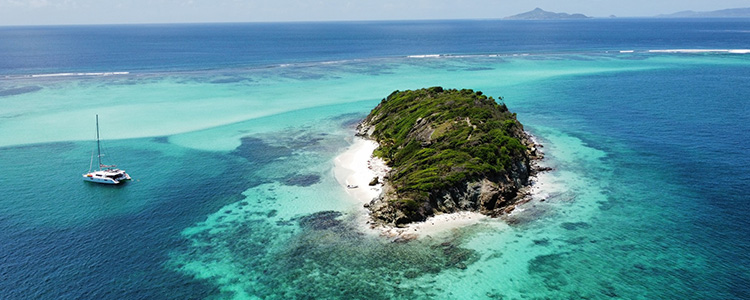
  • Nature spotting: the Amazon regions, the Andes mountains, Iguazu Falls, the Pantanal, the Patagonian Peninsula and the beaches of Brazil and Colombia.
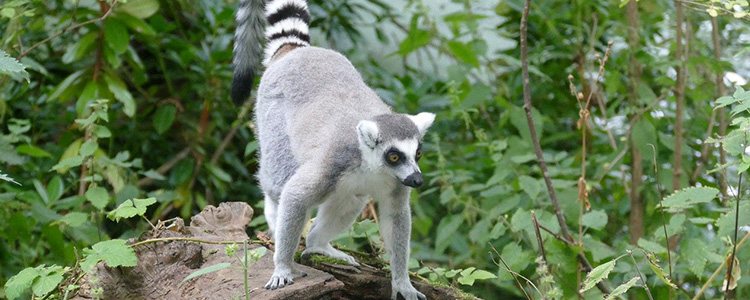
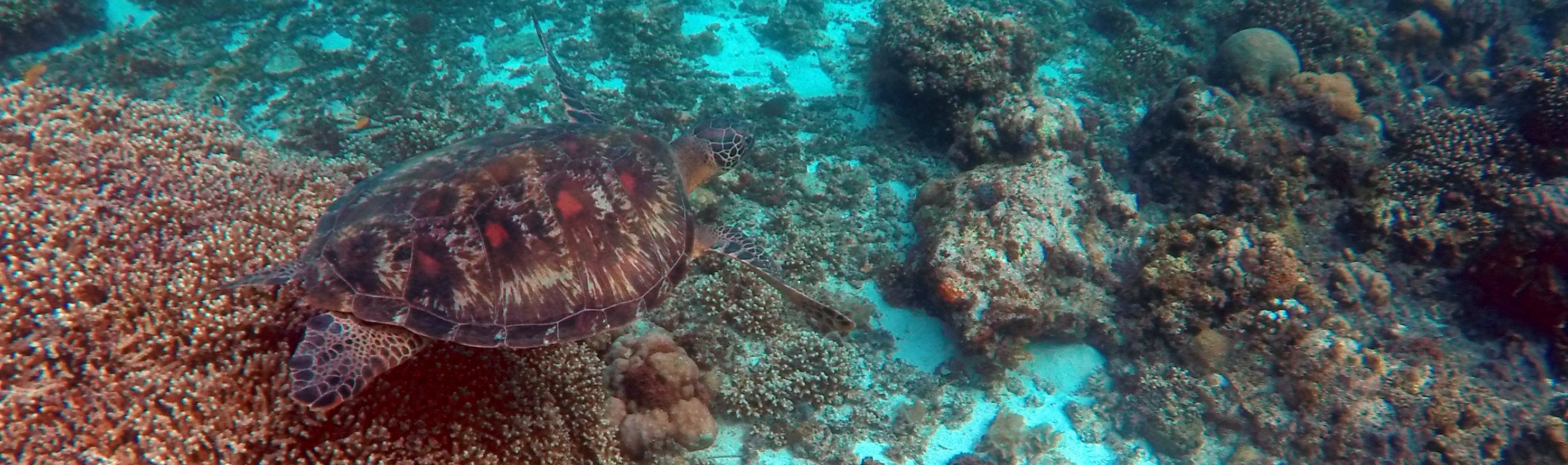
  • Animal spotting: from sloth to jaguar and from penguin to whale.

Internships in South America?

  • Internship sectors: health care, mining, agriculture, education, technology and tourism, among others.
  • Internship cities: Buenos Aires, Rio de Janeiro, Santiago.
  • Learning skills: communication, daring, empathy, flexibility.

Studying in South America?

  • Studies: basically all subjects and forms of education can be found.
  • Study cities: Bogotá, Buenos Aires, Cuenca, São Paulo, Santiago.
  • Learning Spanish: Buenos Aires, Catagena, Cuenca, Cusco, Montevideo, Mendoza, Quito, Sucre.
  • Learning Portuguese: Florianópolis, Rio, Salvador.

Volunteering in South America?

  • Volunteer projects: particularly in the areas of conservation, medical care and social development.
  • Animal projects: protection of Amazonian birds, monkeys, sloths, penguins and whales.
  • Characteristics: volunteering possible from 1 or 2 weeks to several months.

Working in South America?

  • Jobs: paid temporary work can be found mainly in tourism and healthcare.
  • Work skills: commitment, empathy, patience, flexibility.

Working as a digital nomad in South America?

  • Favorite cities and islands: Buenos Aires, Cartagena, Florianópolis, Lima, Medellín, Quito, Rio de Janeiro, Valparaíso.

Living in South America?

  • Language: Without mastering Spanish (or Portuguese in Brazil), it is difficult to function. English is not widely spoken.
  • Living Climate: In general, expats in South America perceive the lifestyle as more relaxed and the warm hospitality as a major plus.
  • The local emphasis on family and community is something to consider, though.
  • Healthcare: major cities generally have excellent healthcare, outside of that the quality can sometimes drop alarmingly. Seek advice on insurance policies that provide adequate coverage for proper care and also repatriation in case of emergency.

Orientation & Discovering

South America: typical South American habits, food customs, recipes and latin philosophies

South America: typical South American habits, food customs, recipes and latin philosophies

Latin and South American habits, food customs and remarkable philosophies

    Habits and customs in Brazil

    Habits and customs in Brazil

    Image

    Habits and customs in Brazil

    • Brazilians are famous for their festive Spirit, especially Carnival, a pre-Lenten celebration known for its extravagant parades and costumes, combined with infectious samba music.
    • Brazilians love music - Beyond Samba, Brazil boasts a rich musical landscape with genres like energetic Forró, soulful Bossa Nova, and pulsating Axé.
    • Capoeira is an unique Afro-Brazilian martial art that blends acrobatics, dance, and music, is another famous aspect of Brazilian culture.

    What are the best recipes in Brazil?

    • Brazilians eat hot meals twice a day and have many regional dishes.
    • In a restaurant, the portions are often for two people, so it is useful to ask how many people the dishes on the menu are for. It is not necessary to tip in restaurants, this is usually already included in the receipt.
    • A visit to a typical Brazilian barbecue restaurant or “churrascaria” is recommended. Here you usually pay a fixed price for ''as much as you can eat''.
    • Popular in Brazil is the comida por quilo, a self-service buffet.
    • Feijoada is a stew with different types of meat.
    • Many snack bars offer salgados, these are fried snacks.

    What are the best drinks in Brazil?

    • Cafezinho (coffee) in Brazil is very strong and is offered in small cups.
    • People drink little tea, but a milkshake with fruit juice is extremely popular (vitaminas).
    • It is recommended not to drink tap water, but to buy it in the supermarket.
    • Well-known beer brands in Brazil include Brahma, Antarctica and Skol. These are comparable to our pilsner.
    • The national spirit is cachaça, made from sugar cane. This drink is the basis of the popular caipirinha, a drink made from cachaça, lots of sugar, lime and crushed ice.
    • Guarana is a soft drink known for its stimulating effect.

    What are the notable holidays and festivities in Brazil?

    • Carnival in Rio de Janeiro – The dates of the celebration vary each year, but it always starts on a Friday and ends on a Wednesday. The parades in Brazil are world famous for their samba music, dancers and beautiful costumes. Definitely something to put on your bucket list: Carnival in Rio.
    • Festa de Iemanjà – February 2, The goddess Iemanja belongs to the Candomblé religion in Brazil. In Salvador, people go to the beach dressed in white and throw offerings into the sea for the goddess.
    • Tiradentes – April 21, Tirandentes took responsibility for the protests against the Portuguese for high taxes. He started a call for liberation and is seen as a national hero in Brazil.
    • Boi Bumba – In June, Brazil has an atmospheric folk festival based on local myths and legends. The large puppets, parades, dance and music come from Portuguese, Indian and African influences. Festa Junina – June/July, this is the celebration of the birth of John the Baptist and in the northeast also the end of the rainy season. The festival is often celebrated in a wooden hut with a thatched roof.
    • Oktoberfest – The largest beer festival is of course held in Germany. Did you know that Blumenau in Brazil comes in second place? The city was discovered by the German Hermann Bruno Otto von Blumenau. Inspired by the Oktoberfest at home, it is also celebrated every year in Brazil.
    • Independence Day – On September 7 in 1822, Brazil became an empire and independent from Portugal. On this national holiday, parades take place throughout the country.
    • Fiesta de Nossa Senhora Aparecida – October 12 is the day to honor the holy Black Mary, the patron saint of Brazil.
    • Proclamation of the Republic – November 15 is a national holiday. Brazil became a republic on November 15, 1889, through a coup d'état by a group of military men and republicans.
    What are typical Argentinian habits, food customs, recipes and philosophies in Argentina?

    What are typical Argentinian habits, food customs, recipes and philosophies in Argentina?

    Image

    What are the customs in Argentina regarding food?

    • Merienda time: The time, it is the time when it is time for snacks! Snacks are regularly on the menu.
    • Argentines love meat, lots of meat. From black pudding to burgers from the grill. A “parilla”, a grill restaurant, is worth a visit. If you are vegetarian, food will be a bit harder to find, although there are usually general salads available. In addition to meat, you can get pasta and pizza in almost all of Argentina. Only in Buenos Aires (and a few other larger cities) you can also find Asian food.

    What are the best recipes in Argentina?

    • A comedor is a small restaurant, where you can eat what people in Argentina eat! Usually a huge traditional meal with bread is served.
    • Asado is grilled beef. Asado is a way of preparing, barbecue style.
    • Alfajores are two biscuits with dulce de leche (caramelized milk) in between.

    What are the best drinks in Argentina?

    • Yerba mate is a type of tea. 'Yerba' stands for the tea/herb leaves, 'mate' is the drinking cup (kale) from which the yerba, poured with hot water, is drunk through a 'bombilla' (filter straw)
    • Quilmes is the local beer.
    • Malbec is a huge (wine) success in Argentina and is now synonymous with Argentina. Holidays and festivals in Argentina?

    What are notable holidays and festivals in Argentina?

    • The day of the May Revolution in 1810 is on May 25th. The national day of Argentina that is celebrated with parades, music and food. There are also speeches by dignitaries.
    • Every year in November the Marcha del orgullo is celebrated. The annual gay pride in Buenos Aires. With exuberant activities, music and dancing through the streets.
    • Tango is not just a dance. Tango is inspired and based on improvisation. The tango is horizontal. Dancing through life with high heels and a beautiful dress.Dancing through life with high heels and a beautiful dress. That feels festive and in Buenos Aires they dance on the streets.

    What are notable habits in Argentina?

    • Gauchos: Who has not heard of the gauchos? The gauchos are a mix between cowboys and Indians. They travel around the country on horseback.
    • It is about the well-known: A walk with the dog, it is customary to walk the same round in the village on Sundays or drive in the car, to meet neighbors and friends on the same streets.
    • Clap your hands, when you enter a house, there is usually no doorbell and even if there is one, still clap.
    • Polo: Polo is played in Argentina. It is hockey played on horseback. The best Argentinian teams come from Buenos Aires.
    What are typical Ecuadorian habits, food customs, recipes and philosophies in Ecuador?

    What are typical Ecuadorian habits, food customs, recipes and philosophies in Ecuador?

    What are the customs in Ecuador regarding food?

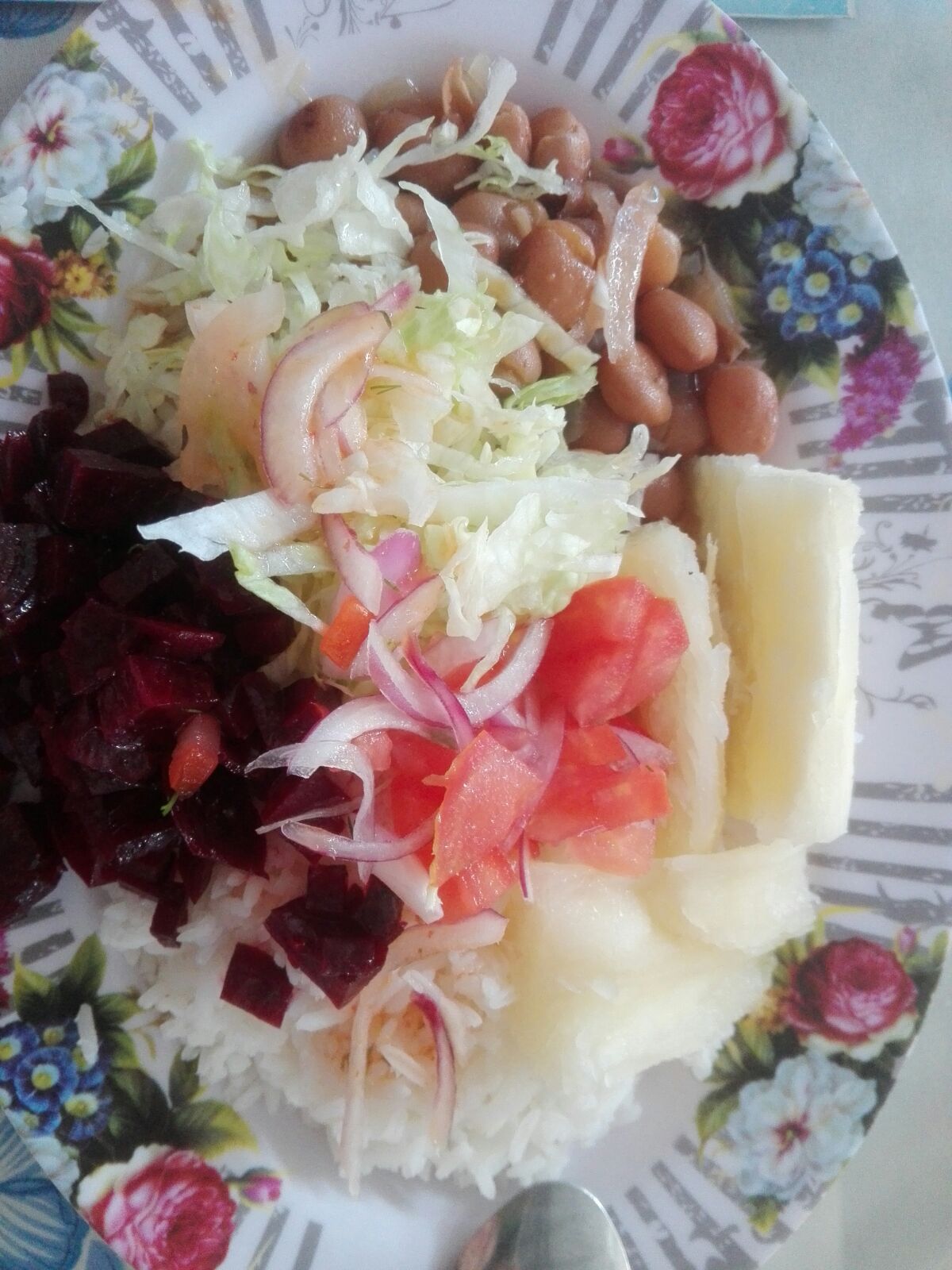
    • In Ecuador, people mainly eat a lot of rice, potatoes, pasta, chicken and cabbage. Often spicy but not spicy. The atmosphere in restaurants is often excellent because of the large number of musical groups that come in to perform their skills on the pan flute. If you are vegetarian or vegan, it can be difficult to find meals in Ecuador. A tip, be sure to specify what you do eat (i.e. ask for a plate of rice, beans and salad), that works better than specifying what you don't eat.

    What are the best recipes in Ecuador?

    • Arroz con Pollo is a dish of rice with chicken.
    • Lomo saltado is beef sautéed in onion and tomato with rice.
    • Churrasco is beef with fried egg.
    • Aji is the tangy sauce that you get with everything separately.
    • Cuy Chactado is a traditional Inca dish and should be tried by every traveler. While doing so, get over the fact that it involves grilled guinea pig!
    • Arepas are corn pancakes with cheese.
    • Fanesca is a dish of different grains, corn, potatoes and stockfish.
    • Llapingachos: Small fried cookies made of mashed potatoes and cheese.
    • Locro: Soup with potatoes, onions and cheese. Often served with avocado.
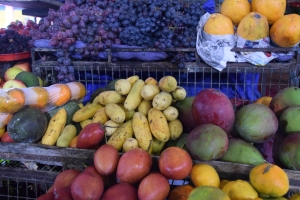
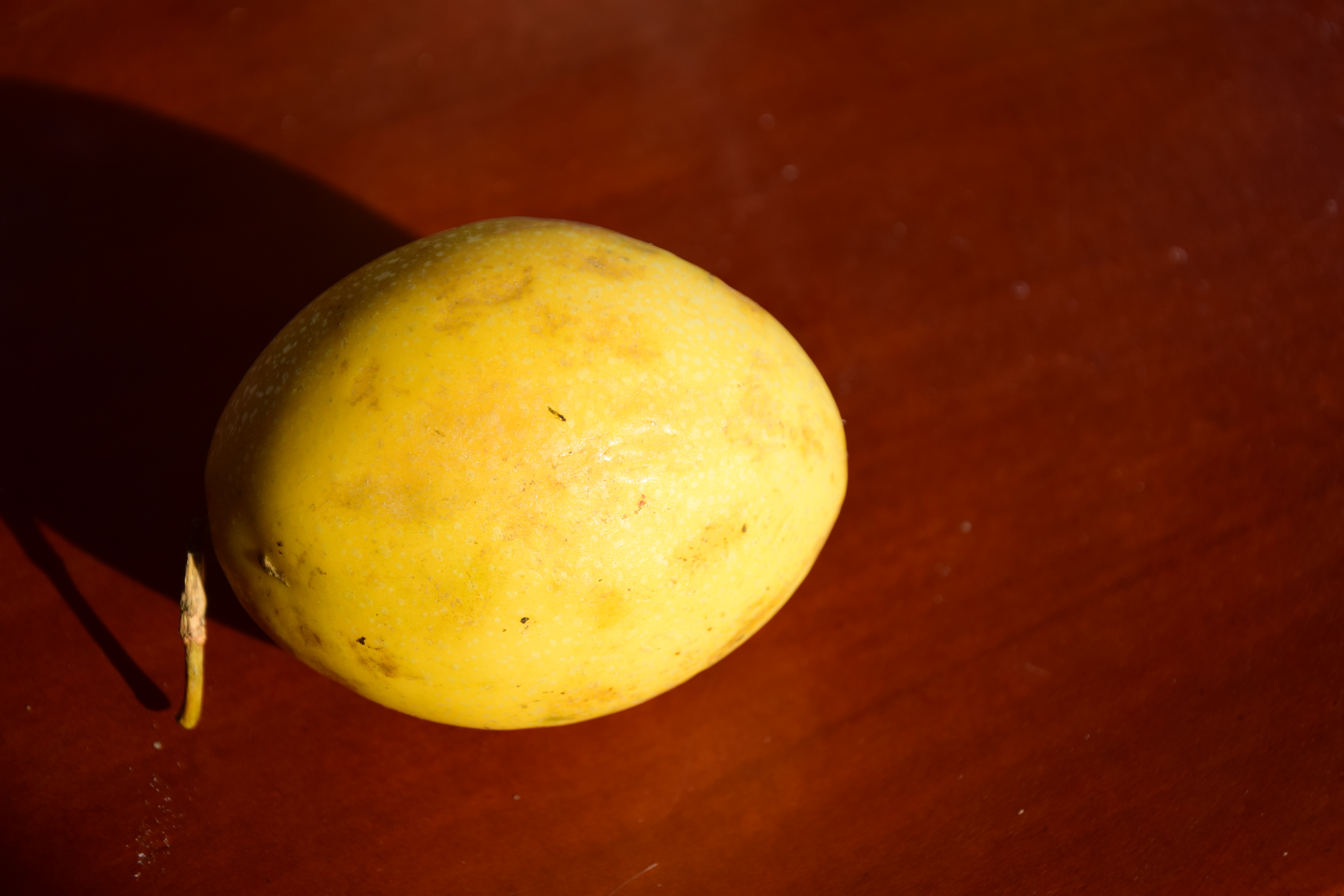
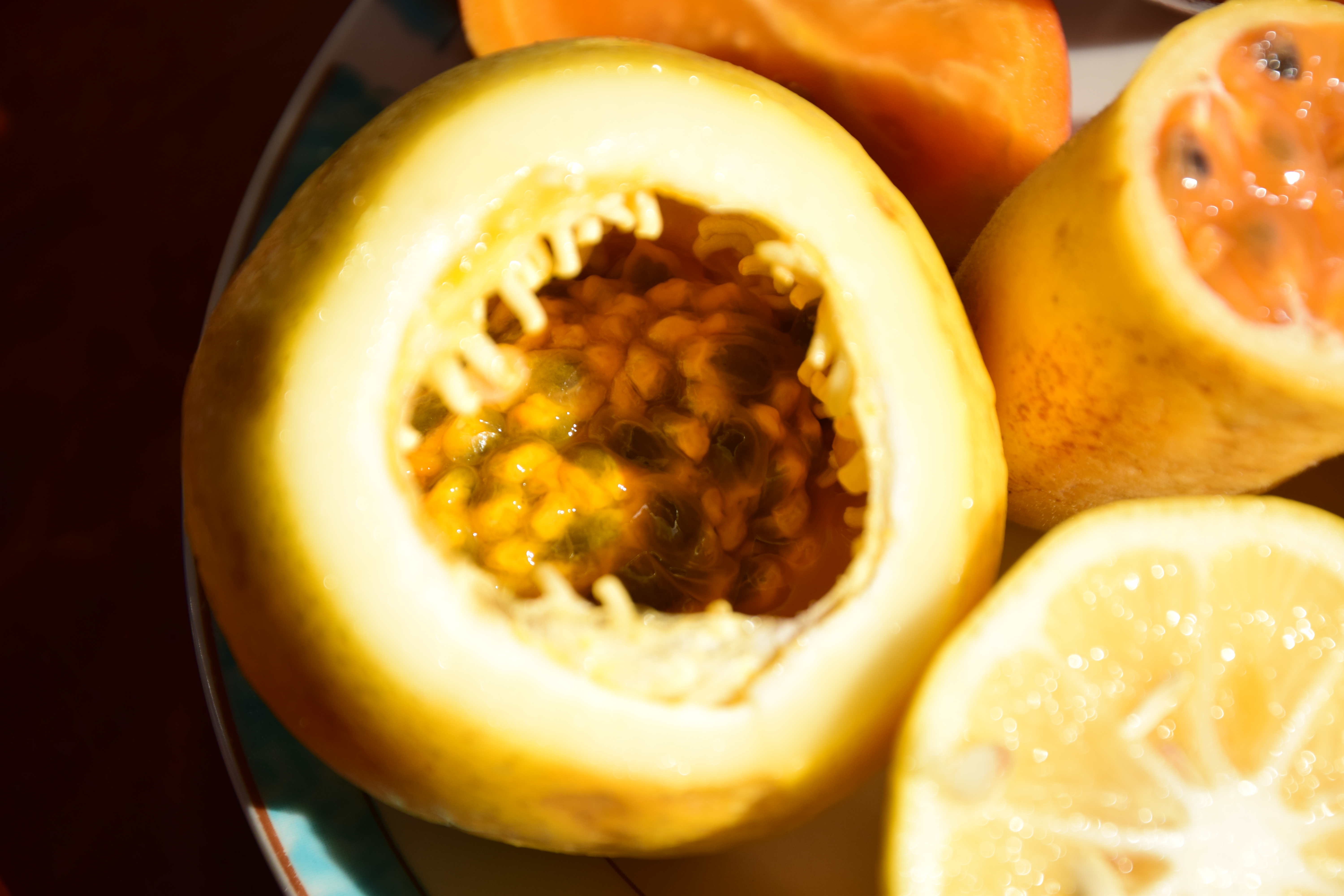
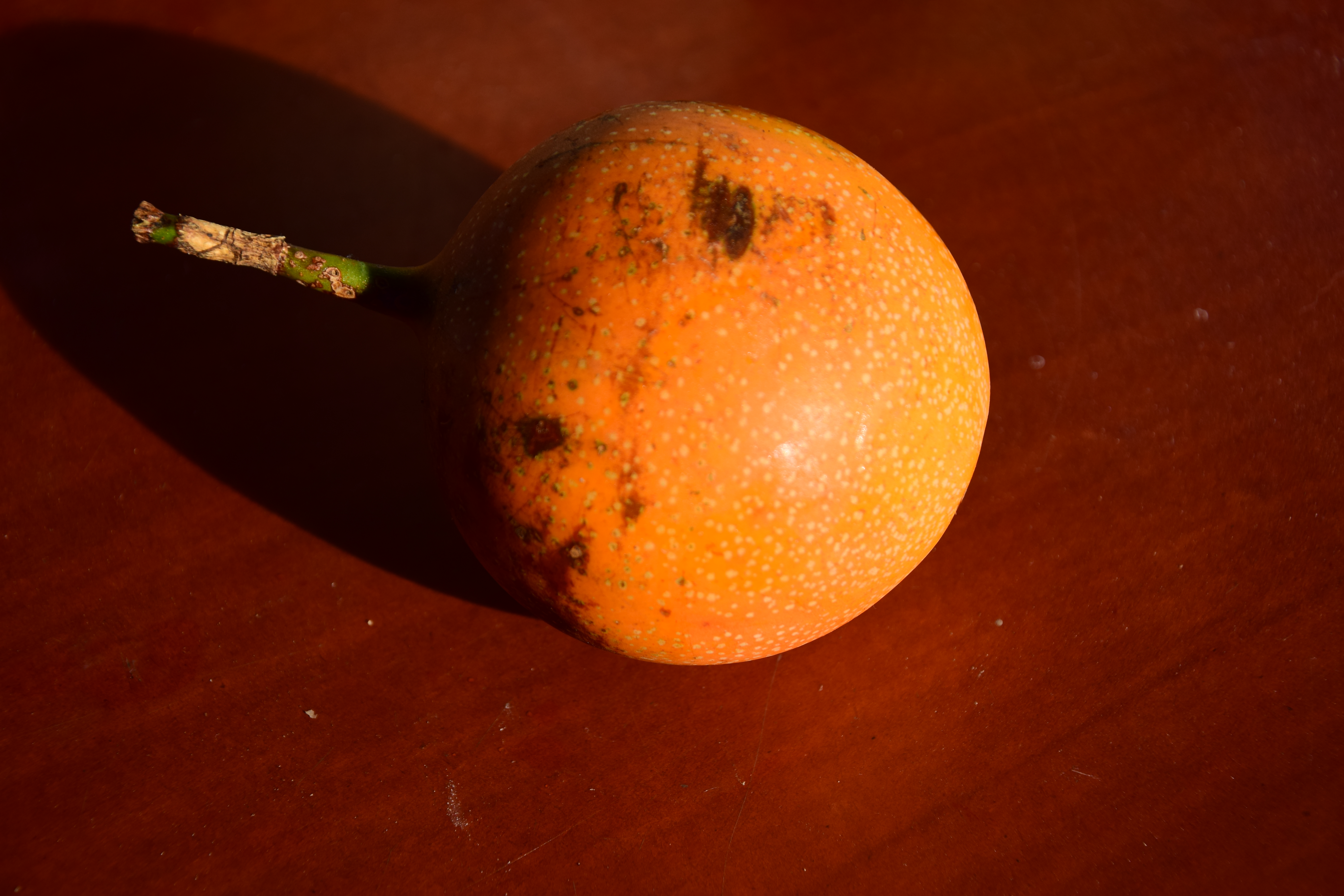
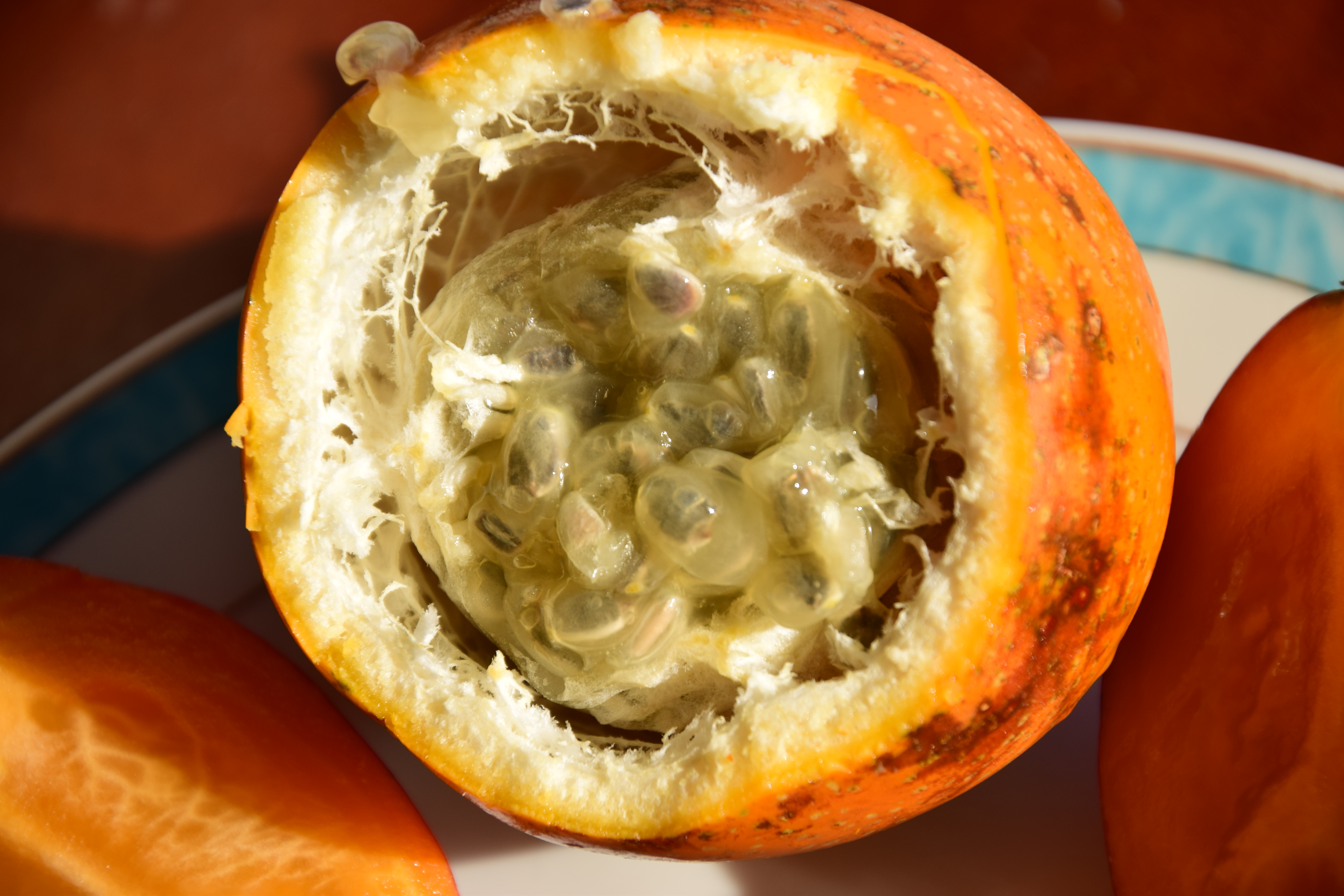
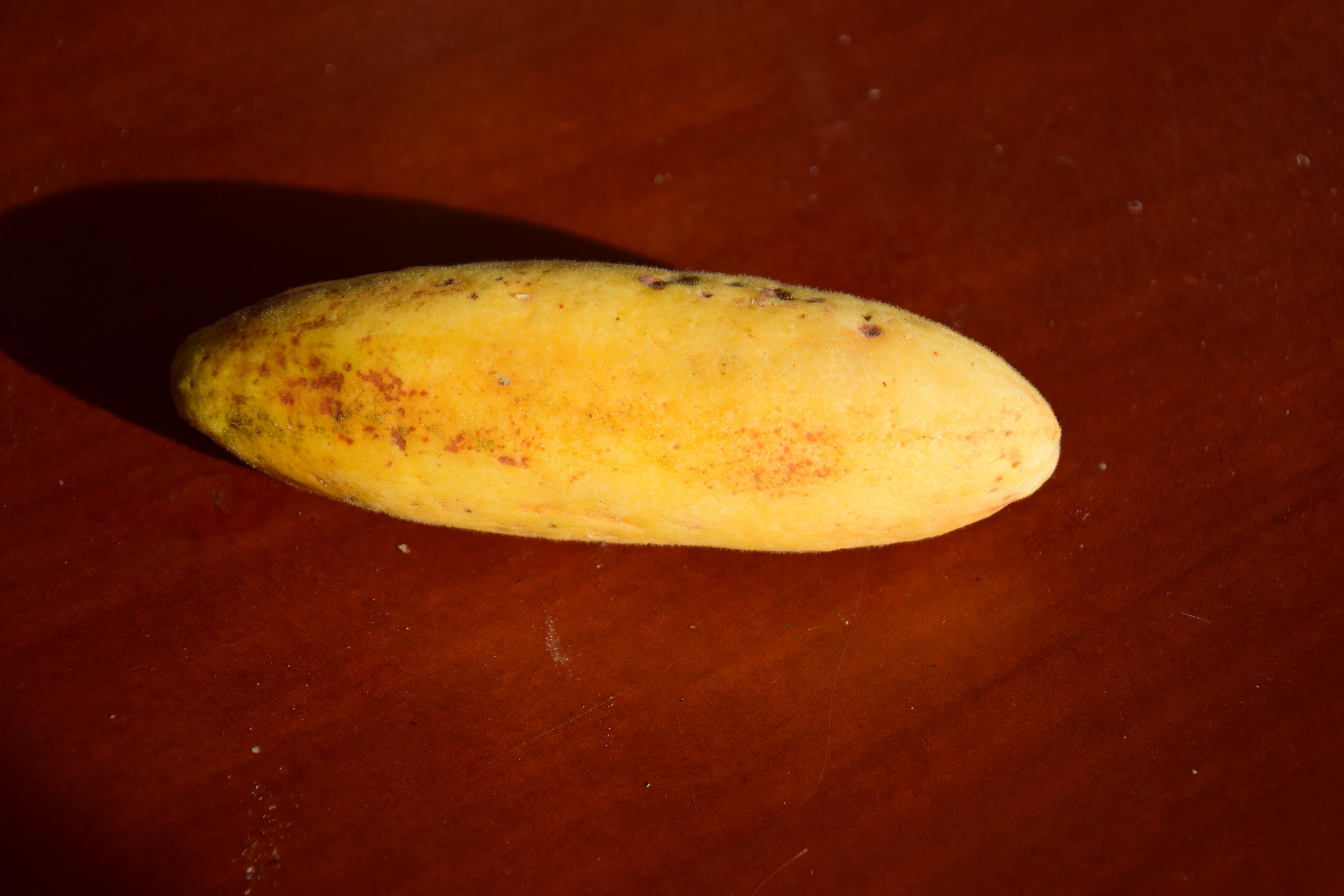
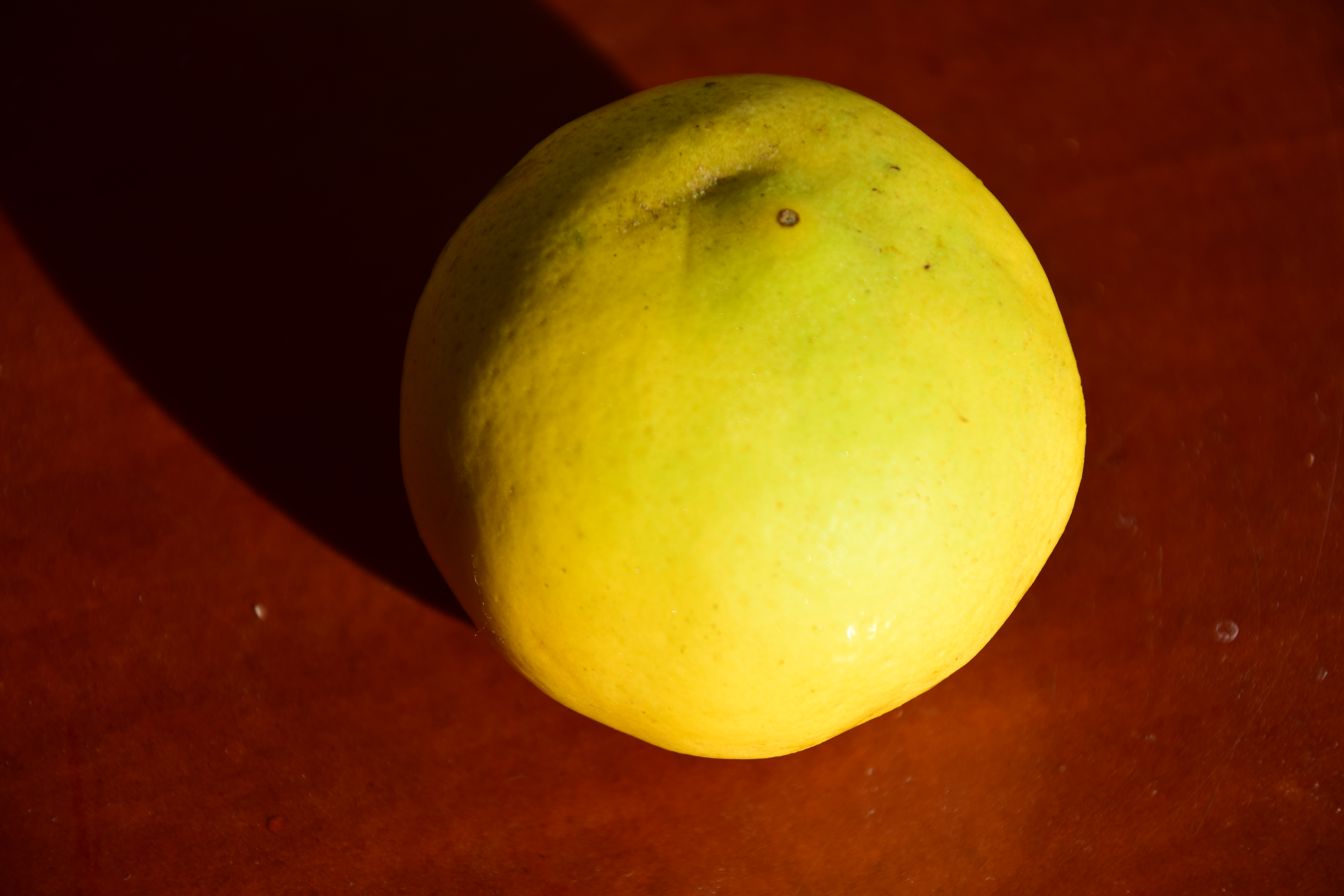
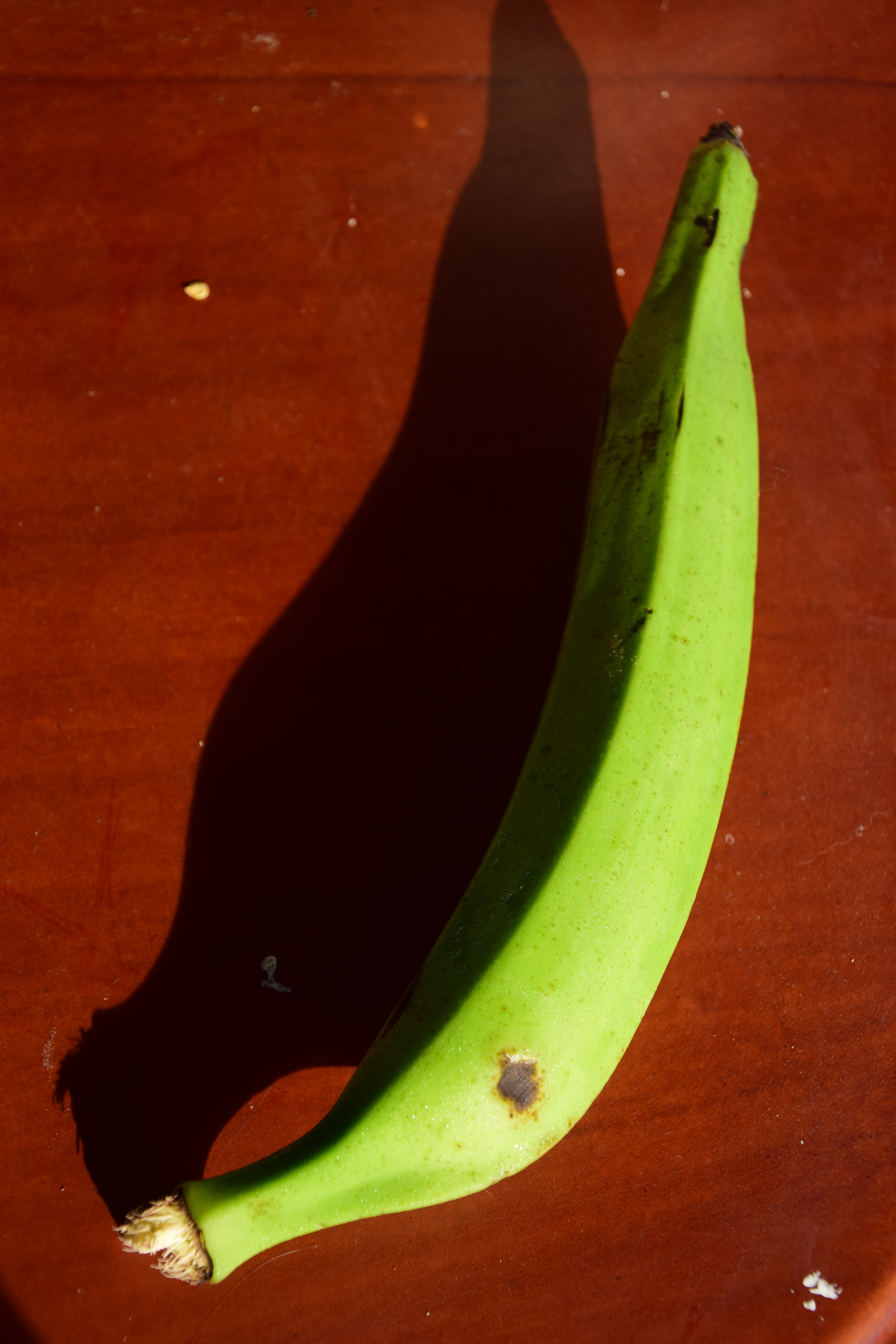
    • Tropical fruits: maracuya (passion fruit), bananas of all shapes and sizes, guava, pineapple, mango, chirimoya, naranjilla (sour orange).

    What are the best drinks in Ecuador?

    • Beer is available everywhere. Club and Pilsener are the Ecuadorian brands.
    • Soft drinks can also be found everywhere both well known and unknown brands.
    • The fresh fruit juices are delicious.
    • Enjoy a delicious fresh milkshake with tropical fruits.
    • An excellent thirst quencher is the Piaco, a drink made from lemon.

    What are notable holidays and festivals in ...?

    • New Year is lots of fire, papier-mâché cars and figures: one big party!
    • Carnival: nice and colorful with water fights and fruit and flower festivals.
    • Dia de los Inocentes: festival in Cuenca, Nov. 6, a hilarious parade of dressed-up men and boys that the whole city comes to see.
    • All Souls' Day: Nov. 2, in celebration people lay flower bouquets in cemeteries.

    What are the remarkable habits in Ecuador?

    • Ecuador is known for its strong family ties and sense of community. Family plays a central role in daily life, with extended family gatherings and a deep sense of respect and care for the elderly. Cultural festivals, such as Inti Raymi (the Sun Festival) and Carnival, are of great significance and are celebrated lavishly throughout the country.
    • Social norms and mutual communication: A little courtesy will get you a long way! A greeting is a must when you start a conversation. Whether it is short or long - say hello, shake hands and between men and women, a single kiss on the cheek is sometimes exchanged. Expect to use the same greeting when saying goodbye. 
    • Etiquettes & traditions: Ecuador is a long of traditions and is still fairly old-fashioned. Apart from greetings, respect for personal space is very important. So be sure to keep an appropriate distance during interactions unless you have developed a strong bond. People also value appropriate dress, especially at religious or business gatherings. Hospitality also plays an important role in Ecuador. 
    • Eating and drinking habits: meals are huge social occasions and can be long. As crazy as it sounds, don't arrive on time when you are invited somewhere. Always arrive a little later and make sure you are neatly dressed out of respect to the hoste. What does agree with us is that Ecuadorians say bon appetit (buen provecho) before a meal when dining out with friends. If you are invited home, the host says buen provecho to invite you to start eating. Food is always eaten with cutlery. 
    What are typical Spanish habits, food customs, recipes and philosophies in Spain?

    What are typical Spanish habits, food customs, recipes and philosophies in Spain?

    What are the customs in Spain regarding food?

    • Dinner is eaten late during the evening, 9 PM is general time to start. 
    • Many people love Spanish food, especially tapas. Spaniards eat as many as four times in a day.
    • Breakfast (el desayuno) is usually toasted bread with an espresso in a café. The most important meal of the day is lunch (la comida), which is taken extensively between 2:00 and 6:00 p.m. in the afternoon. It is a hot meal, for example Paella. The third meal is the snack (la merienda) which is eaten when we Dutch think of dinner, namely between 6:00 and 7:00 pm. The fourth and last meal is dinner (la cena), which starts at 10:00 p.m. and is a bit lighter than lunch. Tipping is common in Spain, and is usually just included in the price.

    What are the best recipes in Spain?

    • There are many regional specialties in Spain. For example, a lot of fish is eaten in the Canary Islands and gazpacho (cold soup) in Andalusia. A lot of spices are used. The most famous dish from Spain is paella, which is usually made with fish or chicken. Tapas are Spanish appetizers. Tortilla de Patatas, these are tortillas made from potatoes and egg.
    • Typical food is tapas! It is shared with drinks. Tapas are small dishes. In many ways served from the counter or from the menu: grilled pimiento, manchego, chorizo, patatas bravas, tortilla.
    • A dessert that Spaniards love is flan, a soft custard made of eggs topped with a caramel sauce.
    • Typical Catalan dishes are rabbit with vineyard snails and Catalan sausage (butifarra) with white beans.
    • Paella: A rice dish with chicken and fish, peppers and various seafood

    What are the best drinks in Spain?

    • A truly Spanish drink is sangría.This is a mix of red wine, sugar, cognac and various (fresh) fruits.If the fruits such as orange segments, grapes and melon have sat in the mix a little longer, the flavor has also soaked into the fruits.
    • Spain is also known for its local wines, good wines are the Rioja and the Navarra.
    • Cava is the most famous sparkling wine from Catalonia made in exactly the same way as Champagne.
    • Want something to drink without alcohol?Then ask for Mosto (white grape juice).
    • It is not recommended to drink tap water. You can just get bottled water in the supermarket.

    What are notable holidays and festivals in Spain?

    • Las Fallas - In Valencia from March 15 to 19. Large statues are made by locals, usually of papier-mâché. During this festival there are large parades, paella competitions, fireworks and lots of churros eaten. On the last day, the statues are set on fire.
    • Semana Santa - Or Holy Week takes place a week before Easter. In Andalusia this is celebrated in a big way, furthermore processions are held in many cities.The death of Jesus and atonement take center stage here.
    • Sanfermines - From July 6 to 14, international running of the bulls in Pamplona. There are also fireworks, music and parades every morning.
    • Fería de Abril - This is one of the highlights of Seville's cultural calendar and is held in late April/early May. This festival is a combination of music (flamenco!), a market and a fair.
    • La tomatina (the tomato festival) - This festival is held annually in the village of Buñol, near Valencia. The tomato field battle attracts some 40,000 participants and is a spectacular event to witness. (Watching is also possible, but put on old clothes).
    • Belief in Spain: Eat a grape, every hour the clock makes a sound on new year's eve. Twelve times and it will bring you prosperity.

    What are the notable habits in Spain?

    • Siesta-Nap and relax time (shops are generally closed) when the sun is shining between 2.30 and 4.30 PM.
    • Tapas-Shared with drinks and in company, small dishes. In many ways served from the counter or from the menu: grilled pimiento, manchego, chorizo, patatas bravas, tortilla.
    • Dinner is eaten late during the evening, 9 PM is general time to start. 
    • Flamenco-Dance from Andalusia, with costumes and music with a soul.
    • Silvester evening: they will eat 12 grapes when the clock counts at midnight. When the clock ticks every count, one grape. It brings properity. Inside information: do not chew on the grape, otherwise your mouth will be full with residu. 
    • With Silvester: your underwear is the colour red, the next year will be lucky! When you are serious about this, burn your red underwear at midnight. And put money in your shoes, before midnight. 
    • Would you like to travel in the new year, make sure you walk around your suitcase. Chances are higher to make beautiful trips! 
    • In the New Year: "Feliz ano" is wished with a glass of cava (the Spanish champagne).
    • Kisses (two) are common as a greeting, also when you don't know each other well.
    • Manana, manana means tomorrow, in general do not stress out and take it easy. Do not worry the Spanish are not so strict with their punctuality, being late is common.
    • Cursing and talking loud is part of the culture. Often you can just follow conversations on the street.
    What are typical South American remarkable holidays and holiday habits?

    What are typical South American remarkable holidays and holiday habits?

    What are typical South American remarkable holidays and holiday habits?

    • Silvester evening is the last night in the year, the 31st of december. Silvester is the name of a holy pope. In general after midnight fireworks are burned. It comes from the belief that firework will keep ghosts away. 

    What are remarkable holidays in Colombia?

    • Colombia's holidays reflect the Catholic history and heritage, providing opportunities for both religious observance and national celebration.
    • Colombia's Independence Day is celebrated extensively on July 20 with concerts, parades and costume parties.
    • It is sometimes said that the carnival of Barranquilla is the most colorful carnival in the world. In any case, after the carnival in Rio, it is the one with the most visitors. Every year in January, it celebrates for 4 days. 
    • During La Feria de Cali from December 25 to 30, the city of Cali turns into one big party. People flock from all over the country for the horse parades, beautiful women, bullfights and delicious food. The essence of the party is salsa, here the best salsa in the world is danced by professionals and accompanied by the most famous Salsa orchestras of Colombia and other South American countries.
    • Flower Festival of Medellín: For several days a year, the city of Medellín in the Andean region is one big Sea of Flowers. During this 10-day celebration in August, all balconies, terraces and gardens are covered with flowers.
    • The superstition with new year is: wear yellow underwear, that makes the next year for sure financial beneficial. You know what you gotta do!

    What are remarkable holidays in Ecuador?

    • In Ecuador holidays are a vibrant blend of indigenous traditions and Catholic influences.
    • With el ano Viejo and Nuevo ano (new year) men dress as widows to mourn the passing year. It is meant to be done with humor and fun.
    • The Ecuadorians wear yellow underwear with new year, that makes the next year financially well.
    • Carnival is a time of joy and playfulness it is celebrated with water fights and foam sprays. Parades are lively and colourful.
    • The festival of the sun (Inti Raymi) honours Mother Earth (Pachamama) and celebrates the winter solstice. It is a celebration with offerings, traditional dance and music.

    What are remarkable holidays in Mexico?

    • On average, there are four holidays per month in Mexico. Each day on the calendar is actually a holiday in Mexico. Calendar days are dedicated to saints with names. Also called “name days.” It's similar to a birthday. If you, as a Mexican, have the same name as the saint the day is named after, you are congratulated and receive gifts. For example, June 24 is the name day of San Juan.
    • Constitution Day is a national holiday in Mexico. Originally, Feb. 5 was the fixed date for this. In 1857 and 1917, Mexican constitutions were adopted on this date. In 2006, it was decided to celebrate it on the first Tuesday of the year.
    • On May 5, Mexicans celebrate the day Mexico defeated a French army in the Battle of Puebla. The discovery of America by Columbus used to be celebrated grandly in Mexico. However, after 300 years of misery by Europeans, it was decided to celebrate something else on Oct. 12. Today, Mexico celebrates Race Day. This refers to the new race that emerged from the Europeans and the Indians.
    • In Mexico, they celebrate the “Day of the Dead” (El Dia de los Muertos). Also called All Saints' Day and All Souls' Day. This national holiday is on November 1 and 2, and Mexicans celebrate on this day that the dead come back to earth to visit the living. The dead are then the guests of the living on that day. Cemeteries are crowded, picnics are held at gravesites and skulls are used as decorations. Bakers sell the bread of death on this festive day.
    • December 12 is the most important holiday in Mexico. Mexicans then celebrate the national feast of the Virgin of Guadalupe. This patron saint of Mexico is said to have been beheld as a Marian apparition in 1531 by Saint Juan Diego Cuauhtlatoatzin. Pilgrims in Mexico walk with torches and wear tunic referring to Juan Diego's clothing. Tens of thousands of Mexicans climb the mountain that day to the basilica “Iglesia de Guadalupe” in Mexico City. All day in Mexico there is celebration with music and fireworks.
    • Christmas starts in Mexico on the 16th of december with the "Posadas", which are processions through the streets with plays of the story of Maria and Joseph. Every evening ends with a feast and breaking of a pinata. On Nochebuena, christmas eve, diner is served with tamales, bacalao, and ponche (fruitpunch). After dinner a lot of people go to Misa de Gallo, a mis at church, followed with firework. 
    What are typical South American remarkable holidays and holiday habits?

    What are typical South American remarkable holidays and holiday habits?

    What are typical South American remarkable holidays and holiday habits?

    • Silvester evening is the last night in the year, the 31st of december. Silvester is the name of a holy pope. In general after midnight fireworks are burned. It comes from the belief that firework will keep ghosts away. 

    What are remarkable holidays in Colombia?

    • Colombia's holidays reflect the Catholic history and heritage, providing opportunities for both religious observance and national celebration.
    • Colombia's Independence Day is celebrated extensively on July 20 with concerts, parades and costume parties.
    • It is sometimes said that the carnival of Barranquilla is the most colorful carnival in the world. In any case, after the carnival in Rio, it is the one with the most visitors. Every year in January, it celebrates for 4 days. 
    • During La Feria de Cali from December 25 to 30, the city of Cali turns into one big party. People flock from all over the country for the horse parades, beautiful women, bullfights and delicious food. The essence of the party is salsa, here the best salsa in the world is danced by professionals and accompanied by the most famous Salsa orchestras of Colombia and other South American countries.
    • Flower Festival of Medellín: For several days a year, the city of Medellín in the Andean region is one big Sea of Flowers. During this 10-day celebration in August, all balconies, terraces and gardens are covered with flowers.
    • The superstition with new year is: wear yellow underwear, that makes the next year for sure financial beneficial. You know what you gotta do!

    What are remarkable holidays in Ecuador?

    • In Ecuador holidays are a vibrant blend of indigenous traditions and Catholic influences.
    • With el ano Viejo and Nuevo ano (new year) men dress as widows to mourn the passing year. It is meant to be done with humor and fun.
    • The Ecuadorians wear yellow underwear with new year, that makes the next year financially well.
    • Carnival is a time of joy and playfulness it is celebrated with water fights and foam sprays. Parades are lively and colourful.
    • The festival of the sun (Inti Raymi) honours Mother Earth (Pachamama) and celebrates the winter solstice. It is a celebration with offerings, traditional dance and music.

    What are remarkable holidays in Mexico?

    • On average, there are four holidays per month in Mexico. Each day on the calendar is actually a holiday in Mexico. Calendar days are dedicated to saints with names. Also called “name days.” It's similar to a birthday. If you, as a Mexican, have the same name as the saint the day is named after, you are congratulated and receive gifts. For example, June 24 is the name day of San Juan.
    • Constitution Day is a national holiday in Mexico. Originally, Feb. 5 was the fixed date for this. In 1857 and 1917, Mexican constitutions were adopted on this date. In 2006, it was decided to celebrate it on the first Tuesday of the year.
    • On May 5, Mexicans celebrate the day Mexico defeated a French army in the Battle of Puebla. The discovery of America by Columbus used to be celebrated grandly in Mexico. However, after 300 years of misery by Europeans, it was decided to celebrate something else on Oct. 12. Today, Mexico celebrates Race Day. This refers to the new race that emerged from the Europeans and the Indians.
    • In Mexico, they celebrate the “Day of the Dead” (El Dia de los Muertos). Also called All Saints' Day and All Souls' Day. This national holiday is on November 1 and 2, and Mexicans celebrate on this day that the dead come back to earth to visit the living. The dead are then the guests of the living on that day. Cemeteries are crowded, picnics are held at gravesites and skulls are used as decorations. Bakers sell the bread of death on this festive day.
    • December 12 is the most important holiday in Mexico. Mexicans then celebrate the national feast of the Virgin of Guadalupe. This patron saint of Mexico is said to have been beheld as a Marian apparition in 1531 by Saint Juan Diego Cuauhtlatoatzin. Pilgrims in Mexico walk with torches and wear tunic referring to Juan Diego's clothing. Tens of thousands of Mexicans climb the mountain that day to the basilica “Iglesia de Guadalupe” in Mexico City. All day in Mexico there is celebration with music and fireworks.
    • Christmas starts in Mexico on the 16th of december with the "Posadas", which are processions through the streets with plays of the story of Maria and Joseph. Every evening ends with a feast and breaking of a pinata. On Nochebuena, christmas eve, diner is served with tamales, bacalao, and ponche (fruitpunch). After dinner a lot of people go to Misa de Gallo, a mis at church, followed with firework. 

    Life & Activities

    South America: emigration, moving and living abroad per country

    South America: emigration, moving and living abroad per country

    Questions and answers per country about emigration, moving and living abroad in South America

    Why live in Ecuador, why emigrate to Ecuador or stay for a long time?

    Why live in Ecuador, why emigrate to Ecuador or stay for a long time?

    Why should you live in Ecuador as an expat, emigrant or working nomad?

    • because there is a great diversity of landscapes and therefore something for everyone.
    • because the climate is temperate in many places. So you can easily cool down, or seek out the heat when you want to.
    • because there is a lot of cultural heritage to discover.
    • because it is one of the more affordable countries in South America.
    • because Ecuadorians are incredibly friendly and welcoming and there are also several expat communities. 

    What should you pay attention to?

    • that you know some words of Spanish.
    • that prices can vary considerably between cities and towns.
    • that there are health risks.
    • that you are aware of the local culture, traditions and customs.
    • build a network to help you integrate more easily into society.
     

    Image

    Preparation & Packing

    Packing list for Argentina, travel insurance for Argentina, and taking your belongings

    Packing list for Argentina, travel insurance for Argentina, and taking your belongings

    What to take with you to Argentina: spotlighted

    Featured items:
    • Documents: passport valid for at least 6 months after arrival and an online and/or offline copy of your passport is also always useful.
    • Money: cash is king, so bring Argentinian pesos or USD. You can also use your Debit card.
    • Care: high factor sunscreen, aftersun and lip balm. Buff for the cold.
    • Protection: sturdy rain gear and waterproof packing cubes. Backpack rain cover.
    • Outdoor and practical: travel cap or hat and sunglasses.
    • Clothing: layers are king. Argentina has a huge variety of climates and weather conditions, so from warm to cold. Bring thick socks, a hat, gloves and a scarf for Patagonia. Light, airy clothing for the rainforest and stylish clothes for Buenos Aires.
    • Shoes: comfortable sneakers/hiking shoes and good hiking boots if you are going to Patagonia. Flip-flops or sandals for the relaxed days. Medicines and travel kit: a small first aid kit with plasters, painkillers, blister plasters, hand sanitizer, ORS and mosquito repellent.
    • Technology and equipment: world plug with type C & I and a power bank.
    What are some other options for packing as well?
    • Reusable water bottle with filter, because tap water is technically drinkable, but often tastes strange.
    • Quick-drying travel towel.
    • Bring hiking essentials, just in case (such as hiking poles, compass, tent, sleeping bag, headlamp or flashlight, etc.).
    • Small umbrella.
    • E-reader or offline entertainment for mountain adventures.
    • International driving license.
    • Sleeping bag liner.

    What should you keep in mind when traveling to Argentina with your belongings?

    • That the weather conditions can vary greatly depending on where you go and the weather can change quickly.
    • That fashion is a thing in Argentina, especially in the cities.

    Are there mosquitoes in Argentina?

    • Mosquitoes are everywhere in Argentina and are active all year round. During the warm months and the rainy season, from October to March, there are usually more mosquitoes.
    • In the high/cold areas you will have fewer or even no mosquitoes.
    • In Buenos Aires mosquitoes can also be a huge problem during the rainy season.
    • Mosquitoes are a health hazard because they can carry various diseases. Dengue fever is particularly common.

    Are there sandflies in Argentina?

    • There are sand flies in Argentina. In the north they are known for transmitting leishmaniasis.
    • The hotspots for leishmaniasis are the provinces of Salta, Jujuy, Catamarca and Santiago del Estero.

    Can you buy DEET, or other mosquito repellents, in Argentina?

    • DEET and other mosquito repellents are generally readily available in Argentina, although shortages can occur during severe mosquito outbreaks.
    • OFF and Fuyi are popular brands of mosquito repellent, available at pharmacies and supermarkets. 
    • When you want to be sure that you have mosquito repellent, especially during the rainy season in Argentina, bring your own.

    Can you buy a joint or weed in Argentina, or take it with you to Argentina?

    • Argentina is quite progressive. Possession of small amounts for personal use has been decriminalized (so not legal), but the rules are vague and vary by region.
    • Buying or using in public is still illegal and can get you into a lot of trouble.
    • Moral of the story: if you do it, keep it discreet and private. And no, a hostel terrace does not count as “private”. Better be safe than sorry.
    • Medical marijuana is legal with the right papers. But do not bring cannabis into the country.
    Packing list for Bolivia, travel insurance for Bolivia, and taking your belongings

    Packing list for Bolivia, travel insurance for Bolivia, and taking your belongings

    What to take with you to Bolivia: spotlighted

    Featured items:
    • Documents: a passport with 6 months validity upon arrival and copies. Sometimes an exit ticket is requested.
    • Money: cash Bolivian boliviano (BOB). In the cities you can use your debit card, sometimes the machines are empty though.
    • Care: sunscreen and lip balm with a high factor, even in the cold you can get sunburned so close to the equator.
    • Outdoor and conveniences: water filter bottle/tablets for remote areas, cap or hat and sunglasses (the salt flats are seriously blinding, look it up!).
    • Clothing: the weather conditions vary, so layers, layers, layers so that you can visit both the tropical areas and the high Andes.
    • Shoes: in any case good mountain boots or trekking shoes that are comfortable in the mountains and/or in the rainforest. Flip-flops for the showers or hotels.
    • Protection: good rain gear and a good backpack rain cover in the rainy season or if you go to the rainforest. Medicines and travel kit: a small first aid kit with plasters, painkillers, altitude sickness pills and ORS. Good mosquito repellent (see also DEET mosquito repellent).
    • Safety: money belt or fanny pack for your valuables (more about money belts for your money and passport). A lock for your bag on the night bus.
    • Technology and equipment: world plug type A & C (see also world plug or travel plug) and a headlamp/flashlight and power bank in case of a power failure.
    • Toiletries: tampons if you use them, because they are hard to get.
    What are some other options to pack as well?
    • Quick-drying towel.
    • Hydrating cream for the dry air at altitude.
    • Buff, scarf or bandana against dust and cutting wind.
    • Gloves, hat and other suitable clothing for the cold if you go really high into the mountains.

    Are there mosquitoes in Bolivia?

    • Mosquitoes are a big problem in Bolivia, especially in the areas below 2,500m. Above that, you don't have to worry much.
    • The number of mosquitoes increases significantly during the rainy season from November to April.
    • Mosquitoes can transmit nasty diseases such as malaria, yellow fever and dengue.
    • The popular tourist areas are often mosquito-free because they are so high, so you usually don't have to worry.
    • High risk areas are Beni and Pando. The least risk is in Oruro.
    • Always protect yourself well in the higher risk areas, but especially around sunrise and sunset.

    Are there sandflies in Bolivia?

    • Bolivia has many cases of Leishmaniasis, which is transmitted by sand flies.
    • Most cases occur in the Amazon river area.
    • Because most areas on the tourist route are higher, you usually run little risk as a tourist or backpacker. 
    • In any case, your mosquito spray will also help against sand flies!

    Can you buy DEET, or other mosquito repellents, in Bolivia?

    • In some places, mosquito repellent can be found, if you look carefully.
    • Besides the brand OFF, Repel is a popular mosquito repellent.
    • You have the best chance to get mosquito repellent in large supermarkets and pharmacies.

    Can you buy a joint or weed in Bolivia, or take it with you to Bolivia?

    • Even if it is possible, it is illegal and possession of cannabis is punished as severely as possession of cocaine. Even small amounts can lead to serious penalties or bribery attempts.
    • Tourists are an easy target. Don't start, unless you want to see the inside of a Bolivian prison (spoiler alert: you don't).
    Packing list for Brazil, travel insurance for Brazil, and taking your belongings

    Packing list for Brazil, travel insurance for Brazil, and taking your belongings

    What to take with you to Brazil: spotlighted

    • Documents: a passport with 6 months validity and copies.
    • Money: a debit card to withdraw money, but also some Brazilian real, because you certainly don't want to go to the ATMs in the evening!
    • Care: sunscreen with a high factor - the sun in Brazil is like an enthusiastic dog: always present and sometimes a bit too much. Aftersun can't hurt either.
    • Outdoor and handy items: cap or hat and sunglasses.
    • Clothing: light and breathable clothing that protects you well from the sun. A nice going-out outfit certainly can't hurt either, the locals like to dress up. Last but not least, a good swimming outfit!
    • Protection: a raincoat is essential, for the rain showers that can suddenly occur, or for the gigantic waterfalls that you are going to visit. The same goes for a rain cover for your backpack.
    • Shoes: nice sandals or slippers and hiking boots for the jungle trips. Medicines and travel kit: a small first aid kit with plasters, painkillers and ORS (dehydration is a thing). Good mosquito repellents.
    • Safety: money belt and safe bag for your stuff.
    • Technology and equipment: the power sockets vary throughout the country - usually plug type C & N. A world plug is therefore essential.

    What are some other options for packing as well?

    • Reusable water bottle with filter, because tap water is technically drinkable, but often tastes strange.
    • International driving license for that cool road trip.
    • A bit of courage to haggle at the market.
    • Quick-drying towel for your beach and jungle adventures.
    • Sarong for the beach, super multifunctional.
    • White clothing in case you accidentally get invited to a Candomblé ritual or New Year's Eve on the beach in Rio (you get bonus respect for it).

    What should you know when you bring your stuff with you to Brazil?

    • Safety measure for travelling around Brazil.
    • When are the festivities and what is the dress code.

    Are there mosquitoes in Brazil?

    • Yes, mosquitoes are a big problem in Brazil. Everywhere in the country, but even more so in the Amazon and Pantanal.
    • Mosquitoes in Brazil spread many diseases such as dengue, malaria, zika and yellow fever.
    • It is wise to take anti-mosquito measures, and to be extra careful during the rainy season, in places with stagnant water and in poorer areas of cities.

    Are there sandflies in Brazil?

    • Brazil has the highest number of sandfly species in the world and you can get very sick from them.
    • It is difficult to say where you will and will not encounter them, but in general there are fewer sand flies in higher altitudes and less humid areas.
    • So it is important to protect yourself well.

    Can you buy DEET, or other mosquito repellents, in Brazil?

    • The most effective way to protect yourself in Brazil is to cover yourself.
    • You can buy all kinds of anti-mosquito products in every pharmacy and large supermarket. So it’s okay if you forget it in all your packing stress.

    Can you buy a joint or weed in Brazil, or take it with you to Brazil?

    • Yes, you will see people smoking weed – on the beach, at festivals, on the streets in alternative neighborhoods, but it is illegal!
    • It’s all a gray area again, because in 2024 the court in Brazil has decriminalized marijuana use for Brazilians, but that does not mean it is legal. It is also unclear how foreigners are treated and the police can also accuse you of dealing or selling weed if you have weed on you.
    • You are not allowed to take it with you anyway, so leave that stash at home if you don’t want to go on a one-way trip.
    Packing list for Costa Rica, travel insurance for Costa Rica, and taking your belongings

    Packing list for Costa Rica, travel insurance for Costa Rica, and taking your belongings

    What to bring to Costa Rica: highlighted

    Highlighted items:
    • Documents: passport that is valid for at least 6 months and copies. Return flight or onward ticket. Online and offline copies.
    • Money: both Costa Rican colon (CRC) and US dollars will get you a long way, especially in remote places.
    • Care: coral-friendly sunscreen with a high factor, which is a lot more expensive there.
    • Outdoor and conveniences: cap or hat and sunglasses. You will definitely need them.
    • Clothing: comfortable and casual and suitable for hot and humid (tropical clothing, cotton or linen clothing) and cold in the mountains (so layers and warmth!). Quick-drying clothing is most useful because of the humidity. A raincoat if you are going into the rainforest or visiting Costa Rica during the rainy season.
    • Shoes: hiking/trail shoes and slippers.
    • Medicines and travel pharmacy: mosquito protection! A small first aid kit with plasters, painkillers and ORS. Technique and equipment: World plug type A/B like in the US. Power bank for jungle trips.
    • Woman: tampons can be handy to bring if you use them.
    What else can you bring:
    • Reusable water bottle with filter, because tap water is technically drinkable, but often tastes strange.
    • Swim shirt with SPF.
    • Quick-drying towel for all those drops of sweat.
    • A small flashlight/headlamp for the dark streets at night.
    • Dryer sheets, because your clothes get very damp in your backpack.

    What knowledge is useful when you go to Costa Rica?

    • To live “Pura vida”. It is not just a slogan – it is an attitude to life. Relax, slow down, be friendly.
    • Spanish to make some friends.
    • Knowledge of local rules.

    Are there mosquitoes in Costa Rica?

    • Yes, there are a lot of mosquitoes. In the jungle, at lakes, on the coast...
    • Mosquitoes can transmit various diseases. So protecting yourself is wise.

    Are there sand flies in Costa Rica?

    • Sand flies are also present in Costa Rica. They are annoying and can transmit leishmaniasis.
    • They are particularly active during sunrise and sunset.
    • Make sure your ankles are well covered and that you use mosquito repellent, otherwise your holiday rest will be over in no time!

    Can you buy DEET, or other mosquito repellents, in Costa Rica?

    • You can, but you can't find all types that easily.
    • It also costs a lot more than at home.
    • So it is best to bring your own favorite picaridin or DEET.

    Where can you get your food and drinks in Costa Rica?

    • Supermarkets such as AutoMercado (expensive and expat-friendly), MaxiPali, MasxMenos, and local pulperías (small neighborhood shops).
    • Farmers' markets are great for fresh produce.
    • Shopping malls often have food courts too.
    • Restaurants range from fancy to home-cooked.
    • Street food is delicious and handy for a quick snack.

    Can you buy a joint or weed in Costa Rica, or take it with you to Costa Rica?

    • It is widely used, but cannabis use for fun is definitely not allowed. 
    • Leave that supply at home, because you're also not allowed to bring it into the country!
    • Medical marijuana is allowed.

    Health, Insurance & Safety 

    How does healthcare work in South America, and what travel insurance, health insurance or expat insurance do you need?

    How does healthcare work in South America, and what travel insurance, health insurance or expat insurance do you need?

    How does the healthcare system work in South America?

    • The quality of care varies greatly between countries in South America. Healthcare in Colombia, Chile, Uruguay, Argentina and Brazil is well developed and Guyana offers the best quality of care of the Caribbean islands. While healthcare in Venezuela, Suriname and Peru, for example, is often not good.
    • The quality of care also varies greatly between the public and private sectors and between cities and countryside.
    • Pharmacies (farmacias) are generally available in cities and villages. Many medicines that require a prescription in Europe can be obtained here without a prescription.
    • In several countries in South America, there is a lack of good care for serious medical cases. It is therefore common for medical evacuation or repatriation to be necessary.

    How does the public healthcare system work in South America?

    • Every South American country has a public healthcare system. Healthcare is often free or cheap.
    • There is often a public health insurance system for residents. Sometimes expats with a residence permit can also use the public health insurance system.
    • In Argentina and Brazil, you will find a universal healthcare system. In some cases, expats can also use this universal healthcare system.

    How does the private healthcare system work in South America?

    • Many foreigners often use private healthcare institutions because of the higher quality and shorter waiting times.
    • Be prepared for higher costs than in public healthcare, but you will still spend less than in many Western countries.
    • In private healthcare, you are more likely to get by with English.

    How is the general practitioner arranged in South America?

    • A strict GP system often does not exist; you can usually go directly to a specialist.
    • However, there are “medicinal general” doctors who are comparable to a GP, especially in the public sector.
    • In private clinics, you can also often find general practitioners who provide GP care.

    How is the dentist arranged in South America?

    • The dentist is usually called a “dentista”.
    • The quality of and the range of dental care varies greatly per country in South America, but in general it can be said that private healthcare is good and offers more extensive options than public healthcare.
    • Dental care is also generally much cheaper than in Western Europe or the US. Private dental practices are almost exclusively found in large cities.
    • Foreigners living in South America generally also opt for private dental care. This is more expensive than public, but still reasonably cheap when compared to countries in Europe or North America.
    • Brazil, Peru and Colombia are popular countries for medical tourism in the field of dental care, because of the relatively low costs and good quality of care.

    How is pregnancy care arranged in South America?

    • Just like all other care, the quality of maternity and maternity care also differs per country, but there are some generalities.
    • In the public sector, care is often free or affordable, but the waiting times are long and you have little privacy or options.
    • Many expats opt for private care because of the quality, personal attention and freedom of choice.
    • Private healthcare institutions are usually only found in large cities.
    • Most people give birth in the hospital. Home births are much less common. Giving birth by caesarean section is becoming increasingly popular in many South American countries and this is not always for medical reasons.

    How safe or unsafe is a trip or stay in South America?

    What should you pay attention to in terms of safety in South America?

    • Robberies and thefts are the most common crimes in South America, especially in tourist areas and large cities such as Bogotá, Lima, Rio de Janeiro, São Paulo and Buenos Aires.
    • Pickpockets usually perform their tricks in busy areas such as markets, train stations and public transport.
    • The amount and location of violent crime varies greatly from country to country, but it generally occurs in certain suburbs (favelas, barrios marginales). As a foreigner, you are less likely to be a target if you stay in safe places.
    • Politics is not equally stable everywhere. Protests and political unrest occur mainly in countries such as Colombia, Peru, Bolivia, Ecuador and Venezuela.
    • The relatively safest countries and areas are Uruguay, Chile, Argentina and southern Brazil and the central and southern coast of Peru.
    • One of the least safe countries is Venezuela. There is a lot of serious crime and foreigners are sometimes targeted.

    What should you look out for in terms of diseases in South America?

    • Mosquito-borne diseases such as dengue, chikungunya and zika occur in low-lying, humid areas such as the Amazon, on the coast and in the tropical rainforest.
    • Malaria occurs in parts of the Amazon in Brazil, Peru, Colombia, Venezuela and Ecuador.
    • Leishmaniasis and Chagas occur in more remote areas.
    • Tap water is certainly not safe everywhere. In Chile and Argentina you can usually drink it, but in other places bottled water is recommended.
    • Food hygiene also leaves much to be desired in some countries.
    • Beware of altitude sickness in high-altitude areas.

    What should you pay attention to when it comes to traffic in South America?

    • Main roads and highways are generally well maintained in countries such as Chile, Argentina and Uruguay.
    • In countries such as Bolivia, Peru and Ecuador, mountain roads can be dangerous due to hairpin bends, landslides and a lack of crash barriers.
    • With an international driving licence you can drive for 90 days in most countries (sometimes longer when renewing).
    • Car rental is possible, but be aware of the small print on insurance policies.
    • Petrol is generally cheaper than in Europe.
    • Driving at night outside cities is not recommended due to unlit roads, potholes and the risk of robberies.
    • Buses are the most common long-distance transport: cheap, regular and in some countries (such as Argentina and Chile) very comfortable.
    • City buses can be crowded and confusing. In larger cities, app like Uber, Cabify or Didi are often used.
    • Taxis can be unsafe if they are not officially registered. Use taxi apps where possible or ask your accommodation for a reliable taxi.

    What work and travel insurance policies are suitable for short and long stays in South America?

    • Is the trip to South America and your return sufficiently covered? Are you sufficiently covered before, during and after your activities? Which insurance best suits your trip and your activity? Read more about insurances for abroad on JoHoinsurances.org.

    What emigration and expat insurance can you take out for South America if you are going to live there for a while?

    • In some countries, long-term residents can get good health care at low or even no cost. In other countries, you will probably have to make do with private healthcare, or sometimes even medical evacuation and care in neighboring countries. For this reason, many expats opt for good, international health insurance so that they are not faced with unexpectedly high costs.
    • Make sure your insurance covers medical evacuation as well as coverage in neighboring countries. Read more about insurances for abroad on Expatinsurances.org.
    Why get specific insurance when going abroad: per activity abroad
    Why should you take out specialized travel insurance for a long trip abroad?

    Why should you take out specialized travel insurance for a long trip abroad?

    What is round the world travel insurance or long-term travel insurance?

    • Round the world travel insurance means that you take out insurance that continues to provide coverage during all your activities abroad, and which is specifically intended for those who travel for long periods of time, such as world travelers, globetrotters, and nomads.

    Why should you take out specialized travel insurance for a long trip abroad?

    • Round the world travel insurance provides coverage for a much longer trip than regular travel insurance.
    • World travel insurance is specifically intended for longer trips, whereas regular travel insurance may offer coverage on paper, but in practice handles it differently.
    • World travel insurance is suitable for many types of activities, ranging from high-altitude trekking to more risky sports.
    • World travel insurance continues to provide coverage if you start working during your trip, whether planned or unplanned. If you did not take out insurance before departure that allows you to work, there is no guarantee that you will be able to take out insurance that provides coverage while abroad.
    • Long-term travel insurance continues to provide coverage when your home country's health insurance no longer does.
    • Worldwide travel insurance also covers your medical expenses up to the actual cost, and not just for the standard costs. The costs per medical treatment vary greatly between countries.
    • Worldwide travel insurance can also continue to provide coverage if negative travel advice is issued.

    What is important to insure when you are going to travel around the world?

    • That you have insurance that is valid in the countries where you are going to travel and posibly work.
    • That you are adequately insured for the sports and activities you are going to participate in during your full period abroad
    • That you are insured for emergency assistance and early return if something happens to you or your immediate family.
    • That your medical expenses are insured up to the actual cost and not just for the standard costs. The costs per medical treatment vary greatly between countries.
    • That you insure your luggage and take sufficient precautions against theft or damage.
    • That you are well insured against personal liability.
    • That you are well insured in case of accidents.
    • That you only insure yourself for legal assistance if there is an immediate reason to do so, unless coverage is already automatically included in the insurance.
    • That you pay close attention to choosing the right coverage when performing work or voluntary work during your world trip.

    Check out more about

    Why should you take out specific insurance when you go on a trip or vacation?

    Why should you take out specific insurance when you go on a trip or vacation?

    What is insurance for traveling abroad?

    • Travel insurance is insurance that provides coverage for risks during a trip or vacation abroad. This mainly concerns loss of or damage to your luggage, medical assistance, or repatriation costs if you need to be transported back home urgently. In some cases, travel insurance coverage also applies on domestic trips.
    • With annual travel insurance or multi-trip travel insurance, you are insured for all your trips throughout the year.
    • With temporary travel insurance or single-trip travel insurance, you take out insurance for each trip for the duration of the trip.
    • Cancellation insurance reimburses (all or part of) the travel sum, cancellation or accommodation costs if you have to cancel or interrupt your vacation.

    Why should you take out travel insurance for a short trip, vacation, or long-distance trip?

    • Travel insurance can provide coverage in the event of an accident or emergency while you are abroad.
    • Travel insurance can provide coverage for damage and accidents during the adventurous or sporting activities you plan to do.
    • Travel insurance can continue to provide coverage if your health insurance no longer provides coverage, or if the damage is only reimbursed at cost price of your home country.
    • Travel insurance can provide coverage in the event of damage, loss, or theft of your luggage.
    • Travel insurance can provide coverage if you are held liable for damage you cause to other people or their property.
    • Travel insurance can provide coverage if you have to return home early because something has happened to you or your immediate family.

    What is important to insure when you are going to travel abroad?

    • That you have insurance that is valid in the country or countries that you are going to visit.
    • That you are adequately insured for the sports and activities you are going to participate in during your period abroad.
    • That you are insured for emergency assistance and early return if something happens to you or your immediate family.
    • That your medical expenses are insured up to the actual cost and not just for the standard costs. The costs per medical treatment vary greatly between countries.
    • That you insure your luggage and take sufficient precautions against theft or damage.
    • That you are well insured against personal liability.
    • That you are well insured in case of accidents.
    • That you only insure yourself for legal assistance if there is an immediate reason to do so, unless coverage is already automatically included in the insurance.
    • That you pay close attention to choosing the right coverage when performing work alongside your travels.

    Check out more about international insurances

    Why should you take out specialized travel insurance for working abroad?

    Why should you take out specialized travel insurance for working abroad?

    Why should you take out specialized travel insurance for paid work, voluntary work or an internship abroad?

    • There may be several reasons why you need separate insurance when working abroad.
    • During work, internships, or volunteer work abroad where you receive financial compensation (or, for example, food or housing), your national health insurance coverage may expire. You will then need special insurance to remain insured for illness and accidents.
    • During specific work abroad, additional requirements may apply if your work involves additional risks. Only specific insurance policies offer coverage during this type of work.
    • During your work, the risk of accidents is sometimes greater, for example because you are doing work with which you have little experience or because of the nature of the work.
    • During your work, local employers generally offer no or limited insurance that provides insufficient coverage.

    What is important to insure when you are going to work abroad?

    • That you have insurance that is valid in the country or countries where you are going to travel and work.
    • That you are adequately insured for the sports and activities you are going to participate in during your period abroad
    • That you are insured for emergency assistance and early return if something happens to you or your immediate family.
    • That your medical expenses are insured up to the actual cost and not just for the standard costs. The costs per medical treatment vary greatly between countries.
    • That you insure your luggage and take sufficient precautions against theft or damage.
    • That you are well insured against personal liability.
    • That you are well insured in case of accidents.
    • That you only insure yourself for legal assistance if there is an immediate reason to do so, unless coverage is already automatically included in the insurance.
    • That you pay close attention to choosing the right coverage when performing work.

    Check out more about international insurances

    Why should you take out specialized travel insurance for volunteering abroad?

    Why should you take out specialized travel insurance for volunteering abroad?

    What is insurance for volunteering abroad?

    • Insuring volunteer work abroad means taking out insurance that continues to provide coverage while you are working as a volunteer abroad

    Why should you take out specialized travel insurance for voluntary work abroad?

    • There may be several reasons why you need separate insurance when volunteering abroad.
    • During specific activities abroad, additional requirements may apply if your work involves extra risks. Only specific insurance policies offer coverage during these activities.
    • The risk of accidents is sometimes higher during your work, for example because you are doing work you have little experience with or because of the nature of the work.
    • Local projects or employers generally offer no or limited insurance that provides insufficient coverage during your work.
    • When volunteering abroad and receiving minor financial compensation (or, for example, food or housing), your home country's health insurance coverage will potentially lapse. You will then need special insurance to remain insured for illness and accidents.
    • Regular travel insurance policies generally provide coverage for trips of a limited number of days. If your trip or stay abroad exceeds the maximum number of days, this generally means that for the entire travel period, you will not be covered.
    • Regular travel insurance policies generally only provide coverage for recreational travel without voluntary work activities. If you engage in activities other than recreational activities (such as volunteer work), this generally means that for the entire travel period, you will not be covered.

    What is important to insure when you are going to work as a volunteer abroad?

    • That you have insurance that is valid in the country or countries where you are going to travel and volunteer.
    • That you are adequately insured for the sports and activities you are going to participate in during your period abroad
    • That you are insured for emergency assistance and early return if something happens to you or your immediate family.
    • That your medical expenses are insured up to the actual cost and not just for the standard costs. The costs per medical treatment vary greatly between countries.
    • That you insure your luggage and take sufficient precautions against theft or damage.
    • That you are well insured against personal liability.
    • That you are well insured in case of accidents.
    • That you only insure yourself for legal assistance if there is an immediate reason to do so, unless coverage is already automatically included in the insurance.
    • That when performing work in healthcare, with wild animals, and with dangerous (agricultural) machinery, you take care to choose the right coverage.

    Check out more about international insurances

    Why should you take out specialized travel insurance for an internship abroad?

    Why should you take out specialized travel insurance for an internship abroad?

    What is insurance for an internship abroad?

    • Insuring an internship abroad means taking out insurance that continues to provide coverage during your internship abroad
    • Insurance for internships abroad are also referred to as internship insurance. This internship insurance is specifically for when you go abroad for a long period of time to work as an intern, take courses, or conduct research abroad.

    Why should you take out specialized travel insurance for an internship abroad?

    • There may be several reasons why you need separate insurance for an internship abroad.
    • During internship activities abroad, additional requirements may apply as soon as you start performing work that involves additional risks. Only specific insurance policies offer coverage during these activities.
    • During your internship, the risk of accidents is sometimes greater, for example because you are doing work with which you have little experience or because of the nature of the work.
    • During your internship, local employers generally do not offer insurance, or offer limited insurance that does not provide sufficient coverage.
    • During an internship abroad where you receive financial compensation (or, for example, food or accommodation), your home country's health insurance coverage will potentially lapse. You will then need special insurance to remain insured for illness and accidents.
    • Regular travel insurance policies generally provide coverage for trips of a limited number of days. If your trip or stay abroad exceeds the maximum number of days, this generally means that for the entire travel period, you will not be covered.
    • Regular travel insurance policies generally only provide coverage for recreational trips without work activities.

    What is important to insure when you are going to be an intern abroad?

    • That you have insurance that is valid in the area where you will be traveling and doing your internship.
    • That you are adequately insured for the sports and activities you will be participating in.
    • That you are insured for emergency assistance and early return in case something happens to you or your immediate family.
    • That your medical expenses are insured up to the actual cost (what it actually costs), and not just for the standard costs. The costs per medical treatment vary greatly between countries.
    • That you insure your luggage and take sufficient precautions against theft or damage.
    • That you are well insured against personal liability and, preferably, also for liability during your internship.
    • That you are well insured in case of accidents.
    • That you insure yourself for legal assistance if there is an immediate reason to do so, unless the coverage is already automatically included in the insurance.
    • Make sure you choose the right coverage for internship work in healthcare, with wild animals, or with dangerous machinery!

    Check out more about international insurances

    Why should you take out specialized travel insurance for studying abroad?

    Why should you take out specialized travel insurance for studying abroad?

    What is insurance for studying abroad?

    • Insurance for studying abroad means that you take out insurance that continues to provide coverage during your studies, your education, and your related activities abroad.
    • Insurance for studying abroad is also referred to as study insurance. This study insurance is specifically for when you go abroad for a long period of time to take courses, study, or conduct research abroad.

    Why should you take out specialized travel insurance for a study abroad?

    • Study insurance is specifically designed for studying abroad, whereas regular travel insurance policies may offer coverage on paper but handle this situation differently in practice.
    • Study insurance offers coverage for longer stays than regular (vacation) travel insurance.
    • Study insurance is also suitable for many types of activities, ranging from various sports to hiking at high altitudes.
    • Study insurance continues to provide coverage if you start working during your trip, whether planned or unplanned. If you have not taken out insurance before departure that allows you to work, there is no guarantee that you will be able to take out insurance abroad that provides coverage.
    • Study insurance continues to provide coverage if your own country's health insurance no longer provides coverage.
    • Student insurance also covers your healthcare costs above the rates in your own country; with regular insurance, you have to pay the extra costs yourself.
    • Student insurance can also continue to provide coverage if (study) visa issuers impose additional requirements on how you insure yourself, for example if you are going to the US and applying for a J-1 visa.
    • Student insurance continues to provide coverage if you are staying abroad for a longer period of time and want to visit your own country in between.

    What is important to insure when you are going to study abroad?

    • That you have insurance that is valid in the country or countries where you are going to travel and work.
    • That you are adequately insured for the sports and activities you are going to participate in during your period abroad
    • That you are insured for emergency assistance and early return if something happens to you or your immediate family.
    • That your medical expenses are insured up to the actual cost and not just for the standard costs. The costs per medical treatment vary greatly between countries.
    • That you insure your luggage and take sufficient precautions against theft or damage.
    • That you are well insured against personal liability.
    • That you are well insured in case of accidents.
    • That you only insure yourself for legal assistance if there is an immediate reason to do so, unless coverage is already automatically included in the insurance.
    • That you pay close attention to choosing the right coverage when performing work alongside your studies.

    Check out more about international insurances

    Why should you take out specialized insurance for moving abroad as an emigrant or an expat?

    Why should you take out specialized insurance for moving abroad as an emigrant or an expat?

    What is an emigration insurance and what is an expat insurance?

    • Emigration insurance is an insurance that continues to provide coverage if you move abroad permanently or for an indefinite period of time.
    • Emigration insurance is not only intended for emigrants, but for anyone who leaves their home country for an extended period of time and does not intend to return in the foreseeable future.
    • Expat insurance is insurance that continues to provide coverage if you go to work abroad for a local or international employer for an extended period of time.
    • Expat insurance is not only intended for expats, but for anyone who has a more permanent job abroad.

    Why should you take out specialized insurance for emigration or working as an expat abroad?

    • Emigration or expat insurance not only provides coverage for acute assistance in the event of illness or accident abroad, such as travel insurance, but can also provide coverage for existing conditions and ailments or non-urgent care.
    • Emigration or expat insurance does not require you to maintain valid health insurance in your home country.
    • Emigration or expat insurance provides coverage for preventive care or costs related to pregnancy and childbirth.
    • Emigration or expat insurance also provides coverage for long-term treatments and chronic conditions without you having to return to your home country.
    • Emigration or expat insurance often has no restrictions on the duration of the insurance, unlike travel insurance.
    • Emigration or expat insurance usually maintains coverage in cases such as negative travel advice or acts of war.
    • Emigration or expat insurance offers various solutions in the areas of disability, home and household insurance, goods transport, and liability.

    What is important to insure when you are going to move abroad?

    • That you have insurance that is valid in the country or countries where you are going to live and/or work.
    • That you are adequately insured for the sports and activities you are going to participate in during your period abroad
    • That you are insured for emergency assistance and early return if something happens to you or your immediate family.
    • That your medical expenses are insured up to the actual cost and not just for the standard costs. The costs per medical treatment vary greatly between countries.
    • That you are well insured against personal liability.
    • That you are well insured in case of accidents.
    • That you pay close attention to choosing the right coverage when performing work with additional health risks

    Check out more about international insurances

    Why should you take out travel insurance and why through the JoHo Foundation?

    Why should you take out travel insurance and why through the JoHo Foundation?

    Why Insurances through JoHo

    • Specialized: in emigration, work, internships, study and travel abroad.

    • Service: JoHo offers multiple travel insurances by multiple companies. Thanks to JoHo's extensive experience, it can offer support in case of problems with insurers, as well as advice and fast and personal handling.

    • Safe: JoHo is recognized as a trustworthy intermediary for insurances.

    • Social: by purchasing an insurance through JoHo you provide a talented student in The Philippines with health insurance

    Why Should You Take Out A Travel Insurance?

    • The chance of getting injured or ill is generally higher than when you would have stayed at home. The medical care you will need can be very expensive, even more so if you are treated in a private clinic.

    • If you have to fly back because of family circumstances, the flights might be more expensive than your original flight because you have to fly on short notice.

    • You might have to deal with the damage, loss or theft of your luggage.

    • In case of emergency it can be difficult to figure out what to do. A good travel insurance will have an assistance team on standby for you 24/7 and will be able to tell you what steps to take.

    Why Should You Specifically Take Out A Travel Insurance For A Long Trip Abroad?

    • Often regular travel or health insurances only cover trips for a maximum number of days (for example 60, 90 or 180 days).

    • Depending on your home country, your health insurance might not offer any coverage for treatment abroad.

    • During a long trip you might consider specific activities, like paid work or volunteering. Regular travel insurances often don’t cover these kind of activities. The same goes for adventurous/ hazardous sports like skydiving, scuba-diving and bungee jumping.

    More on why to use JoHo

    • JoHo is one of the few organizations where you can directly purchase a comprehensive range of foreign insurances from a variety of insurers. As with our other products and services, we believe that you should be able to choose between the best, the most cost effective and the most specialized insurance.

    • JoHo offers various possibilities from combining insurances to assisting in transferring from one insurer to another.

    • When you purchase an insurance policy through JoHo, you will not pay more than if you had purchased it directly from the insurer. Sometimes (through special collective agreements) you will even pay less.

    • JoHo offers support with problems that may arise with the insurer. Sometimes disagreement with claims, cancellation notice or insurance premiums can occur. In this situation it helps if you have the assistance of an organization who has an established relationship with the insurer.


    Read more about JoHo and JoHo Insurances

    Image

    Reading & Remembering

    South America: Updates & Travel

    South America: Updates & Travel

    Travel in South America?

    • Endless white beaches, rugged glaciers, dense rainforests and active volcanoes. These natural wonders can all be found in South America. Together with the ancient indigenous cultures such as the Incas, the colonial past of the continent and the warm Spanish and Portuguese speaking population, South America has everything to offer for an impressive journey.
    • In the northwestern area of ​​South America you can experience an extreme variety of cultures and nature.
    • Colombia alone has an enormous diversity of cultures, beautiful mountain landscapes, historic cities and tropical beaches.
    • Peru and Bolivia are countries with indigenous cultures such as the Incas. You can experience these at their purest in Cuzco and the famous ancient ruins of Machu Picchu.
    • In Venezuela you can find the Ángel waterfall, which, at almost a kilometer, is the highest waterfall in the world.
    • And then you have the relatively small country of Ecuador where you can find a great variety of nature. From active volcanoes to waterfalls and the jungle. The Guyanas, including the former Dutch colony of Suriname, are the smallest group of countries on the continent. Due to its colonial past, a great diversity of cultures can be found here. For example, cultures are mixed with Asian, African, Dutch and French elements.
    • Brazil is by far the largest country in South America, which consists largely of the Amazon rainforest with various untouched tribes. Due to the temperamental and colourful culture, there is always something to do in the Portuguese-speaking Brazilian cities, such as Rio de Janeiro and São Paulo, and you can also find peace and quiet on idyllic white beaches.
    • In the Southern Cone of South America, you will find the Patagonia area, which is a real must for the adventurer. Here you will find both vast plains and the impressive mountain peaks of the Andes. It is said that you can experience all types of climates here in one day. If you want to experience a little bit of Europe again, you should go to Buenos Aires in Argentina. The Spanish have left their footprint here. In addition, there is the city of Ushuaia, the southernmost city in the world, from where you can cross over to Antarctica.
    • If you speak a little Spanish or Portuguese, contact with the local population is one of the attractive aspects.
    • The South American temperament ensures that there is often more life in the brewery than in other parts of the world.
    • The impressive nature reserves are sometimes relatively close to each other (Amazon jungle and Andes mountains)
    • Experience nature in its most biodiverse and raw form in the Amazon region, hiking in the dry season or by boat in the rainy season. This largest tropical rainforest on earth is spread over no fewer than nine countries.
    • Trek through the high mountain peaks of the Andes and discover Lake Titicaca and the ancient Inca city of Machu Picchu, which was only discovered in the twentieth century. The Inca trail through the sacred valleys is one of the most famous and beautiful routes. Discover indigenous cultures such as the Incas and Uros in Peru and various tribes, such as the Yanomami in the Amazon region.
    • South America is one of the most musical continents. Dance the Brazilian Samba or melt away with the sensual music, Bossa nova. Go to Colombia for the most rhythmic salsa and to Argentina for the temperamental tango. Or experience the indigenous music from the Andes, Musica Folklorica, with the pan flute in the leading role.
    • South America has a beautiful collection of Atlantic, Pacific and Caribbean sandy beaches. Catch a wave in Punto del Diablo (Uruguay) or party on the Ipanema beach (Brazil).
    • Dream away with the most mysterious mysteries, such as the Nazca lines in Peru, the staring Moai statues on Easter Island (see Chile) and the mountain Roraima in Venezuela.
    • Discover the always vibrant city of Rio de Janeiro in Brazil. Stroll along the boulevard of Copacabana and dance to the samba in the favelas. Rio is a well-known hotspot, especially during carnival.
    • JoHotspots in South America
    • San Pedro de Atacama, desert village with excursion options to: the salt flats, steaming geysers and special rock landscapes (Chile).
    • Cuzco is the old Inca city where you can get lost for hours between the colorful markets and woolly alpacas & the old city of Arequipa (Peru).
    • Baños: known for its thermal springs, but also a beautiful area where many tourists go mountain biking, hiking, rafting and partying; Vilcabamba: western and modern place with a relaxed atmosphere and surrounded by beautiful landscapes (Ecuador).
    • Discover the always vibrant city of Rio de Janeiro, Brazil. Stroll along the boulevard of Copacabana and dance to the samba in the favelas. Rio is a well-known hotspot, especially during carnival.
    • Choroni, popular beach destination (Venezuela).

    Updates South America

    • More about South America, updates and contributions, see the link below.
    Happiness quotes & statements from Latin America

    Happiness quotes & statements from Latin America

    Quotes & statements from Latin America

    Throw white and yellow flowers in the sea. It will bring you luck! - Brazil
    Is it raining? Put a broom upside down in your house. It will stop raining. - Surinam
    When a bird poops on your head, it will bring you luck - Surinam
    Happiness quotes and statements from around the world - Theme
    Interviews with emigrants, expats and world nomads around the world: South America

    Interviews with emigrants, expats and world nomads around the world: South America

    Interviews with emigrants, expats and world nomads in South America

    Expat and emigration interviews: the story of Jan (Belgium) who worked for Foreign Affairs and reopened a consulate in Brazil

    Expat and emigration interviews: the story of Jan (Belgium) who worked for Foreign Affairs and reopened a consulate in Brazil

    Meet Jan, he worked for Foreign Affairs and reopened a consulate in Brazil. Read more about his experiences below.

    Who is Jan?

    • Jan worked for the Belgian Ministry of Foreign Affairs and reopened a consulate in Brazil.
    • Read more about his experiences below through the interview below.

    What do people need to know about you to understand your story? 

    • I was sent out by my employer, Foreign Affairs to reopen a Consulate in Brazik.
    • I did not really prepare.

    What is your life like, what kind of work or activities make you feel you are really “at home” in Brazil?

    • Basic knowledge of the language is an indispensable requirement to feel at home in Brazil, as few people speak another language (e.g. English).

    How does your daily routine differ from that in your home country?

    • Brazilians take their time for everything. They often arrive late for appointments or don't show up at all. You can never get straight to the point but first answer questions about family and health. Everything is very complicated and agonizingly slow with a leaden bureaucracy.

    How were your cultural and social interactions in Brazil?

    What was your first encounter with a local?

    • Brazilians are very warm and friendly people, however, one should not take them too seriously. They are spontaneous and there is curiosity about where you are from, what you are doing in the country, etc.

    Do you have any tips for meeting people?

    • Very easy. Learn a few words of Portuguese and you will be warmly welcomed everywhere.

    What is the best or most inspiring thing about your emigration?

    • Let go of your European institution of rules, agreements and order or you'll be annoyed to death.

    What is the funniest or most painful misunderstanding you have experienced because of language or cultural differences?

    • Everything continually goes haywire. There is always a signature or a stamp or something missing. Once I was not allowed on a tourist bus with my own daughter (possible child abduction), when I showed up with a self-signed letter that it was ok, I was allowed on the bus (surreal).

    Have you adopted local customs?  

    • Let go of European social rules.

    How do locals react to you living and working here now?

    • Brazilians are smooth and warm in their interactions and generally admire Europe.

    Are there any customs in social interaction that you found difficult to understand or had to get used to?

    • Failure to keep appointments.

    How does friendship here differ from how it is perceived in your home country?

    • Brazilians seem superficial, but if you can accept them as they are, you have friends for life.

    What are the challenges in Brazil?

    Have there been times when you doubted your choice/emigration, or what disappointed you?

    • Bureaucracy, bureaucracy, bureaucracy.

    What would you do differently next time and what would you like to give others with the same idea?

    • Mentally prepare for everything to take an awful long time and don't take people too seriously.

    How do you deal with homesickness/loneliness?/What do you miss most?

    • Brazilians are bon vivants, loneliness hardly exists in this country.

    Are there things you appreciate more about your homeland now that you are here?

    • The sense of organization, the seriousness with which things are handled.

    How are the practical rules & what are the issues in Brazil?

    How do you deal with the bureaucracy in your new country?

    • Suffering. Problems with administration can often be solved if you happen to know the right people. Try to make friends. Everyone has an acquaintance or family member who can help you through a more informal avenue to help solve your problem. Brazil is the most bureaucratic country I have been.Economists talk about the     ‘Brazilian cost’ by which is meant all the additional costs you have to charge to get something done (clearance fees, taxes, administrative costs, bribes, etc.) An additional disadvantage is that everything is done in Portuguese. Few people speak English.

    How did you find a suitable place to live? 

    • Through a real estate agent.

    Was it difficult? What are the biggest cost differences between this country and your home country?

    • Owner and tenant both have to pay a comission fee to the real estate agent. This amount can be high. The tenant is obliged, when leaving the rental property to have it repainted at his expense, at least as far as the inside is concerned.

    What did you learn about insurance, taxes and other financial obligations abroad?

    • Without your registration with the CPF (tax authorities) you won't get anywhere.

    Have you used local health care (general practitioner, specialist, dentist, etc.) and what stands out to you?

    • If you are well insured you can use an excellent private health service).

    What is similar or totally different from Belgium health care?

    • Two tracks : excellent care for those who have the money , third-rate care for those who rely on the public health service.

    What is useful for others to consider?

    • Do not rent a house, but an apartment. A home is too dangerous because of numerous break-ins and robberies. Apartments offer better security. Do not wear jewelry or show signs of wealth. In addition to your actual wallet, keep a wallet with a small amount of money in your pocket and give it when you become the victim of a robbery. Do not try to be a hero, because a human life is not worth much in Brazil.
    • The police are very quick to reach for their weapon. Never argue with them if you notice they are agitated, wait until they have calmed down. I was once threatened with a gun by four policemen, until they realised I was a foreigner and had nothing to do with a theft I had just committed....
    • If you have the means, engage an errand boy to take care of all kinds of business for you, (bank, mail, electricity bills, condominium fees pay etc, because everywhere you bump into endless lines of people waiting)

    What kind of business have you established?

    • Consulate General.

    What is the bureaucracy like in the country you are in?

    • Belgian bureaucracy times 10.

    What local traditions or rituals have inspired or touched you?

    • Carnival.

    How do you balance working, relaxing and enjoying your new surroundings?

    • In Rio de Janeiro, the weekend starts on Friday afternoon. Laze on the beach or walk in the “ Floresta de Tijuca”

    How is it to communicate in Brazil?

    Have you learned the local language and if so, how?

    • Yes. First some lessons with assimil and then just being immersed in a Brazilian language bath. A must in this country.

    How do you stay in touch with home?

    • Email.

    What are some communication problems you have encountered?

    • Without a basic knowledge of the language, you won't get anywhere.

    What have you learned?

    • That we Europeans often take life far too seriously. 
    • As a diplomat, indeed, you have to love travelling, adventure and change to last in the diplomatic profession. You pay a high price to your social life.
    • Just when you feel like home, it's time to leave again and leave behind the friends you've made. An interesting career, but I still wouldn't recommend it to everyone.
    "The Dutch" Working & Living Abroad: Frank Weijand - Ecuador

    "The Dutch" Working & Living Abroad: Frank Weijand - Ecuador

    Image

    Who?

    • Frank Weijand

    Where?

    • Ecuador, Mera, Amazon rainforest

    Which Initiative?

    • Merazonia

    What?

    • Wildlife conservation organization
    • Merazonia combines passion for nature with a professional approach on animal care and release, along with rainforest conservation and wildlife monitoring.

    Something special?

    • Merazonia was truly built by volunteers for volunteers (and animals of course). Volunteers help the local team in the day to day care of the wildlife.
    • Donations are vital for the animal care and release projects of Merazonia. For the wellbeing of the animals they do not receive tourists in the reserve, nor do they get any governmental funding.
    • The World Wildlife Fund has called the area from Baños to Mera, “A Gift to the Earth” because of its beauty and biological importance to the region. 

    And last but not least...a little insight in 'Why'

    • All founding members of Merazonia have a background in volunteering and worked as volunteers at several wildlife centres throughout the continent, before joining forces. The first work started in the fall of 2004, with every partner investing his own money in the project. Frank and his team are proud to have built this centre with their own hands, along with the many volunteers that joined them. Volunteers joined from day one in the heavy physical labor, carrying massive amounts of rocks and sand, and dragging beams through the forest. The only help they had was from a loyal workhorse Monty. Little by little the centre started to take shape. Supporting Merazonia has direct effect: with the help of volunteers and donors they implement successful and groundbreaking rehabilitation programs.
    Recipes from Latin America or with a Latin twist by WorldSupporters - Bundle

    Recipes from Latin America or with a Latin twist by WorldSupporters - Bundle

    Recipes from Latin America shared by WorldSupporters

    Recept: Buñuelos de Nicaragua

    Recept: Buñuelos de Nicaragua

    Image

    This recipe is traditionaly made around the holiday season, it compares to the Dutch "Oliebollen". It is a sweet, deepfried treat made from Yuca's (a cassave root) served with sugary topping called miel (honey) made from water, sugar and cinnamon.

    Peel the yuca (note this is not easy, you need a sharp knife and a bit of persistence) then cut the yuca up in smal pieces and put them in the blender. Add the quarter cup of water and mix until it is a smooth mush, add the crumbled cheese and mix it in well.

    Heat a pot with olive oil, while doing that put on a pot with the cups of water, sugar and cinnamon stick in it. Make sure it is kept just below boiling point.

    When the oil is heated take two spoons to shape a little bit of the dough into a ball every time. Deepfrie them until golden brown. Let them drip of and serve while still hot with the sirup over it, enjoy!

    Ready In: 50 min.

    Ingredients:

    • 1 big yuca (cassave root)
    • Salty cheese (feta would do)
    • 1/4 cup of water for the dough
    • 1 Cinnamon stick
    • 1.5 cups of sugar
    • 3 cups of water
    Recipe: Classic Guatemala Enchiladas

    Recipe: Classic Guatemala Enchiladas

    Image

    You’ve probably heard of enchiladas before, but you might be thinking about a rolled tortilla filled with chicken, or beef, topped with melted cheese and sauce, which is more like a Mexican enchilada. These enchiladas -Guatemalan enchiladas- are made by topping a fried or toasted tortilla (called a Tostada) with lettuce, beets, onions, tomato sauce, fresh parsley, an egg slice…and the last touch, a sprinkling of dried Guatemalan cheese (Queso Seco). Parmesan cheese can also work. Sometimes people also add ground beef or chili spice.

    Buen Proveche!

    Ingredients for 25 Enchiladas:

    • 25 tostadas
    • 2-3 lbs fresh lettuce
    • 6-8 red beets
    • 6 boiled eggs
    • 4 dill pickles (optional)
    • 2 sliced onions (optional)
    • 1 large bunch of fresh parsley
    • pepper, salt
    • Queso Seco (dry cheese)
    • Sauce: 3 diced onions 5 diced tomatoes

    Procedure:

    • Some of the steps need to be made a day ahead, once these ingredients are ready you can start assembling the Enchilada.  Those ingredients are the filling, the onion escabeche, vegetable mix and tomato sauce.  The recipe calls for 1 head of garlic, which you will use in the filling recipe, in the vegetable mix recipe and the tomato sauce recipe. Feel free to adjust the garlic amount to your own personal taste.

    Filling:

    • Chop one of the red bell peppers, with half of the green beans, half of the carrots, half of the chayotes, half of the garlic head (or your adjusted amount of garlic), and half of the cabbage. No onions, beets, celery or tomatoes here.
    • Add a bit of oil to a large hot pan, and brown your beef.
    • Season with salt and pepper and add all the chopped vegetables.
    • Let it cook until all the liquid has evaporated.

    Onion “Escabeche”

    • Cut onions into quarters, and then slice and separate the pieces.
    • Mix olive oil, vinegar, salt and pepper to taste.
    • Add onion rings and let them sit for at least 24 hrs in a covered jar.

    Vegetable Mix:

    • Julienne or chop the rest of the vegetables you had left over. You’ll use the remaining carrots, chayotes, garlic (to taste), and cabbage this time you’ll include the beets.
    • Cook them in boiling water, with the 2 bay leaves, except for the beets.  Those are cooked in a separate pot.  Don’t over cook them, it should only take a few minutes.
    • Mix the vegetables, and let them cool.
    • Refrigerate and mix with the onion escabeche.
    • Let this mixture rest for at least half a day.

    Tomato Sauce:

    • Cook the tomatoes, celery stalks and remaining red bell pepper and garlic (to taste).
    • Pure in the blender, return to the pot and season with salt and pepper to taste

    Assembly:

    • Take a tostada, cover with a lettuce leaf.
    • Top the lettuce with the vegetable and escabeche mix.
    • Top this with the beef filling.
    • Next, top with tomato sauce.
    • Decorate with a few sliced hard boiled egg, sprinkle with dried cheese, and chopped cilantro.

    Ready In: 0 min.

    Ecuadorian Fruits :D

    Ecuadorian Fruits :D

    Image

    Hola Amigos!

    Fruits are one of the main parts of a healthy diet, but also just simply DELICIOUS. Well, if you want a good choice of fruits, head out to South-America. It's FRUIT HEAVEN! The fruits here are sweet, fresh, without travel pollution and cheap, what else do you want? Well, today for you, my fruit amigos, I will describe some typical fruits which you can find in Ecuador and other parts of South America. I will not talk about the easily recognisable ones like pineapple, mango, grapes etc, but about the ones I was super curious about. Fortunatelly, there are so many that I can't even describe all of them so you'll still have to go on an adventure yourself. Hopefully, however, this blog can help you to get through an Ecuadorian market a little bit easier than I did, if you happen to be at one sometime.

    Maracuya (E: Passion fruit)


    YES! Let’s start with my ultimate favorite; the maracuya. Even though it looks totally different from the purple small passion fruits we get in Europe, it tastes somewhat the same and is a lot bigger (so better! ;)). This one is yellow with sometimes a little bit of green, and feels quite hard on the outside. To find the best ones on the market, I always pick the biggest and heaviest ones! They usually contain the most seeds. To start eating, either cut it through the middle and eat both halves, or take the top side off and use the maracuya as a bowl and just scoop out the inside. Some people prefer to swallow everything without chewing, however, I like the texture of the seeds since it makes it a little bit crunchy so I prefer to chew on it.

    Use: mostly used for juices since it’s a very sour fruit. But if you’re like my sisters and I, you’ll probably prefer to eat it like this!
    Price: 5/6 for 1 dollar

    Granadilla (E: Sweet passion fruit)


    Another passion fruit, yay! It’s an orange fruit with some light brown speckles on it and can be found at most markets. While the maracuya is sour and has a pretty strong flavour, the granadilla is a lot sweeter and the texture is even more like spawn. It might look a bit disgusting at first, but the taste makes up for it. If you like both, but find the granadilla not strong enough (flavour wise) and the maracuya to sour, then do like I do sometimes and mix them together in one of the fruits to get a combination of the two flavours

    Use: I think just for eating, and you can put it in some dishes too.
    Price: 4/5 for 1 dollar

    Taxo (E: Banana passion fruit)


    Yes, there is another one for you, passion frutas lovers! Where the name comes from? Well, I think you can take a guess while looking at the picture. The fruits are usually yellow/orang and quite soft when you touch them. Even though I cut it differently in the picture, I think the best way to cut and eat it is longitudinally. The texture is a little bit more tough (and so are the seeds, better just swallow them) than that of the maracuya and granadilla, and therefore it’s also a little bit more difficult to eat, but the flavour resembles that of the maracuya the most. Again it’s quite sour and it has a tangy taste.

    Use: it can be eaten raw (although that is rarely done), but it is mostly used for juices and ice-cream
    Price: 5/6 for 1 dollar

    Tomate de árbol (E: Tree tomato)


    Tree tomato is a strange fruit of which I haven’t really figured out how to eat it yet, except for just drinking it as a juice with a lot of sugar. It’s a kind of red-orange fruit that is more oval-shaped than a tomato, but when you open it, you do realize why they call it tomato anyway. When you eat it fresh, the fruit tastes very sour and kind of like a mix between tomato and papaya. I wouldn’t recommend doing this. However, the fruit can be used for juices and desert when boiled and mixed with sugar. In that way it still is a flavour I’m not used to, but it tastes quite good.

    Use: Juices/desserts/sauces
    Price: 6-8 for 1 dollar

    Lemons/limes/oranges


    I still haven’t been able to figure out which one is which. While the oranges are quite clear and have a bit of a dirty orange-green look, there are also other oranges that again look different. The same in terms of lemons and limes. There are so many that I can’t even start describing them all. I recommend you just buy and try some to find out for yourself!

    It’s BANANAs!

    There are several types of bananas in Ecuador (what else would you expect in a tropical country) of which I will describe the most common ones:

    Platana Verde (E: Green plantain)

    This banana is HUGE and NOT to eat raw. It’s an unripe green plantain with no flavour but it has a great texture for cooking. They go crazy for it here and you can find it everywhere. You can try to prepare it yourself by cooking and baking it, or by making patacones (one of the favorite dishes here), but I recommend you to just go out on the streets and get some ready made, because it’s a lot easier.

    Use: Many dishes, but not raw
    Price: 8 for 1 dollar

    Platano Maduro (E: Ripe plantain)

    The ripe version of platana verde. Again it’s huge, but this time it has a yellow colour due to the ripening process. Now it’s a lot sweeter, but still not very good to eat raw. They are eaten grilled, from the oven, with cheese, fried and they taste very good. While this one is a bit easier to prepare yourself, I would still recommend to buy it on the streets (you can see people selling them outside from the grill while you walk on the streets), since they know how to prepare it the best.

    Use: many dishes but again not raw
    Price: 8 for 1 dollar

    Orito (E: Baby banana)

    Orito is a tiny banana (about 1/3rd of a normal one) and contains just as much, if not more, flavour but more concentrated. It’s full of sugar and delicious to eat and the best of all, they are super super cheap. I use them to cook banana bread, or I eat them raw. They contain a lot of sugar though so don’t eat too many or you’ll start bouncing all over the streets.

    Use: raw! and I use it for banana bread
    Price: depends, but usually a bunch (about 15-20) for 1 dollar

    Platano Rosado (E: Red banana)

    Platano rosado is a banana with a red/purple-ish skin. It's full of antioxidants, beta-carotene and vitamin C and therefore very healthy. Additionally, many more health benefits are attributed to it, although I always remain a bit sceptical. What I know for sure though, is that these bananas are so sweet and delicious. I have eaten the big ones (I heard there are also small ones) and even though it was a bit too much for me at one, since I'm not very fond of bananas, it was soooooo good. So I would really recommend you to eat one if you find them :) 

    Use: raw, just peal it like a normal banana
    Price: Around 5-10 for one dollar

    Mora (E: blackberries)

    Blackberries in Ecuador are very different from the ones I’m used to in the Netherlands. The ones here are more sour and not very juicy, but they still taste good. They look basically the same, but are a little bit bigger and generally quite ‘expensive’ compared to other fruits.

    Use: juices, ice-cream
    Price: 2 dollars a pound


    Next to these frutas, there are of course many others like mango, pineapple (piña), strawberries (fresas), apples (manzana), watermelons (sandia), grapes (uvas), coconut (coco), guanabana, dragon fruit (pitahaya), prickly pear (tuna), papaya and so on. Maybe I'll describe some of the smaller fruits (tamarindo, some kind of small mango and another thing) which are eaten raw as snacks on the street in one of my next blogs or vlogs so if you want to know about that, make sure to follow me!

    I hope this blog helped you to get an idea of Ecuadorian fruits! At least I got to eat all of them while writing this haha. Have fun trying them out too if you get the opportunity!

    Chao! Hannah

    - this is a blog adjusted from my personal website https://hannahchanstravels.wordpress.com/2017/09/25/ecuadorian-fruits/ - 

    Recipe: Guacamole

    Recipe: Guacamole

    Image

    Guacamole: easy, quick, delicous, healthy and vegan! Who doesn't love it? You can dip your nachos in it, spread it on toast or put it as a topping on your rice bowl!

    Here's how I make mine:

    Ingrediënts

    • 2 Ripe avocados
    • Jalapenos or chili peper to preference of heat (I prefer fresh, but you could use chili powder)
    • Half a (red) onion or a small shallot
    • 2 Garlic cloves (or less, or more)
    • Koriander
    • 1 Lime
    • Salt and black peper
    • Ground cumin

    Unlike many others, I prefer my guacamole without tomatoes because I feel it can make it to thin/watery sometimes.

    1. Slide open your avocados, take out the pit and put the flesh in a medium size bowl.
    2. Smash the avocados with a fork until desired consistency (I like mine chunky and not too smooth)
    3. Chop half the onion or the small shallot and the garlic in very fine pieces.
    4. Add the onion and garlic together with a pinch of salt and black peper, a pinch of ground cumin, a tablespoon of chopped koriander leaves, and the juice of half a lime.
    5. Mix well
    6. Add the jalapenos or chili peper to preference of heat
    7. Taste to see if you need more of anything: Salt? Lime? or a bit more heat?

    That's it! And so easy.

    Let me know when you try it! What is your guacamole recipe?


    Ready In: 7 min.

    Recipe: Peruvian Lomo Saltado

    Recipe: Peruvian Lomo Saltado

    Image

    The first peruvian recipe that I learned how to make is 'Lomo Saltado'. This signature dish consists of meat, rice, fresh patatoe fries and various herbs and spices that are characteristic for the popular Peruvian kitchen. Try it out and discover the rich flavours for yourself!

    Ingredients for 4 persons

    • 500 gr of veal
    • 1 (red) onion
    • 1 green pepper
    • 1 tomato
    • 1 spring onion
    • 1 yellow aji (online or in specialised stores), or a fresh chilli
    • 2 cups of rice
    • 500 gr firm boiling patatoes
    • vegetable oil
    • soy sauce
    • 3 teaspoon of applecider vinegar
    • cilantro
    • garlic

    Instructions

    Preheat the oven at 200 degrees. Clean the patatoes and cut them lengthwise. cover them with a little oil, salt and pepper and bake them in 20 minutes. Boil the rice. Then cut the pepper, onion, chilli (without the seeds), the tomatoe and the garlic in small pieces. Cut the meat into strips, let it marinate for a little while in the soy sauce, vinagre, garlic, chilli and half of the cilantro. After that, bake the marinated meat for a short period on high fire. Add all the vegetables except for the tomatoe and bake for a little more. Finally, add the tomatoe and bake for a few more minutes. Serve together with the rice, fries and top with the cilantro. Buen provecho!

    Ready In: 30 min.

    Recipe: Quick and Easy - Ceviche

    Recipe: Quick and Easy - Ceviche

    Image

    Ingredients for 4 people :

    -700g of White fish (eg. Seabass)

    -8 limes

    -1 onion

    -2 table spoons of evaporated milk

    -3-5 table spoons of fish stock (optional but highly recomended)

    -Parsley

    - you might put chillis if you want to spice things up


    Recipe:

    1- cut the onion in juliennes (thin stripes)

    2- cut the parsley in really small pieces and the chili in circles (remove the seeds so its not too spicy)

    3- make sure the fish does not have any bones and remove the skin, then cut it in bite size cubes

    4- put the fish in a bowl, add salt and pepper to taste and the juice of all the limes. then mix it all

    5- add the parsley, the chilli, the evaporated milk and the fish stock (optional) to the fish and mix

    6- let it rest in the fridge for at least 10 minutes before serving

    7- put the fish on a plate, then mix the onions with the juice that is left on the bowl and put them on top of the fish

    Tip: for a truly peruvian style ceviche, you can put some tosted corn around the fish.


    Ready In: 15 min.

    Ingredients:

    • 700g of white fish (eg. seabass)
    • 1 Onion
    • 8-10 Limes
    • Chilli (optional)
    • Parsley
    • 2 table spoons of evaporated milk
    • 3-5 table spoons of fish stock (optional but highly recomended)
    • salt and pepper to taste
    Travelling in Ecuador as a Vegan

    Travelling in Ecuador as a Vegan

    Image

    As a vegan who loves travelling, you've probably heard that it's impossible to do it if you want to stay healthy. Well, I'm here to change that view and give you some tips for travelling as a vegan in Ecuador.

    When I went to Ecuador, I was doubtful about whether I would manage to stay vegan. I had been vegan for a year, and while it was rather easy in the Netherlands, I always thought that I would never be able to keep being vegan while abroad. Nevertheless, I did it with the help of some tips/tricks. 

    1. Cook yourself
    The easiest and best way (if you can use a kitchen) is cooking yourself. There are so many delicious recipes that contain some meat, but it's easy to substitute this meat for beans. Check out the arepas recipe on my page for example. Arepas are totally vegan, and if you combine them with vegetables and beans, very nutritious as well. The plantain recipe is also a very easy recipe for vegans which can be combined with all kinds of things. Basically, you can cook anything you were used to cooking at home as well, just check the ingredients. 

    2. Eating out? Ask for something specific. 
    This might sound strange, but it works better than asking "do you have something vegan?" or "can I have this without meat?". These questions often lead to misunderstandings, or even more questions. If you ask for rice with salad, or rice with beans or rice with beans and avocado, you will get it. Of course, in bigger or more international restaurants you might get away with asking for a dish without meat, but if you're at a bus station, or a smaller town or just local restaurants, ask for a specific thing. 

    3. Look for vegan restaurants
    Nowadays many places have some vegan restaurants, or restaurants with vegan options. Especially in the bigger and more touristic places in Ecuador (Cuenca, Quito, Otavalo, Banos, at the coast) you might have a chance of finding vegan things. For a start, in Tena, where I stayed for 3 months, is a great vegan restaurant next to Cafe Tortuga (which also has some vegan options). It is owned by a wonderful cheff and she makes just great dishes! In Baños there is a restaurant called Healthy Food which you can't find on Google Maps, but it is near Ponche Suizo and they have many vegetarian and Vegan options. Also in Baños is Zumo, a great restaurant at which they offer all kinds of dishes, also vegan, and if you ask they might even be able to make some adjustments to the non vegan dishes. But since Ecuador is a popular travel destination, you can find many options nowadays at more international restaurants. 


    Food at Zumo                                                                                   Vegan Streetfood

    Hopefully, this can encourage you and aid you in your vegan travels! Also in the rest of South America! Let me know if you have any more recommendations :)

    Cheers, 
    Hannah


    South America: selection of contributions by WorldSupporters - Bundle

    South America: selection of contributions by WorldSupporters - Bundle

    Content about South America shared by WorldSupporters

    French Guiana: selection of contributions by WorldSupporters - Bundle
    Guyana: selection of contributions by WorldSupporters - Bundle
    Peru: selection of contributions by WorldSupporters - Bundle

    Image ACTIVITIES

    Check courses, jobs, projects, recipes, suggestions and tips related to: 'South America'

    CHECK MORE ACTIVITIES

    Make a selection, to find more tips than you see below

    Image Protecting and caring for animals abroad: what is it, why would you do it, and where is the best place to go?
    Protecting and caring for animals abroad: what is it, why would you do it, and where is the best place to go? What is working with animals abroad? Why would you protect...
    Image Going for winter sports: what is it, why do it, and where is the best place to go?
    Going for winter sports abroad What are winter sports? Why should you go on winter sports abroad? What are the risks when going for winter sports abroad? Where is the...
    Image Mountaineering and hiking abroad: what is it, why do it, and where is the best place to go?
    Mountaineering abroad: what is it, why do it, and where is the best place to go? What is mountaineering? What do you gain from mountaineering? What do you take with you...
    Image Working abroad as expat: what is it, why should you do it and where is the best place to go?
    Working abroad as expat What is working as an expat abroad? Why should you work as an expat abroad? What do you need if you want to work abroad as an expat? To what...
    Image Mountain biking and Cycling abroad: what is it, why do it, and where is the best place to go?
    Mountain biking and Cycling abroad: what is it, why do it, and where is the best place to go? What is cycling abroad? Why should you go cycling abroad? What do you need...
    Image Learning Spanish Abroad: What is it, why should you do it and where should you go?
    Learning Spanish Abroad: What is it, why should you do it and where should you go? What is a Spanish language course? Why should you learn the Spanish language and take...
    Image Volunteer with an organization that helps people with intellectual disabilities
    Get involved with an organization that helps people with intellectual disabilities! You will live and work together in one of the communities and help with daily...
    Image Werken in de mijnbouw van Chili bij een bedrijf dat bezig is met het delven van grondstoffen
    Werken in de mijnbouw van Chili bij een bedrijf dat bezig is met het delven van grondstoffen, waaronder koper.
    Image Stichting Oye Lena in Peru is op zoek naar: leerkrachten, orthopedagogen, logopedisten, psychologen, kinesitherapeuten!
    Wie : Stichting Oye LENA Wat : leerkrachten, orthopedagogen, logopedisten, psychologen, kinesitherapeuten gezocht! Waar : Curahuasi, Peru Wanneer : vanaf april 2020 Oye...
    Image Volunteer and contribute to the education and health opportunities of children in Peru
    Join an international volunteer programme and contribute to the education and health opportunities of children in Peru.
    Activities abroad: home bundle

    Main content and contributions for activities abroad

    ,,,accommodations, adventure activities, courses, internships, jobs and volunteer projects

    ...to help another, travel with care, work together , learn to share and inspire with your experience


    Activities abroad: home page

    Activities abroad: home page

    From language courses to gap year abroad, from work experience to volunteering abroad, from paid work to internship abroad, from mountaineering to diving and from backpacking to travel around the world

      What social activities can you do abroad?

      • Opportunities are found in the areas of helping, learning or studying. You can get involved to volunteer in a social project at a school in Africa, Asia or Latin America. You can get involved in nature, in a project with animals or cleaning the sea or beaches. Those who want to learn more can choose for example a language course in Latin America, Spain or South Africa.

      What work related activities can you do abroad?

      • If you want to gain work experience, and/or also earn money, go and work abroad. You can combine backpacking in Australia with temporary work. You can work on campsites in Europe or bush camps in Africa. You can pretty much go all over the world to work in the hospitality industry, hotels and hostels, in the healthcare sector or for example at a diving school.

      What sports activities to do abroad?

      • Have you ever thought of mountain biking, rafting (going down a wild river on a raft or rubber dinghy, climbing or canoeing), survival (which involves building rafts, climbing or canoeing), abseiling (descending a rock face while secured to ropes), zip-lining (whizzing down a cable), canyoning (starting at the top of a river and then climbing, swimming, diving down the bed) or caving (scrambling, wriggling and crawling through caves and crevices)?
      • Maybe you feel more comfortable on a bodyboard (on a half-wave surfboard, you surf the high waves lying down-with flippers), on a hang glider or while paragliding (with a parachute you float down a mountain or dune), hydrospeeding (on a bodyboard with flippers and a wetsuit on you go down a wild river via rapids) or Tiefschneeskiing (racing down through powder snow)?

      Check the pages below for more activities and inspiration and where to go and how to arrange it

        Activities abroad: for gap year, sports, travel and outdoor abroad

        Activities abroad: for gap year, sports, travel and outdoor abroad

        Bundled content for gap year, sports, travel and outdoor abroad

        Access: 
        Public

        Image STORIES

        Check blogs, experiences and information related to: 'South America'

        CHECK MORE STORIES

        Make a selection, to find more blogs and contributions than you see below

        Image What are typical Spanish words and expressions?
        Spanish language, words and expressions
        Image Packing list for Colombia, travel insurance for Colombia, and taking your belongings
        What to bring to Colombia: highlighted What knowledge is useful when you go to Colombia? Are there mosquitoes in Colombia? Are there sand flies in Colombia? Can you buy...
        Image Packing list for Argentina, travel insurance for Argentina, and taking your belongings
        To pack and bring to Argentina What to take with you to Argentina: spotlighted What should you keep in mind when traveling to Argentina with your belongings? Are there...
        Image Packing list for Brazil, travel insurance for Brazil, and taking your belongings
        To pack and bring to Brazil What to take with you to Brazil: spotlighted What should you know when you bring your stuff with you to Brazil? Are there mosquitoes in...
        Image Packing list for Ecuador, travel insurance for Ecuador, and taking your belongings
        To pack and bring to Ecuador What to take with you to Ecuador: spotlighted What should you keep in mind when traveling to Ecuador with your belongings? Are there...
        Countries & Destinations: home bundle

        Bundled content, suggestions, stories and tips about the countries and destinations in the world

        ...to help another, travel with care, work together , learn to share and inspire with your experience

        Africa: country bundles

        Africa: country bundles

        Access: 
        Public
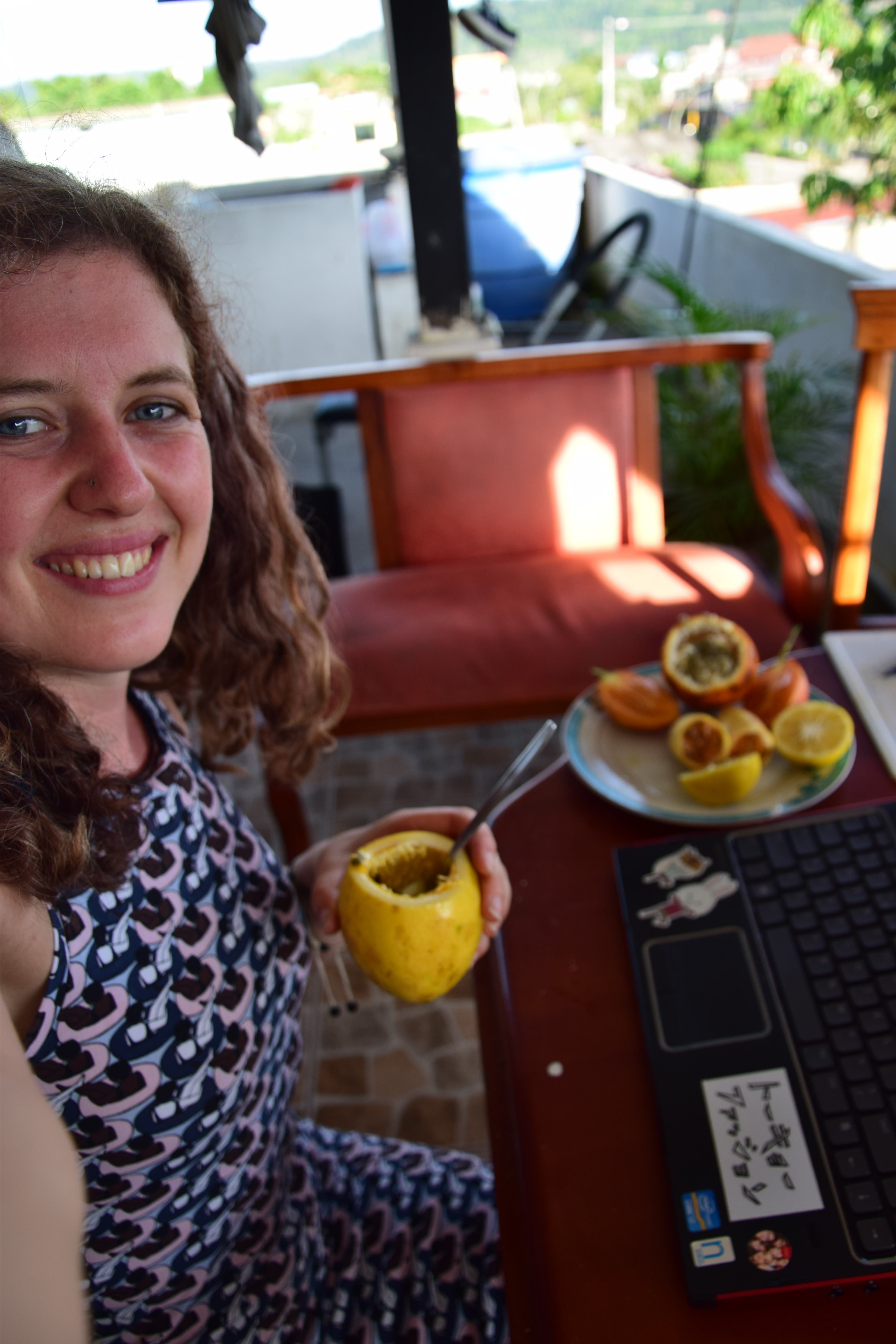
        Asia: country bundles

        Asia: country bundles

        Country bundles of Asian countries

        Access: 
        Public
        Europe: country bundles

        Europe: country bundles

        Country bundles of European countries

        Access: 
        Public
        The Caribbean: country bundles

        Image ORGANIZATIONS

        Check sectors and organizations related to: 'South America'

        CHECK MORE ORGANIZATIONS

        Make a selection, to find more or other organizations than you see below

        Image Juntucha - Bolivia
        Language school Juntucha believes that you only learn a language well by speaking it a lot. In addition to learning Spanish grammar and words, you will therefore...
        Image Llullu Llama - Eco lodge in Ecuador
        Hostel and mountain lodge Llullu Llama is located in the Andes Mountains of Ecuador. This eco lodge is largely run by volunteers and was founded by Eva from the...
        Image Apus Peru Adventure Travel Specialists
        With Apus Adventure Travel Specialists you can select off-the-beaten-trail hikes and explore the Andes around Cusco on lesser-known Inca trails. During their hikes they...
        Image Anton de Kom Universiteit van Suriname
        De Anton de Kom Universiteit van Suriname (AdeKUS) opende haar deuren in november 1968. Sinds 1983 draagt de Universiteit de naam van de antikoloniale verzetsstrijder...
        Image The School of Life Amsterdam
        The School of Life werd in 2008 opgericht door de filosoof Alain de Botton en heeft tegenwoordig vestigingen in allerlei landen over de hele wereld. De vestiging in...
        Image Finca La Víspera
        This estate in Samaipata, Bolivia, focuses on organic horticulture and is a place to completely unwind. The finca is run by a Dutch couple. Finca La Víspera offers...
        Image Expanish
        Expanish is a language school with offices in Buenos Aires, Barcelona, ​​Madrid and Malaga offering a wide range of courses. They also offer summer camps for young...
        Image Antofagasta Minerals
        Antofagasta Minerals is Chile's largest private mining group and one of the world's ten largest copper producers. Interested in applying? You have a degree in...
        Image Hostal Sunset
        This organization offers accommodations and also has a restaurant. You can also book archaeological and diving excursions, rent a car or bicycle, and buy tickets for a...
        Image San Blas Spanish School
        San Blas Spanish School is een Spaanse taalschool in Cusco, Peru die in 2003 is mede opgericht door een Nederlander. Bij San Blas kun je op verschillende manieren Spaans...
        Organizations & Services: home bundle

        Bundled content, suggestions, stories and tips about organizations and their products and services

        ...to help another, travel with care, work together, learn to share and inspire with your experience

        Organizations: home page
        Organizations: for administrative, tax and legal work and consulting
        Organizations: for agriculture, grape picking, farming and vineyards
        Organizations: for animal protection, animal care and working with wildlife abroad
        Organizations: for au pairs, youth work and child care abroad
        Organizations: for bush camping and working at a campsite abroad
        Organizations: for catering, hospitality and entertainment abroad
        Organizations: for civil society and social work abroad
        Organizations: for corporate business services
        Organizations: for customer services abroad and help desks
        Organizations: for diving, snorkeling and water sports abroad
        Organizations: for education and schools abroad
        Organizations: for expatriate insurances, travel insurances, and emergency call centers
        Organizations: for gap year activities abroad and sabbaticals
        Organizations: for internship placement abroad
        Organizations: for insurances and finance abroad
        Organizations: for IT, engineering and construction
        Organizations: for language travel and language teaching abroad
        Organizations: for marketing, communication and PR
        Organizations: for mediation in au pairs, childcare and elderly care in the Netherlands
        Organizations: for moving, international relocation and transport abroad
        Organizations: for nature conservation, environmental protection and working in nature abroad
        Organizations: for nonprofit projects, development work and international cooperation
        Organizations: for online work as digital nomad, freelancer, or independent entrepreneur from abroad
        Organizations: for outdoor activities and sports
        Organizations: for providing accommodation and hospitality work in hotels, guesthouses, ecolodges and hostels abroad
        Organizations: for providing healthcare and working in medical care abroad
        Organizations: for psychological assistance and mental health care abroad
        Organizations: for real estate, brokerage abroad and property rental abroad
        Organizations: for research and scientific work abroad
        Organizations: for student support and student associations
        Organizations: for tour guidance and adventure tours abroad
        Organizations: for tourism and organized travel and leisure work abroad
        Organizations: for voluntary work mediation and project placement abroad
        Organizations: for yacht and shipping crew and working on a cruise ship abroad

        Image SUMMARIES

        Check summaries and study assistance related to: 'South America'

        CHECK MORE SUMMARIES

        Make a selection, to find more, or other, summaries and study assistance than you see below

        Image Paper: Vredesinitiatieven & De civiele maatschappij in Medellín
        Course: Sociale Uitsluiting en Stedelijk Geweld in Latijns AmerikaIn de jaren ’90 zijn er veel vredesbewegingen uit de grond gekomen in Colombia naar aanleiding van het...
        Image Essay: El Tango – a reflection of Argentine identity
        Course: Regional orientation: history, society and culture of Latin America and the Caribbean, Part II (Social and Cultural Identity Construction)October 2008Master:...
        Image Decembermoorden (Bouterse) - Arrest
        Samenvatting arrest: Decembermoorden (Bouterse) - Arrest ECLI:NL:HR:2001:AB1471
        Image Boeksamenvatting bij The Anthropology of Latin America and the Caribbean van Sanabria
        Boeksamenvatting bij The Anthropology of Latin America and the Caribbean van Sanabria
        Image Master thesis: Ethno-religious identity formation of the Muslim Arab community in Buenos Aires (anthropological research)
        Having explored the (self-) perception - in terms of sameness and otherness - and the effect of image, stereotyping and discrimination on the formation of the ethno-...
        Image Research Paper - Reconciliation and Impunity In Chile
        Course: Culture, Violence, Trauma and ReconciliationOctober 2007My research paper consists of an anthropological casestudy situated in Chile, the casestudy referring to...

        Image

        SPOTLIGHT & FAVORITES

        SPOTLIGHT
        Image

        1. What are the issues to bear in mind when emigrating?

        • Keep track of the emigration process; for example write down what to do and what you are going through in an emigration diary.
        • Make use of the media and guidebooks when researching possible destinations.
        • Get an i...

        FAVORITES
        Image

        Arepas are corn pancakes/bread that can be eaten in all kinds of ways. If I understood correctly, arepas are mostly eaten like a kind of sandwich in Colombia (so cut open the arepa and put stuffing inside), while in Ecuador I mostly got it as a kind of thick pancake with other things on top.  ...

        Image ALL CONTENT

        Search all related content within the topic: 'South America'

        ALL CONTENT WITHIN TOPIC

        Select any filter and click on Apply to see results

        Image

        TOPICS : check associated topics and more activities

        Check more: activities in WorldSupporter
        Check more: of the topic below
        Go abroad!
        Page topic

        Stories, tips and experiences from specific countries in South America

        Submenu & Search

        Search only via club, country, goal, study, topic or sector