


Finding work in Australia on a Working Holiday Visa
Finding work in Australia on a Working Holiday Visa
Finding work can be one of the most stressful parts of a working holiday in Australia. It’s often the moment where expectations meet reality. Just like I did, you arrive motivated, résumé ready (or, well, almost), assuming work will fall into place fairly quickly, after all the stories you’ve heard. And yes, sometimes it does. Often, it doesn’t.
For me, it took six weeks before I landed my first job. Those six weeks felt long, even though I was very lucky to be housesitting and had free accommodation. Not working, not knowing when something would come up, being by myself, and constantly checking my phone to be the first to respond to a Facebook post took a mental toll.
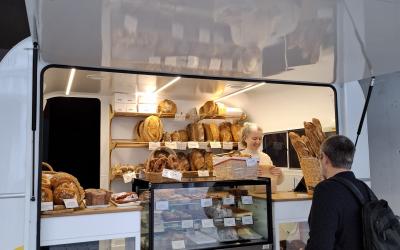
Eventually, my first job ended up being at a bakery. I got it through another Dutch backpacker who knew someone who was about to leave and posted about it in a WhatsApp group. I messaged immediately. That was it. The next day I could stop by, no formal interview, just being in the right place at the right time and responding fast. It probably helped that the manager was Dutch as well.
That same week, I also got a job at a local NGO, working on campaigns related to mining and forest impacts - my Australian work dream come true. A week later, I started teaching yoga at a local climbing gym.
The whole experience taught me something important: finding work on a working holiday visa is rarely about one perfect strategy. It’s about using multiple approaches at once, staying flexible, and having a bit of luck. And not every approach works for everyone.
Networking
From what I’ve heard and partly experienced, a lot of jobs on a working holiday come through other people. Not through polished applications, but through conversations in the hostel, group chats, chance encounters and the guts to talk to strangers.
Other backpackers are often your best network. They know which places are hiring, who’s about to leave a job, and which employers are desperate for staff. Being part of WhatsApp groups, Facebook groups, or even just talking to people in hostels or shared houses can make a real difference.
That bakery job didn’t come from a job board, it came from staying connected, meeting new people and reacting quickly when an opportunity popped up.
Being open, and saying yes (sometimes)
In Tasmania, my work life became much more fragmented. I’ve hopped from job to job, most often just for some days.
I’ve worked:
- a few days at a moving company
- a few days on a farm
- in housekeeping
- on concert setup and pack-down
Some of these jobs came through Facebook groups. Others came from meeting people, mentioning I was available, and being willing to try something unfamiliar. Not every job was great and they were all temporary. But they paid, I learned some new skills and got to see new places.
Being open doesn’t mean saying yes to everything, especially if the circumstances aren’t good or you don’t get paid properly. But it does mean being willing to take a chance, especially when you’re still finding your footing.
Showing up in real life
Not all jobs come from online applications. In fact, many don’t.
One of the funnest ways to get a job, in my opinion, is through going to markets, small businesses, cafés, and bakeries that you like and simply ask around. It can still be surprisingly effective, especially in smaller places. A friend of mine went to some cafe’s and restaurants, and the first one she went to called her the same day asking if she could take a shift that evening. But even when it doesn’t lead to a job directly, it often leads to information, who is hiring, where to try next, or who to talk to.
It can feel awkward at first, but this kind of informal job hunting is very much part of how things work in Australia.
Online applications (and managing expectations)
For more professional roles, online applications are often unavoidable. I’ve applied for many roles that matched my background and didn’t hear back at all. That can be discouraging, especially when you know you have relevant experience.
But silence doesn’t always mean rejection. Employers may not understand working holiday visas, projects may depend on funding, or timing might simply be off.
One thing that did work for me was sending open applications - reaching out to organisations I genuinely wanted to work for, even when they weren’t advertising a role. I do think I was extremely lucky, but that’s how I ended up working at a nature conservation organisation. I sent a batch of open applications, not expecting much, and happened to find something. They had a project that aligned with my background and timing. If I hadn’t reached out, it wouldn’t have happened.
Timing
Timing matters. The later in your working holiday, the more difficult it can become to find a job. At the start of your adventure, you’ll have at least a year, or two, some even three. This is what employers in certain sectors like. Some jobs, such as housekeeping in a fancy lodge, or working as a tour guide, require training. These employers often ask for at least 4-6 months availability. The later in your working holiday, the more likely it is that they won’t hire you for these kind of jobs. Of course there are ways around this, such as not mentioning the end of your visa date. I’ve experienced, though, that there are also jobs for the shorter term - for example housekeeping, farmwork, or very seasonal guiding and hospitality jobs if it aligns with your background. Remote roadhouses sometimes also hire people for one or two months, since it’s hard for them to find long-term staff.
A bunch of advice
Finding work on your working holiday journey can be very overwhelming. You’ll meet so many people who already have jobs, while struggling to find one yourself. Everyone will offer advice. Some will genuinely try to help you. Others will casually tell you what you should be doing, often without really knowing your situation. It can feel competitive, even though everyone is technically in the same boat.
I want to share some of the advice I was given, and what I’ve learned from it.
- “Just lie on your résumé”: This is advice I heard a lot. And yes, many people do exaggerate their experience, especially in hospitality. I get where it comes from. But personally, I didn’t feel comfortable outright lying, and I don’t think you need to. Being clear about what you can do, showing you’re reliable, flexible, and willing to learn often matters more. Especially in smaller places, people care less about a perfect CV and more about whether you’ll show up and do the job.
- “Get all the tickets”: RSA, White Card, Forklift, First Aid, Barista course - the list goes on. Some tickets are genuinely useful, especially RSA if you want to work in hospitality. Others can be expensive and unnecessary if you don’t actually need them. My advice: only get tickets once you know they’re relevant for the kind of work you’re aiming for, or when an employer specifically asks for them. Don’t panic-collect certificates out of fear.
- Don’t compare your timeline to others: Some people find work in two days. Others take weeks. That says nothing about your abilities. Often it’s timing, location, visa length, or pure luck. Comparing yourself to someone who “just walked into a job” will only make you feel worse and won’t get you hired any faster.
- Be clear about your availability, but strategic: Availability matters a lot. Employers want to know how long they can rely on you. Being honest is important, but so is understanding what they’re actually asking. Sometimes “long-term” means three months. Sometimes it means six. Sometimes it’s just code for “please don’t leave next week”. Ask questions, feel it out, and decide what feels okay for you.
- Trust that short-term work still counts: It’s easy to feel like hopping from job to job means you’re failing. But short-term work pays bills, builds experience, expands your network, and often leads to something else. Almost none of my jobs came from sitting at home applying online. They came from being out there, doing something.
What I would do differently
If I could do my working holiday again, I’d stress less in the quiet weeks at the start. I’d trust earlier that not working doesn’t mean nothing is happening. I’d talk to even more people, mention my availability more often, and remind myself that momentum often builds slowly, and then all at once.
I’d also worry less about finding the job, and focus more on finding a job - something that pays, gets me out of the house, and connects me to people. Because almost every good opportunity I had came from already being somewhere, already doing something.
A final thought
Finding work on a working holiday is rarely quick, and almost never linear. It’s a mix of persistence, flexibility, luck, and staying open when things don’t go according to plan.
Sometimes it takes six weeks before the first job appears. Sometimes work comes in short bursts. Sometimes it arrives through a WhatsApp message, a Facebook post, or a conversation you didn’t expect to matter.
The most important thing I’ve learned is this: keep moving, keep talking to people, and don’t assume you’re failing just because it hasn’t worked out yet.
Often, it’s just not time, until suddenly, it is.
Access:
Public



Follow the author: hannahlow

Join JoHo WorldSupporter!
Going abroad?

- Planning to go abroad? Check what you can do for the world and your personal development
- Live, Study, Travel, Volunteer or Work abroad? Arrange your insurances through the JoHo Foundation
Submenu & Search
Search only via club, country, goal, study, topic or sector