
 Eritrea
Packing list for Eritrea, travel insurance for Eritrea and taking your belongings
What to take to Eritrea: brief
To pack and check:
- Documents and money: a passport valid for at least another 6 months and a valid visa. Additional travel permits are often required for travel outside the capital, Asmara. Check this well before departure. Bring your vaccination booklet and multiple copies of your passport, visa, and travel insurance. The local currency is the Eritrean nakfa (ERN). Foreign debit cards work almost nowhere, and credit cards are hardly accepted. Therefore, bring sufficient cash euros or US dollars to exchange.
- Clothing: light, covering clothing is comfortable in the warm lowlands. If you visit Asmara or higher-altitude areas, also bring a sweater or fleece; the evenings here are generally cool. For visits to churches, mosques, and traditional villages, modest clothing is necessary, and a long scarf comes in handy.
- Shoes: comfortable walking shoes are suitable for mountainous areas and historical sites. Furthermore, sandals or flip-flops are nice for warm coastal areas such as Massawa. Care and hygiene: sunscreen with a high protection factor, lip balm, and hand gel.
- Packing and protection: a rain cover for your backpack during the rainy season and sealable dust bags.
- Insects and animals: a good mosquito repellent containing DEET or picaridine is recommended, especially for travel to the coast and lower-lying areas.
- Sleeping and lying: a mosquito net for accommodations in lower-lying and coastal areas.
- Medicines and travel first-aid kit: a first-aid kit with ORS, anti-diarrhea medication, plasters, blister plasters, painkillers, disinfectant, and personal medication.
- Outdoors and handy items: a reusable water bottle, sunglasses, a cap or hat.
- Technology and equipment: a universal adapter for Type C and L sockets, a power bank, and a headlamp or flashlight.
To consider:
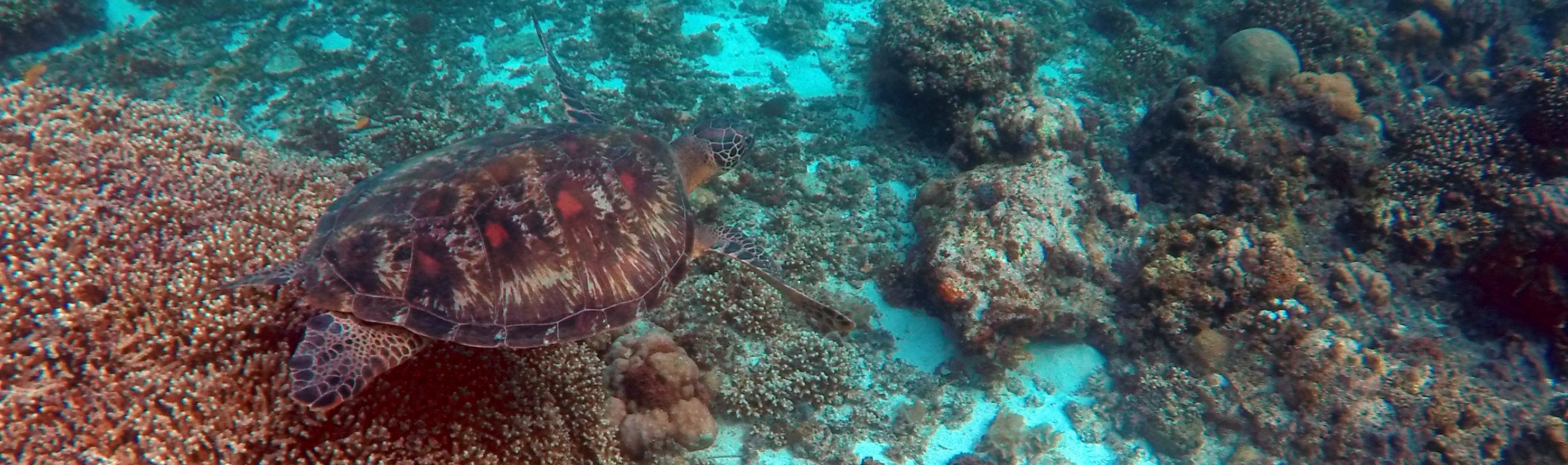
- Snorkel set for the Red Sea.
- Water shoes for coral beaches.
- A paper road map because mobile coverage is limited.
- Small gifts when staying with local families.
- Knowledge of travel permits and the strict rules regarding photography. It is also useful to know that English is spoken only to a limited extent outside the tourism sector; you will encounter Italian, Tigrinya, and Arabic more often.
Are there mosquitoes in Eritrea?
- Yes, mosquitoes are mainly found in the warmer lowlands, along the Red Sea coast.
- Malaria occurs in parts of Eritrea, especially below an altitude of approximately 2,000 meters in the western lowlands and coastal areas. In the higher-lying capital, Asmara, the risk is much lower.
- Most cases of malaria occur during and shortly after the rainy season (July-September/November).
- More about protection against mosquitoes and insects.
Are there sandflies in Eritrea?
- Yes, sandflies are found in dry and warm areas of Eritrea and are mainly active during the evening and night.
- They can transmit leishmaniasis. Fortunately, covering clothing and an insect repellent containing DEET or picaridine also offer protection against sandflies.
- More about sandflies and sand fleas.
Are DEET, or other insect repellents, available in Eritrea?
- Some insect repellents are available in Asmara at a few pharmacies, but the selection is small and limited.
- It is therefore important to bring good insect repellents from home so that you are sufficiently protected throughout your entire trip or stay.
- More about DEET.
Is it legal to buy a joint or weed in Eritrea, or bring it with you to Eritrea?
- No, cannabis is illegal in Eritrea and the country has one of the strictest drug laws in the world. Possession, use, trade, and import carry heavy penalties.