
Working in nature and outdoors abroad: what is it, why would you do it, and where is the best place to go?
- What is working in nature and outdoors abroad like?
- What are the reasons for working in nature and outdoors abroad?
- What skills and motivations do you need to work in nature and outdoors abroad?
- What are the best countries and locations to work in nature and outdoors abroad?
- What are the risks of working in nature and outdoors abroad, and are you insured against those risks?
What is working in nature and outdoors abroad like?
- Working in nature and the outdoors means spending most of your day outdoors.
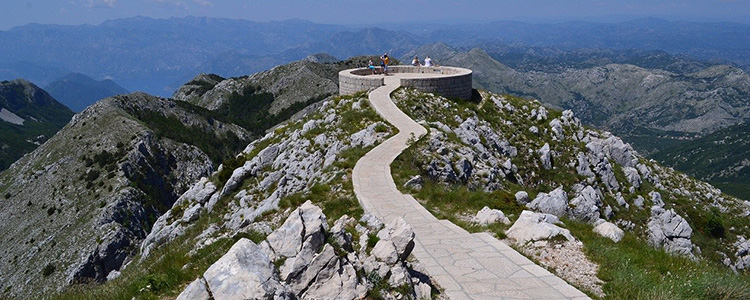
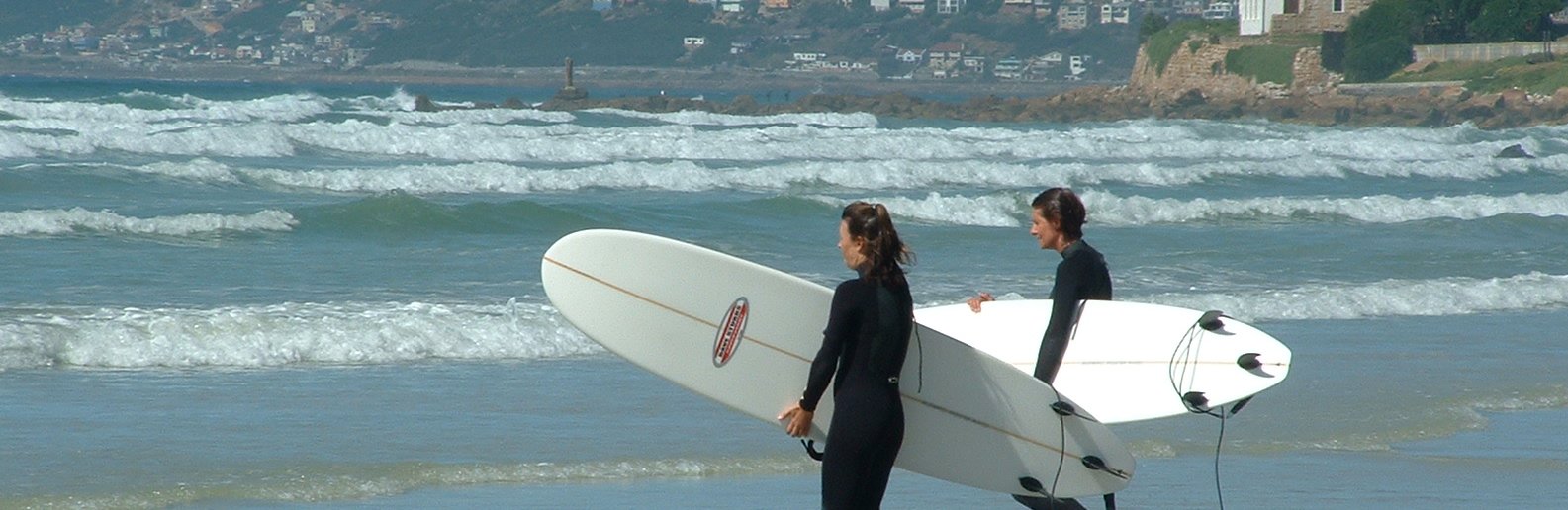
- You will work in areas with abundant greenery, animals, forests, beaches, mountains, or countryside.
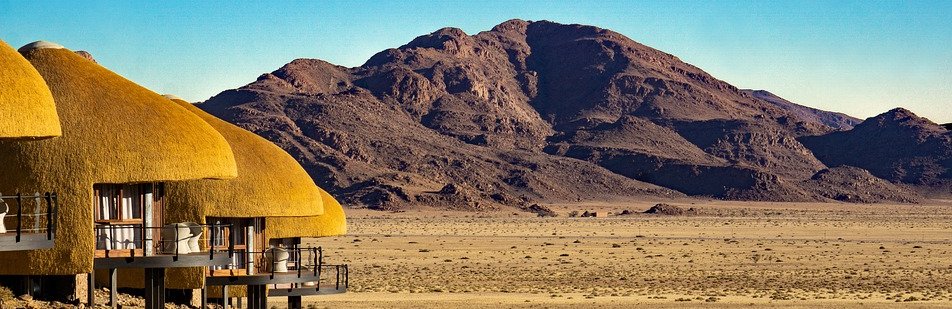
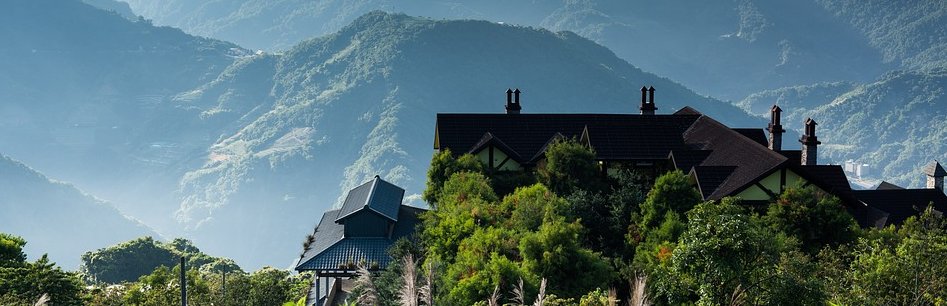
- This could be on a farm, nature project, campsite, ecolodge, sustainability initiative, wildlife project, or outdoor organization.
- Living conditions vary greatly. Sometimes basic, sometimes comfortable.
- But always: fresh air, exercise, and lots of nature.
- Duties vary by organization, but often include:
- maintenance of nature reserves, trails, or parks;
- helping on a farm or sustainable agricultural site;
- maintenance and work at campsites and outdoor accommodations;
- participating in ecolodges, ecohostels, or sustainable projects;
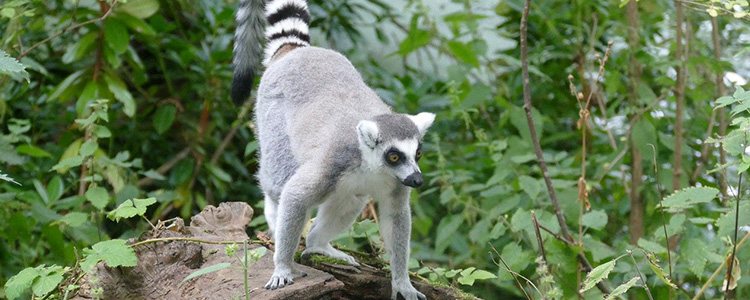
- assisting with animal care or wildlife monitoring;
- repairs and manual work such as installing fences, painting, or building.
- Light technical work, gardening, composting.
- Supervising guests or volunteers.
- Cleaning outdoor areas or common areas.
- Working conditions: Most nature and outdoor jobs offer a local average salary (depending on country and season) or room and board with a small expense allowance.
- Discounts on activities and meals or basic food can be part of the package.
- Volunteer work usually doesn't include a salary, but it does include food, accommodation, and training.
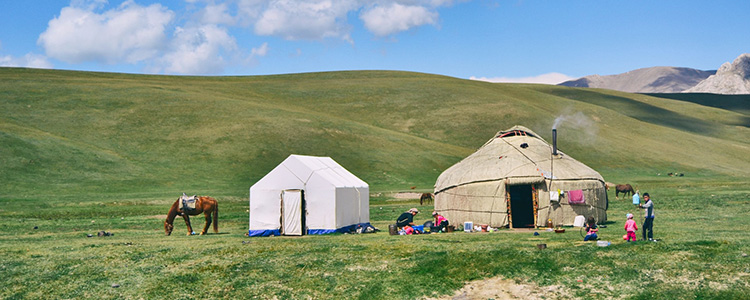
- Internships are also often unpaid, but they do offer experience and supervisors. Your accommodation is often basic: staff accommodation, shared rooms, tents, huts, or farmhouse rooms.
What are the reasons for working in nature and outdoors abroad?
- To strengthen your adaptability: working outdoors means dealing with weather, animals, machinery, unexpected situations, and seasons. You'll learn to adapt flexibly, a valuable skill for all future employers.
- To develop strong problem-solving skills: from a broken water hose to a sudden thunderstorm while working outdoors: you'll learn to think quickly, creatively, and practically.
- To build your physical and mental resilience: working outdoors requires perseverance, discipline, and stress resistance. You'll literally build a stronger body and brain.
- To practice your self-reliance: many outdoor jobs (sustainability, ranger work, farms, campsites) require you to make independent decisions and show initiative.
- To learn to think sustainably and work systems-oriented: ecological work requires you to see connections (soil, biodiversity, water, human behavior). This strengthens your analytical skills and your sustainable mindset.
- To increase environmental awareness: you'll learn to recognize risks, which is essential in nature work, strengthening your responsibility and safety skills.
What skills and motivations do you need to work in nature and outdoors abroad?
- Collaboration and empathy: You'll work in teams, often internationally, and therefore must be able to collaborate well with people from different backgrounds.
- Resilience and calmness under pressure: Many unexpected situations can arise, especially if you're responsible for clients or other employees, for example.
- Professional conduct and craftsmanship: Safety and care are very important when working outdoors!
- Planning and organization: Depending on your role, this can be very important. A good daily schedule makes everyone's work much more enjoyable!
- Service orientation: This is especially important at campsites/ecolods.
- Situational awareness: Your awareness of nature, culture, animals, and safety is incredibly important when you're outdoors a lot and working with different people and circumstances.
What are the best countries and locations to work in nature and outdoors abroad?
- Farm work and sustainable agriculture: Australia, New Zealand, France, Italy, Ecuador, Spain, Chile, South Africa
- Nature management and outdoor maintenance: USA, Canada, New Zealand, Sweden, UK
- Camping and outdoor recreation: France, Spain, Italy, Slovenia, Portugal, Croatia
- Ecolodges and sustainable community projects: Costa Rica, Peru, South Africa, Indonesia, Mexico
- Wildlife projects and fieldwork: Australia, Kenya, Tanzania, Namibia, Costa Rica
What are the risks of working in nature and outdoors abroad, and are you insured against those risks?
- What are the risks of working in nature and outdoors abroad?
- Local employers generally offer limited or no supplementary insurance.
- There is a risk of accidents because the chances are high, that you are doing work with which you have little experience.
- There are also considerable risks when working in nature and outdoors. It is, of course, wonderful for the soul, but injuries are a risk. On farms, for example, you can face significant risks due to the (incorrect) use of tools and machines, the risk of being bitten and kicked by animals, heat exhaustion, falls, and back problems from heavy and repetitive lifting.
- If you work extensively in nature, you also risk injuries from falling branches, poisonous plants and animals, sprains, and hypothermia.
- Do you work primarily in the camping or lodge sector? There are also significant risks then (in addition to those mentioned above). You can suffer food poisoning, injuries during maintenance work, burns, and sometimes hygiene is also a concern.
- Outdoor work carries increased risk, so it's important to be adequately insured.
- There may be several reasons why you need separate insurance when working abroad. See the pages on: insuring international Insurances for working abroad, for internships abroad, for volunteering abroad, or for expats and emigrants.