
 Djibouti
Packing list for Djibouti, travel insurance for Djibouti and taking your belongings
What to bring to Djibouti: brief
To pack and check:
- Documents and money: a passport valid for at least 6 months upon arrival and a valid eVisa or visa. Check the current entry requirements before departure. Bring multiple paper and digital copies of your passport, travel insurance, and bookings. The local currency is the Djiboutian franc (DJF). ATMs are available in Djibouti City, but limited outside of the city. Bring sufficient cash, such as euros or US dollars, when you travel outside the capital.
- Clothing: light, airy clothing made of breathable fabrics such as cotton and linen is essential. Djibouti is one of the hottest countries in the world. Covering clothing is appreciated and is essential for visits to mosques or traditional villages. Also bring a cardigan or fleece for cool evenings and air-conditioned buildings.
- Shoes: comfortable walking shoes are pleasant for volcanic areas, salt flats, and walks around Lac Assal or Lac Abbé. Sandals or flip-flops are ideal for the coast and warm days.
- Personal care and hygiene: sunscreen with a very high protection factor, lip balm, and a moisturizing cream. The combination of heat, sun, and dry air can severely dry out your skin.
- Insects and animals: mosquito repellent containing DEET or picaridin is advisable, especially when staying along the coast or near temporary pools of water.
- Medicines and travel first-aid kit: a first-aid kit with plasters, ORS, painkillers, blister plasters, disinfectant, and personal medication.
- Outdoor items and handy items: a large reusable water bottle, sunglasses, a wide-brimmed sun hat, or a cap.
- Technology and equipment: Djibouti uses type C, E, and sometimes F sockets.
To consider:
- Water shoes for coral beaches and volcanic coastal areas.
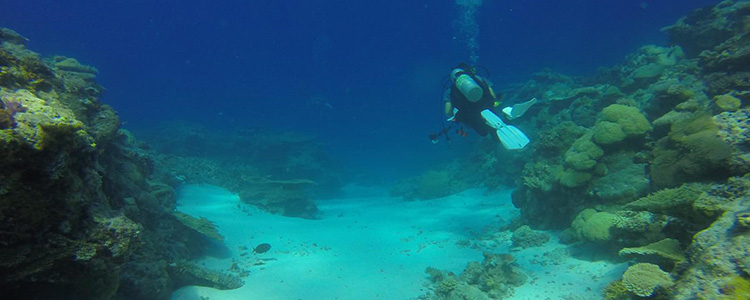
- A UV-protective swim shirt and a snorkel set for snorkeling or diving.
- A dry bag for boat trips. Water purification tablets for travel outside tourist areas.
- Knowledge of the heat and climate. Activities are often planned early in the morning or late in the afternoon. It is also useful to consider local Islamic customs regarding clothing and behavior.
Are there mosquitoes in Djibouti?
- Yes, mosquitoes are mainly found in and around Djibouti City and other cities, along the coast, and during the short rainy seasons. Due to the dry climate, there are fewer mosquitoes than in many other African countries.
- Dengue and malaria, among other diseases, occur in Djibouti. The risk is limited for most travelers, but protection against mosquitoes remains wise.
- More about protection against mosquitoes and insects.
Are there sandflies in Djibouti?
- Yes, sandflies occur in Djibouti. They are found in dry and desert-like areas and are mainly active around sunset and at night.
- Their bites can be very itchy, and in exceptional cases, they can transmit leishmaniasis. More about sandflies and sand fleas.
- More about sandflies and sand fleas.
Are DEET, or other mosquito repellents, available in Djibouti?
- Yes, in Djibouti City, DEET and other mosquito repellents are available at pharmacies and larger supermarkets.
- If you are traveling further into the country, bring enough of your own trusted mosquito repellent with you.
Is it legal to buy a joint or weed in Djibouti, or bring it with you into Djibouti?
- No, cannabis is illegal in Djibouti in all forms, including medical cannabis. Possession, use, trade, and importation carry heavy penalties.
- Login of registreer om te kunnen reageren
- 318 keer gelezen