Travel to Madagascar to backpack, study, intern, volunteer, work, or live as a digital nomad, expat or emigrant?

Image

Image

Image  Madagascar

Intro

Backpacking or traveling in Madagascar?

  • A pretty off-the-beaten-path destination for most, except perhaps for nature lovers. Madagascar is an island with tremendously special nature and a unique culture. At the same time, it is also a country with a lot of poverty, and if you spend your money the right way, you can do something about this as a tourist!
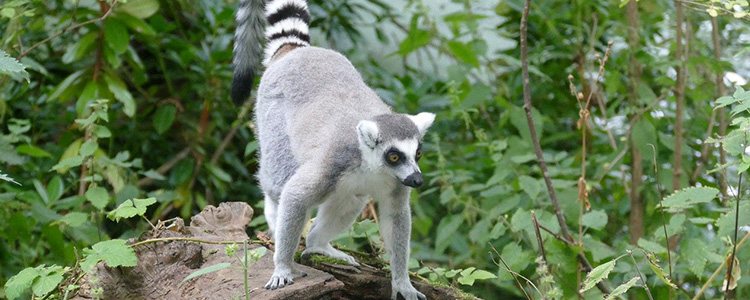
  • Activity spotting: admire the unique Baobab trees, visit Tsingy for an adventurous day filled with unique rock formations, go hiking in Isalo National Park, relax on the beaches of Nosy Be or find peace and quiet at Nosy Boraha, connect with different lemur species in Ranomafana National Park or Andasibe-Mantadia National Park, experience the capital Antananarivo, drive on the N5 through bizarre landscapes, go on a whale watching tour, discover the cuisine of Madagascar. 

Studying in Madagascar?

  • There is not much choice of studies in Madagascar and the quality of education is not very good. In particular, there is a choice of Bachelor programs including biology, applied sciences, art, business administration. There are also collaborations with research institutions and universities especially in the field of nature. 
  • Language: the official languages are French and Malagasy. 

Internship in Madagascar?

  • There are mainly internships in research programs in the areas of nature and conservation, international organizations and education. 
  • Competencies: adaptability, environmental awareness and ecological knowledge, adaptability, problem-solving skills, leadership and teamwork, French language skills. 

Volunteer in Madagascar?

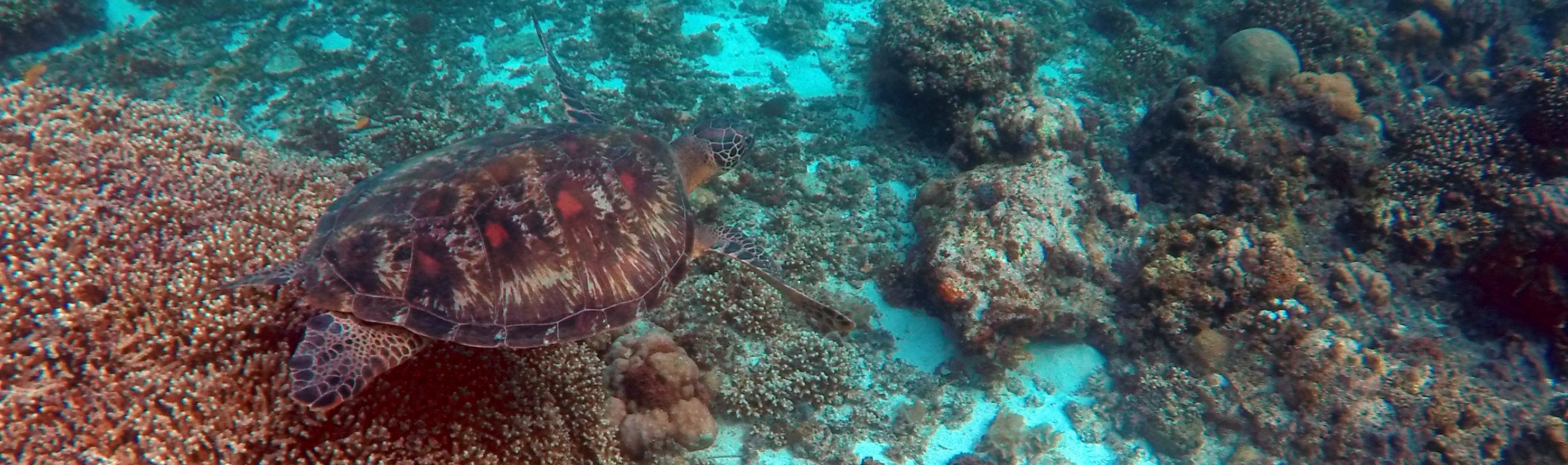
  • There are volunteer opportunities in the areas of conservation (such as turtle monitoring, marine conservation, forest protection, lemur research), teaching English, building and construction and in health care.   

Working in Madagascar?

  • In Madagascar, you are most likely to get a job with international development or conservation organizations. Thus, there are jobs in the fields of biodiversity, climate, health care and development aid. 

Working as a digital nomad in Madagascar?

  • There is no digital nomad scene in Madagascar (yet), but there is a group of expats working in development. Wi-Fi can be found here and there, and bringing your own Wi-Fi router is handy. The cost is relatively low and the facilities are not too good. 
  • Favorite locations: Antananarivo. 

Living in Madagascar?

  • Living in Madagascar means living in one of the most unique and diverse countries in the world. You are surrounded by friendly people and expats who mostly work for development or nature organizations. 
  • The cost of living in Madagascar is relatively low, but poverty is also high. So be prepared (mentally) for this. Also, facilities are not good, including health care, education and infrastructure. 
  • Make sure you speak some French or Malagasy! 
  • A good health insurance in Madagascar is not an unnecessary luxury.
Madagascar Country Bundle: suggestions, stories and tips

Madagascar Country Bundle: suggestions, stories and tips

Image

Content about Madagascar on WorldSupporter

How does healthcare work in Madagascar, and what travel insurance, health insurance or expat insurance do you need?

How does healthcare work in Madagascar, and what travel insurance, health insurance or expat insurance do you need?

How does the healthcare system work in Madagascar?

What is the quality of healthcare in Madagascar?

  • Health care in Madagascar faces many challenges, including infectious diseases, shortages, and underfunding.
  • The government works to improve public health through programs targeting disease control.
  • Health care is officially decentralized, consisting of public, private, and informal providers.
  • The private sector plays an important role in supplementing public care.
  • Without international organizations and donors, the system would struggle to function. NGOs and donors are critical in financing and providing care.
  • Access is a major issue: urban populations have better care than rural or coastal communities.
  • Cost and lack of infrastructure also prevent locals from accessing care.
  • Expats and travelers usually rely on private care, but medical evacuation to South Africa or Europe is often necessary.
  • Pharmacies are mostly in Antananarivo and other major cities; rural areas have few.
  • Medicine shortages are common, and counterfeit drugs exist.
  • Ambulance services are nearly non-existent; personal transport is essential in emergencies.
  • Traditional medicine is widely used across Madagascar.

How does the public healthcare system work in Madagascar?

  • Public care is underfunded and relies heavily on NGOs and international support (WHO, UNICEF, MSF).
  • The central government oversees the system, but local authorities manage most operations.
  • Basic care is delivered through village clinics: vaccinations, first aid, and routine treatment by local health workers.
  • District hospitals provide secondary care, but are often poorly equipped.
  • Regional hospitals and specialized institutions offer tertiary care.
  • Travel times to care can be long; staff and medicine shortages are daily challenges.
  • Officially “free” basic care often still requires out-of-pocket payments or bringing your own supplies.

How does the private healthcare system work in Madagascar?

  • The private sector has grown in recent years.
  • Private hospitals and clinics in Antananarivo and other large cities provide better quality and are an important supplement to public care.
  • More options exist for advanced diagnostics, and waiting times are usually shorter.
  • Costs are higher, and care is more reliable and modern.
  • NGO clinics (e.g., MSF) are sometimes even more reliable than public facilities.
  • Complex treatments usually still require referral to South Africa or Europe.

How is the general practitioner arranged in Madagascar?

  • There is no GP system in Madagascar.
  • Primary care occurs through village clinics or private doctors in cities.
  • Expats often choose a private doctor in Antananarivo as a “go-to” contact.

How is the dentist arranged in Madagascar?

  • Dental care in Madagascar is very limited.
  • Basic dental care is available in cities, mainly in Antananarivo.
  • Specialist dental care is rare; expats usually travel abroad for advanced dental treatments.

How is pregnancy care arranged in Madagascar?

  • Madagascar has one of the highest maternal and child mortality rates in the world.
  • Poor access to prenatal and postnatal care, insufficiently trained staff, and inadequate facilities are major contributors.
  • Prenatal care is available, but staff and resource shortages remain significant.
  • Many rural women give birth at home; urban hospital births are safer.
  • Traditional midwives still play an important role.
  • Expats generally choose to give birth in another country.

How safe or unsafe is a trip or stay in Madagascar?

What should you pay attention to in terms of safety in Madagascar?

  • Petty crime occurs in cities and tourist areas; violence is not uncommon.
  • Political tensions and protests can flare up suddenly.

What should you look out for in terms of diseases in Madagascar?

  • Malaria is endemic and widespread.
  • Other mosquito-borne diseases like dengue and chikungunya are significant risks.
  • Tuberculosis and HIV/AIDS are major public health problems.
  • Only drink bottled or boiled water.

What should you pay attention to when it comes to traffic in Madagascar?

  • Roads are often poor, unpaved, and sometimes impassable during the rainy season.
  • Taxi-buses are cheap but overcrowded and poorly maintained.
  • Self-driving is best with a 4x4 during daytime.
  • Night travel outside cities is discouraged due to poor lighting and risk of carjacking.

What work and travel insurance policies are suitable for short and long stays in Madagascar?

  • Is the trip to Madagascar and your return sufficiently covered? Are you sufficiently covered before, during and after your activities? Which insurance best suits your trip and your activity? Read more about insurances for abroad on JoHoinsurances.org.

What emigration and expat insurance can you take out for Madagascar if you are going to live there for a while?

  • International health or expat insurance is essential due to high disease risk and limited local care.
  • Medical evacuation or repatriation is often required for serious illness or injury.
  • If you have private insurance, you can choose your own doctor in Madagascar.
  • Read more about insurances for abroad on Expatinsurances.org.
Packing list for Madagascar, travel insurance for Madagascar, and taking your belongings

Packing list for Madagascar, travel insurance for Madagascar, and taking your belongings

What to take with you to Madagascar: spotlighted

Featured items:
  • Documents: a passport with at least 6 months validity and copies of your passport.
  • Money: bring enough Ariary, because paying with your card can be difficult!
  • Care: coral-friendly, strong sunscreen and aftersun.
  • Outdoor and conveniences: sunglasses in combination with a cap/hat. Buff for protection against sun, wind and dust.
  • Protection: backpack rain cover and a light raincoat for unexpected showers and (impregnated )mosquito net.
  • Clothing: from rainforest to desert, you can encounter all conditions. In general, lightweight clothing with warm layers is the most convenient. Also think of clothing that protects against mosquitoes. Swimwear for the beach and hotel days.
  • Shoes: good walking shoes (possibly waterproof for the rainforest) and sandals for relaxed beach days or when you just want to give your feet some air.
  • Medicines and travel kit: a small first aid kit with plasters, painkillers, stomach and intestinal remedies, ORS (dehydration is a thing) and mosquito repellent. Hand disinfectant for those moments when running water is a luxury.
  • Technology and equipment: world plug with type C & E, power bank and flashlight for power outages.

What are some other options for packing as well?

  • Reusable water bottle with filter.
  • Quick-drying travel towel.
  • International driving license, when you want to rent a car.
  • Books or an e-reader for long journeys.
  • Mini binoculars or monocular, because you don't want to miss the lemurs.
  • Dress according to the dress code and climate: in more remote areas and even on some beaches (often shoulders covered and fairly conservative).

Are there mosquitoes in Madagascar?

  • Mosquitoes in Madagascar are not only annoying, they can also transmit malaria and dengue.
  • The moquitoes are everywhere and pose a significant risk to local public health, with one of the highest malaria rates in the world.
  • Wear mosquito repellent like your life depends on it – because it might.
  • Mosquitoes are most active around sunrise and sunset. There are fewer mosquitoes in the cooler months (June-August).

Are there sandflies in Madagascar?

  • Sand flies are not a big problem in Madagascar.

Can you buy DEET, or other mosquito repellents, in Madagascar?

  • In Madagascar it is important to protect yourself well and it is not easy to find good mosquito repellents for this.
  • Pack your own favorite mosquito repellent substance.

Can you buy a joint or weed in Madagascar, or take it with you to Madagascar?

  • Cannabis has been used in Madagascar for thousands of years and is still popular among the local population.
  • Despite this, possession and use of cannabis is illegal and can lead to severe penalties. Not the souvenir you want to take home.
  • Medical cannabis is also not allowed, and taking a joint or weed with you is definitely not allowed.
Madagascar: Updates & Travel

Madagascar: Updates & Travel

Travel in Madagascar?

  • If you love nature, go to Madagascar. Because it is an island and therefore cut off from the mainland, it has about 10,000 organisms found nowhere else in the world! For example, do you know about the lemurs and the fossa? Unfortunately, more and more forest is being cut down and more and more species are dying out. We would almost say “Be quick!” Not only the nature is interesting, the people are also special. In fact, the ancestors of the inhabitants of Madagascar came by boat from Indonesia 300 years before Christ, so they do not resemble Africans in any way.
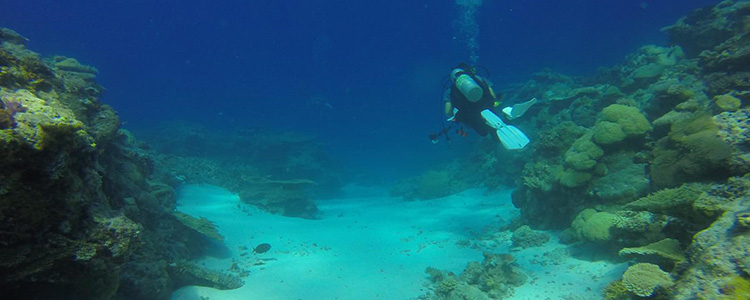
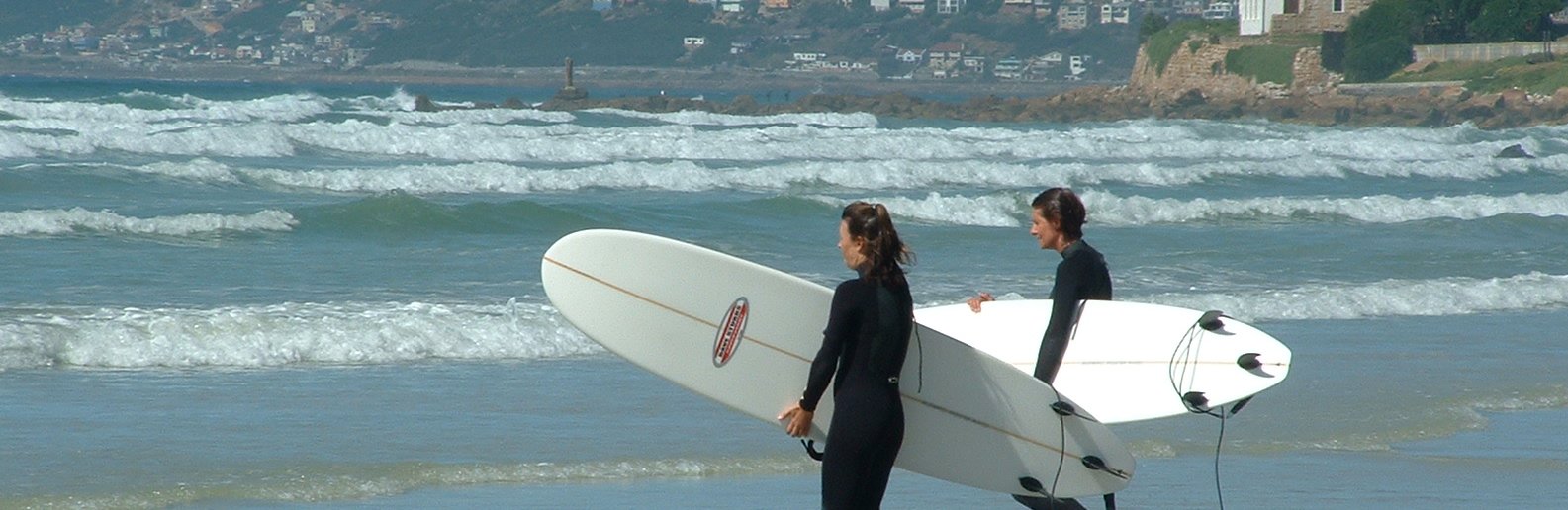
  • Go surfing. Madagascar is one of the best places to windsurf in the southern hemisphere or dive along the beautiful coral reef.
  • See the extraordinary flora and fauna.
  • Listen to the cries of the lemurs.
  • Walk through the volcanic landscape.
  • Soak up culture in Antananarivo.
  • Ampfery. Visit the volcano and geyser area.
  • Antananarivo (Tana) is the capital of Madagascar, with beautiful palaces and markets built on ten hills.
  • Ambohimanga is a sacred city. The forbidden city or king's city of Madagascar is best known for the beautiful Rova palace.
  • Tsingy de Bemarah Strict Nature Reserve, some say is one of the most beautiful and extraordinary natural parks in the world.  
  • Extinct animal and plant species.
  • Pollution of the coral reef.

Updates Madagascar

  • More about Madagascar, updates and contributions, see the link below.

Image

Why get specific insurance when going abroad: per activity abroad
Why should you take out specialized travel insurance for a long trip abroad?

Why should you take out specialized travel insurance for a long trip abroad?

What is round the world travel insurance or long-term travel insurance?

  • Round the world travel insurance means that you take out insurance that continues to provide coverage during all your activities abroad, and which is specifically intended for those who travel for long periods of time, such as world travelers, globetrotters, and nomads.

Why should you take out specialized travel insurance for a long trip abroad?

  • Round the world travel insurance provides coverage for a much longer trip than regular travel insurance.
  • World travel insurance is specifically intended for longer trips, whereas regular travel insurance may offer coverage on paper, but in practice handles it differently.
  • World travel insurance is suitable for many types of activities, ranging from high-altitude trekking to more risky sports.
  • World travel insurance continues to provide coverage if you start working during your trip, whether planned or unplanned. If you did not take out insurance before departure that allows you to work, there is no guarantee that you will be able to take out insurance that provides coverage while abroad.
  • Long-term travel insurance continues to provide coverage when your home country's health insurance no longer does.
  • Worldwide travel insurance also covers your medical expenses up to the actual cost, and not just for the standard costs. The costs per medical treatment vary greatly between countries.
  • Worldwide travel insurance can also continue to provide coverage if negative travel advice is issued.

What is important to insure when you are going to travel around the world?

  • That you have insurance that is valid in the countries where you are going to travel and posibly work.
  • That you are adequately insured for the sports and activities you are going to participate in during your full period abroad
  • That you are insured for emergency assistance and early return if something happens to you or your immediate family.
  • That your medical expenses are insured up to the actual cost and not just for the standard costs. The costs per medical treatment vary greatly between countries.
  • That you insure your luggage and take sufficient precautions against theft or damage.
  • That you are well insured against personal liability.
  • That you are well insured in case of accidents.
  • That you only insure yourself for legal assistance if there is an immediate reason to do so, unless coverage is already automatically included in the insurance.
  • That you pay close attention to choosing the right coverage when performing work or voluntary work during your world trip.

Check out more about

Why should you take out specific insurance when you go on a trip or vacation?

Why should you take out specific insurance when you go on a trip or vacation?

What is insurance for traveling abroad?

  • Travel insurance is insurance that provides coverage for risks during a trip or vacation abroad. This mainly concerns loss of or damage to your luggage, medical assistance, or repatriation costs if you need to be transported back home urgently. In some cases, travel insurance coverage also applies on domestic trips.
  • With annual travel insurance or multi-trip travel insurance, you are insured for all your trips throughout the year.
  • With temporary travel insurance or single-trip travel insurance, you take out insurance for each trip for the duration of the trip.
  • Cancellation insurance reimburses (all or part of) the travel sum, cancellation or accommodation costs if you have to cancel or interrupt your vacation.

Why should you take out travel insurance for a short trip, vacation, or long-distance trip?

  • Travel insurance can provide coverage in the event of an accident or emergency while you are abroad.
  • Travel insurance can provide coverage for damage and accidents during the adventurous or sporting activities you plan to do.
  • Travel insurance can continue to provide coverage if your health insurance no longer provides coverage, or if the damage is only reimbursed at cost price of your home country.
  • Travel insurance can provide coverage in the event of damage, loss, or theft of your luggage.
  • Travel insurance can provide coverage if you are held liable for damage you cause to other people or their property.
  • Travel insurance can provide coverage if you have to return home early because something has happened to you or your immediate family.

What is important to insure when you are going to travel abroad?

  • That you have insurance that is valid in the country or countries that you are going to visit.
  • That you are adequately insured for the sports and activities you are going to participate in during your period abroad.
  • That you are insured for emergency assistance and early return if something happens to you or your immediate family.
  • That your medical expenses are insured up to the actual cost and not just for the standard costs. The costs per medical treatment vary greatly between countries.
  • That you insure your luggage and take sufficient precautions against theft or damage.
  • That you are well insured against personal liability.
  • That you are well insured in case of accidents.
  • That you only insure yourself for legal assistance if there is an immediate reason to do so, unless coverage is already automatically included in the insurance.
  • That you pay close attention to choosing the right coverage when performing work alongside your travels.

Check out more about international insurances

Why should you take out specialized travel insurance for working abroad?

Why should you take out specialized travel insurance for working abroad?

Why should you take out specialized travel insurance for paid work, voluntary work or an internship abroad?

  • There may be several reasons why you need separate insurance when working abroad.
  • During work, internships, or volunteer work abroad where you receive financial compensation (or, for example, food or housing), your national health insurance coverage may expire. You will then need special insurance to remain insured for illness and accidents.
  • During specific work abroad, additional requirements may apply if your work involves additional risks. Only specific insurance policies offer coverage during this type of work.
  • During your work, the risk of accidents is sometimes greater, for example because you are doing work with which you have little experience or because of the nature of the work.
  • During your work, local employers generally offer no or limited insurance that provides insufficient coverage.

What is important to insure when you are going to work abroad?

  • That you have insurance that is valid in the country or countries where you are going to travel and work.
  • That you are adequately insured for the sports and activities you are going to participate in during your period abroad
  • That you are insured for emergency assistance and early return if something happens to you or your immediate family.
  • That your medical expenses are insured up to the actual cost and not just for the standard costs. The costs per medical treatment vary greatly between countries.
  • That you insure your luggage and take sufficient precautions against theft or damage.
  • That you are well insured against personal liability.
  • That you are well insured in case of accidents.
  • That you only insure yourself for legal assistance if there is an immediate reason to do so, unless coverage is already automatically included in the insurance.
  • That you pay close attention to choosing the right coverage when performing work.

Check out more about international insurances

Why should you take out specialized travel insurance for volunteering abroad?

Why should you take out specialized travel insurance for volunteering abroad?

What is insurance for volunteering abroad?

  • Insuring volunteer work abroad means taking out insurance that continues to provide coverage while you are working as a volunteer abroad

Why should you take out specialized travel insurance for voluntary work abroad?

  • There may be several reasons why you need separate insurance when volunteering abroad.
  • During specific activities abroad, additional requirements may apply if your work involves extra risks. Only specific insurance policies offer coverage during these activities.
  • The risk of accidents is sometimes higher during your work, for example because you are doing work you have little experience with or because of the nature of the work.
  • Local projects or employers generally offer no or limited insurance that provides insufficient coverage during your work.
  • When volunteering abroad and receiving minor financial compensation (or, for example, food or housing), your home country's health insurance coverage will potentially lapse. You will then need special insurance to remain insured for illness and accidents.
  • Regular travel insurance policies generally provide coverage for trips of a limited number of days. If your trip or stay abroad exceeds the maximum number of days, this generally means that for the entire travel period, you will not be covered.
  • Regular travel insurance policies generally only provide coverage for recreational travel without voluntary work activities. If you engage in activities other than recreational activities (such as volunteer work), this generally means that for the entire travel period, you will not be covered.

What is important to insure when you are going to work as a volunteer abroad?

  • That you have insurance that is valid in the country or countries where you are going to travel and volunteer.
  • That you are adequately insured for the sports and activities you are going to participate in during your period abroad
  • That you are insured for emergency assistance and early return if something happens to you or your immediate family.
  • That your medical expenses are insured up to the actual cost and not just for the standard costs. The costs per medical treatment vary greatly between countries.
  • That you insure your luggage and take sufficient precautions against theft or damage.
  • That you are well insured against personal liability.
  • That you are well insured in case of accidents.
  • That you only insure yourself for legal assistance if there is an immediate reason to do so, unless coverage is already automatically included in the insurance.
  • That when performing work in healthcare, with wild animals, and with dangerous (agricultural) machinery, you take care to choose the right coverage.

Check out more about international insurances

Why should you take out specialized travel insurance for an internship abroad?

Why should you take out specialized travel insurance for an internship abroad?

What is insurance for an internship abroad?

  • Insuring an internship abroad means taking out insurance that continues to provide coverage during your internship abroad
  • Insurance for internships abroad are also referred to as internship insurance. This internship insurance is specifically for when you go abroad for a long period of time to work as an intern, take courses, or conduct research abroad.

Why should you take out specialized travel insurance for an internship abroad?

  • There may be several reasons why you need separate insurance for an internship abroad.
  • During internship activities abroad, additional requirements may apply as soon as you start performing work that involves additional risks. Only specific insurance policies offer coverage during these activities.
  • During your internship, the risk of accidents is sometimes greater, for example because you are doing work with which you have little experience or because of the nature of the work.
  • During your internship, local employers generally do not offer insurance, or offer limited insurance that does not provide sufficient coverage.
  • During an internship abroad where you receive financial compensation (or, for example, food or accommodation), your home country's health insurance coverage will potentially lapse. You will then need special insurance to remain insured for illness and accidents.
  • Regular travel insurance policies generally provide coverage for trips of a limited number of days. If your trip or stay abroad exceeds the maximum number of days, this generally means that for the entire travel period, you will not be covered.
  • Regular travel insurance policies generally only provide coverage for recreational trips without work activities.

What is important to insure when you are going to be an intern abroad?

  • That you have insurance that is valid in the area where you will be traveling and doing your internship.
  • That you are adequately insured for the sports and activities you will be participating in.
  • That you are insured for emergency assistance and early return in case something happens to you or your immediate family.
  • That your medical expenses are insured up to the actual cost (what it actually costs), and not just for the standard costs. The costs per medical treatment vary greatly between countries.
  • That you insure your luggage and take sufficient precautions against theft or damage.
  • That you are well insured against personal liability and, preferably, also for liability during your internship.
  • That you are well insured in case of accidents.
  • That you insure yourself for legal assistance if there is an immediate reason to do so, unless the coverage is already automatically included in the insurance.
  • Make sure you choose the right coverage for internship work in healthcare, with wild animals, or with dangerous machinery!

Check out more about international insurances

Why should you take out specialized travel insurance for studying abroad?

Why should you take out specialized travel insurance for studying abroad?

What is insurance for studying abroad?

  • Insurance for studying abroad means that you take out insurance that continues to provide coverage during your studies, your education, and your related activities abroad.
  • Insurance for studying abroad is also referred to as study insurance. This study insurance is specifically for when you go abroad for a long period of time to take courses, study, or conduct research abroad.

Why should you take out specialized travel insurance for a study abroad?

  • Study insurance is specifically designed for studying abroad, whereas regular travel insurance policies may offer coverage on paper but handle this situation differently in practice.
  • Study insurance offers coverage for longer stays than regular (vacation) travel insurance.
  • Study insurance is also suitable for many types of activities, ranging from various sports to hiking at high altitudes.
  • Study insurance continues to provide coverage if you start working during your trip, whether planned or unplanned. If you have not taken out insurance before departure that allows you to work, there is no guarantee that you will be able to take out insurance abroad that provides coverage.
  • Study insurance continues to provide coverage if your own country's health insurance no longer provides coverage.
  • Student insurance also covers your healthcare costs above the rates in your own country; with regular insurance, you have to pay the extra costs yourself.
  • Student insurance can also continue to provide coverage if (study) visa issuers impose additional requirements on how you insure yourself, for example if you are going to the US and applying for a J-1 visa.
  • Student insurance continues to provide coverage if you are staying abroad for a longer period of time and want to visit your own country in between.

What is important to insure when you are going to study abroad?

  • That you have insurance that is valid in the country or countries where you are going to travel and work.
  • That you are adequately insured for the sports and activities you are going to participate in during your period abroad
  • That you are insured for emergency assistance and early return if something happens to you or your immediate family.
  • That your medical expenses are insured up to the actual cost and not just for the standard costs. The costs per medical treatment vary greatly between countries.
  • That you insure your luggage and take sufficient precautions against theft or damage.
  • That you are well insured against personal liability.
  • That you are well insured in case of accidents.
  • That you only insure yourself for legal assistance if there is an immediate reason to do so, unless coverage is already automatically included in the insurance.
  • That you pay close attention to choosing the right coverage when performing work alongside your studies.

Check out more about international insurances

Why should you take out specialized insurance for moving abroad as an emigrant or an expat?

Why should you take out specialized insurance for moving abroad as an emigrant or an expat?

What is an emigration insurance and what is an expat insurance?

  • Emigration insurance is an insurance that continues to provide coverage if you move abroad permanently or for an indefinite period of time.
  • Emigration insurance is not only intended for emigrants, but for anyone who leaves their home country for an extended period of time and does not intend to return in the foreseeable future.
  • Expat insurance is insurance that continues to provide coverage if you go to work abroad for a local or international employer for an extended period of time.
  • Expat insurance is not only intended for expats, but for anyone who has a more permanent job abroad.

Why should you take out specialized insurance for emigration or working as an expat abroad?

  • Emigration or expat insurance not only provides coverage for acute assistance in the event of illness or accident abroad, such as travel insurance, but can also provide coverage for existing conditions and ailments or non-urgent care.
  • Emigration or expat insurance does not require you to maintain valid health insurance in your home country.
  • Emigration or expat insurance provides coverage for preventive care or costs related to pregnancy and childbirth.
  • Emigration or expat insurance also provides coverage for long-term treatments and chronic conditions without you having to return to your home country.
  • Emigration or expat insurance often has no restrictions on the duration of the insurance, unlike travel insurance.
  • Emigration or expat insurance usually maintains coverage in cases such as negative travel advice or acts of war.
  • Emigration or expat insurance offers various solutions in the areas of disability, home and household insurance, goods transport, and liability.

What is important to insure when you are going to move abroad?

  • That you have insurance that is valid in the country or countries where you are going to live and/or work.
  • That you are adequately insured for the sports and activities you are going to participate in during your period abroad
  • That you are insured for emergency assistance and early return if something happens to you or your immediate family.
  • That your medical expenses are insured up to the actual cost and not just for the standard costs. The costs per medical treatment vary greatly between countries.
  • That you are well insured against personal liability.
  • That you are well insured in case of accidents.
  • That you pay close attention to choosing the right coverage when performing work with additional health risks

Check out more about international insurances

Why should you take out travel insurance and why through the JoHo Foundation?

Why should you take out travel insurance and why through the JoHo Foundation?

Why Insurances through JoHo

  • Specialized: in emigration, work, internships, study and travel abroad.

  • Service: JoHo offers multiple travel insurances by multiple companies. Thanks to JoHo's extensive experience, it can offer support in case of problems with insurers, as well as advice and fast and personal handling.

  • Safe: JoHo is recognized as a trustworthy intermediary for insurances.

  • Social: by purchasing an insurance through JoHo you provide a talented student in The Philippines with health insurance

Why Should You Take Out A Travel Insurance?

  • The chance of getting injured or ill is generally higher than when you would have stayed at home. The medical care you will need can be very expensive, even more so if you are treated in a private clinic.

  • If you have to fly back because of family circumstances, the flights might be more expensive than your original flight because you have to fly on short notice.

  • You might have to deal with the damage, loss or theft of your luggage.

  • In case of emergency it can be difficult to figure out what to do. A good travel insurance will have an assistance team on standby for you 24/7 and will be able to tell you what steps to take.

Why Should You Specifically Take Out A Travel Insurance For A Long Trip Abroad?

  • Often regular travel or health insurances only cover trips for a maximum number of days (for example 60, 90 or 180 days).

  • Depending on your home country, your health insurance might not offer any coverage for treatment abroad.

  • During a long trip you might consider specific activities, like paid work or volunteering. Regular travel insurances often don’t cover these kind of activities. The same goes for adventurous/ hazardous sports like skydiving, scuba-diving and bungee jumping.

More on why to use JoHo

  • JoHo is one of the few organizations where you can directly purchase a comprehensive range of foreign insurances from a variety of insurers. As with our other products and services, we believe that you should be able to choose between the best, the most cost effective and the most specialized insurance.

  • JoHo offers various possibilities from combining insurances to assisting in transferring from one insurer to another.

  • When you purchase an insurance policy through JoHo, you will not pay more than if you had purchased it directly from the insurer. Sometimes (through special collective agreements) you will even pay less.

  • JoHo offers support with problems that may arise with the insurer. Sometimes disagreement with claims, cancellation notice or insurance premiums can occur. In this situation it helps if you have the assistance of an organization who has an established relationship with the insurer.


Read more about JoHo and JoHo Insurances

Image

Safety, insurances and packing list for Madagascar

Packing list for Madagascar, travel insurance for Madagascar, and taking your belongings

Packing list for Madagascar, travel insurance for Madagascar, and taking your belongings

What to take with you to Madagascar: spotlighted

Featured items:
  • Documents: a passport with at least 6 months validity and copies of your passport.
  • Money: bring enough Ariary, because paying with your card can be difficult!
  • Care: coral-friendly, strong sunscreen and aftersun.
  • Outdoor and conveniences: sunglasses in combination with a cap/hat. Buff for protection against sun, wind and dust.
  • Protection: backpack rain cover and a light raincoat for unexpected showers and (impregnated )mosquito net.
  • Clothing: from rainforest to desert, you can encounter all conditions. In general, lightweight clothing with warm layers is the most convenient. Also think of clothing that protects against mosquitoes. Swimwear for the beach and hotel days.
  • Shoes: good walking shoes (possibly waterproof for the rainforest) and sandals for relaxed beach days or when you just want to give your feet some air.
  • Medicines and travel kit: a small first aid kit with plasters, painkillers, stomach and intestinal remedies, ORS (dehydration is a thing) and mosquito repellent. Hand disinfectant for those moments when running water is a luxury.
  • Technology and equipment: world plug with type C & E, power bank and flashlight for power outages.

What are some other options for packing as well?

  • Reusable water bottle with filter.
  • Quick-drying travel towel.
  • International driving license, when you want to rent a car.
  • Books or an e-reader for long journeys.
  • Mini binoculars or monocular, because you don't want to miss the lemurs.
  • Dress according to the dress code and climate: in more remote areas and even on some beaches (often shoulders covered and fairly conservative).

Are there mosquitoes in Madagascar?

  • Mosquitoes in Madagascar are not only annoying, they can also transmit malaria and dengue.
  • The moquitoes are everywhere and pose a significant risk to local public health, with one of the highest malaria rates in the world.
  • Wear mosquito repellent like your life depends on it – because it might.
  • Mosquitoes are most active around sunrise and sunset. There are fewer mosquitoes in the cooler months (June-August).

Are there sandflies in Madagascar?

  • Sand flies are not a big problem in Madagascar.

Can you buy DEET, or other mosquito repellents, in Madagascar?

  • In Madagascar it is important to protect yourself well and it is not easy to find good mosquito repellents for this.
  • Pack your own favorite mosquito repellent substance.

Can you buy a joint or weed in Madagascar, or take it with you to Madagascar?

  • Cannabis has been used in Madagascar for thousands of years and is still popular among the local population.
  • Despite this, possession and use of cannabis is illegal and can lead to severe penalties. Not the souvenir you want to take home.
  • Medical cannabis is also not allowed, and taking a joint or weed with you is definitely not allowed.
How does healthcare work in Madagascar, and what travel insurance, health insurance or expat insurance do you need?

How does healthcare work in Madagascar, and what travel insurance, health insurance or expat insurance do you need?

How does the healthcare system work in Madagascar?

What is the quality of healthcare in Madagascar?

  • Health care in Madagascar faces many challenges, including infectious diseases, shortages, and underfunding.
  • The government works to improve public health through programs targeting disease control.
  • Health care is officially decentralized, consisting of public, private, and informal providers.
  • The private sector plays an important role in supplementing public care.
  • Without international organizations and donors, the system would struggle to function. NGOs and donors are critical in financing and providing care.
  • Access is a major issue: urban populations have better care than rural or coastal communities.
  • Cost and lack of infrastructure also prevent locals from accessing care.
  • Expats and travelers usually rely on private care, but medical evacuation to South Africa or Europe is often necessary.
  • Pharmacies are mostly in Antananarivo and other major cities; rural areas have few.
  • Medicine shortages are common, and counterfeit drugs exist.
  • Ambulance services are nearly non-existent; personal transport is essential in emergencies.
  • Traditional medicine is widely used across Madagascar.

How does the public healthcare system work in Madagascar?

  • Public care is underfunded and relies heavily on NGOs and international support (WHO, UNICEF, MSF).
  • The central government oversees the system, but local authorities manage most operations.
  • Basic care is delivered through village clinics: vaccinations, first aid, and routine treatment by local health workers.
  • District hospitals provide secondary care, but are often poorly equipped.
  • Regional hospitals and specialized institutions offer tertiary care.
  • Travel times to care can be long; staff and medicine shortages are daily challenges.
  • Officially “free” basic care often still requires out-of-pocket payments or bringing your own supplies.

How does the private healthcare system work in Madagascar?

  • The private sector has grown in recent years.
  • Private hospitals and clinics in Antananarivo and other large cities provide better quality and are an important supplement to public care.
  • More options exist for advanced diagnostics, and waiting times are usually shorter.
  • Costs are higher, and care is more reliable and modern.
  • NGO clinics (e.g., MSF) are sometimes even more reliable than public facilities.
  • Complex treatments usually still require referral to South Africa or Europe.

How is the general practitioner arranged in Madagascar?

  • There is no GP system in Madagascar.
  • Primary care occurs through village clinics or private doctors in cities.
  • Expats often choose a private doctor in Antananarivo as a “go-to” contact.

How is the dentist arranged in Madagascar?

  • Dental care in Madagascar is very limited.
  • Basic dental care is available in cities, mainly in Antananarivo.
  • Specialist dental care is rare; expats usually travel abroad for advanced dental treatments.

How is pregnancy care arranged in Madagascar?

  • Madagascar has one of the highest maternal and child mortality rates in the world.
  • Poor access to prenatal and postnatal care, insufficiently trained staff, and inadequate facilities are major contributors.
  • Prenatal care is available, but staff and resource shortages remain significant.
  • Many rural women give birth at home; urban hospital births are safer.
  • Traditional midwives still play an important role.
  • Expats generally choose to give birth in another country.

How safe or unsafe is a trip or stay in Madagascar?

What should you pay attention to in terms of safety in Madagascar?

  • Petty crime occurs in cities and tourist areas; violence is not uncommon.
  • Political tensions and protests can flare up suddenly.

What should you look out for in terms of diseases in Madagascar?

  • Malaria is endemic and widespread.
  • Other mosquito-borne diseases like dengue and chikungunya are significant risks.
  • Tuberculosis and HIV/AIDS are major public health problems.
  • Only drink bottled or boiled water.

What should you pay attention to when it comes to traffic in Madagascar?

  • Roads are often poor, unpaved, and sometimes impassable during the rainy season.
  • Taxi-buses are cheap but overcrowded and poorly maintained.
  • Self-driving is best with a 4x4 during daytime.
  • Night travel outside cities is discouraged due to poor lighting and risk of carjacking.

What work and travel insurance policies are suitable for short and long stays in Madagascar?

  • Is the trip to Madagascar and your return sufficiently covered? Are you sufficiently covered before, during and after your activities? Which insurance best suits your trip and your activity? Read more about insurances for abroad on JoHoinsurances.org.

What emigration and expat insurance can you take out for Madagascar if you are going to live there for a while?

  • International health or expat insurance is essential due to high disease risk and limited local care.
  • Medical evacuation or repatriation is often required for serious illness or injury.
  • If you have private insurance, you can choose your own doctor in Madagascar.
  • Read more about insurances for abroad on Expatinsurances.org.

Image ACTIVITIES

Check courses, jobs, projects, recipes, suggestions and tips related to: 'Madagascar'

CHECK MORE ACTIVITIES

Make a selection, to find more tips than you see below

Image Want to learn more about marine life and improve your diving skills? Help with sea turtle research!
Want to learn more about marine life and improve your diving skills? Help with sea turtle research!
Image Ga aan de slag als PADI duikinstructeur!
Ga aan de slag als PADI duikinstructeur!
Image Combined program in which you volunteer in Madagascar to help with animal and nature conservation and provide environmental education
Combined program in which you volunteer to help with animal and nature conservation and provide environmental education to the local population in Madagascar.
Image Gevraagd: vrijwilliger die op YouTube educatieve filmpjes wil verzamelen voor community project op Madagascar.
Simon Rietveld beheert al 20 jaar het natuurreservaat Zazamalala in Madagascar. Je kunt hem en zijn projectorganisatie óók op afstand, online, helpen. Een...
Image Ga als vrijwilligers mangroves helpen herstellen in Madagaskar
Ga aan de slag als vrijwilliger in Ambondrolava (Madagaskar) om samen met lokale projectmedewerkers onderzoek te doen en onderhoud te plegen aan de bedreigde mangrove...
Image Ga op reis om bultrugwalvissen te zien en zie daarnaast de hoogtepunten van Madagascar
Ga op reis om bultrugwalvissen te zien en zie daarnaast de hoogtepunten van Madagascar waaronder de baobab bomen, bijzondere apen en kameleons.
Image Word assistent vrijwilligerscoördinator in Madagaskar
Je begeleidt vrijwilligers voor vertrek en tijdens het uitvoeren van de vrijwilligersprojecten. Je functioneert als schakel tussen de internationale teams, vrijwilligers...
Image Organisatie met mogelijkheden op het gebied van onderzoek en communicatie
Organisatie met mogelijkheden op het gebied van onderzoek en communicatie.
Image Diverse stagemogelijkheden waaronder in de bouw, natuurbehoud, wildlife en community voorlichting
Diverse stagemogelijkheden waaronder in de bouw, natuurbehoud, wildlife en community voorlichting.
Image Werk op een boerderij in Afrika en ervaar het Afrikaanse leven op het platteland
Ervaar de lokale cultuur op het Afrikaanse platteland door tegen kost en inwoning te gaan werken op een boerderij, plantage, moestuin, gemeenschapstuin of een landbouw-...
Activities abroad: home bundle

Main content and contributions for activities abroad

,,,accommodations, adventure activities, courses, internships, jobs and volunteer projects

...to help another, travel with care, work together , learn to share and inspire with your experience


Activities abroad: home page

Activities abroad: home page

From language courses to gap year abroad, from work experience to volunteering abroad, from paid work to internship abroad, from mountaineering to diving and from backpacking to travel around the world

    What social activities can you do abroad?

    • Opportunities are found in the areas of helping, learning or studying. You can get involved to volunteer in a social project at a school in Africa, Asia or Latin America. You can get involved in nature, in a project with animals or cleaning the sea or beaches. Those who want to learn more can choose for example a language course in Latin America, Spain or South Africa.

    What work related activities can you do abroad?

    • If you want to gain work experience, and/or also earn money, go and work abroad. You can combine backpacking in Australia with temporary work. You can work on campsites in Europe or bush camps in Africa. You can pretty much go all over the world to work in the hospitality industry, hotels and hostels, in the healthcare sector or for example at a diving school.

    What sports activities to do abroad?

    • Have you ever thought of mountain biking, rafting (going down a wild river on a raft or rubber dinghy, climbing or canoeing), survival (which involves building rafts, climbing or canoeing), abseiling (descending a rock face while secured to ropes), zip-lining (whizzing down a cable), canyoning (starting at the top of a river and then climbing, swimming, diving down the bed) or caving (scrambling, wriggling and crawling through caves and crevices)?
    • Maybe you feel more comfortable on a bodyboard (on a half-wave surfboard, you surf the high waves lying down-with flippers), on a hang glider or while paragliding (with a parachute you float down a mountain or dune), hydrospeeding (on a bodyboard with flippers and a wetsuit on you go down a wild river via rapids) or Tiefschneeskiing (racing down through powder snow)?

    Check the pages below for more activities and inspiration and where to go and how to arrange it

      Activities abroad: for gap year, sports, travel and outdoor abroad

      Activities abroad: for gap year, sports, travel and outdoor abroad

      Bundled content for gap year, sports, travel and outdoor abroad

      Access: 
      Public

      Image STORIES

      Check blogs, experiences and information related to: 'Madagascar'

      CHECK MORE STORIES

      Make a selection, to find more blogs and contributions than you see below

      Image Packing list for Madagascar, travel insurance for Madagascar, and taking your belongings
      To pack and bring to Madagascar What to take with you to Madagascar: spotlighted Are there mosquitoes in Madagascar? Are there sandflies in Madagascar? Can you buy DEET...
      Image Working with monkeys and primates abroad: what is it, why would you do it, and where is the best place to go?
      Working with primates, monkeys and great apes What is working with primates and monkeys abroad like? Can you volunteer or intern with wild primates? What should you do...
      Image Primates abroad and while traveling: are they dangerous, where do you encounter them, where can you see them?
      Primates, monkeys and great apes What are primates? Are primates dangerous? Where to see primates in the wild abroad? What to do if you encounter primates in the wild?...
      Image How does healthcare work in Madagascar, and what travel insurance, health insurance or expat insurance do you need?
      How does the healthcare system work in Madagascar? What is the quality of healthcare in Madagascar? How does the public healthcare system work in Madagascar? How does...
      Image Madagascar: Updates & Travel
      Travel in Madagascar? Updates Madagascar Back to top Travel in Madagascar? If you love nature, go to Madagascar. Because it is an island and therefore cut off from the...
      Countries & Destinations: home bundle

      Bundled content, suggestions, stories and tips about the countries and destinations in the world

      ...to help another, travel with care, work together , learn to share and inspire with your experience

      Africa: country bundles

      Africa: country bundles

      Access: 
      Public
      Asia: country bundles

      Asia: country bundles

      Country bundles of Asian countries

      Access: 
      Public
      Europe: country bundles

      Europe: country bundles

      Country bundles of European countries

      Access: 
      Public
      The Caribbean: country bundles

      Image ORGANIZATIONS

      Check sectors and organizations related to: 'Madagascar'

      CHECK MORE ORGANIZATIONS

      Make a selection, to find more or other organizations than you see below

      Image African Travels
      African Travels biedt verantwoorde en duurzame reizen aan naar Botswana, Congo, Kenia, Madagascar, Malawi, Mauritius. Mozambique, Namibie, Oeganda Rwanda, Seychellen,...
      Image JobnetAfrica
      JobnetAfrica is a Dutch employment agency that recruits international applicants for paid work in Africa. While their niche expertise lies in logistics, renewable energy...
      Image Bushproof
      Bushproof is an organization with technical projects focused on developing affordable drinking water for the people of Madagascar. BushProof’s mission is to...
      Image SEED Madagascar
      SEED Madagascar (formerly Azafady) strives for sustainable development by improving the capacities of individuals, communities, and organizations. Their projects...
      Image Reef Doctor
      Reef Doctor is a British nonprofit organization carrying out development projects in Madagascar. Reef Doctor seems to have stopped all volunteer programs, and now...
      Image Blue Ventures
      Blue Ventures is an international organization that seeks to bring about lasting change in the lives of local fishermen by focusing on nature conservation in marine...
      Organizations & Services: home bundle

      Bundled content, suggestions, stories and tips about organizations and their products and services

      ...to help another, travel with care, work together, learn to share and inspire with your experience

      Organizations: home page
      Organizations: for administrative, tax and legal work and consulting
      Organizations: for agriculture, grape picking, farming and vineyards
      Organizations: for animal protection, animal care and working with wildlife abroad
      Organizations: for au pairs, youth work and child care abroad
      Organizations: for bush camping and working at a campsite abroad
      Organizations: for catering, hospitality and entertainment abroad
      Organizations: for civil society and social work abroad
      Organizations: for corporate business services
      Organizations: for customer services abroad and help desks
      Organizations: for diving, snorkeling and water sports abroad
      Organizations: for education and schools abroad
      Organizations: for expatriate insurances, travel insurances, and emergency call centers
      Organizations: for gap year activities abroad and sabbaticals
      Organizations: for internship placement abroad
      Organizations: for insurances and finance abroad
      Organizations: for IT, engineering and construction
      Organizations: for language travel and language teaching abroad
      Organizations: for marketing, communication and PR
      Organizations: for mediation in au pairs, childcare and elderly care in the Netherlands
      Organizations: for moving, international relocation and transport abroad
      Organizations: for nature conservation, environmental protection and working in nature abroad
      Organizations: for nonprofit projects, development work and international cooperation
      Organizations: for online work as digital nomad, freelancer, or independent entrepreneur from abroad
      Organizations: for outdoor activities and sports
      Organizations: for providing accommodation and hospitality work in hotels, guesthouses, ecolodges and hostels abroad
      Organizations: for providing healthcare and working in medical care abroad
      Organizations: for psychological assistance and mental health care abroad
      Organizations: for real estate, brokerage abroad and property rental abroad
      Organizations: for research and scientific work abroad
      Organizations: for student support and student associations
      Organizations: for tour guidance and adventure tours abroad
      Organizations: for tourism and organized travel and leisure work abroad
      Organizations: for voluntary work mediation and project placement abroad
      Organizations: for yacht and shipping crew and working on a cruise ship abroad

      Image SUMMARIES

      Check summaries and study assistance related to: 'Madagascar'

      CHECK MORE SUMMARIES

      No results found.

      Image

      SPOTLIGHT & FAVORITES

      FAVORITES
      Madagascar: Updates & Travel
      • Travel in Madagascar?
      • Updates Madagascar
      • Travel in Madagascar?

        • If you love nature, go to Madagascar. Because it is an island and therefore cut off from the mainland, it has about 10,000 organisms found nowhere else in the world! For example, do you know about ...

      Image ALL CONTENT

      Search all related content within the topic: 'Madagascar'

      ALL CONTENT WITHIN TOPIC

      Select any filter and click on Apply to see results

      Image

      TOPICS : check associated topics and more activities

      Check more: activities in WorldSupporter
      Check more: of the topic below
      Go abroad!
      Page topic

      Stories, tips and experiences from Madagascar

      Submenu & Search

      Search only via club, country, goal, study, topic or sector