Travel to Argentina to backpack, study, intern, volunteer, work, or live as a digital nomad, expat or emigrant?

Image

Image

Image  Argentina

Intro

Backpacking in Argentina?

  • Argentina offers variety for the backpacker but most of all very long distances.
  • Features: The wine regions and Buenos Aires are perfect for exploring culture, the Andes and Patagonia are there for the more adventurous backpacker.

Traveling in Argentina?

  • City spotting: (obviously) Buenos Aires, Salta (and surrounding areas), Mendoza, and Ushuaia.
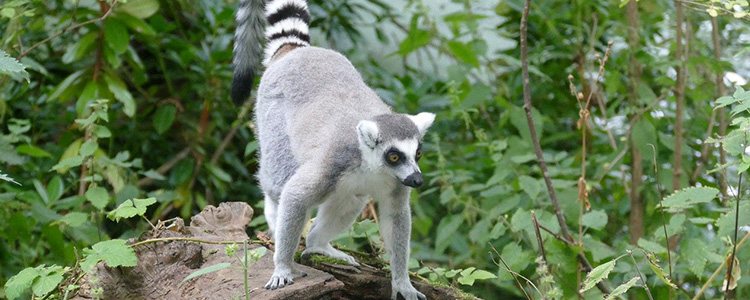
  • Animal spotting: The llama quartet (llama - alpaca - vicuña - guanaco), opossum, armadillo, andescondor, whales.
  • Nature spotting: Patagonia & Tierra del Fuego, Iguazú, Los Glaciares National Park.

Studying in Argentina?

  • Study cities: With several universities and a vibrant nightlife, you obviously can't beat Buenos Aires. A less metropolitan vibe can be found in Mendoza (Universidad Nacional de Cuyo).
  • Studying Spanish: Bariloche, Buenos Aires.

Doing an internship in Argentina?

  • Internship sectors: internships can be found mainly in economics, finance, agriculture, engineering and tourism.
  • Internship: make sure your Spanish is up to par, or coming soon, in order to understand with your colleagues, even if you are interning in a more international setting.

Doing volunteer work in Argentina?

  • Volunteer projects: especially in the social sectors, wildlife management and animal care.
  • Animal projects: protection of whales, dogs, cats and in animal care.
  • Characteristics: volunteering possible from 1 or 2 weeks to several months.

Work in Argentina?

  • Jobs: temporary work can be found mainly as a teacher or English teacher and in the hospitality or tourism industry.

Working as a digital nomad in Argentina?

  • Favorite cities: Buenos Aires, Mendoza.
  • Characteristics: long lunch breaks, working without speaking Spanish does get difficult, hierarchy and the social side of work play a role.

Living in Argentina?

  • Language: Spanish
  • Characteristics: popular destination, pleasant, bureaucratic though, good health care, you can leave your punctuality at home.


Argentina Country Bundle: suggestions, stories and tips

Argentina Country Bundle: suggestions, stories and tips

Image

Content about Argentina on WorldSupporter

Argentina: Updates & Travel

Argentina: Updates & Travel

Travel in Argentina

  • In South America lies a beautiful country where you can see all the seasons pass by from top to bottom. The country of tango, Malbec, Asado, pampas, Evita and gauchos! Pack your backpack and go to Argentina, one of the most beautiful countries in the world!
  • Buenos Aires is a city of millions on the west coast of Argentina. Wide avenues, palm trees, beautiful buildings and trendy shops characterize this world city. Spread throughout the city are parks and small lakes, where the Argentinean seeks cooling in the hot summers. Especially in the evenings, the South American temperament comes to the fore and the Argentinos dive into restaurants, cafes, bars and nightclubs until the early hours.
  • Patagonia & Tierra del Fuego (Fire Island): If you like a walk, Patagonia is a great destination. You can hike through rugged landscapes for days, climb mountains and even visit the South Pole (although that is expensive). Timing is essential when visiting this part of Argentina. Our winter is the best time.
  • Skiing in the Andes: For example, go to Bariloche (one of the most famous ski locations) or Las Leñas, an emerging ski area.
  • An antique market is held every Sunday in the San Telmo district of Buenos Aires. A lot of junk and fake vintage but also a wonderful atmosphere and tango on the streets.
  • Bariloche, the chocolate capital of Argentina is not only a beautiful town but also has a very impressive environment. Go skiing or rent a car and explore the beautiful nature parks in the area. Imagine yourself in the Alps through the Swiss chalets and enjoy the snow-capped peaks that reflect beautifully in the crystal clear lakes.
  • Puerto Madryn. This is the starting point for excursions to the Peninsula Valdes. Penguins, elephant seals, many species of birds, sea lions, you see them all here! Did you miss the whales early in the morning in the bay of Madryn? You can take a boat trip to see them anyway, but first check your travel guide for a reliable tour company that approaches the whales in a respectful way.
  • Iguazú, a magnificent waterfall, can be viewed from both the Argentine and Brazilian sides. Iguazú means “great waters” in the language of the Guarani Indians. The devil’s throat, Garganta del Diabolo, makes every screamer fall silent, because it is one and a half times as high as the Niagara Falls (70 meters).
  • Visit “Los Glaciares National Park”, about 40% of the land surface is covered with glaciers. The largest glacier is Upsala, the most interesting is the Moreno glacier. This ends in the “Lago Argentino” where broken pieces float like icebergs.
  • The distances, differences in prosperity & the (almost) impossibility of eating vegetarian. The Argentines love large pieces of red meat.

Updates Argentina

  • More about Argentina, updates and contributions, see the link below.
How does healthcare work in Argentina, and what travel insurance, health insurance or expat insurance do you need?

How does healthcare work in Argentina, and what travel insurance, health insurance or expat insurance do you need?

How does the healthcare system work in Argentina?

What is the quality of healthcare in Argentina?

  • Argentina has one of the best healthcare systems in South America! In particular, the bustling Buenos Aires and large cities such as Córdoba and Mendoza have modern hospitals with well-trained healthcare staff.
  • Healthcare in the country is decentralized, which means that healthcare is often arranged at the level of the municipality, or even the city. This also results in differences in quality (in public healthcare).
  • Argentina has a mixed healthcare system, consisting of public (Sistema de Salud Pública), private (Medicina Prepaga) and social (Obras Sociales) healthcare.
  • The quality of healthcare is not the same everywhere. For example, as in many other countries, it differs greatly between public and private healthcare, but also between urban and rural areas.
  • Most doctors speak at least some English, but do not always expect this to be fluent. It can therefore be useful to speak a few words of Spanish or to take someone with you. Google Translate is also popular.
  • Pharmacies can be found almost everywhere and many medicines can be picked up without a prescription. Call 107 for an ambulance. In the big cities, the ambulance is arranged by SAME (Sistema de Atención Médica de Emergencias). The emergency room in the hospital is called “Guardia” or “Emergencias” in Spanish.

How does the public healthcare system work in Argentina?

  • Argentina has a very friendly public healthcare system: the Sistema de Salud Pública. Healthcare is largely free of charge, not only for residents, but also for foreigners!
  • Unfortunately, the quality of healthcare varies. In the cities, some hospitals are good, but there are long waiting times and sometimes there is a shortage of resources. For these reasons, only about 50% of the population uses public healthcare. Most expats skip public healthcare and opt for private healthcare.
  • Specialist care under the public healthcare system can also be limited.

How does the private healthcare system work in Argentina?

  • For better, faster and more specialist care, the private sector is a solution. The facilities are also much more modern.
  • Working Argentines and expats are required to be insured under the Obras Sociales, a health insurance paid by both employer and employee. The arrangements are monitored by the National Health Insurance Administration. Nevertheless, care is outsourced to private providers. The costs depend on the coverage, but the insurance must at least provide medical coverage for preventive care, diagnostic care, dental care and pregnancy. It is important to know that as a patient you sometimes still have to pay contributions, namely the difference in costs between the fixed reimbursements and the costs of the treatment.
  • Another option is a classic private insurance. Only a small part (around 5-10%) of the population in Argentina chooses this.
  • It is important to know that many private health insurances are locally focused and the system is very complicated to figure out. This can mean that care in other parts of the country is not reimbursed. For this reason, an international health insurance, which offers coverage everywhere and also in neighboring countries, is often a better fit for foreigners living in Argentina. Please note that you often have to pay for care on the spot and can only claim this later from your insurer.

How is the general practitioner arranged in Argentina?

  • In Argentina, people usually go directly to a specialist or clinic. In public healthcare, this means a visit to a general practitioner or specialist in the hospital; there are no public GP practices. People go to the emergency room for minor problems (severe flu, sprains). Fortunately, hospitals work efficiently and people are often quickly referred to a specialist.
  • In the private healthcare sector, you can choose your own GP or specialist without a referral.
  • Registration is not necessary; you can visit a doctor of your choice.

How is the dentist arranged in Argentina?

  • Dental care is generally of good quality. People usually choose private dentists, who are relatively affordable and provide good care.
  • A standard consultation costs somewhere around 20-50 USD. Ask other reliable sources which dentists they have had good experiences with.

How is pregnancy care arranged in Argentina?

  • Child mortality is low and is around 8 per 1,000 births, which generally means that maternity and postpartum care in the country is of good quality.
  • The public sector offers free pregnancy check-ups and deliveries.
  • Private care offers more personal guidance and privacy. Most expats therefore opt for private care. There are good private hospitals in the big cities that can also provide good care for high-risk pregnancies.
  • Caesarean sections are more common in private care.
  • Abortion is legal up to the 14th week of pregnancy. After that, it is possible in specific cases.

How safe or unsafe is a trip or stay in Argentina?

What should you pay attention to in terms of safety in Argentina?

  • Argentina is generally a safe country, as long as you keep an eye on your belongings. Pickpockets are often active, especially in tourist areas and in Buenos Aires. The city of Rosario has more crime than the other cities in Argentina.
  • Violent crime also occurs, but much less.
  • Protests take place regularly, especially in the capital, and these can get out of hand. It is therefore wise to avoid these types of gatherings.
  • Also be aware of natural hazards. Earthquakes can occur in the west, floods in the north and east and stormy weather in Patagonia. There are also volcanoes on the border between Argentina and Chile that can erupt at any time.
  • Wildfires can occur all year round, throughout the country.

What should you look out for in terms of diseases in Argentina?

  • Mosquito-borne diseases are quite common in Argentina. Think of dengue, chikungunya and zika, for example. So protect yourself well against mosquito bites!
  • Check well before departure which vaccinations you need.
  • The Hantavirus is common in Argentina. The virus is spread by infected rodents. It is important to avoid contact with these animals (both dead and alive) and their burrows and droppings.

What should you pay attention to when it comes to traffic in Argentina?

  • Driving can be quite a challenge. Accidents happen relatively often because traffic lights are ignored, no right of way is given, motorcycles race through everything like crazy and people can drive aggressively and unpredictably.
  • Thieves may stop your car at the traffic lights. So keep doors and windows closed!
  • Also be careful with taxis. Fraud and robbery via taxis occurs, especially at the airport. Do not share taxis with strangers and always opt for reliable taxi companies.

What work and travel insurance policies are suitable for short and long stays in Argentina?

  • Is the trip to Argentina and your return sufficiently covered? Are you sufficiently covered before, during and after your activities? Which insurance best suits your trip and your activity? Read more about insurances for abroad on JoHoinsurances.org.

What emigration and expat insurance can you take out for Argentina if you are going to live there for a while?

  • To cover the costs of private healthcare and any medical repatriation and care outside Argentina, international private insurance is definitely recommended for expats.
  • Make sure your insurance covers medical evacuation as well as coverage in neighboring countries. Read more about insurances for abroad on Expatinsurances.org.
Packing list for Argentina, travel insurance for Argentina, and taking your belongings

Packing list for Argentina, travel insurance for Argentina, and taking your belongings

What to take with you to Argentina: spotlighted

Featured items:
  • Documents: passport valid for at least 6 months after arrival and an online and/or offline copy of your passport is also always useful.
  • Money: cash is king, so bring Argentinian pesos or USD. You can also use your Debit card.
  • Care: high factor sunscreen, aftersun and lip balm. Buff for the cold.
  • Protection: sturdy rain gear and waterproof packing cubes. Backpack rain cover.
  • Outdoor and practical: travel cap or hat and sunglasses.
  • Clothing: layers are king. Argentina has a huge variety of climates and weather conditions, so from warm to cold. Bring thick socks, a hat, gloves and a scarf for Patagonia. Light, airy clothing for the rainforest and stylish clothes for Buenos Aires.
  • Shoes: comfortable sneakers/hiking shoes and good hiking boots if you are going to Patagonia. Flip-flops or sandals for the relaxed days. Medicines and travel kit: a small first aid kit with plasters, painkillers, blister plasters, hand sanitizer, ORS and mosquito repellent.
  • Technology and equipment: world plug with type C & I and a power bank.
What are some other options for packing as well?
  • Reusable water bottle with filter, because tap water is technically drinkable, but often tastes strange.
  • Quick-drying travel towel.
  • Bring hiking essentials, just in case (such as hiking poles, compass, tent, sleeping bag, headlamp or flashlight, etc.).
  • Small umbrella.
  • E-reader or offline entertainment for mountain adventures.
  • International driving license.
  • Sleeping bag liner.

What should you keep in mind when traveling to Argentina with your belongings?

  • That the weather conditions can vary greatly depending on where you go and the weather can change quickly.
  • That fashion is a thing in Argentina, especially in the cities.

Are there mosquitoes in Argentina?

  • Mosquitoes are everywhere in Argentina and are active all year round. During the warm months and the rainy season, from October to March, there are usually more mosquitoes.
  • In the high/cold areas you will have fewer or even no mosquitoes.
  • In Buenos Aires mosquitoes can also be a huge problem during the rainy season.
  • Mosquitoes are a health hazard because they can carry various diseases. Dengue fever is particularly common.

Are there sandflies in Argentina?

  • There are sand flies in Argentina. In the north they are known for transmitting leishmaniasis.
  • The hotspots for leishmaniasis are the provinces of Salta, Jujuy, Catamarca and Santiago del Estero.

Can you buy DEET, or other mosquito repellents, in Argentina?

  • DEET and other mosquito repellents are generally readily available in Argentina, although shortages can occur during severe mosquito outbreaks.
  • OFF and Fuyi are popular brands of mosquito repellent, available at pharmacies and supermarkets. 
  • When you want to be sure that you have mosquito repellent, especially during the rainy season in Argentina, bring your own.

Can you buy a joint or weed in Argentina, or take it with you to Argentina?

  • Argentina is quite progressive. Possession of small amounts for personal use has been decriminalized (so not legal), but the rules are vague and vary by region.
  • Buying or using in public is still illegal and can get you into a lot of trouble.
  • Moral of the story: if you do it, keep it discreet and private. And no, a hostel terrace does not count as “private”. Better be safe than sorry.
  • Medical marijuana is legal with the right papers. But do not bring cannabis into the country.
Teaching English in Argentina: what is it, why should you do it and where should you go?

Teaching English in Argentina: what is it, why should you do it and where should you go?

What is working and teaching English in Argentina?

  • Demand for teachers is high here, mostly for contracts of 9 to 12 months
  • It’s possible to get a job here without either a degree or a TEFL certificate. However, you’ll seriously dent your earning potential by not having a recognized TEFL qualification, especially for non-native English speakers.
  • If you can get a full-time contract, you’ll be teaching for 25 hours per week. However, it can be difficult to get enough hours and you may end up working for more than one school.
  • Many schools work on a split-shift pattern, with classes early in the morning and later in the evening, so you’ll have lots of spare time during the day.

Where can you work as an English teacher in Argentina?

  • Main TEFL regions: Buenos Aires, Mar del Plata, Mendoza, Córdoba, Santa Fe, Salta, La Plata and other smaller towns around the country
  • Type of teaching: in-company training and private language schools

What is your salary when teaching English in Argentina?

  • High inflation seems to be a repeating pattern in Argentina, salaries vary over time, and whether it will be sufficient to live from varies just as much.
  • Pay is commensurate with your qualifications and teaching experience
  • Your apartment will be by far your biggest expense as, other than that, the cost of living is low.
  • If you get a well-paid job, you should be able to save enough money to travel around Argentina in your spare time, but you won’t be taking much back home with you.

In Dutch:

Image

Why get specific insurance when going abroad: per activity abroad
Why should you take out specialized travel insurance for a long trip abroad?

Why should you take out specialized travel insurance for a long trip abroad?

What is round the world travel insurance or long-term travel insurance?

  • Round the world travel insurance means that you take out insurance that continues to provide coverage during all your activities abroad, and which is specifically intended for those who travel for long periods of time, such as world travelers, globetrotters, and nomads.

Why should you take out specialized travel insurance for a long trip abroad?

  • Round the world travel insurance provides coverage for a much longer trip than regular travel insurance.
  • World travel insurance is specifically intended for longer trips, whereas regular travel insurance may offer coverage on paper, but in practice handles it differently.
  • World travel insurance is suitable for many types of activities, ranging from high-altitude trekking to more risky sports.
  • World travel insurance continues to provide coverage if you start working during your trip, whether planned or unplanned. If you did not take out insurance before departure that allows you to work, there is no guarantee that you will be able to take out insurance that provides coverage while abroad.
  • Long-term travel insurance continues to provide coverage when your home country's health insurance no longer does.
  • Worldwide travel insurance also covers your medical expenses up to the actual cost, and not just for the standard costs. The costs per medical treatment vary greatly between countries.
  • Worldwide travel insurance can also continue to provide coverage if negative travel advice is issued.

What is important to insure when you are going to travel around the world?

  • That you have insurance that is valid in the countries where you are going to travel and posibly work.
  • That you are adequately insured for the sports and activities you are going to participate in during your full period abroad
  • That you are insured for emergency assistance and early return if something happens to you or your immediate family.
  • That your medical expenses are insured up to the actual cost and not just for the standard costs. The costs per medical treatment vary greatly between countries.
  • That you insure your luggage and take sufficient precautions against theft or damage.
  • That you are well insured against personal liability.
  • That you are well insured in case of accidents.
  • That you only insure yourself for legal assistance if there is an immediate reason to do so, unless coverage is already automatically included in the insurance.
  • That you pay close attention to choosing the right coverage when performing work or voluntary work during your world trip.

Check out more about

Why should you take out specific insurance when you go on a trip or vacation?

Why should you take out specific insurance when you go on a trip or vacation?

What is insurance for traveling abroad?

  • Travel insurance is insurance that provides coverage for risks during a trip or vacation abroad. This mainly concerns loss of or damage to your luggage, medical assistance, or repatriation costs if you need to be transported back home urgently. In some cases, travel insurance coverage also applies on domestic trips.
  • With annual travel insurance or multi-trip travel insurance, you are insured for all your trips throughout the year.
  • With temporary travel insurance or single-trip travel insurance, you take out insurance for each trip for the duration of the trip.
  • Cancellation insurance reimburses (all or part of) the travel sum, cancellation or accommodation costs if you have to cancel or interrupt your vacation.

Why should you take out travel insurance for a short trip, vacation, or long-distance trip?

  • Travel insurance can provide coverage in the event of an accident or emergency while you are abroad.
  • Travel insurance can provide coverage for damage and accidents during the adventurous or sporting activities you plan to do.
  • Travel insurance can continue to provide coverage if your health insurance no longer provides coverage, or if the damage is only reimbursed at cost price of your home country.
  • Travel insurance can provide coverage in the event of damage, loss, or theft of your luggage.
  • Travel insurance can provide coverage if you are held liable for damage you cause to other people or their property.
  • Travel insurance can provide coverage if you have to return home early because something has happened to you or your immediate family.

What is important to insure when you are going to travel abroad?

  • That you have insurance that is valid in the country or countries that you are going to visit.
  • That you are adequately insured for the sports and activities you are going to participate in during your period abroad.
  • That you are insured for emergency assistance and early return if something happens to you or your immediate family.
  • That your medical expenses are insured up to the actual cost and not just for the standard costs. The costs per medical treatment vary greatly between countries.
  • That you insure your luggage and take sufficient precautions against theft or damage.
  • That you are well insured against personal liability.
  • That you are well insured in case of accidents.
  • That you only insure yourself for legal assistance if there is an immediate reason to do so, unless coverage is already automatically included in the insurance.
  • That you pay close attention to choosing the right coverage when performing work alongside your travels.

Check out more about international insurances

Why should you take out specialized travel insurance for working abroad?

Why should you take out specialized travel insurance for working abroad?

Why should you take out specialized travel insurance for paid work, voluntary work or an internship abroad?

  • There may be several reasons why you need separate insurance when working abroad.
  • During work, internships, or volunteer work abroad where you receive financial compensation (or, for example, food or housing), your national health insurance coverage may expire. You will then need special insurance to remain insured for illness and accidents.
  • During specific work abroad, additional requirements may apply if your work involves additional risks. Only specific insurance policies offer coverage during this type of work.
  • During your work, the risk of accidents is sometimes greater, for example because you are doing work with which you have little experience or because of the nature of the work.
  • During your work, local employers generally offer no or limited insurance that provides insufficient coverage.

What is important to insure when you are going to work abroad?

  • That you have insurance that is valid in the country or countries where you are going to travel and work.
  • That you are adequately insured for the sports and activities you are going to participate in during your period abroad
  • That you are insured for emergency assistance and early return if something happens to you or your immediate family.
  • That your medical expenses are insured up to the actual cost and not just for the standard costs. The costs per medical treatment vary greatly between countries.
  • That you insure your luggage and take sufficient precautions against theft or damage.
  • That you are well insured against personal liability.
  • That you are well insured in case of accidents.
  • That you only insure yourself for legal assistance if there is an immediate reason to do so, unless coverage is already automatically included in the insurance.
  • That you pay close attention to choosing the right coverage when performing work.

Check out more about international insurances

Why should you take out specialized travel insurance for volunteering abroad?

Why should you take out specialized travel insurance for volunteering abroad?

What is insurance for volunteering abroad?

  • Insuring volunteer work abroad means taking out insurance that continues to provide coverage while you are working as a volunteer abroad

Why should you take out specialized travel insurance for voluntary work abroad?

  • There may be several reasons why you need separate insurance when volunteering abroad.
  • During specific activities abroad, additional requirements may apply if your work involves extra risks. Only specific insurance policies offer coverage during these activities.
  • The risk of accidents is sometimes higher during your work, for example because you are doing work you have little experience with or because of the nature of the work.
  • Local projects or employers generally offer no or limited insurance that provides insufficient coverage during your work.
  • When volunteering abroad and receiving minor financial compensation (or, for example, food or housing), your home country's health insurance coverage will potentially lapse. You will then need special insurance to remain insured for illness and accidents.
  • Regular travel insurance policies generally provide coverage for trips of a limited number of days. If your trip or stay abroad exceeds the maximum number of days, this generally means that for the entire travel period, you will not be covered.
  • Regular travel insurance policies generally only provide coverage for recreational travel without voluntary work activities. If you engage in activities other than recreational activities (such as volunteer work), this generally means that for the entire travel period, you will not be covered.

What is important to insure when you are going to work as a volunteer abroad?

  • That you have insurance that is valid in the country or countries where you are going to travel and volunteer.
  • That you are adequately insured for the sports and activities you are going to participate in during your period abroad
  • That you are insured for emergency assistance and early return if something happens to you or your immediate family.
  • That your medical expenses are insured up to the actual cost and not just for the standard costs. The costs per medical treatment vary greatly between countries.
  • That you insure your luggage and take sufficient precautions against theft or damage.
  • That you are well insured against personal liability.
  • That you are well insured in case of accidents.
  • That you only insure yourself for legal assistance if there is an immediate reason to do so, unless coverage is already automatically included in the insurance.
  • That when performing work in healthcare, with wild animals, and with dangerous (agricultural) machinery, you take care to choose the right coverage.

Check out more about international insurances

Why should you take out specialized travel insurance for an internship abroad?

Why should you take out specialized travel insurance for an internship abroad?

What is insurance for an internship abroad?

  • Insuring an internship abroad means taking out insurance that continues to provide coverage during your internship abroad
  • Insurance for internships abroad are also referred to as internship insurance. This internship insurance is specifically for when you go abroad for a long period of time to work as an intern, take courses, or conduct research abroad.

Why should you take out specialized travel insurance for an internship abroad?

  • There may be several reasons why you need separate insurance for an internship abroad.
  • During internship activities abroad, additional requirements may apply as soon as you start performing work that involves additional risks. Only specific insurance policies offer coverage during these activities.
  • During your internship, the risk of accidents is sometimes greater, for example because you are doing work with which you have little experience or because of the nature of the work.
  • During your internship, local employers generally do not offer insurance, or offer limited insurance that does not provide sufficient coverage.
  • During an internship abroad where you receive financial compensation (or, for example, food or accommodation), your home country's health insurance coverage will potentially lapse. You will then need special insurance to remain insured for illness and accidents.
  • Regular travel insurance policies generally provide coverage for trips of a limited number of days. If your trip or stay abroad exceeds the maximum number of days, this generally means that for the entire travel period, you will not be covered.
  • Regular travel insurance policies generally only provide coverage for recreational trips without work activities.

What is important to insure when you are going to be an intern abroad?

  • That you have insurance that is valid in the area where you will be traveling and doing your internship.
  • That you are adequately insured for the sports and activities you will be participating in.
  • That you are insured for emergency assistance and early return in case something happens to you or your immediate family.
  • That your medical expenses are insured up to the actual cost (what it actually costs), and not just for the standard costs. The costs per medical treatment vary greatly between countries.
  • That you insure your luggage and take sufficient precautions against theft or damage.
  • That you are well insured against personal liability and, preferably, also for liability during your internship.
  • That you are well insured in case of accidents.
  • That you insure yourself for legal assistance if there is an immediate reason to do so, unless the coverage is already automatically included in the insurance.
  • Make sure you choose the right coverage for internship work in healthcare, with wild animals, or with dangerous machinery!

Check out more about international insurances

Why should you take out specialized travel insurance for studying abroad?

Why should you take out specialized travel insurance for studying abroad?

What is insurance for studying abroad?

  • Insurance for studying abroad means that you take out insurance that continues to provide coverage during your studies, your education, and your related activities abroad.
  • Insurance for studying abroad is also referred to as study insurance. This study insurance is specifically for when you go abroad for a long period of time to take courses, study, or conduct research abroad.

Why should you take out specialized travel insurance for a study abroad?

  • Study insurance is specifically designed for studying abroad, whereas regular travel insurance policies may offer coverage on paper but handle this situation differently in practice.
  • Study insurance offers coverage for longer stays than regular (vacation) travel insurance.
  • Study insurance is also suitable for many types of activities, ranging from various sports to hiking at high altitudes.
  • Study insurance continues to provide coverage if you start working during your trip, whether planned or unplanned. If you have not taken out insurance before departure that allows you to work, there is no guarantee that you will be able to take out insurance abroad that provides coverage.
  • Study insurance continues to provide coverage if your own country's health insurance no longer provides coverage.
  • Student insurance also covers your healthcare costs above the rates in your own country; with regular insurance, you have to pay the extra costs yourself.
  • Student insurance can also continue to provide coverage if (study) visa issuers impose additional requirements on how you insure yourself, for example if you are going to the US and applying for a J-1 visa.
  • Student insurance continues to provide coverage if you are staying abroad for a longer period of time and want to visit your own country in between.

What is important to insure when you are going to study abroad?

  • That you have insurance that is valid in the country or countries where you are going to travel and work.
  • That you are adequately insured for the sports and activities you are going to participate in during your period abroad
  • That you are insured for emergency assistance and early return if something happens to you or your immediate family.
  • That your medical expenses are insured up to the actual cost and not just for the standard costs. The costs per medical treatment vary greatly between countries.
  • That you insure your luggage and take sufficient precautions against theft or damage.
  • That you are well insured against personal liability.
  • That you are well insured in case of accidents.
  • That you only insure yourself for legal assistance if there is an immediate reason to do so, unless coverage is already automatically included in the insurance.
  • That you pay close attention to choosing the right coverage when performing work alongside your studies.

Check out more about international insurances

Why should you take out specialized insurance for moving abroad as an emigrant or an expat?

Why should you take out specialized insurance for moving abroad as an emigrant or an expat?

What is an emigration insurance and what is an expat insurance?

  • Emigration insurance is an insurance that continues to provide coverage if you move abroad permanently or for an indefinite period of time.
  • Emigration insurance is not only intended for emigrants, but for anyone who leaves their home country for an extended period of time and does not intend to return in the foreseeable future.
  • Expat insurance is insurance that continues to provide coverage if you go to work abroad for a local or international employer for an extended period of time.
  • Expat insurance is not only intended for expats, but for anyone who has a more permanent job abroad.

Why should you take out specialized insurance for emigration or working as an expat abroad?

  • Emigration or expat insurance not only provides coverage for acute assistance in the event of illness or accident abroad, such as travel insurance, but can also provide coverage for existing conditions and ailments or non-urgent care.
  • Emigration or expat insurance does not require you to maintain valid health insurance in your home country.
  • Emigration or expat insurance provides coverage for preventive care or costs related to pregnancy and childbirth.
  • Emigration or expat insurance also provides coverage for long-term treatments and chronic conditions without you having to return to your home country.
  • Emigration or expat insurance often has no restrictions on the duration of the insurance, unlike travel insurance.
  • Emigration or expat insurance usually maintains coverage in cases such as negative travel advice or acts of war.
  • Emigration or expat insurance offers various solutions in the areas of disability, home and household insurance, goods transport, and liability.

What is important to insure when you are going to move abroad?

  • That you have insurance that is valid in the country or countries where you are going to live and/or work.
  • That you are adequately insured for the sports and activities you are going to participate in during your period abroad
  • That you are insured for emergency assistance and early return if something happens to you or your immediate family.
  • That your medical expenses are insured up to the actual cost and not just for the standard costs. The costs per medical treatment vary greatly between countries.
  • That you are well insured against personal liability.
  • That you are well insured in case of accidents.
  • That you pay close attention to choosing the right coverage when performing work with additional health risks

Check out more about international insurances

Why should you take out travel insurance and why through the JoHo Foundation?

Why should you take out travel insurance and why through the JoHo Foundation?

Why Insurances through JoHo

  • Specialized: in emigration, work, internships, study and travel abroad.

  • Service: JoHo offers multiple travel insurances by multiple companies. Thanks to JoHo's extensive experience, it can offer support in case of problems with insurers, as well as advice and fast and personal handling.

  • Safe: JoHo is recognized as a trustworthy intermediary for insurances.

  • Social: by purchasing an insurance through JoHo you provide a talented student in The Philippines with health insurance

Why Should You Take Out A Travel Insurance?

  • The chance of getting injured or ill is generally higher than when you would have stayed at home. The medical care you will need can be very expensive, even more so if you are treated in a private clinic.

  • If you have to fly back because of family circumstances, the flights might be more expensive than your original flight because you have to fly on short notice.

  • You might have to deal with the damage, loss or theft of your luggage.

  • In case of emergency it can be difficult to figure out what to do. A good travel insurance will have an assistance team on standby for you 24/7 and will be able to tell you what steps to take.

Why Should You Specifically Take Out A Travel Insurance For A Long Trip Abroad?

  • Often regular travel or health insurances only cover trips for a maximum number of days (for example 60, 90 or 180 days).

  • Depending on your home country, your health insurance might not offer any coverage for treatment abroad.

  • During a long trip you might consider specific activities, like paid work or volunteering. Regular travel insurances often don’t cover these kind of activities. The same goes for adventurous/ hazardous sports like skydiving, scuba-diving and bungee jumping.

More on why to use JoHo

  • JoHo is one of the few organizations where you can directly purchase a comprehensive range of foreign insurances from a variety of insurers. As with our other products and services, we believe that you should be able to choose between the best, the most cost effective and the most specialized insurance.

  • JoHo offers various possibilities from combining insurances to assisting in transferring from one insurer to another.

  • When you purchase an insurance policy through JoHo, you will not pay more than if you had purchased it directly from the insurer. Sometimes (through special collective agreements) you will even pay less.

  • JoHo offers support with problems that may arise with the insurer. Sometimes disagreement with claims, cancellation notice or insurance premiums can occur. In this situation it helps if you have the assistance of an organization who has an established relationship with the insurer.


Read more about JoHo and JoHo Insurances

Image

Safety, insurances and packing list for Argentina

How does healthcare work in Argentina, and what travel insurance, health insurance or expat insurance do you need?

How does healthcare work in Argentina, and what travel insurance, health insurance or expat insurance do you need?

How does the healthcare system work in Argentina?

What is the quality of healthcare in Argentina?

  • Argentina has one of the best healthcare systems in South America! In particular, the bustling Buenos Aires and large cities such as Córdoba and Mendoza have modern hospitals with well-trained healthcare staff.
  • Healthcare in the country is decentralized, which means that healthcare is often arranged at the level of the municipality, or even the city. This also results in differences in quality (in public healthcare).
  • Argentina has a mixed healthcare system, consisting of public (Sistema de Salud Pública), private (Medicina Prepaga) and social (Obras Sociales) healthcare.
  • The quality of healthcare is not the same everywhere. For example, as in many other countries, it differs greatly between public and private healthcare, but also between urban and rural areas.
  • Most doctors speak at least some English, but do not always expect this to be fluent. It can therefore be useful to speak a few words of Spanish or to take someone with you. Google Translate is also popular.
  • Pharmacies can be found almost everywhere and many medicines can be picked up without a prescription. Call 107 for an ambulance. In the big cities, the ambulance is arranged by SAME (Sistema de Atención Médica de Emergencias). The emergency room in the hospital is called “Guardia” or “Emergencias” in Spanish.

How does the public healthcare system work in Argentina?

  • Argentina has a very friendly public healthcare system: the Sistema de Salud Pública. Healthcare is largely free of charge, not only for residents, but also for foreigners!
  • Unfortunately, the quality of healthcare varies. In the cities, some hospitals are good, but there are long waiting times and sometimes there is a shortage of resources. For these reasons, only about 50% of the population uses public healthcare. Most expats skip public healthcare and opt for private healthcare.
  • Specialist care under the public healthcare system can also be limited.

How does the private healthcare system work in Argentina?

  • For better, faster and more specialist care, the private sector is a solution. The facilities are also much more modern.
  • Working Argentines and expats are required to be insured under the Obras Sociales, a health insurance paid by both employer and employee. The arrangements are monitored by the National Health Insurance Administration. Nevertheless, care is outsourced to private providers. The costs depend on the coverage, but the insurance must at least provide medical coverage for preventive care, diagnostic care, dental care and pregnancy. It is important to know that as a patient you sometimes still have to pay contributions, namely the difference in costs between the fixed reimbursements and the costs of the treatment.
  • Another option is a classic private insurance. Only a small part (around 5-10%) of the population in Argentina chooses this.
  • It is important to know that many private health insurances are locally focused and the system is very complicated to figure out. This can mean that care in other parts of the country is not reimbursed. For this reason, an international health insurance, which offers coverage everywhere and also in neighboring countries, is often a better fit for foreigners living in Argentina. Please note that you often have to pay for care on the spot and can only claim this later from your insurer.

How is the general practitioner arranged in Argentina?

  • In Argentina, people usually go directly to a specialist or clinic. In public healthcare, this means a visit to a general practitioner or specialist in the hospital; there are no public GP practices. People go to the emergency room for minor problems (severe flu, sprains). Fortunately, hospitals work efficiently and people are often quickly referred to a specialist.
  • In the private healthcare sector, you can choose your own GP or specialist without a referral.
  • Registration is not necessary; you can visit a doctor of your choice.

How is the dentist arranged in Argentina?

  • Dental care is generally of good quality. People usually choose private dentists, who are relatively affordable and provide good care.
  • A standard consultation costs somewhere around 20-50 USD. Ask other reliable sources which dentists they have had good experiences with.

How is pregnancy care arranged in Argentina?

  • Child mortality is low and is around 8 per 1,000 births, which generally means that maternity and postpartum care in the country is of good quality.
  • The public sector offers free pregnancy check-ups and deliveries.
  • Private care offers more personal guidance and privacy. Most expats therefore opt for private care. There are good private hospitals in the big cities that can also provide good care for high-risk pregnancies.
  • Caesarean sections are more common in private care.
  • Abortion is legal up to the 14th week of pregnancy. After that, it is possible in specific cases.

How safe or unsafe is a trip or stay in Argentina?

What should you pay attention to in terms of safety in Argentina?

  • Argentina is generally a safe country, as long as you keep an eye on your belongings. Pickpockets are often active, especially in tourist areas and in Buenos Aires. The city of Rosario has more crime than the other cities in Argentina.
  • Violent crime also occurs, but much less.
  • Protests take place regularly, especially in the capital, and these can get out of hand. It is therefore wise to avoid these types of gatherings.
  • Also be aware of natural hazards. Earthquakes can occur in the west, floods in the north and east and stormy weather in Patagonia. There are also volcanoes on the border between Argentina and Chile that can erupt at any time.
  • Wildfires can occur all year round, throughout the country.

What should you look out for in terms of diseases in Argentina?

  • Mosquito-borne diseases are quite common in Argentina. Think of dengue, chikungunya and zika, for example. So protect yourself well against mosquito bites!
  • Check well before departure which vaccinations you need.
  • The Hantavirus is common in Argentina. The virus is spread by infected rodents. It is important to avoid contact with these animals (both dead and alive) and their burrows and droppings.

What should you pay attention to when it comes to traffic in Argentina?

  • Driving can be quite a challenge. Accidents happen relatively often because traffic lights are ignored, no right of way is given, motorcycles race through everything like crazy and people can drive aggressively and unpredictably.
  • Thieves may stop your car at the traffic lights. So keep doors and windows closed!
  • Also be careful with taxis. Fraud and robbery via taxis occurs, especially at the airport. Do not share taxis with strangers and always opt for reliable taxi companies.

What work and travel insurance policies are suitable for short and long stays in Argentina?

  • Is the trip to Argentina and your return sufficiently covered? Are you sufficiently covered before, during and after your activities? Which insurance best suits your trip and your activity? Read more about insurances for abroad on JoHoinsurances.org.

What emigration and expat insurance can you take out for Argentina if you are going to live there for a while?

  • To cover the costs of private healthcare and any medical repatriation and care outside Argentina, international private insurance is definitely recommended for expats.
  • Make sure your insurance covers medical evacuation as well as coverage in neighboring countries. Read more about insurances for abroad on Expatinsurances.org.
Packing list for Argentina, travel insurance for Argentina, and taking your belongings

Packing list for Argentina, travel insurance for Argentina, and taking your belongings

What to take with you to Argentina: spotlighted

Featured items:
  • Documents: passport valid for at least 6 months after arrival and an online and/or offline copy of your passport is also always useful.
  • Money: cash is king, so bring Argentinian pesos or USD. You can also use your Debit card.
  • Care: high factor sunscreen, aftersun and lip balm. Buff for the cold.
  • Protection: sturdy rain gear and waterproof packing cubes. Backpack rain cover.
  • Outdoor and practical: travel cap or hat and sunglasses.
  • Clothing: layers are king. Argentina has a huge variety of climates and weather conditions, so from warm to cold. Bring thick socks, a hat, gloves and a scarf for Patagonia. Light, airy clothing for the rainforest and stylish clothes for Buenos Aires.
  • Shoes: comfortable sneakers/hiking shoes and good hiking boots if you are going to Patagonia. Flip-flops or sandals for the relaxed days. Medicines and travel kit: a small first aid kit with plasters, painkillers, blister plasters, hand sanitizer, ORS and mosquito repellent.
  • Technology and equipment: world plug with type C & I and a power bank.
What are some other options for packing as well?
  • Reusable water bottle with filter, because tap water is technically drinkable, but often tastes strange.
  • Quick-drying travel towel.
  • Bring hiking essentials, just in case (such as hiking poles, compass, tent, sleeping bag, headlamp or flashlight, etc.).
  • Small umbrella.
  • E-reader or offline entertainment for mountain adventures.
  • International driving license.
  • Sleeping bag liner.

What should you keep in mind when traveling to Argentina with your belongings?

  • That the weather conditions can vary greatly depending on where you go and the weather can change quickly.
  • That fashion is a thing in Argentina, especially in the cities.

Are there mosquitoes in Argentina?

  • Mosquitoes are everywhere in Argentina and are active all year round. During the warm months and the rainy season, from October to March, there are usually more mosquitoes.
  • In the high/cold areas you will have fewer or even no mosquitoes.
  • In Buenos Aires mosquitoes can also be a huge problem during the rainy season.
  • Mosquitoes are a health hazard because they can carry various diseases. Dengue fever is particularly common.

Are there sandflies in Argentina?

  • There are sand flies in Argentina. In the north they are known for transmitting leishmaniasis.
  • The hotspots for leishmaniasis are the provinces of Salta, Jujuy, Catamarca and Santiago del Estero.

Can you buy DEET, or other mosquito repellents, in Argentina?

  • DEET and other mosquito repellents are generally readily available in Argentina, although shortages can occur during severe mosquito outbreaks.
  • OFF and Fuyi are popular brands of mosquito repellent, available at pharmacies and supermarkets. 
  • When you want to be sure that you have mosquito repellent, especially during the rainy season in Argentina, bring your own.

Can you buy a joint or weed in Argentina, or take it with you to Argentina?

  • Argentina is quite progressive. Possession of small amounts for personal use has been decriminalized (so not legal), but the rules are vague and vary by region.
  • Buying or using in public is still illegal and can get you into a lot of trouble.
  • Moral of the story: if you do it, keep it discreet and private. And no, a hostel terrace does not count as “private”. Better be safe than sorry.
  • Medical marijuana is legal with the right papers. But do not bring cannabis into the country.

Image

Related topics and terms

Related regions:

Image ACTIVITIES

Check courses, jobs, projects, recipes, suggestions and tips related to: 'Argentina'

CHECK MORE ACTIVITIES

Make a selection, to find more tips than you see below

Image Volunteer with an organization that helps people with intellectual disabilities
Get involved with an organization that helps people with intellectual disabilities! You will live and work together in one of the communities and help with daily...
Image Ben jij een ervaren skileraar? Ga in het zomerseizoen aan de slag op de piste in Australie, Argentinie, of Zuid-Afrika
Heb je ervaring als skileraar of als snowboard instructeur? Ga in het zomerseizoen aan de slag op de piste in Australië, Nieuw-Zeeland, Argentinië of Zuid-Afrika...
Image Volunteering in an Argentinian Football Club
Volunteering in an Argentinian Football Club with both male and female teams. By volunteering at the football club in Córdoba, you have the opportunity to directly...
Image Work on a farm in South America and advocate for sustainable, organic farming practices
Work on a farm or finca in South America and advocate for sustainable, organic farming practices. Live, experience and work temporarily on an organic farm, self-...
Image Teaching English abroad: what is it, why should you do it and where should you go?
What is teaching English abroad? On which schools can you teach English abroad as a foreigner or as a (non) native speaker? What do you get out of teaching or helping at...
Image Bezoek je Buenos Aires en wil je een comfortabel verblijf? Dit kleine boutique hotel heeft ruime sfeervolle kamers, een prachtig balkon, dakterras, jacuzzi en hydromassage. De medewerkers helpen je graag met het uitstippelen van je reis
Bezoek je Buenos Aires en wil je een comfortabel verblijf? Dit kleine boutique hotel heeft ruime sfeervolle kamers, een prachtig balkon, dakterras, jacuzzi en...
Image Werkervaringsplek voor management en marketing bij een chic gastenverblijf in Buenos Aires. Spaans spreken is een vereiste
Werkervaringsplek voor management en marketing bij een chic gastenverblijf in Buenos Aires. Spaans spreken is een vereiste.
Image Voor deze marketingstage in Buenos Aires wordt een student of afgestudeerde communicatie, marketing of event management gezocht
Voor deze marketingstage in Buenos Aires wordt een student of afgestudeerde communicatie, marketing of event management gezocht.
Image Kom werken op een taalschool als leraar Spaans
Kom werken op een taalschool als leraar Spaans.
Image Vrijwilligers coördineren in het buitenland? Misschien is bij deze organisatie een mogelijkheid
Vrijwilligers coördineren in het buitenland? Misschien is bij deze organisatie een mogelijkheid.
Activities abroad: home bundle

Main content and contributions for activities abroad

,,,accommodations, adventure activities, courses, internships, jobs and volunteer projects

...to help another, travel with care, work together , learn to share and inspire with your experience


Activities abroad: home page

Activities abroad: home page

From language courses to gap year abroad, from work experience to volunteering abroad, from paid work to internship abroad, from mountaineering to diving and from backpacking to travel around the world

    What social activities can you do abroad?

    • Opportunities are found in the areas of helping, learning or studying. You can get involved to volunteer in a social project at a school in Africa, Asia or Latin America. You can get involved in nature, in a project with animals or cleaning the sea or beaches. Those who want to learn more can choose for example a language course in Latin America, Spain or South Africa.

    What work related activities can you do abroad?

    • If you want to gain work experience, and/or also earn money, go and work abroad. You can combine backpacking in Australia with temporary work. You can work on campsites in Europe or bush camps in Africa. You can pretty much go all over the world to work in the hospitality industry, hotels and hostels, in the healthcare sector or for example at a diving school.

    What sports activities to do abroad?

    • Have you ever thought of mountain biking, rafting (going down a wild river on a raft or rubber dinghy, climbing or canoeing), survival (which involves building rafts, climbing or canoeing), abseiling (descending a rock face while secured to ropes), zip-lining (whizzing down a cable), canyoning (starting at the top of a river and then climbing, swimming, diving down the bed) or caving (scrambling, wriggling and crawling through caves and crevices)?
    • Maybe you feel more comfortable on a bodyboard (on a half-wave surfboard, you surf the high waves lying down-with flippers), on a hang glider or while paragliding (with a parachute you float down a mountain or dune), hydrospeeding (on a bodyboard with flippers and a wetsuit on you go down a wild river via rapids) or Tiefschneeskiing (racing down through powder snow)?

    Check the pages below for more activities and inspiration and where to go and how to arrange it

      Activities abroad: for gap year, sports, travel and outdoor abroad

      Activities abroad: for gap year, sports, travel and outdoor abroad

      Bundled content for gap year, sports, travel and outdoor abroad

      Access: 
      Public

      Image STORIES

      Check blogs, experiences and information related to: 'Argentina'

      CHECK MORE STORIES

      Make a selection, to find more blogs and contributions than you see below

      Image Packing list for Argentina, travel insurance for Argentina, and taking your belongings
      To pack and bring to Argentina What to take with you to Argentina: spotlighted What should you keep in mind when traveling to Argentina with your belongings? Are there...
      Image Welk visum regelen voor werk, vrijwilligerswerk of een reis naar Argentinië?
      Een toeristenvisum is niet verplicht voor Argentinië bij een verblijf tot maximaal drie maanden. Bij aankomst krijg je een toeristenkaart voor een verblijf tot 90 dagen...
      Image What are typical Argentinian habits, food customs, recipes and philosophies in Argentina?
      What are the customs in Argentina regarding food? What are the best recipes in Argentina? What are the best drinks in Argentina? What are notable holidays and festivals...
      Image Whales abroad and while traveling: are they dangerous, where do you encounter them, where can you see them?
      Whales abroad and while traveling What are whales? Where can you encounter whales in the wild while travelling and abroad? Are whales dangerous? Where can you work,...
      Image Argentina: Updates & Travel
      Travel in Argentina Updates Argentina Back to top Travel in Argentina In South America lies a beautiful country where you can see all the seasons pass by from top to...
      Countries & Destinations: home bundle

      Bundled content, suggestions, stories and tips about the countries and destinations in the world

      ...to help another, travel with care, work together , learn to share and inspire with your experience

      Africa: country bundles

      Africa: country bundles

      Access: 
      Public
      Asia: country bundles

      Asia: country bundles

      Country bundles of Asian countries

      Access: 
      Public
      Europe: country bundles

      Europe: country bundles

      Country bundles of European countries

      Access: 
      Public
      The Caribbean: country bundles

      Image ORGANIZATIONS

      Check sectors and organizations related to: 'Argentina'

      CHECK MORE ORGANIZATIONS

      Make a selection, to find more or other organizations than you see below

      Image Expanish
      Expanish is a language school with offices in Buenos Aires, Barcelona, ​​Madrid and Malaga offering a wide range of courses. They also offer summer camps for young...
      Image StudyTravel
      StudyTravel consists of a permanent team of enthusiastic employees, all with experience abroad. You can go there to learn various languages such as Italian, German,...
      Image Linguaschools
      LinguaSchools is a partnership between 13 small-scale schools where you can learn Spanish, in Spain and various Latin American countries. You can arrange courses and...
      Image South America Inside
      South America Inside specializes in organizing stays abroad of various kinds like volunteering, language travel and other educational programs throughout Latin America...
      Image Snowminds
      Become a ski instructor with Snowminds in Austria, Canada, Spain, Switzerland, Japan or New Zealand At Snowminds the entire team shares the same passion: Snow Everyone...
      Image Bienvenido Gap Year
      Bienvenido is een Nederlandse organisatie met lokale partners in Argentinië, Chili, Costa Rica, Ecuador, Panama, Paraguay, Peru en Uruguay. Ze zijn gespecialiseerd in...
      Image Ontdek Buenos Aires
      Unieke tours die de verschillende kanten van Buenos Aires laten zien. Per voet of met de fiets, het bruisende stadsleven met haar prachtige architectuur en heerlijke...
      Image COINED
      COINED is an Argentinean organization with language schools for Spanish lessons in 11 Latin American countries. In addition to Spanish classes, they also offer some...
      Image Art House Ravignani Jacuzzi Terrace in Buenos Aires (Palermo Living)
      Accommodation in Buenos Aires, Argentina
      Image La Montaña
      La Montaña is een talenschool in de Argentijnse Andes waar Spaanse les gegeven wordt. Naast taalles kan er ook vrijwilligerswerk gedaan worden.
      Organizations & Services: home bundle

      Bundled content, suggestions, stories and tips about organizations and their products and services

      ...to help another, travel with care, work together, learn to share and inspire with your experience

      Organizations: home page
      Organizations: for administrative, tax and legal work and consulting
      Organizations: for agriculture, grape picking, farming and vineyards
      Organizations: for animal protection, animal care and working with wildlife abroad
      Organizations: for au pairs, youth work and child care abroad
      Organizations: for bush camping and working at a campsite abroad
      Organizations: for catering, hospitality and entertainment abroad
      Organizations: for civil society and social work abroad
      Organizations: for corporate business services
      Organizations: for customer services abroad and help desks
      Organizations: for diving, snorkeling and water sports abroad
      Organizations: for education and schools abroad
      Organizations: for expatriate insurances, travel insurances, and emergency call centers
      Organizations: for gap year activities abroad and sabbaticals
      Organizations: for internship placement abroad
      Organizations: for insurances and finance abroad
      Organizations: for IT, engineering and construction
      Organizations: for language travel and language teaching abroad
      Organizations: for marketing, communication and PR
      Organizations: for mediation in au pairs, childcare and elderly care in the Netherlands
      Organizations: for moving, international relocation and transport abroad
      Organizations: for nature conservation, environmental protection and working in nature abroad
      Organizations: for nonprofit projects, development work and international cooperation
      Organizations: for online work as digital nomad, freelancer, or independent entrepreneur from abroad
      Organizations: for outdoor activities and sports
      Organizations: for providing accommodation and hospitality work in hotels, guesthouses, ecolodges and hostels abroad
      Organizations: for providing healthcare and working in medical care abroad
      Organizations: for psychological assistance and mental health care abroad
      Organizations: for real estate, brokerage abroad and property rental abroad
      Organizations: for research and scientific work abroad
      Organizations: for student support and student associations
      Organizations: for tour guidance and adventure tours abroad
      Organizations: for tourism and organized travel and leisure work abroad
      Organizations: for voluntary work mediation and project placement abroad
      Organizations: for yacht and shipping crew and working on a cruise ship abroad

      Image SUMMARIES

      Check summaries and study assistance related to: 'Argentina'

      CHECK MORE SUMMARIES

      Make a selection, to find more, or other, summaries and study assistance than you see below

      Image Essay: El Tango – a reflection of Argentine identity
      Course: Regional orientation: history, society and culture of Latin America and the Caribbean, Part II (Social and Cultural Identity Construction)October 2008Master:...
      Image Master thesis: Ethno-religious identity formation of the Muslim Arab community in Buenos Aires (anthropological research)
      Having explored the (self-) perception - in terms of sameness and otherness - and the effect of image, stereotyping and discrimination on the formation of the ethno-...

      Image

      SPOTLIGHT & FAVORITES

      SPOTLIGHT
      FAVORITES
      Snowminds

      Become a ski instructor with Snowminds in Austria, Canada, Spain, Switzerland, Japan or New Zealand At Snowminds the entire team shares the same passion: Snow

      • Everyone on the team has done winter seasons, ranging from one winter season to more than nine.
      • Snowminds guides its ski ...

      Image ALL CONTENT

      Search all related content within the topic: 'Argentina'

      ALL CONTENT WITHIN TOPIC

      Select any filter and click on Apply to see results

      Image

      TOPICS : check associated topics and more activities

      Check more: activities in WorldSupporter
      Go abroad!
      Page topic

      Stories, tips and experiences from Argentina

      Submenu & Search

      Search only via club, country, goal, study, topic or sector