Travel to Sri Lanka to backpack, study, intern, volunteer, work, or live as a digital nomad, expat or emigrant?

Image

Image

Image  Sri Lanka

Intro

Backpacking or traveling in Sri Lanka?

  • One of the most popular destinations among backpackers, a milder version of India and nowadays again a relatively safe country. Sri Lanka has a huge amount to offer and is ideal for both travelers and backpackers. You can spend weeks or even months there, spotting the highlights or immersing yourself in the surf culture and spending time with the locals. 
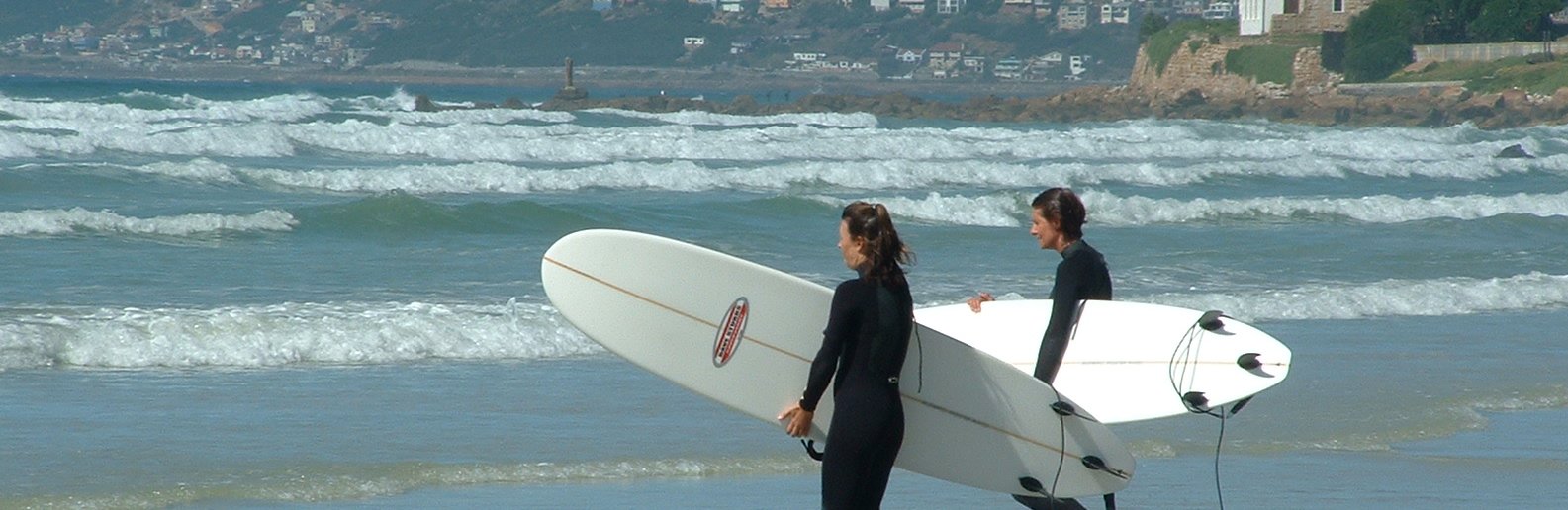
  • Activity spotting: nature is the biggest attraction - spot elephants, leopards, bears, monkeys.... immerse yourself in local culture - from Ayurvedic herbal drinks to intense massages, take surfing lessons in Arugam Bay and surf on some of the best waves, visit Unawatuna, admire the sacred tooth of Buddha in Kandy, taste tea from British Nuwara Eliya tea plantations, feel the warmth of sunrise over Little Adam's Peak, taste the world's best cinnamon on Ganduwa Island, go on a bird watching tour in Bundala National Park, climb Pidurangala, camp in the Haputale Mountains, experience the train ride from Colombo to Ella and enjoy all the delicious Sri Lankan food. 

Studying in Sri Lanka?

  • The quality of education in Sri Lanka is not bad, but universities are not well regarded either. However, there is increasing investment in them by the government. So for now, not necessarily an impressive degree, but a great time in a beautiful country. Popular studies include business administration, engineering, computer science, biosystems technology, agriculture, education and medicine. 
  • Study cities: Colombo, Moratuwa, Kandy, Jaffna, Sri Jayewardenepura Kotte. 
  • Language: English! 

Internship in Sri Lanka?

  • Sri Lanka is quite a developed country and there are many internship opportunities. For example, internships are available in large international companies, you can do medical internships and you can intern in the education or conservation sector. 
  • Competencies: cultural sensitivity, adaptability and flexibility, friendliness and hospitality, community involvement, teaching skills. 

Volunteer in Sri Lanka?

  • Volunteering in Sri Lanka is not a wrong choice! And if you don't yet know exactly what you want to do, here are already some options: work with elephants, child care, work as a medical volunteer, teacher, turtle conservation... Find a nice place, and you're sure to have the experience of a lifetime. 

Working in Sri Lanka?

  • For temporary work, you can work in hostels, as a surf instructor or a yoga instructor, for example, but pay attention to visa regulations. For more permanent work, a good job search is in tourism, education or international trade, for example. Also, especially the IT sector is growing in Sri Lanka, further you can try to find work in international companies/organizations. 

Working as a digital nomad in Sri Lanka?

  • Sri Lanka is heaven for digital nomads. It is full of delicious food, beautiful nature and lots of (social activities). You're sure to meet many other digital nomads there at one of the many meetups. It's also relatively cheap and the amenities are relatively good, especially in Colombia and Mirissa.
  • Just keep in mind that the Internet is not equally good everywhere (buy a SIM card) and the two rainy seasons. 
  • Favorite locations: Colombo, Galle, Mirissa, Dikwella & Hirikiteya Bay. 

Living in Sri Lanka?

  • Living in one of the world's most popular travel destinations, that sounds like a dream right? Living in Sri Lanka offers tremendous charm and, at the same time, considerable challenges. 
  • The Sri Lankan people are tremendously friendly and hospitable, there is much cultural diversity and people enjoy a quiet, simple life. In general, the cost of living is relatively low, there are increasing numbers of expats and you can find lots of fresh fruit and good food everywhere. 
  • Health care is pretty good and the country is also relatively safe. 
  • However. Diseases occur including Dengue, especially in the two (!!!) rainy seasons, public transportation is not very reliable, and the same goes for electricity. Also, gender roles are still quite strong. So be aware of this and read up well. That way you can limit your culture shock a bit!
  • Also make sure you have your own well-covered health insurance.
Sri Lanka Country Bundle: suggestions, stories and tips

Sri Lanka Country Bundle: suggestions, stories and tips

Image

Main suggestions, stories and tips about Sri Lanka on WorldSupporter

Why Sri Lanka?

Why Sri Lanka?

Why study, intern, volunteer or work temporarily in Sri Lanka?

  • The cost of study, living and accommodation is relatively low.
  • There are many reputable universities and colleges.
  • Because the quality of education is high and much attention is paid to practical skills and work experience.
  • Because Sri Lanka is a small country with an incredible diversity of natural landscapes.
  • Be aware that the group interest comes before individual interest.
  • The society is hierarchical and respect for elders and people in authority is important.
  • Sri Lankans are known for their work ethic. Making long hours, and a high work ethic are not uncommon.

Why live in Sri Lanka as an expat, emigrant or working nomad?

  • Because of the pleasant tropical climate.
  • Because life in Sri Lanka is relaxed. Despite the high work ethic, there is less emphasis on stress and more on enjoying life.
  • Because you can live with respect for the clock. Punctuality is valued in Sri Lanka. Sri Lankans generally arrive on time for meetings and appointments.
  • Because there is good infrastructure with good roads.
  • That health care in the cities is generally good, but local hygiene is often poor.
  • Be prepared power outages (brown outs) are no exception.
How does healthcare work in Sri Lanka, and what travel insurance, health insurance or expat insurance do you need?

How does healthcare work in Sri Lanka, and what travel insurance, health insurance or expat insurance do you need?

How does the healthcare system work in Sri Lanka?

  • Sri Lanka has a well-organized public health care system with good doctors and many facilities as well as providing free basic care to residents and visitors. At the same time, there is a growing private sector that provides more specialized and faster services. 
  • Expats often rely on private clinics or hospitals for higher quality care. For this reason, most expats also take out private international health insurance. 
  • Although Sri Lanka is pushing hard for good health care throughout the country, urban areas often have better clinics and facilities than rural areas. Emigrants therefore often live in cities for access to better health care. 
  • Ayurveda, a traditional form of health care, also plays a big role in the country. Always wanted to give it a try? If so, there are plenty of clinics to be found! Make sure you go to a good clinic, though. 
  • Mental health care is not accessible everywhere and is probably of a different standard than you are used to. 
  • There are many pharmacies and getting medicine is usually not a problem. 
  • The emergency number in Sri Lanka is 110. In the case of very serious situations, medical evacuation may be necessary. The number works in the districts of Colombo, Galle, Kandy and Jaffna. 
  • With good health insurance, adequate preparation, and attention to tropical health risks, you can live safely and comfortably in Sri Lanka.

How does the public healthcare system work in Sri Lanka?

  • Public health care in Sri Lanka offers free consultations, treatments, medications, and sometimes even surgeries. 
  • The problem for most emigrants is that waiting times can be long and resources limited.
  • The quality of care is reasonable in the cities, but less reliable in remote regions. For emergencies, emergency medical services are really only available in Colombo. 
  • Although many services are free, as a foreigner you will have to pay for medicines. 

How does the private healthcare system work in Sri Lanka?

  • Private health care is a popular choice for expats and affluent residents. Costs are reasonable compared to Western standards. 
  • The quality of care is high in urban areas, but in rural areas private clinics may also lack facilities. 
  • In private clinics and hospitals you will find shorter waiting times, better facilities and more English-speaking staff. 

How is the GP arranged in Sri Lanka?

  • In Sri Lanka you will find general practitioners, or family doctors, at both public and private institutions. 
  • Expats usually go to private clinics for a doctor, and then also mostly in the big cities. 
  • Nevertheless, if something is wrong, it is also common to go straight to a specialist. 

How is the dentist arranged in Sri Lanka?

  • Public dental care is free, but with long wait times and limited resources. 
  • Private clinics are good for more complex treatments. Costs are reasonable compared to Western countries. 
  • The best clinics can be found in Colombo. Private clinics here are of good quality. 
  • Also, check with your insurance company to see which clinic you are going to, they should be able to help with this. 
  • In general people speak English well in Sri Lanka. Both at public and private clinics. 

How is pregnancy care arranged in Sri Lanka?

  • Sri Lanka has one of the most advanced maternity care systems in South Asia, thanks in part to the public system that provides free care to mothers.
  • Maternity care at public hospitals is completely free, including consultations, prenatal care, deliveries, and even cesarean sections, but ... the hospitals are often overcrowded and wait times can be long. Also, comfort and privacy are often limited. 
  • Expats usually choose private hospitals because of the higher quality of care, more modern facilities, and more personal attention. And although private care is more expensive than public care, costs remain low compared to Western countries. A normal delivery at a private hospital can cost between $1,000 and $2,500, depending on the facilities.
  • Doctors often advise on nutrition and prescribe vitamins. Folic acid and iron supplements are readily available in pharmacies.
  • Sri Lanka has a relatively high rate of cesarean sections, especially in private hospitals. This is partly due to medical reasons, but also because many mothers and doctors consider it safer. Discuss your wishes thoroughly with your doctor. 
  • Alternative birth methods such as water births or home births are uncommon, but can sometimes be offered in specialized private clinics.
  • Sri Lanka actively promotes breastfeeding, and hospitals offer counseling to new mothers. In many public hospitals, special attention is given to breastfeeding within the first hour of birth.
  • Breastfeeding is an important part of being a mother in Sri Lanka. Breastfeeding in public is certainly not taboo, but you are sometimes expected to be discreet and cover yourself. In rural areas, this is sometimes less necessary. 

How safe or unsafe is a trip or stay in Sri Lanka?

What should you pay attention to in terms of safety in Sri Lanka?

  • In general, Sri Lanka is a safe destination for emigrants. There have been periods of political unrest, but that has all calmed down again. 
  • Petty crime happens, especially in big cities. It is rarer than in most European cities or other Asian countries, though. 
  • It may be wise for women to be cautious after dark. Especially on beaches like Negombo and Hikkaduwa. 
  • Be careful about scams, such as selling fake gems or overpriced cabs. 
  • Floods and landslides are frequent during the rainy season. 

What should you look out for in terms of diseases in Sri Lanka?

  • It is important to drink plenty of fluids as dehydration can still be a risk. 
  • Dengue fever is a major risk. Protecting yourself well against mosquitoes, especially during the day, is not an unnecessary luxury. Also with regard to other mosquito-borne diseases. 
  • Tap water is not safe to drink. 

What should you pay attention to when it comes to traffic in Sri Lanka?

  • There are many traffic jams, cars do not stop for crossings, people drive without lights, on the wrong side of the road and people and animals can unexpectedly run into the street - a small sample of Sri Lanka's traffic. 
  • Thus, traffic is perhaps one of Sri Lanka's greater dangers - it is considerable chaos.
  • Bad and narrow roads are the norm in rural areas. 
  • Also be aware of buses - they can drive quite unexpectedly and antisocially. 

What work and travel insurance policies are suitable for short and long stays in Sri Lanka?

  • Is the trip to Sri Lanka and your return sufficiently covered? Are you sufficiently covered before, during and after your activities? Which insurance best suits your trip and your activity? Read more about insurances for abroad on JoHoinsurances.org.

What emigration and expat insurance can you take out for Sri Lanka if you are going to live there for a while?

  • It is not mandatory to have insurance when emigrating to Sri Lanka, but it is wise to cover private healthcare costs and any medical evacuations. Read more about insurances for abroad on Expatinsurances.org. Continue reading about emigrating to Sri Lanka or preparing a trip to Sri Lanka.


Packing list for Sri Lanka, travel insurance for Sri Lanka, and taking your belongings

Packing list for Sri Lanka, travel insurance for Sri Lanka, and taking your belongings

What to bring to Sri Lanka: highlighted

Highlighted items:
  • Documents: passport that is valid for at least 6 months upon arrival. An online and/or offline copy of your passport is always useful.
  • Money: cash in Sri Lankan Rupees. Some ATMs cost money to use an ATM, so it doesn't hurt to bring some cash with you.
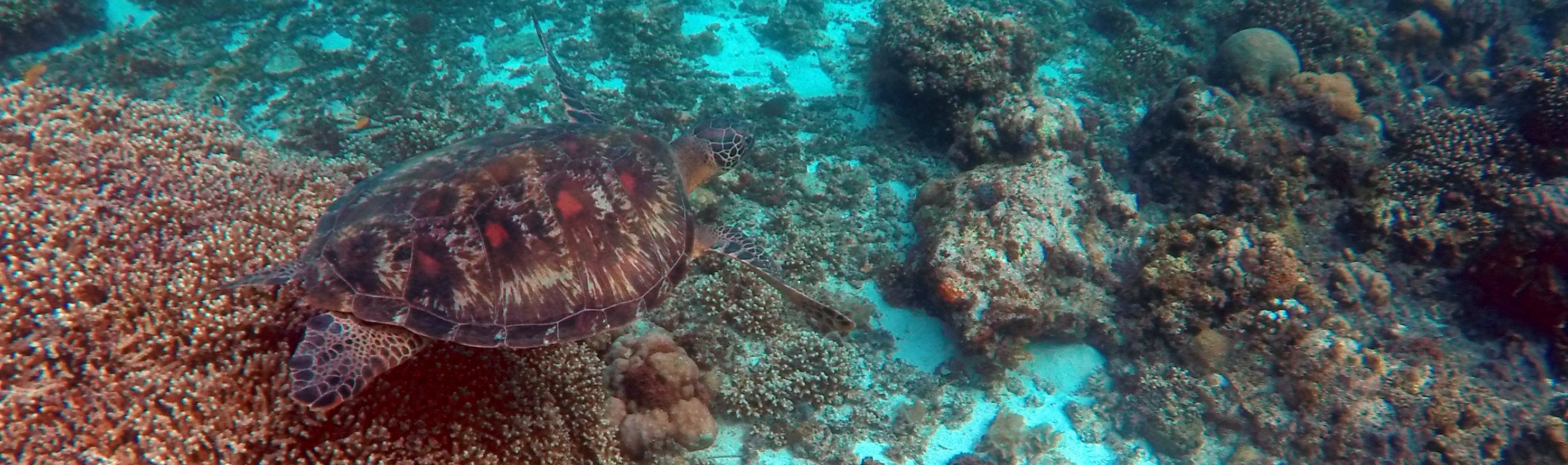
  • Care: coral-friendly sunscreen with a high factor. You don't want to poison the turtles while swimming with them!
  • Outdoor and practical items: cap or hat and sunglasses.
  • Clothing: light, comfortable, covering clothing for warm weather, sun, mosquito protection and cultural visits. A sweater for the cooler hills, where it is a lot cooler in the evenings and during the rainy season than you would think. Quick-drying clothing is useful because it can be very humid and it can take a long time for clothes to dry.
  • Shoes: sandals/slippers for the beach and temple visits (easy to take off) and comfortable shoes for all the walking.
  • Medicines and travel kit: a small first aid kit with basic supplies, tissues and hand sanitizer. Mosquito repellent is also essential.
  • Safety: money belt.
  • Technology and equipment: in Sri Lanka there are three types of plugs, so bring a world plug.
What else can you bring:
  • A reusable water bottle with filter, because tap water is technically drinkable, but often tastes strange.
  • A snorkel set, sometimes you can also rent one on site.
  • Water shoes given the coral and stones in the water at various locations.
  • A spork in case you don't want to eat with your hands.
  • Rain gear, bag cover and a good umbrella for the rainy season.

What knowledge is useful when you go to Sri Lanka?

  • What you should and shouldn't do. Cultural norms and values, customs, such as not eating with your left hand, no selfies with Buddha statues.

Are there mosquitoes in Sri Lanka?

  • Mosquitoes are everywhere in Sri Lanka and you are at risk of getting dengue.
  • Mosquito repellent is therefore important, all day long, but especially in the early morning and evening.

Are there sand flies in Sri Lanka?

  • Yes, in places all over the country, especially in the southern coastal areas and inland. Small creatures, terrible itching and a risk of Leishmaniasis.
  • Covering clothing, good spray, and don't sleep on the beach will keep you safe.

Can you buy DEET, or other mosquito repellents, in Sri Lanka?

  • You can find Soffell with DEET in the larger drugstores and shops. Picaridin is more difficult to get.
  • Natural remedies are popular.
  • It is best to bring your own repellent of choice.

Where can you get your food and drinks in Sri Lanka?

  • The larger chains such as Cargills Food City, Keells and Arpico have some Western ingredients, but mainly local stuff.
  • Fresh fruit and vegetables are cheap at roadside stalls or local markets – it doesn’t get any fresher than that.
  • Every town and village has local curry houses or “rice & curry” buffets.
  • Western restaurants are mainly found in tourist areas such as Ella, Galle, Unawatuna and Colombo – think pasta, avocado toast or smoothies for three times the local price.
  • You can find delicious local dishes at street stalls, markets and tea stalls.
  • For the vegetarians, Hela Bojun Hala is a great, local restaurant run by the Sri Lankan government.

Can you buy a joint or weed in Sri Lanka, or take it with you to Sri Lanka?

  • Cannabis is illegal and Sri Lanka has strict drug laws.
How does healthcare work in Sri Lanka, and what travel insurance, health insurance or expat insurance do you need?

How does healthcare work in Sri Lanka, and what travel insurance, health insurance or expat insurance do you need?

How does the healthcare system work in Sri Lanka?

  • Sri Lanka has a well-organized public health care system with good doctors and many facilities as well as providing free basic care to residents and visitors. At the same time, there is a growing private sector that provides more specialized and faster services. 
  • Expats often rely on private clinics or hospitals for higher quality care. For this reason, most expats also take out private international health insurance. 
  • Although Sri Lanka is pushing hard for good health care throughout the country, urban areas often have better clinics and facilities than rural areas. Emigrants therefore often live in cities for access to better health care. 
  • Ayurveda, a traditional form of health care, also plays a big role in the country. Always wanted to give it a try? If so, there are plenty of clinics to be found! Make sure you go to a good clinic, though. 
  • Mental health care is not accessible everywhere and is probably of a different standard than you are used to. 
  • There are many pharmacies and getting medicine is usually not a problem. 
  • The emergency number in Sri Lanka is 110. In the case of very serious situations, medical evacuation may be necessary. The number works in the districts of Colombo, Galle, Kandy and Jaffna. 
  • With good health insurance, adequate preparation, and attention to tropical health risks, you can live safely and comfortably in Sri Lanka.

How does the public healthcare system work in Sri Lanka?

  • Public health care in Sri Lanka offers free consultations, treatments, medications, and sometimes even surgeries. 
  • The problem for most emigrants is that waiting times can be long and resources limited.
  • The quality of care is reasonable in the cities, but less reliable in remote regions. For emergencies, emergency medical services are really only available in Colombo. 
  • Although many services are free, as a foreigner you will have to pay for medicines. 

How does the private healthcare system work in Sri Lanka?

  • Private health care is a popular choice for expats and affluent residents. Costs are reasonable compared to Western standards. 
  • The quality of care is high in urban areas, but in rural areas private clinics may also lack facilities. 
  • In private clinics and hospitals you will find shorter waiting times, better facilities and more English-speaking staff. 

How is the GP arranged in Sri Lanka?

  • In Sri Lanka you will find general practitioners, or family doctors, at both public and private institutions. 
  • Expats usually go to private clinics for a doctor, and then also mostly in the big cities. 
  • Nevertheless, if something is wrong, it is also common to go straight to a specialist. 

How is the dentist arranged in Sri Lanka?

  • Public dental care is free, but with long wait times and limited resources. 
  • Private clinics are good for more complex treatments. Costs are reasonable compared to Western countries. 
  • The best clinics can be found in Colombo. Private clinics here are of good quality. 
  • Also, check with your insurance company to see which clinic you are going to, they should be able to help with this. 
  • In general people speak English well in Sri Lanka. Both at public and private clinics. 

How is pregnancy care arranged in Sri Lanka?

  • Sri Lanka has one of the most advanced maternity care systems in South Asia, thanks in part to the public system that provides free care to mothers.
  • Maternity care at public hospitals is completely free, including consultations, prenatal care, deliveries, and even cesarean sections, but ... the hospitals are often overcrowded and wait times can be long. Also, comfort and privacy are often limited. 
  • Expats usually choose private hospitals because of the higher quality of care, more modern facilities, and more personal attention. And although private care is more expensive than public care, costs remain low compared to Western countries. A normal delivery at a private hospital can cost between $1,000 and $2,500, depending on the facilities.
  • Doctors often advise on nutrition and prescribe vitamins. Folic acid and iron supplements are readily available in pharmacies.
  • Sri Lanka has a relatively high rate of cesarean sections, especially in private hospitals. This is partly due to medical reasons, but also because many mothers and doctors consider it safer. Discuss your wishes thoroughly with your doctor. 
  • Alternative birth methods such as water births or home births are uncommon, but can sometimes be offered in specialized private clinics.
  • Sri Lanka actively promotes breastfeeding, and hospitals offer counseling to new mothers. In many public hospitals, special attention is given to breastfeeding within the first hour of birth.
  • Breastfeeding is an important part of being a mother in Sri Lanka. Breastfeeding in public is certainly not taboo, but you are sometimes expected to be discreet and cover yourself. In rural areas, this is sometimes less necessary. 

How safe or unsafe is a trip or stay in Sri Lanka?

What should you pay attention to in terms of safety in Sri Lanka?

  • In general, Sri Lanka is a safe destination for emigrants. There have been periods of political unrest, but that has all calmed down again. 
  • Petty crime happens, especially in big cities. It is rarer than in most European cities or other Asian countries, though. 
  • It may be wise for women to be cautious after dark. Especially on beaches like Negombo and Hikkaduwa. 
  • Be careful about scams, such as selling fake gems or overpriced cabs. 
  • Floods and landslides are frequent during the rainy season. 

What should you look out for in terms of diseases in Sri Lanka?

  • It is important to drink plenty of fluids as dehydration can still be a risk. 
  • Dengue fever is a major risk. Protecting yourself well against mosquitoes, especially during the day, is not an unnecessary luxury. Also with regard to other mosquito-borne diseases. 
  • Tap water is not safe to drink. 

What should you pay attention to when it comes to traffic in Sri Lanka?

  • There are many traffic jams, cars do not stop for crossings, people drive without lights, on the wrong side of the road and people and animals can unexpectedly run into the street - a small sample of Sri Lanka's traffic. 
  • Thus, traffic is perhaps one of Sri Lanka's greater dangers - it is considerable chaos.
  • Bad and narrow roads are the norm in rural areas. 
  • Also be aware of buses - they can drive quite unexpectedly and antisocially. 

What work and travel insurance policies are suitable for short and long stays in Sri Lanka?

  • Is the trip to Sri Lanka and your return sufficiently covered? Are you sufficiently covered before, during and after your activities? Which insurance best suits your trip and your activity? Read more about insurances for abroad on JoHoinsurances.org.

What emigration and expat insurance can you take out for Sri Lanka if you are going to live there for a while?

  • It is not mandatory to have insurance when emigrating to Sri Lanka, but it is wise to cover private healthcare costs and any medical evacuations. Read more about insurances for abroad on Expatinsurances.org. Continue reading about emigrating to Sri Lanka or preparing a trip to Sri Lanka.


Image

Why get specific insurance when going abroad: per activity abroad
Why should you take out specialized travel insurance for a long trip abroad?

Why should you take out specialized travel insurance for a long trip abroad?

What is round the world travel insurance or long-term travel insurance?

  • Round the world travel insurance means that you take out insurance that continues to provide coverage during all your activities abroad, and which is specifically intended for those who travel for long periods of time, such as world travelers, globetrotters, and nomads.

Why should you take out specialized travel insurance for a long trip abroad?

  • Round the world travel insurance provides coverage for a much longer trip than regular travel insurance.
  • World travel insurance is specifically intended for longer trips, whereas regular travel insurance may offer coverage on paper, but in practice handles it differently.
  • World travel insurance is suitable for many types of activities, ranging from high-altitude trekking to more risky sports.
  • World travel insurance continues to provide coverage if you start working during your trip, whether planned or unplanned. If you did not take out insurance before departure that allows you to work, there is no guarantee that you will be able to take out insurance that provides coverage while abroad.
  • Long-term travel insurance continues to provide coverage when your home country's health insurance no longer does.
  • Worldwide travel insurance also covers your medical expenses up to the actual cost, and not just for the standard costs. The costs per medical treatment vary greatly between countries.
  • Worldwide travel insurance can also continue to provide coverage if negative travel advice is issued.

What is important to insure when you are going to travel around the world?

  • That you have insurance that is valid in the countries where you are going to travel and posibly work.
  • That you are adequately insured for the sports and activities you are going to participate in during your full period abroad
  • That you are insured for emergency assistance and early return if something happens to you or your immediate family.
  • That your medical expenses are insured up to the actual cost and not just for the standard costs. The costs per medical treatment vary greatly between countries.
  • That you insure your luggage and take sufficient precautions against theft or damage.
  • That you are well insured against personal liability.
  • That you are well insured in case of accidents.
  • That you only insure yourself for legal assistance if there is an immediate reason to do so, unless coverage is already automatically included in the insurance.
  • That you pay close attention to choosing the right coverage when performing work or voluntary work during your world trip.

Check out more about

Why should you take out specific insurance when you go on a trip or vacation?

Why should you take out specific insurance when you go on a trip or vacation?

What is insurance for traveling abroad?

  • Travel insurance is insurance that provides coverage for risks during a trip or vacation abroad. This mainly concerns loss of or damage to your luggage, medical assistance, or repatriation costs if you need to be transported back home urgently. In some cases, travel insurance coverage also applies on domestic trips.
  • With annual travel insurance or multi-trip travel insurance, you are insured for all your trips throughout the year.
  • With temporary travel insurance or single-trip travel insurance, you take out insurance for each trip for the duration of the trip.
  • Cancellation insurance reimburses (all or part of) the travel sum, cancellation or accommodation costs if you have to cancel or interrupt your vacation.

Why should you take out travel insurance for a short trip, vacation, or long-distance trip?

  • Travel insurance can provide coverage in the event of an accident or emergency while you are abroad.
  • Travel insurance can provide coverage for damage and accidents during the adventurous or sporting activities you plan to do.
  • Travel insurance can continue to provide coverage if your health insurance no longer provides coverage, or if the damage is only reimbursed at cost price of your home country.
  • Travel insurance can provide coverage in the event of damage, loss, or theft of your luggage.
  • Travel insurance can provide coverage if you are held liable for damage you cause to other people or their property.
  • Travel insurance can provide coverage if you have to return home early because something has happened to you or your immediate family.

What is important to insure when you are going to travel abroad?

  • That you have insurance that is valid in the country or countries that you are going to visit.
  • That you are adequately insured for the sports and activities you are going to participate in during your period abroad.
  • That you are insured for emergency assistance and early return if something happens to you or your immediate family.
  • That your medical expenses are insured up to the actual cost and not just for the standard costs. The costs per medical treatment vary greatly between countries.
  • That you insure your luggage and take sufficient precautions against theft or damage.
  • That you are well insured against personal liability.
  • That you are well insured in case of accidents.
  • That you only insure yourself for legal assistance if there is an immediate reason to do so, unless coverage is already automatically included in the insurance.
  • That you pay close attention to choosing the right coverage when performing work alongside your travels.

Check out more about international insurances

Why should you take out specialized travel insurance for working abroad?

Why should you take out specialized travel insurance for working abroad?

Why should you take out specialized travel insurance for paid work, voluntary work or an internship abroad?

  • There may be several reasons why you need separate insurance when working abroad.
  • During work, internships, or volunteer work abroad where you receive financial compensation (or, for example, food or housing), your national health insurance coverage may expire. You will then need special insurance to remain insured for illness and accidents.
  • During specific work abroad, additional requirements may apply if your work involves additional risks. Only specific insurance policies offer coverage during this type of work.
  • During your work, the risk of accidents is sometimes greater, for example because you are doing work with which you have little experience or because of the nature of the work.
  • During your work, local employers generally offer no or limited insurance that provides insufficient coverage.

What is important to insure when you are going to work abroad?

  • That you have insurance that is valid in the country or countries where you are going to travel and work.
  • That you are adequately insured for the sports and activities you are going to participate in during your period abroad
  • That you are insured for emergency assistance and early return if something happens to you or your immediate family.
  • That your medical expenses are insured up to the actual cost and not just for the standard costs. The costs per medical treatment vary greatly between countries.
  • That you insure your luggage and take sufficient precautions against theft or damage.
  • That you are well insured against personal liability.
  • That you are well insured in case of accidents.
  • That you only insure yourself for legal assistance if there is an immediate reason to do so, unless coverage is already automatically included in the insurance.
  • That you pay close attention to choosing the right coverage when performing work.

Check out more about international insurances

Why should you take out specialized travel insurance for volunteering abroad?

Why should you take out specialized travel insurance for volunteering abroad?

What is insurance for volunteering abroad?

  • Insuring volunteer work abroad means taking out insurance that continues to provide coverage while you are working as a volunteer abroad

Why should you take out specialized travel insurance for voluntary work abroad?

  • There may be several reasons why you need separate insurance when volunteering abroad.
  • During specific activities abroad, additional requirements may apply if your work involves extra risks. Only specific insurance policies offer coverage during these activities.
  • The risk of accidents is sometimes higher during your work, for example because you are doing work you have little experience with or because of the nature of the work.
  • Local projects or employers generally offer no or limited insurance that provides insufficient coverage during your work.
  • When volunteering abroad and receiving minor financial compensation (or, for example, food or housing), your home country's health insurance coverage will potentially lapse. You will then need special insurance to remain insured for illness and accidents.
  • Regular travel insurance policies generally provide coverage for trips of a limited number of days. If your trip or stay abroad exceeds the maximum number of days, this generally means that for the entire travel period, you will not be covered.
  • Regular travel insurance policies generally only provide coverage for recreational travel without voluntary work activities. If you engage in activities other than recreational activities (such as volunteer work), this generally means that for the entire travel period, you will not be covered.

What is important to insure when you are going to work as a volunteer abroad?

  • That you have insurance that is valid in the country or countries where you are going to travel and volunteer.
  • That you are adequately insured for the sports and activities you are going to participate in during your period abroad
  • That you are insured for emergency assistance and early return if something happens to you or your immediate family.
  • That your medical expenses are insured up to the actual cost and not just for the standard costs. The costs per medical treatment vary greatly between countries.
  • That you insure your luggage and take sufficient precautions against theft or damage.
  • That you are well insured against personal liability.
  • That you are well insured in case of accidents.
  • That you only insure yourself for legal assistance if there is an immediate reason to do so, unless coverage is already automatically included in the insurance.
  • That when performing work in healthcare, with wild animals, and with dangerous (agricultural) machinery, you take care to choose the right coverage.

Check out more about international insurances

Why should you take out specialized travel insurance for an internship abroad?

Why should you take out specialized travel insurance for an internship abroad?

What is insurance for an internship abroad?

  • Insuring an internship abroad means taking out insurance that continues to provide coverage during your internship abroad
  • Insurance for internships abroad are also referred to as internship insurance. This internship insurance is specifically for when you go abroad for a long period of time to work as an intern, take courses, or conduct research abroad.

Why should you take out specialized travel insurance for an internship abroad?

  • There may be several reasons why you need separate insurance for an internship abroad.
  • During internship activities abroad, additional requirements may apply as soon as you start performing work that involves additional risks. Only specific insurance policies offer coverage during these activities.
  • During your internship, the risk of accidents is sometimes greater, for example because you are doing work with which you have little experience or because of the nature of the work.
  • During your internship, local employers generally do not offer insurance, or offer limited insurance that does not provide sufficient coverage.
  • During an internship abroad where you receive financial compensation (or, for example, food or accommodation), your home country's health insurance coverage will potentially lapse. You will then need special insurance to remain insured for illness and accidents.
  • Regular travel insurance policies generally provide coverage for trips of a limited number of days. If your trip or stay abroad exceeds the maximum number of days, this generally means that for the entire travel period, you will not be covered.
  • Regular travel insurance policies generally only provide coverage for recreational trips without work activities.

What is important to insure when you are going to be an intern abroad?

  • That you have insurance that is valid in the area where you will be traveling and doing your internship.
  • That you are adequately insured for the sports and activities you will be participating in.
  • That you are insured for emergency assistance and early return in case something happens to you or your immediate family.
  • That your medical expenses are insured up to the actual cost (what it actually costs), and not just for the standard costs. The costs per medical treatment vary greatly between countries.
  • That you insure your luggage and take sufficient precautions against theft or damage.
  • That you are well insured against personal liability and, preferably, also for liability during your internship.
  • That you are well insured in case of accidents.
  • That you insure yourself for legal assistance if there is an immediate reason to do so, unless the coverage is already automatically included in the insurance.
  • Make sure you choose the right coverage for internship work in healthcare, with wild animals, or with dangerous machinery!

Check out more about international insurances

Why should you take out specialized travel insurance for studying abroad?

Why should you take out specialized travel insurance for studying abroad?

What is insurance for studying abroad?

  • Insurance for studying abroad means that you take out insurance that continues to provide coverage during your studies, your education, and your related activities abroad.
  • Insurance for studying abroad is also referred to as study insurance. This study insurance is specifically for when you go abroad for a long period of time to take courses, study, or conduct research abroad.

Why should you take out specialized travel insurance for a study abroad?

  • Study insurance is specifically designed for studying abroad, whereas regular travel insurance policies may offer coverage on paper but handle this situation differently in practice.
  • Study insurance offers coverage for longer stays than regular (vacation) travel insurance.
  • Study insurance is also suitable for many types of activities, ranging from various sports to hiking at high altitudes.
  • Study insurance continues to provide coverage if you start working during your trip, whether planned or unplanned. If you have not taken out insurance before departure that allows you to work, there is no guarantee that you will be able to take out insurance abroad that provides coverage.
  • Study insurance continues to provide coverage if your own country's health insurance no longer provides coverage.
  • Student insurance also covers your healthcare costs above the rates in your own country; with regular insurance, you have to pay the extra costs yourself.
  • Student insurance can also continue to provide coverage if (study) visa issuers impose additional requirements on how you insure yourself, for example if you are going to the US and applying for a J-1 visa.
  • Student insurance continues to provide coverage if you are staying abroad for a longer period of time and want to visit your own country in between.

What is important to insure when you are going to study abroad?

  • That you have insurance that is valid in the country or countries where you are going to travel and work.
  • That you are adequately insured for the sports and activities you are going to participate in during your period abroad
  • That you are insured for emergency assistance and early return if something happens to you or your immediate family.
  • That your medical expenses are insured up to the actual cost and not just for the standard costs. The costs per medical treatment vary greatly between countries.
  • That you insure your luggage and take sufficient precautions against theft or damage.
  • That you are well insured against personal liability.
  • That you are well insured in case of accidents.
  • That you only insure yourself for legal assistance if there is an immediate reason to do so, unless coverage is already automatically included in the insurance.
  • That you pay close attention to choosing the right coverage when performing work alongside your studies.

Check out more about international insurances

Why should you take out specialized insurance for moving abroad as an emigrant or an expat?

Why should you take out specialized insurance for moving abroad as an emigrant or an expat?

What is an emigration insurance and what is an expat insurance?

  • Emigration insurance is an insurance that continues to provide coverage if you move abroad permanently or for an indefinite period of time.
  • Emigration insurance is not only intended for emigrants, but for anyone who leaves their home country for an extended period of time and does not intend to return in the foreseeable future.
  • Expat insurance is insurance that continues to provide coverage if you go to work abroad for a local or international employer for an extended period of time.
  • Expat insurance is not only intended for expats, but for anyone who has a more permanent job abroad.

Why should you take out specialized insurance for emigration or working as an expat abroad?

  • Emigration or expat insurance not only provides coverage for acute assistance in the event of illness or accident abroad, such as travel insurance, but can also provide coverage for existing conditions and ailments or non-urgent care.
  • Emigration or expat insurance does not require you to maintain valid health insurance in your home country.
  • Emigration or expat insurance provides coverage for preventive care or costs related to pregnancy and childbirth.
  • Emigration or expat insurance also provides coverage for long-term treatments and chronic conditions without you having to return to your home country.
  • Emigration or expat insurance often has no restrictions on the duration of the insurance, unlike travel insurance.
  • Emigration or expat insurance usually maintains coverage in cases such as negative travel advice or acts of war.
  • Emigration or expat insurance offers various solutions in the areas of disability, home and household insurance, goods transport, and liability.

What is important to insure when you are going to move abroad?

  • That you have insurance that is valid in the country or countries where you are going to live and/or work.
  • That you are adequately insured for the sports and activities you are going to participate in during your period abroad
  • That you are insured for emergency assistance and early return if something happens to you or your immediate family.
  • That your medical expenses are insured up to the actual cost and not just for the standard costs. The costs per medical treatment vary greatly between countries.
  • That you are well insured against personal liability.
  • That you are well insured in case of accidents.
  • That you pay close attention to choosing the right coverage when performing work with additional health risks

Check out more about international insurances

Why should you take out travel insurance and why through the JoHo Foundation?

Why should you take out travel insurance and why through the JoHo Foundation?

Why Insurances through JoHo

  • Specialized: in emigration, work, internships, study and travel abroad.

  • Service: JoHo offers multiple travel insurances by multiple companies. Thanks to JoHo's extensive experience, it can offer support in case of problems with insurers, as well as advice and fast and personal handling.

  • Safe: JoHo is recognized as a trustworthy intermediary for insurances.

  • Social: by purchasing an insurance through JoHo you provide a talented student in The Philippines with health insurance

Why Should You Take Out A Travel Insurance?

  • The chance of getting injured or ill is generally higher than when you would have stayed at home. The medical care you will need can be very expensive, even more so if you are treated in a private clinic.

  • If you have to fly back because of family circumstances, the flights might be more expensive than your original flight because you have to fly on short notice.

  • You might have to deal with the damage, loss or theft of your luggage.

  • In case of emergency it can be difficult to figure out what to do. A good travel insurance will have an assistance team on standby for you 24/7 and will be able to tell you what steps to take.

Why Should You Specifically Take Out A Travel Insurance For A Long Trip Abroad?

  • Often regular travel or health insurances only cover trips for a maximum number of days (for example 60, 90 or 180 days).

  • Depending on your home country, your health insurance might not offer any coverage for treatment abroad.

  • During a long trip you might consider specific activities, like paid work or volunteering. Regular travel insurances often don’t cover these kind of activities. The same goes for adventurous/ hazardous sports like skydiving, scuba-diving and bungee jumping.

More on why to use JoHo

  • JoHo is one of the few organizations where you can directly purchase a comprehensive range of foreign insurances from a variety of insurers. As with our other products and services, we believe that you should be able to choose between the best, the most cost effective and the most specialized insurance.

  • JoHo offers various possibilities from combining insurances to assisting in transferring from one insurer to another.

  • When you purchase an insurance policy through JoHo, you will not pay more than if you had purchased it directly from the insurer. Sometimes (through special collective agreements) you will even pay less.

  • JoHo offers support with problems that may arise with the insurer. Sometimes disagreement with claims, cancellation notice or insurance premiums can occur. In this situation it helps if you have the assistance of an organization who has an established relationship with the insurer.


Read more about JoHo and JoHo Insurances

Image

Safety, insurances and packing list for Sri Lanka

How does healthcare work in Sri Lanka, and what travel insurance, health insurance or expat insurance do you need?

How does healthcare work in Sri Lanka, and what travel insurance, health insurance or expat insurance do you need?

How does the healthcare system work in Sri Lanka?

  • Sri Lanka has a well-organized public health care system with good doctors and many facilities as well as providing free basic care to residents and visitors. At the same time, there is a growing private sector that provides more specialized and faster services. 
  • Expats often rely on private clinics or hospitals for higher quality care. For this reason, most expats also take out private international health insurance. 
  • Although Sri Lanka is pushing hard for good health care throughout the country, urban areas often have better clinics and facilities than rural areas. Emigrants therefore often live in cities for access to better health care. 
  • Ayurveda, a traditional form of health care, also plays a big role in the country. Always wanted to give it a try? If so, there are plenty of clinics to be found! Make sure you go to a good clinic, though. 
  • Mental health care is not accessible everywhere and is probably of a different standard than you are used to. 
  • There are many pharmacies and getting medicine is usually not a problem. 
  • The emergency number in Sri Lanka is 110. In the case of very serious situations, medical evacuation may be necessary. The number works in the districts of Colombo, Galle, Kandy and Jaffna. 
  • With good health insurance, adequate preparation, and attention to tropical health risks, you can live safely and comfortably in Sri Lanka.

How does the public healthcare system work in Sri Lanka?

  • Public health care in Sri Lanka offers free consultations, treatments, medications, and sometimes even surgeries. 
  • The problem for most emigrants is that waiting times can be long and resources limited.
  • The quality of care is reasonable in the cities, but less reliable in remote regions. For emergencies, emergency medical services are really only available in Colombo. 
  • Although many services are free, as a foreigner you will have to pay for medicines. 

How does the private healthcare system work in Sri Lanka?

  • Private health care is a popular choice for expats and affluent residents. Costs are reasonable compared to Western standards. 
  • The quality of care is high in urban areas, but in rural areas private clinics may also lack facilities. 
  • In private clinics and hospitals you will find shorter waiting times, better facilities and more English-speaking staff. 

How is the GP arranged in Sri Lanka?

  • In Sri Lanka you will find general practitioners, or family doctors, at both public and private institutions. 
  • Expats usually go to private clinics for a doctor, and then also mostly in the big cities. 
  • Nevertheless, if something is wrong, it is also common to go straight to a specialist. 

How is the dentist arranged in Sri Lanka?

  • Public dental care is free, but with long wait times and limited resources. 
  • Private clinics are good for more complex treatments. Costs are reasonable compared to Western countries. 
  • The best clinics can be found in Colombo. Private clinics here are of good quality. 
  • Also, check with your insurance company to see which clinic you are going to, they should be able to help with this. 
  • In general people speak English well in Sri Lanka. Both at public and private clinics. 

How is pregnancy care arranged in Sri Lanka?

  • Sri Lanka has one of the most advanced maternity care systems in South Asia, thanks in part to the public system that provides free care to mothers.
  • Maternity care at public hospitals is completely free, including consultations, prenatal care, deliveries, and even cesarean sections, but ... the hospitals are often overcrowded and wait times can be long. Also, comfort and privacy are often limited. 
  • Expats usually choose private hospitals because of the higher quality of care, more modern facilities, and more personal attention. And although private care is more expensive than public care, costs remain low compared to Western countries. A normal delivery at a private hospital can cost between $1,000 and $2,500, depending on the facilities.
  • Doctors often advise on nutrition and prescribe vitamins. Folic acid and iron supplements are readily available in pharmacies.
  • Sri Lanka has a relatively high rate of cesarean sections, especially in private hospitals. This is partly due to medical reasons, but also because many mothers and doctors consider it safer. Discuss your wishes thoroughly with your doctor. 
  • Alternative birth methods such as water births or home births are uncommon, but can sometimes be offered in specialized private clinics.
  • Sri Lanka actively promotes breastfeeding, and hospitals offer counseling to new mothers. In many public hospitals, special attention is given to breastfeeding within the first hour of birth.
  • Breastfeeding is an important part of being a mother in Sri Lanka. Breastfeeding in public is certainly not taboo, but you are sometimes expected to be discreet and cover yourself. In rural areas, this is sometimes less necessary. 

How safe or unsafe is a trip or stay in Sri Lanka?

What should you pay attention to in terms of safety in Sri Lanka?

  • In general, Sri Lanka is a safe destination for emigrants. There have been periods of political unrest, but that has all calmed down again. 
  • Petty crime happens, especially in big cities. It is rarer than in most European cities or other Asian countries, though. 
  • It may be wise for women to be cautious after dark. Especially on beaches like Negombo and Hikkaduwa. 
  • Be careful about scams, such as selling fake gems or overpriced cabs. 
  • Floods and landslides are frequent during the rainy season. 

What should you look out for in terms of diseases in Sri Lanka?

  • It is important to drink plenty of fluids as dehydration can still be a risk. 
  • Dengue fever is a major risk. Protecting yourself well against mosquitoes, especially during the day, is not an unnecessary luxury. Also with regard to other mosquito-borne diseases. 
  • Tap water is not safe to drink. 

What should you pay attention to when it comes to traffic in Sri Lanka?

  • There are many traffic jams, cars do not stop for crossings, people drive without lights, on the wrong side of the road and people and animals can unexpectedly run into the street - a small sample of Sri Lanka's traffic. 
  • Thus, traffic is perhaps one of Sri Lanka's greater dangers - it is considerable chaos.
  • Bad and narrow roads are the norm in rural areas. 
  • Also be aware of buses - they can drive quite unexpectedly and antisocially. 

What work and travel insurance policies are suitable for short and long stays in Sri Lanka?

  • Is the trip to Sri Lanka and your return sufficiently covered? Are you sufficiently covered before, during and after your activities? Which insurance best suits your trip and your activity? Read more about insurances for abroad on JoHoinsurances.org.

What emigration and expat insurance can you take out for Sri Lanka if you are going to live there for a while?

  • It is not mandatory to have insurance when emigrating to Sri Lanka, but it is wise to cover private healthcare costs and any medical evacuations. Read more about insurances for abroad on Expatinsurances.org. Continue reading about emigrating to Sri Lanka or preparing a trip to Sri Lanka.


Packing list for Sri Lanka, travel insurance for Sri Lanka, and taking your belongings

Packing list for Sri Lanka, travel insurance for Sri Lanka, and taking your belongings

What to bring to Sri Lanka: highlighted

Highlighted items:
  • Documents: passport that is valid for at least 6 months upon arrival. An online and/or offline copy of your passport is always useful.
  • Money: cash in Sri Lankan Rupees. Some ATMs cost money to use an ATM, so it doesn't hurt to bring some cash with you.
  • Care: coral-friendly sunscreen with a high factor. You don't want to poison the turtles while swimming with them!
  • Outdoor and practical items: cap or hat and sunglasses.
  • Clothing: light, comfortable, covering clothing for warm weather, sun, mosquito protection and cultural visits. A sweater for the cooler hills, where it is a lot cooler in the evenings and during the rainy season than you would think. Quick-drying clothing is useful because it can be very humid and it can take a long time for clothes to dry.
  • Shoes: sandals/slippers for the beach and temple visits (easy to take off) and comfortable shoes for all the walking.
  • Medicines and travel kit: a small first aid kit with basic supplies, tissues and hand sanitizer. Mosquito repellent is also essential.
  • Safety: money belt.
  • Technology and equipment: in Sri Lanka there are three types of plugs, so bring a world plug.
What else can you bring:
  • A reusable water bottle with filter, because tap water is technically drinkable, but often tastes strange.
  • A snorkel set, sometimes you can also rent one on site.
  • Water shoes given the coral and stones in the water at various locations.
  • A spork in case you don't want to eat with your hands.
  • Rain gear, bag cover and a good umbrella for the rainy season.

What knowledge is useful when you go to Sri Lanka?

  • What you should and shouldn't do. Cultural norms and values, customs, such as not eating with your left hand, no selfies with Buddha statues.

Are there mosquitoes in Sri Lanka?

  • Mosquitoes are everywhere in Sri Lanka and you are at risk of getting dengue.
  • Mosquito repellent is therefore important, all day long, but especially in the early morning and evening.

Are there sand flies in Sri Lanka?

  • Yes, in places all over the country, especially in the southern coastal areas and inland. Small creatures, terrible itching and a risk of Leishmaniasis.
  • Covering clothing, good spray, and don't sleep on the beach will keep you safe.

Can you buy DEET, or other mosquito repellents, in Sri Lanka?

  • You can find Soffell with DEET in the larger drugstores and shops. Picaridin is more difficult to get.
  • Natural remedies are popular.
  • It is best to bring your own repellent of choice.

Where can you get your food and drinks in Sri Lanka?

  • The larger chains such as Cargills Food City, Keells and Arpico have some Western ingredients, but mainly local stuff.
  • Fresh fruit and vegetables are cheap at roadside stalls or local markets – it doesn’t get any fresher than that.
  • Every town and village has local curry houses or “rice & curry” buffets.
  • Western restaurants are mainly found in tourist areas such as Ella, Galle, Unawatuna and Colombo – think pasta, avocado toast or smoothies for three times the local price.
  • You can find delicious local dishes at street stalls, markets and tea stalls.
  • For the vegetarians, Hela Bojun Hala is a great, local restaurant run by the Sri Lankan government.

Can you buy a joint or weed in Sri Lanka, or take it with you to Sri Lanka?

  • Cannabis is illegal and Sri Lanka has strict drug laws.

Image ACTIVITIES

Check courses, jobs, projects, recipes, suggestions and tips related to: 'Sri Lanka'

CHECK MORE ACTIVITIES

Make a selection, to find more tips than you see below

Image Wil jij ervaring opdoen in de gezondheidszorg? Ga dan aan de slag als verpleegkundige in het buitenland
Wil jij ervaring opdoen in de gezondheidszorg in het buitenland? Ga dan aan de slag als verpleegkundige in een lokale kliniek of ziekenhuis. Stage opties op diverse...
Image Studeer jij geneeskunde en wil je ervaring opdoen in een uitdagende medische omgeving?
Studeer jij geneeskunde en wil je ervaring opdoen in een andere medische omgeving? Kom dan je geneeskunde stage lopen in het buitenland. Diverse stage opties in...
Image Vrijwilligers coördineren in het buitenland? Misschien is bij deze organisatie een mogelijkheid
Vrijwilligers coördineren in het buitenland? Misschien is bij deze organisatie een mogelijkheid.
Image Ga als (stagiair) dierenarts of dierenverzorger naar locaties met beperkte toegang tot medische dierverzorging bijvoorbeeld op de Cook eilanden, Vanuatu of de Australische outback
Ga als (stagiair) dierenarts of dierenverzorgen naar locaties met beperkte toegang tot medische dierverzorging bijvoorbeeld op de Cook eilanden, Vanuatu of de...
Image Deel je medische kennis en draag bij aan de verbetering van lokale klinieken in India of Sri Lanka
Je verricht vrijwilligerswerk in een rurale kliniek als laborant, arts of verpleegkundige. Je draagt bij aan de behandeling van patiënten in gebieden met schaarse...
Image Help mee met de dagelijkse werkzaamheden in een 'beach hotel' tegen kost & inwoning
Help mee met de dagelijkse werkzaamheden in een 'beach hotel' tegen kost & inwoning.
Image Steek je handen uit je mouwen in Zuidelijk Azie op een biologische boerderij
Steek je handen uit je mouwen in Zuidelijk Azie op een biologische boerderij. Uitdagende bestemmingen om je in te zetten voor duurzame landbouw maar een mooie kans om je...
Image Work at a hostel in Sri Lanka's largest city Colombo
Work at a hostel in Sri Lanka's largest city Colombo
Image Contribute to the work of an organisation that helps vulnerable families in Sri Lanka
Contribute to the work of an organisation that helps vulnerable families in Sri Lanka
Image Geef online les aan kinderen op een school in Sri Lanka
Je ontwikkelt samen met je coördinator een programma voor het geven van online Engelse les aan jonge kinderen op een kleuterschool in Sri Lanka. Je ondersteunt docenten...
Activities abroad: home bundle

Main content and contributions for activities abroad

,,,accommodations, adventure activities, courses, internships, jobs and volunteer projects

...to help another, travel with care, work together , learn to share and inspire with your experience


Activities abroad: home page

Activities abroad: home page

From language courses to gap year abroad, from work experience to volunteering abroad, from paid work to internship abroad, from mountaineering to diving and from backpacking to travel around the world

    What social activities can you do abroad?

    • Opportunities are found in the areas of helping, learning or studying. You can get involved to volunteer in a social project at a school in Africa, Asia or Latin America. You can get involved in nature, in a project with animals or cleaning the sea or beaches. Those who want to learn more can choose for example a language course in Latin America, Spain or South Africa.

    What work related activities can you do abroad?

    • If you want to gain work experience, and/or also earn money, go and work abroad. You can combine backpacking in Australia with temporary work. You can work on campsites in Europe or bush camps in Africa. You can pretty much go all over the world to work in the hospitality industry, hotels and hostels, in the healthcare sector or for example at a diving school.

    What sports activities to do abroad?

    • Have you ever thought of mountain biking, rafting (going down a wild river on a raft or rubber dinghy, climbing or canoeing), survival (which involves building rafts, climbing or canoeing), abseiling (descending a rock face while secured to ropes), zip-lining (whizzing down a cable), canyoning (starting at the top of a river and then climbing, swimming, diving down the bed) or caving (scrambling, wriggling and crawling through caves and crevices)?
    • Maybe you feel more comfortable on a bodyboard (on a half-wave surfboard, you surf the high waves lying down-with flippers), on a hang glider or while paragliding (with a parachute you float down a mountain or dune), hydrospeeding (on a bodyboard with flippers and a wetsuit on you go down a wild river via rapids) or Tiefschneeskiing (racing down through powder snow)?

    Check the pages below for more activities and inspiration and where to go and how to arrange it

      Activities abroad: for gap year, sports, travel and outdoor abroad

      Activities abroad: for gap year, sports, travel and outdoor abroad

      Bundled content for gap year, sports, travel and outdoor abroad

      Access: 
      Public

      Image STORIES

      Check blogs, experiences and information related to: 'Sri Lanka'

      CHECK MORE STORIES

      Make a selection, to find more blogs and contributions than you see below

      Image Packing list for Sri Lanka, travel insurance for Sri Lanka, and taking your belongings
      What to bring to Sri Lanka: highlighted What knowledge is useful when you go to Sri Lanka? Are there mosquitoes in Sri Lanka? Are there sand flies in Sri Lanka? Can you...
      Image Help de schildpadden op Sri Lanka!
      Via dit project van Vrijwillig Wereldwijd kun jij bijdragen aan het welzijn van schildpadden op Sri Lanka!Helaas worden deze dieren met uitsterven bedreigd. Dit project...
      Image Whales abroad and while traveling: are they dangerous, where do you encounter them, where can you see them?
      Whales abroad and while traveling What are whales? Where can you encounter whales in the wild while travelling and abroad? Are whales dangerous? Where can you work,...
      Image Surfsrilanka
      Surfsrilanka Oprichter Imco FlipseRegelmatig begeleiding van ervaren surfers en surfcoaches Surfreizen met kleinschalig verblijf, maaltijden, surflessen, transfersVele...
      Image Welk visum regelen voor een reis, werk of vrijwilligerswerk naar Sri Lanka?
      ToeristenvisumEen toeristenvisum (ETA) is nodig en kan voor voor een periode van 30 dagen online aangevraagd worden. Deze aanvraag kan ook via de ambassade in Brussel of...
      Countries & Destinations: home bundle

      Bundled content, suggestions, stories and tips about the countries and destinations in the world

      ...to help another, travel with care, work together , learn to share and inspire with your experience

      Africa: country bundles

      Africa: country bundles

      Access: 
      Public
      Asia: country bundles

      Asia: country bundles

      Country bundles of Asian countries

      Access: 
      Public
      Europe: country bundles

      Europe: country bundles

      Country bundles of European countries

      Access: 
      Public
      The Caribbean: country bundles

      Image ORGANIZATIONS

      Check sectors and organizations related to: 'Sri Lanka'

      CHECK MORE ORGANIZATIONS

      Make a selection, to find more or other organizations than you see below

      Image Tropi Turtle Guesthouse
      Tropi Turtle is a hotel in a quiet village in Sri Lanka, near the popular beaches of Mirissa. It's a central point for exploring the beaches and nature of southern Sri...
      Image Jetwing Hotels
      Jetwing Hotels offers accommodation in Sri Lanka.
      Image Miracle City Inn Hostel
      Miracle City Inn Hostel (also/formaly known as Colombo City Hostel) offers accommodation in Colombo, Sri Lanka.
      Image The Millennium Elephant Foundation
      This local organization offers volunteer opportunities within its own elephant sanctuary, including shadowing a local veterinarian who conducts rounds to monitor the...
      Image Go Pure! Stages in het buitenland
      Ontdek Azië met Go Pure door stage te lopen, vrijwilligerswerk te doen, met wilde dieren te werken of te reizen. Go Pure helpt je bij het vinden van een geschikte...
      Image Oak Travel
      Oak Travel biedt, taalcursussen, avontuurlijke groepsreizen en vrijwilligerswerk voor jongeren naar unieke bestemmingen wereldwijd. Van een surfkamp in Costa Rica tot...
      Image Werk en Reis
      Werk En Reis is opgericht door backpackers voor backpackers! De missie is om zoveel mogelijk mensen te helpen om zonder zorgen op working holiday te vertrekken en...
      Image Work the World: Medische Stages in Afrika en Azië
      Work the World organiseert sinds 2005 op maat gemaakte (vrijwillige) medische stages in Afrika en Azië. Een goed startpunt voor je stage geneeskunde in het buitenland...
      Image Vrijwillig Wereldwijd: Vrijwilligersprojecten
      Vrijwillig Wereldwijd is een kleinschalige organisatie die de mooiste lokale projecten in meer dan 10 landen ondersteunt op de continenten: Afrika, Zuid-Amerika, Azië en...
      Image Go Pure! Vrijwilligerswerk in het buitenland
      Wil jij vrijwilligerswerk doen in Azië en een steentje bijdragen? Een steentje dat voor mensen in Azië een groot verschil kan maken? Houd jij ervan om mee te helpen aan...
      Organizations & Services: home bundle

      Bundled content, suggestions, stories and tips about organizations and their products and services

      ...to help another, travel with care, work together, learn to share and inspire with your experience

      Organizations: home page
      Organizations: for administrative, tax and legal work and consulting
      Organizations: for agriculture, grape picking, farming and vineyards
      Organizations: for animal protection, animal care and working with wildlife abroad
      Organizations: for au pairs, youth work and child care abroad
      Organizations: for bush camping and working at a campsite abroad
      Organizations: for catering, hospitality and entertainment abroad
      Organizations: for civil society and social work abroad
      Organizations: for corporate business services
      Organizations: for customer services abroad and help desks
      Organizations: for diving, snorkeling and water sports abroad
      Organizations: for education and schools abroad
      Organizations: for expatriate insurances, travel insurances, and emergency call centers
      Organizations: for gap year activities abroad and sabbaticals
      Organizations: for internship placement abroad
      Organizations: for insurances and finance abroad
      Organizations: for IT, engineering and construction
      Organizations: for language travel and language teaching abroad
      Organizations: for marketing, communication and PR
      Organizations: for mediation in au pairs, childcare and elderly care in the Netherlands
      Organizations: for moving, international relocation and transport abroad
      Organizations: for nature conservation, environmental protection and working in nature abroad
      Organizations: for nonprofit projects, development work and international cooperation
      Organizations: for online work as digital nomad, freelancer, or independent entrepreneur from abroad
      Organizations: for outdoor activities and sports
      Organizations: for providing accommodation and hospitality work in hotels, guesthouses, ecolodges and hostels abroad
      Organizations: for providing healthcare and working in medical care abroad
      Organizations: for psychological assistance and mental health care abroad
      Organizations: for real estate, brokerage abroad and property rental abroad
      Organizations: for research and scientific work abroad
      Organizations: for student support and student associations
      Organizations: for tour guidance and adventure tours abroad
      Organizations: for tourism and organized travel and leisure work abroad
      Organizations: for voluntary work mediation and project placement abroad
      Organizations: for yacht and shipping crew and working on a cruise ship abroad

      Image SUMMARIES

      Check summaries and study assistance related to: 'Sri Lanka'

      CHECK MORE SUMMARIES

      No results found.

      Image

      SPOTLIGHT & FAVORITES

      SPOTLIGHT
      Eerste week in Sri Lanka

      Ik ben nu pas een paar dagen in Sri Lanka, maar het voelt al als veel langer. Dat komt waarschijnlijk omdat we best veel doen, elke dag is gevuld. De vlucht naar Colombo, in Sri Lanka, verliep prima. Het overstappen in Londen was erg makkelijk en ik had tijd zat. Toen ik daar opnieuw moest inchechen...

      FAVORITES
      Image

      Iedereen is van harte welkom op mijn boekpresentatie 18 april a.s. van 15.15 - 17.00 uur in OBA Amsterdam (naast CS station).  Er zijn lezingen van mijzelf, de Indiase advocate Kiruba Munusamy, het Etty Hillesum centrum en er is Indiase dans van Mohini. Het boek is het resultaat van jarenlange ...

      Image

      Ontdek Azië met Go Pure door stage te lopen, vrijwilligerswerk te doen, met wilde dieren te werken of te reizen.

      • Go Pure helpt je bij het vinden van een geschikte stageplaats of vrijwilligersproject, maar organiseert ook complete backpackavonturen.
      • Werk, leer, reis en leef ond...

      Image ALL CONTENT

      Search all related content within the topic: 'Sri Lanka'

      ALL CONTENT WITHIN TOPIC

      Select any filter and click on Apply to see results

      Image

      TOPICS : check associated topics and more activities

      Check more: activities in WorldSupporter
      Go abroad!
      Page topic

      Stories, tips and experiences from Sri Lanka

      Submenu & Search

      Search only via club, country, goal, study, topic or sector