Travel to Middle East to backpack, study, intern, volunteer, work, or live as a digital nomad, expat or emigrant?

Image

Image

Image  Middle East

Intro

Backpacking in the Middle East?

  • The Middle East is not an easy region for backpackers, but there are many places you must have been even as a backpacker.
  • Features: historic cities, superdeluxe city-states, limited public transportation, endless distances, colorful souks and relatively many unsafe regions.

Travel in the Middle East?

  • A trip through the Middle East is one in which you often learn to look at yourself and the world differently through ancient religious disputes, sparsely populated areas and cultural differences.
  • City spotting: Cairo, Dubai, Isfahan, Istanbul, Jeddah, Jerusalem, Petra.
  • Nature spotting: the Nile Delta, the underwater world of the Red Sea and the Persian Gulf, the deserts in Jordan and Oman.

Study in the Middle East?

  • Language study: an Arabic language course is a good option in Egypt and Jordan, among others.
  • Study cities: Al Ain (United Arab Emirates), Beirut (Lebanon), Doha (Qatar), Jeddah (Saudi Arabia).

Internships in the Middle East?

  • Internships: internships are good only in some countries and cities.
  • Internship cities: Abu Dhabi, Dubai, Istanbul.

Volunteering in the Middle East?

  • Volunteer projects: especially in education (teaching English), in refugee camps and in nature conservation.

Working in the Middle East?

  • Jobs: temporary work can be found mainly in the sectors: hospitality, education and tourism.
  • Characteristics: the work culture can vary considerably by country and location.

Working as a digital nomad in the Middle East?

  • Favorite locations: Abu Dhabi (United Arab Emirates), Amman (Jordan), Beirut (Lebanon), Dahab (Egypt), Dubai (United Arab Emirates), Istanbul (Turkey), Manama (Bahrain), Muscat (Oman), Tel Aviv (Israel).

Living in the Middle East?

  • Characteristics: the high temperature in summer, the “air-conditioned society,” the influence of Islam, negotiating prices, the lack or sometimes abundance of alcohol, relatively high salaries.
  • Expats: a significant portion of the population in the Middle East is made up of expats. In almost every city there is a community that is sometimes more, but often less, integrated into society.
  • Health care: in almost all countries it is wise to arrange your own (international) health insurance.

Orientation & Discovering

Middle East: typical Arabian habits, food customs, recipes and philosophies in the Middle East

Middle East: typical Arabian habits, food customs, recipes and philosophies in the Middle East

Arabic habits, food customs and remarkable philosophies in the Middle East

    Turkish habits, customs and lifestyle

    Turkish habits, customs and lifestyle

    Turkije

    Turkey is a beautiful country, where a visit to the country will be more than worthwhile. Like all other countries, Turkey is also known for many things. Perhaps good to know before you visit the oh so beautiful vacation country!

    Asking for photos

    Don't be surprised if in Turkey you are asked for a nice picture. In many places in Turkey there are mainly people of Turkish origin and therefore they find it quite special, as soon as someone with a different origin walks past them.

    Unexpected visit

    In Turkey, receiving unexpected visitors is very normal. In Turkey, the inhabitants are very hospitable and receiving visitors is something they hold in high esteem. You are not seen as a stranger, but as family. For that reason it is not common that they often indicate that they want to come along. Whether the visitors come super early in the morning or stay until late at night, this is all normal. Often they even offer to stay the night and this is not something strange to be surprised about.

    Turkish tea

    Something that can't be missed in Turkey is drinking Turkish tea. It is sometimes seen as rude if you refuse to drink Turkish tea (for example when visiting). Keep in mind that the locals often don't stick to one cup and will refill your cup despite your indication that you don't want any more. Putting your teaspoon on the cup is a sign that you really do not need to fill it up again, this is an often used tactic to indicate in a polite way that you do not want to drink any more.

    Deceive customers

    Currently, the economy in Turkey is not doing well and many locals see only a way to cheat people in order to provide a (good) income. As soon as they notice that you are from abroad, you need to be extra careful. Often the prices are not mentioned on the product and you have to ask how much it costs. If you come from abroad, you will be asked a much larger amount. Try to take someone with you who speaks the language and/or avoid these kinds of stores and only buy in stores where the prices are already listed.

    Ice Cream Man

    Want to get some ice cream from the ice cream man? Then be ready for a fight with the ice cream man, because you don't always get that ice cream just like that! The ice cream men in Turkey often play pranks, this is what they are known for. Once you want to take the ice cream, this does not always go as you had hoped. On YouTube you can find nice movies of how people, often children, are fooled by the ice cream man. 1 thing is certain: being an ice cream man in Turkey cannot be seen as a boring job!

    Point system (school, study & profession)

    In Turkey they do not have the luxury of being able to make many choices regarding their school, study and profession themselves, it is all based on a points system. You score an amount of points when you take an exam, based on the number of points scored, you are offered a number of options of educations that you may study. After choosing an education, you often end up in a draw first: it is not certain whether you can take that education. Even if you succeed in being admitted to the education, you are not there yet, because within the education there are also exams based on points that determine the direction you may/must take within the education. A small example is if you are training to be a 'police officer', you are not allowed to just stand everywhere like a cop. The more dangerous your position as a police officer is, the more points you need for this. In addition to the fact that you can't just choose an education and pursue a particular profession, you also don't have the option to choose a school or the location of your work. You give a number of preferences, to study and/or work in certain cities in Turkey and then they will look to see if there is a place there for you as a student and/or employee desired. Many students find the whole points system to be poorly work and unfortunately this is reflected in practice. Finding work is incredibly difficult, so much that even many students who have completed university are retracing a new university education in the hope that they will be able to find work that way. At a young age, children already live with a great deal of stress because there is nothing but uncertainty about studying and working in Turkey.

    Family

    Family is incredibly important, specifically when it comes to parents. People spend a lot of time with family and everyone has a lot of respect for each other. There are no flaws in caring for the parents and older people in the family, as they deserve good care from the family members and this cannot be handled loosely. They feel it is important that their honor is not affected and they contribute to this together.

    Cats

    Cats are very popular animals in Turkey, they are also seen as beautiful animals in Islam. You will often see residents giving cats something to eat, often you will see trays with food and water ready for the cats. You can also pet them, they often do nothing and love to be loved.

    The bus

    Want to catch the bus? Then keep in mind that sometimes the buses drive off with the doors open. Do not stand near the door and pay close attention to this as well.

    The army

    It is mandatory for men in Turkey to enter the army for a certain number of months. By doing this, you get a salary and the great title of "soldier" for this. Being a soldier, is seen as something honorable and important. Parents are therefore prouder than proud. Once their son enters the army, they proudly calling themselves 'the parent of a soldier'.

    Going out in the evening

    In Turkey, it is not the case that it is better to stay at home during the evening hours due to safety concerns. Due to the heat that is least tolerable during the day, many locals tend to congregate outside only after sunset. Until the beginning of the night you see that everywhere is full with many families sitting together. Moreover, there is also a different kind of fine ambiance in the evening hours, therefore do not feel withdrawn to try this out.

    The weather

    The weather in Turkey can be quite different. Winter is known for being colder than cold, there is so much rain and snow that there is often severe weather. There are small annual floods in various places and some people can't even leave their homes because of the height of the snow that has fallen on their doorstep, which can be meters high! The summers on the other hand are often very hot, with temperatures around 40/45 degrees. It is not recommended to walk outside in the afternoon, because the sun is at its strongest. The three most important things to pay attention to are sunscreen, avoiding the sun as much as possible and drinking enough water.

    Throwing garbage on the street

    Don't be surprised if you see people throwing trash on the street instead of in the trash can. Throwing trash on the street is seen as normal and certainly not as the end of the world. Sometimes, when asking for a trash can in the neighborhood, people will even indicate that you can just throw it on the ground somewhere.

    Hospital

    If you become unexpectedly ill while in Turkey, you can expect to receive a serum when you visit the hospital. In Turkey, a serum is often administered directly in the hospital as a first resort. This serum is intended to make you feel well again as soon as possible, preferably within an hour of being administered.

    Production of food

    Every province/city in Turkey is known for producing something to eat. For example, the city of Malatya is known for the best dried apricots. Around summer time, if you visit this city, you can find apricots everywhere, openly dried on the ground under the sun. This total work usually takes about three/four months of time, this is then sold in the market and/or to big suppliers for abroad. Many people do not have the opportunity to work and see this as their chance to make money, annually for several months they are busy all day with heavy physical work under the sun. This is also the money they have to live with for the year, but don't underestimate this: this often yields a lot of money!

    What are typical Mediterranean habits, food customs and remarkable philosophies?

    What are typical Mediterranean habits, food customs and remarkable philosophies?

    Image

    The Mediterranean Sea is surrounded by 16 countries. Of these 16 countries, 6 are in Europe, 5 are in Africa, 4 are in Asia. The 6 European countries that border the Mediterranean are Spain, France, Monaco, Italy, Greece, and the island country of Malta and Turkey. The 5 African countries are Egypt, Libya, Tunisia, Algeria, and Morocco; the 4 Asian countries are Syria, Lebanon, Israel, and Cyprus. Since the Mediterranean area is quite big, it is difficult to generalise, but let's try for a change.

    To me the Mediterranean is famous for food. Often people speak about the Mediterranean diet. A Mediterranean diet consists food that is found in the region like fresh vegetables, local herbs and spices, fish and seafood, lentils, poultry, eggs, cheese, yoghurt, nuts. Consume with (a moderate amount of) wine and plenty of water.  Many nutrition experts recommend the Mediterranean diet for health reasons. There is hardly any red meat in the diet.

    General

    • A Mediterranean habit is everything in moderation and it was coined by the Greek philosopher Cleobulus. It is key in living well.
    • Everyone eats late.

    Habits in Cyprus

    • Family is a priority in Cyprus. Parents take care of their children. When parents grow old, children will take care of them. Old people take care of their grandchildren. Family is everything!
    • People Cyprus are generally slow and they postpone things until the next day. Nobody is in a hurry and try to enjoy every minute of life.
    • The meze is a selection of small dishes, like tapas. The meze is a good formula to enjoy multiple flavors and to socialize over a long meal.
    • Some people in Cyprus believe in the evil eye, which brings bad luck, there are charms to keep you protected.

    Habits in Egypt

    • The hot climate has defined the Egyptians' national character - calmness. People in Egypt like to take it easy. They are often late and spend a lot of time to make a decisions. Non-punctuality and slowness are justified by the habit of living by the "Egyptian time". It is from the Mediterranean habit to relax. Egyptians' favorite word is "Bukra", which means "tomorrow". Which reminds me of mañana mañana.

    Habits in France

    • Fresh and homemade are the two words that describe home cooking in France. Most meals are freshly prepared meals. Everything made from scratch from salad dressings to bread. It is a daily practice for many Europeans. The French are famous for drinking wine with their dinner. All in moderation, then it is even good for health!

    Habits in Israel

    • Israeli diet is considered the healthiest of the world. It totally fits the Mediterranean diet, it is the Mediterranean diet! A lot of vegetables, lemon, chickpeas, moderate amounts of dairy and meat, and all with olive oil. All meals are served in small portions. 

    Habits in Italy

    • I remember my time in Italy with huge meals, of multiple courses, hours and hours spent around the table dining with friends and family. One specific ingredient used in Italy is olive oil. Healthy to the max, used in small portions. 

    Habits in Malta 

    • Daily life in Malta is very laid back. No one seems to ever be in a rush.
    • Many locals enjoy good conversation over a coffee. Malta is a very much family-orientated island, and you can see families spending time together.
    • It is too hot during the day, especially in summer, when the sun is high on the horizon, so the shops are closed and people are resting.

    Habits in Monaco

    • Monacan habits are also connected to food! Daily eating habits reflect a Mediterranean heritage. French and Italian influences can be found in the local recipes. Breakfast is very small, but lunch and dinner often have multiple courses.

    Habits in Morocco

    • Morocco has a small part of the country, which is on the Mediterranean coast. You will find Mediterranean habits in Morocco. Family is for most Moroccans is the most important element in life. It is family before work, friends and sometimes even marriage. Many Moroccans live with their families before and after marriage. The topic family is a populair topic to talk about. It is normal to inquire about details of family relationships of a person you don't know.
    • The people in the country are in general warm, open and do not have any inhibitions. A guest is a gift from Allah. People are likely to invite you to their homes. 
    • Dine and feed your guests even if you are starving is a proverb. The people are generous and will likely send you home stuffed and full. 

    Habits in Spain

    • Flamengo is the example of exercise in a fun way, while dancing. Joy and sorrow threaten to overwhelm you. The raw passion of flamengo can bring you to another world. Get transformed as well and listen to:
    • Pata Negra, Blues de la fontera (1987)
    • Chambao, Flamenco chill (2002)
    • Every one takes naps, the so called siesta. Shops are closed, people eat with family and friends and take a nap afterwards. The nap has the effect that you can't sleep early, so you work until later in the evening, since you had a siesta. You have dinner later and you sleep later.
    • Mañana mañana is a word from the Spanish language that means tomorrow and morning. This word describes the period of time between midnight and noon. It means it is done sometime tomorrow, which means no stress. Take it easy. Enjoy life and relax when possible.

    Please help me adding

    • Algeria
    • Libya
    • Syria
    • Lebanon
    • Tunisia
    What are typical Islamic remarkable holidays and holiday habits?

    What are typical Islamic remarkable holidays and holiday habits?

    Nevruz: "Nowruz" (Eurasian countries) - around March 21st

    Nevruz: It's Not Just a Holiday, It's a Mood

    Tired of the same old winter blues? Need a reason to ditch the couch and embrace the sunshine? Well, Nevruz is your answer! This ancient spring festival is like a global party, and you're invited.

    When's the Party?

    Around March 21st, give or take a few days. It's like Mother Nature's way of saying, "Hey, it's spring! Let's celebrate!"

    Where's the Party?

    Pretty much everywhere from Iran to Turkey. So whether you're into ancient Persian history or just a good excuse to eat some delicious food, there's a Nevruz celebration for you.

    What's the Vibe?

    Think spring cleaning, bonfires (because who doesn't love a good bonfire?), and a whole lot of feasting. There's Sumalak, a sweet wheat germ porridge that's so thick you could probably stand a spoon in it, and Koje, a yogurt drink that's perfect for cooling off.

    Top 5 Places to Party Like It's Nevruz

    1. Samarkand, Uzbekistan: This ancient city is like a time machine, and the Nevruz celebrations are straight out of a fairytale.
    2. Isfahan, Iran: Think stunning architecture, beautiful gardens, and a whole lot of history. Plus, the food is to die for.
    3. Baku, Azerbaijan: A modern city with a traditional heart, Baku knows how to throw a party.
    4. Konya, Turkey: For a more spiritual experience, head to Konya. You can even visit the Mevlana Museum, where you can learn about the whirling dervishes.
    5. Dushanbe, Tajikistan: This Central Asian gem is known for its colorful parades, traditional games, and friendly locals.

    Festival of Breaking the Fast: "Eid al-Fitr" (worldwide) - date varies

    Ready to Celebrate the End of Ramadan in Style?

    Eid al-Fitr, or the "Festival of Breaking the Fast," is like the ultimate party for Muslims around the globe. It's a time to feast, pray, and celebrate the end of Ramadan, a month of fasting and spiritual reflection.

    When's the Bash?

    The exact date of Eid al-Fitr changes every year, but it usually falls in late April or early May. It's like a surprise party, but everyone knows it's coming.

    Where's the Party?

    From the bustling streets of Cairo to the vibrant markets of Marrakesh, Eid al-Fitr is celebrated with gusto in countries across the Middle East, North Africa, South Asia, Southeast Asia, and Europe.

    What to Expect

    • Prayer Time: People gather in mosques for special prayers, followed by festive greetings and hugs.
    • Fashion Show: New clothes are a must, especially for kids who love to show off their new outfits.
    • Food Coma: Indulge in a feast of delicious dishes like Kheer (a creamy rice pudding), Baklava (a flaky pastry filled with nuts), Luqaimat (sweet dumplings), Sambusek (savory pastries), and Halwa (a rich, sweet confection).

    Top 5 Places to Experience Eid al-Fitr

    1. Istanbul, Turkey: A historical feast for the eyes and stomach. Visit the Blue Mosque for a spiritual experience, and then hit the Grand Bazaar for some serious shopping.
    2. Dubai, UAE: A glitzy, glamorous celebration with fireworks, lavish feasts, and world-class shopping.
    3. Cairo, Egypt: Immerse yourself in the rich history and culture of Egypt. Visit iconic mosques, explore ancient ruins, and savor traditional Egyptian cuisine.
    4. Jakarta, Indonesia: Experience the warmth and hospitality of Indonesian culture. Join the communal prayers, indulge in delicious local food, and witness vibrant cultural performances.
    5. Marrakesh, Morocco: A magical city with stunning architecture, bustling souks, and delicious food.

    Feast of Sacrifice: "Eid al-Adha" (worldwide) - date varies

    Ready to Celebrate the Spirit of Sacrifice?

    Eid al-Adha, or the "Feast of Sacrifice," is a major Islamic holiday that commemorates the willingness of Prophet Ibrahim (Abraham) to sacrifice his son as an act of obedience to God. It's a time for reflection, gratitude, and community.  

    When's the Party?

    Eid al-Adha falls on the 10th day of Dhu al-Hijjah, the last month of the Islamic calendar. So, the exact date changes every year, but it's typically in late June or early July.

    Where's the Party?

    Pretty much everywhere! Muslims around the world celebrate Eid al-Adha with great enthusiasm and devotion. From the bustling streets of Mecca to the vibrant markets of Istanbul, there's something for everyone.

    What to Expect

    • Prayer Time: Muslims gather in mosques for special Eid prayers, seeking blessings and forgiveness.
    • Sacrifice Ceremony: Many Muslims sacrifice animals, like sheep or goats, to honor Ibrahim's sacrifice.
    • Family Feast: Families and friends gather to share delicious meals, often featuring the meat from the sacrificed animal.
    • Charity and Giving: Many people donate to charity and help those in need.

    Top 5 Places to Experience Eid al-Adha

    1. Mecca, Saudi Arabia: Witness the Hajj pilgrimage, one of the largest religious gatherings in the world.
    2. Istanbul, Turkey: Immerse yourself in the rich history and culture of this beautiful city. Visit stunning mosques, explore bustling bazaars, and savor delicious Turkish cuisine.
    3. Dubai, UAE: Experience a luxurious Eid celebration with world-class shopping, stunning architecture, and delicious food.
    4. Marrakesh, Morocco: Explore the vibrant souks, historic mosques, and charming riads of this enchanting city.
    5. Jakarta, Indonesia: Discover the diverse culture of the world's largest Muslim-majority country.

    "Ashura" (Iran, Iraq, Lebanon, Pakistan a.o.) - date varies

    Ashura, the tenth day of Muharram, the first month of the Islamic calendar, is a significant day for Muslims, particularly Shia Muslims. It commemorates the martyrdom of Imam Hussein, the grandson of Prophet Muhammad.

    When's the Day?

    The exact date of Ashura changes every year, but it's typically in late July or early August.

    Where's the Commemoration?

    Ashura is observed by Muslims worldwide, but it's especially significant in countries with large Shia populations like Iran, Iraq, Lebanon, and Pakistan.

    What to Expect

    • Mourning Processions: Shia Muslims often participate in mournful processions, expressing their grief and sorrow.
    • Religious Ceremonies: Special prayers and religious rituals are held in mosques and shrines.
    • Noheh-Khâni: A form of Shia religious music and poetry, often performed during mourning ceremonies.
    • Acts of Charity: Many Muslims donate to charity and feed the poor.

    What to Taste

    • Ashura Porridge: A sweet porridge made with grains and flavored with cinnamon, sugar, and dried fruits.
    • Local Delicacies: Explore the diverse culinary traditions of the region, including kebabs, stews, and pastries.

    Top 5 Places to Experience Ashura

    1. Karbala, Iraq: The holy city where Imam Hussein was martyred.
    2. Najaf, Iraq: A major Shia pilgrimage site with stunning shrines.
    3. Mashhad, Iran: The second holiest city in Iran, home to the shrine of Imam Reza.
    4. Beirut, Lebanon: A vibrant city with a rich history and diverse culture.
    5. Qom, Iran: A major Shia religious center with Islamic seminaries and holy shrines.

    Islamic New Year: "Hijri New Year" (worldwide) - date varies

    Happy New Hijri Year!

    So, you're ready to dive into a new lunar year? The Islamic New Year, or Hijri New Year, is like a cosmic reset button for Muslims worldwide. It marks the migration of Prophet Muhammad from Mecca to Medina, a major turning point in Islamic history.

    When's the Party?

    Well, unlike the Gregorian calendar, the Islamic calendar is lunar-based. So, the exact date shifts each year. But generally, it falls in late summer or early autumn. Think of it as a surprise party every year!

    Where's the Party?

    Pretty much everywhere Muslims live! From the bustling streets of Cairo to the serene mosques of Mecca, the Islamic New Year is celebrated with gusto.

    What to Expect

    • Prayer Time: Muslims gather in mosques for special prayers, seeking blessings and forgiveness.
    • Family Feast: Families and friends come together to share delicious meals and exchange gifts.
    • Acts of Charity: Many people donate to charity and help those in need.

    What to Taste

    While there isn't a specific New Year's dish, you can expect a feast of delicious local delicacies. Think sweet treats like baklava and halva, and savory dishes like kebabs and stews.

    Top 5 Places to Celebrate the New Year

    1. Mecca, Saudi Arabia: The spiritual heart of Islam. Witness the grandeur of the Grand Mosque and join millions of pilgrims.
    2. Cairo, Egypt: A city steeped in history. Explore ancient mosques, vibrant markets, and savor delicious Egyptian cuisine.
    3. Istanbul, Turkey: A bridge between East and West. Admire stunning Ottoman architecture, indulge in Turkish delights, and experience the city's unique blend of cultures.
    4. Marrakesh, Morocco: A magical city with colorful souks, delicious tagines, and a vibrant atmosphere.
    5. Jakarta, Indonesia: A melting pot of cultures. Visit the Istiqlal Mosque, the largest mosque in Southeast Asia, and experience the diverse flavors of Indonesian cuisine.

    So, get ready to celebrate a new beginning, filled with hope, gratitude, and delicious food!

    Life & Activities

    The Middle East: emigration, moving and living abroad per country

    The Middle East: emigration, moving and living abroad per country

    Questions and answers per country about emigration, moving and living abroad in The Middle East

    Why live in Saudi Arabia, why emigrate to Saudi Arabia or stay for a long time?

    Why live in Saudi Arabia, why emigrate to Saudi Arabia or stay for a long time?

    Why should you live in Saudi Arabia as an expat, emigrant or working nomad?

    • Because there is a large expat community and you can live cozily together in expat communities.
    • Because the salaries are high. 
    • Because there are many opportunities for professional growth. 
    • Because the infrastructure is good and the facilities are modern. 
    • Because you can enjoy a high standard of living. 
    • Because you can gain networking skills in an expat community. 
    • Because you can brush up on your Arabic.
    • Because you can learn a lot about honor, family ties and a religious society. 

    What should you pay attention to?

    • That it takes considerable cultural adjustment if you want to blend in with the locals. 
    • That there is a conservative culture. 
    • That there are many religious rules. 
    • That, especially in the summer, it is very hot. 
    • That as a woman it is a little more difficult to integrate than as a man. 
     
    Why live in Oman, why emigrate to Oman or stay for a long time?

    Why live in Oman, why emigrate to Oman or stay for a long time?

    Why should you live in Oman as an expat, emigrant or working nomad?

    • Because Oman is a beautiful country with lots of beautiful nature from coast to mountains and deserts to oases. 
    • Because the people are friendly and open to foreigners.
    • Because it is a safe, stable country.
    • Because there is a large expat community of many different nationalities. 
    • Because there are favorable tax benefits and it is cheaper than other Gulf countries. 
    • Because you can learn a lot about tolerance toward and coexistence with different religions and cultures. 
    • Because you can experience genuine helpfulness and kindness. 

    What should you pay attention to?

    • That it is very hot.
    • That it is not a pedestrian or cyclist friendly country.
    • That the traffic can be hectic. 
    • That despite being one of the more liberal countries in the region, it is still a conservative country. 
    Why live in Qatar why emigrate to Qatar or stay for a long time?

    Why live in Qatar why emigrate to Qatar or stay for a long time?

    Why should you live in Qatar as an expat, emigrant or working nomad?

    • Because there are many other expats and many expat activities are organized. 
    • Because you broaden your horizons by learning about totally different customs and rules. 
    • Because people speak English well and you don't have to know Arabic. 
    • Because it is an incredibly safe country (apart from the strict laws). 
    • Because the facilities are unparalleled.
    • Because, despite being in the desert, you can discover an awful lot of culture such as art, museums, movies, operas, etc. 
    • Because you can learn about a political system without political parties. 
    • Because there is no income tax. 

    What should you pay attention to?

    • That there are strict rules and punishments, for example for homosexuality. 
    • That traffic can be quite chaotic. 
    • That you read up on cultural norms and behavior. Some rules can be surprising. 
    • That life can be relatively expensive, but at the same time you keep more salary because there is no income tax. 
    • That summers are extremely hot. 
    How healthcare works in The Middle East: questions and answers per country about insurance and the healthcare system

    How healthcare works in The Middle East: questions and answers per country about insurance and the healthcare system

    How does the healthcare system work across The Middle East?

    • How does the public healthcare system work?
    • How does the private healthcare system work?
    • How is the general practitioner arranged?
    • How is the dentist arranged?
    • How is pregnancy care arranged?
    • How safe or unsafe is a trip or stay in the region?
    • What work and travel insurance policies are suitable for short and long stays?
    • What emigration and expat insurance can you take out if you are going to live there for a while?
    Access: 
    Public

    Image

    Preparation & Packing

    Packing List for Dubai, travel Insurance for Dubai and taking your belongings

    Packing List for Dubai, travel Insurance for Dubai and taking your belongings

    What to bring to Dubai: highlighted

    Featured items:
    • Documents: passport valid for at least 6 months upon arrival. An online and/or offline copy of your passport is always useful.
    • Money: cash in dirham (AED) for the first few days – you can withdraw money almost everywhere, so bring your credit card too, but cash is handy for taxis or tips.
    • Care: high factor sunscreen – the sun is merciless.
    • Outdoor and practical: cap or hat and sunglasses. You will definitely need them.
    • Clothing: light clothing that covers shoulders and knees (for cultural locations and the sun). In winter you can bring an extra layer, but even then it is usually still 24 degrees. Also bring sweaters or cardigans for indoors, because sometimes it really is like walking into a freezer.
    • Shoes: sandals/flip-flops for the beach and closed shoes for desert trips (the sand is HOT!).
    • Reusable water bottle, because you will need to drink a lot of water!
    • Medication and travel kit: a small first aid kit with plasters, painkillers and ORS (dehydration is a thing).
    • Safety: Moneybelt or fanny pack for your valuables.
    • Technology and equipment: world plug type G – you can try whatever you want, but your Dutch plug won't fit...
    • Woman: scarf or light shawl – handy if you want to visit a mosque.
    What else can you take with you?
    • Reusable water bottle with filter, because tap water is technically drinkable, but often tastes strange.
    • Quick-drying towel and swimwear for the beach or pool. In terms of swimwear, what people wear varies - from bikini to burkini.
    • Dustproof cover or packing cubes - desert dust is really everywhere.
    • E-reader or offline entertainment - because there is wifi (or alcohol) not everywhere.
    • If you go in winter - a light raincoat.
    • International driving license, if you want to rent a car.

    What knowledge is useful if you go to Dubai?

    • Learn about local norms and values, such as: no public displays of affection, no eating/drinking in public during Ramadan, and dress appropriately.
    • Know the traffic rules.
    • Know the differences between what men and women are allowed and able to do.
    • Friday is Sunday – weekends are Friday and Saturday.

    Are there mosquitoes in Dubai?

    • Yes, but not that many. You will mainly find them around stagnant water or in the suburbs.
    • No malaria or dengue, so don't panic.
    • You will rarely have problems with them in the city, but take some anti-mosquito spray with you just in case if you are very sensitive to mosquito bites.

    Are there sand flies in Dubai?

    • Less in the city, but they can certainly be annoying in the desert and coastal areas.
    • If you are camping in the desert or near mangroves: take a mosquito spray with DEET or Picaridin.
    • In the winter, mosquitoes and sand flies are more of a problem.

    Can you buy DEET or other mosquito repellents in Dubai?

    • Yes, at drugstores such as Boots, Life Pharmacy and some supermarkets such as Carrefour.
    • It can be more expensive to buy it there, and the concentration of DEET is often lower than in Europe.
    • So just bring your favourite mosquito spray from home if you trust it.
    • You can also find natural remedies in Dubai with citronella or eucalyptus, if you want something mild and more natural.

    Where can you get your food and drink in Dubai?

    • Supermarkets such as Carrefour, Spinneys, Lulu and Waitrose – range from affordable to luxury.
    • Malls: huge food courts with everything from sushi to biryani.
    • Restaurants are plentiful – from Michelin to hummus on a plastic chair.
    • Street food is limited, but there are food trucks and lively markets.

    Can you buy a beer or wine in Dubai, or take it with you to Dubai?

    • Yes, but only in specific places:
      • Hotels, clubs and a few licensed restaurants.
      • You can buy alcohol from official outlets (such as African + Eastern or MMI), but only with a tourist permit (online or upon arrival).
    • You are allowed to bring: up to 4 litres of alcohol per adult (21+).
    • Drinking in public is prohibited, including on the beach or in the park. This can lead to a fine or worse.

    Can you buy a joint or weed in Dubai, or take it to Dubai?

    • No. Just no.
    • No soft drugs, no medicinal cannabis, no CBD oil with traces of THC – everything is strictly prohibited.
    • Fines, imprisonment or deportation are lurking and even residues in your urine or luggage can cause problems. No joke.
    Packing List for Abu Dhabi, travel Insurance for Abu Dhabi and taking your belongings

    Packing List for Abu Dhabi, travel Insurance for Abu Dhabi and taking your belongings

    What to bring to Abu Dhabi: highlighted

    Featured items:
    • Documents: passport valid for at least 6 months upon arrival. An online and/or offline copy of your passport is always useful.
    • Money: cash in dirham (AED) for the first few days – you can withdraw money almost everywhere, so bring your credit card too, but cash is handy for taxis or tips.
    • Care: high factor sunscreen – the sun is merciless.
    • Outdoor and practical: cap or hat and sunglasses. You will definitely need them.
    • Clothing: light clothing that covers shoulders and knees (for cultural locations and the sun). In winter you can bring an extra layer, but even then it is usually still 24 degrees. Also bring sweaters or cardigans for indoors, because sometimes it really is like walking into a freezer.
    • Shoes: sandals/flip-flops for the beach and closed shoes for desert trips (the sand is HOT!).
    • Reusable water bottle, because you will need to drink a lot of water!
    • Medication and travel kit: a small first aid kit with plasters, painkillers and ORS (dehydration is a thing).
    • Safety: Moneybelt or fanny pack for your valuables.
    • Technology and equipment: world plug type G – you can try whatever you want, but your Dutch plug won't fit...
    • Woman: scarf or light shawl – handy if you want to visit a mosque.
    What else can you take with you?
    • Reusable water bottle with filter, because tap water is technically drinkable, but often tastes strange.
    • Quick-drying towel and swimwear for the beach or pool. In terms of swimwear, what people wear varies - from bikini to burkini.
    • Dustproof cover or packing cubes - desert dust is really everywhere.
    • E-reader or offline entertainment - because there is wifi (or alcohol) not everywhere.
    • If you go in winter - a light raincoat.
    • International driving license, if you want to rent a car.

    What knowledge is useful if you go to Abu Dhabi?

    • Learn about local norms and values, such as: no public displays of affection, no eating/drinking in public during Ramadan, and dress appropriately.
    • Know the traffic rules.
    • Know the differences between what men and women are allowed and able to do.
    • Friday is Sunday – weekends are Friday and Saturday.

    Are there mosquitoes in Abu Dhabi?

    • Yes, but not that many. You will mainly find them around stagnant water or in the suburbs.
    • No malaria or dengue, so don't panic.
    • You will rarely have problems with them in the city, but take some anti-mosquito spray with you just in case if you are very sensitive to mosquito bites.

    Are there sand flies in Abu Dhabi?

    • Less in the city, but they can certainly be annoying in the desert and coastal areas.
    • If you are camping in the desert or near mangroves: take a mosquito spray with DEET or Picaridin.
    • In the winter, mosquitoes and sand flies are more of a problem.

    Can you buy DEET or other mosquito repellents in Abu Dhabi?

    • Yes, at drugstores such as Boots, Life Pharmacy and some supermarkets such as Carrefour.
    • It can be more expensive to buy it there, and the concentration of DEET is often lower than in Europe.
    • So just bring your favourite mosquito spray from home if you trust it.
    • You can also find natural remedies in Abu Dhabi with citronella or eucalyptus, if you want something mild and more natural.

    Where can you get your food and drink in Abu Dhabi?

    • Supermarkets such as Carrefour, Spinneys, Lulu and Waitrose – range from affordable to luxury.
    • Malls: huge food courts with everything from sushi to biryani.
    • Restaurants are plentiful – from Michelin to hummus on a plastic chair.
    • Street food is limited, but there are food trucks and lively markets.

    Can you buy a beer or wine in Abu Dhabi, or take it with you to Abu Dhabi?

    • Yes, but only in specific places:
      • Hotels, clubs and a few licensed restaurants.
      • You can buy alcohol from official outlets (such as African + Eastern or MMI), but only with a tourist permit (online or upon arrival).
    • You are allowed to bring: up to 4 litres of alcohol per adult (21+).
    • Drinking in public is prohibited, including on the beach or in the park. This can lead to a fine or worse.

    Can you buy a joint or weed in Abu Dhabi, or take it to Abu Dhabi?

    • No. Just no.
    • No soft drugs, no medicinal cannabis, no CBD oil with traces of THC – everything is strictly prohibited.
    • Fines, imprisonment or deportation are lurking and even residues in your urine or luggage can cause problems. No joke.
    Packing List for United Arab Emirates, travel Insurance for United Arab Emirates, and taking your belongings

    Packing List for United Arab Emirates, travel Insurance for United Arab Emirates, and taking your belongings

    What to bring to United Arab Emirates: highlighted

    Featured items:
    • Documents: passport valid for at least 6 months upon arrival. An online and/or offline copy of your passport is always useful.
    • Money: cash in dirham (AED) for the first few days – you can withdraw money almost everywhere, so bring your credit card too, but cash is handy for taxis or tips.
    • Care: high factor sunscreen – the sun is merciless.
    • Outdoor and practical: cap or hat and sunglasses. You will definitely need them.
    • Clothing: light clothing that covers shoulders and knees (for cultural locations and the sun). In winter you can bring an extra layer, but even then it is usually still 24 degrees. Also bring sweaters or cardigans for indoors, because sometimes it really is like walking into a freezer.
    • Shoes: sandals/flip-flops for the beach and closed shoes for desert trips (the sand is HOT!).
    • Reusable water bottle, because you will need to drink a lot of water!
    • Medication and travel kit: a small first aid kit with plasters, painkillers and ORS (dehydration is a thing).
    • Safety: Moneybelt or fanny pack for your valuables.
    • Technology and equipment: world plug type G – you can try whatever you want, but your Dutch plug won't fit...
    • Woman: scarf or light shawl – handy if you want to visit a mosque.
    What else can you take with you?
    • Reusable water bottle with filter, because tap water is technically drinkable, but often tastes strange.
    • Quick-drying towel and swimwear for the beach or pool. In terms of swimwear, what people wear varies - from bikini to burkini.
    • Dustproof cover or packing cubes - desert dust is really everywhere.
    • E-reader or offline entertainment - because there is wifi (or alcohol) not everywhere.
    • If you go in winter - a light raincoat.
    • International driving license, if you want to rent a car.

    What knowledge is useful if you go to United Arab Emirates?

    • Learn about local norms and values, such as: no public displays of affection, no eating/drinking in public during Ramadan, and dress appropriately.
    • Know the traffic rules.
    • Know the differences between what men and women are allowed and able to do.
    • Friday is Sunday – weekends are Friday and Saturday.

    Are there mosquitoes in United Arab Emirates?

    • Yes, but not that many. You will mainly find them around stagnant water or in the suburbs.
    • No malaria or dengue, so don't panic.
    • You will rarely have problems with them in the city, but take some anti-mosquito spray with you just in case if you are very sensitive to mosquito bites.

    Are there sand flies in United Arab Emirates?

    • Less in the city, but they can certainly be annoying in the desert and coastal areas.
    • If you are camping in the desert or near mangroves: take a mosquito spray with DEET or Picaridin.
    • In the winter, mosquitoes and sand flies are more of a problem.

    Can you buy DEET or other mosquito repellents in United Arab Emirates?

    • Yes, at drugstores such as Boots, Life Pharmacy and some supermarkets such as Carrefour.
    • It can be more expensive to buy it there, and the concentration of DEET is often lower than in Europe.
    • So just bring your favourite mosquito spray from home if you trust it.
    • You can also find natural remedies in United Arab Emirates with citronella or eucalyptus, if you want something mild and more natural.

    Where can you get your food and drink in United Arab Emirates?

    • Supermarkets such as Carrefour, Spinneys, Lulu and Waitrose – range from affordable to luxury.
    • Malls: huge food courts with everything from sushi to biryani.
    • Restaurants are plentiful – from Michelin to hummus on a plastic chair.
    • Street food is limited, but there are food trucks and lively markets.

    Can you buy a beer or wine in United Arab Emirates, or take it with you to United Arab Emirates?

    • Yes, but only in specific places:
      • Hotels, clubs and a few licensed restaurants.
      • You can buy alcohol from official outlets (such as African + Eastern or MMI), but only with a tourist permit (online or upon arrival).
    • You are allowed to bring: up to 4 litres of alcohol per adult (21+).
    • Drinking in public is prohibited, including on the beach or in the park. This can lead to a fine or worse.

    Can you buy a joint or weed in United Arab Emirates, or take it to United Arab Emirates?

    • No. Just no.
    • No soft drugs, no medicinal cannabis, no CBD oil with traces of THC – everything is strictly prohibited.
    • Fines, imprisonment or deportation are lurking and even residues in your urine or luggage can cause problems. No joke.

    Health, Insurance & Safety 

    How does healthcare work in the Middle East, and what travel insurance, health insurance or expat insurance do you need?

    How does healthcare work in the Middle East, and what travel insurance, health insurance or expat insurance do you need?

    How does the healthcare system work in the Middle East?

    What is the quality of healthcare in the Middle East?

    • The Middle East is a diverse region where the experience will vary greatly depending on the country you travel to. Wealthy countries like the UAE and Qatar offer excellent healthcare and safety, while conflict zones like Syria and Yemen face significant challenges. Make sure you have adequate insurance, respect the local culture, and be prepared for the unique challenges of the region!
    • Healthcare in the Middle East varies greatly by country. In general, wealthy Gulf countries like the United Arab Emirates, Qatar, and Saudi Arabia have advanced and well-equipped healthcare systems, while other countries like Yemen and Syria face challenges to their healthcare infrastructure due to conflict. Overall, healthcare in the region has improved significantly in recent years.
    • Countries like Oman, Bahrain, Kuwait, Qatar, Saudi Arabia, and the United Arab Emirates have above-average healthcare.
    • In most Gulf countries (UAE, Saudi Arabia, Qatar), health insurance is mandatory for expats and is often linked to a work visa. Employers are usually required to provide basic health insurance, but for comprehensive coverage you will often need to purchase additional insurance yourself. In countries where insurance is not mandatory, international health insurance is strongly recommended.

    How does the public healthcare system work in the Middle East?

    • Many of the countries in the Middle East have a public healthcare system, which provides excellent treatment for citizens for free or at a reduced cost. Expats sometimes do not have access to this care or have to pay higher rates.
    • In the Gulf States, public hospitals are of high quality, but waiting times can be longer than in private hospitals. In countries such as Lebanon and Jordan, public hospitals are less well equipped.
    • Support staff in some public hospitals speak limited English. This also varies greatly from country to country.

    How does the public healthcare system work in the Middle East?

    • Private hospitals in the Middle East are often considered to be among the best in the world. They are therefore the preferred option for expats in the Middle East.
    • Private hospitals in countries such as the UAE, Qatar, and Saudi Arabia are comparable to Western standards and provide high-quality care. Many doctors have studied in Western countries, so communication is never a barrier to accessing healthcare in the region.
    • Consultations and treatments are often expensive, but care is fast and efficient. Without insurance, costs can be high, especially for complex treatments.

    How is the general physician arranged in the Middle East?

    • GPs are accessible in major cities, mainly through private clinics.
    • Consultation costs vary widely: in the UAE, you can expect to pay around €50-€100, while in countries with weaker economies, it is often cheaper.
    • Many GPs speak English, especially in expat-friendly countries such as the UAE and Bahrain.

    How is the dentist arranged in the Middle East?

    • Dental care in the Gulf States is of high quality, but can be expensive without insurance.
    • In countries such as Lebanon and Jordan, dental care is also good, but often cheaper than in the Gulf.
    • Cosmetic dentistry, such as teeth whitening and braces, is popular in many Middle Eastern countries.

    How is pregnancy care arranged in the Middle East?

    • Prenatal and postnatal care in wealthy countries such as the UAE, Qatar, and Saudi Arabia is excellent, with modern facilities and experienced specialists.
    • In countries such as Lebanon and Jordan, care is good, but in conflict areas, hospitals are often overloaded.
    • Be aware of local regulations - such as sometimes men are not allowed to be present at the birth, it is illegal to have a child if you are unmarried, there may be strict abortion regulations, etc.
    • In conservative countries such as Saudi Arabia, breastfeeding in public is less accepted. In any case, use a breastfeeding cloth for discretion or, for example, the breastfeeding rooms found in shopping malls.

    How safe or unsafe is a trip or stay in the Middle East?

    What should you pay attention to in terms of safety in the Middle East?

    • The Gulf States have low crime rates and are often considered very safe.
    • In conflict zones such as Yemen, Syria, and Iraq, the security situation is worrying and negative travel advisories are often in effect.
    • Earthquakes occur in countries such as Turkey and Iran.
    • Sandstorms and extreme heat are common hazards in the Gulf region.
    • Venomous snakes, scorpions, and other dangerous animals can be found in desert areas.
    • It is important to respect local values ​​and standards. Avoid sensitive topics such as religion and politics, and be careful about what you post online.

    What should you look out for in terms of diseases in the Middle East?

    • Due to the extreme temperatures in countries such as Saudi Arabia and the UAE, the risk of dehydration and heat exhaustion is high.
    • Mosquito-borne diseases can occur in some parts of the Middle East.
    • Check well before you leave whether you need vaccinations for the country you are going to. The health risks vary greatly between countries. 

    What should you pay attention to when it comes to traffic in the Middle East?

    • Traffic can be quite challenging, hectic and with aggressive drivers.
    • In the Gulf States, traffic laws are strict, and violations can result in heavy fines.
    • Outside of urban areas, roads are often poorly maintained.

    • The metros in cities such as Dubai and Doha are modern and reliable.
    • Buses and taxis are the main means of transport in less developed areas.

    What work and travel insurance policies are suitable for short and long stays in the Middle East?

    • Is the trip to the Middle East and your return sufficiently covered? Are you sufficiently covered before, during and after your activities? Which insurance best suits your trip and your activity? Read more about insurances for abroad on JoHoinsurances.org.

    What emigration and expat insurance can you take out for the Middle East if you are going to live there for a while?

    • In some countries health insurance is mandatory, in other countries it isn't. Make sure you check the latest information about the country you're planning to go to. Either way, most emigrants take out private health insurance to cover the costs of (unforeseen) medical costs and things like medical repatriation or evacuation. Read more about insurances for abroad on Expatinsurances.org.
    Why get specific insurance when going abroad: per activity abroad
    Why should you take out specialized travel insurance for a long trip abroad?

    Why should you take out specialized travel insurance for a long trip abroad?

    What is round the world travel insurance or long-term travel insurance?

    • Round the world travel insurance means that you take out insurance that continues to provide coverage during all your activities abroad, and which is specifically intended for those who travel for long periods of time, such as world travelers, globetrotters, and nomads.
    Why should you take out specialized travel insurance for a long trip abroad?

    • Round the world travel insurance provides coverage for a much longer trip than regular travel insurance.
    • World travel insurance is specifically intended for longer trips, whereas regular travel insurance may offer coverage on paper, but in practice handles it differently.
    • World travel insurance is suitable for many types of activities, ranging from high-altitude trekking to more risky sports.
    • World travel insurance continues to provide coverage if you start working during your trip, whether planned or unplanned. If you did not take out insurance before departure that allows you to work, there is no guarantee that you will be able to take out insurance that provides coverage while abroad.
    • Long-term travel insurance continues to provide coverage when your home country's health insurance no longer does.
    • Worldwide travel insurance also covers your medical expenses up to the actual cost, and not just for the standard costs. The costs per medical treatment vary greatly between countries.
    • Worldwide travel insurance can also continue to provide coverage if negative travel advice is issued.

    What is important to insure when you are going to travel around the world?

    • That you have insurance that is valid in the countries where you are going to travel and posibly work.
    • That you are adequately insured for the sports and activities you are going to participate in during your full period abroad
    • That you are insured for emergency assistance and early return if something happens to you or your immediate family.
    • That your medical expenses are insured up to the actual cost and not just for the standard costs. The costs per medical treatment vary greatly between countries.
    • That you insure your luggage and take sufficient precautions against theft or damage.
    • That you are well insured against personal liability.
    • That you are well insured in case of accidents.
    • That you only insure yourself for legal assistance if there is an immediate reason to do so, unless coverage is already automatically included in the insurance.
    • That you pay close attention to choosing the right coverage when performing work or voluntary work during your world trip.

    Check out more about

    Why should you take out specific insurance when you go on a trip or vacation?

    Why should you take out specific insurance when you go on a trip or vacation?

    What is insurance for traveling abroad?

    • Travel insurance is insurance that provides coverage for risks during a trip or vacation abroad. This mainly concerns loss of or damage to your luggage, medical assistance, or repatriation costs if you need to be transported back home urgently. In some cases, travel insurance coverage also applies on domestic trips.
    • With annual travel insurance or multi-trip travel insurance, you are insured for all your trips throughout the year.
    • With temporary travel insurance or single-trip travel insurance, you take out insurance for each trip for the duration of the trip.
    • Cancellation insurance reimburses (all or part of) the travel sum, cancellation or accommodation costs if you have to cancel or interrupt your vacation.

    Why should you take out travel insurance for a short trip, vacation, or long-distance trip?

    • Travel insurance can provide coverage in the event of an accident or emergency while you are abroad.
    • Travel insurance can provide coverage for damage and accidents during the adventurous or sporting activities you plan to do.
    • Travel insurance can continue to provide coverage if your health insurance no longer provides coverage, or if the damage is only reimbursed at cost price of your home country.
    • Travel insurance can provide coverage in the event of damage, loss, or theft of your luggage.
    • Travel insurance can provide coverage if you are held liable for damage you cause to other people or their property.
    • Travel insurance can provide coverage if you have to return home early because something has happened to you or your immediate family.

    What is important to insure when you are going to travel abroad?

    • That you have insurance that is valid in the country or countries that you are going to visit.
    • That you are adequately insured for the sports and activities you are going to participate in during your period abroad.
    • That you are insured for emergency assistance and early return if something happens to you or your immediate family.
    • That your medical expenses are insured up to the actual cost and not just for the standard costs. The costs per medical treatment vary greatly between countries.
    • That you insure your luggage and take sufficient precautions against theft or damage.
    • That you are well insured against personal liability.
    • That you are well insured in case of accidents.
    • That you only insure yourself for legal assistance if there is an immediate reason to do so, unless coverage is already automatically included in the insurance.
    • That you pay close attention to choosing the right coverage when performing work alongside your travels.

    Check out more about international insurances

    Why should you take out specialized travel insurance for working abroad?

    Why should you take out specialized travel insurance for working abroad?

    Why should you take out specialized travel insurance for paid work, voluntary work or an internship abroad?

    • There may be several reasons why you need separate insurance when working abroad.
    • During work, internships, or volunteer work abroad where you receive financial compensation (or, for example, food or housing), your national health insurance coverage may expire. You will then need special insurance to remain insured for illness and accidents.
    • During specific work abroad, additional requirements may apply if your work involves additional risks. Only specific insurance policies offer coverage during this type of work.
    • During your work, the risk of accidents is sometimes greater, for example because you are doing work with which you have little experience or because of the nature of the work.
    • During your work, local employers generally offer no or limited insurance that provides insufficient coverage.

    What is important to insure when you are going to work abroad?

    • That you have insurance that is valid in the country or countries where you are going to travel and work.
    • That you are adequately insured for the sports and activities you are going to participate in during your period abroad
    • That you are insured for emergency assistance and early return if something happens to you or your immediate family.
    • That your medical expenses are insured up to the actual cost and not just for the standard costs. The costs per medical treatment vary greatly between countries.
    • That you insure your luggage and take sufficient precautions against theft or damage.
    • That you are well insured against personal liability.
    • That you are well insured in case of accidents.
    • That you only insure yourself for legal assistance if there is an immediate reason to do so, unless coverage is already automatically included in the insurance.
    • That you pay close attention to choosing the right coverage when performing work.

    Check out more about international insurances

    Why should you take out specialized travel insurance for volunteering abroad?

    Why should you take out specialized travel insurance for volunteering abroad?

    What is insurance for volunteering abroad?

    • Insuring volunteer work abroad means taking out insurance that continues to provide coverage while you are working as a volunteer abroad

    Why should you take out specialized travel insurance for voluntary work abroad?

    • There may be several reasons why you need separate insurance when volunteering abroad.
    • During specific activities abroad, additional requirements may apply if your work involves extra risks. Only specific insurance policies offer coverage during these activities.
    • The risk of accidents is sometimes higher during your work, for example because you are doing work you have little experience with or because of the nature of the work.
    • Local projects or employers generally offer no or limited insurance that provides insufficient coverage during your work.
    • When volunteering abroad and receiving minor financial compensation (or, for example, food or housing), your home country's health insurance coverage will potentially lapse. You will then need special insurance to remain insured for illness and accidents.
    • Regular travel insurance policies generally provide coverage for trips of a limited number of days. If your trip or stay abroad exceeds the maximum number of days, this generally means that for the entire travel period, you will not be covered.
    • Regular travel insurance policies generally only provide coverage for recreational travel without voluntary work activities. If you engage in activities other than recreational activities (such as volunteer work), this generally means that for the entire travel period, you will not be covered.

    What is important to insure when you are going to work as a volunteer abroad?

    • That you have insurance that is valid in the country or countries where you are going to travel and volunteer.
    • That you are adequately insured for the sports and activities you are going to participate in during your period abroad
    • That you are insured for emergency assistance and early return if something happens to you or your immediate family.
    • That your medical expenses are insured up to the actual cost and not just for the standard costs. The costs per medical treatment vary greatly between countries.
    • That you insure your luggage and take sufficient precautions against theft or damage.
    • That you are well insured against personal liability.
    • That you are well insured in case of accidents.
    • That you only insure yourself for legal assistance if there is an immediate reason to do so, unless coverage is already automatically included in the insurance.
    • That when performing work in healthcare, with wild animals, and with dangerous (agricultural) machinery, you take care to choose the right coverage.

    Check out more about international insurances

    Why should you take out specialized travel insurance for an internship abroad?

    Why should you take out specialized travel insurance for an internship abroad?

    What is insurance for an internship abroad?

    • Insuring an internship abroad means taking out insurance that continues to provide coverage during your internship abroad
    • Insurance for internships abroad are also referred to as internship insurance. This internship insurance is specifically for when you go abroad for a long period of time to work as an intern, take courses, or conduct research abroad.

    Why should you take out specialized travel insurance for an internship abroad?

    • There may be several reasons why you need separate insurance for an internship abroad.
    • During internship activities abroad, additional requirements may apply as soon as you start performing work that involves additional risks. Only specific insurance policies offer coverage during these activities.
    • During your internship, the risk of accidents is sometimes greater, for example because you are doing work with which you have little experience or because of the nature of the work.
    • During your internship, local employers generally do not offer insurance, or offer limited insurance that does not provide sufficient coverage.
    • During an internship abroad where you receive financial compensation (or, for example, food or accommodation), your home country's health insurance coverage will potentially lapse. You will then need special insurance to remain insured for illness and accidents.
    • Regular travel insurance policies generally provide coverage for trips of a limited number of days. If your trip or stay abroad exceeds the maximum number of days, this generally means that for the entire travel period, you will not be covered.
    • Regular travel insurance policies generally only provide coverage for recreational trips without work activities.

    What is important to insure when you are going to be an intern abroad?

    • That you have insurance that is valid in the area where you will be traveling and doing your internship.
    • That you are adequately insured for the sports and activities you will be participating in.
    • That you are insured for emergency assistance and early return in case something happens to you or your immediate family.
    • That your medical expenses are insured up to the actual cost (what it actually costs), and not just for the standard costs. The costs per medical treatment vary greatly between countries.
    • That you insure your luggage and take sufficient precautions against theft or damage.
    • That you are well insured against personal liability and, preferably, also for liability during your internship.
    • That you are well insured in case of accidents.
    • That you insure yourself for legal assistance if there is an immediate reason to do so, unless the coverage is already automatically included in the insurance.
    • Make sure you choose the right coverage for internship work in healthcare, with wild animals, or with dangerous machinery!

    Check out more about international insurances

    Why should you take out specialized travel insurance for studying abroad?

    Why should you take out specialized travel insurance for studying abroad?

    What is insurance for studying abroad?

    • Insurance for studying abroad means that you take out insurance that continues to provide coverage during your studies, your education, and your related activities abroad.
    • Insurance for studying abroad is also referred to as study insurance. This study insurance is specifically for when you go abroad for a long period of time to take courses, study, or conduct research abroad.

    Why should you take out specialized travel insurance for a study abroad?

    • Study insurance is specifically designed for studying abroad, whereas regular travel insurance policies may offer coverage on paper but handle this situation differently in practice.
    • Study insurance offers coverage for longer stays than regular (vacation) travel insurance.
    • Study insurance is also suitable for many types of activities, ranging from various sports to hiking at high altitudes.
    • Study insurance continues to provide coverage if you start working during your trip, whether planned or unplanned. If you have not taken out insurance before departure that allows you to work, there is no guarantee that you will be able to take out insurance abroad that provides coverage.
    • Study insurance continues to provide coverage if your own country's health insurance no longer provides coverage.
    • Student insurance also covers your healthcare costs above the rates in your own country; with regular insurance, you have to pay the extra costs yourself.
    • Student insurance can also continue to provide coverage if (study) visa issuers impose additional requirements on how you insure yourself, for example if you are going to the US and applying for a J-1 visa.
    • Student insurance continues to provide coverage if you are staying abroad for a longer period of time and want to visit your own country in between.

    What is important to insure when you are going to study abroad?

    • That you have insurance that is valid in the country or countries where you are going to travel and work.
    • That you are adequately insured for the sports and activities you are going to participate in during your period abroad
    • That you are insured for emergency assistance and early return if something happens to you or your immediate family.
    • That your medical expenses are insured up to the actual cost and not just for the standard costs. The costs per medical treatment vary greatly between countries.
    • That you insure your luggage and take sufficient precautions against theft or damage.
    • That you are well insured against personal liability.
    • That you are well insured in case of accidents.
    • That you only insure yourself for legal assistance if there is an immediate reason to do so, unless coverage is already automatically included in the insurance.
    • That you pay close attention to choosing the right coverage when performing work alongside your studies.

    Check out more about international insurances

    Why should you take out specialized insurance for moving abroad as an emigrant or an expat?

    Why should you take out specialized insurance for moving abroad as an emigrant or an expat?

    What is an emigration insurance and what is an expat insurance?

    • Emigration insurance is an insurance that continues to provide coverage if you move abroad permanently or for an indefinite period of time.
    • Emigration insurance is not only intended for emigrants, but for anyone who leaves their home country for an extended period of time and does not intend to return in the foreseeable future.
    • Expat insurance is insurance that continues to provide coverage if you go to work abroad for a local or international employer for an extended period of time.
    • Expat insurance is not only intended for expats, but for anyone who has a more permanent job abroad.

    Why should you take out specialized insurance for emigration or working as an expat abroad?

    • Emigration or expat insurance not only provides coverage for acute assistance in the event of illness or accident abroad, such as travel insurance, but can also provide coverage for existing conditions and ailments or non-urgent care.
    • Emigration or expat insurance does not require you to maintain valid health insurance in your home country.
    • Emigration or expat insurance provides coverage for preventive care or costs related to pregnancy and childbirth.
    • Emigration or expat insurance also provides coverage for long-term treatments and chronic conditions without you having to return to your home country.
    • Emigration or expat insurance often has no restrictions on the duration of the insurance, unlike travel insurance.
    • Emigration or expat insurance usually maintains coverage in cases such as negative travel advice or acts of war.
    • Emigration or expat insurance offers various solutions in the areas of disability, home and household insurance, goods transport, and liability.

    What is important to insure when you are going to move abroad?

    • That you have insurance that is valid in the country or countries where you are going to live and/or work.
    • That you are adequately insured for the sports and activities you are going to participate in during your period abroad
    • That you are insured for emergency assistance and early return if something happens to you or your immediate family.
    • That your medical expenses are insured up to the actual cost and not just for the standard costs. The costs per medical treatment vary greatly between countries.
    • That you are well insured against personal liability.
    • That you are well insured in case of accidents.
    • That you pay close attention to choosing the right coverage when performing work with additional health risks

    Check out more about international insurances

    Why should you take out travel insurance and why through the JoHo Foundation?

    Why should you take out travel insurance and why through the JoHo Foundation?

    Why Insurances through JoHo

    • Specialized: in emigration, work, internships, study and travel abroad.

    • Service: JoHo offers multiple travel insurances by multiple companies. Thanks to JoHo's extensive experience, it can offer support in case of problems with insurers, as well as advice and fast and personal handling.

    • Safe: JoHo is recognized as a trustworthy intermediary for insurances.

    • Social: by purchasing an insurance through JoHo you provide a talented student in The Philippines with health insurance

    Why Should You Take Out A Travel Insurance?

    • The chance of getting injured or ill is generally higher than when you would have stayed at home. The medical care you will need can be very expensive, even more so if you are treated in a private clinic.

    • If you have to fly back because of family circumstances, the flights might be more expensive than your original flight because you have to fly on short notice.

    • You might have to deal with the damage, loss or theft of your luggage.

    • In case of emergency it can be difficult to figure out what to do. A good travel insurance will have an assistance team on standby for you 24/7 and will be able to tell you what steps to take.

    Why Should You Specifically Take Out A Travel Insurance For A Long Trip Abroad?

    • Often regular travel or health insurances only cover trips for a maximum number of days (for example 60, 90 or 180 days).

    • Depending on your home country, your health insurance might not offer any coverage for treatment abroad.

    • During a long trip you might consider specific activities, like paid work or volunteering. Regular travel insurances often don’t cover these kind of activities. The same goes for adventurous/ hazardous sports like skydiving, scuba-diving and bungee jumping.

    More on why to use JoHo

    • JoHo is one of the few organizations where you can directly purchase a comprehensive range of foreign insurances from a variety of insurers. As with our other products and services, we believe that you should be able to choose between the best, the most cost effective and the most specialized insurance.

    • JoHo offers various possibilities from combining insurances to assisting in transferring from one insurer to another.

    • When you purchase an insurance policy through JoHo, you will not pay more than if you had purchased it directly from the insurer. Sometimes (through special collective agreements) you will even pay less.

    • JoHo offers support with problems that may arise with the insurer. Sometimes disagreement with claims, cancellation notice or insurance premiums can occur. In this situation it helps if you have the assistance of an organization who has an established relationship with the insurer.


    Read more about JoHo and JoHo Insurances

    Image

    Reading & Remembering


    Recipes from The Middle East or with a Arabic twist by WorldSupporters - Bundle

    Recipes from The Middle East or with a Arabic twist by WorldSupporters - Bundle

    Recipes from The Middle East or with a Arabic twist by WorldSupporters

    Recipe: Easy vegan Shakshuka recipe

    Recipe: Easy vegan Shakshuka recipe

    Image

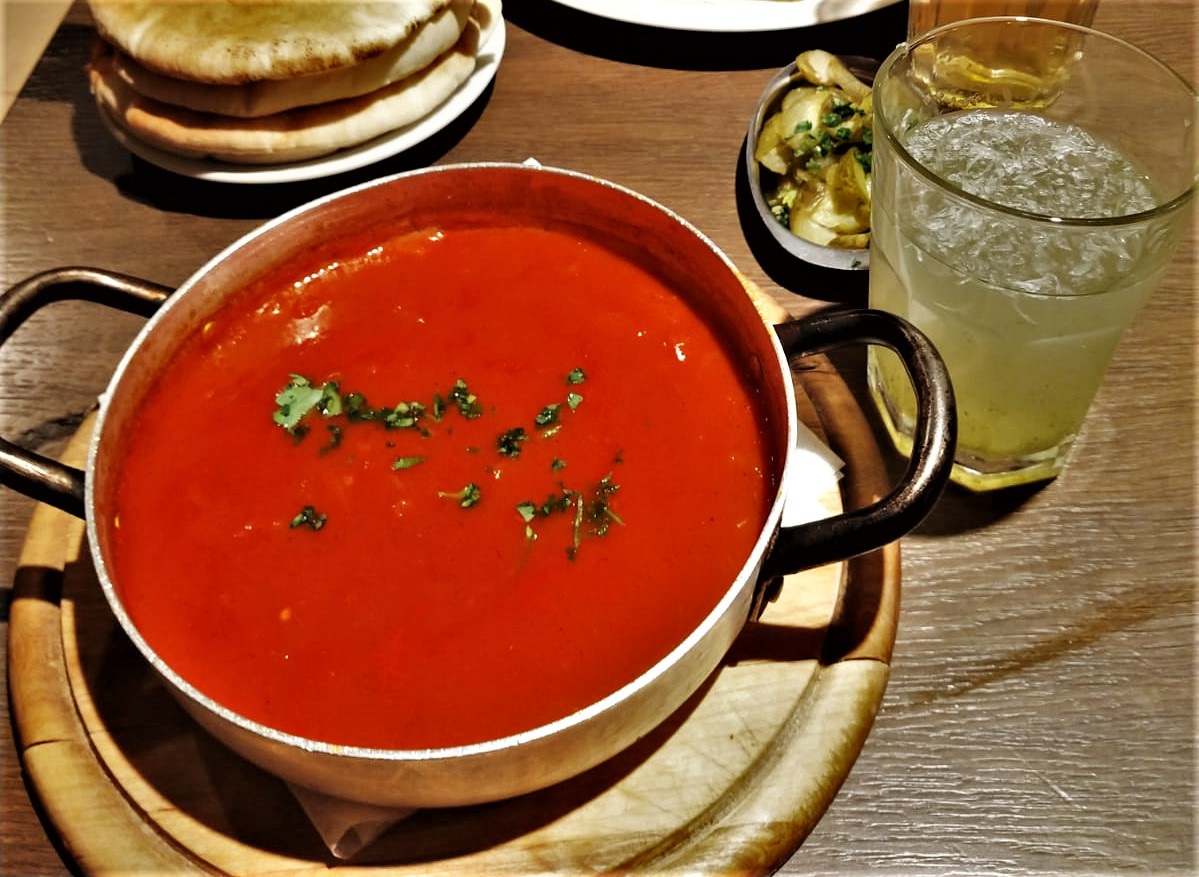
    When I was in Budapest over the Christmas holidays, I had the most delicious Shakshuka! It reminded me of the time when two Israeli guys were making breakfast in a hostel in Japan and they shared some of their delicious meal with me.. However, at that time I wasn't able to remember the name of the dish... so it took me 3 years to finally figure it out, in the Jewish quarter of Budapest. 

    What is shakshuka?
    Shakshuka is a traditional North-African/Israelean dish that can be enjoyed at every moment of the day. It is great for breakfast, lunch and dinner and is very easy to prepare. 

    While the dish usually comes with eggs cooked on top of the shakshuka base, I will leave this out in the vegan recipe. As a replacement, you can add extra vegetables, olives, tofu-feta (https://simpleveganblog.com/vegan-tofu-feta-cheese/, or just eat it as it is with some delicious bread. 

    While many variations of shakshuka can be found on the internet, the traditional verson is basically spiced tomate base with onions and garlic (and bell pepper), and eggs on top. 

    How to make Shakshuka?
    1. You start with chopping the onions garlic, red pepper, bell pepper and tomatoes (if you use any) into small pieces. 

    2. Then you heat 3 tbsp. olive oil in a large iron skillot. Add the onions and garlic and saute them for a couple of minutes. Before the garlic turns brown, add in the red pepper, bell pepper, the spices and the salt and pepper. 

    3. Cook for about 5 to 10 minutes, but don't let it burn. 

    4. Add the tomatoes (if you use any), tomato sauce and extra vegetables/tofu if using any. Cook for another 10 minutes.

    5. Taste and add more salt and pepper if necessary. 

    6. Serve the sauce with some parsley on top and some delicious pita bread and/or salad on the side! 


    Ready In: 25 min.

    Ingredients:

    • 3 tbsp olive oil
    • 2 large white onions
    • 1 red pepper
    • 1 bell pepper
    • 4 cloves of garlic
    • 1 tsp. cumin
    • 1/4 tsp. cayenne pepper
    • 2 tsp. paprika powder
    • 1 can peeled and diced tomaties
    • 1 tsp. tomato purée
    • salt and pepper to taste
    Homemade hummus

    Homemade hummus

    Image

    Preparations

    • Soak chickpeas in a little bit of baking soda (all will go faster) for a couple of hours or over night

    The way to go

    • Boil the checkpeas until they are soft or open a can
    • Let the chickpeas cool down and take the liquid out
    • Add garlic (I like more than the "normal" recipe) so put as much as you like
    • Add (olive) oil, otherwise it won't blend, make it like a paste
    • Add tahini (In many countries it is very expensive to buy Tahini, so just put sesame seeds (also adjust to your own taste) or sesame oil)
    • Mix it until it is a paste
    • Put some cilantro on top

    Creative version of the hummus

    • Add boiled beets
    • Add goat cheese

    Preparation time

    • Always a succes! Healthy and easy does it.
    • Ready In: 10 minutes.

    Image ACTIVITIES

    Check courses, jobs, projects, recipes, suggestions and tips related to: 'Middle East'

    CHECK MORE ACTIVITIES

    Make a selection, to find more tips than you see below

    Image Protecting and caring for animals abroad: what is it, why would you do it, and where is the best place to go?
    Protecting and caring for animals abroad: what is it, why would you do it, and where is the best place to go? What is working with animals abroad? Why would you protect...
    Image Working abroad as expat: what is it, why should you do it and where is the best place to go?
    Working abroad as expat What is working as an expat abroad? Why should you work as an expat abroad? What do you need if you want to work abroad as an expat? To what...
    Image Mountain biking and Cycling abroad: what is it, why do it, and where is the best place to go?
    Mountain biking and Cycling abroad: what is it, why do it, and where is the best place to go? What is cycling abroad? Why should you go cycling abroad? What do you need...
    Image Ben jij op zoek naar een baan in de zorg in het buitenland? Deze organisatie werft en selecteert zorgpersoneel en zorgmanagers voor werk in het buitenland
    Ben jij op zoek naar een baan in de zorg in het buitenland? Deze organisatie werft en selecteert (para)medisch personeel, zorgmedewerkers en zorgmanagers voor...
    Image Maak een budgetvriendelijke groepsreis door het Midden-Oosten
    Maak een budgetvriendelijke groepsreis door het Midden-Oosten met een mix van avontuur, cultuur en natuur. Met deze reizen voor jongvolwassenen ontdek je bijvoorbeeld...
    Image Homemade hummus
    My world recipe: homemade hummus
    Image Paid work abroad: what is it, why should you do it and where is the best place to go?
    What is paid work abroad? Why should you go to work abroad for pay? What do you need if you want to work abroad? To what extent are you insured for risks when doing paid...
    Image Teaching English abroad: what is it, why should you do it and where should you go?
    What is teaching English abroad? On which schools can you teach English abroad as a foreigner or as a (non) native speaker? What do you get out of teaching or helping at...
    Image Go travel and keep your stuff safe!
    When traveling is your hobby and want to keep your personal stuff safe in the airplane, train, bus, boat or when u sleep in a hostel. Use a travelsafe! Find out what...
    Image Verlangen naar Mekka
    In het Tropenmuseum is momenteel een tijdelijke tentoonstelling te zien, genaamd Verlangen naar Mekka . In deze tentoonstelling wordt de bezoeker meegenomen op de hadj...
    Activities abroad: home bundle

    Main content and contributions for activities abroad

    ,,,accommodations, adventure activities, courses, internships, jobs and volunteer projects

    ...to help another, travel with care, work together , learn to share and inspire with your experience


    Activities abroad: home page

    Activities abroad: home page

    From language courses to gap year abroad, from work experience to volunteering abroad, from paid work to internship abroad, from mountaineering to diving and from backpacking to travel around the world

      What social activities can you do abroad?

      • Opportunities are found in the areas of helping, learning or studying. You can get involved to volunteer in a social project at a school in Africa, Asia or Latin America. You can get involved in nature, in a project with animals or cleaning the sea or beaches. Those who want to learn more can choose for example a language course in Latin America, Spain or South Africa.

      What work related activities can you do abroad?

      • If you want to gain work experience, and/or also earn money, go and work abroad. You can combine backpacking in Australia with temporary work. You can work on campsites in Europe or bush camps in Africa. You can pretty much go all over the world to work in the hospitality industry, hotels and hostels, in the healthcare sector or for example at a diving school.

      What sports activities to do abroad?

      • Have you ever thought of mountain biking, rafting (going down a wild river on a raft or rubber dinghy, climbing or canoeing), survival (which involves building rafts, climbing or canoeing), abseiling (descending a rock face while secured to ropes), zip-lining (whizzing down a cable), canyoning (starting at the top of a river and then climbing, swimming, diving down the bed) or caving (scrambling, wriggling and crawling through caves and crevices)?
      • Maybe you feel more comfortable on a bodyboard (on a half-wave surfboard, you surf the high waves lying down-with flippers), on a hang glider or while paragliding (with a parachute you float down a mountain or dune), hydrospeeding (on a bodyboard with flippers and a wetsuit on you go down a wild river via rapids) or Tiefschneeskiing (racing down through powder snow)?

      Check the pages below for more activities and inspiration and where to go and how to arrange it

        Activities abroad: for gap year, sports, travel and outdoor abroad

        Activities abroad: for gap year, sports, travel and outdoor abroad

        Bundled content for gap year, sports, travel and outdoor abroad

        Access: 
        Public

        Image STORIES

        Check blogs, experiences and information related to: 'Middle East'

        CHECK MORE STORIES

        Make a selection, to find more blogs and contributions than you see below

        Image Packing list for Turkey, travel insurance for Turkey, and taking your belongings
        To pack and bring to Turkey What to take with you to Turkey: short What should you keep in mind when traveling to Turkey with your belongings? Are there mosquitoes in...
        Image Packing list for Oman, travel insurance for Oman, and taking your belongings
        To pack and bring to Oman What should you keep in mind when traveling to Oman with your belongings? Are there mosquitoes in Oman? Are there sandflies in Oman? Can you...
        Image Packing list for Jordan, travel insurance for Jordan, and taking your belongings
        To pack and bring to Jordan What to take with you to Jordan: spotlighted What should you keep in mind when traveling to Jordan with your belongings? Are there mosquitoes...
        Image Packing list for Iran, travel insurance for Iran, and taking your belongings
        To pack and bring to Iran What to take with you to Iran: spotlighted What should you keep in mind when traveling to Iran with your belongings? Are there mosquitoes in...
        Image Sea turtles abroad and while traveling: are they dangerous, where do you encounter them, where can you see them?
        What are sea turtles? Where can you encounter sea turtles in the wild when traveling and abroad? Are sea turtles dangerous ? What to do if you encounter a sea turtle...
        Countries & Destinations: home bundle

        Bundled content, suggestions, stories and tips about the countries and destinations in the world

        ...to help another, travel with care, work together , learn to share and inspire with your experience

        Africa: country bundles

        Africa: country bundles

        Access: 
        Public
        Asia: country bundles

        Asia: country bundles

        Country bundles of Asian countries

        Access: 
        Public
        Europe: country bundles

        Europe: country bundles

        Country bundles of European countries

        Access: 
        Public
        The Caribbean: country bundles

        Image ORGANIZATIONS

        Check sectors and organizations related to: 'Middle East'

        CHECK MORE ORGANIZATIONS

        Make a selection, to find more or other organizations than you see below

        Image GEDMA
        GEDMA is een uitzendbureau dat Nederlandstaligen helpt om een baan te vinden in het buitenland. GEDMA richt zich op Europese bestemmingen inclusief Marokko en Turkije...
        Image SecsintheCity
        SecsintheCity is a UK based job site for jobs for Personal assistant, Executive Assistant or other business support professionals (previously also operating under the...
        Image GAP School
        This language school in Oman offers online Arabic (Gulf Arabic) lessons. In the past, it was also possible to attend in-person classes in Oman through this school.
        Image Oak Travel
        Oak Travel biedt, taalcursussen, avontuurlijke groepsreizen en vrijwilligerswerk voor jongeren naar unieke bestemmingen wereldwijd. Van een surfkamp in Costa Rica tot...
        Image International Center for Persian Studies
        On the campus of Shiraz University, you can learn Farsi at the Center for Teaching Persian to Non-Persian Speakers
        Image Silk Road Hotel
        The Silk Road Hotel offers nine charming rooms with private bathrooms. For backpackers, there's also an affordable shared room with seven beds and a shared bathroom. The...
        Image Tent of Nations
        Tent of Nations is an organic farm with a strong Palestinian Christian focus and origins. Note: Since 2021, the organization has been harassed by the Israeli government...
        Image Efinst Turkish Center
        Deze taalschool lijkt momenteen niet meer actief
        Image ALEH
        The ALEH Foundation provides care and education to children with severe multiple mental and physical disabilities in Israel.
        Image Ahlan World - Arabic Schools
        Ahlan World is a group of language schools for Arabic lessons in Egypt, now also in Jordan and Morocco
        Organizations & Services: home bundle

        Bundled content, suggestions, stories and tips about organizations and their products and services

        ...to help another, travel with care, work together, learn to share and inspire with your experience

        Organizations: home page
        Organizations: for administrative, tax and legal work and consulting
        Organizations: for agriculture, grape picking, farming and vineyards
        Organizations: for animal protection, animal care and working with wildlife abroad
        Organizations: for au pairs, youth work and child care abroad
        Organizations: for bush camping and working at a campsite abroad
        Organizations: for catering, hospitality and entertainment abroad
        Organizations: for civil society and social work abroad
        Organizations: for corporate business services
        Organizations: for customer services abroad and help desks
        Organizations: for diving, snorkeling and water sports abroad
        Organizations: for education and schools abroad
        Organizations: for expatriate insurances, travel insurances, and emergency call centers
        Organizations: for gap year activities abroad and sabbaticals
        Organizations: for internship placement abroad
        Organizations: for insurances and finance abroad
        Organizations: for IT, engineering and construction
        Organizations: for language travel and language teaching abroad
        Organizations: for marketing, communication and PR
        Organizations: for mediation in au pairs, childcare and elderly care in the Netherlands
        Organizations: for moving, international relocation and transport abroad
        Organizations: for nature conservation, environmental protection and working in nature abroad
        Organizations: for nonprofit projects, development work and international cooperation
        Organizations: for online work as digital nomad, freelancer, or independent entrepreneur from abroad
        Organizations: for outdoor activities and sports
        Organizations: for providing accommodation and hospitality work in hotels, guesthouses, ecolodges and hostels abroad
        Organizations: for providing healthcare and working in medical care abroad
        Organizations: for psychological assistance and mental health care abroad
        Organizations: for real estate, brokerage abroad and property rental abroad
        Organizations: for research and scientific work abroad
        Organizations: for student support and student associations
        Organizations: for tour guidance and adventure tours abroad
        Organizations: for tourism and organized travel and leisure work abroad
        Organizations: for voluntary work mediation and project placement abroad
        Organizations: for yacht and shipping crew and working on a cruise ship abroad

        Image SUMMARIES

        Check summaries and study assistance related to: 'Middle East'

        CHECK MORE SUMMARIES

        Make a selection, to find more, or other, summaries and study assistance than you see below

        Image Boeksamenvatting bij de 1e verstie van Iraq at a Distance van Robben Iraq at a Distance van Robben
        Boeksamenvatting bij de 1e verstie van Iraq at a Distance van Robben Iraq at a Distance van Robben
        Image Arrest Sanctieregeling Iran incl. annotatie
        HR 14 december 2012, NJB 2013, 64 (Sanctieregeling Iran)
        Image Summary Case Law: Salduz v. Turkey
        Summary of the Case Law: Salduz v. Turkey (Comparative Criminal Law, 2016/2017) Access to a lawyer, breach of Article 6(3)(c) European Convention on Human Rights &...

        Image

        SPOTLIGHT & FAVORITES

        SPOTLIGHT
        Image

        1. What are the issues to bear in mind when emigrating?

        • Keep track of the emigration process; for example write down what to do and what you are going through in an emigration diary.
        • Make use of the media and guidebooks when researching possible destinations.
        • Get an i...

        FAVORITES
        Image

        When traveling is your hobby and want to keep your personal stuff safe in the airplane, train, bus, boat or when u sleep in a hostel. Use a travelsafe! Find out what kind of travelsafe is usefull for you, click here!  

        Image ALL CONTENT

        Search all related content within the topic: 'Middle East'

        ALL CONTENT WITHIN TOPIC

        Select any filter and click on Apply to see results

        Image

        TOPICS : check associated topics and more activities

        Check more: activities in WorldSupporter
        Go abroad!
        Page topic

        Stories, tips and experiences from specific countries in The Middle East

        Submenu & Search

        Search only via club, country, goal, study, topic or sector