Travel to Equatorial Guinea to backpack, study, intern, volunteer, work, or live as a digital nomad, expat or emigrant?

Image

Image

Image  Equatorial Guinea

Intro

Backpacking or travelling in Equatorial Guinea?

  • Backpacking through Equatorial Guinea is a special experience, especially for adventurers who want to go off the beaten track. This small, tropical country, divided between a mainland and islands, is relatively unknown to tourists, which means you can enjoy untouched nature and authentic encounters. The infrastructure can be a challenge, but that makes it an ultimate travel experience for those who are really looking for an adventure.
  • Despite the country's large oil revenues, there is still a lot of poverty.
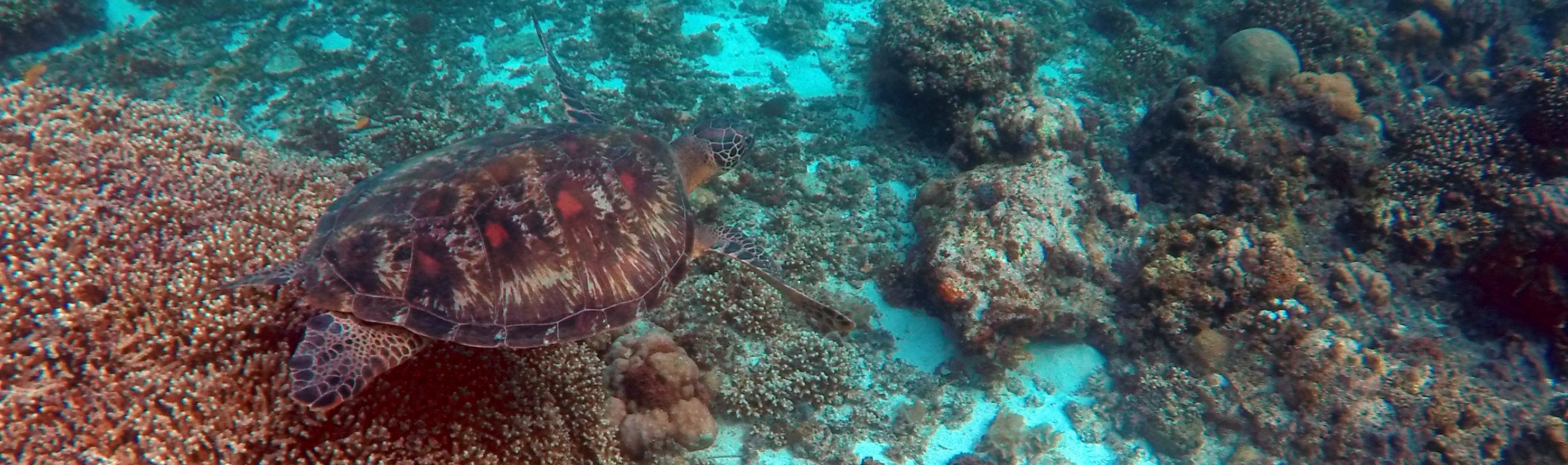
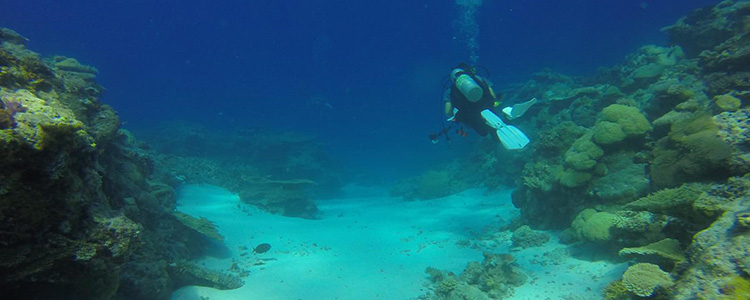
  • Activities to spot: climb Mount Pico Basile on Bioko Island; relax on the white beaches of Arena Blanca; explore the rainforests of Monte Alen National Park; take a boat trip to the remote islands of Corisco and Annobón; discover the colonial city of Malabo; dive or snorkel at Bioko; visit the inland lakes; take a cultural tour of Bata; spot dolphins and whales during the migration season. Animal spotting: western lowland gorillas, chimpanzees, forest elephants, drill monkeys, sea turtles, mandrills, grey parrot (and many other birds), whales, mongooses, crocodiles. Food Spotting: sopa de pescado (fish soup), pepesup (spicy soup with fish and vegetables), cassava bread, ensalada tropical (fruit salad), jollof rice (rice cooked with tomatoes and herbs), plantain fries, nkui (stew), mondongo (tripe and spice stew.

Studying in Equatorial Guinea?

  • There are a few universities to choose from. The universities are small, but may offer interesting courses in fields such as oil and gas industry, forestry and tropical biology, given the country's natural resources. Academic quality varies by institution, but the increase in international cooperation is improving the standard of education.
  • Study cities: Bata and Malabo.
  • Language: Spanish, but sometimes also in French or English.

Internships in Equatorial Guinea?

  • There are not many internships available in Equatorial Guinea, but if you look carefully you may find something with an international (aid) organization or in the oil industry and agriculture.
  • Competencies: flexibility and adaptability, intercultural communication, Spanish language skills, relationship management, awareness of development issues.

Volunteering in Equatorial Guinea?

  • Volunteering in Equatorial Guinea can bring you into contact with projects ranging from environmental conservation to education and healthcare. Especially in remote areas, you can make an important contribution to the development of communities. Think of working with local schools, orphans, helping to protect sea turtles, research programs in the field of nature conservation or improving water and sanitation.

Working in Equatorial Guinea?

  • Foreigners in Equatorial Guinea mainly work in the oil industry, the country's largest economic engine. There are also opportunities in NGOs, international trade, and in emerging sectors such as tourism and sustainable energy.
  • Speaking Spanish, French or Portuguese significantly increases your chances of getting a job.
  • Work culture: formal and greetings and introductions follow a strict hierarchy. There is often a fixed agenda and interruptions are seen as rude. In addition, family ties are very important, this can influence work planning. Furthermore, the concept of punctuality is somewhat more flexible than in most Western countries.

Working as a digital nomad in Equatorial Guinea?

  • Equatorial Guinea is not yet a popular destination for digital nomads. The quality of internet can vary, especially outside the cities. There are no specific coworking cafes like in large nomad hotspots, but in Malabo and Bata you can often work well in hotels and cafes with Wi-Fi. If you are adventurous and don't mind a somewhat irregular internet connection, you might find your place here.
  • Favorite locations: Malabo, Bata.

Living in Equatorial Guinea?

  • Living in Equatorial Guinea is a special experience. Malabo and Bata are the main cities, and especially in Malabo you will find a mix of colonial architecture and modern developments. The lifestyle is relatively quiet, and the expat community is small but close-knit. Education: There are several international schools in Malabo, which teach in Spanish and English. Many expats choose private education, or send their children to schools abroad.
  • Expat community: Most expats work in the oil industry or for NGOs, and social events are regularly organized to strengthen community ties.
  • Safety: Equatorial Guinea is relatively safe compared to other countries in the region, but it is important to remain vigilant at all times. Theft and petty crime can occur, especially in the cities, but with the right precautions the country is a safe place to live.
  • Culture: The culture is a mix of African traditions and Spanish influences. Music, dance and art play a large part in daily life, and the people are proud of their rich cultural heritage. Climate: Equatorial, of course. Be aware: You should be aware of the limited infrastructure, especially outside of the cities. Although the larger cities are reasonably developed, life in the countryside can be challenging in terms of poverty and access to basic services. And be prepared for corruption.
  • Health insurance: Healthcare in Equatorial Guinea is limited, especially outside of the cities. Malabo and Bata have hospitals and clinics, but for more specialized care many expats go to neighboring countries or Europe. So make sure you have your own comprehensive health insurance.
Equatorial Guinea Country Bundle: suggestions, stories and tips

Equatorial Guinea Country Bundle: suggestions, stories and tips

Image

Content about Equatorial Guinea on WorldSupporter

Equatorial Guinea: Updates & Travel

Equatorial Guinea: Updates & Travel

Travel in Equatorial Guinea?

  • Equatorial Guinea is a country located in western Africa and is known for its oil production and beautiful nature. Among other things, in the country you can enjoy a wealth of flora and fauna, and several endangered species live there. Living conditions in Equatorial Guinea can be difficult, and in addition, it is not always safe to travel. But, the cities of Malabo (on Bioko Island) and Bata (on the mainland) are reasonably safe for travelers. What is advantageous if you want to make yourself understood is that in Equatorial Guinea the official languages are Spanish, French and Portuguese. In addition, several local languages such as Bubi and Fang are also spoken.

Updates Equatorial Guinea

  • More about Equatorial Guinea, updates and contributions, see the link below.
How does healthcare work in Equatorial Guinea, and what travel insurance, health insurance or expat insurance do you need?

How does healthcare work in Equatorial Guinea, and what travel insurance, health insurance or expat insurance do you need?

How does the healthcare system work in Equatorial Guinea?

What is the quality of healthcare in Equatorial Guinea?

  • Centrally located Equatorial Guinea still has a lot of boxes to tick when it comes to health care. Care is limited, and life expectancy is relatively low.
  • There is both public and private care in the country. The best care can be found in Malabo and Bata, so it is a good idea not to stray too far from these cities if you suffer from something more serious than a mosquito bite.
  • Even relatively simple illnesses can lead to serious complications, so medical preparation is not an unnecessary luxury here.
  • Due to the high costs of health care, many people turn to traditional healers, who can sometimes help you with herbs, sometimes with prayer, and sometimes with a surprisingly strong massage.
  • Incidentally, Equatorial Guinea is the only African country where Spanish is the official language. Less convenient if you only speak French or English at the doctor's.
  • Pharmacies are available, especially in Malabo and Bata, but supplies are often lacking... 
  • Do you have a medical emergency? There is a good chance that you will need to be evacuated. Emergency care is very limited in Equatorial Guinea. It comes in handy to have the contact number of your embassy or the emergency number of your insurance company at hand.

How does the public healthcare system work in Equatorial Guinea?

  • Public healthcare in Equatorial Guinea is formally divided into several layers: health posts in villages (for when you have a wound or just want to have a chat with someone), health centres staffed by nurses, district hospitals, and specialist hospitals.
  • The major problem in healthcare is the lack of government funding. The government spends little on healthcare, and you can see that in everything: infrastructure, hygiene, availability of staff and materials. Sometimes you even have to bring your own needles, gloves and bandages. That sounds like a joke, but it is deadly serious.

How does the private healthcare system work in Equatorial Guinea?

  • Most foreigners use private healthcare, because although it is also limited, the basic care is generally better than in the public sector.
  • But… don't expect a five-star experience. The care is decent, but still leaves much to be desired.
  • You often have to pay cash, so having a well-filled wallet with you is not an unnecessary luxury.

How is the general practitioner arranged in Equatorial Guinea?

  • A GP system like in other countries? Forget it. In Equatorial Guinea, you just go to a doctor when you have complaints — the closest one wins.
  • The advantage: no waiting lines. The disadvantage: no continuity or familiarity with your medical history.

How is the dentist arranged in Equatorial Guinea?

  • In short: not great. Dental care is hardly available, and certainly not according to Western standards. If you have a toothache, you might want to plan a weekend dental holiday in a neighbouring country with better care.

How is pregnancy care arranged in Equatorial Guinea?

  • There has been progress in recent years, with maternal mortality rates falling below the regional average. But that doesn’t mean everything is running smoothly now. There are big differences between urban and rural areas, and between rich and poor households.
  • In Malabo and Bata, you’ll find a number of clinics that offer maternity care, but don’t expect high-tech ultrasounds or luxurious birthing pools. It’s more basic, with limited resources.
  • Many expecting mothers plan their delivery in a country where the care meets their needs and safety requirements.

How safe or unsafe is a trip or stay in Equatorial Guinea?

What should you pay attention to in terms of safety in Equatorial Guinea?

  • Safety in Equatorial Guinea, like the country itself, is somewhere in the middle between the extremes. In general, it is safe for people who want to come and live there, provided you take a number of things into account.
  • Scams, such as a tour guide who tells you a story for 5 minutes and asks for money, civil servants who just want to see money, or a taxi driver who asks the highest price, do occur. You can prevent this by only using reputable companies.
  • There is petty (pickpocketing and bag theft) and major crime (robberies and car hijackings), especially in Malabo and Bata.
  • The rainy season also brings dangers. Landslides and floods are not unknown phenomena.

What should you look out for in terms of diseases in Equatorial Guinea?

  • Of course, a lot of diseases also occur in this tropical country. 
  • Mosquitoes, ticks and fleas, malaria, yellow fever, dengue, filariasis and zika are no joke here.
  • HIV/AIDS is common.
  • Other infectious diseases such as tuberculosis, mpox and schistosomiasis also occur. 

What should you pay attention to when it comes to traffic in Equatorial Guinea?

  • Well, if you want to go on the road in Equatorial Guinea, you are taking some risks. The number of deaths from traffic accidents is about 20 times the global average!
  • On the other hand, the road network is getting better and better and driving is becoming more comfortable.
  • Beware of the sudden company on the road such as cattle and pedestrians.
  • Outside of Malabo and Bata, military roadblocks are common. Make sure you have all your papers with you and speak Spanish (or have a written letter in Spanish explaining what you are going to do). 
  • If you don't have your own car or simply don't want to take all these risks, "bush taxis" are a popular option. These are a kind of shared taxi between the big cities.
  • In addition, there are also minibuses that are useful for transport within the cities.
  • Ferry services can be found between Douala, Bata and Malabo.

What work and travel insurance policies are suitable for short and long stays in Equatorial Guinea?

  • Is the trip to Equatorial Guinea and your return sufficiently covered? Are you sufficiently covered before, during and after your activities? Which insurance best suits your trip and your activity? Read more about insurances for abroad on JoHoinsurances.org.

What emigration and expat insurance can you take out for Equatorial Guinea if you are going to live there for a while?

  • Given the state of healthcare in Equatorial Guinea, good, international health insurance is very important. This will prevent you from having to pay high costs if medical evacuation or care abroad is necessary.
  • Make sure your insurance covers medical evacuation as well as coverage in neighboring countries. Read more about insurances for abroad on Expatinsurances.org.
Equatorial Guinea: selection of contributions by WorldSupporters - Bundle
Equatorial Guinea: Updates & Travel

Equatorial Guinea: Updates & Travel

Travel in Equatorial Guinea?

  • Equatorial Guinea is a country located in western Africa and is known for its oil production and beautiful nature. Among other things, in the country you can enjoy a wealth of flora and fauna, and several endangered species live there. Living conditions in Equatorial Guinea can be difficult, and in addition, it is not always safe to travel. But, the cities of Malabo (on Bioko Island) and Bata (on the mainland) are reasonably safe for travelers. What is advantageous if you want to make yourself understood is that in Equatorial Guinea the official languages are Spanish, French and Portuguese. In addition, several local languages such as Bubi and Fang are also spoken.

Updates Equatorial Guinea

  • More about Equatorial Guinea, updates and contributions, see the link below.

Image

Why get specific insurance when going abroad: per activity abroad
Why should you take out specialized travel insurance for a long trip abroad?

Why should you take out specialized travel insurance for a long trip abroad?

What is round the world travel insurance or long-term travel insurance?

  • Round the world travel insurance means that you take out insurance that continues to provide coverage during all your activities abroad, and which is specifically intended for those who travel for long periods of time, such as world travelers, globetrotters, and nomads.

Why should you take out specialized travel insurance for a long trip abroad?

  • Round the world travel insurance provides coverage for a much longer trip than regular travel insurance.
  • World travel insurance is specifically intended for longer trips, whereas regular travel insurance may offer coverage on paper, but in practice handles it differently.
  • World travel insurance is suitable for many types of activities, ranging from high-altitude trekking to more risky sports.
  • World travel insurance continues to provide coverage if you start working during your trip, whether planned or unplanned. If you did not take out insurance before departure that allows you to work, there is no guarantee that you will be able to take out insurance that provides coverage while abroad.
  • Long-term travel insurance continues to provide coverage when your home country's health insurance no longer does.
  • Worldwide travel insurance also covers your medical expenses up to the actual cost, and not just for the standard costs. The costs per medical treatment vary greatly between countries.
  • Worldwide travel insurance can also continue to provide coverage if negative travel advice is issued.

What is important to insure when you are going to travel around the world?

  • That you have insurance that is valid in the countries where you are going to travel and posibly work.
  • That you are adequately insured for the sports and activities you are going to participate in during your full period abroad
  • That you are insured for emergency assistance and early return if something happens to you or your immediate family.
  • That your medical expenses are insured up to the actual cost and not just for the standard costs. The costs per medical treatment vary greatly between countries.
  • That you insure your luggage and take sufficient precautions against theft or damage.
  • That you are well insured against personal liability.
  • That you are well insured in case of accidents.
  • That you only insure yourself for legal assistance if there is an immediate reason to do so, unless coverage is already automatically included in the insurance.
  • That you pay close attention to choosing the right coverage when performing work or voluntary work during your world trip.

Check out more about

Why should you take out specific insurance when you go on a trip or vacation?

Why should you take out specific insurance when you go on a trip or vacation?

What is insurance for traveling abroad?

  • Travel insurance is insurance that provides coverage for risks during a trip or vacation abroad. This mainly concerns loss of or damage to your luggage, medical assistance, or repatriation costs if you need to be transported back home urgently. In some cases, travel insurance coverage also applies on domestic trips.
  • With annual travel insurance or multi-trip travel insurance, you are insured for all your trips throughout the year.
  • With temporary travel insurance or single-trip travel insurance, you take out insurance for each trip for the duration of the trip.
  • Cancellation insurance reimburses (all or part of) the travel sum, cancellation or accommodation costs if you have to cancel or interrupt your vacation.

Why should you take out travel insurance for a short trip, vacation, or long-distance trip?

  • Travel insurance can provide coverage in the event of an accident or emergency while you are abroad.
  • Travel insurance can provide coverage for damage and accidents during the adventurous or sporting activities you plan to do.
  • Travel insurance can continue to provide coverage if your health insurance no longer provides coverage, or if the damage is only reimbursed at cost price of your home country.
  • Travel insurance can provide coverage in the event of damage, loss, or theft of your luggage.
  • Travel insurance can provide coverage if you are held liable for damage you cause to other people or their property.
  • Travel insurance can provide coverage if you have to return home early because something has happened to you or your immediate family.

What is important to insure when you are going to travel abroad?

  • That you have insurance that is valid in the country or countries that you are going to visit.
  • That you are adequately insured for the sports and activities you are going to participate in during your period abroad.
  • That you are insured for emergency assistance and early return if something happens to you or your immediate family.
  • That your medical expenses are insured up to the actual cost and not just for the standard costs. The costs per medical treatment vary greatly between countries.
  • That you insure your luggage and take sufficient precautions against theft or damage.
  • That you are well insured against personal liability.
  • That you are well insured in case of accidents.
  • That you only insure yourself for legal assistance if there is an immediate reason to do so, unless coverage is already automatically included in the insurance.
  • That you pay close attention to choosing the right coverage when performing work alongside your travels.

Check out more about international insurances

Why should you take out specialized travel insurance for working abroad?

Why should you take out specialized travel insurance for working abroad?

Why should you take out specialized travel insurance for paid work, voluntary work or an internship abroad?

  • There may be several reasons why you need separate insurance when working abroad.
  • During work, internships, or volunteer work abroad where you receive financial compensation (or, for example, food or housing), your national health insurance coverage may expire. You will then need special insurance to remain insured for illness and accidents.
  • During specific work abroad, additional requirements may apply if your work involves additional risks. Only specific insurance policies offer coverage during this type of work.
  • During your work, the risk of accidents is sometimes greater, for example because you are doing work with which you have little experience or because of the nature of the work.
  • During your work, local employers generally offer no or limited insurance that provides insufficient coverage.

What is important to insure when you are going to work abroad?

  • That you have insurance that is valid in the country or countries where you are going to travel and work.
  • That you are adequately insured for the sports and activities you are going to participate in during your period abroad
  • That you are insured for emergency assistance and early return if something happens to you or your immediate family.
  • That your medical expenses are insured up to the actual cost and not just for the standard costs. The costs per medical treatment vary greatly between countries.
  • That you insure your luggage and take sufficient precautions against theft or damage.
  • That you are well insured against personal liability.
  • That you are well insured in case of accidents.
  • That you only insure yourself for legal assistance if there is an immediate reason to do so, unless coverage is already automatically included in the insurance.
  • That you pay close attention to choosing the right coverage when performing work.

Check out more about international insurances

Why should you take out specialized travel insurance for volunteering abroad?

Why should you take out specialized travel insurance for volunteering abroad?

What is insurance for volunteering abroad?

  • Insuring volunteer work abroad means taking out insurance that continues to provide coverage while you are working as a volunteer abroad

Why should you take out specialized travel insurance for voluntary work abroad?

  • There may be several reasons why you need separate insurance when volunteering abroad.
  • During specific activities abroad, additional requirements may apply if your work involves extra risks. Only specific insurance policies offer coverage during these activities.
  • The risk of accidents is sometimes higher during your work, for example because you are doing work you have little experience with or because of the nature of the work.
  • Local projects or employers generally offer no or limited insurance that provides insufficient coverage during your work.
  • When volunteering abroad and receiving minor financial compensation (or, for example, food or housing), your home country's health insurance coverage will potentially lapse. You will then need special insurance to remain insured for illness and accidents.
  • Regular travel insurance policies generally provide coverage for trips of a limited number of days. If your trip or stay abroad exceeds the maximum number of days, this generally means that for the entire travel period, you will not be covered.
  • Regular travel insurance policies generally only provide coverage for recreational travel without voluntary work activities. If you engage in activities other than recreational activities (such as volunteer work), this generally means that for the entire travel period, you will not be covered.

What is important to insure when you are going to work as a volunteer abroad?

  • That you have insurance that is valid in the country or countries where you are going to travel and volunteer.
  • That you are adequately insured for the sports and activities you are going to participate in during your period abroad
  • That you are insured for emergency assistance and early return if something happens to you or your immediate family.
  • That your medical expenses are insured up to the actual cost and not just for the standard costs. The costs per medical treatment vary greatly between countries.
  • That you insure your luggage and take sufficient precautions against theft or damage.
  • That you are well insured against personal liability.
  • That you are well insured in case of accidents.
  • That you only insure yourself for legal assistance if there is an immediate reason to do so, unless coverage is already automatically included in the insurance.
  • That when performing work in healthcare, with wild animals, and with dangerous (agricultural) machinery, you take care to choose the right coverage.

Check out more about international insurances

Why should you take out specialized travel insurance for an internship abroad?

Why should you take out specialized travel insurance for an internship abroad?

What is insurance for an internship abroad?

  • Insuring an internship abroad means taking out insurance that continues to provide coverage during your internship abroad
  • Insurance for internships abroad are also referred to as internship insurance. This internship insurance is specifically for when you go abroad for a long period of time to work as an intern, take courses, or conduct research abroad.

Why should you take out specialized travel insurance for an internship abroad?

  • There may be several reasons why you need separate insurance for an internship abroad.
  • During internship activities abroad, additional requirements may apply as soon as you start performing work that involves additional risks. Only specific insurance policies offer coverage during these activities.
  • During your internship, the risk of accidents is sometimes greater, for example because you are doing work with which you have little experience or because of the nature of the work.
  • During your internship, local employers generally do not offer insurance, or offer limited insurance that does not provide sufficient coverage.
  • During an internship abroad where you receive financial compensation (or, for example, food or accommodation), your home country's health insurance coverage will potentially lapse. You will then need special insurance to remain insured for illness and accidents.
  • Regular travel insurance policies generally provide coverage for trips of a limited number of days. If your trip or stay abroad exceeds the maximum number of days, this generally means that for the entire travel period, you will not be covered.
  • Regular travel insurance policies generally only provide coverage for recreational trips without work activities.

What is important to insure when you are going to be an intern abroad?

  • That you have insurance that is valid in the area where you will be traveling and doing your internship.
  • That you are adequately insured for the sports and activities you will be participating in.
  • That you are insured for emergency assistance and early return in case something happens to you or your immediate family.
  • That your medical expenses are insured up to the actual cost (what it actually costs), and not just for the standard costs. The costs per medical treatment vary greatly between countries.
  • That you insure your luggage and take sufficient precautions against theft or damage.
  • That you are well insured against personal liability and, preferably, also for liability during your internship.
  • That you are well insured in case of accidents.
  • That you insure yourself for legal assistance if there is an immediate reason to do so, unless the coverage is already automatically included in the insurance.
  • Make sure you choose the right coverage for internship work in healthcare, with wild animals, or with dangerous machinery!

Check out more about international insurances

Why should you take out specialized travel insurance for studying abroad?

Why should you take out specialized travel insurance for studying abroad?

What is insurance for studying abroad?

  • Insurance for studying abroad means that you take out insurance that continues to provide coverage during your studies, your education, and your related activities abroad.
  • Insurance for studying abroad is also referred to as study insurance. This study insurance is specifically for when you go abroad for a long period of time to take courses, study, or conduct research abroad.

Why should you take out specialized travel insurance for a study abroad?

  • Study insurance is specifically designed for studying abroad, whereas regular travel insurance policies may offer coverage on paper but handle this situation differently in practice.
  • Study insurance offers coverage for longer stays than regular (vacation) travel insurance.
  • Study insurance is also suitable for many types of activities, ranging from various sports to hiking at high altitudes.
  • Study insurance continues to provide coverage if you start working during your trip, whether planned or unplanned. If you have not taken out insurance before departure that allows you to work, there is no guarantee that you will be able to take out insurance abroad that provides coverage.
  • Study insurance continues to provide coverage if your own country's health insurance no longer provides coverage.
  • Student insurance also covers your healthcare costs above the rates in your own country; with regular insurance, you have to pay the extra costs yourself.
  • Student insurance can also continue to provide coverage if (study) visa issuers impose additional requirements on how you insure yourself, for example if you are going to the US and applying for a J-1 visa.
  • Student insurance continues to provide coverage if you are staying abroad for a longer period of time and want to visit your own country in between.

What is important to insure when you are going to study abroad?

  • That you have insurance that is valid in the country or countries where you are going to travel and work.
  • That you are adequately insured for the sports and activities you are going to participate in during your period abroad
  • That you are insured for emergency assistance and early return if something happens to you or your immediate family.
  • That your medical expenses are insured up to the actual cost and not just for the standard costs. The costs per medical treatment vary greatly between countries.
  • That you insure your luggage and take sufficient precautions against theft or damage.
  • That you are well insured against personal liability.
  • That you are well insured in case of accidents.
  • That you only insure yourself for legal assistance if there is an immediate reason to do so, unless coverage is already automatically included in the insurance.
  • That you pay close attention to choosing the right coverage when performing work alongside your studies.

Check out more about international insurances

Why should you take out specialized insurance for moving abroad as an emigrant or an expat?

Why should you take out specialized insurance for moving abroad as an emigrant or an expat?

What is an emigration insurance and what is an expat insurance?

  • Emigration insurance is an insurance that continues to provide coverage if you move abroad permanently or for an indefinite period of time.
  • Emigration insurance is not only intended for emigrants, but for anyone who leaves their home country for an extended period of time and does not intend to return in the foreseeable future.
  • Expat insurance is insurance that continues to provide coverage if you go to work abroad for a local or international employer for an extended period of time.
  • Expat insurance is not only intended for expats, but for anyone who has a more permanent job abroad.

Why should you take out specialized insurance for emigration or working as an expat abroad?

  • Emigration or expat insurance not only provides coverage for acute assistance in the event of illness or accident abroad, such as travel insurance, but can also provide coverage for existing conditions and ailments or non-urgent care.
  • Emigration or expat insurance does not require you to maintain valid health insurance in your home country.
  • Emigration or expat insurance provides coverage for preventive care or costs related to pregnancy and childbirth.
  • Emigration or expat insurance also provides coverage for long-term treatments and chronic conditions without you having to return to your home country.
  • Emigration or expat insurance often has no restrictions on the duration of the insurance, unlike travel insurance.
  • Emigration or expat insurance usually maintains coverage in cases such as negative travel advice or acts of war.
  • Emigration or expat insurance offers various solutions in the areas of disability, home and household insurance, goods transport, and liability.

What is important to insure when you are going to move abroad?

  • That you have insurance that is valid in the country or countries where you are going to live and/or work.
  • That you are adequately insured for the sports and activities you are going to participate in during your period abroad
  • That you are insured for emergency assistance and early return if something happens to you or your immediate family.
  • That your medical expenses are insured up to the actual cost and not just for the standard costs. The costs per medical treatment vary greatly between countries.
  • That you are well insured against personal liability.
  • That you are well insured in case of accidents.
  • That you pay close attention to choosing the right coverage when performing work with additional health risks

Check out more about international insurances

Why should you take out travel insurance and why through the JoHo Foundation?

Why should you take out travel insurance and why through the JoHo Foundation?

Why Insurances through JoHo

  • Specialized: in emigration, work, internships, study and travel abroad.

  • Service: JoHo offers multiple travel insurances by multiple companies. Thanks to JoHo's extensive experience, it can offer support in case of problems with insurers, as well as advice and fast and personal handling.

  • Safe: JoHo is recognized as a trustworthy intermediary for insurances.

  • Social: by purchasing an insurance through JoHo you provide a talented student in The Philippines with health insurance

Why Should You Take Out A Travel Insurance?

  • The chance of getting injured or ill is generally higher than when you would have stayed at home. The medical care you will need can be very expensive, even more so if you are treated in a private clinic.

  • If you have to fly back because of family circumstances, the flights might be more expensive than your original flight because you have to fly on short notice.

  • You might have to deal with the damage, loss or theft of your luggage.

  • In case of emergency it can be difficult to figure out what to do. A good travel insurance will have an assistance team on standby for you 24/7 and will be able to tell you what steps to take.

Why Should You Specifically Take Out A Travel Insurance For A Long Trip Abroad?

  • Often regular travel or health insurances only cover trips for a maximum number of days (for example 60, 90 or 180 days).

  • Depending on your home country, your health insurance might not offer any coverage for treatment abroad.

  • During a long trip you might consider specific activities, like paid work or volunteering. Regular travel insurances often don’t cover these kind of activities. The same goes for adventurous/ hazardous sports like skydiving, scuba-diving and bungee jumping.

More on why to use JoHo

  • JoHo is one of the few organizations where you can directly purchase a comprehensive range of foreign insurances from a variety of insurers. As with our other products and services, we believe that you should be able to choose between the best, the most cost effective and the most specialized insurance.

  • JoHo offers various possibilities from combining insurances to assisting in transferring from one insurer to another.

  • When you purchase an insurance policy through JoHo, you will not pay more than if you had purchased it directly from the insurer. Sometimes (through special collective agreements) you will even pay less.

  • JoHo offers support with problems that may arise with the insurer. Sometimes disagreement with claims, cancellation notice or insurance premiums can occur. In this situation it helps if you have the assistance of an organization who has an established relationship with the insurer.


Read more about JoHo and JoHo Insurances

Image

Safety and insurances for Equatorial Guinea

How does healthcare work in Equatorial Guinea, and what travel insurance, health insurance or expat insurance do you need?

How does healthcare work in Equatorial Guinea, and what travel insurance, health insurance or expat insurance do you need?

How does the healthcare system work in Equatorial Guinea?

What is the quality of healthcare in Equatorial Guinea?

  • Centrally located Equatorial Guinea still has a lot of boxes to tick when it comes to health care. Care is limited, and life expectancy is relatively low.
  • There is both public and private care in the country. The best care can be found in Malabo and Bata, so it is a good idea not to stray too far from these cities if you suffer from something more serious than a mosquito bite.
  • Even relatively simple illnesses can lead to serious complications, so medical preparation is not an unnecessary luxury here.
  • Due to the high costs of health care, many people turn to traditional healers, who can sometimes help you with herbs, sometimes with prayer, and sometimes with a surprisingly strong massage.
  • Incidentally, Equatorial Guinea is the only African country where Spanish is the official language. Less convenient if you only speak French or English at the doctor's.
  • Pharmacies are available, especially in Malabo and Bata, but supplies are often lacking... 
  • Do you have a medical emergency? There is a good chance that you will need to be evacuated. Emergency care is very limited in Equatorial Guinea. It comes in handy to have the contact number of your embassy or the emergency number of your insurance company at hand.

How does the public healthcare system work in Equatorial Guinea?

  • Public healthcare in Equatorial Guinea is formally divided into several layers: health posts in villages (for when you have a wound or just want to have a chat with someone), health centres staffed by nurses, district hospitals, and specialist hospitals.
  • The major problem in healthcare is the lack of government funding. The government spends little on healthcare, and you can see that in everything: infrastructure, hygiene, availability of staff and materials. Sometimes you even have to bring your own needles, gloves and bandages. That sounds like a joke, but it is deadly serious.

How does the private healthcare system work in Equatorial Guinea?

  • Most foreigners use private healthcare, because although it is also limited, the basic care is generally better than in the public sector.
  • But… don't expect a five-star experience. The care is decent, but still leaves much to be desired.
  • You often have to pay cash, so having a well-filled wallet with you is not an unnecessary luxury.

How is the general practitioner arranged in Equatorial Guinea?

  • A GP system like in other countries? Forget it. In Equatorial Guinea, you just go to a doctor when you have complaints — the closest one wins.
  • The advantage: no waiting lines. The disadvantage: no continuity or familiarity with your medical history.

How is the dentist arranged in Equatorial Guinea?

  • In short: not great. Dental care is hardly available, and certainly not according to Western standards. If you have a toothache, you might want to plan a weekend dental holiday in a neighbouring country with better care.

How is pregnancy care arranged in Equatorial Guinea?

  • There has been progress in recent years, with maternal mortality rates falling below the regional average. But that doesn’t mean everything is running smoothly now. There are big differences between urban and rural areas, and between rich and poor households.
  • In Malabo and Bata, you’ll find a number of clinics that offer maternity care, but don’t expect high-tech ultrasounds or luxurious birthing pools. It’s more basic, with limited resources.
  • Many expecting mothers plan their delivery in a country where the care meets their needs and safety requirements.

How safe or unsafe is a trip or stay in Equatorial Guinea?

What should you pay attention to in terms of safety in Equatorial Guinea?

  • Safety in Equatorial Guinea, like the country itself, is somewhere in the middle between the extremes. In general, it is safe for people who want to come and live there, provided you take a number of things into account.
  • Scams, such as a tour guide who tells you a story for 5 minutes and asks for money, civil servants who just want to see money, or a taxi driver who asks the highest price, do occur. You can prevent this by only using reputable companies.
  • There is petty (pickpocketing and bag theft) and major crime (robberies and car hijackings), especially in Malabo and Bata.
  • The rainy season also brings dangers. Landslides and floods are not unknown phenomena.

What should you look out for in terms of diseases in Equatorial Guinea?

  • Of course, a lot of diseases also occur in this tropical country. 
  • Mosquitoes, ticks and fleas, malaria, yellow fever, dengue, filariasis and zika are no joke here.
  • HIV/AIDS is common.
  • Other infectious diseases such as tuberculosis, mpox and schistosomiasis also occur. 

What should you pay attention to when it comes to traffic in Equatorial Guinea?

  • Well, if you want to go on the road in Equatorial Guinea, you are taking some risks. The number of deaths from traffic accidents is about 20 times the global average!
  • On the other hand, the road network is getting better and better and driving is becoming more comfortable.
  • Beware of the sudden company on the road such as cattle and pedestrians.
  • Outside of Malabo and Bata, military roadblocks are common. Make sure you have all your papers with you and speak Spanish (or have a written letter in Spanish explaining what you are going to do). 
  • If you don't have your own car or simply don't want to take all these risks, "bush taxis" are a popular option. These are a kind of shared taxi between the big cities.
  • In addition, there are also minibuses that are useful for transport within the cities.
  • Ferry services can be found between Douala, Bata and Malabo.

What work and travel insurance policies are suitable for short and long stays in Equatorial Guinea?

  • Is the trip to Equatorial Guinea and your return sufficiently covered? Are you sufficiently covered before, during and after your activities? Which insurance best suits your trip and your activity? Read more about insurances for abroad on JoHoinsurances.org.

What emigration and expat insurance can you take out for Equatorial Guinea if you are going to live there for a while?

  • Given the state of healthcare in Equatorial Guinea, good, international health insurance is very important. This will prevent you from having to pay high costs if medical evacuation or care abroad is necessary.
  • Make sure your insurance covers medical evacuation as well as coverage in neighboring countries. Read more about insurances for abroad on Expatinsurances.org.

Image ACTIVITIES

Check courses, jobs, projects, recipes, suggestions and tips related to: 'Equatorial Guinea'

CHECK MORE ACTIVITIES

Make a selection, to find more tips than you see below

Image Help out as a volunteer on a childcare centre in Equatorial Guinea
Volunteer at a daycare center for children in Equatorial Guinea. You will work with the children, for instance as English teacher or French teacher, teaching computer...
Activities abroad: home bundle

Main content and contributions for activities abroad

,,,accommodations, adventure activities, courses, internships, jobs and volunteer projects

...to help another, travel with care, work together , learn to share and inspire with your experience


Activities abroad: home page

Activities abroad: home page

From language courses to gap year abroad, from work experience to volunteering abroad, from paid work to internship abroad, from mountaineering to diving and from backpacking to travel around the world

    What social activities can you do abroad?

    • Opportunities are found in the areas of helping, learning or studying. You can get involved to volunteer in a social project at a school in Africa, Asia or Latin America. You can get involved in nature, in a project with animals or cleaning the sea or beaches. Those who want to learn more can choose for example a language course in Latin America, Spain or South Africa.

    What work related activities can you do abroad?

    • If you want to gain work experience, and/or also earn money, go and work abroad. You can combine backpacking in Australia with temporary work. You can work on campsites in Europe or bush camps in Africa. You can pretty much go all over the world to work in the hospitality industry, hotels and hostels, in the healthcare sector or for example at a diving school.

    What sports activities to do abroad?

    • Have you ever thought of mountain biking, rafting (going down a wild river on a raft or rubber dinghy, climbing or canoeing), survival (which involves building rafts, climbing or canoeing), abseiling (descending a rock face while secured to ropes), zip-lining (whizzing down a cable), canyoning (starting at the top of a river and then climbing, swimming, diving down the bed) or caving (scrambling, wriggling and crawling through caves and crevices)?
    • Maybe you feel more comfortable on a bodyboard (on a half-wave surfboard, you surf the high waves lying down-with flippers), on a hang glider or while paragliding (with a parachute you float down a mountain or dune), hydrospeeding (on a bodyboard with flippers and a wetsuit on you go down a wild river via rapids) or Tiefschneeskiing (racing down through powder snow)?

    Check the pages below for more activities and inspiration and where to go and how to arrange it

      Activities abroad: for gap year, sports, travel and outdoor abroad

      Activities abroad: for gap year, sports, travel and outdoor abroad

      Bundled content for gap year, sports, travel and outdoor abroad

      Access: 
      Public

      Image STORIES

      Check blogs, experiences and information related to: 'Equatorial Guinea'

      CHECK MORE STORIES

      Make a selection, to find more blogs and contributions than you see below

      Image How does healthcare work in Equatorial Guinea, and what travel insurance, health insurance or expat insurance do you need?
      How does the healthcare system work in Equatorial Guinea? What is the quality of healthcare in Equatorial Guinea? How does the public healthcare system work in...
      Image Equatorial Guinea: Updates & Travel
      Travel in Equatorial Guinea? Updates Equatorial Guinea Back to top Travel in Equatorial Guinea? Equatorial Guinea is a country located in western Africa and is known for...
      Countries & Destinations: home bundle

      Bundled content, suggestions, stories and tips about the countries and destinations in the world

      ...to help another, travel with care, work together , learn to share and inspire with your experience

      Africa: country bundles

      Africa: country bundles

      Access: 
      Public
      Asia: country bundles

      Asia: country bundles

      Country bundles of Asian countries

      Access: 
      Public

      Europe: country bundles

      Europe: country bundles

      Country bundles of European countries

      Access: 
      Public
      The Caribbean: country bundles

      Image ORGANIZATIONS

      Check sectors and organizations related to: 'Equatorial Guinea'

      CHECK MORE ORGANIZATIONS

      No results found.

      Organizations & Services: home bundle

      Bundled content, suggestions, stories and tips about organizations and their products and services

      ...to help another, travel with care, work together, learn to share and inspire with your experience

      Organizations: home page
      Organizations: for administrative, tax and legal work and consulting
      Organizations: for agriculture, grape picking, farming and vineyards
      Organizations: for animal protection, animal care and working with wildlife abroad
      Organizations: for au pairs, youth work and child care abroad
      Organizations: for bush camping and working at a campsite abroad
      Organizations: for catering, hospitality and entertainment abroad
      Organizations: for civil society and social work abroad
      Organizations: for corporate business services
      Organizations: for customer services abroad and help desks
      Organizations: for diving, snorkeling and water sports abroad
      Organizations: for education and schools abroad
      Organizations: for expatriate insurances, travel insurances, and emergency call centers
      Organizations: for gap year activities abroad and sabbaticals
      Organizations: for internship placement abroad
      Organizations: for insurances and finance abroad
      Organizations: for IT, engineering and construction
      Organizations: for language travel and language teaching abroad
      Organizations: for marketing, communication and PR
      Organizations: for mediation in au pairs, childcare and elderly care in the Netherlands
      Organizations: for moving, international relocation and transport abroad
      Organizations: for nature conservation, environmental protection and working in nature abroad
      Organizations: for nonprofit projects, development work and international cooperation
      Organizations: for online work as digital nomad, freelancer, or independent entrepreneur from abroad
      Organizations: for outdoor activities and sports
      Organizations: for providing accommodation and hospitality work in hotels, guesthouses, ecolodges and hostels abroad
      Organizations: for providing healthcare and working in medical care abroad
      Organizations: for psychological assistance and mental health care abroad
      Organizations: for real estate, brokerage abroad and property rental abroad
      Organizations: for research and scientific work abroad
      Organizations: for student support and student associations
      Organizations: for tour guidance and adventure tours abroad
      Organizations: for tourism and organized travel and leisure work abroad
      Organizations: for voluntary work mediation and project placement abroad
      Organizations: for yacht and shipping crew and working on a cruise ship abroad

      Image SUMMARIES

      Check summaries and study assistance related to: 'Equatorial Guinea'

      CHECK MORE SUMMARIES

      No results found.

      Image

      SPOTLIGHT & FAVORITES

      FAVORITES
      Equatorial Guinea: Updates & Travel
      • Travel in Equatorial Guinea?
      • Updates Equatorial Guinea
      • Travel in Equatorial Guinea?

        • Equatorial Guinea is a country located in western Africa and is known for its oil production and beautiful nature. Among other things, in the country you can enjoy a ...
      Help out as a volunteer on a childcare centre in Equatorial Guinea

      Volunteer at a daycare center for children in Equatorial Guinea. You will work with the children, for instance as English teacher or French teacher, teaching computer skills. You will also help with construction, maintenance, painting, cleaning and preparing food for the staff and children.

      Image ALL CONTENT

      Search all related content within the topic: 'Equatorial Guinea'

      ALL CONTENT WITHIN TOPIC

      Select any filter and click on Apply to see results

      Image

      TOPICS : check associated topics and more activities

      Check more: activities in WorldSupporter
      Go abroad!
      Page topic

      Stories, tips and experiences from Equatorial Guinea

      Submenu & Search

      Search only via club, country, goal, study, topic or sector