Travel to Australia to backpack, study, intern, volunteer, work, or live as a digital nomad, expat or emigrant?

Image

Image

Image  Australia

Intro

Backpacking in Australia?

  • Australia has been the mecca of the international backpacker for more than 50 years. Australia is a top destination for backpackers to emigrants. With the Great Barrier Reef, a reef of 2000 km long, tropical rainforest and vast deserts. With Aborigines and a melting pot of immigrants from all over the world. The beautiful Blue Mountains, and crocodiles, kangaroos, koala bears and plenty of opportunities to work temporarily. The country is rough, and Australians are relaxed, sporty, adventurous and extremely friendly people who are proud of their 'country'.
  • Features: atmosphere, sun, surf, work, outback, beach, international.

Traveling in Australia?

  • Traveling through Australia is a journey where you can cover enormous distances through impressive landscapes both on land and underwater.
  • City spotting: Adelaide (culture and surroundings), Broome (scenery), Gold Coast (beach to jungle), Byron Bay (life).
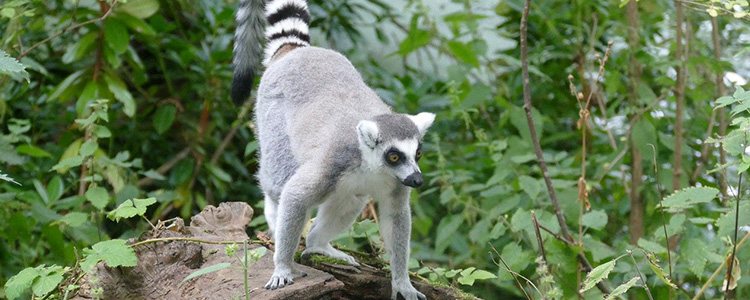
  • Animal spotting: Dingo, Emu, Kangaroo, Camel, Kakatoes, Koala, Kookaburra, Pelicans, Quokka, Tasmanian tiger, Wallaby.
  • Animals to avoid: some snakes, frogs and spiders, those rather large kokodiles and that one shark that does have an appetite for a surfer.

Study in Australia?

  • If your English is good enough, you can study at most universities and colleges in Australia.
  • Studies: basically all subjects and forms of education can be found. After high school or during college, you can take 1 or 2 semesters at a university in Australia. Bachelors take 3 to 4 years. Masters 1.5 to 2 years focused on research or more on teaching.
  • Study cities: Adelaide, Canberre, Brisbane, Perth, Gold Coast, Wollongong.
  • Characteristics: many international schools, several university cities where both the study and student life are highly rated, relatively much freedom in putting together your educational curriculum.

Internships in Australia?

  • Internships: internships can be found in all sectors of society: retail, marketing, education, research, engineering, tourism.
  • Internship cities: Adalaide, Cairns, Perth, Melbourne, Melbourne.
  • Characteristics: The work culture can be tough for an intern, there is often a “no worries” in return. Paid internships are a possibility. Long and shorter internships are possible. Arranging visas remains a bit of a hassle.

Volunteering in Australia?

  • Volunteer projects: especially in the social sectors, nature management (including coral and rainforest) and animal care.
  • Animal projects: protection of koalas, kangaroos, penguins, wombats, sea turtles.
  • Characteristics: volunteering possible from 1 or 2 days to several weeks.

Working in Australia?

  • Jobs: temporary work can be found mainly in the sectors: hospitality, agriculture, fruit growing and tourism but you can also find temporary work in the other sectors.
  • Characteristics: with a working holiday visa you are legally employed and can last a long time down under.

Working as a digital nomad in Australia?

  • Favorite cities: Adelaide, Gold Coast, Perth, Sydney.
  • Characteristics: easy going cities where work and life often go well together.

Living in Australia?

  • Language: English with the familiar accent.
  • Characteristics: Prepare for a fairly open culture. The values and norms of the community where you live or work may play a role though.
  • The work hard, play hard attitude is common.


Australia Country Bundle: suggestions, stories and tips

Australia Country Bundle: suggestions, stories and tips

Image

Content about Australia on WorldSupporter

Why study in Australia, do an internship, do volunteer work or look for a job in Australia?

Why study in Australia, do an internship, do volunteer work or look for a job in Australia?

Why study, do an internship, volunteer or work temporarily in Australia?

  • Because there are good visa options for Australia.
  • Because the culture shock is small. 
  • Because you can enhance your intercultural skills in the multicultural society. 
  • Because you can improve your English quickly. 
  • Because it is a good contribution to your professional development and resume building.  

What should you pay attention to?

  • That it is a rather pricey country.
  • That they are very strict on having the right visa.
  • That you will learn about the local and traditional culture of the aborigines. 
Why live in Australia, why emigrate to Australia or stay for a long time?

Why live in Australia, why emigrate to Australia or stay for a long time?

Why should you live in Australia as an expat, emigrant or working nomad?

  • Because it is a beautiful country where you can still have real adventures. 
  • Because you can pick up some of the laid-back lifestyle.
  • Because it offers good economic opportunities.
  • Because you can improve your English quickly. 
  • Because you can quickly feel at home because the difference with the Netherlands is not so big. 
  • Because you can discover a lot of new nature and special animals.
  • Because you can make friends relatively easily in the large expat community. 
  • Because the quality of life is high. 

What should you pay attention to?

  • That it can be difficult to find affordable housing. 
  • That it is a country of long distances so a car is often essential. 
  • That it takes a lot of getting used to understanding the accent. 
  • That it gets a lot warmer than in the Netherlands.
  • That it is a very relaxed and informal culture, just a bit different from the Netherlands. 
  • That people drive on the left. 
  • That there can be many (natural) dangers lurking. 
  • That you are always a flight away from other countries.
How does healthcare work in Australia, and what travel insurance, health insurance or expat insurance do you need?

How does healthcare work in Australia, and what travel insurance, health insurance or expat insurance do you need?

What is the quality of healthcare in Australia?

  • Australia has an impressive public health system that is of high quality. Waiting times are short and many hospitals in the big cities are world famous. Of course, Australia is also the continent of the famous Royal Flying Doctor Service, a special service that takes care of the healthcare of the communities that live in the outback.
  • The Aboriginal community is underrepresented in Australian society. This community suffers from a high number of alcoholics, trauma and other medical conditions. Especially compared to the average white patient, the Aboriginal patient is much worse off. For example, this patient has a life expectancy of only 60 years; no less than 20 years shorter than that of a white Australian.
  • The most prominent health priorities at the moment, in addition to concerns about the condition of the Aboriginal population, are the prevention of cancer (particularly skin, lung, uterine and breast), cardiovascular disease and injury prevention.

How is public healthcare organised in Australia?

  • The public healthcare system is called Medicare. It is funded by a levy on taxable income. Public hospitals are funded through the government and health services. It provides full hospital care for Australians and pays for a part of the cost of a visit to the General Practitioner (GP). Medicare provides subsidised care for Australian citizens, permanent residents and people from countries with a reciprocal healthcare treaty (such as the Netherlands, Belgium and the UK).
  • Medicare covers visits to the GP, treatment in public hospitals and some of the costs of specialists and diagnostic tests.
  • General information about Australian health care can be found on the Department of Health website.

How is private healthcare organised in Australia?

  • Many Australians take out private health insurance, in addition to Medicare. This is mainly for coverage of non-Medicare services such as optical care, physiotherapy and dental care.
  • There are arrangements for "young people" to take out private insurance at a lower premium.
  • If you are not a permanent resident, or come from a country with a healthcare treaty, you must arrange your own private health insurance anyway.
  • Private healthcare offers faster access to specialists and treatments.

How is the General Practitioner arranged in Australia?

  • The first point of contact for health problems is the GP or FD (family doctor). The GP is the person who assesses the patient and coordinates the necessary care.
  • The GP can also refer you to a specialist. The referral from the GP is required for the costs to be covered by Medicare.
  • If you are affiliated with Medicare, you can visit any doctor's office in Australia. If you do not have Medicare, you will pay around AUD 70-150 for a visit.

How is the dentist arranged in Australia?

  • Dental care options consist of both public and private clinics.
  • There are long waiting times for public dentists and most dental costs are not covered. For this reason, many people take out private health insurance with extra coverage.
  • Check the coverage of the various health insurance policies carefully.
  • Some people go abroad for dental care, because this is sometimes cheaper than paying for it yourself in Australia. Think of places like Bangkok and Bali.

How is maternity care arranged in Australia?

  • Care for pregnant women in Australia is excellent and is provided by a mix of public and private services.
  • Public hospitals offer free maternity care through Medicare. Private hospitals are more expensive, but offer luxury facilities and more freedom of choice in terms of gynaecologists.
  • Home births are rare; most births take place in hospitals.
  • There is broad support for breastfeeding. Breastfeeding in public is fully accepted.

How safe or unsafe is a trip or stay in Australia?

What should you pay attention to in terms of safety in Australia?

  • Australia is generally safe. However, bad weather, bushfires or dangerous animals can cause problems.
  • Tropical cyclones and flooding occur from October to March. And especially during the bushfire season, from October to March, the safety situation can change very quickly.
  • There are many traffic accidents in Australia, because travellers and tourists accidentally drive on the right, while in Australia you are supposed to drive on the left. In the countryside, people drive in large cars and often at high speed, not prepared for backpackers who maintain a different driving style in a rented car or, for example, want to take photos in an unexpected place.
  • Beware of pickpockets and car theft, especially in the big cities and in places where many tourists come.

What should you look out for in terms of diseases in Australia?

  • Tropical diseases: Are present in parts of the country. Checking vaccinations before you leave is advisable.
  • Jellyfish, snakes and spiders: Jellyfish pose a serious and deadly threat. In the summer months, the east coast is the domain of the box jellyfish, this jellyfish looks innocent, but the meter-long tentacles are deadly. Snakes can also be dangerous. They usually do not attack, but if you accidentally step on them, they can bite your calf and you have to get help. Make sure you call 000 immediately and remember what the snake looked like (pupils, colour, shape). Do not wash a snakebite wound. Australia also has several dangerous spiders, among which the funnel-web spiders and the redback spider. When bitten by a snake, wash the wound with soap and water for 15 minutes and call a Poisons Information Center. 
  • In the outback, you need to be pretty self-reliant, with enough water and food to survive a car breakdown, for example, and some first aid skills and supplies to help yourself until the flying doctors come to rescue you.

What should you pay attention to when it comes to traffic in Australia?

  • Roads in urban areas are well maintained, but in remote areas (outback) roads can be unpaved and challenging.
  • In Australia, people drive on the left side of the road.
  • Long-distance driving is common; take plenty of water and a charged phone.
  • Kangaroos on the road are a risk, especially at sunrise and sunset. If you hit a kangaroo, check to see if it is safe to stop there. If the kangaroo is not breathing, check for a baby kangaroo and try to get the animal off the road. If the kangaroo is still breathing, be careful. In any case, call the RSPCA or a local wildlife rescue.
  • Public transport in cities is excellent, but in regional areas a car is essential.

What work and travel insurance policies are suitable for short and long stays in Australia?

  • Is the trip to and your return sufficiently covered? Are you sufficiently covered before, during and after your activities? Which insurance best suits your trip and your activity? Read more about insurances for abroad on JoHoinsurances.org.

What emigration and expat insurance can you take out for Australia if you are going to live there for a while?

  • For some visas you must prove that you have health insurance. In any case, it is wise to take out international private health insurance to cover the high costs of medical care. For more information about visa requirements, see the Australian Immigration Service website.
  • Read more about insurances for abroad on Expatinsurances.org.
Packing list for Australia, travel insurance for Australia, and taking your belongings

Packing list for Australia, travel insurance for Australia, and taking your belongings

What to bring to Australia: highlighted

Highlighted items:

  • Documents: passport valid for at least 6 months upon arrival, a visa confirmation and a copy of both.
  • Money: your debit card! Cash (Australian dollars) can be useful just in case.
  • Mosquito repellent and anti-itching agent (see also DEET mosquito repellent) if you are going to areas with dangerous mosquitoes (the north)
  • Outdoor: a good hat with a wide brim comes in handy if you want to go hiking a lot, or if you really want to become part of the Australian outback!
  • Clothing: for both the warmer and cooler areas, and somewhat neat clothing, if you are also looking for work.
  • UV-resistant travel clothing: especially if you have very sensitive skin.
  • Technology and equipment: see also world plug or travel plug.
  • Sunscreen: with a high protection factor. Although you can buy the best in Australia, so only take something with you for the first few days.
  • Sunglasses: with guaranteed UV protection due to the enormous UV radiation.
  • Reusable water bottle - there are fountains with drinking water everywhere, especially in the city!
  • Medicines and travel kit: a first aid kit for when you go into the outback.

What else can you take with you:

  • Water shoes given the coral and rocks in the water at the various locations.
  • Access to photos of snakes and/or means to suck out poison from spider and snake bites, among other things.
  • A dose of patience to decipher the Australian accent.

What knowledge is useful when you go to Australia?

  • Knowledge of the area you are going to. Australia is gigantic so each area has different seasons, health hazards and weather conditions.
  • Knowledge of the most dangerous animals and what you should or should not do if you encounter one.
  • Knowledge of the indigenous lands and culture - and how it relates to society nowadays. 

Are there mosquitoes in Australia?

  • Australia has more than a hundred species of mosquitoes, several of which also transmit dengue, not malaria.
  • More about protection against mosquitoes and insects.

Do sand flies occur in Australia?

  • Unfortunately, yes. Both coastal and inland. The sandfly feast places are tropical and subtropical areas, near sandy estuarine and riparian areas, and in mangrove swamps.
  • Your set of mosquito repellents with DEET can help!
  • More about sand flies and sand fleas.

Can you buy DEET, or other mosquito repellents, in Australia?

  • Yes, and the Australians are not shy about the DEET percentage in their mosquito repellents.

Where can you get your food and drinks in Australia?

  • You can cook on one of the public barbecues in the parks, or simply join a group and ask if you can eat something from their barbecue!
  • Supermarkets such as Coles, Woolworths (Woolies) and Aldi are plentiful.
  • There are often nice food courts or beach markets with all kinds of delicious food around and in the cities.
  • Restaurants also come in all shapes and sizes.
  • Vegan food is difficult to find in the countryside, but in the city you will find places!

Can you buy a joint or weed in Australia, or take it with you to Australia?

  • It is illegal to possess, use, grow or sell cannabis. It MAY be possible, but it MUST NOT be.
  • The ACT (Australian Capital Territory) does allow the growth and use of small amounts of cannabis.
  • Medicinal cannabis is available with a doctor's prescription.
  • Do not bring it with you, even between states, unless you want a new, maybe not so fun, experience.
  • You can request an exemption for medicinal cannabis.
Australia: Updates & Travel

Australia: Updates & Travel

Travel to Australia?

  • Australia, Australia... with so many highlights.
  • The over 500 amazing nature parks that include kangaroos, koalas, dingoes, emus, possums, wombats and the platypus. Such as Myall Lakes National Park, Kakadu National Park, Daintree Rainforest.
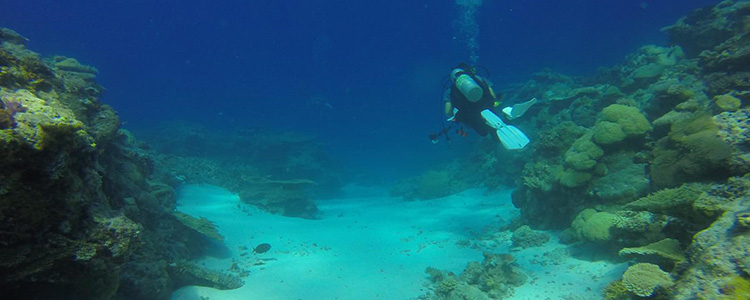
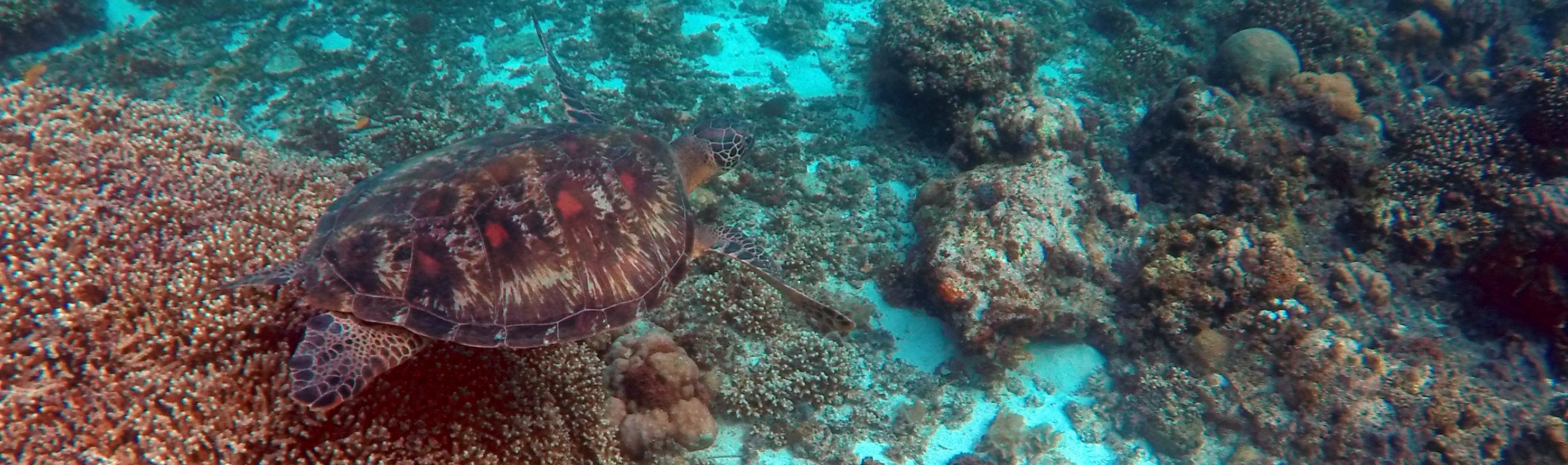
  • Diving or snorkeling at the 2,000 km Great Barrier Reef where you can encounter thousands of species of fish (do go to the right places). Canoeing through Catherine Gorge, hiking across Fraser Island, trekking through Tasmania, climbing in The Blue mountains.
  • Climbing the world's largest red monolith Ayers Rock, or Uluru, and enjoying the sunset or rise.
  • Vibrant Sydney with its world-famous opera house and laid-back Melbourne, Byron Bay, Surfers paradise, Cairns and Airlie Beach.
  • The many opportunities to work there temporarily and keep your vacation within financial limits.
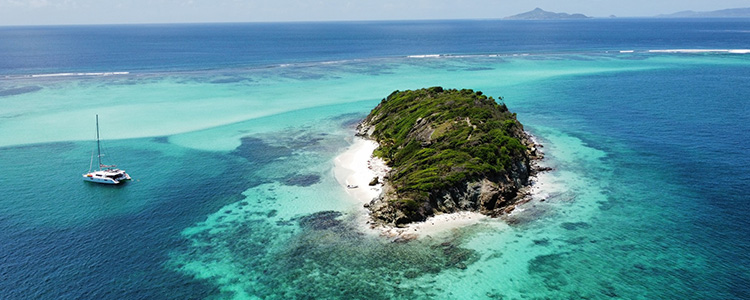
  • The Great Ocean Road, which runs west from Melbourne and towards Adelaide, is highly recommended. It is a 280 km road along rocks weathered by waves. Along the way are beautiful viewpoints and lovely campsites. Laze on the deck of the yacht you are cruising through the crystal clear waters of the Whitsundays. Cocktail in hand, the blazing sun in the cloudless sky. The ultimate in relaxation.
  • The best road trip through the Australian Outback leads from Adelaide on the south coast to Alice Springs, which is right in the heart of the country. Right in the middle of the dry, vast plains.
  • One of the highlights of Australia is the Kakadu National Park in the north of the Northern Territory province. The most beautiful natural park in Australia. In the far west of Australia, be surprised by the characteristic Perth. On the green banks of the Swan River and the wide sandy beaches you drink Australian cappuccino with an Italian touch.

Updates Australia

  • More about Australia, updates and contributions, see the link below.


Why study in Australia, do an internship, do volunteer work or look for a job in Australia?

Why study in Australia, do an internship, do volunteer work or look for a job in Australia?

Why study, do an internship, volunteer or work temporarily in Australia?

  • Because there are good visa options for Australia.
  • Because the culture shock is small. 
  • Because you can enhance your intercultural skills in the multicultural society. 
  • Because you can improve your English quickly. 
  • Because it is a good contribution to your professional development and resume building.  

What should you pay attention to?

  • That it is a rather pricey country.
  • That they are very strict on having the right visa.
  • That you will learn about the local and traditional culture of the aborigines. 
Why live in Australia, why emigrate to Australia or stay for a long time?

Why live in Australia, why emigrate to Australia or stay for a long time?

Why should you live in Australia as an expat, emigrant or working nomad?

  • Because it is a beautiful country where you can still have real adventures. 
  • Because you can pick up some of the laid-back lifestyle.
  • Because it offers good economic opportunities.
  • Because you can improve your English quickly. 
  • Because you can quickly feel at home because the difference with the Netherlands is not so big. 
  • Because you can discover a lot of new nature and special animals.
  • Because you can make friends relatively easily in the large expat community. 
  • Because the quality of life is high. 

What should you pay attention to?

  • That it can be difficult to find affordable housing. 
  • That it is a country of long distances so a car is often essential. 
  • That it takes a lot of getting used to understanding the accent. 
  • That it gets a lot warmer than in the Netherlands.
  • That it is a very relaxed and informal culture, just a bit different from the Netherlands. 
  • That people drive on the left. 
  • That there can be many (natural) dangers lurking. 
  • That you are always a flight away from other countries.
Australia: Updates & Travel

Australia: Updates & Travel

Travel to Australia?

  • Australia, Australia... with so many highlights.
  • The over 500 amazing nature parks that include kangaroos, koalas, dingoes, emus, possums, wombats and the platypus. Such as Myall Lakes National Park, Kakadu National Park, Daintree Rainforest.
  • Diving or snorkeling at the 2,000 km Great Barrier Reef where you can encounter thousands of species of fish (do go to the right places). Canoeing through Catherine Gorge, hiking across Fraser Island, trekking through Tasmania, climbing in The Blue mountains.
  • Climbing the world's largest red monolith Ayers Rock, or Uluru, and enjoying the sunset or rise.
  • Vibrant Sydney with its world-famous opera house and laid-back Melbourne, Byron Bay, Surfers paradise, Cairns and Airlie Beach.
  • The many opportunities to work there temporarily and keep your vacation within financial limits.
  • The Great Ocean Road, which runs west from Melbourne and towards Adelaide, is highly recommended. It is a 280 km road along rocks weathered by waves. Along the way are beautiful viewpoints and lovely campsites. Laze on the deck of the yacht you are cruising through the crystal clear waters of the Whitsundays. Cocktail in hand, the blazing sun in the cloudless sky. The ultimate in relaxation.
  • The best road trip through the Australian Outback leads from Adelaide on the south coast to Alice Springs, which is right in the heart of the country. Right in the middle of the dry, vast plains.
  • One of the highlights of Australia is the Kakadu National Park in the north of the Northern Territory province. The most beautiful natural park in Australia. In the far west of Australia, be surprised by the characteristic Perth. On the green banks of the Swan River and the wide sandy beaches you drink Australian cappuccino with an Italian touch.

Updates Australia

  • More about Australia, updates and contributions, see the link below.


Image

Why get specific insurance when going abroad: per activity abroad
Why should you take out specialized travel insurance for a long trip abroad?

Why should you take out specialized travel insurance for a long trip abroad?

What is round the world travel insurance or long-term travel insurance?

  • Round the world travel insurance means that you take out insurance that continues to provide coverage during all your activities abroad, and which is specifically intended for those who travel for long periods of time, such as world travelers, globetrotters, and nomads.

Why should you take out specialized travel insurance for a long trip abroad?

  • Round the world travel insurance provides coverage for a much longer trip than regular travel insurance.
  • World travel insurance is specifically intended for longer trips, whereas regular travel insurance may offer coverage on paper, but in practice handles it differently.
  • World travel insurance is suitable for many types of activities, ranging from high-altitude trekking to more risky sports.
  • World travel insurance continues to provide coverage if you start working during your trip, whether planned or unplanned. If you did not take out insurance before departure that allows you to work, there is no guarantee that you will be able to take out insurance that provides coverage while abroad.
  • Long-term travel insurance continues to provide coverage when your home country's health insurance no longer does.
  • Worldwide travel insurance also covers your medical expenses up to the actual cost, and not just for the standard costs. The costs per medical treatment vary greatly between countries.
  • Worldwide travel insurance can also continue to provide coverage if negative travel advice is issued.

What is important to insure when you are going to travel around the world?

  • That you have insurance that is valid in the countries where you are going to travel and posibly work.
  • That you are adequately insured for the sports and activities you are going to participate in during your full period abroad
  • That you are insured for emergency assistance and early return if something happens to you or your immediate family.
  • That your medical expenses are insured up to the actual cost and not just for the standard costs. The costs per medical treatment vary greatly between countries.
  • That you insure your luggage and take sufficient precautions against theft or damage.
  • That you are well insured against personal liability.
  • That you are well insured in case of accidents.
  • That you only insure yourself for legal assistance if there is an immediate reason to do so, unless coverage is already automatically included in the insurance.
  • That you pay close attention to choosing the right coverage when performing work or voluntary work during your world trip.

Check out more about

Why should you take out specific insurance when you go on a trip or vacation?

Why should you take out specific insurance when you go on a trip or vacation?

What is insurance for traveling abroad?

  • Travel insurance is insurance that provides coverage for risks during a trip or vacation abroad. This mainly concerns loss of or damage to your luggage, medical assistance, or repatriation costs if you need to be transported back home urgently. In some cases, travel insurance coverage also applies on domestic trips.
  • With annual travel insurance or multi-trip travel insurance, you are insured for all your trips throughout the year.
  • With temporary travel insurance or single-trip travel insurance, you take out insurance for each trip for the duration of the trip.
  • Cancellation insurance reimburses (all or part of) the travel sum, cancellation or accommodation costs if you have to cancel or interrupt your vacation.

Why should you take out travel insurance for a short trip, vacation, or long-distance trip?

  • Travel insurance can provide coverage in the event of an accident or emergency while you are abroad.
  • Travel insurance can provide coverage for damage and accidents during the adventurous or sporting activities you plan to do.
  • Travel insurance can continue to provide coverage if your health insurance no longer provides coverage, or if the damage is only reimbursed at cost price of your home country.
  • Travel insurance can provide coverage in the event of damage, loss, or theft of your luggage.
  • Travel insurance can provide coverage if you are held liable for damage you cause to other people or their property.
  • Travel insurance can provide coverage if you have to return home early because something has happened to you or your immediate family.

What is important to insure when you are going to travel abroad?

  • That you have insurance that is valid in the country or countries that you are going to visit.
  • That you are adequately insured for the sports and activities you are going to participate in during your period abroad.
  • That you are insured for emergency assistance and early return if something happens to you or your immediate family.
  • That your medical expenses are insured up to the actual cost and not just for the standard costs. The costs per medical treatment vary greatly between countries.
  • That you insure your luggage and take sufficient precautions against theft or damage.
  • That you are well insured against personal liability.
  • That you are well insured in case of accidents.
  • That you only insure yourself for legal assistance if there is an immediate reason to do so, unless coverage is already automatically included in the insurance.
  • That you pay close attention to choosing the right coverage when performing work alongside your travels.

Check out more about international insurances

Why should you take out specialized travel insurance for working abroad?

Why should you take out specialized travel insurance for working abroad?

Why should you take out specialized travel insurance for paid work, voluntary work or an internship abroad?

  • There may be several reasons why you need separate insurance when working abroad.
  • During work, internships, or volunteer work abroad where you receive financial compensation (or, for example, food or housing), your national health insurance coverage may expire. You will then need special insurance to remain insured for illness and accidents.
  • During specific work abroad, additional requirements may apply if your work involves additional risks. Only specific insurance policies offer coverage during this type of work.
  • During your work, the risk of accidents is sometimes greater, for example because you are doing work with which you have little experience or because of the nature of the work.
  • During your work, local employers generally offer no or limited insurance that provides insufficient coverage.

What is important to insure when you are going to work abroad?

  • That you have insurance that is valid in the country or countries where you are going to travel and work.
  • That you are adequately insured for the sports and activities you are going to participate in during your period abroad
  • That you are insured for emergency assistance and early return if something happens to you or your immediate family.
  • That your medical expenses are insured up to the actual cost and not just for the standard costs. The costs per medical treatment vary greatly between countries.
  • That you insure your luggage and take sufficient precautions against theft or damage.
  • That you are well insured against personal liability.
  • That you are well insured in case of accidents.
  • That you only insure yourself for legal assistance if there is an immediate reason to do so, unless coverage is already automatically included in the insurance.
  • That you pay close attention to choosing the right coverage when performing work.

Check out more about international insurances

Why should you take out specialized travel insurance for volunteering abroad?

Why should you take out specialized travel insurance for volunteering abroad?

What is insurance for volunteering abroad?

  • Insuring volunteer work abroad means taking out insurance that continues to provide coverage while you are working as a volunteer abroad

Why should you take out specialized travel insurance for voluntary work abroad?

  • There may be several reasons why you need separate insurance when volunteering abroad.
  • During specific activities abroad, additional requirements may apply if your work involves extra risks. Only specific insurance policies offer coverage during these activities.
  • The risk of accidents is sometimes higher during your work, for example because you are doing work you have little experience with or because of the nature of the work.
  • Local projects or employers generally offer no or limited insurance that provides insufficient coverage during your work.
  • When volunteering abroad and receiving minor financial compensation (or, for example, food or housing), your home country's health insurance coverage will potentially lapse. You will then need special insurance to remain insured for illness and accidents.
  • Regular travel insurance policies generally provide coverage for trips of a limited number of days. If your trip or stay abroad exceeds the maximum number of days, this generally means that for the entire travel period, you will not be covered.
  • Regular travel insurance policies generally only provide coverage for recreational travel without voluntary work activities. If you engage in activities other than recreational activities (such as volunteer work), this generally means that for the entire travel period, you will not be covered.

What is important to insure when you are going to work as a volunteer abroad?

  • That you have insurance that is valid in the country or countries where you are going to travel and volunteer.
  • That you are adequately insured for the sports and activities you are going to participate in during your period abroad
  • That you are insured for emergency assistance and early return if something happens to you or your immediate family.
  • That your medical expenses are insured up to the actual cost and not just for the standard costs. The costs per medical treatment vary greatly between countries.
  • That you insure your luggage and take sufficient precautions against theft or damage.
  • That you are well insured against personal liability.
  • That you are well insured in case of accidents.
  • That you only insure yourself for legal assistance if there is an immediate reason to do so, unless coverage is already automatically included in the insurance.
  • That when performing work in healthcare, with wild animals, and with dangerous (agricultural) machinery, you take care to choose the right coverage.

Check out more about international insurances

Why should you take out specialized travel insurance for an internship abroad?

Why should you take out specialized travel insurance for an internship abroad?

What is insurance for an internship abroad?

  • Insuring an internship abroad means taking out insurance that continues to provide coverage during your internship abroad
  • Insurance for internships abroad are also referred to as internship insurance. This internship insurance is specifically for when you go abroad for a long period of time to work as an intern, take courses, or conduct research abroad.

Why should you take out specialized travel insurance for an internship abroad?

  • There may be several reasons why you need separate insurance for an internship abroad.
  • During internship activities abroad, additional requirements may apply as soon as you start performing work that involves additional risks. Only specific insurance policies offer coverage during these activities.
  • During your internship, the risk of accidents is sometimes greater, for example because you are doing work with which you have little experience or because of the nature of the work.
  • During your internship, local employers generally do not offer insurance, or offer limited insurance that does not provide sufficient coverage.
  • During an internship abroad where you receive financial compensation (or, for example, food or accommodation), your home country's health insurance coverage will potentially lapse. You will then need special insurance to remain insured for illness and accidents.
  • Regular travel insurance policies generally provide coverage for trips of a limited number of days. If your trip or stay abroad exceeds the maximum number of days, this generally means that for the entire travel period, you will not be covered.
  • Regular travel insurance policies generally only provide coverage for recreational trips without work activities.

What is important to insure when you are going to be an intern abroad?

  • That you have insurance that is valid in the area where you will be traveling and doing your internship.
  • That you are adequately insured for the sports and activities you will be participating in.
  • That you are insured for emergency assistance and early return in case something happens to you or your immediate family.
  • That your medical expenses are insured up to the actual cost (what it actually costs), and not just for the standard costs. The costs per medical treatment vary greatly between countries.
  • That you insure your luggage and take sufficient precautions against theft or damage.
  • That you are well insured against personal liability and, preferably, also for liability during your internship.
  • That you are well insured in case of accidents.
  • That you insure yourself for legal assistance if there is an immediate reason to do so, unless the coverage is already automatically included in the insurance.
  • Make sure you choose the right coverage for internship work in healthcare, with wild animals, or with dangerous machinery!

Check out more about international insurances

Why should you take out specialized travel insurance for studying abroad?

Why should you take out specialized travel insurance for studying abroad?

What is insurance for studying abroad?

  • Insurance for studying abroad means that you take out insurance that continues to provide coverage during your studies, your education, and your related activities abroad.
  • Insurance for studying abroad is also referred to as study insurance. This study insurance is specifically for when you go abroad for a long period of time to take courses, study, or conduct research abroad.

Why should you take out specialized travel insurance for a study abroad?

  • Study insurance is specifically designed for studying abroad, whereas regular travel insurance policies may offer coverage on paper but handle this situation differently in practice.
  • Study insurance offers coverage for longer stays than regular (vacation) travel insurance.
  • Study insurance is also suitable for many types of activities, ranging from various sports to hiking at high altitudes.
  • Study insurance continues to provide coverage if you start working during your trip, whether planned or unplanned. If you have not taken out insurance before departure that allows you to work, there is no guarantee that you will be able to take out insurance abroad that provides coverage.
  • Study insurance continues to provide coverage if your own country's health insurance no longer provides coverage.
  • Student insurance also covers your healthcare costs above the rates in your own country; with regular insurance, you have to pay the extra costs yourself.
  • Student insurance can also continue to provide coverage if (study) visa issuers impose additional requirements on how you insure yourself, for example if you are going to the US and applying for a J-1 visa.
  • Student insurance continues to provide coverage if you are staying abroad for a longer period of time and want to visit your own country in between.

What is important to insure when you are going to study abroad?

  • That you have insurance that is valid in the country or countries where you are going to travel and work.
  • That you are adequately insured for the sports and activities you are going to participate in during your period abroad
  • That you are insured for emergency assistance and early return if something happens to you or your immediate family.
  • That your medical expenses are insured up to the actual cost and not just for the standard costs. The costs per medical treatment vary greatly between countries.
  • That you insure your luggage and take sufficient precautions against theft or damage.
  • That you are well insured against personal liability.
  • That you are well insured in case of accidents.
  • That you only insure yourself for legal assistance if there is an immediate reason to do so, unless coverage is already automatically included in the insurance.
  • That you pay close attention to choosing the right coverage when performing work alongside your studies.

Check out more about international insurances

Why should you take out specialized insurance for moving abroad as an emigrant or an expat?

Why should you take out specialized insurance for moving abroad as an emigrant or an expat?

What is an emigration insurance and what is an expat insurance?

  • Emigration insurance is an insurance that continues to provide coverage if you move abroad permanently or for an indefinite period of time.
  • Emigration insurance is not only intended for emigrants, but for anyone who leaves their home country for an extended period of time and does not intend to return in the foreseeable future.
  • Expat insurance is insurance that continues to provide coverage if you go to work abroad for a local or international employer for an extended period of time.
  • Expat insurance is not only intended for expats, but for anyone who has a more permanent job abroad.

Why should you take out specialized insurance for emigration or working as an expat abroad?

  • Emigration or expat insurance not only provides coverage for acute assistance in the event of illness or accident abroad, such as travel insurance, but can also provide coverage for existing conditions and ailments or non-urgent care.
  • Emigration or expat insurance does not require you to maintain valid health insurance in your home country.
  • Emigration or expat insurance provides coverage for preventive care or costs related to pregnancy and childbirth.
  • Emigration or expat insurance also provides coverage for long-term treatments and chronic conditions without you having to return to your home country.
  • Emigration or expat insurance often has no restrictions on the duration of the insurance, unlike travel insurance.
  • Emigration or expat insurance usually maintains coverage in cases such as negative travel advice or acts of war.
  • Emigration or expat insurance offers various solutions in the areas of disability, home and household insurance, goods transport, and liability.

What is important to insure when you are going to move abroad?

  • That you have insurance that is valid in the country or countries where you are going to live and/or work.
  • That you are adequately insured for the sports and activities you are going to participate in during your period abroad
  • That you are insured for emergency assistance and early return if something happens to you or your immediate family.
  • That your medical expenses are insured up to the actual cost and not just for the standard costs. The costs per medical treatment vary greatly between countries.
  • That you are well insured against personal liability.
  • That you are well insured in case of accidents.
  • That you pay close attention to choosing the right coverage when performing work with additional health risks

Check out more about international insurances

Why should you take out travel insurance and why through the JoHo Foundation?

Why should you take out travel insurance and why through the JoHo Foundation?

Why Insurances through JoHo

  • Specialized: in emigration, work, internships, study and travel abroad.

  • Service: JoHo offers multiple travel insurances by multiple companies. Thanks to JoHo's extensive experience, it can offer support in case of problems with insurers, as well as advice and fast and personal handling.

  • Safe: JoHo is recognized as a trustworthy intermediary for insurances.

  • Social: by purchasing an insurance through JoHo you provide a talented student in The Philippines with health insurance

Why Should You Take Out A Travel Insurance?

  • The chance of getting injured or ill is generally higher than when you would have stayed at home. The medical care you will need can be very expensive, even more so if you are treated in a private clinic.

  • If you have to fly back because of family circumstances, the flights might be more expensive than your original flight because you have to fly on short notice.

  • You might have to deal with the damage, loss or theft of your luggage.

  • In case of emergency it can be difficult to figure out what to do. A good travel insurance will have an assistance team on standby for you 24/7 and will be able to tell you what steps to take.

Why Should You Specifically Take Out A Travel Insurance For A Long Trip Abroad?

  • Often regular travel or health insurances only cover trips for a maximum number of days (for example 60, 90 or 180 days).

  • Depending on your home country, your health insurance might not offer any coverage for treatment abroad.

  • During a long trip you might consider specific activities, like paid work or volunteering. Regular travel insurances often don’t cover these kind of activities. The same goes for adventurous/ hazardous sports like skydiving, scuba-diving and bungee jumping.

More on why to use JoHo

  • JoHo is one of the few organizations where you can directly purchase a comprehensive range of foreign insurances from a variety of insurers. As with our other products and services, we believe that you should be able to choose between the best, the most cost effective and the most specialized insurance.

  • JoHo offers various possibilities from combining insurances to assisting in transferring from one insurer to another.

  • When you purchase an insurance policy through JoHo, you will not pay more than if you had purchased it directly from the insurer. Sometimes (through special collective agreements) you will even pay less.

  • JoHo offers support with problems that may arise with the insurer. Sometimes disagreement with claims, cancellation notice or insurance premiums can occur. In this situation it helps if you have the assistance of an organization who has an established relationship with the insurer.


Read more about JoHo and JoHo Insurances

Image

Safety, insurances and packing list for Australia

How does healthcare work in Australia, and what travel insurance, health insurance or expat insurance do you need?

How does healthcare work in Australia, and what travel insurance, health insurance or expat insurance do you need?

What is the quality of healthcare in Australia?

  • Australia has an impressive public health system that is of high quality. Waiting times are short and many hospitals in the big cities are world famous. Of course, Australia is also the continent of the famous Royal Flying Doctor Service, a special service that takes care of the healthcare of the communities that live in the outback.
  • The Aboriginal community is underrepresented in Australian society. This community suffers from a high number of alcoholics, trauma and other medical conditions. Especially compared to the average white patient, the Aboriginal patient is much worse off. For example, this patient has a life expectancy of only 60 years; no less than 20 years shorter than that of a white Australian.
  • The most prominent health priorities at the moment, in addition to concerns about the condition of the Aboriginal population, are the prevention of cancer (particularly skin, lung, uterine and breast), cardiovascular disease and injury prevention.

How is public healthcare organised in Australia?

  • The public healthcare system is called Medicare. It is funded by a levy on taxable income. Public hospitals are funded through the government and health services. It provides full hospital care for Australians and pays for a part of the cost of a visit to the General Practitioner (GP). Medicare provides subsidised care for Australian citizens, permanent residents and people from countries with a reciprocal healthcare treaty (such as the Netherlands, Belgium and the UK).
  • Medicare covers visits to the GP, treatment in public hospitals and some of the costs of specialists and diagnostic tests.
  • General information about Australian health care can be found on the Department of Health website.

How is private healthcare organised in Australia?

  • Many Australians take out private health insurance, in addition to Medicare. This is mainly for coverage of non-Medicare services such as optical care, physiotherapy and dental care.
  • There are arrangements for "young people" to take out private insurance at a lower premium.
  • If you are not a permanent resident, or come from a country with a healthcare treaty, you must arrange your own private health insurance anyway.
  • Private healthcare offers faster access to specialists and treatments.

How is the General Practitioner arranged in Australia?

  • The first point of contact for health problems is the GP or FD (family doctor). The GP is the person who assesses the patient and coordinates the necessary care.
  • The GP can also refer you to a specialist. The referral from the GP is required for the costs to be covered by Medicare.
  • If you are affiliated with Medicare, you can visit any doctor's office in Australia. If you do not have Medicare, you will pay around AUD 70-150 for a visit.

How is the dentist arranged in Australia?

  • Dental care options consist of both public and private clinics.
  • There are long waiting times for public dentists and most dental costs are not covered. For this reason, many people take out private health insurance with extra coverage.
  • Check the coverage of the various health insurance policies carefully.
  • Some people go abroad for dental care, because this is sometimes cheaper than paying for it yourself in Australia. Think of places like Bangkok and Bali.

How is maternity care arranged in Australia?

  • Care for pregnant women in Australia is excellent and is provided by a mix of public and private services.
  • Public hospitals offer free maternity care through Medicare. Private hospitals are more expensive, but offer luxury facilities and more freedom of choice in terms of gynaecologists.
  • Home births are rare; most births take place in hospitals.
  • There is broad support for breastfeeding. Breastfeeding in public is fully accepted.

How safe or unsafe is a trip or stay in Australia?

What should you pay attention to in terms of safety in Australia?

  • Australia is generally safe. However, bad weather, bushfires or dangerous animals can cause problems.
  • Tropical cyclones and flooding occur from October to March. And especially during the bushfire season, from October to March, the safety situation can change very quickly.
  • There are many traffic accidents in Australia, because travellers and tourists accidentally drive on the right, while in Australia you are supposed to drive on the left. In the countryside, people drive in large cars and often at high speed, not prepared for backpackers who maintain a different driving style in a rented car or, for example, want to take photos in an unexpected place.
  • Beware of pickpockets and car theft, especially in the big cities and in places where many tourists come.

What should you look out for in terms of diseases in Australia?

  • Tropical diseases: Are present in parts of the country. Checking vaccinations before you leave is advisable.
  • Jellyfish, snakes and spiders: Jellyfish pose a serious and deadly threat. In the summer months, the east coast is the domain of the box jellyfish, this jellyfish looks innocent, but the meter-long tentacles are deadly. Snakes can also be dangerous. They usually do not attack, but if you accidentally step on them, they can bite your calf and you have to get help. Make sure you call 000 immediately and remember what the snake looked like (pupils, colour, shape). Do not wash a snakebite wound. Australia also has several dangerous spiders, among which the funnel-web spiders and the redback spider. When bitten by a snake, wash the wound with soap and water for 15 minutes and call a Poisons Information Center. 
  • In the outback, you need to be pretty self-reliant, with enough water and food to survive a car breakdown, for example, and some first aid skills and supplies to help yourself until the flying doctors come to rescue you.

What should you pay attention to when it comes to traffic in Australia?

  • Roads in urban areas are well maintained, but in remote areas (outback) roads can be unpaved and challenging.
  • In Australia, people drive on the left side of the road.
  • Long-distance driving is common; take plenty of water and a charged phone.
  • Kangaroos on the road are a risk, especially at sunrise and sunset. If you hit a kangaroo, check to see if it is safe to stop there. If the kangaroo is not breathing, check for a baby kangaroo and try to get the animal off the road. If the kangaroo is still breathing, be careful. In any case, call the RSPCA or a local wildlife rescue.
  • Public transport in cities is excellent, but in regional areas a car is essential.

What work and travel insurance policies are suitable for short and long stays in Australia?

  • Is the trip to and your return sufficiently covered? Are you sufficiently covered before, during and after your activities? Which insurance best suits your trip and your activity? Read more about insurances for abroad on JoHoinsurances.org.

What emigration and expat insurance can you take out for Australia if you are going to live there for a while?

  • For some visas you must prove that you have health insurance. In any case, it is wise to take out international private health insurance to cover the high costs of medical care. For more information about visa requirements, see the Australian Immigration Service website.
  • Read more about insurances for abroad on Expatinsurances.org.
Packing list for Australia, travel insurance for Australia, and taking your belongings

Packing list for Australia, travel insurance for Australia, and taking your belongings

What to bring to Australia: highlighted

Highlighted items:

  • Documents: passport valid for at least 6 months upon arrival, a visa confirmation and a copy of both.
  • Money: your debit card! Cash (Australian dollars) can be useful just in case.
  • Mosquito repellent and anti-itching agent (see also DEET mosquito repellent) if you are going to areas with dangerous mosquitoes (the north)
  • Outdoor: a good hat with a wide brim comes in handy if you want to go hiking a lot, or if you really want to become part of the Australian outback!
  • Clothing: for both the warmer and cooler areas, and somewhat neat clothing, if you are also looking for work.
  • UV-resistant travel clothing: especially if you have very sensitive skin.
  • Technology and equipment: see also world plug or travel plug.
  • Sunscreen: with a high protection factor. Although you can buy the best in Australia, so only take something with you for the first few days.
  • Sunglasses: with guaranteed UV protection due to the enormous UV radiation.
  • Reusable water bottle - there are fountains with drinking water everywhere, especially in the city!
  • Medicines and travel kit: a first aid kit for when you go into the outback.

What else can you take with you:

  • Water shoes given the coral and rocks in the water at the various locations.
  • Access to photos of snakes and/or means to suck out poison from spider and snake bites, among other things.
  • A dose of patience to decipher the Australian accent.

What knowledge is useful when you go to Australia?

  • Knowledge of the area you are going to. Australia is gigantic so each area has different seasons, health hazards and weather conditions.
  • Knowledge of the most dangerous animals and what you should or should not do if you encounter one.
  • Knowledge of the indigenous lands and culture - and how it relates to society nowadays. 

Are there mosquitoes in Australia?

  • Australia has more than a hundred species of mosquitoes, several of which also transmit dengue, not malaria.
  • More about protection against mosquitoes and insects.

Do sand flies occur in Australia?

  • Unfortunately, yes. Both coastal and inland. The sandfly feast places are tropical and subtropical areas, near sandy estuarine and riparian areas, and in mangrove swamps.
  • Your set of mosquito repellents with DEET can help!
  • More about sand flies and sand fleas.

Can you buy DEET, or other mosquito repellents, in Australia?

  • Yes, and the Australians are not shy about the DEET percentage in their mosquito repellents.

Where can you get your food and drinks in Australia?

  • You can cook on one of the public barbecues in the parks, or simply join a group and ask if you can eat something from their barbecue!
  • Supermarkets such as Coles, Woolworths (Woolies) and Aldi are plentiful.
  • There are often nice food courts or beach markets with all kinds of delicious food around and in the cities.
  • Restaurants also come in all shapes and sizes.
  • Vegan food is difficult to find in the countryside, but in the city you will find places!

Can you buy a joint or weed in Australia, or take it with you to Australia?

  • It is illegal to possess, use, grow or sell cannabis. It MAY be possible, but it MUST NOT be.
  • The ACT (Australian Capital Territory) does allow the growth and use of small amounts of cannabis.
  • Medicinal cannabis is available with a doctor's prescription.
  • Do not bring it with you, even between states, unless you want a new, maybe not so fun, experience.
  • You can request an exemption for medicinal cannabis.

Image ACTIVITIES

Check courses, jobs, projects, recipes, suggestions and tips related to: 'Australia'

CHECK MORE ACTIVITIES

Make a selection, to find more tips than you see below

Image House sitting abroad: take care of dogs, cats or other pets while the owner takes a vacation
Take care of dogs, cats or other pets while the owner takes a vacation. Many pet owners are looking for trustworthy persons who want to take care of their house (house...
Image Going for winter sports: what is it, why do it, and where is the best place to go?
Going for winter sports abroad What are winter sports? Why should you go on winter sports abroad? What are the risks when going for winter sports abroad? Where is the...
Image Mountain biking and Cycling abroad: what is it, why do it, and where is the best place to go?
Mountain biking and Cycling abroad: what is it, why do it, and where is the best place to go? What is cycling abroad? Why should you go cycling abroad? What do you need...
Image World Cleanup Day 2026
World Cleanup Day 2026 - 20 september Sluit je ook in 2026 weer aan bij deze wereldwijde schoonmaakactie - World Cleanup Day = het grootste evenement tegen zwerfvuil en...
Image Neem surflessen en ga op surfkamp en leer andere reizigers kennen in Australië
Neem surflessen en ga op surfkamp en leer andere reizigers kennen in Australië. Surflessen afgestemd op jouw surfkennis, skills en ambitie.
Image Ben jij een ervaren skileraar? Ga in het zomerseizoen aan de slag op de piste in Australie, Argentinie, of Zuid-Afrika
Heb je ervaring als skileraar of als snowboard instructeur? Ga in het zomerseizoen aan de slag op de piste in Australië, Nieuw-Zeeland, Argentinië of Zuid-Afrika...
Image Independent au pair: find your own host family and work as an au pair abroad.
Use this platform to find your own host family and work as an au pair abroad. Opportunities around the world, particularly host families in the United Kingdom, Spain,...
Image Picking blueberries during the Australian summer
Picking blueberries during the Australian summer during your working holiday
Image Ben jij dol op kinderen? Word dan au pair in Australië
Word dan au pair in Australië Werken als au pair in Australië geeft je de kans om jezelf te ontwikkelen en veel internationale vrienden op te doen. Je verblijft in een...
Image On Freedom: about freedom of women
Thursday 6th of June, Tory Shepherd, the State Editor of The Advertiser, will discuss her newest book together with Dr Niki Vincent , South Australian Commissioner for...
Activities abroad: home bundle

Main content and contributions for activities abroad

,,,accommodations, adventure activities, courses, internships, jobs and volunteer projects

...to help another, travel with care, work together , learn to share and inspire with your experience


Activities abroad: home page

Activities abroad: home page

From language courses to gap year abroad, from work experience to volunteering abroad, from paid work to internship abroad, from mountaineering to diving and from backpacking to travel around the world

    What social activities can you do abroad?

    • Opportunities are found in the areas of helping, learning or studying. You can get involved to volunteer in a social project at a school in Africa, Asia or Latin America. You can get involved in nature, in a project with animals or cleaning the sea or beaches. Those who want to learn more can choose for example a language course in Latin America, Spain or South Africa.

    What work related activities can you do abroad?

    • If you want to gain work experience, and/or also earn money, go and work abroad. You can combine backpacking in Australia with temporary work. You can work on campsites in Europe or bush camps in Africa. You can pretty much go all over the world to work in the hospitality industry, hotels and hostels, in the healthcare sector or for example at a diving school.

    What sports activities to do abroad?

    • Have you ever thought of mountain biking, rafting (going down a wild river on a raft or rubber dinghy, climbing or canoeing), survival (which involves building rafts, climbing or canoeing), abseiling (descending a rock face while secured to ropes), zip-lining (whizzing down a cable), canyoning (starting at the top of a river and then climbing, swimming, diving down the bed) or caving (scrambling, wriggling and crawling through caves and crevices)?
    • Maybe you feel more comfortable on a bodyboard (on a half-wave surfboard, you surf the high waves lying down-with flippers), on a hang glider or while paragliding (with a parachute you float down a mountain or dune), hydrospeeding (on a bodyboard with flippers and a wetsuit on you go down a wild river via rapids) or Tiefschneeskiing (racing down through powder snow)?

    Check the pages below for more activities and inspiration and where to go and how to arrange it

      Activities abroad: for gap year, sports, travel and outdoor abroad

      Activities abroad: for gap year, sports, travel and outdoor abroad

      Bundled content for gap year, sports, travel and outdoor abroad

      Access: 
      Public

      Image STORIES

      Check blogs, experiences and information related to: 'Australia'

      CHECK MORE STORIES

      Make a selection, to find more blogs and contributions than you see below

      Image Packing list for Australia, travel insurance for Australia, and taking your belongings
      What to bring to Australia: highlighted What knowledge is useful when you go to Australia? Are there mosquitoes in Australia? Do sand flies occur in Australia? Can you...
      Image Livestock and farm animals abroad and when travelling: are they dangerous, where do you encounter them, where can you see them?
      What are livestock? What kind of work, internship or volunteer work can you do with livestock and farm animals abroad? What should you pay attention to if you are going...
      Image Horses abroad and while traveling: are they dangerous, where do you encounter them, where can you see them?
      Horses abroad and while traveling Are horses dangerous? What should you pay attention to when you are going to care for horses abroad? What should you pay attention to...
      Image Marsupials abroad and while traveling: are they dangerous, where do you encounter them, where can you see them?
      Marsupials What are marsupials? Are marsupials dangerous? Where to see marsupials in the wild abroad? What to do if you encounter a marsupial in the wild? What to do if...
      Image Wild dogs, dingoes, and coyotes abroad and while traveling: are they dangerous, where do you encounter them, where can you see them?
      What are wild dogs? What are African wild dogs? What are dholes, or Asian wild dogs? What are dingoes? What are Coyotes? What are Tanukis, or Raccoon Dogs? Where can you...
      Countries & Destinations: home bundle

      Bundled content, suggestions, stories and tips about the countries and destinations in the world

      ...to help another, travel with care, work together , learn to share and inspire with your experience

      Africa: country bundles

      Africa: country bundles

      Access: 
      Public
      Asia: country bundles

      Asia: country bundles

      Country bundles of Asian countries

      Access: 
      Public
      Europe: country bundles

      Europe: country bundles

      Country bundles of European countries

      Access: 
      Public
      The Caribbean: country bundles

      Image ORGANIZATIONS

      Check sectors and organizations related to: 'Australia'

      CHECK MORE ORGANIZATIONS

      Make a selection, to find more or other organizations than you see below

      Image Au Pair Spain
      Au Pair Spain is a small scale au pair agency, based in Barcelona. They offer traditional au pair opportunities, but also offer programs for 30+ au pairs, au pair who...
      Image Stagelanden
      Stagelanden verzorgt stages in diverse landen in Azië & Oceanië voor studenten die een MBO, HBO of universitaire opleiding volgen.
      Image Cirrus Global - Philippines
      At Cirrus, they love to match great Filipino talent with great overseas job opportunities. They strive to make the experience, professional,honest and successful for our...
      Image StudyTravel
      StudyTravel consists of a permanent team of enthusiastic employees, all with experience abroad. You can go there to learn various languages such as Italian, German,...
      Image Migration Bureau
      Migration Bureau offers immigration services and support for Australia, New Zealand, and Canada. A free Quick Check form will clarify which services the team can offer...
      Image Dutchies Travel: reisadvies voor Australië, Nieuw-Zeeland, Fiji, Europa, Canada, USA
      Dutchies Travel is dé plek om reisplannen, ideeën en dromen van alle Dutchies (en hun vrienden) ter wereld te ontwikkelen! Door hun passie en liefde voor reizen te delen...
      Image Oak Travel
      Oak Travel biedt, taalcursussen, avontuurlijke groepsreizen en vrijwilligerswerk voor jongeren naar unieke bestemmingen wereldwijd. Van een surfkamp in Costa Rica tot...
      Image Werk en Reis
      Werk En Reis is opgericht door backpackers voor backpackers! De missie is om zoveel mogelijk mensen te helpen om zonder zorgen op working holiday te vertrekken en...
      Image Au Pair World
      AuPairWorld is a worldwide platform for au pairing. AuPairWorld lets au pairs and host families match with each other, without any extra intermediary.
      Image Emigrate to Australia
      Emigrate to Australia is based in the UK and is known for its high-quality visa service. This company handles various types of Australian visas with confidence and...
      Organizations & Services: home bundle

      Bundled content, suggestions, stories and tips about organizations and their products and services

      ...to help another, travel with care, work together, learn to share and inspire with your experience

      Organizations: home page
      Organizations: for administrative, tax and legal work and consulting
      Organizations: for agriculture, grape picking, farming and vineyards
      Organizations: for animal protection, animal care and working with wildlife abroad
      Organizations: for au pairs, youth work and child care abroad
      Organizations: for bush camping and working at a campsite abroad
      Organizations: for catering, hospitality and entertainment abroad
      Organizations: for civil society and social work abroad
      Organizations: for corporate business services
      Organizations: for customer services abroad and help desks
      Organizations: for diving, snorkeling and water sports abroad
      Organizations: for education and schools abroad
      Organizations: for expatriate insurances, travel insurances, and emergency call centers
      Organizations: for gap year activities abroad and sabbaticals
      Organizations: for internship placement abroad
      Organizations: for insurances and finance abroad
      Organizations: for IT, engineering and construction
      Organizations: for language travel and language teaching abroad
      Organizations: for marketing, communication and PR
      Organizations: for mediation in au pairs, childcare and elderly care in the Netherlands
      Organizations: for moving, international relocation and transport abroad
      Organizations: for nature conservation, environmental protection and working in nature abroad
      Organizations: for nonprofit projects, development work and international cooperation
      Organizations: for online work as digital nomad, freelancer, or independent entrepreneur from abroad
      Organizations: for outdoor activities and sports
      Organizations: for providing accommodation and hospitality work in hotels, guesthouses, ecolodges and hostels abroad
      Organizations: for providing healthcare and working in medical care abroad
      Organizations: for psychological assistance and mental health care abroad
      Organizations: for real estate, brokerage abroad and property rental abroad
      Organizations: for research and scientific work abroad
      Organizations: for student support and student associations
      Organizations: for tour guidance and adventure tours abroad
      Organizations: for tourism and organized travel and leisure work abroad
      Organizations: for voluntary work mediation and project placement abroad
      Organizations: for yacht and shipping crew and working on a cruise ship abroad

      Image SUMMARIES

      Check summaries and study assistance related to: 'Australia'

      CHECK MORE SUMMARIES

      Make a selection, to find more, or other, summaries and study assistance than you see below

      Image Food Restaurants in Ararat
      Try Coconut Mango Chicken in Ararat! DESI SWAG brings you delectable Coconut Mango Chicken in Ararat. Make your day memorable while enjoying the goodness of mango,...

      Image

      SPOTLIGHT & FAVORITES

      SPOTLIGHT
      FAVORITES
      Image

      WWOOFing is a great way to experience a country on a completely different way than when you 'just' travel. You generally perform work you haven't done before and live on a farm that you didn't know before. Besides all the reasons why you should pack your bag and start WWOOFing, please consider some ...

      Snowminds

      Become a ski instructor with Snowminds in Austria, Canada, Spain, Switzerland, Japan or New Zealand At Snowminds the entire team shares the same passion: Snow

      • Everyone on the team has done winter seasons, ranging from one winter season to more than nine.
      • Snowminds guides its ski ...

      Image ALL CONTENT

      Search all related content within the topic: 'Australia'

      ALL CONTENT WITHIN TOPIC

      Select any filter and click on Apply to see results

      Image

      TOPICS : check associated topics and more activities

      Check more: activities in WorldSupporter
      Check more: of the topic below
      Au Pair Spain

      Au Pair Spain is a small scale au pair agency, based in Barcelona. They offer traditional au pair opportunities, but also offer programs for 30+ au pairs, au pair who like horses, au pairs as a couple, homestay for companionship. Au Pair Spain welcomes au pairs from abroad that want to be ...

      Go abroad!
      Page topic

      Stories, tips and experiences from Australia

      Submenu & Search

      Search only via club, country, goal, study, topic or sector